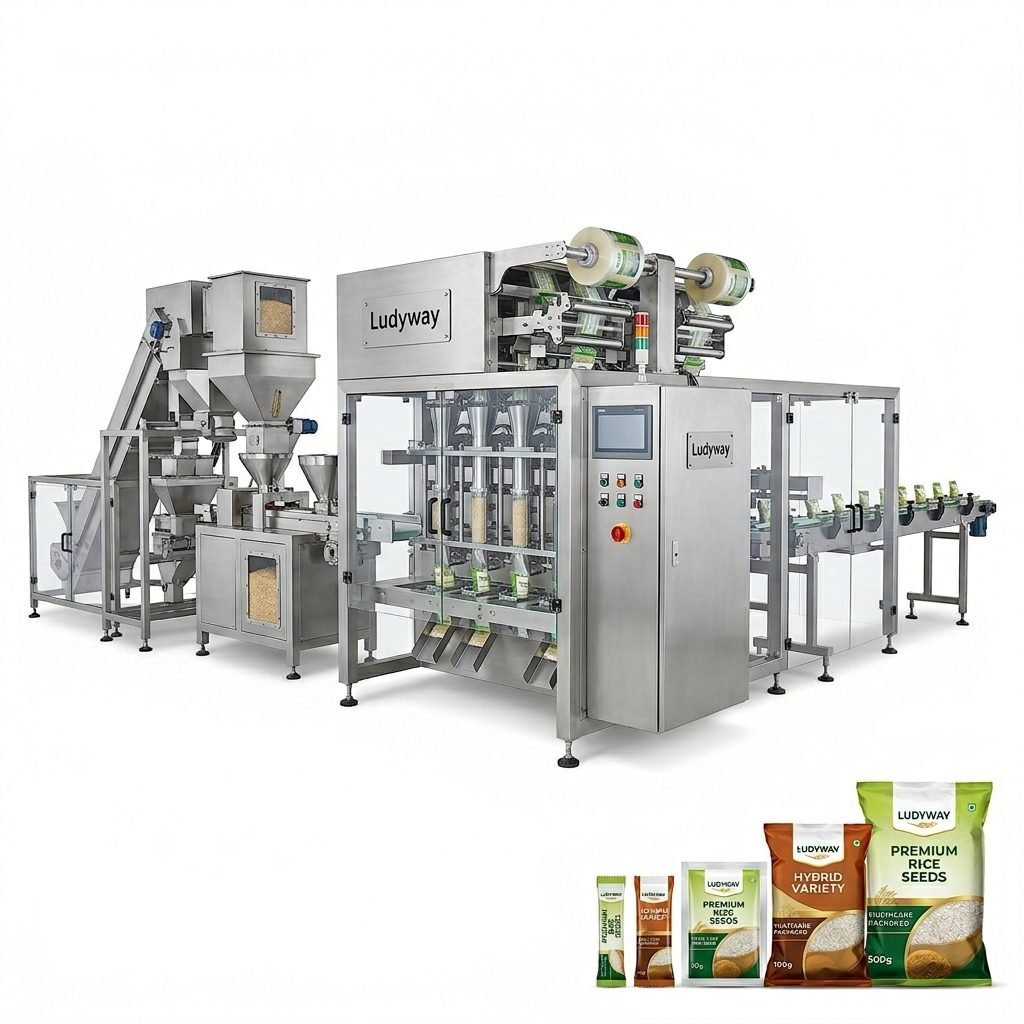
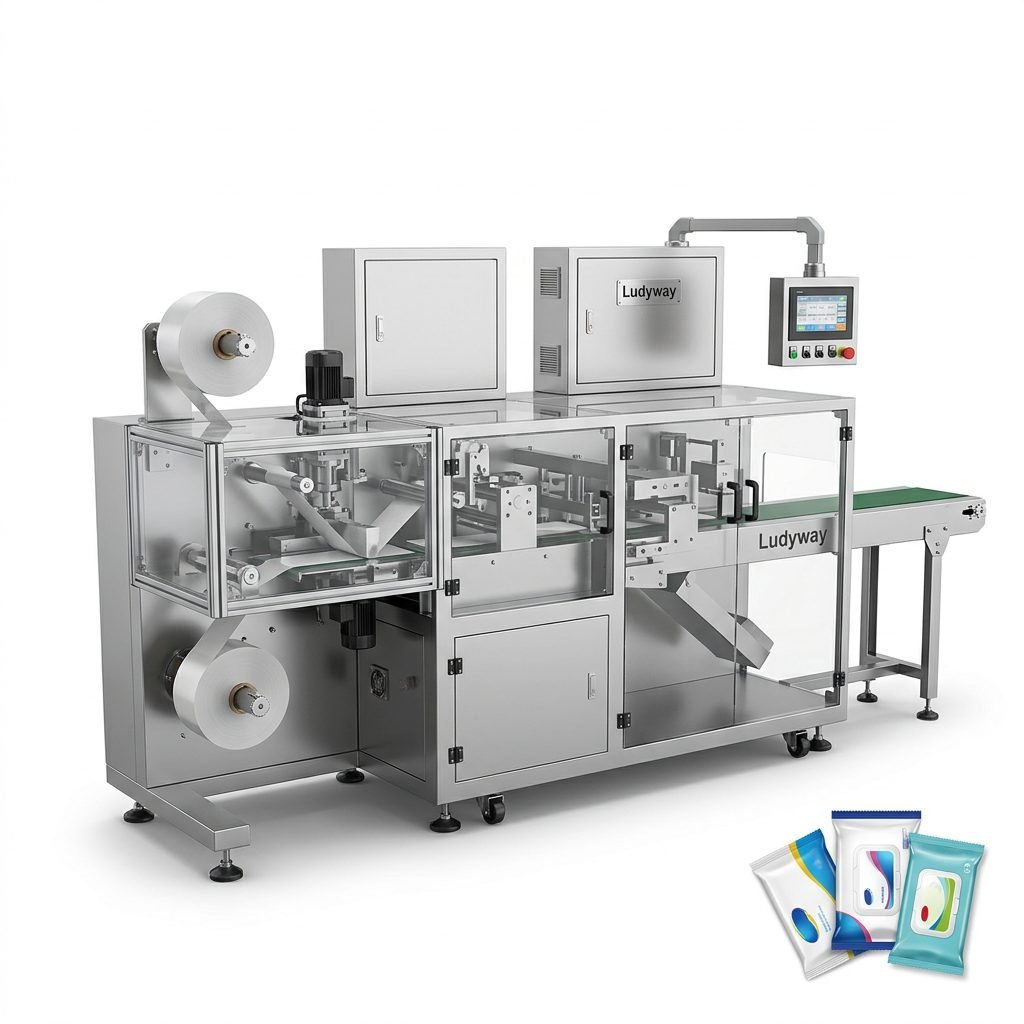
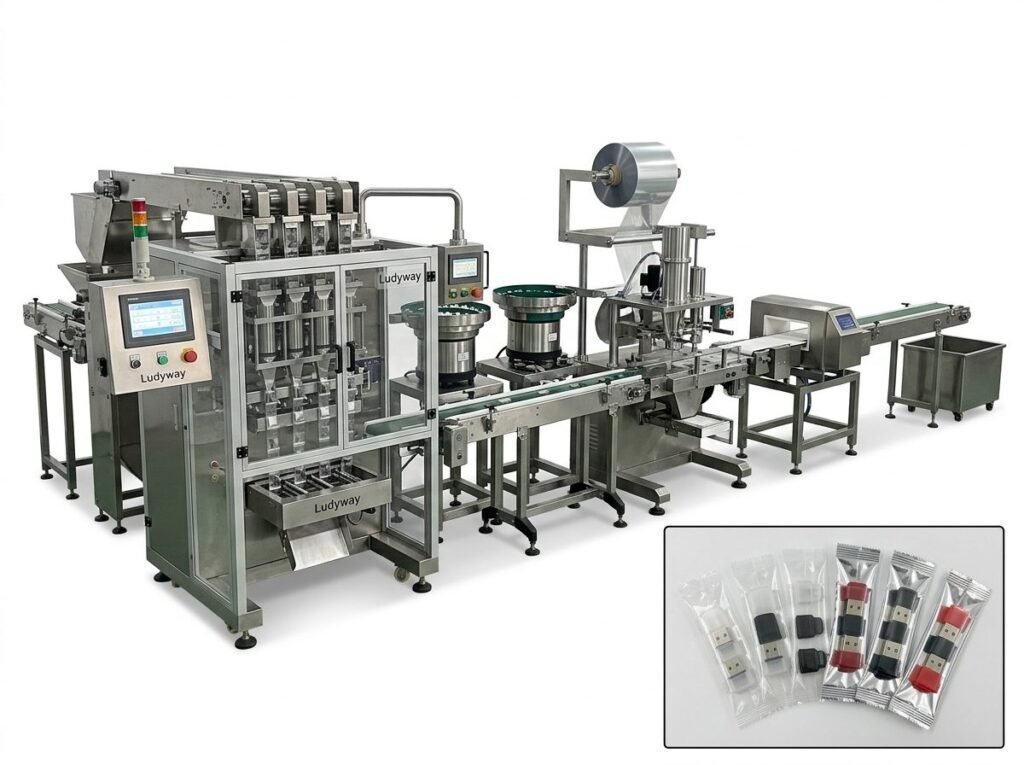
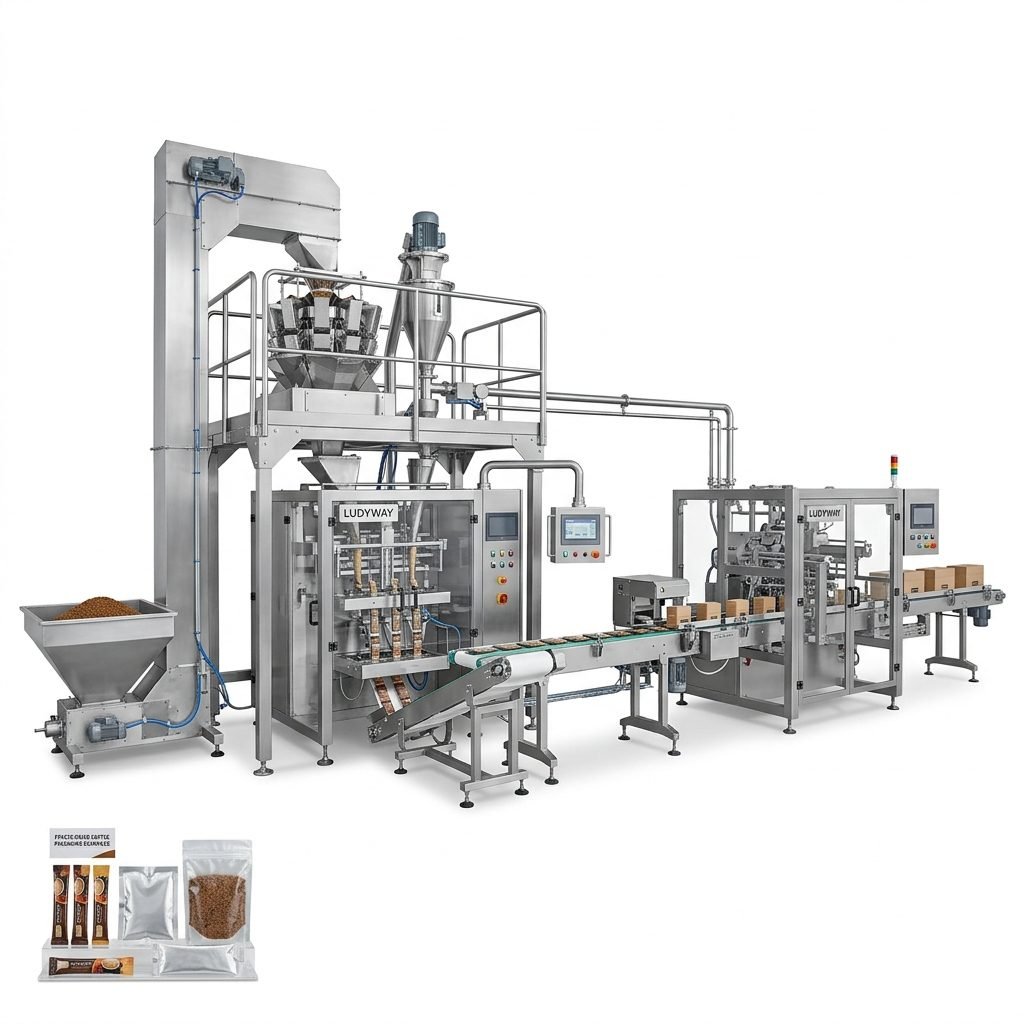
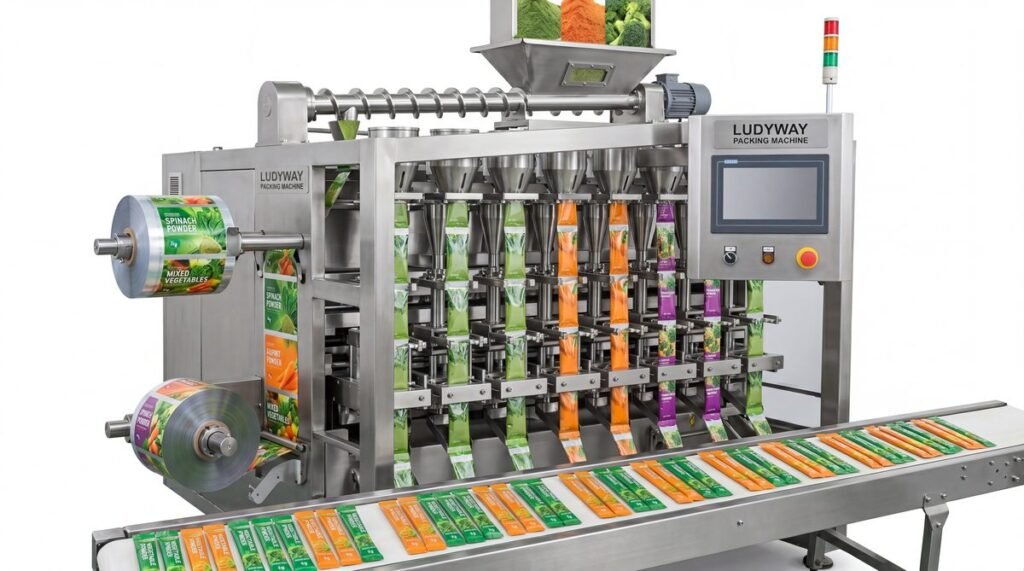
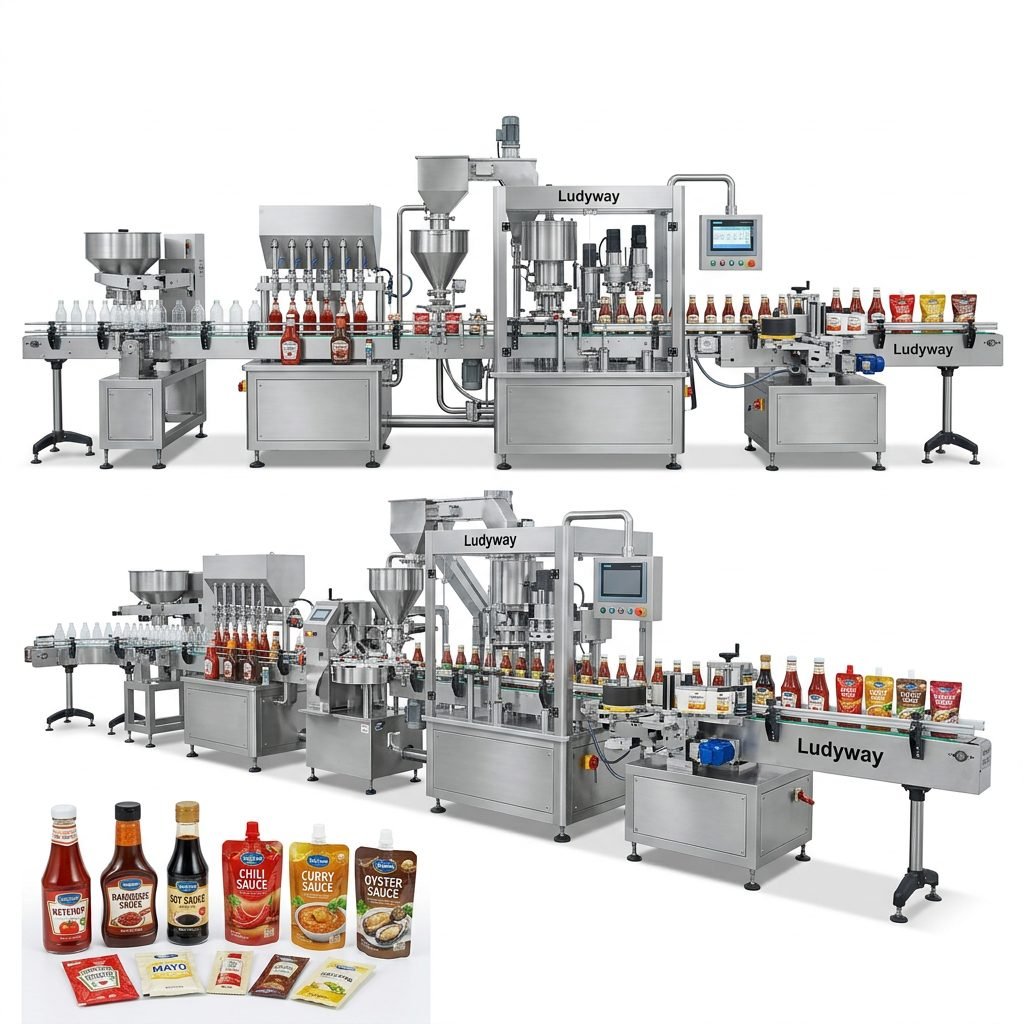
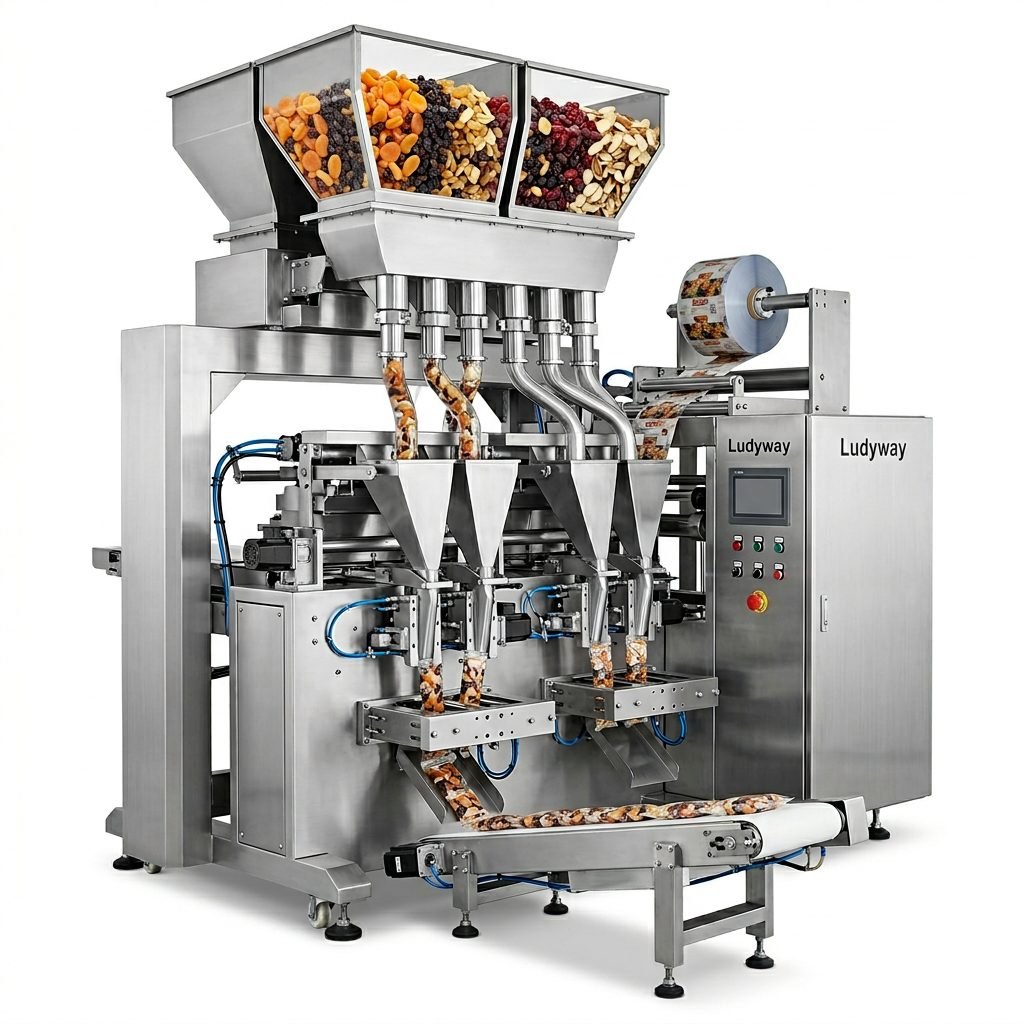
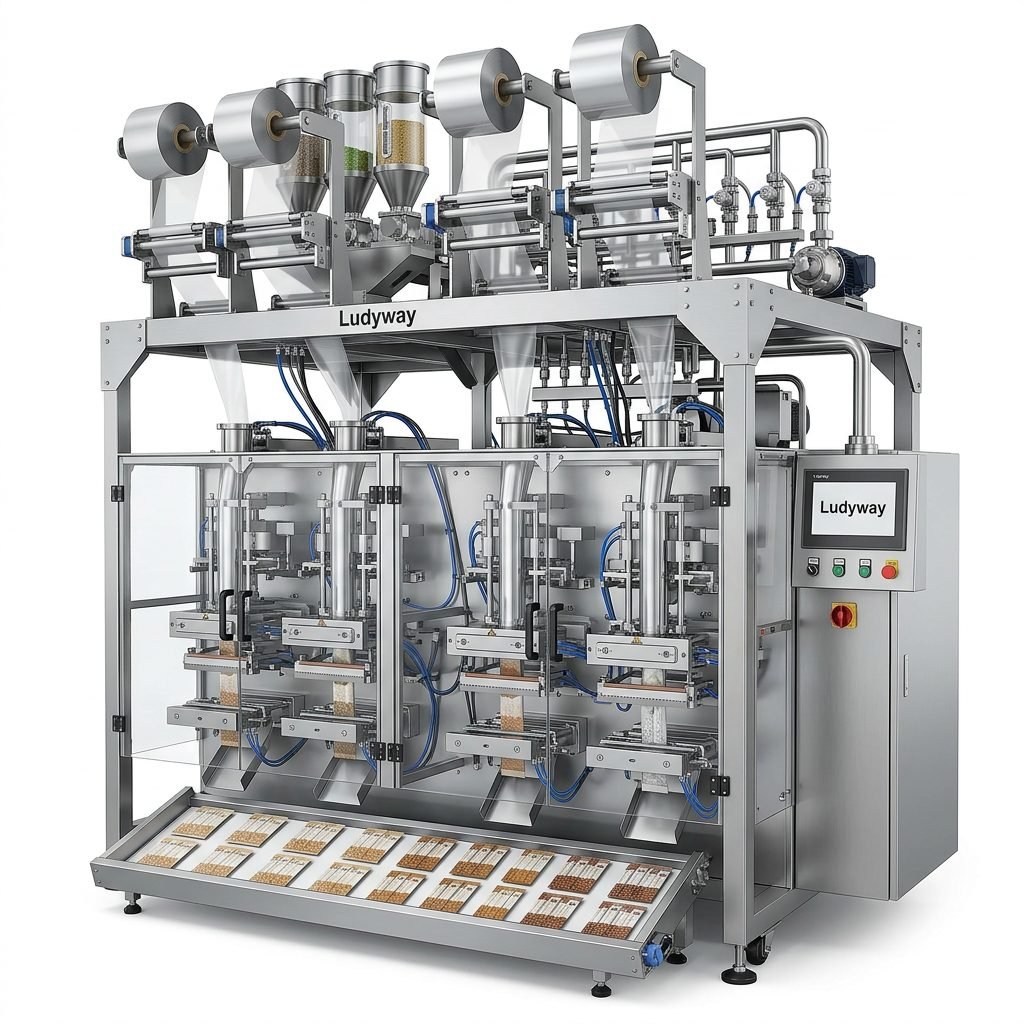
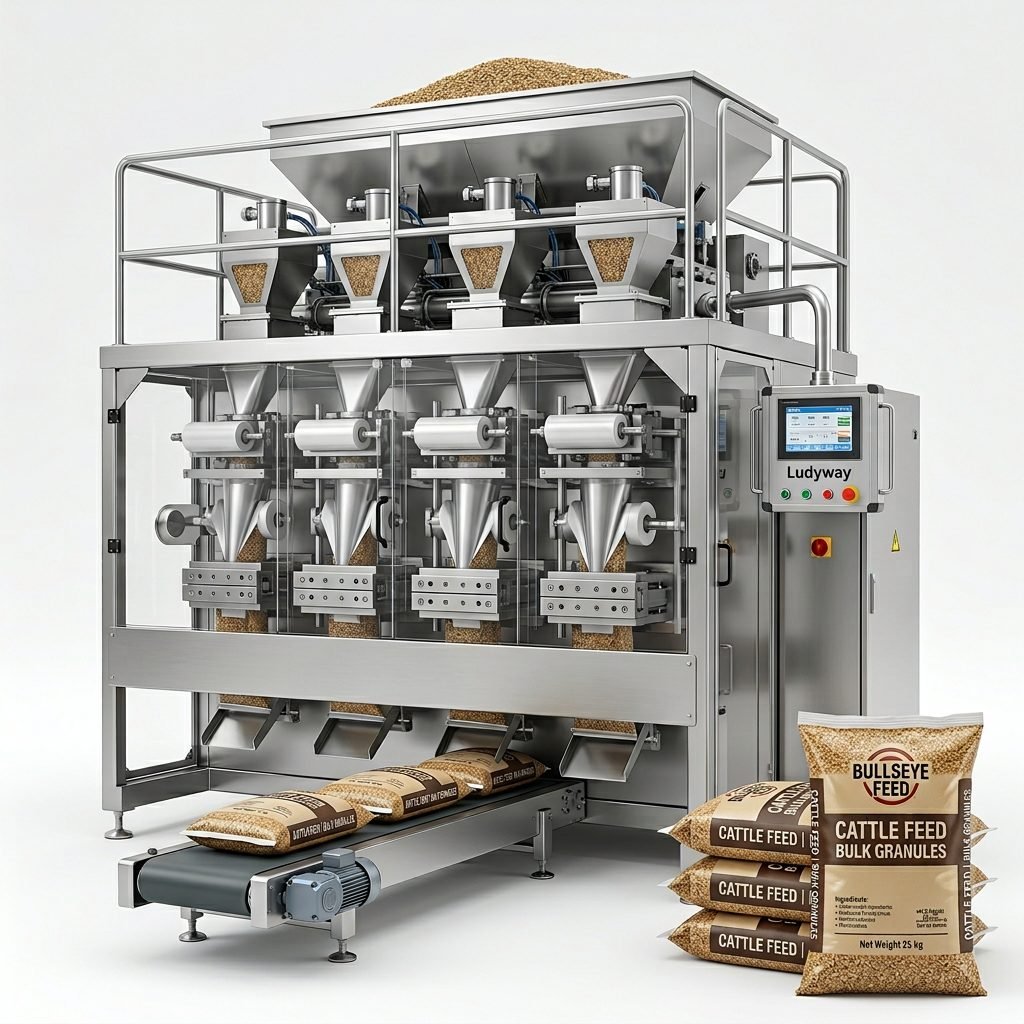
Investing in a horizontal packing machine is a significant decision for any manufacturer. Whether you are packaging food products, pharmaceuticals, cosmetics, or industrial goods, the right equipment directly impacts your production efficiency, product quality, and overall operational costs. With a wide range of configurations, automation levels, and technical specifications available, selecting the most suitable machine requires a clear understanding of your production needs and the available technology.
This guide walks you through the essential factors to evaluate when choosing a horizontal packing machine, helping you make an informed decision that aligns with your business goals. For broader context on packaging machinery standards, the Association for Packaging and Processing Technologies (PMMI) provides valuable industry resources and benchmarks.

Understanding Horizontal Packing Machines
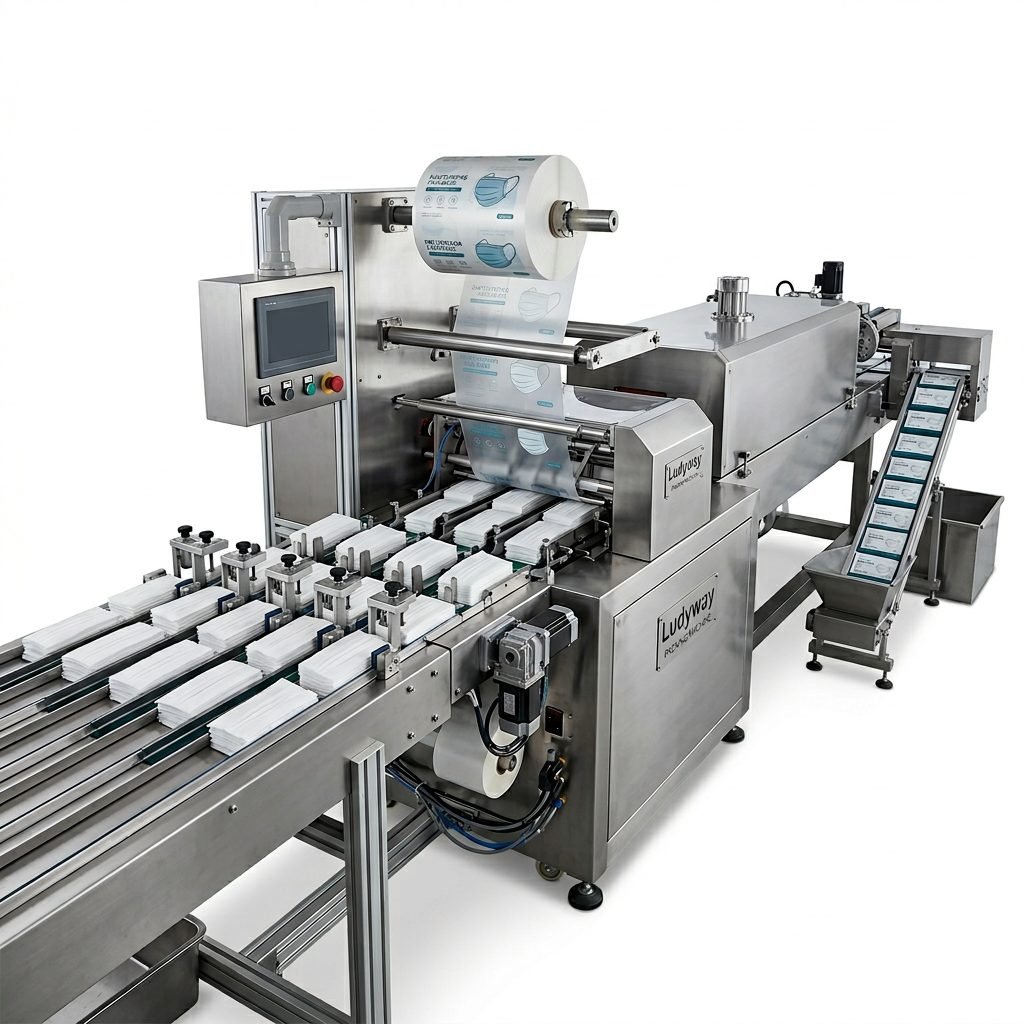
A horizontal packing machine, also known as a horizontal flow wrapper or horizontal form-fill-seal (HFFS) machine, processes products by feeding them horizontally through a series of stations where they are wrapped, sealed, and cut. Unlike vertical systems, horizontal configurations are particularly well-suited for solid, fragile, or irregularly shaped products that require gentle handling and precise positioning.
These machines are widely used across industries including food and beverage, pharmaceuticals, personal care, and industrial components. The Flexible Packaging Association reports consistent growth in flexible packaging demand, making horizontal wrapping technology increasingly relevant for modern production lines.
Key Factors to Consider When Selecting a Horizontal Packing Machine
Before evaluating specific models, you must define your operational requirements. The following factors should guide your selection process:
Product Characteristics
- Dimensions and shape: Length, width, height, and whether products are uniform or vary in size
- Weight and density: Affects feeding mechanisms and sealing parameters
- Fragility: Delicate products may require specialized infeed systems and gentler handling
- Temperature sensitivity: Some products require temperature-controlled sealing environments
Packaging Material Compatibility
- Film type: Polyethylene, polypropylene, laminate structures, and biodegradable materials each have different sealing requirements
- Material thickness: Determines appropriate sealing temperature and dwell time
- Barrier properties: Consider moisture, oxygen, and light protection needs for shelf life
Production Speed Requirements
- Current output: Packages per minute needed to meet existing demand
- Future scalability: Anticipated growth and the ability to increase throughput
- Changeover frequency: How often you switch between product types or packaging formats
Types of Horizontal Packing Machines
Horizontal packing machines come in several configurations, each optimized for specific applications. Understanding the differences helps narrow down your options. The following table summarizes the main categories:
| Machine Type | Best For | Typical Speed Range | Key Features |
|---|---|---|---|
| Standard Flow Wrapper | Bakery, confectionery, solid items | 50-200 packs/min | Single film reel, fin or lap seal, compact footprint |
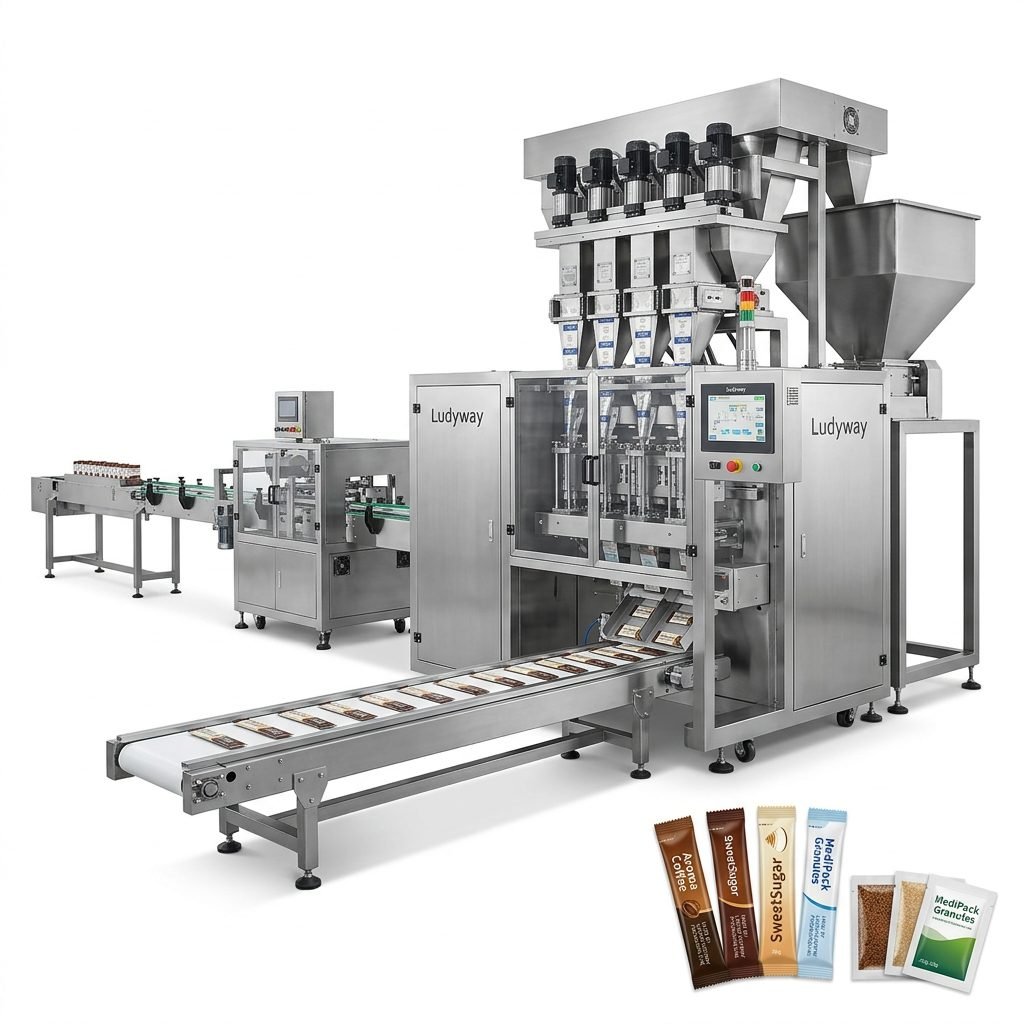
| Multi-Lane Horizontal Wrapper | Sachets, stick packs, portion packs | 200-1000+ packs/min | Multiple lanes running simultaneously, high output |
| Shrink Wrapper | Bundled products, trays, multipacks | 30-120 packs/min | Heat tunnel integration, tight film wrapping |
| Stretch Wrapper | Pallet loads, large format items | 20-80 loads/hour | Rotary arm or turntable design, heavy-duty |
| Vacuum Horizontal Packer | Meat, cheese, medical devices | 10-60 packs/min | Modified atmosphere packaging (MAP) capable |
For detailed market data on packaging machinery segments, the PMMI Business Intelligence Library offers comprehensive reports and industry analysis.

Industry-Specific Application Considerations
Different industries impose unique requirements on horizontal packing machines. Selecting equipment that meets sector-specific standards is essential for compliance, product safety, and operational reliability.
Food and Beverage
- Hygienic design with easy-clean surfaces and minimal crevices
- Compatibility with food-grade packaging materials
- Temperature control for chocolate, baked goods, and frozen items
- Compliance with FDA food contact substance regulations
Pharmaceuticals and Healthcare
- Validated sealing processes for sterile barrier integrity
- Serialization and track-and-trace capabilities
- Cleanroom-compatible construction with GMP compliance
- Documentation and validation support for regulatory submissions
Cosmetics and Personal Care
- Aesthetic packaging with precise registration for branded films
- Gentle handling for delicate items like sheet masks and sachets
- Flexibility to handle various package formats and sizes
Industrial and Chemical Products
- Robust construction for heavy or abrasive materials
- Corrosion-resistant components for chemical compatibility
- Dust extraction and containment features
Technical Specifications to Evaluate
Beyond the basic machine type, several technical parameters determine whether a horizontal packing machine will perform effectively in your production environment.
Sealing Technology
The sealing system is the heart of any horizontal packing machine. Common technologies include heat sealing, ultrasonic sealing, and cold sealing. Heat sealing remains the most widely used method due to its reliability and compatibility with a broad range of films. Ultrasonic sealing offers advantages for temperature-sensitive products, while cold sealing is preferred for heat-sensitive items like chocolate.
Automation and Control Systems
- PLC and HMI interfaces: Modern touchscreen controls with recipe management simplify operation and changeovers
- Servo-driven motion: Provides precise control over film feed, sealing, and cutting operations
- Integration capabilities: Compatibility with upstream and downstream equipment such as feeders, labelers, and cartoners
- Remote diagnostics: Enables troubleshooting and support without on-site visits
Changeover Efficiency
Frequent product changeovers can significantly impact overall equipment effectiveness. Look for machines with tool-less changeover features, recipe-based parameter settings, and accessible design that minimizes downtime between production runs. According to the PMMI 2026 State of the Industry Report, manufacturers increasingly prioritize flexibility and rapid changeover capabilities when investing in new packaging equipment.
Cost Analysis and Return on Investment
Evaluating the cost of a horizontal packing machine extends beyond the initial purchase price. A comprehensive total cost of ownership (TCO) analysis should account for:
- Capital expenditure: Machine cost, installation, and facility modifications
- Operating costs: Energy consumption, packaging material usage, and labor requirements
- Maintenance: Spare parts availability, service intervals, and technical support access
- Downtime risk: Reliability track record and mean time between failures (MTBF)
- Productivity gains: Increased throughput, reduced waste, and improved consistency
A higher initial investment in a reliable, well-engineered machine often translates to lower long-term costs through reduced downtime, less material waste, and consistent output quality.
Questions to Ask Potential Suppliers
Before making a purchase decision, engage with suppliers using these critical questions:
- Can the machine handle my specific product dimensions and packaging material?
- What is the demonstrated production speed with my product type?
- How long does a typical format changeover take, and what is involved?
- What after-sales support, spare parts availability, and technical service do you provide?
- Can you provide references from customers in my industry with similar applications?
- Does the machine comply with relevant international standards and certifications for my market?
- What integration options exist for connecting with existing production line equipment?
Making the Final Decision
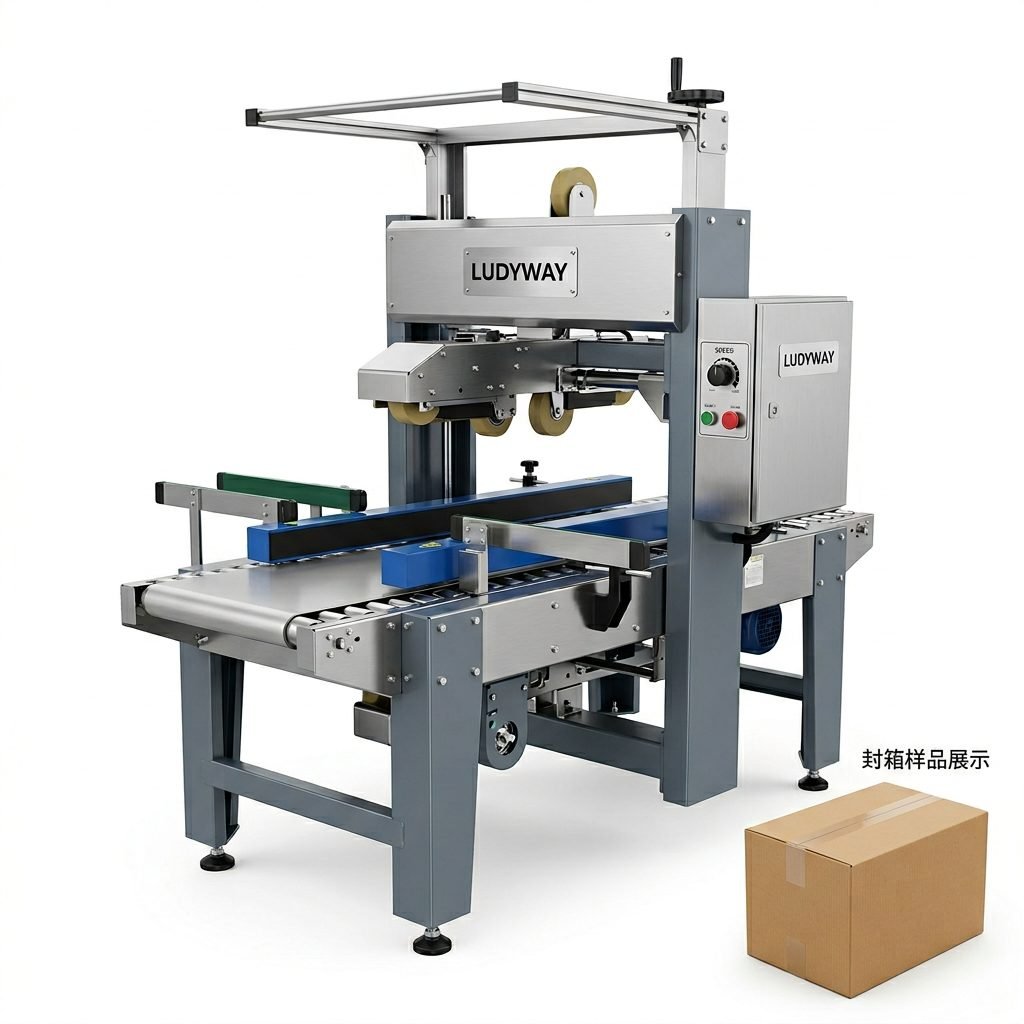
Selecting the right horizontal packing machine requires balancing technical requirements, budget constraints, and long-term operational goals. Start by clearly documenting your product specifications and production targets, then evaluate machines against these criteria rather than being swayed by features you may not need.
Consider working with a supplier that offers comprehensive support throughout the equipment lifecycle, from initial consultation and machine selection through installation, commissioning, training, and ongoing technical assistance. The Flexible Packaging Association and PACK EXPO International are valuable resources for staying informed about industry trends and connecting with equipment manufacturers.
For manufacturers seeking a packaging machinery partner with extensive experience across multiple industries, Ludyway Machinery provides customized horizontal packing solutions backed by more than 30 years of engineering expertise and a global service network spanning over 100 countries. Their approach combines in-house manufacturing with application-specific customization to help clients achieve efficient and scalable packaging operations.
A well-chosen horizontal packing machine becomes a long-term production asset that supports growth, maintains product quality, and delivers consistent returns. Take the time to evaluate your options thoroughly, and prioritize reliability, support, and application fit over price alone.