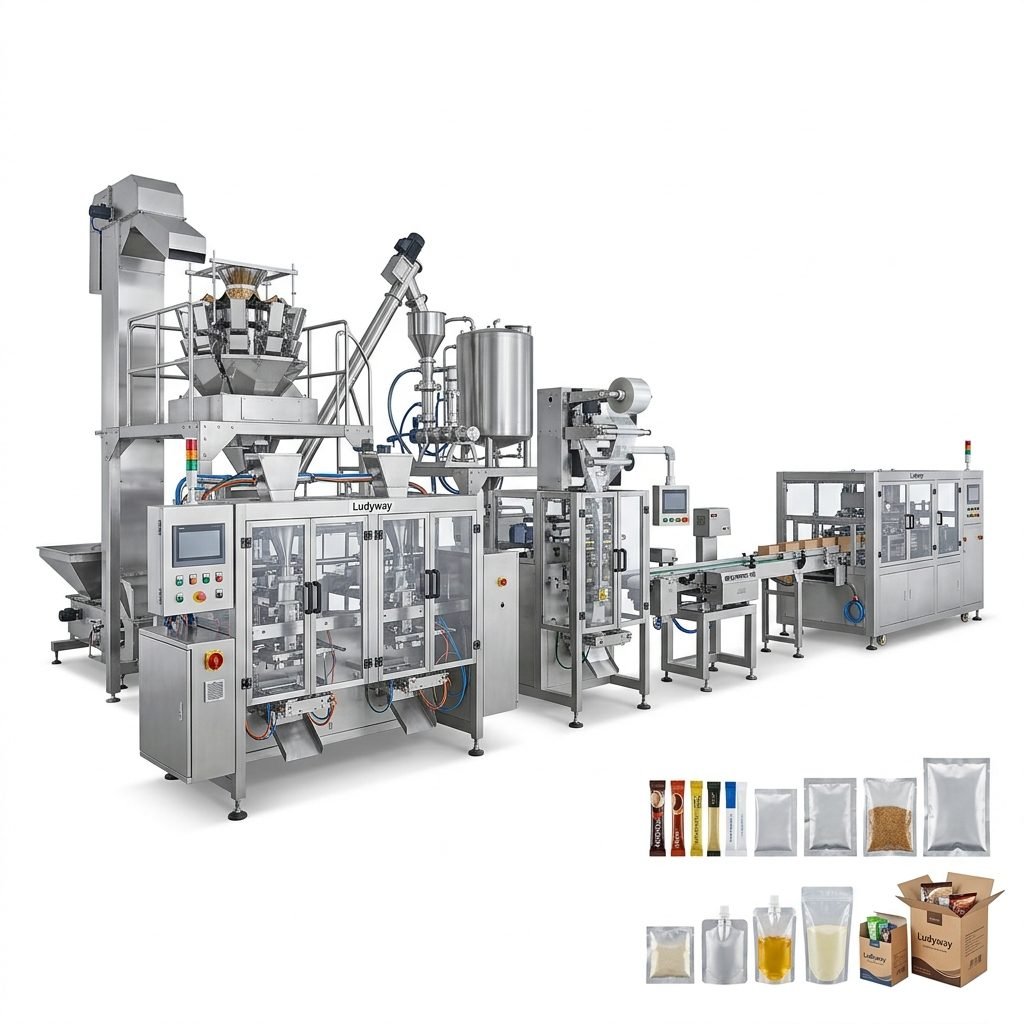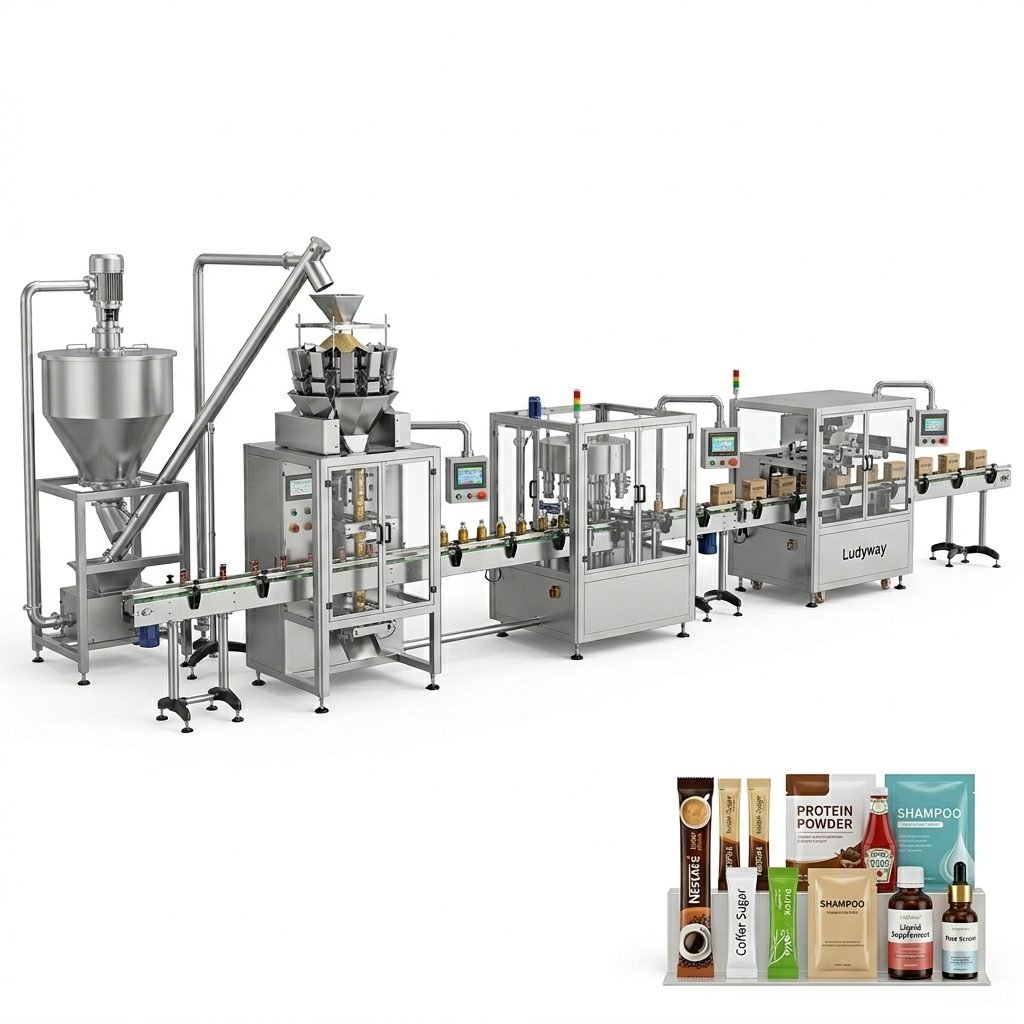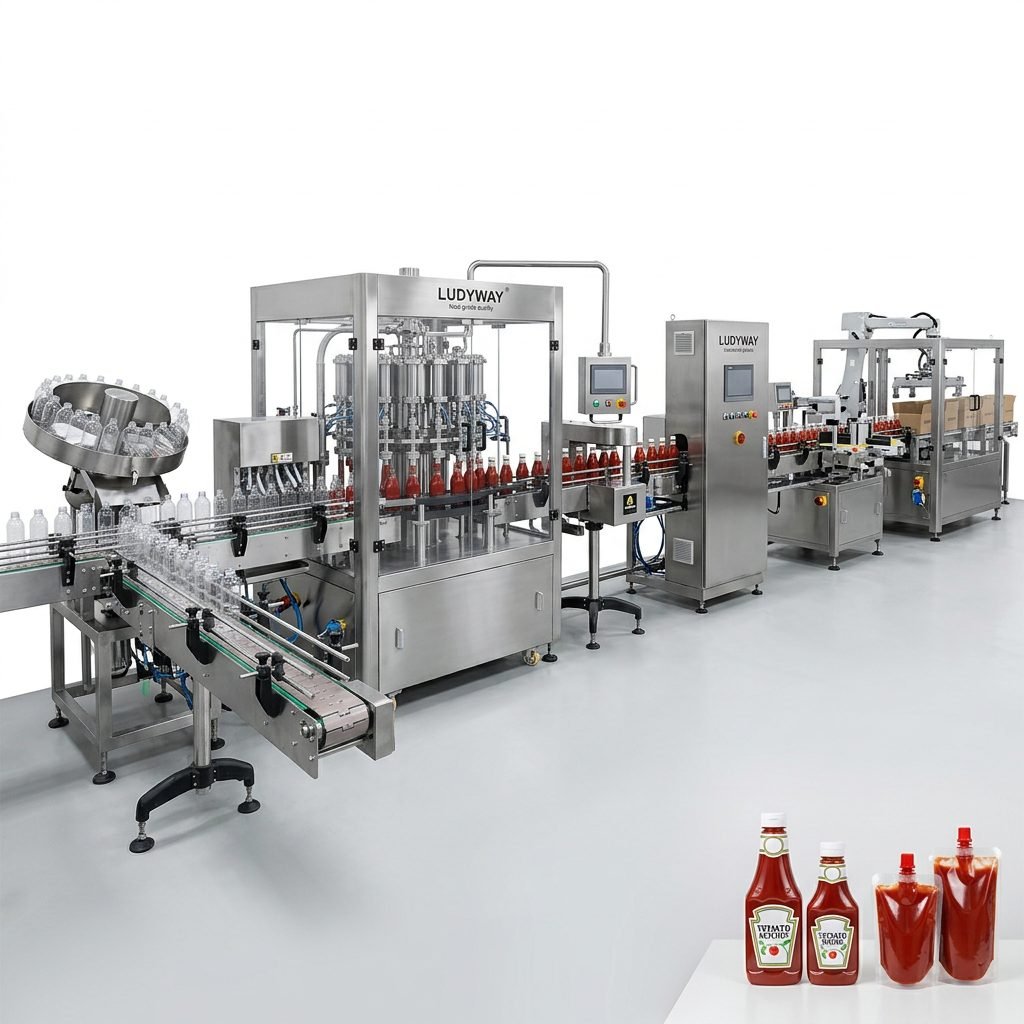
Selecting the right ketchup packing machine is one of the most important decisions a food manufacturer can make. Ketchup presents unique processing challenges due to its high viscosity, shear-thinning behavior, and acidic composition. An unsuitable machine leads to inaccurate fills, product waste, packaging defects, and costly downtime.
This guide walks you through everything you need to evaluate — from viscosity handling and filling technology to packaging formats and throughput requirements — so you can choose equipment that matches your production goals.
Understanding Ketchup’s Unique Filling Challenges
Ketchup is a non-Newtonian, shear-thinning fluid. It flows more easily under pressure or agitation but thickens at rest. This behavior directly affects filling accuracy. Key product characteristics that influence machine selection include:
- Viscosity range: Typically 50,000–100,000 cP at rest, dropping significantly under shear
- Brix value: Usually 25–33°Bx, affecting density and flow
- pH level: Around 3.5–3.9, requiring acid-resistant contact parts
- Particulate content: Some formulations contain tomato fibers or spice particles
- Foaming tendency: Can affect fill consistency if not properly managed
Understanding these properties helps you specify the correct packaging machinery configuration, including pump type, nozzle design, and material compatibility.
Types of Ketchup Packing Machines
Different production environments call for different machine configurations. The main categories include:
1. Piston Filling Machines
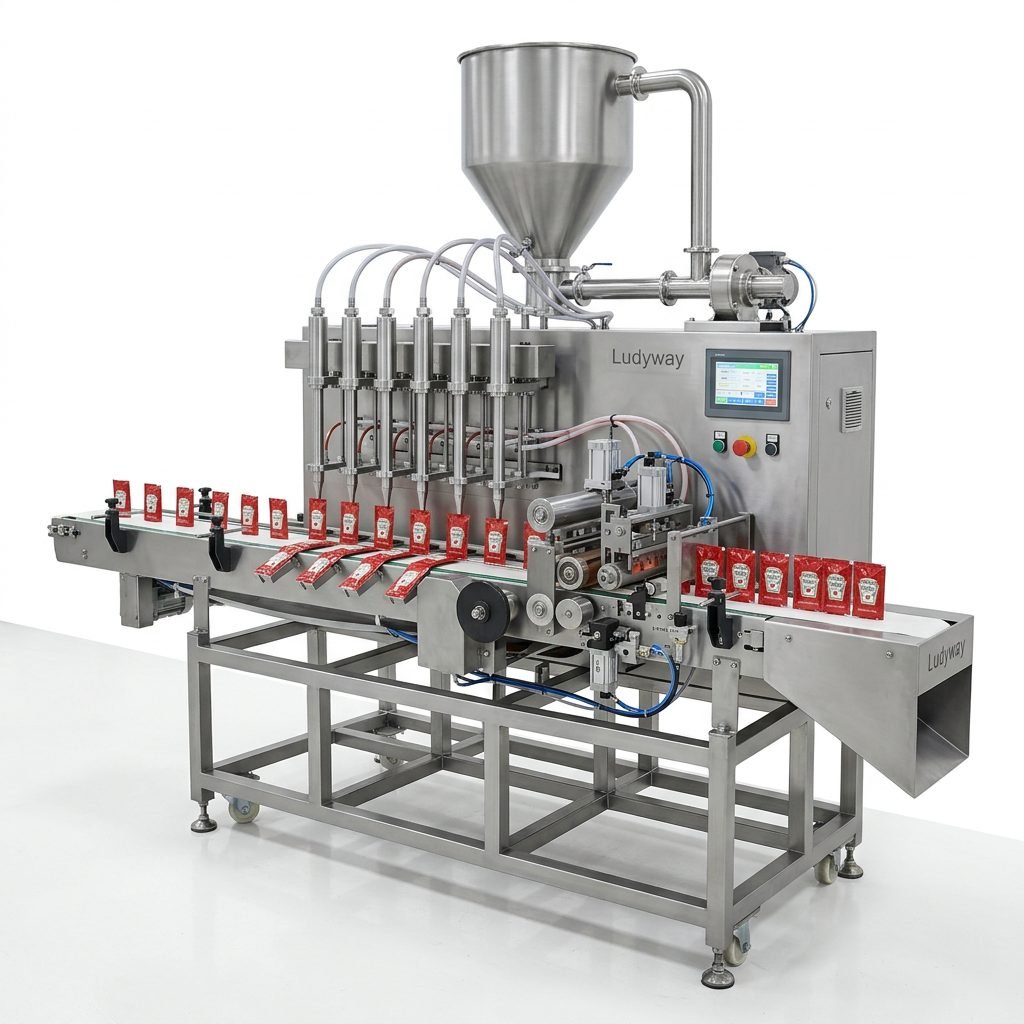
Piston fillers are widely used for ketchup because they handle high-viscosity products with consistent volumetric accuracy. A reciprocating piston draws product from a hopper and dispenses it into containers. These machines achieve ±0.5% fill accuracy and are suitable for speeds up to 80–120 containers per minute per head.
2. Pump-Based Filling Systems
Positive displacement pumps, including gear pumps and progressive cavity pumps, offer gentle product handling with precise flow control. They are ideal for ketchup formulations that may contain particulates, and they integrate well with automated packaging systems for higher throughput.
3. Gravity and Overflow Fillers
Less common for ketchup due to its viscosity, gravity fillers may work for thinner tomato-based sauces but generally lack the pressure needed for thick ketchup. These are better suited for low-viscosity condiments.
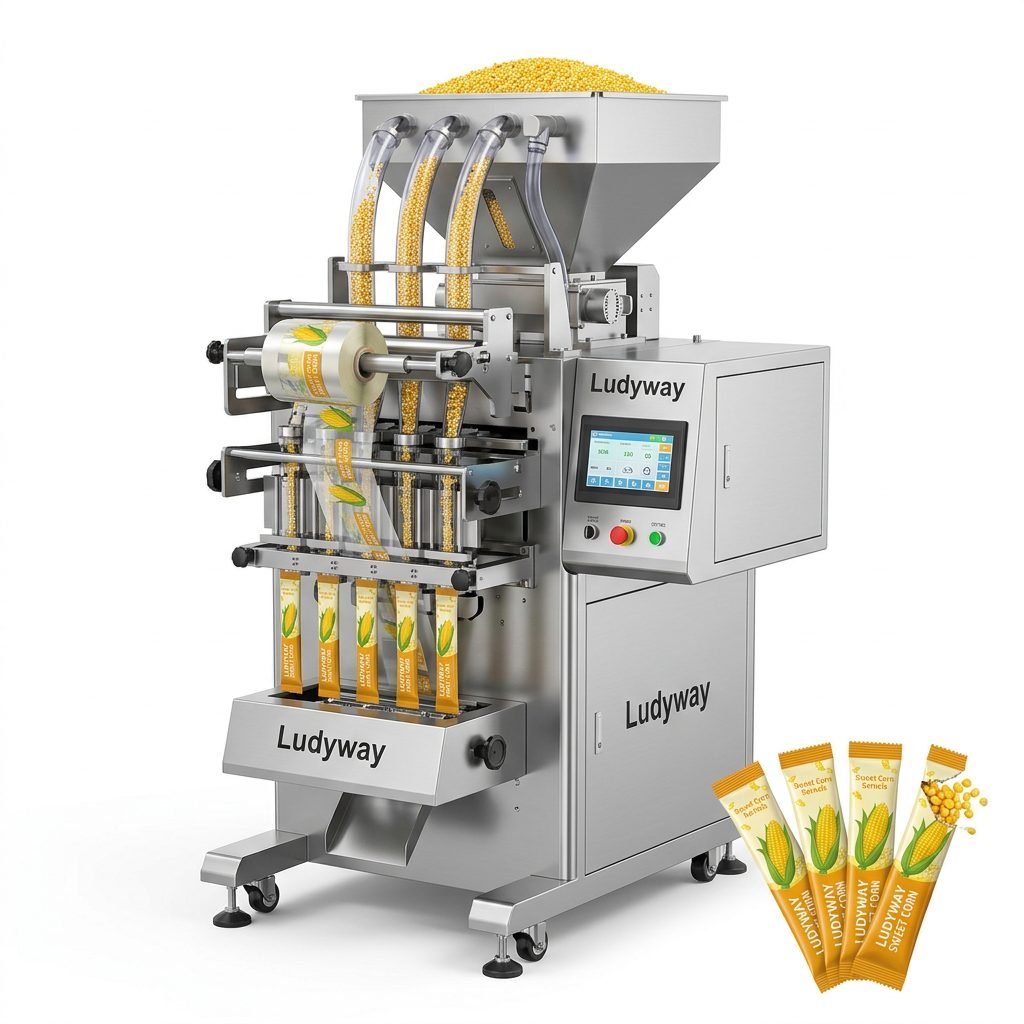
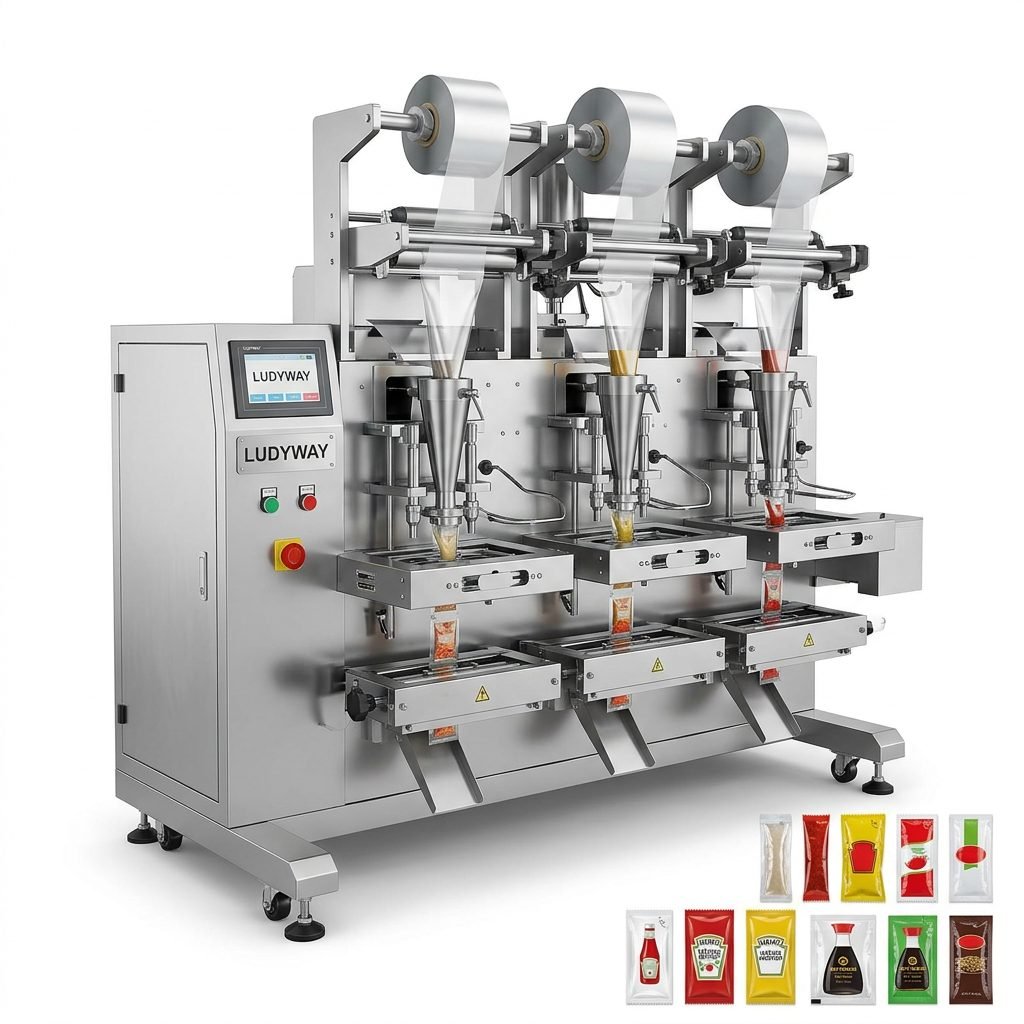
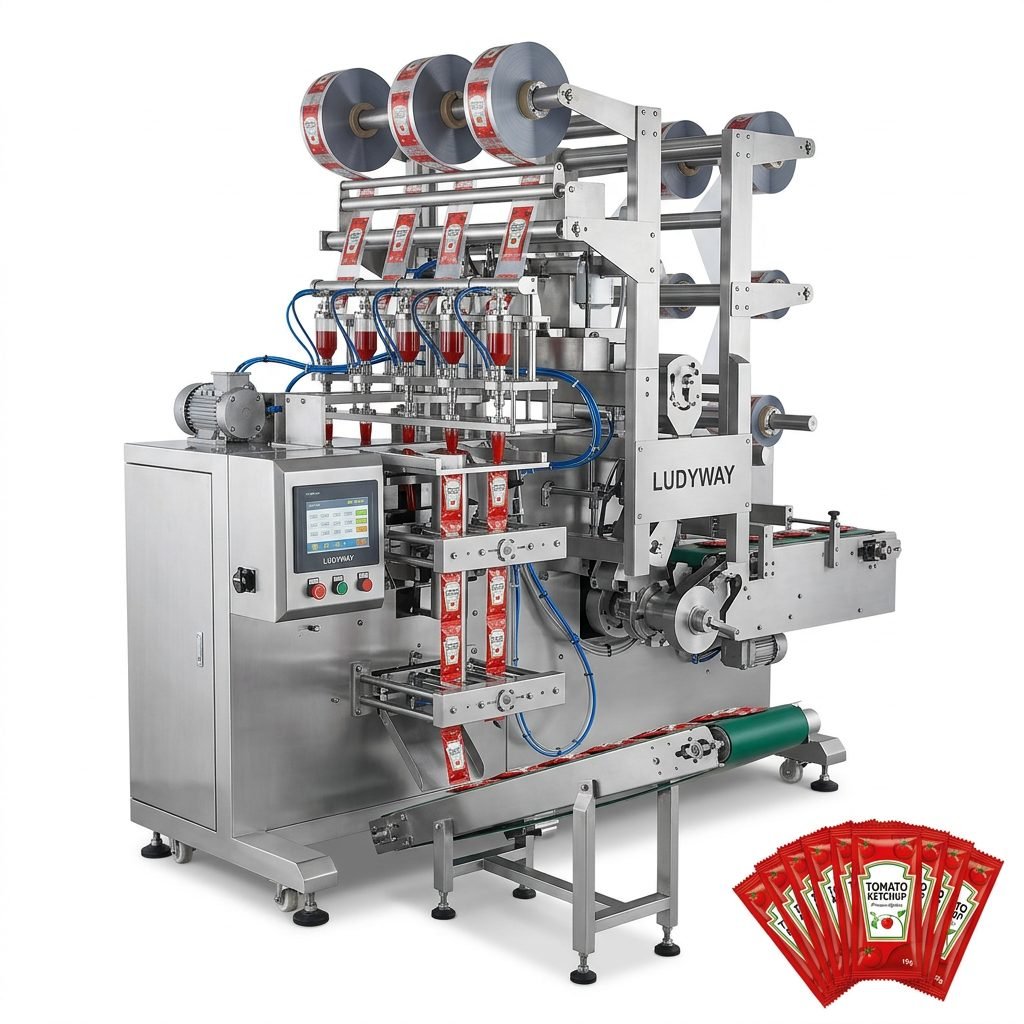
4. Multi-Lane Sachet and Stick Pack Machines
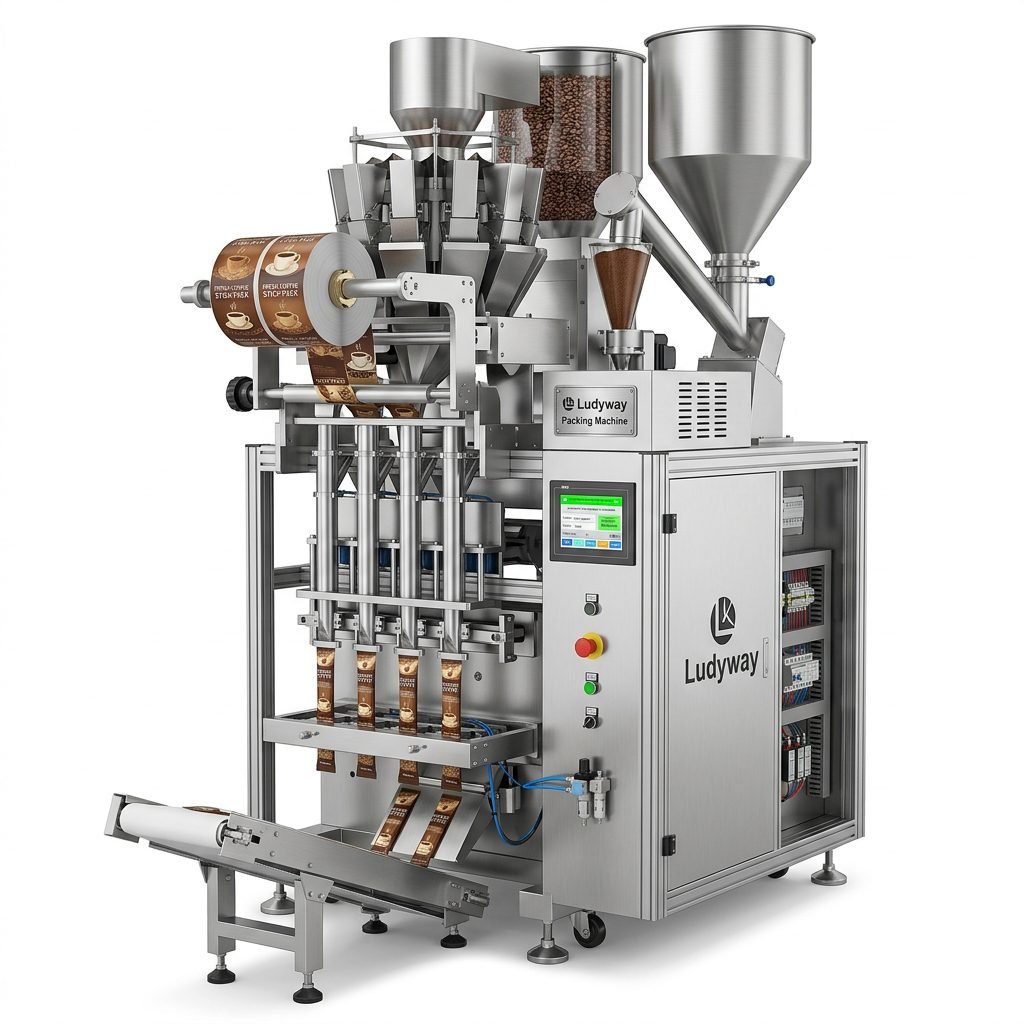
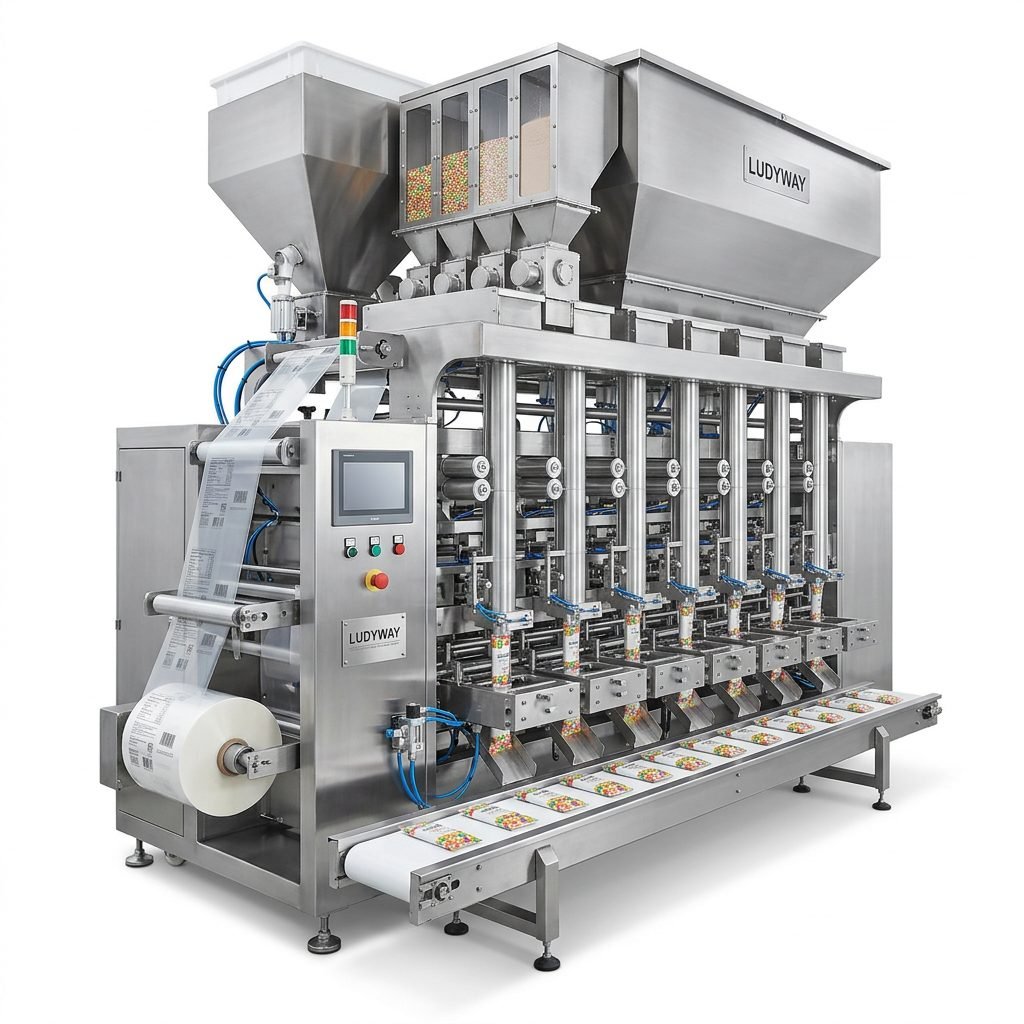
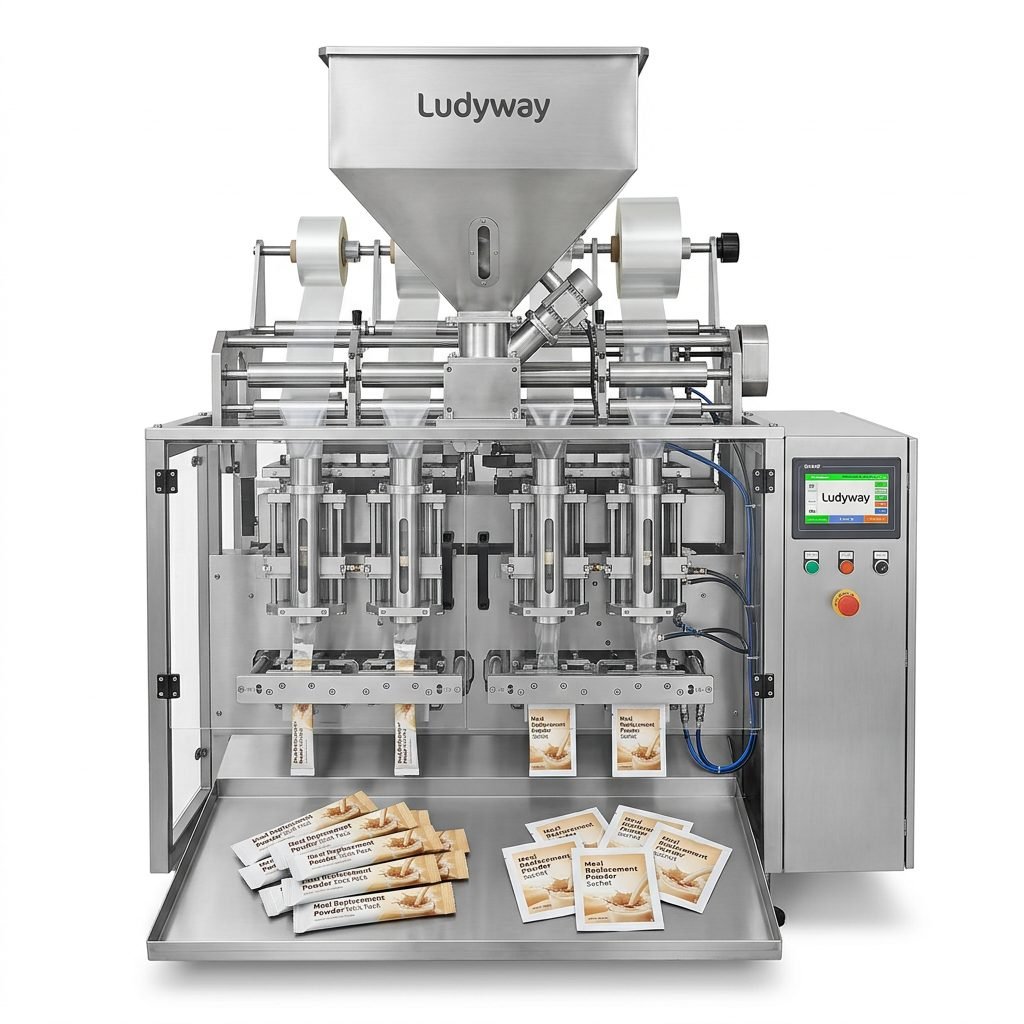
For single-serve ketchup packets, multi-lane stick pack and sachet machines form, fill, and seal flexible pouches at high speeds — often 400–1,200 packs per minute across multiple lanes. These machines are common in foodservice and quick-service restaurant supply chains.
Key Factors to Evaluate When Choosing a Ketchup Packing Machine
The table below summarizes the critical selection criteria you should assess before making a purchasing decision:
| Selection Factor | What to Look For | Why It Matters |
|---|---|---|
| Filling Accuracy | ±0.5% to ±1% volumetric accuracy | Reduces product give-away and ensures regulatory compliance |
| Production Speed | Match machine output to current and projected demand | Prevents bottlenecks; allows for future growth |
| Packaging Format | Bottles, pouches, sachets, stick packs, or bulk containers | Determines machine type and tooling requirements |
| Material Compatibility | 316L stainless steel contact parts, acid-resistant seals | Prevents corrosion from acidic ketchup; ensures food safety |
| Cleanability | CIP-compatible, tool-free disassembly, sanitary design | Minimizes downtime between batches; prevents contamination |
| Automation Level | Semi-automatic, fully automatic, or integrated line | Affects labor requirements and overall line efficiency |
| Changeover Time | Quick-change tooling, recipe-based settings | Critical if you run multiple SKUs or packaging sizes |
| Total Cost of Ownership | Initial price plus maintenance, spare parts, and energy costs | A cheaper machine may cost more over its lifetime |
Packaging Format Options for Ketchup
Your choice of packaging format directly determines the type of filling and sealing equipment required. Common ketchup packaging formats include:
- Rigid bottles (PET, glass): Most common retail format; requires capping and labeling stations
- Flexible pouches: Growing in popularity for foodservice and family-size portions
- Single-serve sachets: 8–12 gram packets for takeaway and institutional use
- Stick packs: Narrow, elongated single-serve format ideal for portion control
- Bulk containers: 1–5 kg pouches or pails for food manufacturing and foodservice
Each format requires different flexible packaging considerations, including film type, barrier properties, and seal strength requirements.
Production Speed and Capacity Planning
Matching machine speed to your production requirements is essential. Consider both current throughput needs and 3–5 year growth projections. Key speed-related questions include:
- What is your target output in containers per minute (CPM) or packs per minute (PPM)?
- How many shifts per day will the machine operate?
- What is the expected Overall Equipment Effectiveness (OEE) target?
- Will you run multiple packaging formats on the same machine?
A machine rated at 120 CPM may realistically deliver 90–100 CPM when accounting for changeovers and minor stoppages. Always factor in a 15–20% buffer above your current peak demand when specifying machine speed.
Material Compatibility and Food Safety Compliance
Ketchup’s acidic nature (pH 3.5–3.9) demands corrosion-resistant materials throughout the product contact path. Essential material requirements include:
- 316L stainless steel for all product-contact surfaces
- Food-grade EPDM, PTFE, or silicone elastomers for seals and gaskets
- USP Class VI or FDA-compliant materials for any plastic components
- Surface finish of Ra ≤ 0.8 μm on contact surfaces to prevent product adhesion
Compliance with food contact substances regulations and relevant ISO packaging standards is non-negotiable for markets in North America, Europe, and other regulated regions.
Hygiene, Cleaning, and Sanitary Design
Ketchup production environments require frequent cleaning and sanitization to prevent microbial growth and maintain product quality. Evaluate the machine’s sanitary design features:
- Clean-in-Place (CIP) compatibility for automated cleaning cycles
- Sloped surfaces and no dead zones where product can accumulate
- Tool-free disassembly for manual cleaning and inspection
- Sealed electrical enclosures rated for washdown environments (IP65 or higher)
- Hygienic frame construction with minimal exposed threads and crevices
Machines designed to packaging machinery standards and 3-A sanitary standards offer greater assurance of cleanability and reduce contamination risk.
Automation and Integration Capabilities
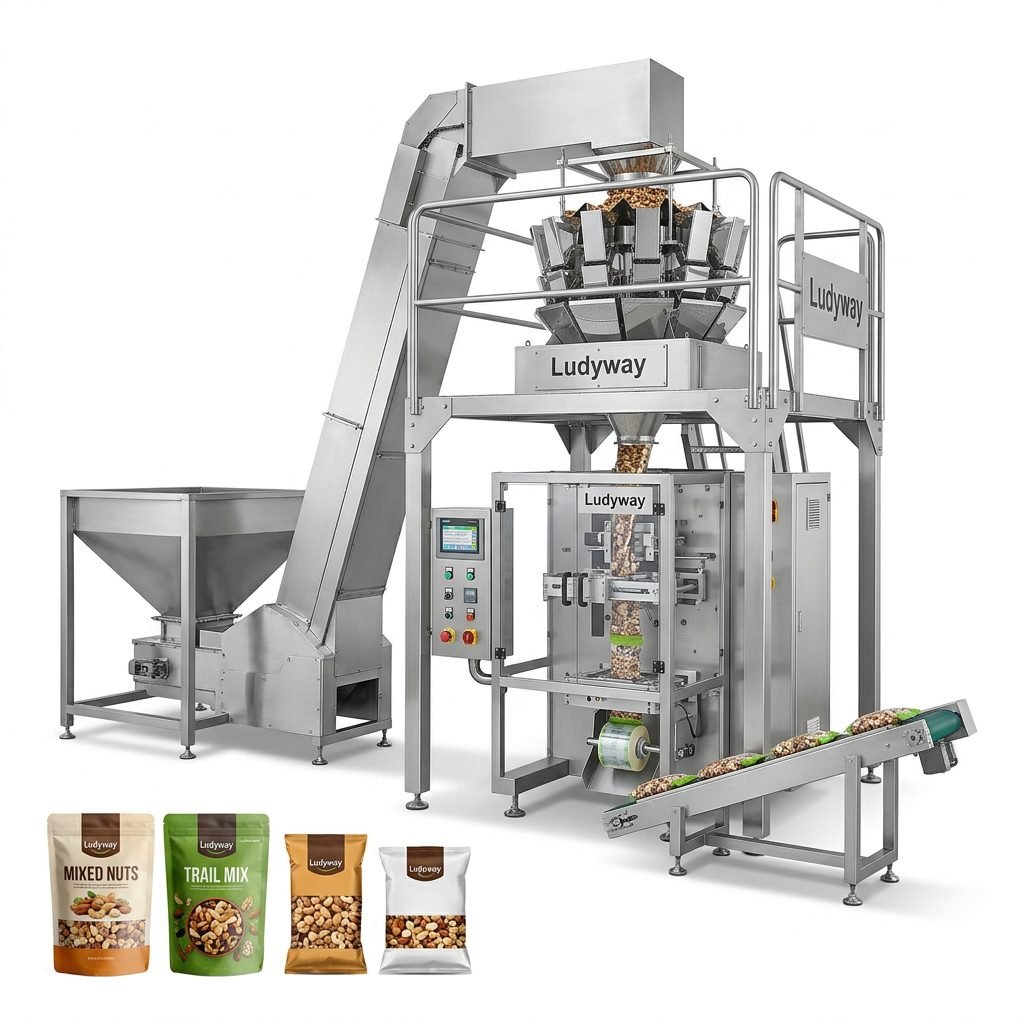
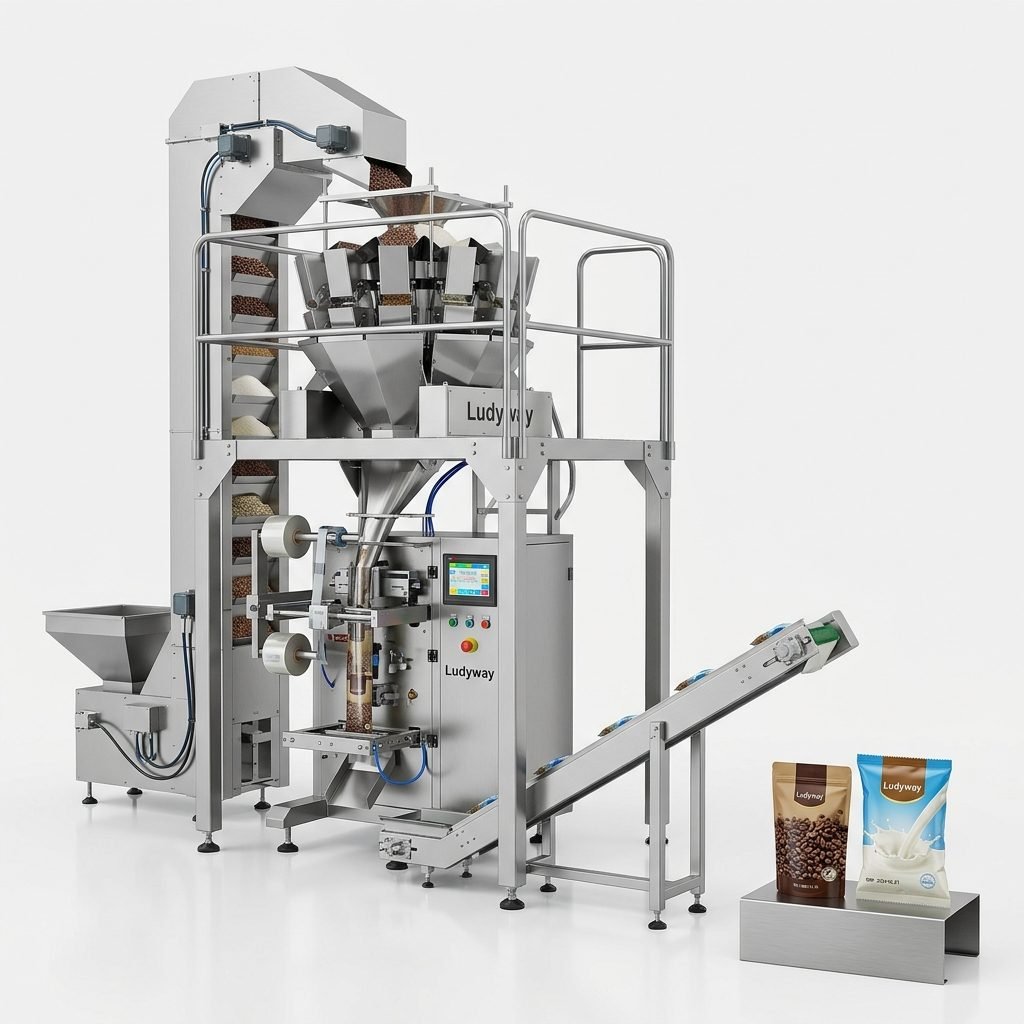
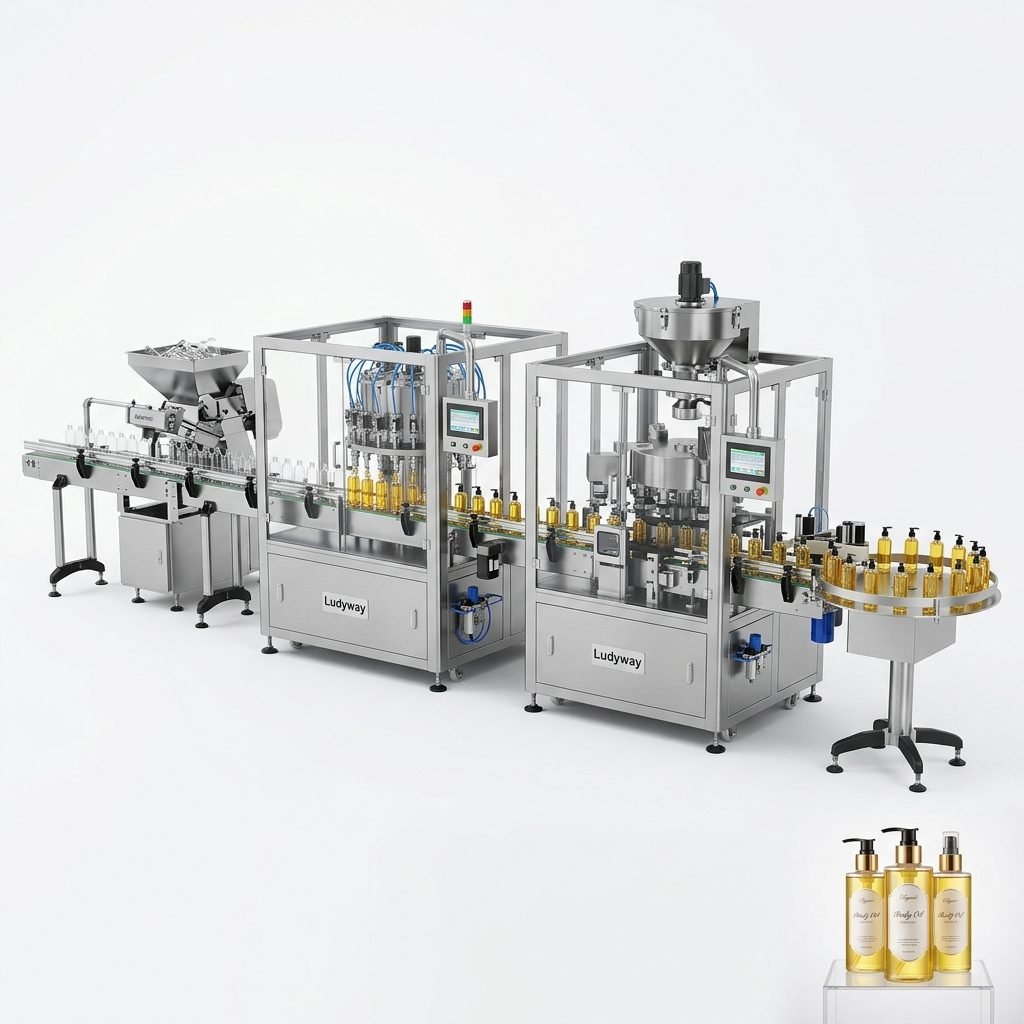
Modern ketchup packing machines are rarely standalone units. They typically integrate into broader production lines that include:
- Infeed conveyor systems and accumulation tables
- Automated capping and torque monitoring
- Labeling, coding, and vision inspection
- Checkweighing and metal detection
- Case packing, cartoning, and palletizing
A machine with open communication protocols and flexible I/O options makes integration significantly easier. Consider whether the supplier can provide a complete turnkey packaging line rather than just an individual machine.
Budget Considerations and ROI Analysis
The purchase price is just one component of the total investment. A comprehensive cost analysis should cover:
| Cost Category | Estimated Share of TCO | Key Considerations |
|---|---|---|
| Initial equipment cost | 40–55% | Varies by automation level, speed, and configuration |
| Installation and commissioning | 5–10% | Includes site preparation, utilities, and training |
| Spare parts and maintenance | 15–25% over 5 years | Consider availability and lead time for critical parts |
| Energy and utilities | 5–8% annually | Compressed air, electricity, and water consumption |
| Downtime and lost production | Variable | A reliable machine with good support minimizes this cost |
A higher-quality machine with lower maintenance requirements and better efficiency can deliver a stronger ROI within 18–24 months, even if the initial investment is higher.
Evaluating Suppliers and After-Sales Support
The quality of after-sales support often determines long-term machine performance. When evaluating suppliers, consider:
- Technical support availability — Is remote assistance offered? What are response times?
- Spare parts inventory — Does the supplier stock critical parts locally or regionally?
- Installation and training — Is comprehensive operator and maintenance training included?
- Warranty terms — What is covered, and for how long?
- Engineering capability — Can the supplier customize equipment to your specific needs?
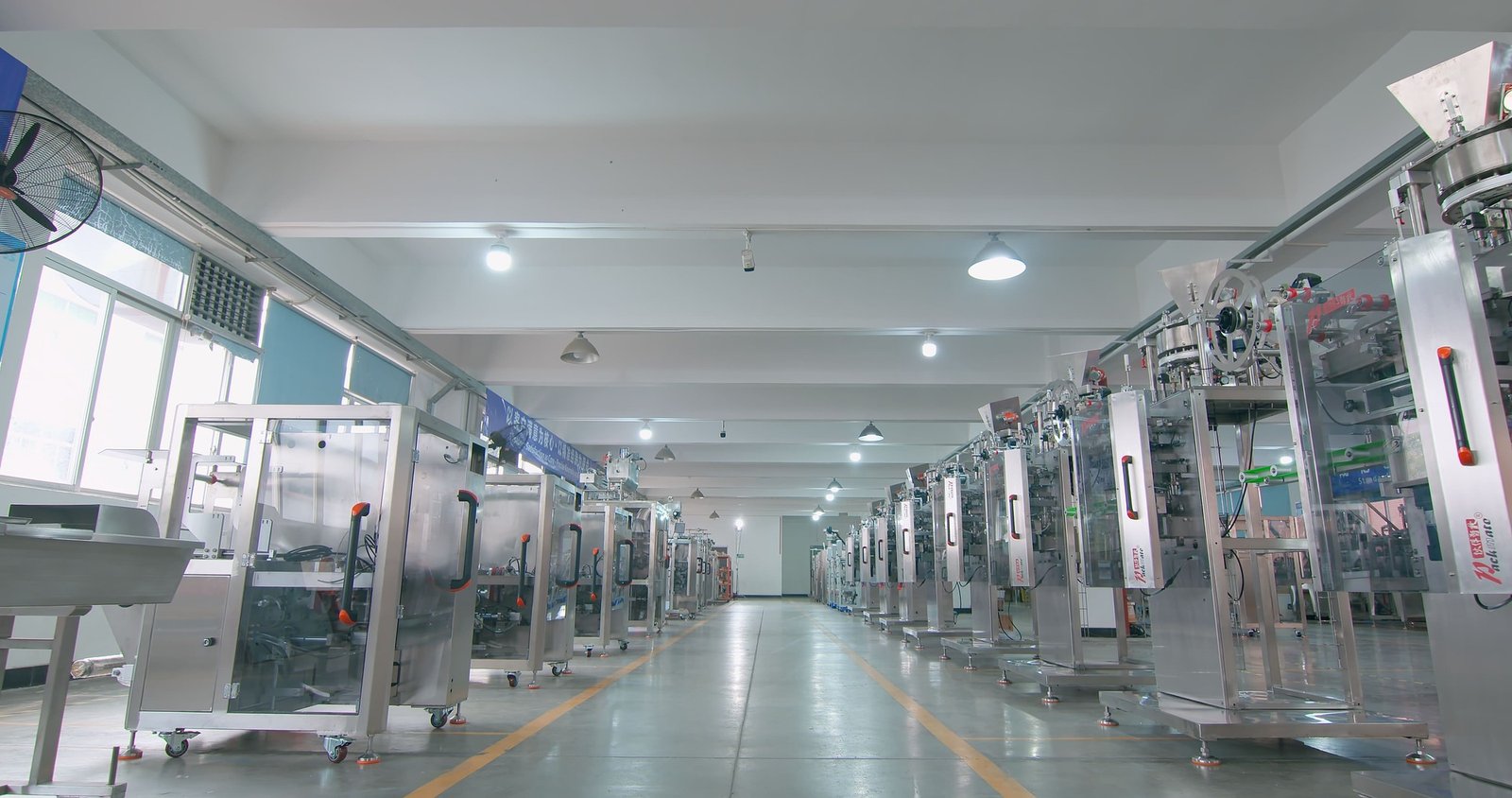
For manufacturers seeking a reliable partner, Ludyway Machinery offers customized ketchup packaging solutions backed by over 30 years of experience, a 20,000-square-meter manufacturing facility, and support for customers in more than 100 countries. Working with a supplier that provides integrated packaging systems and turnkey solutions simplifies procurement and ensures compatibility across the entire line.
Common Mistakes to Avoid
Many buyers make avoidable errors when selecting a ketchup packing machine. Here are the most frequent pitfalls:
- Underestimating viscosity impact: Assuming ketchup behaves like water leads to incorrect pump and nozzle selection
- Ignoring future growth: Buying a machine that meets today’s demand but cannot scale
- Overlooking changeover complexity: Machines that take hours to switch between formats erode productivity
- Focusing only on purchase price: Ignoring lifetime costs like maintenance, parts, and energy consumption
- Neglecting material compatibility: Using standard stainless steel instead of 316L for acidic products
- Skipping factory acceptance testing: Not testing the machine with your actual product before shipment
Regulatory and Compliance Considerations
Depending on your target markets, your ketchup packing machine may need to comply with various regulations:
- FDA 21 CFR Part 110/117 — Current Good Manufacturing Practices for food
- EU Regulation (EC) No 1935/2004 — Materials and articles intended to come into contact with food
- 3-A Sanitary Standards — Widely recognized hygienic design criteria
- CE Marking — Required for machinery sold in the European Economic Area
- UL/CSA certification — Electrical safety for North American markets
Confirming compliance with current industry standards and having appropriate documentation available streamlines regulatory audits and customer inspections.
Making the Final Decision
After evaluating all factors, consolidate your findings into a structured comparison matrix. Prioritize criteria based on your specific operational needs rather than simply choosing the lowest-priced option. Key steps before finalizing your decision include:
- Conduct a factory acceptance test (FAT) using your actual ketchup product
- Request references from customers with similar applications
- Visit the supplier’s manufacturing facility to assess quality standards
- Review the complete technical specification against your requirements
- Confirm lead times, payment terms, and after-sales service agreements
A well-chosen ketchup packing machine should deliver consistent performance, minimal downtime, and reliable output for 10–15 years or more with proper maintenance. Taking the time to evaluate all the factors discussed in this guide helps ensure your investment pays off in the long run.
For additional guidance on packaging machinery selection and flexible packaging industry trends, consult the resources provided by PMMI and the Flexible Packaging Association.