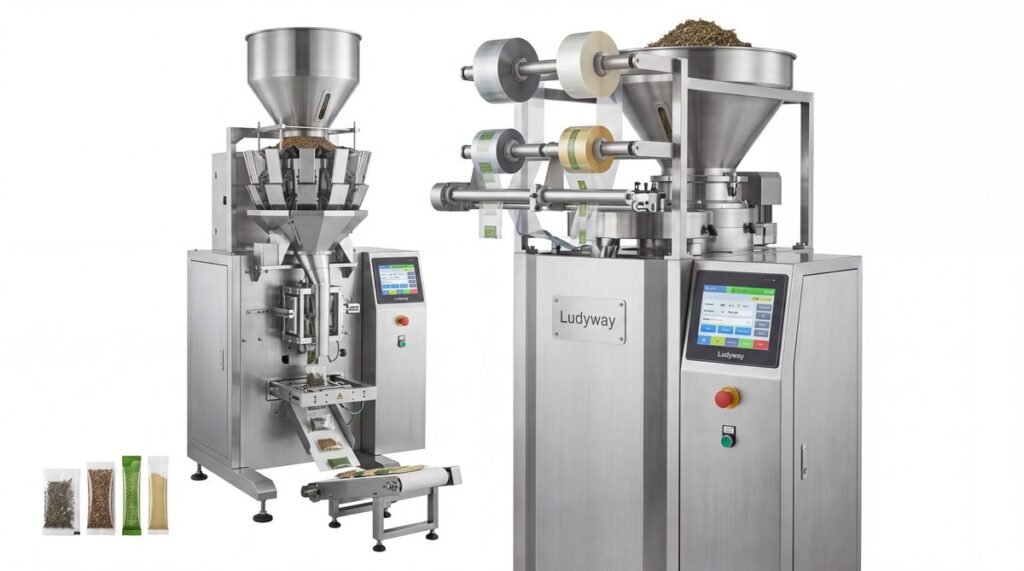
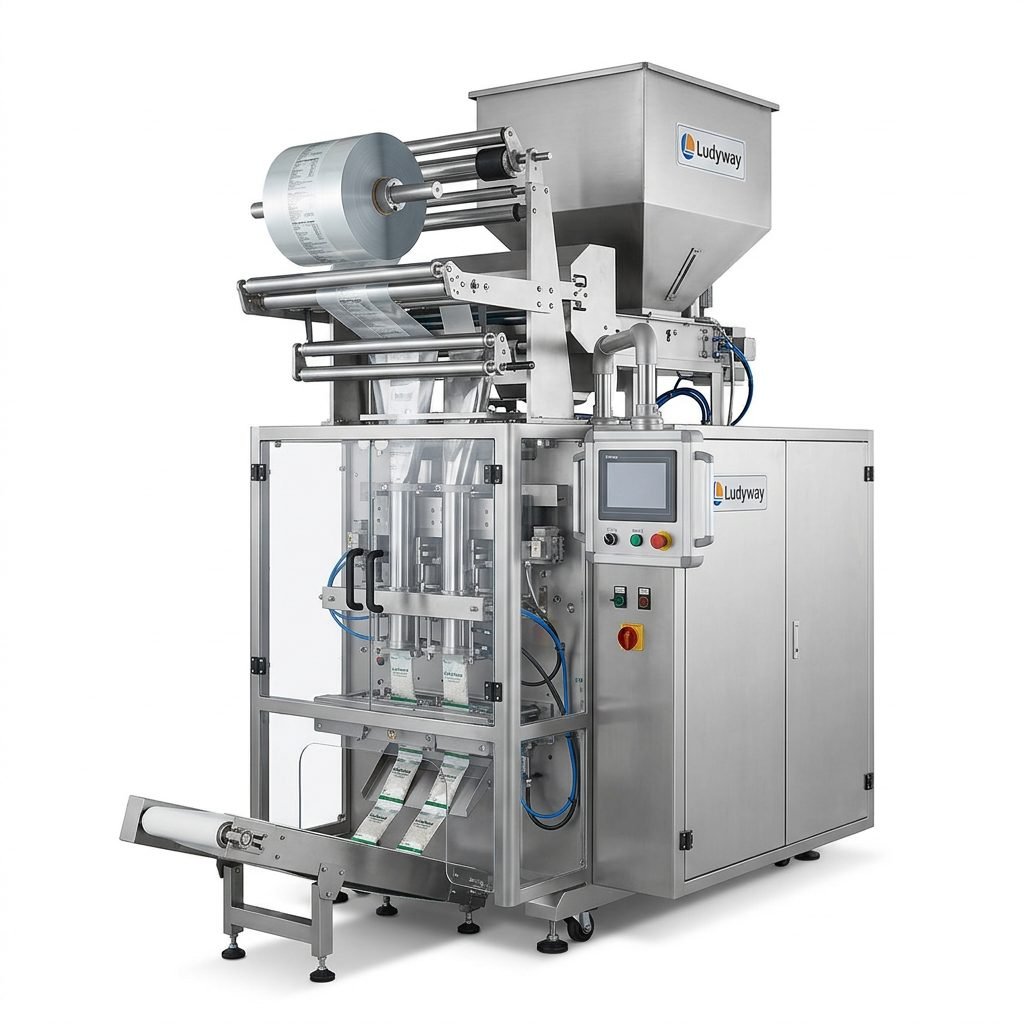
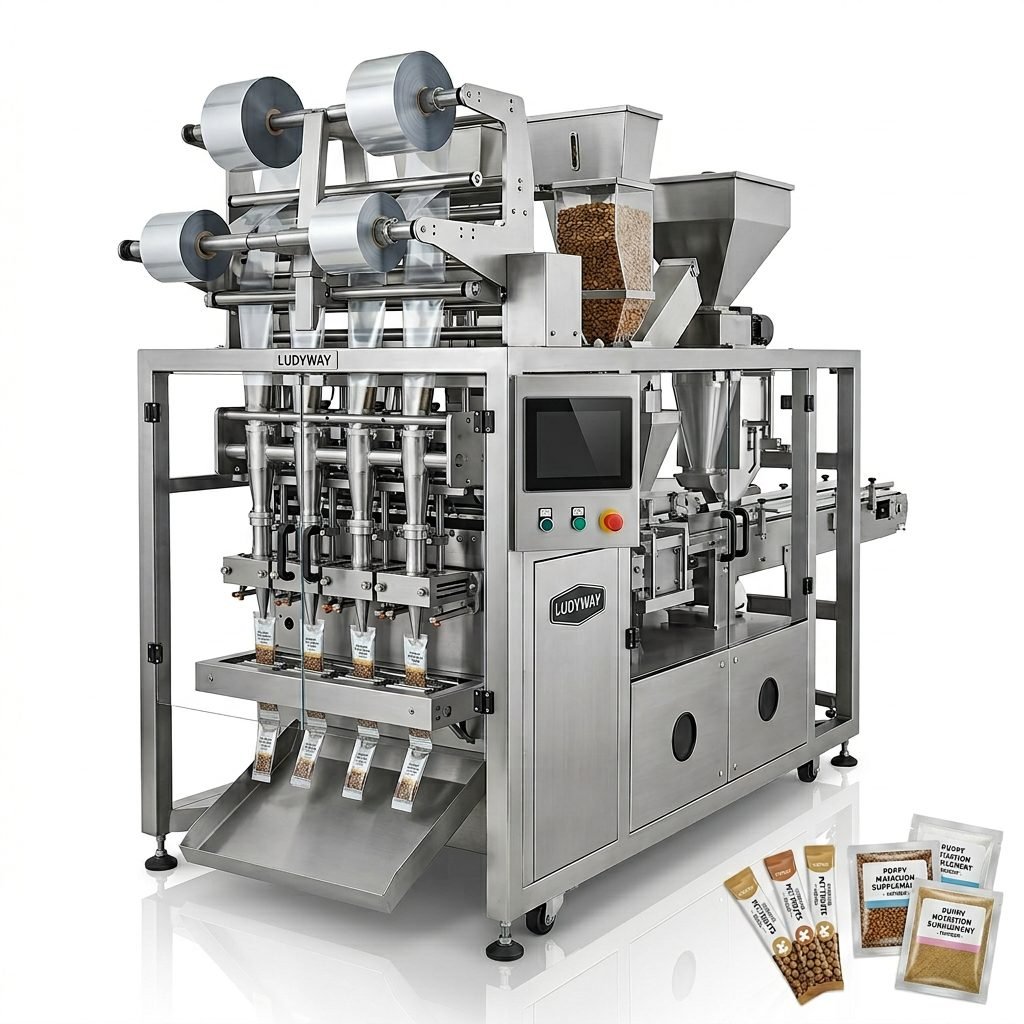
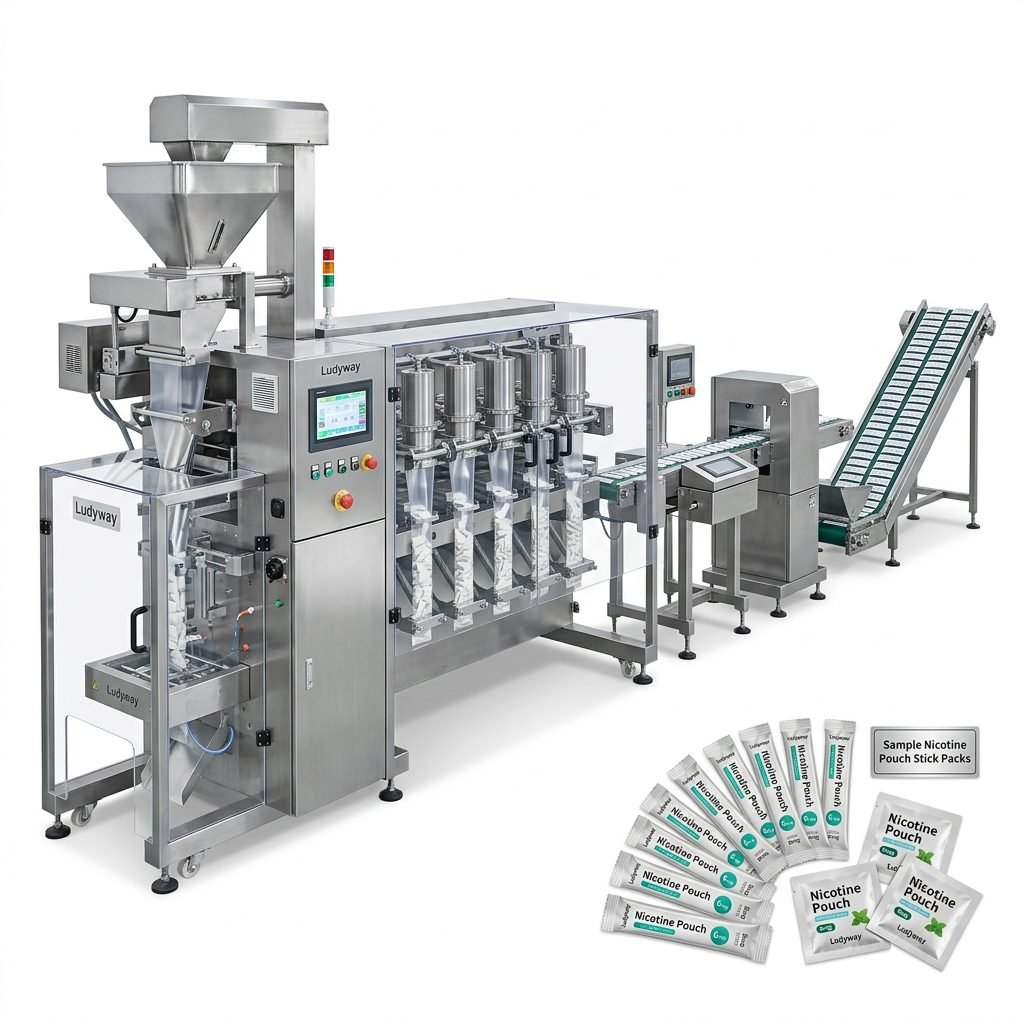
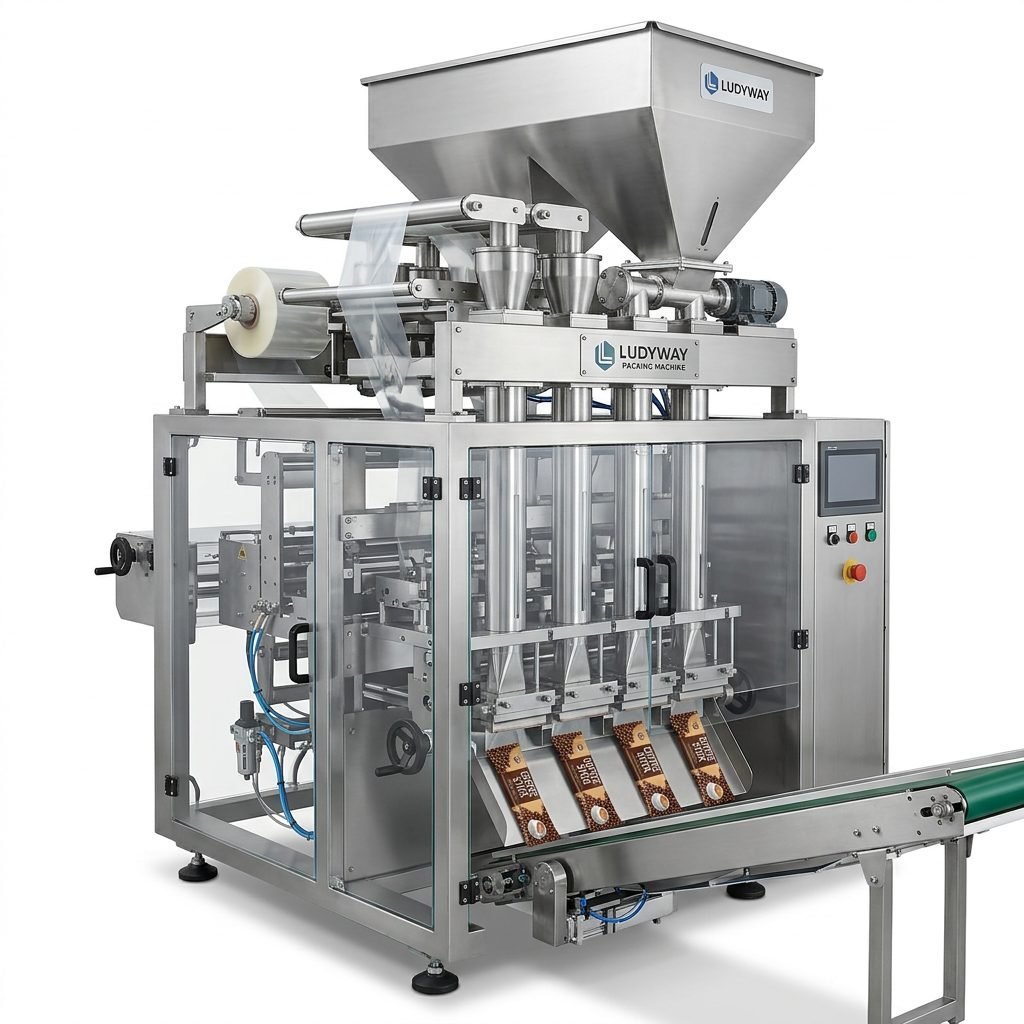
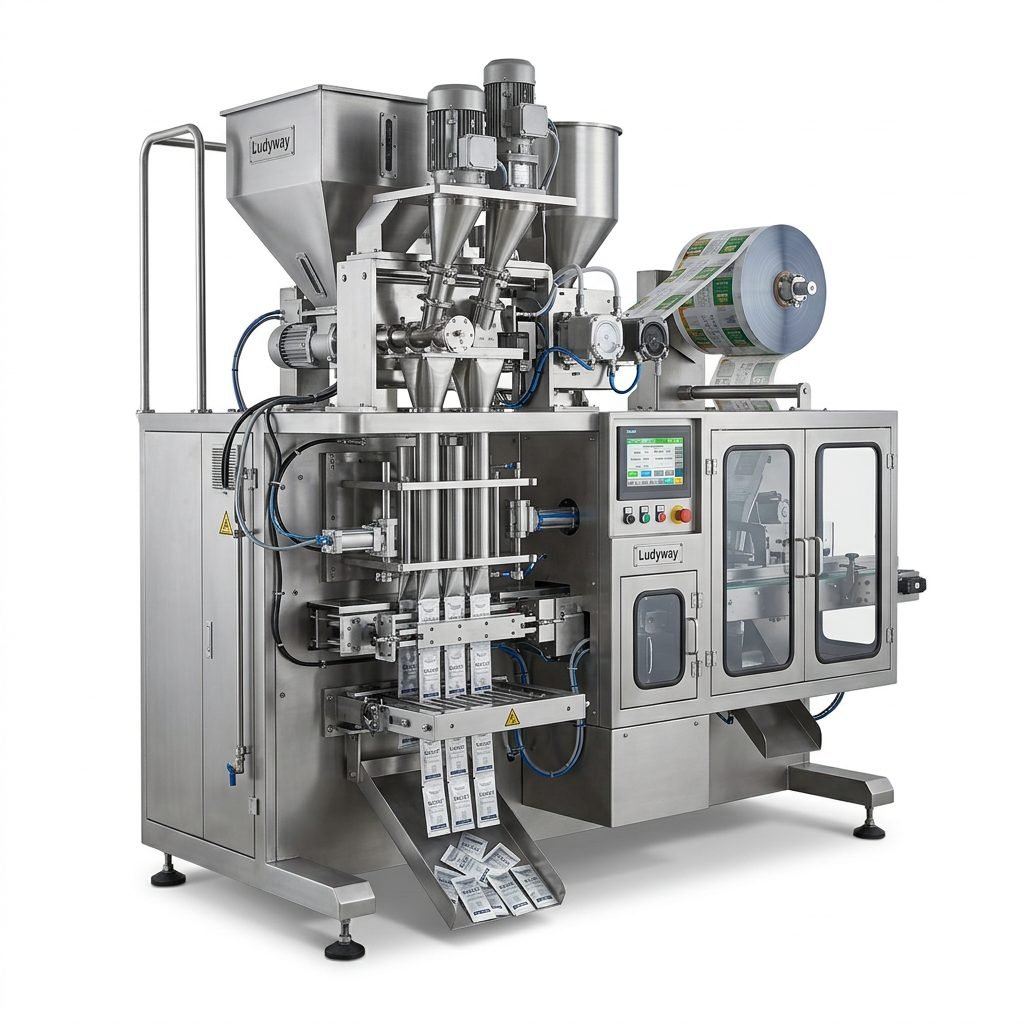
Investing in a sausage packing machine is a significant decision that directly impacts your production efficiency, product shelf life, and overall profitability. Whether you are an established meat processing facility or a growing artisanal producer, the right sausage packaging equipment must align with your specific product characteristics, desired output capacity, and long-term business goals. This guide walks you through every critical factor to consider before making your purchase.
Understanding Your Product and Packaging Requirements
Before evaluating any specific machine, you need a clear picture of what you are packaging. Sausages come in numerous varieties — fresh, smoked, cooked, dried, or fermented — and each type demands a different approach to packaging. Consider these fundamental questions:
- Product format: Are you packing whole sausages, sliced portions, or sausage patties?
- Packaging style: Do you need vacuum packs, modified atmosphere packaging (MAP), shrink-wrap, or flow-wrapped packs?
- Packaging material: Will you use flexible films, pre-formed pouches, or rigid trays with lidding film?
- Shelf-life requirements: How long does the product need to remain fresh, and what barrier properties are required from the packaging?
- Portion sizes: Are you producing single-serve packs, family packs, or bulk catering packs?
Clarifying these parameters early in your selection process will help you narrow down the type of automatic packaging machinery that best fits your production line. For detailed industry standards on food packaging, the FDA Food Packaging and Food Contact Substances resource provides essential regulatory guidance.
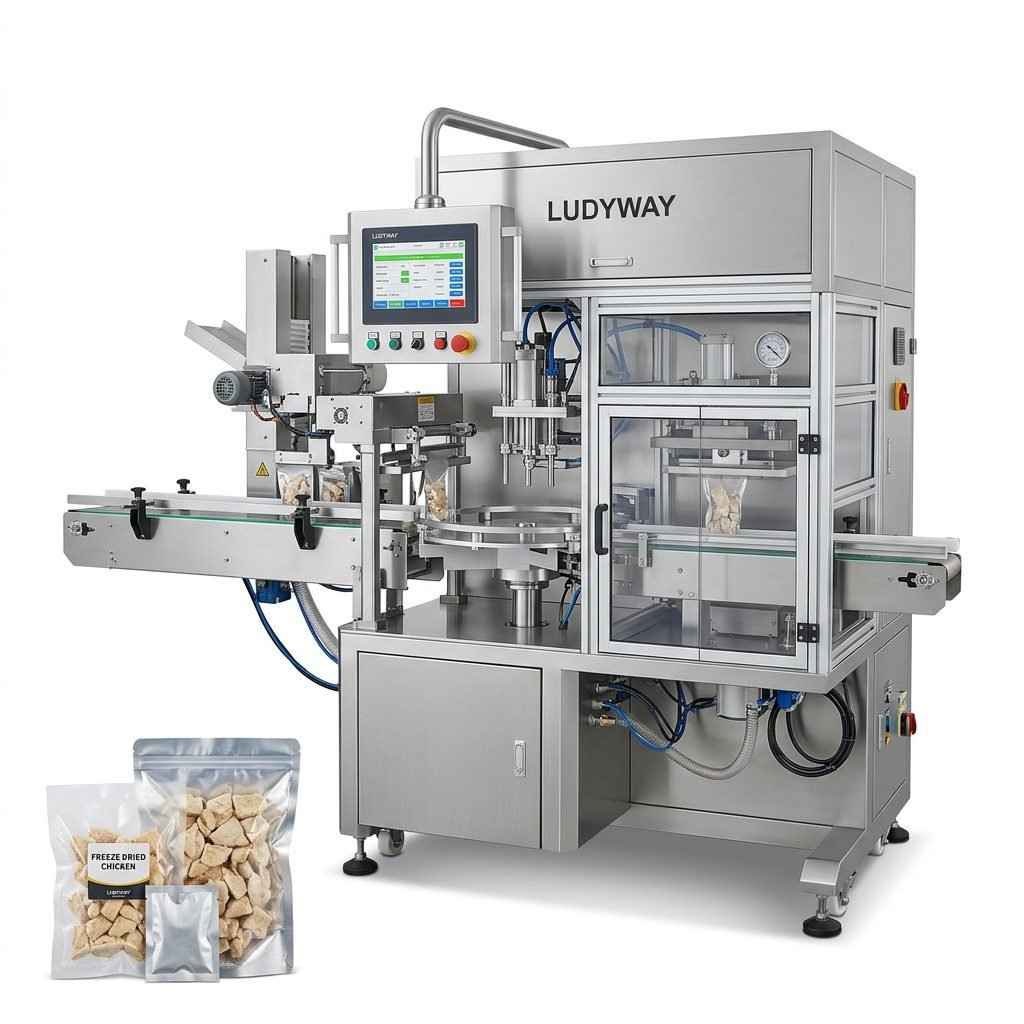
Types of Sausage Packing Machines Compared
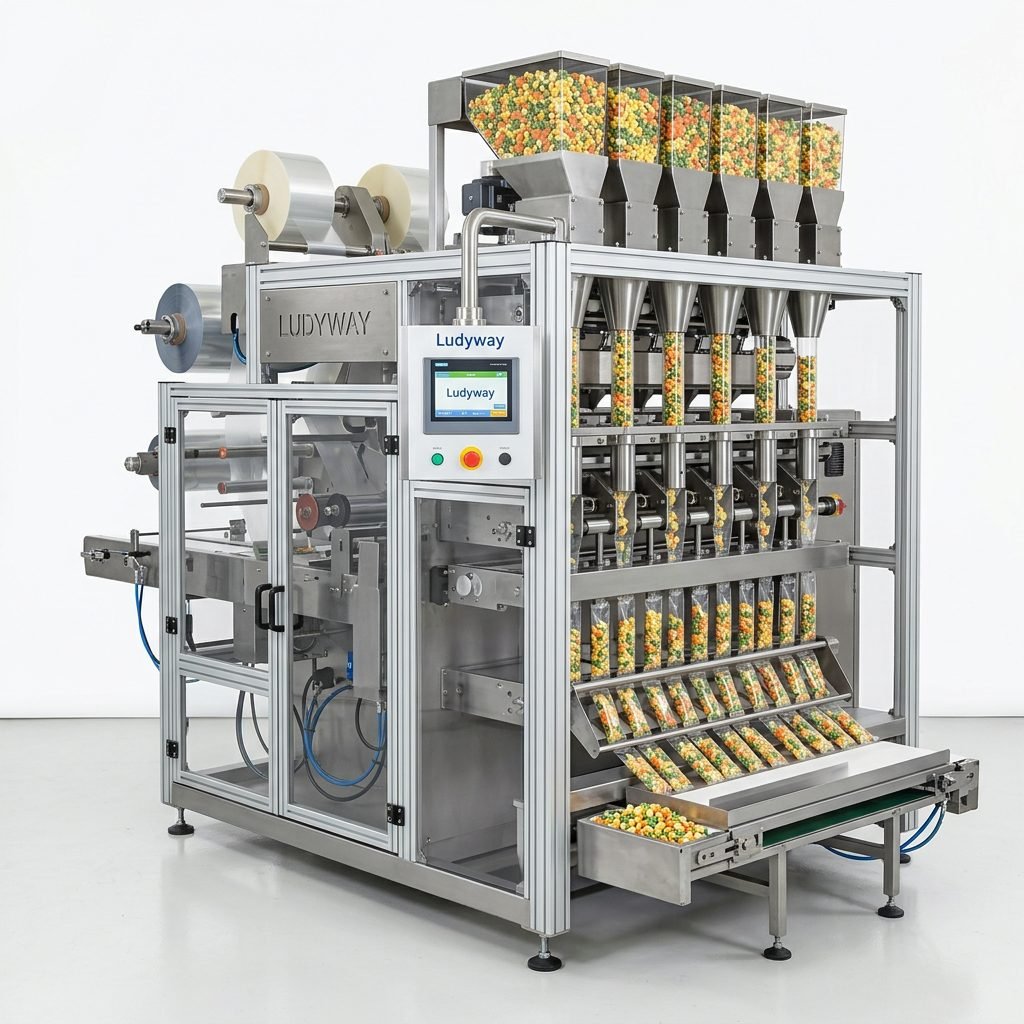
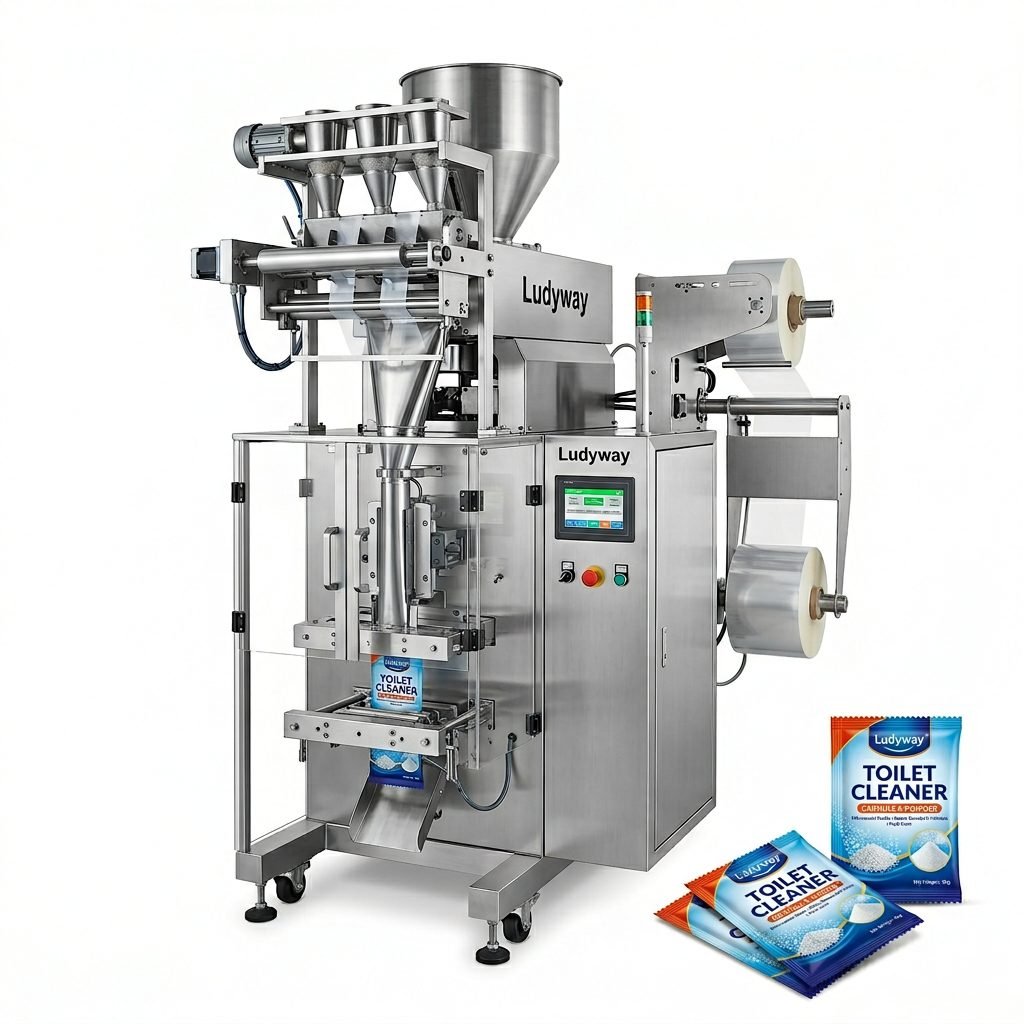
The packaging machinery market offers several distinct technologies for sausage packaging. Understanding the strengths and limitations of each type is essential to making an informed decision. The table below provides a side-by-side comparison of the most common sausage packing machine configurations.
| Machine Type | Best For | Key Advantage | Typical Output Range |
|---|---|---|---|
| Vacuum Chamber Machine | Fresh, smoked, and cooked sausages | Excellent oxygen removal for extended shelf life | 5 – 15 packs per minute |
| Thermoforming Machine | High-volume sliced sausage and deli meats | In-line forming, filling, and sealing in one system | 15 – 40 packs per minute |
| MAP Tray Sealer | Premium fresh sausages with extended shelf life | Controlled gas atmosphere preserves color and freshness | 10 – 60 packs per minute |
| Flow Wrapper (Horizontal) | Frozen sausages, snack sticks, and single-serve items | High speed with flexible film cost efficiency | 30 – 200 packs per minute |
| Vertical Form Fill Seal (VFFS) | Sausage pieces, diced sausage, or granular products | Compact footprint and versatile bag formats | 20 – 120 packs per minute |
Automation Level and Production Speed
One of the most important decisions you will face is determining the appropriate automation level for your facility. Semi-automatic machines require manual loading of products into the packaging chamber, while fully automatic systems integrate with upstream production equipment using conveyors, robotic pick-and-place arms, or automated loading stations. According to industry data from the PMMI – Association for Packaging and Processing Technologies, the trend toward higher automation continues to accelerate as manufacturers seek to reduce labor dependency and improve consistency.
When evaluating production speed, look beyond the theoretical maximum output. A machine rated at 40 packs per minute may only achieve 30–35 packs in a real production environment. Factor in changeover times, cleaning procedures, and film roll changes to get a realistic picture of your daily throughput. As a rule of thumb, select a sausage packaging system that can comfortably handle your peak production demand while leaving approximately 20% headroom for future growth.
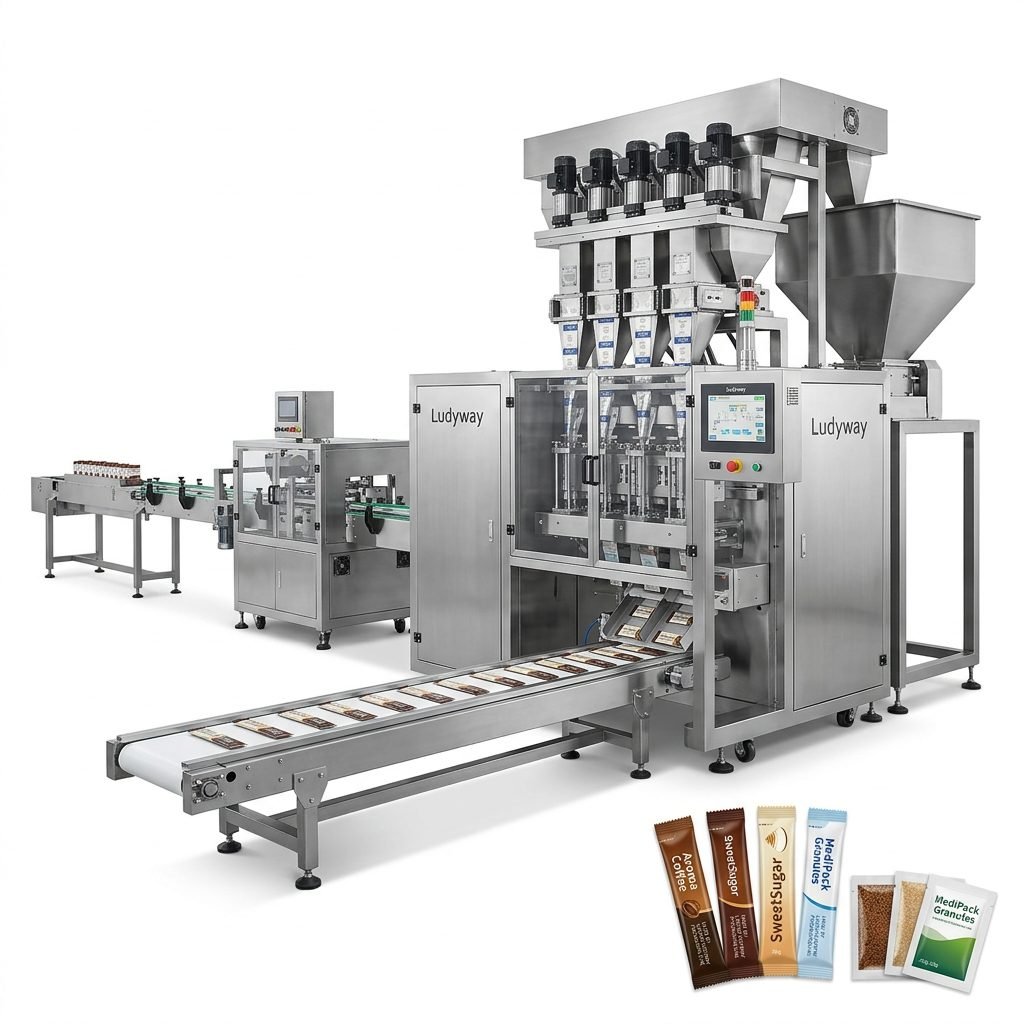
Manual, Semi-Automatic, and Fully Automatic Systems
- Manual systems: Best suited for artisan producers with low volume and high product variability. Labor-intensive but offer maximum flexibility.
- Semi-automatic systems: A practical middle ground, ideal for medium-sized processors who want improved speed without a full automation investment.
- Fully automatic systems: Essential for large-scale production where consistency, line integration, and 24/7 operation are priorities.
Hygiene Standards and Food-Grade Compliance
Food safety is non-negotiable in meat processing environments. Any sausage packing machine you select must comply with relevant food safety regulations in your target market, such as USDA, EU, or equivalent national standards. Look for machines constructed from stainless steel (typically AISI 304 or 316L for enhanced corrosion resistance), with IP65 or IP66 washdown ratings if your facility uses wet cleaning methods. Machines with sloped surfaces, minimal crevices, and tool-free disassembly facilitate faster sanitation between production runs. The Flexible Packaging Association Industry Resources offers valuable insights on packaging materials that meet food safety requirements.
Key Technical Features to Evaluate
Modern sausage packaging equipment incorporates advanced technologies that can significantly impact your operational efficiency. When comparing machines, pay close attention to the following features:
- Gas flushing and MAP capabilities: Precise control over gas mixtures (CO₂, N₂, O₂) ensures optimal preservation for each sausage type.
- Sealing integrity systems: Look for machines with digital temperature control on sealing bars, automatic pressure adjustment, and seal inspection capabilities.
- Film tension control: Consistent film tension prevents wrinkles and ensures professional-looking packs that appeal to consumers.
- Data logging and connectivity: IoT-enabled machines can track production metrics, film usage, and maintenance alerts in real time, supporting Industry 4.0 initiatives.
- Quick-change forming dies: If you package multiple sausage diameters or formats, rapid die changes reduce downtime and increase overall equipment effectiveness (OEE).
Budget Considerations and Return on Investment
The purchase price of a sausage packing machine is only one part of the total cost equation. A thorough cost analysis should account for installation, operator training, ongoing maintenance, spare parts availability, and consumable costs such as packaging film and trays. A lower upfront price may translate to higher long-term expenses if the machine suffers from frequent breakdowns, requires expensive proprietary consumables, or lacks energy efficiency. Calculate your total cost of ownership (TCO) over at least a five-year period to make a meaningful comparison between different equipment suppliers.
Also consider the return on investment (ROI) timeline. A machine that boosts throughput by 30% while reducing labor and film waste can pay for itself within 12 to 24 months in high-volume operations. Document your current packaging costs — including labor hours, film scrap rates, rework due to poor seals, and product giveaway from inconsistent portioning — to establish a baseline against which you can measure the impact of new equipment.
Hidden Costs to Watch For
- Compressed air consumption and electrical load requirements
- Proprietary tooling or die costs for different product sizes
- Compatibility limitations with third-party packaging films
- Installation, freight, and facility modification expenses
- Ongoing technical support and software update fees
Evaluating Suppliers and After-Sales Support
The reliability of the manufacturer is just as important as the machine itself. When evaluating potential suppliers of sausage packaging equipment, assess their track record in the meat processing sector, their installed base in your geographic region, and the quality of their technical support infrastructure. A supplier with a dedicated service team, readily available spare parts, and remote diagnostic capabilities can drastically reduce your downtime when issues arise.
Ask potential suppliers for customer references specific to sausage or meat packaging applications. Visit existing installations if possible, or at minimum, request video footage of machines running similar products. Confirm whether the supplier offers factory acceptance testing (FAT) and site acceptance testing (SAT) as part of their commissioning process. Clear documentation, operator training programs, and responsive after-sales support are indicators of a supplier committed to long-term partnership rather than a one-time equipment sale.
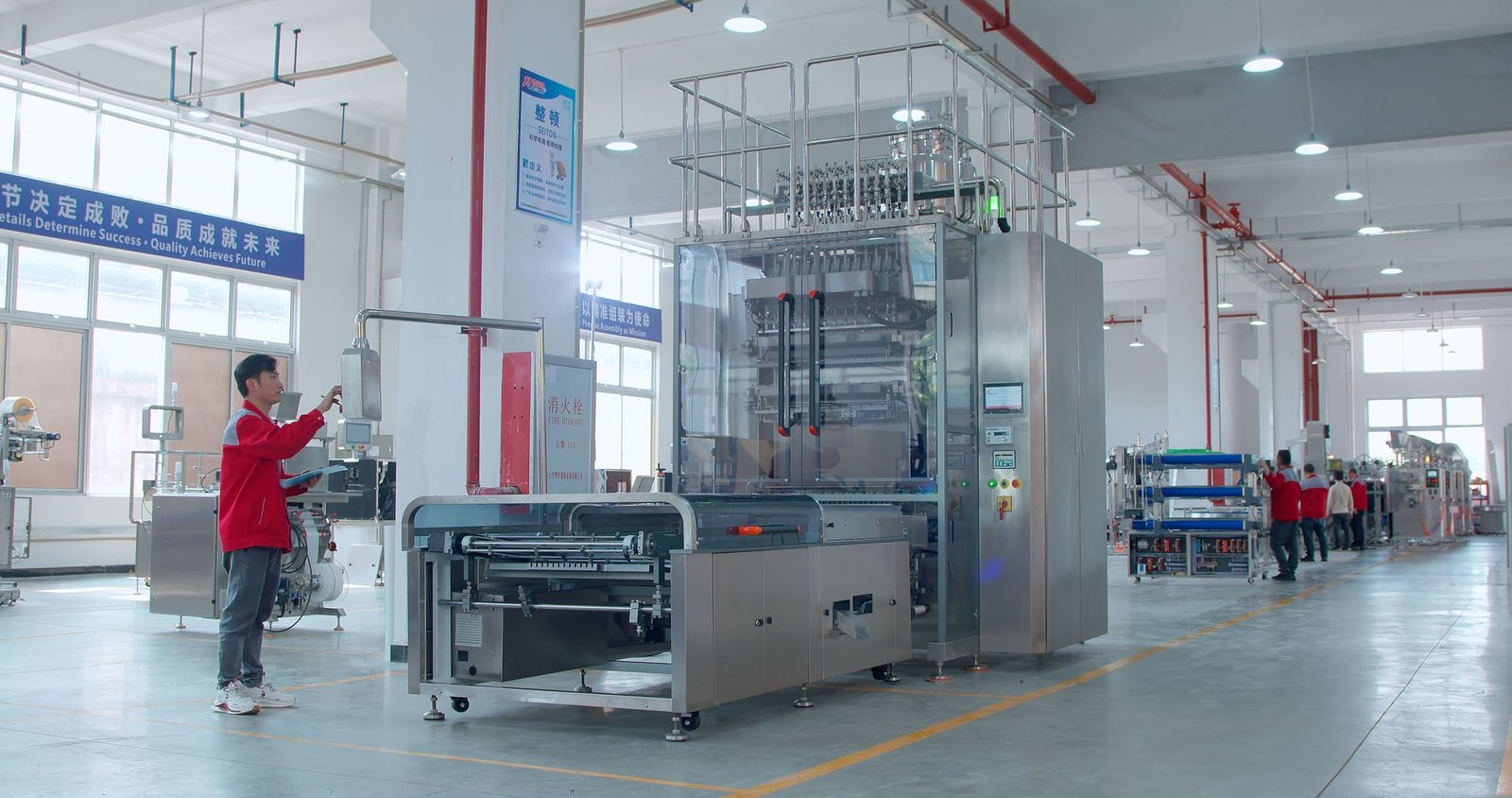
For meat and sausage processors exploring turnkey solutions, Ludyway Machinery brings over 30 years of experience in automated packaging equipment, with a 20,000-square-meter manufacturing facility and a global service network spanning more than 100 countries. The company’s engineering team works directly with manufacturers to configure customized sausage and meat packaging lines that match specific product characteristics, throughput targets, and budget parameters.
Making Your Final Selection
Choosing the right sausage packing machine is a multifaceted decision that balances product quality, production efficiency, regulatory compliance, and financial considerations. Start by thoroughly documenting your current and projected requirements, then research machine types that match those parameters. Engage with multiple suppliers, review the PMMI Business Intelligence resources for industry benchmarks, and request detailed proposals that include line layouts, utility specifications, and transparent pricing for both equipment and consumables.
Remember that the lowest price rarely delivers the best value. Prioritize suppliers who demonstrate deep application knowledge, offer scalable solutions that can grow with your business, and provide comprehensive after-sales support. A well-chosen packaging machine will serve your production needs reliably for a decade or more, making it essential to invest the time upfront to make the right choice.
For additional technical guidance on packaging machinery standards, the ISO Packaging Standards and the Flexible Packaging Association provide valuable reference materials that can help you benchmark equipment quality and packaging material compatibility.