Selecting the right pickle packing machine is one of the most important equipment decisions a food manufacturer can make. Pickles present unique packaging challenges — they combine solid pieces with liquid brine, have varying acidity levels, and require hygienic processing environments. The wrong machine leads to inconsistent fill weights, leaking seals, excessive downtime, and ultimately lost revenue. This guide walks you through every factor to evaluate before investing in a pickle packaging machine, from product characteristics and packaging formats to automation levels and supplier qualifications.
Understanding Your Pickle Product Characteristics First
Before comparing machine specifications, document your product’s physical properties. Pickle packing machines must be configured differently for whole gherkins versus relish, and for vinegar-based versus oil-based brines. Key product variables include:
- Piece size and shape — whole, spears, slices, chips, or finely chopped relish
- Solid-to-liquid ratio — typically 50:50 to 60:40 for most pickle products
- Brine viscosity — thin vinegar brines flow differently than thicker, sugar-sweetened solutions
- Product temperature — hot-fill, cold-fill, or ambient temperature processing
- pH and acidity levels — critical for selecting corrosion-resistant machine materials
- Particulate content — presence of seeds, spices, garlic, or dill that may clog filling nozzles
Documenting these variables early helps packaging machinery suppliers recommend the appropriate dosing system, filling nozzles, and material construction. According to PMMI packaging machinery market research, mismatched product-to-machine compatibility remains one of the top causes of underperforming packaging lines.
Packaging Format Options for Pickle Products
The packaging format directly determines which pickle packing machine configuration you need. Modern pickle packaging spans a wide range of formats, each with distinct machine requirements:
| Packaging Format | Typical Applications | Machine Type Required |
|---|---|---|
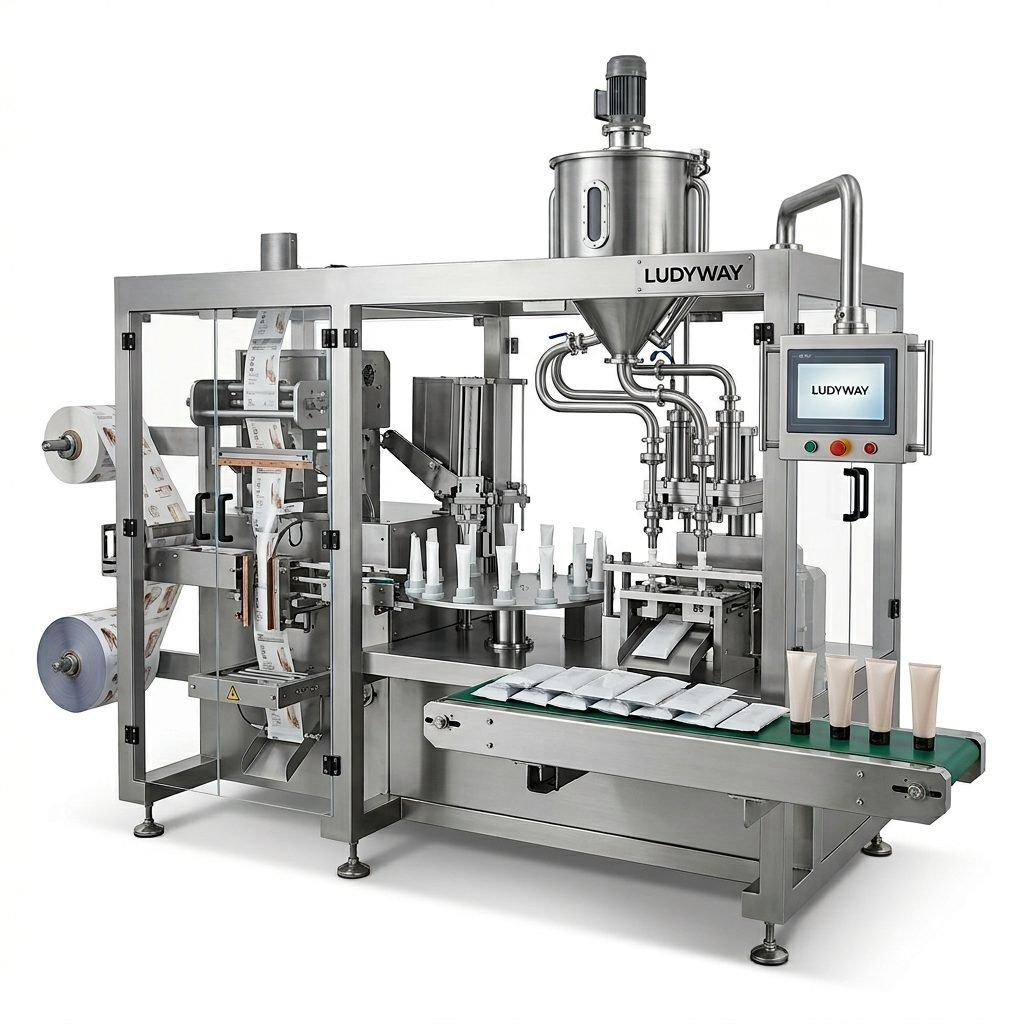
| Flexible Pouches | Retail pickle pouches, food service packs | Premade pouch filling and sealing machine or VFFS with liquid-solid filling |
| Glass Jars | Premium whole pickles, gourmet lines | Jar filling and capping line with solid-liquid dosing |
| Plastic Tubs / Cups | Deli-style pickle spears, food service | Tub filling and heat sealing or lidding system |
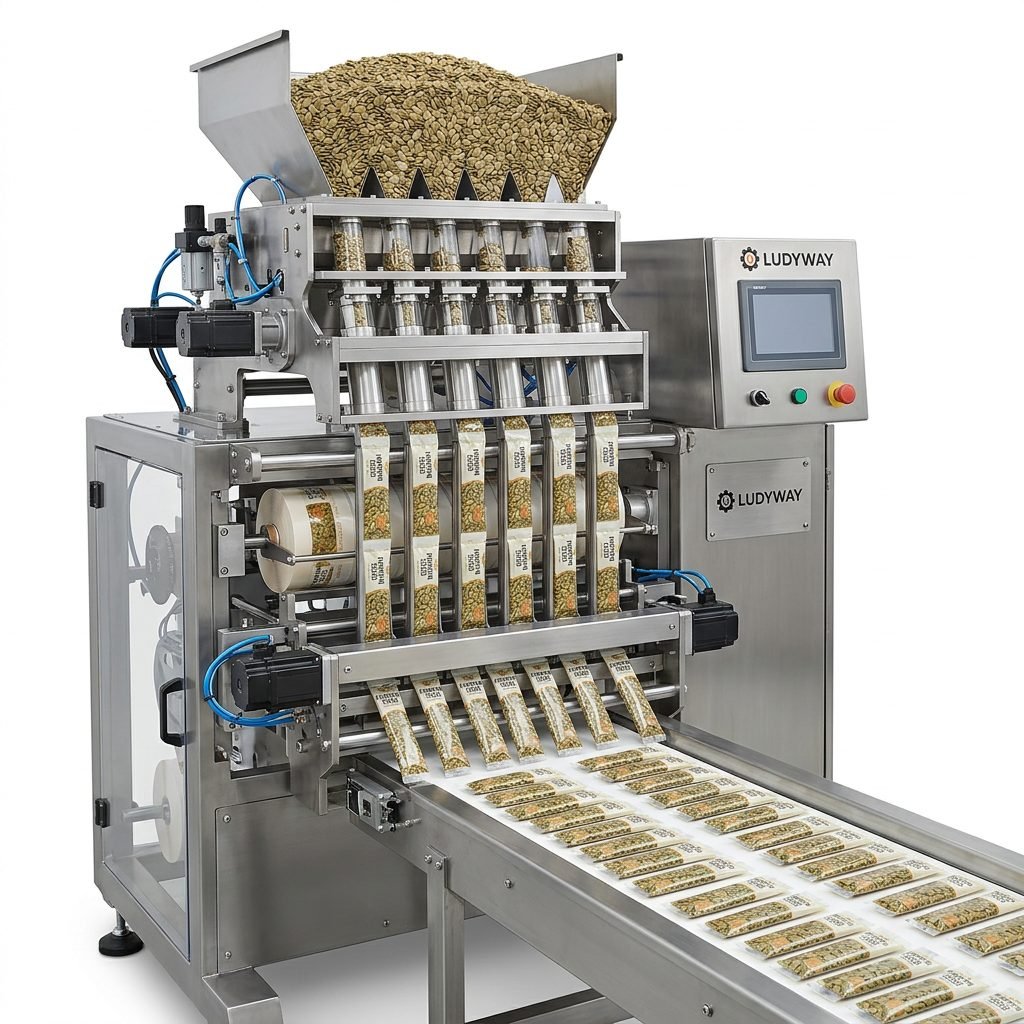
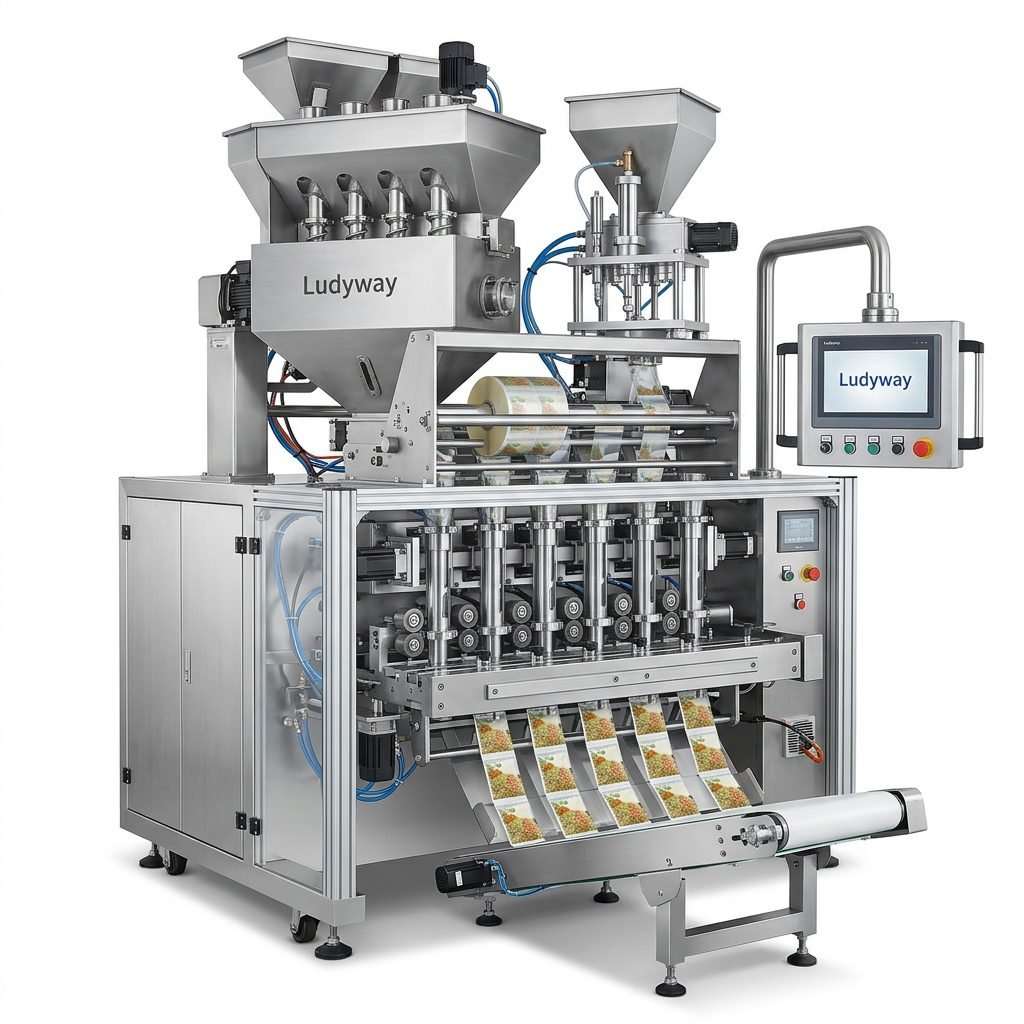
| Sachets / Stick Packs | Single-serve pickle relish, condiment packs | Multi-lane sachet packaging machine |
| Bulk Bags / Drums | Industrial pickle ingredients, B2B supply | Large-format filling systems with weighing |
Flexible pouches have gained significant market share in the pickle category, driven by lightweight shipping advantages and consumer convenience. The Flexible Packaging Association industry data confirms steady growth in flexible formats across the food sector, including pickled and fermented products.
Filling Technology: The Heart of a Pickle Packing Machine
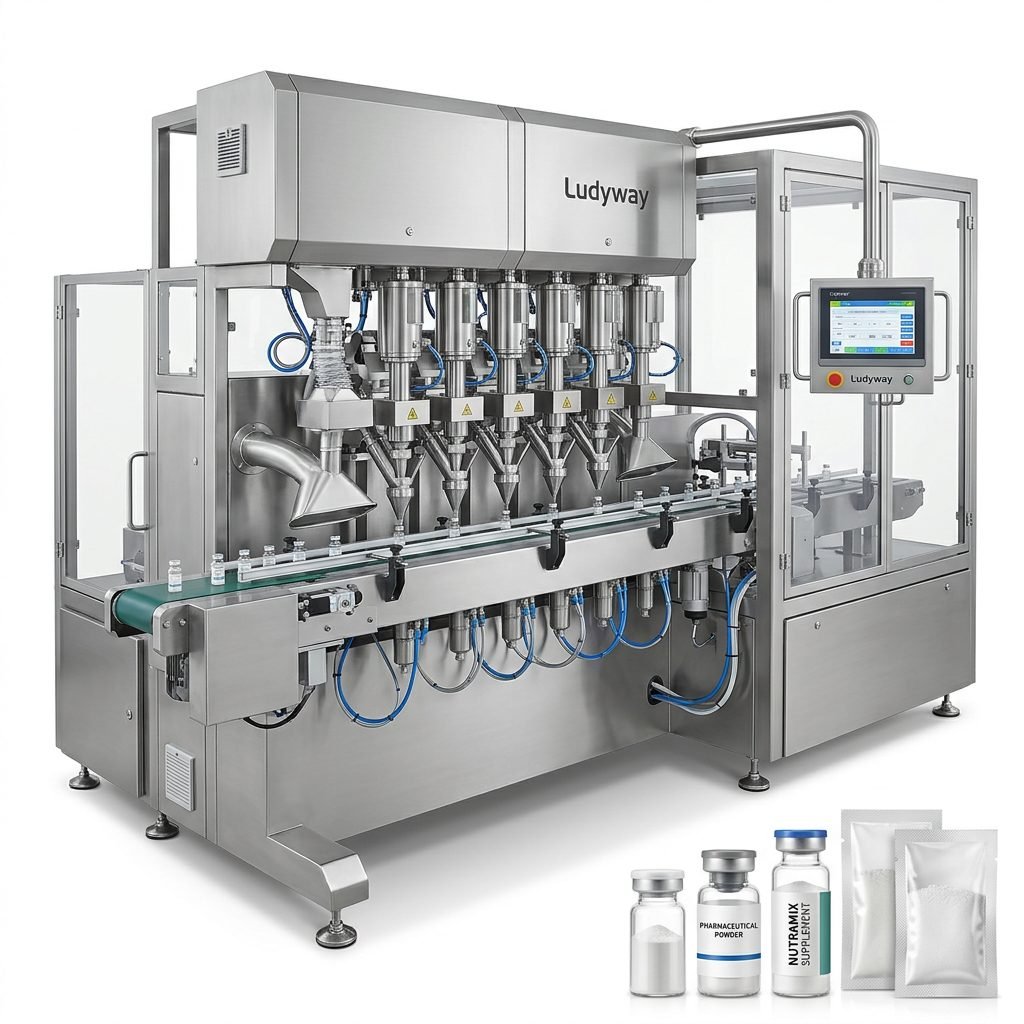
The filling system is the most critical subsystem in any pickle packaging machine. Because pickles contain both solid pieces and liquid, standard liquid fillers or dry product fillers alone are insufficient. The industry uses several approaches:
- Piston fillers with large-diameter nozzles — suitable for relish and small-cut pickle pieces suspended in brine
- Volumetric cup fillers combined with liquid dosing — dispenses solid pickle pieces first, then adds brine in a separate station
- Multi-head weighers with liquid injection — ideal for whole or large-piece pickles, ensuring accurate piece count and weight
- Auger fillers for paste-like products — used for pickle relish and spreadable pickle products
- Gravity and pump systems — suitable for high-volume brine-dominant products
For products with high piece integrity requirements like whole gherkins, gentle product handling during filling is non-negotiable. Machines should minimize drop heights and avoid crushing mechanisms that damage pickle texture and appearance.
Production Speed and Automation Level
Production volume requirements drive the choice between semi-automatic and fully automatic pickle packing machines. Consider these benchmarks when evaluating capacity:
- Semi-automatic machines — 10 to 30 packs per minute, suitable for startups and small-batch artisanal pickle producers
- Single-lane automatic machines — 30 to 60 packs per minute for medium-scale production
- Multi-lane automatic systems — 60 to 200+ packs per minute for high-volume co-packers and national brands
- Turnkey integrated lines — combining filling, sealing, coding, inspection, and cartoning into one continuous system
When planning for growth, select a machine platform that accommodates speed upgrades or additional lanes without requiring a complete replacement. Modular machine designs offer this scalability advantage.
Material Compatibility and Corrosion Resistance
Pickle brine is highly corrosive due to its acidity and salt content. A pickle packing machine must be constructed with materials that withstand constant exposure to these aggressive conditions. Key material requirements include:
- Stainless steel 316L for all product-contact surfaces — superior to 304 stainless in chloride-rich environments
- Food-grade elastomers and seals — EPDM, Viton, or PTFE for gaskets and O-rings
- Avoidance of bare aluminum, mild steel, and brass in any product contact zone
- Sloped surfaces and CIP compatibility — clean-in-place systems reduce downtime between production runs
The FDA food contact substances regulations provide clear guidance on materials permitted for food packaging equipment. Compliance with these standards is mandatory for machines sold into the U.S. market.
Hygienic Design and Cleanability
Pickle processing environments demand hygienic equipment design. Beyond material selection, the machine’s physical architecture significantly impacts food safety and sanitation efficiency. Look for the following design features in any pickle packaging machine:
- Open-frame construction that eliminates trapped product and facilitates visual inspection
- Tool-free disassembly of filling components for daily cleaning
- Continuous welded seams rather than bolted joints that harbor bacteria
- IP65 or higher washdown-rated electrical enclosures
- Sloped surfaces that drain liquids rather than pooling them
- Separation between drive mechanisms and product zones
Sanitation downtime directly impacts production output. A well-designed machine can be cleaned in under 30 minutes, while a poorly designed one may require hours of disassembly and manual scrubbing.

Sealing Technology for Leak-Free Pickle Packages
Leaking pickle packages are a leading cause of retailer rejections and consumer complaints. The sealing system on your pickle packing machine must create consistent, hermetic seals even when brine or oil residue is present on sealing surfaces. Key sealing considerations:
- Heat sealing with precise temperature control — ±2°C accuracy prevents weak seals or film burn-through
- Ultrasonic sealing — effective when product residue is unavoidable on seal areas
- Modified atmosphere packaging compatibility — nitrogen flushing extends pickle shelf life
- Double-seal or rib-seal jaw patterns — provide redundancy against leakage
- Vacuum sealing options — for pickles requiring extended ambient shelf life
Seal integrity testing should be integrated into the quality control process. Both visual inspection and destructive testing methods help validate that seals remain intact throughout distribution.
Compliance with International Packaging Standards
Depending on your target markets, your pickle packing machine may need to comply with various regulatory frameworks. Understanding these requirements before purchasing prevents costly retrofits later:
- FDA 21 CFR Part 110 and 117 — U.S. current Good Manufacturing Practice requirements
- EU Regulation (EC) No 1935/2004 — European food contact materials framework
- ISO 22000 and FSSC 22000 — food safety management system standards
- CE marking — mandatory for machines entering the European Economic Area
- UL or equivalent electrical safety certification
For detailed guidance on packaging standards, refer to ISO packaging standards which cover dimensions, testing methods, and performance requirements across different packaging formats.
Cost Analysis Beyond the Purchase Price
The total cost of ownership for a pickle packaging machine extends far beyond the initial capital expenditure. When evaluating options, calculate the following cost components over a 5- to 10-year horizon:
| Cost Category | Typical Share of TCO | Key Variables |
|---|---|---|
| Initial machine purchase | 40-55% | Machine configuration, customization level |
| Installation and commissioning | 5-10% | Factory preparation, utilities, training |
| Spare parts and consumables | 10-15% | Sealing jaws, belts, filters, gaskets |
| Maintenance labor and downtime | 10-15% | Machine complexity, local technical support availability |
| Packaging material waste | 5-10% | Film waste during startups, changeovers, and misfeeds |
| Energy and utilities | 3-5% | Electrical consumption, compressed air requirements |
A machine priced 20% lower initially may cost significantly more over its lifetime if it consumes more spare parts, generates higher film waste, or requires more frequent maintenance interventions.
Evaluating Pickle Packing Machine Suppliers
Choosing the right packaging machinery partner is as important as choosing the right machine. When evaluating pickle packing machine suppliers, assess these criteria:
- Industry-specific experience — has the supplier successfully delivered machines for pickle or similar solid-liquid food products?
- Customization capability — can the supplier modify filling systems, materials, and configurations to match your unique product?
- Manufacturing quality — visit the factory if possible; inspect weld quality, component sourcing, and assembly standards
- After-sales support reach — does the supplier offer remote assistance, local service partners, and rapid spare parts delivery in your region?
- Documentation and training — comprehensive manuals, operator training programs, and maintenance schedules
- Reference customers — request case studies or references from pickle or similar food manufacturers
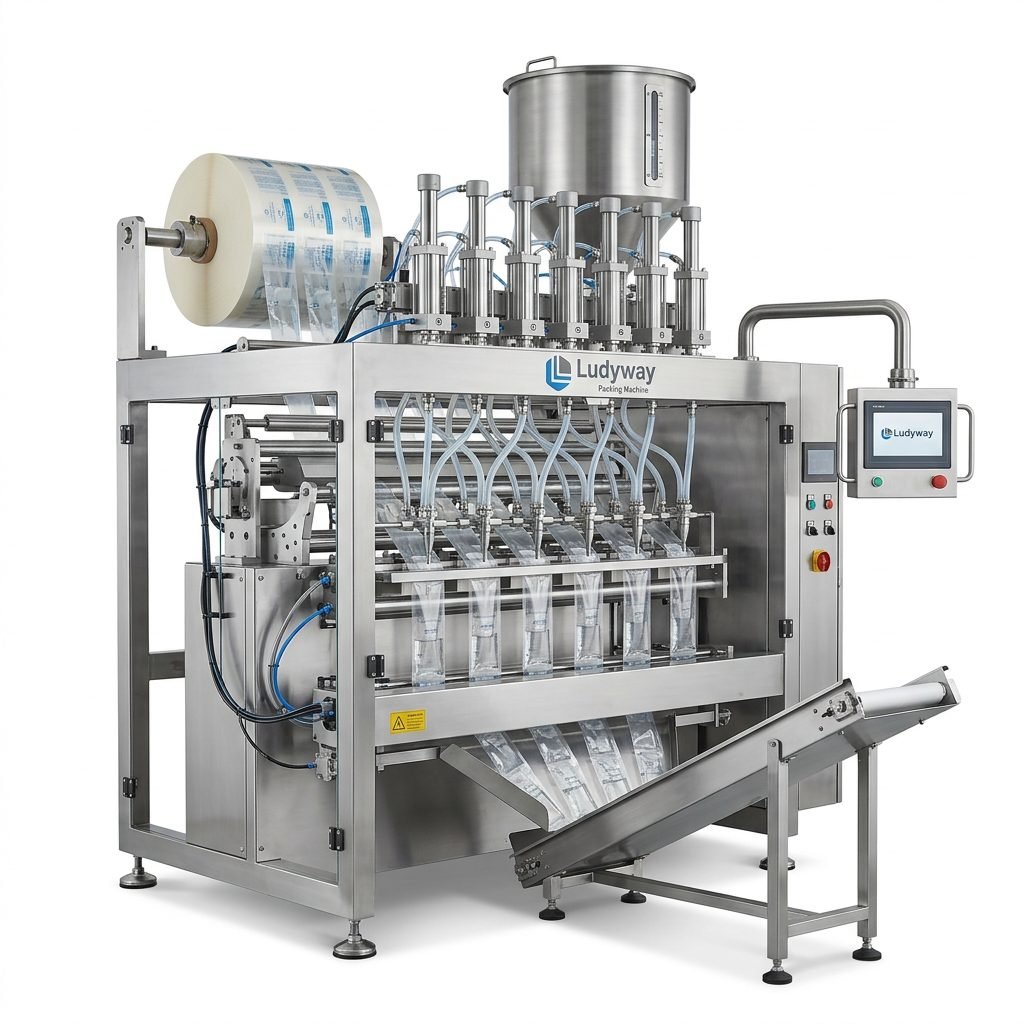
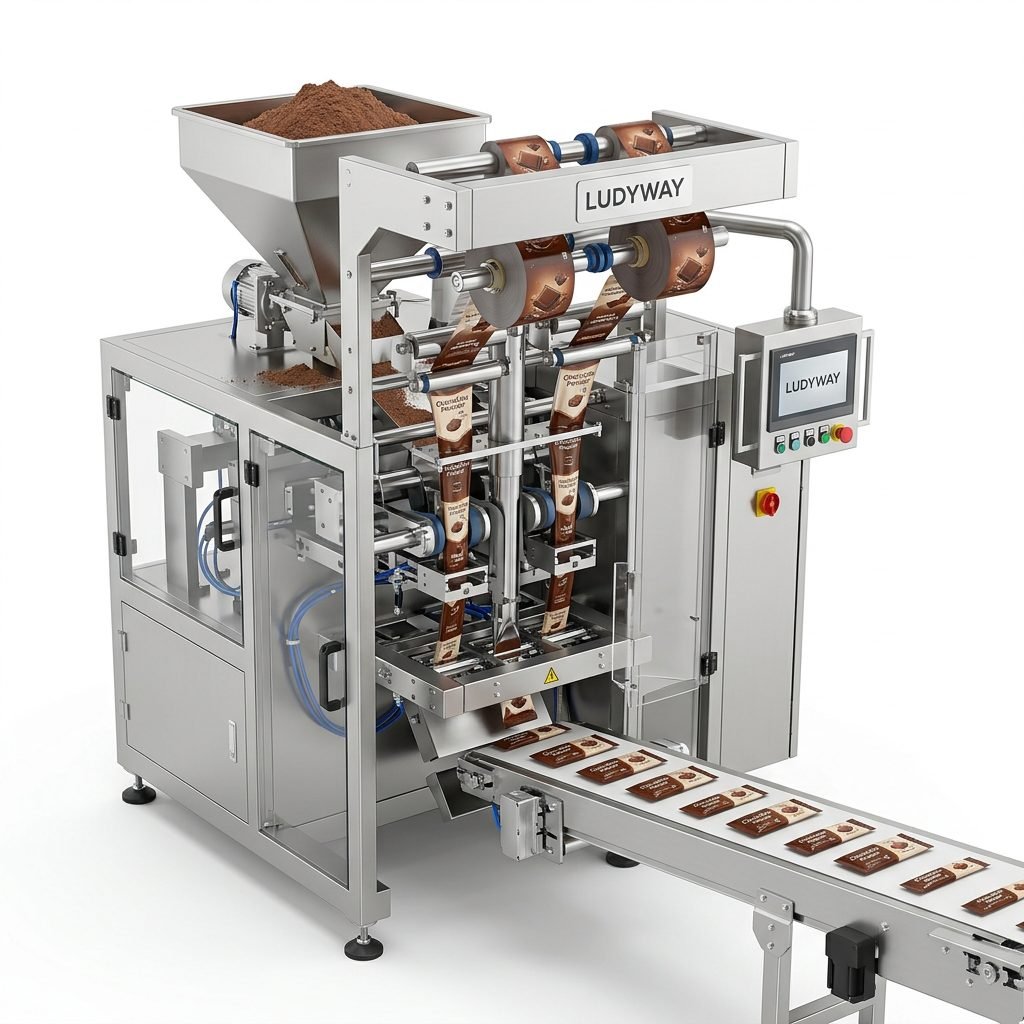
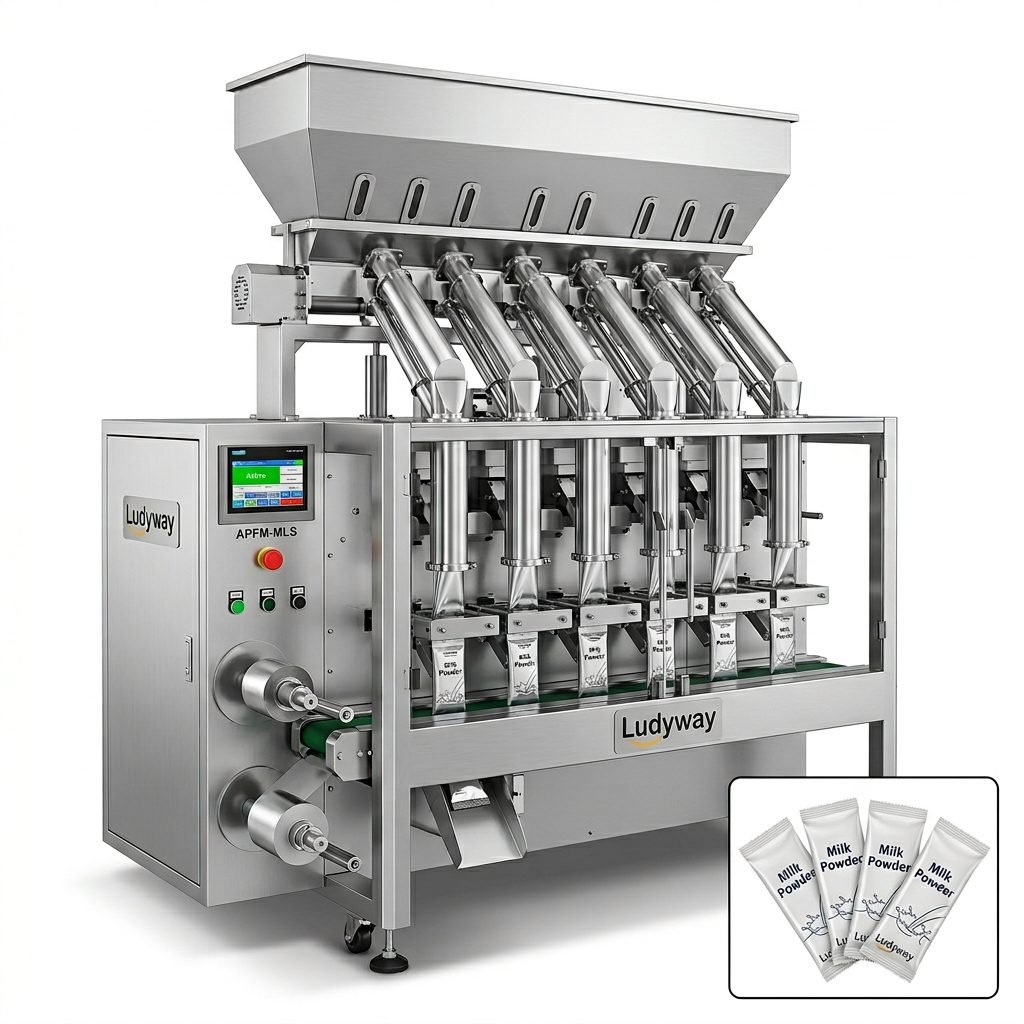
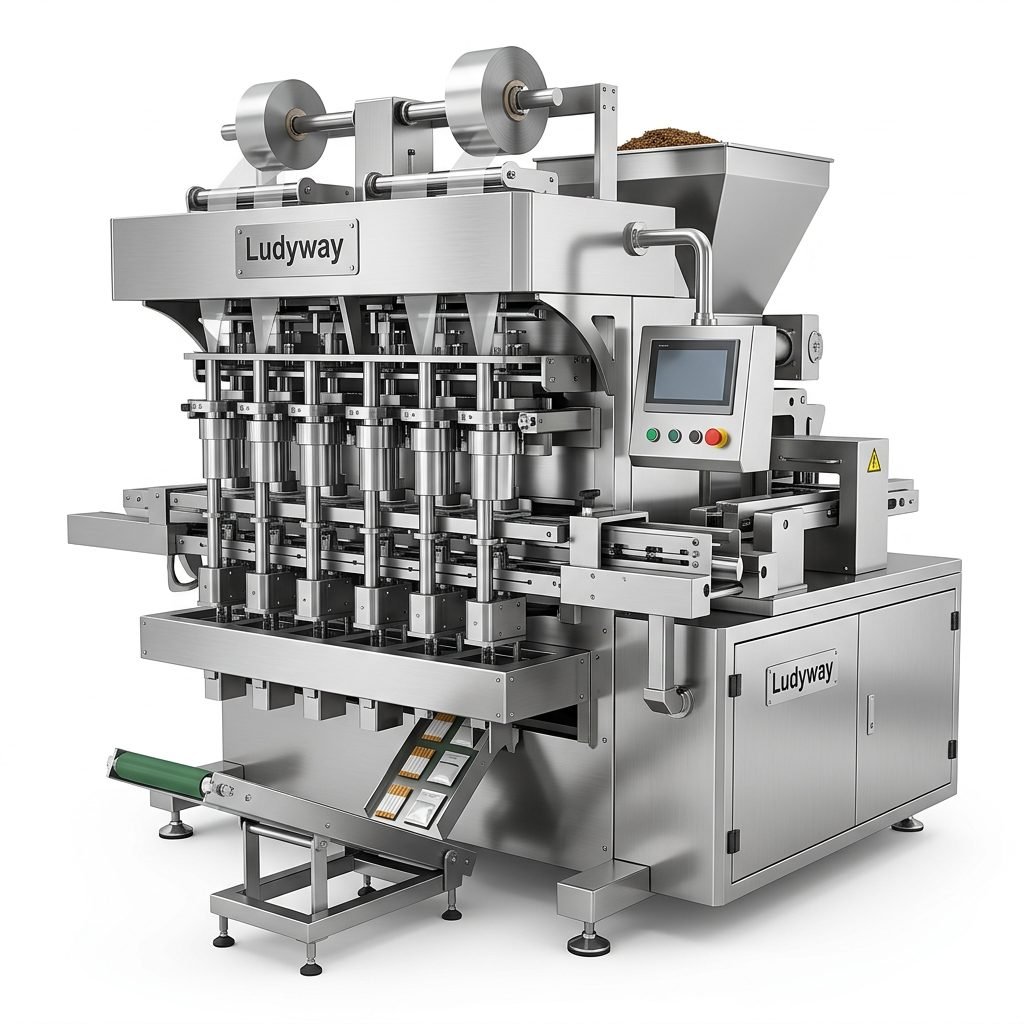
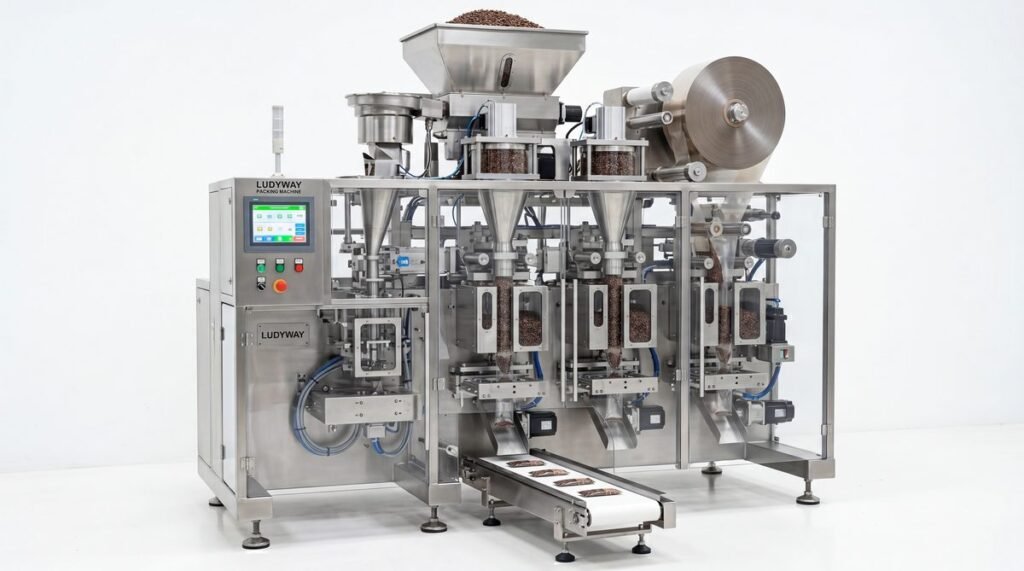
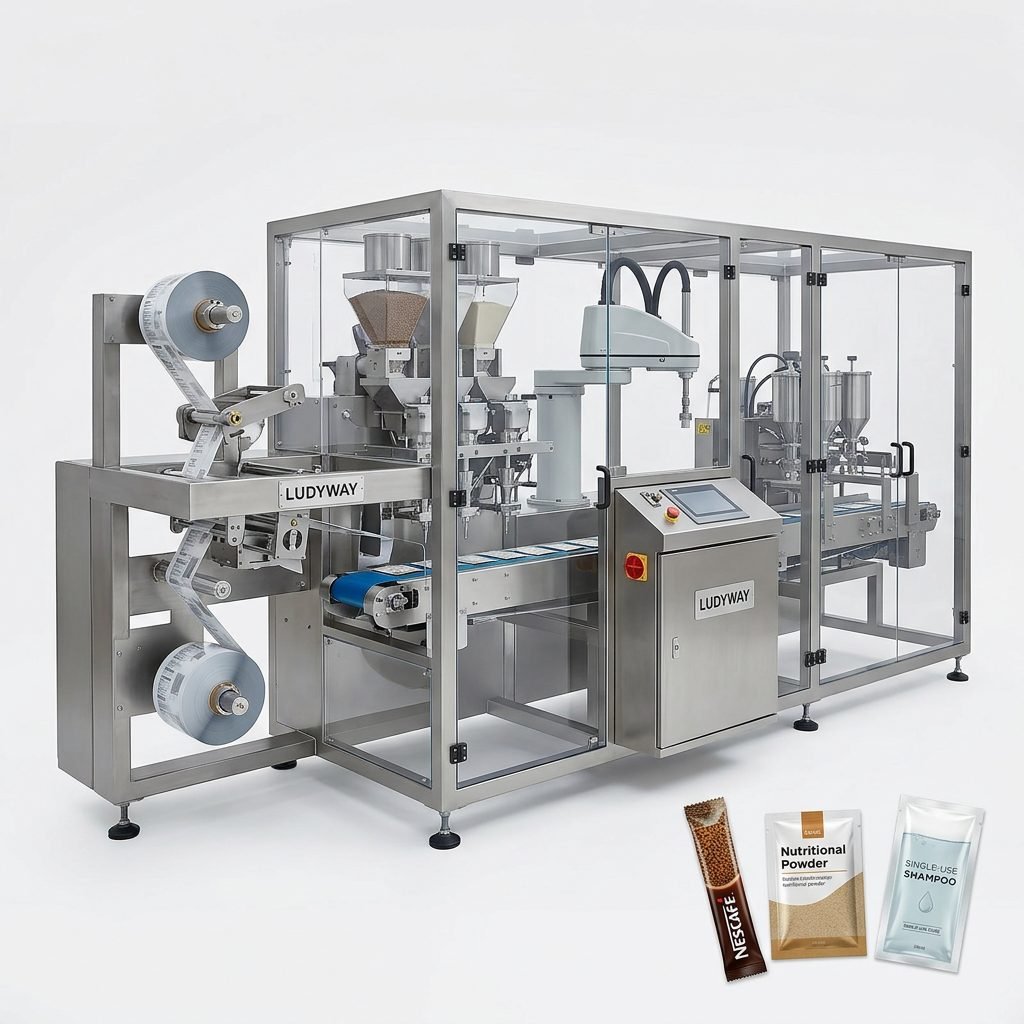
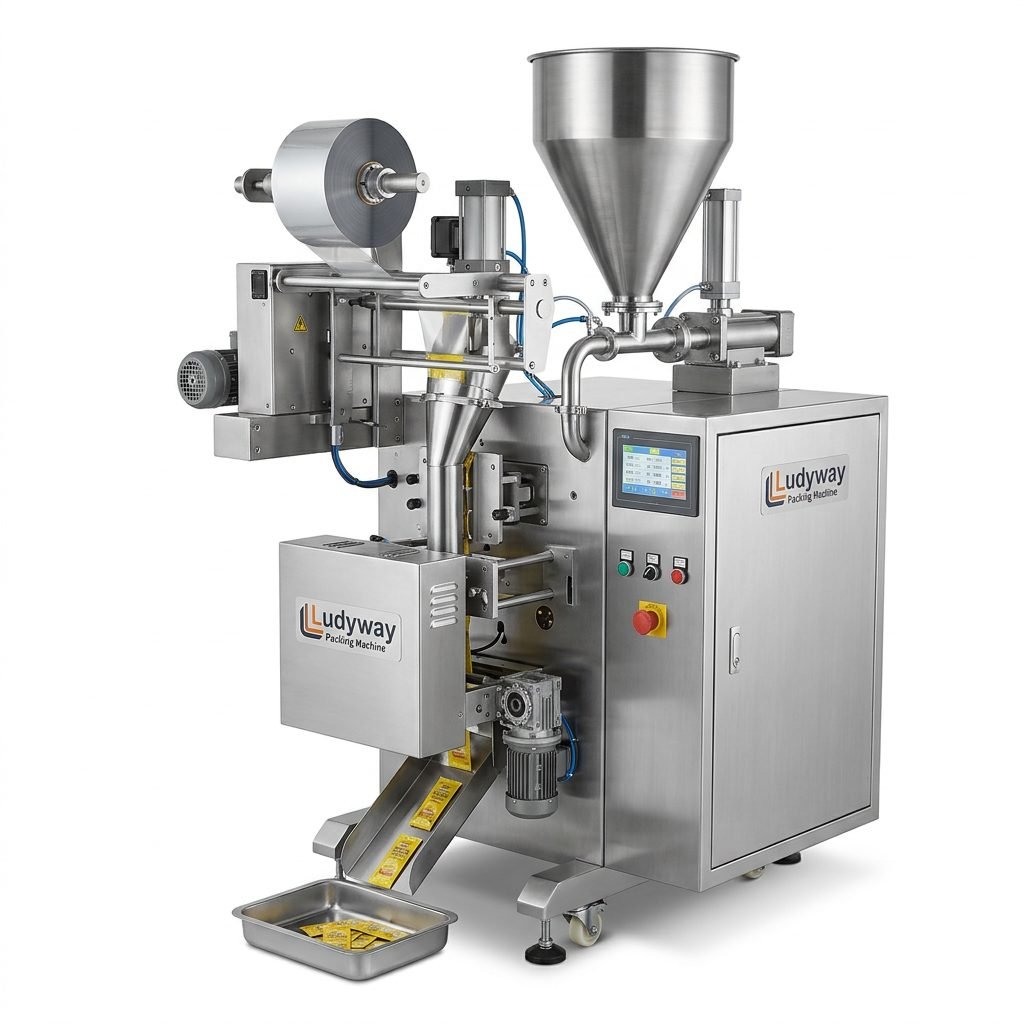
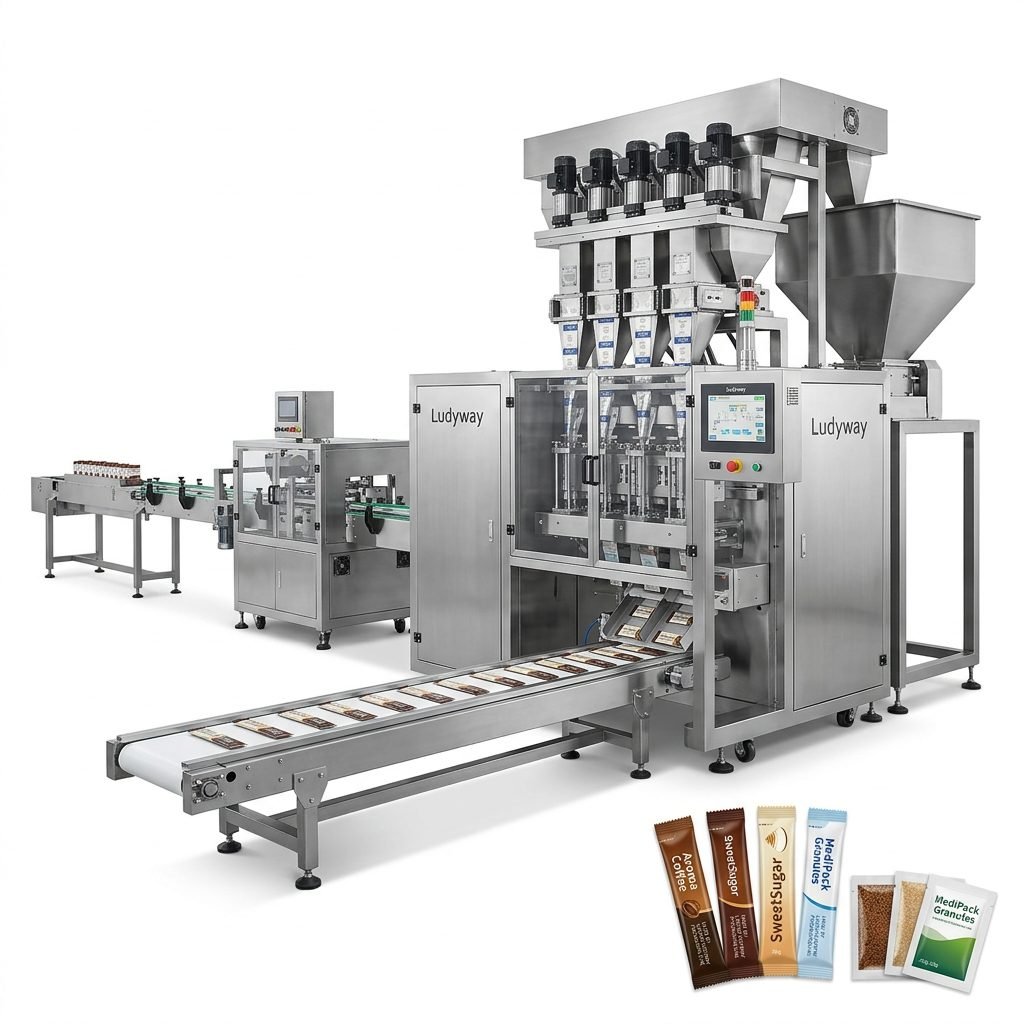
One manufacturer that exemplifies these supplier qualities is Ludyway Machinery, a China-based packaging machinery manufacturer with more than 30 years of industry experience. Their engineering team works with food manufacturers to configure filling systems, select corrosion-resistant materials, and integrate packaging lines tailored to specific product requirements, including pickles and other solid-liquid food products. With a 20,000-square-meter manufacturing facility and a portfolio of over 50 packaging machine models, they provide solutions spanning sachet, pouch, and multi-lane packaging configurations for manufacturers worldwide.
Common Mistakes When Buying a Pickle Packing Machine
Avoid these frequent pitfalls that lead to costly post-purchase regrets:
- Underestimating product variability — a machine tested with one pickle size may struggle with natural product variations; always conduct factory acceptance tests with your actual product range
- Focusing solely on speed — high throughput means little if fill accuracy or seal integrity suffers
- Ignoring future packaging format changes — if you plan to introduce new pouch sizes or jar formats, ensure the machine platform supports this flexibility
- Neglecting infrastructure requirements — compressed air capacity, electrical supply, and floor space must be verified before machine delivery
- Choosing based on price alone — the lowest upfront cost often translates to higher operating costs and shorter machine life
Integration with Upstream and Downstream Equipment
A pickle packaging machine rarely operates in isolation. It sits between upstream preparation (brine mixing, pickle cutting, blanching) and downstream handling (checkweighing, metal detection, cartoning, palletizing). When planning your line, consider:
- Conveyor interfaces — infeed and outfeed conveyor heights, speeds, and direction must align
- Buffer accumulation zones — prevent upstream or downstream stoppages from halting the entire line
- Quality control integration — inline checkweighers, metal detectors, and vision inspection systems
- Data communication protocols — Ethernet/IP, Profinet, or Modbus compatibility for Industry 4.0 connectivity
- Centralized control systems — single HMI controlling multiple line components simplifies operator training

Questions to Ask Before Signing a Purchase Order
Before finalizing your pickle packing machine investment, get written answers to these critical questions:
- Has this exact machine model been used for pickle or similar solid-liquid food products before? Request references.
- What is the guaranteed fill accuracy range for our specific product and package size?
- What is the expected film waste percentage during normal operation and changeovers?
- What is the typical lead time for critical spare parts shipped to our location?
- Is remote diagnostic support available, and what are the response time commitments?
- What training is included, and is on-site operator training available?
- What is the warranty period and what specifically does it cover?
- Can the machine be upgraded for higher speeds or additional formats in the future?
Selecting the right pickle packing machine requires thorough evaluation of product characteristics, packaging format, filling technology, material compatibility, hygienic design, and supplier capabilities. By systematically addressing each factor outlined in this guide, you can make a confident equipment investment that delivers consistent, efficient, and compliant pickle packaging for years to come. The time spent upfront analyzing requirements and vetting suppliers pays dividends through higher productivity, fewer quality issues, and lower total cost of ownership.