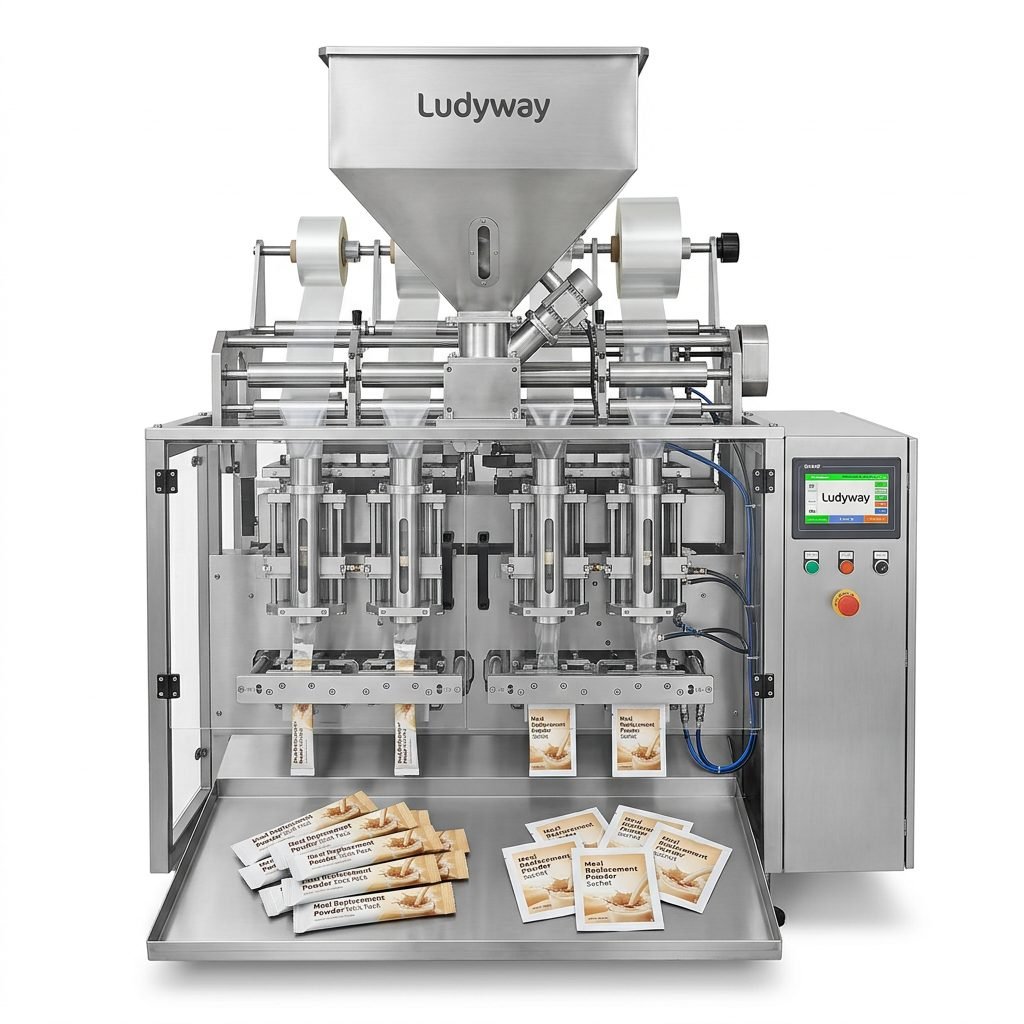
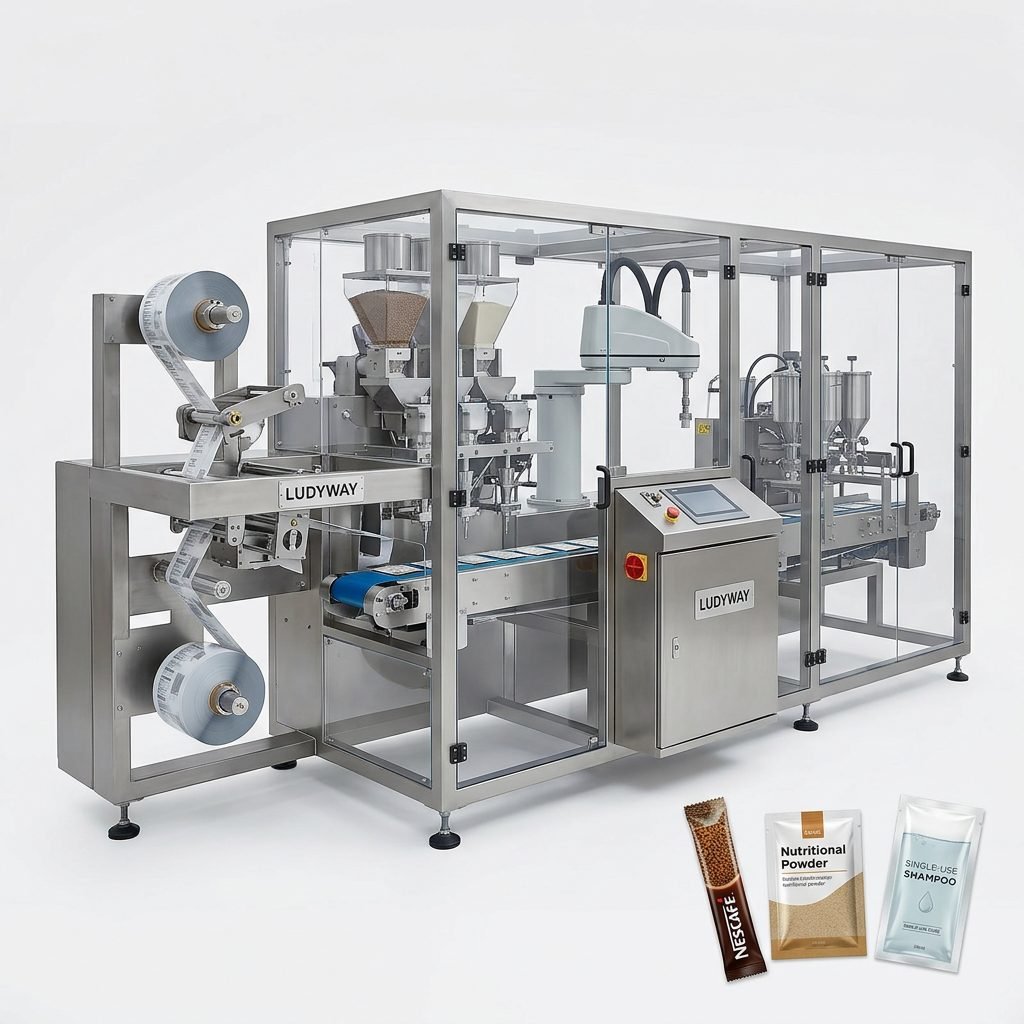
Investing in a small powder packing machine is a significant decision for any manufacturer handling powdered products. Whether you are in the food, pharmaceutical, cosmetic, or chemical industry, selecting the right equipment directly impacts your production efficiency, product quality, and bottom line. With dozens of machine types, configurations, and suppliers available worldwide, the selection process can feel overwhelming without a clear framework.
This guide walks you through the essential factors to consider when choosing a small powder packing machine, helping you make an informed purchasing decision that aligns with your operational needs, budget, and long-term growth plans.
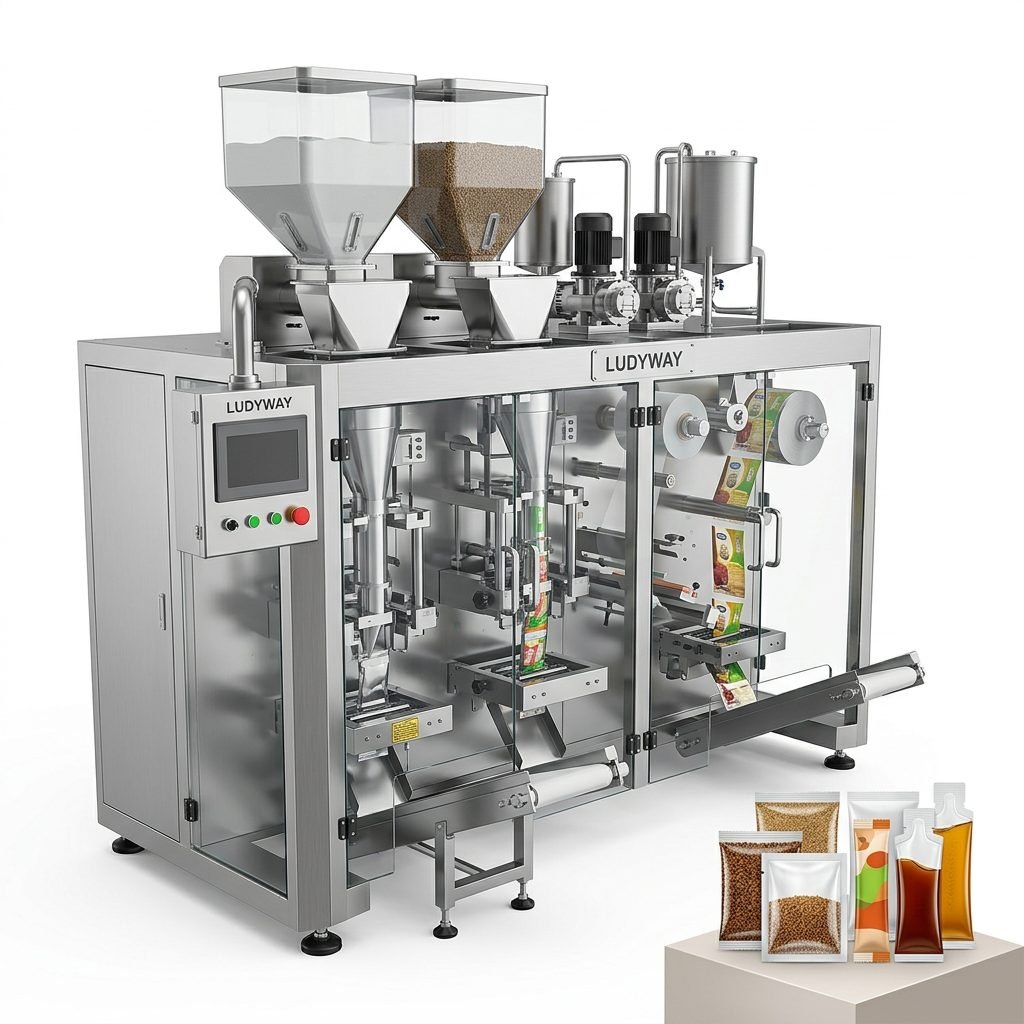
Understanding Your Powder Product Characteristics
Before evaluating any machine specifications, you must first analyze the physical properties of your powder. Powder behavior varies dramatically, and the wrong machine choice can lead to inconsistent fills, product waste, and costly downtime.
Key powder characteristics to assess include:
- Flowability: Does your powder flow freely (like granulated sugar) or is it cohesive and prone to bridging (like cocoa powder)? Free-flowing powders work well with volumetric fillers, while non-free-flowing powders often require auger filling systems or agitation mechanisms.
- Particle size and distribution: Fine powders (e.g., flour, talc) behave differently from granular products (e.g., coffee grounds, detergent). Machines designed for fine powders need specialized sealing systems to prevent dust contamination.
- Density: Bulk density variations affect fill volume calculations. A machine that works perfectly for a dense powder like salt may underfill lighter powders like protein supplements without proper calibration.
- Moisture sensitivity: Hygroscopic powders (those that absorb moisture from the air) may require humidity-controlled environments or specialized sealing technology to maintain product integrity during packaging.
- Temperature sensitivity: Some powders degrade at elevated temperatures. If your product is heat-sensitive, you may need a machine with cold-seal or low-temperature sealing capabilities rather than traditional heat sealing.
According to industry data from the PMMI packaging industry association, understanding product characteristics is the single most important step in equipment selection, as it determines virtually every subsequent specification decision.
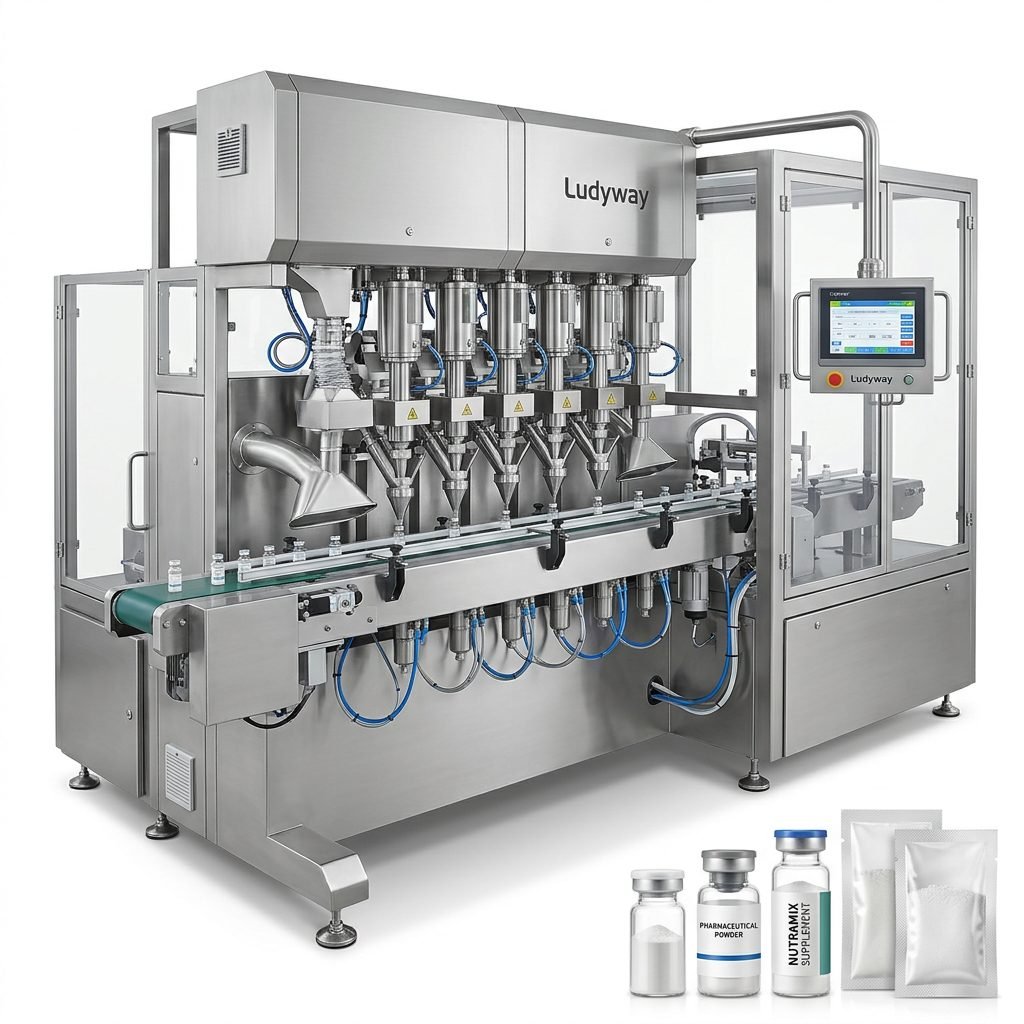
Key Machine Specifications to Evaluate
Filling Accuracy and Dosing Technology
The dosing mechanism is the heart of any powder packing machine. The level of fill accuracy you require depends largely on your product’s value and regulatory requirements. Pharmaceutical powders, for instance, demand extremely tight tolerances, while some industrial powders allow more flexibility.
Common dosing technologies for small powder packing machines include:
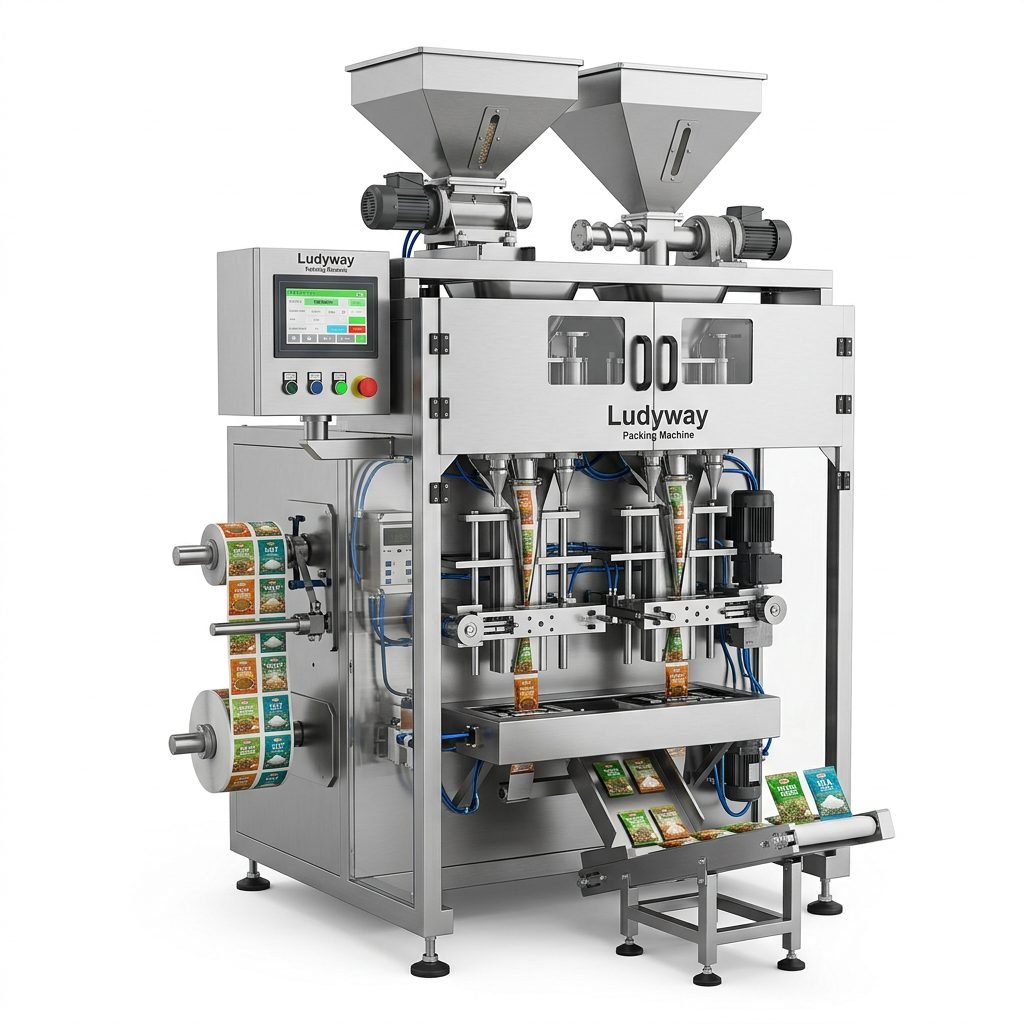
- Auger filler: Best suited for non-free-flowing powders and applications requiring high accuracy. An auger screw rotates inside a hopper, precisely dispensing powder into each package. This is the preferred choice for pharmaceuticals, nutritional supplements, and high-value food ingredients.
- Volumetric cup filler: Uses fixed-volume cups to portion product. This method is fast and cost-effective for free-flowing powders with consistent density, such as coffee grounds or sugar.
- Net weigh filler: Weighs each dose individually before filling. While slower than volumetric methods, net weigh systems offer the highest accuracy and are ideal for expensive products where overfilling is costly.
- Multi-head combination weigher: Uses multiple weigh heads to calculate optimal combinations for target weight. Though more common for granules, some models handle powders effectively, especially for stick pack applications.
Production Speed and Output Capacity
Your required production speed must balance current demand with future growth projections. A machine that barely meets today’s requirements will become a bottleneck as your business expands. Key speed-related factors include:
- Packs per minute (PPM) rating for your specific product and package size
- Number of filling lanes (single-lane vs. multi-lane configurations for stick packs and sachets)
- Changeover time between different product or package formats
- Machine uptime and reliability track record
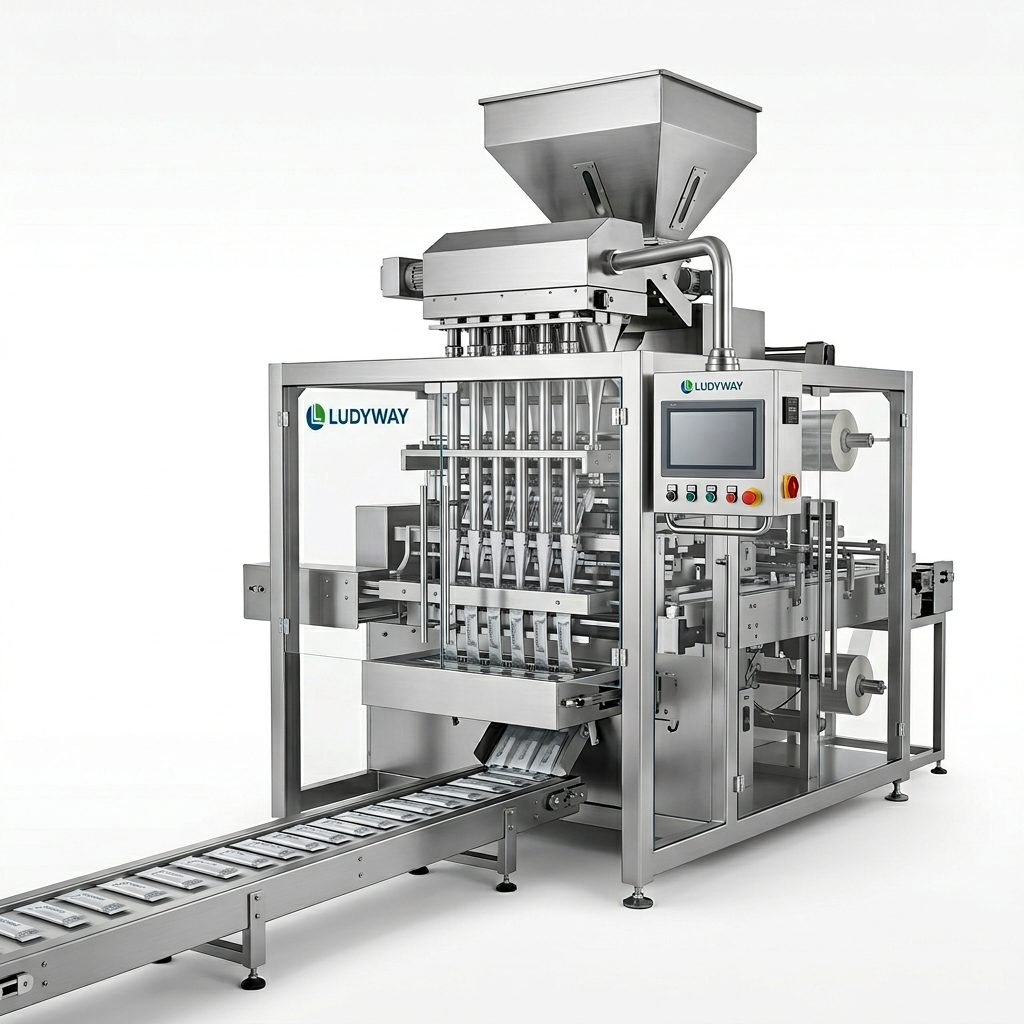
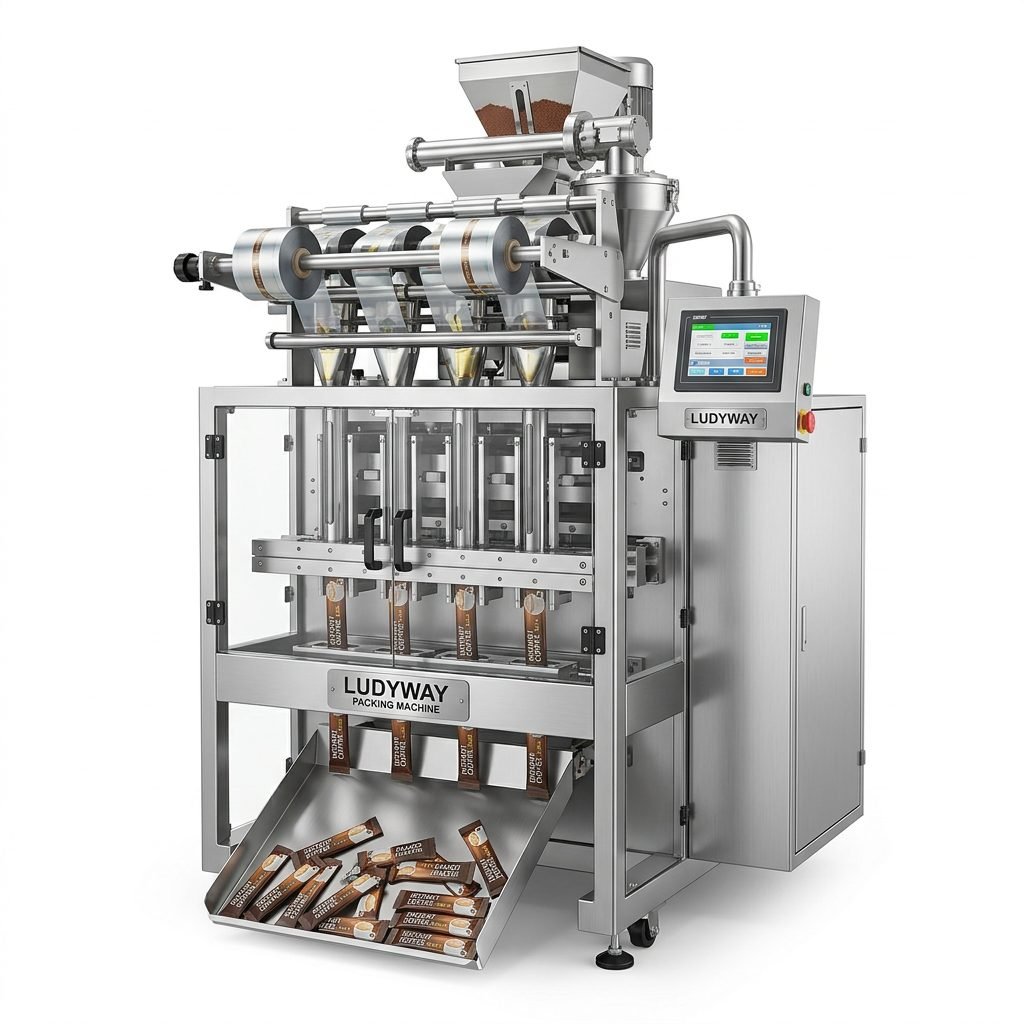
Multi-lane machines, such as 4-lane or 8-lane stick pack systems, can dramatically increase output for high-volume producers. However, they require higher initial investment and more complex maintenance. For reference, PMMI business intelligence reports show that multi-lane configurations can increase throughput by 200-500% compared to single-lane equivalents.
Types of Small Powder Packing Machines
The packaging format you choose determines which machine type is appropriate. Each format serves different market segments and consumer use cases.
| Machine Type | Best For | Typical Speed Range | Ideal Industries |
|---|---|---|---|
| Vertical Form Fill Seal (VFFS) | Medium to large pouches, pillow bags | 30-120 PPM | Food, chemicals, agriculture |
| Stick Pack Machine | Narrow single-serve stick packs | 200-600 PPM (multi-lane) | Pharmaceuticals, nutraceuticals, coffee, sugar |
| Pre-Made Pouch Filler | Stand-up pouches, zipper pouches | 15-45 PPM | Premium foods, pet food, supplements |
| Sachet Machine | Flat 3-side or 4-side seal sachets | 200-800 PPM (multi-lane) | Cosmetics, personal care, pharmaceutical samples |
| Auger Filling Machine | Precise powder dosing into various pack formats | 15-80 PPM | Pharmaceuticals, specialty chemicals, nutritional powders |
Vertical Form Fill Seal (VFFS) Machines
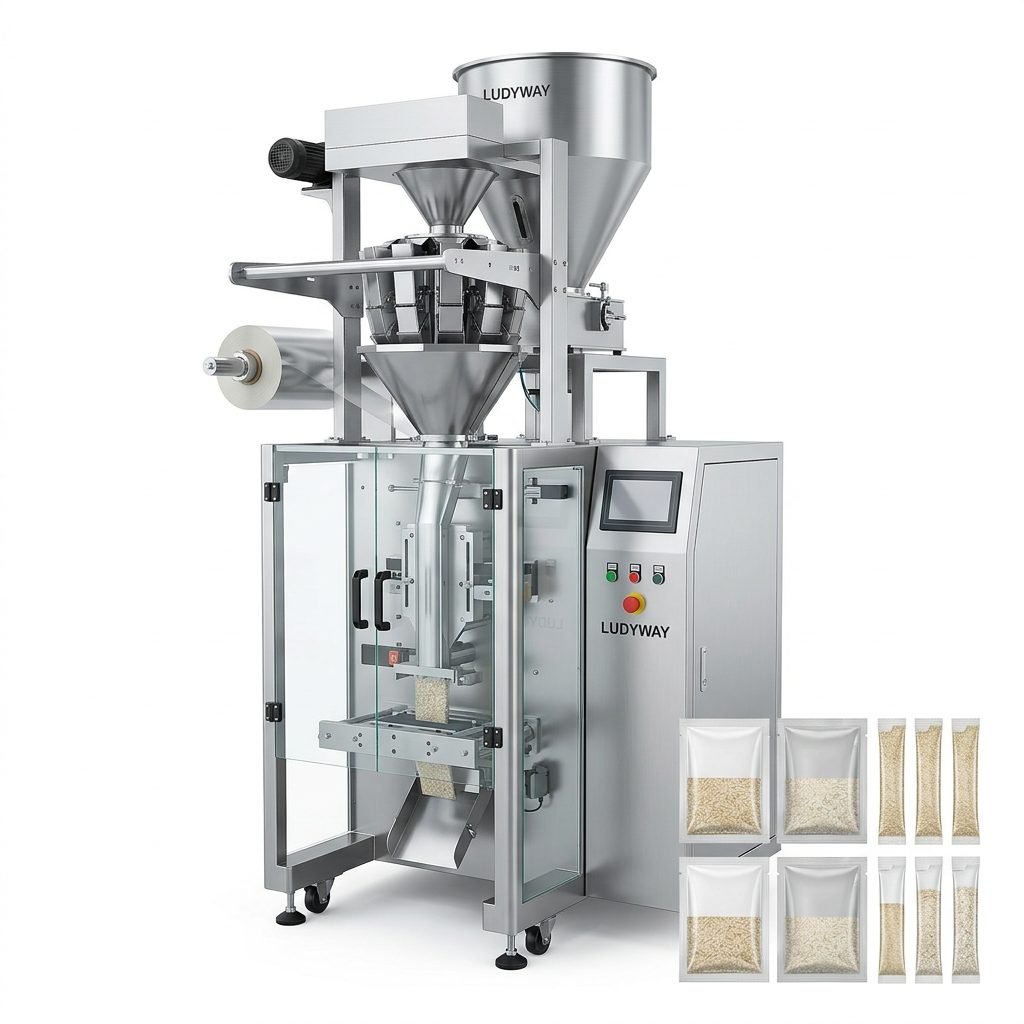
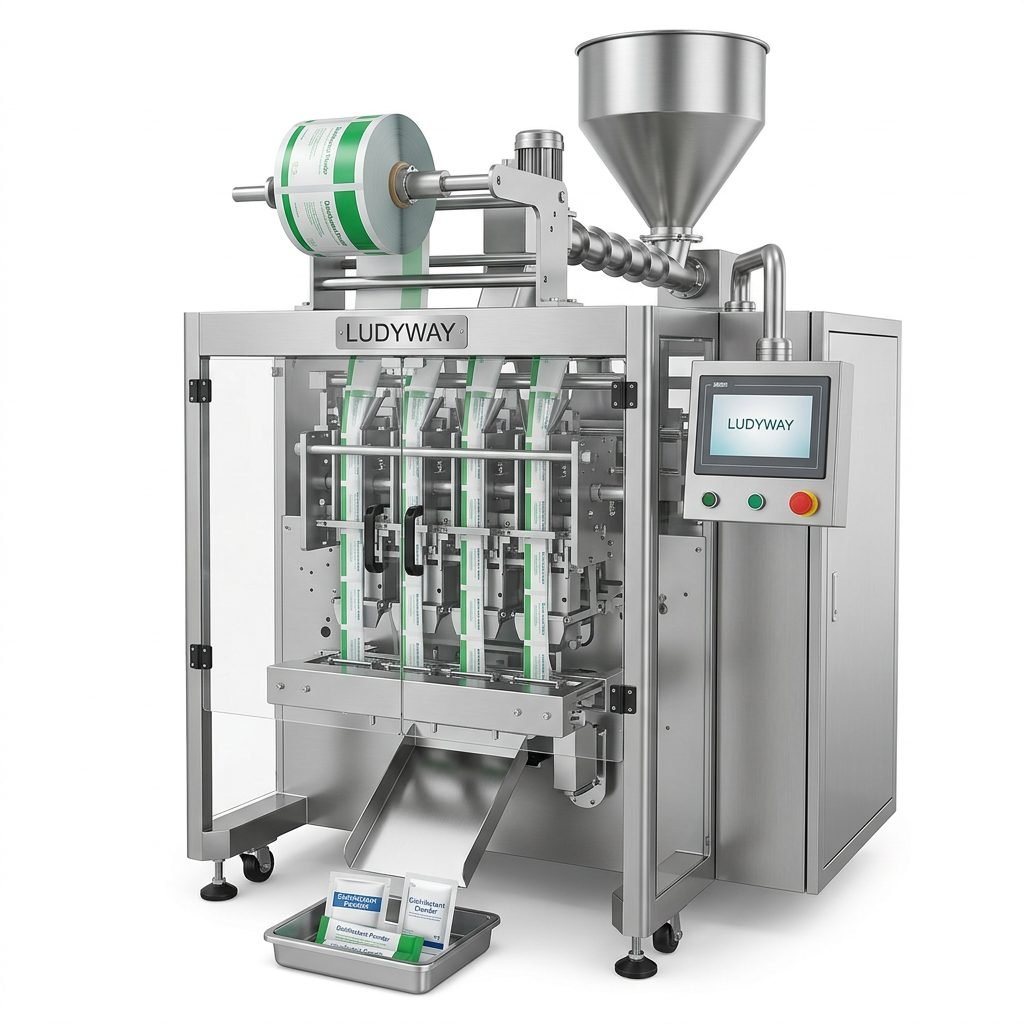
VFFS systems form a bag from flat roll stock, fill it with product, and seal it in a continuous vertical process. These machines are versatile and widely used across industries for powder packaging ranging from small 5g sachets to larger 1kg bags. Their popularity stems from relatively simple operation, proven reliability, and the ability to handle diverse film materials including laminates with barrier properties.
Multi-Lane Stick Pack Machines
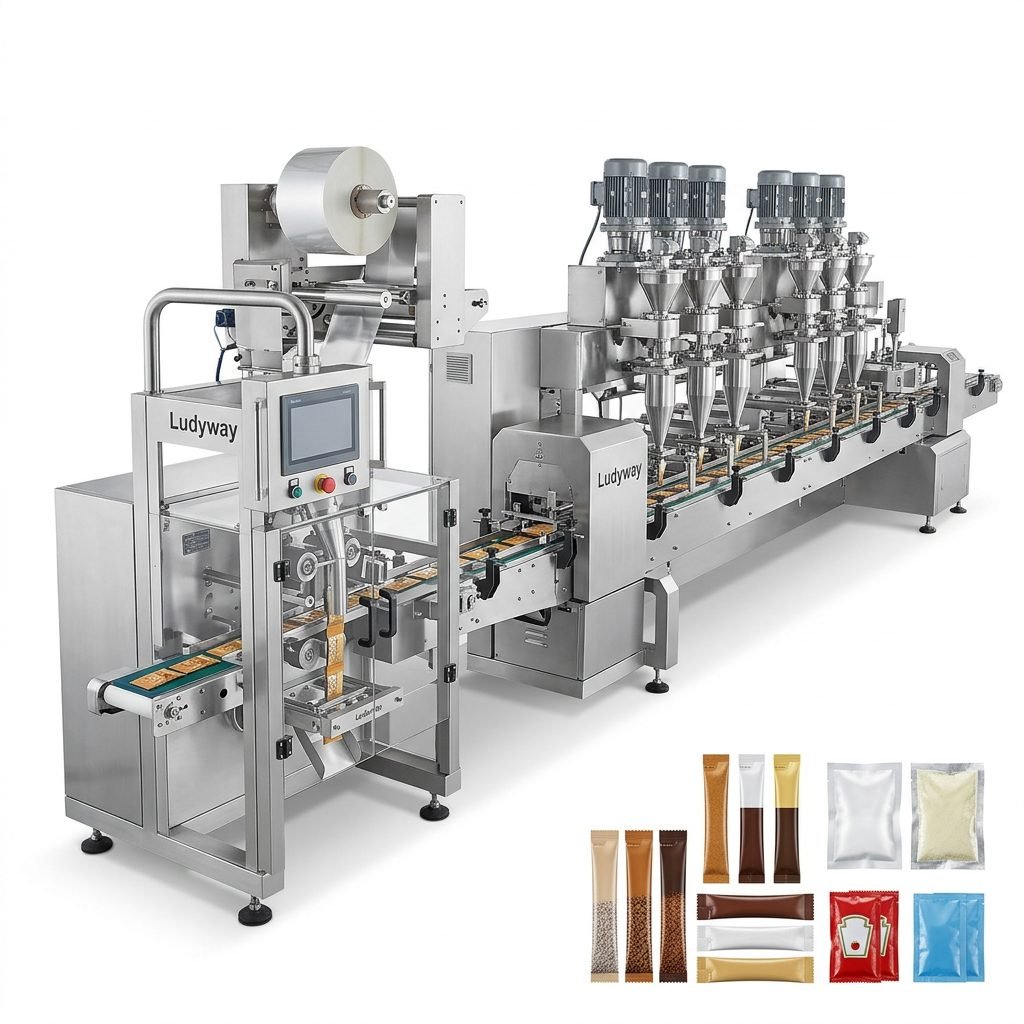
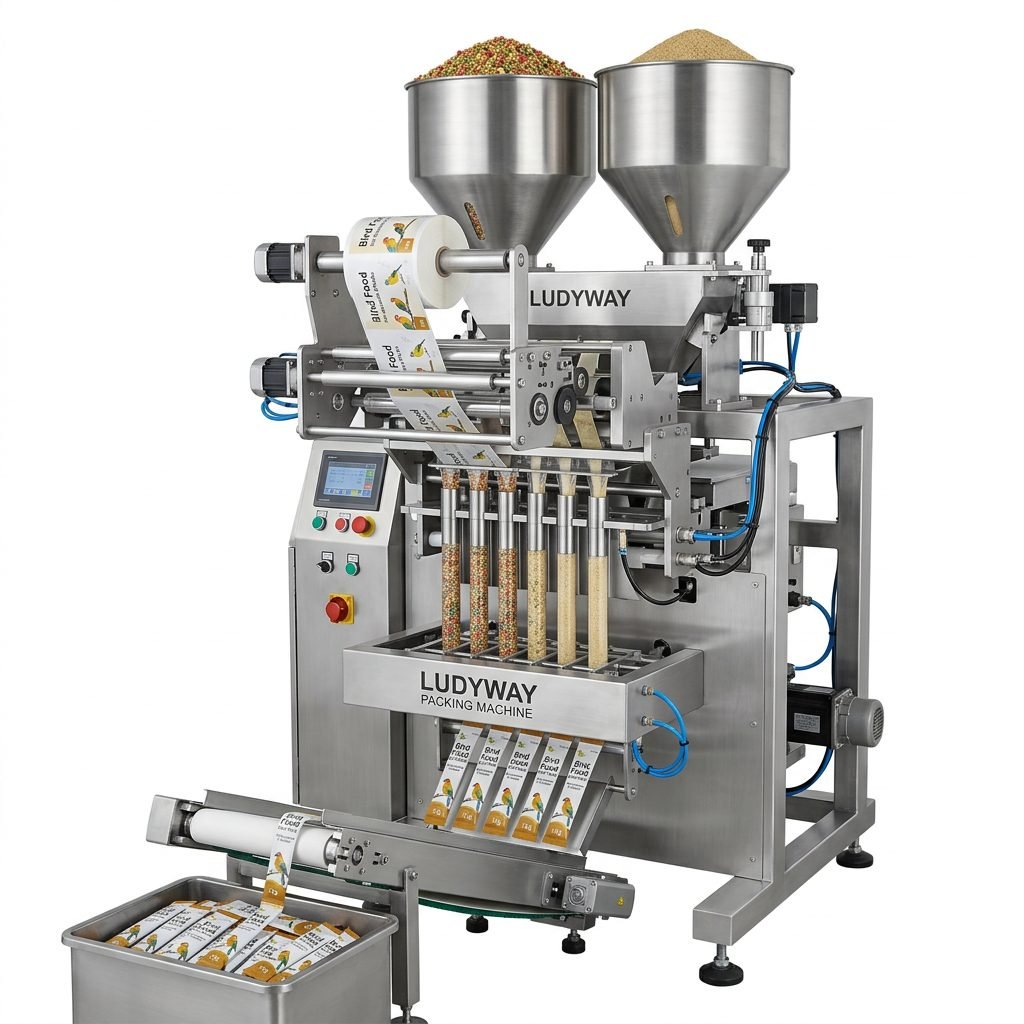
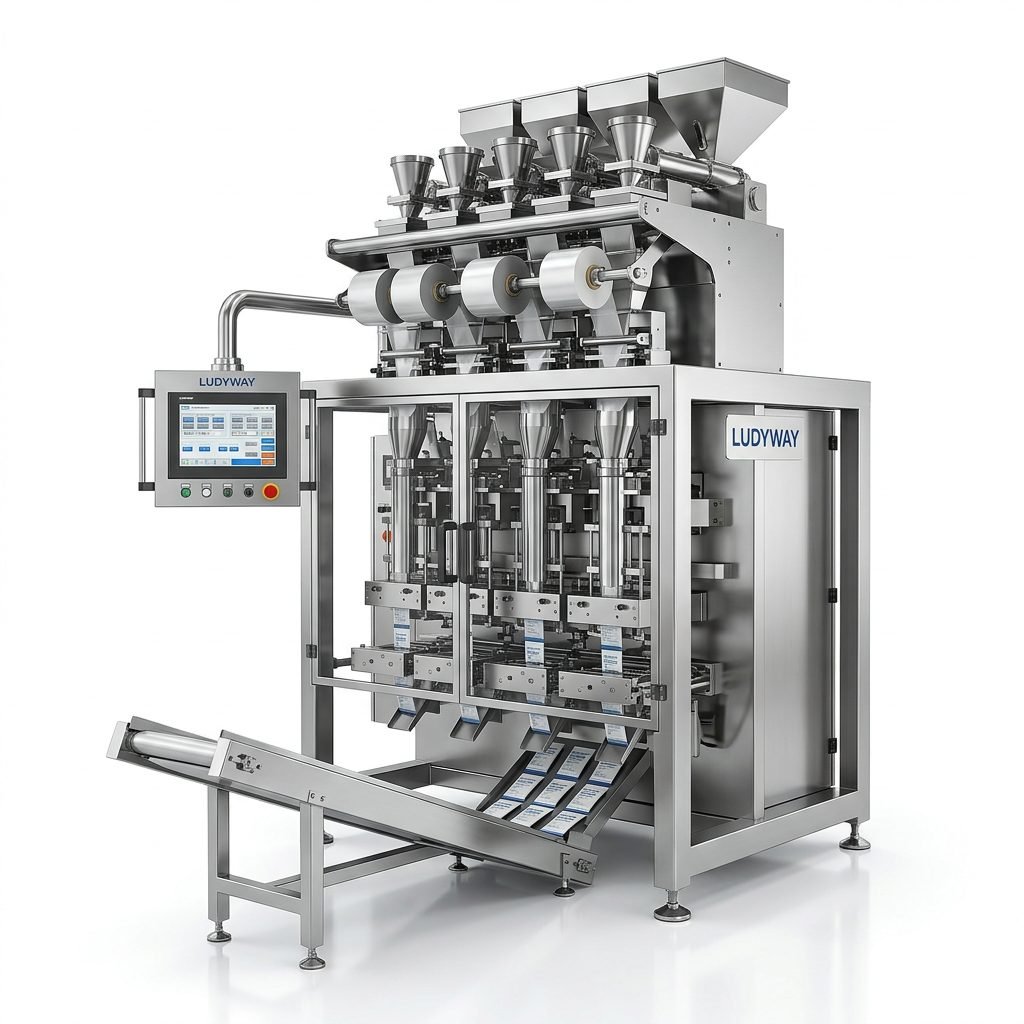
For single-serve powder products, multi-lane stick pack machines offer unmatched productivity. These systems run 4, 6, 8, 10, or even 12 lanes simultaneously, producing narrow sealed sticks ideal for instant coffee, sugar, pharmaceutical powders, and nutritional supplements. The flexibility to adjust lane configurations and fill volumes makes them attractive for co-packers serving multiple brands. Resources from the Flexible Packaging Association provide further insights into stick pack market trends and material innovations.
Material Compatibility and Construction Quality
A small powder packing machine is a long-term capital investment, and build quality directly correlates with service life and reliability. Key construction considerations include:
- Frame material: Stainless steel (304 or 316 grade) is standard for food and pharmaceutical applications due to corrosion resistance and cleanability. Carbon steel frames with protective coatings may suffice for non-food industrial powders.
- Contact parts: All product-contact surfaces should be food-grade stainless steel, with smooth finishes and no crevices where powder can accumulate and cause contamination.
- Sealing system: Look for precision temperature controllers, even pressure distribution across the sealing bar, and durable sealing elements that maintain performance over millions of cycles.
- Dust management: Fine powder packaging requires effective dust extraction systems to protect both product quality and operator safety. Machines with integrated dust collection minimize cleaning requirements and cross-contamination risks.
- Automation components: Reputable brands for PLCs, sensors, pneumatics, and servo motors (such as Siemens, Omron, Festo, or Mitsubishi) ensure spare parts availability and consistent performance worldwide.
Budget Considerations and ROI Analysis
The purchase price of a small powder packing machine is only one component of total cost. A thorough total cost of ownership (TCO) analysis should include:
- Initial equipment cost (including freight, import duties, and installation)
- Operator training expenses
- Consumables (packaging film, lubricants, wear parts)
- Annual maintenance and spare parts budgets
- Energy consumption and utility costs
- Expected productive lifespan (typically 8-15 years for well-maintained machines)
- Potential downtime costs during repairs or changeovers
Calculate your return on investment (ROI) by comparing the machine’s productivity gains and labor savings against total costs. For many manufacturers, automating manual powder packing processes yields payback within 12-24 months through increased output, reduced giveaway, and lower labor costs. The State of the Industry reports from PMMI regularly highlight how automation investments correlate with improved operational efficiency across packaging sectors.
Supplier Evaluation Checklist
Selecting the right supplier is as important as selecting the right machine. A reliable packaging machinery partner provides value far beyond the initial equipment sale. When evaluating suppliers, consider the following:
- Industry experience: How many years has the manufacturer been producing powder packing machines? Do they specialize in your specific industry vertical?
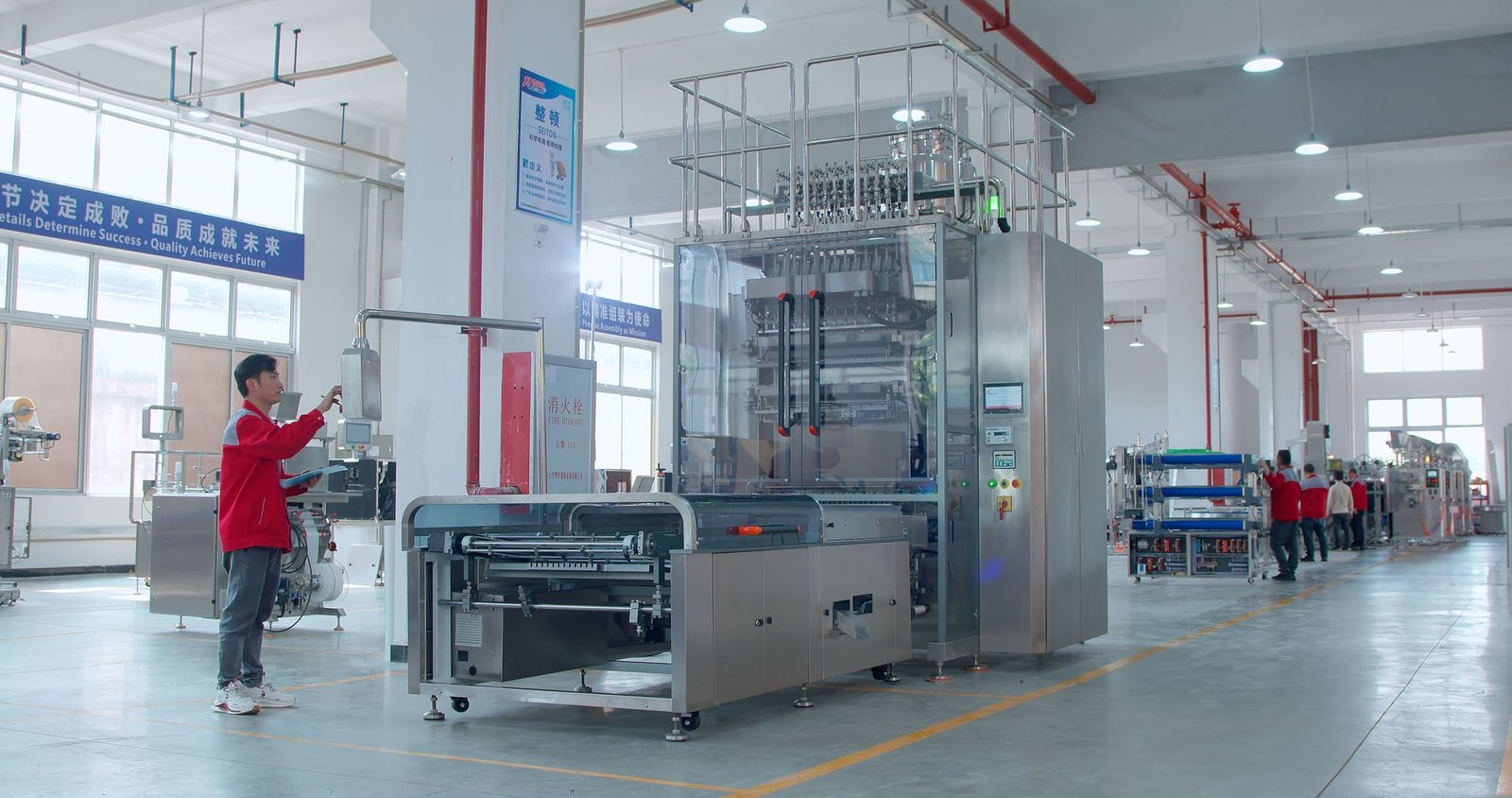
- Manufacturing capabilities: Visit the factory if possible, or request virtual tours. A well-organized manufacturing facility with in-house machining, assembly, and testing areas indicates serious production capability.
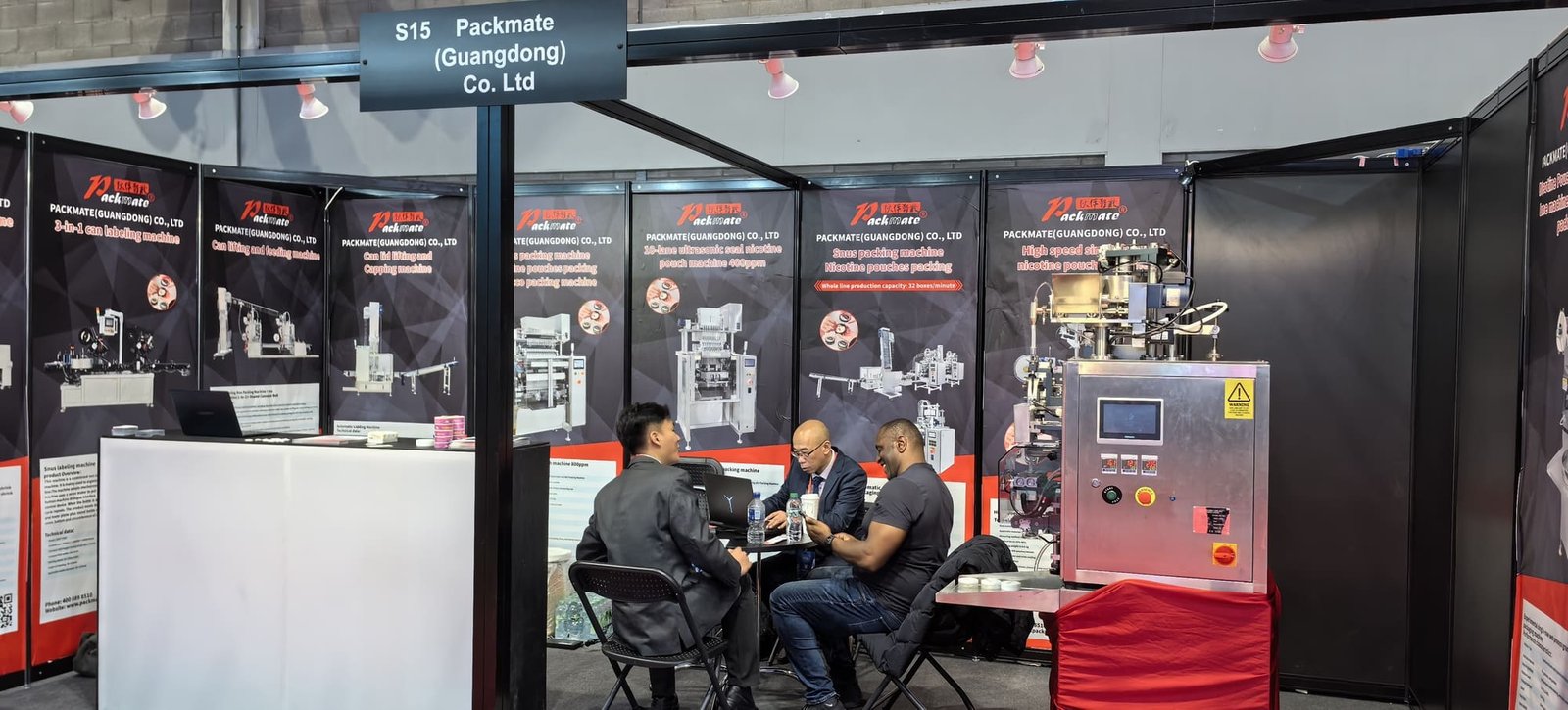
- Technical support: What level of pre-sales engineering consultation is offered? Does the supplier help with product testing, machine configuration, and packaging material recommendations?
- After-sales service: Clarify warranty terms, spare parts availability, remote support capabilities, and local service technician coverage in your region.
- Customer references: Request case studies or references from customers producing similar powder products. Honest feedback from existing users is invaluable.
- Certifications and compliance: For regulated industries, confirm that machines can be configured to meet applicable standards such as CE, FDA 21 CFR Part 11, or GMP requirements. Relevant information on regulatory considerations can be found through the FDA food packaging resources.
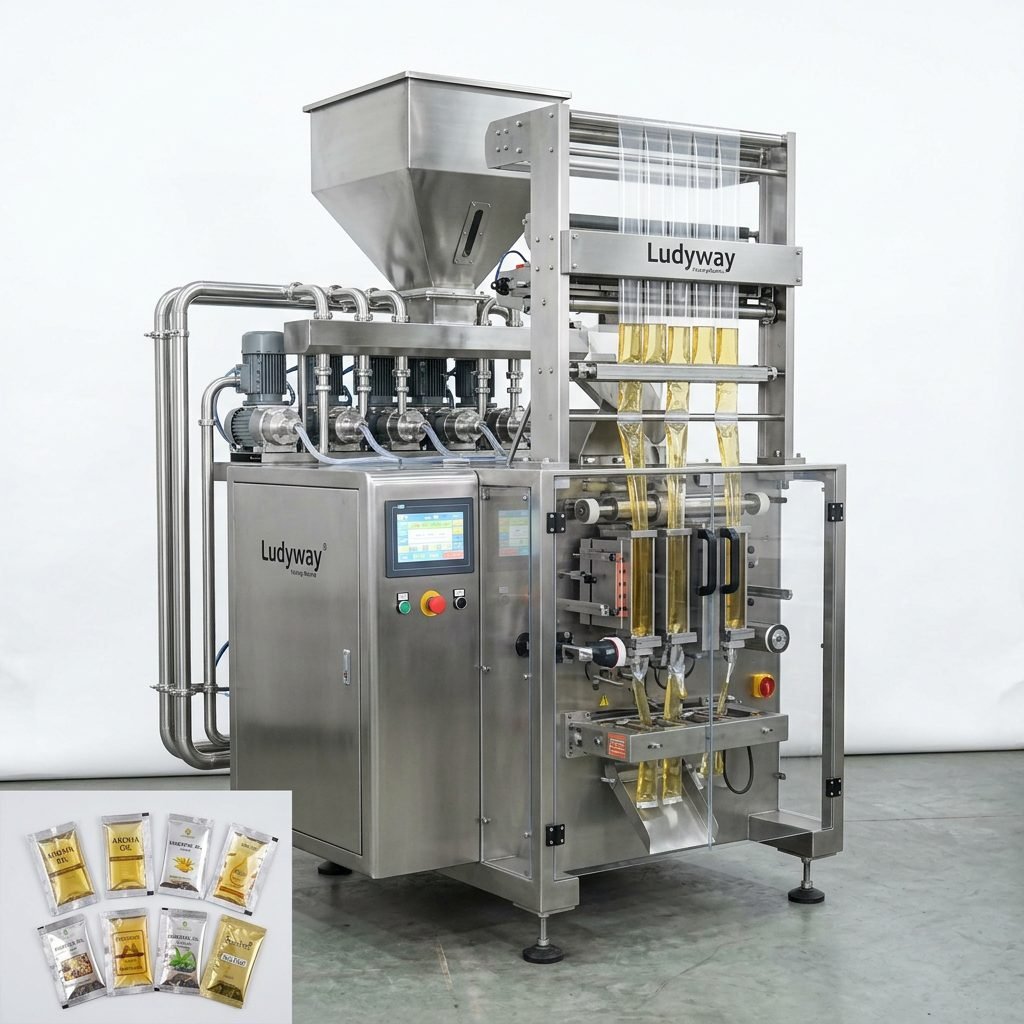
One established manufacturer in this space is Ludyway Machinery, a China-based packaging machinery manufacturer with over 30 years of industry experience, a 20,000-square-meter manufacturing facility, and more than 50 packaging machine models covering powder, granule, liquid, stick pack, sachet, and pouch applications. Their customized approach to packaging solutions and global service coverage across 100+ countries makes them a noteworthy option for buyers evaluating turnkey powder packaging systems.
Automation and Integration Capabilities
Modern small powder packing machines often function as part of a broader production ecosystem. Consider how the machine integrates with your existing or planned infrastructure:
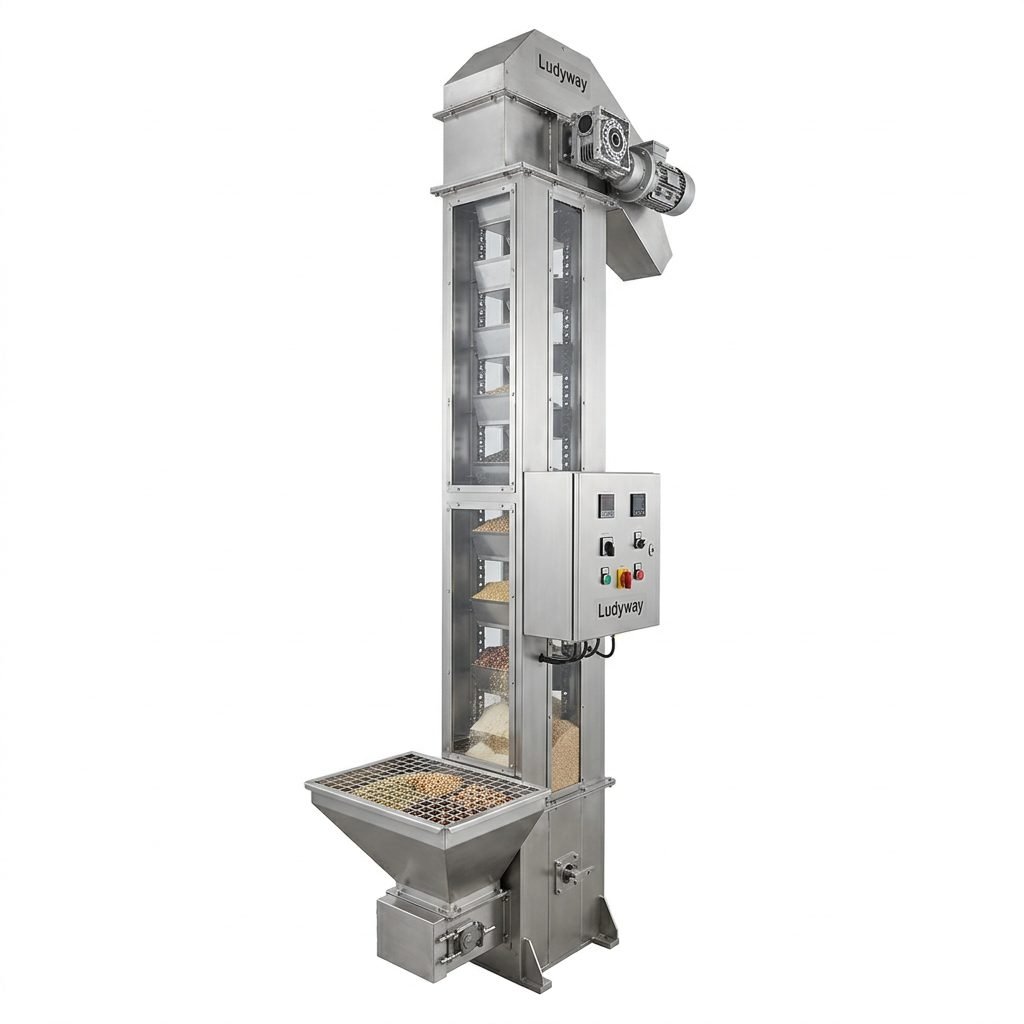
- Upstream integration: Can the machine connect to your existing powder feeding systems, sieves, metal detectors, or conveying equipment?
- Downstream integration: What options exist for automatic cartoning, case packing, checkweighing, coding and marking, palletizing, or stretch wrapping?
- Data connectivity: Does the control system support Industry 4.0 protocols, OEE tracking, remote diagnostics, or integration with your ERP and MES systems?
- Flexibility for future products: If you plan to introduce new powder formulations or package formats, can the machine be reconfigured or upgraded, or will you need entirely new equipment?
Frequently Asked Questions
What is the typical lifespan of a small powder packing machine?
A well-maintained machine from a reputable manufacturer typically lasts 10 to 15 years or more. Factors affecting longevity include operating environment, maintenance frequency, product abrasiveness, and production volume. Regular preventive maintenance and timely replacement of wear parts significantly extend equipment life.
How do I determine the right filling technology for my powder?
Run product trials with potential suppliers before making a final decision. Send your actual powder for testing on different dosing systems. Observe fill accuracy at various speeds, and request written test reports documenting the results. This empirical data removes guesswork and provides objective criteria for comparing machine performance across different suppliers.
What are common mistakes when buying a powder packing machine?
- Underestimating required speed: Buying a machine that barely meets current production needs without accounting for growth
- Overlooking powder characteristics: Assuming all powders behave similarly without proper testing
- Focusing solely on purchase price: Ignoring total cost of ownership including maintenance, downtime, and consumables
- Neglecting local support: Choosing a supplier without adequate technical support or spare parts availability in your region
- Skipping reference checks: Failing to speak with existing customers who have similar applications
Should I buy a new or used powder packing machine?
Used equipment may offer lower upfront costs but comes with risks including unknown maintenance history, lack of warranty, and potentially outdated technology. For critical production equipment, new machines with full manufacturer support generally provide better long-term value and reliability. If budget constraints necessitate used equipment, insist on a thorough inspection by a qualified technician and confirm spare parts availability before purchasing.
Choosing the right small powder packing machine requires balancing technical specifications, budget realities, and long-term operational goals. By systematically evaluating your powder characteristics, production requirements, machine types, and supplier capabilities, you position your business for efficient, reliable, and scalable powder packaging operations that support sustainable growth.