Selecting the right ice cube packing machine is a critical decision that directly impacts your production efficiency, product quality, and long-term operational costs. Whether you are producing bagged ice for retail, wholesale distribution, or food service applications, the packaging equipment you choose must align with your specific production environment, throughput requirements, and packaging format preferences.
This comprehensive buyer’s guide walks you through the essential factors to evaluate when investing in ice cube packaging machinery, helping you make an informed purchasing decision that supports your business growth.
Understanding Ice Cube Packaging Machine Types
Before evaluating specific features, it is important to understand the primary types of ice packaging equipment available on the market. Each type serves different production scales and packaging formats:
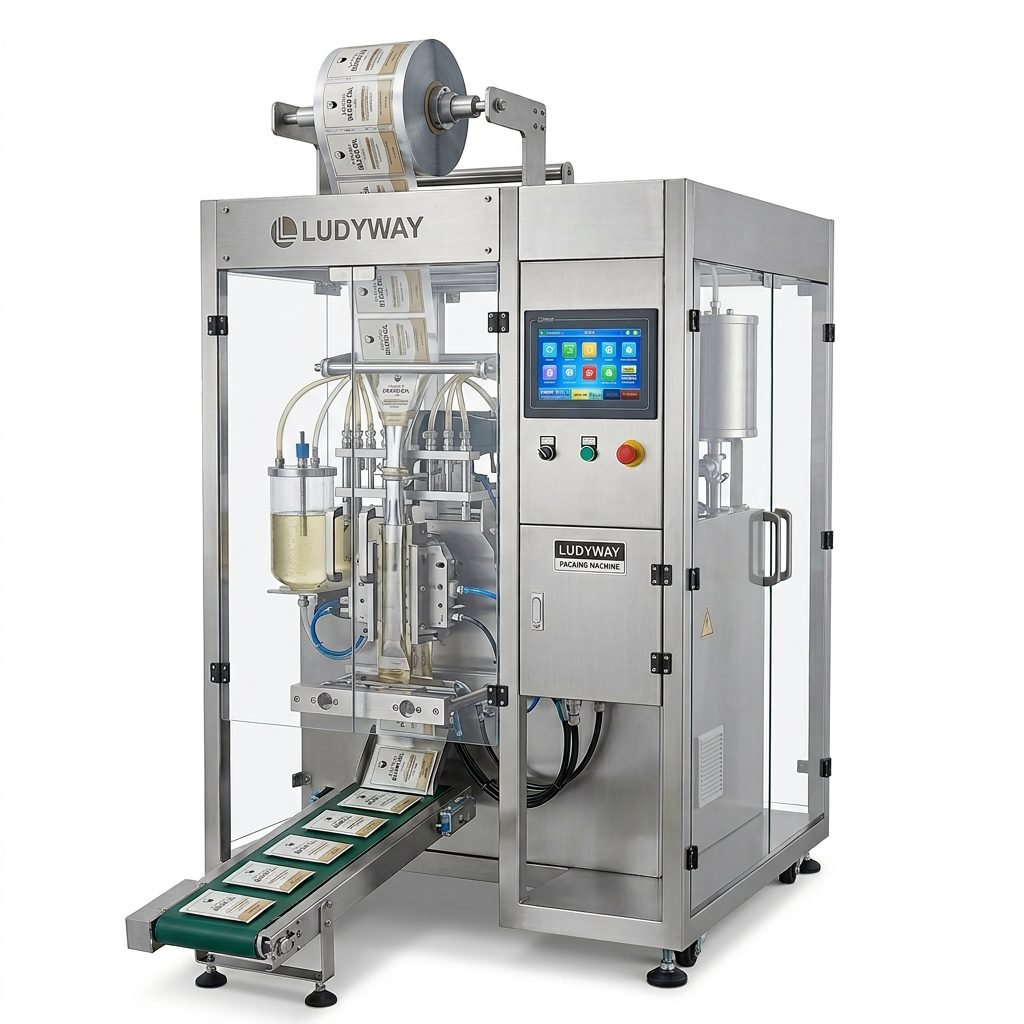
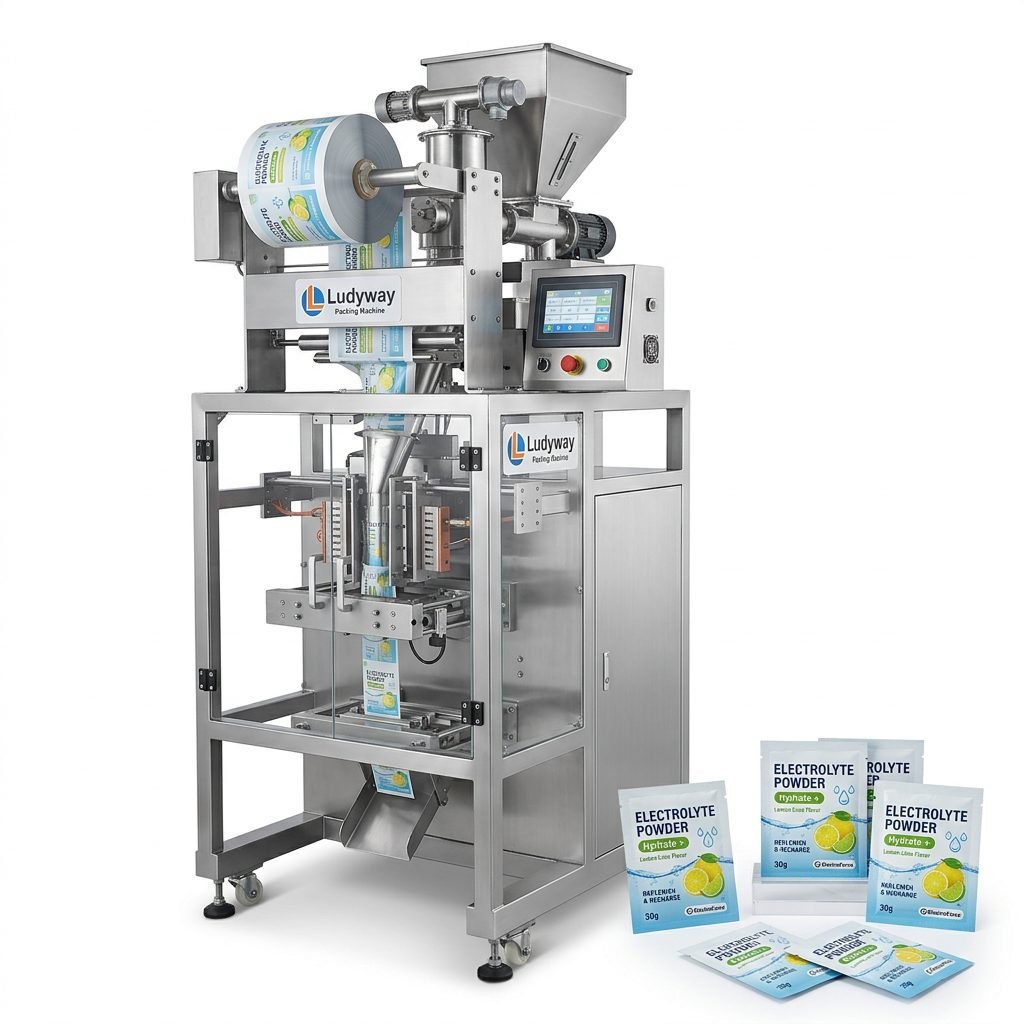
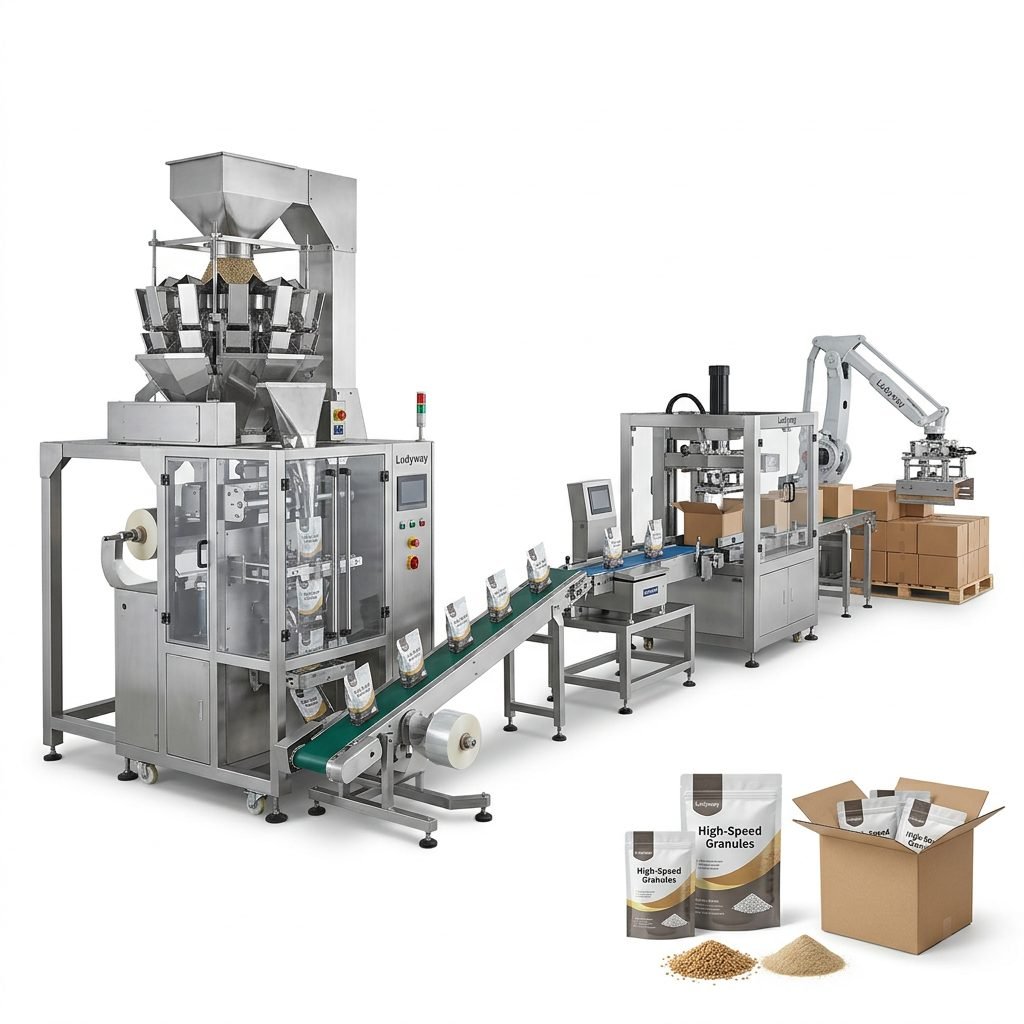
- Vertical form fill seal (VFFS) machines — These create bags from roll stock film, fill them with ice cubes, and seal them in a continuous vertical motion. Ideal for high-speed operations producing pillow bags or gusseted bags.
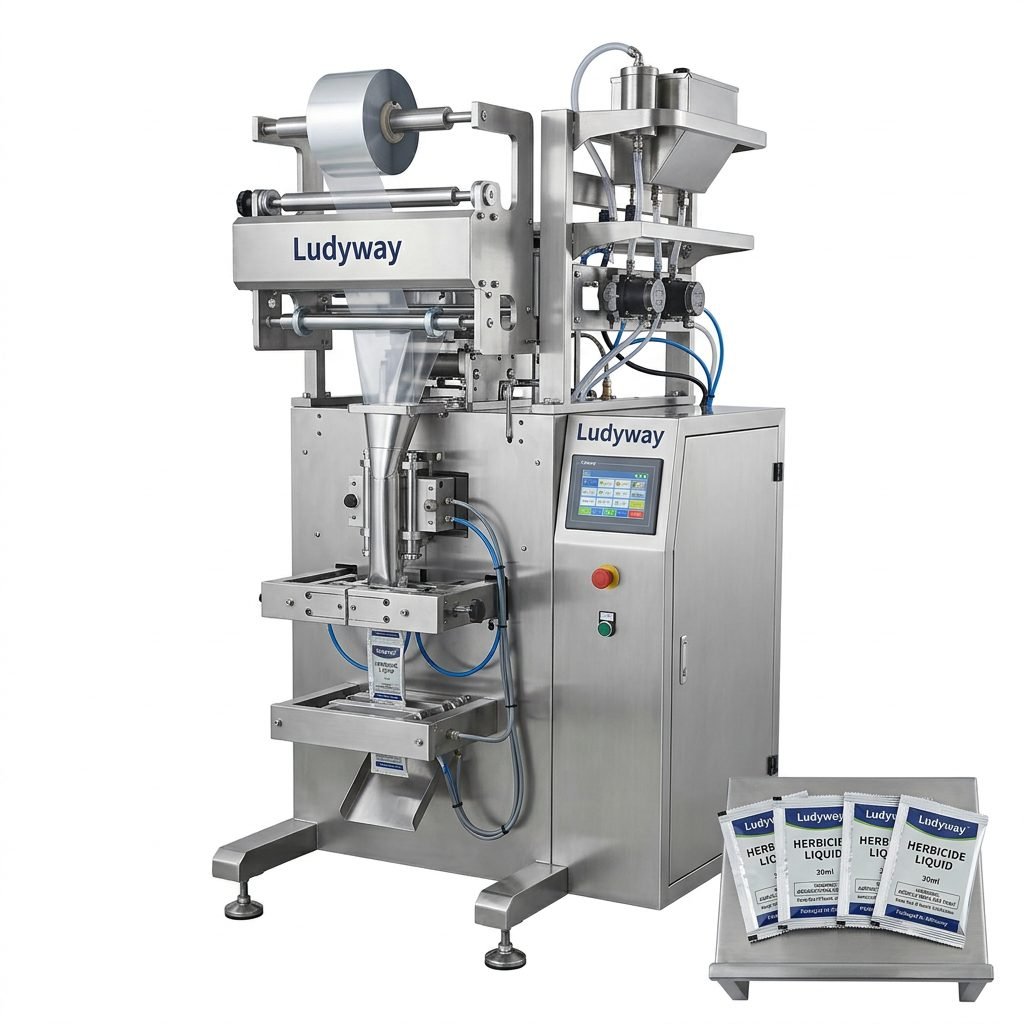
- Pre-made pouch filling machines — Designed for operations using ready-made bags, these machines open, fill, and seal pre-formed pouches. Suitable for premium packaging formats and retail-ready presentation.
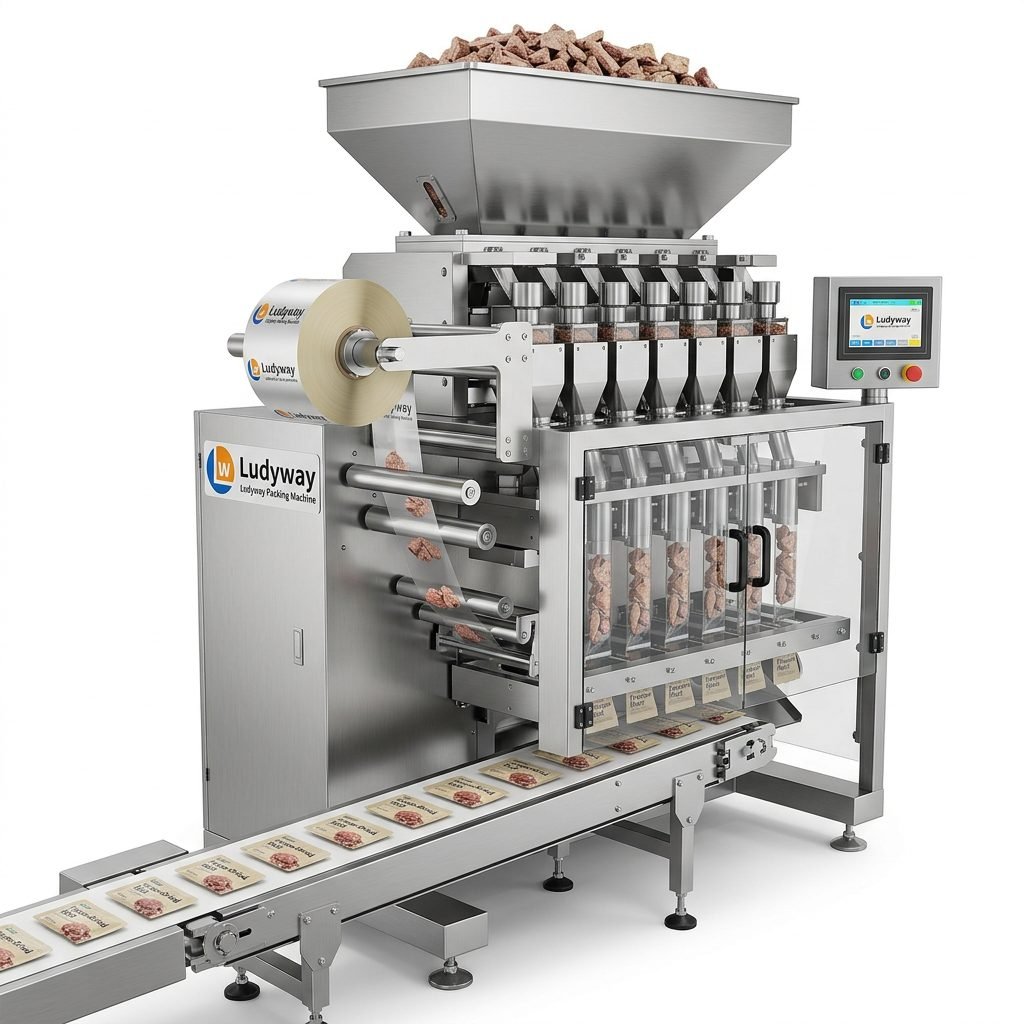
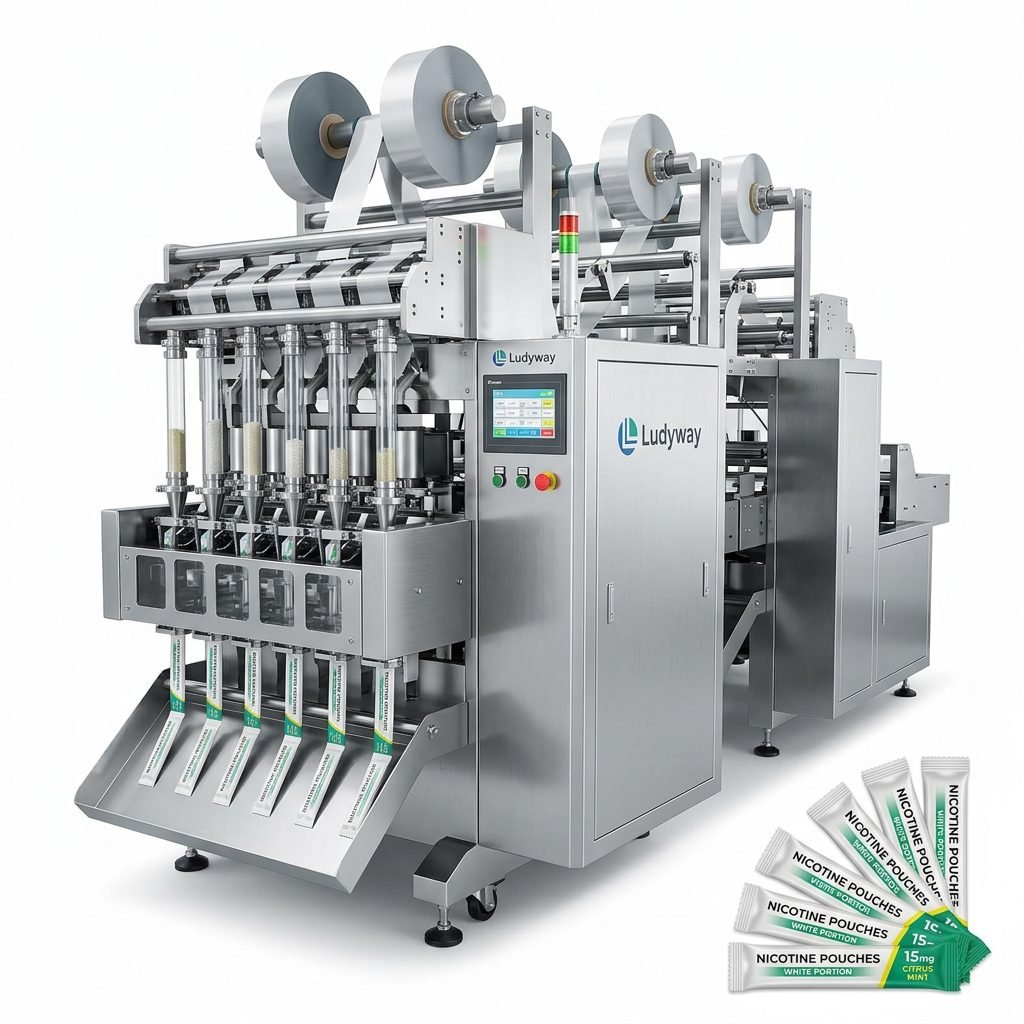
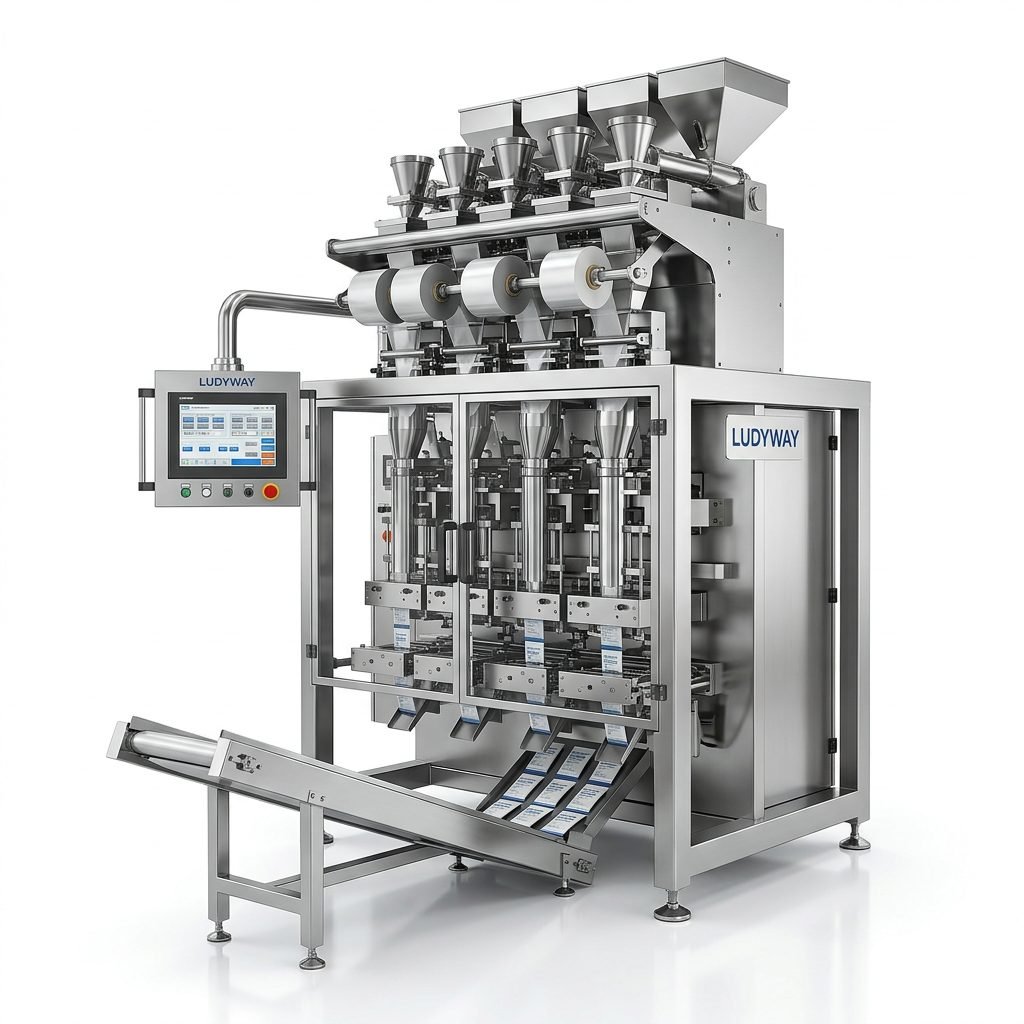
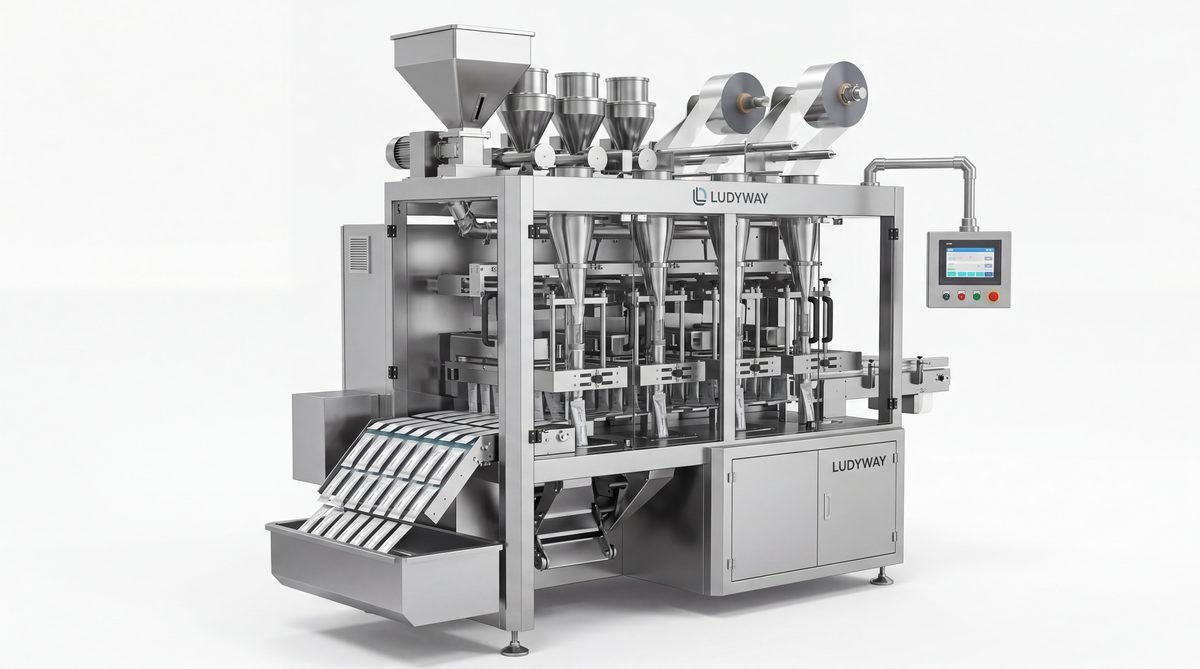
- Multi-lane stick pack machines — Compact systems that produce multiple narrow stick packs simultaneously, popular for single-serve ice cube portions in food service and convenience markets.
- Weighing and bagging systems — Heavy-duty equipment designed for bulk ice packaging in larger bag formats, commonly used for wholesale and commercial distribution.
- Shrink-wrapping and bundling systems — Used to wrap multiple ice bags together for easier handling, palletizing, and retail display.
Key Factors to Consider When Choosing an Ice Cube Packing Machine
Selecting the optimal packaging solution requires careful evaluation of several interrelated factors. The following table summarizes the critical selection criteria you should assess:
| Selection Factor | Key Questions to Ask | Impact on Your Operation |
|---|---|---|
| Production Capacity | How many bags per minute or hour do you need to produce? | Determines machine speed, lane count, and automation level |
| Bag Size Range | What bag dimensions and weights will you package? | Affects machine configuration, filling system, and sealing width |
| Packaging Material | What film or bag material will you use (PE, laminated, biodegradable)? | Influences sealing technology, temperature control, and material compatibility |
| Ice Cube Characteristics | What is the size, shape, and fragility of your ice cubes? | Affects feeding system, filling speed, and product handling gentleness |
| Hygiene Requirements | Do you need food-grade certification, washdown capability, or sanitary design? | Determines material construction, IP rating, and cleaning accessibility |
| Automation Level | Do you need manual, semi-automatic, or fully automatic operation? | Affects labor requirements, consistency, and initial investment |
| Facility Constraints | What are your available floor space, ceiling height, and utility connections? | Influences machine footprint, layout design, and installation requirements |
Technical Specifications That Matter
When comparing different ice cube packing machines, pay close attention to these technical parameters that directly affect performance:
- Filling accuracy — Precise weight control minimizes product giveaway and ensures consistent bag weights. Look for machines with multi-head weighers or volumetric dosing systems calibrated for ice products.
- Sealing integrity — Strong, leak-proof seals are essential for ice packaging to prevent melting and contamination. Evaluate sealing temperature range, dwell time adjustability, and seal cooling systems.
- Speed range — Machines should offer adjustable speeds to accommodate different production demands. Check the rated bags-per-minute (BPM) across various bag sizes.
- Changeover time — If you produce multiple bag sizes or formats, quick-change features reduce downtime between production runs.
- Control system — Modern PLC-based controls with touchscreen interfaces simplify operation, recipe management, and troubleshooting.
Matching Machine Capacity to Your Production Goals
Production capacity is one of the most important purchasing criteria for ice packaging equipment. Undersized machines create bottlenecks, while oversized equipment wastes capital and energy. Consider the following capacity tiers:
- Small-scale operations (10-30 bags per minute) — Suitable for local ice producers, convenience stores, and entry-level commercial operations. Single-lane VFFS or pre-made pouch machines often meet these requirements.
- Medium-scale operations (30-80 bags per minute) — Appropriate for regional distributors and growing brands. Multi-lane configurations or higher-speed single-lane machines are typical solutions.
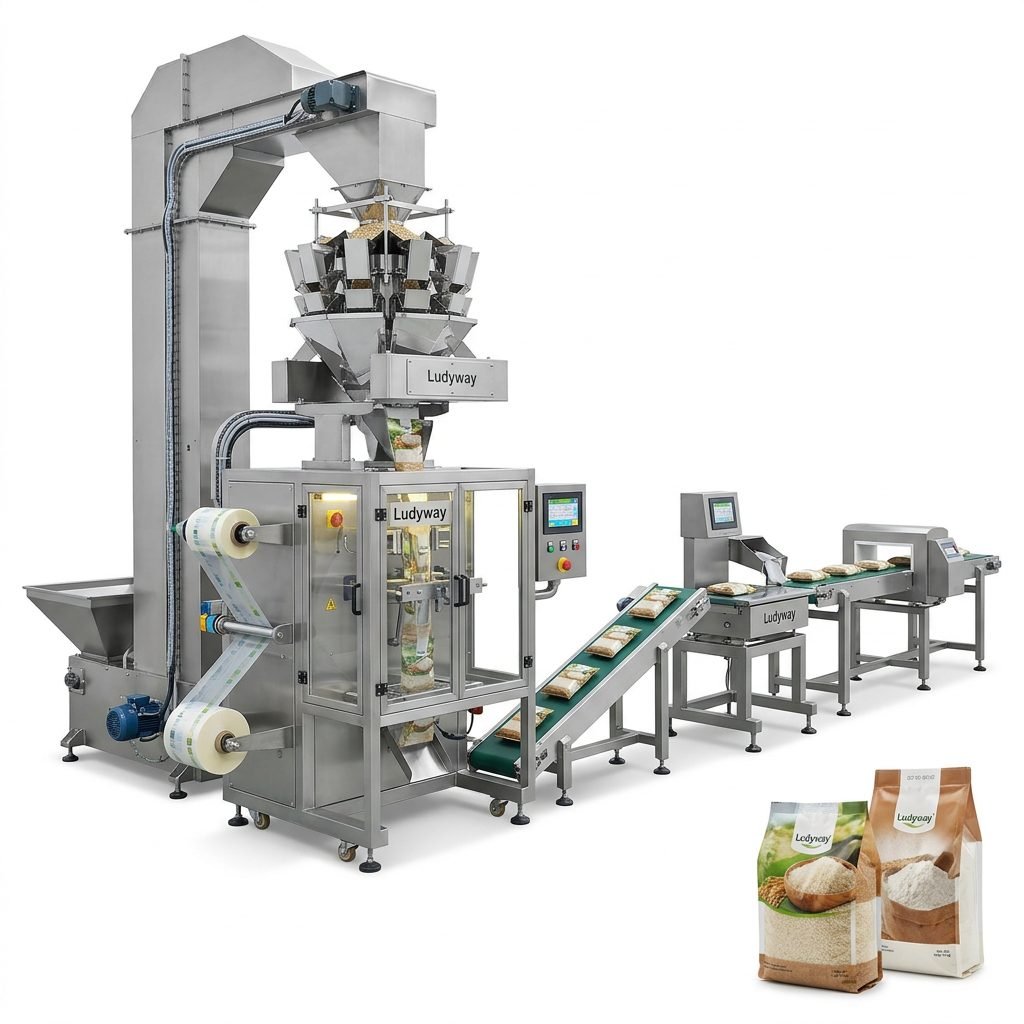
- High-volume operations (80-200+ bags per minute) — Required for large commercial ice manufacturers and national distributors. Fully automated multi-lane systems with integrated weighing and material handling deliver this throughput.
According to industry data from the Packaging Machinery Market Research compiled by PMMI, demand for automated packaging solutions in the food sector continues to grow, driven by labor cost pressures and consistency requirements.
Packaging Materials and Sealing Technology
The choice of packaging film significantly influences your machine selection. Different materials require specific sealing technologies and temperature profiles:
- Polyethylene (PE) films — Common for economy ice bags, requiring consistent heat-sealing with precise temperature control to prevent burn-through or weak seals.
- Laminated films — Multi-layer structures offering better barrier properties and printability. These often require higher sealing temperatures and controlled cooling cycles.
- Biodegradable and compostable films — Growing in popularity for environmentally conscious brands. These materials may require specialized sealing parameters and careful handling due to different thermal properties.
- Perforated films — Used for certain ice packaging applications where breathability is needed. Machine settings must account for the perforation pattern during sealing.
For detailed information on flexible packaging materials and their properties, refer to resources from the Flexible Packaging Association.
Hygiene, Food Safety, and Regulatory Compliance
Ice is classified as a food product in most jurisdictions, meaning your packaging operation must meet food safety standards. When evaluating equipment, prioritize these hygiene-related features:
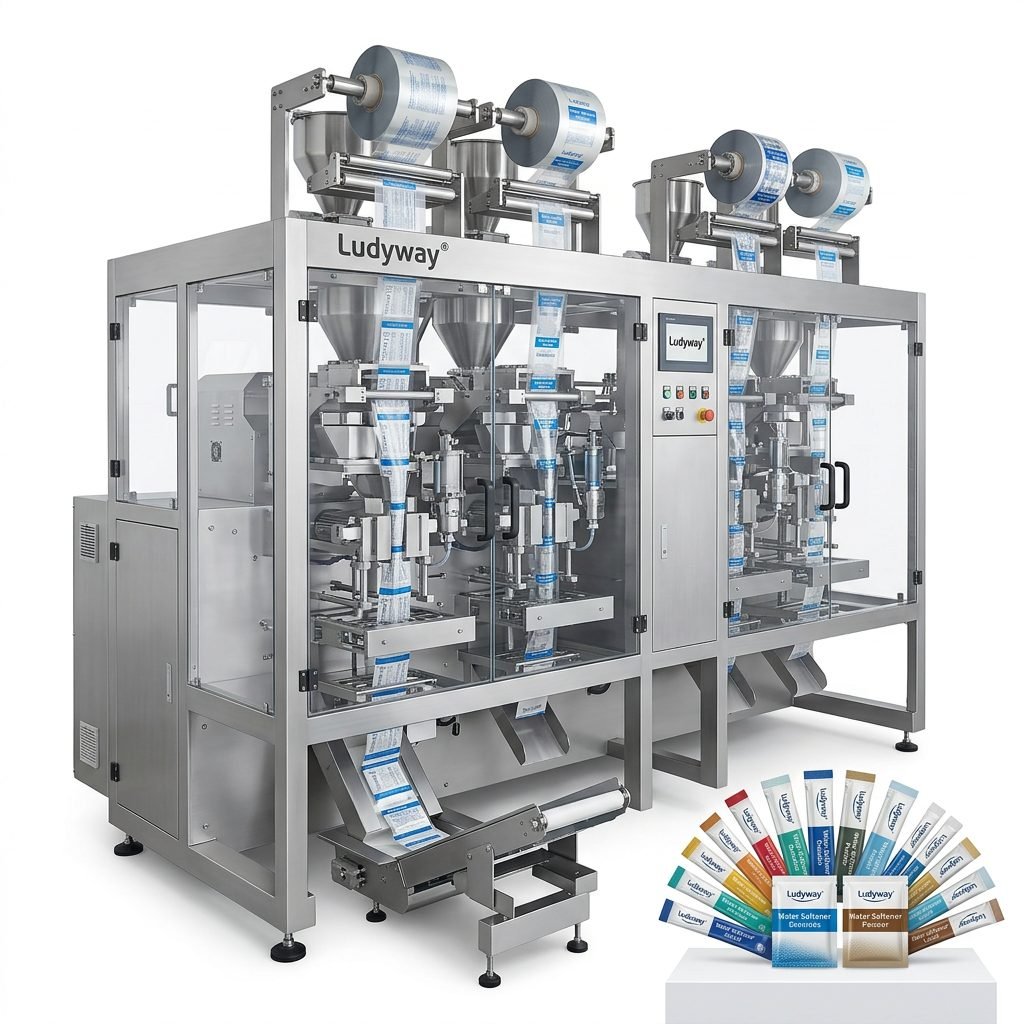
- Stainless steel construction — Food-contact surfaces and machine frames should use food-grade stainless steel (typically 304 or 316 grade) for corrosion resistance and cleanability.
- Washdown capability — Machines with IP65 or higher protection ratings can withstand regular cleaning with water and sanitizing agents without damage to electrical components.
- Tool-free disassembly — Quick-release components simplify cleaning access and reduce sanitation downtime between production runs.
- Sealed bearings and enclosed drives — Prevent lubricant contamination and protect moving parts from moisture and cleaning chemicals.
- HACCP-compatible design — Equipment should support your Hazard Analysis and Critical Control Points (HACCP) plan with accessible inspection points and documented sanitation procedures.
For regulatory guidance, consult the FDA Food Packaging and Food Contact Substances resources and relevant ISO Packaging Standards.
Automation and Integration Capabilities
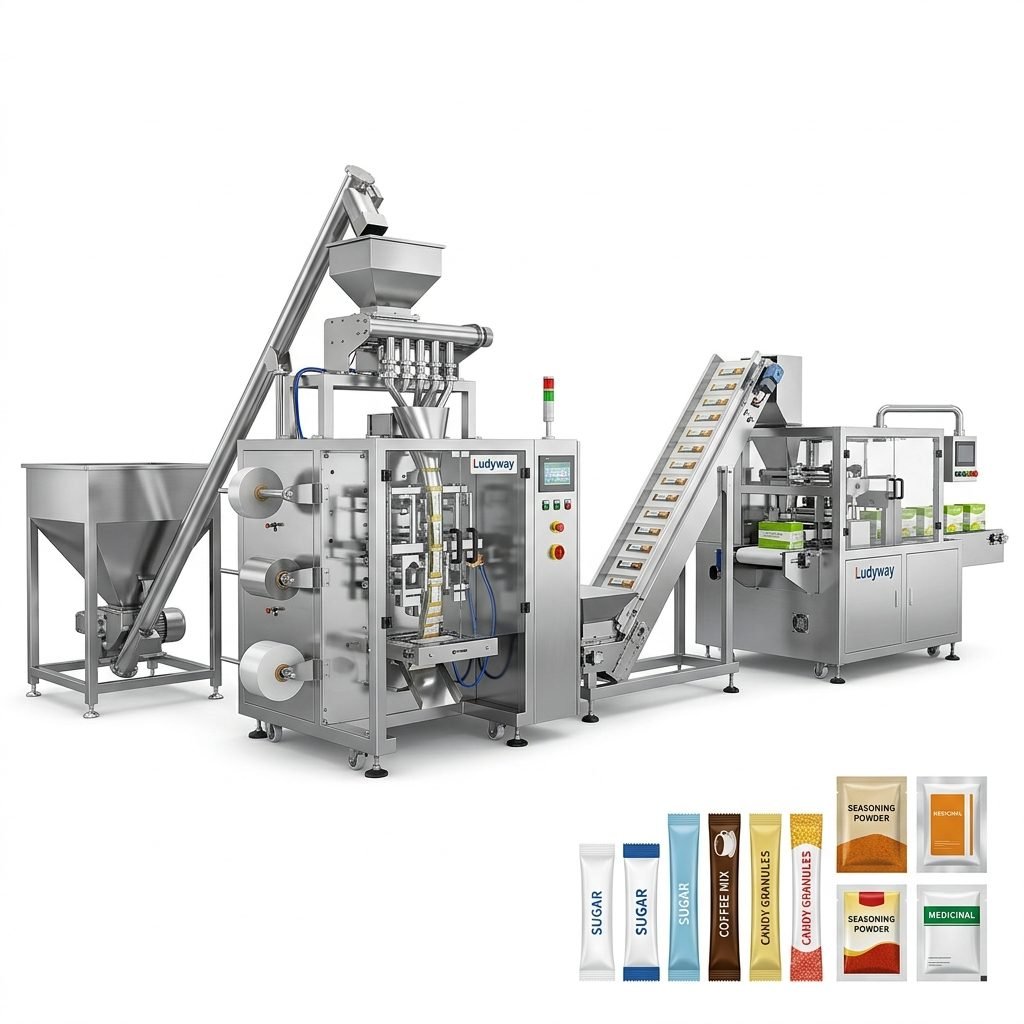
Modern ice packaging lines increasingly incorporate automation beyond the primary filling and sealing functions. Consider how your packaging machine will integrate with upstream and downstream equipment:
- Automatic feeding systems — Conveyors, bucket elevators, or vibratory feeders that deliver ice from production to the packaging machine without manual handling.
- Weighing and dosing integration — Multi-head weighers or auger fillers synchronized with the packaging machine for precise portion control.
- Coding and marking — Inline date coders, batch printers, or laser marking systems for traceability and regulatory compliance.
- Metal detection and X-ray inspection — Quality control systems integrated into the packaging line for contaminant detection.
- End-of-line automation — Case packing, palletizing, and stretch-wrapping systems that complete the packaging process.
Evaluating Total Cost of Ownership
Beyond the initial purchase price, total cost of ownership (TCO) should guide your investment decision. Key cost factors include:
- Energy consumption — Compare power requirements across machine models, particularly for heating elements and drive motors that run continuously during production.
- Film waste rates — Machines with precise film tension control and efficient sealing patterns reduce material waste, directly impacting operating costs.
- Maintenance requirements — Understand recommended service intervals, spare parts availability, and typical wear component replacement schedules.
- Labor requirements — More automated machines reduce operator dependency but may require higher-skilled technicians for programming and maintenance.
- Downtime costs — Reliable equipment with robust after-sales support minimizes production interruptions and associated revenue losses.
After-Sales Support and Service Considerations
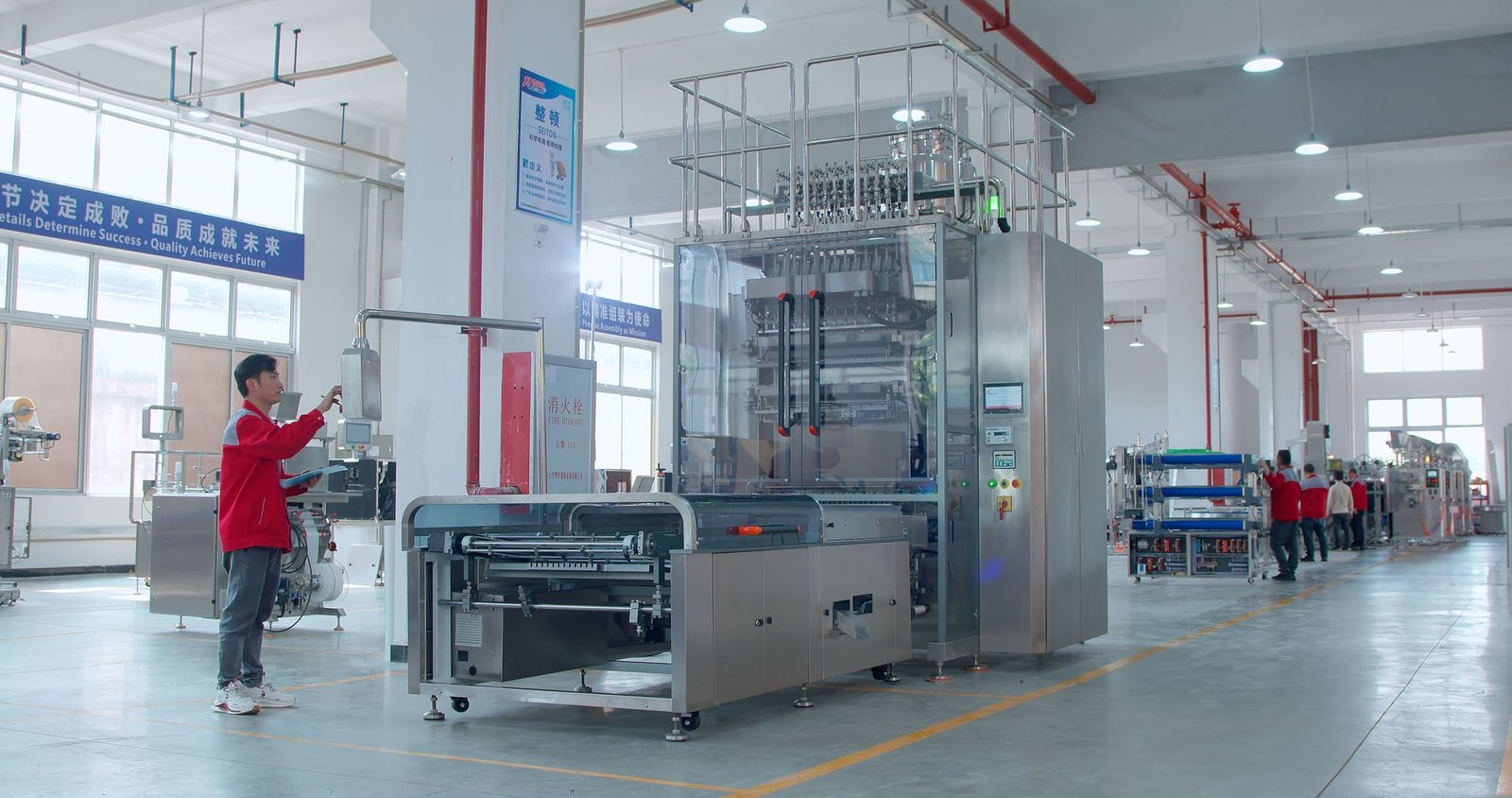
The relationship with your equipment supplier extends well beyond installation. When selecting an ice cube packing machine manufacturer, evaluate their service infrastructure:
- Installation and commissioning support — Professional setup ensures your machine operates at specified performance levels from day one.
- Operator training programs — Comprehensive training reduces operational errors and maximizes machine utilization.
- Spare parts availability — Verify that critical spare parts are stocked and can be shipped promptly to minimize downtime.
- Remote technical support — Many modern machines support remote diagnostics, allowing technicians to troubleshoot issues without an on-site visit.
- Warranty coverage — Review warranty terms carefully, including coverage duration, included components, and any exclusions.
Industry events such as PACK EXPO International provide excellent opportunities to meet multiple equipment manufacturers, see machines in operation, and compare solutions directly.
Customization: When Standard Machines Are Not Enough
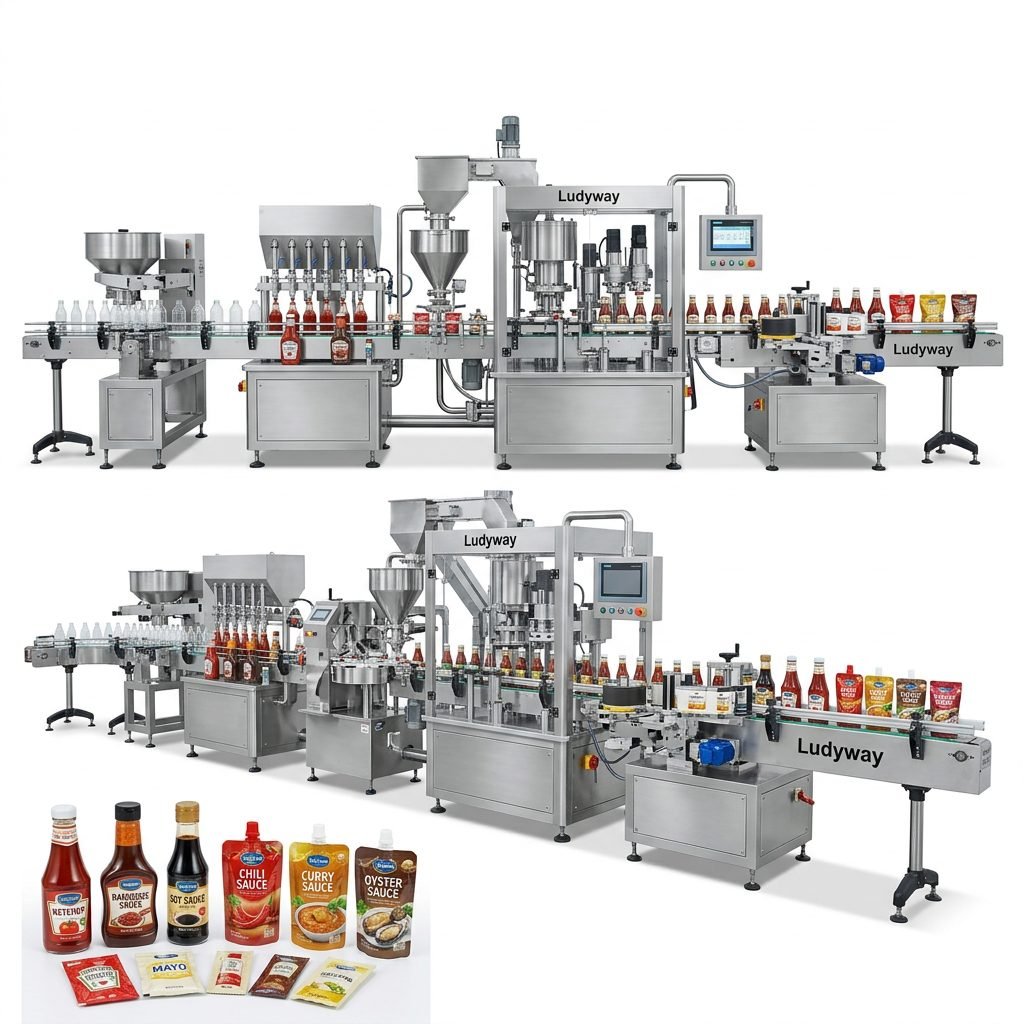
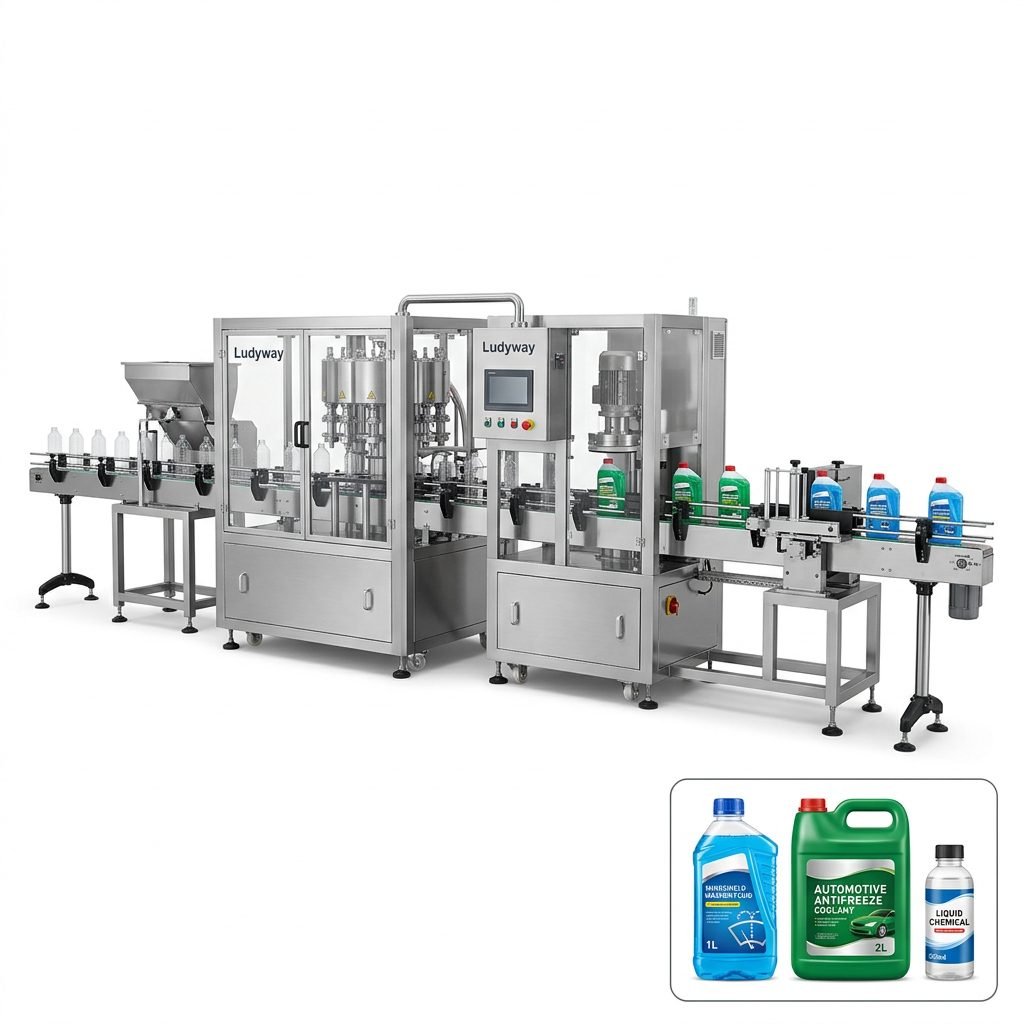
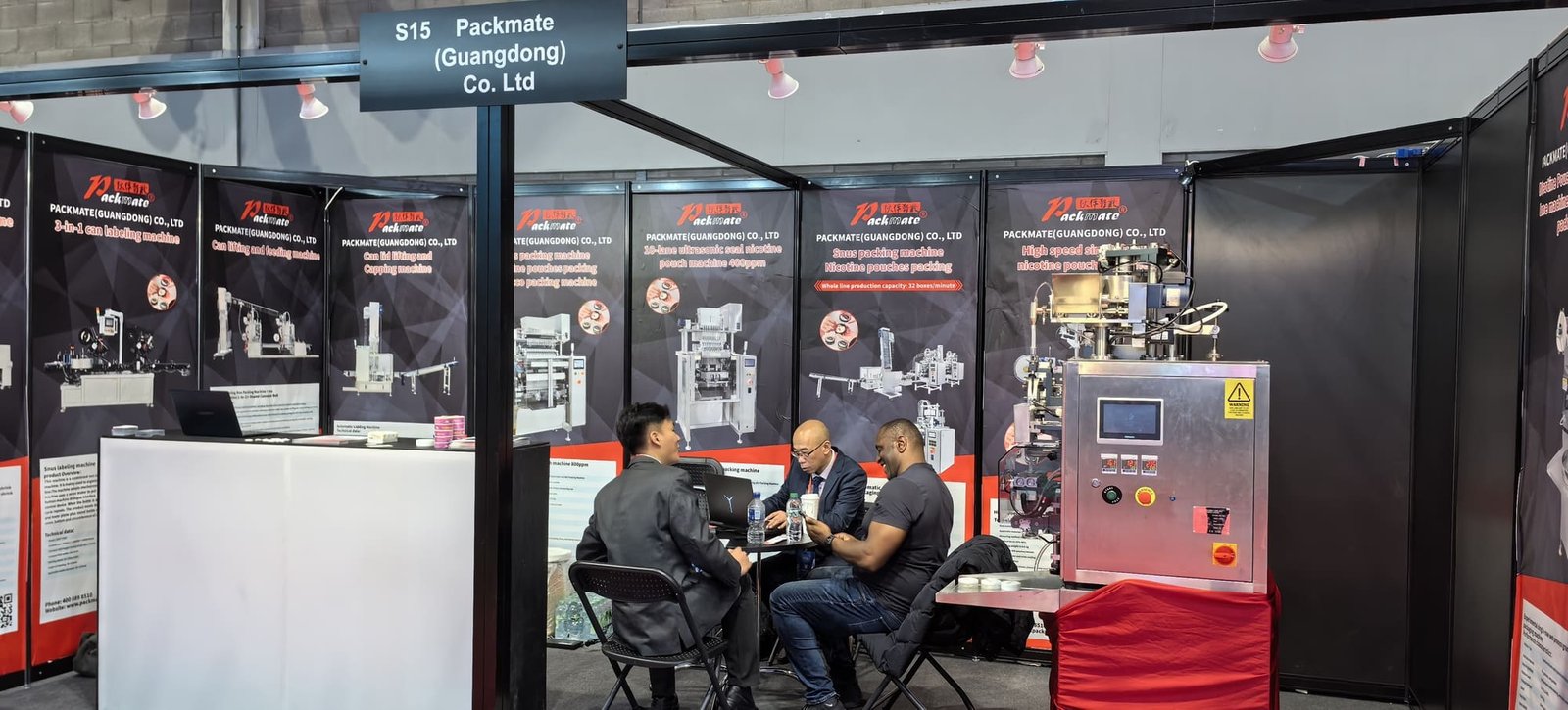
Not every ice packaging operation fits a standard machine configuration. Customized packaging solutions may be necessary when you have unique product characteristics, specialized bag formats, specific facility constraints, integration requirements with existing equipment, or unusual production speed targets. Working with a manufacturer that offers engineering customization can help you achieve an optimized packaging line tailored to your exact operational needs rather than adapting your process to a standard machine. For example, Ludyway Machinery, a China-based packaging machinery manufacturer with over 30 years of experience, provides customized packaging machinery and turnkey solutions for manufacturers across food, pharmaceutical, and industrial sectors, helping customers configure equipment according to their specific products and production requirements.
Making the Final Decision: A Step-by-Step Checklist
Use this selection checklist to guide your final purchasing decision:
- Define your production requirements — Target output, bag sizes, packaging formats, and acceptable downtime levels.
- Assess your facility — Available floor space, utility connections, environmental conditions, and layout constraints.
- Research potential suppliers — Review manufacturer experience, industry reputation, customer references, and installed base.
- Request detailed proposals — Obtain quotations with complete technical specifications, performance guarantees, and total cost breakdowns.
- Conduct factory acceptance testing (FAT) — Where possible, visit the manufacturer’s facility to observe your machine running with your actual product.
- Evaluate service and support — Confirm training, installation, warranty, spare parts, and ongoing technical support arrangements.
- Review compliance documentation — Verify that the equipment meets applicable safety, hygiene, and regulatory standards for your market.
Choosing the right ice cube packing machine is a strategic investment that affects your operational efficiency, product quality, and competitive position. By systematically evaluating machine types, technical specifications, hygiene requirements, automation options, and total cost of ownership, you can select equipment that supports your current production needs and accommodates future growth. For additional industry insights, refer to the PMMI State of the Industry Report and Flexible Packaging Association resources for the latest packaging machinery market trends and technology developments.