Selecting the right heat packing machine is one of the most critical decisions for any manufacturer working with flexible packaging. Whether you are packaging powders, granules, liquids, or solid products, the performance of your heat sealing equipment directly impacts product quality, production efficiency, and long-term operational costs. With a wide variety of machine types, configurations, and technologies available, understanding the key selection criteria can help you avoid costly mistakes and choose a solution that matches your specific application.
This comprehensive guide walks you through the essential factors to consider when evaluating heat packing machinery, from understanding different machine categories to assessing technical specifications, material compatibility, production speed, and total cost of ownership. By the end, you will have a clear framework for making an informed purchasing decision that supports your production goals.
Understanding Heat Packing Machine Categories
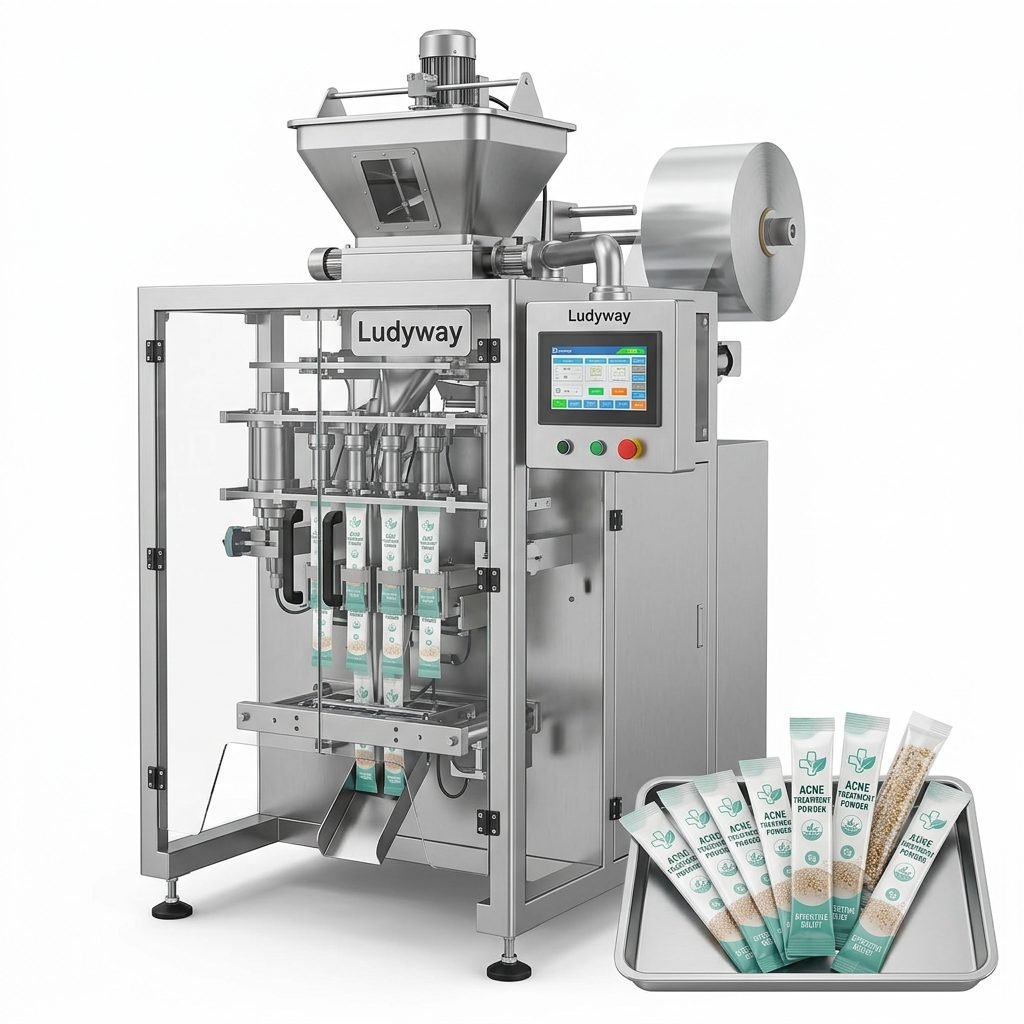
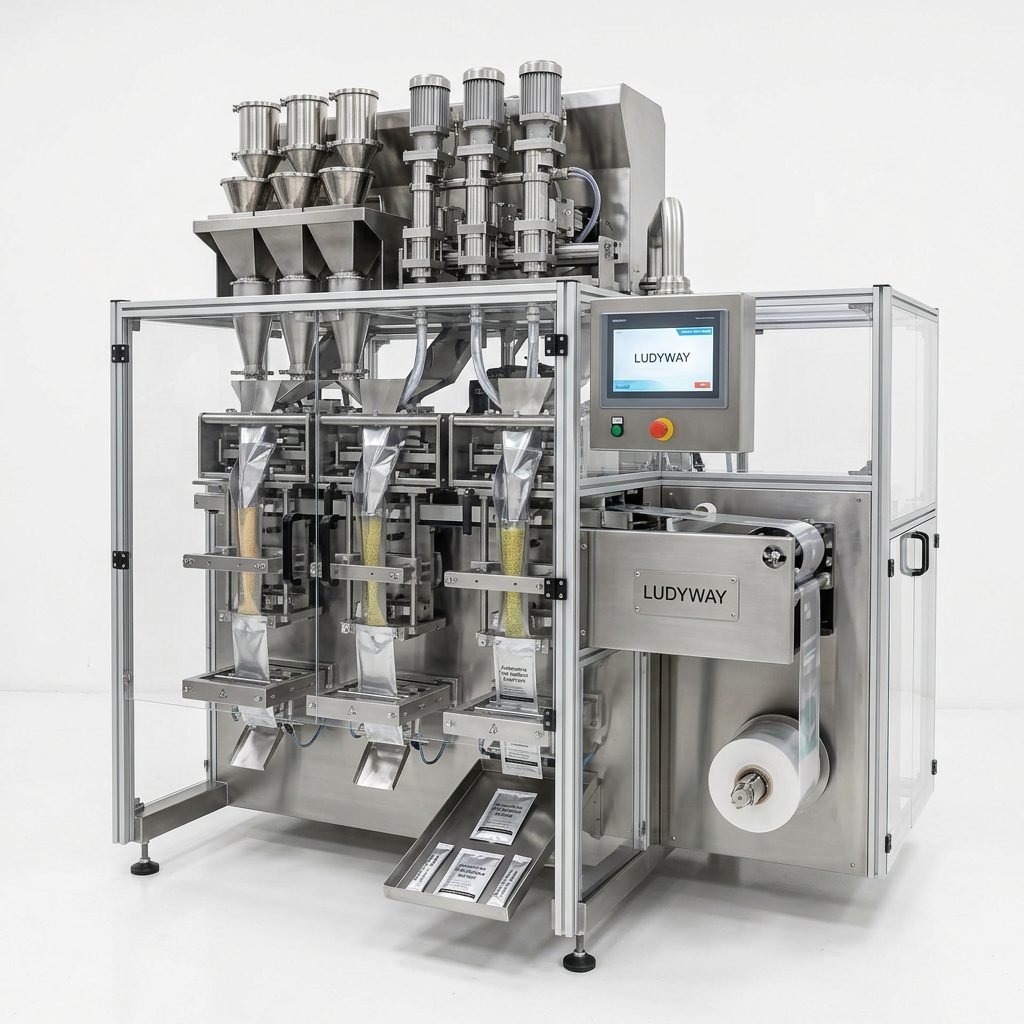
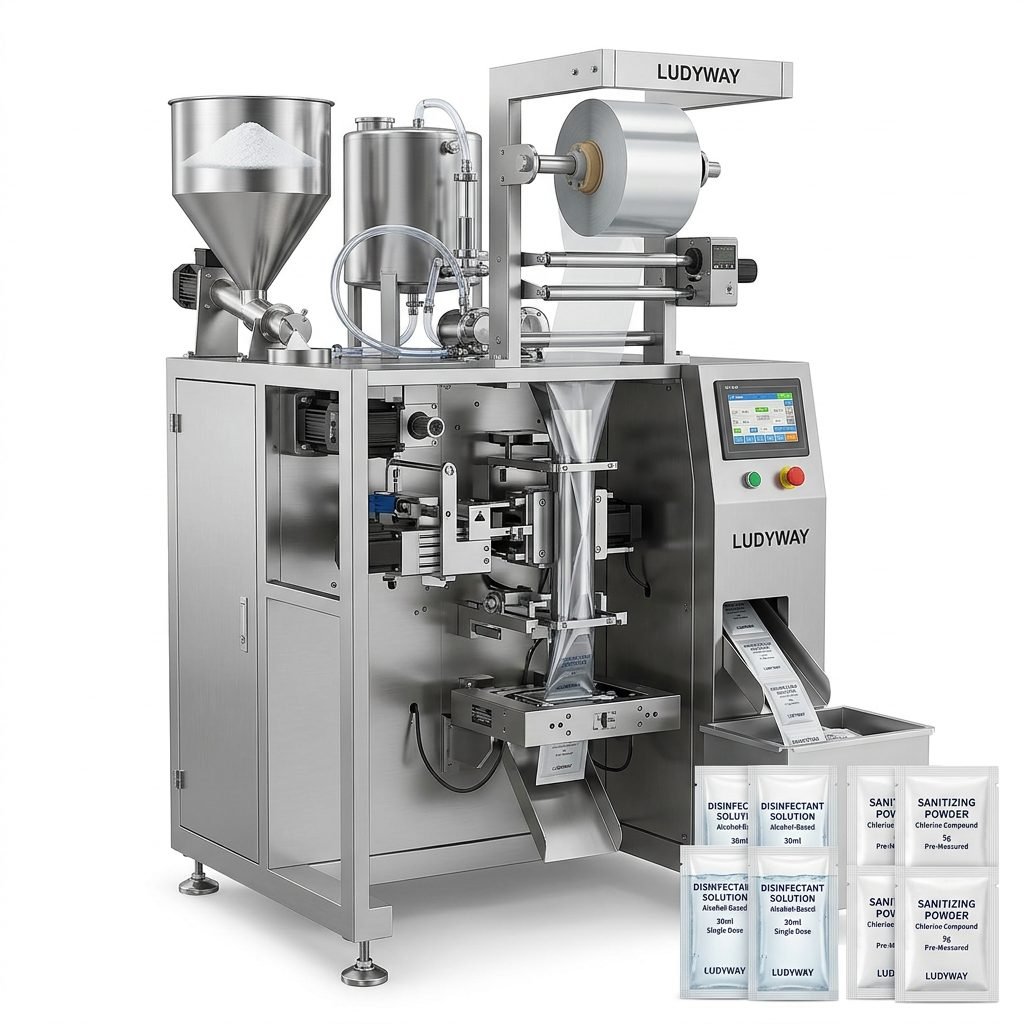
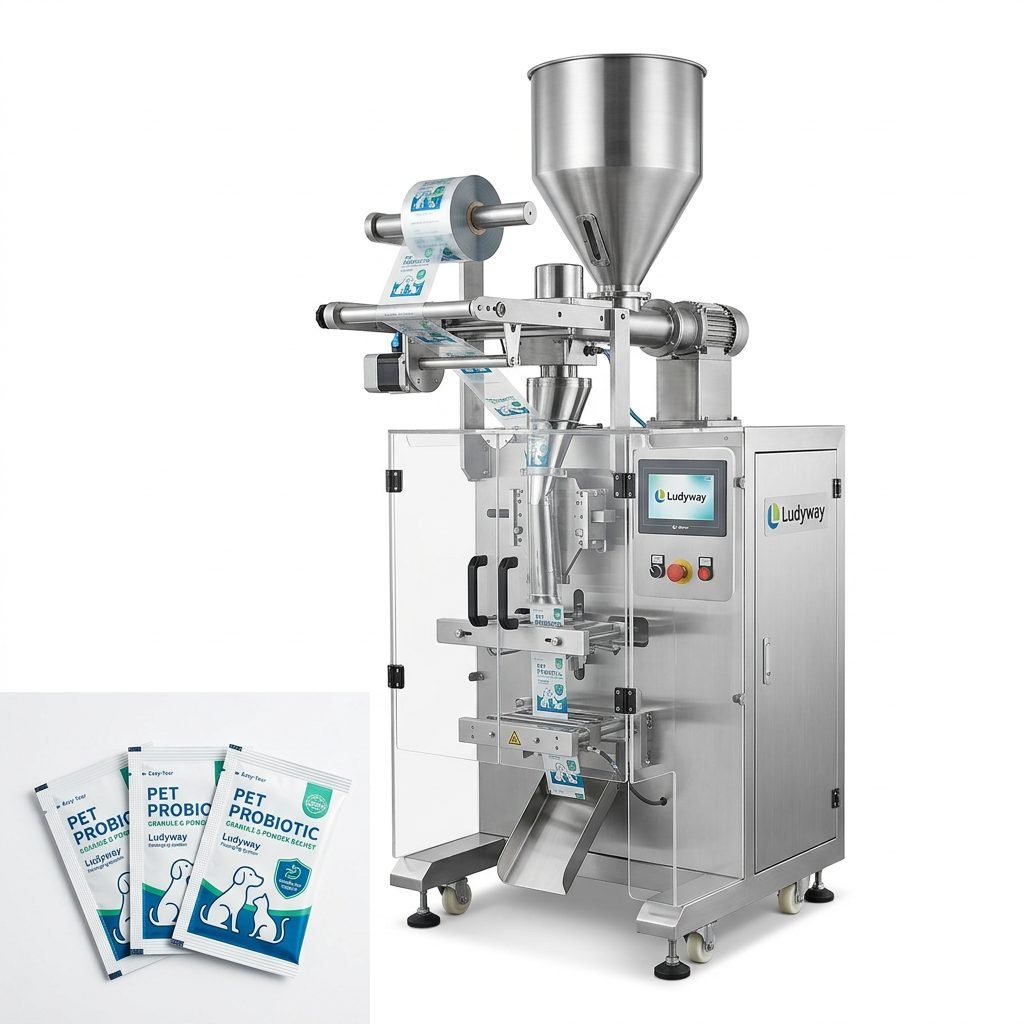
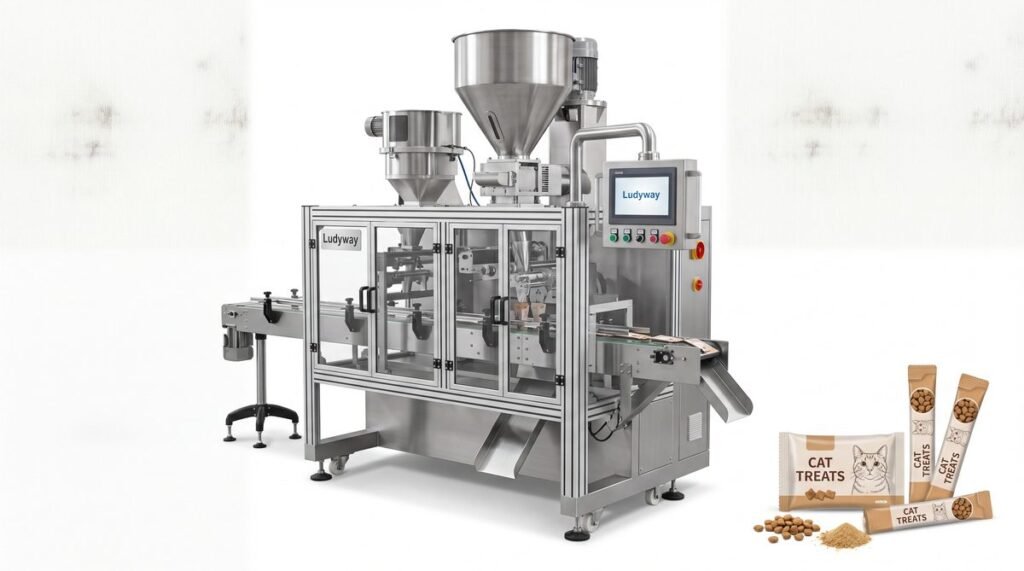
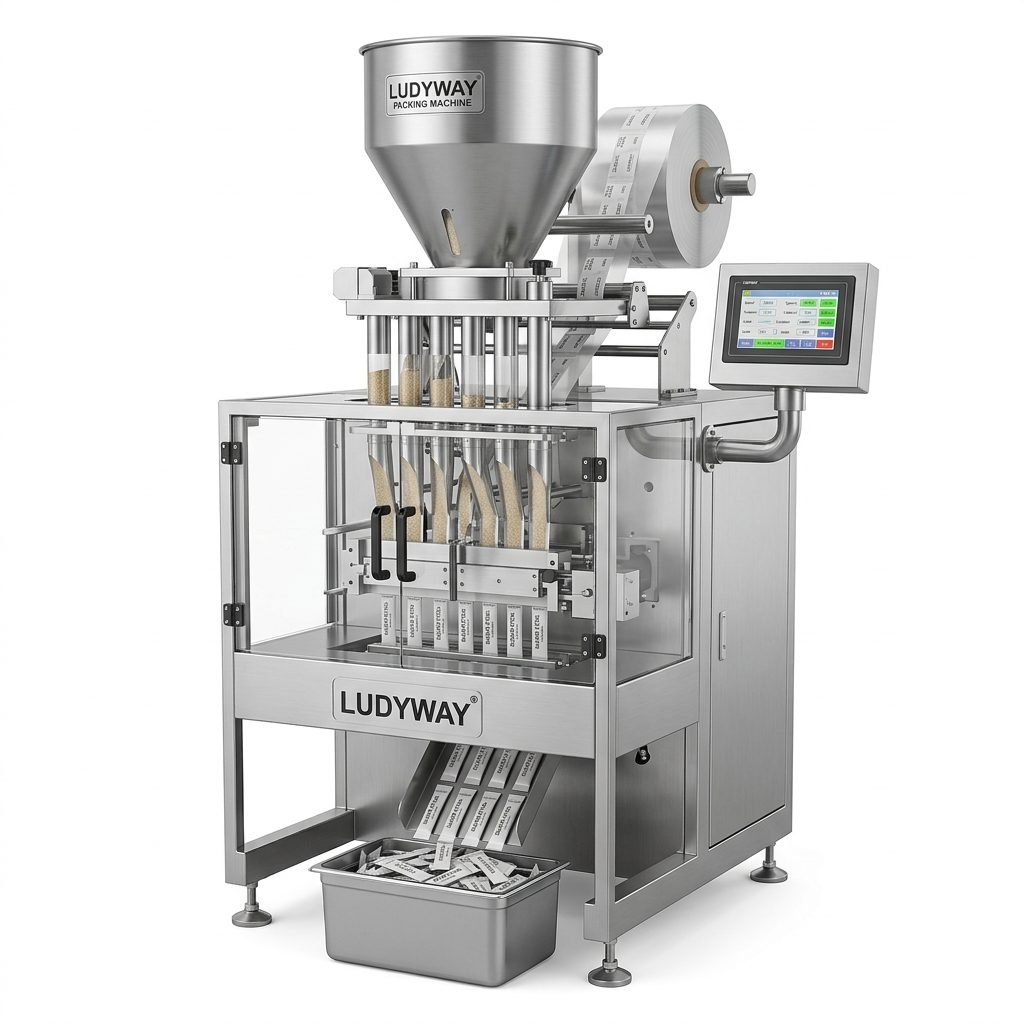
Before comparing individual models, it is important to understand the main categories of heat packing machines available on the market. Each type is designed for specific packaging formats and production requirements. The three primary categories include vertical form fill seal (VFFS) machines, horizontal form fill seal (HFFS) machines, and pre-made pouch filling and sealing machines. VFFS systems are widely used for flexible packaging of powders and granules, forming bags from roll stock while simultaneously filling and sealing them with heat. HFFS machines operate on a horizontal plane and are commonly used for solid products or items that require gentle handling. Pre-made pouch machines work with ready-made bags and are ideal for operations that need quick format changes or handle multiple pouch styles.
Key Factors for Selecting a Heat Packing Machine
Choosing the right equipment requires a systematic evaluation of several interconnected factors. The following checklist can help you organize your assessment process before reaching out to packaging machinery suppliers.
- Product characteristics – Powder, granule, liquid, paste, or solid form, including flowability, density, and particle size distribution.
- Packaging format – Stick packs, sachets, pouches, doypacks, or custom-shaped bags.
- Production volume – Required output in units per minute or hour, including peak capacity requirements.
- Bag size range – Minimum and maximum dimensions for width, length, and gusset depth.
- Filling accuracy – Acceptable deviation for dosing, which varies by product type and regulatory requirements.
- Material compatibility – Film types including laminates, polyethylene, polypropylene, aluminum foil, and biodegradable materials.
- Automation level – Manual, semi-automatic, or fully automatic operation with integrated feeding and downstream systems.
- Facility constraints – Available floor space, ceiling height, power supply, and compressed air requirements.
- Regulatory compliance – FDA food packaging requirements, GMP standards, or ISO packaging standards applicable to your industry.
Product Characteristics and Machine Configuration
The physical and chemical properties of your product are the single most important starting point for machine selection. Different products require different dosing mechanisms, sealing parameters, and material handling approaches.
Powder and Granule Products
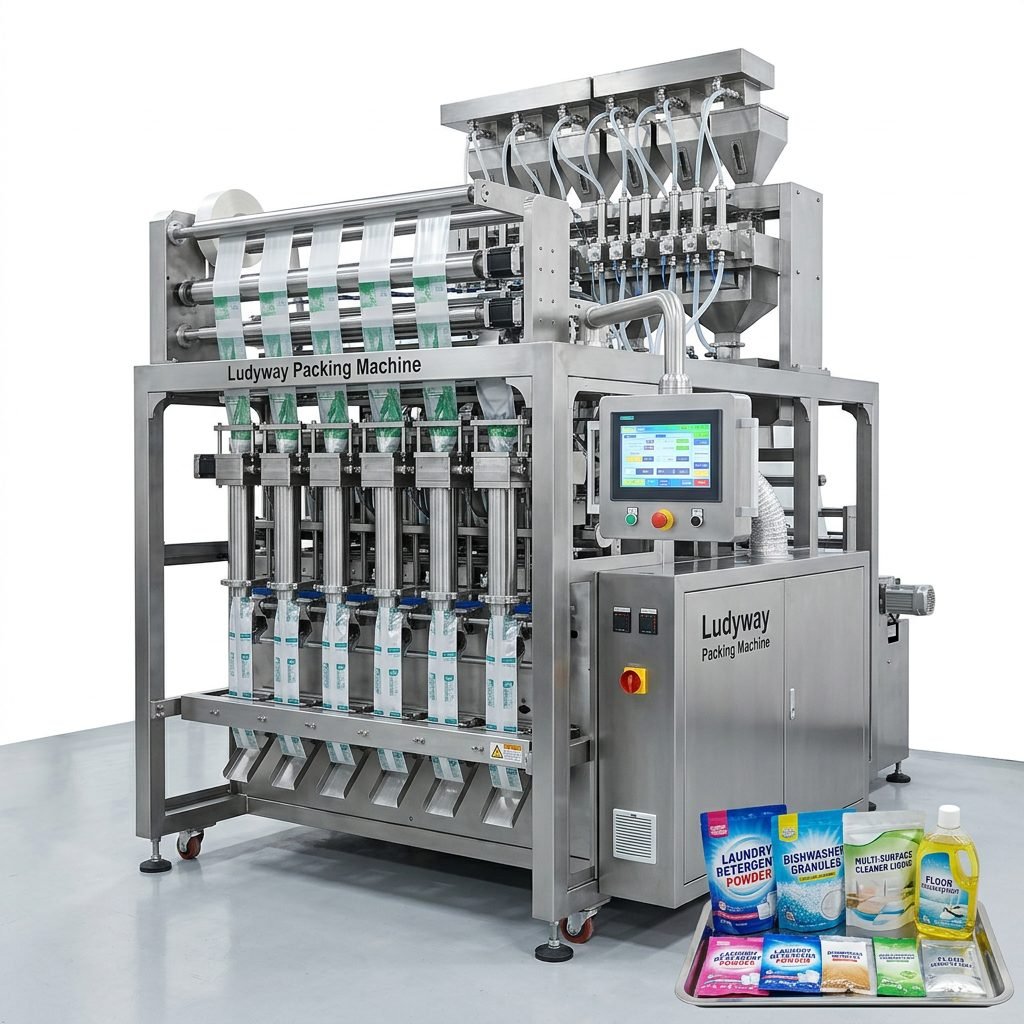
For fine powders, granulated materials, and crystalline products, the heat packing machine must be equipped with appropriate dosing systems such as auger fillers, volumetric cup fillers, or multi-head weighers. Powders with poor flowability may require mechanical agitation, while hygroscopic materials need sealed hoppers and controlled environmental conditions. The heat sealing temperature, dwell time, and pressure must be precisely calibrated to prevent powder contamination in the seal area, which can compromise seal integrity.
Liquid and Paste Products
Liquid filling requires piston fillers, peristaltic pumps, or flow meters integrated with the heat sealing mechanism. The machine must handle varying viscosities while maintaining clean seals free from product splash. Heating parameters for liquid packaging films often differ from dry product applications, particularly when working with hot-fill or aseptic processes.
Heat Sealing Technology and Film Compatibility
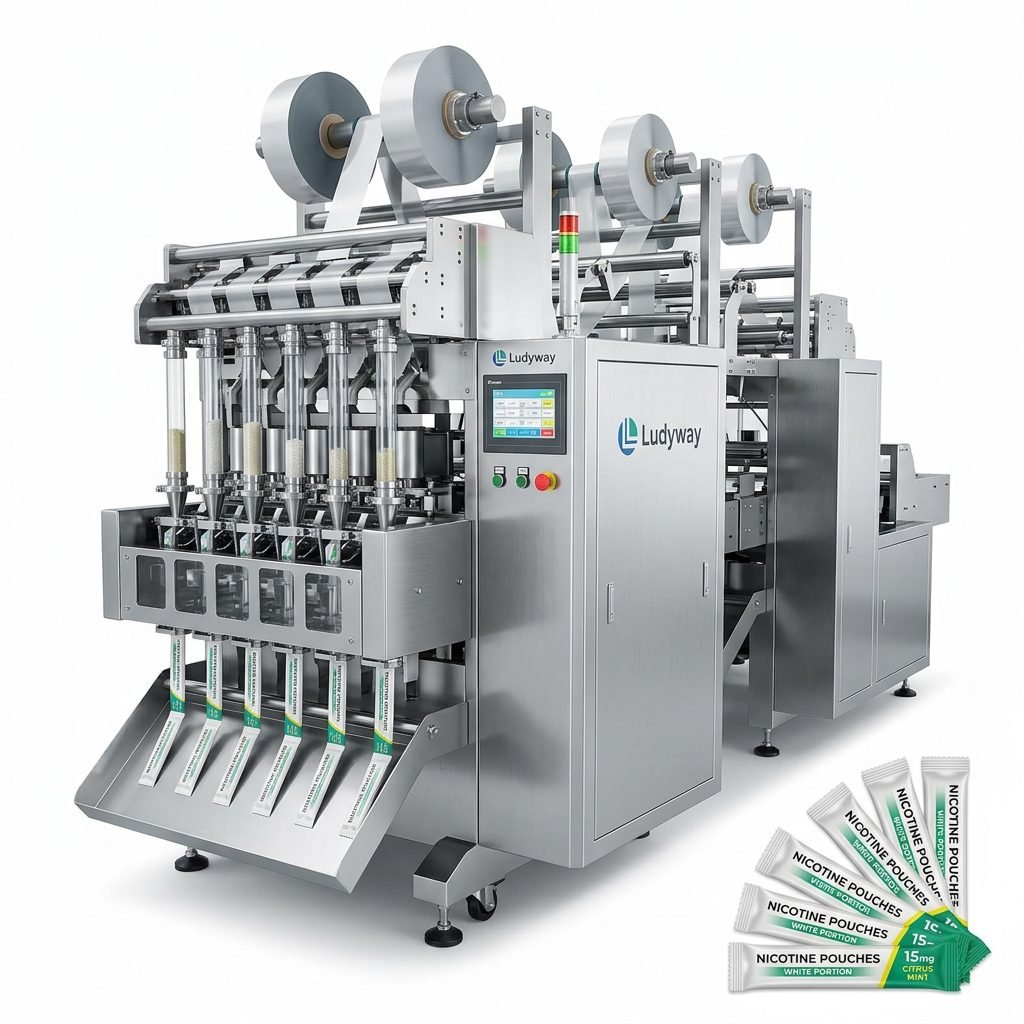
The heat packing machine relies on precise thermal control to create strong, consistent seals. Seal quality depends on three interdependent variables: temperature, pressure, and dwell time. Modern machines use PID temperature controllers and servo-driven sealing jaws to maintain tight tolerances across all three parameters. When evaluating machines, consider the following sealing configurations:
| Seal Type | Best For | Key Advantage |
|---|---|---|
| Flat Heat Seal | Standard laminates, PE films | Simple, reliable, low maintenance |
| Serrated Seal | Thicker films, tear-open packs | Stronger mechanical bond |
| Ultrasonic Seal | Heat-sensitive products, clean room | No external heat, fast cycle time |
| Impulse Seal | Thin films, intermittent operation | Energy efficient, precise timing |
| Hot Bar Seal | High-speed continuous operation | Consistent seal at high throughput |
Film compatibility testing is essential before finalizing any heat packing machine purchase. Different films have distinct heat seal initiation temperatures, hot tack properties, and shrinkage characteristics. Always request sample runs using your actual packaging materials to verify seal strength, appearance, and machine performance under realistic production conditions.
Production Speed and Capacity Planning
Production speed is often a primary consideration, but it should be evaluated in the context of your overall production goals rather than as a standalone specification. A heat packing machine rated at a specific speed in the manufacturer’s brochure may perform differently with your product and film combination.
Single-Lane vs. Multi-Lane Configurations
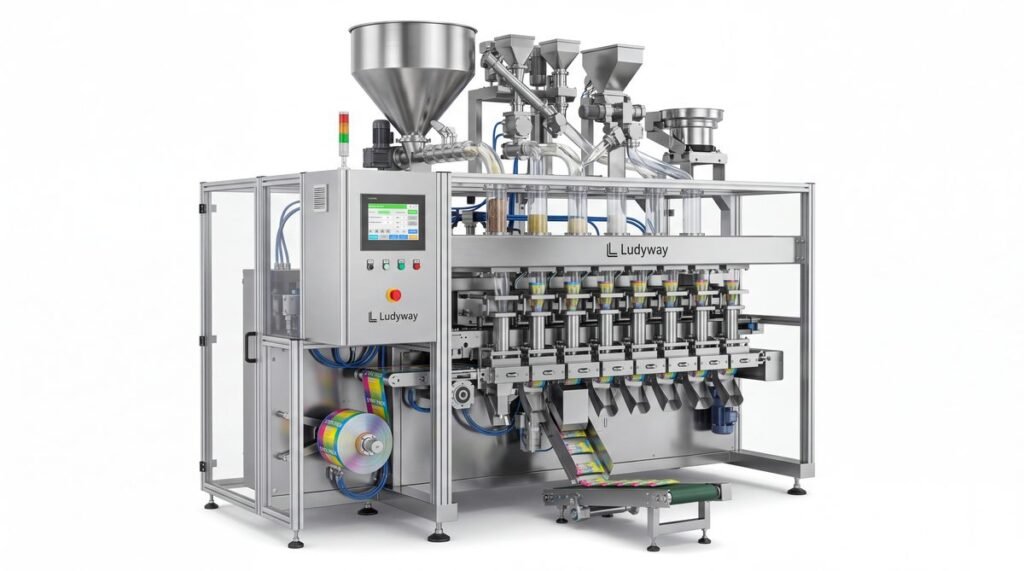
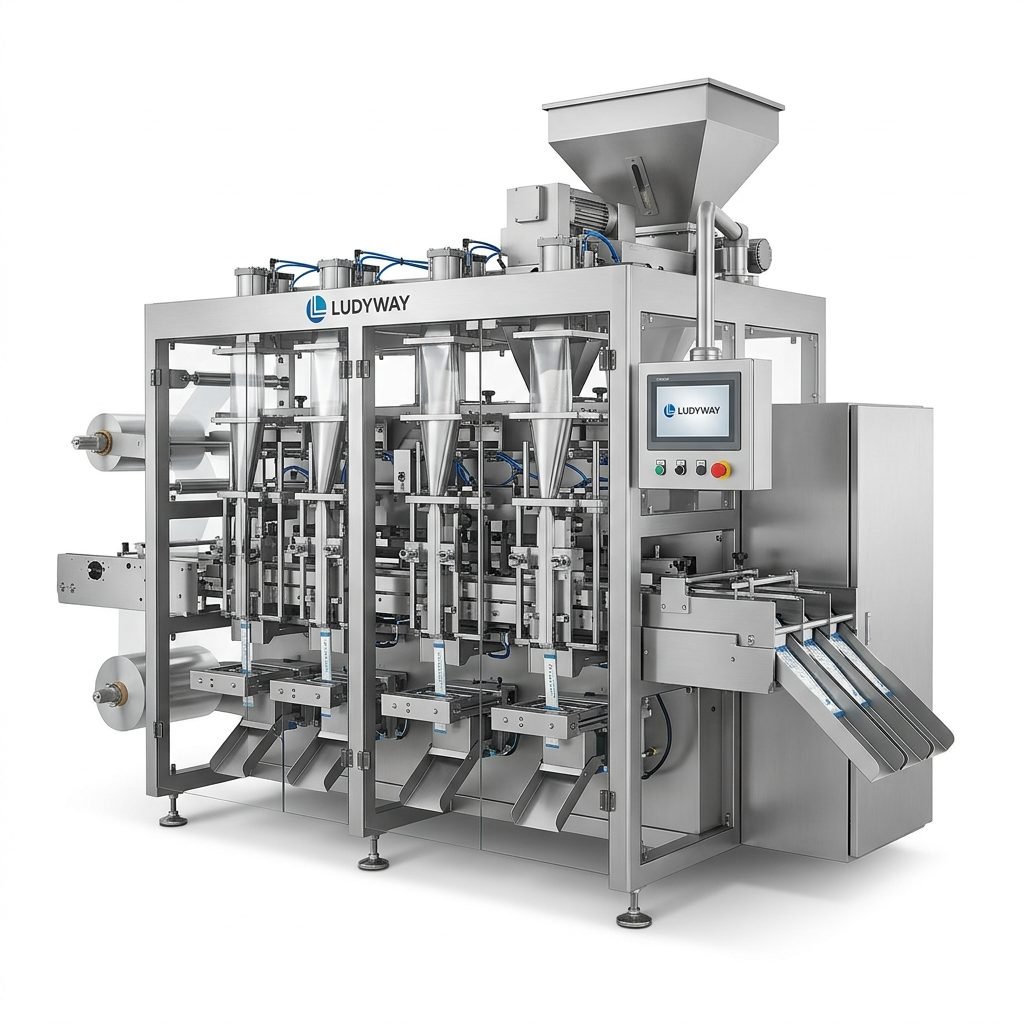
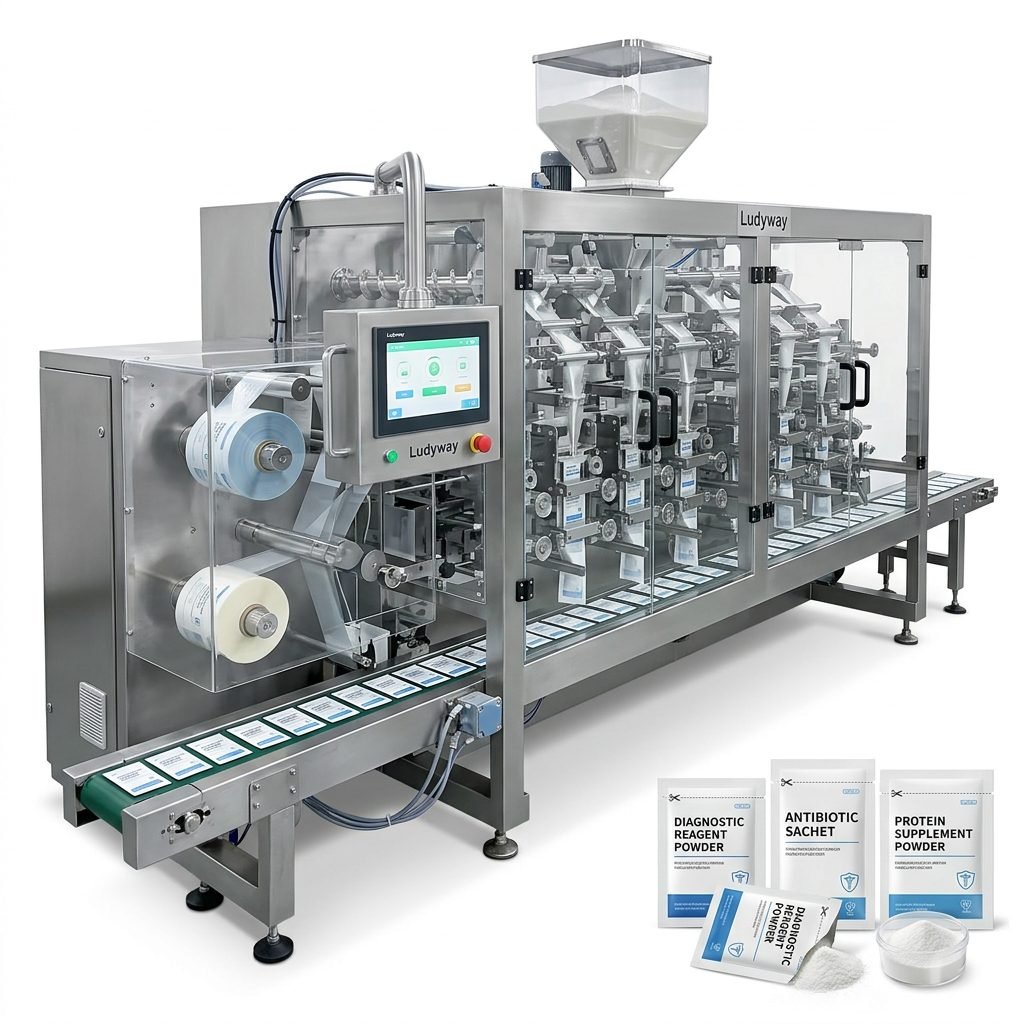
Single-lane machines are suitable for lower-volume production or operations with frequent changeovers. Multi-lane configurations, which can run 2 to 16 lanes simultaneously, dramatically increase throughput for products like stick packs and small sachets. For manufacturers requiring high-volume output, multi-lane packaging machinery systems can achieve speeds of several hundred units per minute per lane. However, multi-lane machines require more sophisticated film tracking, tension control, and alignment systems to maintain seal quality across all lanes.
Automation and Integration Capabilities
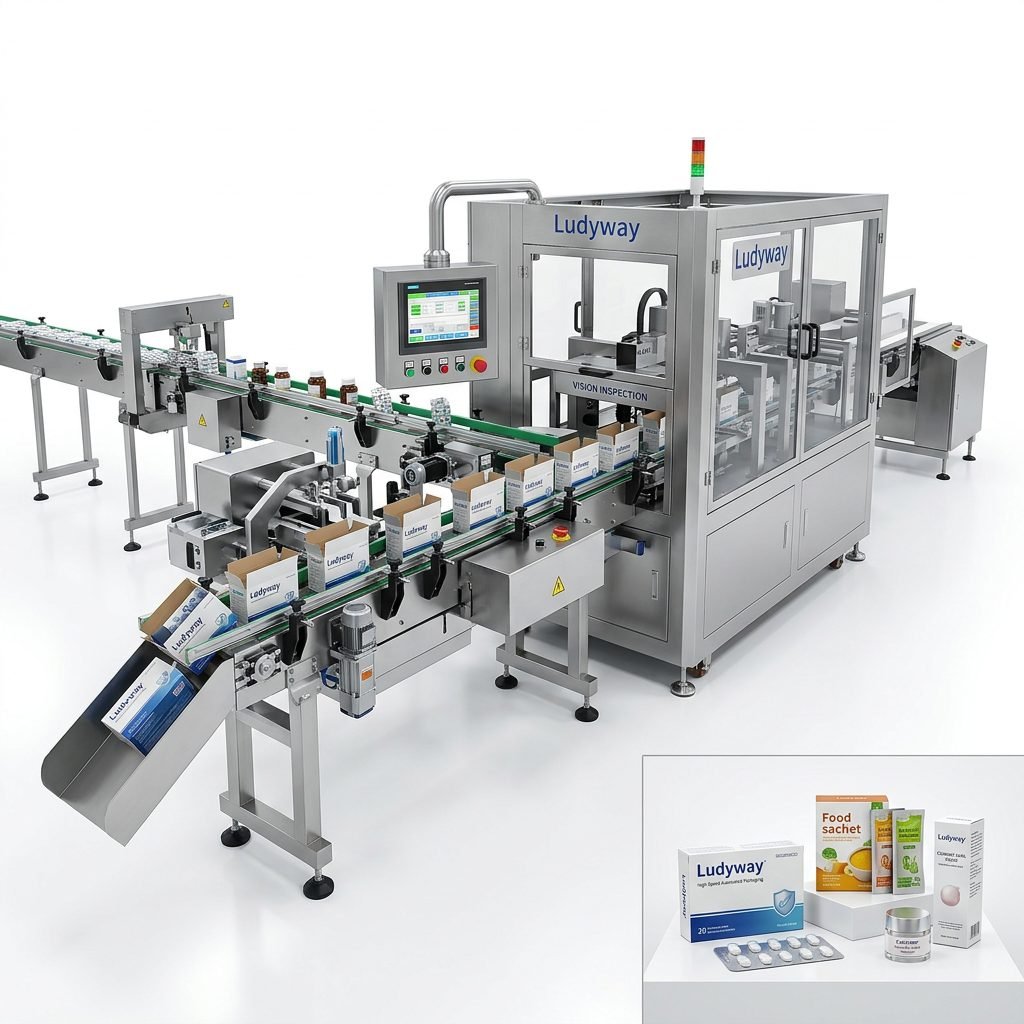
Modern heat packing equipment extends far beyond the primary filling and sealing functions. Consider how the machine will integrate with your upstream and downstream processes. Automated feeding systems, including bucket elevators, vacuum conveyors, and screw feeders, ensure consistent product supply to the dosing system. On the downstream side, options such as automatic cartoning, case packing, palletizing, and inspection systems can create a fully automated packaging line that reduces labor dependency and improves overall efficiency.
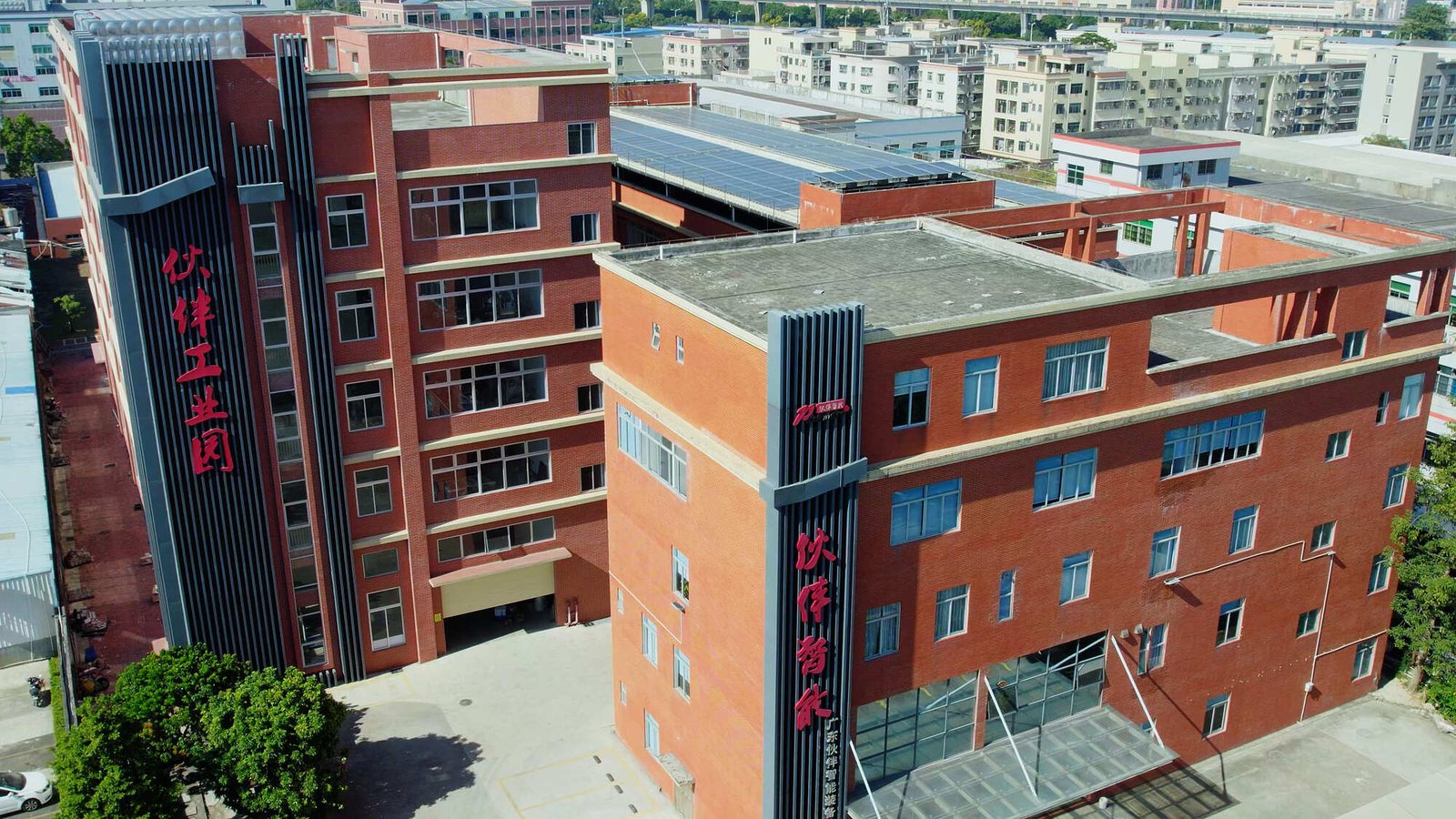
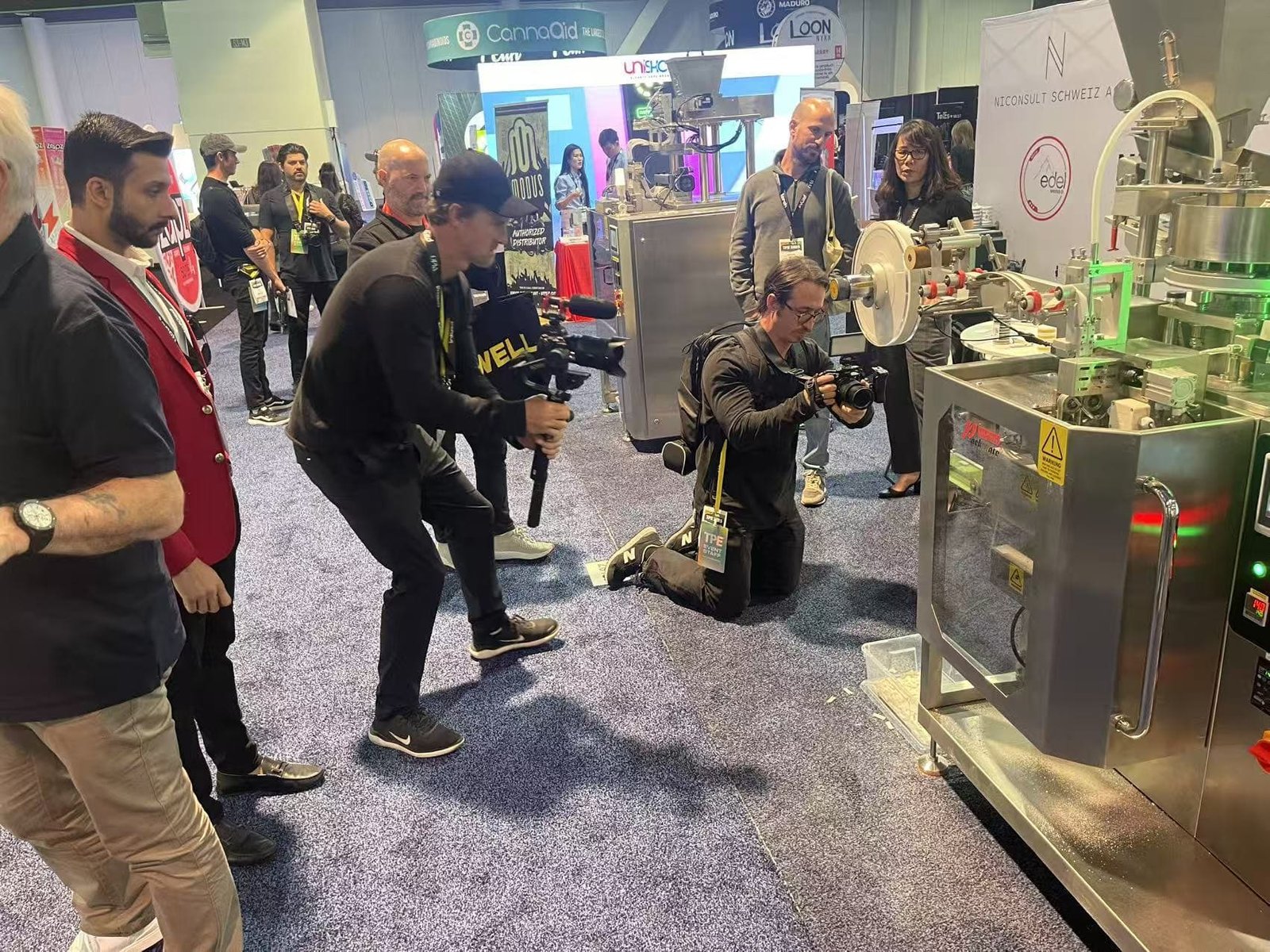
Many manufacturers now seek turnkey solutions that include machine selection, system integration, installation, and technical support from a single partner. Companies like Ludyway Machinery, with over 30 years of experience and a 20,000-square-meter manufacturing facility, provide integrated packaging machinery solutions that cover powder, granule, liquid, stick pack, sachet, and pouch applications across food, pharmaceutical, cosmetic, and chemical industries.
Evaluating Machine Quality and Durability
Construction quality directly affects machine lifespan, maintenance frequency, and seal consistency over time. When assessing a heat packing machine, examine the following construction elements:
- Frame construction – Heavy-gauge stainless steel or anodized aluminum frames provide stability and corrosion resistance, particularly important for food and pharmaceutical applications.
- Sealing jaw design – Precision-machined jaws with uniform heating elements ensure consistent temperature distribution. Look for independent temperature zones on wider machines.
- Control systems – PLC-based controls with touchscreen HMI interfaces allow precise parameter adjustment, recipe storage, and diagnostic capabilities. Leading machines use brands such as Siemens, Mitsubishi, or Omron for reliable performance.
- Pneumatic and electrical components – Quality components from established suppliers such as Festo, SMC, or Schneider Electric contribute to long-term reliability and global parts availability.
- Safety features – Emergency stop systems, safety interlocks, and guarding that meet international safety standards are non-negotiable for operator protection.
Total Cost of Ownership Analysis
The purchase price of a heat packing machine represents only a portion of the total investment. A thorough cost analysis should account for the following factors over an expected machine lifespan of 10 to 15 years:
| Cost Category | Typical Share of TCO | Key Considerations |
|---|---|---|
| Initial Purchase | 40–50% | Machine, tooling, installation, training |
| Consumables | 20–30% | Packaging film, spare parts, wear items |
| Energy and Utilities | 5–10% | Electricity, compressed air, cooling water |
| Maintenance and Repairs | 10–15% | Preventive maintenance, unexpected repairs |
| Downtime Cost | 5–10% | Lost production during changeovers and repairs |
Machines with higher initial quality typically reduce long-term costs through fewer breakdowns, lower spare parts consumption, and better film efficiency. The 2025 State of the Industry report highlights that packaging machinery reliability and service support are consistently ranked among the top selection criteria by manufacturers across all sectors.
Service, Support, and Spare Parts Availability
Even the most reliable heat packing machine requires periodic maintenance, occasional troubleshooting, and access to genuine spare parts. Before purchasing, evaluate the supplier’s service infrastructure. Key questions to ask include the availability of remote technical support, response times for on-site service, the location and stock levels of spare parts warehouses, and whether the supplier provides operator training and documentation in your language. Suppliers serving more than 100 countries typically have established service networks that can provide timely support across different regions.
Regulatory and Compliance Considerations
Depending on your industry and target markets, your heat packing machine may need to comply with specific regulatory requirements. Food packaging applications must meet FDA food contact substance regulations and FSMA requirements in the United States, or equivalent regulations in other markets. Pharmaceutical packaging requires compliance with GMP guidelines, validation protocols, and documentation practices. Machines destined for the European market must carry CE marking and comply with applicable EU directives, including the EU Packaging and Packaging Waste Regulation.
Making Your Final Decision
After evaluating all the factors discussed in this guide, you should have a shortlist of heat packing machines that meet your technical requirements. The final selection often comes down to a combination of supplier reputation, demonstrated experience in your industry, the quality of references from existing customers, and the overall value proposition rather than price alone. Requesting sample runs, visiting reference installations, and reviewing detailed proposals that include all cost elements will help you make a confident decision.
Investing time in the selection process pays dividends over the entire lifecycle of your heat packing machine. A well-chosen machine that matches your product, volume, and quality requirements will deliver consistent performance, lower operating costs, and the flexibility to adapt as your packaging needs evolve. For additional guidance, the PMMI packaging industry resources and Flexible Packaging Association provide valuable technical references and market intelligence that can support your evaluation process.