Choosing the right toffee packing machine is one of the most critical decisions for confectionery manufacturers. Toffee presents unique packaging challenges due to its sticky texture, temperature sensitivity, and susceptibility to moisture. An ill-suited machine can lead to production bottlenecks, product waste, and compromised shelf life. This comprehensive guide walks you through every factor you need to evaluate before making your investment.
Understanding Your Toffee Product Characteristics
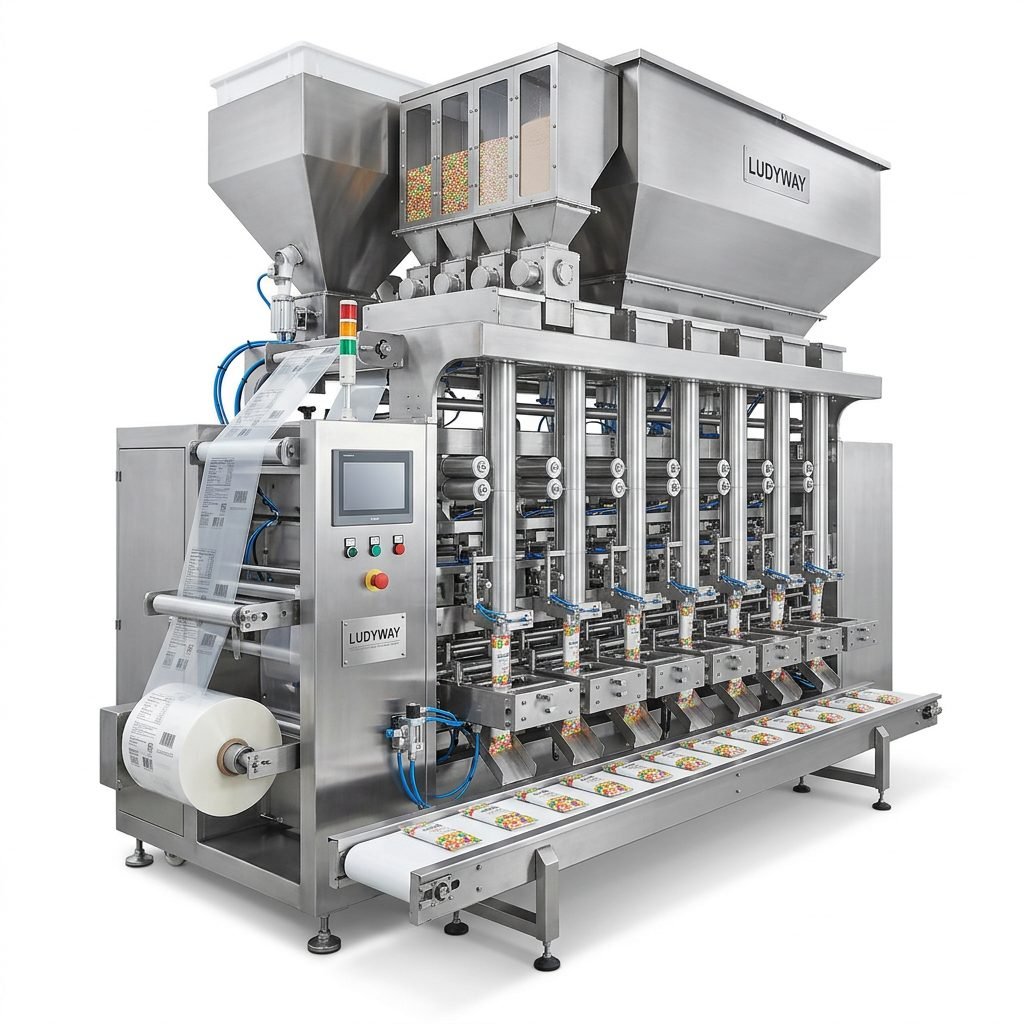
Before evaluating any equipment, you must first understand the specific characteristics of your toffee product. Unlike dry candies or chocolates, toffee is highly hygroscopic and often sticky at room temperature. This means the machine must handle the product gently while maintaining precise portion control. Key product variables include:
- Viscosity and stickiness level — affects feeding and wrapping mechanisms
- Piece size and shape — whether individually wrapped pieces, bars, or bite-sized portions
- Temperature behavior — how the product reacts during the packaging cycle
- Moisture sensitivity — determines barrier requirements for packaging materials
- Shelf life targets — influences seal integrity and material selection
Documenting these characteristics early helps you and potential suppliers narrow down the most suitable machine configurations. According to PMMI packaging industry research, product-specific machine selection reduces integration risks by up to 40%.
Types of Toffee Packaging Machines
The confectionery packaging market offers several machine formats, each suited to different toffee products and production scales. Selecting the right type depends on your packaging format, throughput requirements, and automation goals.
Flow Wrapping Machines (Horizontal Form Fill Seal)
Flow wrappers are among the most common choices for toffee bars and pieces. They create a sealed pack by wrapping film around the product and sealing it on three sides. These machines excel at high-speed continuous operation and can handle a variety of film materials including metallized BOPP and laminated structures that provide excellent moisture barrier protection — critical for preserving toffee freshness.
Fold Wrapping Machines
For individually wrapped toffee pieces with a traditional look, fold wrapping machines remain popular. They use techniques such as double-end twist, bunch wrap, or envelope fold to encase each toffee. These machines are typically used for bite-sized products and can achieve outputs ranging from 300 to 800 pieces per minute, depending on the model and product configuration.
Pillow Pack and Stick Pack Machines
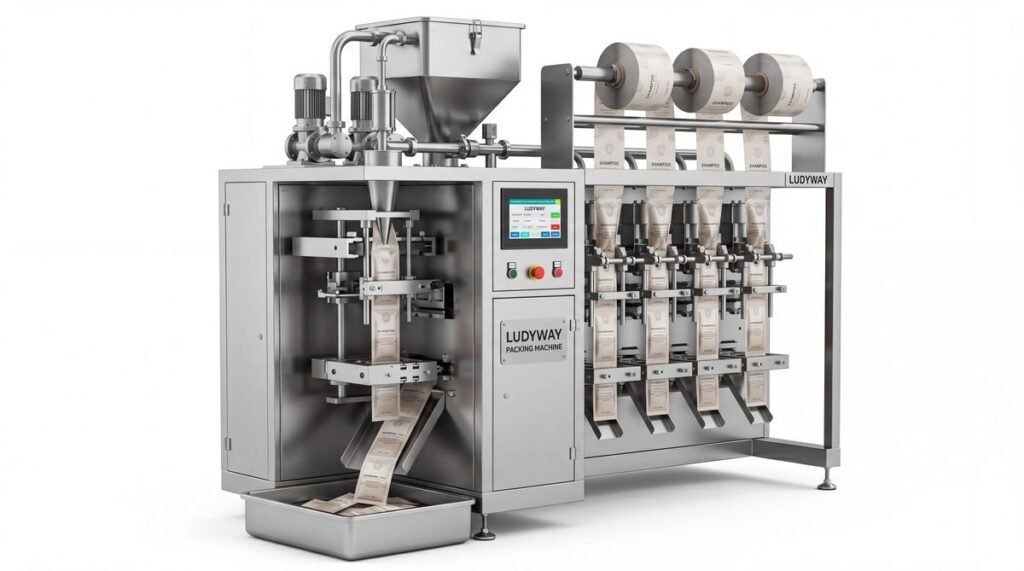
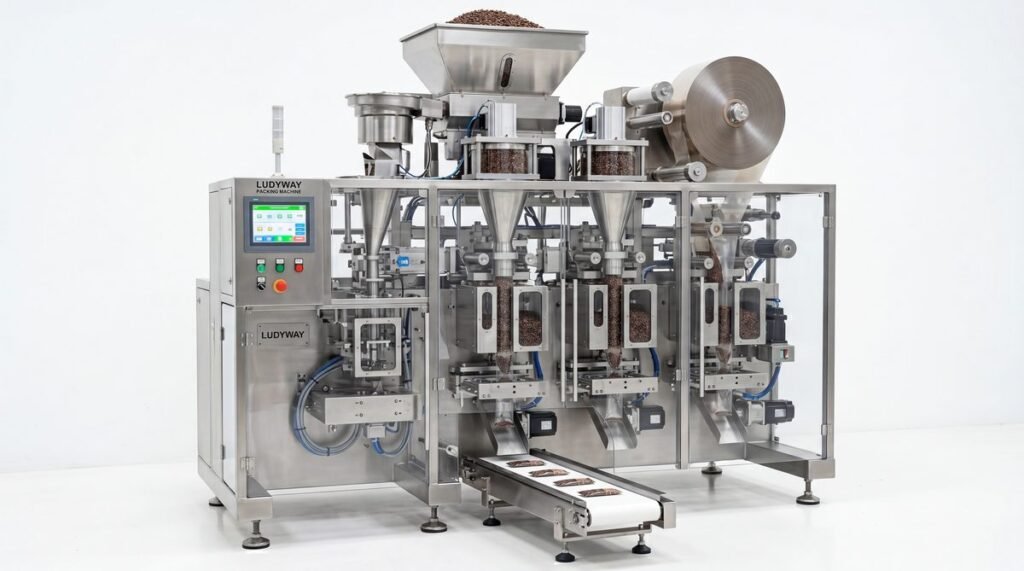
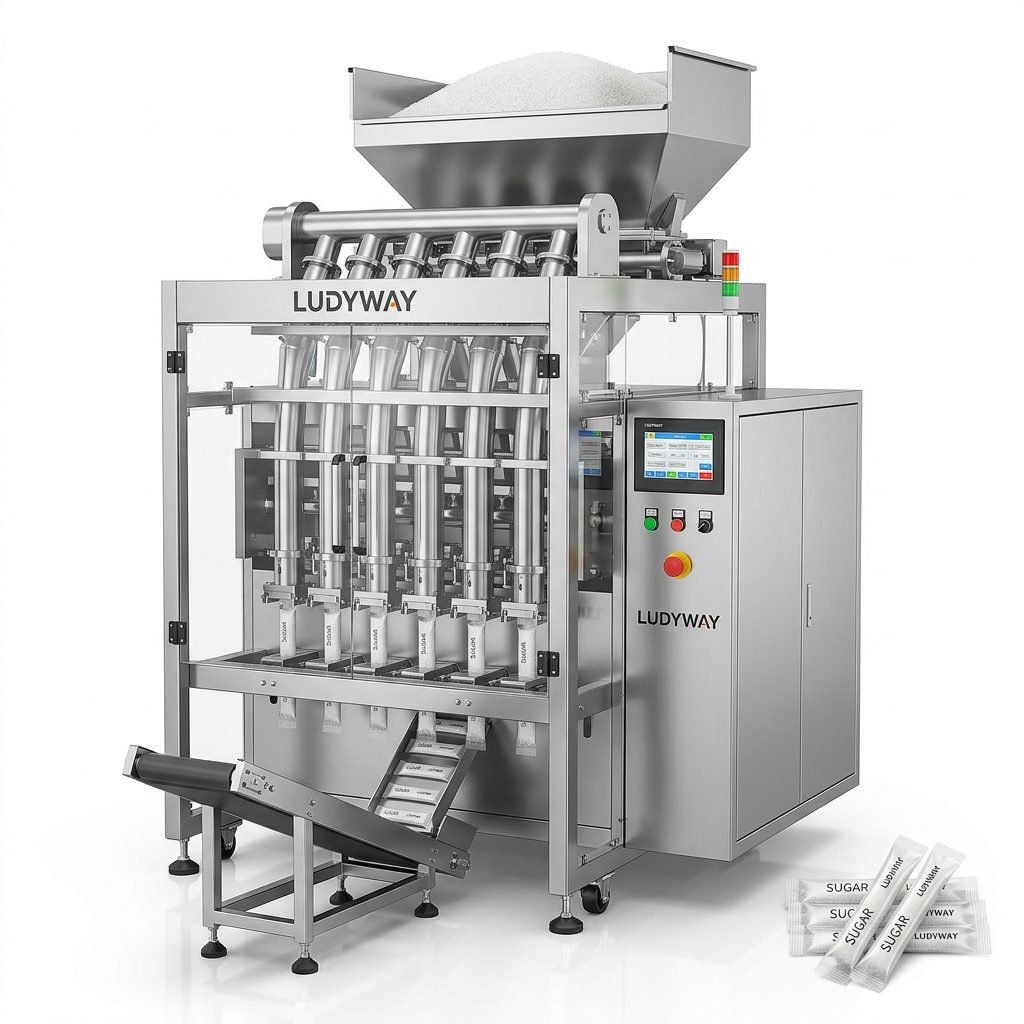
For smaller, individually portioned toffee products, stick pack and pillow pack machines offer compact packaging formats. These systems are ideal for single-serve or on-the-go packaging, increasingly popular in the confectionery market. Multi-lane configurations can significantly boost output by running several lanes simultaneously.
Critical Features to Evaluate
Beyond machine type, specific features directly impact performance, reliability, and product quality when packaging toffee. Focus your evaluation on the following areas:
Sealing Technology and Integrity
Toffee requires hermetic sealing to prevent moisture ingress and maintain freshness. Evaluate the sealing mechanism — whether heat sealing, cold sealing, or ultrasonic sealing — and verify that the machine can consistently produce airtight seals at your target speeds. Flexible packaging industry standards recommend seal strength testing as part of routine quality control.
Material Handling for Sticky Products
The feeding and handling system must be designed for sticky or semi-adhesive products. Look for features such as non-stick coated contact surfaces, cooled feeding channels, and precision dosing systems that prevent product buildup. Machines without these features may experience frequent jams and require excessive cleaning downtime when running toffee.
Speed and Output Requirements
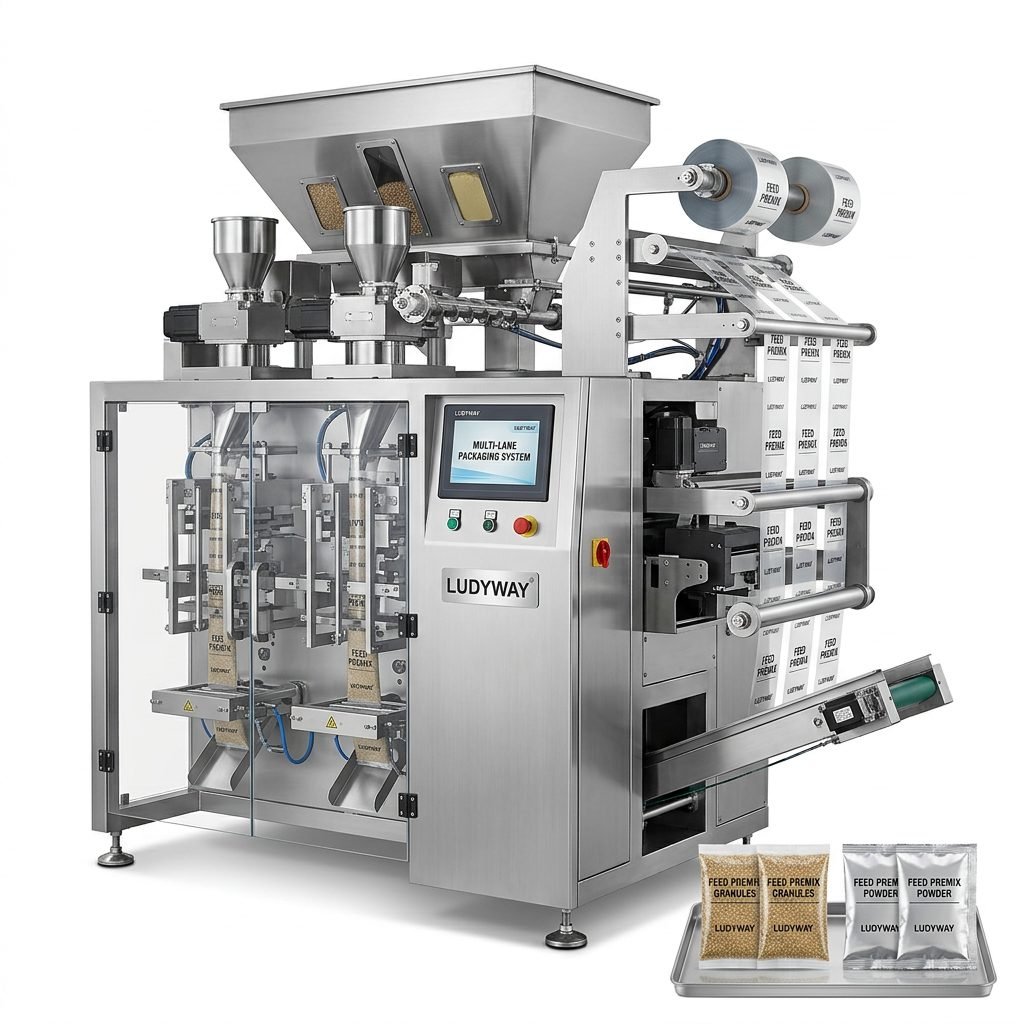
Define your current and projected production volumes clearly. A machine that meets today’s needs but cannot scale will limit growth. Consider whether a multi-lane configuration makes sense for your operation. Production speed must be balanced against packaging quality — pushing a machine beyond its optimal range often compromises seal integrity.
Changeover Flexibility
If you produce multiple toffee variants or package sizes, rapid changeover capability becomes essential. Look for machines with tool-less changeover features, programmable recipe storage, and quick-release components. Reduced changeover time directly translates to higher overall equipment effectiveness (OEE).
Technical Specifications Comparison
The table below outlines key specification ranges for common toffee packaging machine types. Use this as a reference when comparing equipment from different suppliers.
| Machine Type | Typical Speed Range | Best For | Key Consideration |
|---|---|---|---|
| Flow Wrapper | 80–600 packs/min | Bars, slabs, trays | Film tension control for sticky products |
| Fold Wrapper | 300–800 pieces/min | Individual bite-sized pieces | Gripper design for gentle handling |
| Stick Pack Machine | 200–1,000+ packs/min (multi-lane) | Single-serve portions | Multi-lane synchronization |
| Pillow Pack Machine | 100–400 packs/min | Small to medium pieces | Seal jaw temperature precision |
Packaging Materials and Sustainability
The choice of packaging material directly affects product protection, shelf appeal, and environmental footprint. Toffee typically requires high-barrier films to prevent moisture absorption. Common materials include:
- Metallized BOPP — excellent moisture barrier with good printability
- Laminated foil structures — maximum barrier protection for extended shelf life
- Cold-seal compatible films — reduce heat exposure for temperature-sensitive toffee
- Recyclable mono-material films — growing in demand as brands pursue sustainable packaging targets
Verify that your chosen machine is compatible with the film types and thicknesses you plan to use, both now and in the future. Some older machines struggle with thinner, more sustainable film structures.
Industry Standards and Compliance
Confectionery packaging equipment must meet relevant food safety and hygiene standards. Depending on your target markets, applicable standards may include:
- FDA 21 CFR — for food contact materials in the U.S. market
- EU Regulation 1935/2004 — for food contact materials in European markets
- ISO 22000 — food safety management systems
- GFSI-benchmarked schemes — such as BRCGS or FSSC 22000 for packaging operations
Machine design should facilitate easy cleaning and sanitation, with accessible surfaces, minimal crevices, and where necessary, washdown-compatible construction. Refer to ISO packaging standards for detailed guidance on internationally recognized requirements applicable to packaging machinery.
Evaluating Total Cost of Ownership
The purchase price is only one component of a packaging machine’s true cost. A comprehensive total cost of ownership (TCO) analysis should account for:
- Initial capital expenditure — machine cost, installation, and commissioning
- Operating costs — energy consumption, compressed air requirements, labor
- Consumables — packaging film waste rates, replacement parts, lubricants
- Maintenance — scheduled servicing, unexpected repairs, spare parts inventory
- Downtime cost — production losses during changeovers, cleaning, and repairs
- Expected service life — typically 10–20 years for well-maintained industrial equipment
A machine with a lower upfront price may cost significantly more over its lifetime if it has higher film waste rates or more frequent maintenance requirements. Request detailed operational cost data from each supplier before making your decision.
Working with the Right Packaging Machinery Partner
Selecting the right equipment supplier is as important as selecting the right machine. A qualified partner brings application engineering expertise, after-sales support, and industry knowledge that can significantly impact your project’s success. When evaluating suppliers, consider their experience with confectionery applications specifically — not just general packaging — and their track record in your target markets.
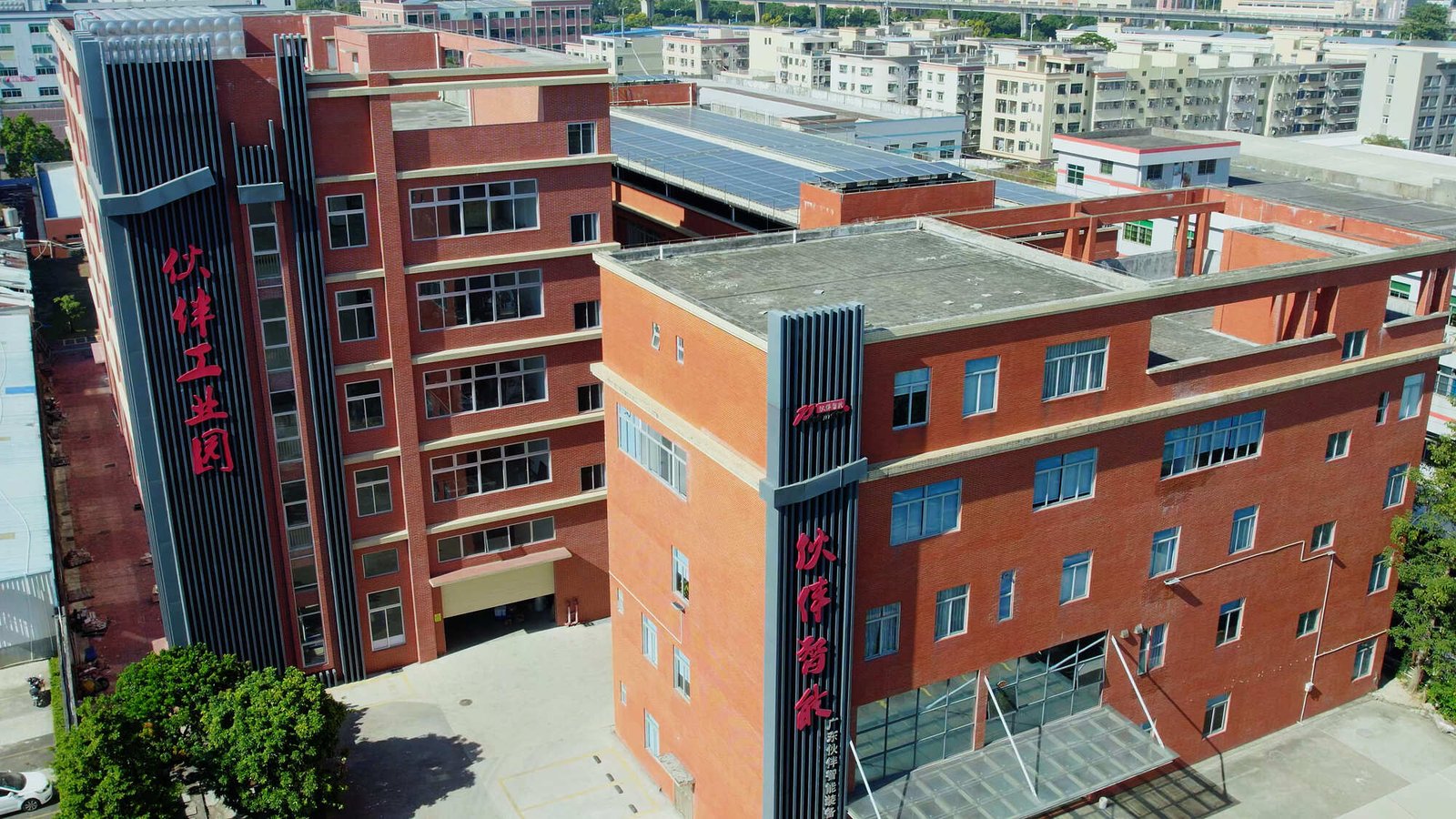
For manufacturers seeking comprehensive packaging solutions, Ludyway Machinery provides integrated packaging equipment and turnkey systems with over 30 years of industry experience. Evaluate each supplier against your specific requirements, including customization capabilities, technical support availability, and spare parts logistics, before committing to a long-term partnership.
Frequently Asked Questions About Toffee Packing Machines
What is the typical ROI period for a toffee packaging machine?
Most manufacturers achieve ROI within 18 to 36 months, depending on production volume, labor savings, and reduced product waste. High-speed automated lines generally pay back faster due to greater throughput and consistency. Calculate ROI based on your specific production data rather than relying on generic estimates.
Can one machine handle multiple toffee formats?
Many modern machines offer format flexibility with changeover times ranging from 15 to 45 minutes for skilled operators. However, extreme variations — such as switching from individually wrapped pieces to multi-pack bars — may require different machine configurations. Discuss your full product range with potential suppliers during the specification phase to ensure adequate flexibility.
How do I ensure the machine meets food safety requirements?
Request documentation of compliance with relevant food safety standards applicable to your target markets. Inspect the machine’s construction for hygienic design features including sloped surfaces, accessible cleaning points, food-grade materials, and where necessary, IP65 or higher washdown ratings. Third-party certifications provide additional assurance of compliance.
What support should I expect after installation?
A reputable supplier should provide comprehensive after-sales support including operator training, maintenance training, remote troubleshooting, readily available spare parts, and periodic service visits. Clarify warranty terms, response times, and service coverage before finalizing your purchase agreement.
Investing time in thorough evaluation upfront — considering product characteristics, machine specifications, material compatibility, compliance requirements, and supplier capabilities — will help you select a toffee packing machine that delivers reliable performance, product quality, and long-term value for your confectionery operation.