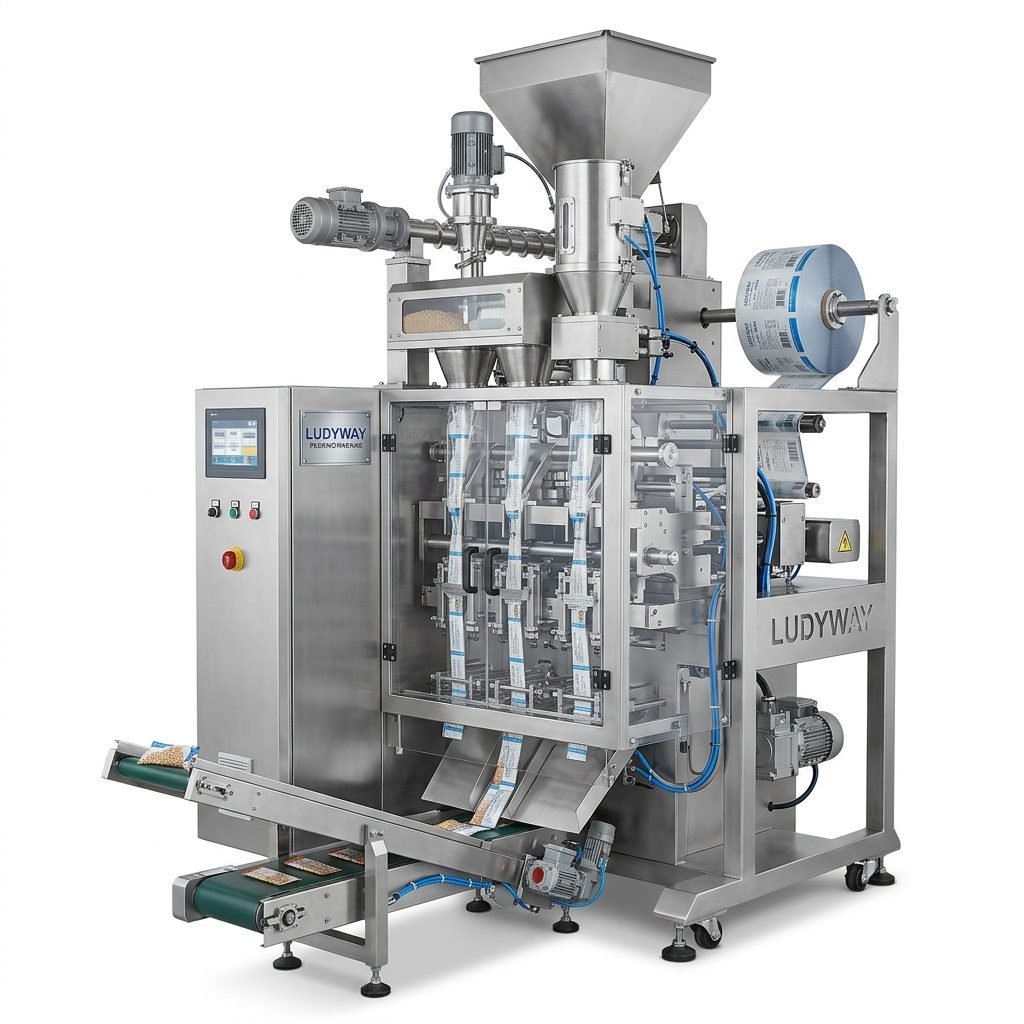
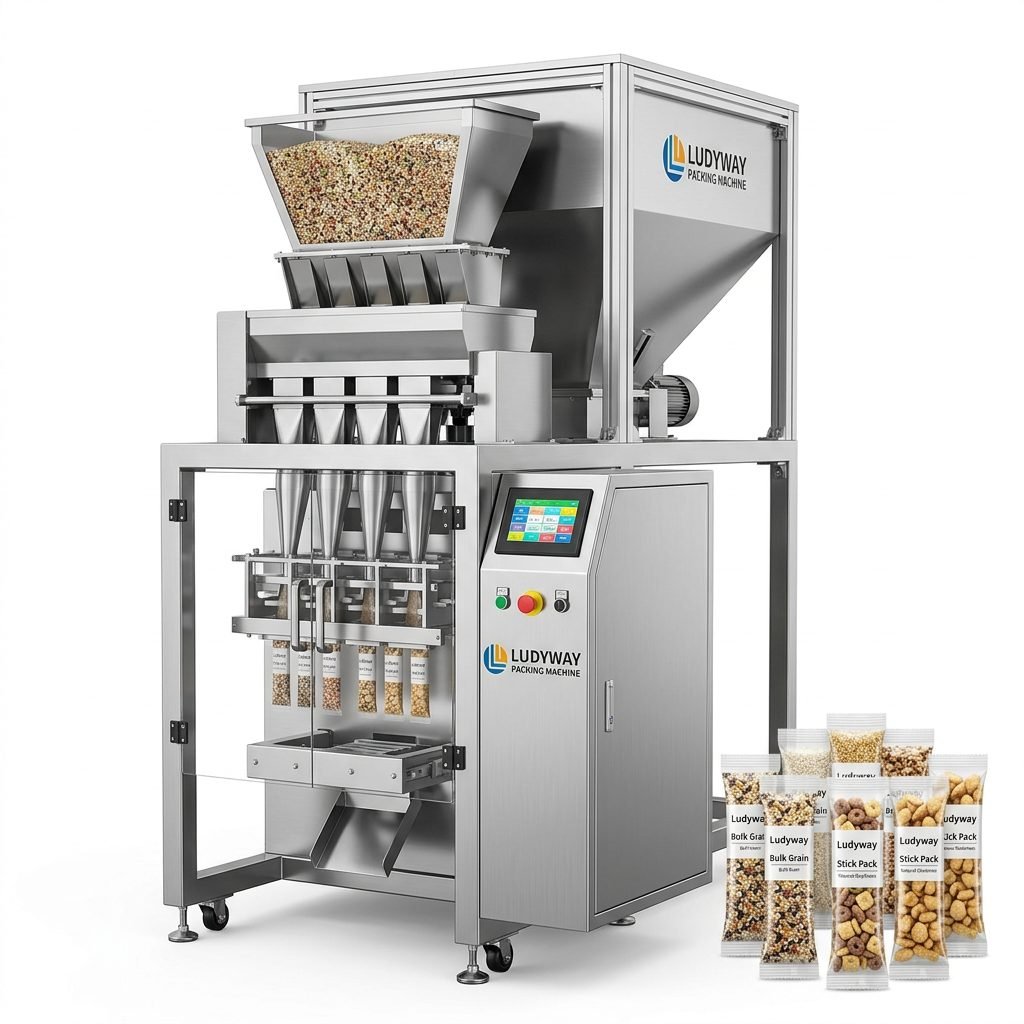
Selecting the right bolt packing machine is a critical decision that directly affects your production efficiency, packaging quality, and long-term operational costs. Whether you are packaging bolts, screws, nuts, washers, or other hardware components, the appropriate equipment must align with your product specifications, throughput requirements, and factory layout. This guide walks you through the essential factors to consider before making your investment.
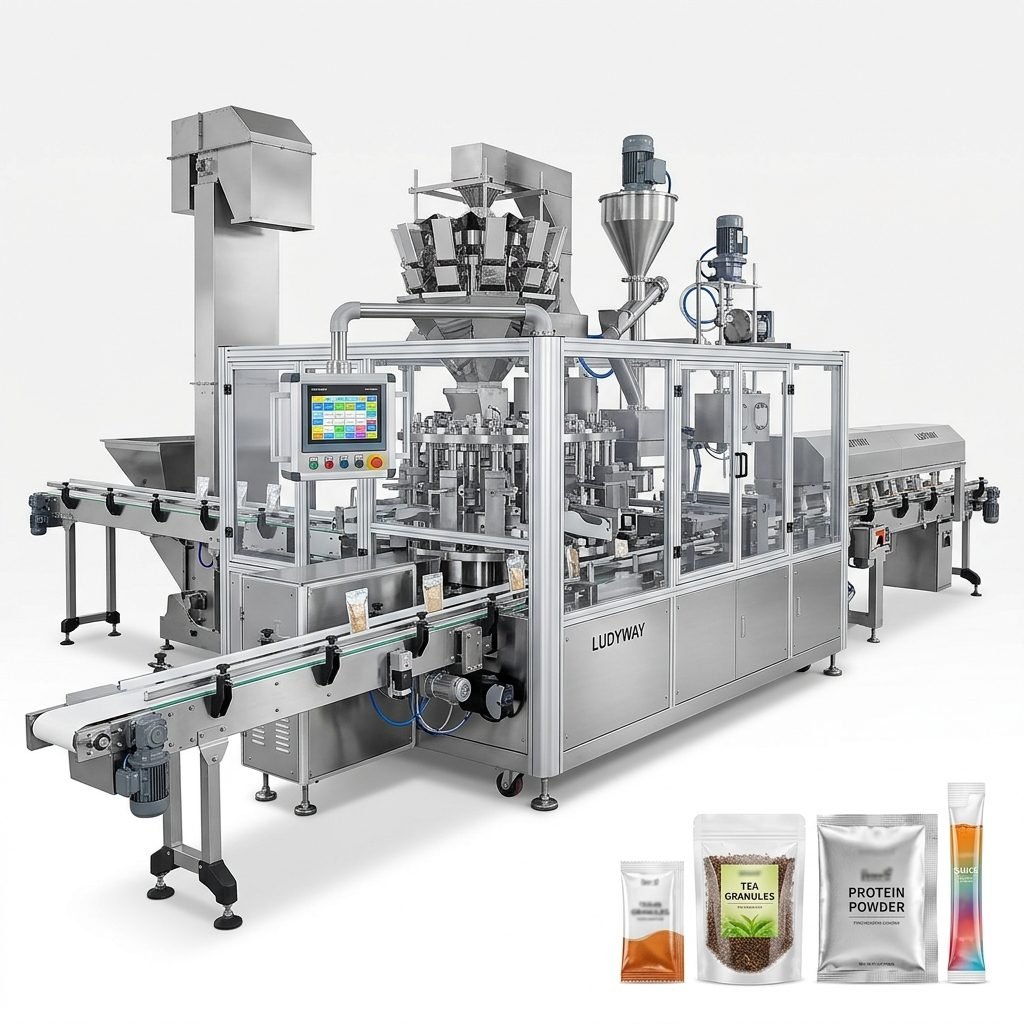
Understanding Your Bolt Packaging Requirements
Before evaluating specific machines, you need a clear picture of your packaging needs. Different bolts vary significantly in size, weight, shape, and material. A machine designed for small electronic screws may not handle heavy construction bolts effectively.
Key product characteristics to assess include:
- Bolt dimensions – diameter, length, and head type
- Material and surface finish – coated, plated, or stainless steel bolts may require gentle handling to prevent scratching
- Packaging format – bags, pouches, boxes, blister packs, or bulk containers
- Target output speed – pieces per minute or bags per hour
- Counting and weighing accuracy – piece-count versus weight-based filling
According to packaging industry market research, hardware and industrial component packaging is increasingly moving toward automated counting and multi-format flexibility to accommodate diverse product lines.
Key Factors in Evaluating Bolt Packing Equipment
When comparing different bolt packing machines, focus on these critical evaluation areas that will impact your daily operations and long-term satisfaction with the equipment.
Counting and Dosing Accuracy
For bolt packaging, precise piece counting is often more important than weight-based measurement. Modern machines use optical sensors, vibratory feeding systems, or multi-head weighers to achieve high counting accuracy at speed. The right technology depends on your bolt size consistency and acceptable tolerance levels.
Packaging Speed and Throughput
Production demands vary widely. A small workshop may require 10-15 bags per minute, while a large distribution center might need high-speed multi-lane systems capable of 60-120 bags per minute. Always verify rated speeds against real-world performance with your specific bolt types.
Changeover Flexibility
If you package multiple bolt sizes or types on the same line, quick changeover capability is essential. Look for machines with tool-less adjustments, recipe storage, and modular design that minimizes downtime between product runs.
Comparing Bolt Packaging Machine Types
The following table provides an overview of common bolt packaging solutions and their typical applications in hardware packaging operations.
| Machine Type | Best For | Speed Range | Key Advantage |
|---|---|---|---|
| Vibratory Counting Machine | Small to medium bolts, screws | 10-40 bags/min | High counting precision |
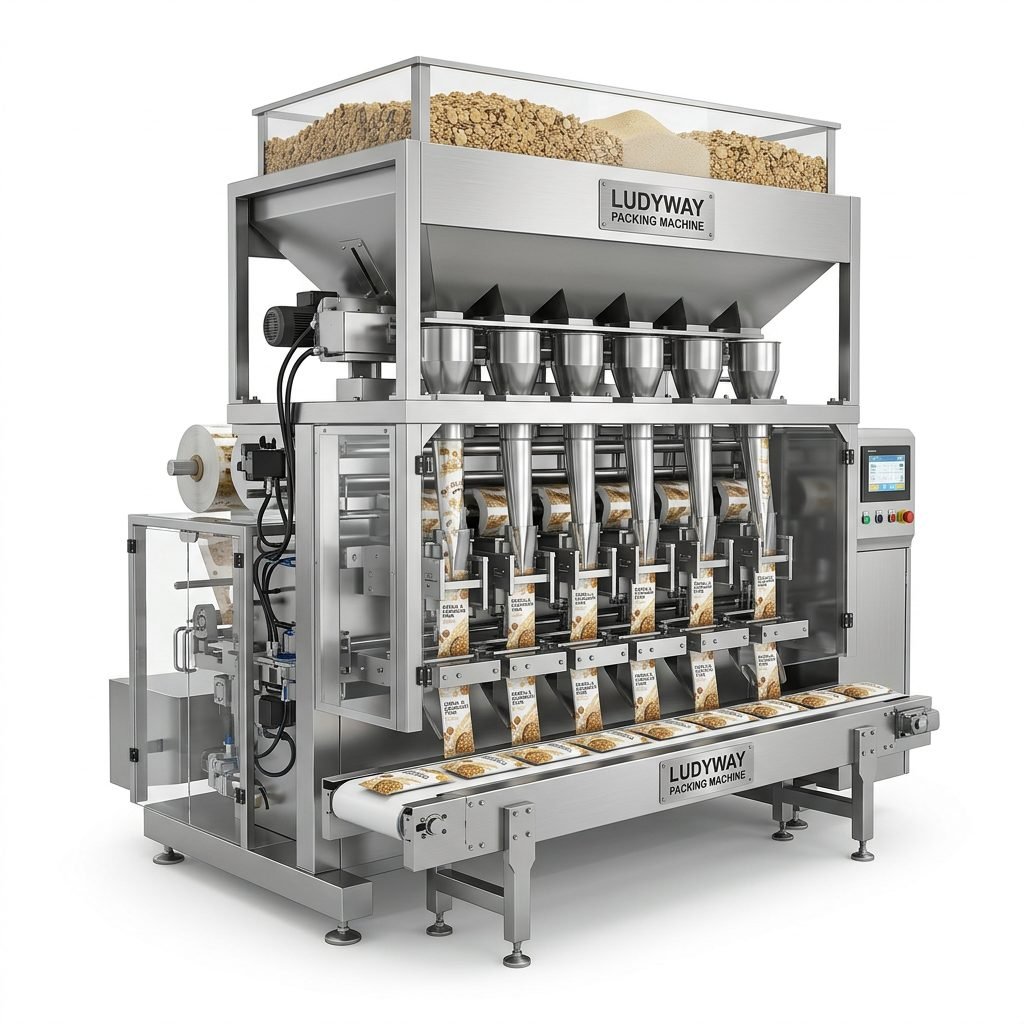
| Multi-Head Weigher System | Mixed hardware kits, bulk bolts | 30-80 bags/min | Versatile weight-based filling |
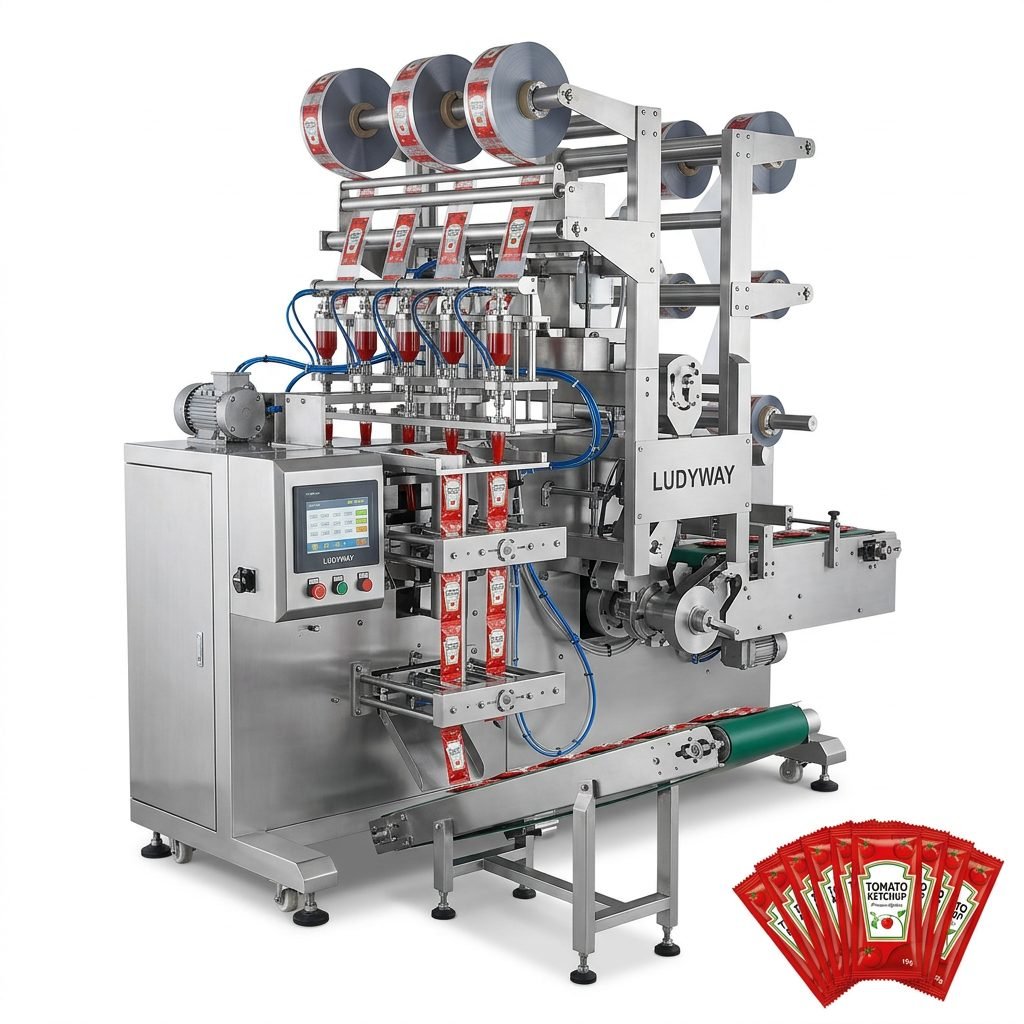
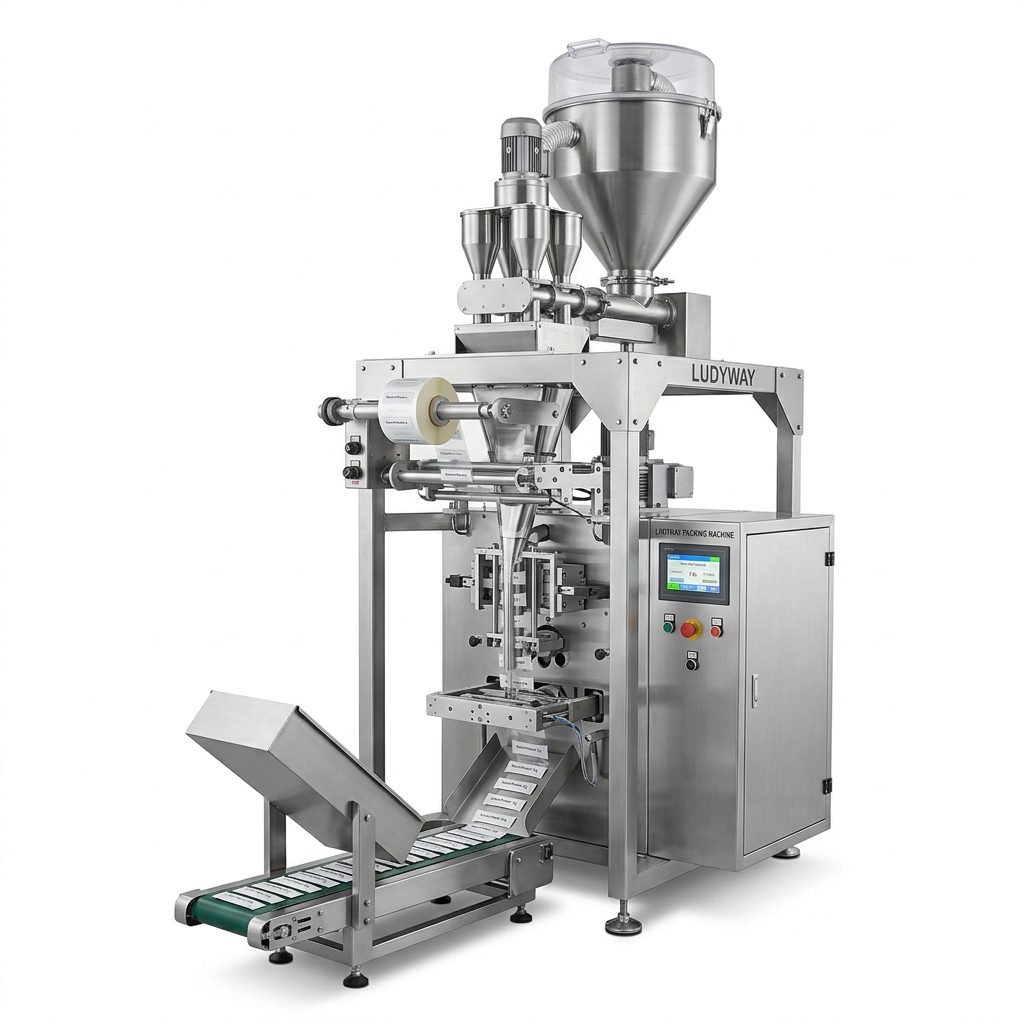
| Vertical Form-Fill-Seal (VFFS) | Bagged bolt products | 20-100 bags/min | Integrated bag making and filling |
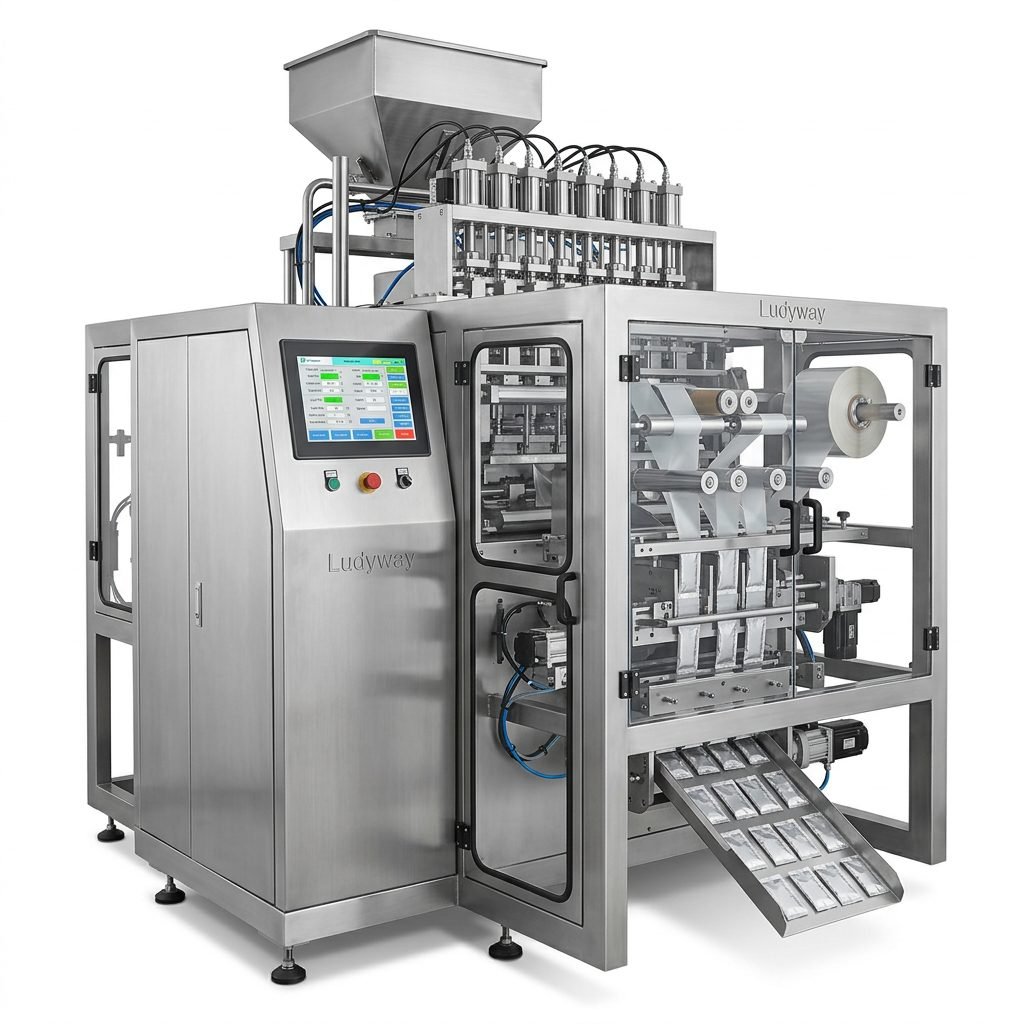
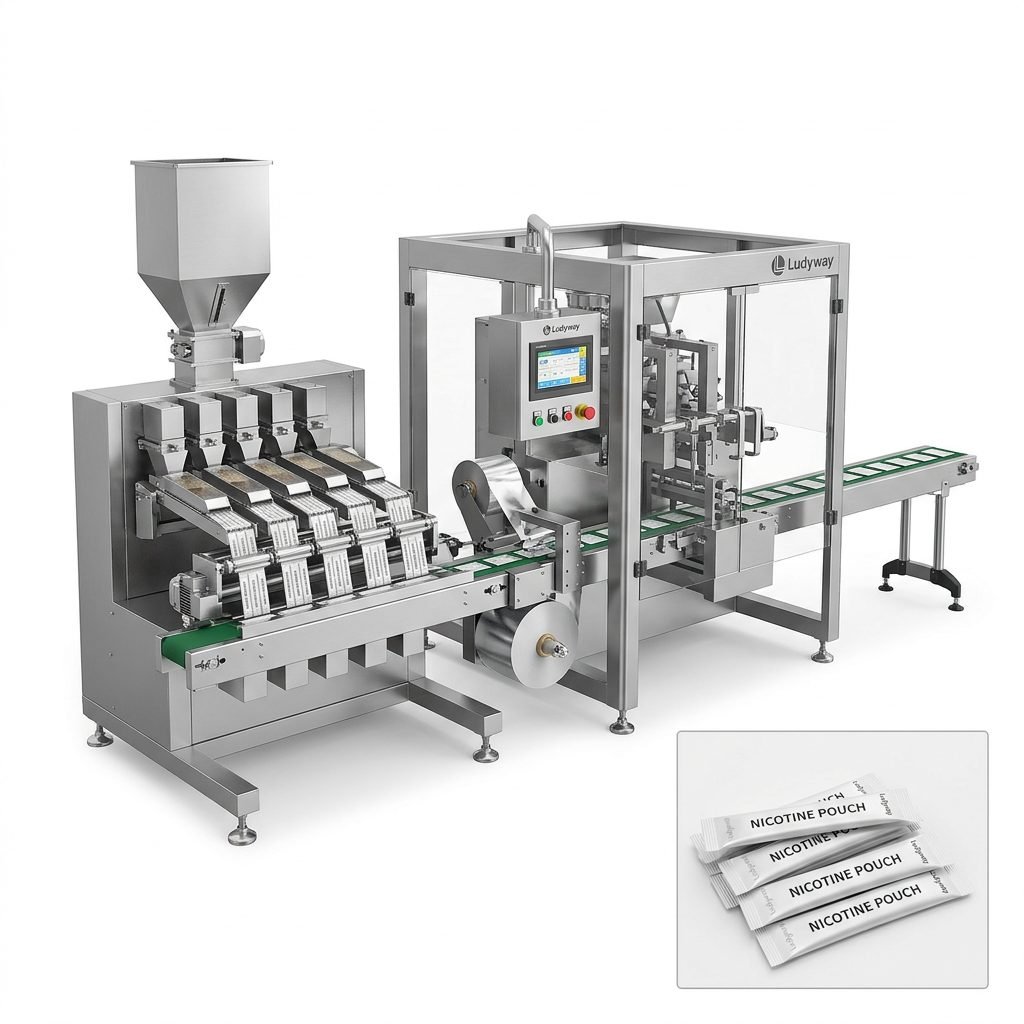
| Multi-Lane Stick Pack Machine | Small hardware pieces, kits | 60-200+ packs/min | Ultra-high throughput |
| Automatic Cartoning System | Boxed bolt sets, retail packaging | 15-50 cartons/min | Professional retail presentation |
Machine Configuration and Customization Options
No two bolt packaging operations are identical. The most effective bolt packing solutions are those configured to your specific requirements. Modern equipment offers extensive customization in several areas:
- Feeding systems – vibratory bowl feeders, step feeders, or centrifugal feeders matched to bolt geometry
- Bag and pouch formats – pillow bags, gusseted bags, stand-up pouches, or chain bags
- Sealing technology – heat seal, impulse seal, or ultrasonic sealing depending on film material
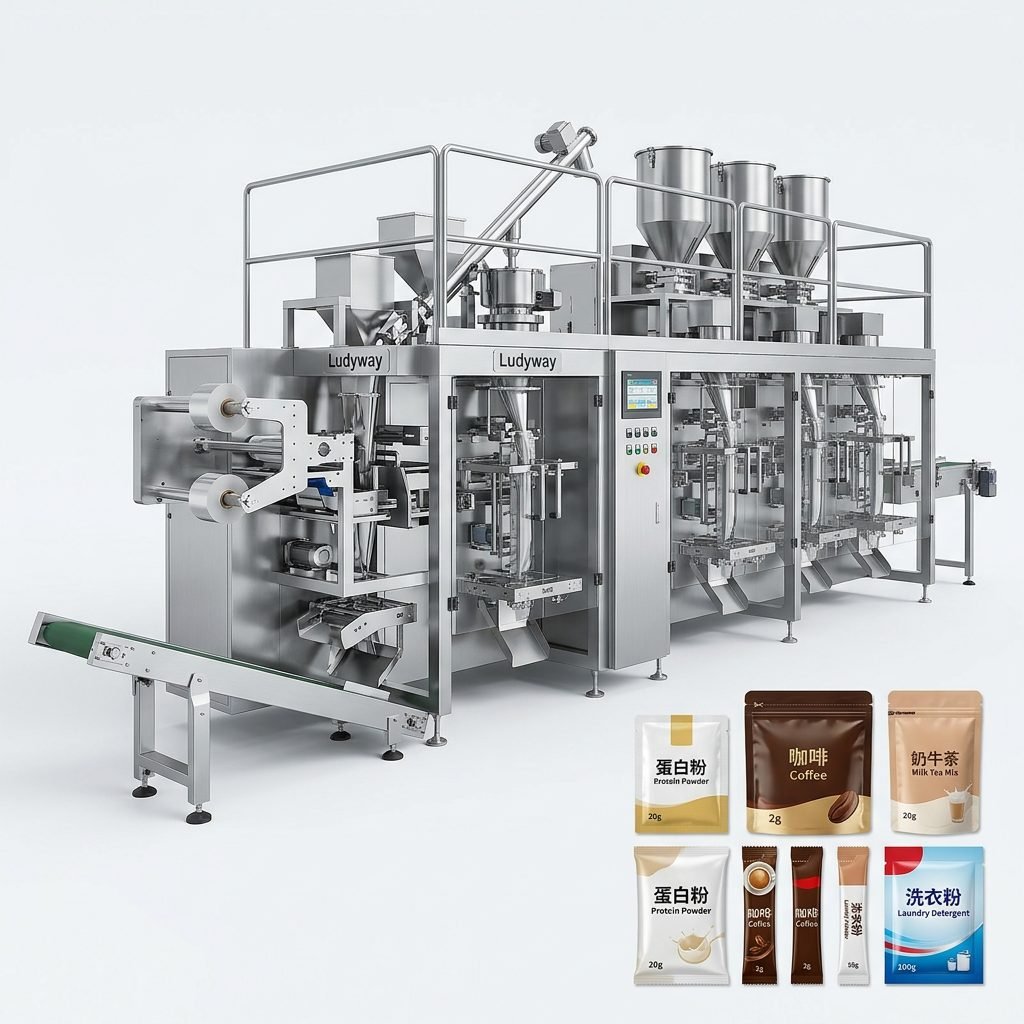
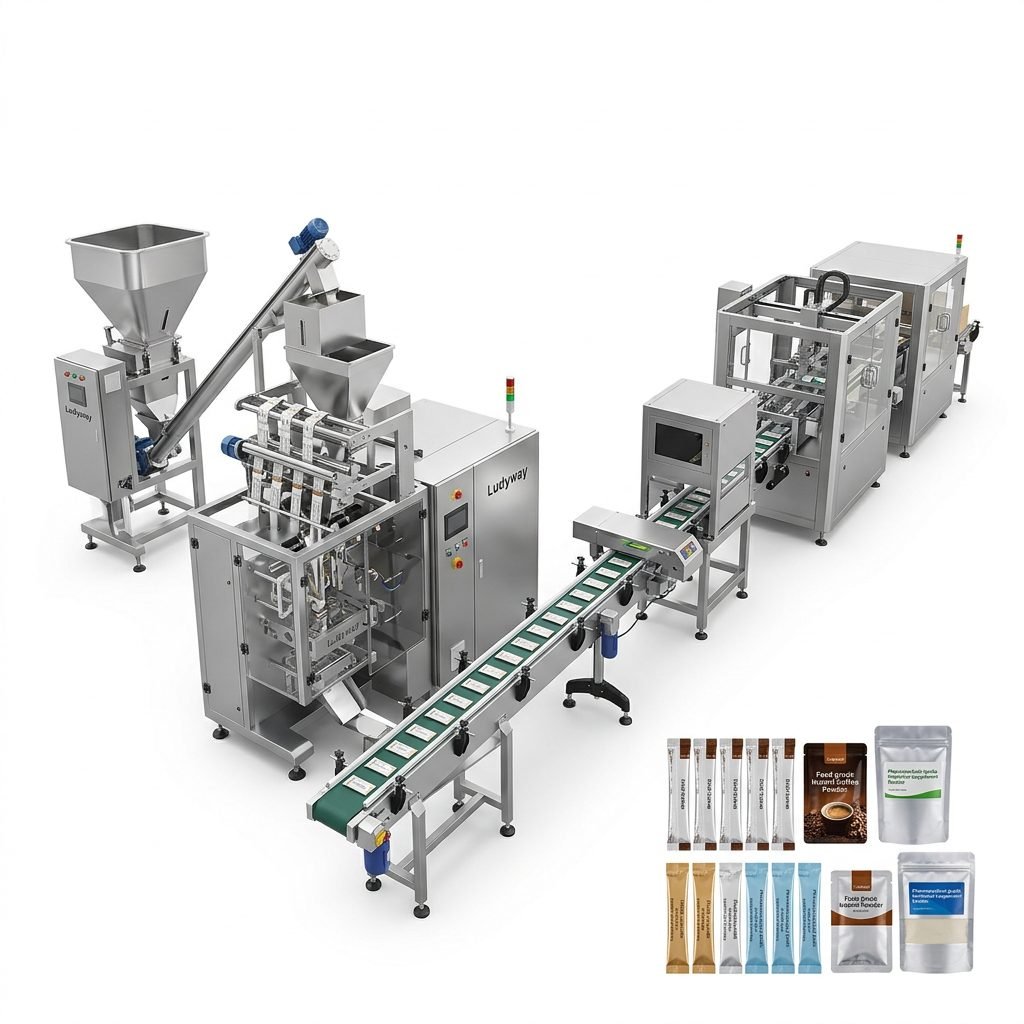
- Integration with upstream and downstream equipment – conveyors, metal detectors, checkweighers, and packaging line automation systems
- Data connectivity – Industry 4.0 readiness, production tracking, and remote monitoring capabilities
For manufacturers handling diverse product lines, a modular machine platform that can be reconfigured for different bolt types and packaging formats provides the best long-term value.
Quality Standards and Industry Compliance
When purchasing packaging equipment, verify that the machine meets relevant international quality and safety standards. This is particularly important for manufacturers exporting to multiple markets. Key standards to consider include machine safety directives, electrical compliance, and material contact regulations where applicable.
Reference resources such as ISO packaging standards and applicable regional regulations can help you establish appropriate machine specifications. If your bolts are used in food-contact, pharmaceutical, or automotive applications, additional cleanliness and traceability requirements may apply to your packaging process.
Evaluating Supplier Capabilities and Support
Beyond the machine specifications, the manufacturer’s engineering capability and service infrastructure are equally important. A reliable packaging machinery partner should offer comprehensive support throughout the equipment lifecycle, including installation, commissioning, operator training, and responsive after-sales technical assistance.
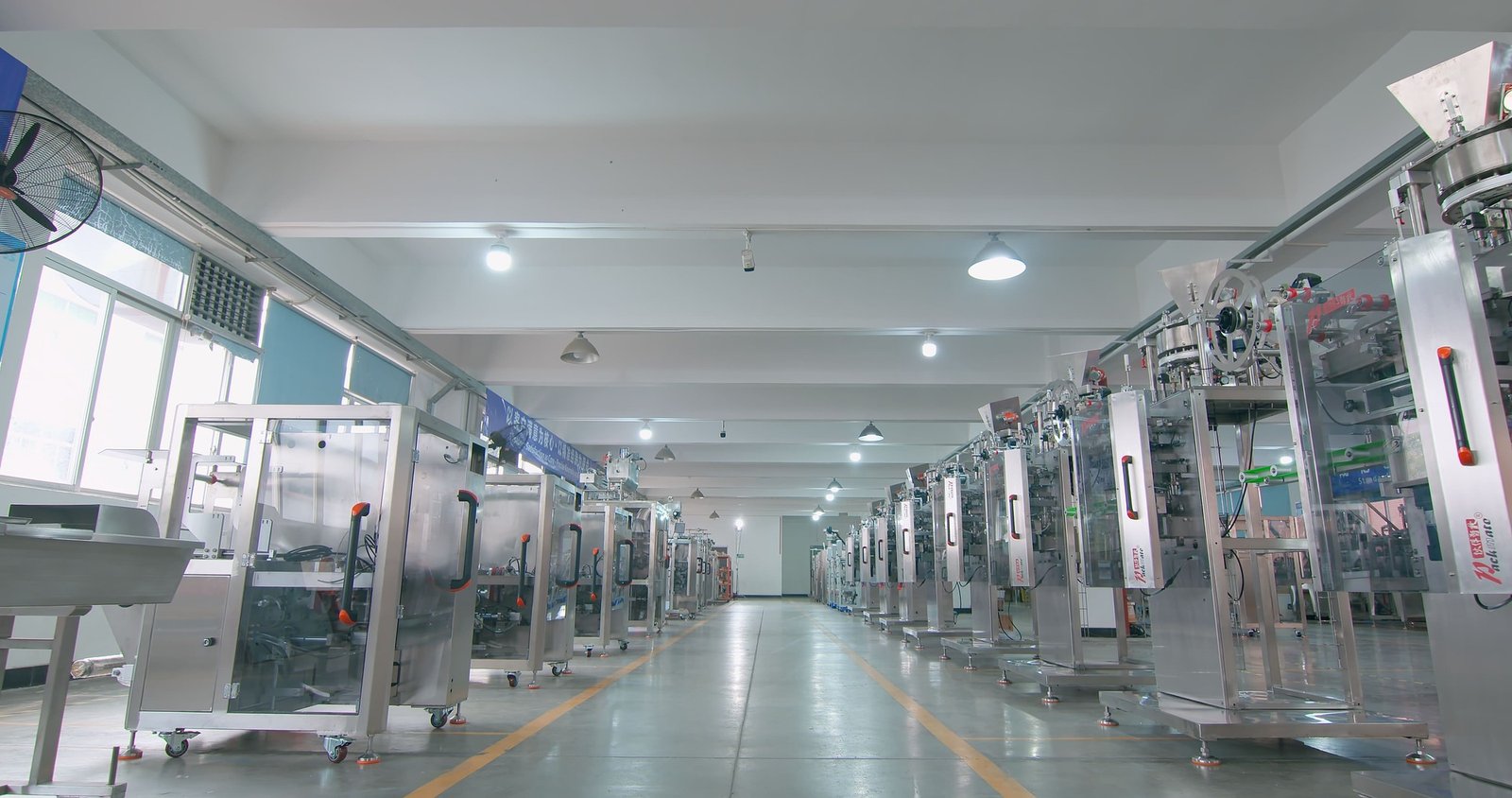
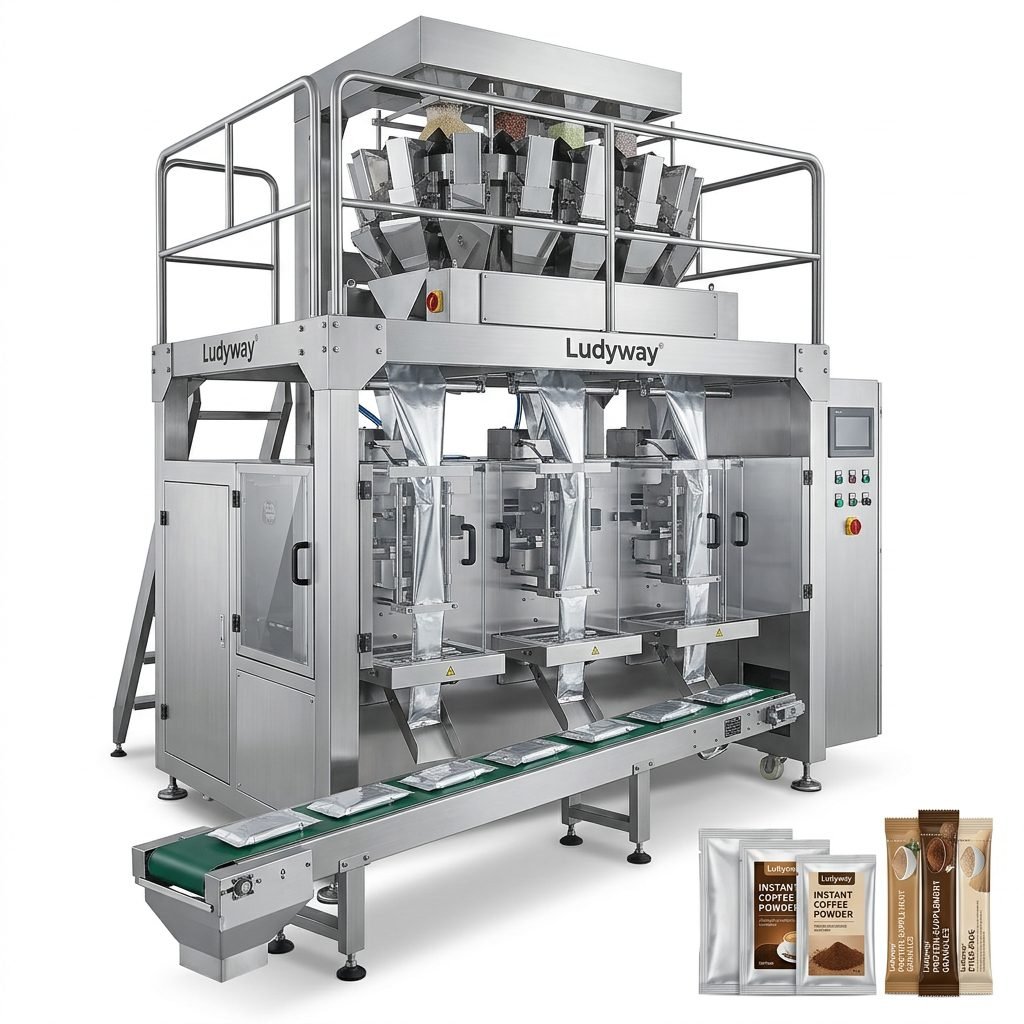
For businesses seeking a customized bolt packaging system rather than an off-the-shelf solution, working with an experienced manufacturer that provides turnkey packaging line integration can simplify project execution. Ludyway Machinery, with over 30 years of packaging industry experience and a 20,000-square-meter manufacturing facility, delivers configured packaging solutions that match specific product characteristics, production speeds, and factory layouts across more than 100 countries.
Total Cost of Ownership and Return on Investment
The purchase price of a bolt packing machine is only one component of its total cost. A thorough ROI analysis should account for:
- Initial equipment investment and installation costs
- Consumables – packaging film, spare parts, and wear components
- Labor savings from automation versus manual packaging
- Maintenance requirements and expected service intervals
- Energy consumption and utility costs
- Downtime costs and production loss during changeovers or repairs
In most cases, a higher-quality machine with better engineering delivers lower total cost of ownership over a 5-10 year period, even if the initial investment is higher. The flexible packaging industry continues to evolve, and selecting equipment that can adapt to future packaging material changes helps protect your investment.
Making Your Final Decision
Choosing the right bolt packing machine requires balancing technical specifications, production requirements, supplier capabilities, and budget considerations. Start by clearly defining your current and anticipated packaging needs, then evaluate machines and manufacturers against those criteria.
A structured approach to equipment selection — including product testing, factory visits, reference checks, and detailed technical proposals — will help you make a confident investment decision that supports your production goals for years to come.
Key Takeaways
- Define your bolt specifications and packaging format requirements before evaluating equipment
- Compare counting accuracy, speed, and changeover flexibility across different machine types
- Evaluate supplier engineering capabilities and global service support, not just machine price
- Consider total cost of ownership over the equipment’s full lifecycle
- Prioritize modular and configurable designs that can adapt as your product line evolves