Understanding Automatic Shrink Packing Machines
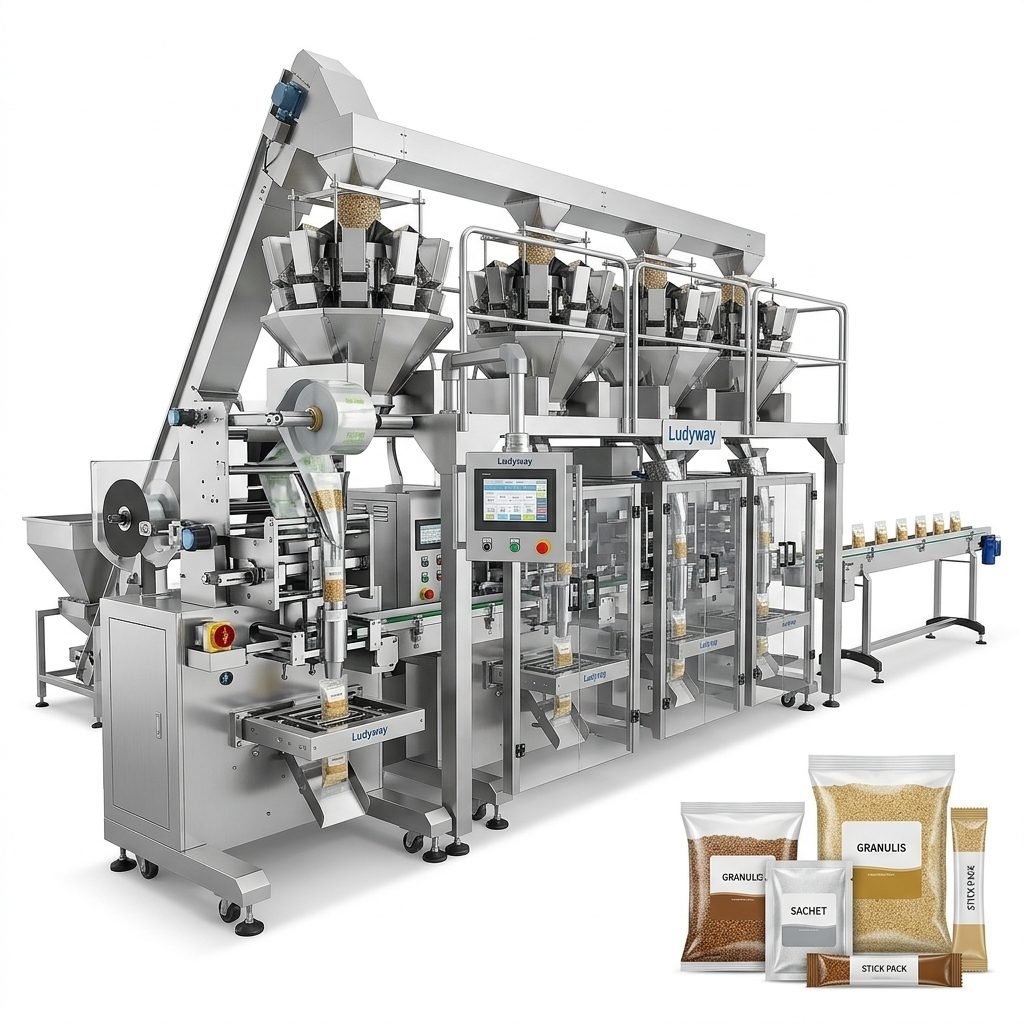
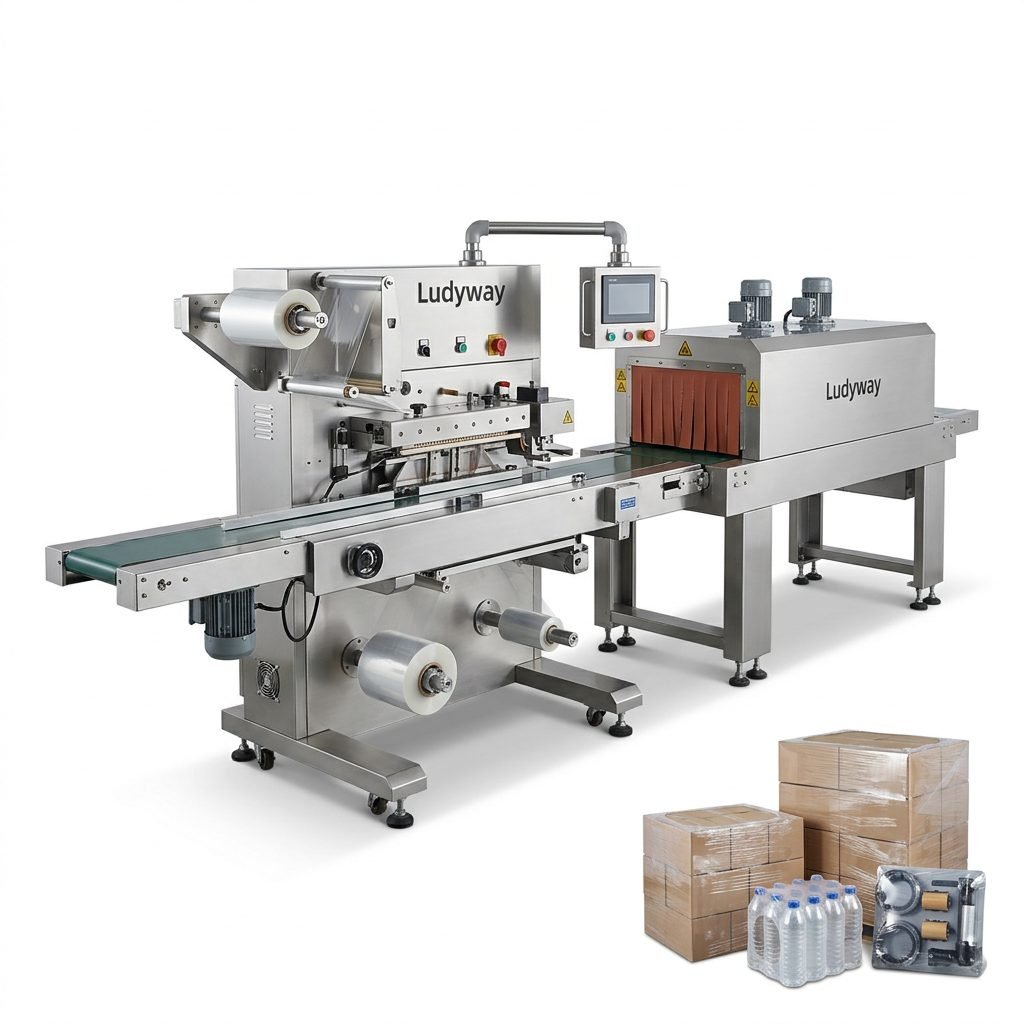
An automatic shrink packing machine is a critical piece of equipment in modern packaging lines, designed to wrap products in shrink film and apply heat to create a tight, protective seal. Whether you are packaging food, beverages, pharmaceuticals, cosmetics, or industrial goods, selecting the right shrink packaging equipment can significantly impact your production efficiency, product protection, and overall operational costs.
According to the 2026 State of the Industry report from PMMI, the demand for automated packaging machinery continues to grow as manufacturers seek higher throughput and reduced labor dependency. This makes the shrink packing machine selection process more important than ever.
Key Factors to Consider Before Purchasing
1. Product Characteristics and Packaging Requirements
Every product has unique packaging needs. Before evaluating machine options, clearly define:
- Product dimensions and weight — Irregular shapes may require specialized film feeding systems
- Packaging format — Single items, multi-packs, trays, or bundled configurations
- Product sensitivity — Heat-sensitive products need machines with precise temperature control and adjustable tunnel settings
- Throughput requirements — Calculate your current and projected production volumes in units per minute
2. Machine Type Selection
There are several categories of shrink wrapping systems available on the market. The most common types include:
| Machine Type | Best Suited For | Typical Speed Range | Key Advantage |
|---|---|---|---|
| L-Bar Sealers | Small to medium operations, varied product sizes | 5–25 packs/min | Flexibility and lower initial investment |
| Side Sealers | High-speed production lines, consistent product sizes | 30–150+ packs/min | Continuous motion, superior speed |
| Chamber Shrink Machines | Large or bulky items, industrial applications | 2–10 packs/min | Handles oversized products with ease |
| Automatic Sleeve Wrappers | Bundled multi-packs, trays, beverage cans | 20–80+ packs/min | Ideal for secondary packaging and bundling |
3. Film Compatibility and Material Considerations
The type of shrink film your machine can handle directly affects packaging quality and cost. Common film materials include polyolefin, PVC, and polyethylene. Polyolefin is the most widely used due to its versatility, clarity, and food-safe properties. Verify that your chosen machine supports the film gauge, roll width, and shrink ratio required for your products. Regulatory requirements from the FDA on food contact substances should also guide film selection for food packaging applications.
4. Automation Level and Integration Capabilities
Modern automatic shrink packing machines offer varying degrees of automation. Evaluate whether you need:
- Manual feeding with automatic sealing and shrinking
- Semi-automatic operation with conveyor-assisted feeding
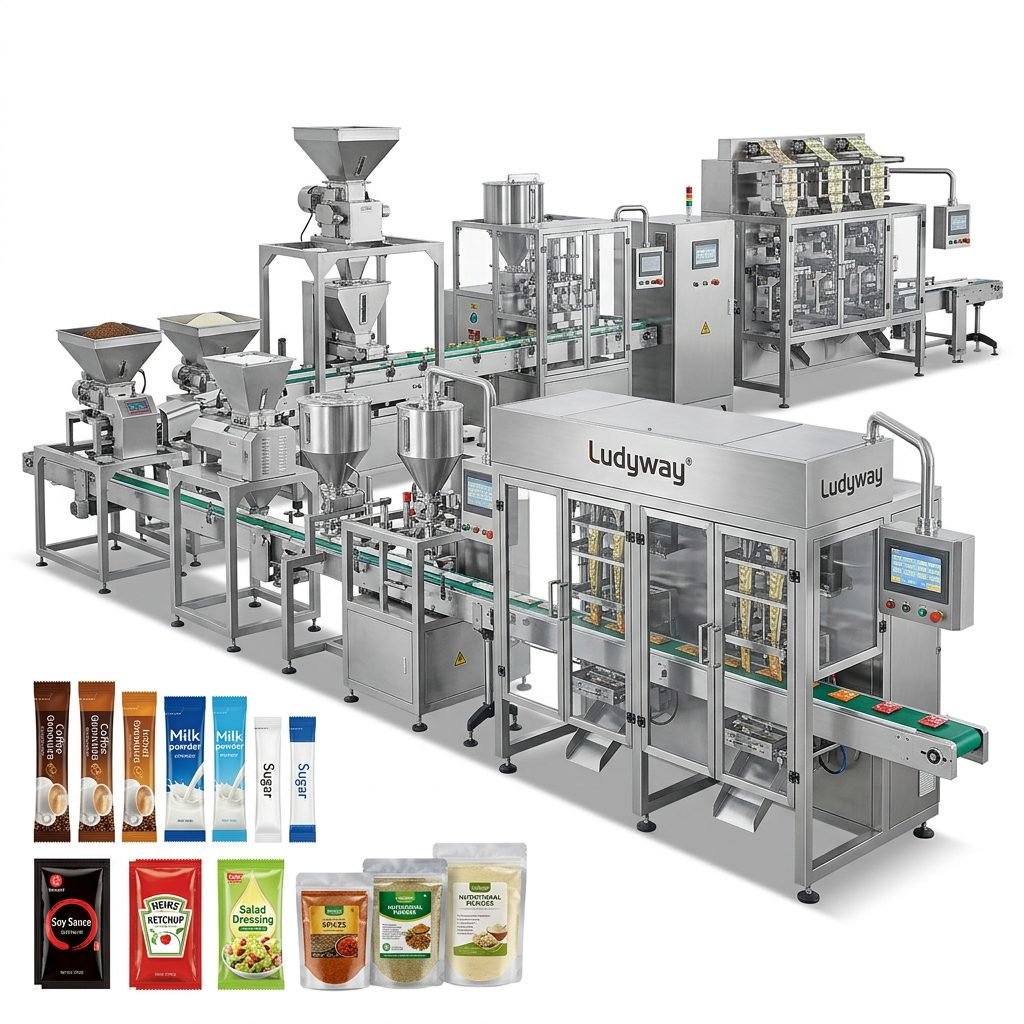
- Fully automatic inline systems with product handling, collating, wrapping, shrinking, and cooling integrated into a single line
Integration with upstream and downstream equipment — such as fillers, labelers, case packers, and palletizers — should be considered early in the selection process. A well-integrated packaging line can reduce labor costs and minimize production bottlenecks.
Evaluating Technical Specifications
5. Sealing and Shrinking Performance
The core function of any shrink packing machine lies in two processes: sealing and shrinking. Key specifications to compare include:
- Seal bar length and configuration — Determines the maximum product width that can be wrapped
- Tunnel temperature range and control precision — Critical for consistent shrink results without film burn-through
- Airflow design within the shrink tunnel — Even heat distribution prevents cold spots and ensures uniform shrinkage
- Cooling zone effectiveness — Proper cooling sets the film and prevents post-shrink deformation
6. Machine Footprint and Facility Requirements
Before finalizing your purchase, assess your available floor space, ceiling height, and utility connections. Shrink packing machines vary significantly in size — from compact tabletop L-bar sealers to large inline systems spanning several meters. Ensure that your facility can accommodate the machine’s electrical requirements, compressed air supply (if needed), and ventilation for heat exhaust. The ISO packaging standards provide useful reference points for machine safety and performance specifications.
Budget, ROI, and Supplier Evaluation
7. Total Cost of Ownership
The purchase price is only one component of the investment. A comprehensive cost analysis should include:
- Initial capital expenditure — Machine cost, shipping, installation, and commissioning
- Consumable costs — Shrink film usage rates per unit, energy consumption, and replacement parts
- Maintenance and service — Scheduled maintenance, spare parts availability, and technical support contracts
- Labor requirements — Operator training, staffing levels, and potential labor savings from automation
- Downtime risk — Reliability track record and mean time between failures (MTBF)
8. Selecting a Reliable Packaging Machinery Partner
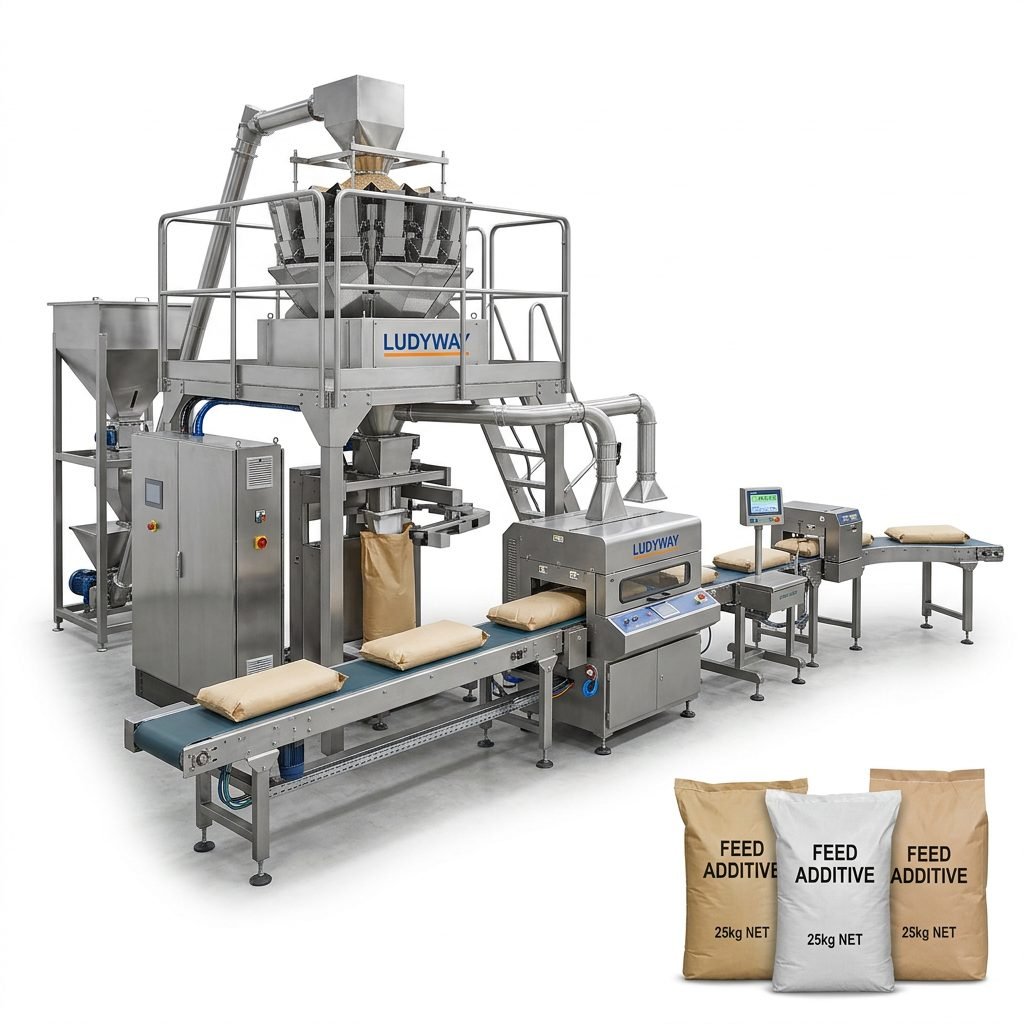
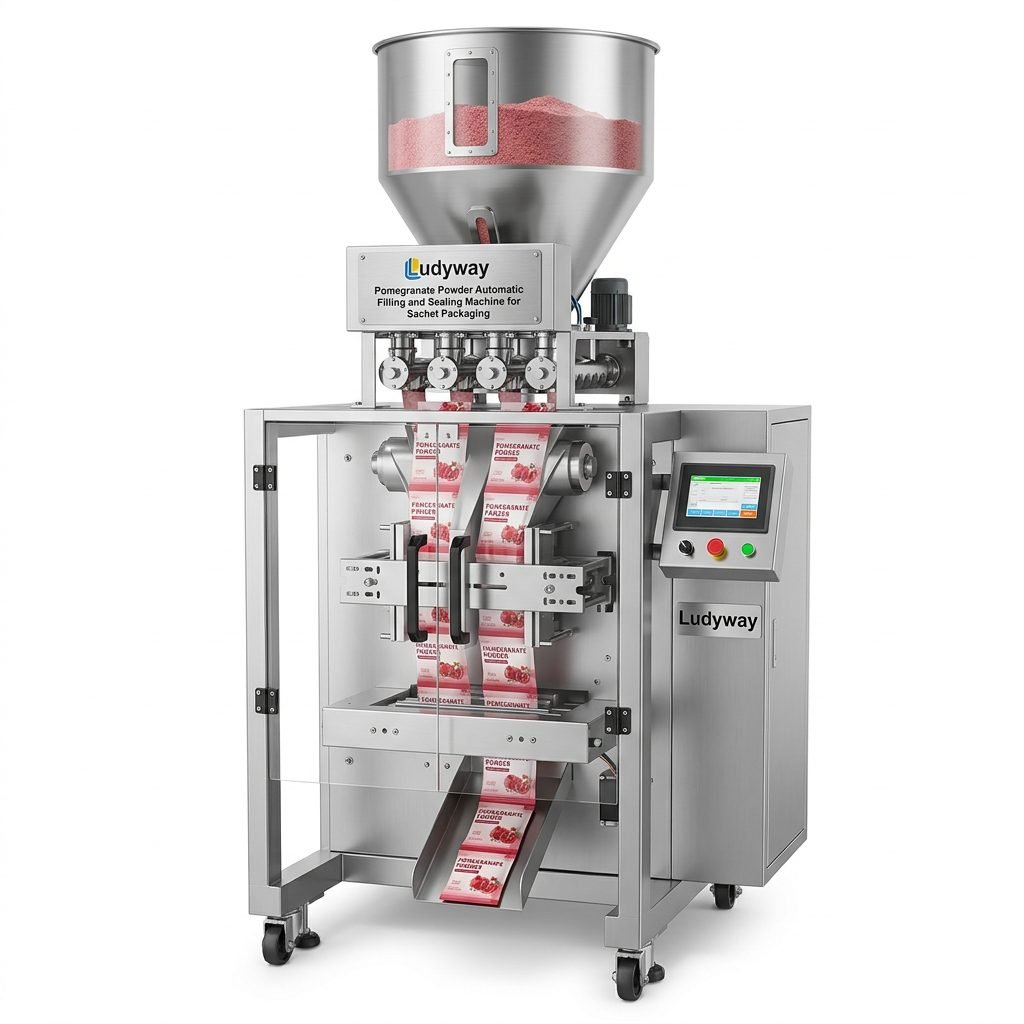
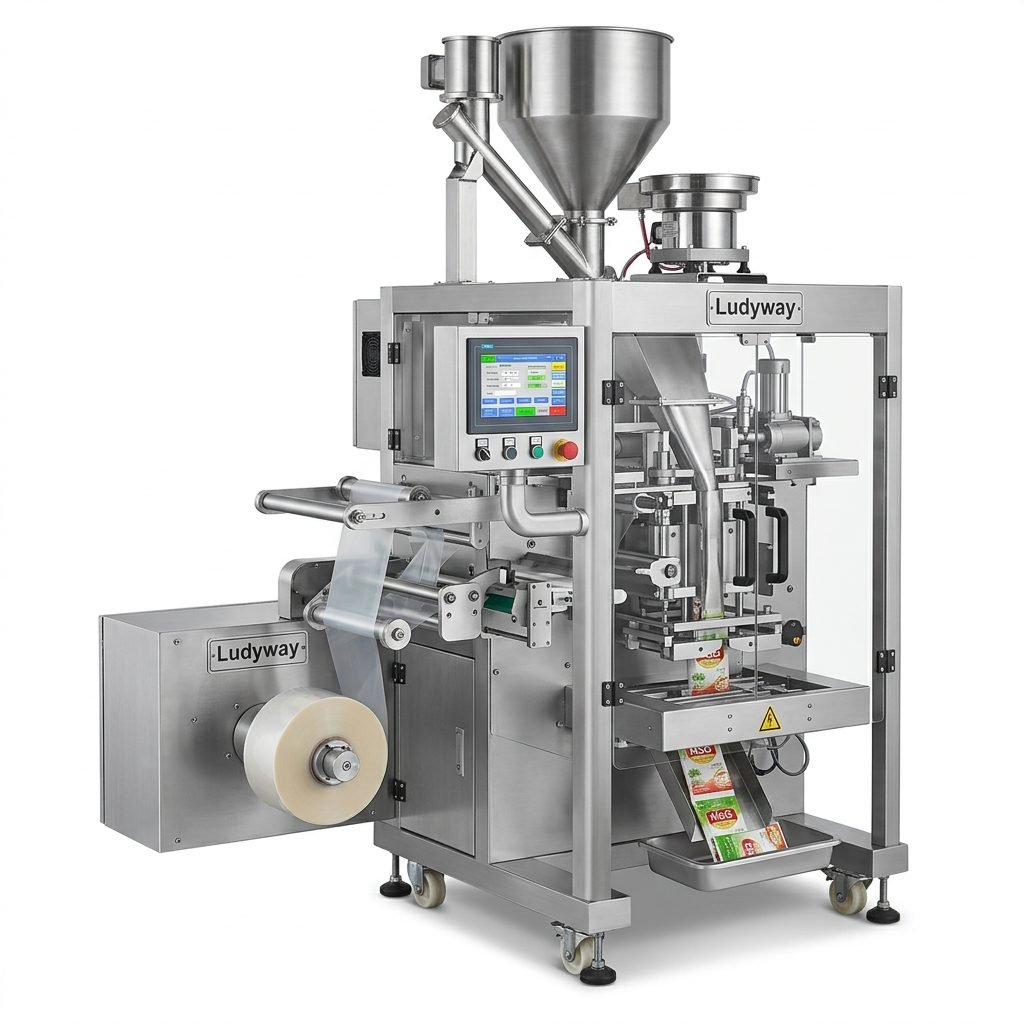
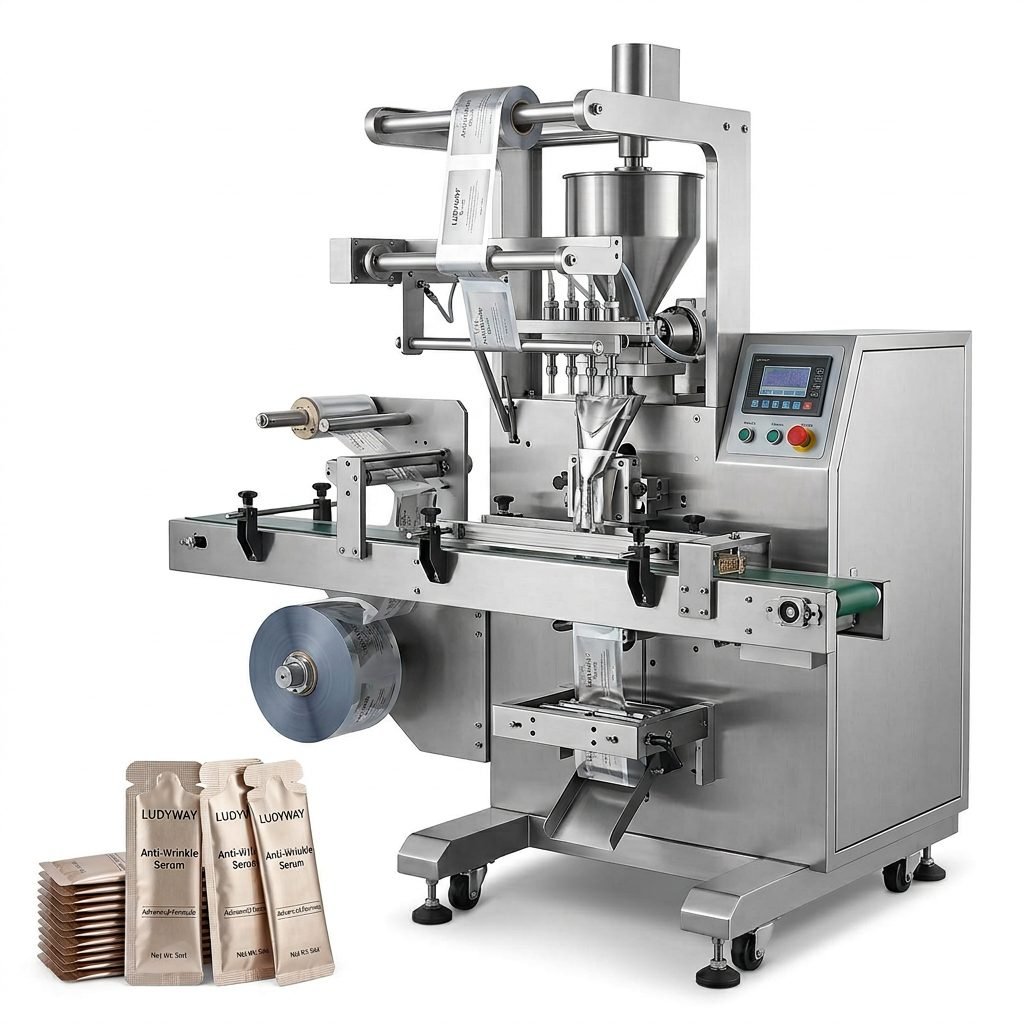
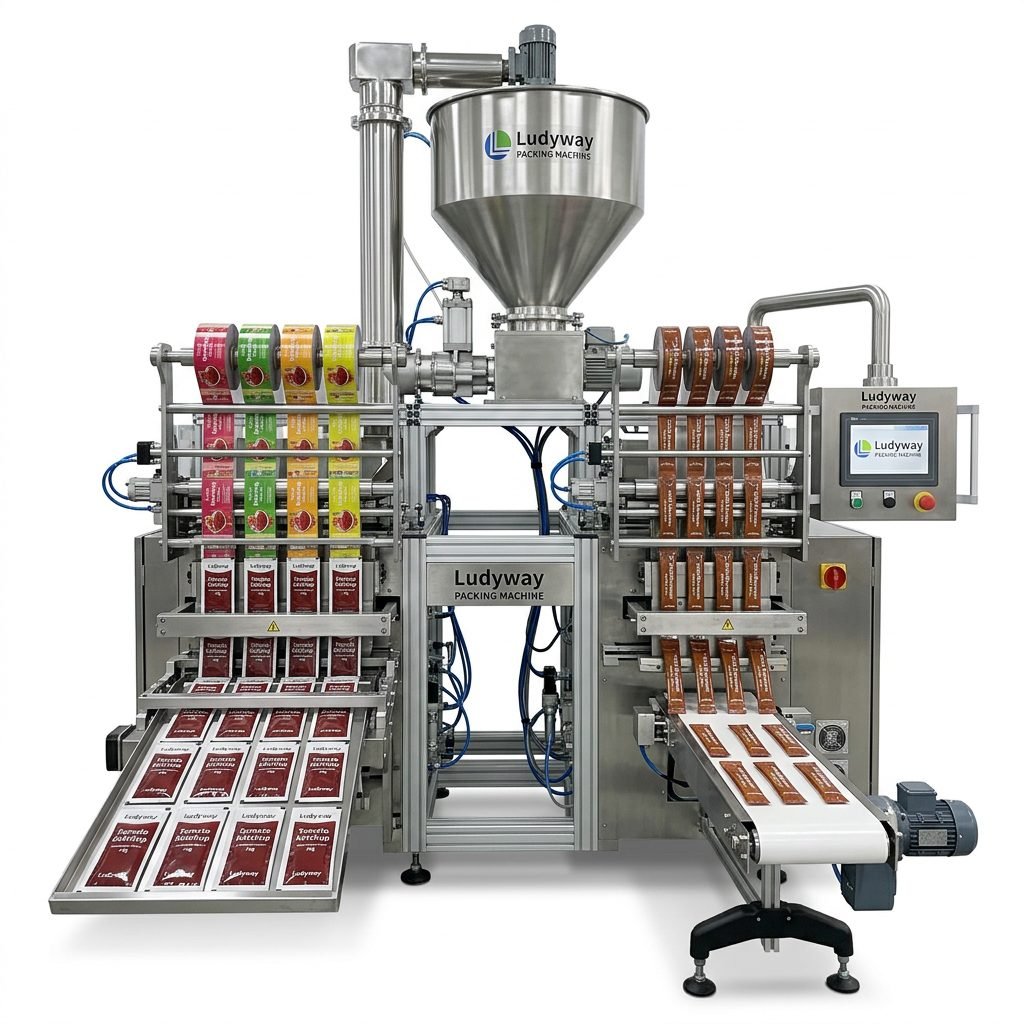
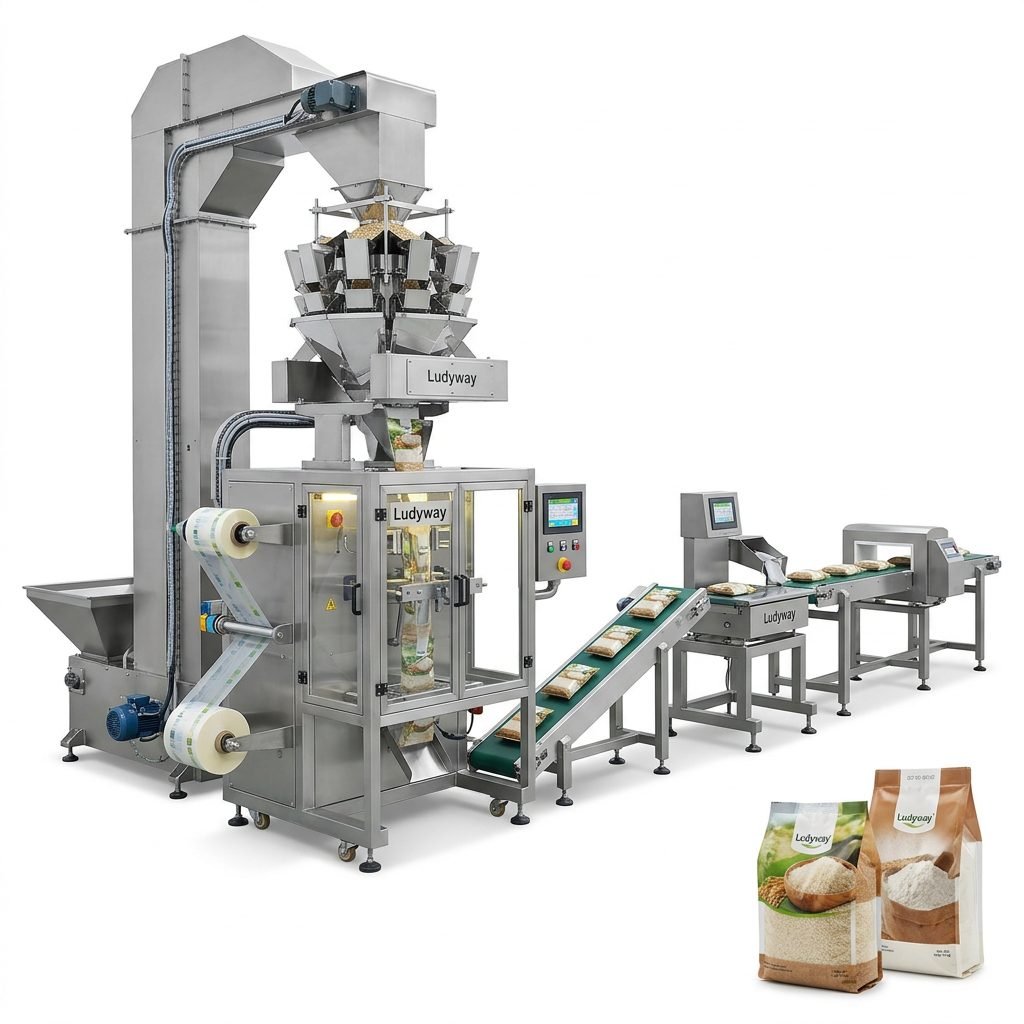
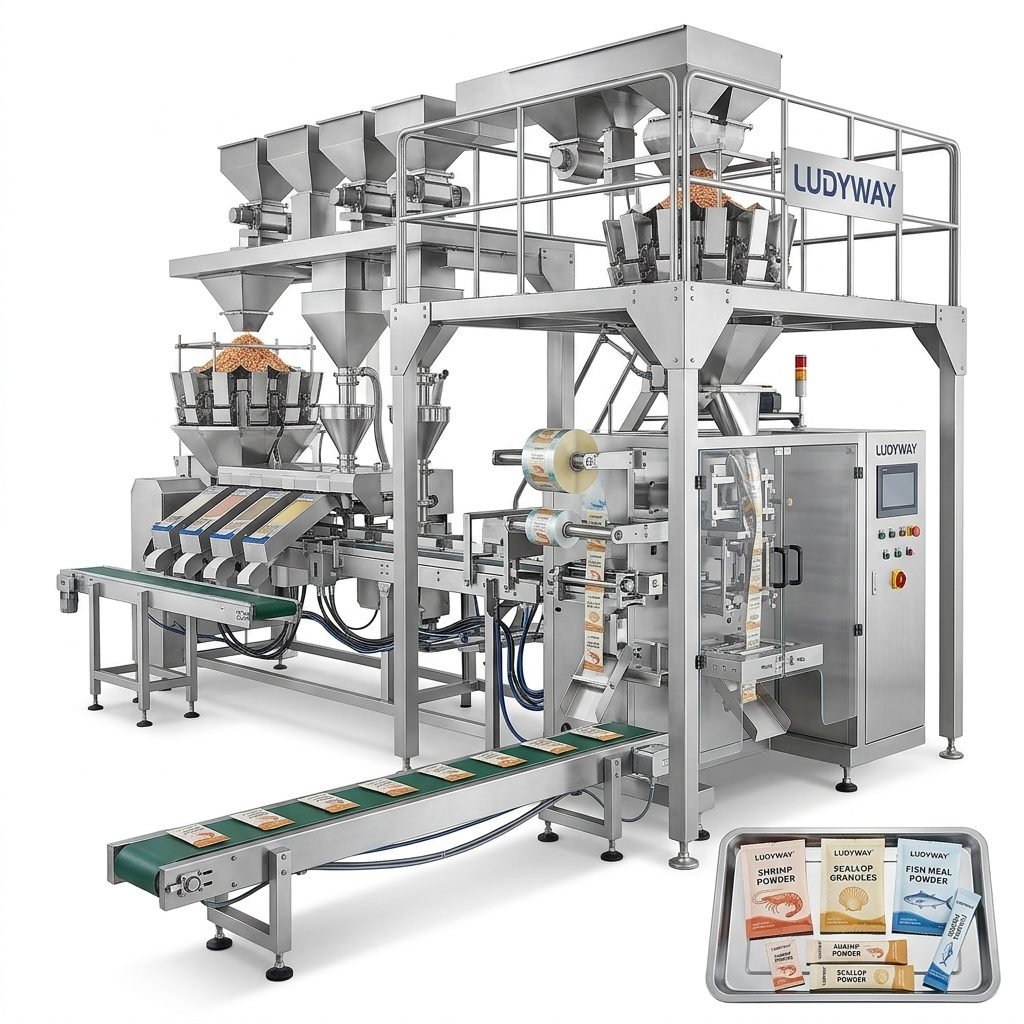
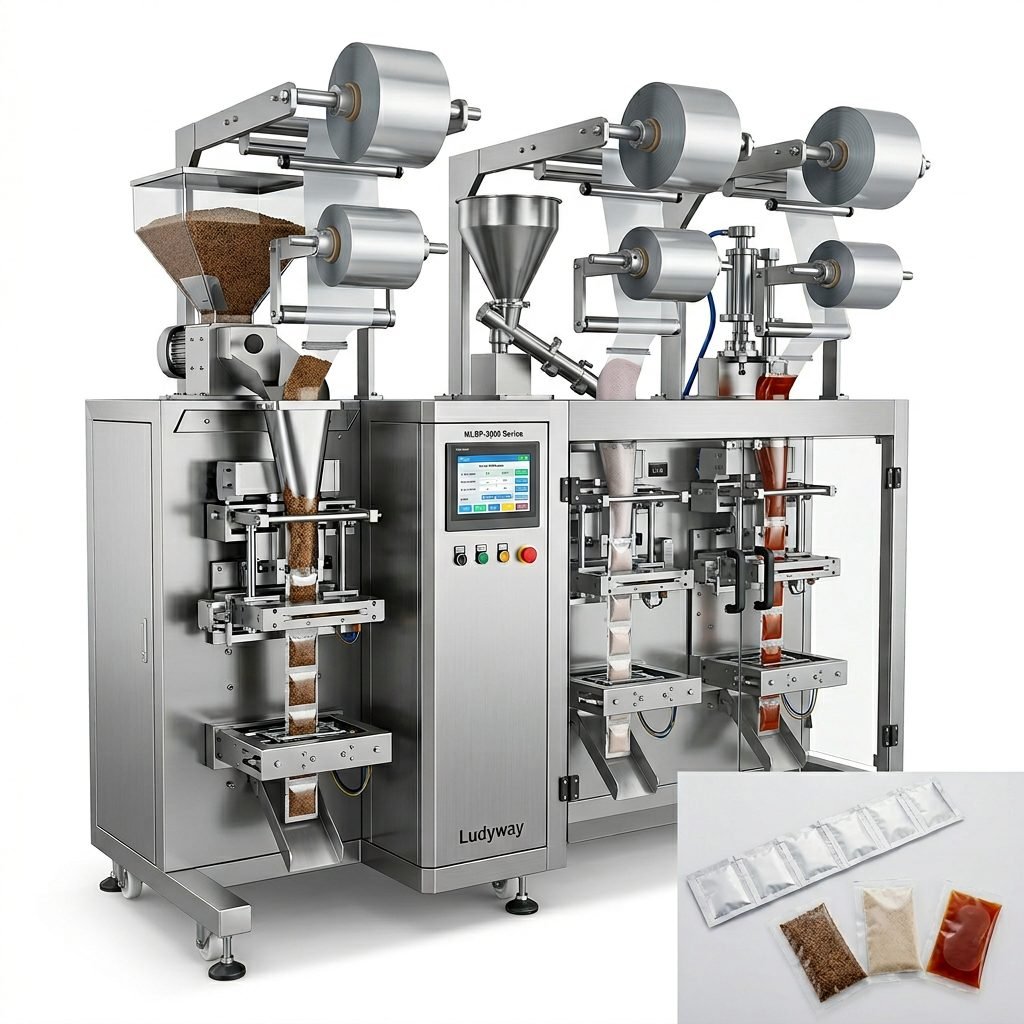
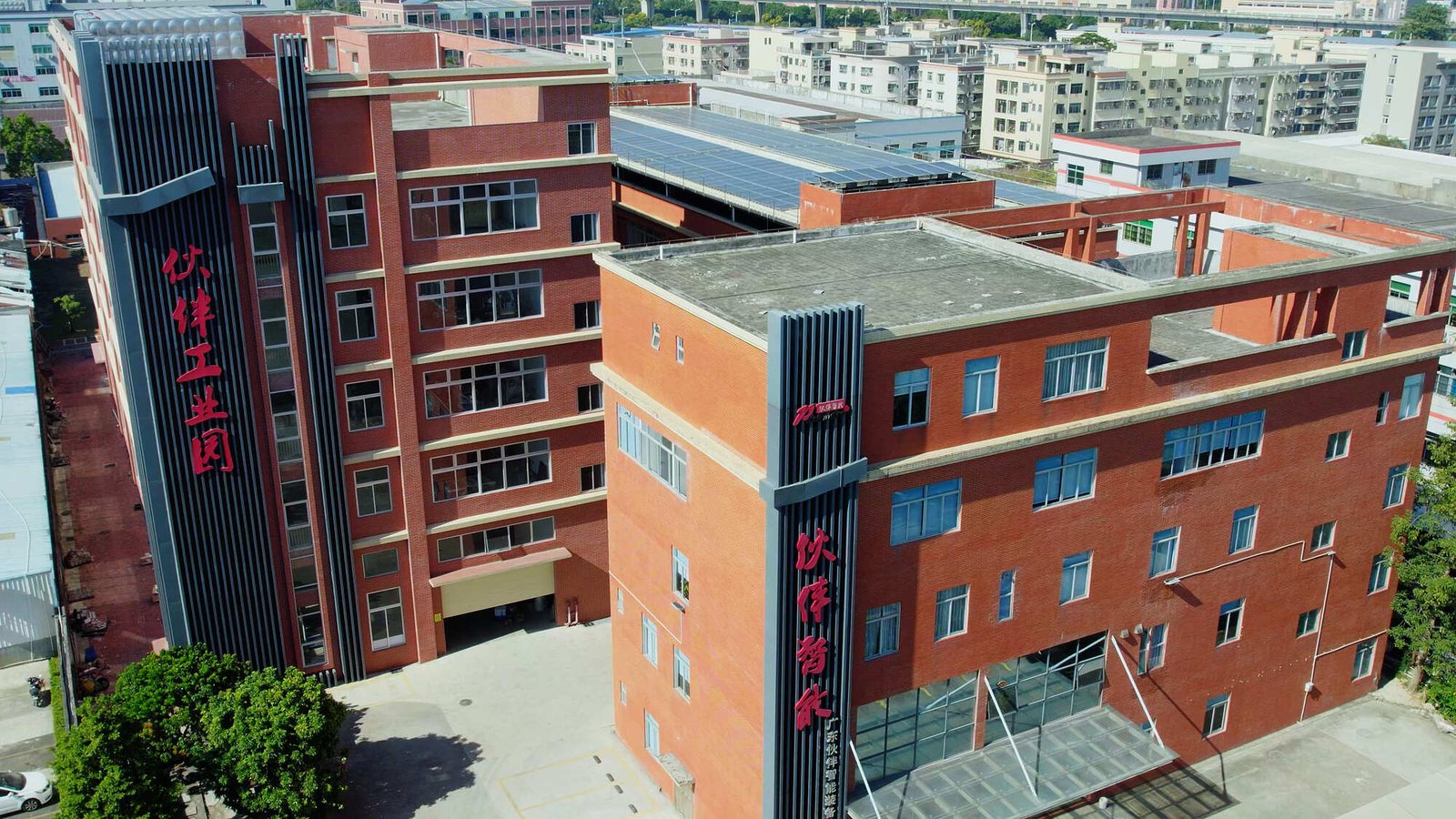
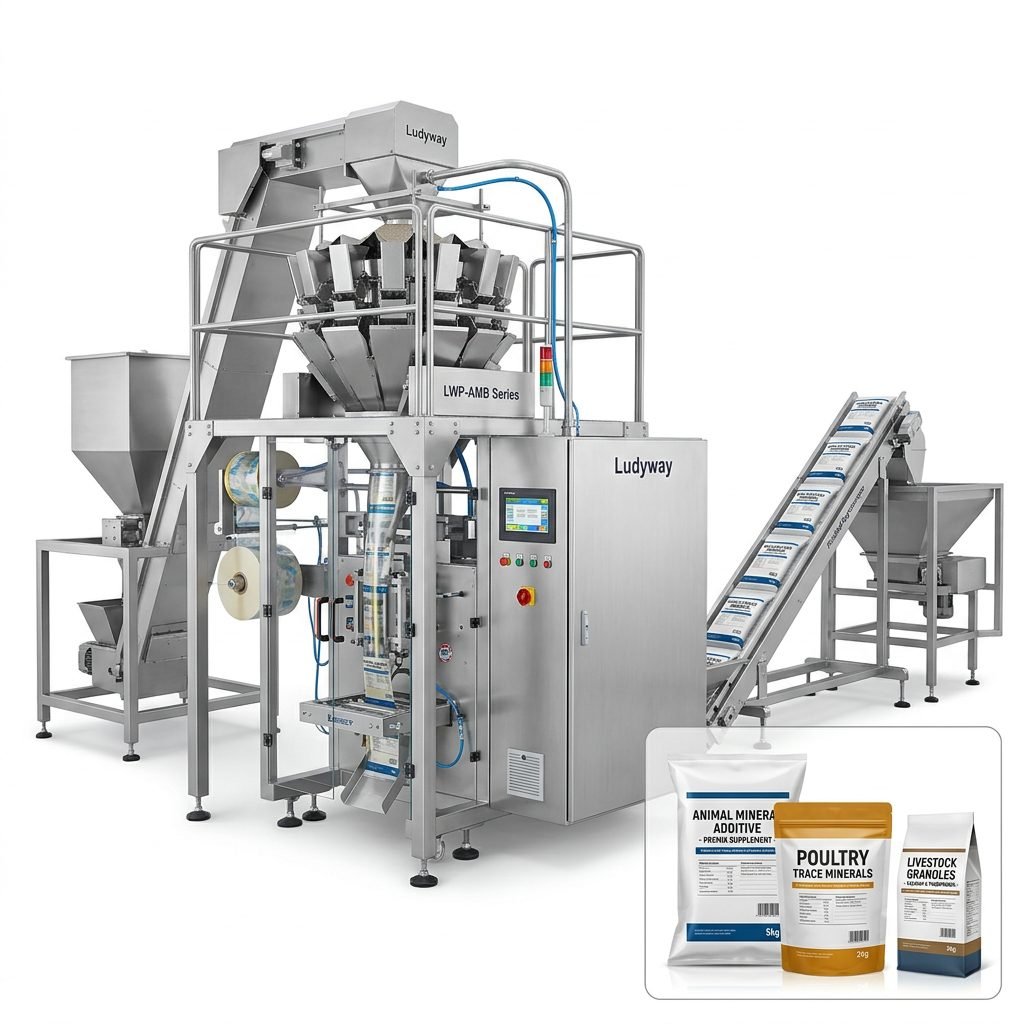
Choosing the right equipment supplier is as important as choosing the right machine. Look for manufacturers with a proven track record, responsive technical support, and the ability to customize solutions to your specific requirements. Ludyway Machinery, a China-based packaging machinery manufacturer with more than 30 years of industry experience, provides automatic packaging equipment and integrated packaging solutions across food, pharmaceutical, cosmetic, and industrial sectors. Their engineering team works with customers to configure appropriate shrink packing systems according to global packaging trends and market demands.
| Supplier Evaluation Criteria | What to Look For |
|---|---|
| Industry Experience | Minimum 10+ years in shrink packaging machinery manufacturing |
| Customization Capability | Ability to tailor machine specifications to your product and production needs |
| After-Sales Support | Installation, training, spare parts availability, and remote technical assistance |
| Certifications and Compliance | CE, ISO, FDA-compatible designs, and other relevant international standards |
| Client References | Verifiable case studies and testimonials from manufacturers in your industry |
Common Mistakes to Avoid When Buying a Shrink Packing Machine
- Underestimating future capacity needs — Choose a machine that can accommodate growth over 3–5 years
- Overlooking film waste rates — Even small differences in film utilization affect long-term operating costs
- Ignoring training requirements — Operator proficiency directly impacts machine performance and safety
- Choosing based on price alone — The lowest upfront cost often leads to higher total ownership costs
- Neglecting preventive maintenance planning — Establish a maintenance schedule from day one
Emerging Trends in Shrink Packaging Technology
The flexible packaging industry continues to evolve, and shrink wrapping technology is no exception. Current trends include energy-efficient shrink tunnels with improved insulation and heat recovery, servo-driven sealing systems for precise motion control, IoT-enabled monitoring for predictive maintenance, and growing adoption of sustainable and recyclable shrink films. Staying informed about these innovations can help future-proof your investment.
Final Checklist Before Purchase
- Define your product range, dimensions, and packaging format specifications
- Determine required production speed and daily operational hours
- Evaluate machine types (L-bar, side sealer, chamber, sleeve wrapper) against your needs
- Verify film compatibility and material sourcing options
- Assess facility space, utilities, and integration requirements
- Calculate total cost of ownership including consumables and maintenance
- Research and compare at least three qualified suppliers
- Request product samples or machine demonstrations before finalizing
- Confirm warranty terms, service agreements, and spare parts availability
- Plan operator training and standard operating procedures in advance
Making the Right Investment Decision
Selecting the right automatic shrink packing machine is a strategic decision that affects your production efficiency, product presentation, and bottom line for years to come. By thoroughly evaluating your product requirements, production goals, machine specifications, and supplier capabilities — and by referencing industry resources such as the PMMI Business Intelligence Library and Flexible Packaging Association data — you can make an informed choice that delivers reliable performance and strong return on investment. Take the time to consult with experienced packaging machinery manufacturers, request detailed proposals, and where possible, visit manufacturing facilities or arrange live demonstrations to see equipment performance firsthand.