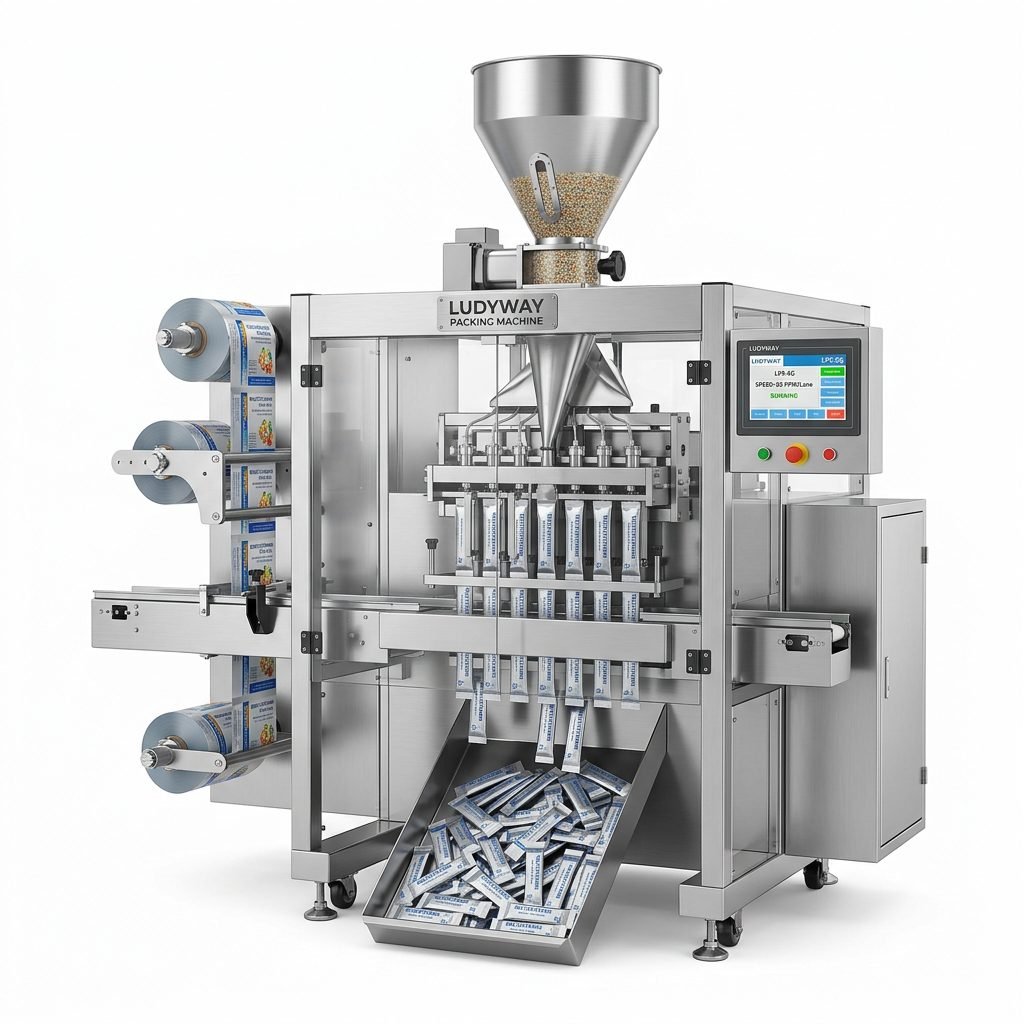
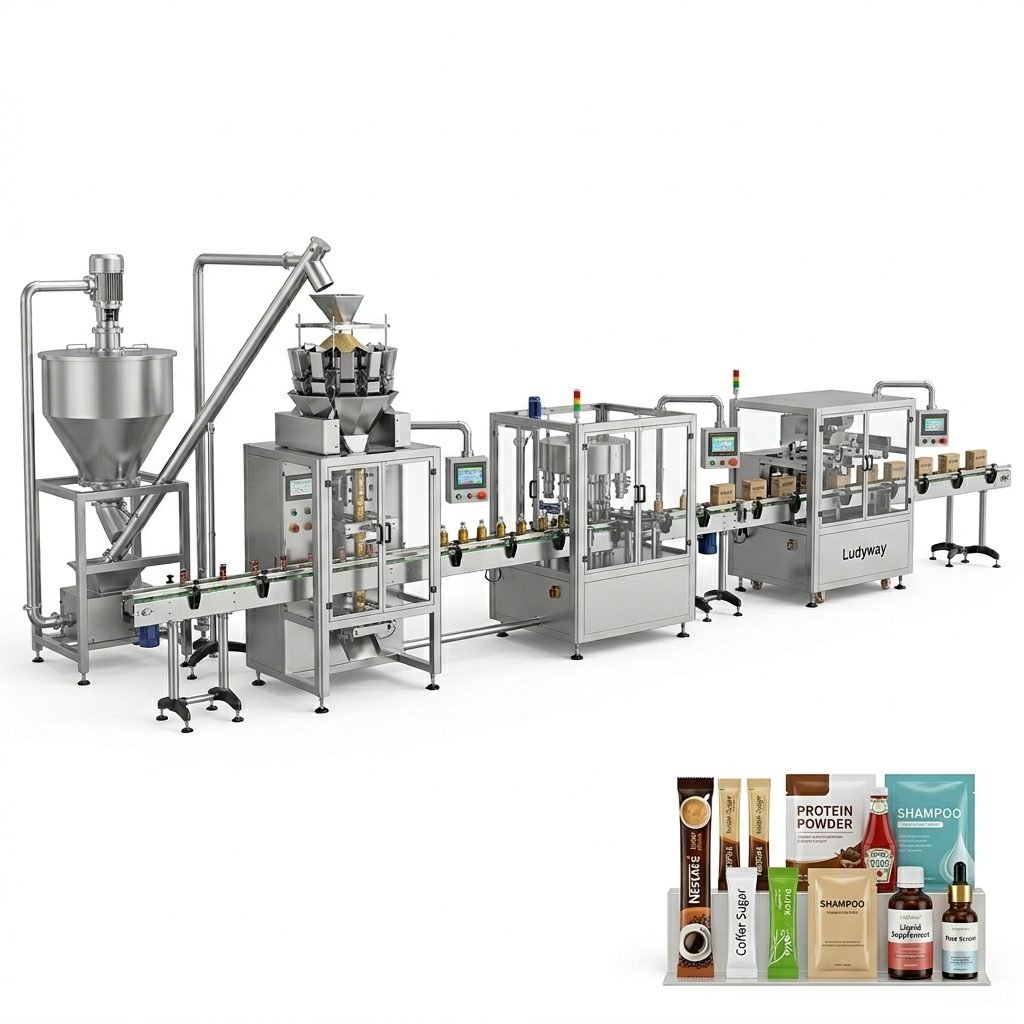
Investing in the right heat seal packaging machine is a critical decision that directly impacts your product’s shelf life, integrity, and overall brand perception. Whether you are sealing food, pharmaceuticals, or industrial components, the effectiveness of the seal is your last line of defense against contamination and spoilage. This complete buyer’s guide breaks down the key factors, types, and specifications you need to evaluate to make an informed purchase.
Understanding Heat Seal Technology
Heat sealing is a process that joins thermoplastic materials using heat, pressure, and dwell time. The primary goal is to create a hermetic, airtight barrier that keeps products fresh and secure. When choosing a heat seal packaging machine, understanding the “Three Pillars of Sealing”—Temperature, Pressure, and Time—is essential. If any of these variables is off, you risk seal failure, which often manifests as wrinkling, peeling, or weak spots.
Types of Heat Seal Packaging Machines
Different applications require different machinery. Here is a breakdown of the most common types available in the market:
| Machine Type | Best For | Key Advantage |
|---|---|---|
| Continuous Band Sealer | High-volume product runs | Consistent, automated sealing speed |
| Impulse Sealers | Manual operations, low to medium volume | Energy efficient, low running costs |
| Vacuum Sealers | Perishable goods, food preservation | Extends shelf life by removing oxygen |
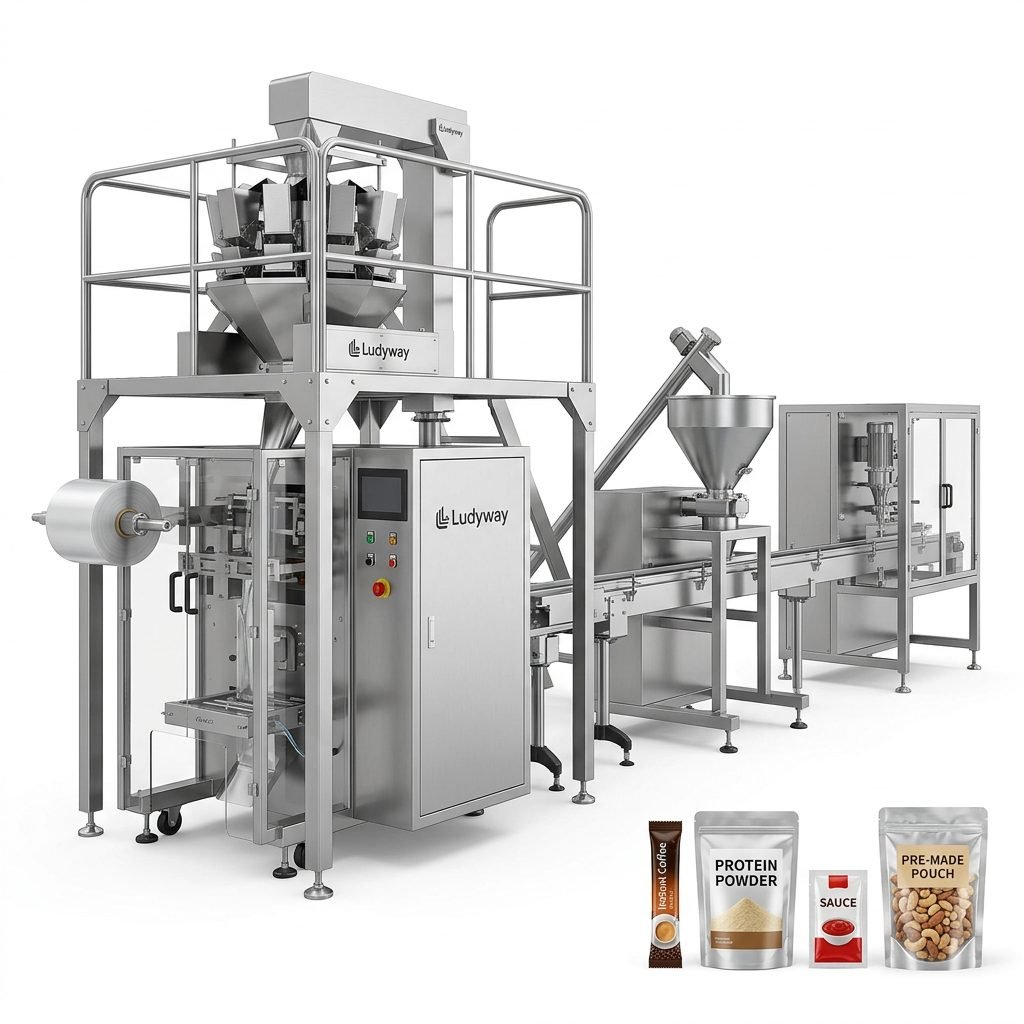
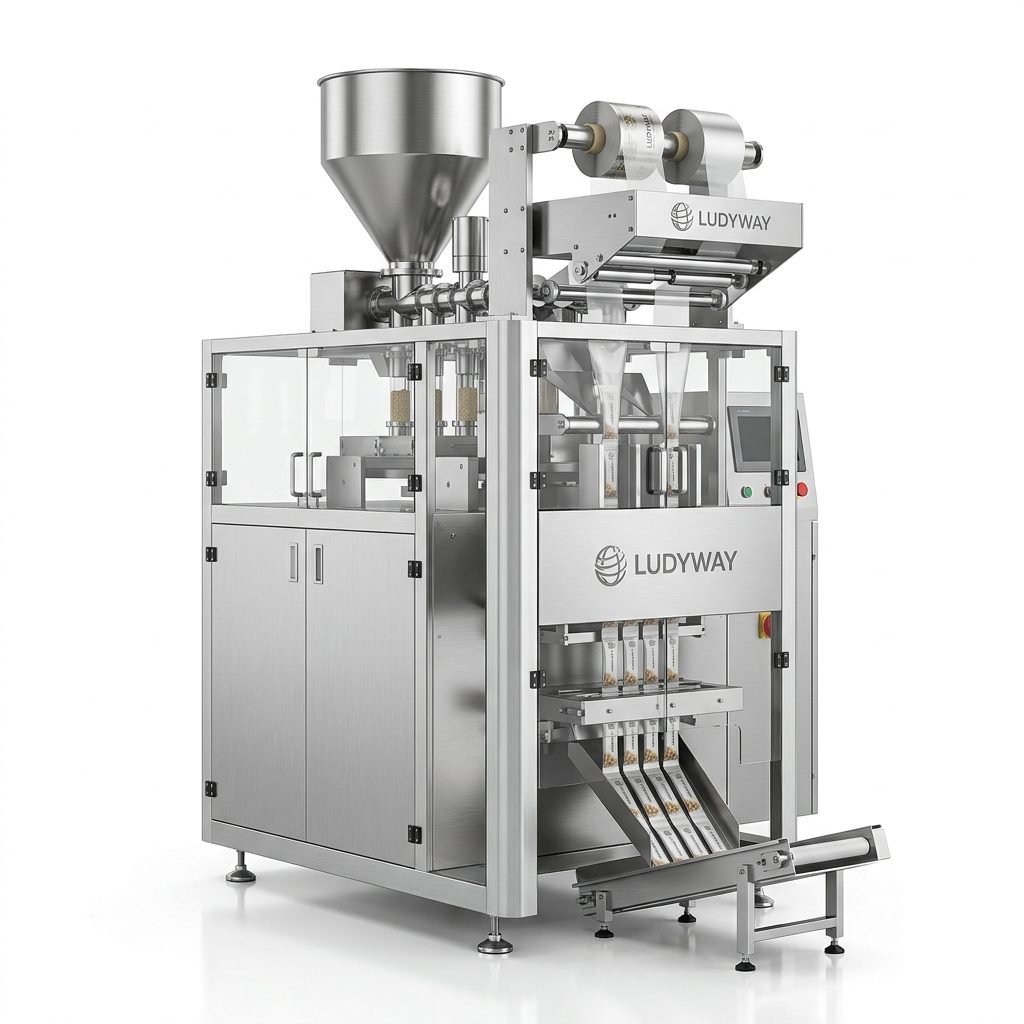
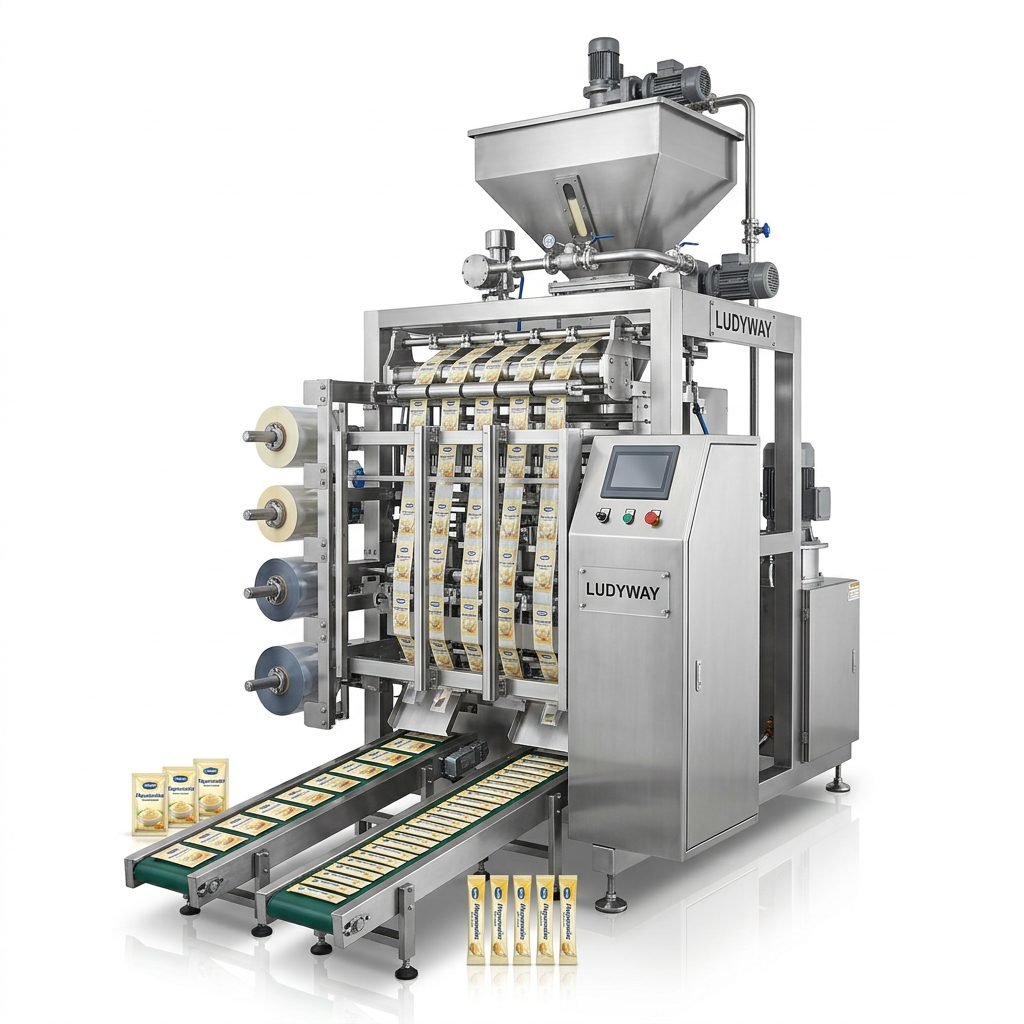
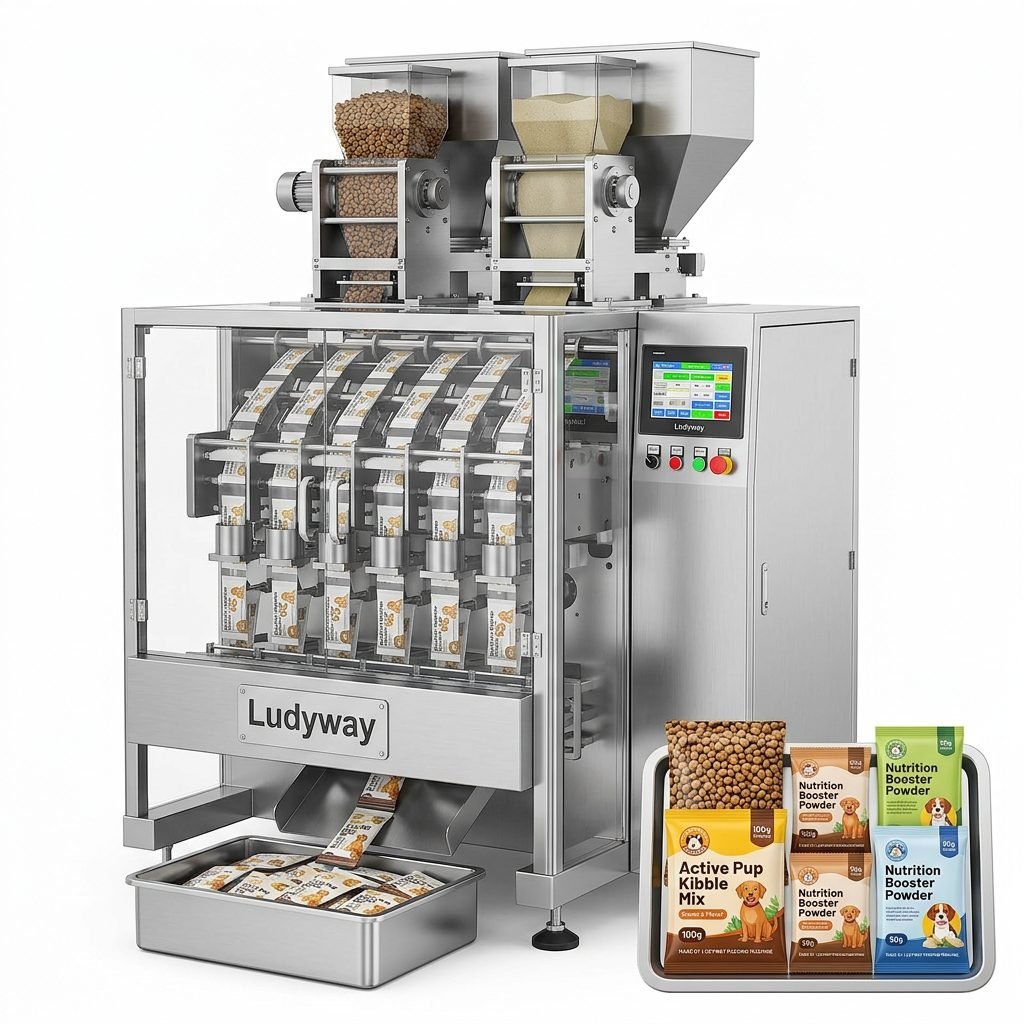
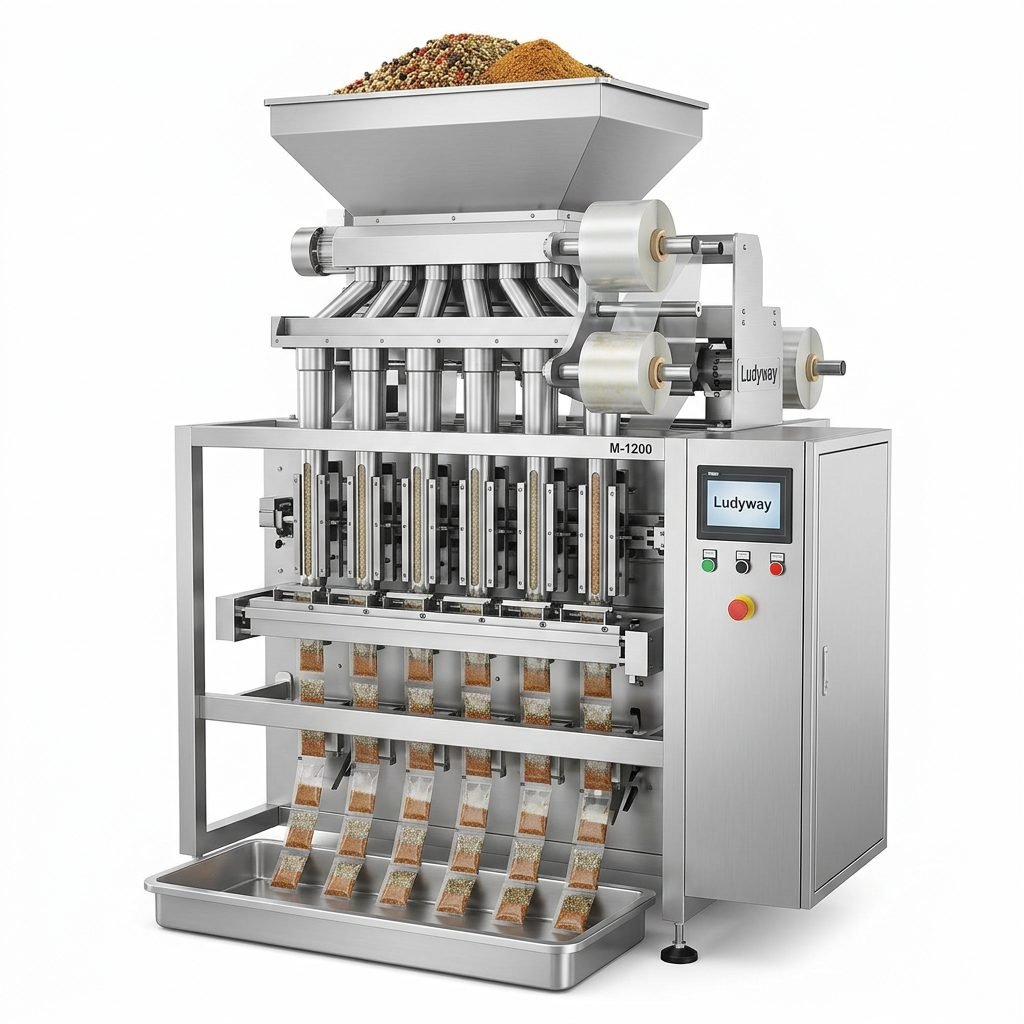
| Rotary Heat Sealers | Automatic form-fill-seal (FFS) lines | Integration for stick packs and sachets |
Key Factors to Consider When Buying
To select the perfect heat seal packaging machine for your production line, you must evaluate the following specifications:
1. Material Compatibility
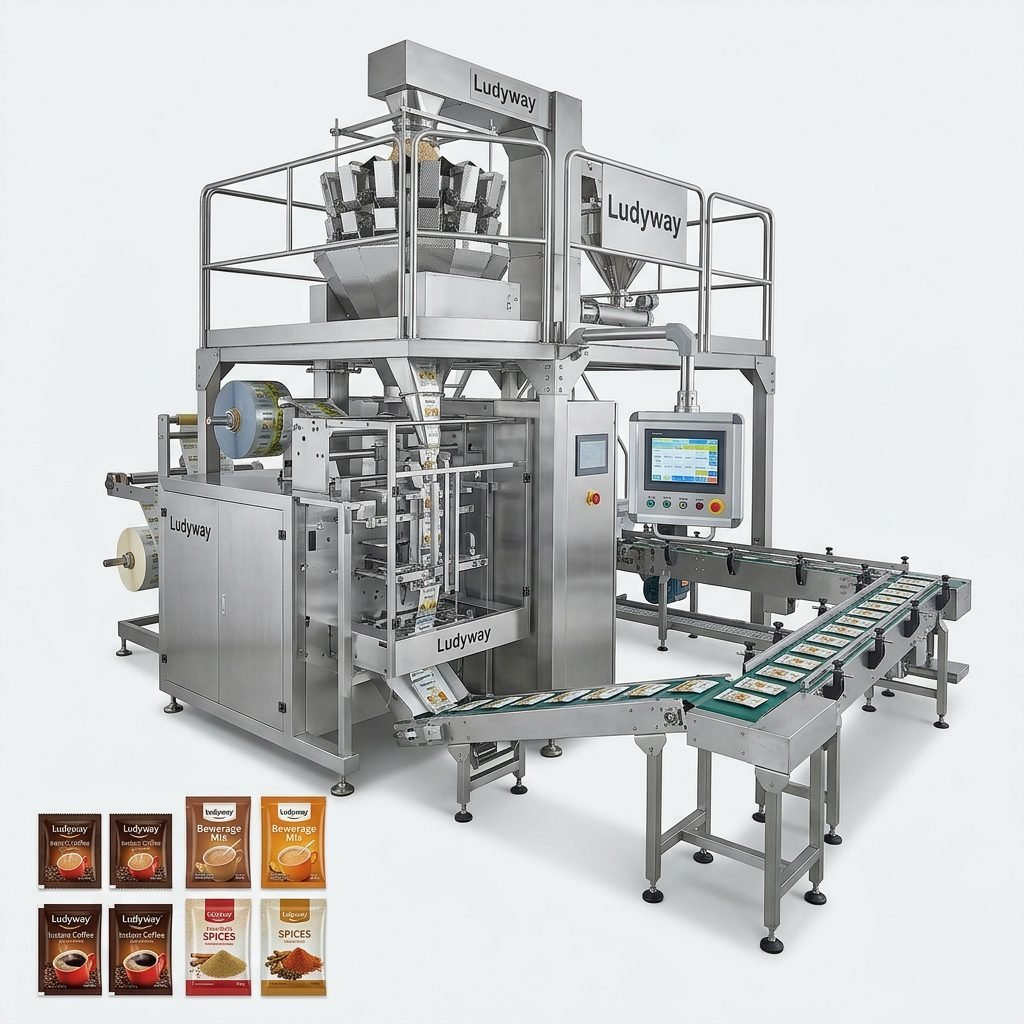
Not all machines can handle every type of material. You must identify whether your packaging substrate is monolayer, laminate, polypropylene (PP), or polyethylene (PE). Complex laminates require precise temperature control to activate the sealant layer without damaging the outer film. A robust machine offers adjustable temperature ranges to avoid burn-through or false seals.
2. Production Speed and Throughput
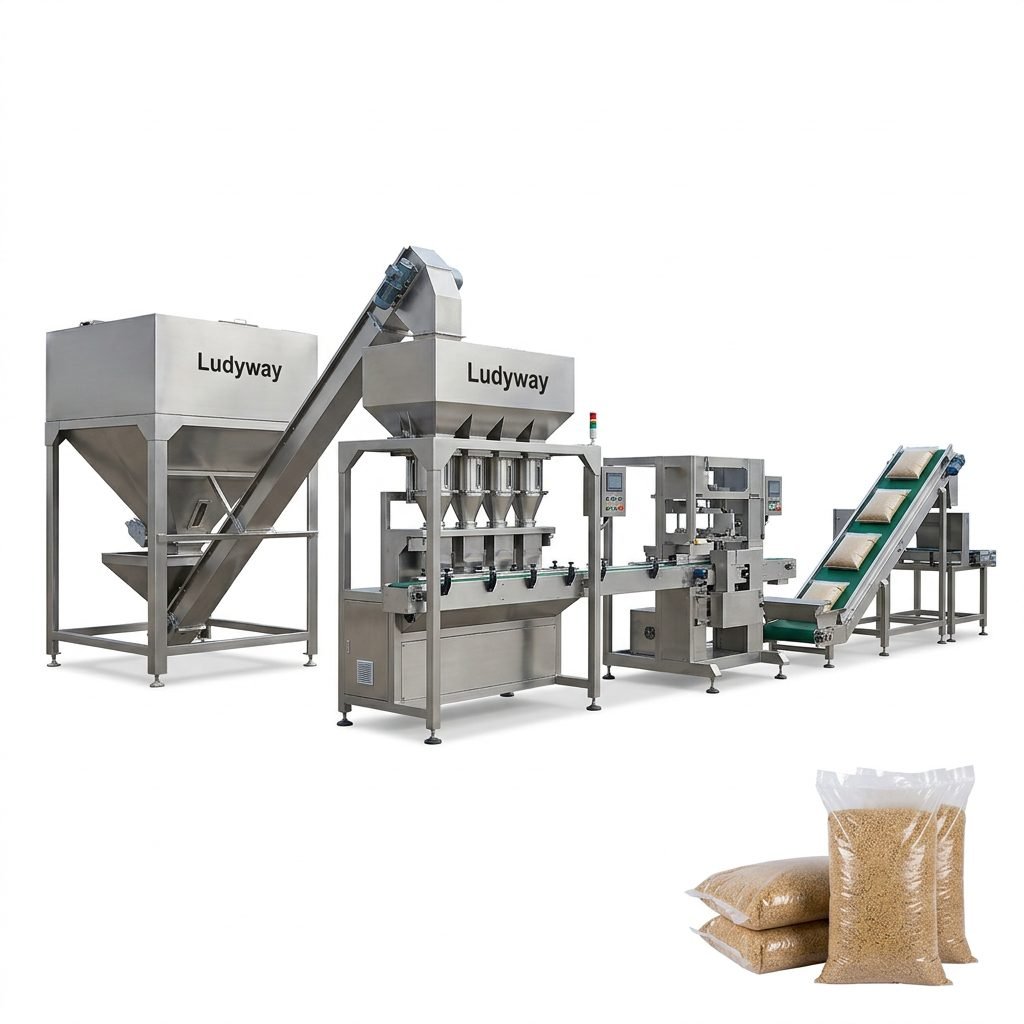
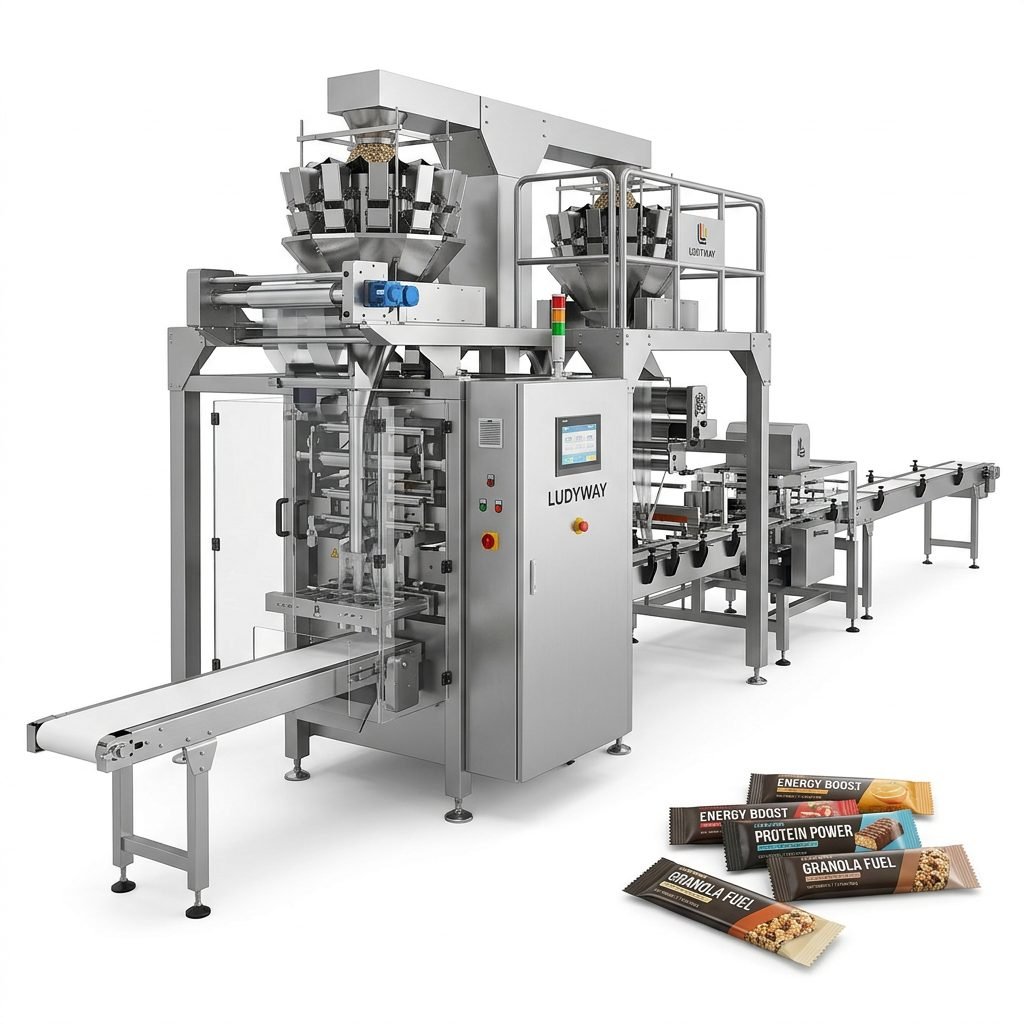
Your required output per minute dictates whether you need a manual impulse sealer or a fully automated continuous band sealer. For businesses looking to scale, integrating a machine with a conveyor and coding system can significantly reduce labor costs.
3. Seal Width and Integrity
The physical width of the seal die plays a major role in package durability. Heavy products or sharp-edged contents (like granules or powders) often require wider, serrated seals to prevent bursting during transport.
4. Automation and Control Systems
Modern machinery frequently includes PLC (Programmable Logic Controller) interfaces. A digital control system allows operators to store recipes for different products, ensuring that the correct temperature and pressure are applied consistently. For facilities prioritizing advanced monitoring, selecting a machine with real-time diagnostics and adjustable temperature control is highly recommended.
Industry-Specific Standards and Compliance
Different industries impose unique requirements on sealing equipment. In the food and pharmaceutical sectors, compliance with international standards is non-negotiable. Your heat seal packaging machine must be fabricated to facilitate easy cleaning and prevent contamination. For in-depth insights into industry regulations and machine validation, consulting resources like the PMMI packaging industry standards can provide valuable guidance to ensure your equipment meets current market demands.
Furthermore, the shift toward sustainable packaging has introduced biodegradable and thinner films, which require machines with exceptional heat regulation capabilities. Testing your machine with multiple substrate types before full deployment is a critical step to avoid production downtime.
Common Challenges and Maintenance Tips
Even the best equipment requires routine care. Operators frequently encounter issues such as sticking residue on the sealing jaws, inconsistent temperature readings, or wrinkled seals. Here is a quick maintenance checklist:
- Clean regularly: Remove residue with a brass brush to prevent carbon build-up.
- Check PTFE covers: Non-stick PTFE tapes wear down quickly; replace them frequently.
- Calibrate thermostats: An inaccurate thermostat is the primary cause of seal failures.
- Air supply quality: For pneumatic machines, dry, filtered air is essential for consistent pressure.
Choosing a Reliable Packaging Partner
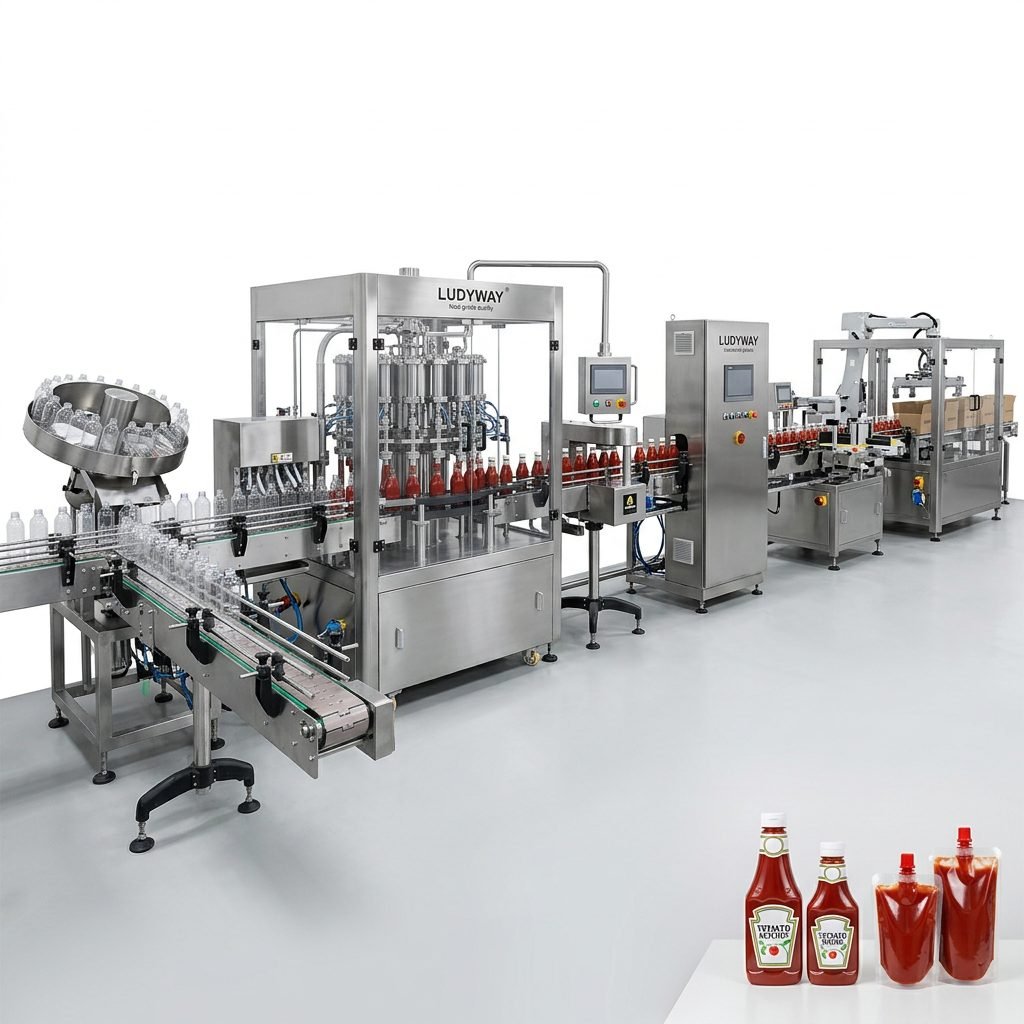
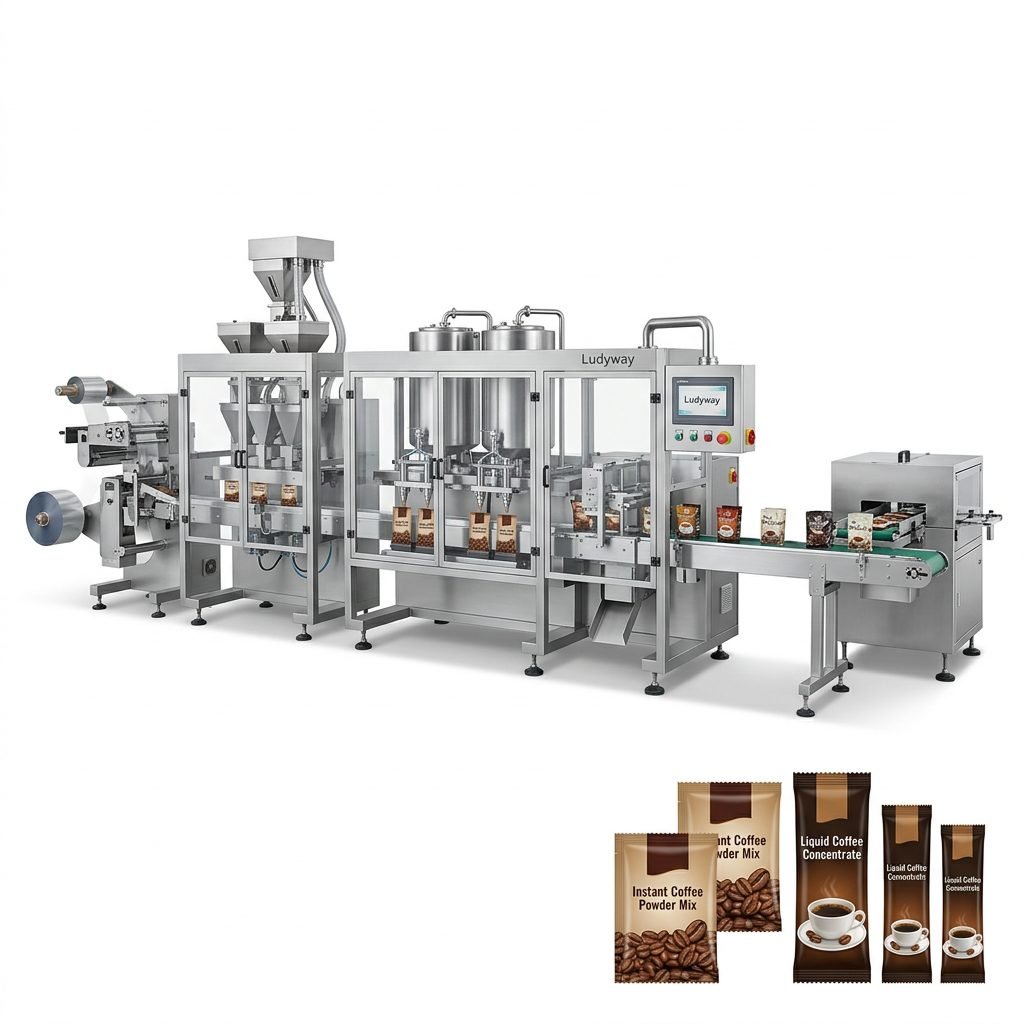
While the hardware specifications are vital, the support behind the machine is equally important. Transitioning from manual processes to a fully automated heat seal packaging machine often requires expert system integration, custom engineering, and reliable after-sales support. For manufacturers looking for a comprehensive approach rather than just buying individual equipment, partnering with an experienced provider ensures your packaging line functions as a cohesive unit.
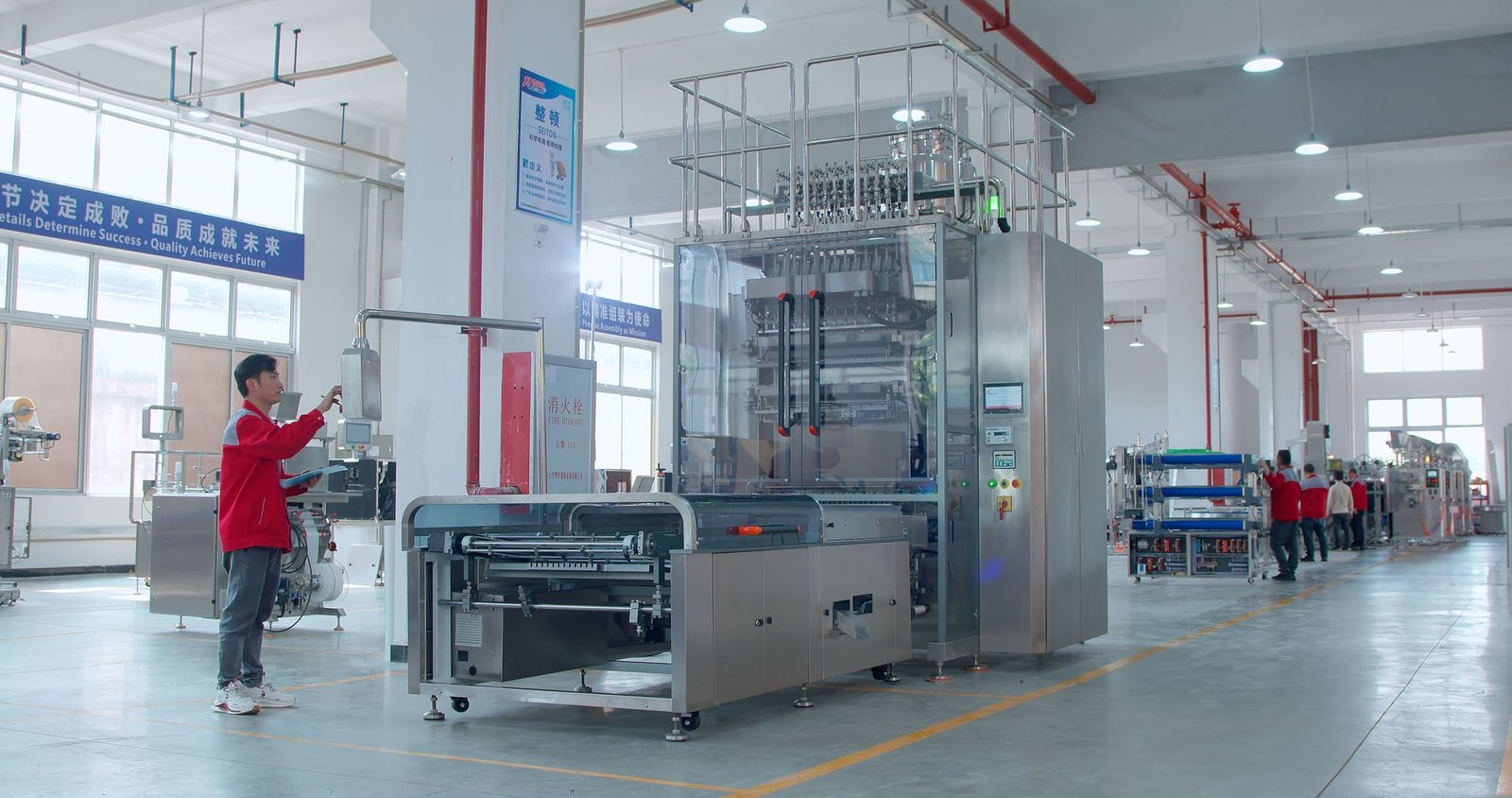
With more than three decades of industry experience, Ludyway Machinery stands out as a China-based packaging machinery manufacturer that provides turnkey packaging solutions. With a 20,000-square-meter manufacturing facility and a broad portfolio covering over 50 packaging machine models—from pouch filling to multi-lane sachet systems—they assist manufacturers in improving efficiency and production capacity across food, beverage, pharmaceutical, and chemical industries.
By understanding the essentials of flexible packaging material science and evaluating the factors outlined in this guide, you can confidently navigate the market and select a solution that delivers a perfect seal, every time.