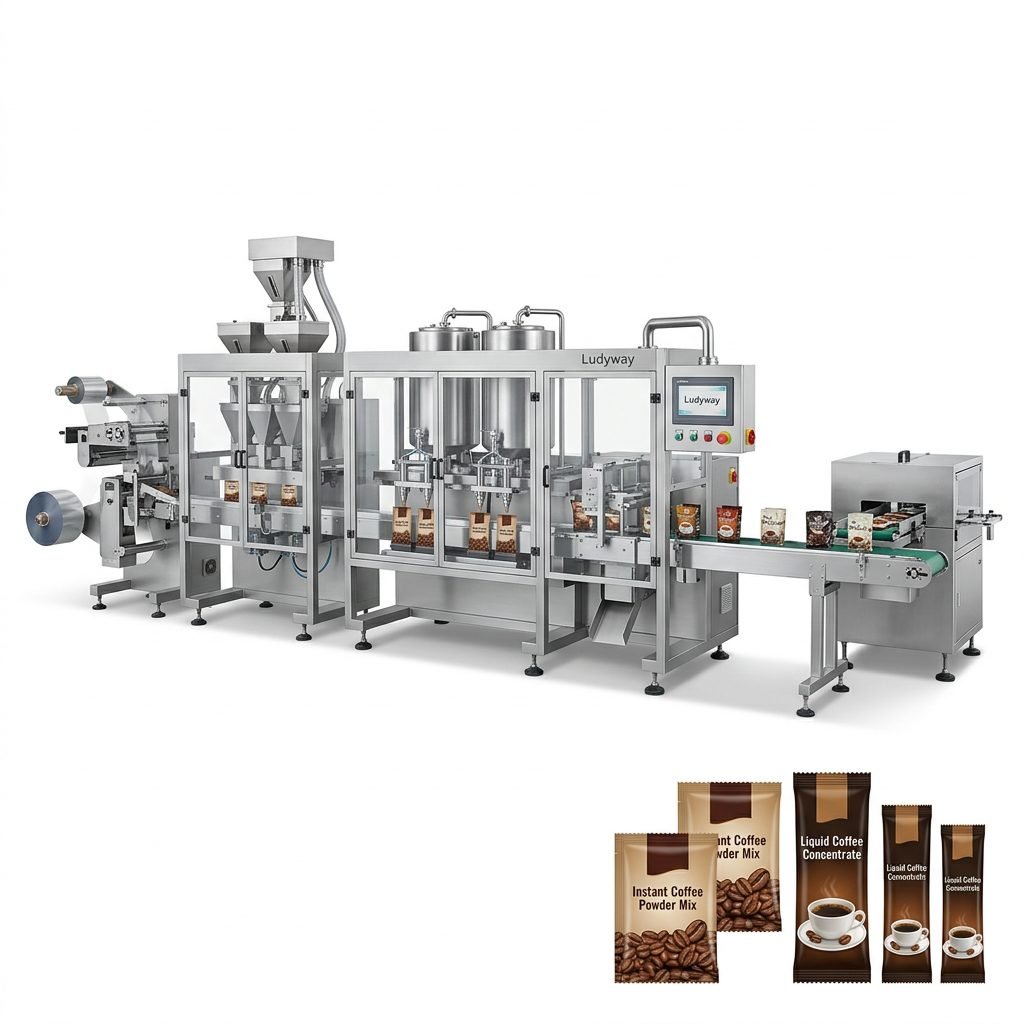
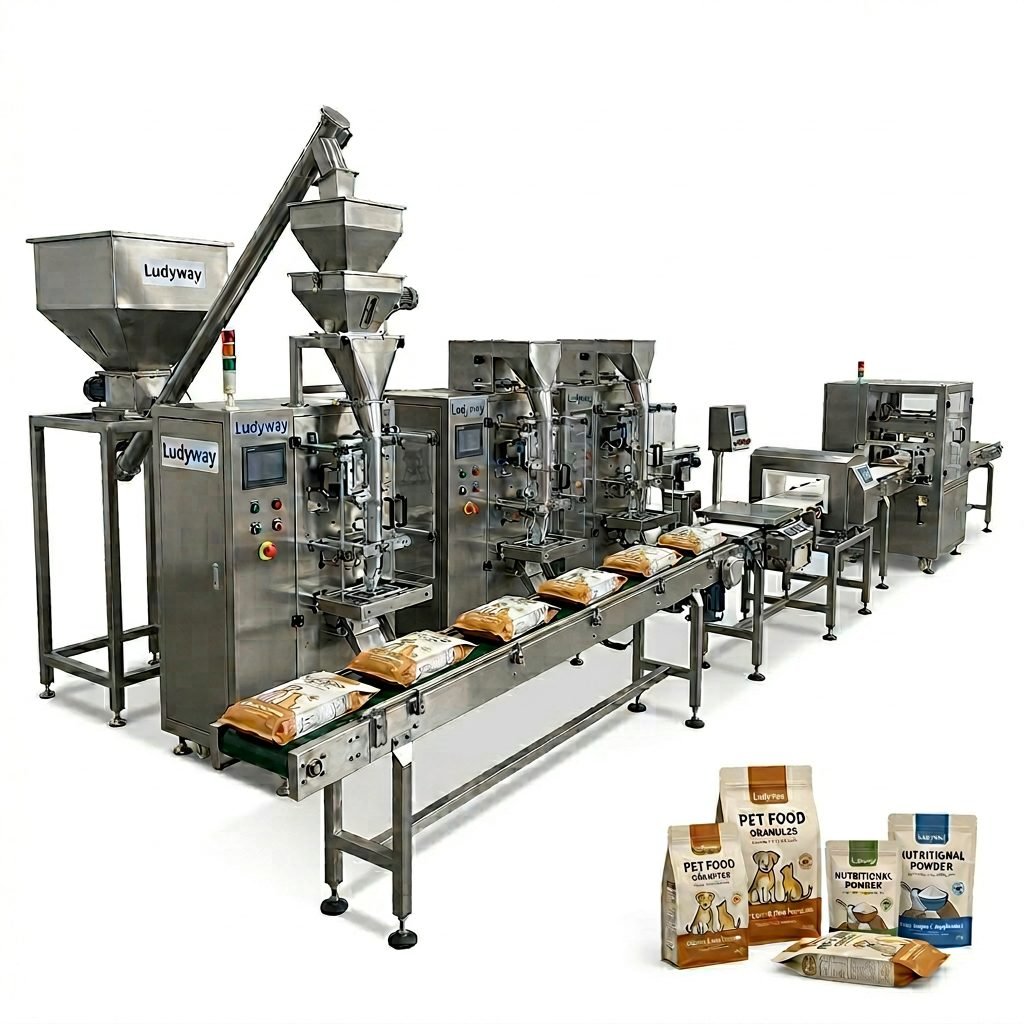
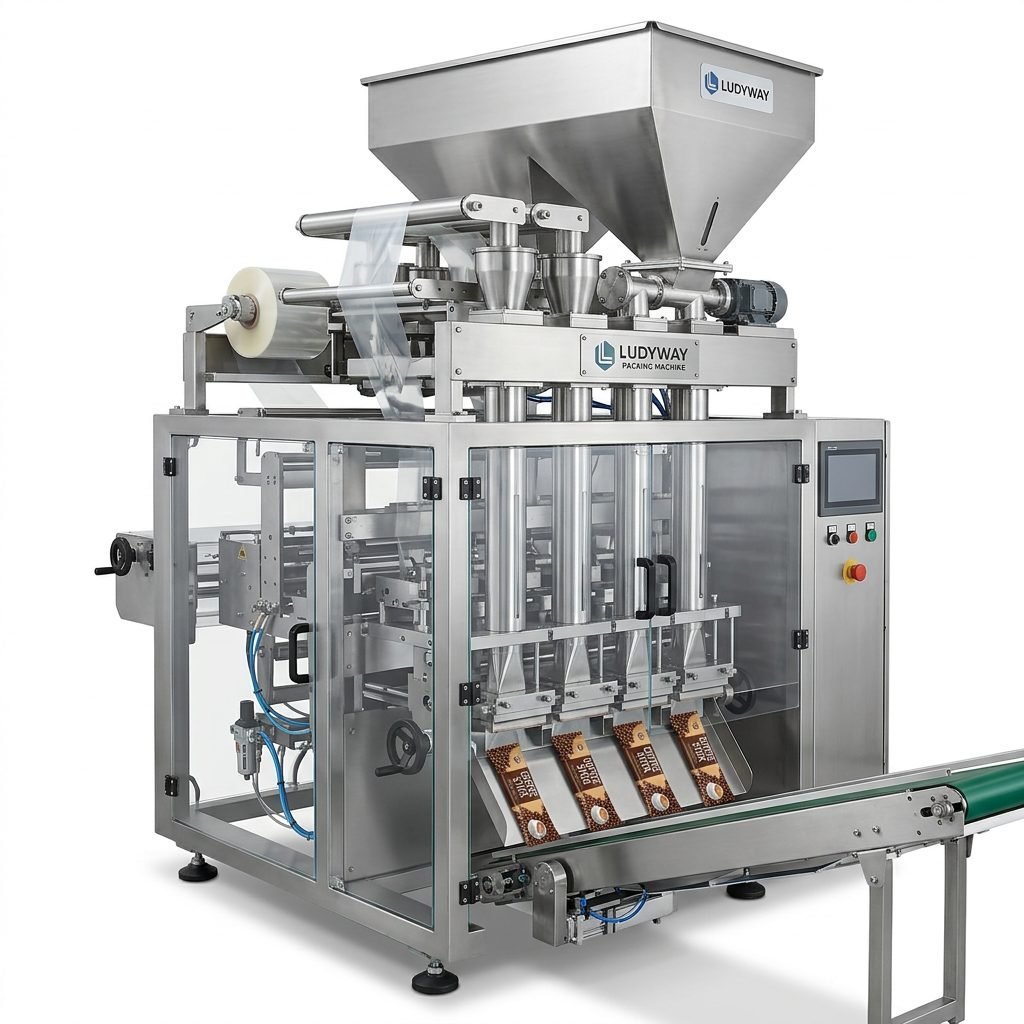
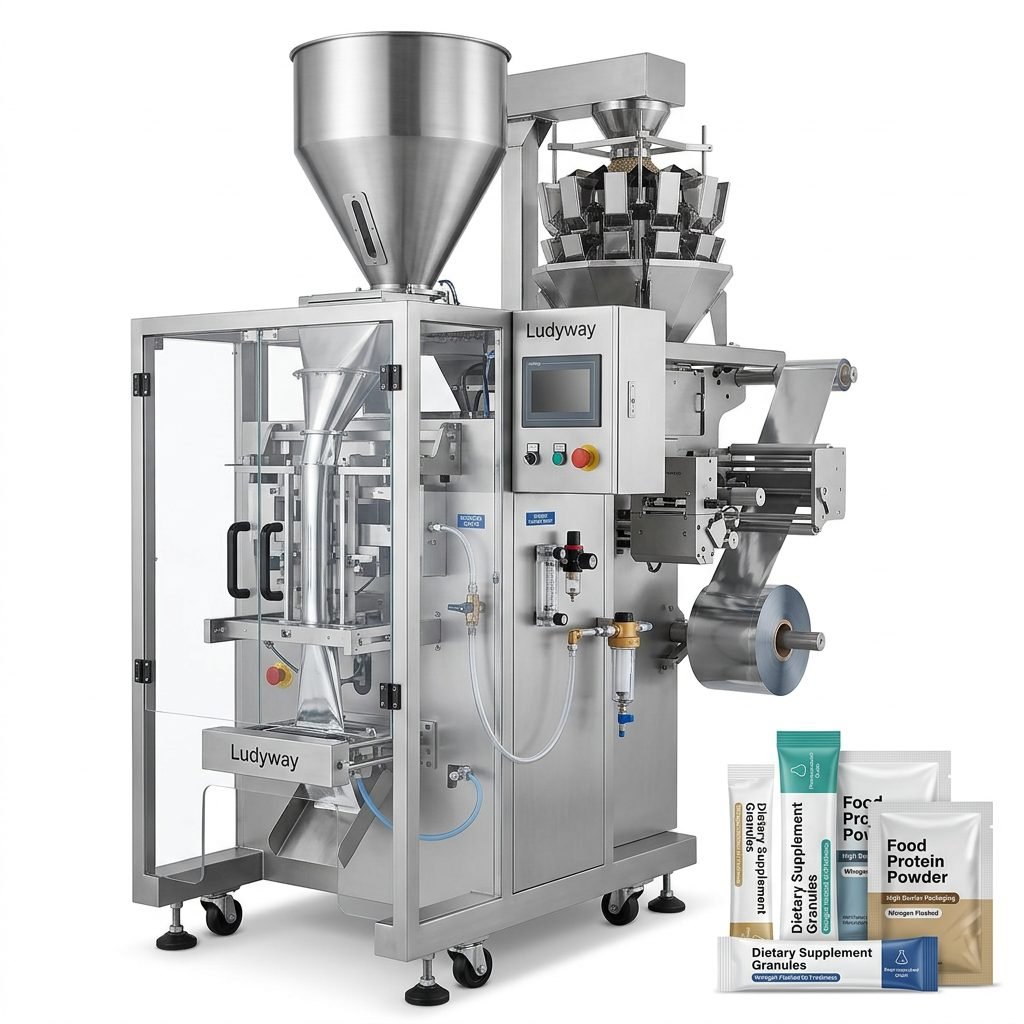
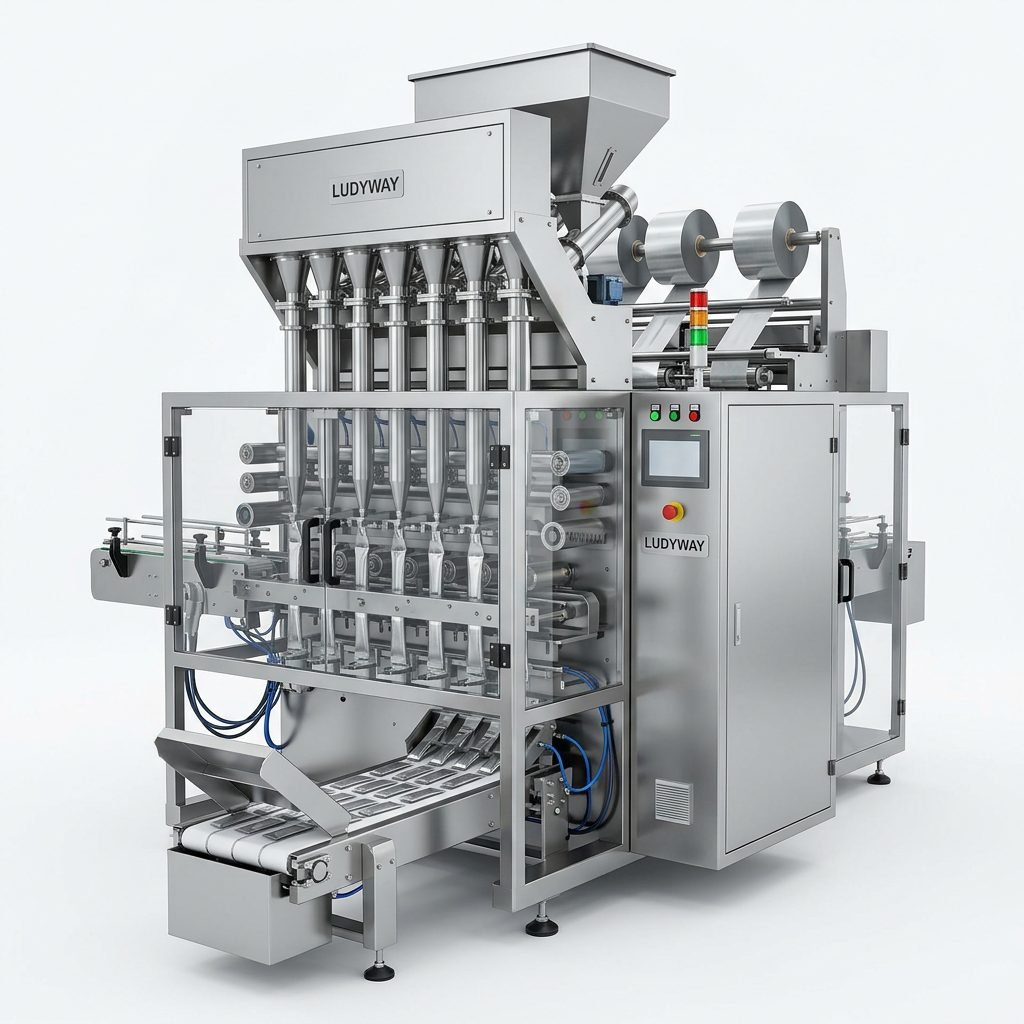
Investing in a packaging wrapping machine is a critical decision that directly impacts your production efficiency, product protection, and bottom line. With countless configurations, technologies, and price points available, the selection process can quickly become overwhelming. This comprehensive buyer’s guide breaks down the essential factors you need to evaluate before making a purchase, helping you navigate the market with confidence and clarity.
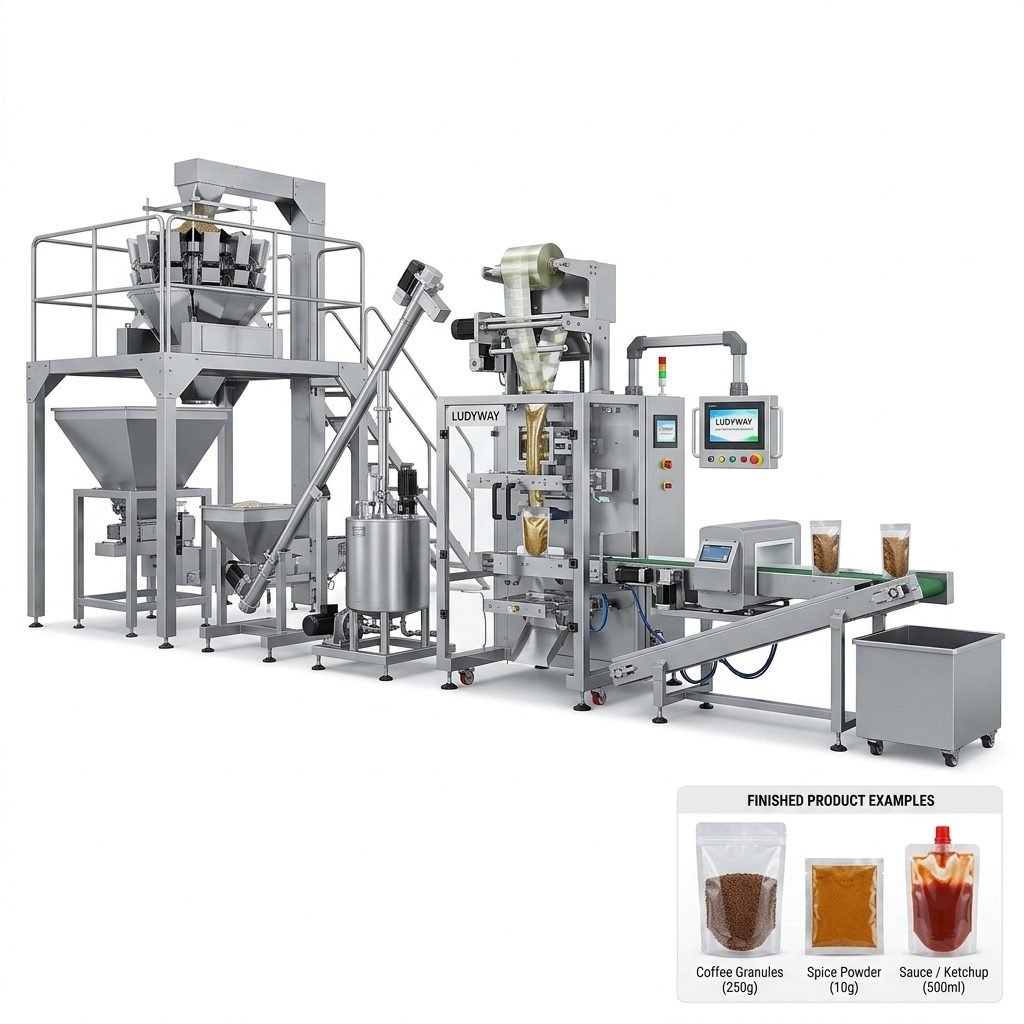
Understanding Your Packaging Wrapping Needs
Before comparing models or contacting suppliers, you must first define your operational requirements. The right packaging wrapping machine is not just about speed or price; it’s about finding the perfect match for your specific product, production environment, and long-term business goals.
Start by answering these fundamental questions:
- Product characteristics: What are you packaging? Consider dimensions, weight, shape, fragility, and surface properties. Is the product solid, granular, liquid, or powder?
- Packaging material: Are you using shrink film, stretch film, flow wrap, or specialized barrier materials? Material compatibility is non-negotiable.
- Production volume: How many units per minute, hour, or shift do you need to wrap? This determines whether a semi-automatic or fully automatic system is required.
- Integration requirements: Will the wrapping machine need to connect with upstream or downstream equipment such as fillers, labelers, cartoners, or palletizers?
Key Factors to Evaluate When Choosing a Wrapping Machine
Once your baseline requirements are defined, evaluate potential machines against the following critical criteria. Overlooking any of these factors can lead to costly downtime, material waste, and production bottlenecks.
| Evaluation Criteria | Key Questions to Ask | Why It Matters |
|---|---|---|
| Speed & Throughput | What is the maximum and sustained production speed? Can it handle peak demand? | Insufficient speed creates bottlenecks; excessive speed may waste energy and investment. |
| Flexibility & Changeover | How quickly can the machine switch between different product sizes, formats, or film types? | Frequent changeovers demand quick, tool-less adjustments to minimize downtime. |
| Machine Footprint | What are the space requirements in your facility? Is the layout configuration flexible? | Floor space is valuable; the machine must fit your existing or planned production line layout. |
| Material Efficiency | What is the film waste rate? Does the machine optimize material usage? | Film is a recurring cost. Even small savings per package compound significantly over time. |
| Automation Level | Is semi-automatic sufficient, or is full automation with auto-feed and discharge required? | Automation reduces labor costs, improves consistency, and enables higher throughput. |
| Durability & Build Quality | What materials are used for the frame and critical components? Is it designed for your operating environment? | A robust machine offers longer service life, reduced maintenance, and better total cost of ownership. |
| Ease of Maintenance | How accessible are wear parts? What is the recommended preventive maintenance schedule? | Easy maintenance reduces MTTR (Mean Time To Repair) and keeps production running. |
Types of Packaging Wrapping Machines
Understanding the primary categories of packaging wrapping machines will help you narrow down the options quickly. Each type serves distinct applications.
Shrink Wrapping Machines
Shrink wrappers use heat to tightly seal a polymer film around a product or group of products. They are widely used for food, beverage, consumer goods, and publishing applications. Options range from manual L-bar sealers to high-speed automatic side-seal machines with shrink tunnels. The Flexible Packaging Association provides extensive resources on film materials and applications.
Stretch Wrapping Machines
Stretch wrappers are primarily used for pallet loads, applying a stretchable plastic film to secure goods during transport and storage. Turntable, rotary arm, and orbital wrappers are common configurations. Key considerations include load weight, throughput, and film pre-stretch capabilities.
Flow Wrapping Machines (Horizontal Form Fill Seal)
Flow wrappers create a tube of film around a product, seal it longitudinally and crosswise, then cut individual packages. This category is dominant for snack bars, baked goods, confectionery, and medical devices. Flow wrapping offers high speeds and excellent product presentation.
Overwrapping Machines
Overwrappers fold a wrapper around a product, similar to a gift-wrap style, often used for boxes, trays, and cartons in cosmetics, pharmaceuticals, and luxury goods. The finished appearance is typically considered more premium than shrink wrapping.
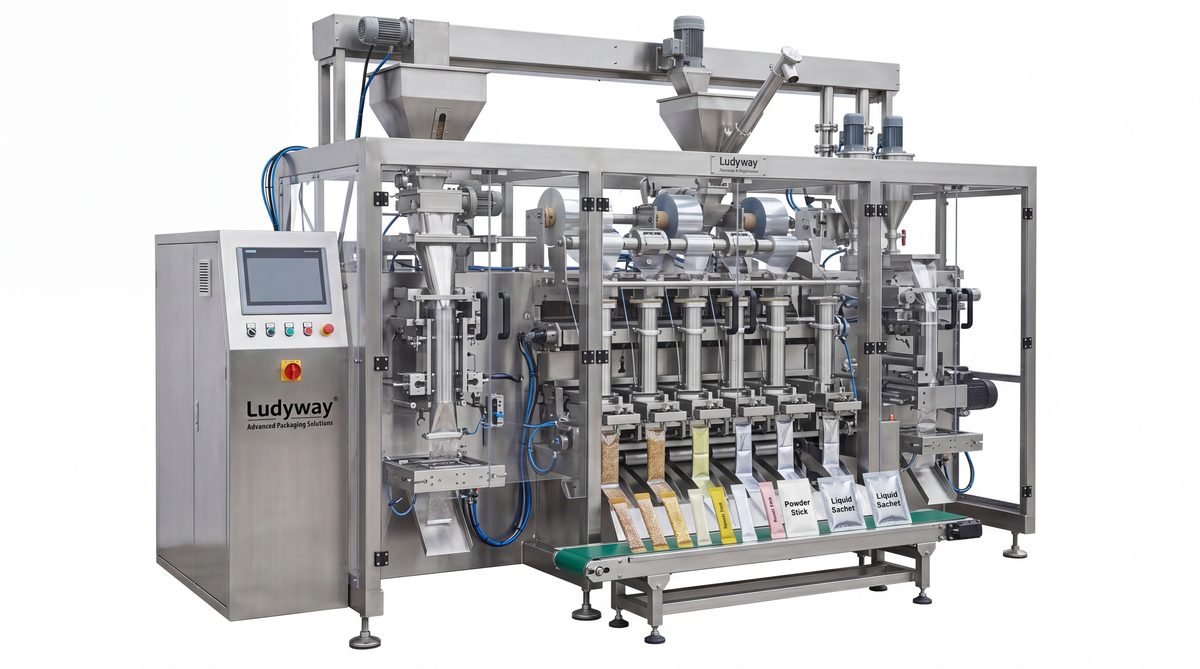
Common Mistakes to Avoid When Buying a Wrapping Machine
Many first-time buyers make avoidable errors that result in dissatisfaction and operational disruption. Awareness of these pitfalls can save significant time and money.
- Focusing exclusively on upfront price: A lower purchase price may be offset by higher operating costs, including film waste, energy consumption, and frequent repairs. Always evaluate total cost of ownership.
- Ignoring film compatibility testing: Not all machines handle all films equally. Always test your specific film and product combination on the target machine before committing. What works on one machine may not work on another.
- Underestimating training needs: Even an intuitive machine requires proper operator and maintenance training. Budget for training as part of the implementation process to avoid errors and downtime.
- Neglecting future scalability: A machine that meets today’s volumes perfectly may become a constraint in 18 months. Consider modular designs or machines that offer some headroom for future growth.
- Failing to verify after-sales support: Technical support, spare parts availability, and service response times vary dramatically between suppliers. PMMI provides valuable industry resources on packaging machinery standards and best practices.
Budgeting and ROI Considerations
A packaging wrapping machine is a capital investment that should deliver measurable returns. While prices span a wide range depending on speed, automation level, and customization, your evaluation must go beyond the sticker price.
Key financial considerations include:
- Capital expenditure: The purchase price of the machine, including any optional features, tooling, and initial spare parts.
- Installation and commissioning: Costs for delivery, positioning, utility connections, and on-site setup.
- Operating costs: Film consumption rates, electricity, compressed air, and labor requirements per shift.
- Maintenance: Routine parts replacement and scheduled service over the expected lifespan of the equipment.
- Productivity gains: Quantify labor savings, increased throughput, and reduced product damage or giveaway.
A well-chosen machine typically yields an ROI within 12 to 24 months through a combination of labor reduction, material savings, and increased output. Be wary of machines that seem too inexpensive; they often carry hidden costs in reliability and support.
Considering the Source: Manufacturer vs. Distributor
When purchasing a wrapping machine, you have the option of working directly with a manufacturer or through a local distributor or integrator. Each path has trade-offs. Direct purchasing can offer cost advantages, greater customization, and direct access to engineering teams. Distributors may provide local support, faster spare parts access in some regions, and assistance with integration across multiple equipment brands.
For complex applications or when a complete packaging line is needed, working with a manufacturer that offers turnkey solutions can simplify project management. Companies like Ludyway Machinery, which provides integrated packaging systems and engineering support, enable customers to work with a single partner for equipment selection, customization, and ongoing technical service across the entire packaging line.
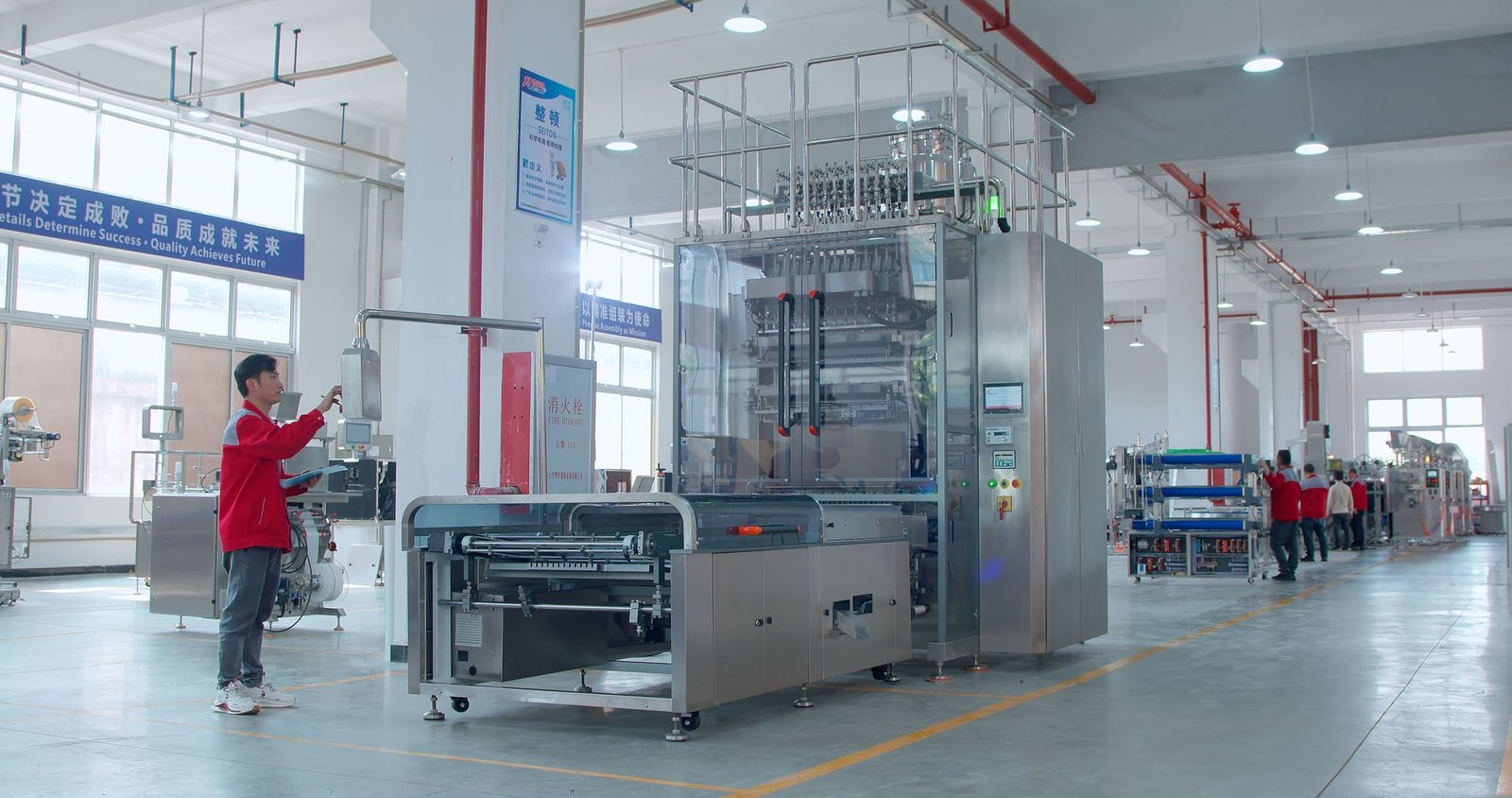
Making the Final Decision: A Step-by-Step Checklist
Once you have narrowed down the options, use this checklist to validate your final choice and ensure nothing is overlooked.
- Define and document your requirements in writing, including product specs, throughput targets, packaging materials, and facility constraints.
- Request detailed proposals from at least three qualified suppliers, ensuring they include machine specifications, warranty terms, and after-sales support details.
- Conduct product and film trials on the machines under serious consideration. Do not skip this step; visual and functional results on your actual product are essential.
- Check references from companies in similar industries with comparable production volumes. Ask about reliability, support quality, and any unexpected challenges.
- Review the total cost of ownership including parts, service, and operational consumables over at least a 5-year projection.
- Confirm lead times and installation support to align with your project schedule and minimize production disruption.
- Validate compliance and safety certifications relevant to your market, such as CE, UL, or food-grade material certifications.
Selecting the right packaging wrapping machine requires a structured, informed approach that balances technical requirements, operational realities, and financial considerations. Industry reports from PMMI offer valuable data on packaging machinery trends and economic forecasts that can inform your investment timing and technology choices. By following the framework outlined in this guide, you position your operation for improved efficiency, reduced waste, and sustainable growth.