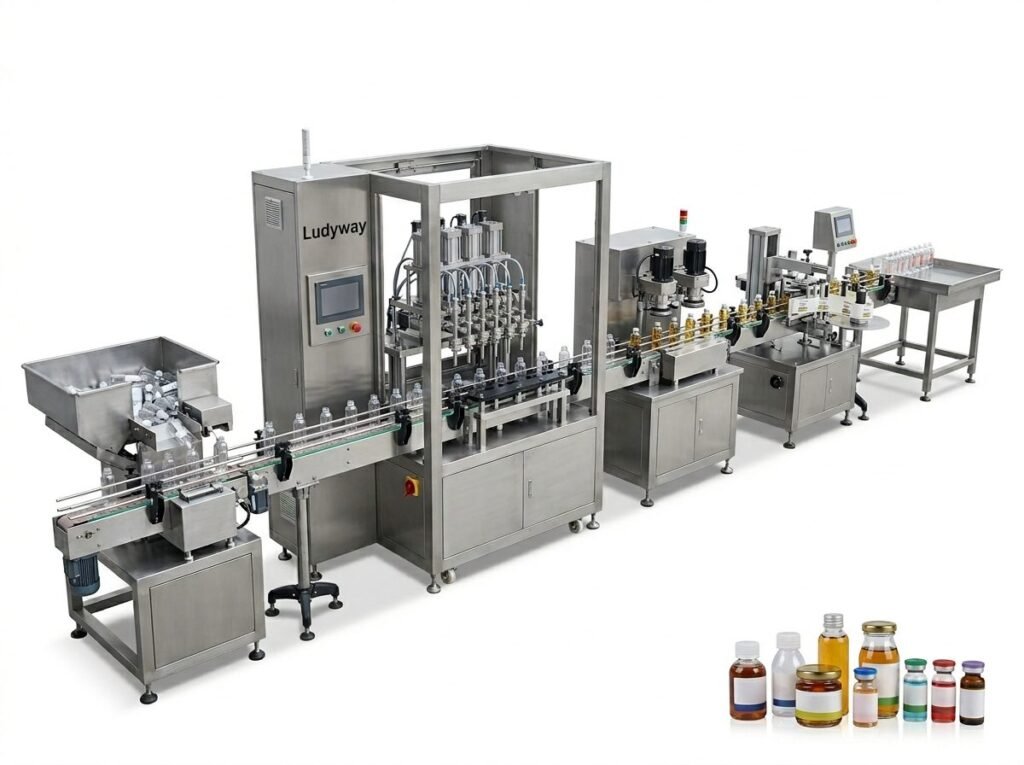
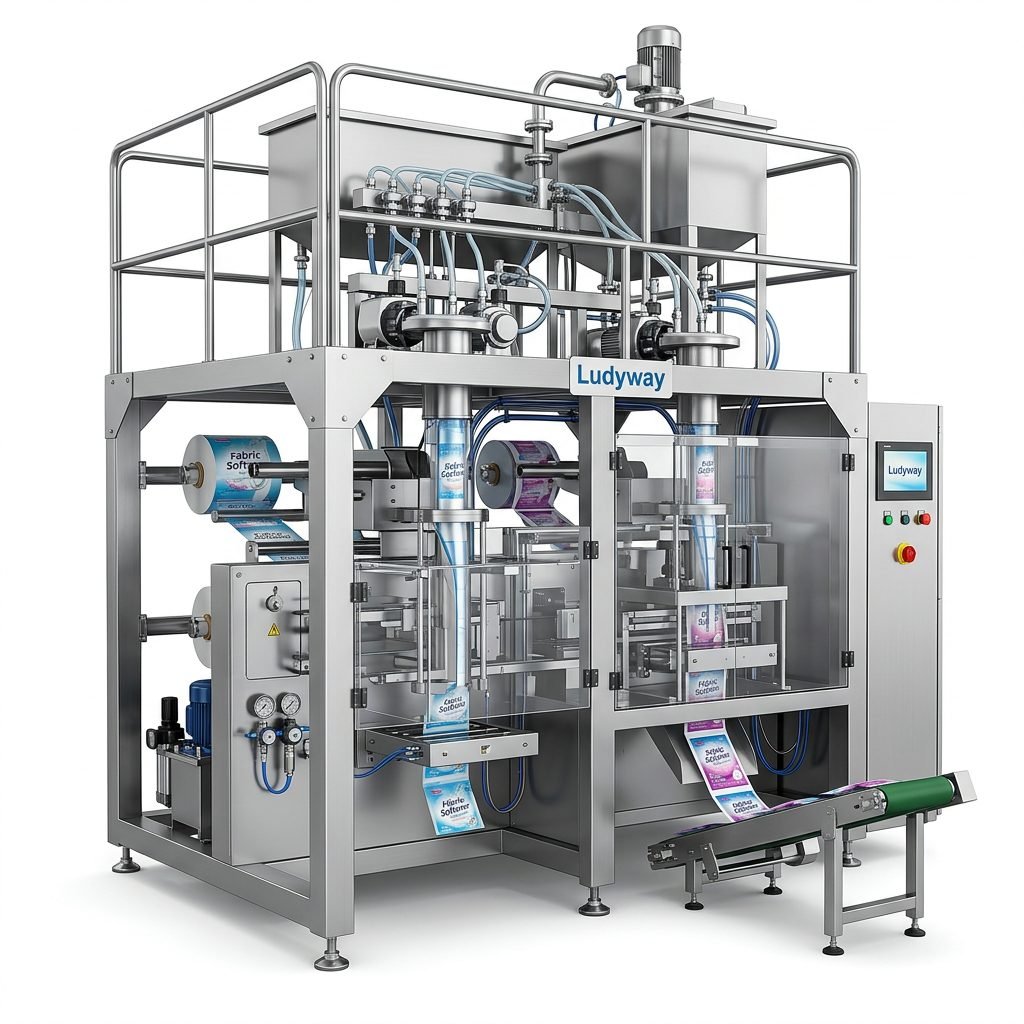
Investing in a card packaging machine is a strategic decision that directly affects your product presentation, production efficiency, and bottom line. Whether you are packaging blister cards, skin-packed display cards, or slide-blister cards for retail shelves, the right equipment ensures consistent quality and throughput. With a wide range of machine types, automation levels, and configuration options available, selecting the most suitable system requires a clear understanding of your product characteristics, production goals, and operational environment. This guide walks you through the essential factors to evaluate before making a purchase.

Understanding Card Packaging Machine Types
Different card packaging machines serve different purposes, and understanding the core technologies is the first step. The three most common categories include blister card packaging machines, skin packaging machines, and slide-blister sealing machines. Each has distinct advantages depending on your product type, required visibility, and pilfer-resistance needs. According to PMMI packaging industry data, the blister packaging segment continues to grow steadily across pharmaceutical, consumer goods, and hardware applications.
Blister Card Packaging Machines
Blister card machines seal a pre-formed plastic blister onto a printed paperboard card using heat and pressure. They are widely used for small consumer goods, batteries, hardware items, and pharmaceutical products. These machines offer excellent product visibility and tamper resistance, making them ideal for retail display. The sealing process can be configured for single-card or multi-card production, with varying degrees of automation from manual loading to fully automatic feeding systems.
Skin Packaging Machines
Skin packaging uses a vacuum process to drape a heated plastic film tightly over the product and onto a porous card substrate. This method is often preferred for irregularly shaped products such as automotive parts, tools, and industrial components. The resulting package conforms closely to the product shape, providing excellent immobilization during transit and an attractive in-store presentation. Modern skin packaging machines offer rapid cycle times and can handle both small-batch and high-volume production.
Slide-Blister and Clamshell Sealing Machines
Slide-blister packaging involves a plastic blister that slides onto a card or into a sealed clamshell format. These card packaging machines are commonly used for electronics, cosmetics, and higher-value retail items where both security and aesthetic appeal are critical. The sealing technology often includes RF (radio frequency) or ultrasonic welding capabilities for consistent, high-strength seals. Equipment in this category can range from semi-automatic benchtop units to fully integrated automated lines.
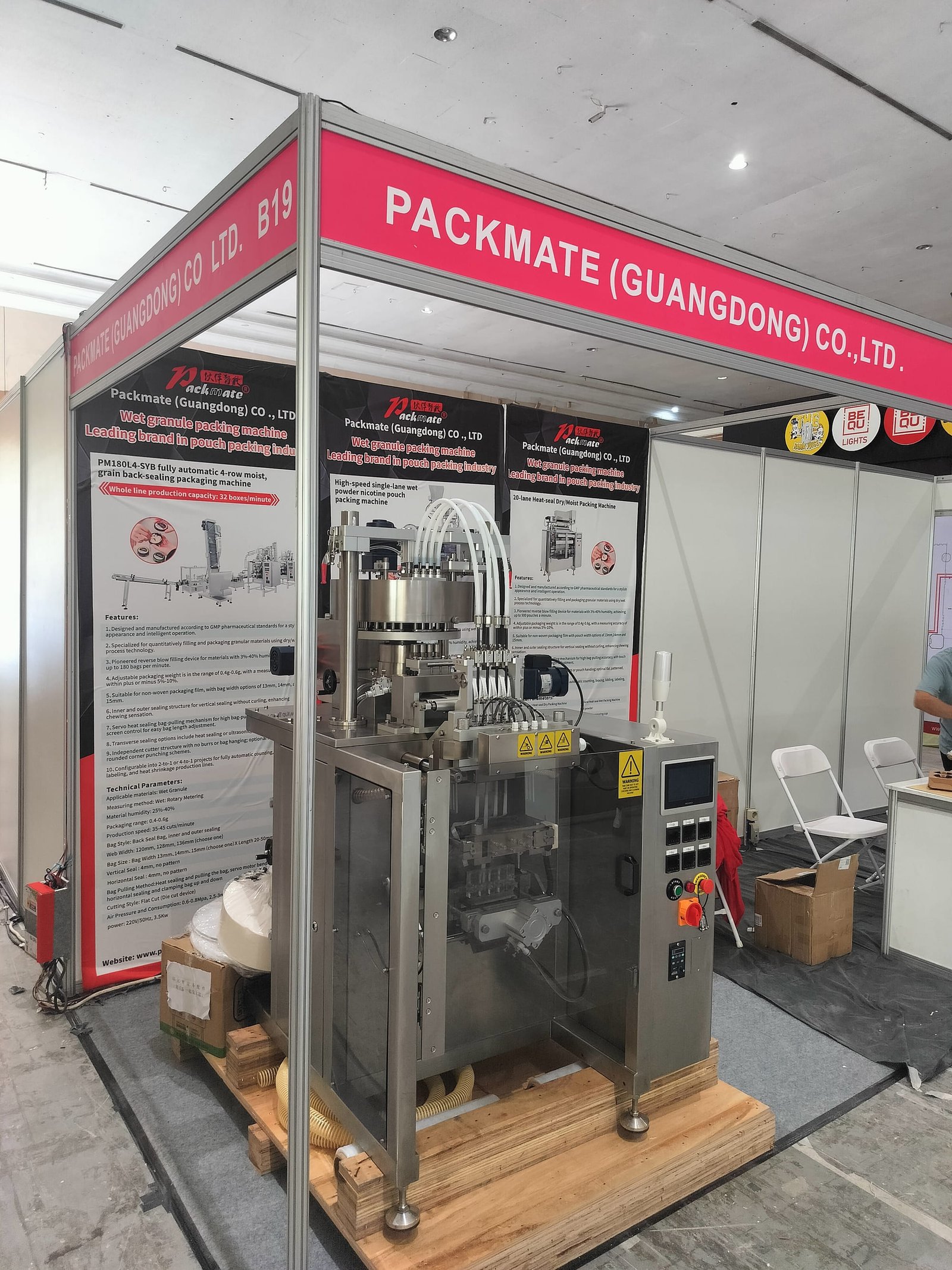
Key Factors to Evaluate Before Purchasing
Choosing the right card packaging machine involves more than simply matching a machine model to your product. You need to assess production requirements, packaging material specifications, factory integration, and long-term scalability. The following factors form the core of a thorough equipment evaluation process, helping ensure that your investment delivers reliable performance over the machine’s full lifecycle.
- Production speed and output targets – Determine how many cards per minute or per shift you need to produce to meet current and future demand.
- Product dimensions and variability – Measure the range of product sizes, shapes, and weights that the machine must accommodate.
- Packaging material compatibility – Verify that the machine can handle your specific card stock, blister materials, and sealing films.
- Automation and labor requirements – Decide between manual, semi-automatic, and fully automatic operation based on your workforce and cost structure.
- Floor space and facility integration – Confirm the machine footprint fits within your existing production layout and workflow.
- Changeover flexibility – Assess how quickly the machine can switch between different card formats and product types.
Production Speed and Throughput
One of the most critical performance indicators for any card packaging machine is its rated throughput, typically measured in cycles per minute or cards per hour. However, actual output depends on operator efficiency, material quality, and product loading methods. When evaluating machine specifications, always inquire about sustained production rates rather than theoretical maximum speeds. For high-demand operations, consider multi-station rotary sealers or fully automated in-line systems that reduce manual intervention and maintain consistent output over extended shifts.
Packaging Material Compatibility
Your choice of card material, blister plastic, and sealing film significantly impacts machine selection. Common blister materials include PVC, PET, and RPET, while cards may be coated or uncoated paperboard. The sealing technology must be compatible with your material combination. Some machines use heat-seal coatings pre-applied to the card, while others require the film itself to have a heat-sealable layer. Refer to Flexible Packaging Association resources for detailed guidance on material specifications and regulatory compliance.
Automation Level Selection
Manual and semi-automatic card packaging machines are suitable for low to medium production volumes, seasonal products, or operations with frequent format changes. Fully automatic systems, often equipped with robotic pick-and-place units, vision inspection, and automatic card feeding, are designed for high-volume, continuous production environments. The PMMI State of the Industry report highlights a clear trend toward increased automation across packaging operations, driven by labor availability challenges and the need for consistent quality control.
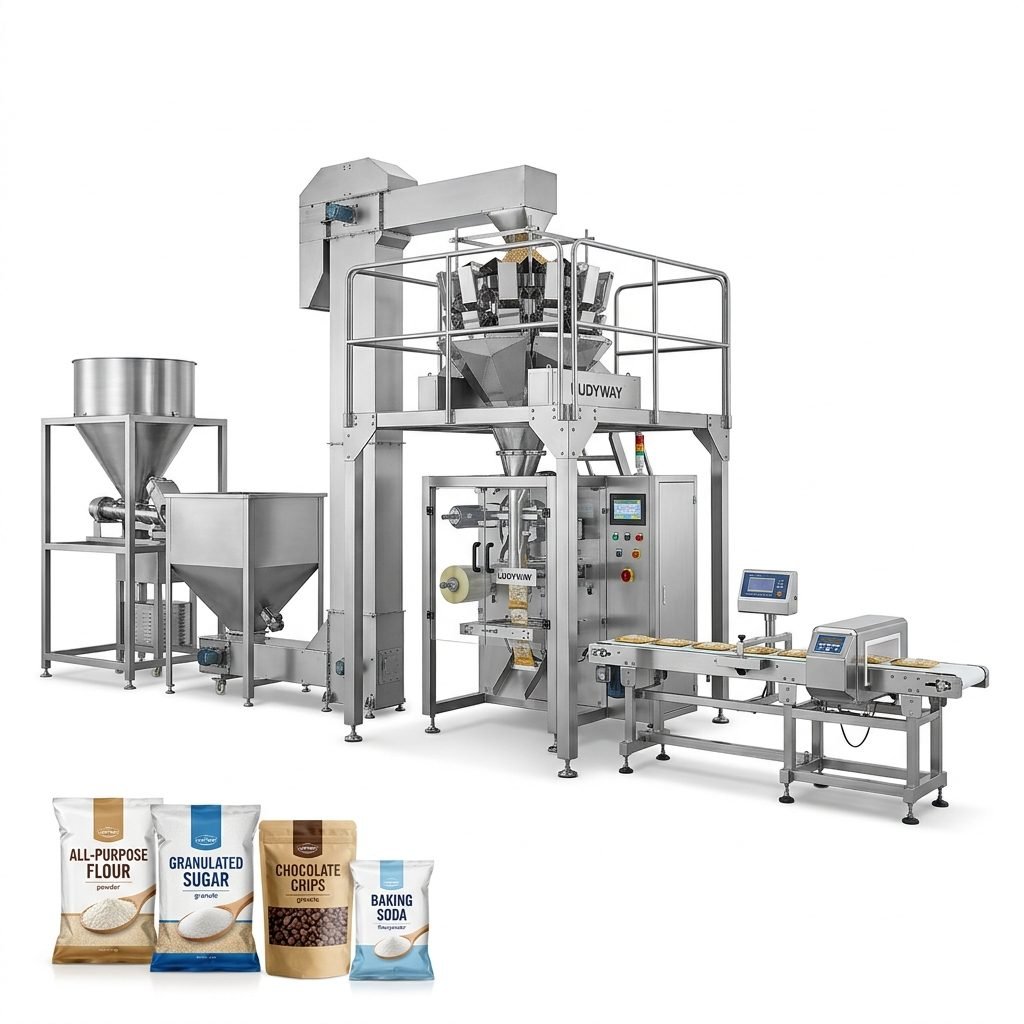
Industry-Specific Considerations
Different industries impose distinct requirements on card packaging machines. Pharmaceutical applications demand strict validation protocols, serialization capabilities, and compliance with FDA packaging regulations. Consumer electronics packaging often requires anti-static materials and precise sealing to protect sensitive components. Hardware and automotive sectors may prioritize heavy-duty card stock compatibility and robust sealing for irregularly shaped items. Understanding these sector-specific demands helps narrow down appropriate machine configurations and avoid costly mis-specifications.
Pharmaceutical and Healthcare Applications
Pharmaceutical blister card packaging requires validated processes, cleanroom compatibility, and often serialization or track-and-trace capabilities. Machines used in this sector must comply with GMP guidelines and may need to integrate with vision inspection systems for 100% quality verification. The sealing process must produce hermetic seals that protect sensitive drug products from moisture and contamination throughout their shelf life.
Retail and Consumer Goods
For retail-oriented card packaging, aesthetic quality is paramount. The machine must produce clean, wrinkle-free seals with precise card-to-blister registration. Additional features such as euro-slot punching, tear-notch perforation, and printed card alignment systems are frequently required. Many retailers also demand packaging that is difficult to tamper with while remaining easy for consumers to open, influencing the choice of sealing technology and card design.
Evaluating Total Cost and ROI
The purchase price of a card packaging machine is only one component of the total cost of ownership. Operating costs—including energy consumption, consumable materials, maintenance, and spare parts—accumulate over the machine’s service life. A slightly higher upfront investment in a more efficient or durable machine often yields significantly lower long-term costs. Calculate your expected return on investment by factoring in labor savings, reduced material waste, increased throughput, and minimized downtime compared to your current packaging method.
| Machine Type | Typical Speed Range | Best For | Approximate Investment |
|---|---|---|---|
| Manual Blister Sealer | 5-10 cards/min | Low volume, varied products | $ |
| Semi-Automatic Machine | 10-25 cards/min | Medium volume, consistent formats | $$ |
| Fully Automatic In-Line | 25-60+ cards/min | High volume, dedicated production | $$$ |
| Rotary Multi-Station | 40-100+ cards/min | Very high volume, minimal changeover | $$$$ |
Working with the Right Packaging Machinery Partner
Selecting a reliable equipment manufacturer is as important as choosing the machine itself. Look for a supplier with proven engineering expertise, responsive after-sales support, and the ability to provide customized configurations based on your specific packaging requirements. A comprehensive packaging partner should offer machine selection guidance, installation and commissioning support, operator training, and long-term spare parts availability. Manufacturers with extensive experience across multiple industries can often recommend practical solutions that standardized equipment catalogs may not address.
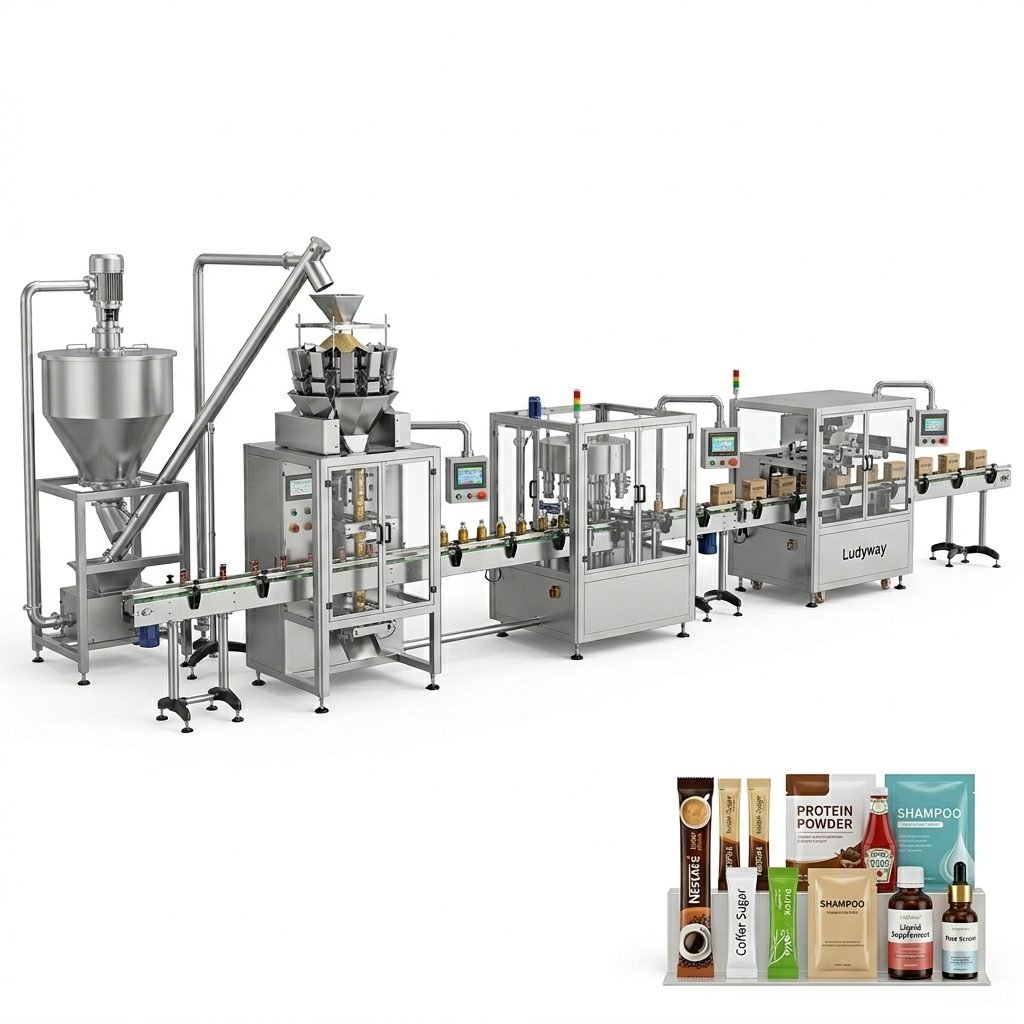
Ludyway Machinery is a China-based packaging machinery manufacturer with more than 30 years of industry experience, offering automated packaging equipment and turnkey solutions across food, pharmaceutical, cosmetic, and industrial sectors. With a 20,000-square-meter manufacturing facility and over 50 packaging machine models, the company provides both standardized and customized packaging systems configured to match specific product characteristics and production requirements. For manufacturers evaluating card packaging machines or seeking integrated packaging line solutions, working with an experienced partner can significantly streamline the equipment selection and implementation process.
Key Certifications and Compliance Standards
Depending on your market and industry, your card packaging machine may need to meet specific regulatory and safety standards. Pharmaceutical packaging equipment often requires compliance with ISO 11607 standards for packaging terminally sterilized medical devices. Food-contact packaging must adhere to FDA or EU regulations regarding materials and processes. Machines exported to multiple regions should be designed to meet applicable CE, UL, or other regional safety requirements. Always verify that the equipment manufacturer can provide appropriate certification documentation for your target markets.
- Confirm machine certifications – CE, UL, or regional equivalents based on installation location.
- Validate material compliance – Ensure all packaging materials meet food-grade or pharmaceutical-grade standards.
- Review safety features – Emergency stops, guarding, and interlock systems should meet local workplace safety regulations.
- Request documentation – Obtain technical files, validation protocols, and compliance certificates before shipment.
Final Pre-Purchase Checklist
Before finalizing your card packaging machine purchase, run through a comprehensive checklist to confirm that all critical factors have been addressed. Involve your production, engineering, quality, and maintenance teams in the evaluation to gather diverse perspectives. Request machine demonstrations using your actual products and packaging materials whenever possible, as this provides the most reliable performance validation. Additionally, speak with existing users of the equipment to gain insights into long-term reliability, service responsiveness, and operational nuances that specification sheets alone cannot convey.
- Product samples successfully run on the proposed machine configuration
- Throughput requirements confirmed with actual production data
- Packaging material supply chain and cost structure validated
- Facility requirements including power, compressed air, and floor space confirmed
- Operator training plan and technical documentation availability verified
- Spare parts inventory and after-sales support terms clearly defined
- Warranty coverage and service response commitments documented in writing
- Future scalability options and upgrade paths discussed with the manufacturer
Choosing the right card packaging machine is a multi-faceted decision that extends well beyond the initial equipment purchase. By carefully evaluating your product characteristics, production volume requirements, automation goals, and long-term operational costs, you can select a packaging system that delivers consistent quality, operational efficiency, and a strong return on investment. Partnering with an experienced packaging machinery manufacturer further ensures that you receive the technical guidance and ongoing support needed to maximize the value of your packaging operation over the equipment’s full lifecycle.
Related Resources: PMMI 2026 State of the Industry Report | Flexible Packaging Association | ISO Packaging Standards | PACK EXPO International