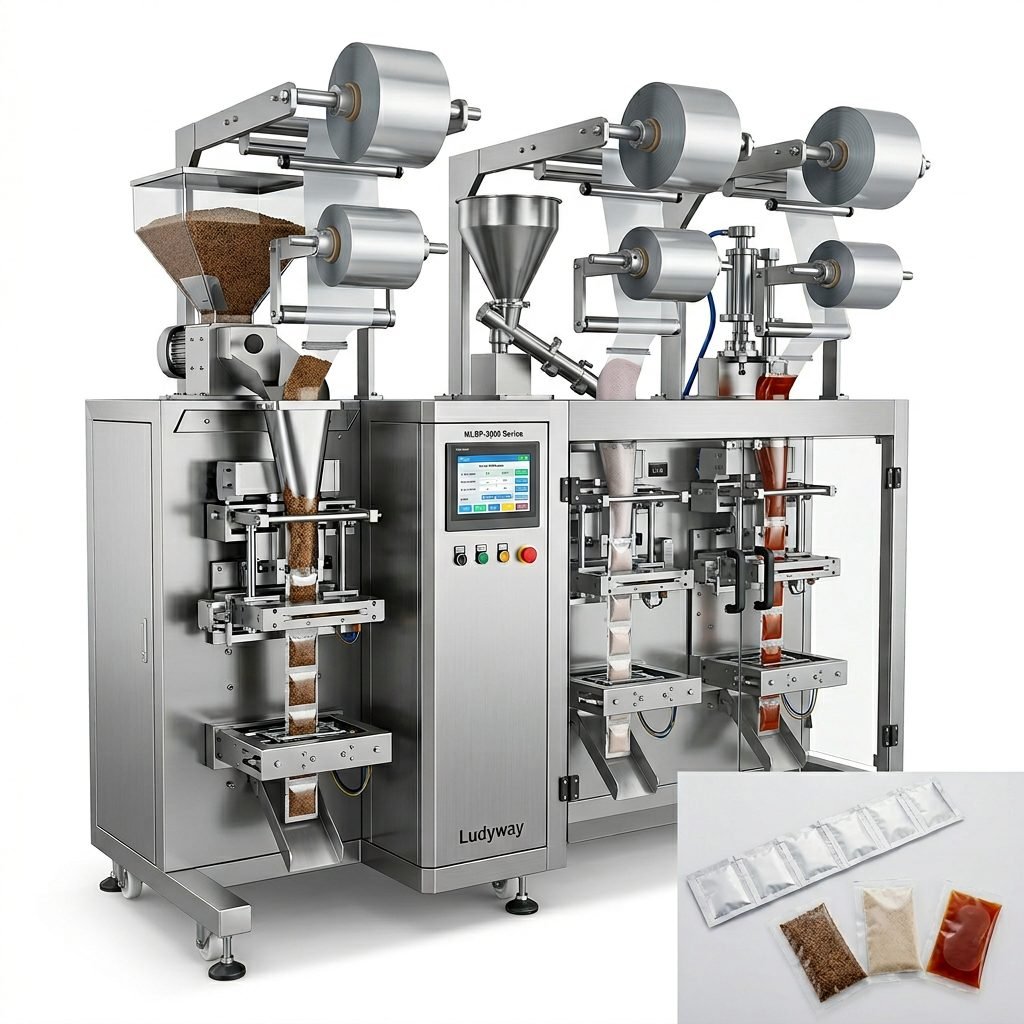
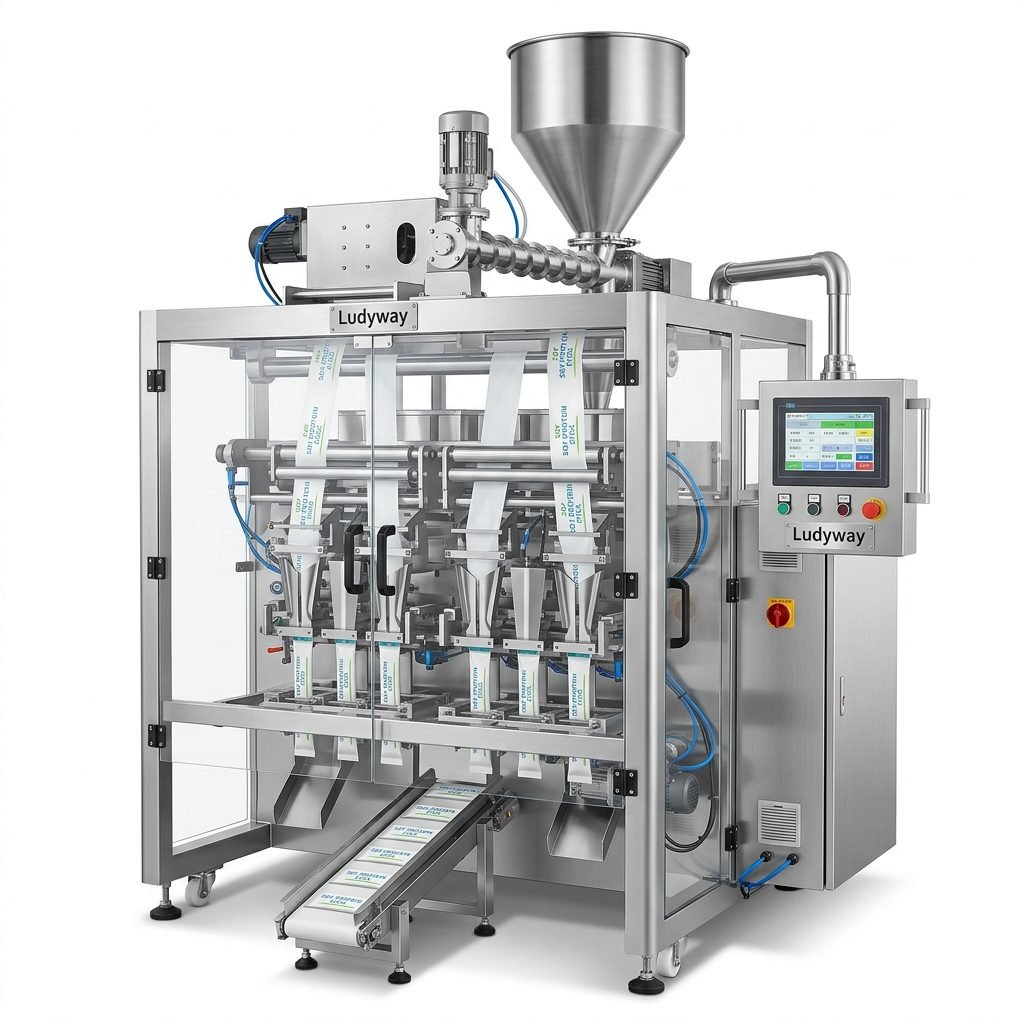
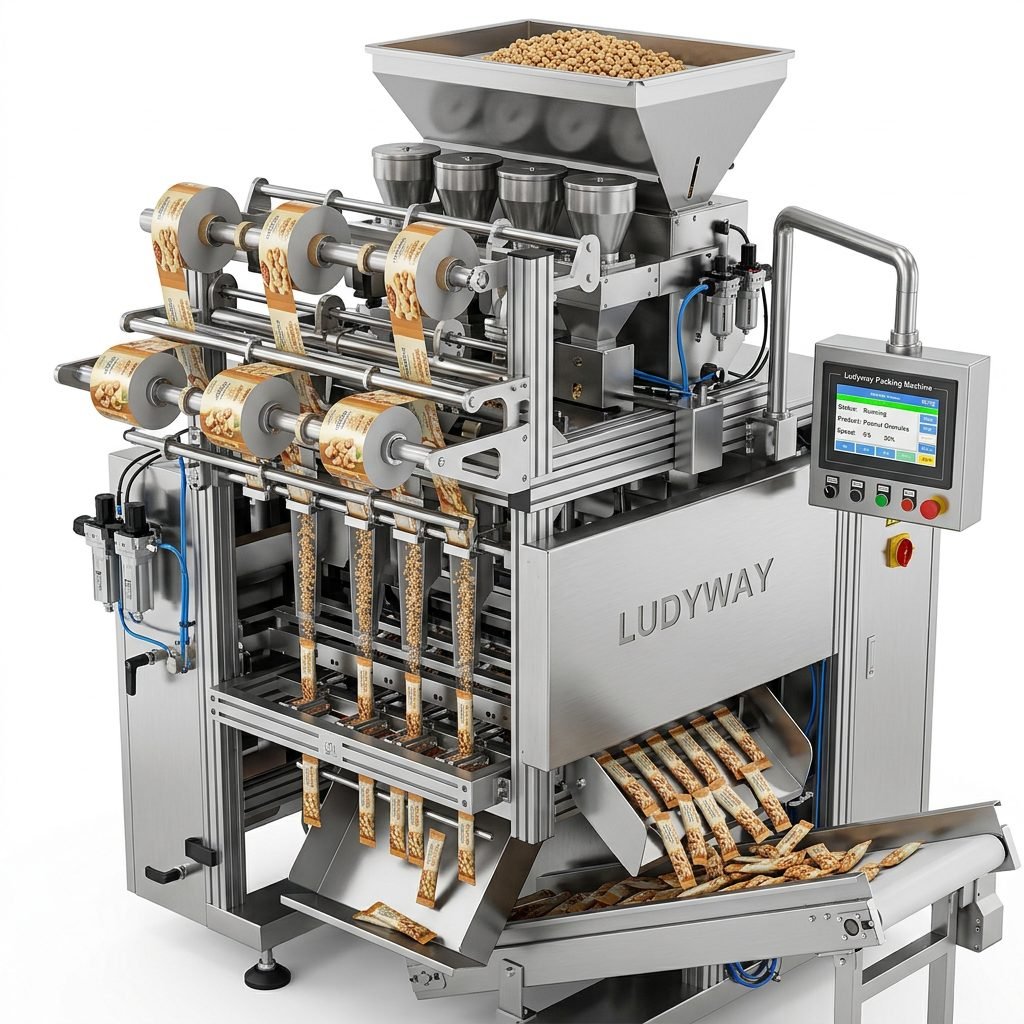
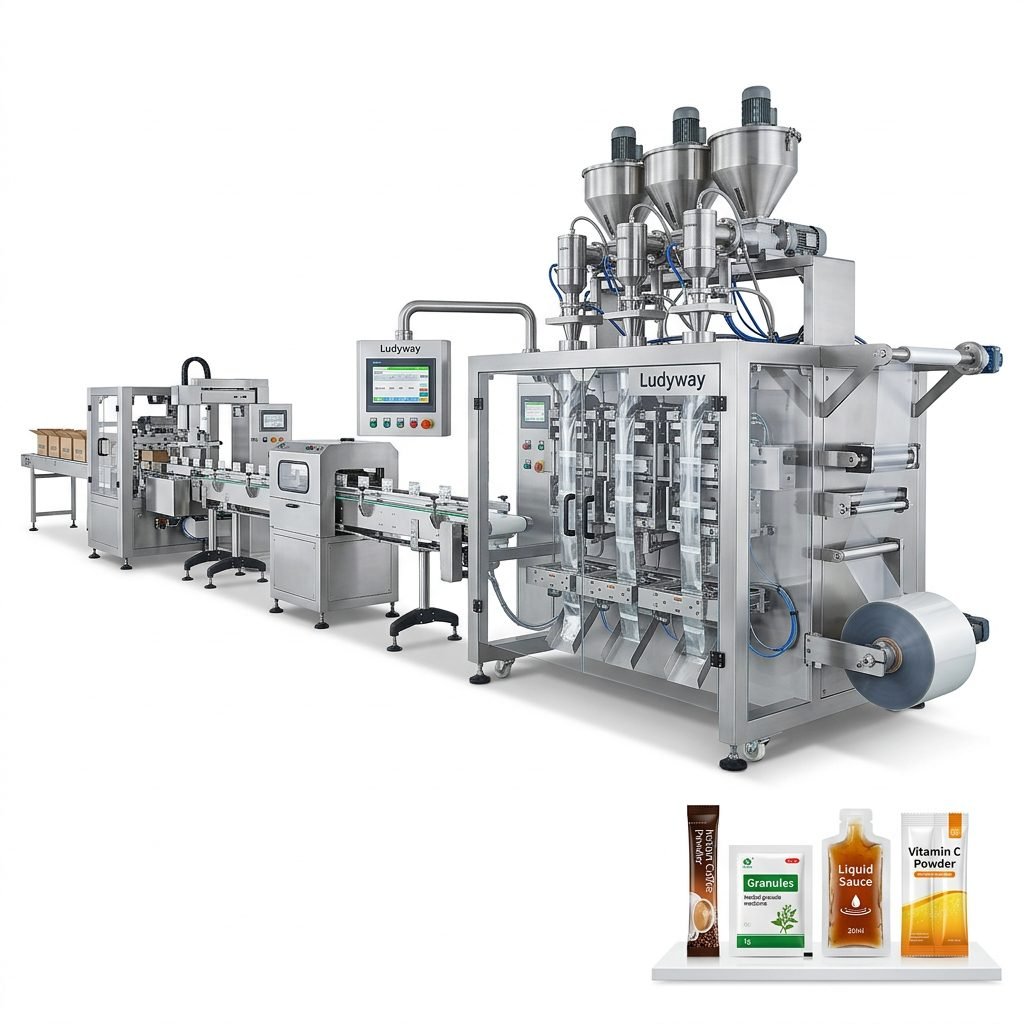
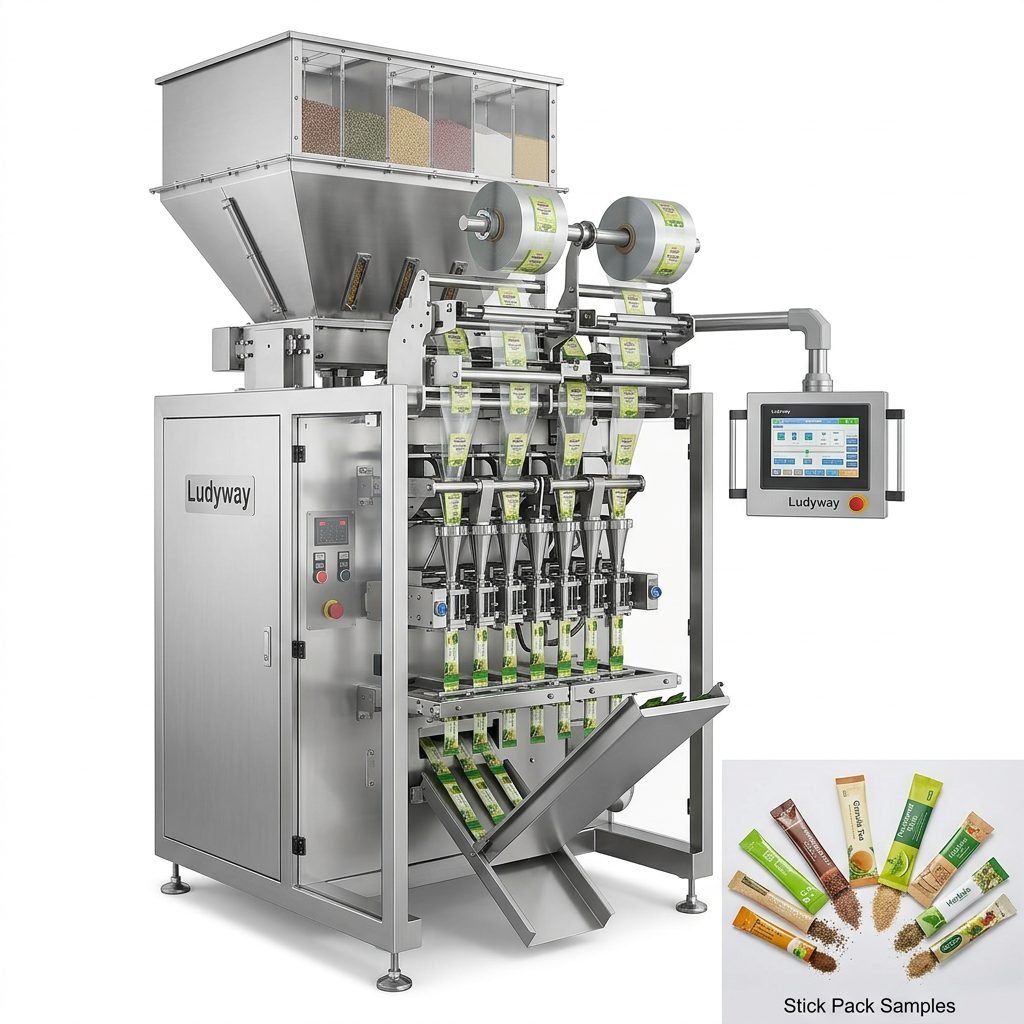
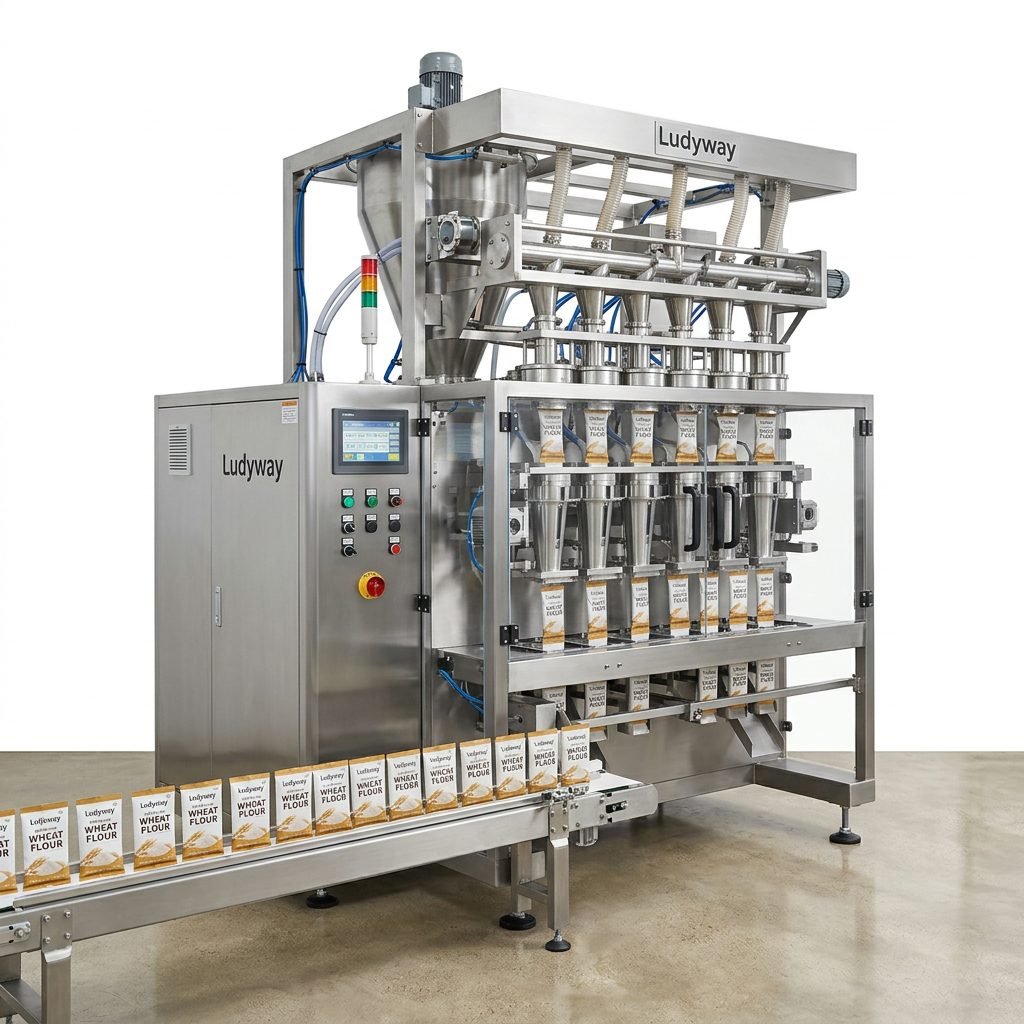
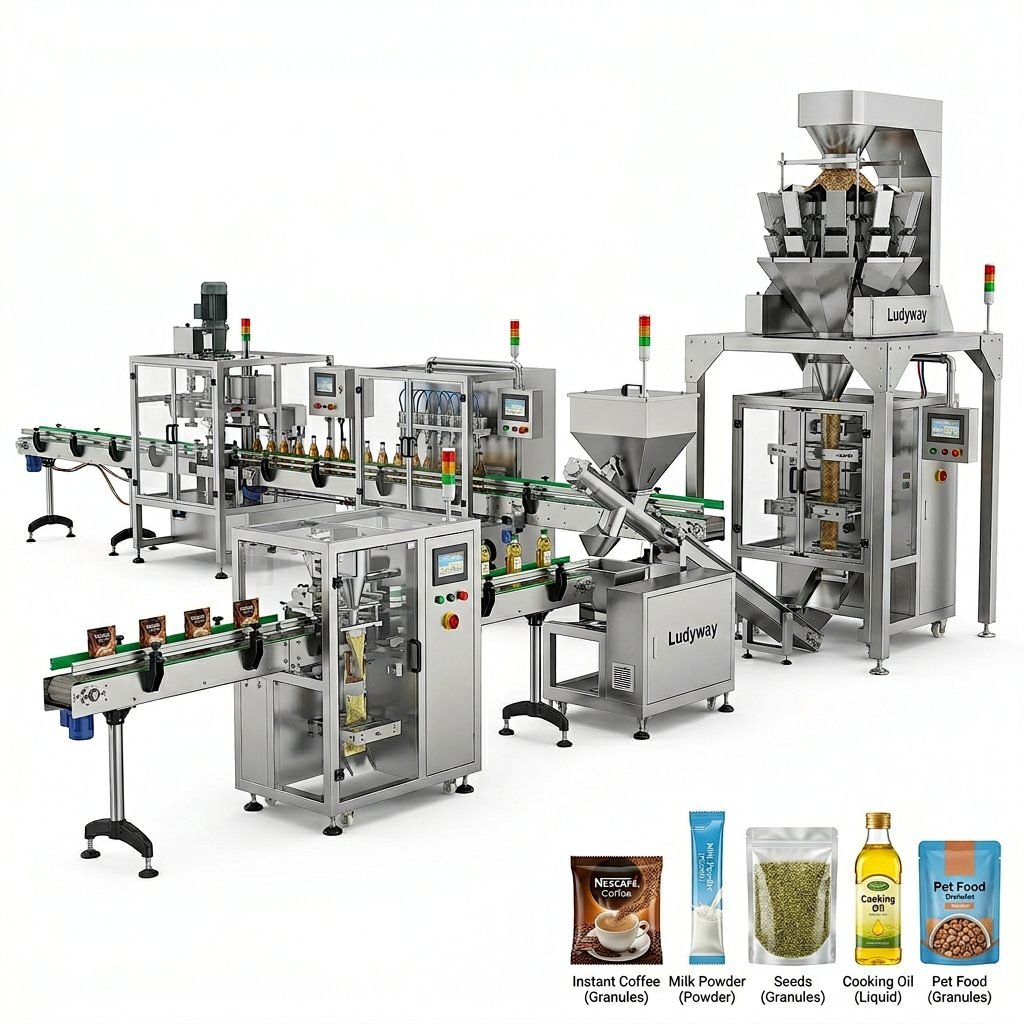
Investing in a toothpaste packaging machine is a significant decision that directly impacts production efficiency, product quality, and long-term operational costs. Whether you are launching a new oral care brand or upgrading an existing production line, selecting the right equipment requires careful evaluation of multiple factors. This guide walks you through the essential considerations to help you make an informed purchasing decision.
Understanding Toothpaste Packaging Machine Types
Toothpaste packaging machines come in various configurations, each designed for specific production needs. Understanding the differences is the first step in narrowing down your options.
Automatic Tube Filling and Sealing Machines
These are the most common machines for toothpaste production. They automatically fill tubes with paste, seal the open end, and often include coding or batch printing. Modern toothpaste tube filling machines can handle plastic, laminate, and aluminum tubes with high precision. According to PMMI – The Association for Packaging and Processing Technologies, automation in tube filling has significantly reduced material waste across the industry.
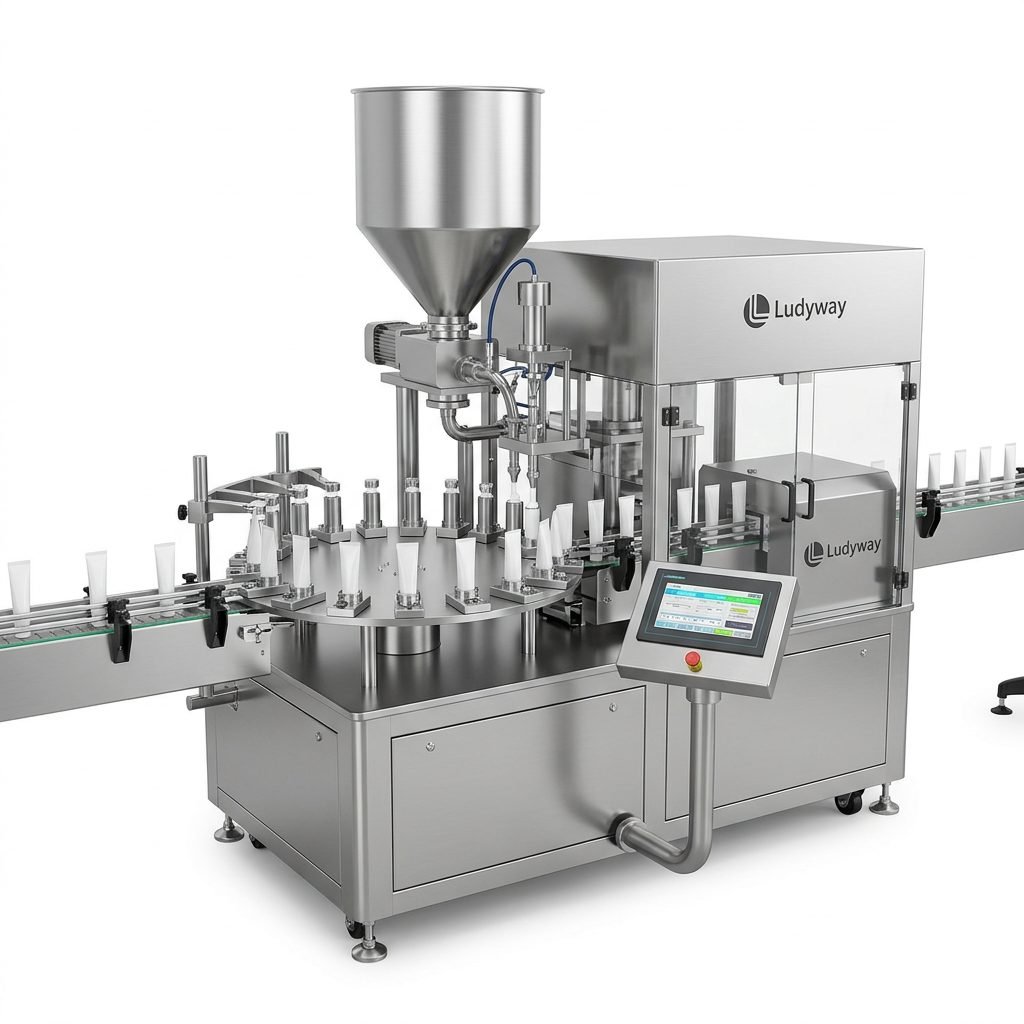
High-Speed Multi-Lane Packaging Systems
For large-scale manufacturers, high-speed multi-lane systems offer throughput that single-lane machines cannot match. These systems fill and seal multiple tubes simultaneously, making them ideal for high-volume toothpaste production. When evaluating speed, look beyond the theoretical maximum and consider the sustainable operating speed under real-world conditions.
Complete Turnkey Packaging Lines
Some manufacturers require integrated solutions that connect tube filling with cartoning, case packing, and palletizing. A turnkey toothpaste packaging line minimizes manual handling, reduces labor costs, and ensures consistent output. These systems can be customized to include inspection, coding, and shrink-wrapping stations based on your specific requirements.
Key Factors to Consider When Choosing a Toothpaste Packaging Machine
Every production environment is different. The following factors should guide your equipment evaluation process.
- Production Capacity: Determine your target output in tubes per minute. Match this with the machine’s rated speed while accounting for downtime and maintenance.
- Tube Compatibility: Verify that the machine handles your tube material (plastic, laminate, aluminum), diameter, and length. Some machines offer quick changeover for multiple tube sizes.
- Filling Accuracy: Toothpaste is a viscous product that requires precise dosing. Look for machines with servo-driven filling systems that deliver consistent fill volumes.
- Sealing Quality: Hot air, hot jaw, or ultrasonic sealing methods each have advantages depending on tube material. Evaluate seal integrity under your specific production conditions.
- Cleanability and Hygiene: Oral care products require sanitary production environments. Machines with stainless steel construction and accessible design simplify cleaning and compliance.
- Automation Level: Decide how much manual intervention is acceptable. Fully automatic systems reduce labor but require higher initial investment.
- Footprint and Layout: Measure your available floor space and ensure the machine fits within your existing production layout.
Technical Specifications Comparison
When comparing different toothpaste packaging machines, technical specifications provide an objective basis for evaluation. The table below highlights key parameters to assess across different machine categories.
| Specification | Entry-Level | Mid-Range | High-End |
|---|---|---|---|
| Speed (tubes/min) | 30-60 | 60-120 | 120-300+ |
| Filling Range | 10-200ml | 5-300ml | 3-500ml |
| Filling Accuracy | ±1.5% | ±1.0% | ±0.5% |
| Changeover Time | 20-30 min | 10-15 min | 5-10 min |
| Automation Level | Semi-auto | Full-auto | Full-auto with IoT |
Evaluating Suppliers and Manufacturers
Choosing the right supplier is as important as choosing the right machine. A reliable packaging machinery manufacturer provides not only quality equipment but also engineering support, customization capabilities, and long-term service. For instance, Ludyway Machinery, a China-based packaging machinery manufacturer with more than 30 years of experience, offers a broad portfolio of automatic packaging equipment including tube filling and sealing machines configured for different production speeds, filling volumes, and packaging materials. The company’s global growth trajectory reflects the increasing demand for automated packaging solutions across international markets.
When assessing any supplier, consider these points:
- Industry Experience: How long has the manufacturer been building toothpaste packaging machines specifically?
- References and Case Studies: Request examples of similar installations and speak with existing customers if possible.
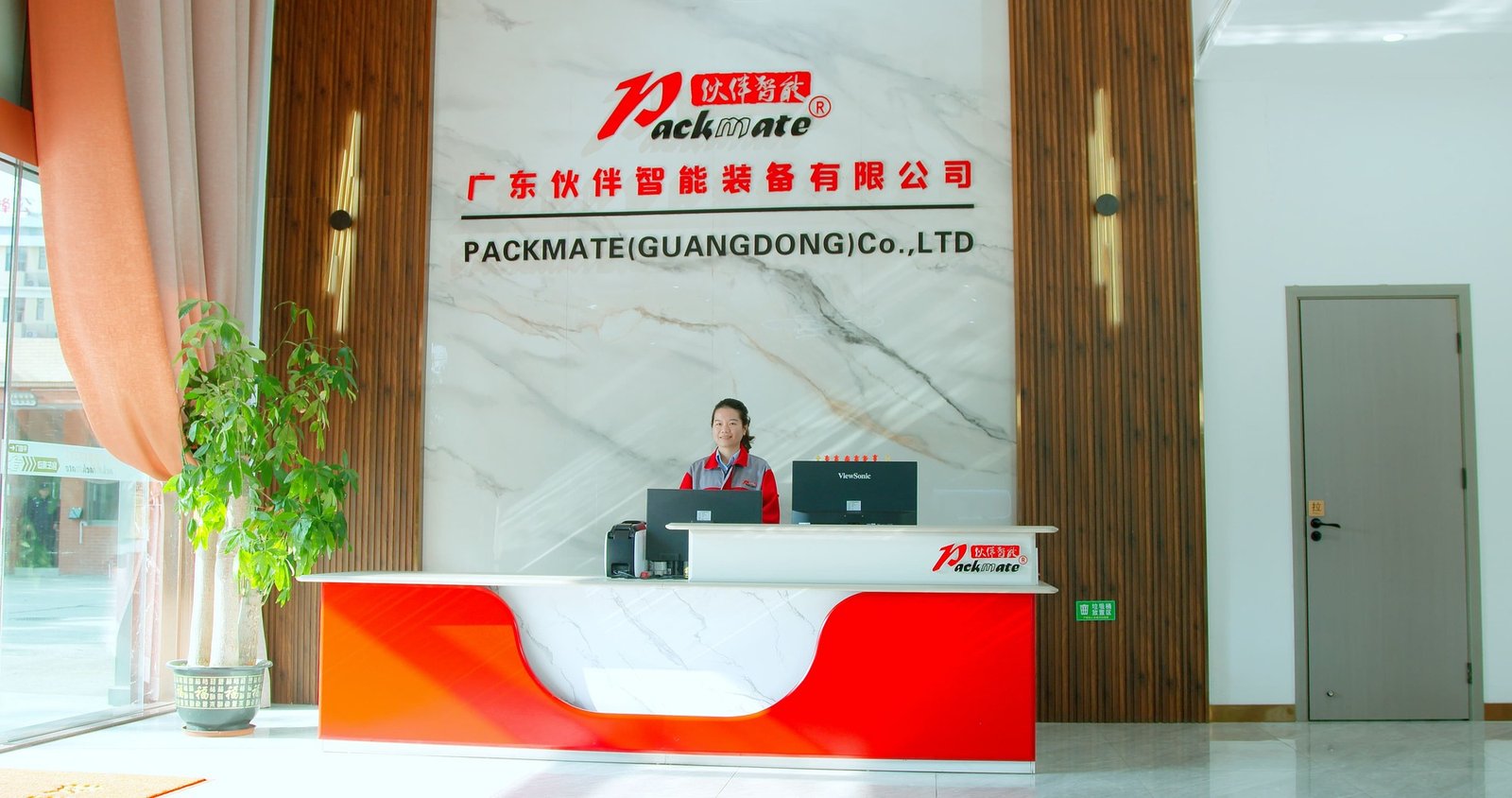
- Factory Capabilities: A well-equipped manufacturing facility with in-house engineering suggests stronger quality control and customization ability.
- Certifications: Look for CE, ISO, or other relevant certifications that demonstrate compliance with international standards.
Cost Considerations and ROI
The purchase price is only one component of the total cost of ownership. A comprehensive cost analysis should include installation, training, maintenance, spare parts, and energy consumption. While entry-level machines have lower upfront costs, they may result in higher long-term expenses due to more frequent downtime and reduced efficiency.
Key cost factors to evaluate:
- Initial machine price and any customization fees
- Installation and commissioning costs
- Operator training requirements
- Spare parts availability and pricing
- Energy consumption per operating hour
- Expected maintenance intervals and associated costs
- Projected lifespan and depreciation schedule
Reviewing packaging industry state of the industry reports can provide benchmark data on equipment investment trends and help you contextualize your budget within broader market conditions.
After-Sales Support and Service
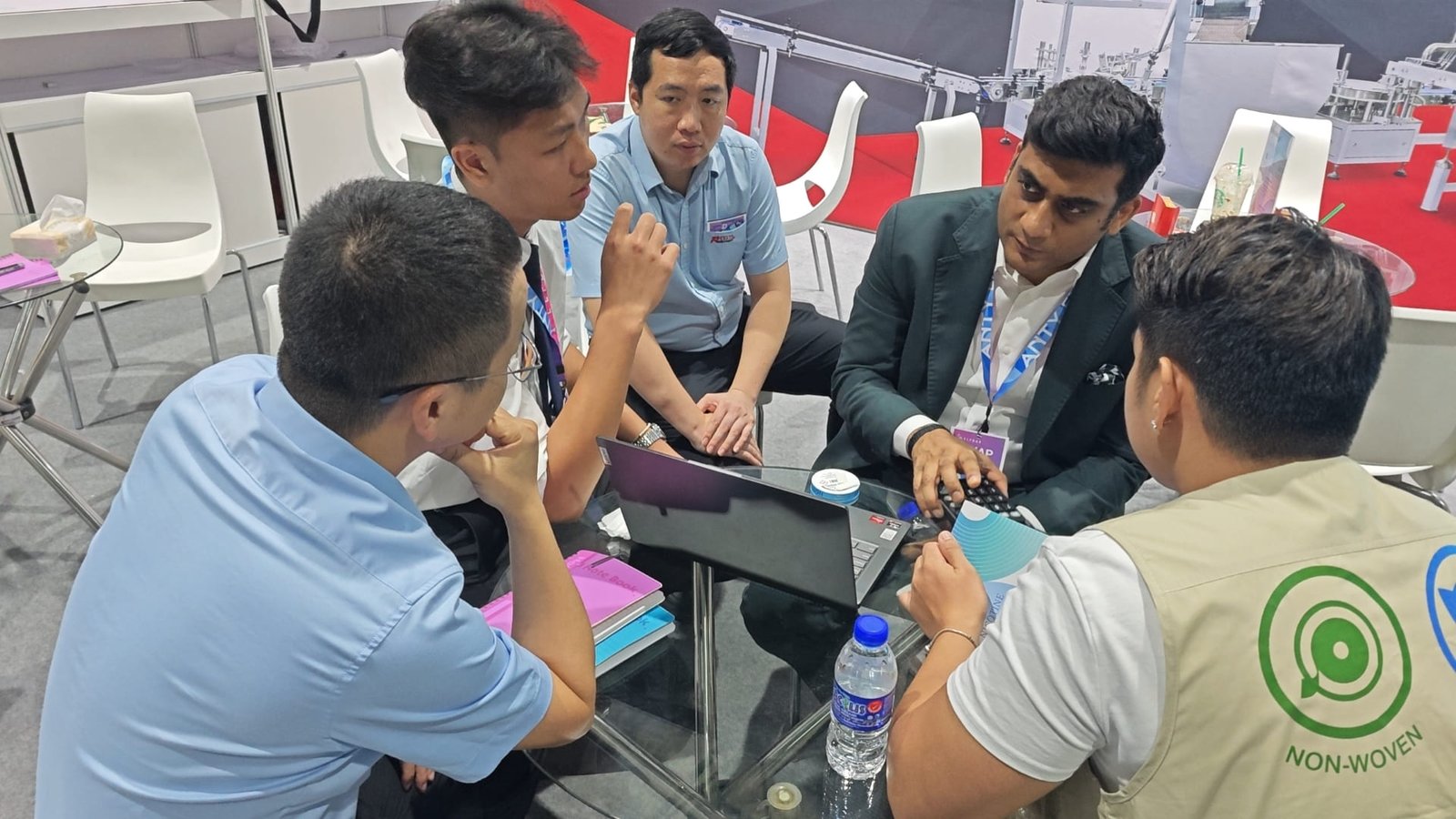
After-sales support can make or break your production uptime. Before finalizing a purchase, clarify the warranty terms, technical support availability, and response times. Remote diagnostic capabilities have become increasingly valuable, allowing technicians to troubleshoot issues without an on-site visit. As noted by industry resources from the Flexible Packaging Association, packaging line reliability and supplier responsiveness are critical factors in maintaining consistent production schedules.
A strong service package typically includes:
- Installation and commissioning support
- Operator and maintenance training programs
- Remote technical assistance capabilities
- Readily available spare parts inventory
- Preventive maintenance schedules
- Clear escalation procedures for critical issues
Compliance and Industry Standards
Toothpaste packaging must comply with relevant regulations depending on your target markets. Equipment should support compliance with FDA food packaging and food contact substances requirements if you distribute in the United States. For companies exporting to multiple regions, machines configured to meet ISO packaging standards provide greater flexibility and market access.
Additionally, consider environmental regulations such as those outlined in the European Commission packaging and packaging waste regulation if you plan to sell in European markets. Your packaging machine should accommodate sustainable packaging materials and minimize material waste wherever possible.
Making the Final Decision
Selecting the right toothpaste packaging machine requires balancing production requirements, budget constraints, and long-term operational goals. Start by clearly defining your current and future production needs, then evaluate machines and suppliers against objective criteria. Request demonstrations or factory acceptance tests whenever possible, and do not underestimate the value of robust after-sales support.
By following a structured evaluation process and referencing authoritative industry resources such as those from PMMI packaging industry resources and the Flexible Packaging Association, you can make a confident investment that supports efficient, reliable toothpaste production for years to come.