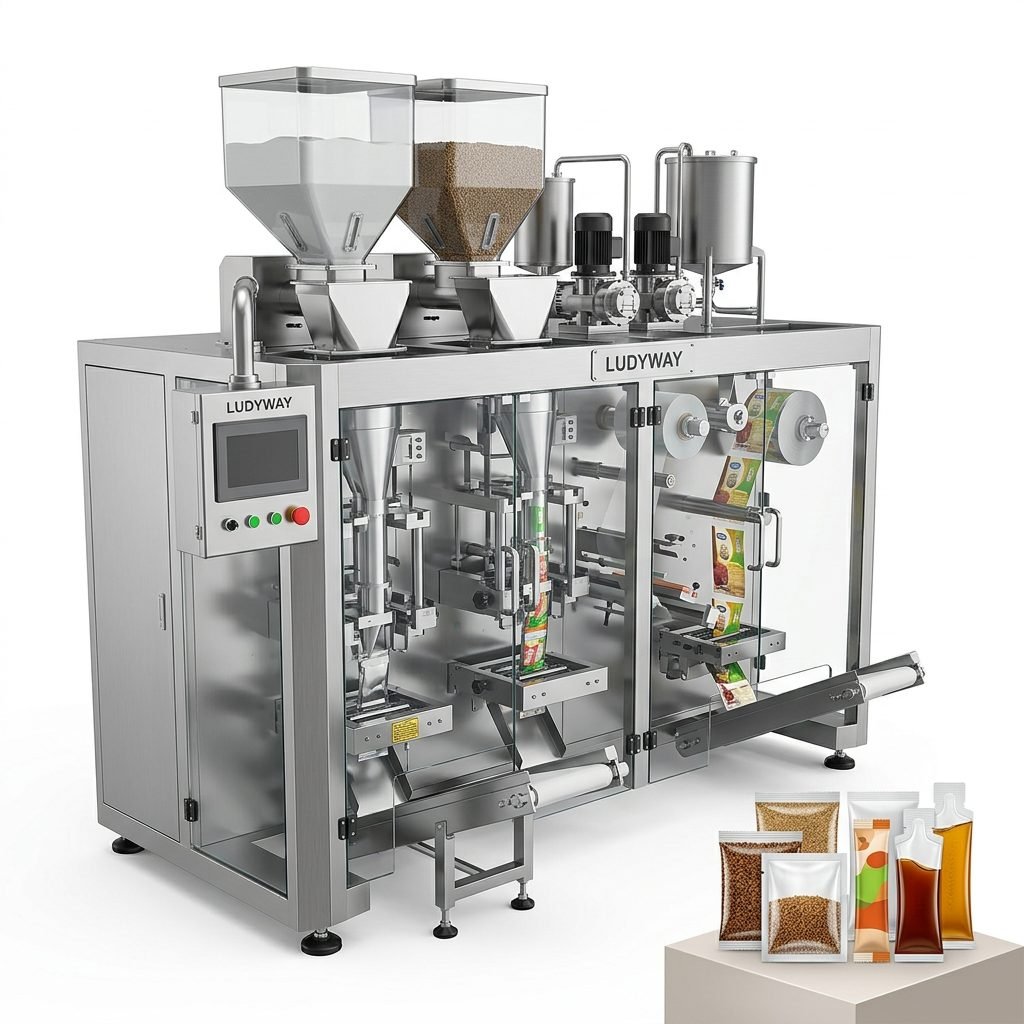
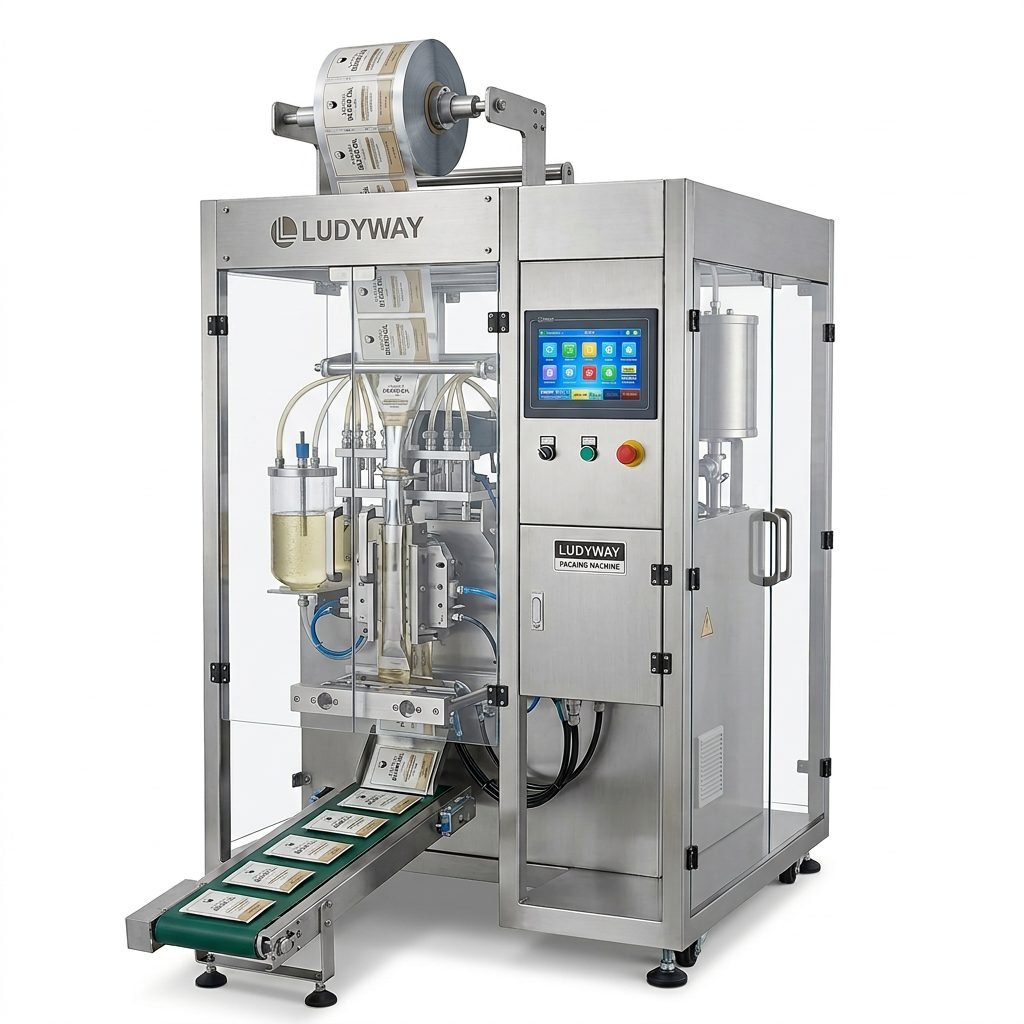
Investing in a commercial packing machine is a significant decision that directly affects your production efficiency, product quality, and long-term operational costs. Whether you are packaging powders, granules, liquids, or solid products, selecting the right equipment requires a clear understanding of your current needs and future growth plans. This guide walks you through the essential factors to consider, helping you make an informed purchasing decision backed by industry knowledge and practical insights.
Understanding Your Packaging Requirements
Before evaluating specific machines, you need to define your packaging requirements in detail. Start by analyzing the physical characteristics of your product. Is it a free-flowing powder, a sticky paste, a fragile granule, or a low-viscosity liquid? Each material behaves differently during filling and sealing, and the machine must be configured accordingly. Particle size, bulk density, moisture content, and flowability all influence the choice of dosing system, hopper design, and sealing parameters.
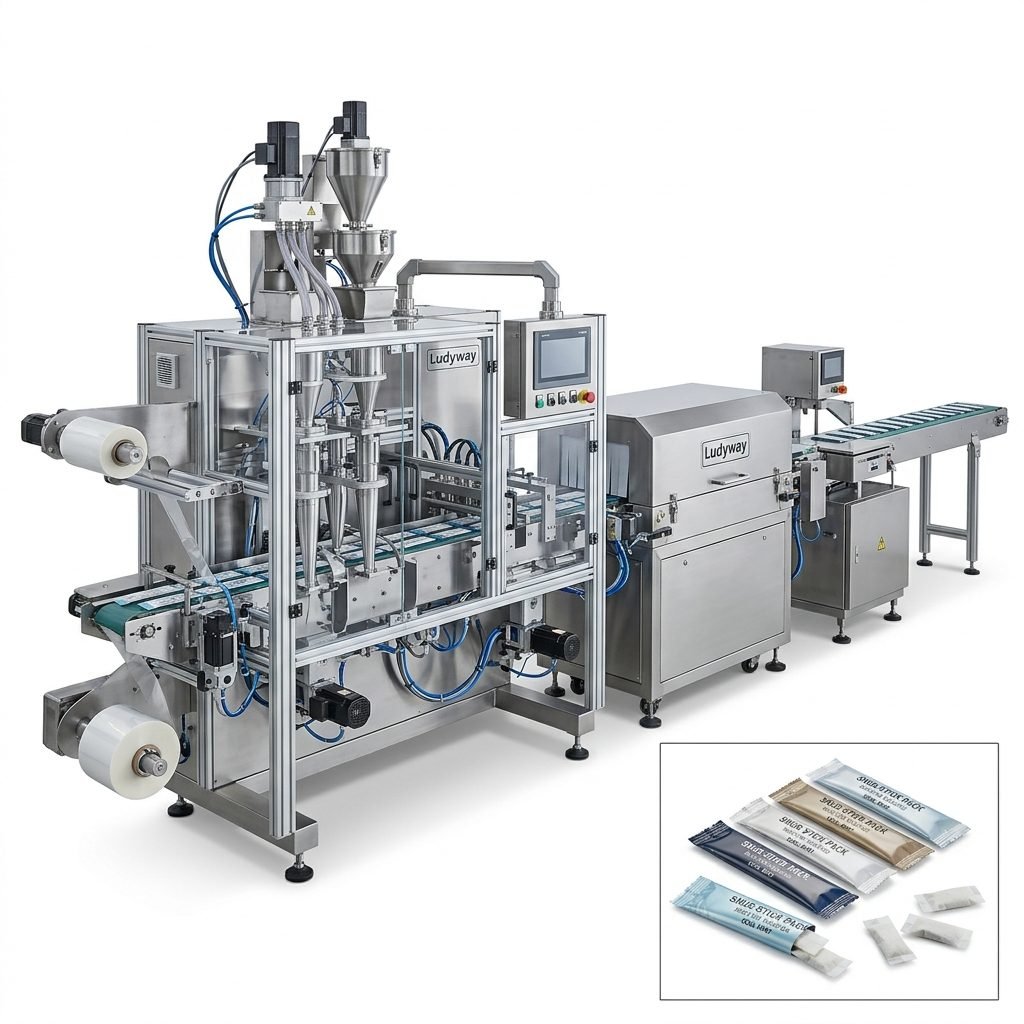
Next, consider your target packaging format. The industry offers diverse options, including stick packs, sachets, pouches, bottles, and bulk bags. Your choice should align with consumer preferences, retail requirements, and product protection needs. For example, single-serve stick packs are increasingly popular in the food and pharmaceutical sectors due to their portability and precise portion control. Understanding flexible packaging formats helps you evaluate which format best suits your market.

Types of Commercial Packing Machines
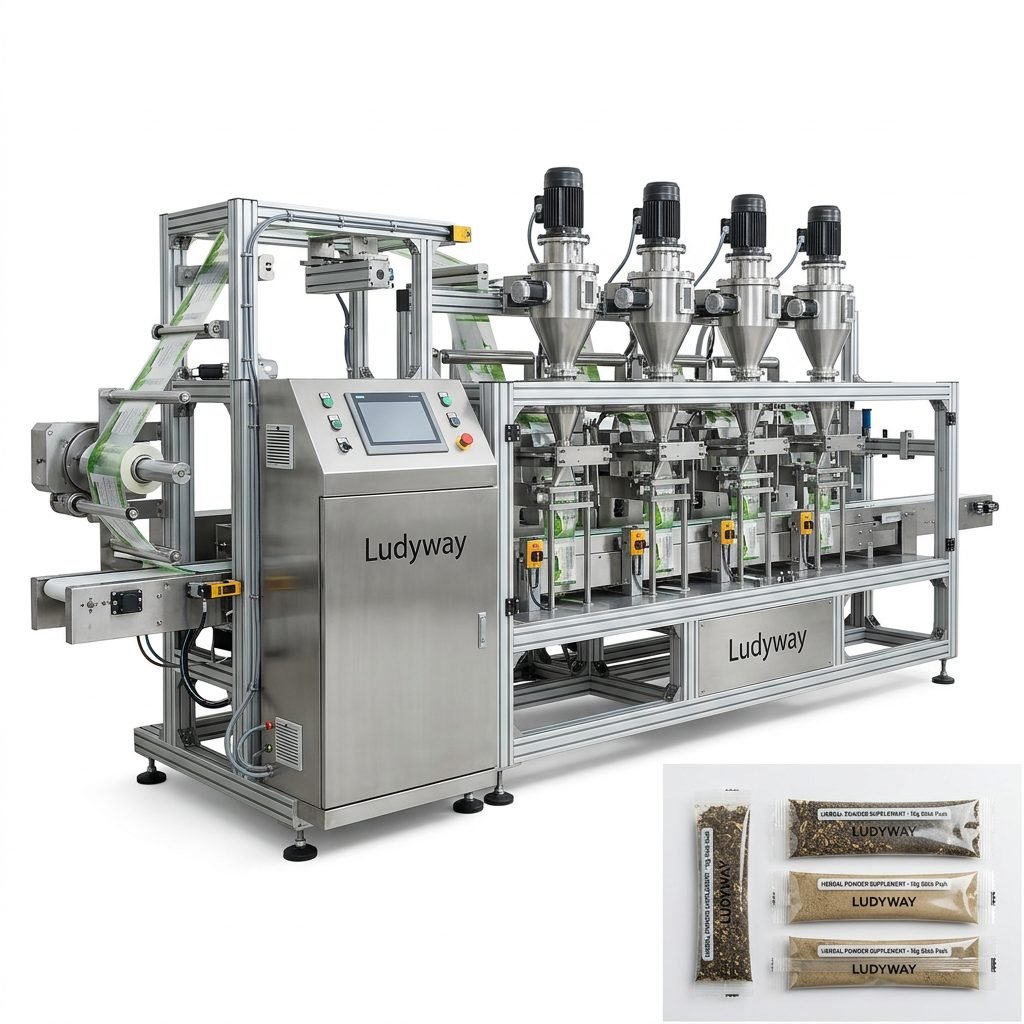
Commercial packing machines come in various configurations, each designed for specific applications. The following table outlines the main categories and their typical use cases:
| Machine Type | Best Suited For | Key Advantage |
|---|---|---|
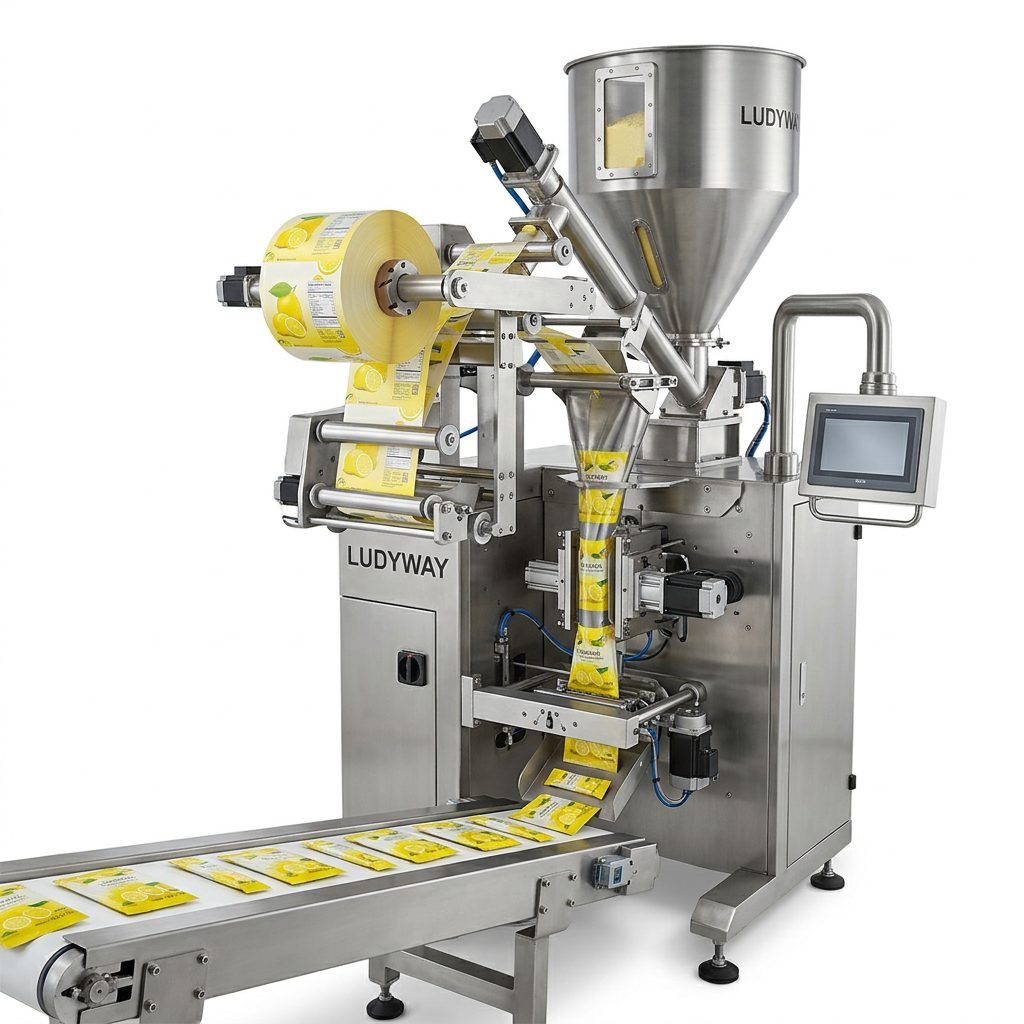
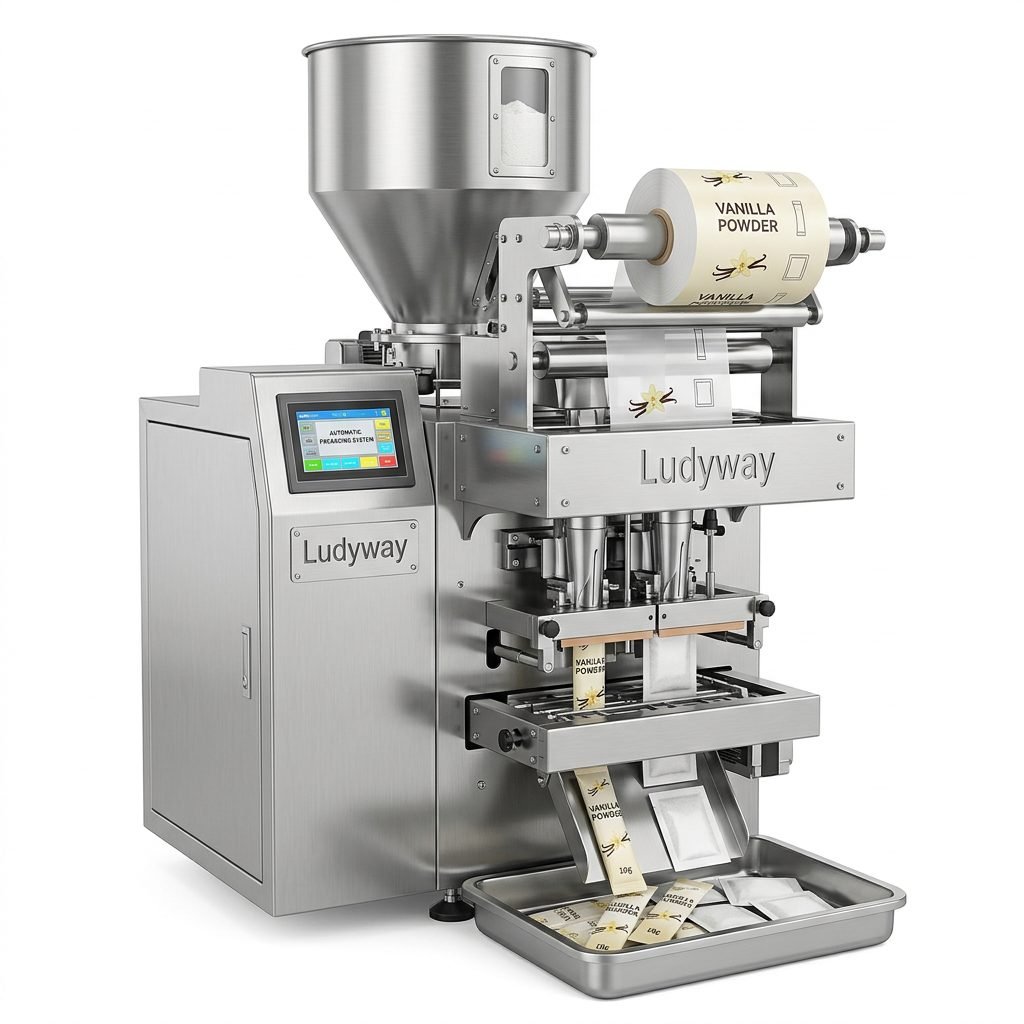
| Vertical Form Fill Seal (VFFS) | Powders, granules, snacks | High-speed continuous operation |
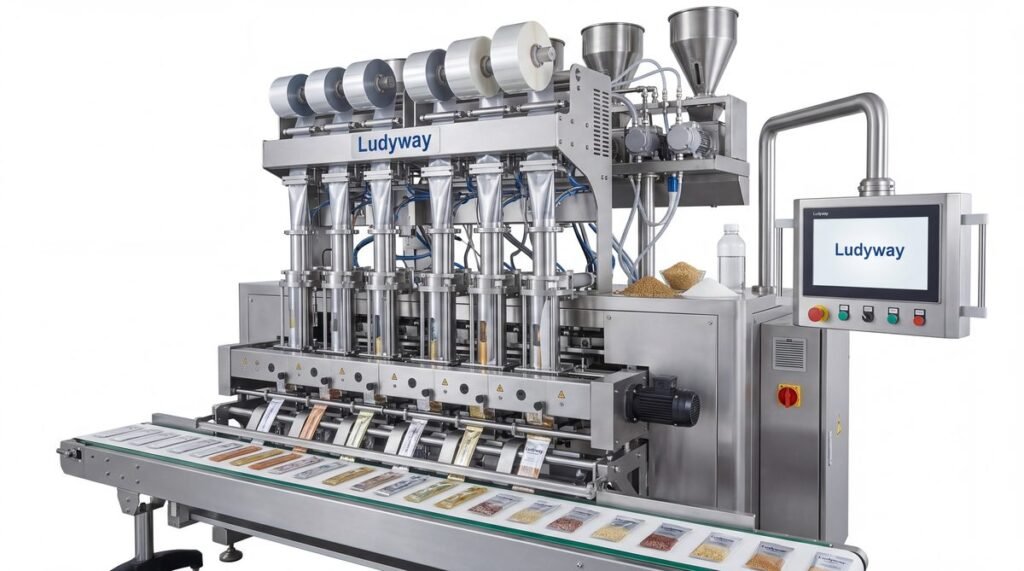
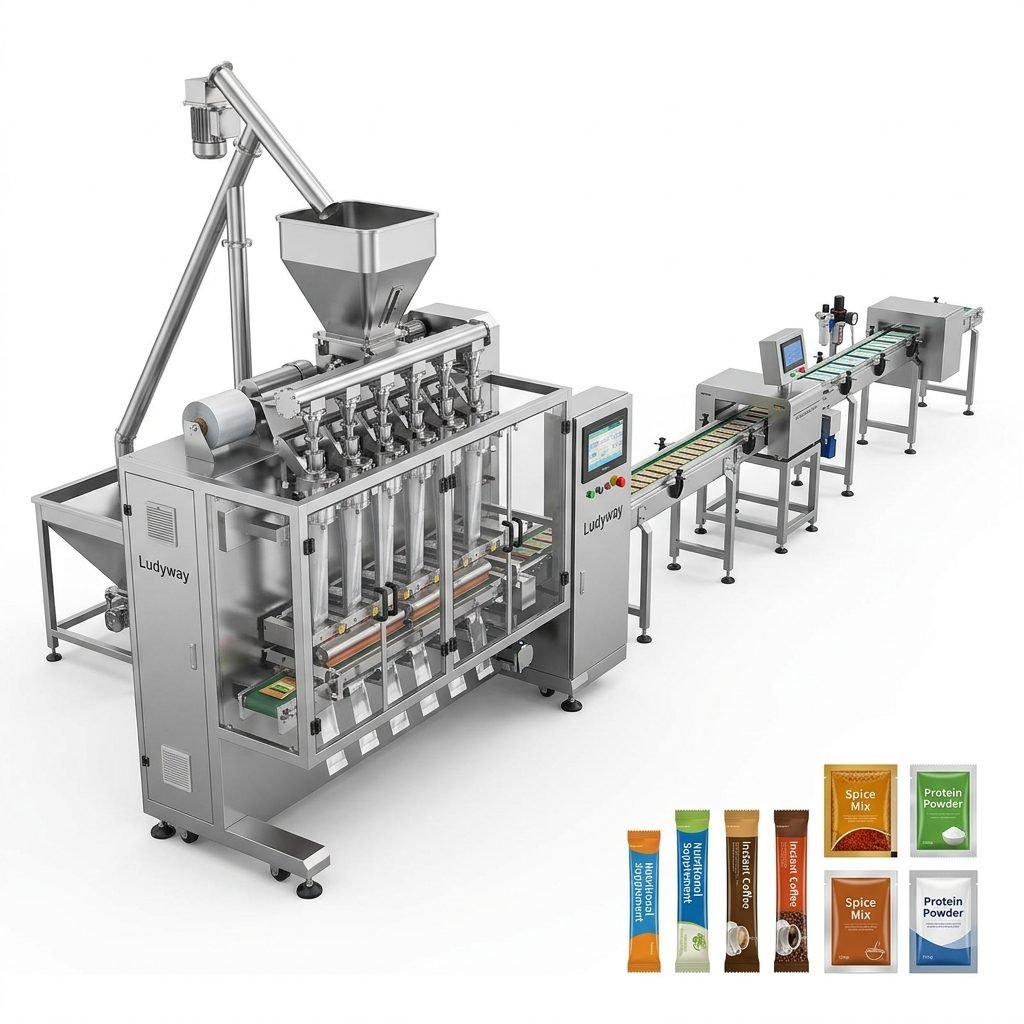
| Multi-Lane Stick Pack | Single-serve portions, supplements | Maximum output per cycle |
| Pre-Made Pouch Fill & Seal | Liquids, sauces, premium products | Versatile pouch styles and sizes |
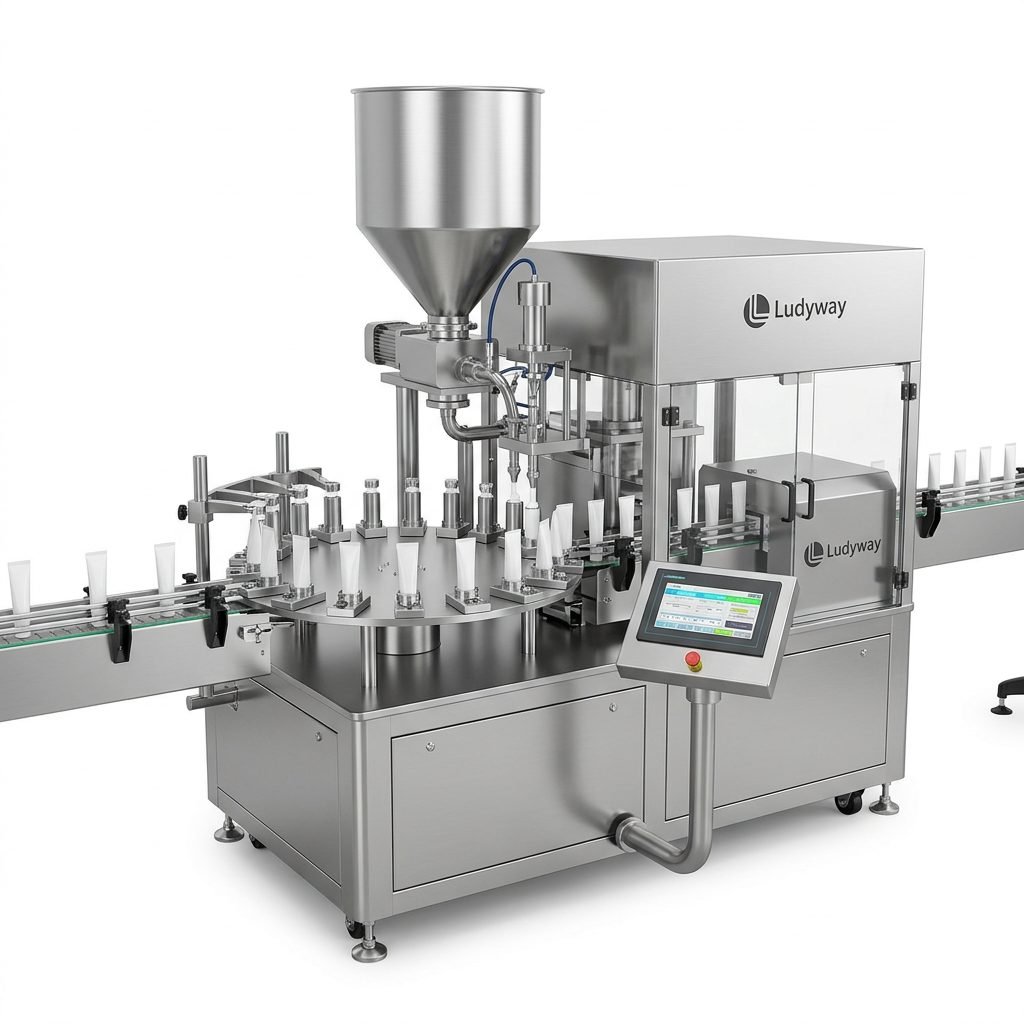
| Liquid Filling Machines | Beverages, oils, chemicals | Precise volumetric dosing |
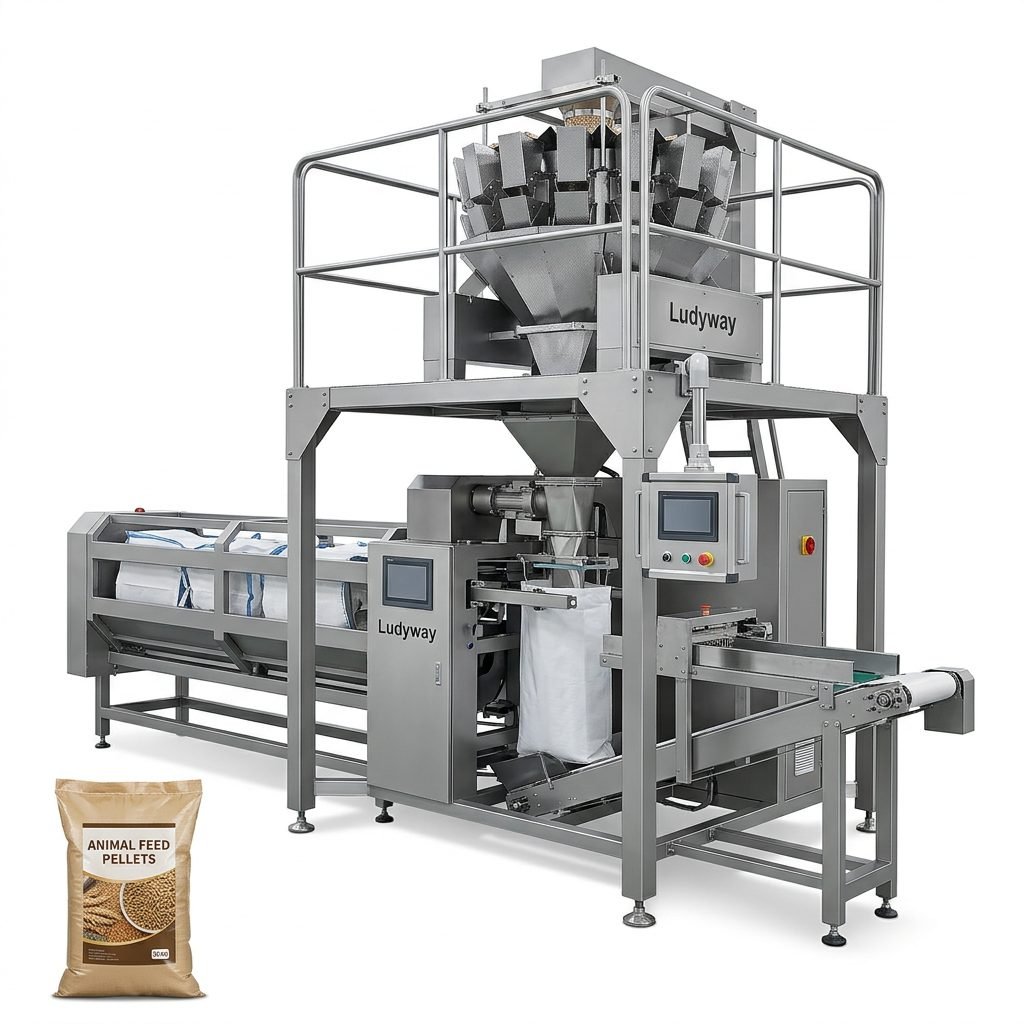
| Bulk Bagging Systems | Industrial materials, large volumes | High-capacity weighing and filling |
Each machine type offers distinct advantages depending on your production speed, packaging material, and filling accuracy requirements. Understanding these differences is essential when comparing equipment from different manufacturers. For deeper insights into packaging machinery trends, the packaging industry standards published by PMMI provide valuable market data and technology forecasts.
Key Factors to Evaluate When Choosing a Machine
Once you have identified the machine type, evaluate these critical factors to ensure the equipment meets your operational needs:
- Production Capacity: Determine your required output in units per minute or hour. A machine operating at 80% of its maximum rated speed generally delivers better long-term reliability than one running constantly at full capacity.
- Filling Accuracy: Precision dosing minimizes product giveaway and ensures regulatory compliance. This is especially important in regulated industries where fill weights are legally mandated.
- Changeover Flexibility: If you produce multiple products or packaging formats, quick-changeover features reduce downtime between production runs. Look for tool-less adjustments and recipe-based control systems.
- Material Compatibility: The machine must handle your chosen packaging films, laminates, or pre-made pouches without excessive waste or seal failures. Test runs with your actual materials are strongly recommended.
- Automation Level: Modern machines can integrate automatic feeding, weighing, filling, sealing, coding, inspection, and cartoning. Higher automation reduces labor costs and improves consistency.
- Compliance and Certifications: Depending on your market, the machine may need to meet ISO packaging standards, CE marking requirements, or FDA food-contact material regulations.
Industry-Specific Considerations
Different industries impose unique demands on packaging equipment. Food and beverage producers prioritize hygiene, washdown capability, and compatibility with food-grade materials. Pharmaceutical manufacturers require strict adherence to GMP guidelines, traceability, and tamper-evident sealing. Chemical companies need corrosion-resistant components and explosion-proof configurations for volatile substances.
In the cosmetics and personal care sector, aesthetic packaging quality and the ability to handle diverse product consistencies—from thin serums to thick creams—are paramount. Meanwhile, nutraceutical and supplement brands often require multi-lane stick pack systems that can package precise doses of powders or granules at high speeds while maintaining product integrity. Each industry’s unique demands should guide your equipment specifications. Staying informed about state of the industry reports can help you anticipate sector-specific trends.
Custom vs. Standard Solutions
Many manufacturers face a choice between standard machine models and custom-engineered solutions. Standard machines offer proven reliability, faster delivery, and lower upfront costs. They work well for common applications with straightforward requirements. However, if your product has unusual flow characteristics, you need non-standard bag sizes, or your factory layout demands a specific machine footprint, a customized approach may deliver better results.
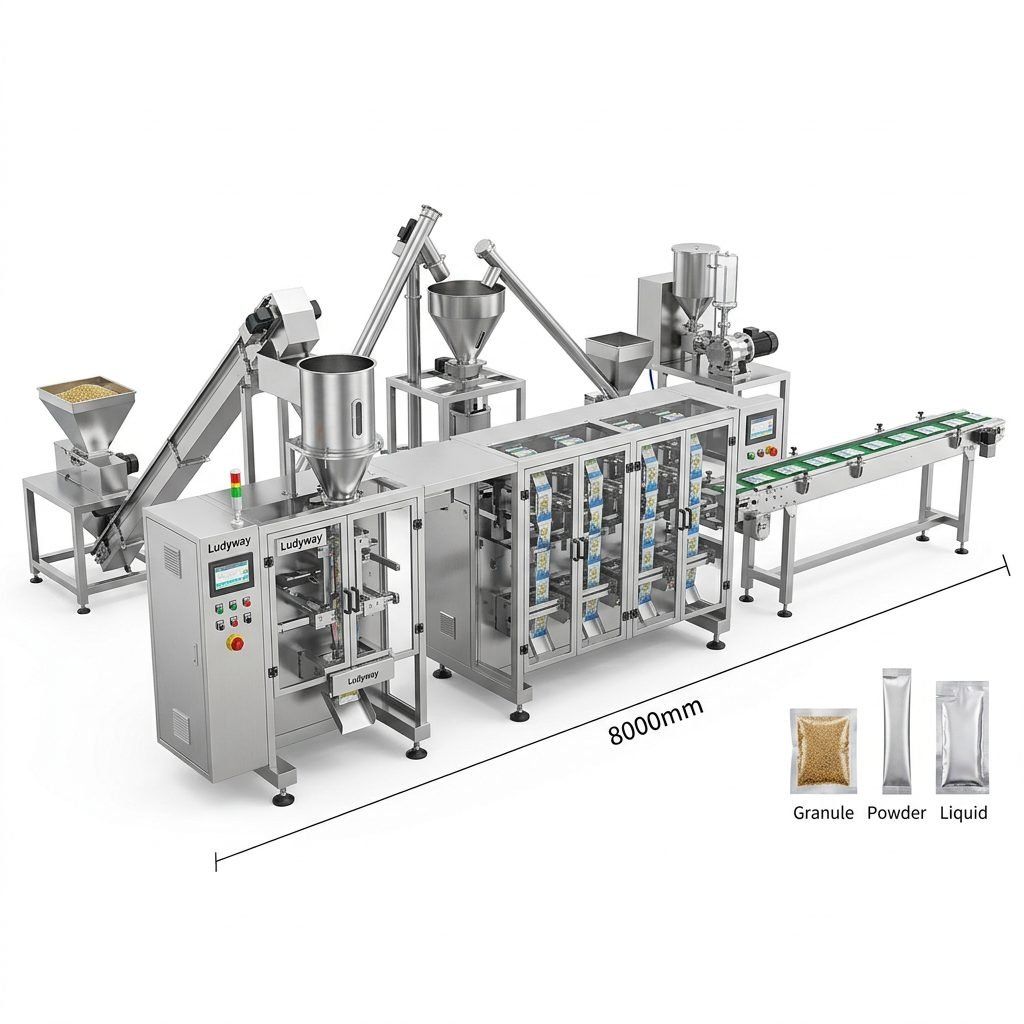
Customization can range from minor modifications—such as specialized filling nozzles or additional coding stations—to complete turnkey packaging line design. The key is to work with a supplier that has the engineering depth to evaluate your needs objectively and recommend the most cost-effective approach. A customized solution should never mean compromising on regulatory requirements or machine safety standards.
Working with a Reliable Packaging Machinery Partner
Choosing the right machine is only part of the equation. The long-term success of your packaging operation depends heavily on the manufacturer you select as your equipment partner. Evaluate potential suppliers based on their industry experience, engineering capabilities, after-sales support, and global service network. A manufacturer with decades of experience and a track record of serving international markets can provide valuable guidance throughout the equipment lifecycle—from initial consultation and machine configuration to installation, commissioning, operator training, and ongoing technical support.
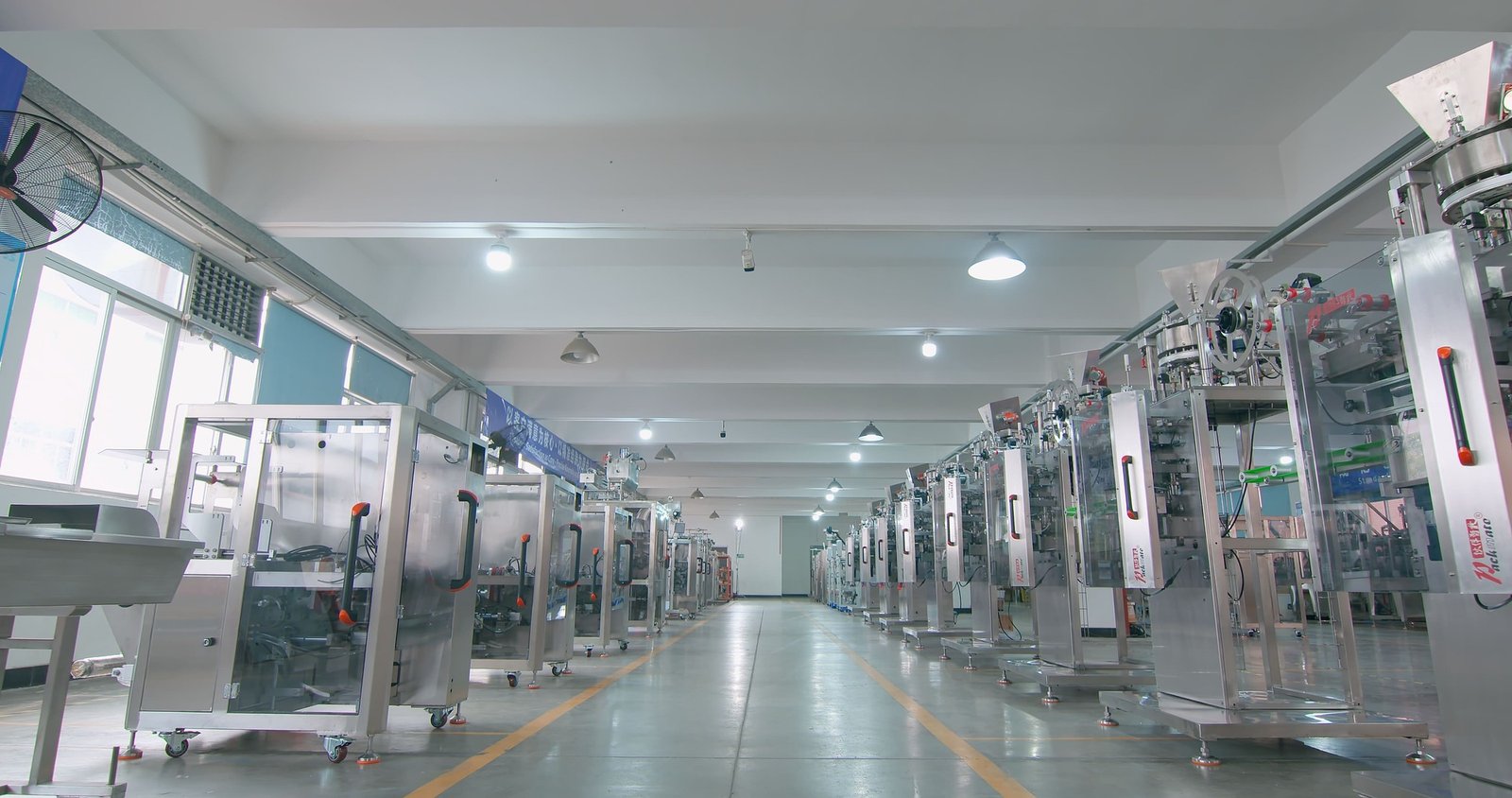
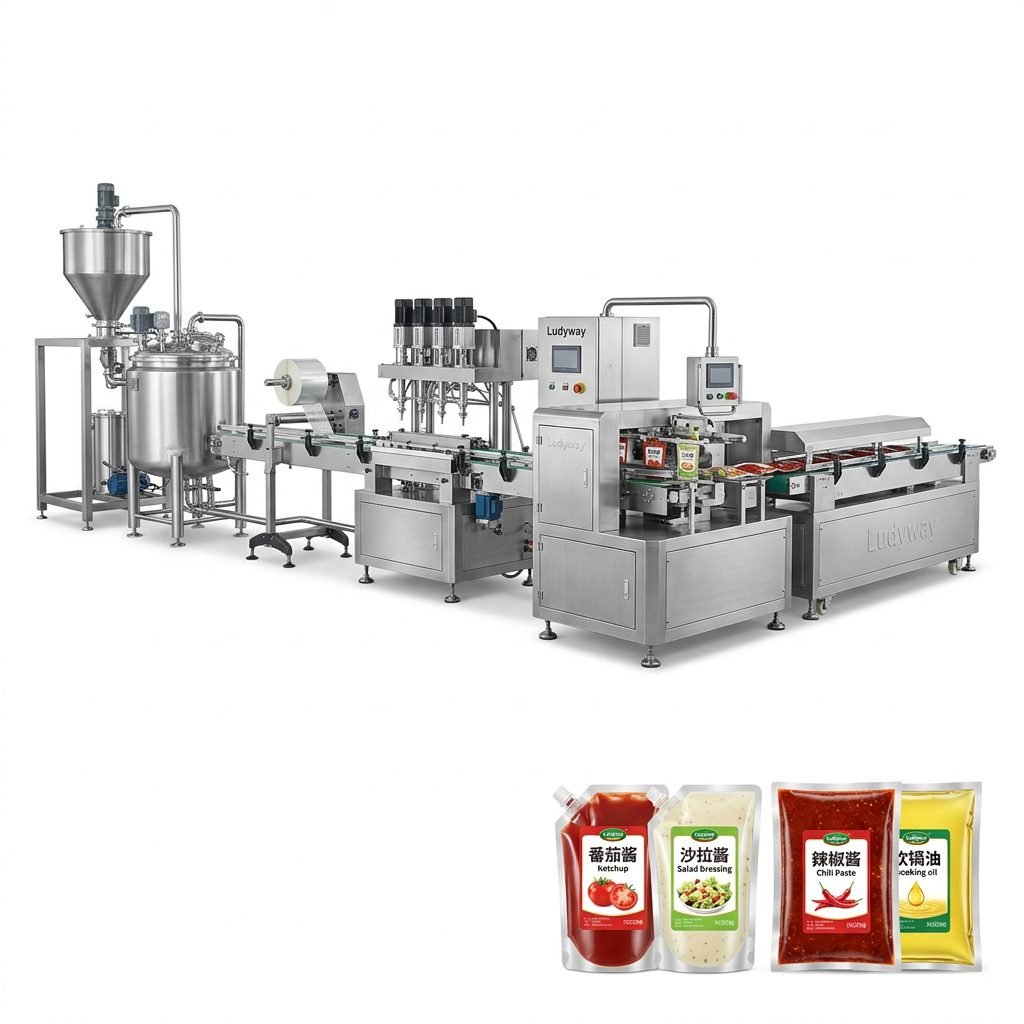
One example is Ludyway Machinery, a China-based packaging machinery manufacturer with over 30 years of industry experience. The company provides a comprehensive range of automatic packaging equipment and turnkey packaging solutions for industries including food and beverage, pharmaceuticals, cosmetics, chemicals, and animal feed. With a 20,000-square-meter manufacturing facility, more than 130 professionals, and over 50 packaging machine models, Ludyway combines manufacturing expertise with engineering and automation capabilities to help customers improve packaging efficiency and production consistency. Its equipment can be configured for different production speeds, filling volumes, packaging materials, and bag formats, and the company serves customers in more than 100 countries and regions.
Evaluating After-Sales Support and Service
Before finalizing your purchase, assess the after-sales support infrastructure of the manufacturer. Key questions to ask include:
- Is remote technical assistance available for troubleshooting and operational guidance?
- What is the typical response time for spare parts delivery in your region?
- Does the supplier offer on-site installation, commissioning, and operator training?
- Are comprehensive machine documentation and maintenance manuals provided?
- Can the manufacturer support future upgrades or production line expansion?
Strong after-sales support ensures that your packaging line maintains high uptime and consistent output over its operational life. A manufacturer committed to long-term partnerships will invest in service infrastructure and spare parts availability.
Conclusion
Selecting the right commercial packing machine requires a systematic evaluation of your product characteristics, packaging format, production capacity, automation needs, and industry-specific compliance requirements. By understanding the different machine types available, assessing key technical factors, and partnering with an experienced packaging machinery manufacturer that offers strong engineering and after-sales support, you can build a packaging operation that is efficient, scalable, and aligned with your business goals. Take the time to test your products on prospective equipment, visit manufacturing facilities when possible, and engage in detailed technical discussions with suppliers before making your final decision.