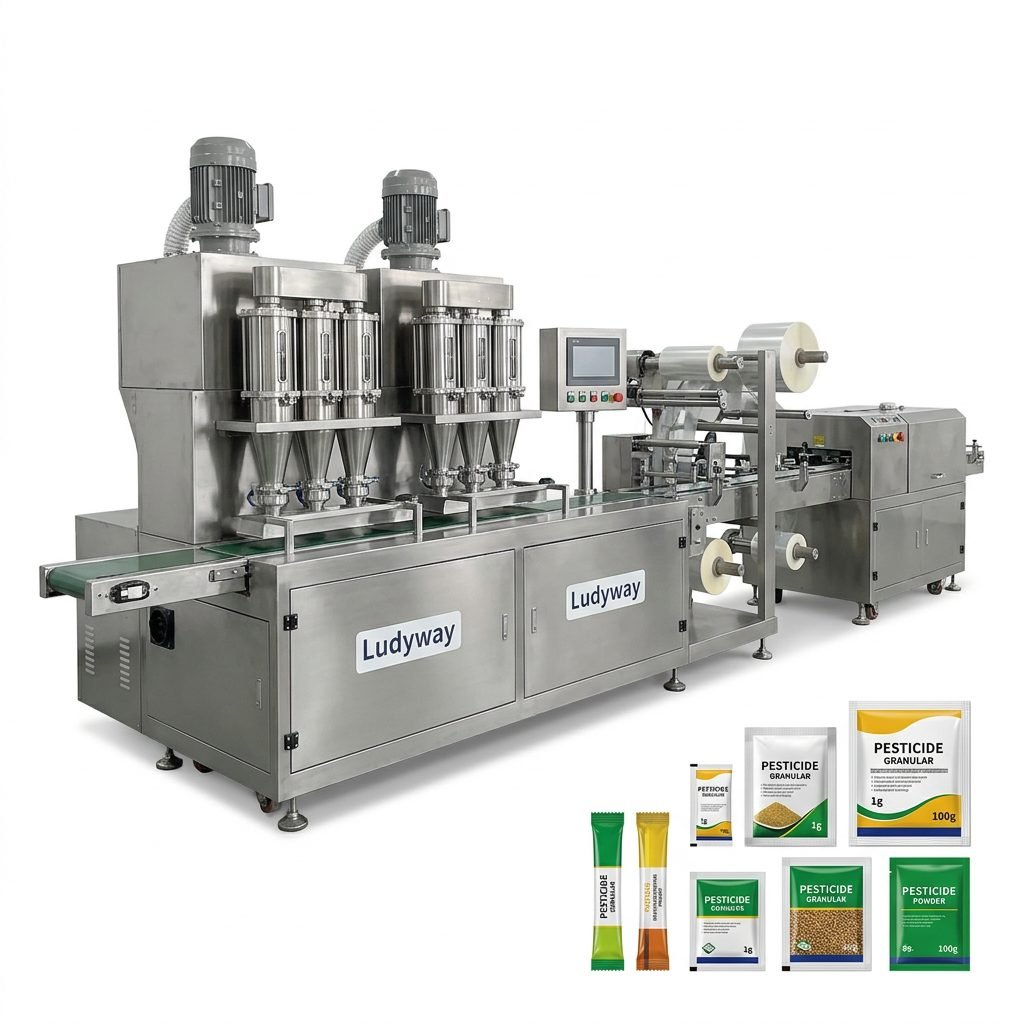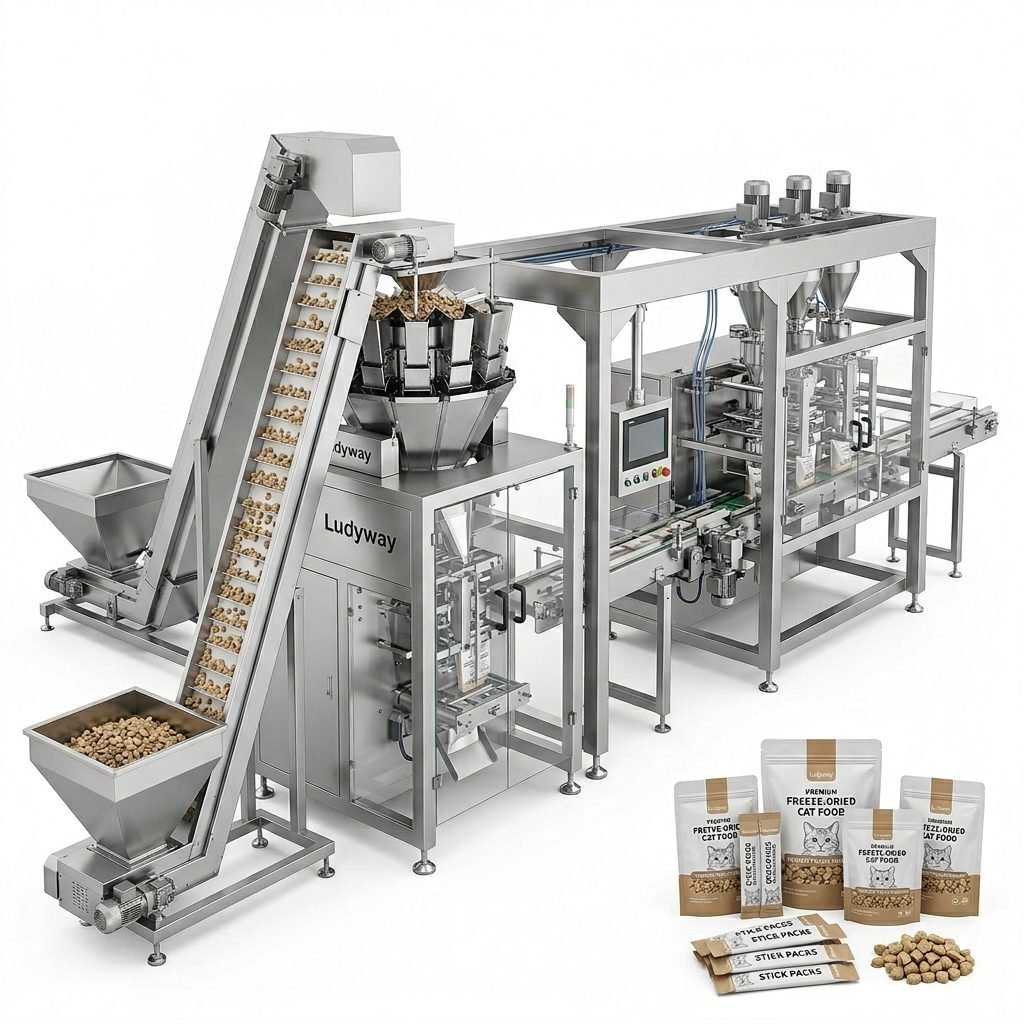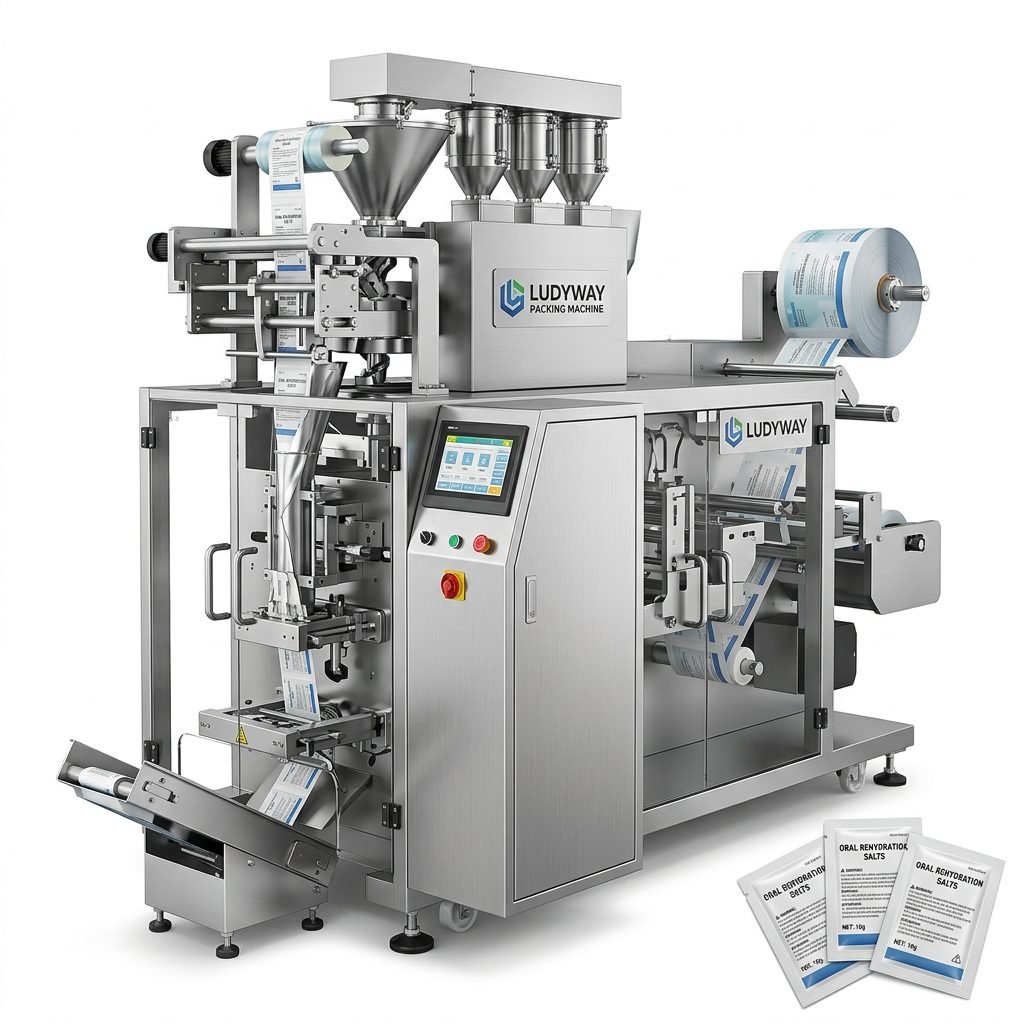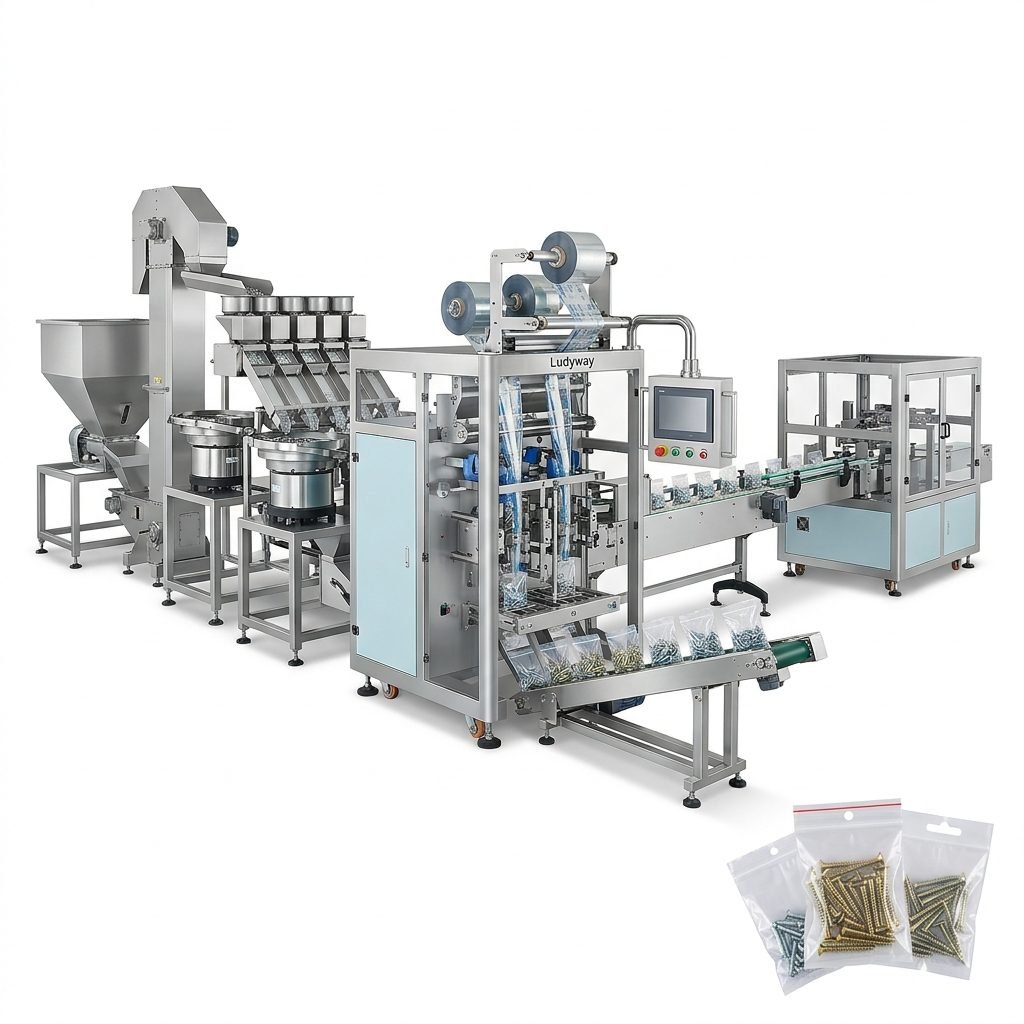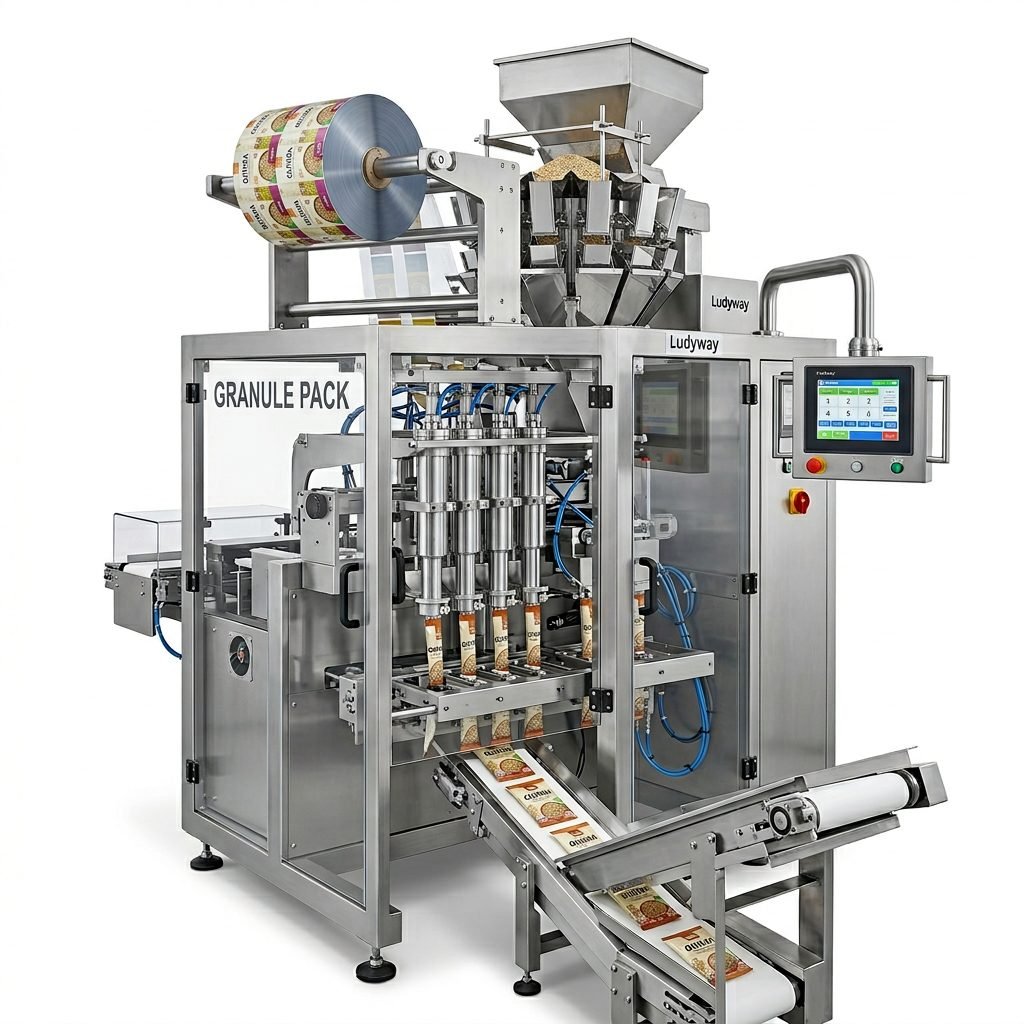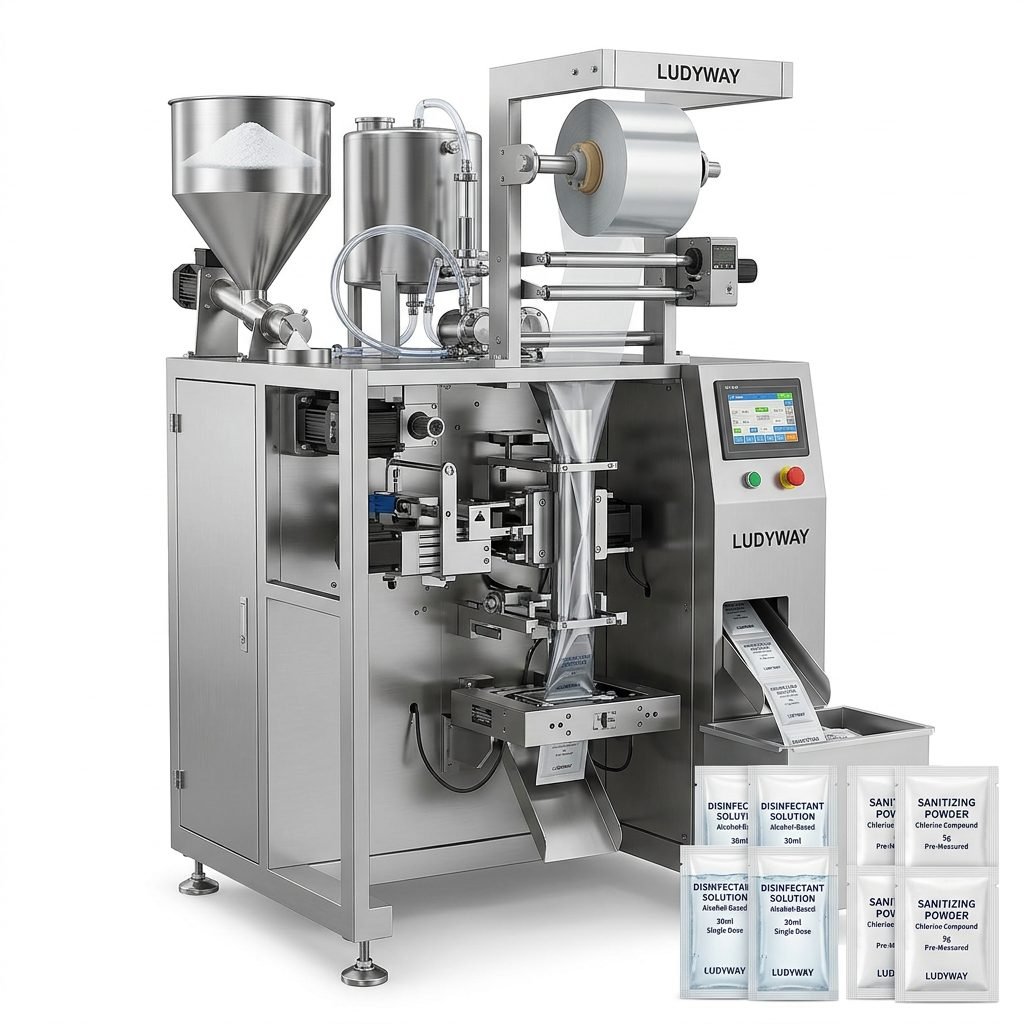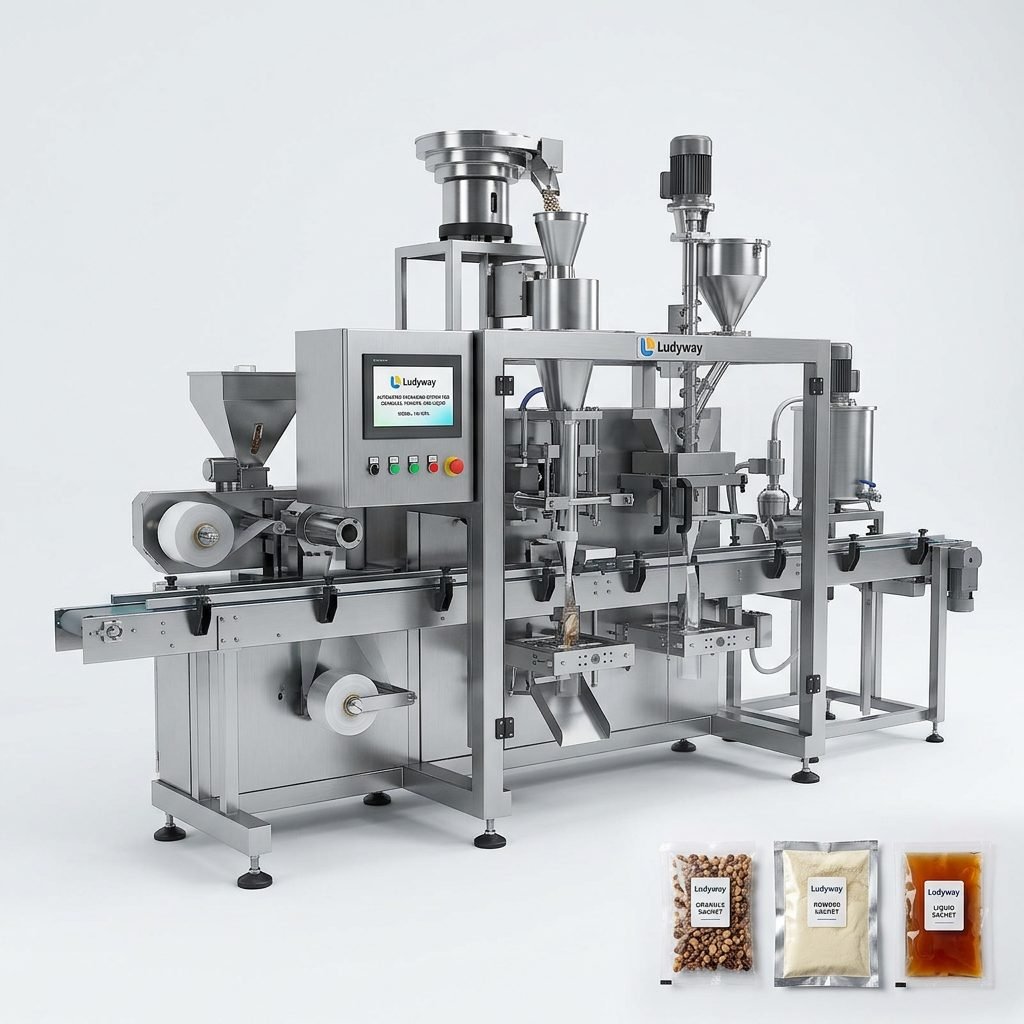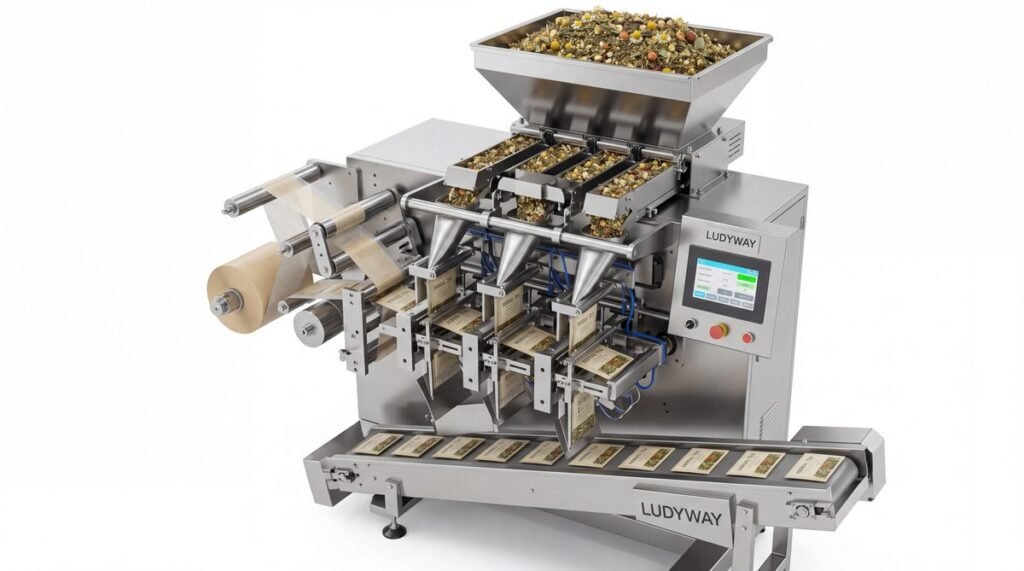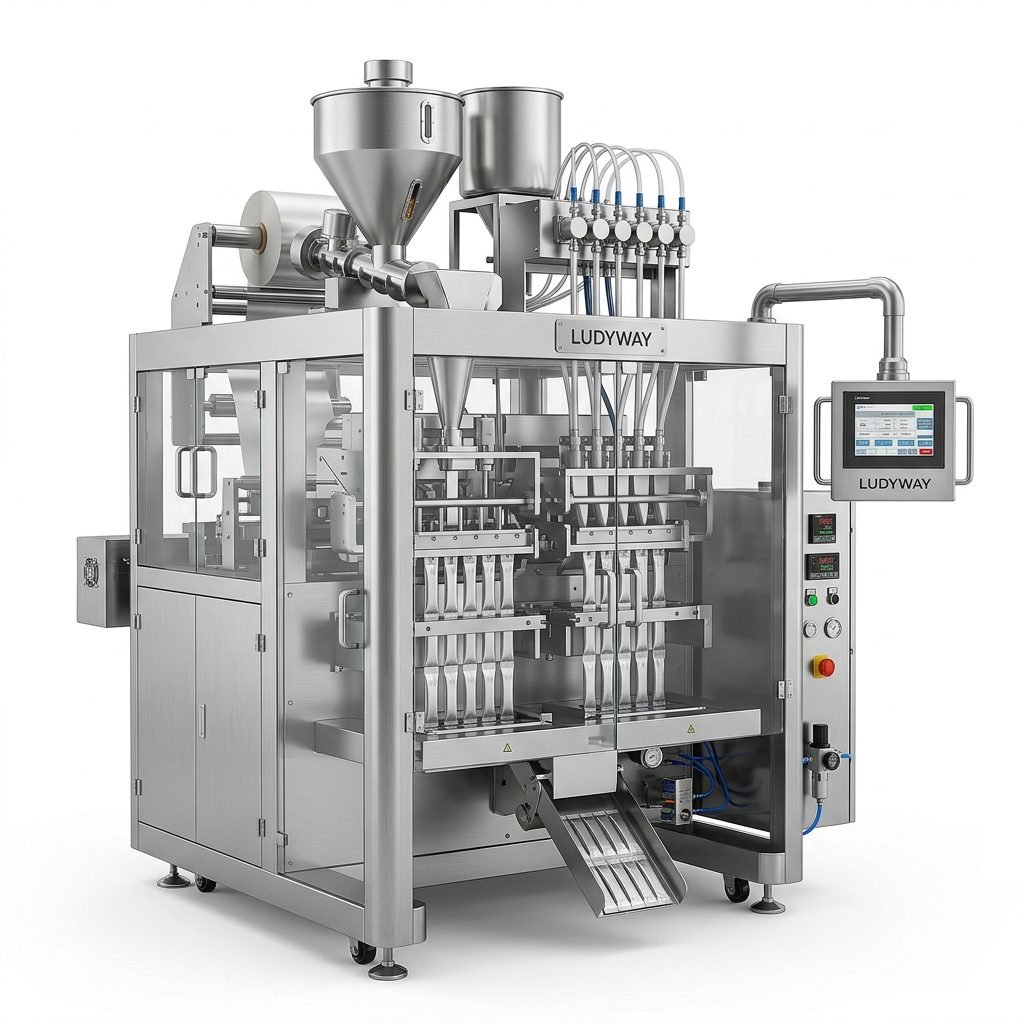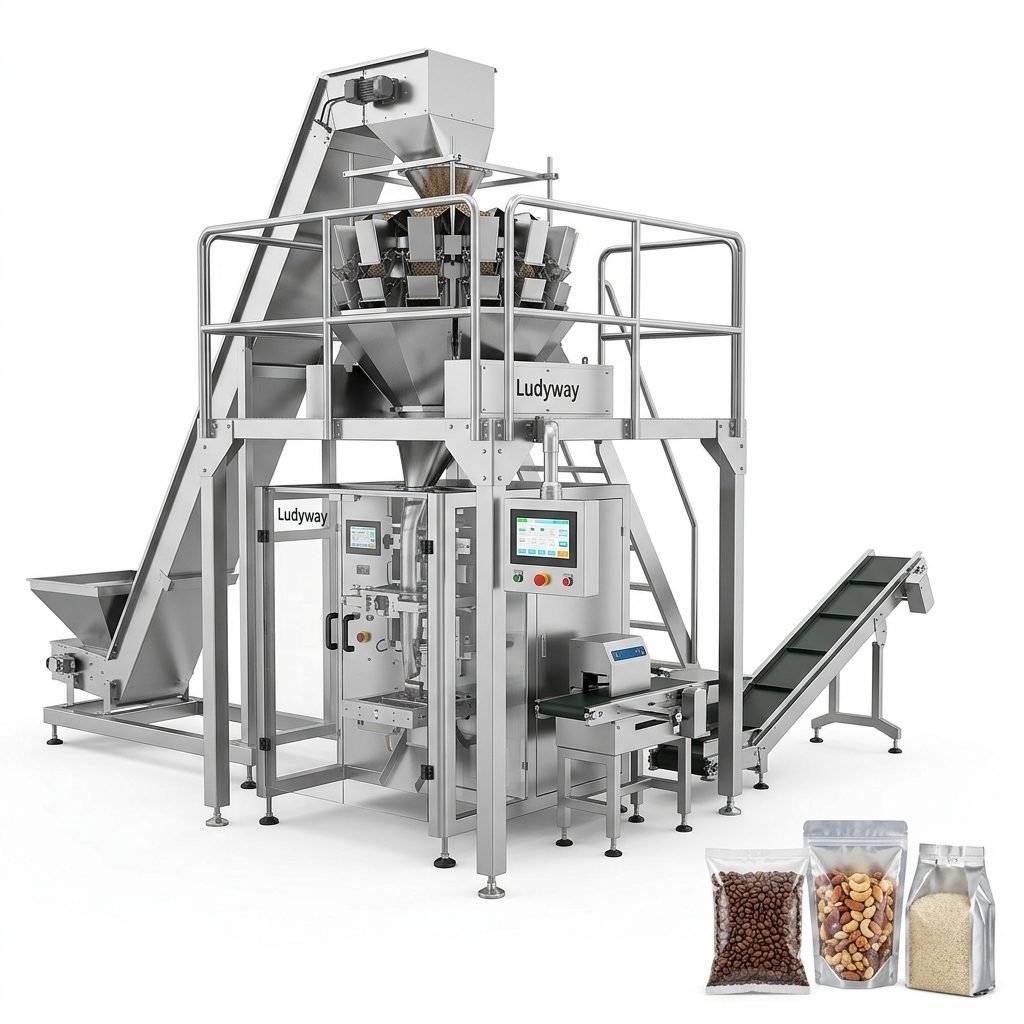
Selecting the right Haver packing machine is a critical decision that directly impacts your production efficiency, product quality, and long-term operational costs. Whether you are packaging powder, granules, or bulk solids, understanding the key specifications and matching them to your application requirements is essential. This comprehensive buyer’s guide walks you through every factor you need to evaluate before making your investment.
Understanding Haver Packing Machine Types
Haver & Boecker offers a diverse portfolio of packing machines, each designed for specific material characteristics and production environments. The most common configurations include valve bag fillers, Form Fill Seal (FFS) systems, and bulk bag filling stations. Knowing which type aligns with your operational goals is the first step in the selection process.
- Valve Bag Fillers – Ideal for cement, mortar, and fine powders; offer high-speed filling with precise weight control
- FFS Tubular Bagging Systems – Fully automated packaging from roll stock; suitable for granular products and pelletized materials
- Bulk Bag Fillers – Designed for large-volume packaging in FIBC (big bag) formats
- Open-Mouth Baggers – Versatile solutions for irregular or mixed-size granular products
Key Factors to Evaluate Before Purchasing
1. Material Characteristics and Flow Properties
Your product’s physical properties are the most important variables in selecting a Haver packing machine. Fine powders with poor flowability require different filling technology compared to free-flowing granules. Consider the following material attributes:
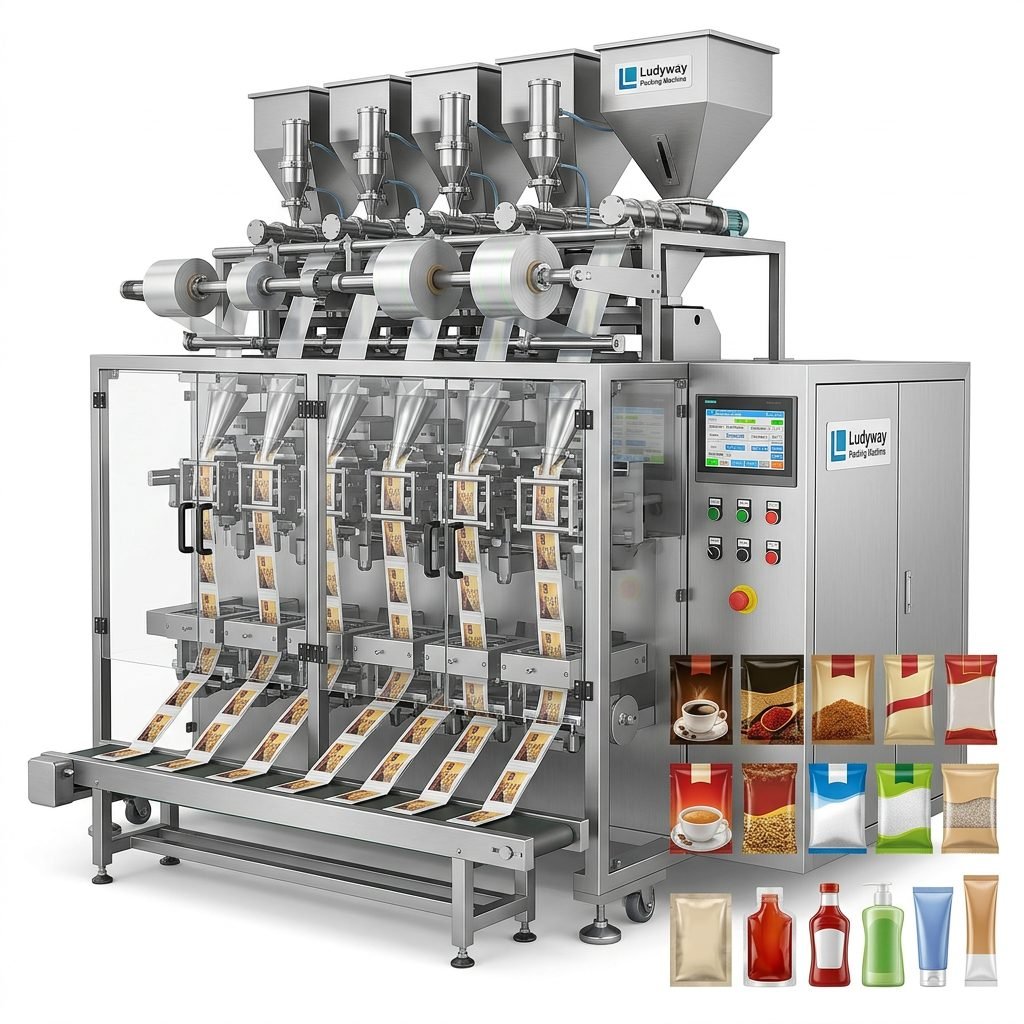
- Particle size distribution – Determines the appropriate filling nozzle and dosing mechanism
- Bulk density – Affects bag size selection and filling speed calculations
- Moisture content – Influences material sticking and bridging behavior during filling
- Aeration properties – Critical for fine powders requiring deaeration during the packing process
- Abrasive nature – Impacts wear-resistant component selection and maintenance intervals
2. Production Capacity Requirements
Matching machine throughput to your production targets is essential. Haver packing machines range from semi-automatic systems producing 100-200 bags per hour to fully automated lines capable of exceeding 2,400 bags per hour. When calculating required capacity, account for:
- Current production volumes and peak demand fluctuations
- Shift patterns and available operating hours
- Future growth projections over a 3-5 year horizon
- Changeover time between different bag sizes or product types
| Machine Type | Typical Output (bags/hour) | Best Suited For | Automation Level |
|---|---|---|---|
| Valve Bag Filler (Single Spout) | 200 – 400 | Fine powders, cement, mortar | Semi-automatic |
| Rotary Valve Bag Filler | 600 – 2,400+ | High-volume powder operations | Fully automatic |
| FFS Tubular Bagging System | 800 – 2,200 | Granules, pellets, pet food | Fully automatic |
| Bulk Bag Filling Station | 10 – 30 | FIBC, large-volume industrial products | Manual to automatic |
3. Bag Specifications and Packaging Format
The type of bag you intend to use significantly influences machine selection. Haver packing machines can be configured for various bag formats including valve bags, open-mouth bags, FFS tubular film, and FIBC bulk bags. Key bag specifications to define include:
- Bag dimensions and weight capacity (from 1 kg to 50 kg or more)
- Valve type and size for valve bag applications
- Bag material compatibility (paper, woven PP, PE film, laminated structures)
- Closure requirements (heat sealing, sewing, ultrasonic sealing, adhesive)
4. Weighing Accuracy and Filling Technology
Weighing precision directly affects product giveaway and profitability. Modern Haver packing systems employ advanced electronic weighing technology with accuracy levels typically ranging from ±0.2% to ±0.5% depending on the product. Consider these filling technologies:
- Impeller filling – Best for fine, aerated powders requiring compaction
- Auger filling – Provides precise volumetric dosing for consistent-density powders
- Gravity filling – Cost-effective solution for free-flowing granular products
- Net weighing systems – Deliver the highest accuracy for high-value products
- Gross weighing systems – Suitable for less expensive bulk commodities
5. Dust Control and Environmental Compliance
Effective dust management is critical for operator safety, regulatory compliance, and product loss prevention. Haver packing machines incorporate various dust control technologies including integrated dust extraction systems, inflatable bag-top seals, and enclosed filling zones. When evaluating dust control, consider applicable environmental regulations and workplace safety standards in your region.
Evaluating Total Cost of Ownership
Initial Investment vs. Long-Term Value
While the purchase price is an obvious consideration, total cost of ownership (TCO) provides a more accurate picture of your investment. A higher-quality Haver packing machine with superior build quality and automation features often delivers lower TCO over a 10-15 year service life. Evaluate the following cost factors:
- Energy consumption and efficiency ratings
- Spare parts availability and cost
- Expected maintenance intervals and labor requirements
- Operator training requirements
- Product giveaway reduction through improved weighing accuracy
- Downtime costs associated with lower-quality equipment
Automation and Labor Considerations
Automation level directly impacts your operational workforce requirements. Fully automatic Haver packing lines with robotic bag placement and palletizing can reduce manual labor by up to 80% compared to semi-automatic systems. When evaluating automation, assess the industry benchmarks for ROI on automated packaging investments in your sector.
Supplier Evaluation and Technical Support
Choosing the right equipment partner extends beyond the machine specifications. The quality of technical support, engineering expertise, and after-sales service significantly impact your long-term satisfaction. Key supplier evaluation criteria include:
- Engineering capabilities for customized solutions tailored to your product
- Installation, commissioning, and operator training services
- Spare parts inventory and lead times for critical components
- Remote technical assistance and on-site service availability
- Experience serving your specific industry and application
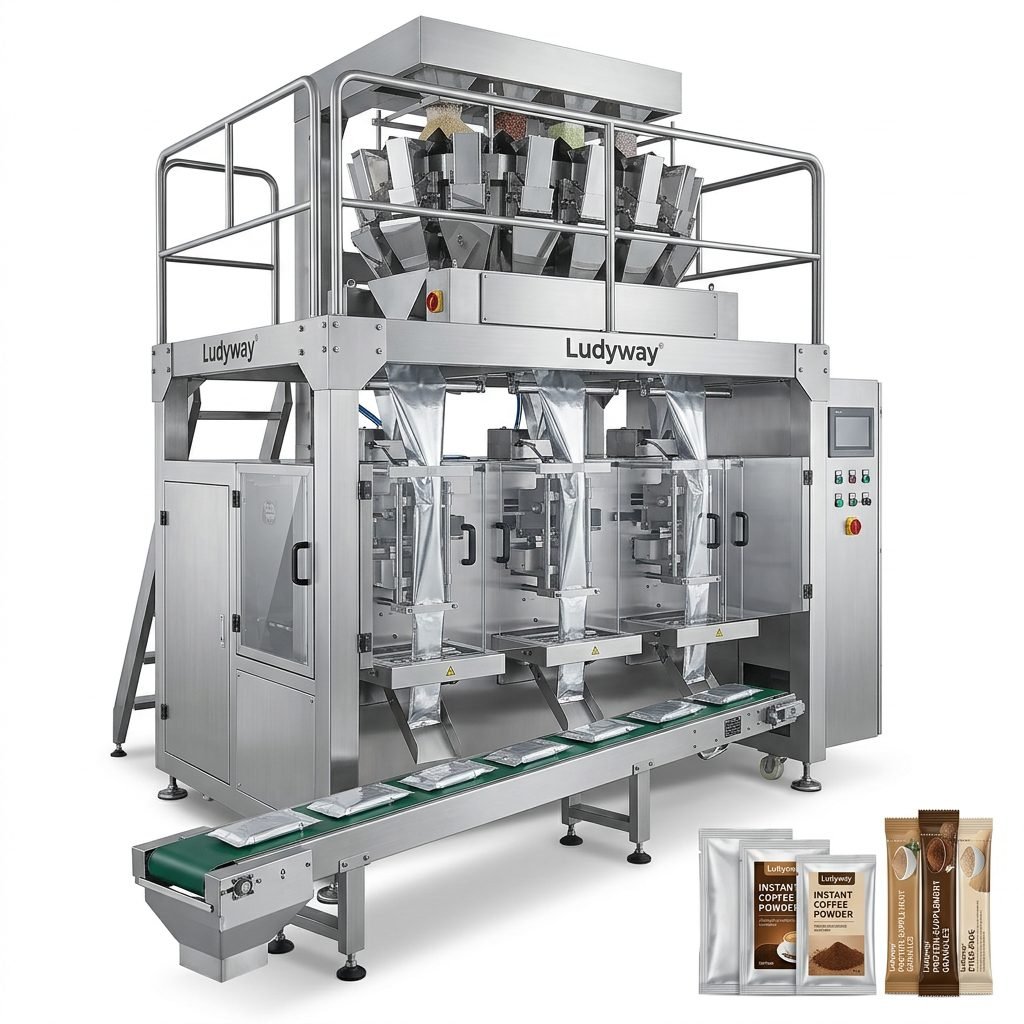
For manufacturers exploring turnkey packaging solutions, companies like Ludyway Machinery offer integrated packaging lines that combine filling, sealing, coding, inspection, and palletizing into a single coordinated system. According to recent industry growth reports, global demand for automated packaging machinery continues to expand across food, pharmaceutical, and chemical sectors.
Installation Planning and Facility Requirements
Space and Layout Considerations
Proper installation planning ensures smooth integration with your existing production line. A typical Haver packing machine installation requires considerations for material feeding systems, compressed air supply, electrical connections, dust collection ductwork, and bag handling conveyors. Plan for adequate clearance around the machine for maintenance access and operator pathways.
Utility Requirements
| Utility | Typical Requirement | Verification Checklist |
|---|---|---|
| Electrical Power | 380-480 V, 3-phase, 50/60 Hz | Confirm voltage stability and dedicated circuit availability |
| Compressed Air | 6-8 bar, oil-free, dry | Check compressor capacity and air quality treatment |
| Dust Collection | Per machine specification | Ensure CFM capacity and filter efficiency match requirements |
| Material Feeding | Hopper or pneumatic conveying | Verify feed rate and material bridging prevention |
Compliance with Industry Standards
Depending on your industry and target markets, packaging equipment must comply with applicable international standards and regulations. Key standards to consider when selecting a Haver packing machine include ISO packaging standards, FDA requirements for food contact packaging, and regional safety certifications such as CE marking for European markets. Verify that your selected machine configuration can be certified to meet these requirements.
Testing and Validation Before Purchase
Before finalizing your Haver packing machine selection, arrange for product testing using your actual materials. Most reputable manufacturers offer trial runs at their technical centers, allowing you to verify filling accuracy, bag appearance, throughput rates, and dust control performance under real operating conditions. Key aspects to evaluate during testing include:
- Filling accuracy across multiple bag weights and production speeds
- Bag seal integrity and appearance quality
- Dust emission levels during filling and bag transfer
- Ease of cleaning and product changeover procedures
- Control system usability and operator interface design
After-Sales Support and Spare Parts Strategy
Long-term equipment performance depends on responsive after-sales support and a reliable spare parts supply chain. When evaluating suppliers, inquire about recommended spare parts lists, typical lead times for critical components, and the availability of remote diagnostic support. A strong service network can significantly reduce downtime and maintain consistent production output over the machine’s service life.
Key Questions to Ask Your Equipment Supplier
- What is the expected service life of major components under normal operating conditions?
- How quickly can replacement parts be shipped to your facility location?
- Is remote troubleshooting and diagnostic support available for your machine model?
- What operator and maintenance training programs are included with the purchase?
- Are software updates and control system upgrades available over the machine’s lifetime?
Making the Final Decision
Choosing the right Haver packing machine requires balancing technical specifications, production requirements, budget constraints, and long-term operational goals. By systematically evaluating each factor outlined in this guide—from material properties and capacity requirements to dust control and after-sales support—you can make an informed decision that delivers reliable performance and strong ROI for years to come. For additional industry data and packaging machinery market insights, refer to resources from the Flexible Packaging Association and PMMI industry resources.
Taking the time to thoroughly evaluate your options, conduct product trials, and select a supplier with the engineering capabilities and service infrastructure to support your operations will position your business for efficient, reliable packaging operations well into the future.