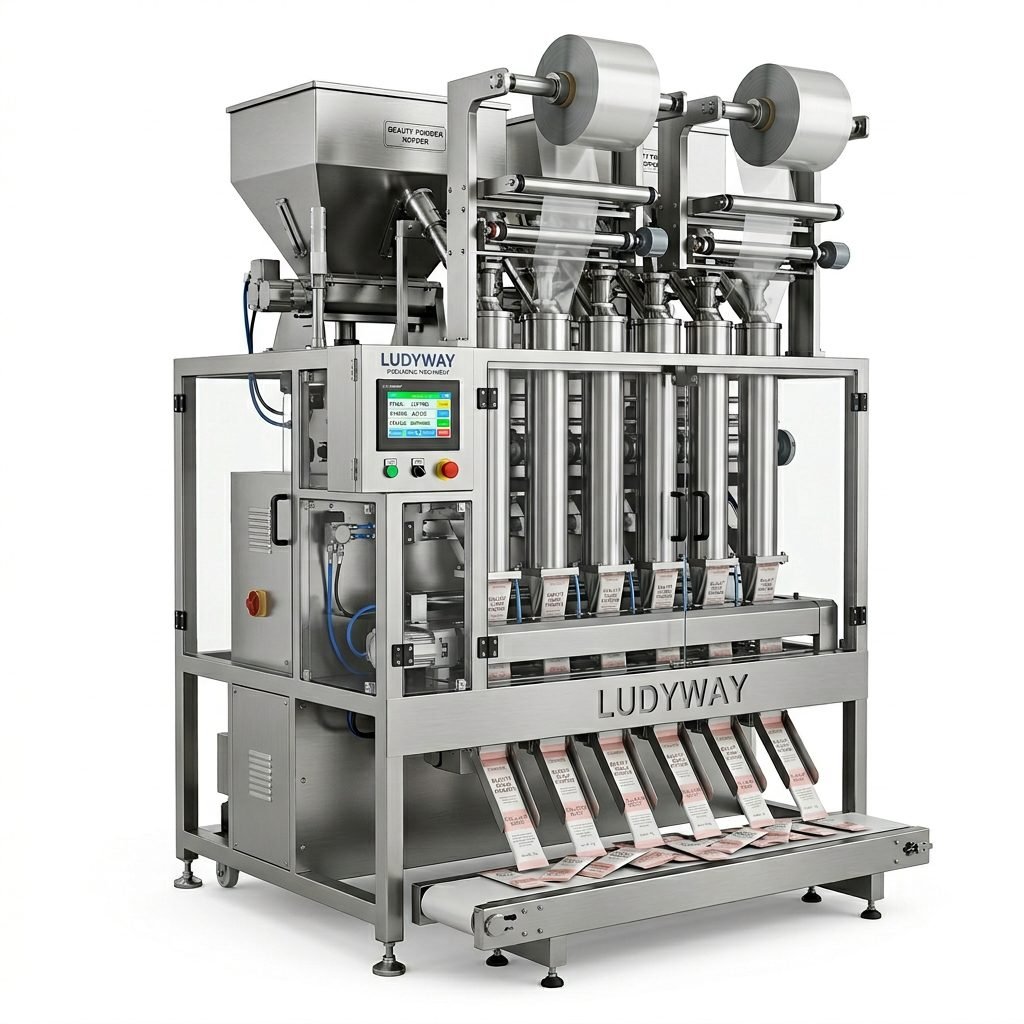
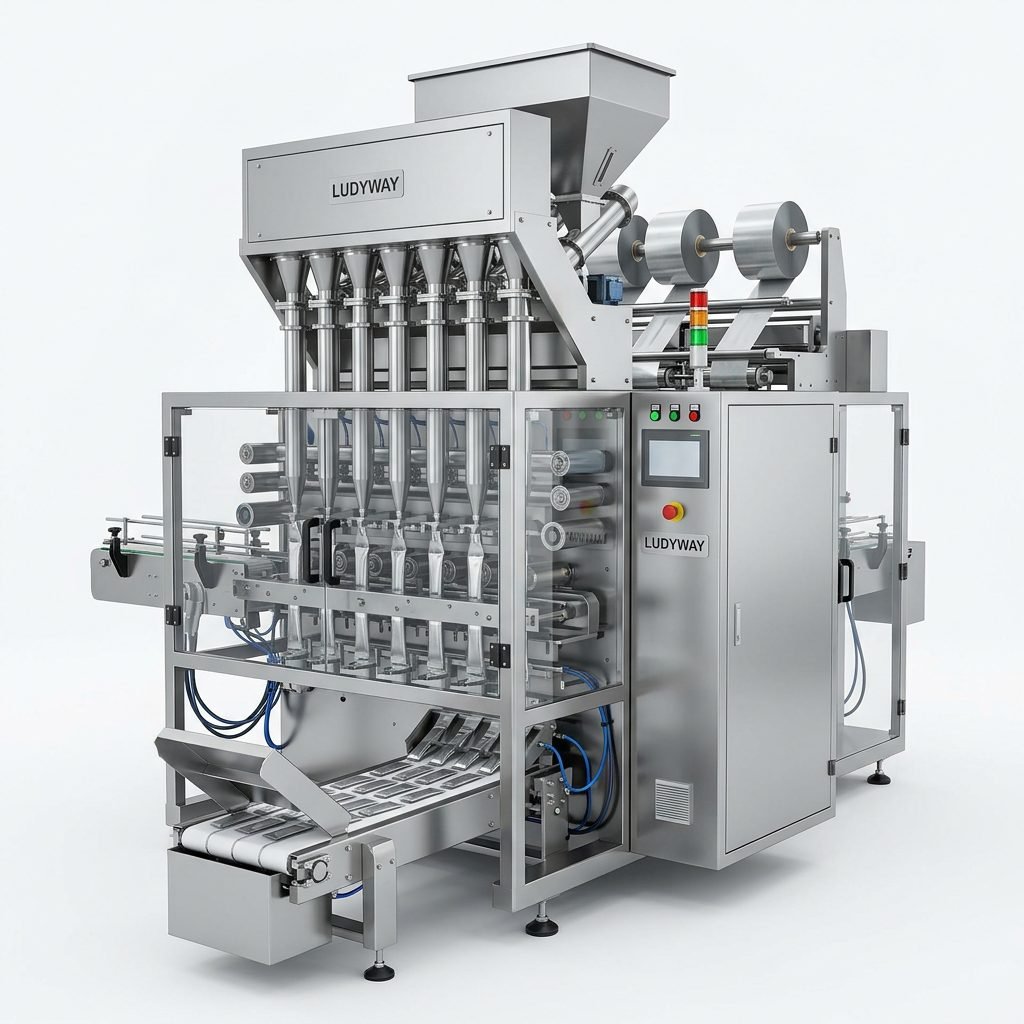
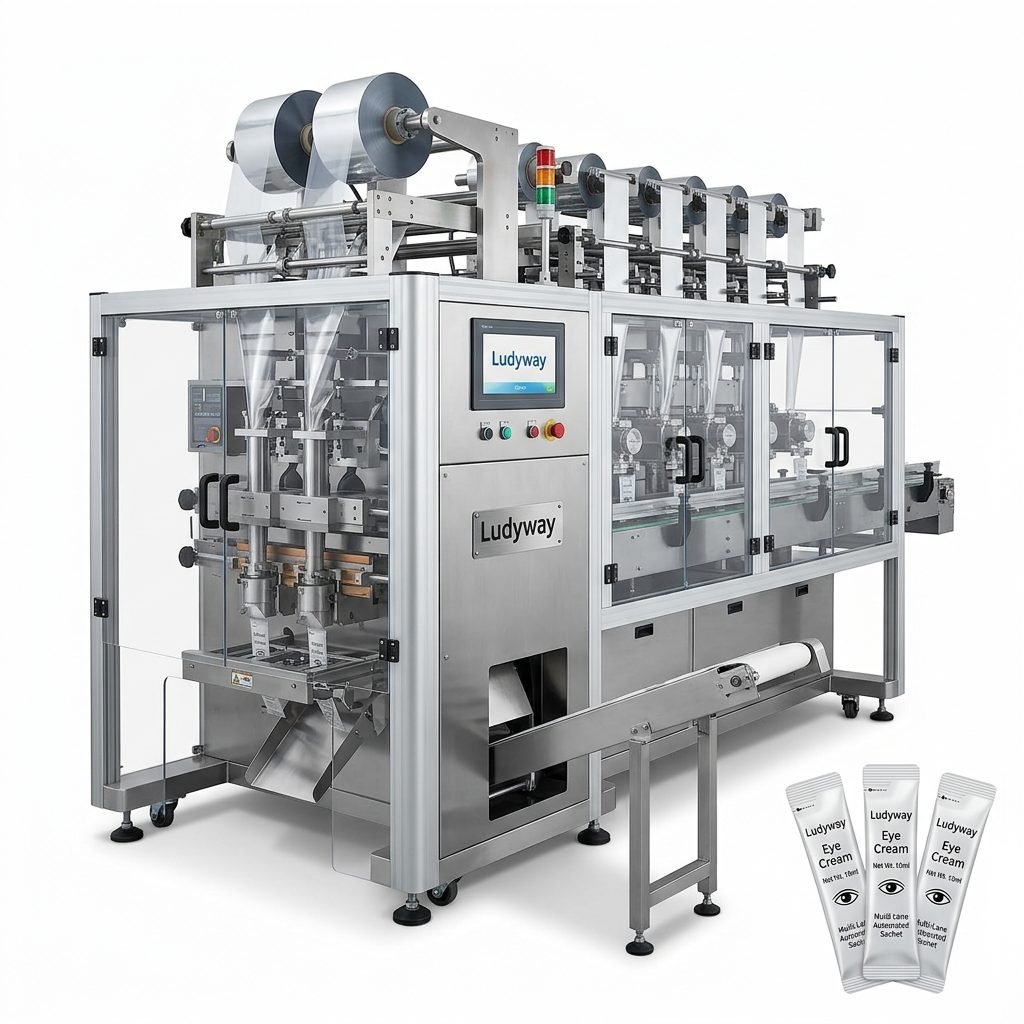
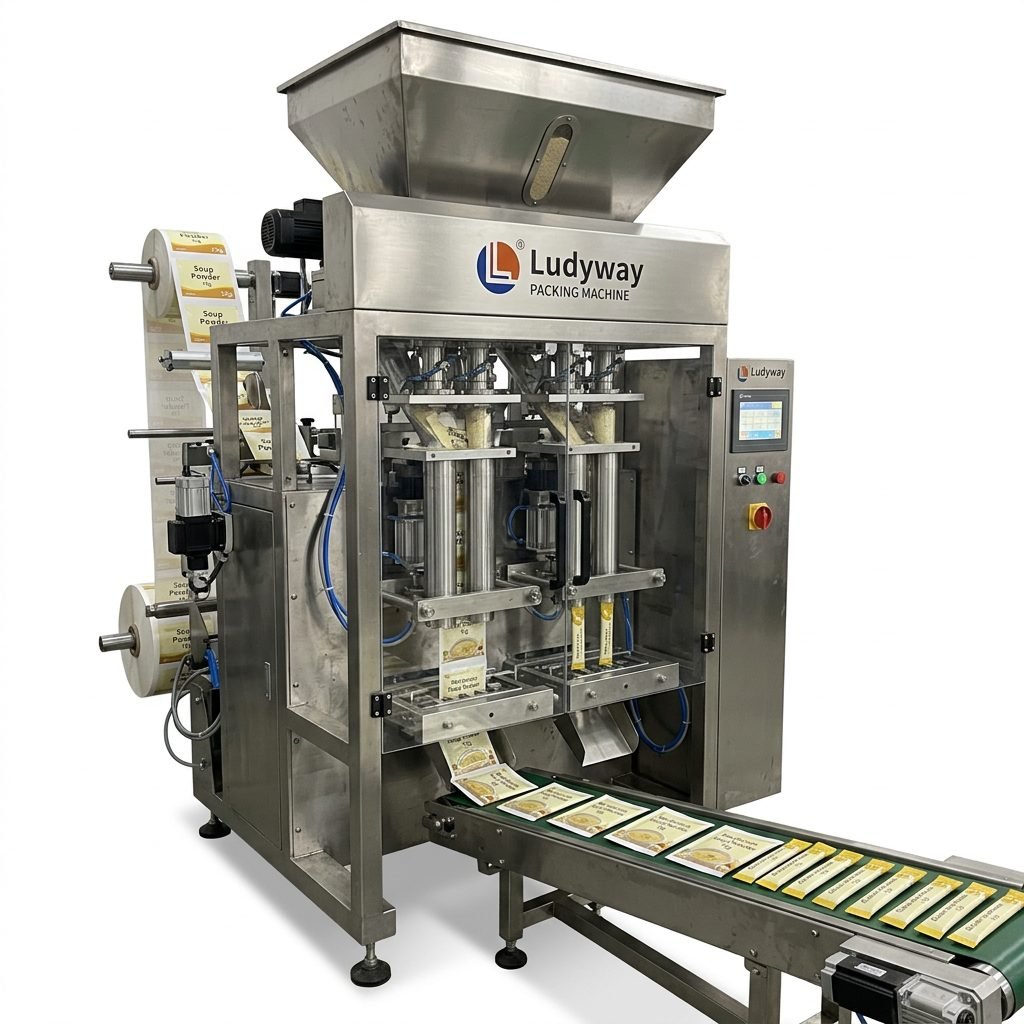
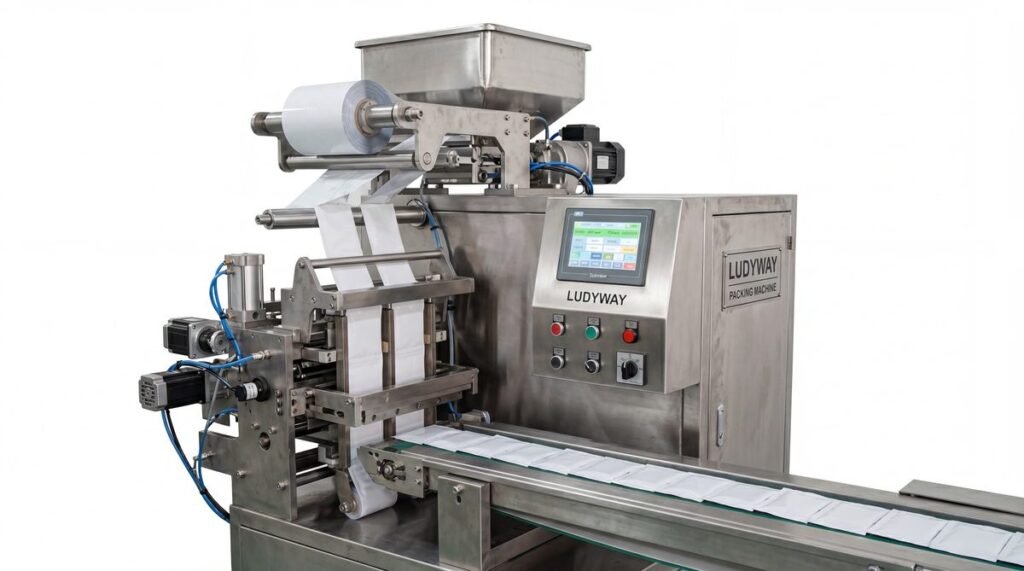
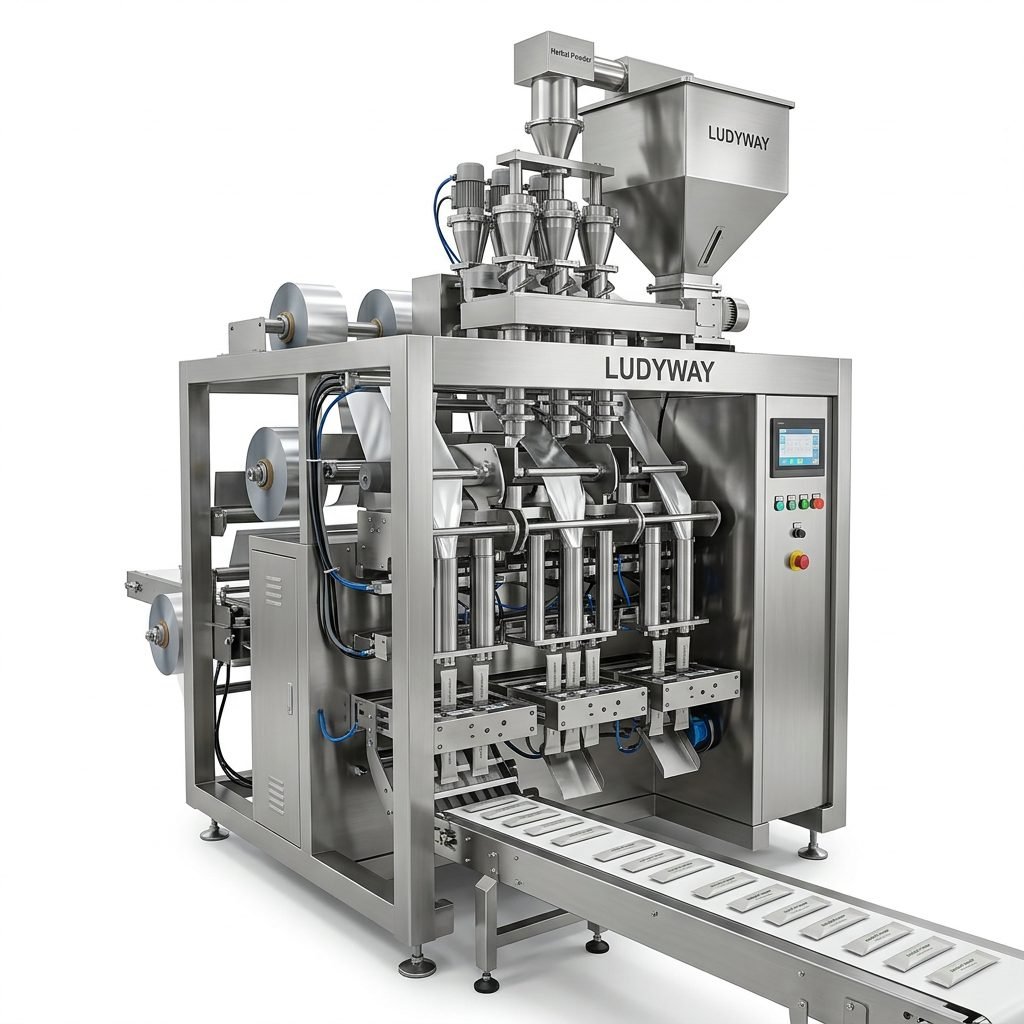
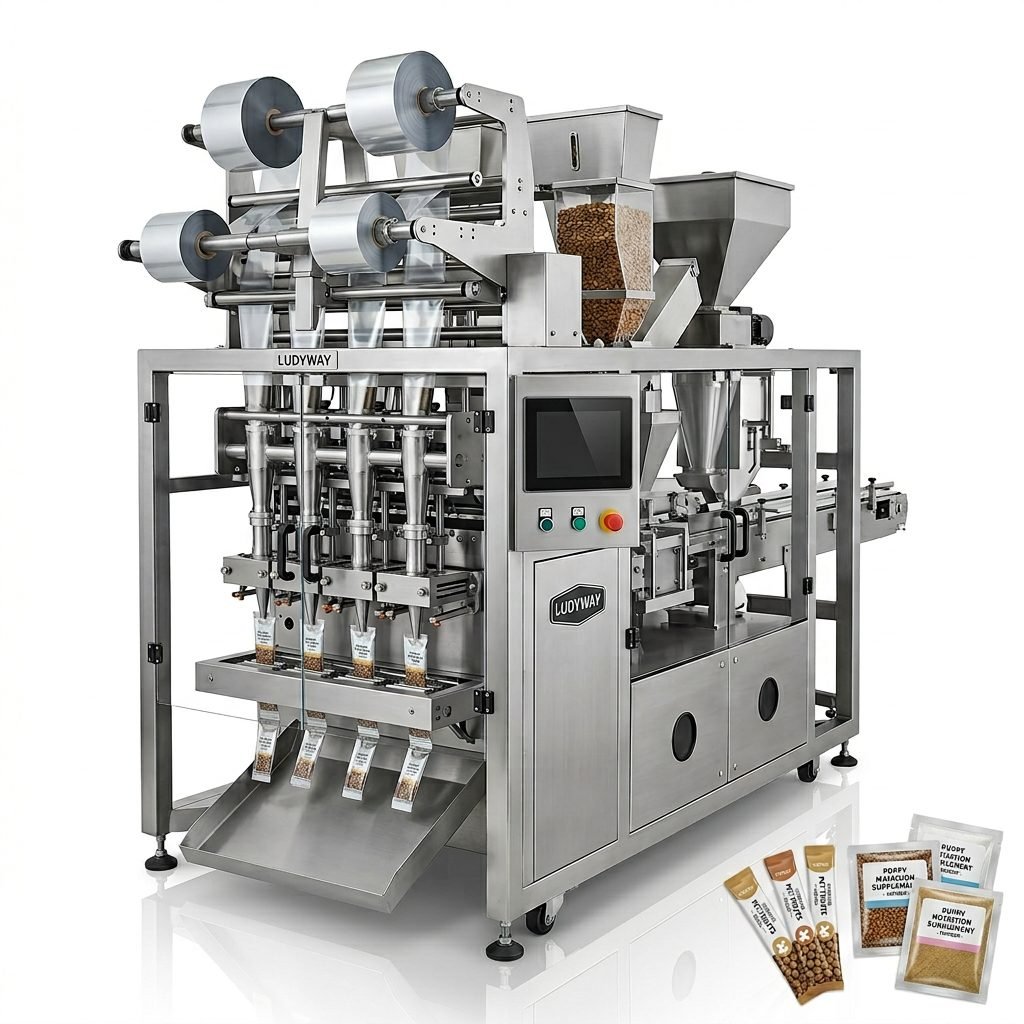
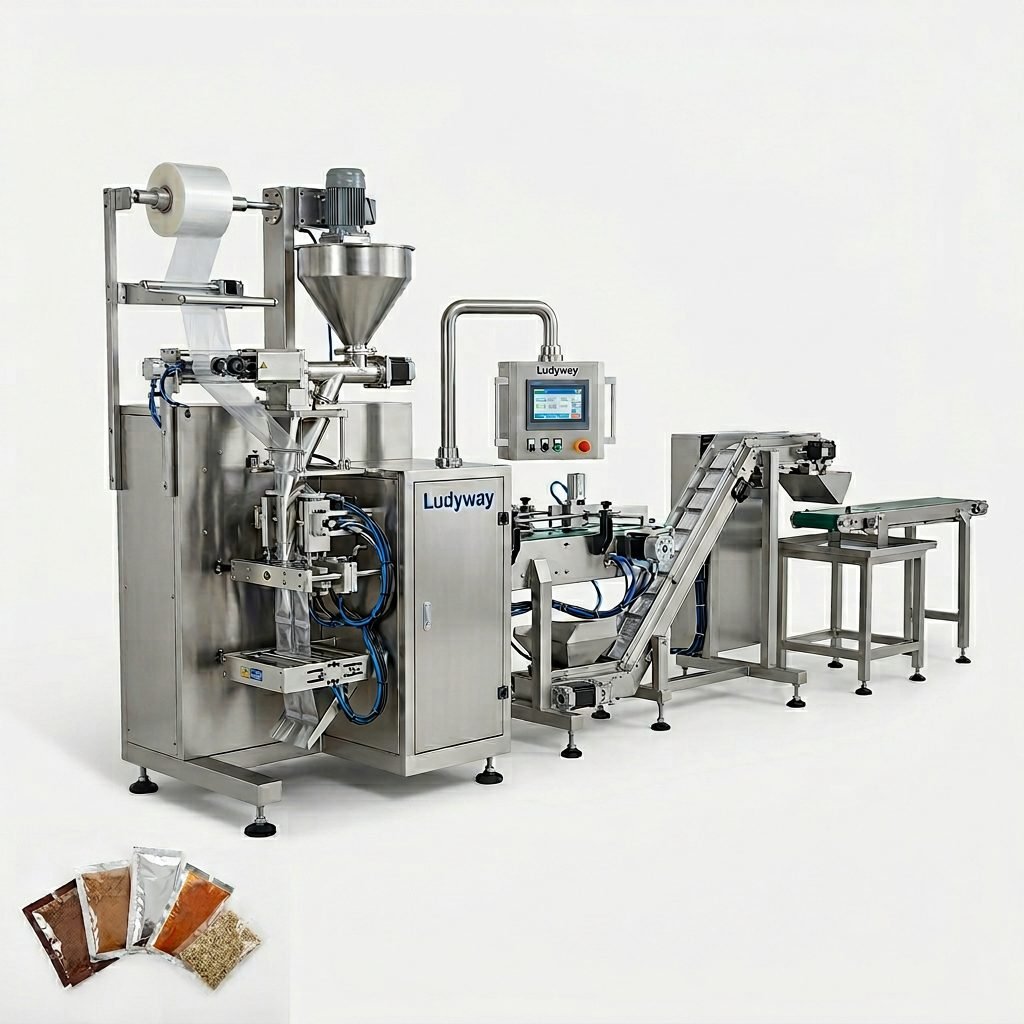
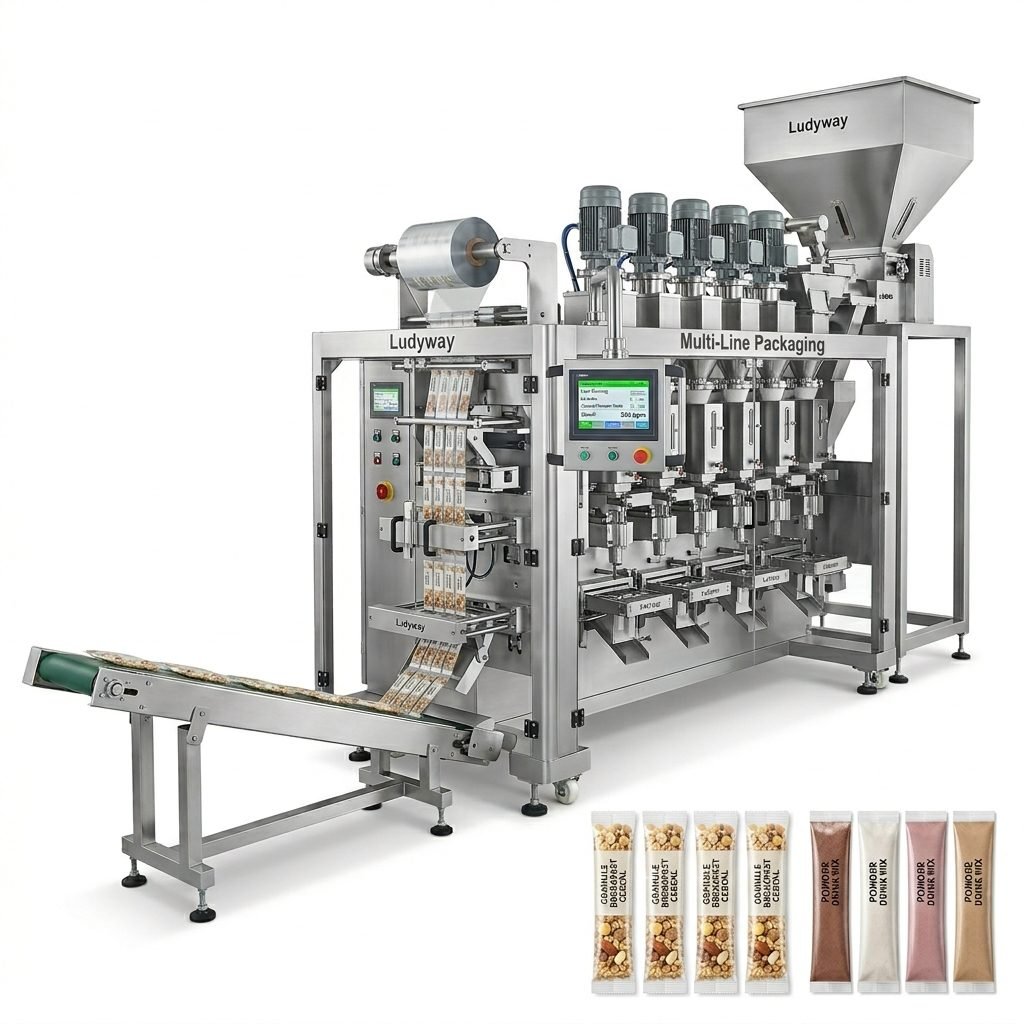
Investing in a paper sachet packing machine is a strategic decision for manufacturers looking to switch to sustainable packaging or enter new markets. Whether you are packing sugar, salt, pharmaceutical powders, or instant beverage mixes, selecting the right equipment directly impacts your production efficiency, product quality, and long-term operational costs. This guide walks you through the essential factors to consider before making your purchase.
Understanding Your Product and Packaging Material
The first step in choosing the right machine is a thorough analysis of your product and the paper sachet material you intend to use. Unlike traditional plastic films, paper-based materials often require specific handling characteristics. You need to define the granule size, flowability, and sensitivity to moisture.
- Product Characteristics: Is your product a free-flowing granule, a fine cohesive powder, or a fragile leaf product like tea? Fine powders require dust-controlled filling systems, while abrasive products need durable contact parts.
- Film Compatibility: Paper laminates often have different heat-sealing thresholds. The machine must offer precise temperature control and adjustable pressure to avoid burning the paper or causing weak seals.
- Barrier Properties: If you are packing hygroscopic products, the paper structure must include a barrier layer, and the machine should ideally support modified atmosphere packaging or nitrogen flushing.
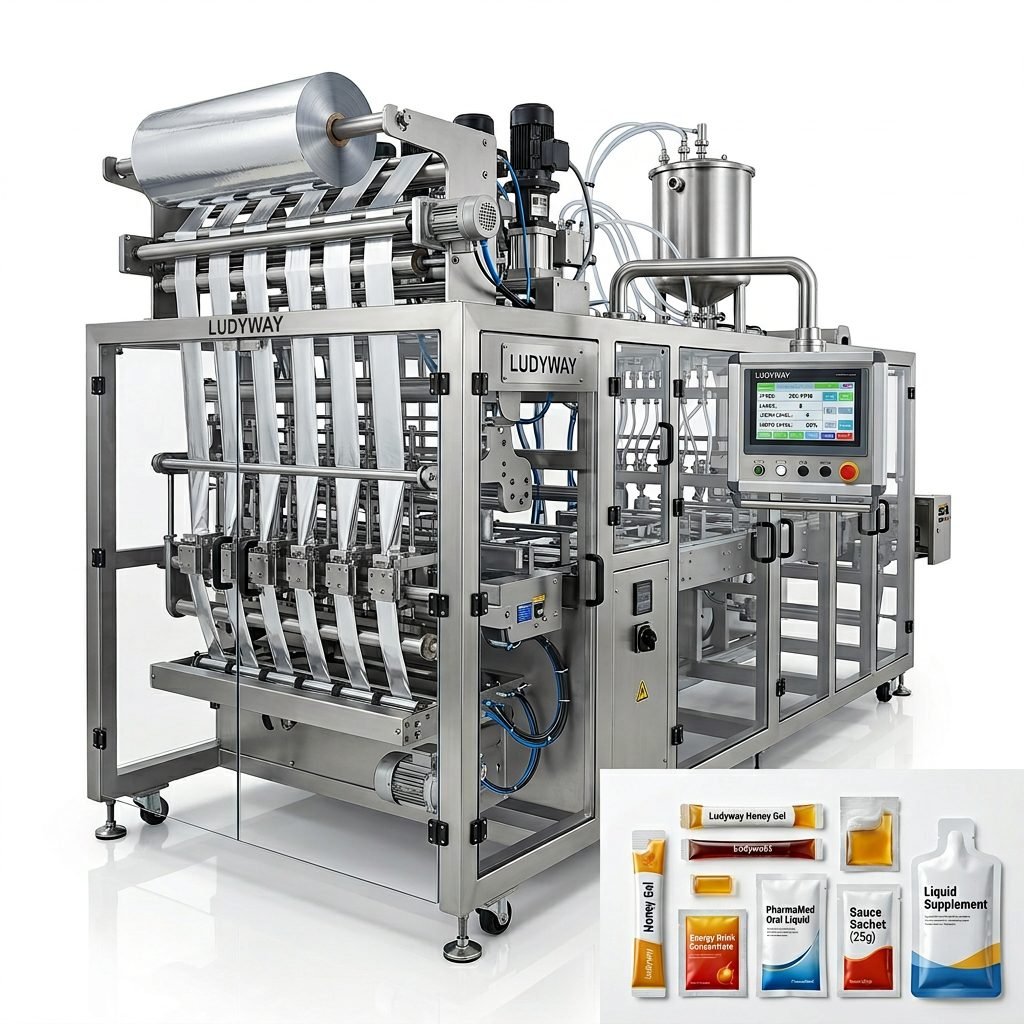
Key Machine Configurations: Stick Pack vs. Flat Sachet
You must decide between a stick pack and a flat sachet format. Both are popular in the paper packaging sector, but they serve different market segments. The table below outlines the primary differences to help you align the machine type with your brand strategy.
| Feature | Stick Pack Machine | Flat Sachet Machine |
|---|---|---|
| Typical Volume | 1g – 50g (Single-serve) | 5g – 100g+ (Multi-serve) |
| Material Usage | Extremely efficient, minimal headspace | Good efficiency with 3-side or 4-side seal |
| Speed | Very high (up to 1000+ packs/min/lane) | High, but generally lower than stick packs |
| User Experience | Easy tear-notch opening | Larger opening, easy to pour |
Evaluating Critical Technical Specifications
Not all paper sachet packing machines are built the same. Look beyond the speed rating and examine the engineering behind the machine. The quality of the sealing jaws, the precision of the filling system, and the control architecture determine your machine’s reliability.
Filling Accuracy and Dosing Systems
For high-value products, accuracy is non-negotiable. Auger fillers are generally preferred for powders, while volumetric cup fillers work well for free-flowing granules. If you need to switch between different products frequently, look for a machine with servo-driven, tool-less changeover features. This drastically reduces downtime. The dosing system must be gentle to prevent crushing fragile granules against the paper interior.
Sealing Technology for Paper
Paper-based sachets typically require heat-sealable inner coatings. The machine must deliver consistent jaw temperature distribution. Cold spots will lead to product leakage, while overheating burns the paper and ruins the aesthetic. Advanced machines use thermocouple-controlled sealing systems with digital feedback loops to maintain constant temperature regardless of speed.
Automation and Production Line Integration
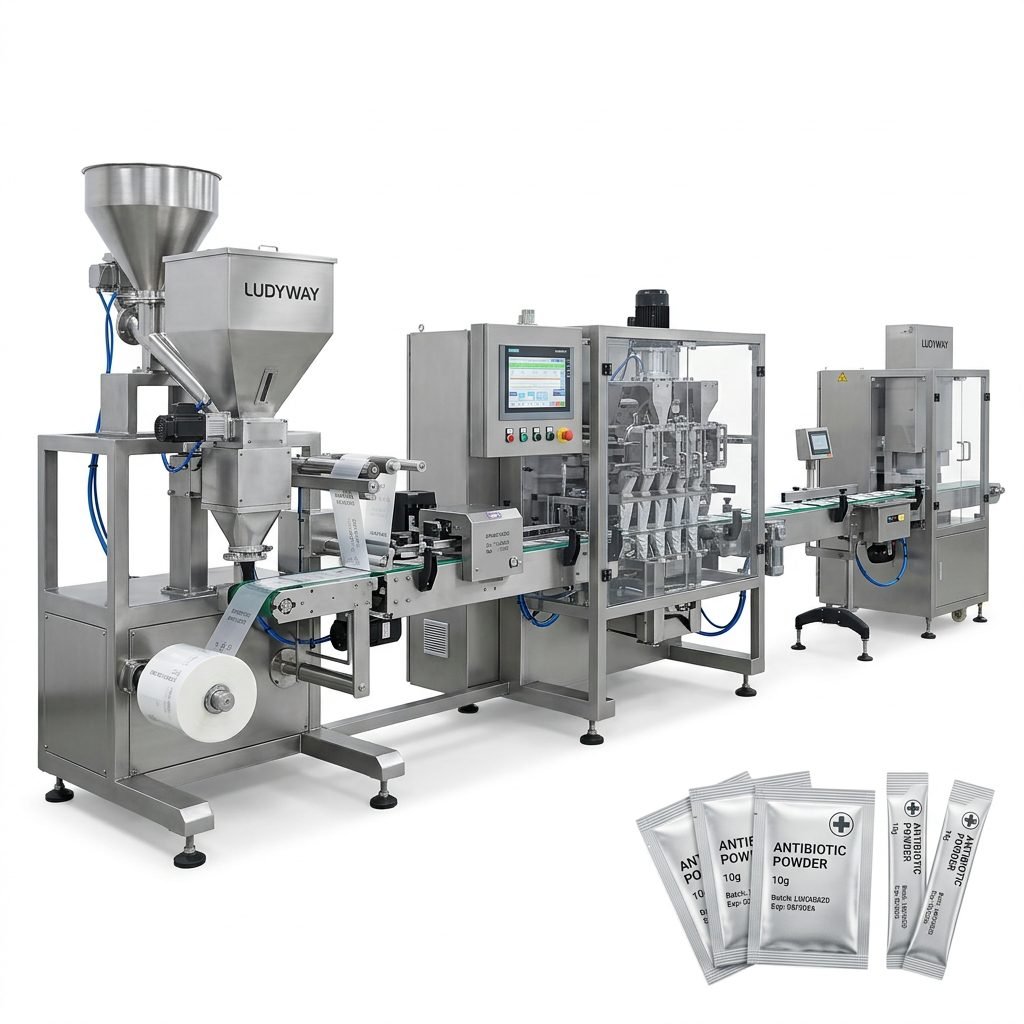
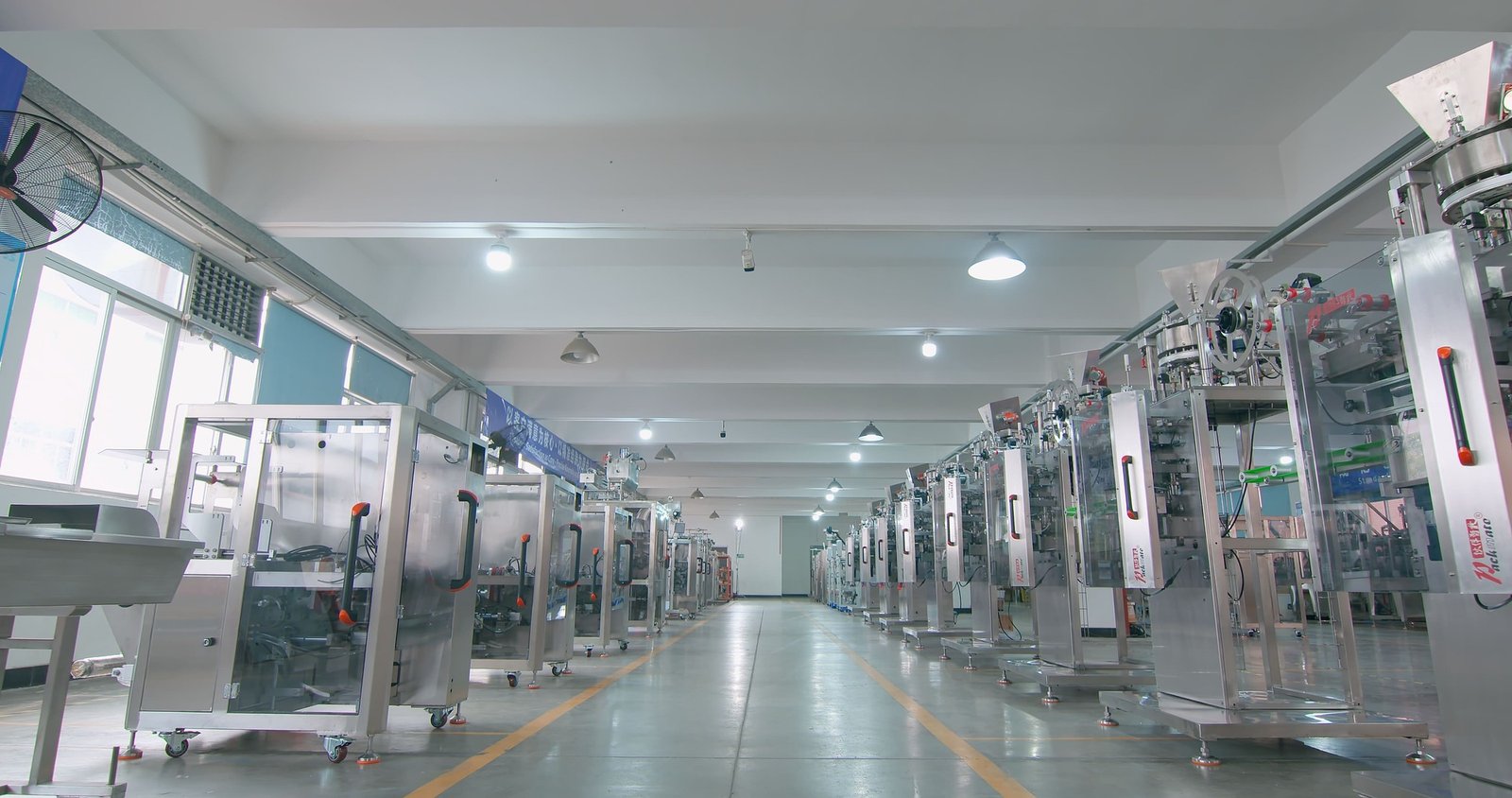
Consider whether you need a stand-alone machine or a fully integrated packaging line. A modern paper sachet packing machine should be able to connect seamlessly with upstream and downstream equipment. This includes automatic feeding systems, checkweighers, vision inspection systems, and cartoning machines. A turnkey solution minimizes handling errors and labor costs, ensuring that the delicate paper sachets are not damaged during transfer.
Key automation features to prioritize:
- Servo Motors: Essential for precise film registration and cut-off synchronization, especially important for pre-printed paper designs.
- HMI Touch Screen: An intuitive interface for saving recipes, adjusting speeds, and diagnosing faults without specialized technicians.
- Automatic Rejection: Systems that automatically eject sachets with incorrect fill weights or seal defects protect your brand reputation.
Hygiene, Build Quality, and Compliance
If you are in the food or pharmaceutical industries, build quality and hygiene standards are paramount. The machine frame should be constructed from heavy-duty stainless steel to withstand washdown environments. Look for sloped surfaces that prevent product accumulation and open-frame designs that allow easy access for cleaning and maintenance.
Compliance with international standards is equally critical. Your machine should be designed to meet relevant ISO packaging standards and FDA regulations for food contact substances. This ensures your packaging passes regulatory scrutiny in your target markets, whether domestic or export.
Partnering with the Right Manufacturer
Choosing the supplier is as vital as the machine itself. You need a partner with deep engineering expertise, not just a vendor selling standardized equipment. A company with a track record in complex paper structures and multi-lane configurations can save you from costly mistakes. For instance, Ludyway Machinery provides customized packaging machinery and engineering solutions rather than relying only on standardized machines. Their technical team evaluates your product and packaging requirements to recommend an appropriate machine configuration or complete packaging line.
With a 20,000-square-meter manufacturing facility, more than 130 professionals, and over 50 packaging machine models, Ludyway combines manufacturing expertise, engineering capabilities, automation technology, and application experience to help customers improve packaging efficiency. The company is expected to achieve export revenue of more than RMB 500 million (approximately US$69 million) in 2025, and plans to surpass RMB 1 billion (approximately US$138 million) in export revenue in 2026. Evaluate your potential partner based on these critical factors:
- Factory Visit or Virtual Audit: Verify the manufacturing floor and quality control processes.
- Sample Testing: Send your actual product and paper laminate to the vendor for real-world testing. Do not rely solely on generic video demonstrations.
- Global Support: Ensure they have remote technical assistance and local service support to minimize downtime.
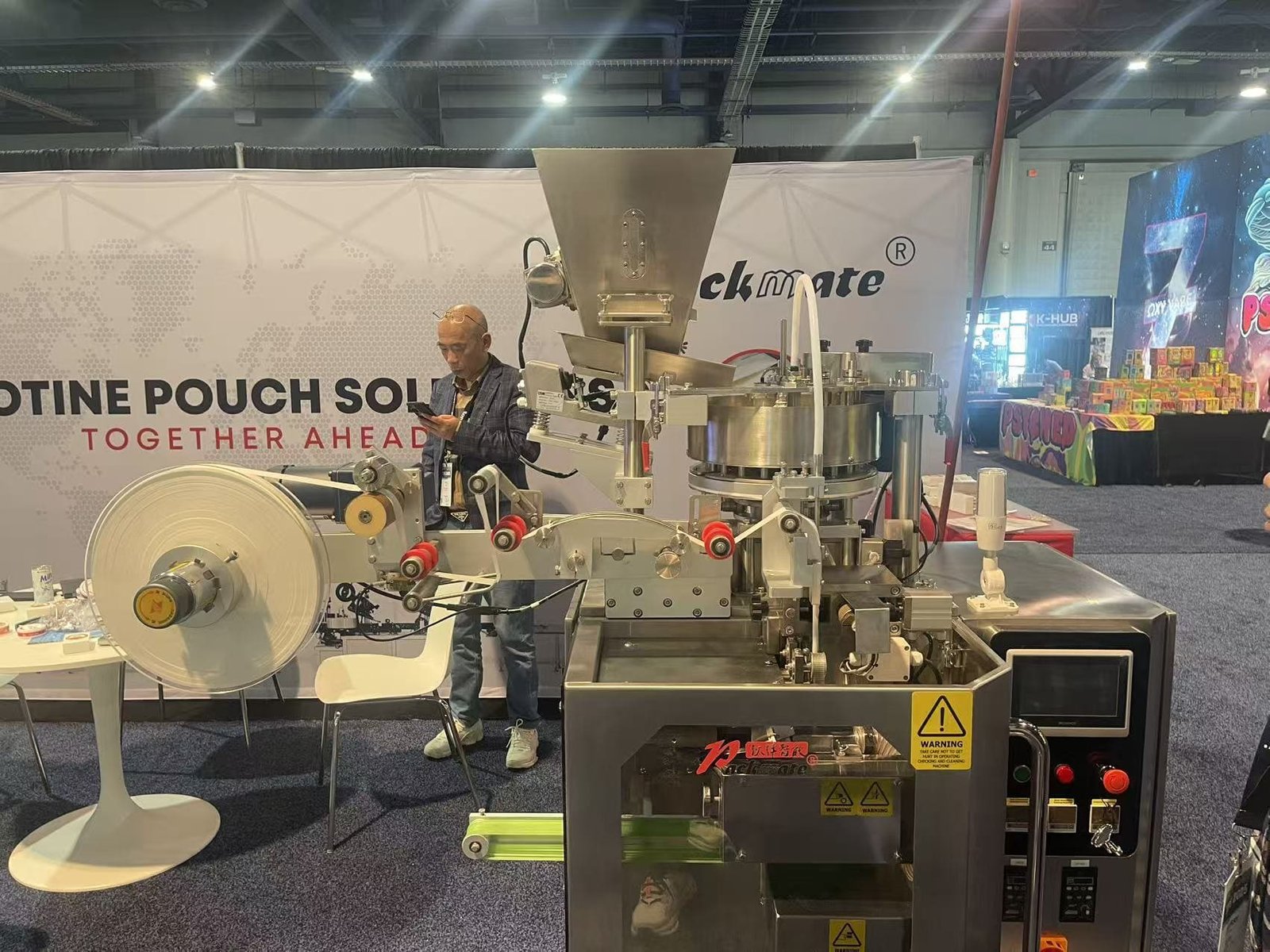
Total Cost of Ownership Analysis
The purchase price is just the beginning. A cheaper machine often translates to higher costs in film waste, spare parts, and production stoppages. A high-quality paper sachet packing machine may have a higher upfront cost but offers a significantly lower total cost of ownership over 5-10 years. This is driven by reduced material waste on the sealing jaws and higher uptime percentages.
| Cost Factor | Standard Machine | High-Performance Machine |
|---|---|---|
| Film Waste | High (poor registration control) | Low (servo-driven precision) |
| Changeover Time | 45 – 60 minutes | 15 – 20 minutes (tool-less) |
| Sealing Consistency | Variable | Constant closed-loop control |
Future-Proofing Your Investment
The regulatory landscape for packaging is shifting rapidly. Look for a machine that can handle a variety of sustainable substrates, not just the specific paper you are running today. Whether it’s recyclable mono-materials or bio-based films, your paper sachet packing machine should be mechanically adaptable. Modularity is key; the ability to add lanes or upgrade the filling system allows you to scale production without replacing the entire machine. Check the latest updates from the Flexible Packaging Association regarding material trends and circular economy targets.
Ultimately, the right machine balances speed, precision, material compatibility, and durability. By asking these detailed questions before you buy, you secure not just a piece of equipment, but a reliable pathway to long-term operational success and brand differentiation in the competitive paper packaging landscape.