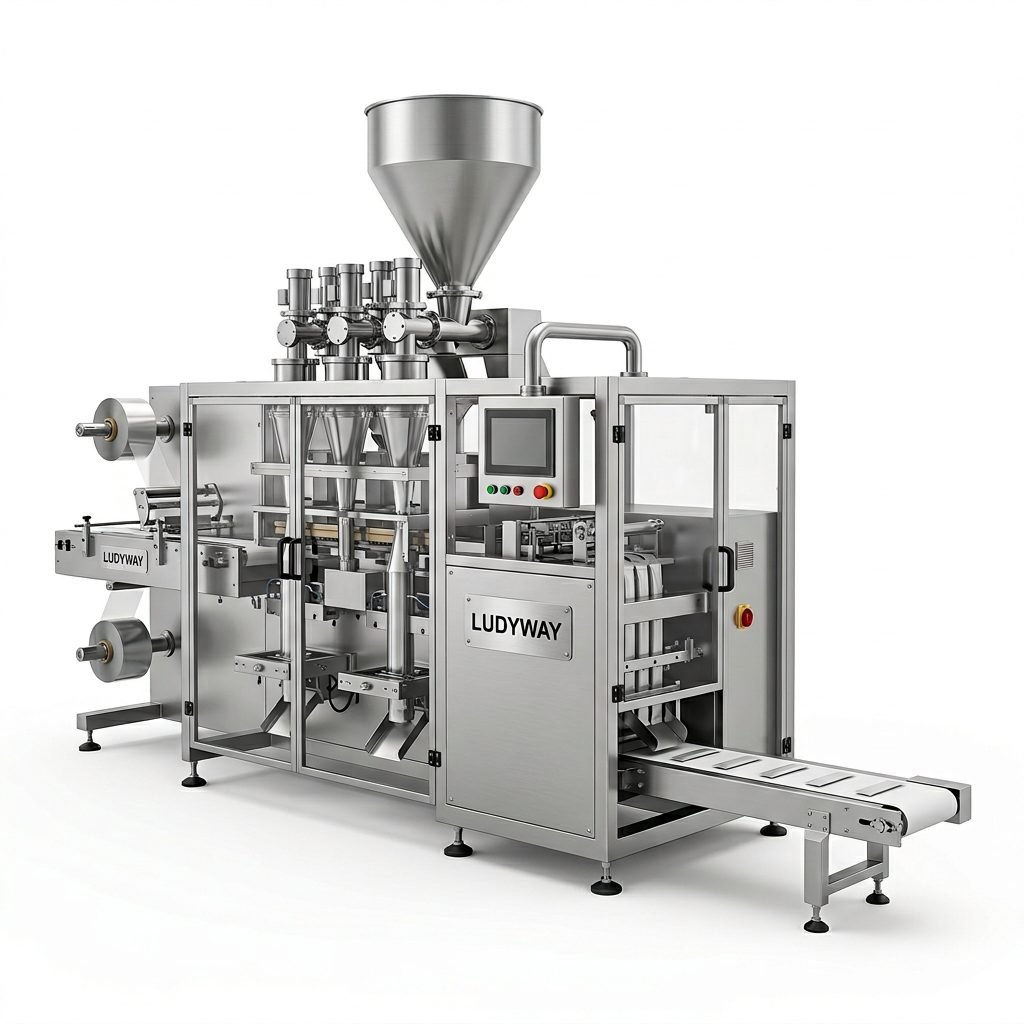
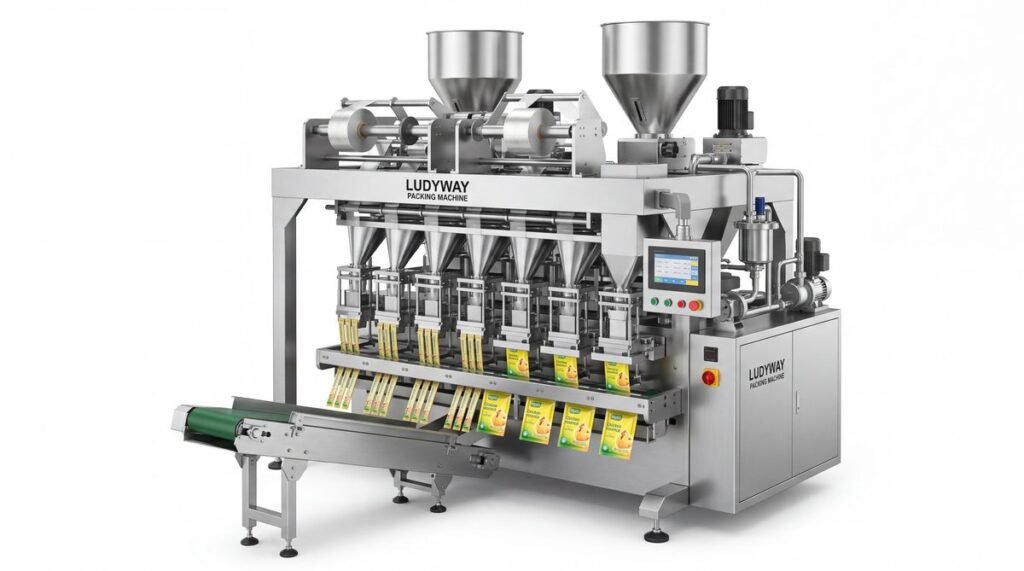
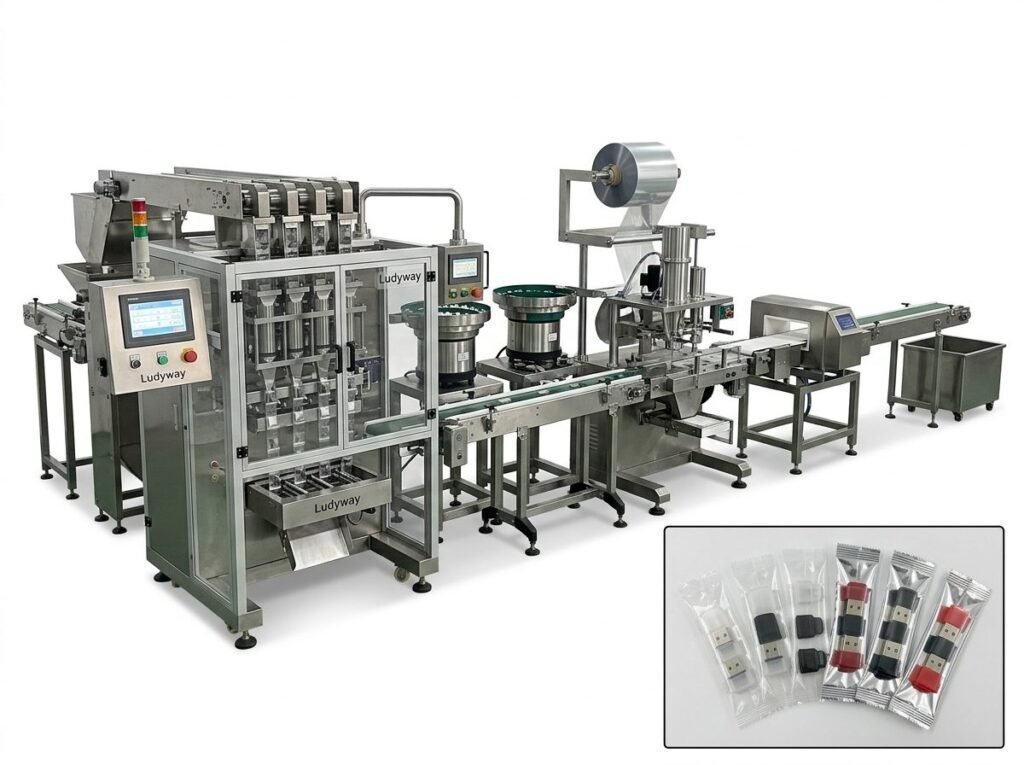
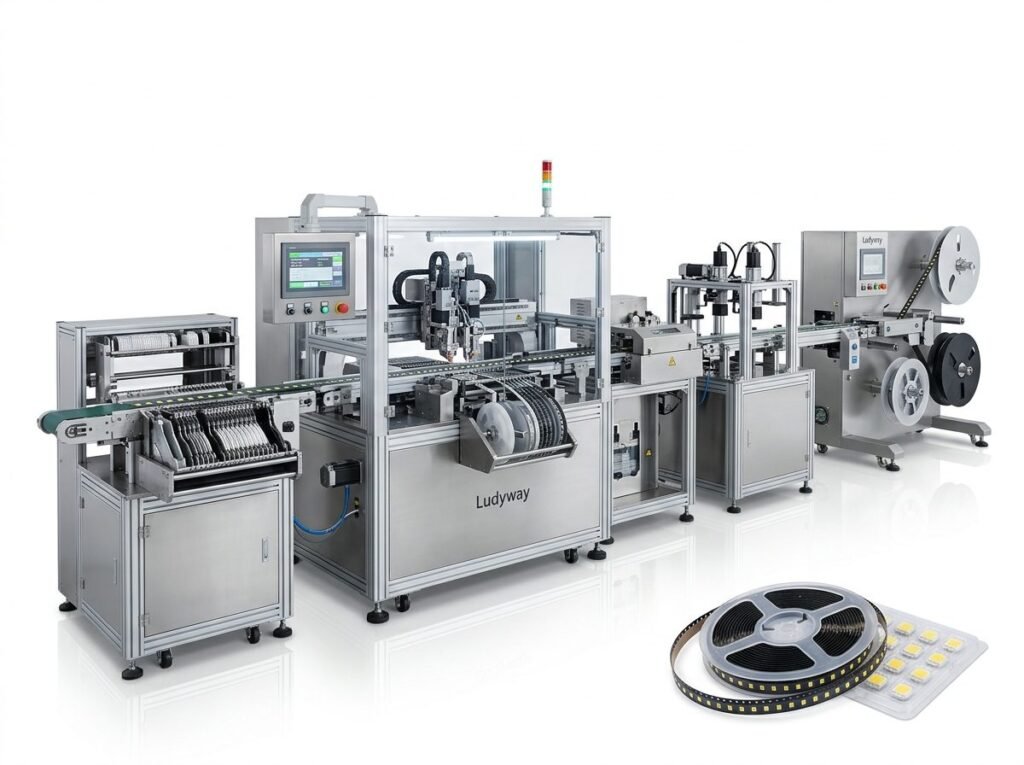
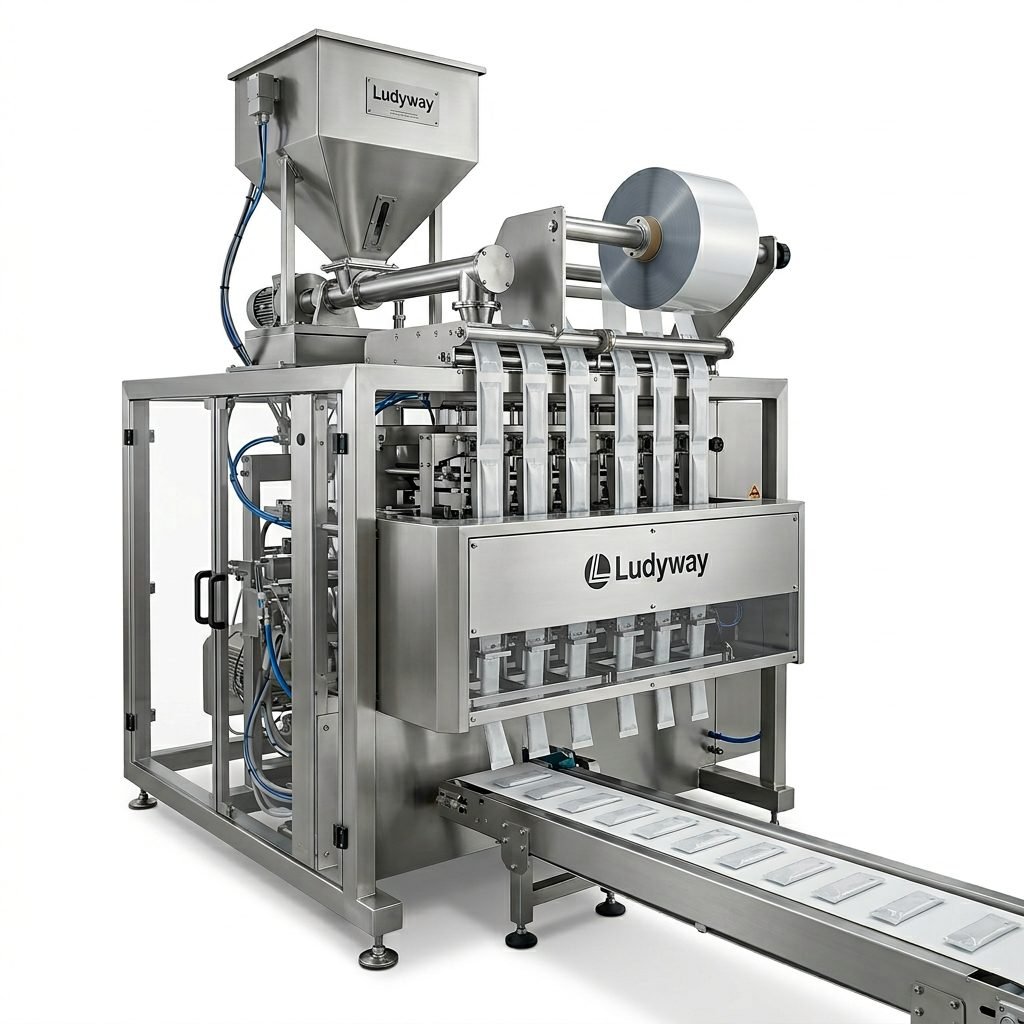
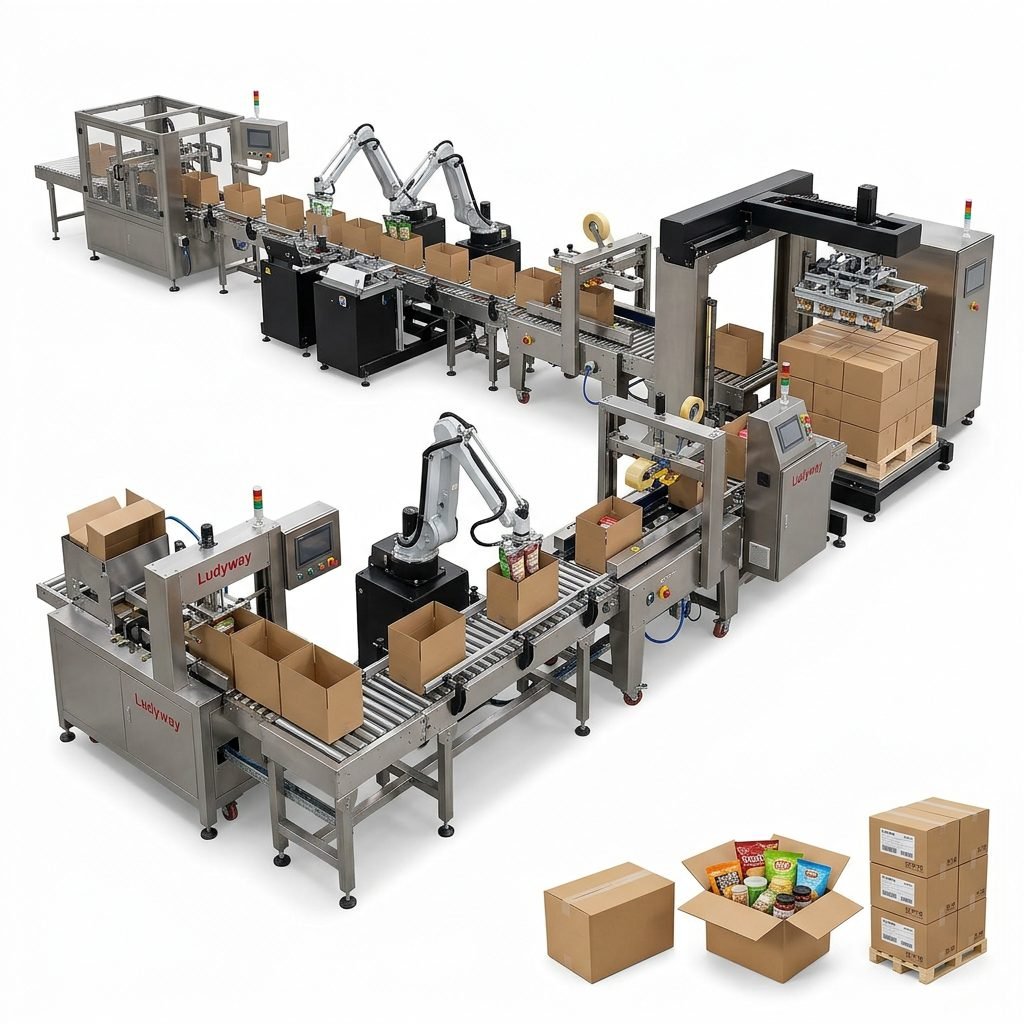
Investing in an automatic grocery packing machine is a strategic decision that directly impacts your production efficiency, product quality, and bottom line. Whether you’re packaging granules, powders, liquids, or solid grocery items, selecting the right equipment requires a systematic evaluation of your operational needs, product characteristics, and long-term business goals. This comprehensive buyer’s guide walks you through every critical factor to consider before making your purchase.

Step 1: Define Your Product and Packaging Requirements
Before evaluating any automatic grocery packing machine, you must first clearly understand what you’re packaging. Different products demand fundamentally different handling, dosing, and sealing technologies. Start by answering these essential questions:
- Product form: Is your grocery product a free-flowing granule (like rice, sugar, or coffee beans), a fine powder (like flour, spices, or protein powder), a liquid (like oil, sauce, or detergent), or a combination?
- Packaging format: Do you need stick packs, sachets, pouches, flat bags, or gusseted bags? The format determines the machine type and sealing technology required.
- Target fill weight: Are you packaging single-serve portions (1g-50g) or bulk grocery packs (500g-5kg+)?
- Production volume: What is your required output in packs per minute (PPM)? High-speed multi-lane systems can achieve 400-800 PPM, while single-lane machines typically operate at 30-80 PPM.
- Packaging material: Will you use heat-sealable films, aluminum laminates, paper-based materials, or biodegradable options?
According to industry data from the PMMI Business Intelligence Library, manufacturers who thoroughly define product parameters before equipment selection reduce integration delays by an average of 40%.
Step 2: Understand Machine Types and Packaging Formats
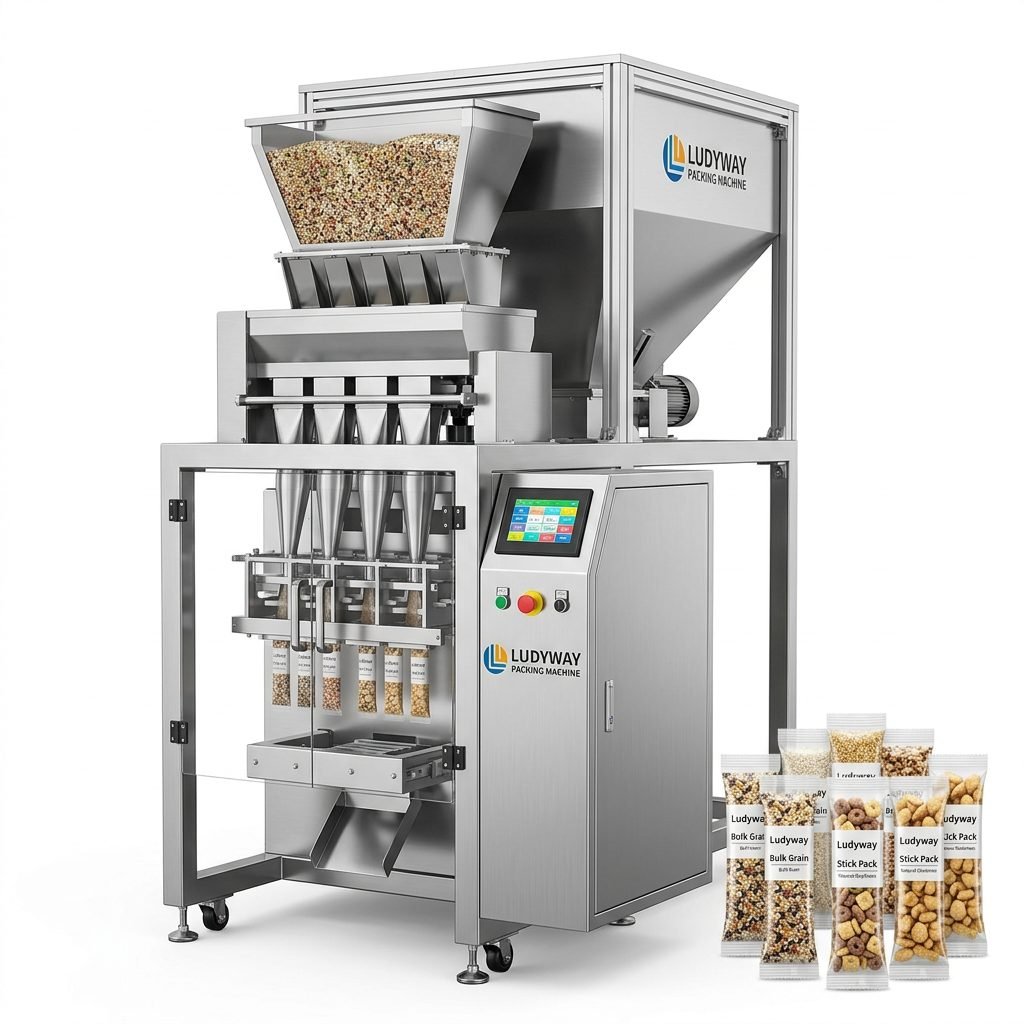
Automatic grocery packing machines come in several configurations, each optimized for specific product types and packaging formats. The table below outlines the most common machine categories and their typical applications:
| Machine Type | Best For | Packaging Format | Typical Speed Range |
|---|---|---|---|
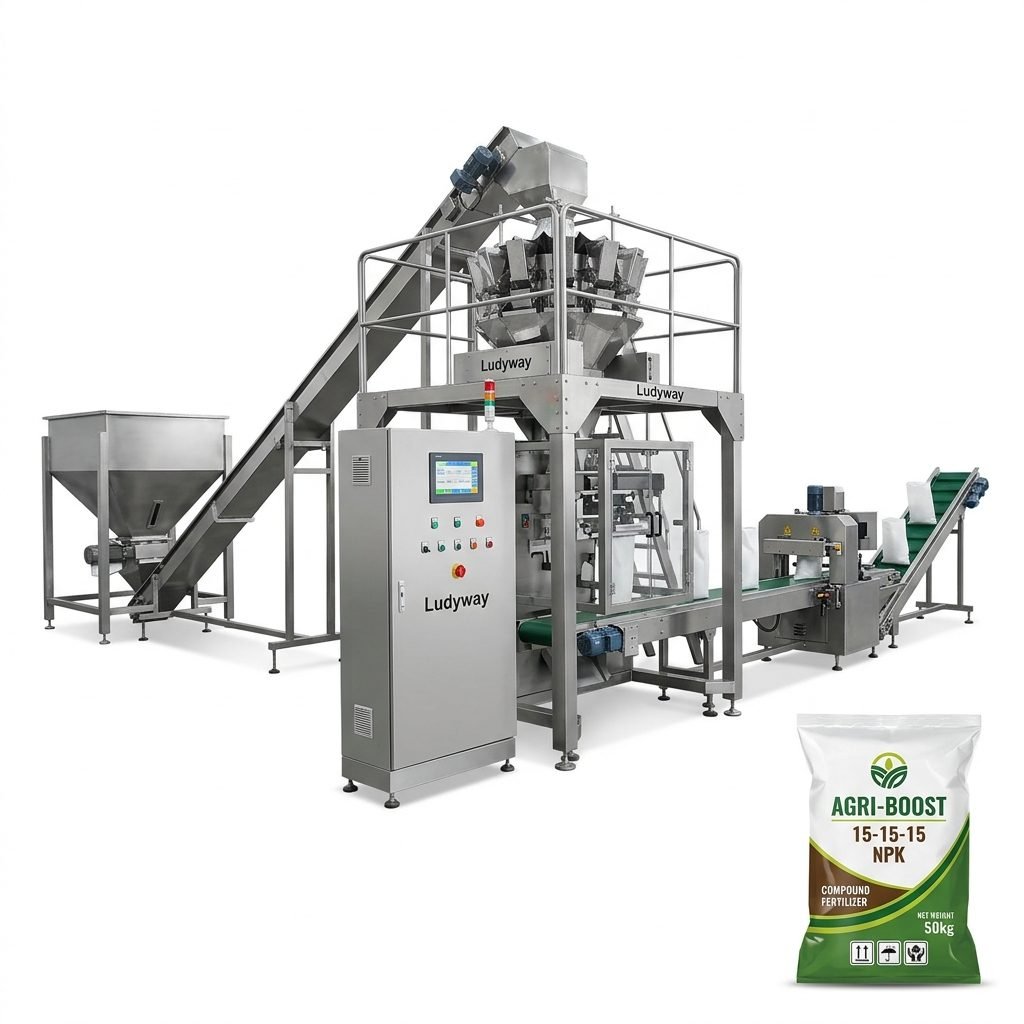
| Vertical Form Fill Seal (VFFS) | Granules, powders, snacks, grains | Pillow bags, gusseted bags, block-bottom bags | 30-120 PPM |
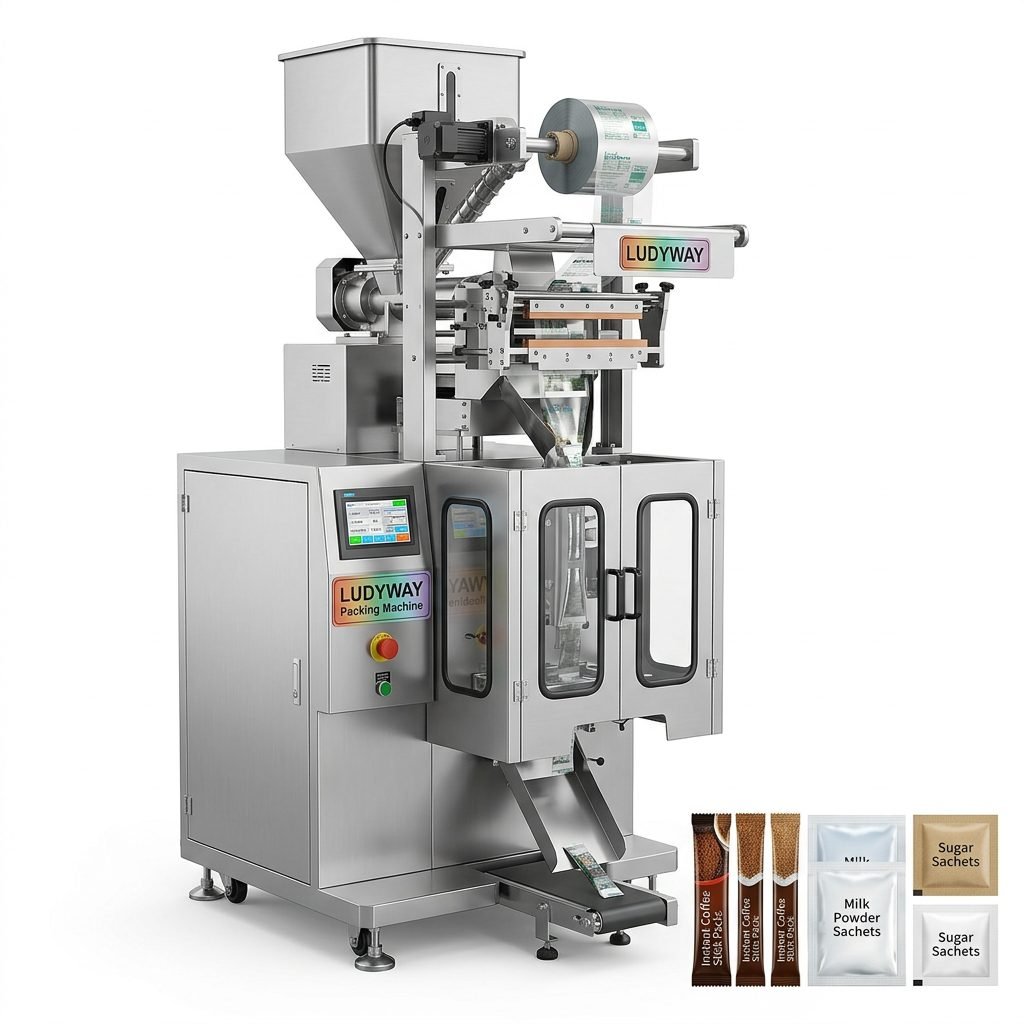
| Multi-Lane Stick Pack Machine | Powders, granules, liquids (single-serve) | Stick packs, narrow sachets | 200-800 PPM |
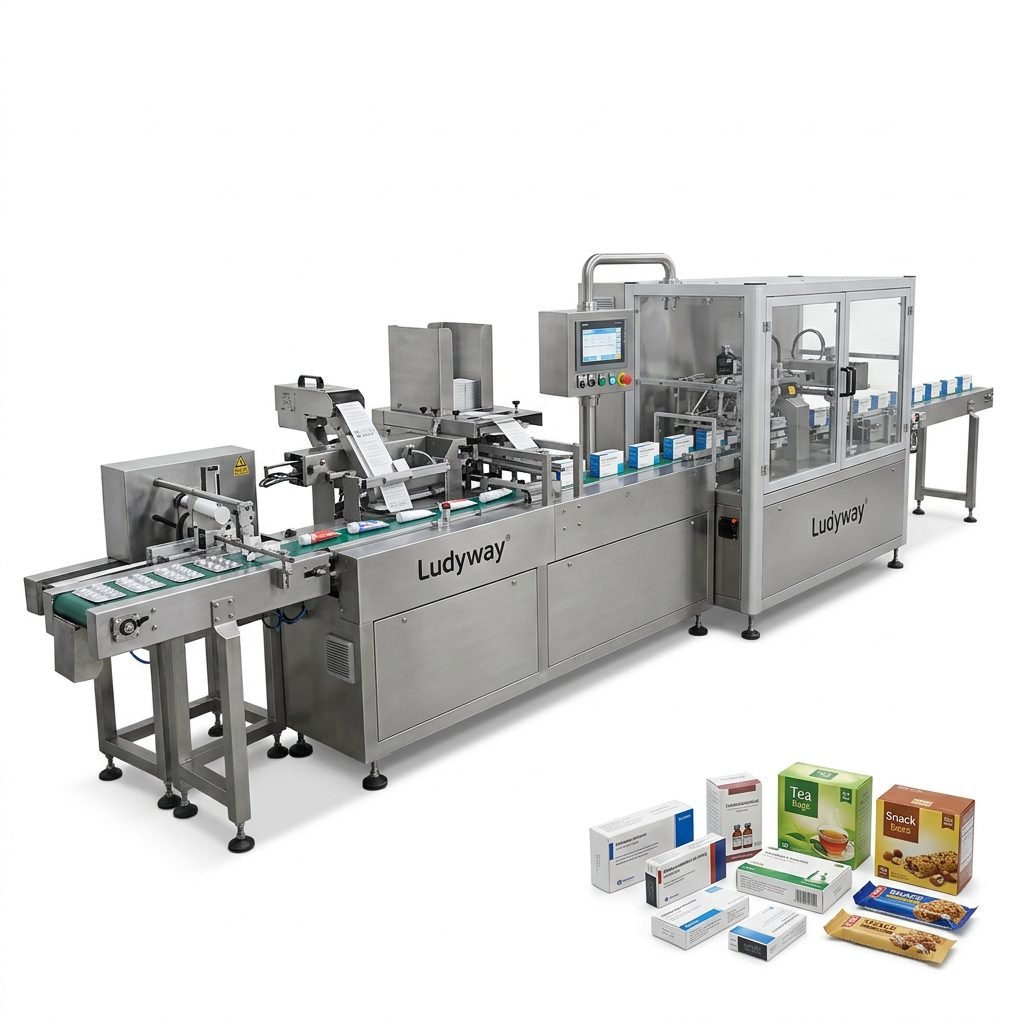
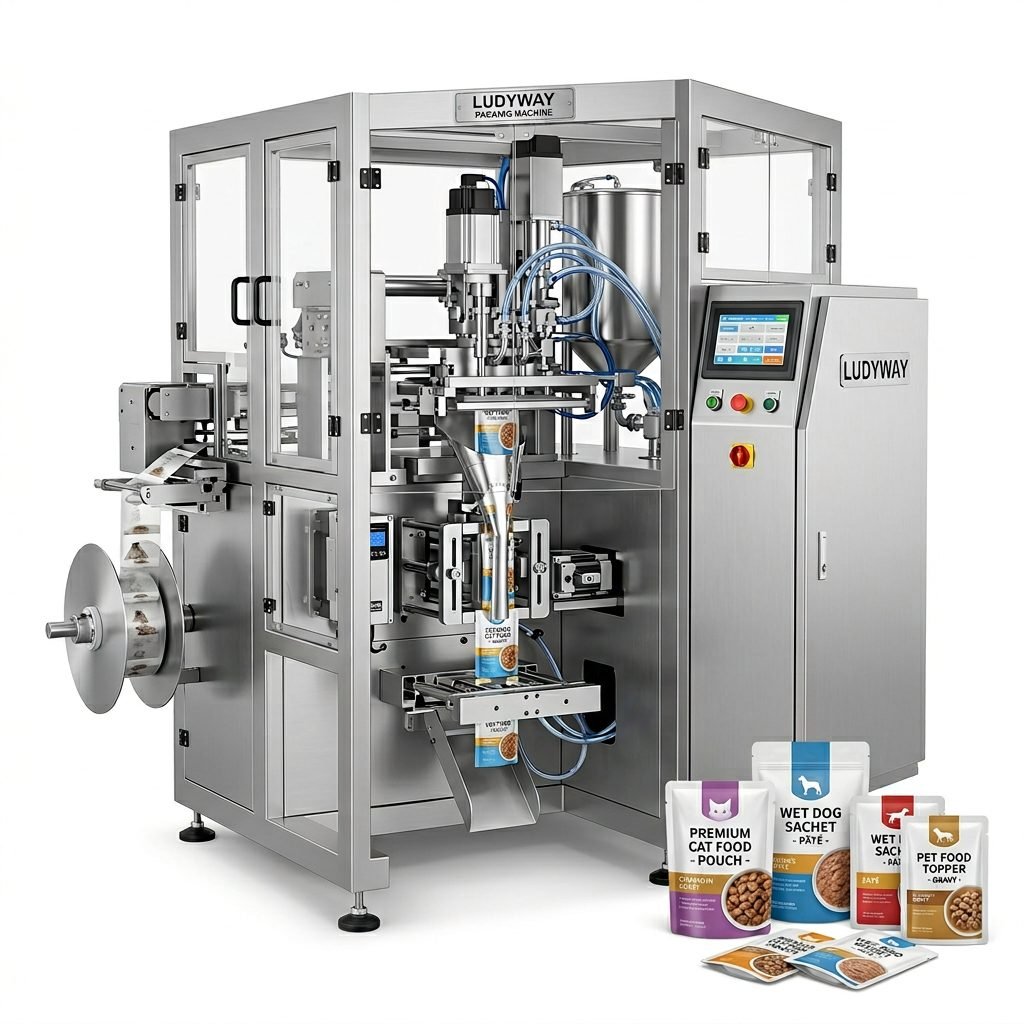
| Premade Pouch Filling & Sealing | Solid grocery items, dry fruits, pet food | Stand-up pouches, zipper pouches, spouted pouches | 20-60 PPM |
| Horizontal Flow Wrapper | Solid products, bakery items, produce | Pillow packs, fin-seal wraps | 50-200 PPM |
| Multi-Lane Sachet Machine | Condiments, sauces, sugar, salt, coffee | Flat sachets, 3-side seal, 4-side seal | 300-1,000+ PPM |
For manufacturers handling multiple product types, flexible flexible packaging machinery that can switch between different bag formats and filling systems offers significant operational advantages.
Step 3: Evaluate Key Performance Parameters
When comparing automatic grocery packing machines, focus on these measurable performance indicators that directly affect your production output and product quality:
Filling Accuracy and Consistency
Dosing precision is critical for grocery products, especially when filling by weight or volume. For granular products like rice or beans, multi-head weighers achieve accuracy within ±0.5-1g per pack. For powders like spices or flour, auger fillers or volumetric cup fillers offer reliable consistency. Liquid filling systems use piston pumps, peristaltic pumps, or flow meters depending on viscosity and fill volume.
Speed and Throughput
Production speed requirements vary dramatically by market segment. A small-scale organic food brand might need 30-50 packs per minute, while a large grocery manufacturer supplying national retail chains may require 200-600 PPM. Multi-lane configurations multiply output proportionally — a 10-lane stick pack machine running at 40 cycles per minute produces 400 packs per minute. Always verify sustained speed rather than theoretical maximum speed.
Changeover Flexibility
If your production line handles multiple grocery SKUs, evaluate changeover time between different bag sizes, fill weights, and product types. Modern machines with servo-driven adjustments and recipe storage can complete changeovers in 10-30 minutes, compared to 2-4 hours on mechanically adjusted equipment.

Step 4: Essential Features to Look For
Beyond basic filling and sealing functions, these features distinguish a high-performance automatic grocery packing machine from a basic model:
- Servo-driven motion control: Provides precise, programmable control over film feeding, sealing jaw movement, and filling timing — resulting in higher accuracy and faster speeds.
- Automatic film tracking and tension control: Maintains consistent bag length and seal quality, especially important when running at high speeds or with thin packaging films.
- Gas flushing / Modified Atmosphere Packaging (MAP): Essential for extending shelf life of grocery products like coffee, nuts, and dried foods by replacing oxygen with nitrogen.
- Integrated inspection systems: Checkweighers, metal detectors, and vision inspection ensure quality compliance without slowing production.
- Easy-clean design: Tool-free disassembly, sloped surfaces, and stainless steel construction support food safety compliance and reduce cleaning downtime.
- IoT connectivity and data logging: Real-time monitoring of OEE (Overall Equipment Effectiveness), reject rates, and production trends enables data-driven optimization.
Compliance with Food Safety Standards
For grocery and food packaging applications, ensure the machine meets relevant FDA food contact substance regulations and can be configured for GMP compliance. Stainless steel construction, validated cleaning procedures, and proper documentation are non-negotiable for food-grade packaging equipment.
Step 5: Assessing the Manufacturer
Choosing the right packaging machinery manufacturer is as important as choosing the right machine. Evaluate potential suppliers on these criteria:
- Industry experience: How many years has the manufacturer been producing grocery packaging equipment? Do they have references in your specific product category?
- Manufacturing capabilities: Does the supplier have in-house engineering, machining, and assembly? In-house manufacturing typically means better quality control and faster customization.
- After-sales support: What is the warranty period? Is remote technical support available? How quickly can spare parts be shipped to your location?
- Customization capability: Can the manufacturer adapt standard machines to your specific product, packaging material, and factory layout requirements?
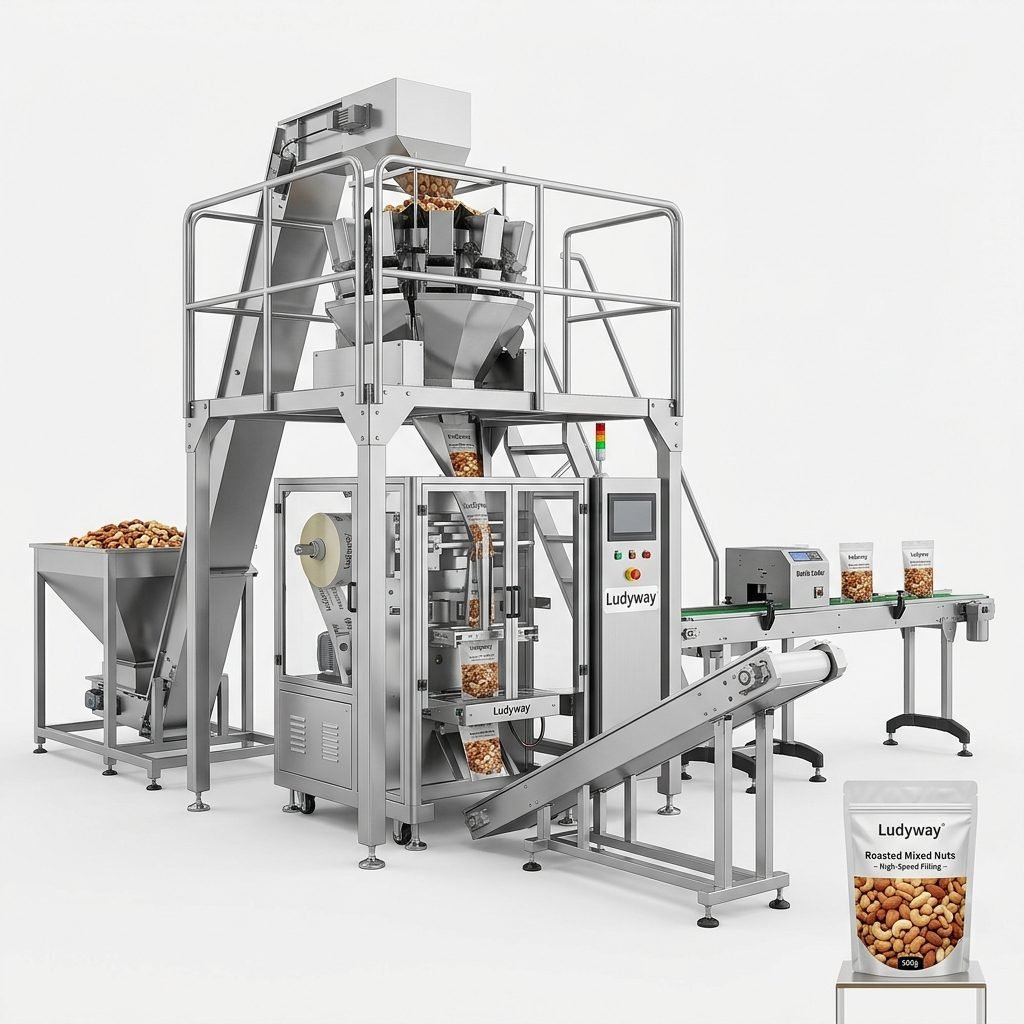
As an example of a comprehensive packaging machinery partner, Ludyway Machinery — a China-based manufacturer with over 30 years of experience — provides automatic packaging equipment and turnkey solutions across powder, granule, liquid, stick pack, sachet, and pouch applications. With a 20,000-square-meter facility, more than 130 professionals, and over 50 machine models, the company serves manufacturers in more than 100 countries. Ludyway is expected to achieve export revenue of more than RMB 500 million (approximately US$69 million) in 2025, and plans to surpass RMB 1 billion (approximately US$138 million) in export revenue in 2026, reflecting sustained global demand for its packaging solutions.
Step 6: Total Cost of Ownership Analysis
The purchase price of an automatic grocery packing machine represents only part of the total investment. A thorough cost analysis should include:
| Cost Category | Considerations | Typical Impact |
|---|---|---|
| Equipment purchase | Base machine, optional modules, tooling, spare parts kit | 50-65% of 5-year TCO |
| Installation & commissioning | Shipping, rigging, electrical/air connections, technician travel | 5-10% of 5-year TCO |
| Training & labor | Operator training, maintenance training, ongoing labor costs | 8-15% of 5-year TCO |
| Packaging materials | Film, pouches, labels — material waste rates affect ongoing costs | 15-25% of 5-year TCO |
| Maintenance & spare parts | Preventive maintenance, wear parts, unexpected repairs | 5-10% of 5-year TCO |
Machines with higher initial quality and better material efficiency often deliver lower total cost of ownership over a 5-10 year lifespan, even when the upfront purchase price is higher. Review state of the industry reports for packaging machinery market trends and benchmarking data to inform your investment decision.
Frequently Asked Questions
What is the difference between VFFS and multi-lane sachet machines for grocery packaging?
Vertical Form Fill Seal (VFFS) machines form bags from a roll of film and are ideal for medium-to-large grocery packs (50g-5kg). Multi-lane sachet machines run multiple parallel lanes simultaneously, producing small single-serve packs (1g-50g) at very high speeds — making them perfect for sugar, salt, coffee, and condiment packaging.
How do I determine the right number of lanes for my multi-lane machine?
Calculate your required packs per minute and divide by the sustainable cycle speed per lane (typically 30-50 cycles/minute). For example, if you need 400 PPM and each lane runs 40 cycles, a 10-lane configuration would meet your requirements. Always include a 10-15% capacity buffer for peak demand periods.
Can one machine handle both powder and granule grocery products?
Yes, many modern automatic grocery packing machines can be configured with interchangeable filling systems — such as switching between auger fillers for powders and multi-head weighers or volumetric cups for granules. However, changeover procedures and cleaning protocols must be carefully managed, especially for allergen-containing products.
What certifications should I look for in a food-grade packaging machine?
Key certifications include CE marking (for European markets), UL compliance (for North America), and adherence to ISO 11607 standards for packaging validation where applicable. Food-grade machines should feature stainless steel product contact surfaces, validated sealing parameters, and documentation supporting HACCP and GMP compliance programs.
Making Your Final Decision
Selecting the right automatic grocery packing machine is a decision that will impact your production operations for years to come. The ideal machine balances speed, accuracy, flexibility, and reliability while fitting within your budget and growth plans. Start by thoroughly documenting your product specifications and production requirements, then evaluate manufacturers based on their experience, engineering capabilities, customization options, and after-sales support infrastructure. Request sample packaging trials using your actual product and packaging materials whenever possible — this provides the most reliable validation of real-world performance before you commit to a purchase.