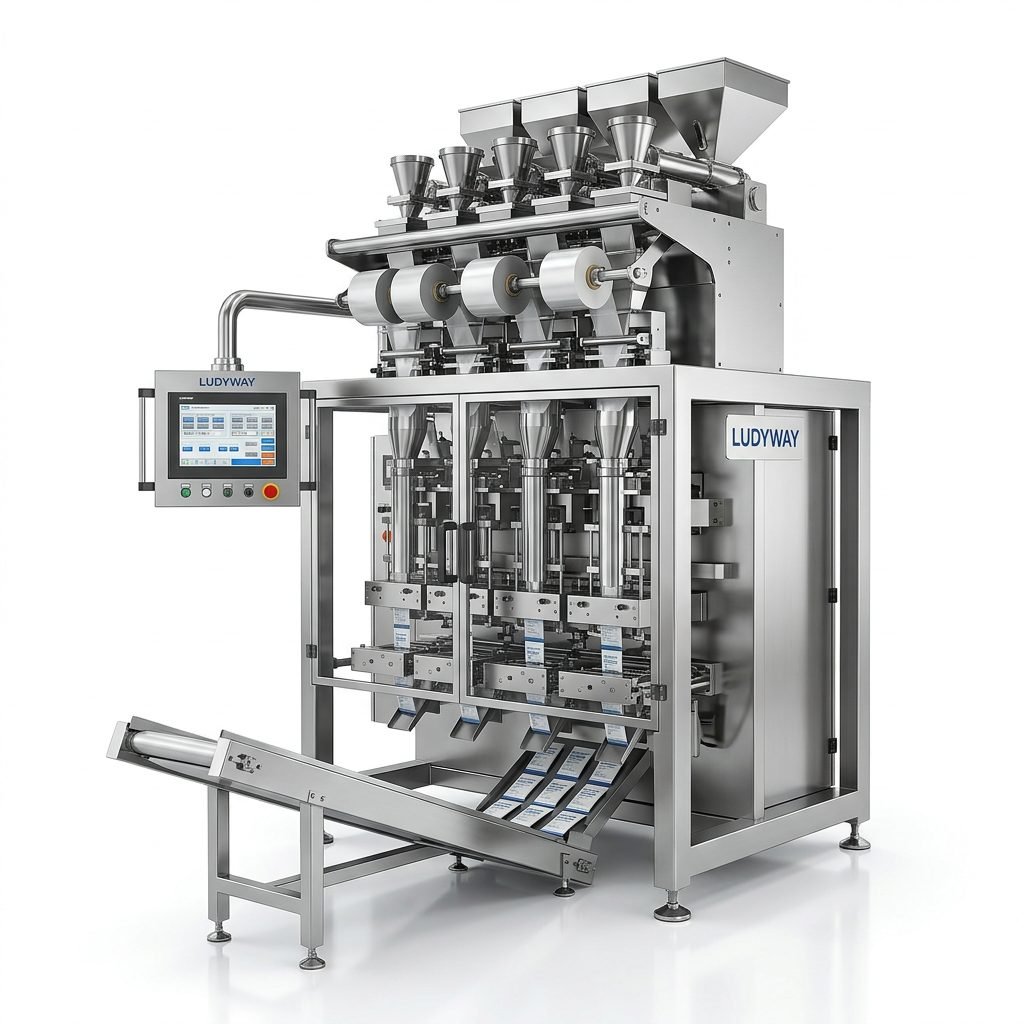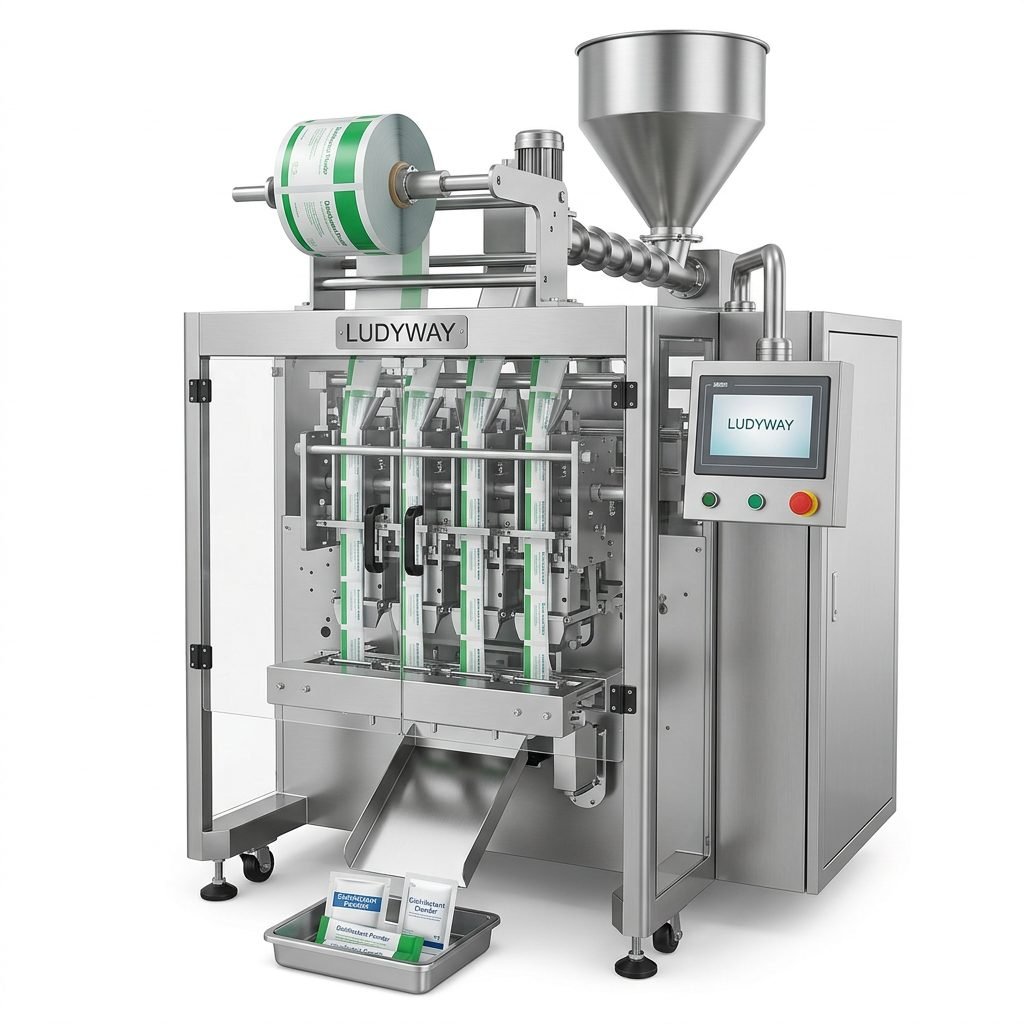
Selecting the right chemical packing machine is a critical decision that directly impacts production efficiency, product safety, and long-term operational costs. Unlike standard packaging applications, chemical products—whether powders, granules, or liquids—often present unique challenges including corrosiveness, dust generation, and strict regulatory compliance. This guide walks you through the essential factors to evaluate before investing in a chemical packaging machine for your production line.
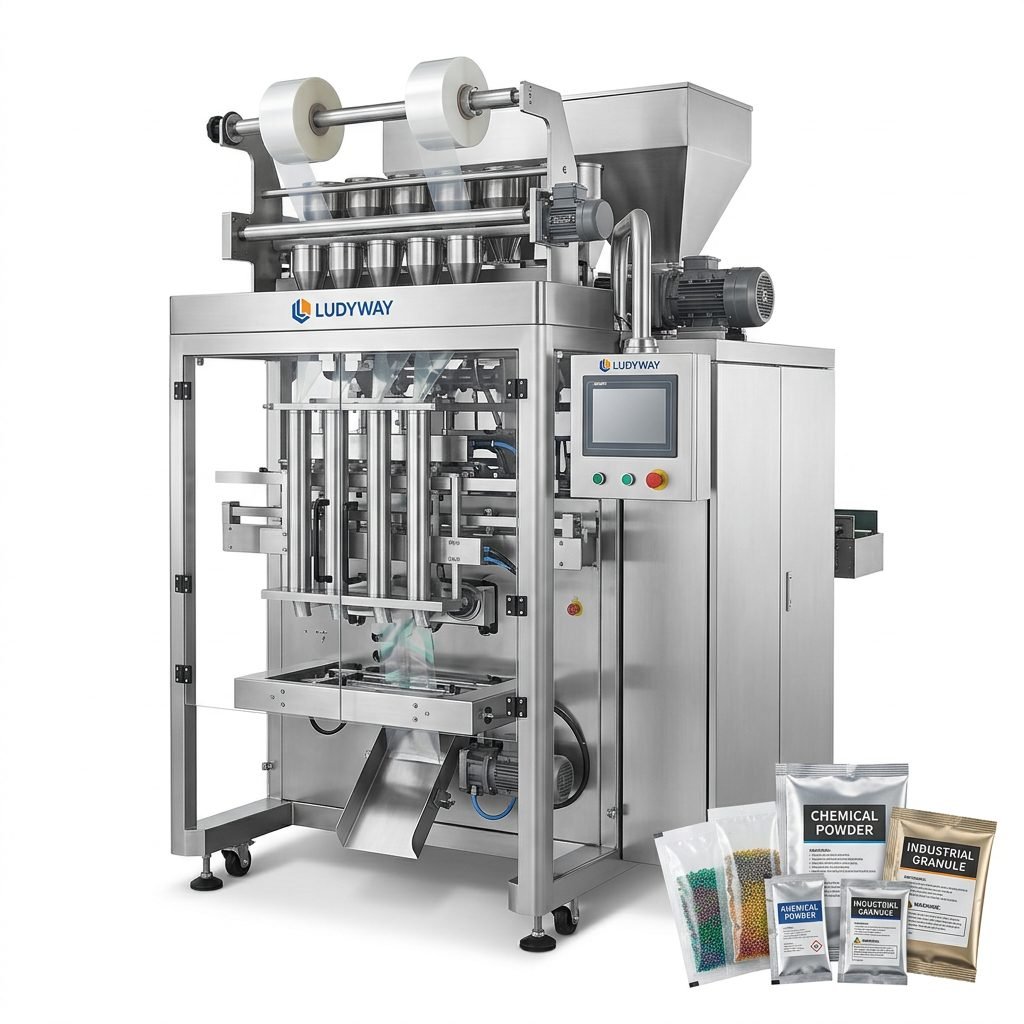
Understanding the Unique Demands of Chemical Packaging
Packaging chemicals is fundamentally different from packaging food or consumer goods. The equipment must withstand aggressive substances while maintaining precise dosing and safe containment. Before exploring specific machine configurations, manufacturers should map out their product characteristics and production requirements.
Key Product Characteristics to Assess
- Chemical composition: Is the product acidic, alkaline, oxidizing, or solvent-based? This determines the material compatibility requirements for machine contact parts.
- Physical form: Powder, granule, liquid, paste, or a combination? Each form requires different dosing and filling mechanisms.
- Flow characteristics: Free-flowing, cohesive, hygroscopic, or dusty powders need tailored feeding systems to ensure accuracy and prevent bridging.
- Hazard classification: Flammable, toxic, or reactive chemicals demand specialized safety features such as explosion-proof motors, dust extraction, and sealed construction.
- Packaging format: The target bag type—sachet, stick pack, pouch, or bulk bag—determines the machine architecture.
Types of Chemical Packing Machines
The market offers various machine configurations designed for different chemical applications. Understanding these categories helps narrow your selection based on production volume and packaging format.
| Machine Type | Best For | Key Advantage | Common Chemical Applications |
|---|---|---|---|
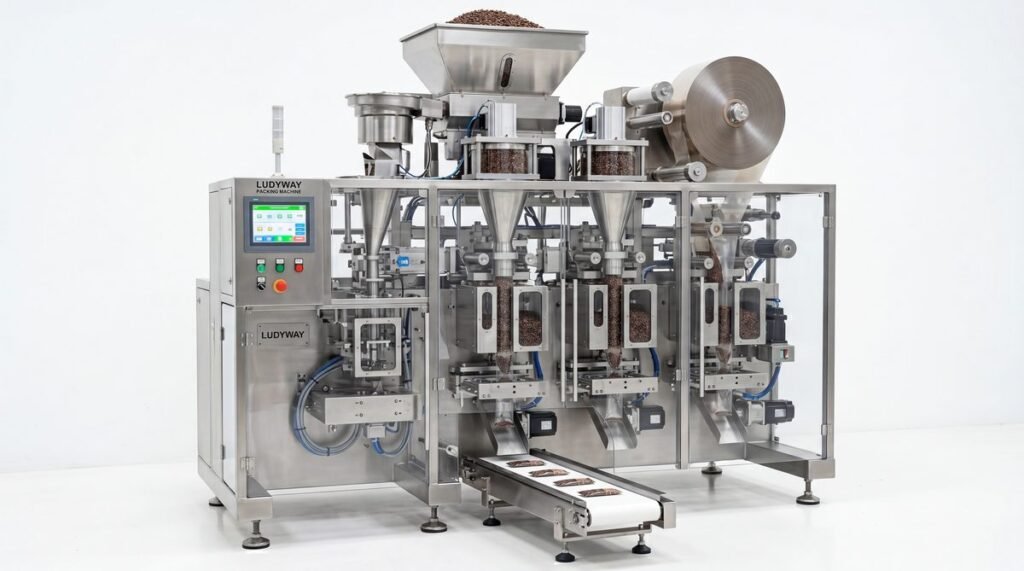
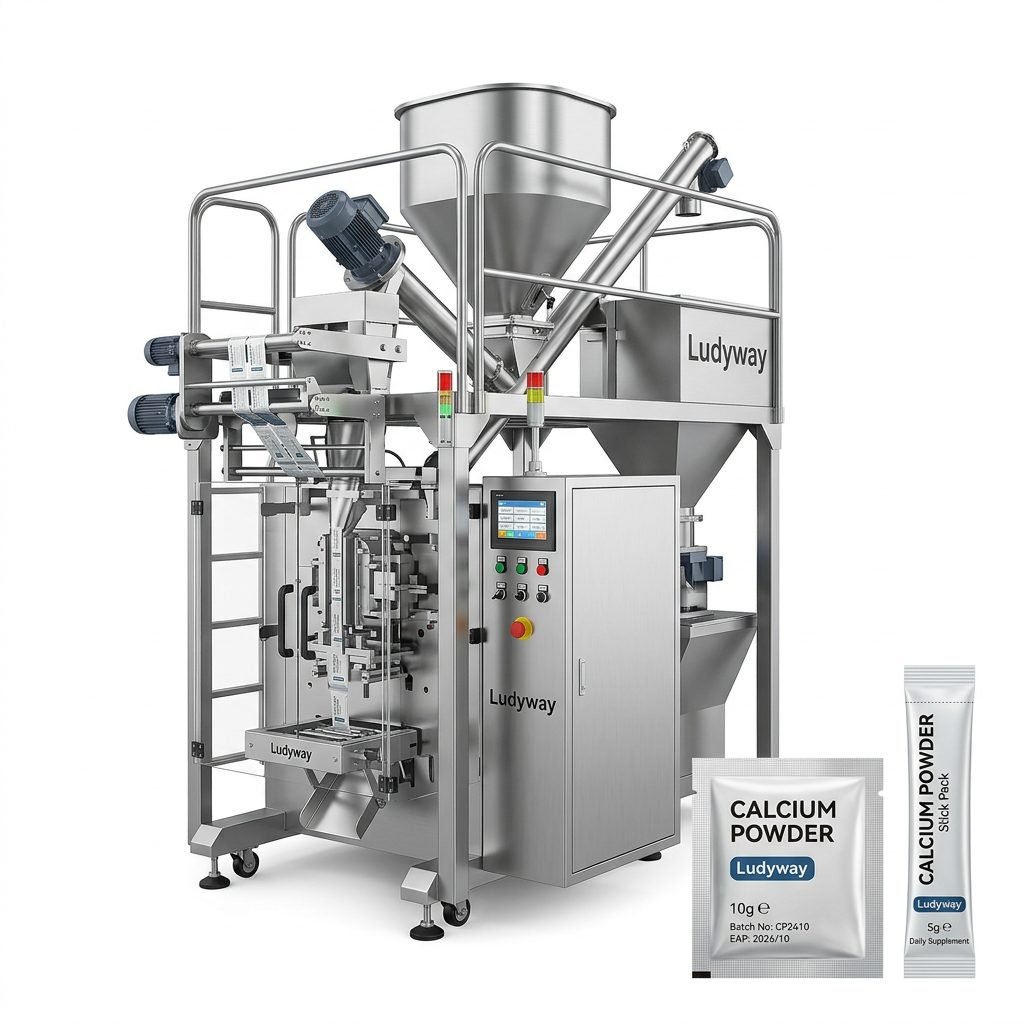
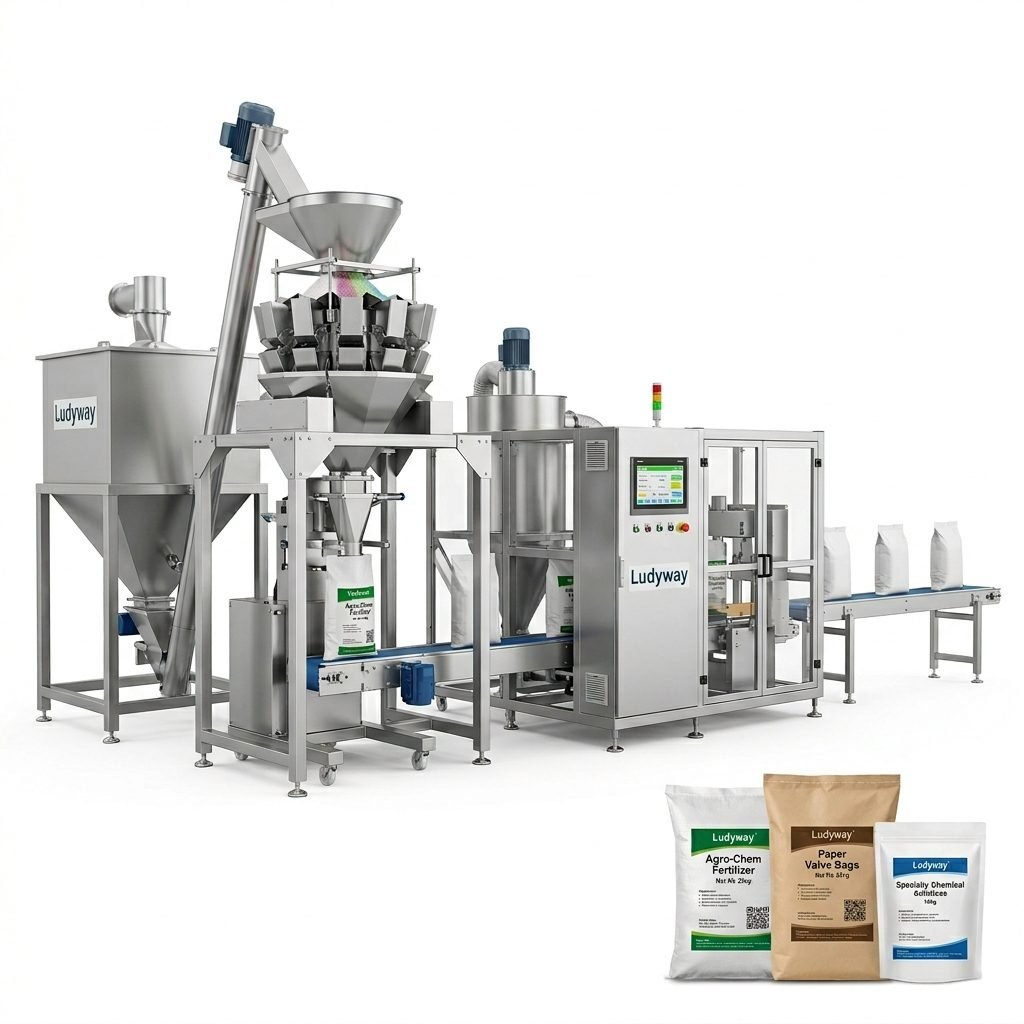
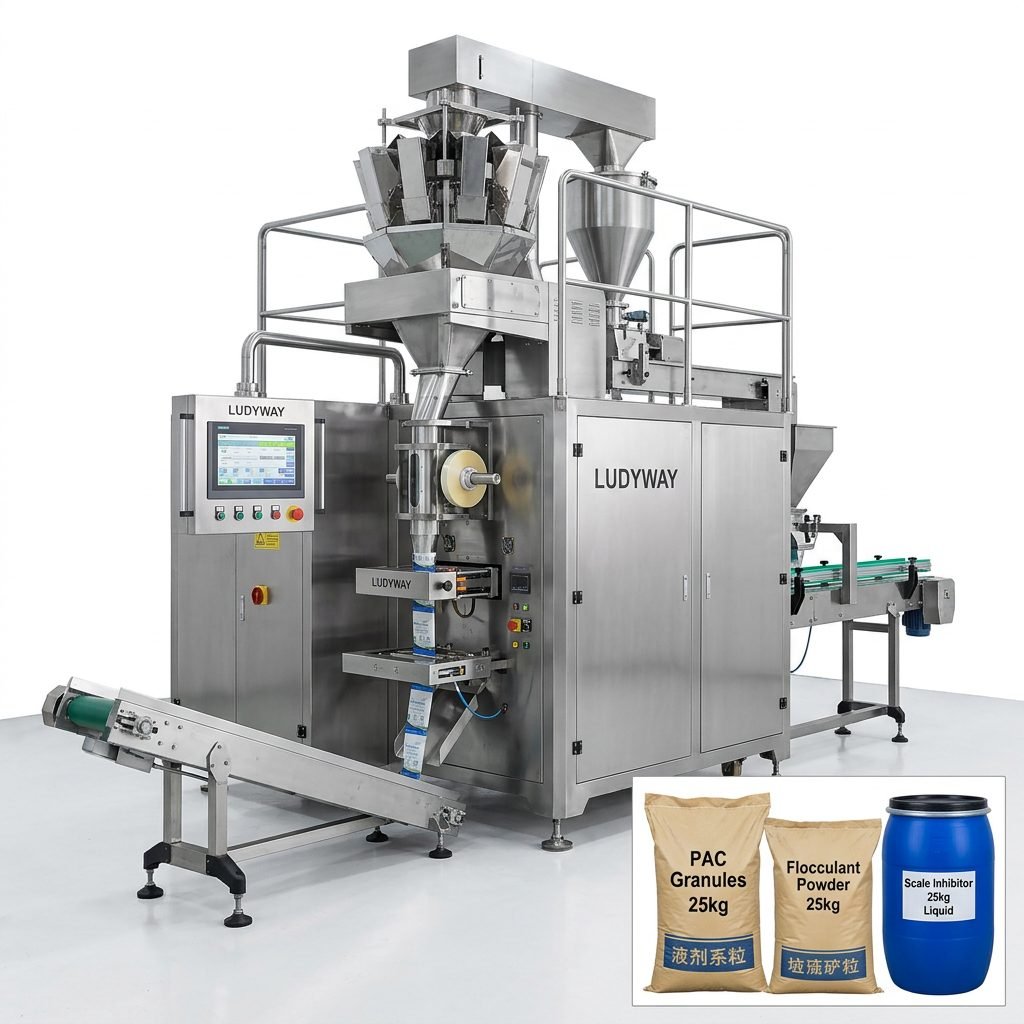
| Vertical Form Fill Seal (VFFS) | Powders, granules, pellets | High-speed continuous operation; compact footprint | Detergents, fertilizers, water treatment chemicals |
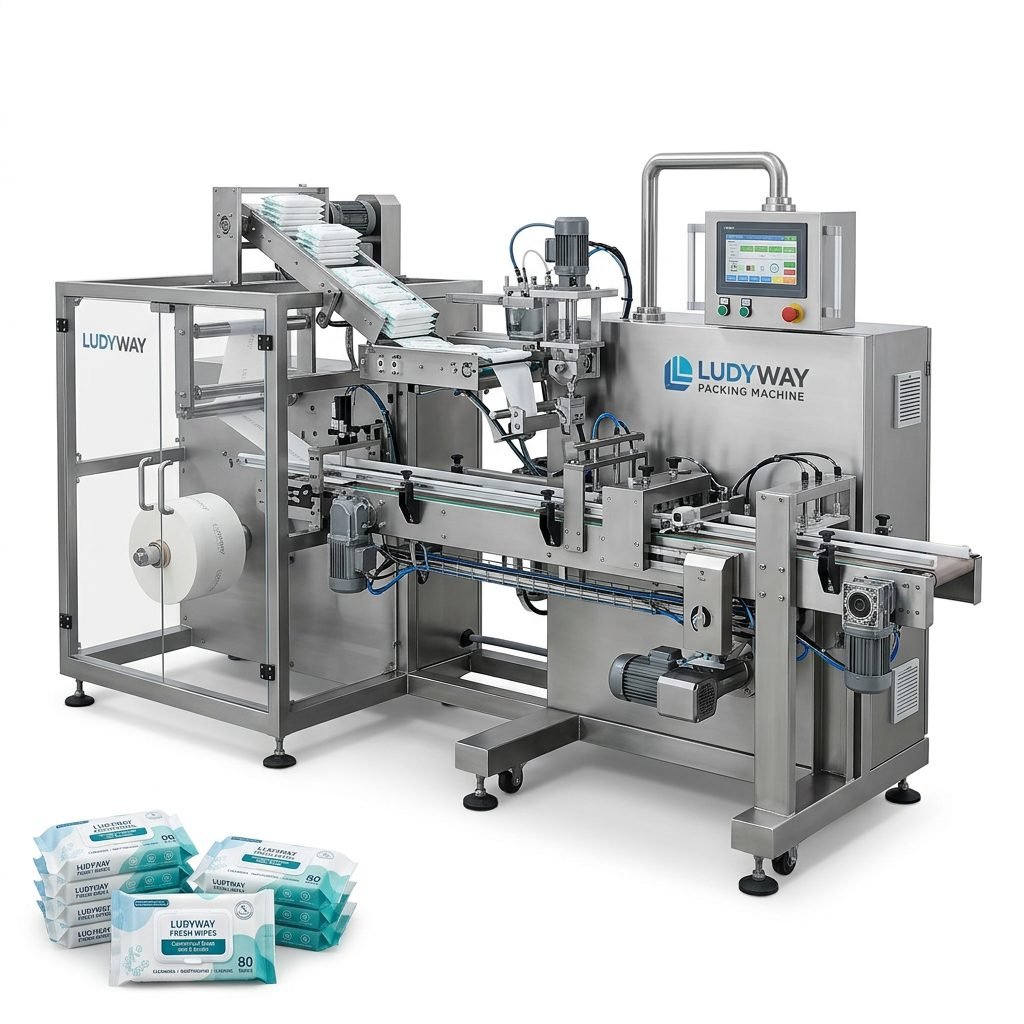
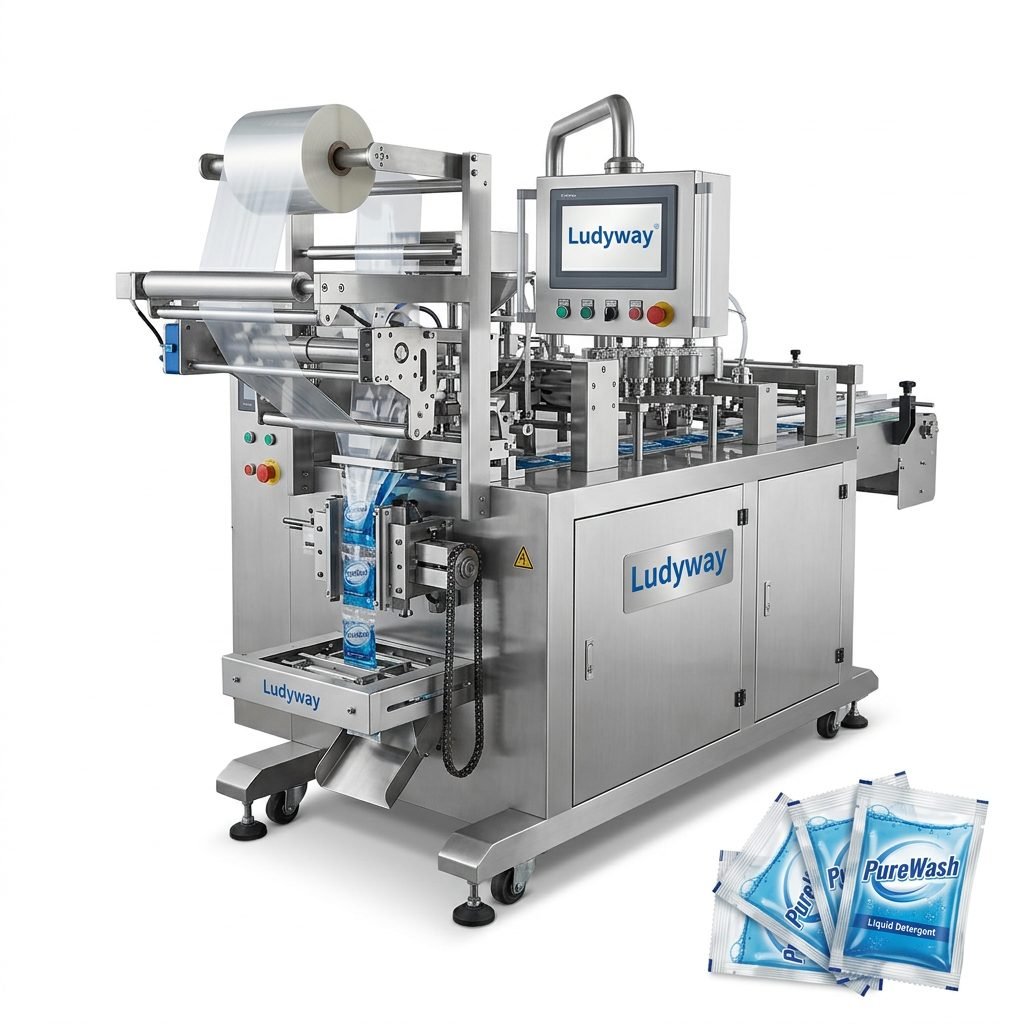
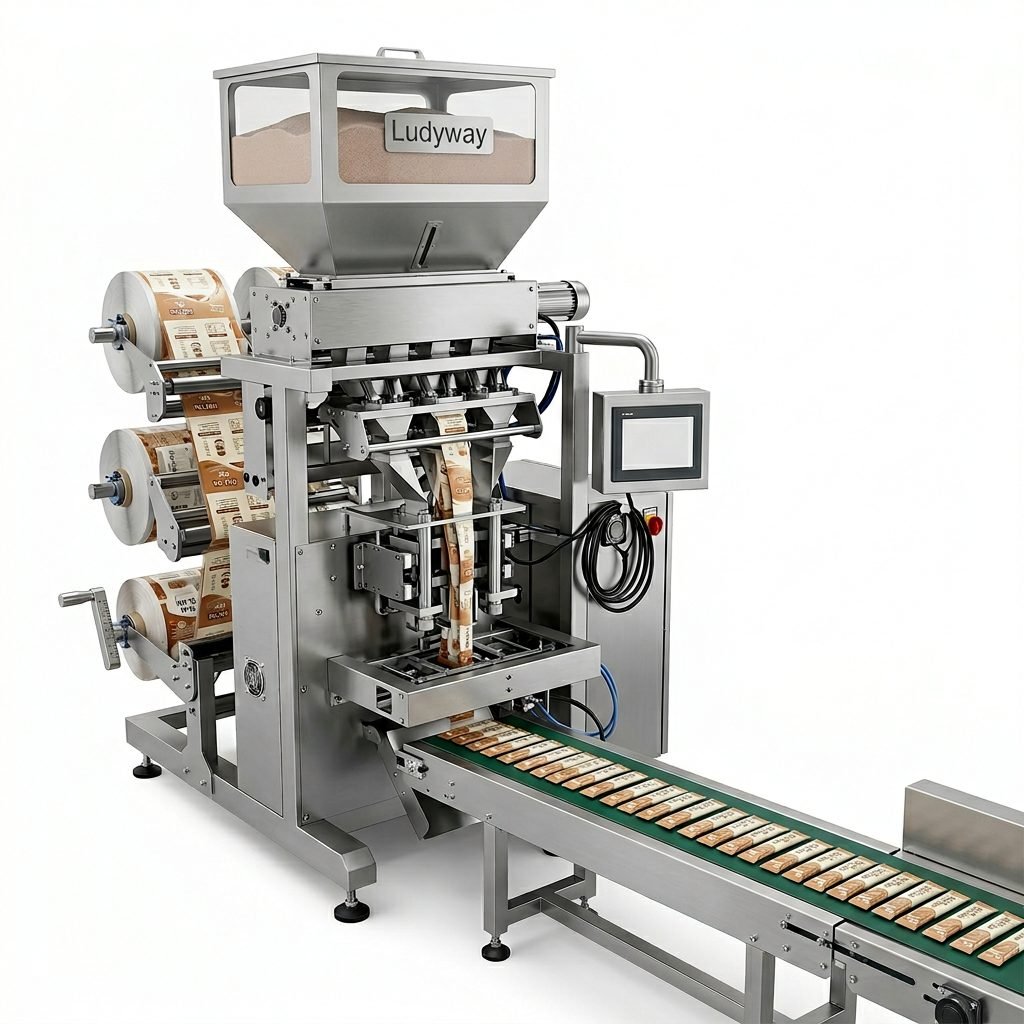
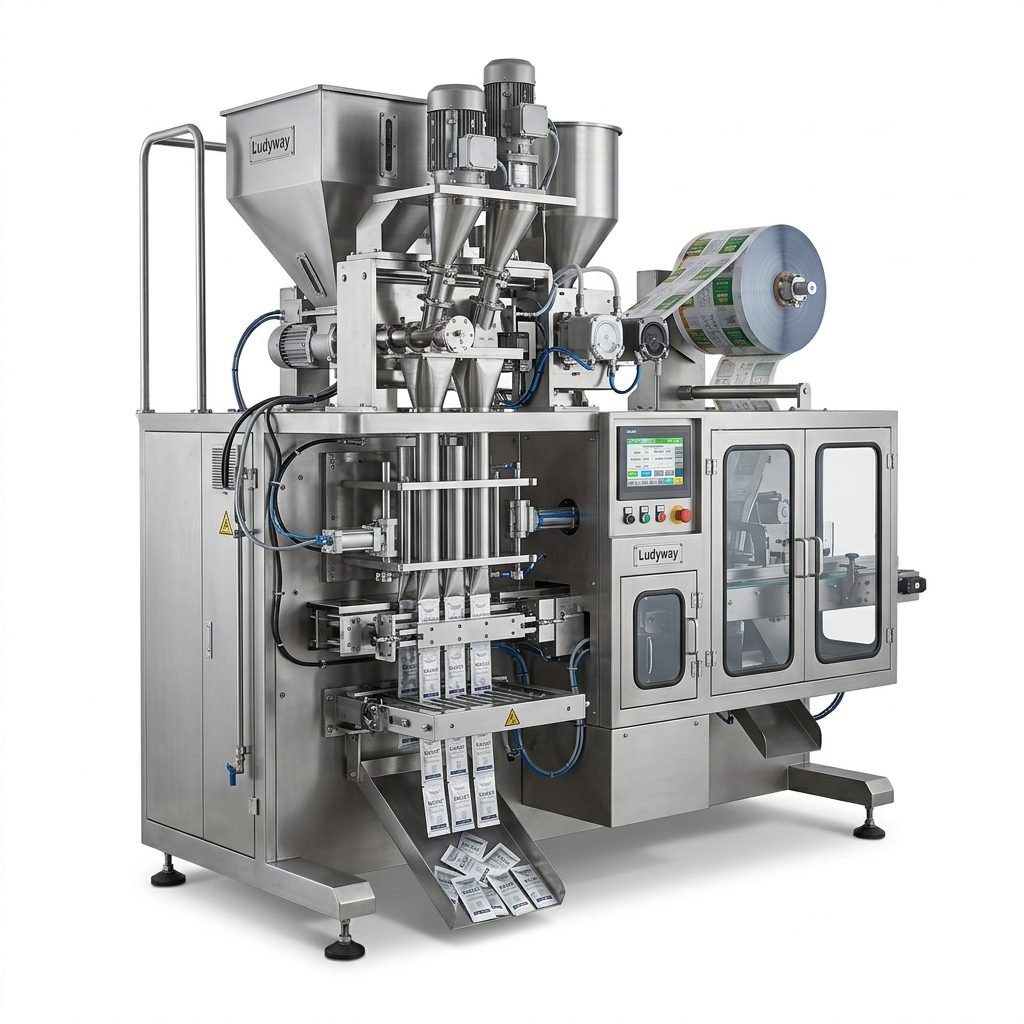
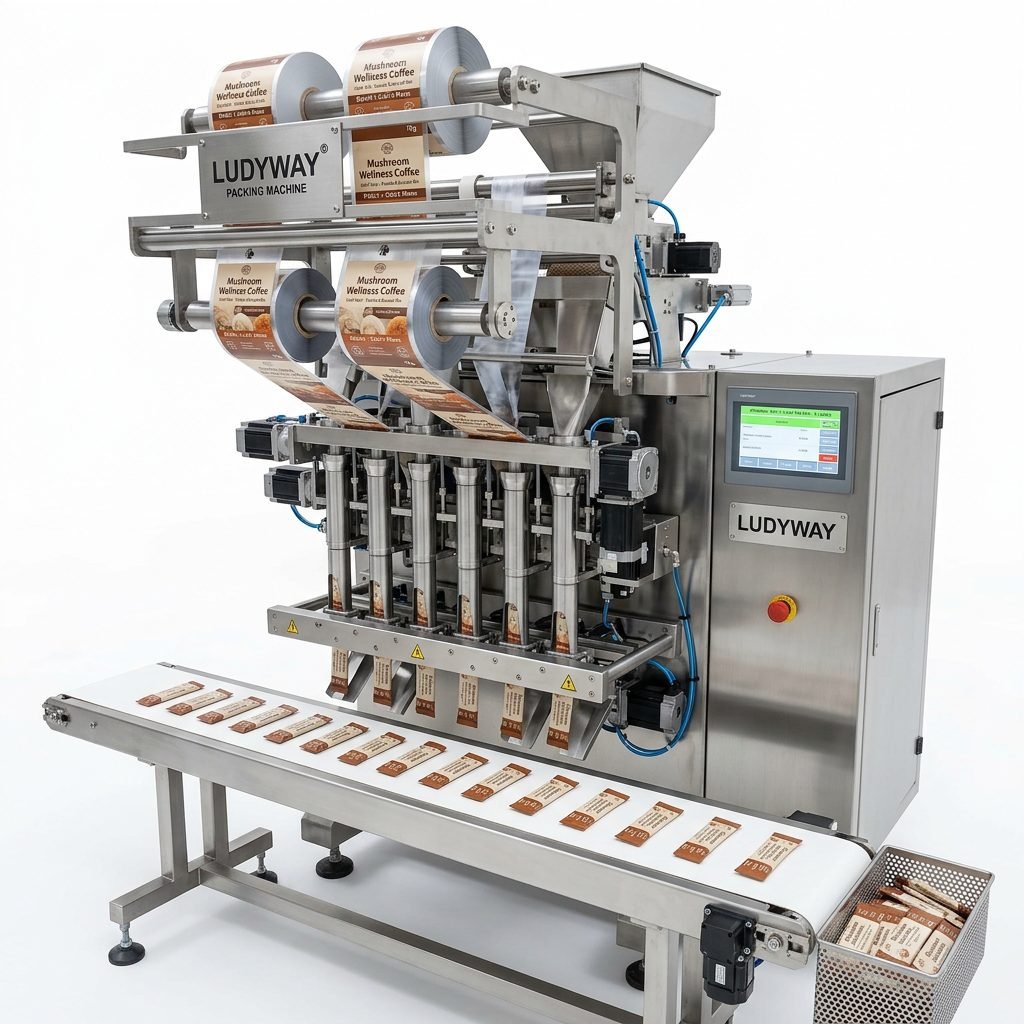
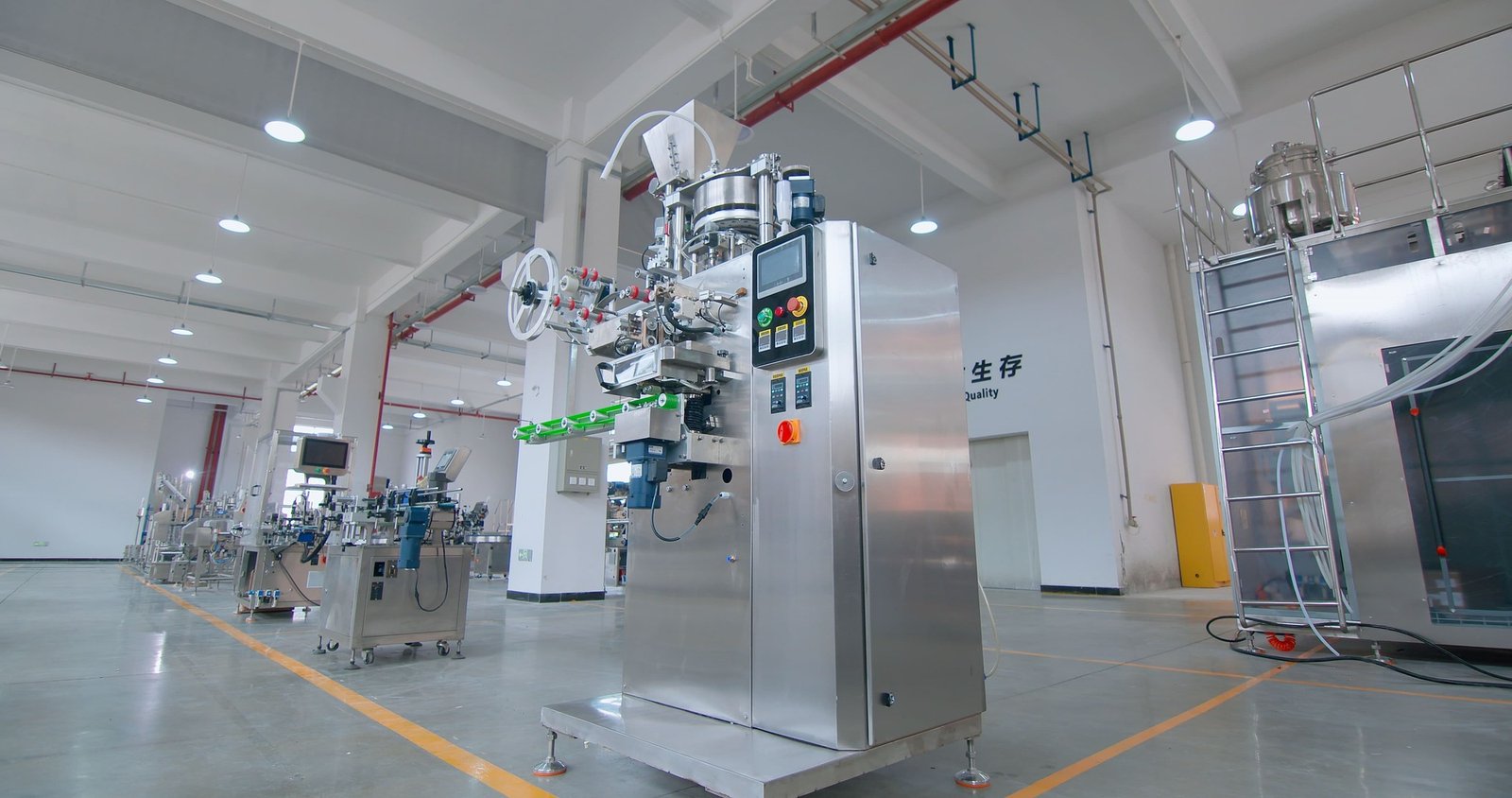
| Multi-Lane Stick Pack Machine | Single-serve powder or liquid doses | Extremely high output through parallel lanes | Descaling agents, cleaning chemicals, pool chemicals |
| Premade Pouch Filling & Sealing | Liquids, gels, aggressive chemicals | Flexible pouch materials; robust sealing for leak-proof integrity | Industrial lubricants, sealants, adhesives |
| Bulk Bag Filling Systems | High-volume powder/granule packaging | Heavy-duty construction for 25kg+ bags | Industrial salts, silica powder, construction chemicals |
Material Compatibility and Corrosion Resistance
Perhaps no factor is more important in chemical packaging equipment than material compatibility. The wrong metal or seal material can lead to rapid degradation, product contamination, and safety hazards. Key considerations include:
Machine Contact Materials
- Stainless Steel 316L: Preferred for most chemical applications due to its superior corrosion resistance against acids, alkalis, and solvents — superior to standard 304 stainless steel.
- Hastelloy or Titanium: Required for highly aggressive chemicals such as concentrated hydrochloric acid or chlorine-based products.
- PTFE/ETFE Coatings: Non-stick, chemically inert coatings applied to contact surfaces for additional protection and easier cleaning.
- Seal and Gasket Materials: Viton, EPDM, or PTFE seals must be specified based on the solvent or chemical being packaged to prevent swelling, cracking, or leakage.
According to ISO packaging standards, equipment intended for chemical contact must demonstrate compatibility through documented material testing and validation protocols.
Safety Features for Chemical Packaging Operations
Safety cannot be an afterthought when selecting a chemical packing machine. Depending on the product’s hazard classification, the following features may be mandatory or strongly recommended:
Dust Containment and Extraction
Fine chemical powders present inhalation risks and can create potentially explosive atmospheres. Look for machines with integrated dust collection hoods, sealed product-contact zones, and negative-pressure operation where applicable. Combustible dust standards may apply to organic chemical powders, fine metal powders, and certain oxidizing agents.
Explosion-Proof Configurations
For flammable solvents, gases, or dust-laden environments, the machine must be available with ATEX or IECEx certified explosion-proof electrical components, motors, and control panels. This is especially relevant for solvent-based products, alcohol-based formulations, and fine combustible dusts.
Leak-Proof and Spill Containment
Machine design should include drip trays, sealed frames, and containment basins to prevent chemical spills from reaching the floor or contaminating other production areas. Quick-access clean-out points facilitate safe product changeovers and maintenance.
Automation and Integration Capabilities
Modern chemical packaging lines benefit greatly from automation. When evaluating a chemical packaging system, consider how the machine will integrate into your existing or planned production infrastructure.
Levels of Packaging Automation
- Semi-Automatic: Operator-assisted bag placement or product feeding; suitable for lower volumes or frequent product changeovers.
- Fully Automatic: Automated feeding, dosing, bag forming, filling, sealing, coding, and discharge with minimal operator intervention — ideal for 24/7 production.
- Turnkey Packaging Lines: Complete integrated systems that connect multiple machines including feeding, dosing, packaging, inspection, coding, and palletizing — all managed from a central control system.
Dosing Accuracy and Filling Technology
Chemical products often require precise dosing for regulatory compliance, product efficacy, and cost control. The choice of filling technology significantly impacts accuracy:
| Dosing System | Product Type | Accuracy Range | Speed Capability |
|---|---|---|---|
| Auger Filler (Volumetric) | Free-flowing and non-free-flowing powders | ±1-2% depending on product consistency | Moderate to High |
| Multi-Head Weigher (Gravimetric) | Granules, pellets, free-flowing solids | ±0.5-1% of target weight | Very High |
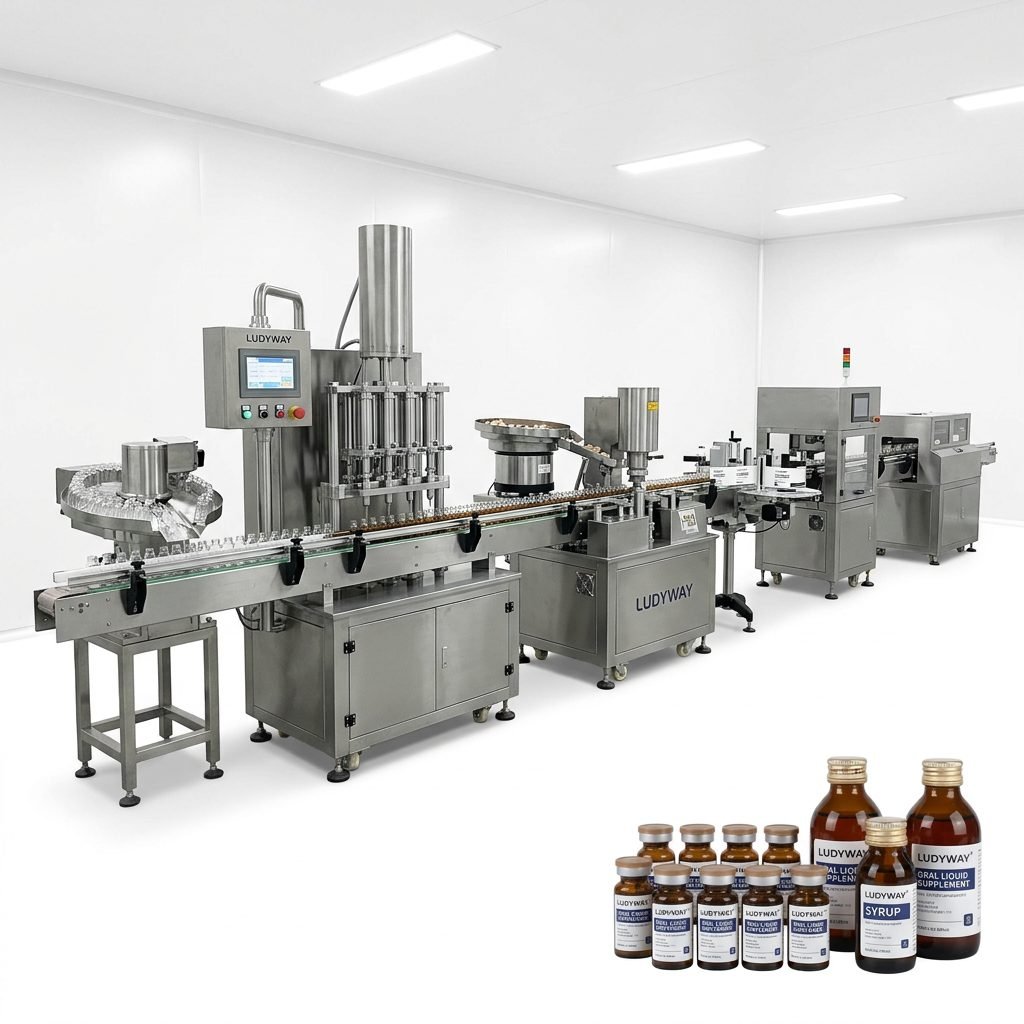
| Piston Filler (Volumetric) | Liquids, pastes, gels (viscous chemicals) | ±0.5-1% depending on viscosity | Medium to High |
| Net Weigh Filler | Bulk bags, drums, high-value chemicals | ±0.1-0.3% of target weight | Low to Medium |
Customization: Why It Matters for Chemical Applications
Standard or off-the-shelf packaging machines rarely meet all the requirements of a chemical packaging operation. Customization ensures safety, efficiency, and long-term reliability. According to PMMI industry research, customized packaging solutions often deliver better total cost of ownership in specialized applications. Key customization areas include:
- Specialized material finishes for corrosion resistance and cleanability
- Custom sealing parameters for multi-layer chemical-resistant films
- Integrated dust extraction and air filtration systems
- Explosion-proof certification per local regulations and product requirements
- Bag format and size flexibility for varied product portfolios
- Filling range adjustability from small sachets to bulk containers
Regulatory Compliance and Industry Standards
Chemical packaging equipment must often comply with multiple regulatory frameworks depending on the product and target market. Understanding these requirements upfront avoids costly retrofits later.
Key Standards and Regulations
- FDA 21 CFR: Applies if the chemical product contacts food or is used in food processing — Refer to FDA food packaging regulations for detailed requirements on food contact substances.
- ISO 11607: Relevant for terminally sterilized medical device packaging — See ISO 11607 standards for packaging validation requirements.
- GHS Classification: Globally Harmonized System labeling and packaging requirements for hazardous chemicals — influencing packaging machine coding and labeling integration.
- ATEX Directive (EU) / NEC / CEC: Explosion protection standards for equipment used in potentially explosive atmospheres — critical for solvent and fine powder applications.
- European Packaging and Packaging Waste Regulation: As outlined by the European Commission, sustainability requirements are increasingly influencing chemical packaging design and material choices.
Evaluating Machine Suppliers and After-Sales Support
Selecting the right machine supplier is as important as selecting the right machine. A strong partnership provides value throughout the equipment lifecycle—from installation and commissioning to long-term technical support. Key supplier evaluation criteria include:
What to Look for in a Chemical Packaging Machine Manufacturer
- Proven experience with chemical applications and material compatibility challenges
- In-house manufacturing and engineering capabilities to deliver customized solutions rather than only standardized designs
- Documented quality certifications and compliance with international standards
- Comprehensive technical support covering installation, commissioning, operator training, troubleshooting, and spare parts supply
- Global service network or remote technical assistance capabilities for manufacturers in different international markets
- Future scalability — can the supplier support your growth with additional machines or line integrations?
Making the Final Decision: A Practical Checklist
Before finalizing your chemical packing machine purchase, use this checklist to ensure all critical factors have been addressed:
- ✓ Product characteristics fully documented (chemical composition, form, flow behavior, hazard classification)
- ✓ Required packaging format and size range confirmed (sachet, stick pack, pouch, bulk bag)
- ✓ Target production speed calculated with room for future growth
- ✓ Material compatibility verified for all machine contact parts
- ✓ Safety features specified including dust extraction, explosion-proofing, and spill containment
- ✓ Dosing technology selected based on accuracy requirements and product flow characteristics
- ✓ Regulatory requirements identified and documented
- ✓ Integration with upstream and downstream equipment planned
- ✓ Supplier experience, technical support capabilities, and references verified
- ✓ Total cost of ownership estimated including spare parts, maintenance, and energy consumption
Partner with an Experienced Chemical Packaging Machine Manufacturer
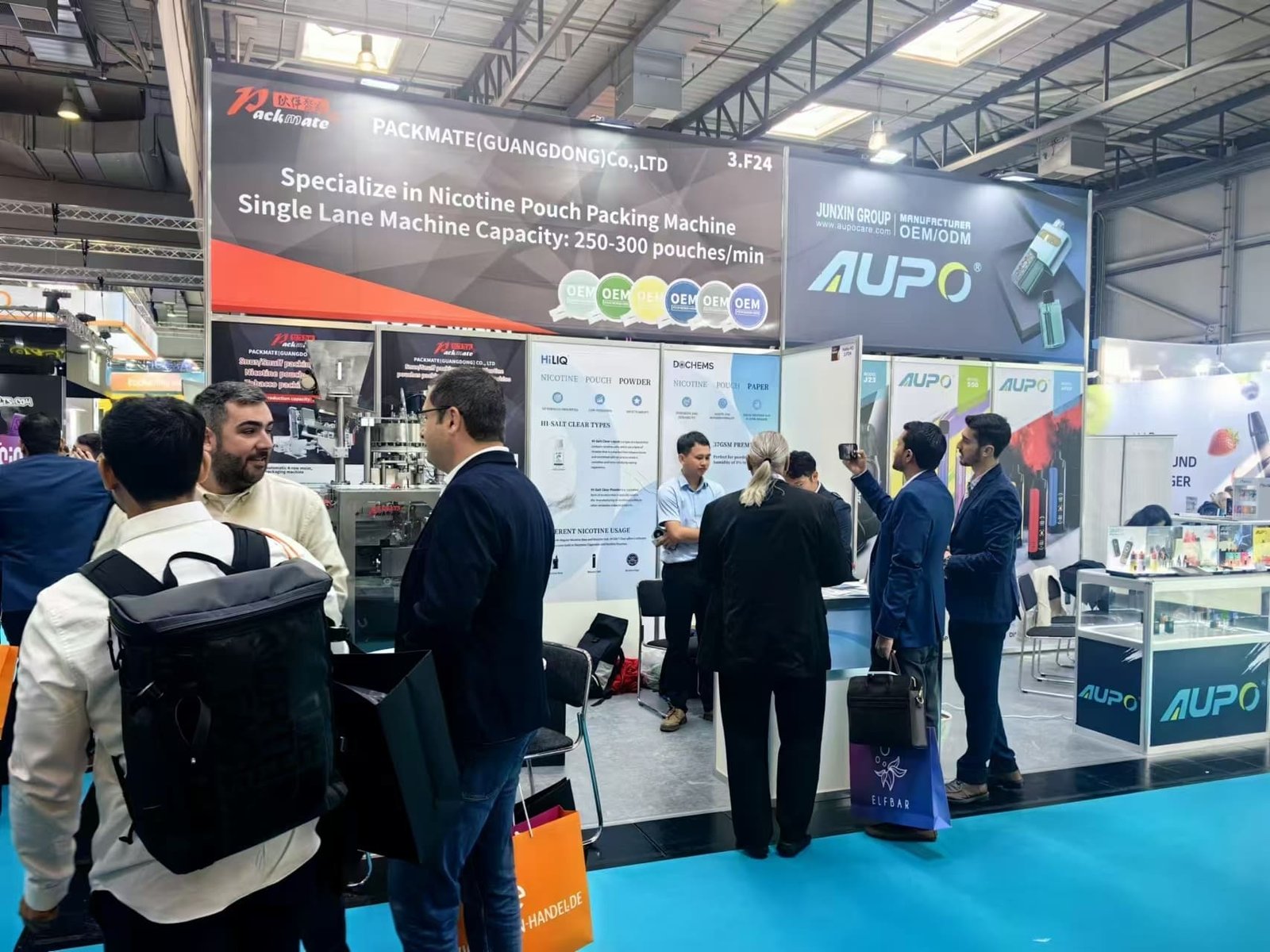
Choosing the right chemical packaging equipment requires balancing technical specifications, safety requirements, and long-term operational goals. Ludyway Machinery, a China-based packaging machinery manufacturer with more than 30 years of industry experience, provides automated packaging equipment and turnkey packaging solutions for chemicals and other products. With a 20,000-square-meter manufacturing facility, over 130 professionals, and more than 50 packaging machine models, the company combines manufacturing expertise with engineering capabilities and automation technology. Ludyway is expected to achieve export revenue of more than RMB 500 million (approximately US$69 million) in 2025, and plans to surpass RMB 1 billion (approximately US$138 million) in export revenue in 2026, reflecting its growing presence in global markets. For manufacturers seeking customized chemical packaging solutions, a consultation with an experienced partner is the first step toward a reliable, efficient packaging line.
For further reading on packaging machinery trends and best practices, explore resources from PMMI – The Association for Packaging and Processing Technologies, the Flexible Packaging Association, or review the latest 2026 State of the Industry Report from PMMI for comprehensive market data.