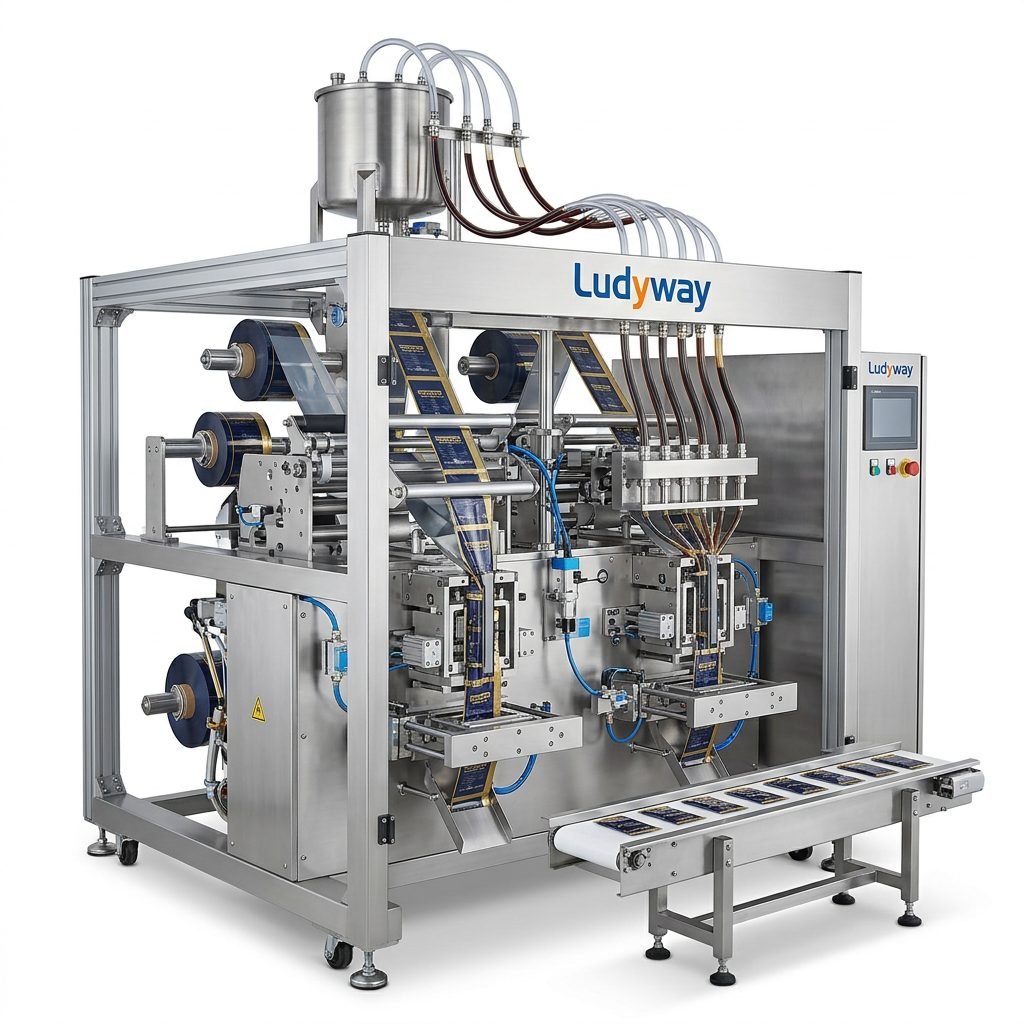
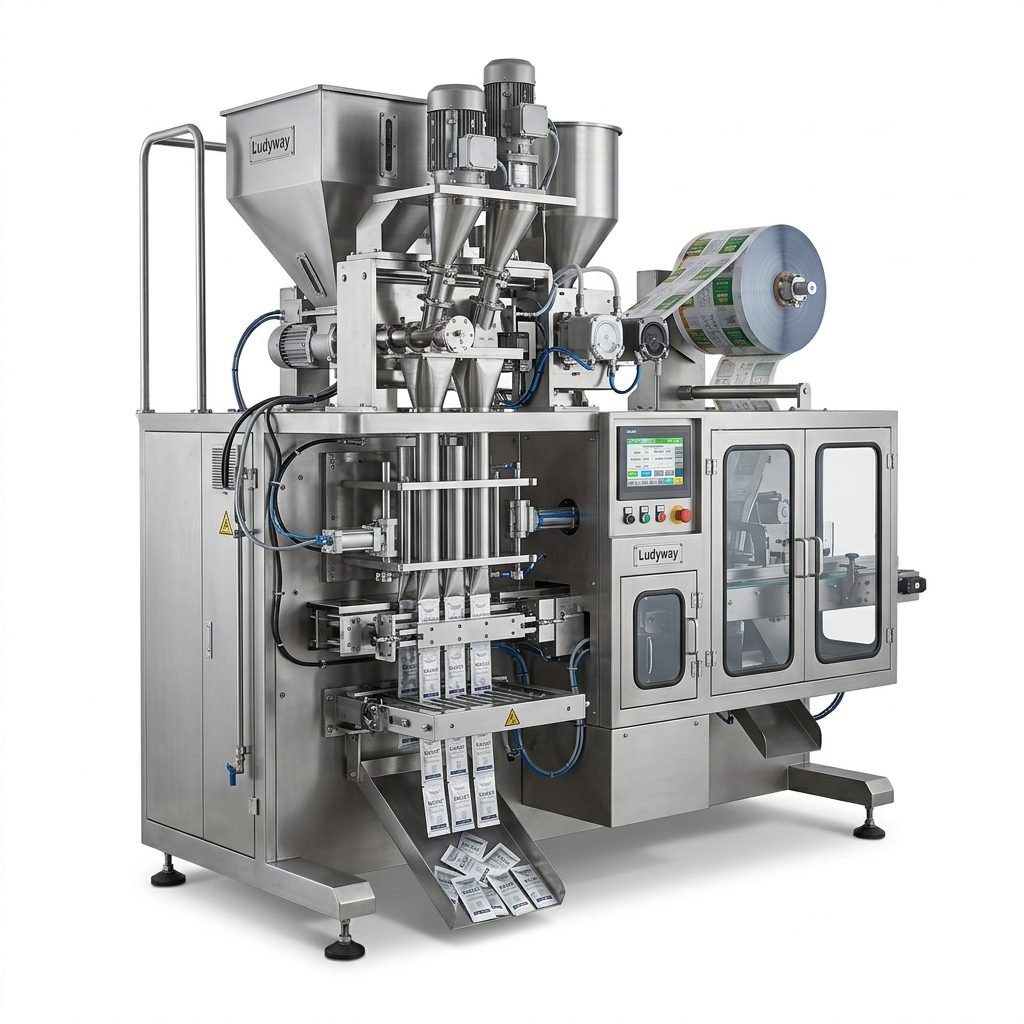
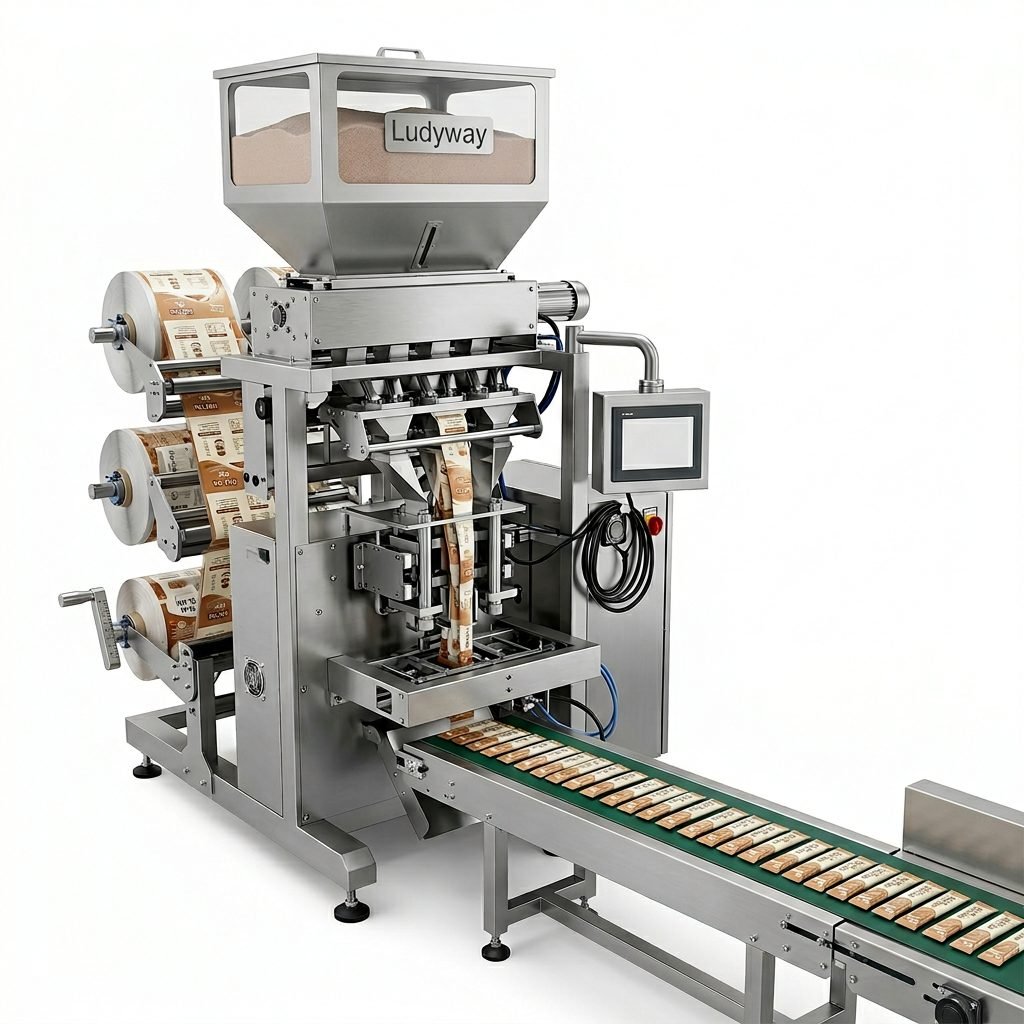
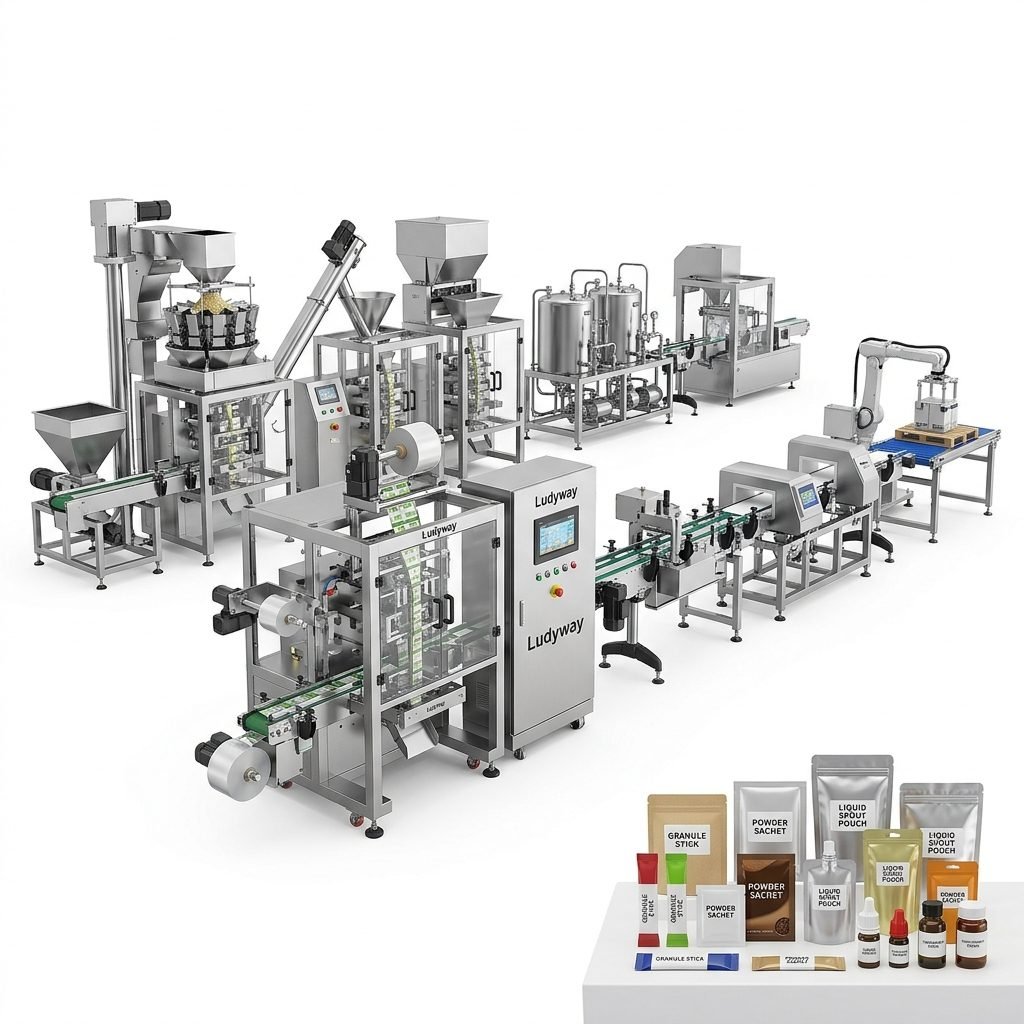
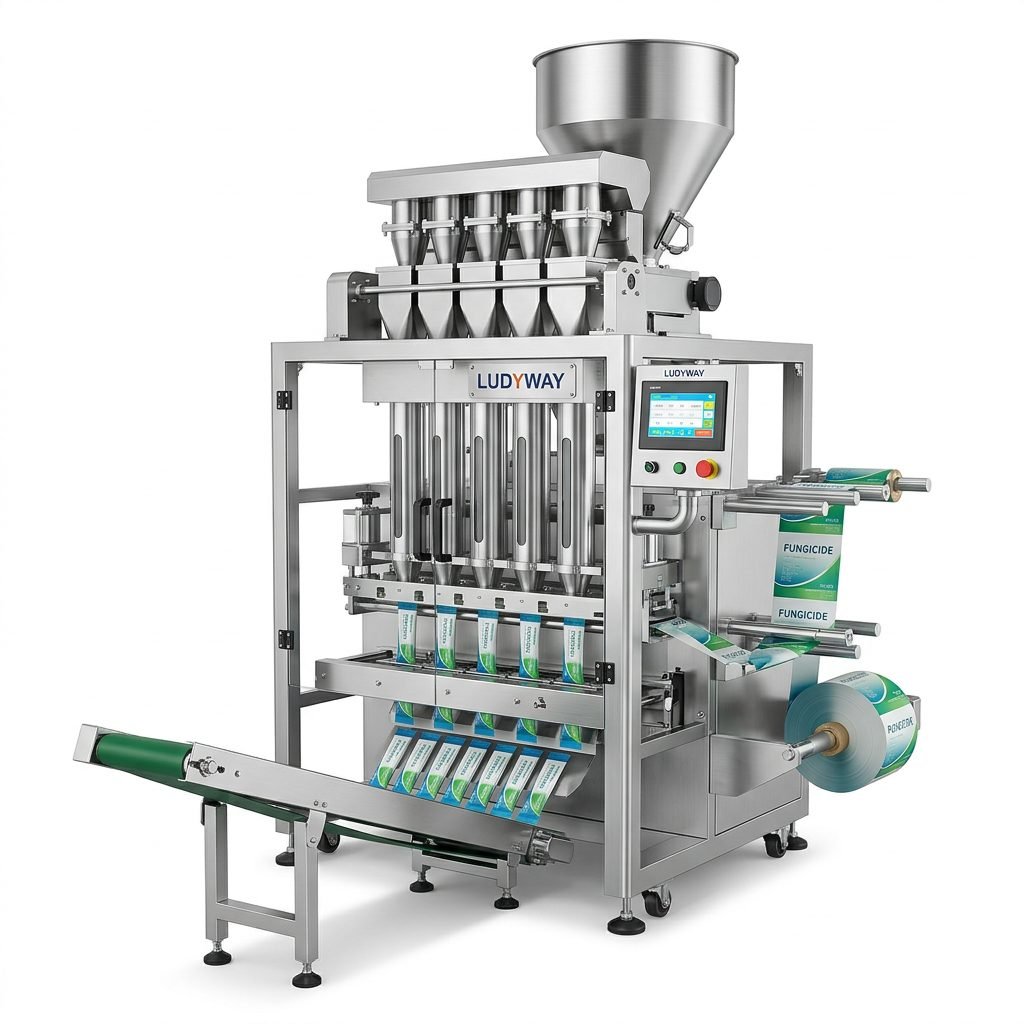
Investing in a Chronos packaging machine represents a significant decision for manufacturers across the food, pharmaceutical, chemical, and consumer goods sectors. Whether you are upgrading an existing line or building a new production facility, selecting the right equipment requires careful evaluation of your product characteristics, production targets, and long-term operational goals. This guide walks you through the essential factors to consider, helping you make an informed purchasing decision that aligns with your manufacturing requirements.
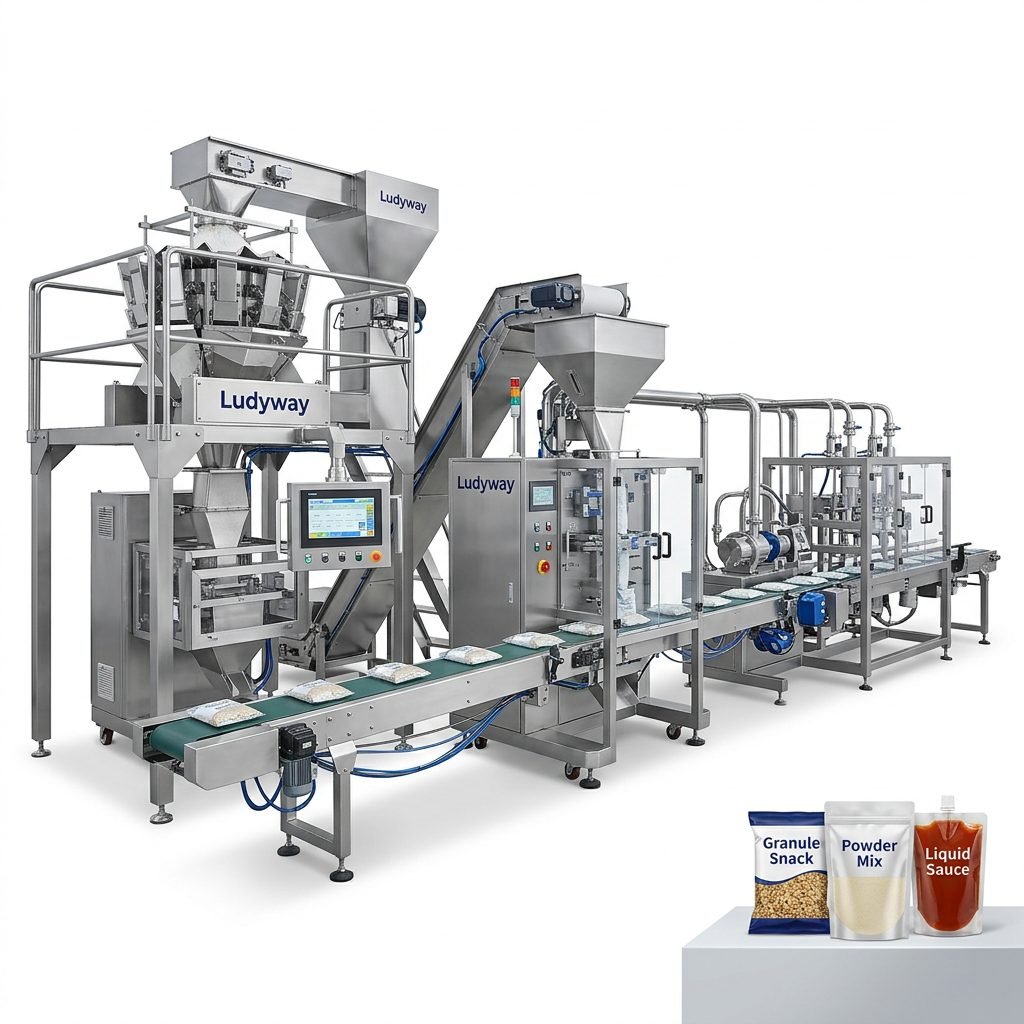
Understanding Chronos Packaging Machine Technology
Chronos packaging machines are widely recognized for their precision in weighing, filling, and sealing applications across diverse industries. Originally developed with a focus on net weighing technology, modern Chronos systems have evolved to incorporate advanced automation, multi-lane configurations, and integrated packaging line solutions that serve high-speed production environments. Understanding the core technology behind these machines is the first step toward evaluating whether they match your operational needs.
At the heart of most Chronos packaging systems lies a high-precision weighing mechanism designed to deliver consistent fill weights with minimal product giveaway. This capability is particularly valuable for manufacturers handling high-value ingredients such as nutraceutical powders, pharmaceutical granules, or specialty food products. Modern iterations also feature servo-driven controls, touchscreen interfaces, and compatibility with Industry 4.0 standards for real-time production monitoring. For additional context on packaging machinery standards, the PMMI – Association for Packaging and Processing Technologies offers extensive resources on industry benchmarks and technology advancements.
Key Factors to Consider When Choosing a Chronos Packaging Machine
Selecting the right Chronos packaging machine involves evaluating multiple technical and operational parameters. Below are the primary factors that should guide your decision-making process:
- Product characteristics – Particle size, flowability, bulk density, and moisture content all influence which feeding and dosing mechanism is appropriate.
- Target fill weight and accuracy – Different Chronos models offer varying levels of weighing precision, from ±0.1% to ±1%, depending on the application.
- Packaging format – Determine whether you need sachet, stick pack, pouch, bag, or bulk packaging capabilities.
- Production speed requirements – Output rates can range from 30 to over 600 packs per minute depending on the lane configuration.
- Material compatibility – Ensure the machine can handle your packaging film or pre-made pouch materials.
- Facility constraints – Floor space, ceiling height, and existing utility connections must be accommodated.
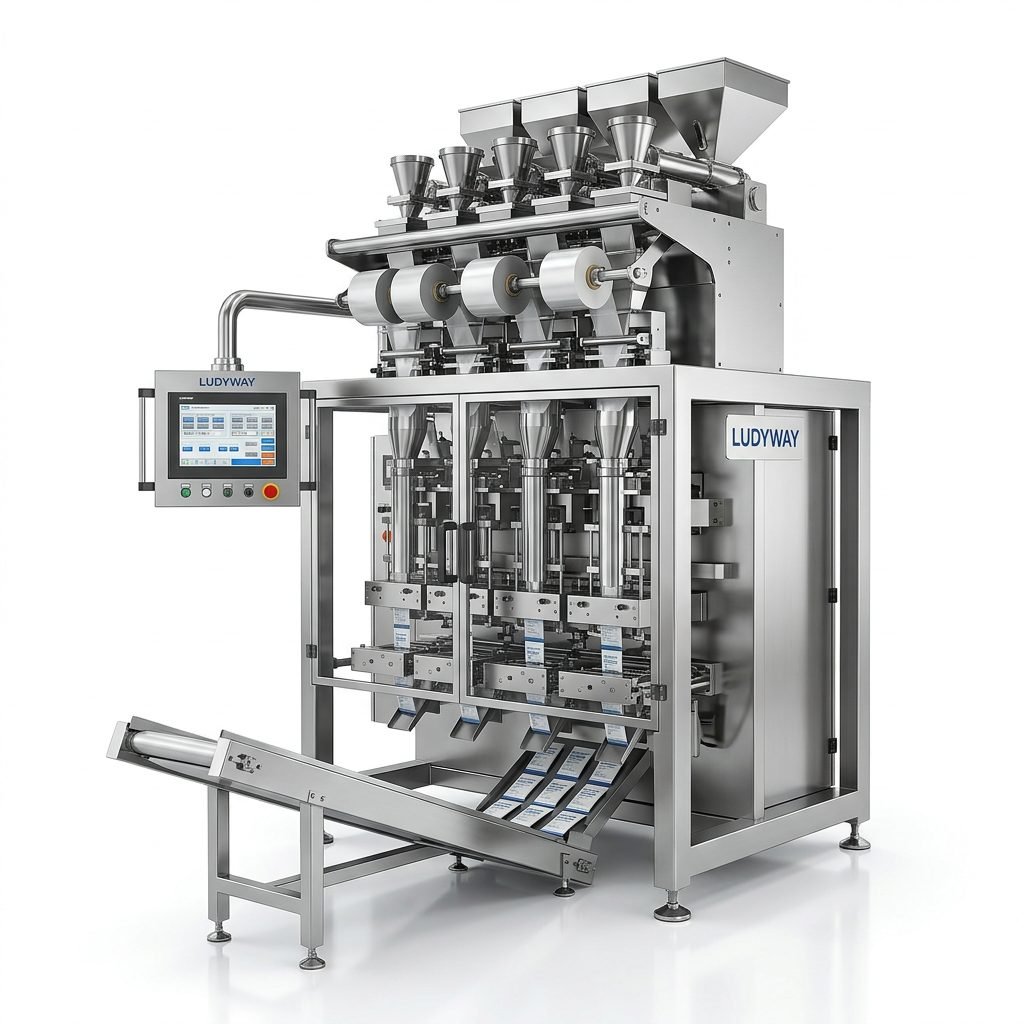
Types of Chronos Packaging Machines for Different Applications
Chronos packaging machinery spans a wide spectrum of configurations, each tailored to specific product types and packaging formats. The following table summarizes the most common machine categories and their typical applications:
| Machine Type | Best For | Typical Speed Range | Common Industries |
|---|---|---|---|
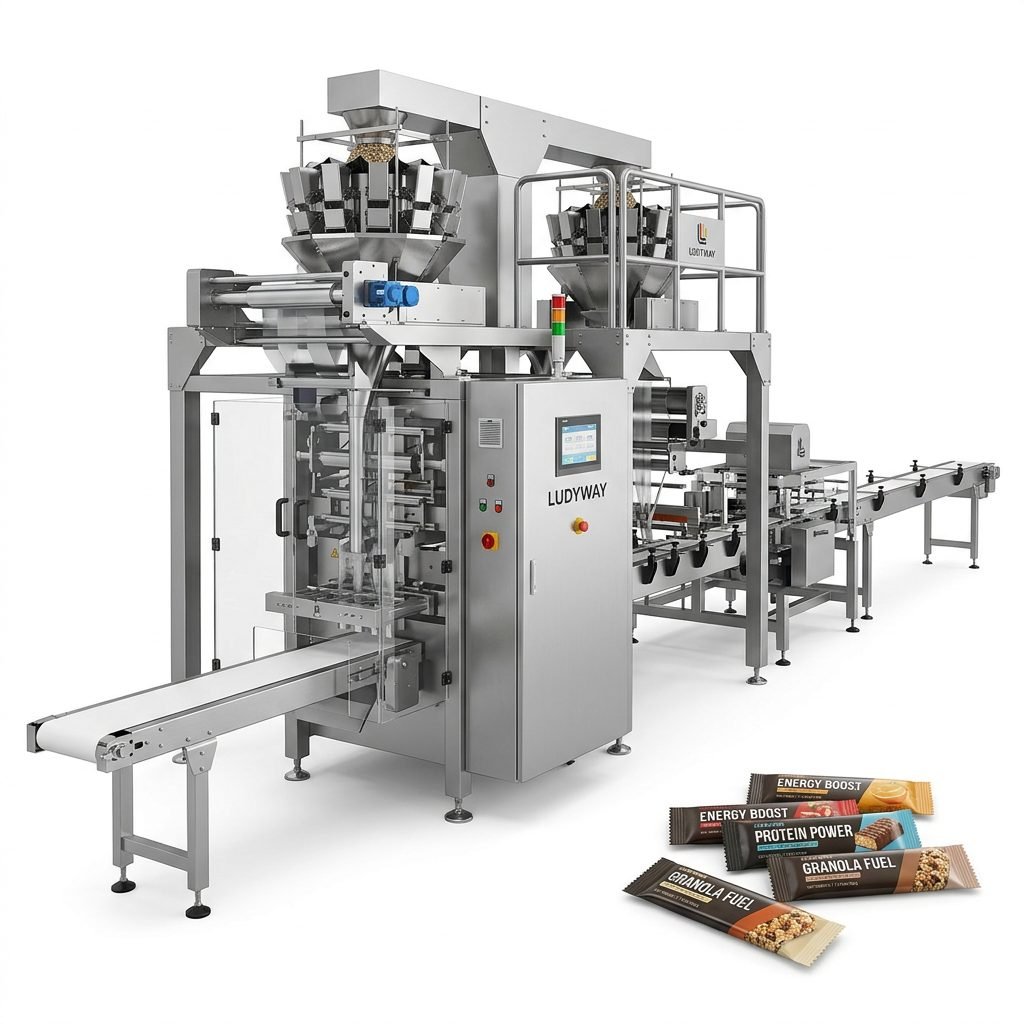
| Net Weighing Systems | Granules, pellets, free-flowing powders | 10-60 bags/min | Food, agriculture, chemicals |
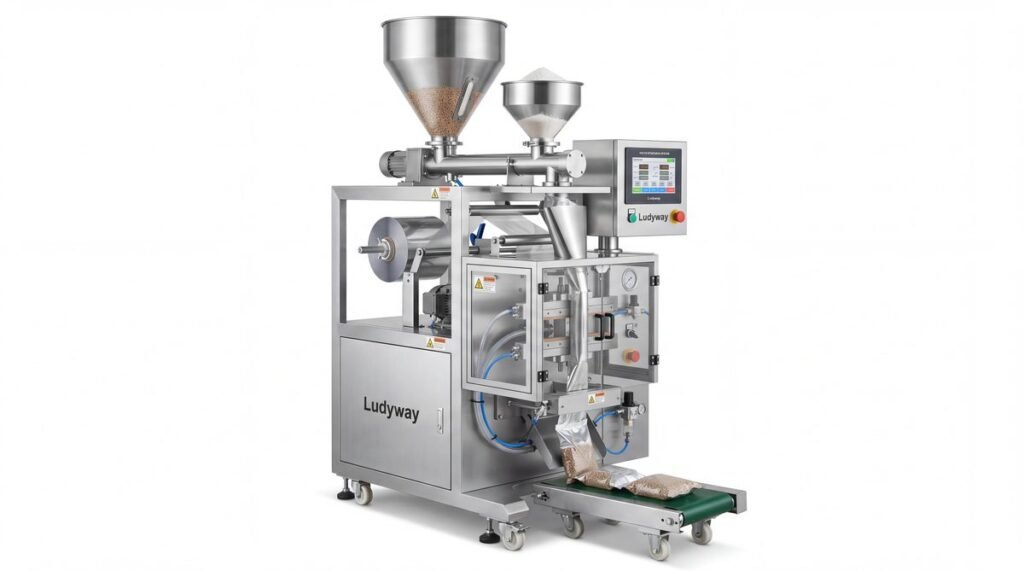
| Auger Filling Machines | Fine powders, cohesive materials | 30-120 packs/min | Pharma, nutraceuticals, spices |
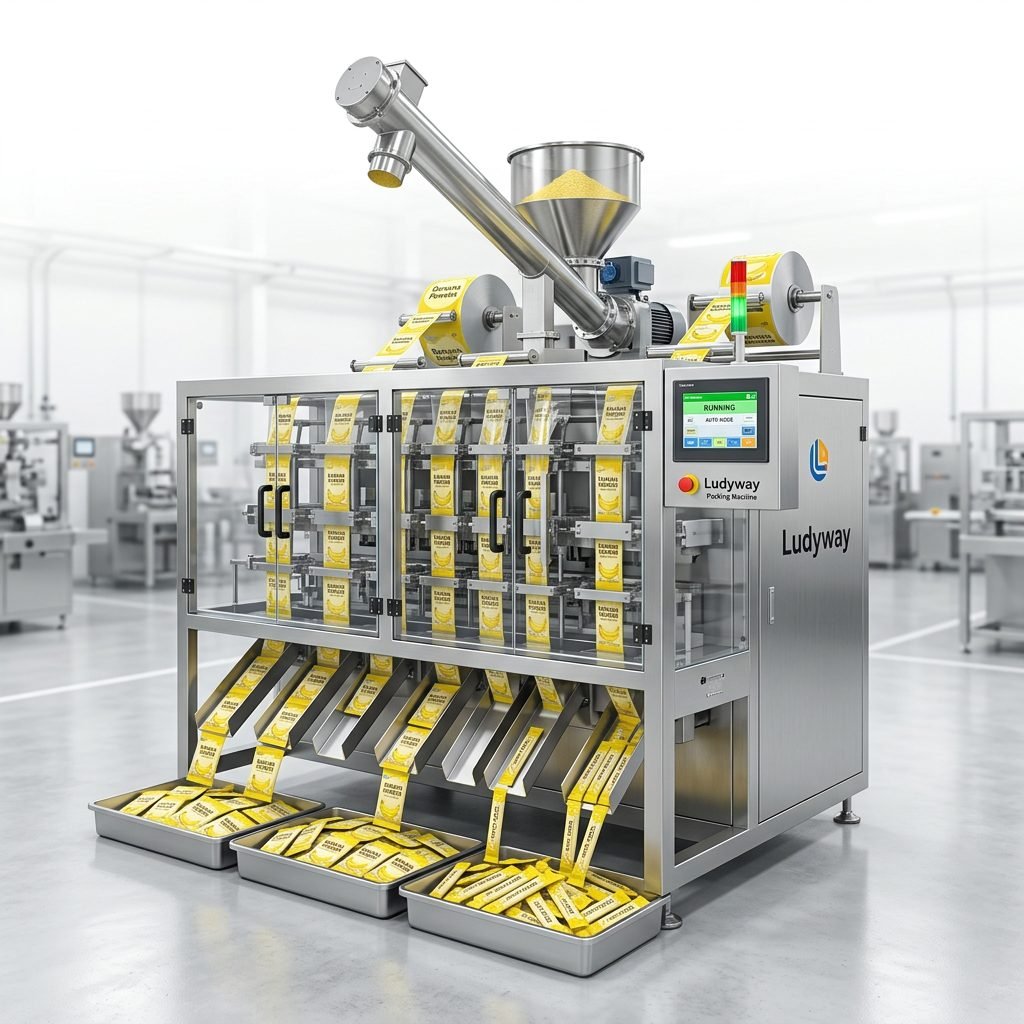
| Multi-Lane Stick Pack Machines | Single-serve powders, liquids, granules | 200-600+ packs/min | Beverages, supplements, condiments |
| Liquid Filling Systems | Low to high viscosity liquids, creams | 40-200 packs/min | Cosmetics, food, chemicals |
| Bulk Bagging Systems | 10-50 kg industrial bags | 3-15 bags/min | Construction, agriculture, mining |
Understanding which category your product falls into will significantly narrow your equipment options. For more detailed guidance on flexible packaging machinery selection, the Flexible Packaging Association provides valuable industry data and technical resources.
Evaluating Production Capacity and Speed Requirements
One of the most critical specifications to assess is production throughput. Chronos packaging machines are available in configurations ranging from semi-automatic units for small-batch production to fully automated multi-lane systems capable of producing hundreds of packs per minute. To determine the right capacity for your operation, calculate your current production volumes and project future growth over at least a three-to-five-year horizon.
Consider the following when evaluating speed requirements:
- Actual output vs. rated speed – Rated speeds often assume ideal conditions; real-world output may be 10-20% lower depending on product behavior and film quality.
- Changeover frequency – If you run multiple SKUs with frequent changeovers, prioritize machines with quick-change features and recipe memory.
- Integration with upstream and downstream equipment – Ensure the packaging machine speed aligns with your filling, labeling, cartoning, and palletizing systems.
Material Compatibility and Packaging Formats
Chronos packaging machines must be compatible with your chosen packaging materials and formats. This includes considerations around film types for vertical form-fill-seal (VFFS) applications, pre-made pouch materials, and bag constructions for bulk packaging. Key material-related factors include:
- Film heat-sealability – Different polymers require specific sealing temperature ranges and dwell times.
- Barrier properties – Products sensitive to moisture or oxygen may require multi-layer laminated films with enhanced barrier performance.
- Sustainability requirements – Many manufacturers are transitioning to recyclable or compostable packaging materials, which may require machine modifications.
- Package dimensions – Bag width, length, and gusset configurations must fall within the machine’s specifications.
Consult ISO packaging standards for internationally recognized guidelines on packaging materials and compatibility testing to ensure your equipment meets regulatory expectations.
Automation and Integration Capabilities
Modern manufacturing environments increasingly demand seamless automation integration. When evaluating a Chronos packaging machine, assess its ability to interface with your existing production infrastructure. Look for features such as PLC-based controls, remote monitoring capabilities, OEE tracking, and compatibility with centralized SCADA or MES platforms. Machines equipped with open communication protocols such as Ethernet/IP or Profinet offer greater flexibility for integration with third-party equipment.
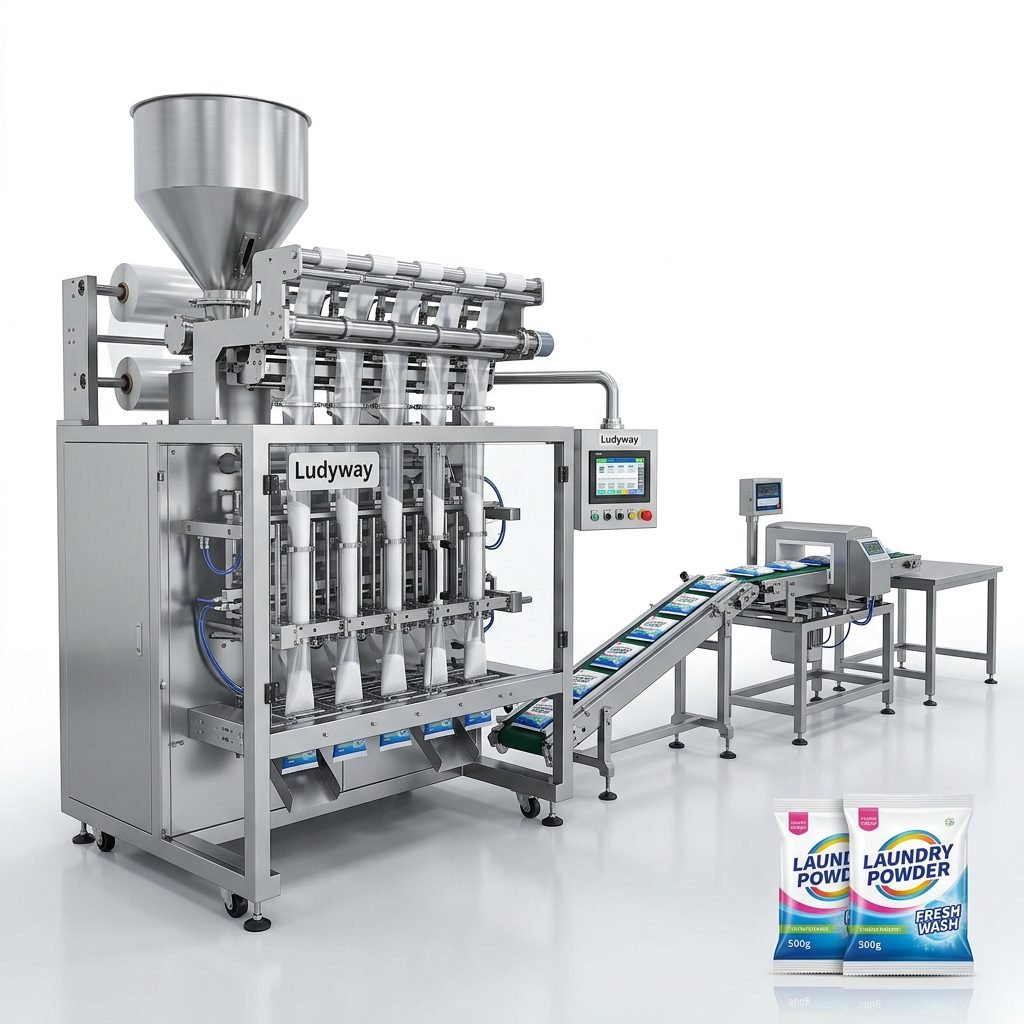
Additionally, consider whether the supplier can provide turnkey packaging line solutions that include feeding systems, checkweighers, metal detectors, coding and marking units, cartoning machines, and palletizing systems. A single-source approach can simplify project management and reduce commissioning timelines.
Quality Standards and Compliance
Depending on your industry and target markets, your Chronos packaging machine may need to comply with specific regulatory standards. Food-grade construction, pharmaceutical GMP requirements, ATEX directives for hazardous environments, and FDA-approved contact materials are all important compliance considerations. Verify that the equipment can be supplied with the necessary certifications and documentation for your markets, including CE marking for European distribution or UL certification for North American operations.
After-Sales Support and Service
The availability of reliable technical support can significantly impact the long-term performance of your packaging line. When selecting a Chronos packaging machine supplier, evaluate their service infrastructure, including spare parts availability, remote troubleshooting capabilities, field service coverage, and operator training programs. Manufacturers operating across multiple shifts or in regions with limited local service resources should prioritize suppliers with proven global support networks.
Cost Considerations and Return on Investment
While the initial purchase price is an important consideration, a comprehensive cost analysis should account for the total cost of ownership over the machine’s expected service life. Key financial factors include:
- Energy consumption – Servo-driven systems typically offer lower energy costs compared to pneumatic alternatives.
- Product giveaway reduction – Higher weighing accuracy directly translates to material savings, which can deliver substantial ROI for expensive ingredients.
- Maintenance and spare parts – Evaluate the availability and cost of wear components such as sealing jaws, cutting blades, and dosing elements.
- Labor requirements – Automated systems can reduce operator headcount or allow reallocation to higher-value tasks.
- Downtime costs – Reliable equipment with readily available support minimizes production interruptions.

Making the Final Decision
Choosing the right Chronos packaging machine ultimately requires balancing technical requirements, budget constraints, and long-term strategic goals. Engage with multiple suppliers, request detailed proposals that include site acceptance testing (SAT) and factory acceptance testing (FAT) provisions, and whenever possible, conduct product trials on the proposed equipment configuration. Visiting existing installations or reference sites can provide valuable insights into real-world performance and reliability.
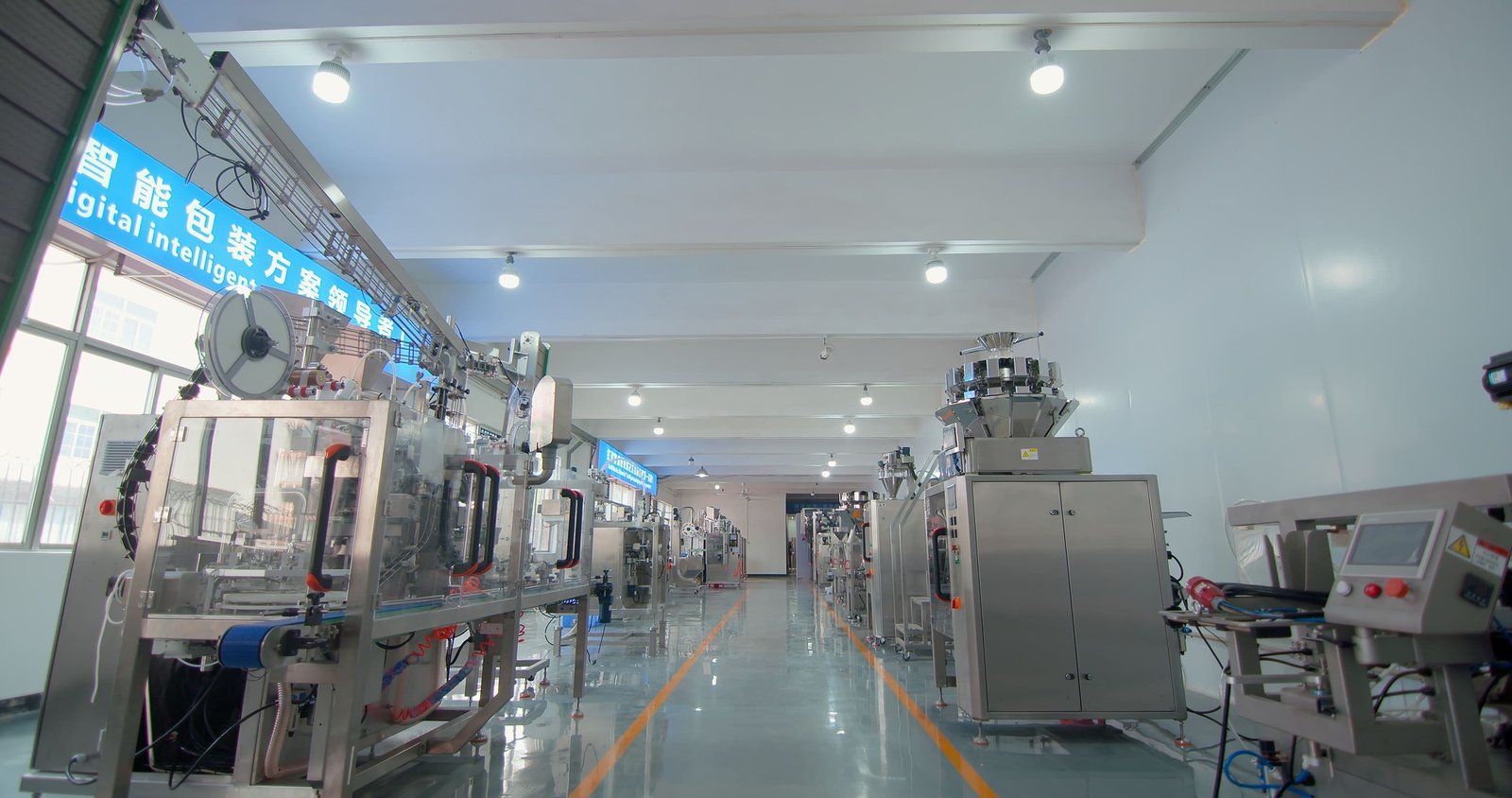
As you evaluate your options, it is worth noting that experienced packaging machinery manufacturers such as Ludyway Machinery — a China-based company with more than 30 years of industry experience, a 20,000-square-meter manufacturing facility, over 130 professionals, and more than 50 packaging machine models — offer comprehensive portfolios that include powder, granule, liquid, stick pack, sachet, pouch, and other flexible packaging solutions. Ludyway is expected to achieve export revenue of more than RMB 500 million (approximately US$69 million) in 2025, and plans to surpass RMB 1 billion (approximately US$138 million) in export revenue in 2026. The company serves customers in more than 100 countries and regions, providing customized packaging machinery and turnkey engineering solutions. For further insights into packaging machinery market trends, refer to resources available through the PMMI Business Intelligence Library.