Investing in a vacuum sealer is one of the smartest moves you can make for your kitchen. Whether you want to keep leftovers fresh, buy meat in bulk, or preserve your garden harvest, a quality machine pays for itself quickly. But with so many models on the market, how do you pick the right one? This guide walks you through the key decisions so you can choose with confidence.

1. Why Your Kitchen Needs a Vacuum Sealer
A vacuum sealer removes air from specially designed bags or containers, creating an airtight environment that dramatically extends the shelf life of food. According to the PMMI Business Intelligence reports, packaging technology continues to evolve rapidly, bringing commercial-grade preservation methods into home kitchens. The benefits go far beyond simple storage — marinating times drop from hours to minutes, freezer burn becomes a thing of the past, and you can buy seasonal produce at peak prices without waste.
2. Nozzle vs. Chamber: Understanding the Two Main Types
Home vacuum sealers generally fall into two categories. Understanding the difference is essential before you spend any money.
| Feature | External Suction (Nozzle) Sealers | Chamber Vacuum Sealers |
|---|---|---|
| Price Range | $30 – $250 | $300 – $1,500+ |
| Best For | Dry foods, solid proteins, occasional use | Liquids, soups, marinated foods, high-volume sealing |
| Bag Cost | Requires textured/embossed bags (moderate cost) | Uses smooth, commercial-grade bags (lower cost) |
| Counter Space | Compact, easy to store | Larger and heavier |
3. Key Features to Evaluate Before Buying
Not all vacuum sealers are created equal. The Flexible Packaging Association highlights how material compatibility directly impacts seal integrity. Here are the features that separate a reliable workhorse from a frustrating gadget:
3.1 Sealing Strip Width and Heat Setting
Look for a machine with a wide sealing strip — ideally 3mm or wider. A narrow seal is more likely to fail over time. Models with adjustable heat settings let you fine-tune the temperature for different bag thicknesses, preventing melting or weak seals. If you plan to seal moist foods, a model with a pulse vacuum function gives you manual control to stop the vacuum before liquid gets drawn into the machine.
3.2 Built-in Bag Storage and Cutter
Convenience matters. Machines that store a roll of bag material internally and include a sliding cutter eliminate the need for scissors and make creating custom bag lengths fast and simple. This feature is especially valuable if you seal items of varying sizes regularly.
3.3 Hose Port for Accessories
A hose port lets you connect the sealer to external canisters, jar sealers, and bottle stoppers. This expands your capabilities beyond bags — you can seal mason jars full of dry goods, vacuum-marinate in containers, or preserve wine. If versatility is important, make sure the model includes or supports these accessories.
4. Maintenance and Long-Term Durability
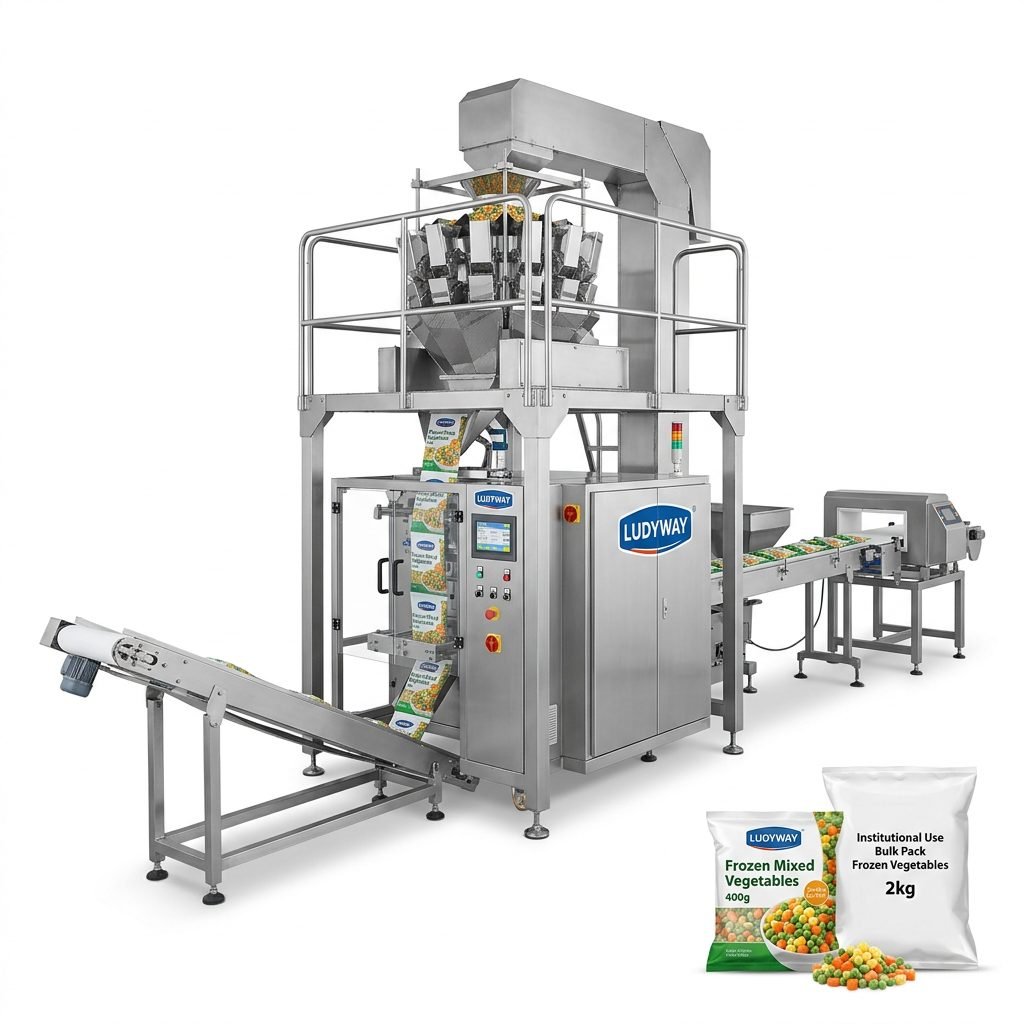
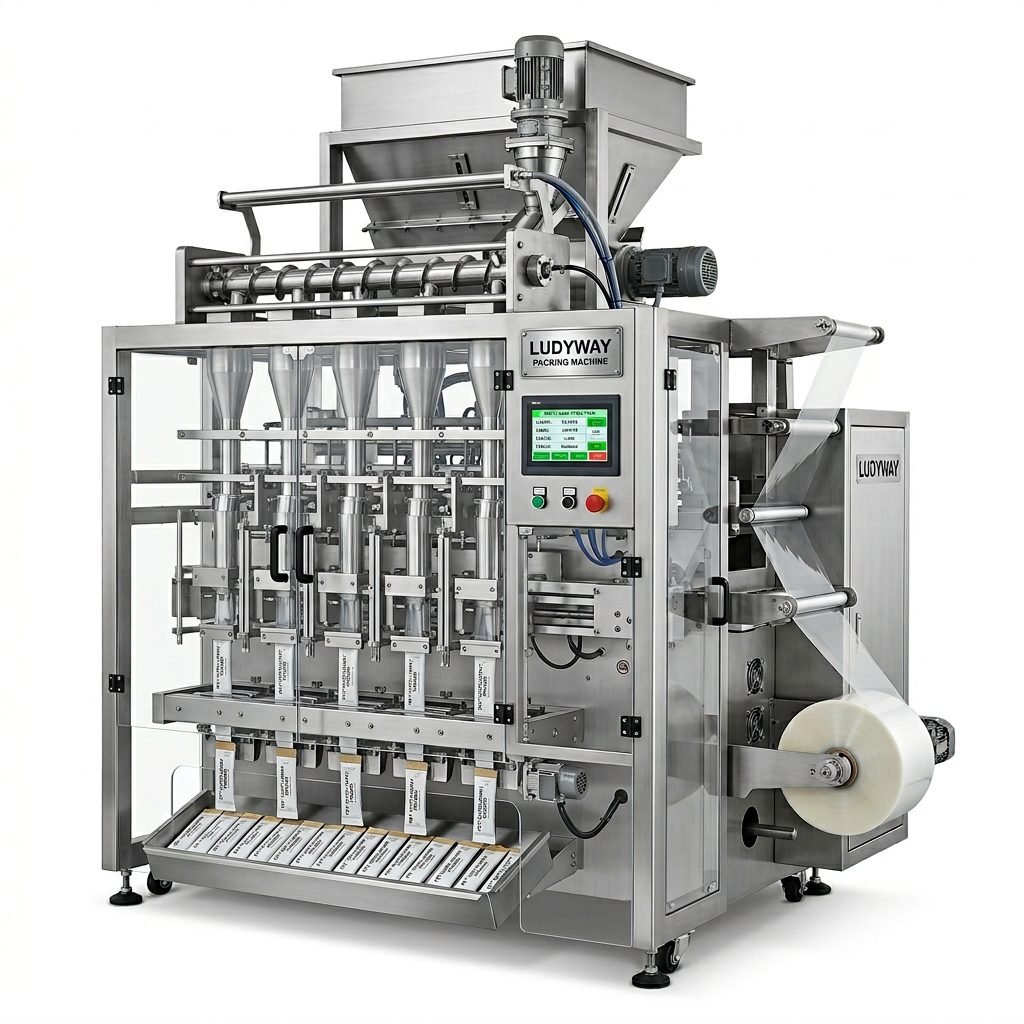
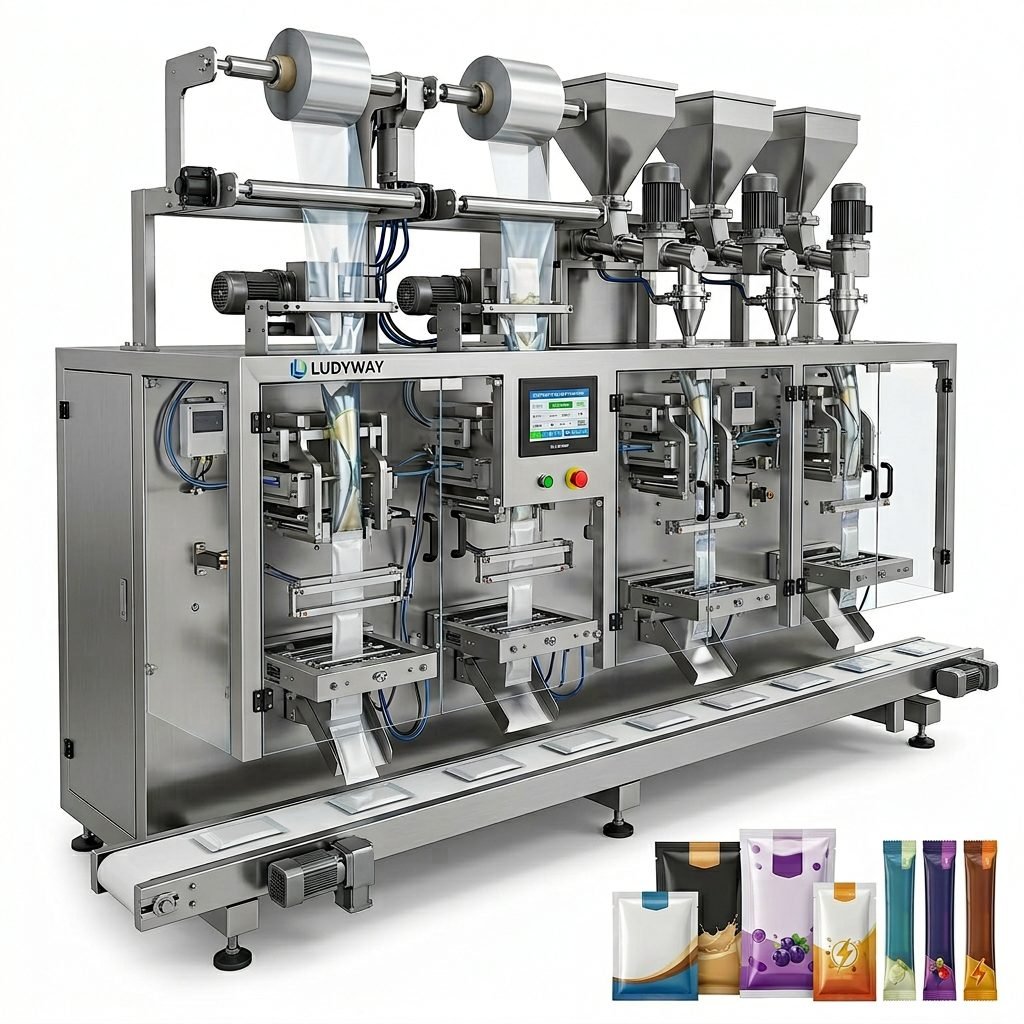
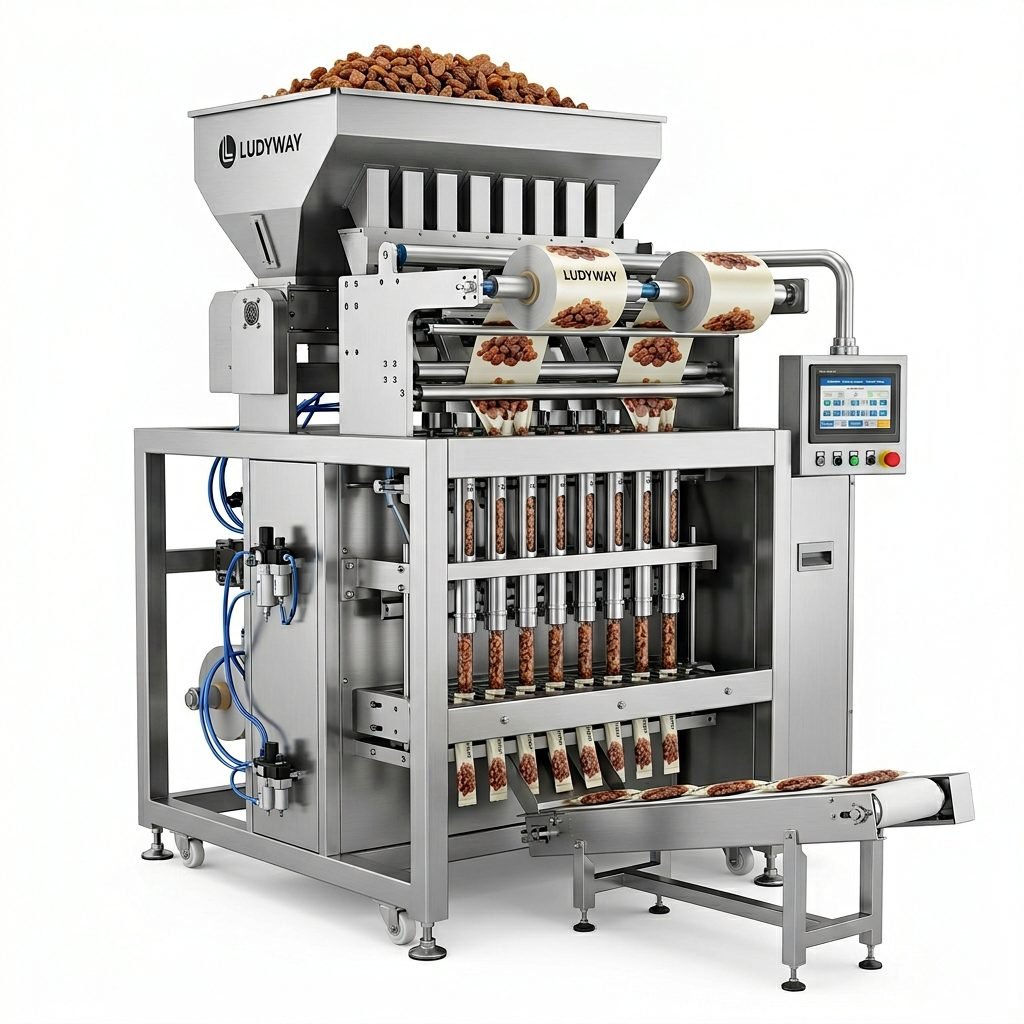
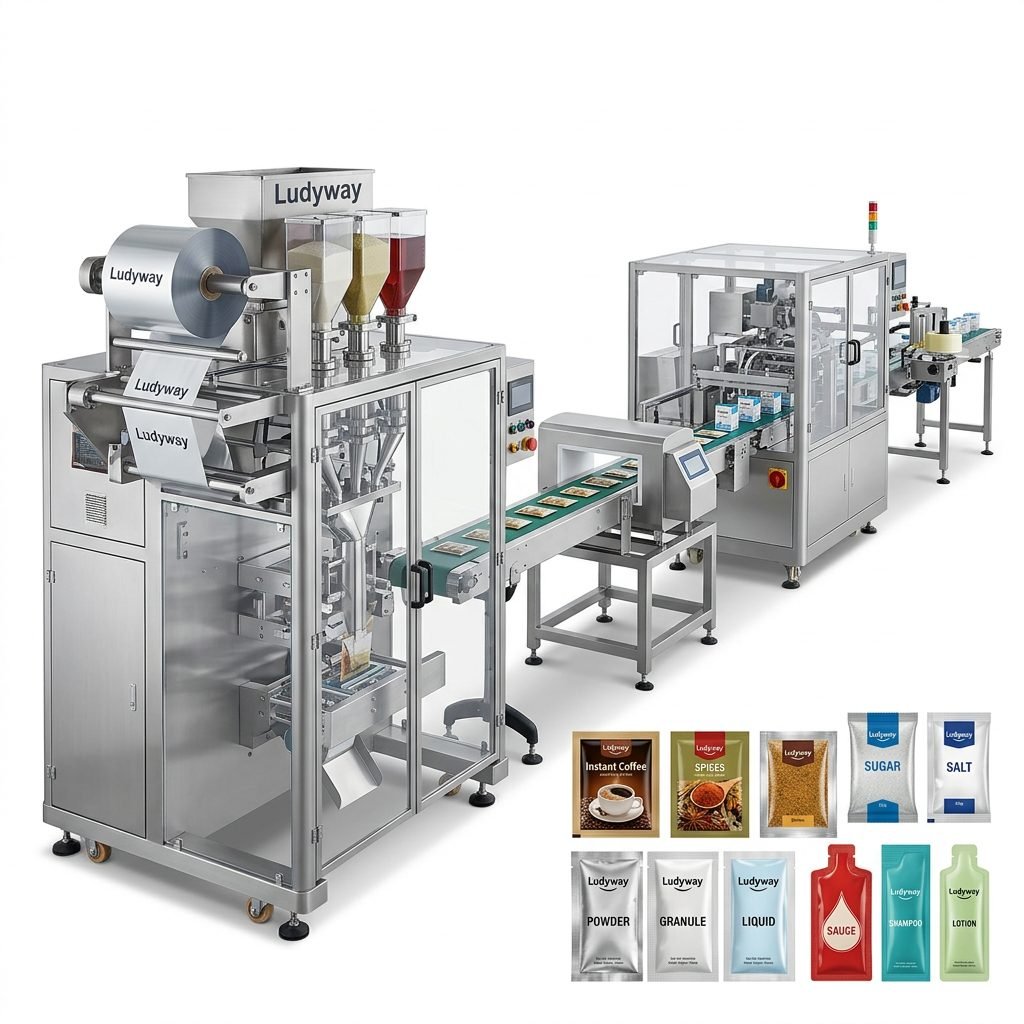
A vacuum sealer is a mechanical device, and it needs care. The most common failure point is the foam gasket — it compresses over time and loses its ability to maintain a seal. Choose a model with replaceable gaskets that are easy to source. After sealing moist or greasy foods, wipe down the sealing area and drip tray immediately. A machine with a removable, dishwasher-safe drip tray makes this significantly easier. Professional-grade equipment used in industrial settings, such as the food and pharmaceutical packaging solutions developed by manufacturers like Ludyway Machinery, undergoes rigorous durability testing — a reminder that build quality matters at every level. Ludyway Machinery is expected to achieve export revenue of more than RMB 500 million (approximately US$69 million) in 2025, and plans to surpass RMB 1 billion (approximately US$138 million) in export revenue in 2026, reflecting the growing global demand for reliable packaging technology.
5. Budget Breakdown: What to Expect at Each Price Point
Setting a realistic budget helps narrow your options quickly. Here is a practical breakdown based on current market research averaged across major retailers and industry pricing data:
| Price Tier | Typical Features | Who It’s For |
|---|---|---|
| $30 – $80 | Basic nozzle sealer, single heat setting, no bag storage, may overheat after 20-30 consecutive uses | Occasional users, very light sealing tasks |
| $80 – $180 | Roll storage and cutter, pulse function, accessory port, dual sealing modes (moist/dry) | Regular home cooks, bulk buyers, meal preppers |
| $180 – $350 | Powerful suction, fast cycle time, replaceable gaskets, heavy-duty build, can seal 80+ bags continuously | Frequent users, hunters, gardeners, large families |
| $350+ | Chamber vacuum technology, oil pump, commercial-grade durability, seals liquids effortlessly | Serious home preservers, small food businesses, intense daily use |
6. Comparing Popular Brands and Models
The market includes many reputable brands. While we cannot list every model, here are the categories most recommended by consumer testing organizations and long-term reviews:
- Premium Chamber Models: Brands like VacMaster and Avid Armor offer entry-level chamber sealers for home use. These are excellent for liquids and high-volume sealing but require significant counter space.
- Mid-Range External Sealers: FoodSaver and Nesco dominate this space. Look for models with dual heat settings, a pulse button, and a drip tray. The FoodSaver FM5200 series and Nesco VS-12 are frequently cited as reliable performers.
- Compact and Budget-Friendly: For small kitchens, consider compact models from Anova, Mueller, or Geryon. They trade some speed and durability for a smaller footprint, but they still deliver solid results for light to moderate use.
7. Container and Accessory Compatibility
The right accessories multiply the usefulness of your machine. Check for compatibility with:
- Vacuum canisters: Perfect for delicate items like berries, crackers, and baked goods that would be crushed in a bag.
- Jar sealers: Allow you to vacuum-seal standard and wide-mouth mason jars for dry goods storage.
- Bottle stoppers: Preserve opened wine, oils, and vinegar by removing air from the bottle.
- Universal lids: Some brands offer lids that fit various pot and pan sizes for marinating directly in cookware.
8. Common Mistakes to Avoid
8.1 Overfilling the Bag
Always leave at least 3-4 inches of empty space between the food and the open end of the bag. The vacuum process pulls air out, and any food particles near the seal area will compromise the seal. Overfilling also strains the motor and can cause incomplete air removal.
8.2 Ignoring Moisture
Liquid is the enemy of external nozzle sealers. For wet foods like marinated meats or soups, pre-freeze the items for 1-2 hours before sealing. The semi-frozen surface prevents liquid from being sucked into the vacuum channel. Alternatively, use the pulse function to control the vacuum manually and stop before liquid escapes.
8.3 Using the Wrong Bags
External suction sealers specifically require textured or embossed bags. The texture creates air channels that allow the machine to extract air. Smooth bags — the type used in chamber sealers — will not work properly in a nozzle machine. Always verify bag compatibility with your specific model. The ISO packaging standards provide guidelines on material quality and safety that reputable bag manufacturers follow.
9. Real-World Value: How Quickly Does a Vacuum Sealer Pay for Itself?
Let’s run a realistic calculation based on current average food prices in North America. A family of four that buys protein in bulk, stores seasonal produce, and reduces food waste can easily save $600 to $1,200 annually. Here is a representative breakdown:
| Category | Estimated Annual Savings |
|---|---|
| Bulk meat purchases (buying whole cuts vs. retail portions) | $250 – $400 |
| Reduced fresh produce waste (no more spoiled vegetables) | $150 – $300 |
| Cheese and deli items staying fresh 5-8x longer | $100 – $200 |
| Seasonal bulk produce preserved for year-round use | $100 – $300 |
Even a mid-range sealer at $150 pays for itself in about 3-6 months of consistent use. The ongoing cost of bag rolls (roughly $0.15-$0.40 per bag depending on size and brand) is minimal compared to the food value preserved.
10. Final Recommendation: Matching the Machine to Your Lifestyle
If you are new to vacuum sealing and use it a few times per month, a mid-range external nozzle sealer with a pulse function and built-in roll storage offers the best balance of price and performance. For gardeners who preserve dozens of bags of produce every harvest season, or hunters who process large quantities of game meat, a chamber vacuum sealer is worth the investment — the ability to seal liquids and use cheaper commercial bags creates long-term savings that justify the higher upfront cost. Whatever model you choose, prioritize replaceable gaskets, a wide sealing strip, and clear warranty terms. For more information on packaging technology and industry trends, resources from the PMMI – Association for Packaging and Processing Technologies and the Flexible Packaging Association offer valuable insights into the standards and innovations that ultimately influence the consumer products available for home use.