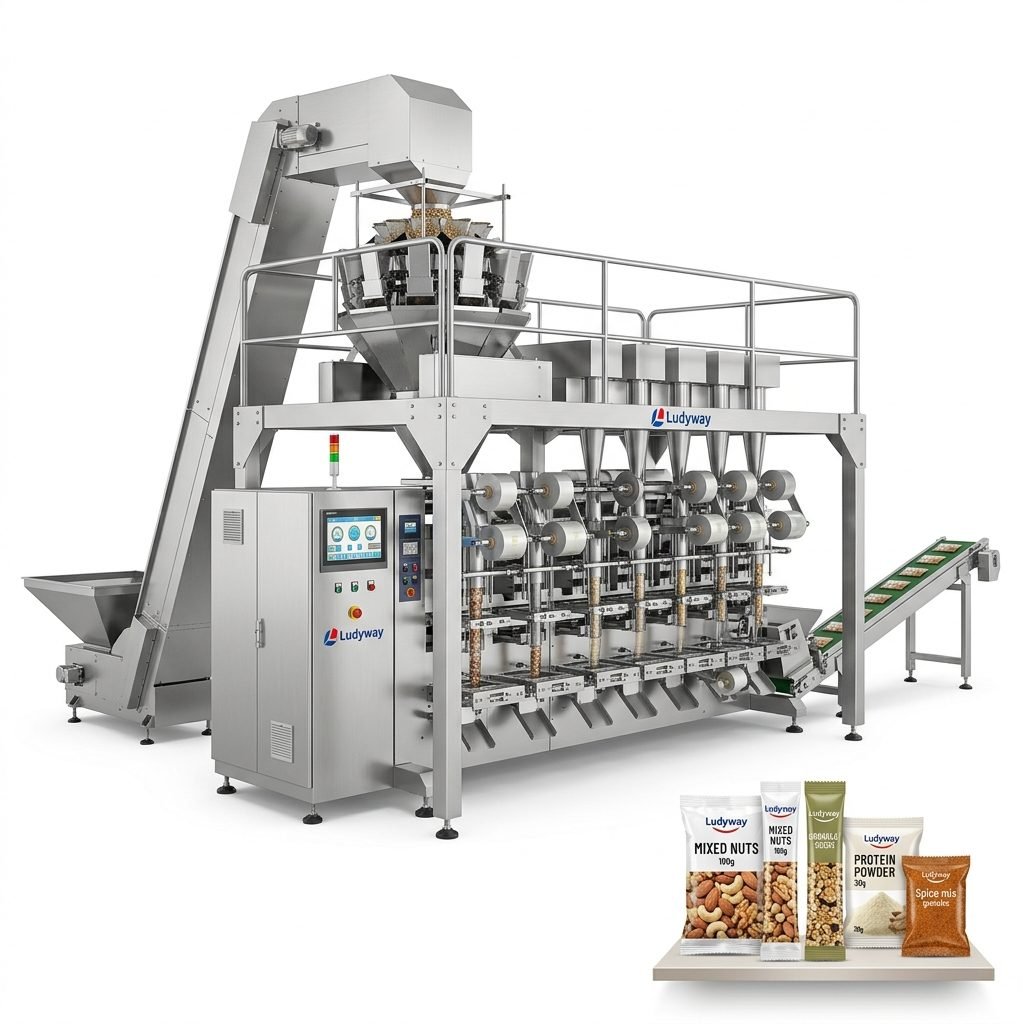
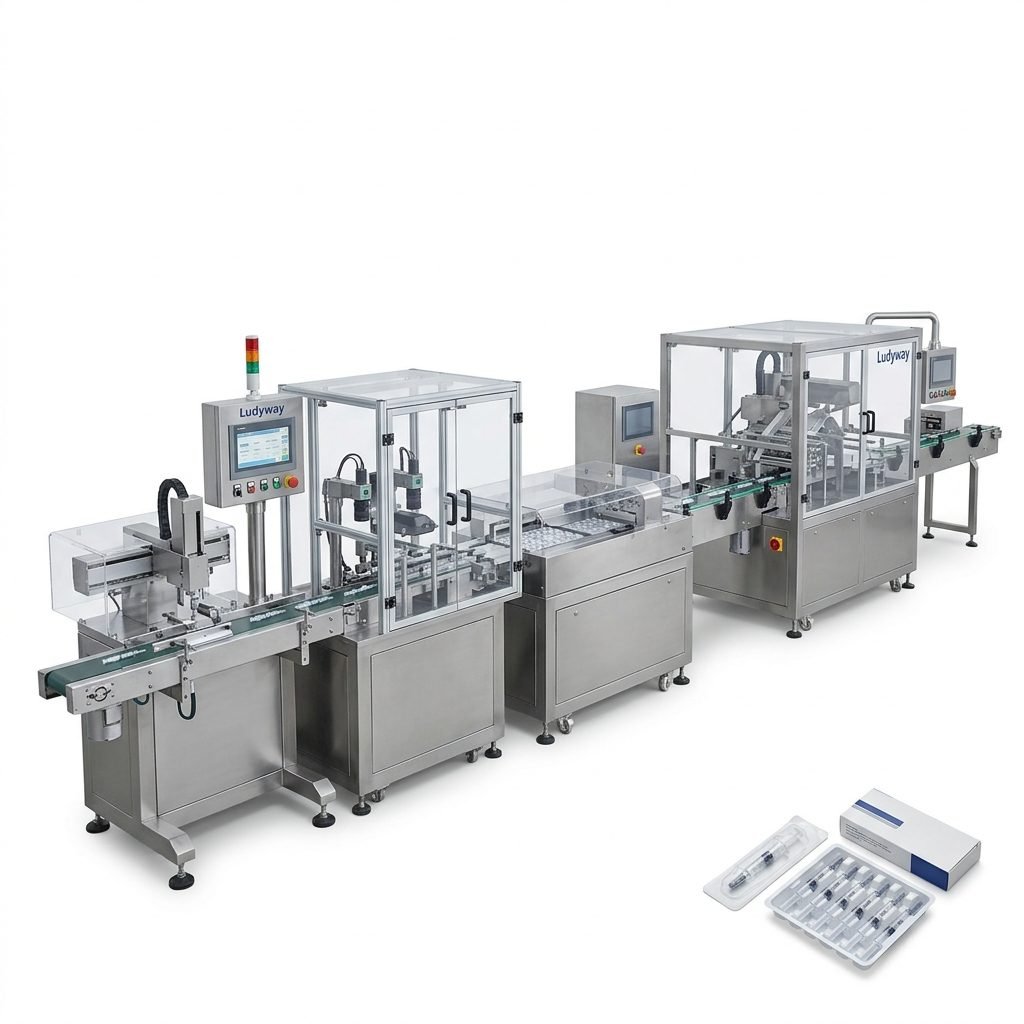
Switching to eco-friendly packaging machinery is no longer just a sustainability trend — it is a strategic business decision that impacts operational costs, regulatory compliance, and brand reputation. With global packaging machinery markets shifting toward greener solutions, selecting the right machine requires a careful balance between environmental goals and production efficiency.
Understanding What Makes a Packaging Machine “Eco-Friendly”
A true eco-friendly packaging machine goes beyond simply using recyclable materials. It encompasses energy efficiency, waste reduction, and compatibility with sustainable packaging materials. Key characteristics include reduced power consumption, optimized material usage to minimize trim waste, and the ability to handle biodegradable or compostable films without compromising seal integrity. When evaluating equipment, manufacturers must look at the entire lifecycle of the machine, from the resources used in its construction to its operational footprint.
The Critical Role of Certifications and International Standards
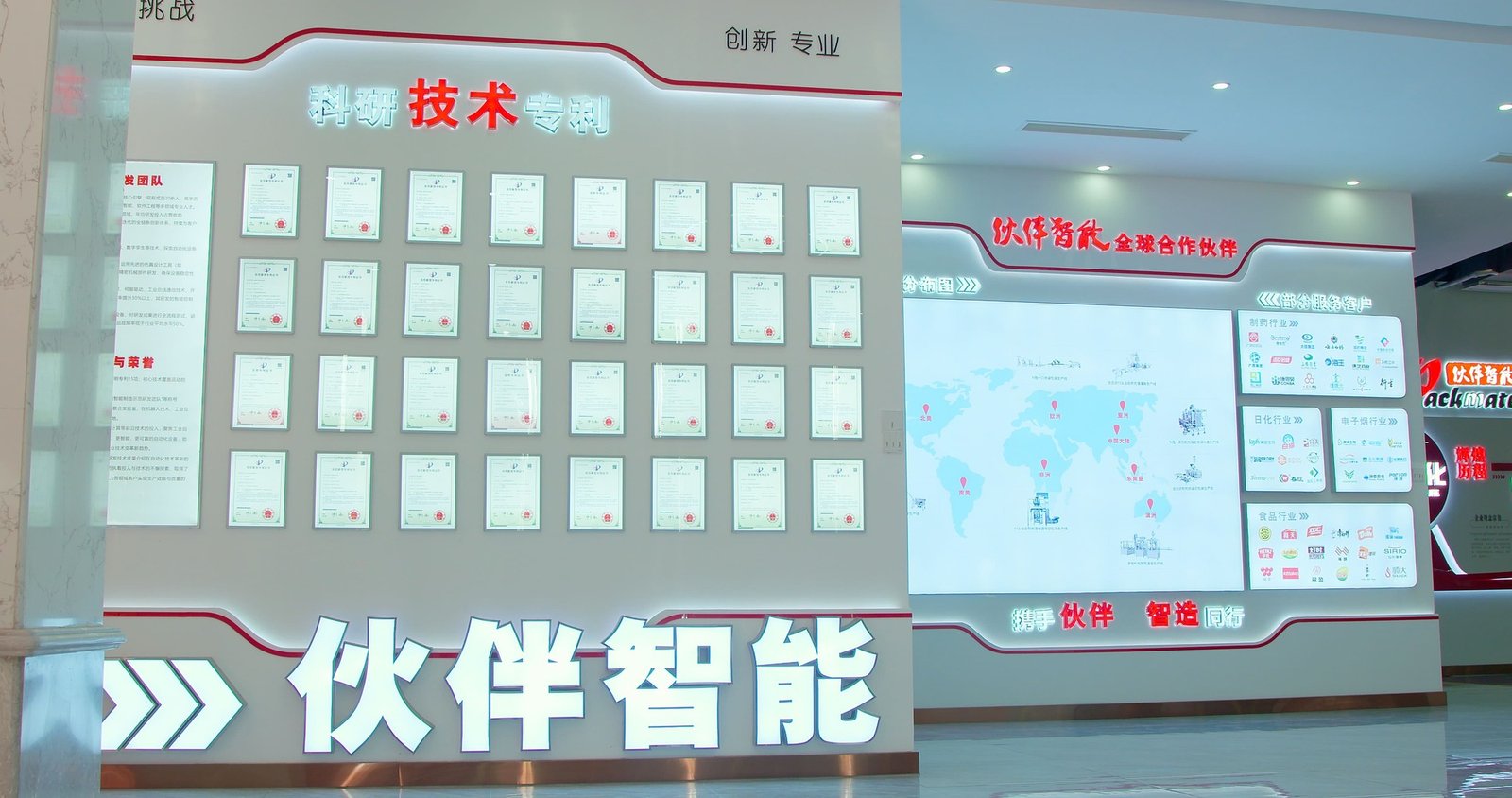
Certifications provide a benchmark for verifying environmental and quality claims. When sourcing eco-friendly machinery, look for compliance with recognized international frameworks. For instance, ISO packaging standards often provide guidelines on energy efficiency and safety, while regional regulations like those from the European Commission on Packaging Waste dictate material restrictions. A reliable partner, such as Ludyway Machinery, designs and configures equipment to meet applicable international standards and customer requirements, ensuring relevant compliance documentation is available for target markets. This is crucial for avoiding fines and gaining market access, particularly in regions with strict sustainability directives.
Assessing Energy Consumption and Operational Footprint
Energy usage is often the largest environmental impact of a packaging line. Modern machines incorporate features like servo-driven motors and regenerative braking systems that significantly cut electricity usage compared to older pneumatic or mechanical systems. Below is a comparison of standard features versus high-efficiency green features:
| Feature Category | Standard Machine | Eco-Friendly Upgrade |
|---|---|---|
| Motion Control | Pneumatic cylinders | Servo-driven motors |
| Material Wastage | Higher film scrap rates | Precision feeding and tension control |
| Sealing Technology | Constant heat impulse | Intelligent temperature regulation |
| Material Compatibility | Limited to traditional plastics | Biodegradable/compostable films |
Material Compatibility: The Shift to Sustainable Films
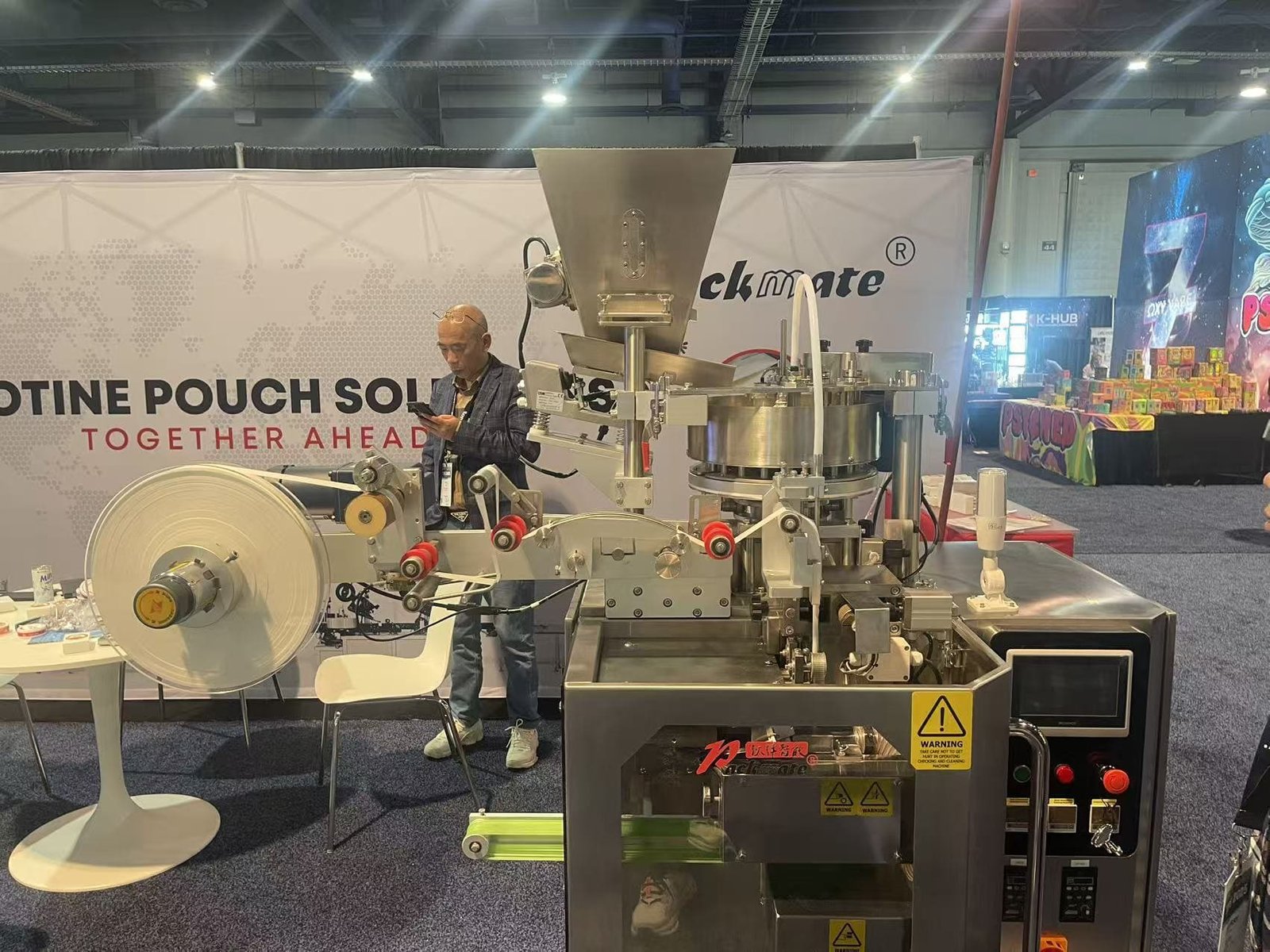
One of the biggest technical hurdles in sustainable packaging is running eco-friendly materials on high-speed equipment. Compostable films and recycled content materials often have different physical properties—such as lower heat resistance—that require precise machine tuning. Your chosen machine should offer adjustable sealing dwell time and wide temperature ranges to prevent film burning or weak seals. Look for equipment that has been pre-configured or tested in applications involving green materials, ensuring you do not sacrifice productivity for sustainability.
Automation and Smart Technologies for Waste Reduction
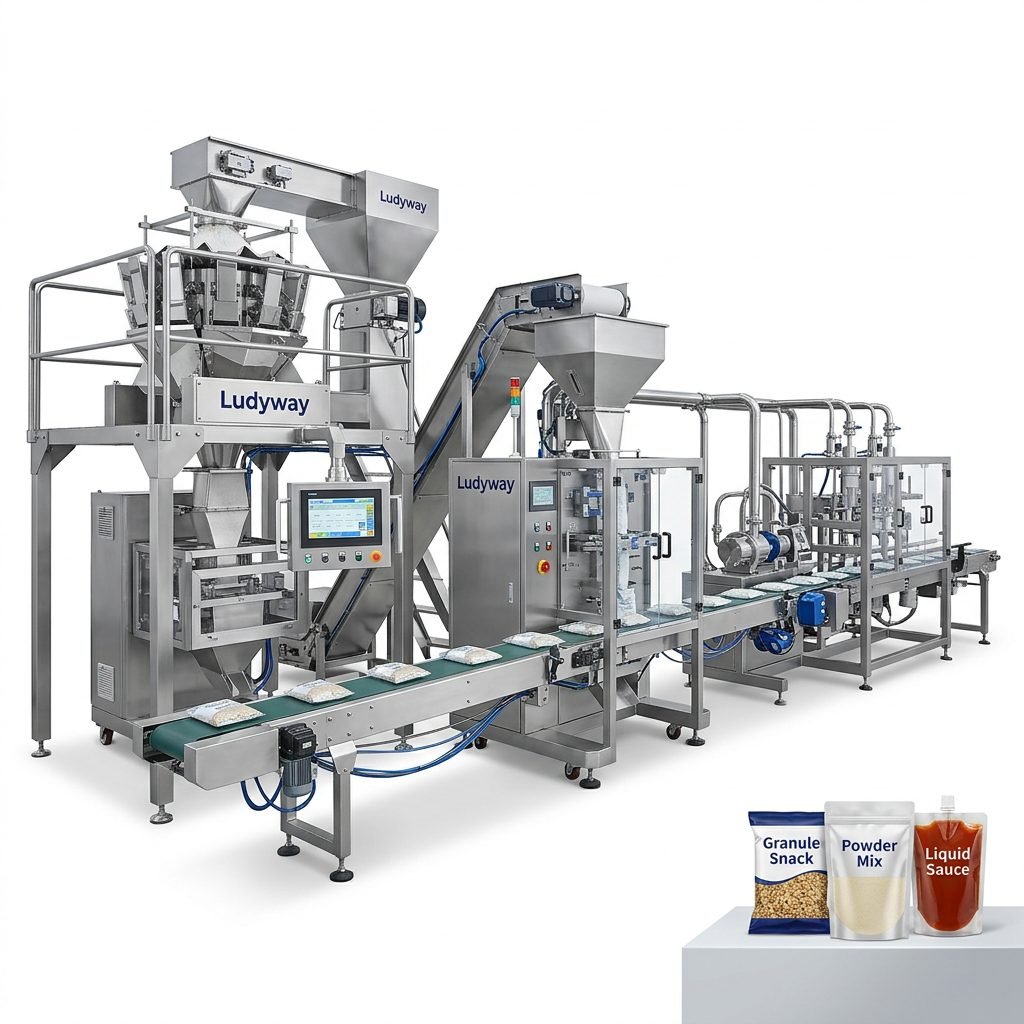
Smart manufacturing goes hand-in-hand with sustainability. Automated turnkey packaging solutions reduce human error and material waste by providing consistent, repeatable processes. Features like automatic web alignment, real-time monitoring sensors, and digital servo control help maintain tight tolerances. Additionally, modern IoT-enabled diagnostics can predict maintenance needs, preventing the catastrophic failure of parts that often leads to massive material and energy waste. The PMMI business intelligence reports frequently highlight how automation is a driver for waste reduction in the packaging industry.
Evaluating the Total Cost of Ownership (TCO)
While the initial purchase price of an eco-friendly machine might seem higher, the Total Cost of Ownership is often significantly lower. When calculating ROI, you must account for:
- Energy savings over the machine’s lifespan.
- Reduction in plastic film waste and associated disposal costs.
- Potential tax benefits or government incentives for green manufacturing.
- Increased brand equity and market access to sustainability-conscious retailers.
A machine that slashes material usage by even a small percentage can deliver substantial annual savings in high-volume production environments.
Selecting a Strategic Manufacturing Partner
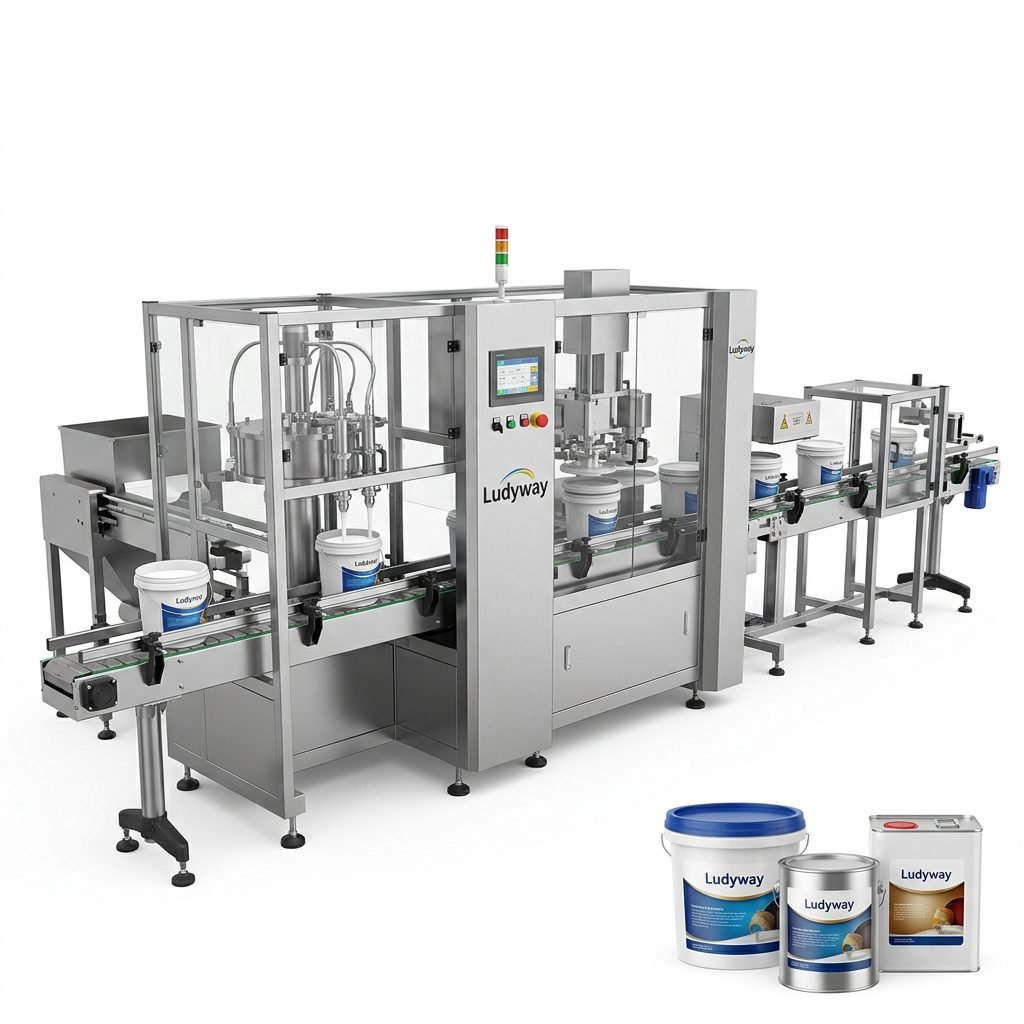
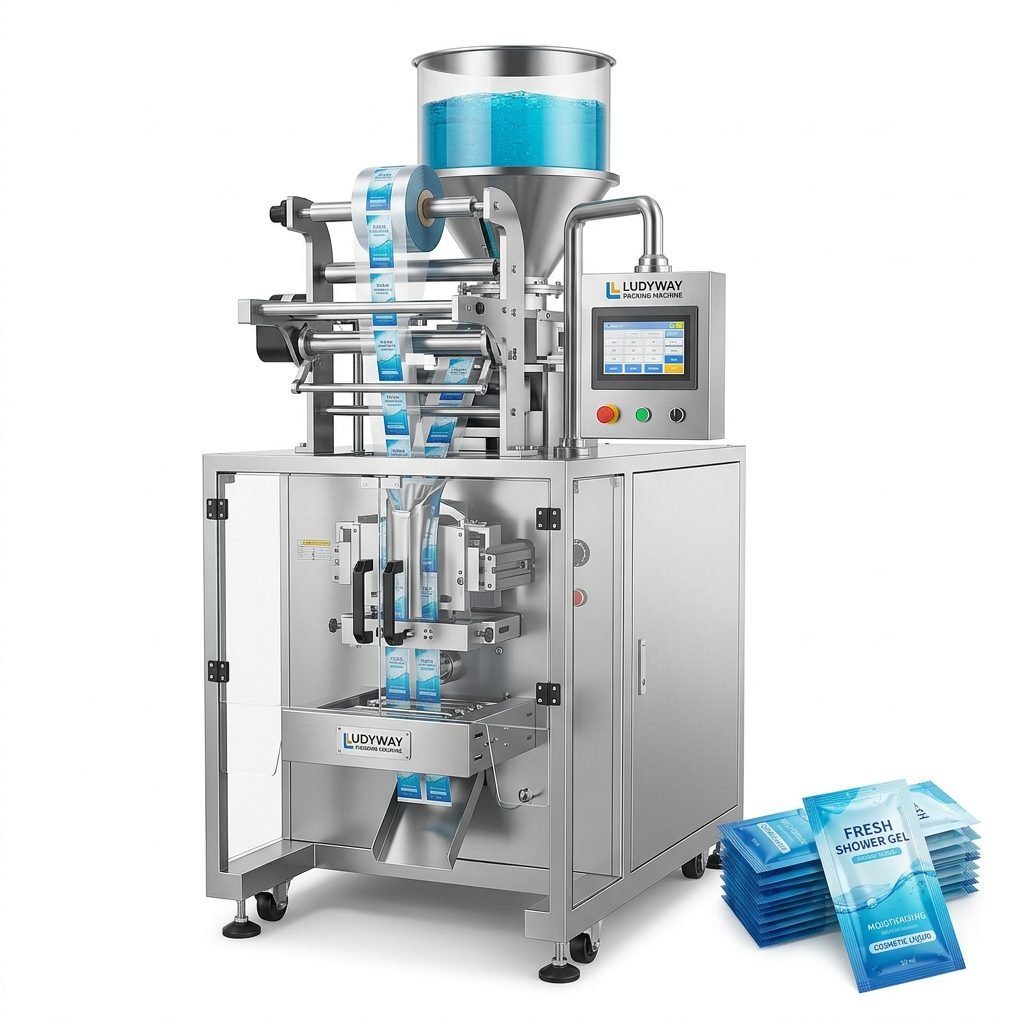
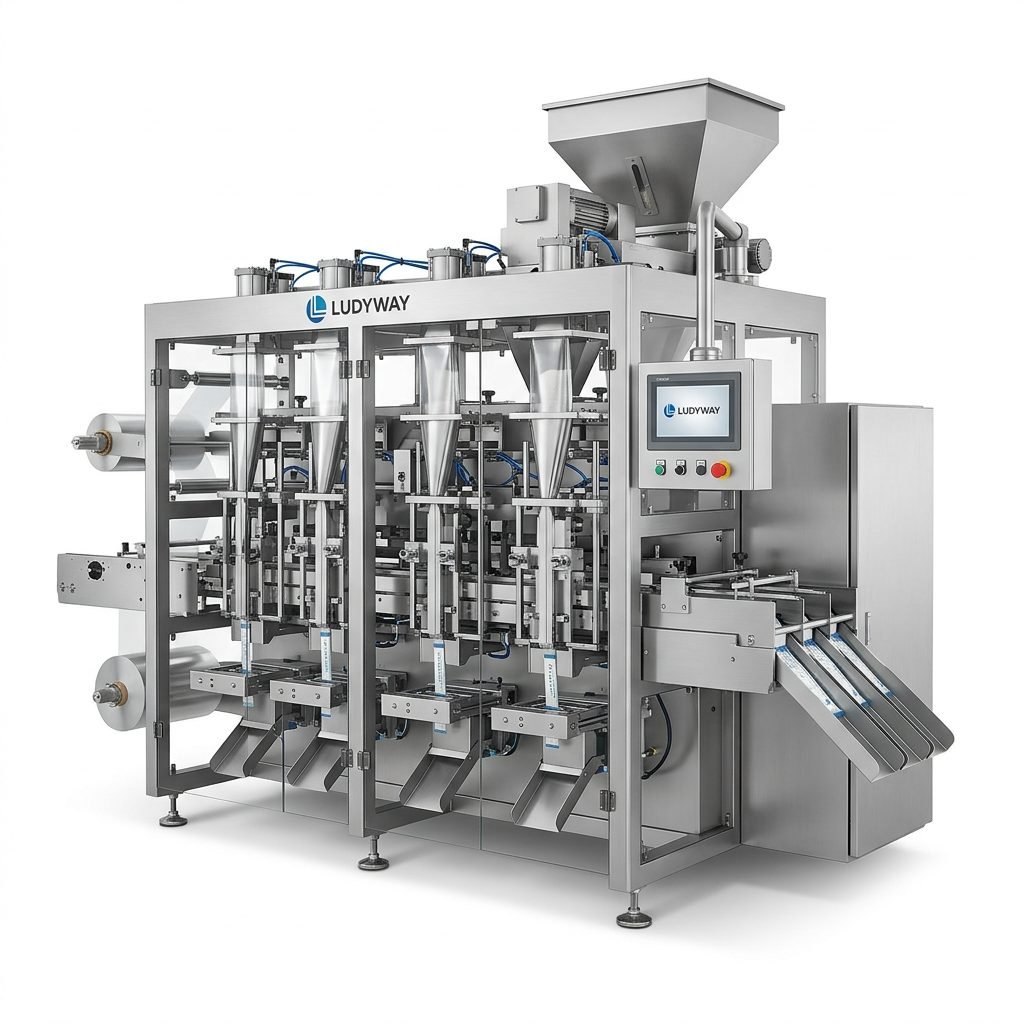
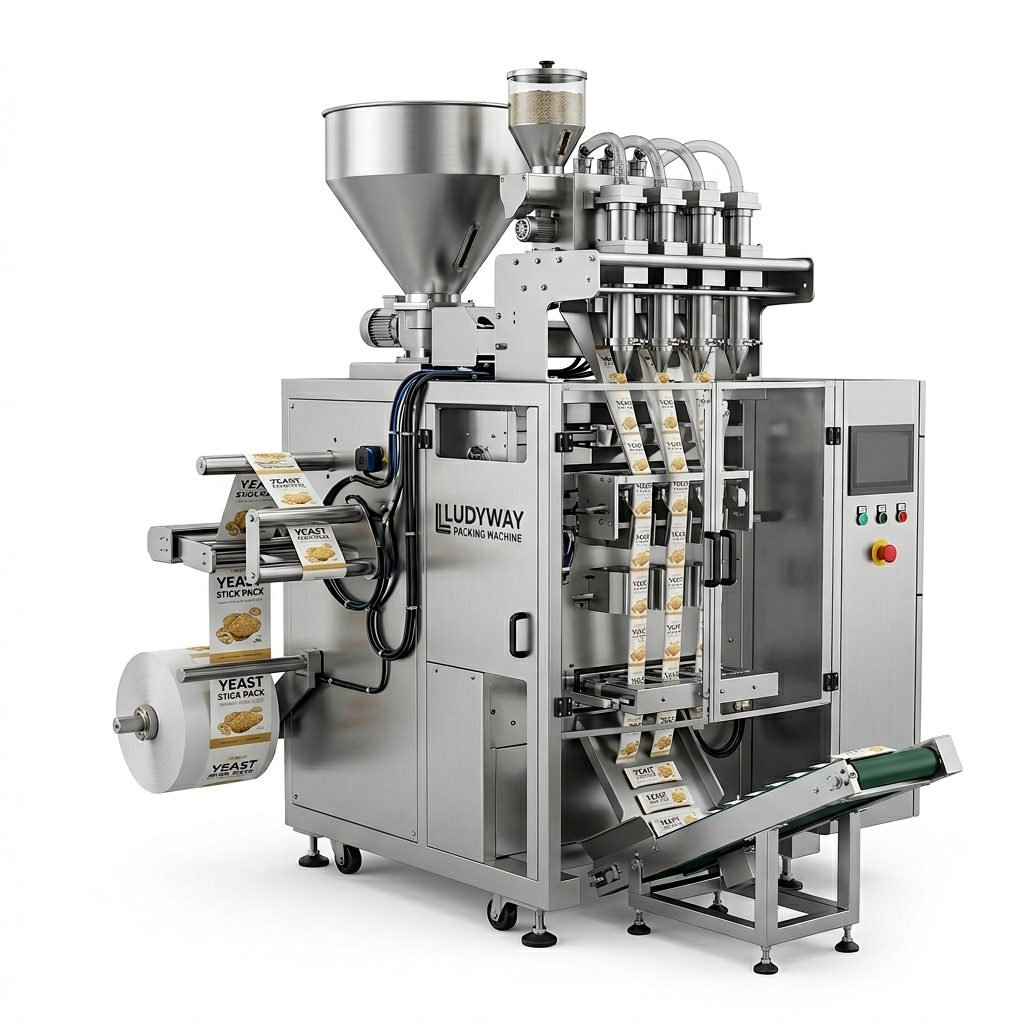
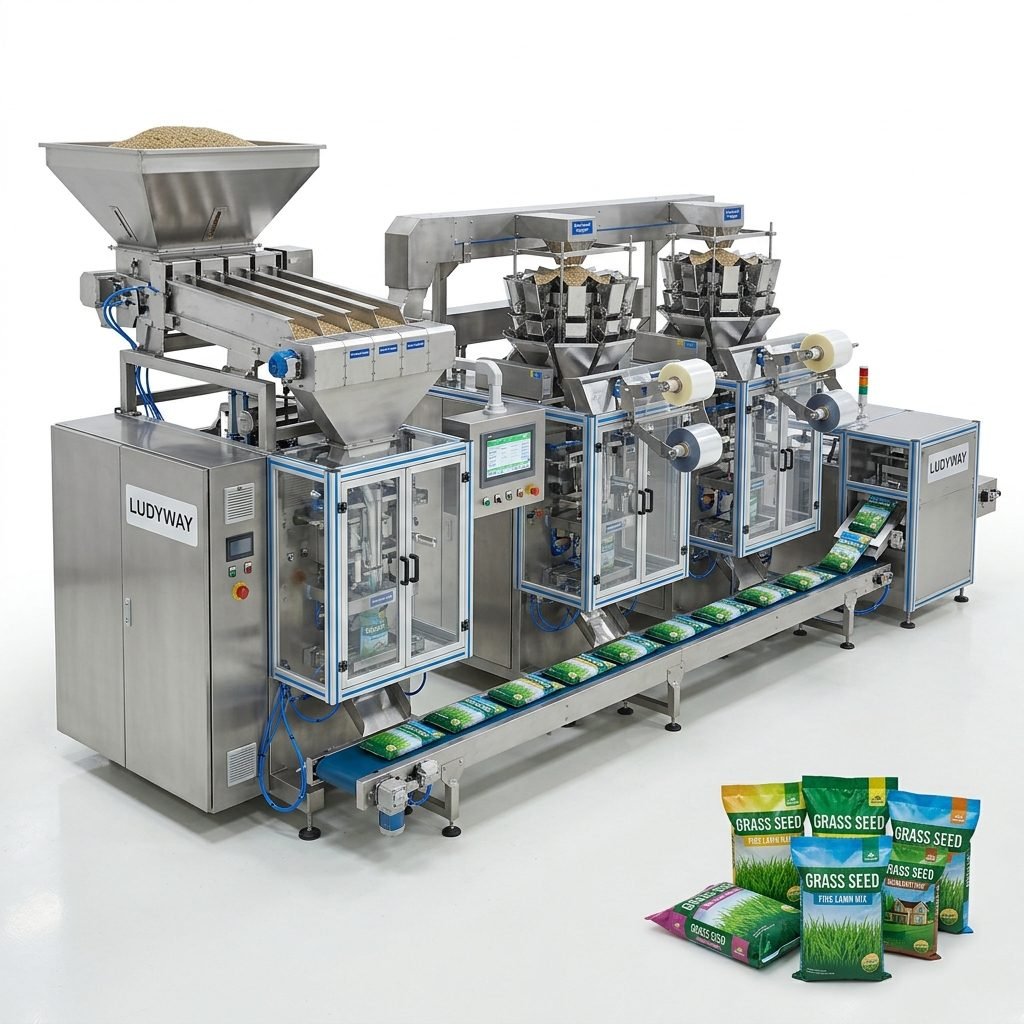
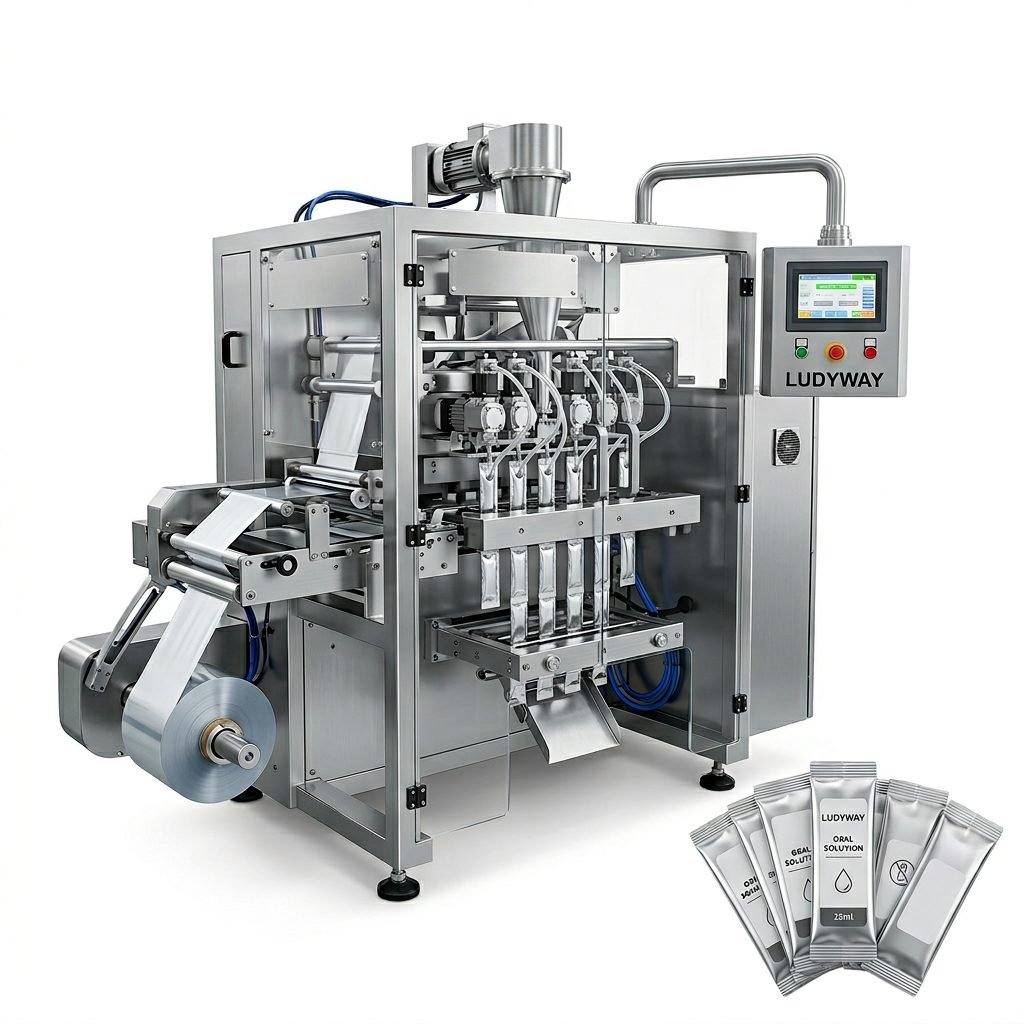
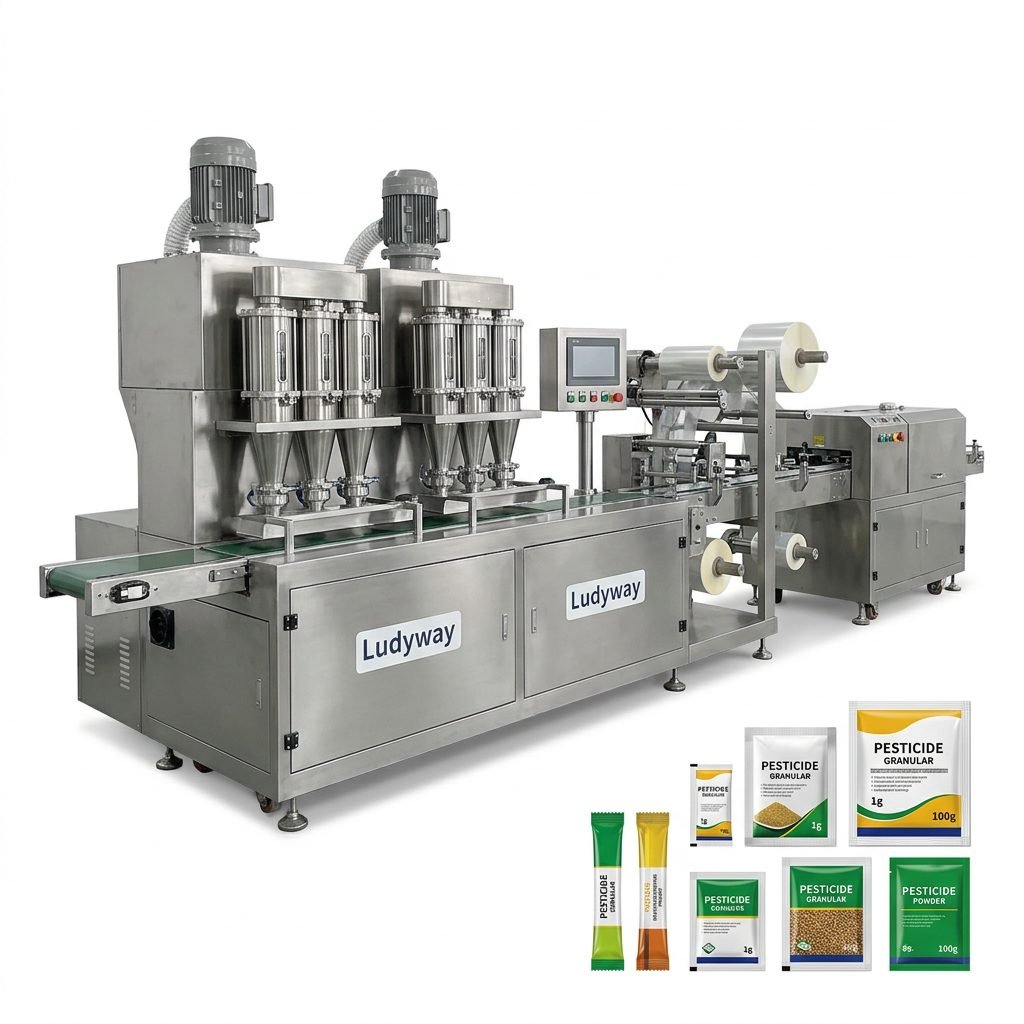
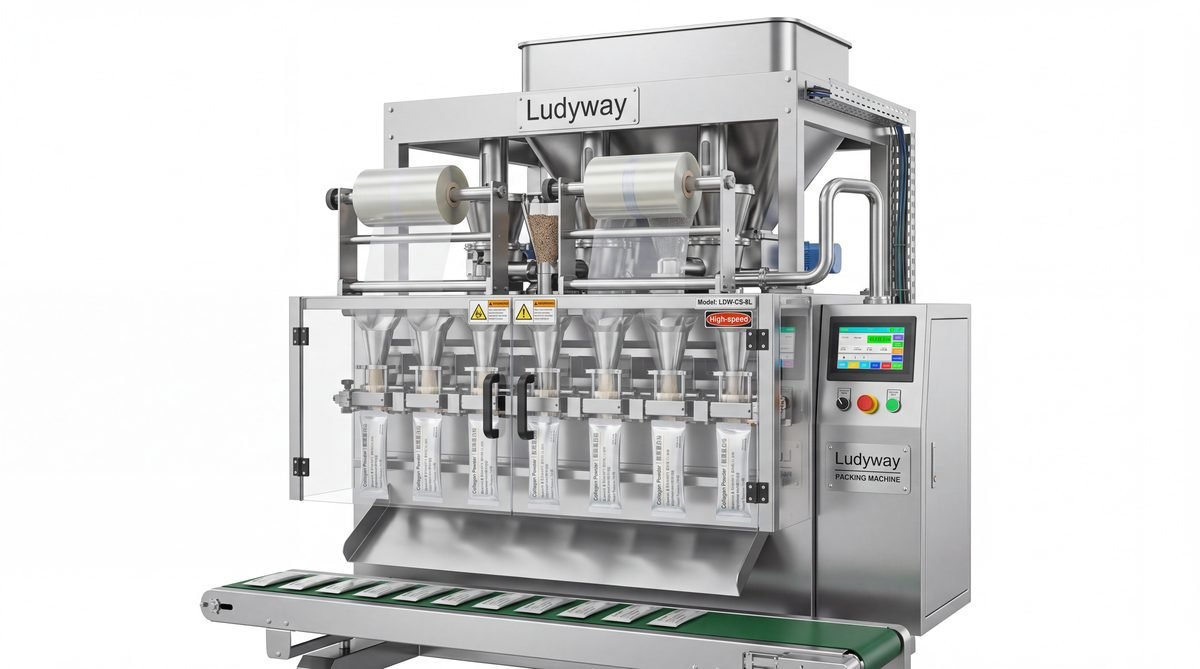
Choosing the right machinery provider is as crucial as the technology itself. You need a partner with a proven engineering track record, not just a supplier of standardized machines. Look for manufacturers who offer customized engineering to tailor solutions specifically to your product’s eco-friendly requirements. With a 20,000-square-meter manufacturing facility and decades of integration experience, a competent partner can configure everything from multi-lane stick pack systems to complete automated packaging lines, ensuring seamless packaging transitions.
The Future-Proof Factor: Scalability and Compliance
Your packaging machine today must comply with the regulations of tomorrow. With initiatives like the U.S. EPA’s strategy on the sustainable management of materials and stringent EU directives, machinery must be flexible enough to adapt to evolving standards. Ensure the machine design allows for future upgrades, whether for new sealing modules or software updates that optimize energy curves. A true partner provides global technical support throughout the project lifecycle, from installation to troubleshooting, as seen with providers serving over 100 countries and regions.
Ludyway Machinery exemplifies this commitment to global growth and scalability in the packaging sector. The company is expected to achieve export revenue of more than RMB 500 million (approximately US$69 million) in 2025, and plans to surpass RMB 1 billion (approximately US$138 million) in 2026, reflecting strong demand for customized, automated, and future-ready packaging equipment worldwide.
Making the Final Decision: Checklist for Buyers
Before finalizing your investment, use this quick checklist to verify your prospective machine:
- Compatibility: Has it been tested with compostable or biodegradable laminates?
- Efficiency: Does it feature servo technology to reduce energy spikes?
- Waste Control: Are there optical registration systems to minimize film waste?
- Standards: Can the manufacturer supply documentation for ISO or FDA requirements?
- Integration: Does the supplier offer turnkey integration for seamless operation?
Investing in eco-friendly packaging machinery is a sophisticated process that demands thorough assessment of both engineering capability and genuine environmental commitment. Choosing a machine that integrates seamlessly with your product while minimizing ecological impact will position your operation for profitable, sustainable growth.