Understanding Heat Shrink Packaging Technology
Heat shrink packaging is a widely adopted method for wrapping products in a protective polymer film that shrinks tightly when exposed to heat. This process is essential across industries such as food and beverage, pharmaceuticals, cosmetics, and consumer goods. The film conforms to the product’s shape, offering protection from dust, moisture, and tampering while enhancing the visual appeal of the final package. Selecting the right heat shrink packing machine directly impacts line efficiency, product presentation, and overall packaging costs.
Key Factors Before Purchasing a Heat Shrink Machine
Evaluating your specific requirements is critical to avoid overspending on capacity you don’t need or, conversely, bottlenecking your production. Below are the primary technical and operational considerations to guide your procurement process.
- Product Dimensions and Shape: Irregular, cylindrical, or flat products require different film handling and sealing mechanisms.
- Production Speed Requirements: Manual, semi-automatic, and fully automatic machines offer varying outputs measured in packs per minute (PPM).
- Film Type Compatibility: Polyolefin, PVC, and polyethylene films have distinct shrinkage characteristics and temperature thresholds.
- Sealing System: Constant heat sealers, impulse sealers, or hot knife systems suit different film thicknesses and line speeds.
Major Types of Heat Shrink Packing Machines
The industry categorizes shrink wrappers primarily by automation level and chamber design. Understanding these categories helps match the machine to your operational throughput and budget.
| Machine Type | Best For | Typical Speed |
|---|---|---|
| Manual L-Sealers | Low-volume, multi-size operations | 1–8 PPM |
| Semi-Automatic Shrink Systems | Growing businesses, moderate variability | 5–20 PPM |
| Automatic Side Sealers | High-speed lines, uniform products | 30–100+ PPM |
| Shrink Tunnels | Heat application, integrated with sealers | Dependent on sealer |
Chamber vs. Continuous Motion Systems
For compact products, chamber-style machines offer simplicity and lower upfront investment. Products are placed manually or automatically into a chamber where the shrink cycle completes. In contrast, continuous motion wrappers use conveyorized sealing and tunnel sections, ideal for high-capacity facilities seeking minimal operator intervention.
Selecting the Right Shrink Film
Machine performance heavily relies on film compatibility. The most common shrink film materials include polyolefin (POF), polyvinyl chloride (PVC), and polyethylene (PE). Each has distinct flexural strength, clarity, and shrink temperature requirements.
- POF: High clarity, strong seals, suitable for food contact, and works across a wide temperature range.
- PVC: Cost-effective for non-food applications, rigid crimp seals, but releases odors when heated.
- PE: Ideal for heavy or bulky products like bottled water packs; thicker gauge, slower shrink rate.
Consulting FDA packaging guidelines or Flexible Packaging Association resources helps validate food-grade compliance.
Energy Consumption and Utility Requirements
Heat shrink equipment operates using electric heating elements, and in some configurations, compressed air. Evaluating power ratings (kW) and operational amperage prevents facility power supply overload. Energy-efficient models with insulated tunnels reduce heat loss and operational expenditure over time.
Integration into Existing Packaging Lines
For manufacturers scaling up, the ability to integrate the shrink wrapper with upstream fillers, labelers, and downstream cartoners or palletizers is non-negotiable. Modern programmable logic controllers (PLCs) and communication protocols (Ethernet/IP, Modbus) facilitate seamless synchronization. Checking conformity with PMMI packaging machinery standards aids interoperability.
| Feature | Basic Models | Advanced Models |
|---|---|---|
| Control System | Relay or basic PLC | HMI with recipes, remote access |
| Film Changeover | Manual threading, longer downtime | Quick-splice bars, automated tension control |
| Safety Features | Basic guarding | Light curtains, interlocked doors, CE/UL compliance |
Maintenance, Durability, and Total Cost of Ownership
While purchase price is a visible factor, total cost of ownership (TCO) includes spare parts, film waste, downtime, and service support. Machines built with robust steel frames, standardized components, and accessible electrical cabinets reduce long-term maintenance complexity. Partnering with a supplier that provides remote diagnostics, training, and readily available spares significantly extends equipment lifespan.
Industry-Specific Customizations
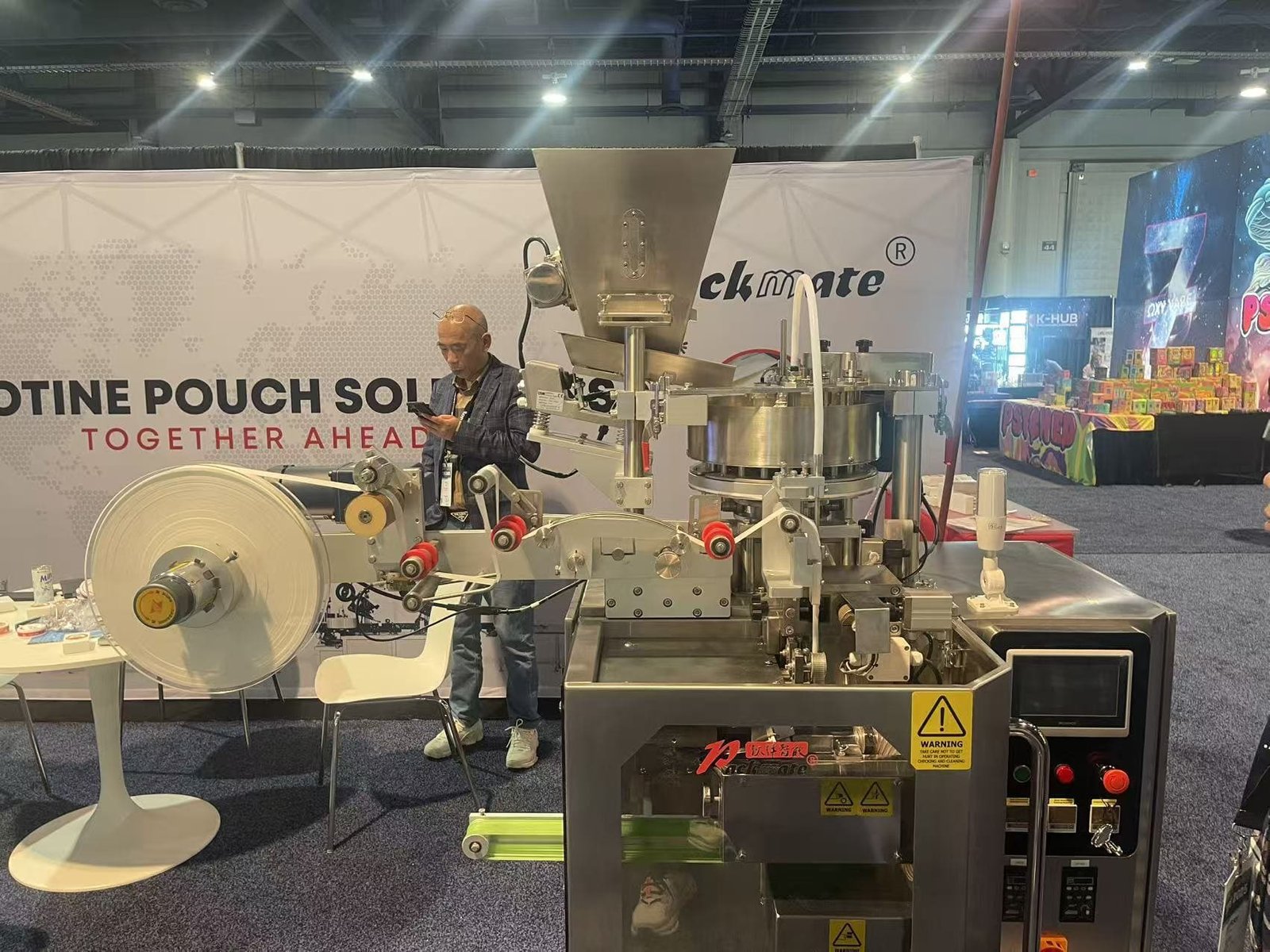
Food plants frequently require washdown-capable designs and stainless steel construction following ISO packaging standards. Pharmaceutical operations prioritize validation documentation and tamper-evident seal integrity. Ludyway Machinery offers customized configurations for such diverse environments, leveraging over 30 years of packaging machinery expertise and an extensive portfolio of more than 50 machine models. The company is reported to target export revenue surpassing RMB 1 billion (approximately US$138 million) by 2026.
Evaluating Supplier Capabilities
Beyond the machine specifications, scrutinize the manufacturer’s engineering depth, after-sales infrastructure, and market presence. Check for:
- In-house R&D and manufacturing footprint.
- Documented compliance with standards such as ISO 11607 where applicable.
- Case studies or references in your specific vertical.
- Warranty terms and technical support response times.
Reviewing resources like the PMMI business intelligence library can offer valuable macroeconomic data on packaging machinery trends, helping justify investment timing.
Frequently Overlooked Purchase Considerations
- Facility Layout: Right-to-left or left-to-right machine orientation impacts operator workflow and floor space utilization.
- Changeover Frequency: If you run multiple product sizes daily, look for tool-less changeover and servo-driven adjustments to minimize downtime.
- Film Waste Ratio: Efficient film feed systems and seal jaw design directly influence material costs over the machine’s life.
By thoroughly analyzing product characteristics, throughput targets, film requirements, and supplier expertise, purchasing teams can make informed decisions. The right heat shrink packing machine elevates productivity, packaging quality, and long-term operational profitability.