Investing in a Lavezzini vacuum packing machine is a strategic decision that directly impacts product shelf life, operational efficiency, and long-term production costs. Whether you are packaging fresh meat, cheese, ready-to-eat meals, or industrial components, selecting the right configuration requires a thorough understanding of your product characteristics, production volume, and hygiene requirements. This guide will walk you through the essential factors to evaluate before making your purchase.
Understanding Your Vacuum Packaging Requirements
Before exploring specific models, clearly define what you need from a vacuum packing machine. The right choice depends on several interconnected factors, and skipping this assessment often leads to costly mismatches. Consider your product’s sensitivity to pressure, the packaging material compatibility, and whether you require modified atmosphere packaging (MAP) capabilities.
Key preliminary questions include:
- What is the average daily or hourly production volume required?
- Are you packaging solid, liquid, or delicate products that may deform under vacuum?
- Do you need single-chamber, double-chamber, or continuous belt-fed operation?
- What are your local regulatory requirements for food packaging and food contact substances?
- Will you require gas flushing or vacuum-only sealing?
Key Factors to Consider When Selecting a Lavezzini Machine
Lavezzini vacuum packing machines are known for their robust construction and reliability in demanding production environments. However, not every model suits every application. Below are the critical evaluation criteria.
Chamber Size and Configuration
The chamber dimensions determine the maximum product size and the number of packages per cycle. For smaller operations, a single-chamber Lavezzini vacuum packing machine may suffice. Larger facilities processing bulk quantities often benefit from double-chamber or automatic belt-fed systems that reduce downtime between cycles. Measure your largest product dimensions and add adequate clearance for the sealing bar operation.
Vacuum Pump Performance
The vacuum pump is the heart of any vacuum packing system. Pump capacity, measured in cubic meters per hour (m³/h), determines evacuation speed and ultimate vacuum level. High-volume production lines require pumps with sufficient reserve capacity to maintain consistent cycle times. Oil-lubricated rotary vane pumps offer durability for continuous use, while dry pumps may be preferred in cleanroom environments. Always verify the pump’s compatibility with your local power supply and maintenance schedule.
Sealing Bar Specifications
Sealing bar length and configuration affect both throughput and package integrity. Double sealing bars double output per cycle for smaller packages. The sealing width and temperature control precision are particularly important when working with thicker films or foil-laminated materials. Look for models with independent temperature regulation and consistent pressure distribution across the entire seal length.

Technical Specifications Comparison
Comparing technical parameters across different Lavezzini vacuum packing machine configurations helps narrow down the options. The table below outlines typical specification ranges you will encounter during evaluation.
| Specification | Single Chamber | Double Chamber | Belt-Fed Automatic |
|---|---|---|---|
| Pump Capacity | 20 – 63 m³/h | 63 – 160 m³/h | 160 – 300+ m³/h |
| Sealing Bar Length | 350 – 540 mm | 420 – 650 mm | 650 – 1050 mm |
| Cycle Time | 25 – 40 seconds | 15 – 25 seconds | Continuous operation |
| Ideal Daily Volume | Up to 3,000 packs | 3,000 – 10,000 packs | 10,000 – 50,000+ packs |
| MAP Capability | Optional | Optional | Standard on most models |
Industry Applications and Compliance
Different industries impose distinct requirements on vacuum packing machines. Selecting a Lavezzini model that aligns with your sector’s standards ensures smooth regulatory audits and consistent product quality.
Food Industry Standards
For food processors, compliance with ISO packaging standards and FDA regulations is non-negotiable. Stainless steel construction, easy-to-clean surfaces, and validated sealing parameters are essential. The 2026 State of the Industry report from PMMI highlights the growing demand for automation in food packaging, driven by labor shortages and food safety requirements. Vacuum packaging extends shelf life significantly for meat, poultry, seafood, and dairy products while preserving nutritional quality and preventing freezer burn.
Pharmaceutical and Medical Packaging Requirements
Pharmaceutical applications demand even stricter controls. Packaging for terminally sterilized medical devices must comply with ISO 11607 standards. Vacuum levels, seal integrity testing, and documentation traceability become critical parameters. A Lavezzini vacuum packing machine configured for medical applications typically includes validation packages, data logging capabilities, and materials certified for sterile barrier systems.
For manufacturers seeking broader flexible packaging solutions, industry associations such as the Flexible Packaging Association provide valuable guidance on material selection, sustainability, and regulatory affairs that complement vacuum packaging technology.
Installation, Maintenance, and After-Sales Support
The total cost of ownership for a Lavezzini vacuum packing machine extends well beyond the initial purchase price. Installation requirements, ongoing maintenance, spare parts availability, and technical support responsiveness all affect long-term productivity. Before finalizing your selection, confirm the following:
- What are the utility requirements for compressed air, electrical supply, and ventilation?
- Does the supplier offer on-site installation and operator training?
- What is the recommended preventive maintenance schedule and are service kits readily available?
- Is remote diagnostics support available for troubleshooting?
- What warranty coverage applies to the pump, sealing system, and control electronics?
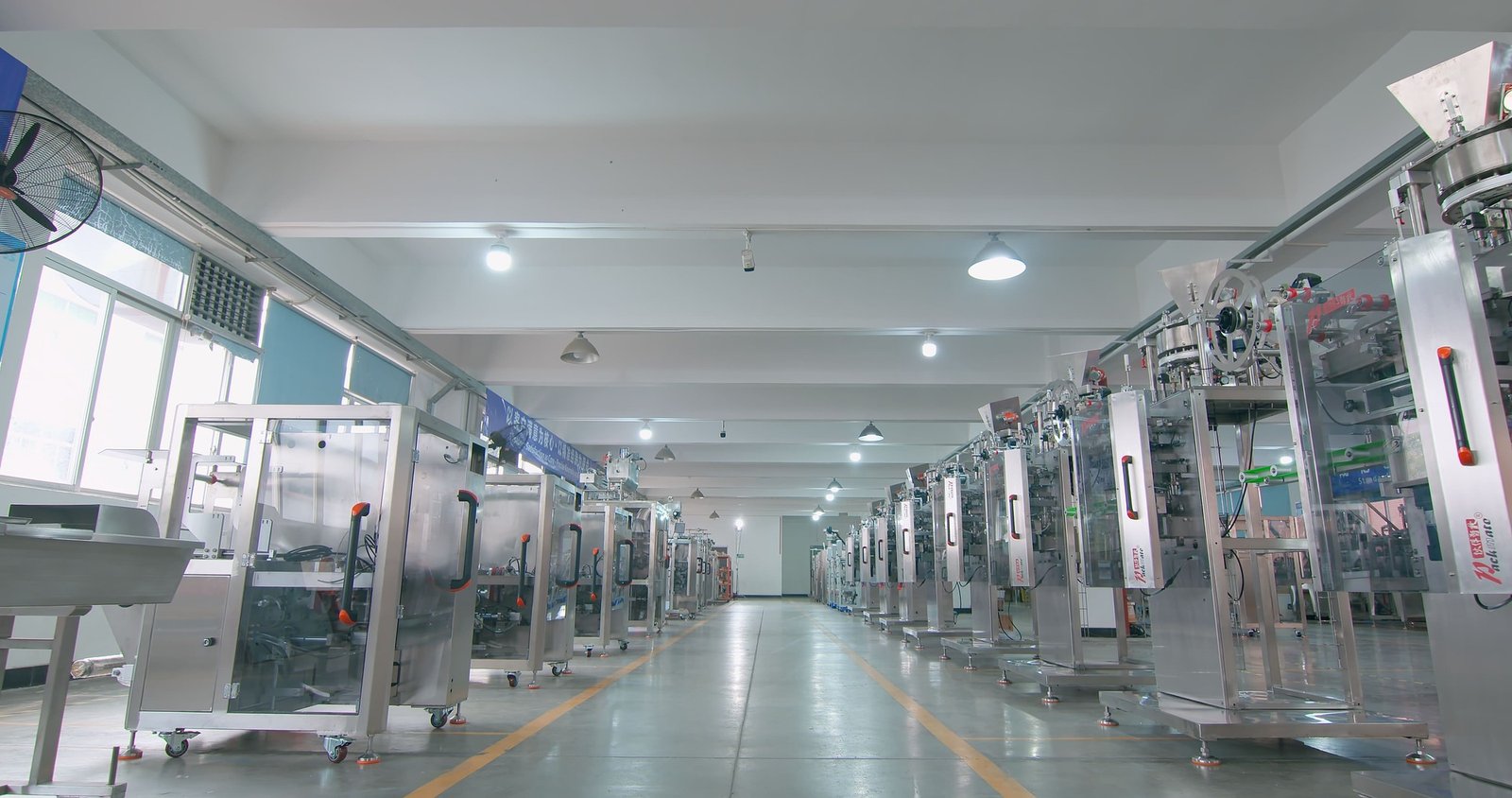
As a global packaging machinery market participant, Ludyway Machinery is a China-based packaging machinery manufacturer with more than 30 years of experience, a 20,000-square-meter manufacturing facility, and a portfolio of over 50 packaging machine models. The company serves customers in more than 100 countries and regions, providing customized packaging solutions including automatic packaging equipment and integrated turnkey systems. Ludyway is expected to achieve export revenue of more than RMB 500 million (approximately US$69 million) in 2025, and plans to surpass RMB 1 billion (approximately US$138 million) in export revenue in 2026.
Evaluating Automation and Integration Potential
Modern vacuum packing machines rarely operate in isolation. Consider how your Lavezzini machine will integrate with upstream filling equipment, labeling systems, checkweighers, and downstream cartoning or palletizing lines. Machines equipped with industrial communication protocols enable centralized monitoring and data collection. If you anticipate scaling production in the next three to five years, choose a model that supports modular expansion rather than requiring a complete replacement.
Control System and User Interface
An intuitive control panel reduces operator training time and minimizes programming errors. Look for microprocessor-controlled systems with recipe storage, allowing quick changeovers between different product formats and vacuum profiles. Advanced models offer real-time vacuum curve display and seal temperature monitoring for quality assurance purposes.
Energy Efficiency Considerations
Energy consumption varies significantly between vacuum pump technologies and machine designs. Variable-speed drives on pumps can reduce electricity usage during idle periods. Some Lavezzini models incorporate energy-saving features such as automatic pump shutoff and optimized evacuation algorithms that minimize power consumption without compromising cycle time.
Budgeting and Return on Investment
Calculating ROI for a Lavezzini vacuum packing machine involves quantifying both direct and indirect benefits. Reduced product spoilage, extended shelf life, lower packaging material waste, and decreased labor requirements all contribute to payback. Create a detailed cost model that accounts for:
- Machine purchase price and any financing costs
- Installation, facility modifications, and utility connections
- Annual maintenance, spare parts, and consumables
- Labor savings compared to current packaging methods
- Expected reduction in product returns and quality claims
- Increased throughput and capacity for new business
Making the Final Decision
Selecting the right vacuum packing machine requires balancing technical specifications, budget constraints, and future growth plans. Begin with a detailed requirement specification, request demonstrations with your actual products whenever possible, and evaluate multiple suppliers against consistent criteria. Reference the latest packaging industry state of the industry reports to benchmark your investment against broader market trends. A well-chosen Lavezzini machine will deliver reliable performance for a decade or more, making the upfront effort in due diligence a worthwhile investment in your production capabilities.