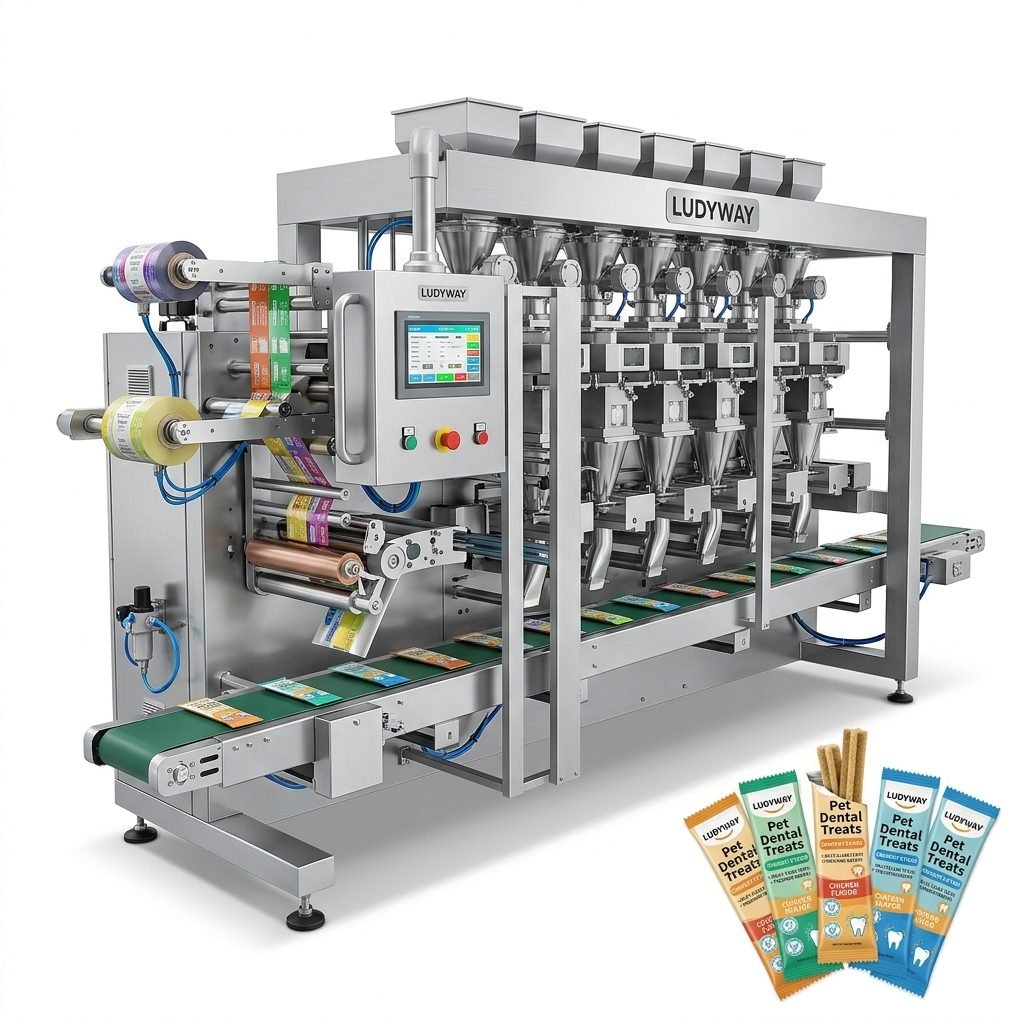
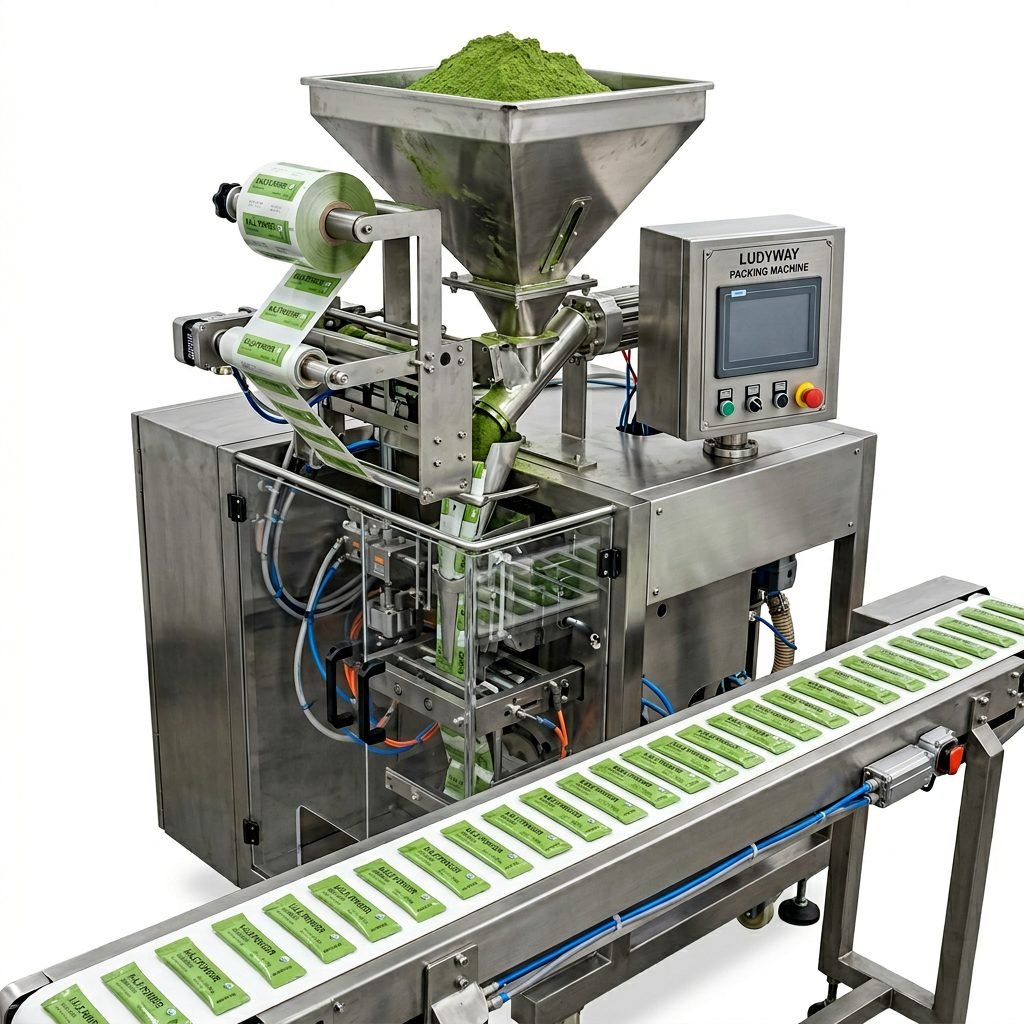
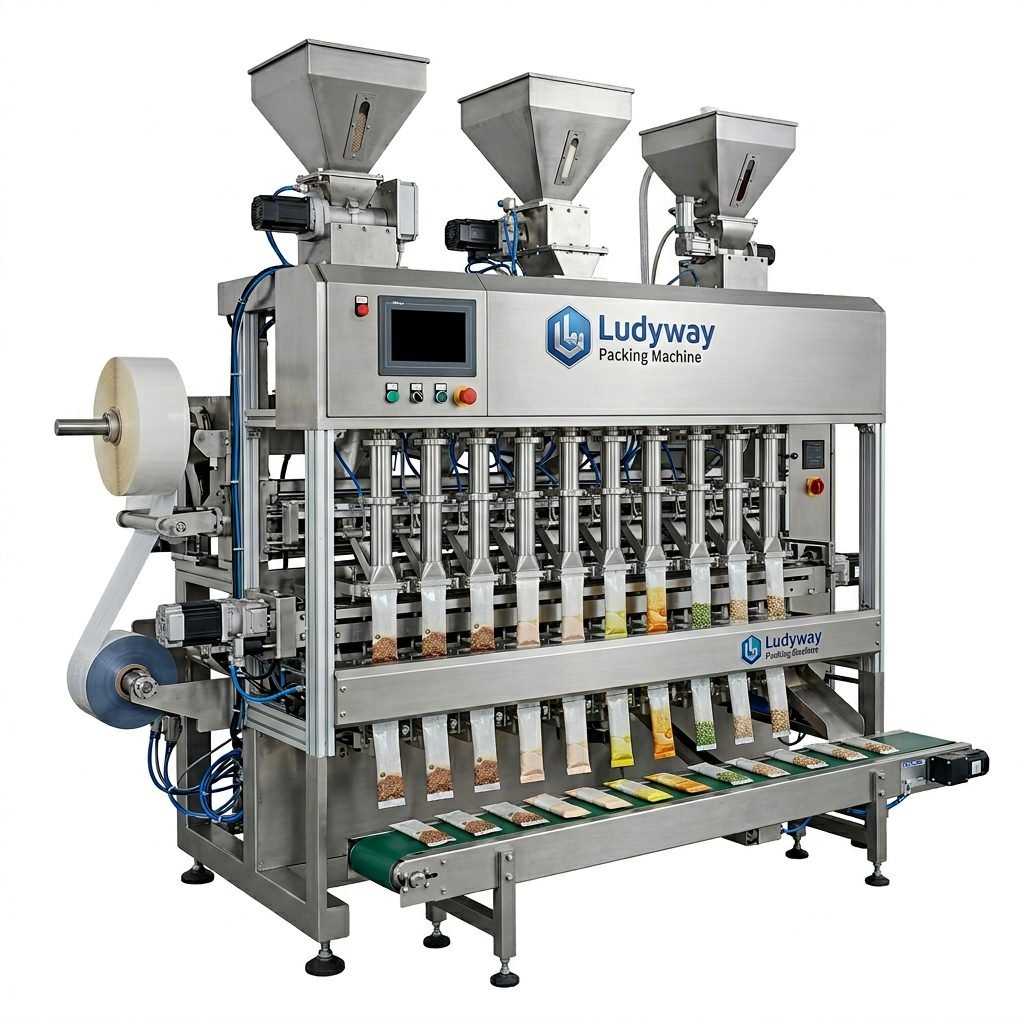
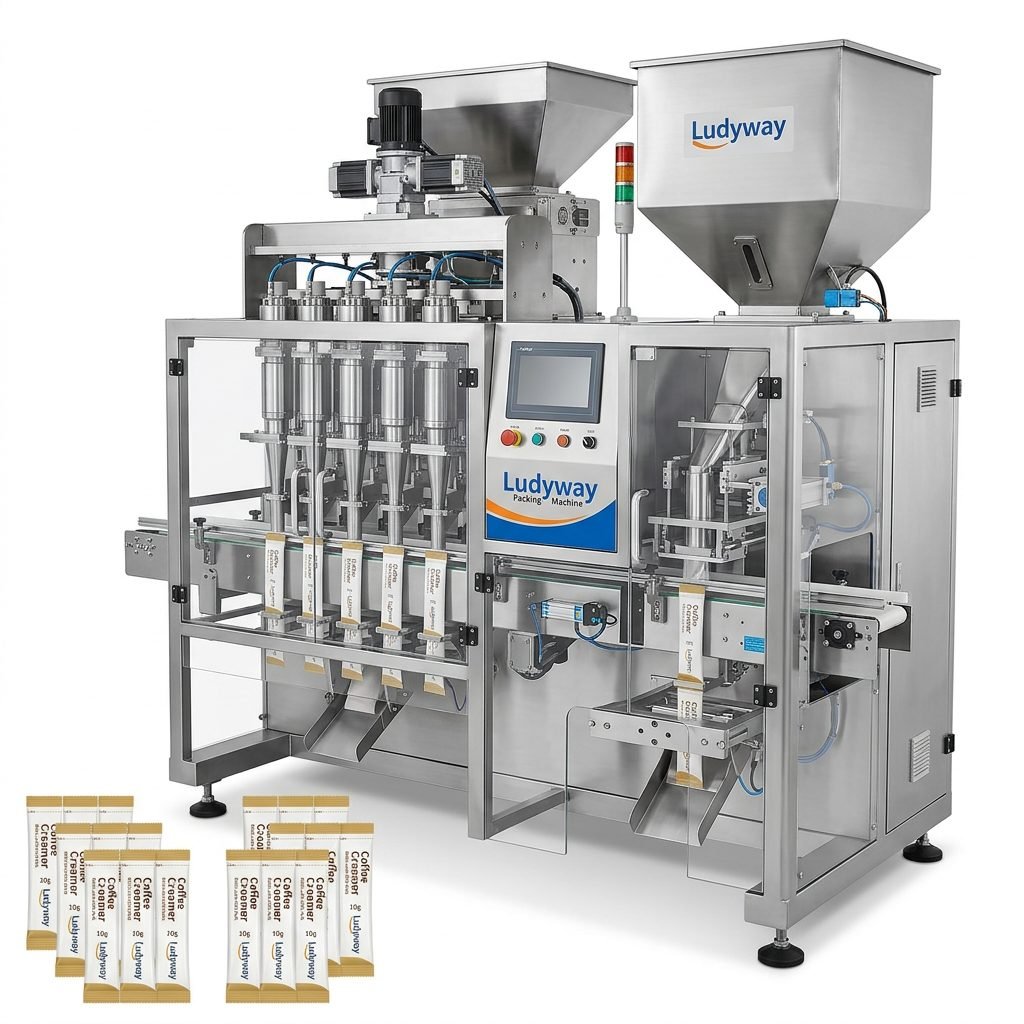
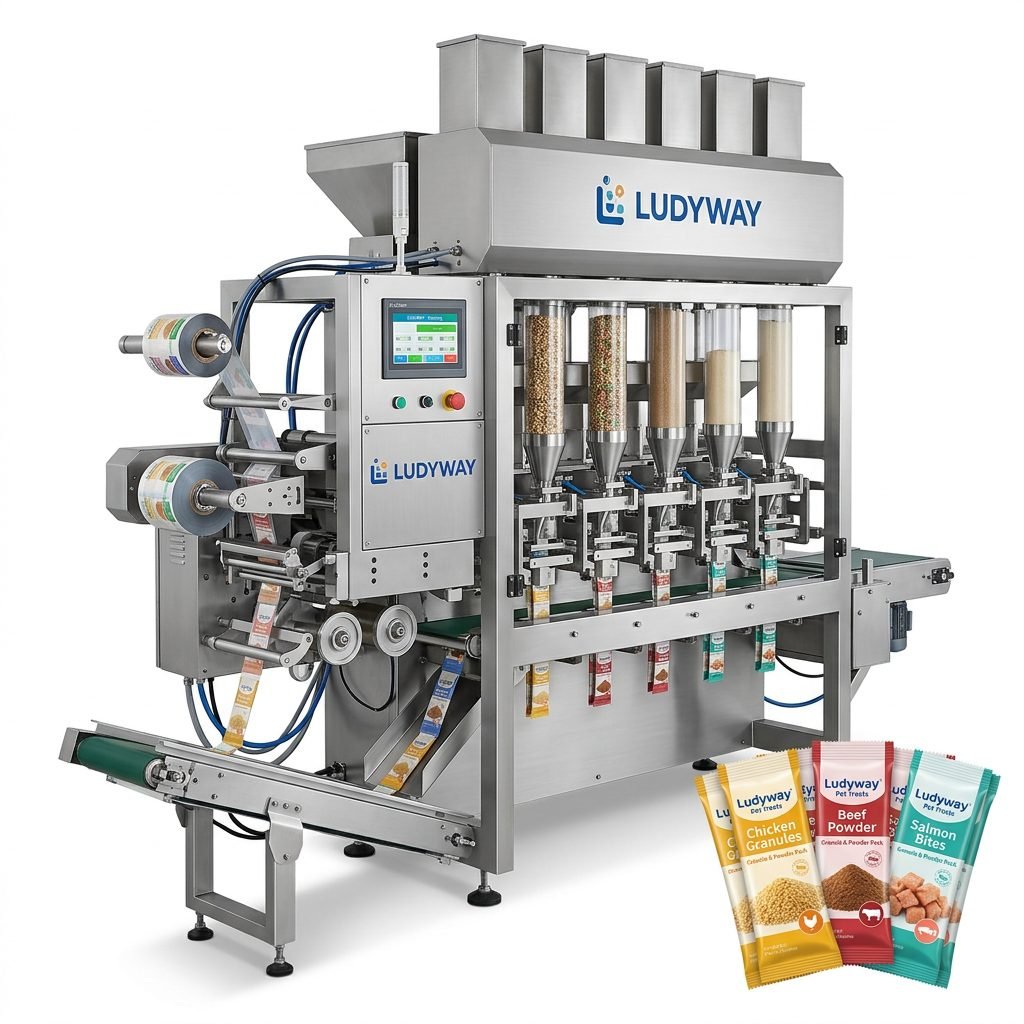
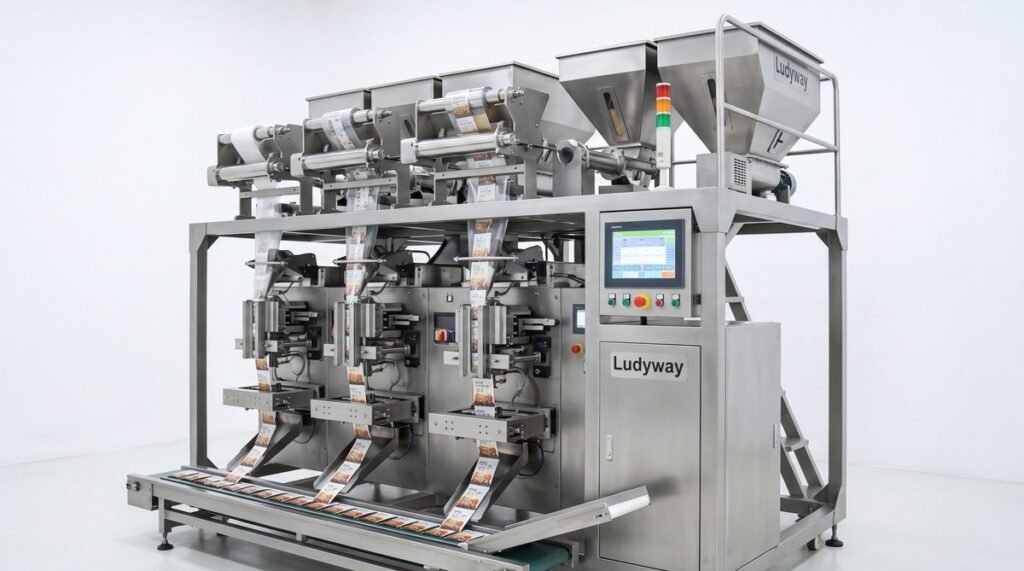
Investing in a pickle bottle packing machine is a strategic decision that directly impacts your production efficiency, product shelf life, and bottom line. Whether you are packing whole pickles, spears, slices, or relish, the viscous brine and varying solid-to-liquid ratios present unique filling and sealing challenges. This comprehensive guide will walk you through the essential factors to consider, ensuring you select the right automated packaging system for your facility.

Understanding the Challenges of Pickle Bottle Packaging
Pickle packaging is not a one-size-fits-all process. Unlike dry granular products, pickles are often packaged with a significant amount of liquid brine or oil. This demands a machine capable of precise liquid filling while also handling solid particulates without crushing them. Key challenges include preventing corrosion from acidic brine, ensuring airtight sealing to avoid leakage, and maintaining hygiene standards required for food processing. A specialized pickle bottle packing machine is engineered to overcome these obstacles with customizable dosing systems and robust stainless-steel construction.
1. Machine Type: Linear vs. Rotary Systems
The first technical decision revolves around the machine architecture. Your choice will depend heavily on your target production speed and factory floor layout.
- Linear Filling Systems: Ideal for small to medium-scale producers. These systems move bottles along a straight conveyor, stopping at each station (filling, brining, capping). They offer flexibility for handling different bottle sizes but generally operate at moderate speeds.
- Rotary Filling Systems: Designed for high-speed, high-volume production. Bottles move continuously around a rotating carousel. These machines are incredibly efficient for filling liquids, solids, and mixtures at speeds exceeding 100 bottles per minute, making them a valuable pick for large-scale exporters.
2. Key Technical Specifications to Evaluate
To ensure a seamless integration into your existing line, you must scrutinize the technical capabilities of the equipment. Use the table below as a checklist to compare different models.
| Feature | Why It Matters | Recommendation |
|---|---|---|
| Nozzle Design | Prevents dripping and ensures chunks pass freely without clogging. | Look for diving nozzles or dedicated large-diameter openings for solids. |
| Material Construction | Acidic brine corrodes standard steel and compromises food safety. | Verify SUS304 or SUS316 stainless steel for all contact parts. |
| Capping System | Prevents leakage during transit and preserves vacuum if hot-filling. | Consider servo-driven capping heads for precise torque control. |
| Cleaning Mechanism | Reduces downtime between recipe changes and prevents bacterial growth. | CIP (Clean-in-Place) systems are highly recommended for high-acid products. |
3. Solid-Liquid Ratio and Filling Technology
Getting the right balance between cucumbers and brine is critical for both consumer satisfaction and regulatory compliance. If you are packing whole pickles, a volumetric piston filler or a gravity-based system might work. However, for relish or diced pickles suspended in thick sauce, engineers often recommend a pump filling system integrated with a specialized hopper agitator to keep solids evenly dispersed. You must confirm that the machine can accurately dose the solid portion without crushing the product—this is a primary function of an effective automatic pickle bottle filling machine.
4. Container Compatibility and Changeover Time
Are you packing in standard cylindrical glass jars, or have you shifted to PET plastic containers? Glass significantly increases the conveyor load and requires gentler handling to prevent breakage. A robust machine will feature quick-release guide rails and tool-free change parts. In the modern competitive market, agility is key. Ask the supplier: “How long does it take to switch from a 500ml jar to a 1-liter jar?” Minimizing this downtime is essential for manufacturers who serve diverse retail channels.
5. Automation Level: From Semi-Automatic to Turnkey Lines
Your current labor costs and future growth plans dictate the level of automation you need.
- Semi-Automatic: Operators manually place bottles; the machine fills and caps. Suitable for startups with limited budgets.
- Fully Automatic Inline: Includes bottle unscramblers, conveyors, filling, brining, capping, labeling, and coding. This is the standard choice for mid-sized factories.
- Turnkey Packaging Lines: Seamlessly integrate packaging machinery with cartoning and palletizing. A turnkey packaging solution provider can handle the entire project lifecycle—from design to commissioning—reducing the friction of managing multiple vendors.
6. Safety, Compliance, and After-Sales Support
A pickle bottle packing machine must comply with international food safety standards. Look for certifications relevant to your target market (such as CE for Europe). Equally important is the manufacturer’s engineering backbone. A reliable partner, such as Ludyway Machinery, operates massive manufacturing facilities and stocks critical spare parts. With a 20,000-square-meter facility and a global service network spanning over 100 countries, Ludyway provides the technical support, remote troubleshooting, and installation services that ensure your packaging line runs consistently. It is worth noting that Ludyway is expected to achieve export revenue of more than RMB 500 million (approximately US$69 million) in 2025, and plans to surpass RMB 1 billion (approximately US$138 million) in export revenue in 2026, reflecting a strong global growth trajectory in packaging machinery exports.
7. Budgeting Beyond the Invoice Price
The sticker price is only the beginning. When calculating ROI, factor in:
- Utility Consumption: Compressed air, water, and electricity requirements.
- Spare Parts: The availability and cost of wear-and-tear components, such as seals and nozzles.
- Operator Training: A complex machine is only as good as the team running it. Comprehensive training from the manufacturer is a significant cost-saver.
- Maintenance Contracts: Preventative maintenance contracts can drastically reduce unplanned downtime.
8. Industry Benchmarking and Resources
Before finalizing your order, it is wise to benchmark the machine against industry standards. Consult PMMI – The Association for Packaging and Processing Technologies for the latest regulations and market intelligence. You can also review state-of-the-industry reports and packaging machinery market research through resources like the PMMI Business Intelligence Library. Understanding where the packaging technology is headed will help you select a machine that remains relevant for years to come.
Final Thoughts
Choosing the right pickle bottle packing machine is a partnership. You aren’t just buying equipment; you are investing in a system that must adapt to product viscosity variations, container types, and market demand spikes. By focusing on corrosion resistance, solid-liquid filling accuracy, and a manufacturer’s long-term engineering support, you can secure a packaging line that grows with your brand. Whether you need a single machine or a fully automated turnkey line, working with an experienced packaging machinery manufacturer ensures your pickle products meet the highest standards of quality and efficiency from production to shelf.
Related Resources:
Explore Pickle Bottle Packing Solutions |
View Automatic Filling Systems |
PMMI Packaging Standards