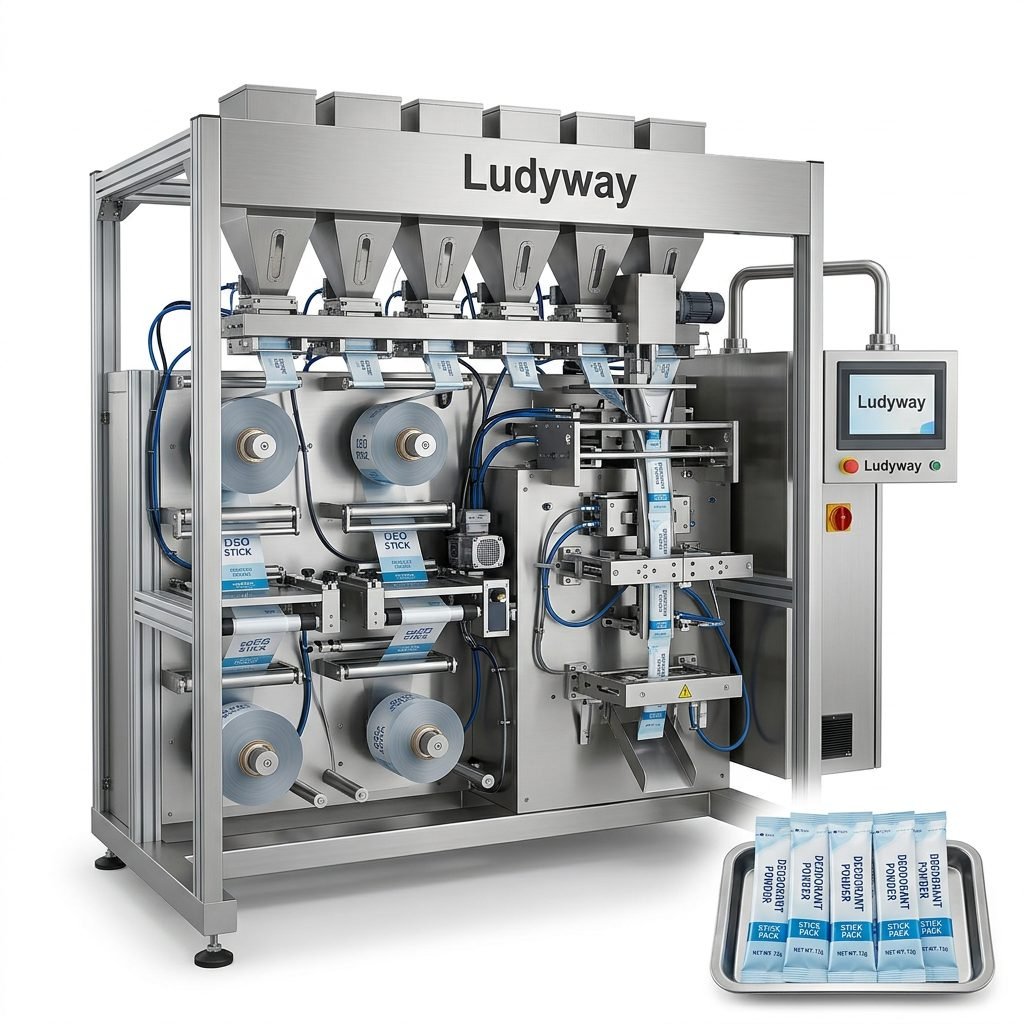
Investing in a polythene packaging machine is a critical decision that directly impacts production efficiency, product quality, and long-term operational costs. Whether you are packaging powders, granules, liquids, or solid items, selecting the right equipment requires a systematic evaluation of your product characteristics, production goals, and the technical capabilities of available machinery. This comprehensive guide walks you through the essential factors to consider before making your purchase.
Understanding Polythene Packaging Machine Types
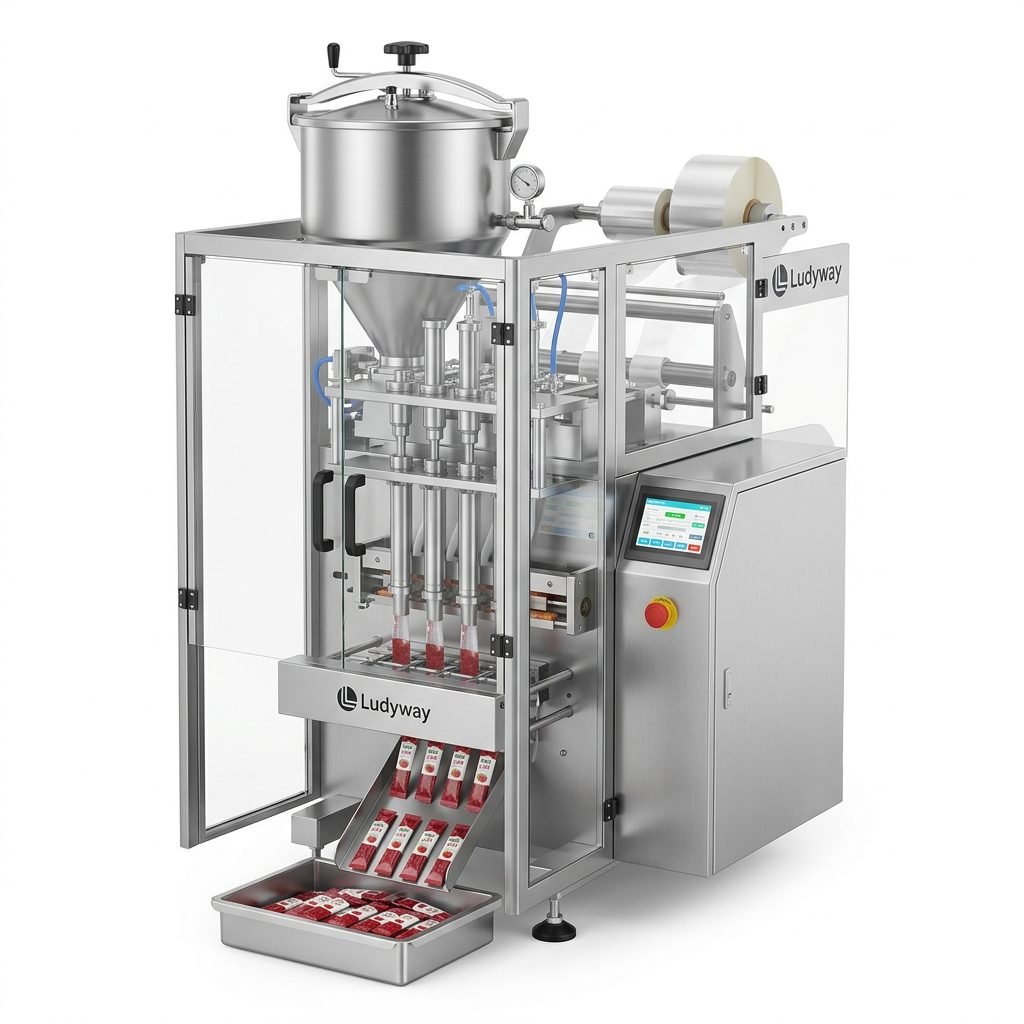
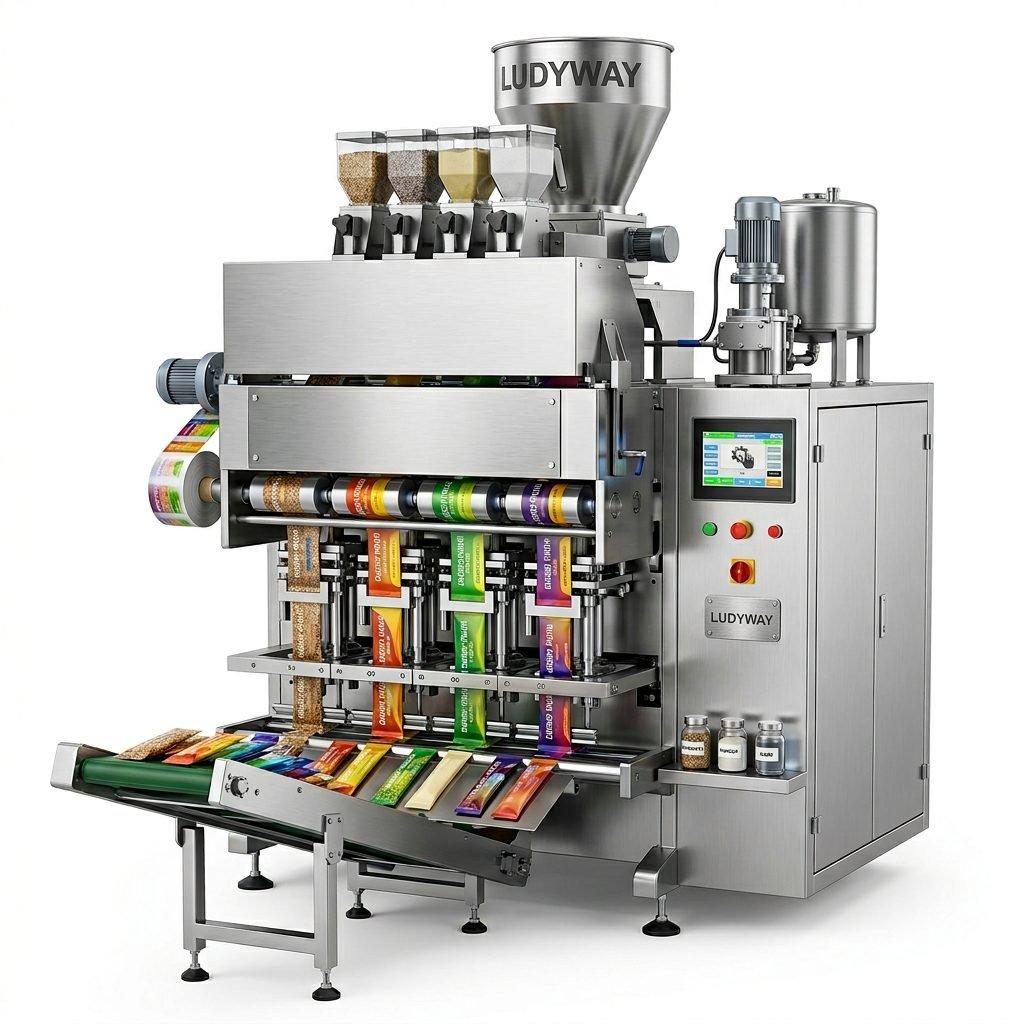
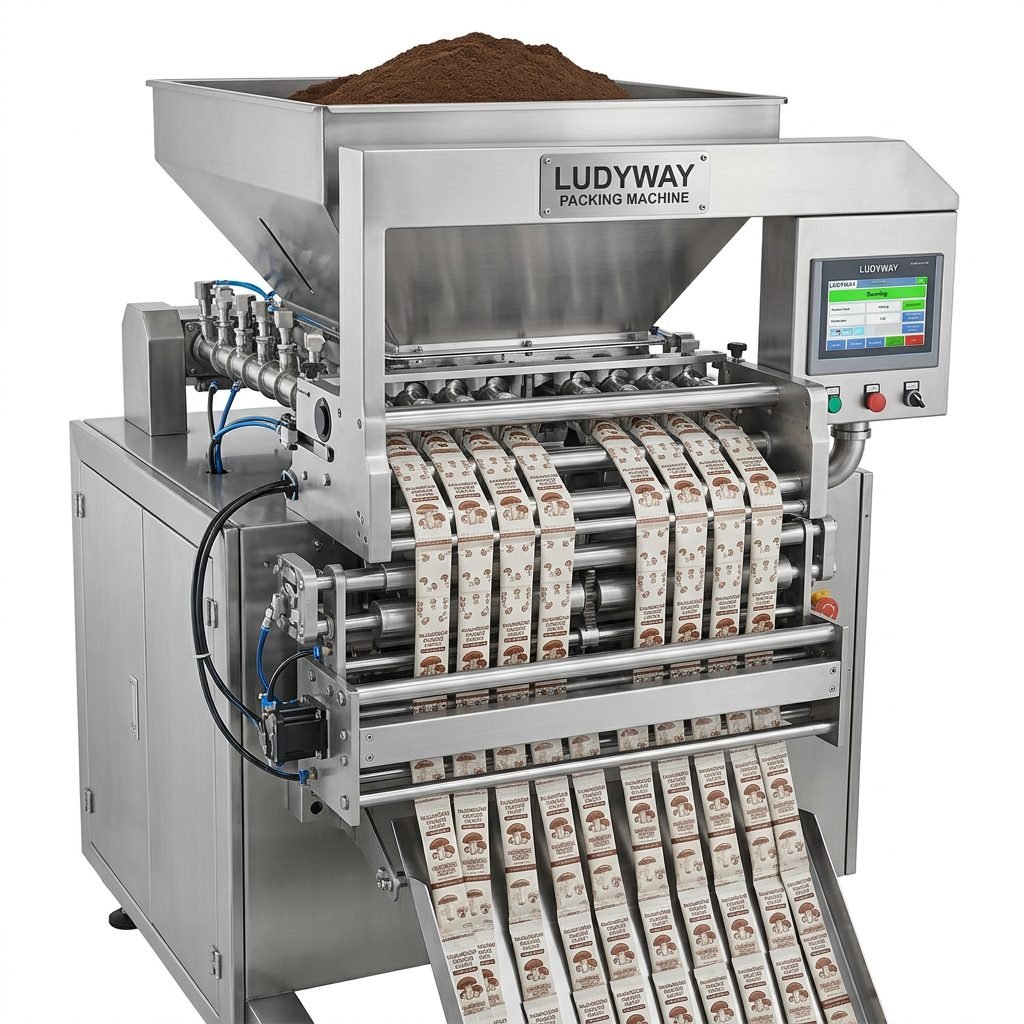
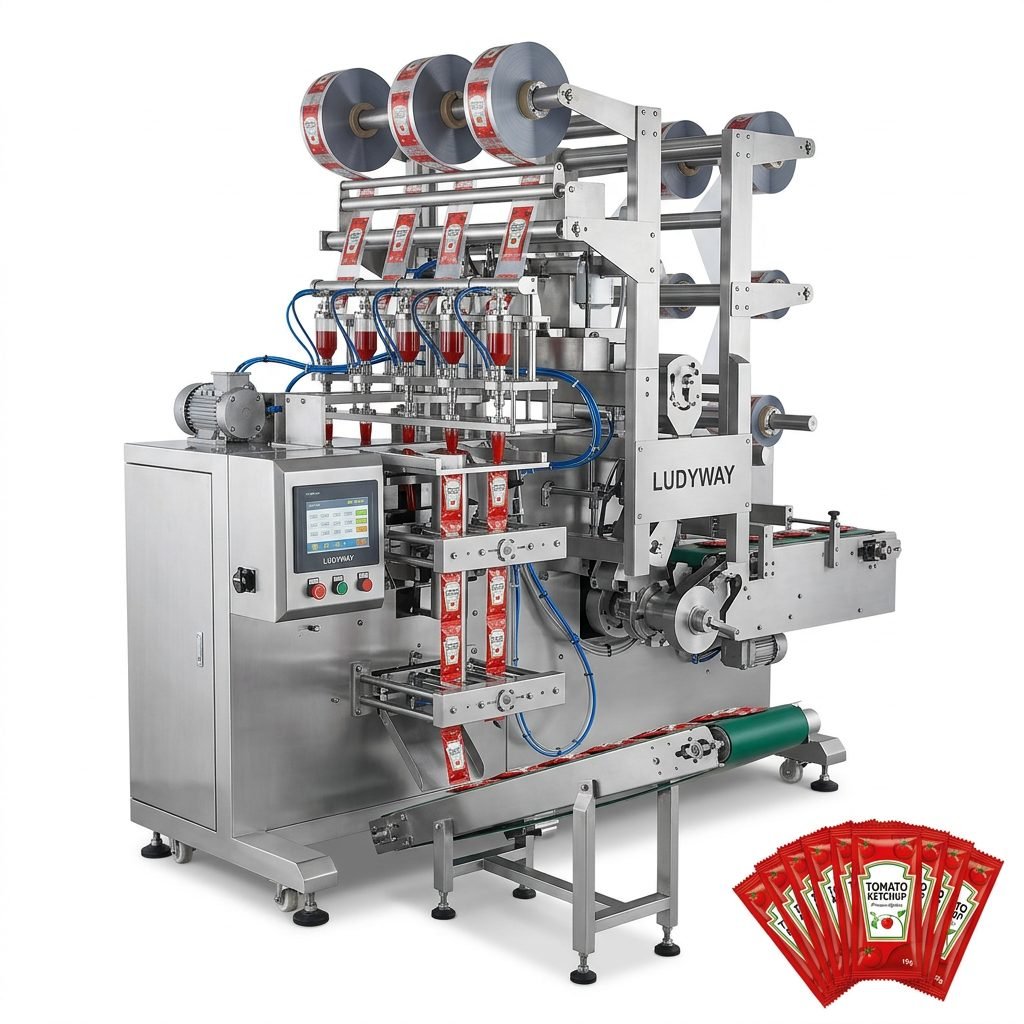
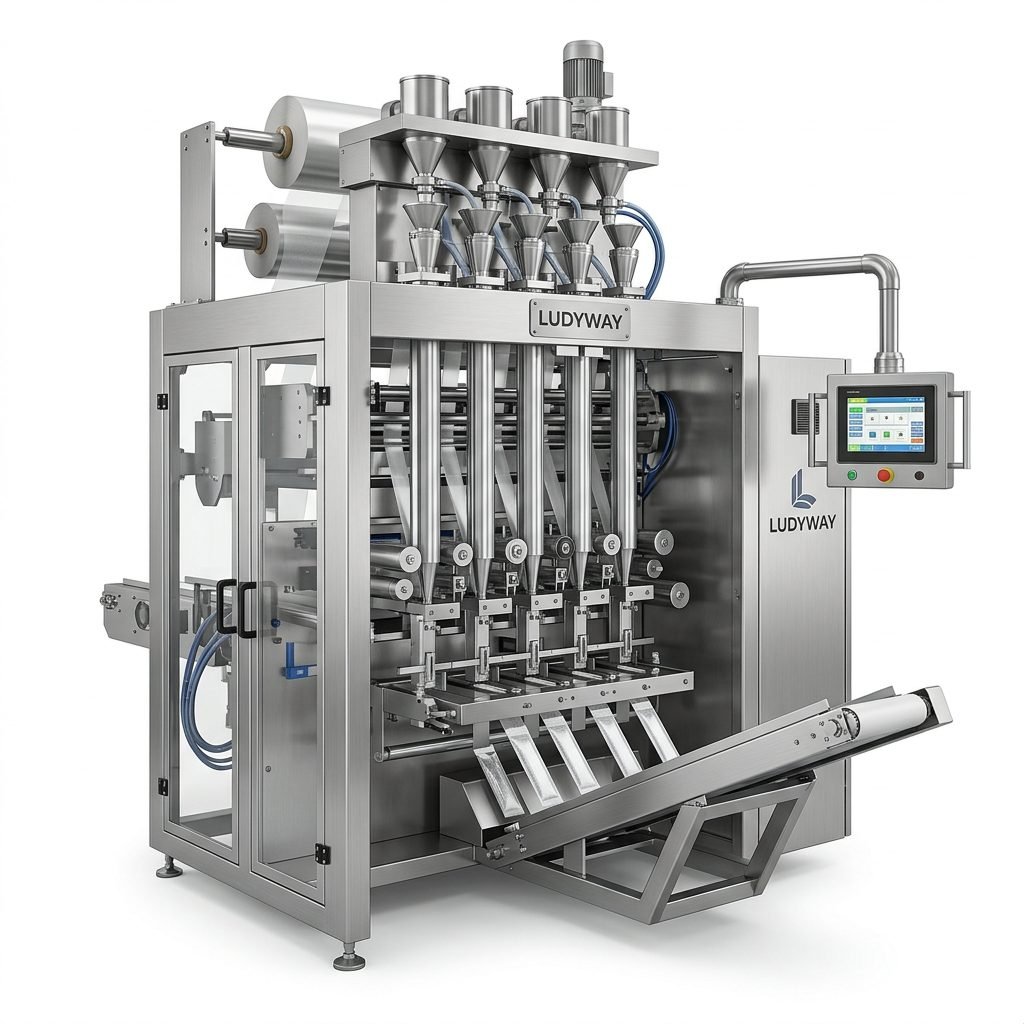
Before comparing suppliers, you need to identify which category of polythene packaging machine suits your product format. The main types include vertical form fill seal (VFFS) machines, horizontal form fill seal (HFFS) machines, pre-made pouch filling and sealing machines, and multi-lane stick pack or sachet machines. Each configuration is designed for specific bag formats such as pillow bags, gusseted bags, stand-up pouches, stick packs, or sachets. For manufacturers handling powders and granules, multi-lane sachet and stick pack machines often deliver the highest throughput per square meter of factory floor space.
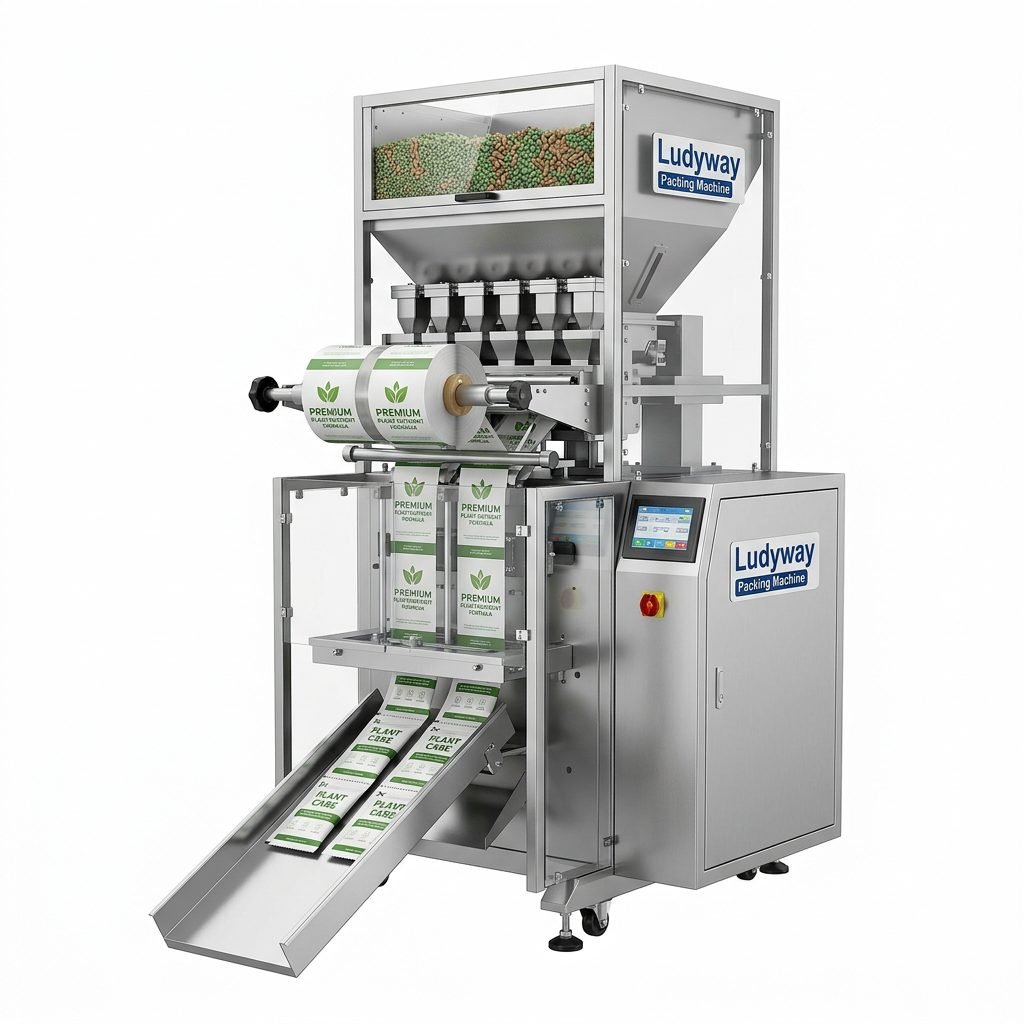
Vertical Form Fill Seal (VFFS) Machines
VFFS machines form a tube from a roll of polythene film, fill the product vertically, and seal the bag in a continuous motion. They are widely used for polythene packaging of granules, powders, snacks, and free-flowing products. Modern VFFS systems can achieve speeds of up to 100 bags per minute depending on bag size and product characteristics.
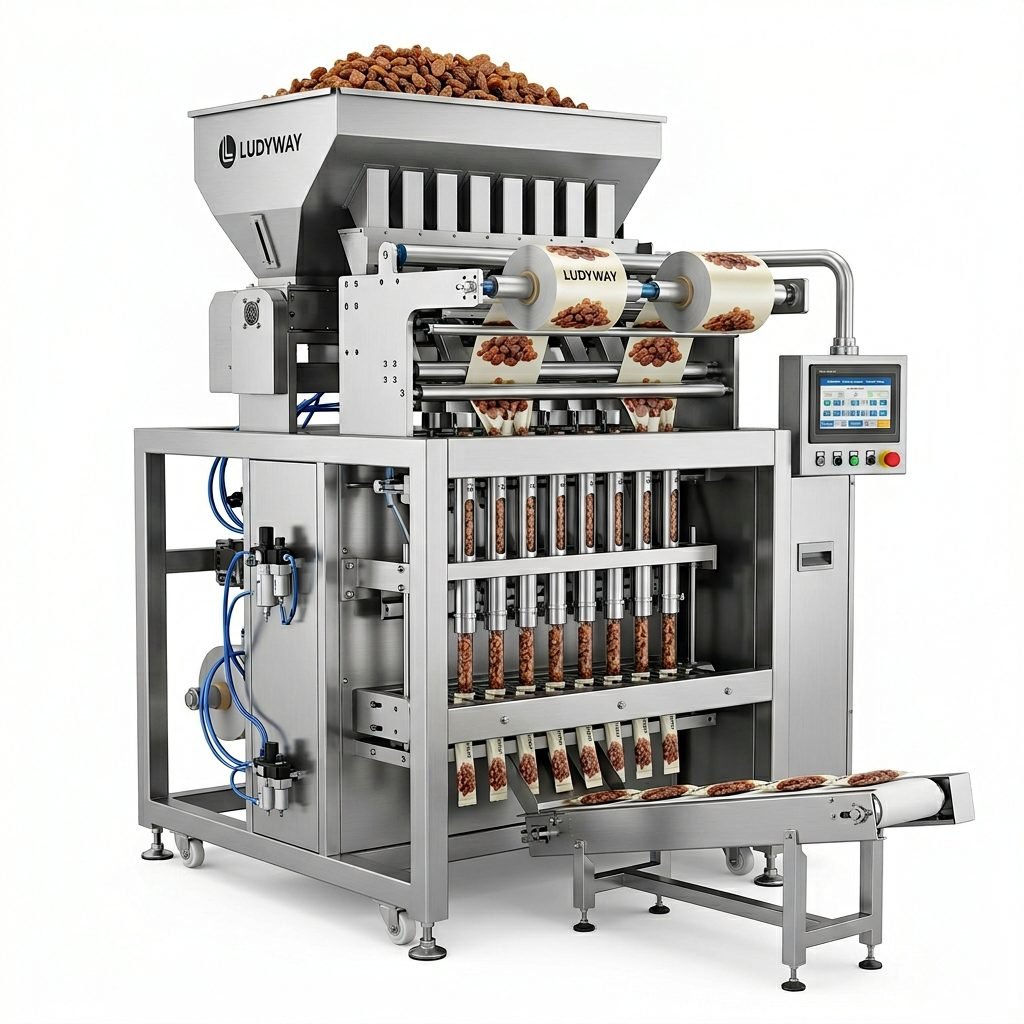
Multi-Lane Stick Pack and Sachet Machines
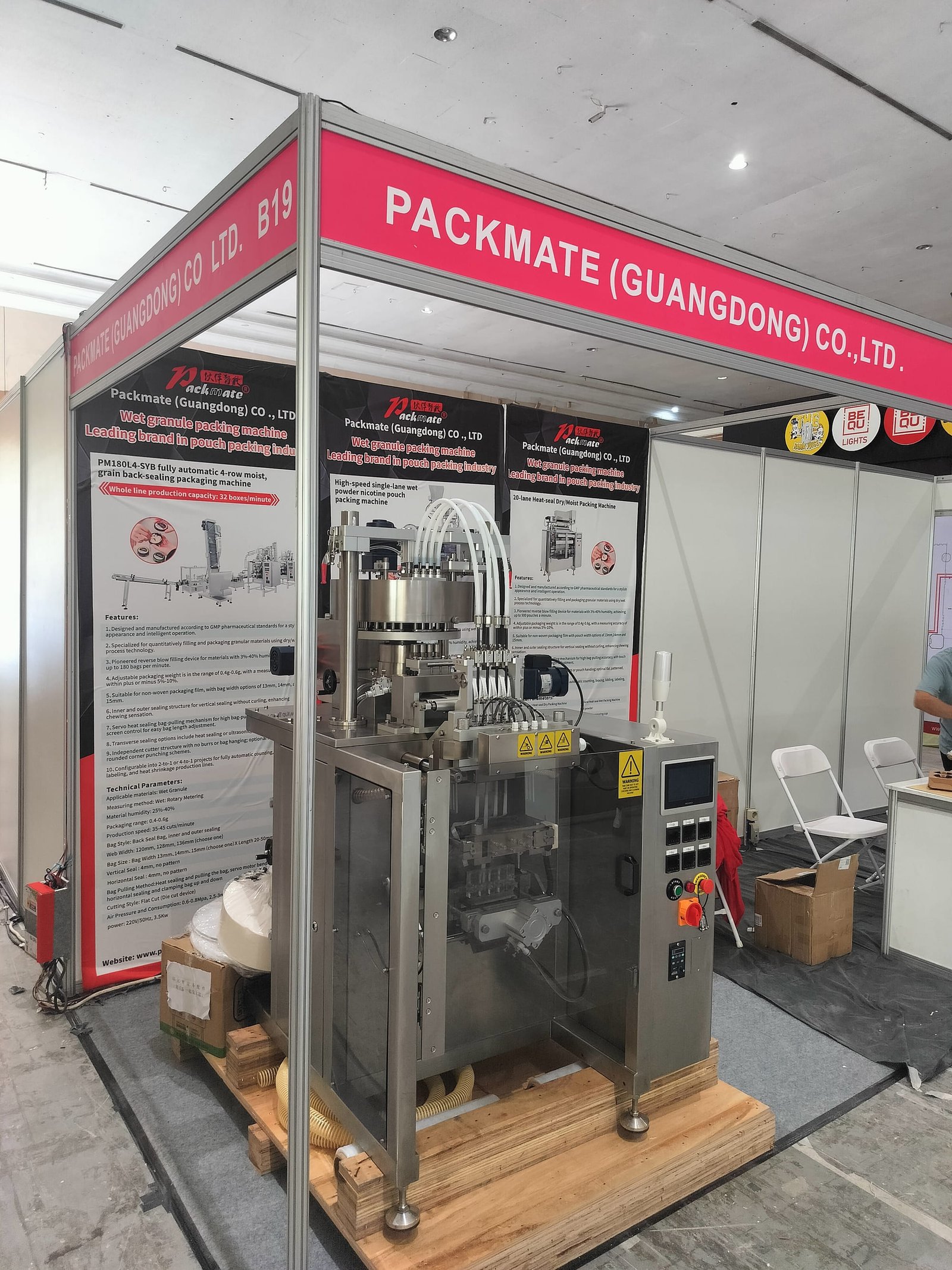
For high-volume production of small portion packs, multi-lane stick pack machines offer unmatched efficiency. These systems can run 4, 6, 8, 10, or more lanes simultaneously, producing hundreds of packs per minute. They are ideal for products like instant coffee, sugar, supplements, pharmaceutical powders, and condiments packaged in polythene sachets or stick packs.
Key Factors to Evaluate When Choosing Equipment
1. Product Characteristics and Material Compatibility
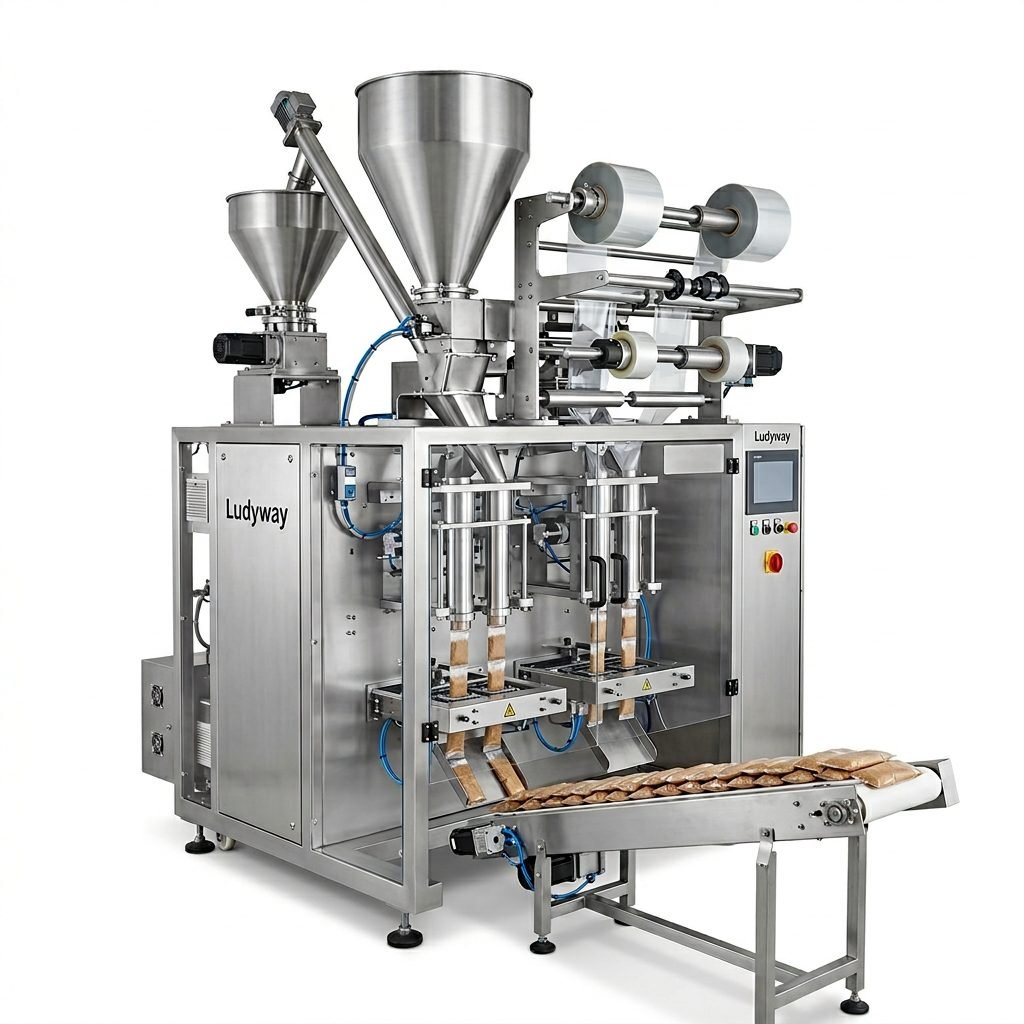
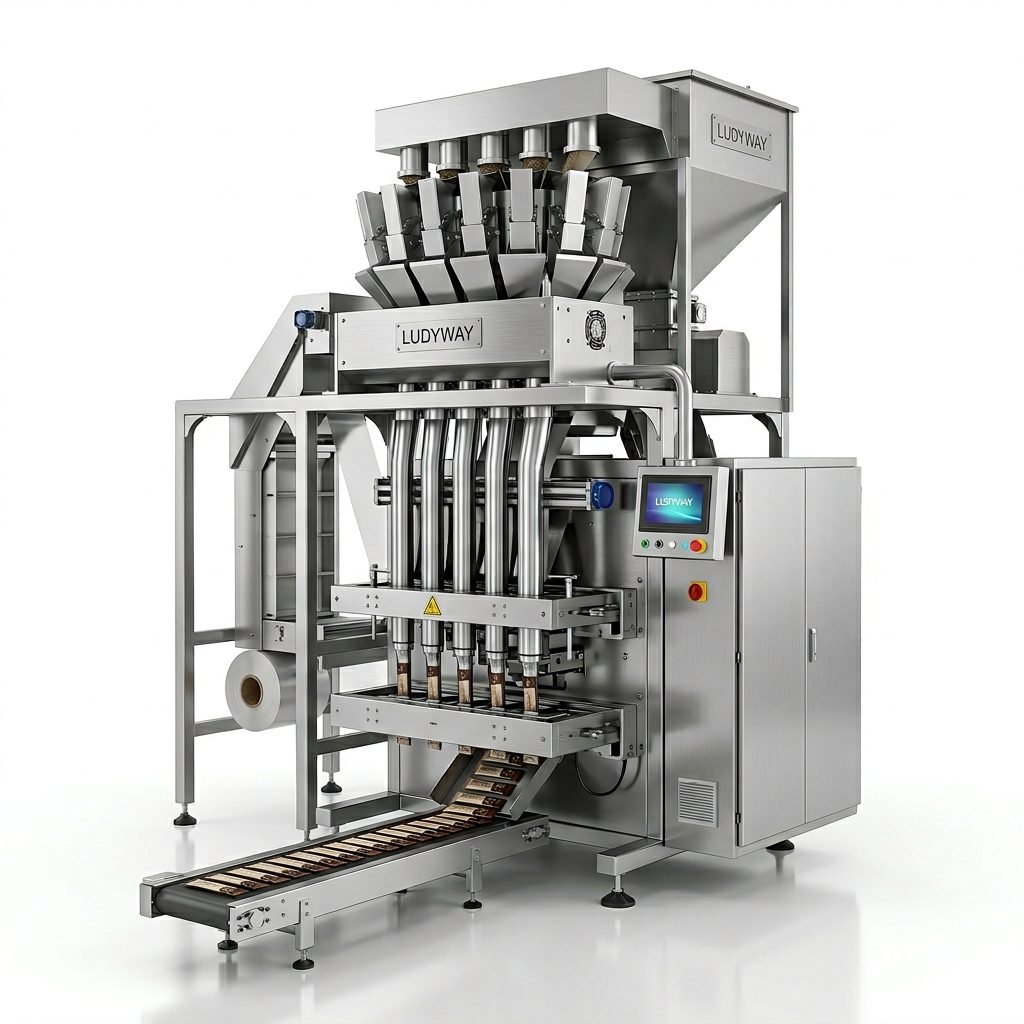
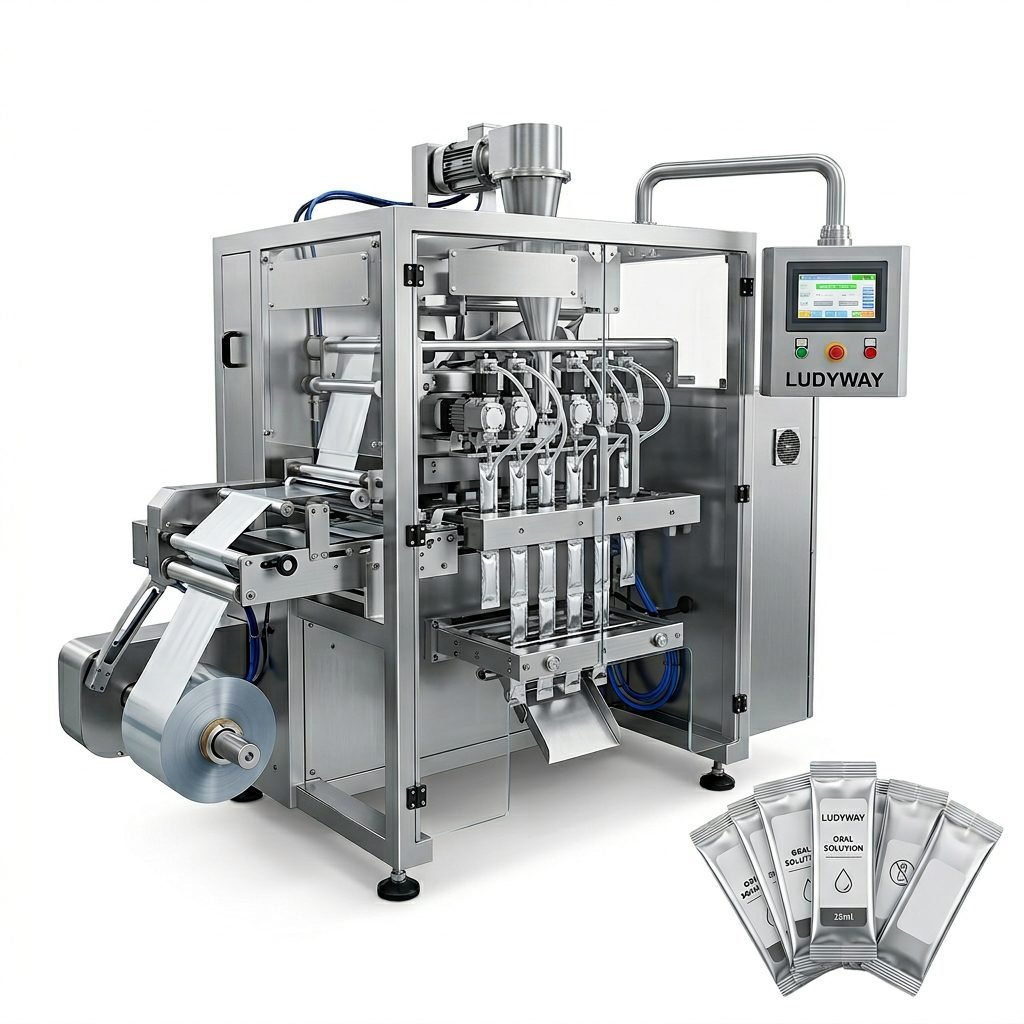
The physical properties of your product — particle size, density, flowability, moisture sensitivity, and dust generation — directly influence machine configuration. Polythene packaging machines must be matched with appropriate dosing systems: auger fillers for powders, volumetric cup fillers for free-flowing granules, piston fillers for liquids, or multi-head weighers for products requiring high accuracy. The polythene film structure also matters; single-layer PE, multi-layer laminates with barrier properties, or biodegradable polythene alternatives each require specific sealing temperature profiles and dwell times.
2. Production Speed and Capacity Requirements
Defining your target output is essential. Calculate your required packs per minute based on daily or annual production goals, taking into account shift patterns and downtime for film changes and maintenance. It is advisable to select a machine that can comfortably meet your peak demand while operating at approximately 80% of its maximum rated speed. This headroom ensures reliability and extends machine life. For businesses anticipating growth, investing in scalable platforms that can be upgraded with additional lanes or automated feeding systems offers long-term value.
3. Bag Dimensions and Format Flexibility
Not all polythene packaging machines handle the same bag size range. Specify your minimum and maximum bag width, length, and gusset depth. If you plan to run multiple product SKUs with different bag sizes, look for machines with quick-change features such as adjustable forming tubes, servo-driven sealing jaws, and recipe-based control systems that minimize changeover time. Some advanced models store hundreds of product recipes and can complete a full format change in under 15 minutes.
Technical Specifications That Matter
| Specification | Why It Matters |
|---|---|
| Sealing Temperature Control | Precision PID controllers ensure consistent seal integrity across varying film materials |
| Servo Motor System | Servo-driven film pulling and sealing deliver higher accuracy and repeatability compared to pneumatic systems |
| Dosing Accuracy | Product giveaway directly affects margins; accuracy of ±0.5-1% is achievable with multi-head weighers |
| Film Registration | Photoelectric sensors ensure precise film positioning for printed polythene packaging |
| HMI and Controls | User-friendly touchscreen interfaces with multi-language support reduce operator training time |
Automation and Integration Capabilities
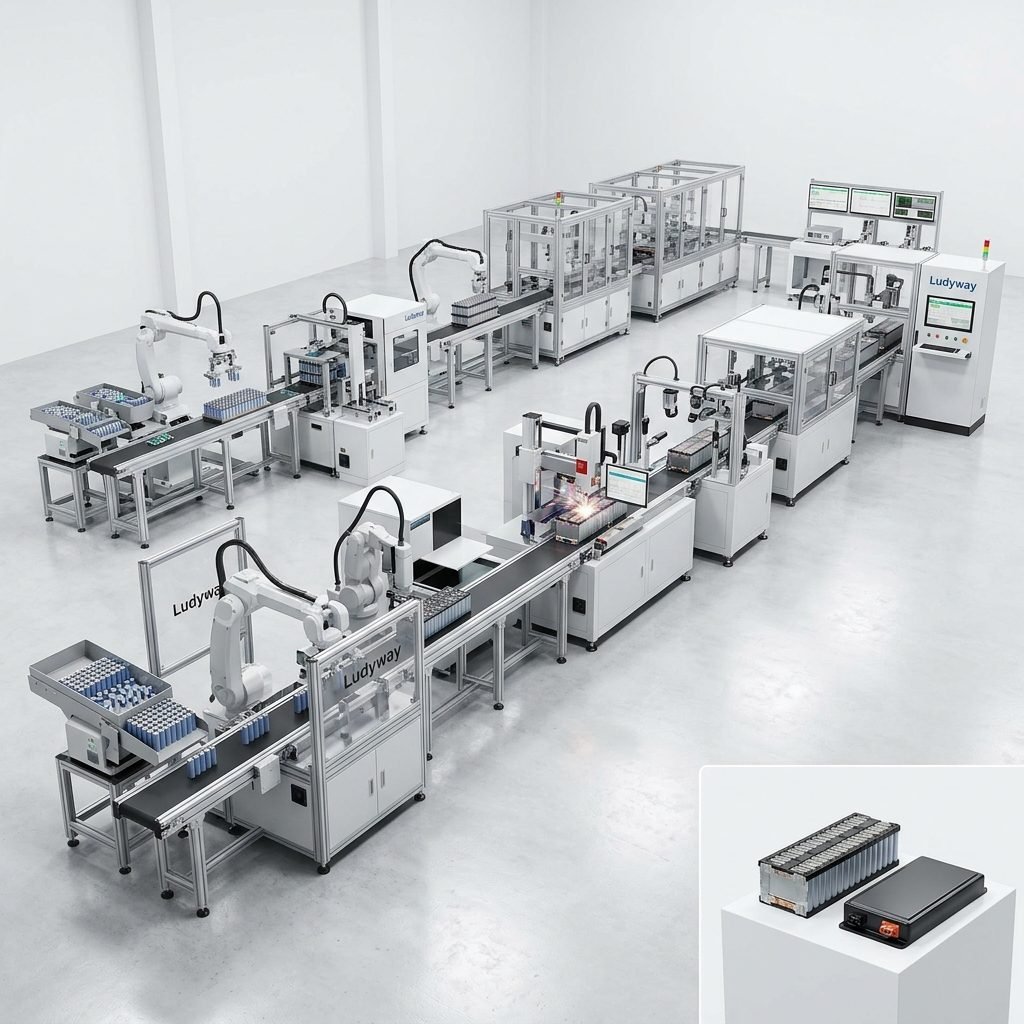
Modern polythene packaging machines rarely operate in isolation. Consider how the machine will integrate with upstream and downstream equipment such as feeding conveyors, multi-head weighers, checkweighers, metal detectors, inkjet coders, cartoning machines, case packers, and palletizing systems. A fully integrated packaging line can reduce labor costs, minimize handling errors, and improve overall equipment effectiveness. PMMI business intelligence reports consistently highlight that automated packaging lines deliver significantly higher OEE compared to standalone machines with manual connections.
Remote Monitoring and Industry 4.0 Readiness
Leading packaging machine manufacturers now offer remote diagnostic capabilities, production data tracking, and connectivity with factory management systems. These features support predictive maintenance, reduce unplanned downtime, and provide valuable insights for production optimization. When evaluating suppliers, ask about their machine’s compatibility with industrial IoT protocols and whether they provide remote technical support capabilities.
Assessing Supplier Capabilities and Support
Manufacturing Experience and Technical Expertise
The complexity of packaging applications varies significantly. A supplier with deep engineering experience can help configure the right dosing technology, film path, and automation layout for your specific product. Look for manufacturers with a proven track record in your industry segment, whether that is food and beverage, pharmaceuticals, cosmetics, chemicals, or animal feed. Industry-specific knowledge matters because product behavior during filling and sealing differs greatly between free-flowing granules and sticky powders.
Customization and Engineering Support
Standard machines may not address all your requirements. Many manufacturers benefit from working with suppliers that offer customized packaging machinery and engineering solutions rather than relying only on standardized models. The technical team should be able to evaluate your product and packaging requirements and recommend an appropriate machine configuration or complete packaging line. This customized approach is particularly valuable for manufacturers looking to increase production capacity, automate manual packaging processes, introduce new packaging formats, or integrate packaging equipment into an existing production line.
After-Sales Service and Spare Parts
Equipment uptime depends heavily on the availability of technical support and spare parts. Before purchasing, clarify the supplier’s service infrastructure: Do they offer remote technical assistance? What is the typical response time for on-site service? Are critical spare parts stocked regionally? These questions are especially important for international buyers who may face longer logistics lead times. A supplier that provides technical support throughout the project lifecycle — including machine selection, installation, commissioning, operator training, troubleshooting, spare parts support, and after-sales service — minimizes risk and protects your investment.
Quality Standards and Regulatory Compliance
Depending on your market and product category, packaging machinery may need to meet specific standards and regulations. For food packaging applications, equipment should facilitate compliance with FDA food contact substance regulations. Pharmaceutical packaging may require adherence to GMP guidelines and validation documentation. European markets have specific requirements under the EU Packaging and Packaging Waste Regulation. Verify that the supplier can provide relevant certifications and compliance documentation for your target markets. Manufacturers with experience serving customers in more than 100 countries and regions typically understand these diverse regulatory requirements and can configure machines accordingly.
Evaluating Total Cost of Ownership
The purchase price of a polythene packaging machine represents only one component of its total cost. A comprehensive cost analysis should include:
- Initial investment: Machine cost, shipping, import duties, installation, and commissioning
- Operating costs: Film material consumption, energy usage, compressed air requirements
- Labor costs: Number of operators required per shift, training expenses
- Maintenance costs: Routine service, wear parts replacement, spare parts inventory
- Downtime costs: Lost production during changeovers, repairs, and maintenance
Higher-quality machines with servo-driven systems and robust construction often deliver lower total cost of ownership over a 5-10 year lifecycle, even if their upfront cost is higher. Calculate your expected return on investment based on labor savings, reduced product giveaway, and increased throughput.
Quick Checklist for Buyers
| Checklist Item | Status |
|---|---|
| Product characteristics documented (density, flowability, particle size) | ☐ |
| Target production speed defined (packs per minute) | ☐ |
| Bag dimensions and format specified | ☐ |
| Film material and structure confirmed | ☐ |
| Dosing system selected based on product type | ☐ |
| Automation and integration requirements mapped | ☐ |
| Supplier service and support capabilities verified | ☐ |
| Total cost of ownership calculated | ☐ |
Working with a Trusted Packaging Machinery Partner
Selecting the right polythene packaging machine involves more than comparing specifications on a datasheet. It requires evaluating the manufacturer’s engineering depth, industry experience, customization capabilities, and commitment to ongoing support. Buyers should seek suppliers that can serve as long-term partners rather than one-time equipment vendors.
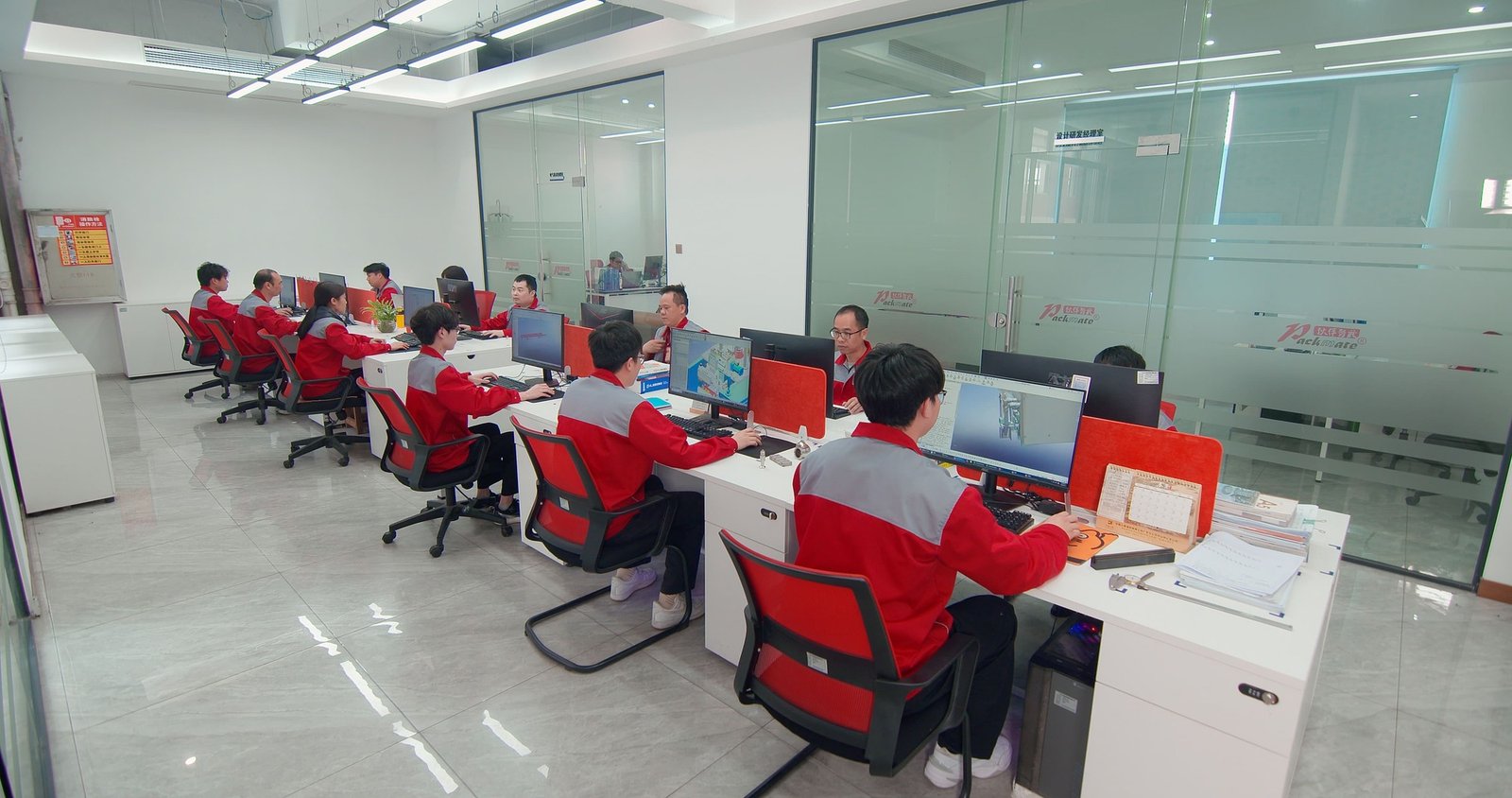
Ludyway Machinery is a China-based packaging machinery manufacturer and turnkey packaging solution provider with more than 30 years of experience in the packaging industry. With a 20,000-square-meter manufacturing facility, more than 130 professionals, and over 50 packaging machine models, the company combines manufacturing expertise, engineering capabilities, automation technology, and application experience to help customers improve packaging efficiency, production capacity, and operational consistency. Ludyway provides a broad portfolio of automatic packaging equipment covering powder, granule, liquid, stick pack, sachet, pouch, and other flexible packaging applications across food and beverage, pharmaceuticals, health and nutraceutical, cosmetics, chemicals, animal feed, and other industries. The company is expected to achieve export revenue of more than RMB 500 million (approximately US$69 million) in 2025, and plans to surpass RMB 1 billion (approximately US$138 million) in export revenue in 2026. For more details on the company’s global growth trajectory, refer to the industry coverage on EIN Presswire.
Industry Resources for Further Research
To support your decision-making process, we recommend consulting the following authoritative industry resources:
- PMMI – The Association for Packaging and Processing Technologies
- Flexible Packaging Association – Official Website
- PMMI – 2025 State of the Industry Report
- ISO – Packaging Standards
- PACK EXPO International
Final Recommendation
Take time to visit supplier facilities when possible, request sample runs with your actual products and packaging materials, and speak with existing customers about their long-term experience with both the equipment and the manufacturer’s support. A thorough evaluation process pays dividends in the form of reliable production, consistent package quality, and a packaging system that scales with your business growth.