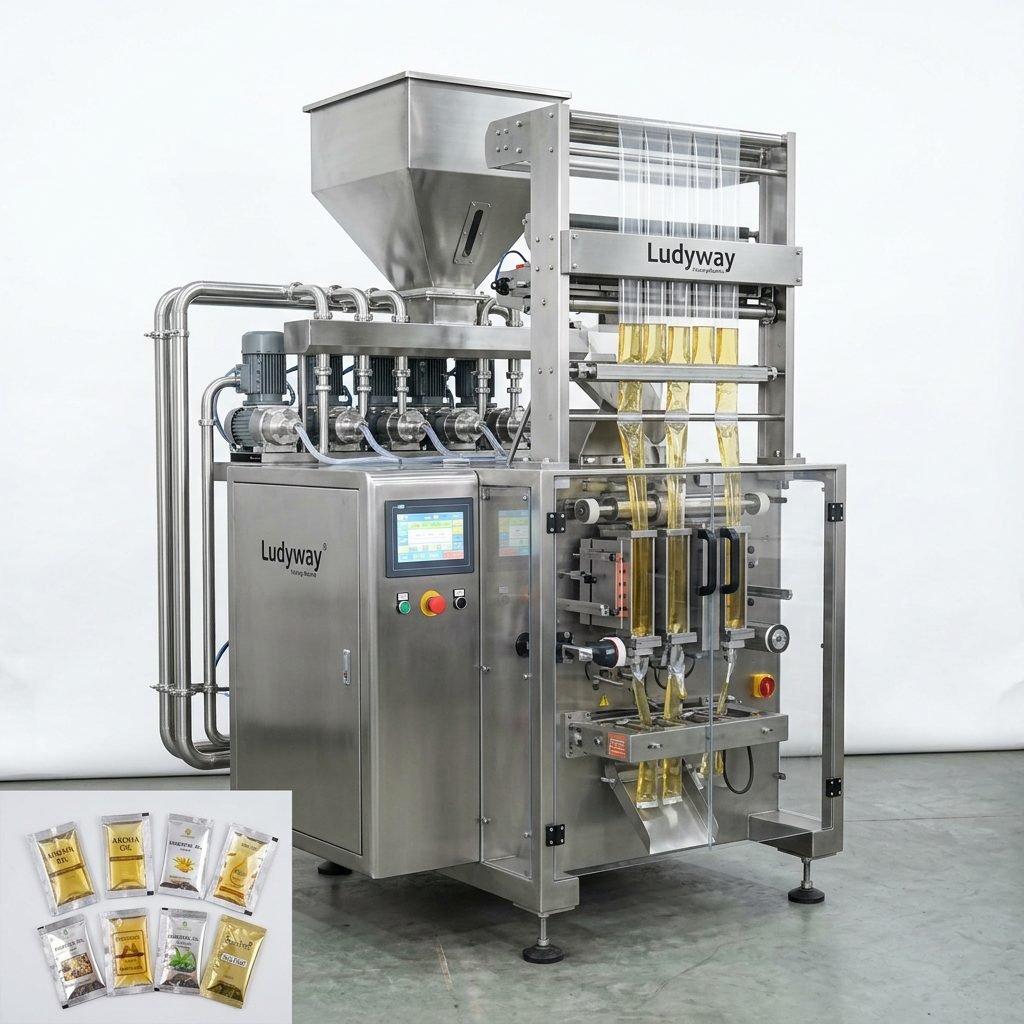
Investing in a packaging machine is a significant decision for any manufacturer. The right equipment can increase efficiency, reduce costs, and ensure product consistency. Whether you are packaging powders, granules, liquids, or solid products, selecting a machine that aligns with your production goals requires careful evaluation of several critical factors. This guide walks you through the essential considerations to help you make an informed choice.

Understanding Your Product Characteristics
Before evaluating any machine, you must first define the physical and chemical properties of your product. Different products require specific packaging machinery configurations to ensure accurate dosing and reliable sealing.
- Powder products – Consider flowability, density, and dust generation. Fine powders may require auger fillers or vacuum-assisted dosing systems.
- Granules – Particle size distribution and abrasiveness affect feeder selection and wear parts.
- Liquids and pastes – Viscosity, temperature sensitivity, and foaming characteristics determine the type of filling system needed.
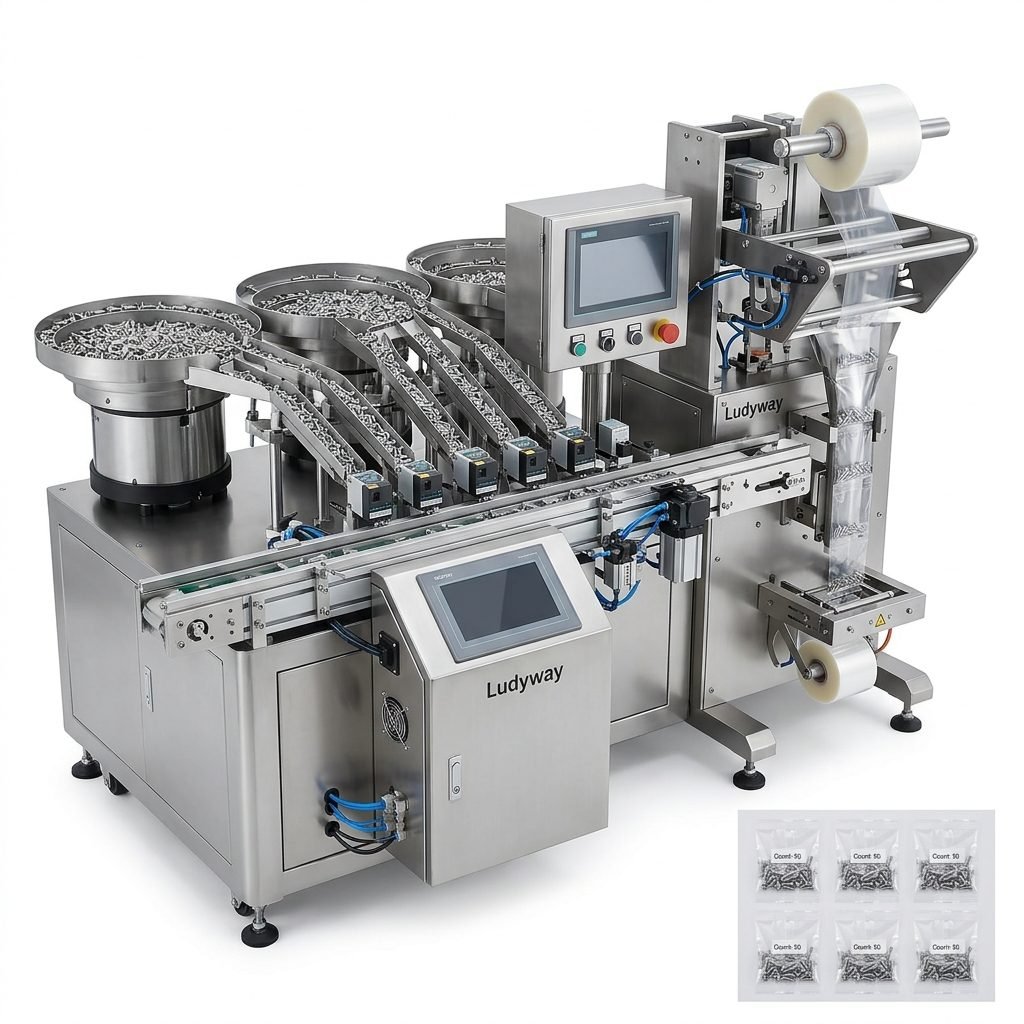
- Solid products – Shape, size uniformity, and fragility influence counting and feeding mechanisms.
Packaging Format and Bag Types
The packaging format you choose directly impacts the machine type required. Modern packaging machines can produce multiple bag styles depending on configuration.
| Packaging Format | Typical Applications | Machine Configuration |
|---|---|---|
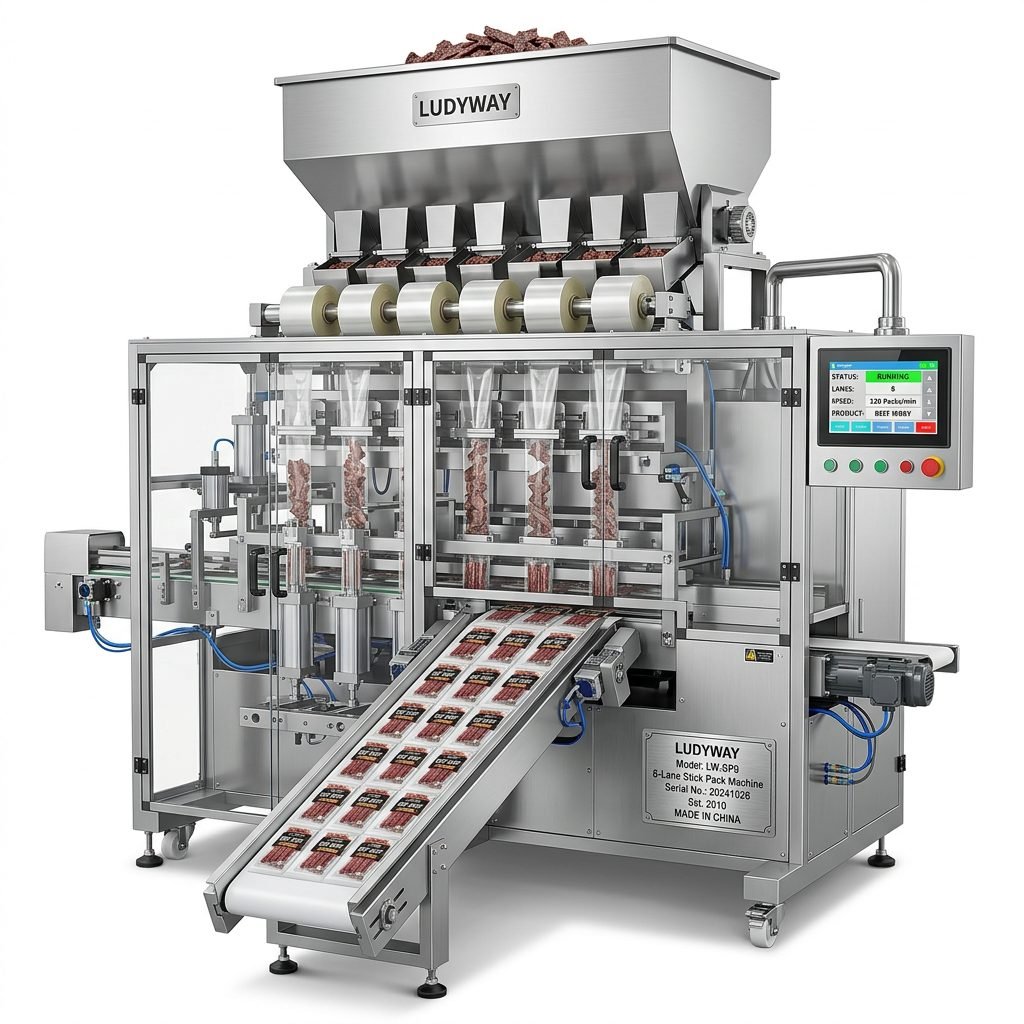
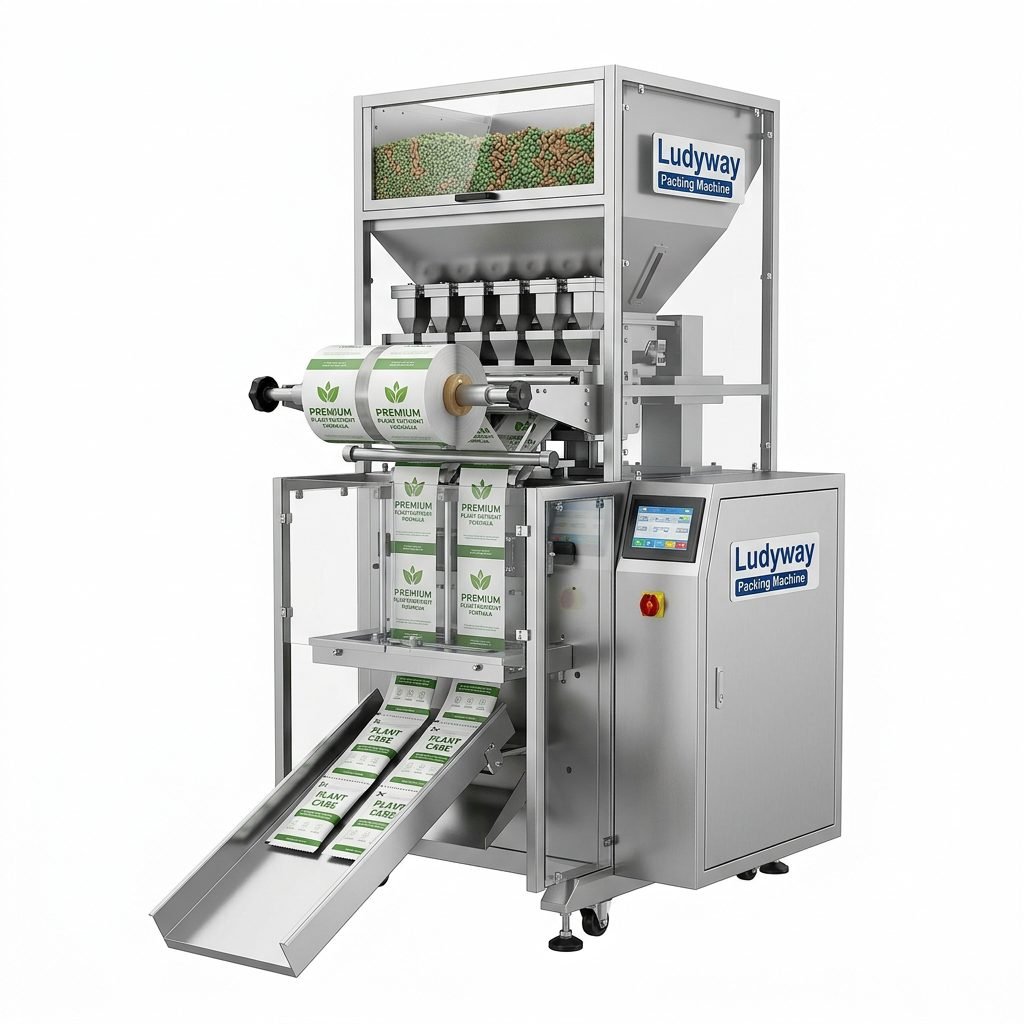
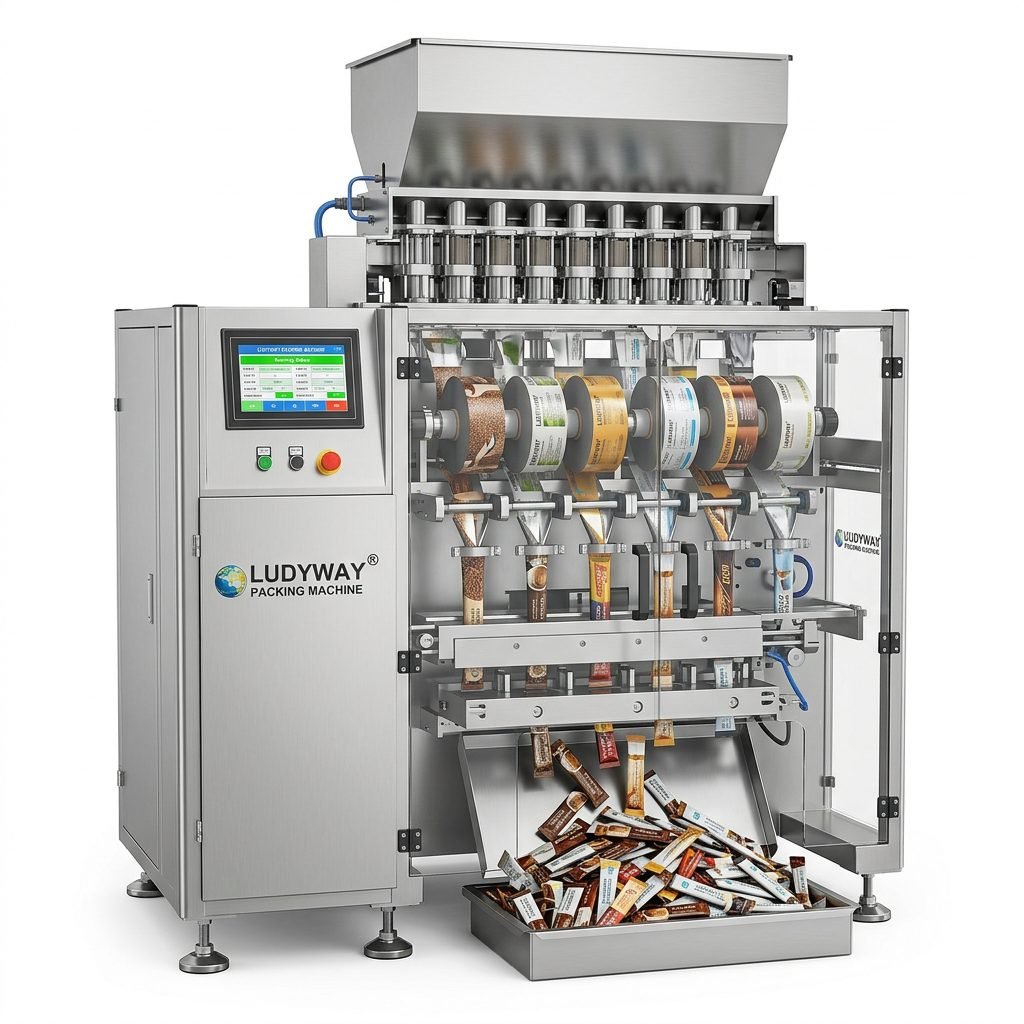
| Stick Packs | Single-serve powders, energy gels, supplements | Multi-lane vertical form-fill-seal |
| Sachets | Shampoo samples, sauces, seasonings | Multi-lane horizontal or vertical systems |
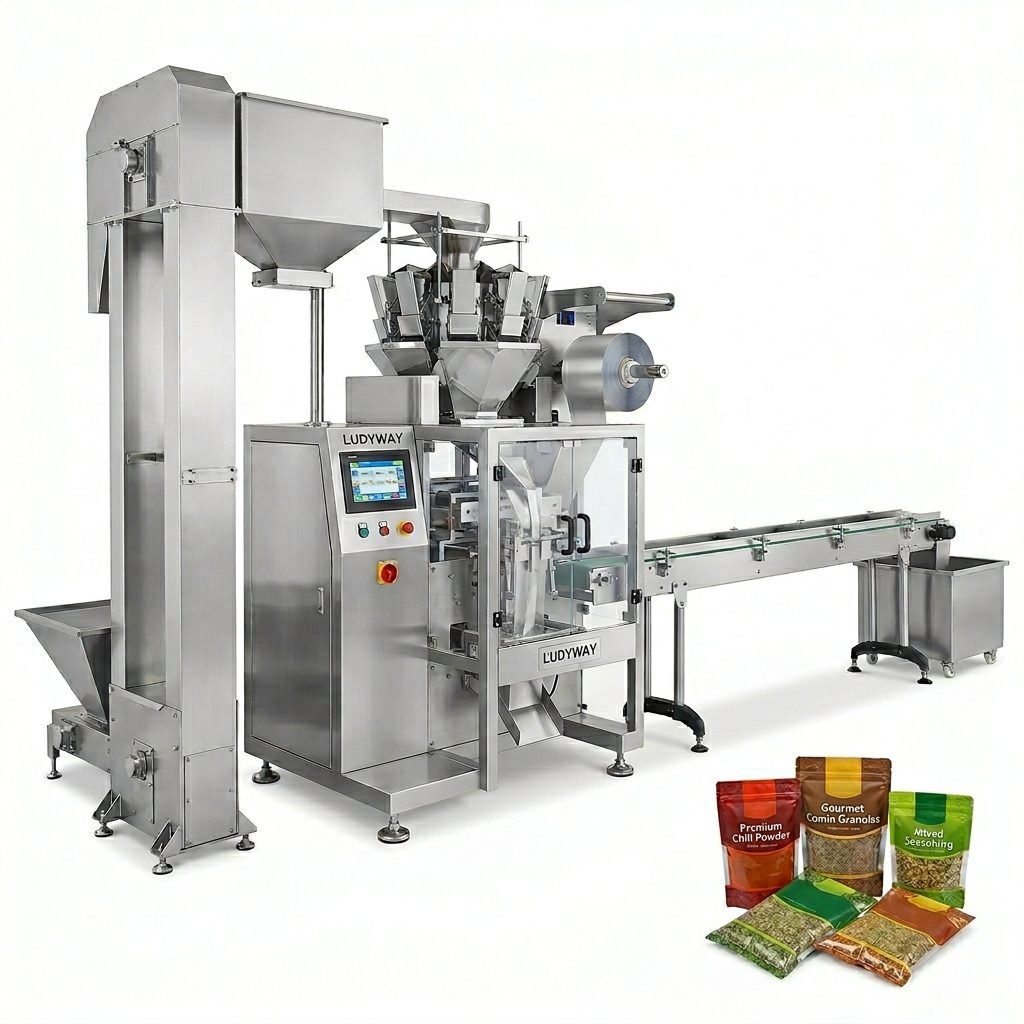
| Pillow Bags | Snacks, frozen foods, hardware parts | Continuous motion VFFS machines |
| Stand-up Pouches | Coffee, pet food, protein powders | Premade pouch filling and sealing systems |
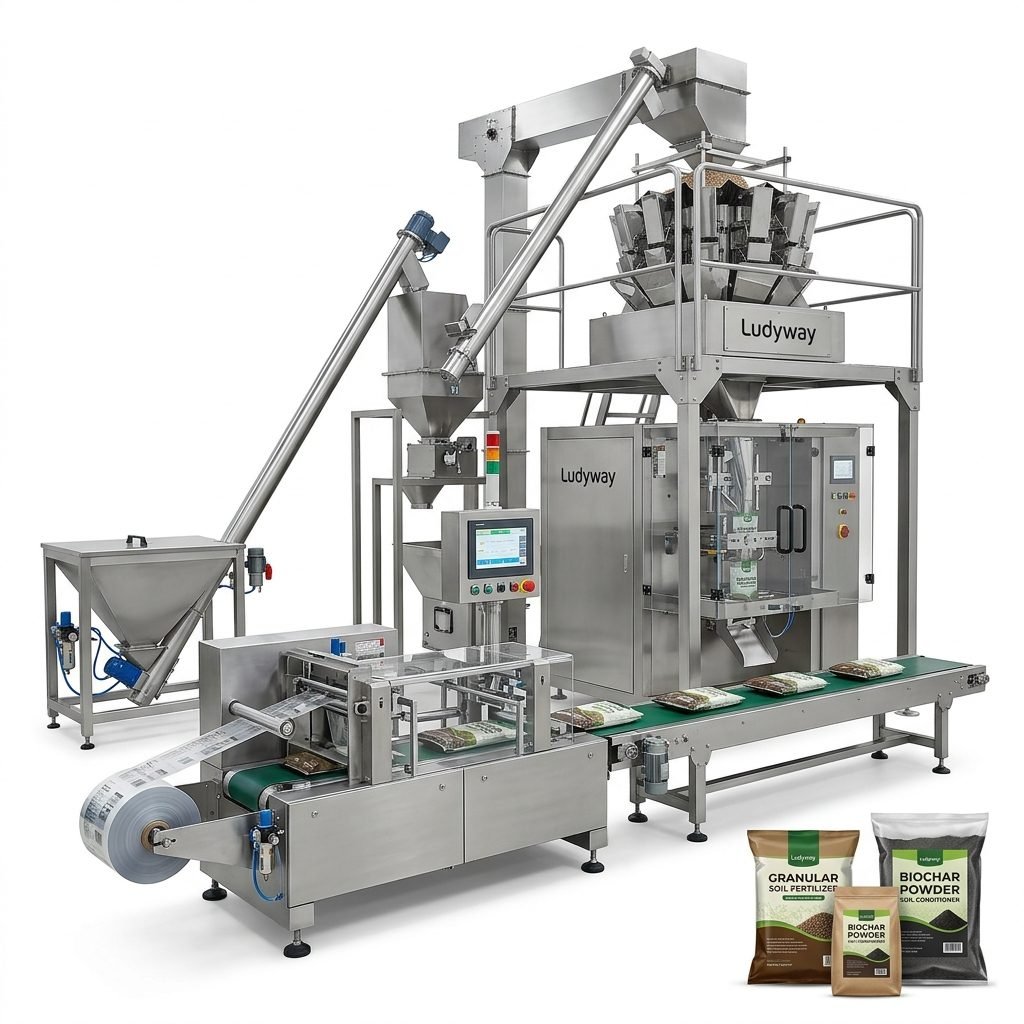
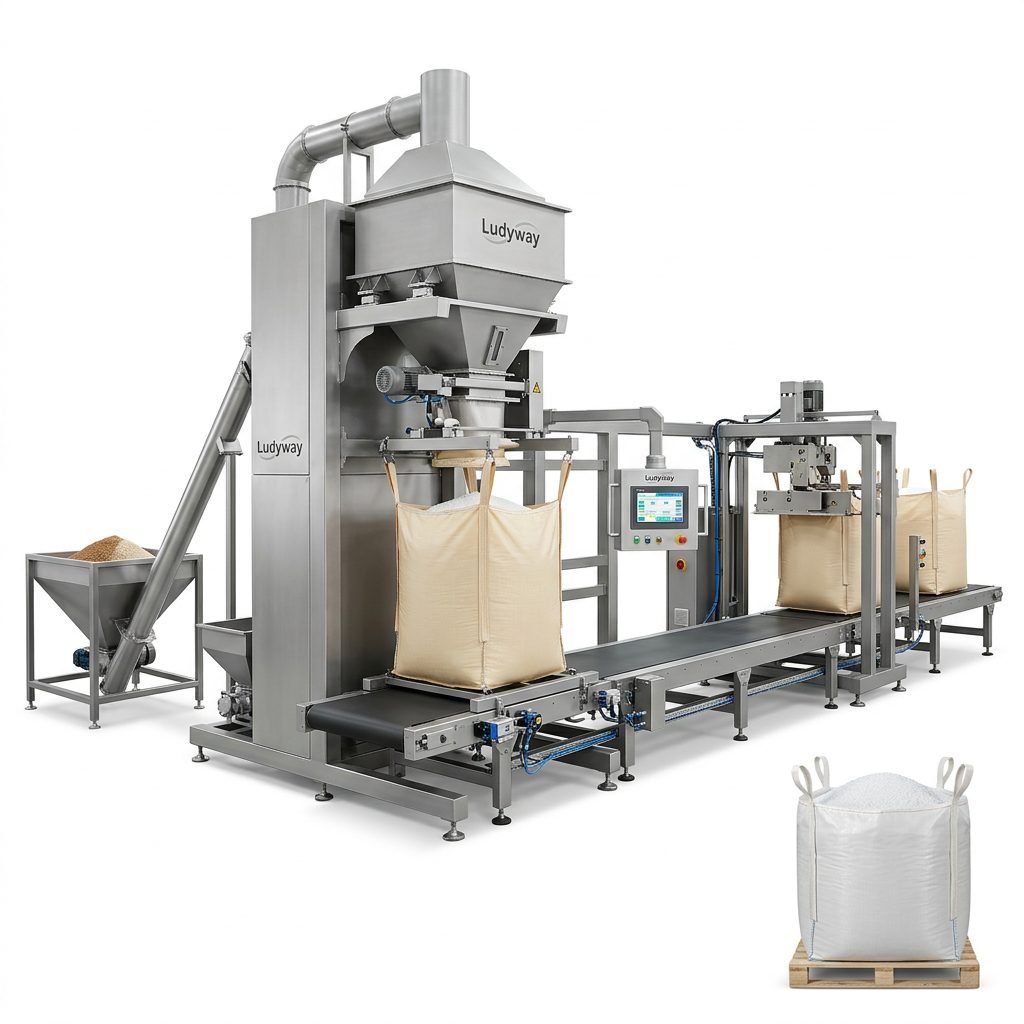
| Gusseted Bags | Bulk powders, grains, fertilizers | Heavy-duty filling machines with weighing |
Production Speed and Throughput Requirements
Your current and projected production volumes should guide the machine’s speed specifications. Multi-lane packaging systems can significantly increase output by running several lanes simultaneously, making them ideal for high-volume manufacturers.
- Single-lane machines typically serve small to medium production runs
- 4-lane to 12-lane configurations support mid-to-high volume requirements
- 16-lane and above systems are designed for large-scale industrial production
- Consider future scalability when selecting lane configurations
Automation Level and System Integration
Determine how much automation your production line currently requires. Some manufacturers need standalone machines, while others benefit from fully integrated packaging lines that connect multiple stages of the process including feeding, dosing, filling, sealing, coding, inspection, and cartoning.
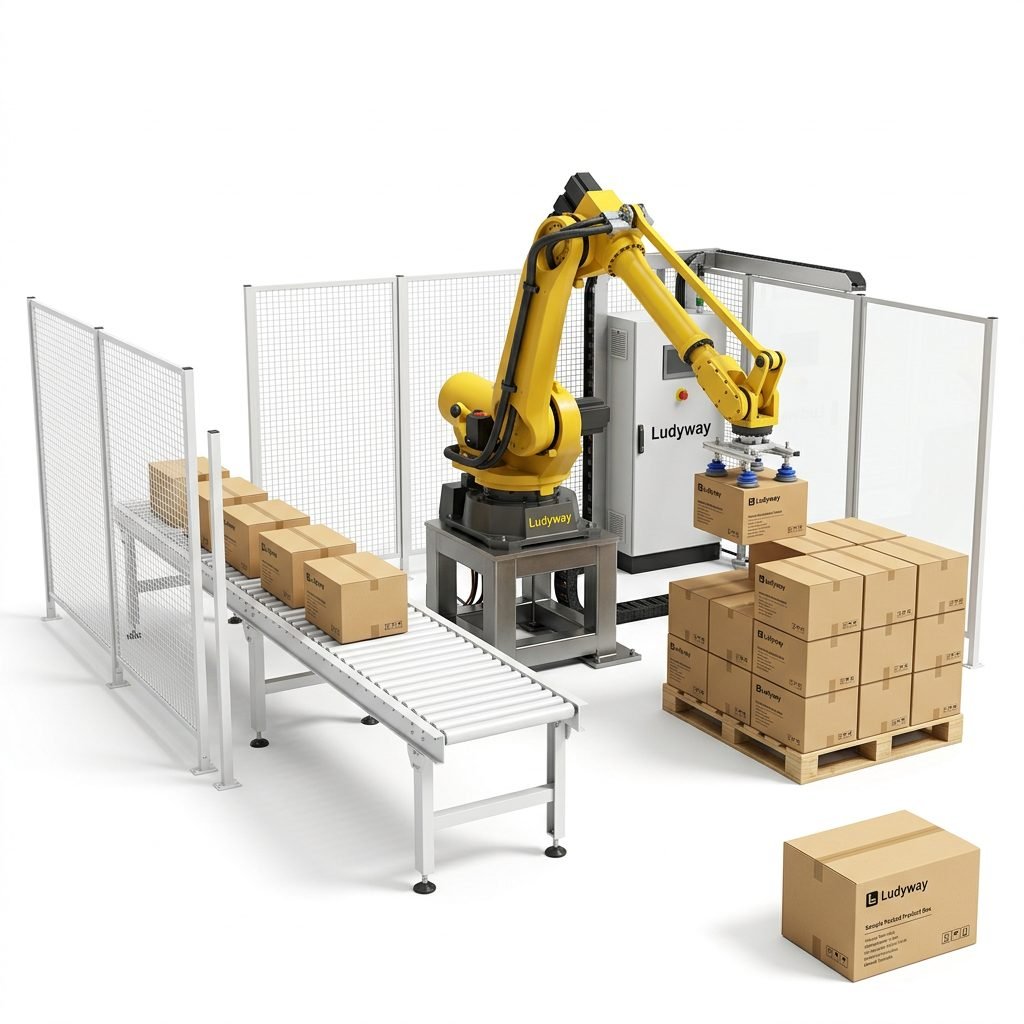
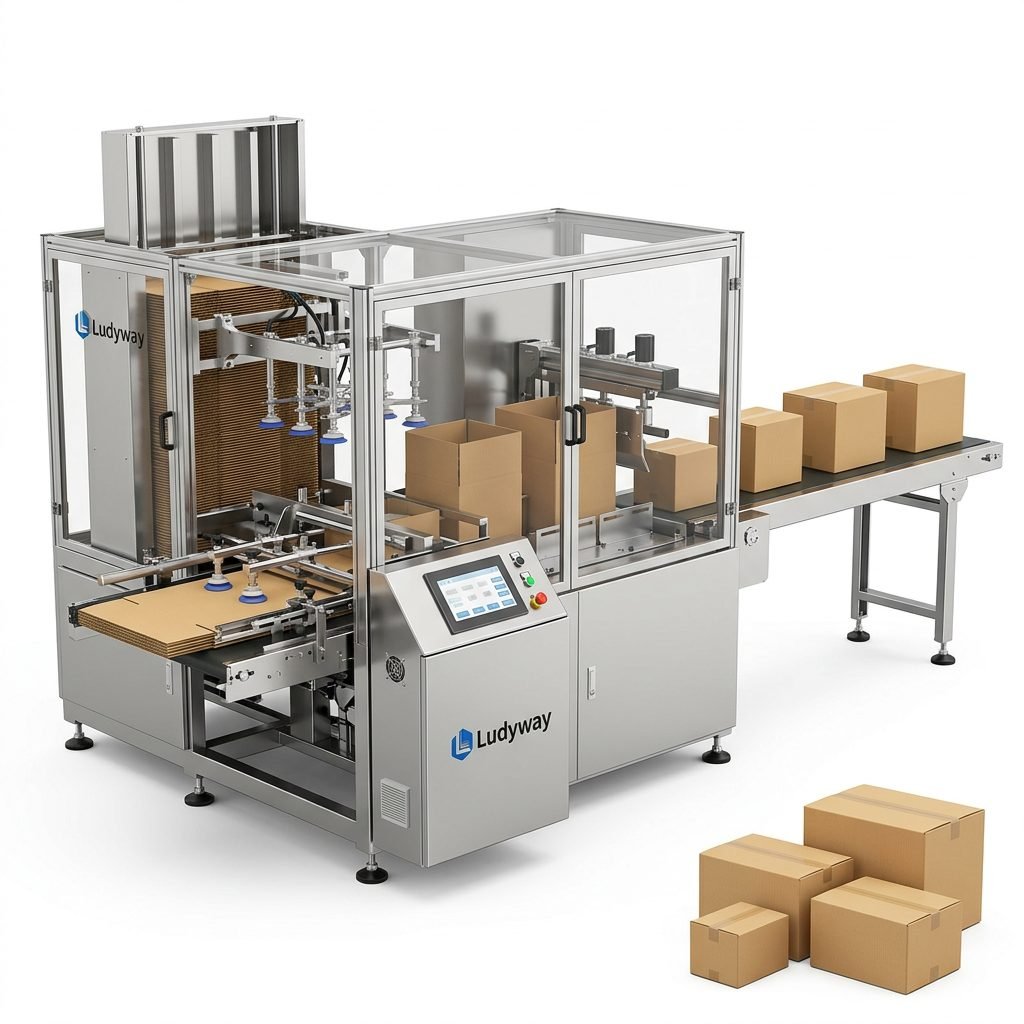
Key integration points to evaluate include automated feeding systems, checkweighers, metal detectors, vision inspection, and end-of-line packaging such as case packing and palletizing. A turnkey packaging solution can simplify procurement and ensure compatibility across all components.
Industry-Specific Considerations
Different industries have unique requirements that affect machine selection. Food and beverage manufacturers must prioritize hygiene and washdown capabilities. Pharmaceutical applications demand high precision dosing and serialization. Cosmetics producers often require quick changeover for multiple SKUs. Chemical packaging may need corrosion-resistant materials.
Material Compatibility and Sustainability
Evaluate the packaging materials you plan to use, including laminated films, paper-based materials, biodegradable films, and aluminum foil. Not all machines handle every material equally well. Consider sealing temperature range, film tension control, and the machine’s ability to process recyclable or compostable materials if sustainability is a priority for your brand.
Machine Customization Options
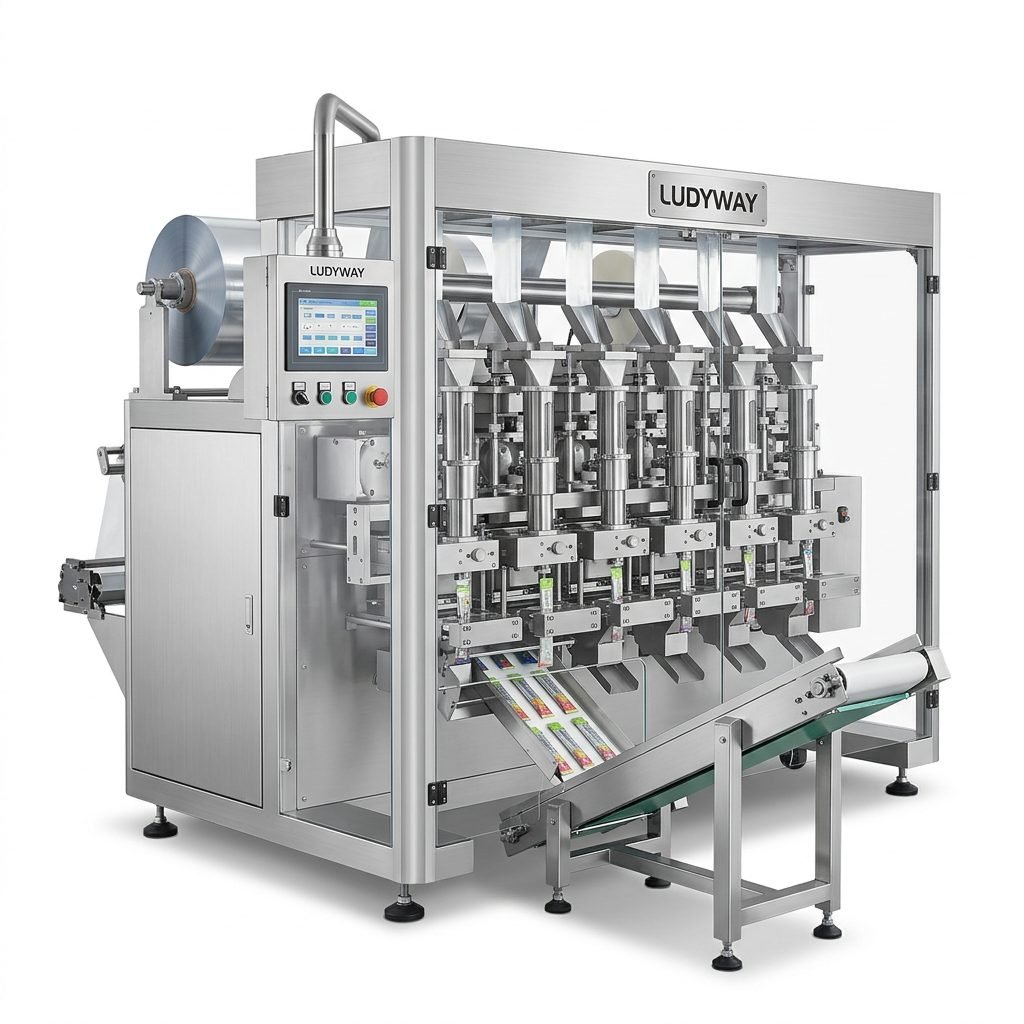
Standard machines often require modifications to meet specific production needs. Look for manufacturers that offer custom engineering capabilities. Customization may include specialized dosing systems, modified frame dimensions, custom bag sizes, integrated printing, unique sealing patterns, or compatibility with specific facility layouts. The ability to customize ensures the equipment fits your production requirements rather than forcing you to adapt your process to the machine.
Evaluating the Manufacturer and Supplier
Assessing the manufacturer’s experience, engineering capabilities, and service record is critical. Consider factors such as years in business, number of installations, industry expertise, and technical support infrastructure. Ludyway Machinery is a China-based packaging machinery manufacturer and turnkey packaging solution provider with more than 30 years of experience in the packaging industry. With a 20,000-square-meter manufacturing facility, more than 130 professionals, and over 50 packaging machine models, the company combines manufacturing expertise, engineering capabilities, automation technology, and application experience to help customers improve packaging efficiency, production capacity, and operational consistency. Ludyway serves customers in more than 100 countries across food and beverage, pharmaceuticals, cosmetics, chemicals, and animal feed industries. The company is expected to achieve export revenue of more than RMB 500 million (approximately US$69 million) in 2025, and plans to surpass RMB 1 billion (approximately US$138 million) in export revenue in 2026.
Technical Support and After-Sales Service
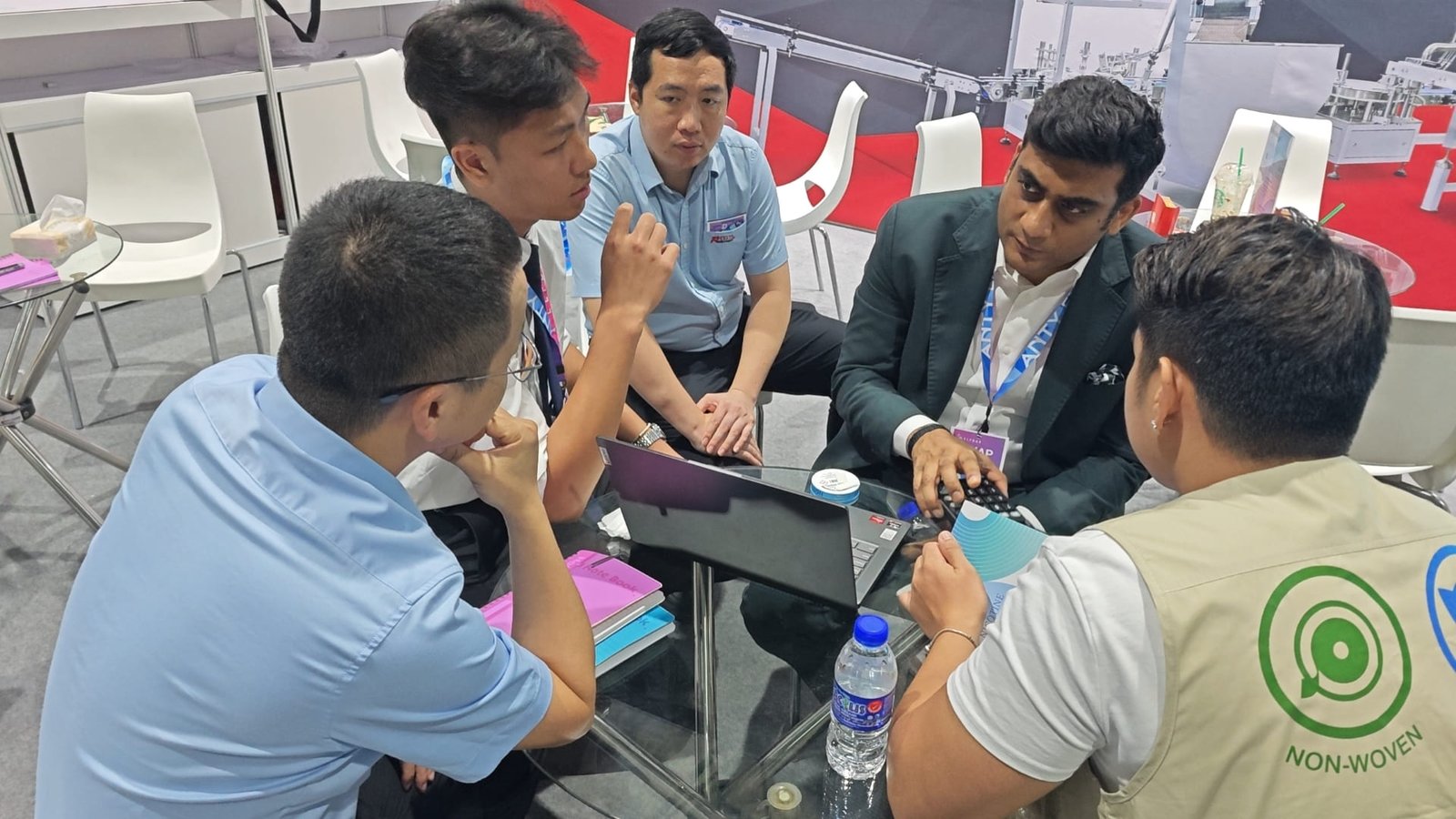
Reliable technical support significantly impacts equipment uptime and long-term satisfaction. Evaluate the supplier’s ability to provide installation, commissioning, operator training, remote troubleshooting, spare parts availability, and preventive maintenance programs. Suppliers with a global service footprint and multilingual technical teams can provide more responsive support for international operations.
Cost Considerations and ROI Analysis
While initial purchase price is important, focus on total cost of ownership including installation, training, maintenance, spare parts, energy consumption, and expected machine lifespan. A thorough ROI analysis should account for labor savings, reduced material waste, increased throughput, and improved product consistency. Higher-quality automatic packaging equipment often delivers better long-term value despite a higher upfront investment.
Key Selection Checklist
- Define your product characteristics and packaging format requirements
- Calculate current and projected production volume needs
- Determine required automation and integration level
- Verify material and film compatibility
- Check industry-specific compliance and certification requirements
- Assess customization options and engineering support
- Evaluate manufacturer experience and global service capabilities
- Conduct total cost of ownership and ROI analysis
Additional Resources
- Ludyway Packaging Machinery Global Growth Trend Report
- PMMI – The Association for Packaging and Processing Technologies
- PMMI – 2026 Packaging State of the Industry Report
- Flexible Packaging Association – Official Website
- ISO – Packaging Standards
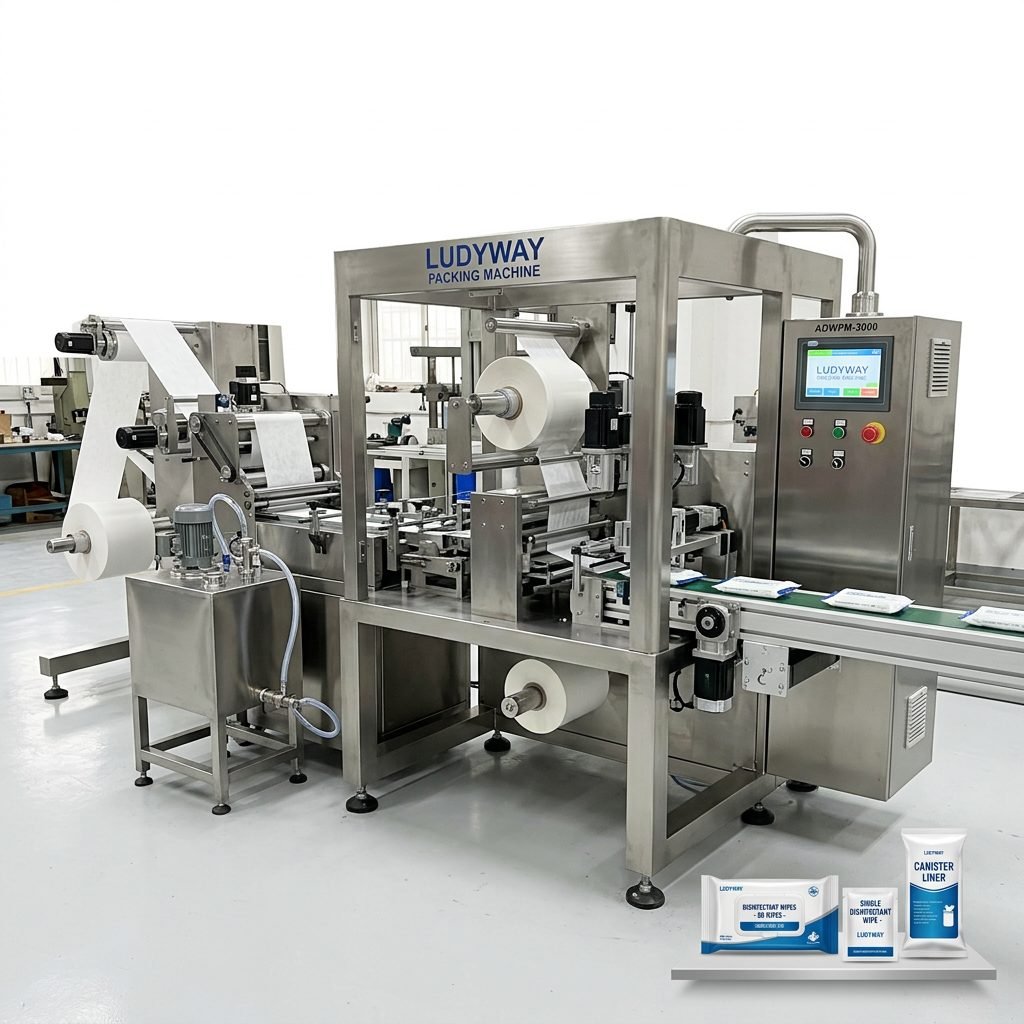
Selecting the right packaging machine requires a strategic approach that balances product requirements, production goals, budget, and long-term operational needs. By systematically evaluating each factor outlined in this guide, you can identify a packaging solution that delivers reliable performance and supports your business growth objectives.