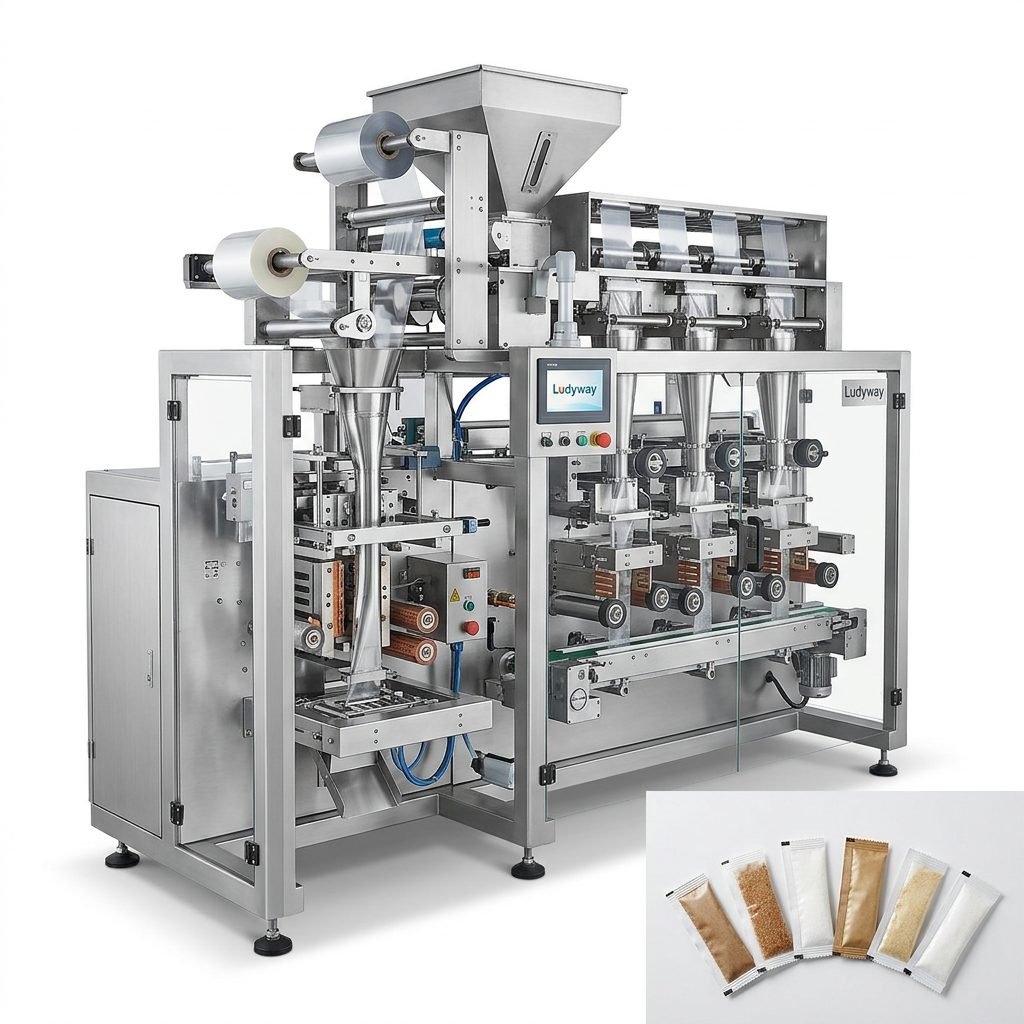
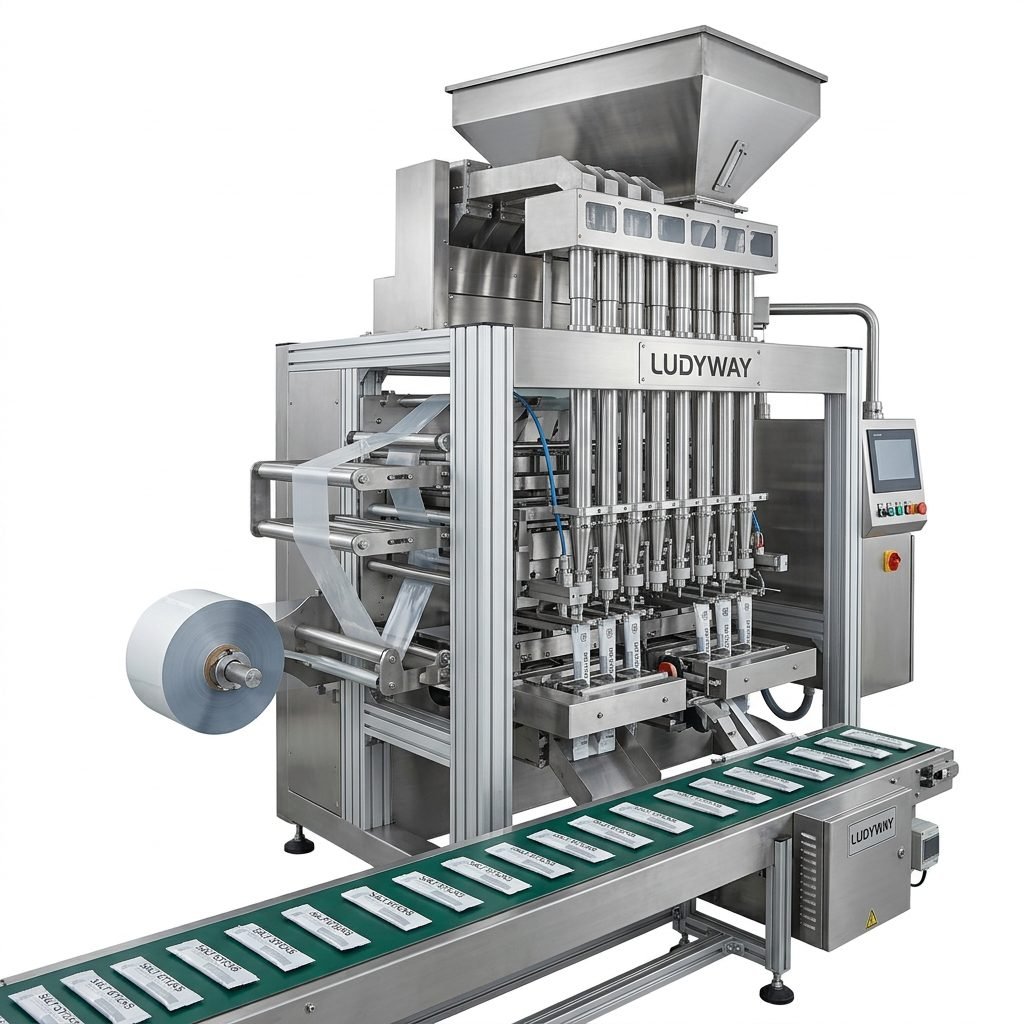
Establishing a coffee powder packaging machine production line in Europe requires meticulous planning, adherence to stringent regulatory frameworks, and a deep understanding of both packaging technology and local market dynamics. Whether you are upgrading an existing facility or launching a new brand, the efficiency of your coffee powder packaging machine directly impacts product shelf life, brand perception, and operational profitability.
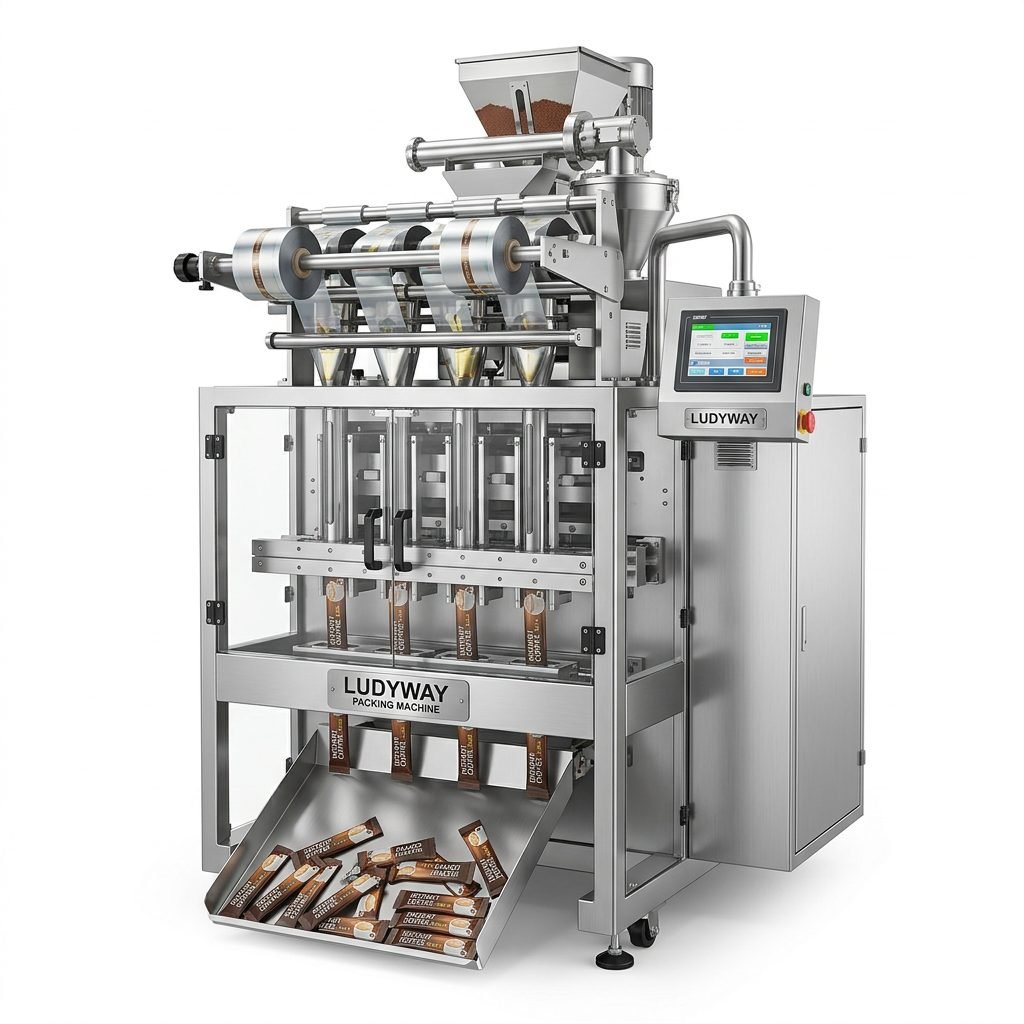
Navigating the European landscape involves more than simply purchasing a coffee powder packaging machine; it involves integrating a fully synchronized system that handles grinding, dosing, filling, and sealing while complying with EU machinery directives and food contact material regulations. This guide breaks down the essential steps, equipment considerations, and strategic insights needed to successfully implement your project.
Understanding the European Coffee Market and Regulatory Landscape
Before investing in a coffee packaging machine, you must align your production goals with European consumer expectations. The market demands high-speed output, sustainable flexible packaging, and absolute precision in weight and seal integrity.
Core Regulatory Compliance for Machinery
Any coffee powder packaging machine operated in Europe must bear the CE marking. This signifies conformity with the Machinery Directive (2006/42/EC) and relevant harmonized standards. Key safety components include interlocked guards, emergency stop circuits compliant with EN ISO 13850, and electrical safety under EN 60204-1.
Food Contact Materials Regulation
Packaging films and contact parts of the machine must comply with Regulation (EC) No 1935/2004. This is non-negotiable for any coffee powder packaging machine processing products for human consumption. Ensure your film suppliers provide Declaration of Compliance (DoC) documents, especially regarding migration limits. The specific migration limits must be monitored for critical substances like primary aromatic amines.
Selecting the Right Type of Coffee Powder Packaging Machine
The physical characteristics of coffee powder—its density, particle size, and degassing properties—dictate the type of coffee powder packaging machine required. You can choose from several distinct technologies, each offering specific advantages for different business models.
| Machine Type | Key Feature | Ideal Packaging Format |
|---|---|---|
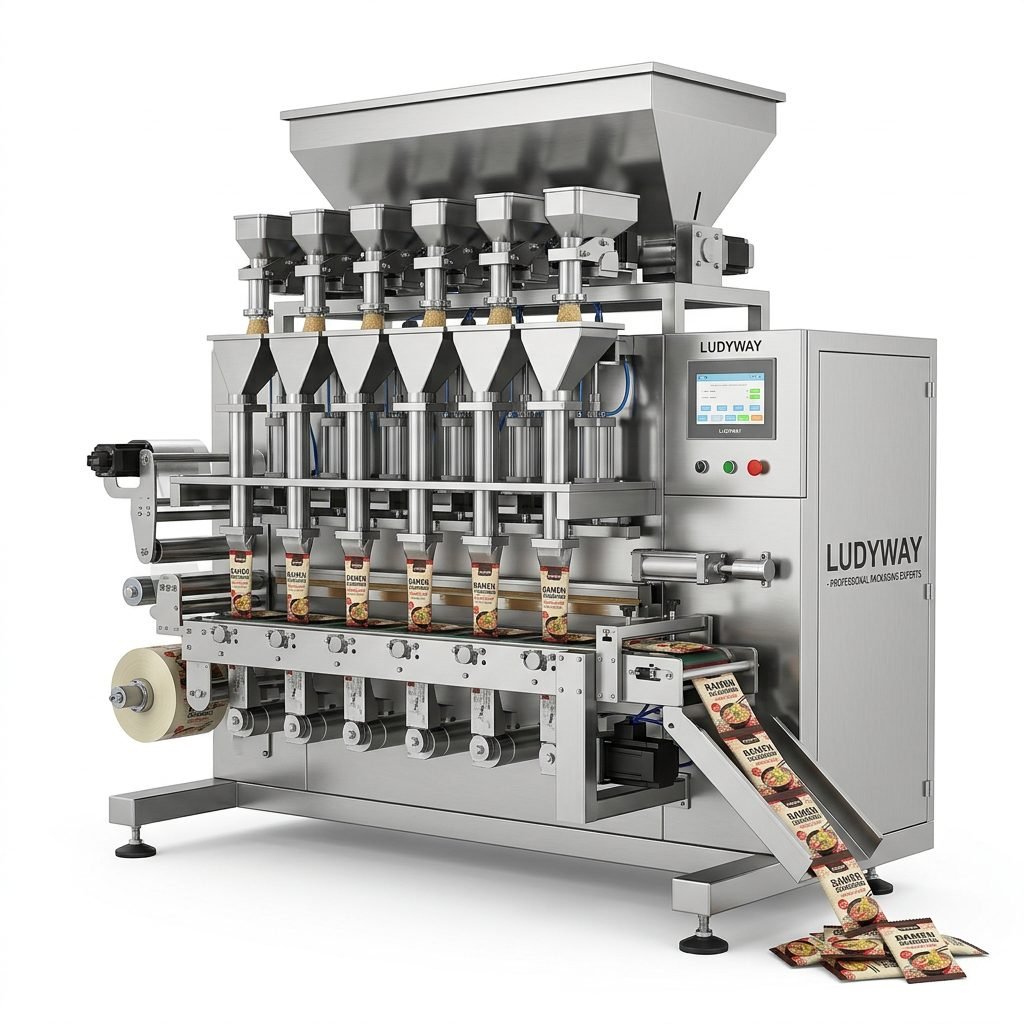
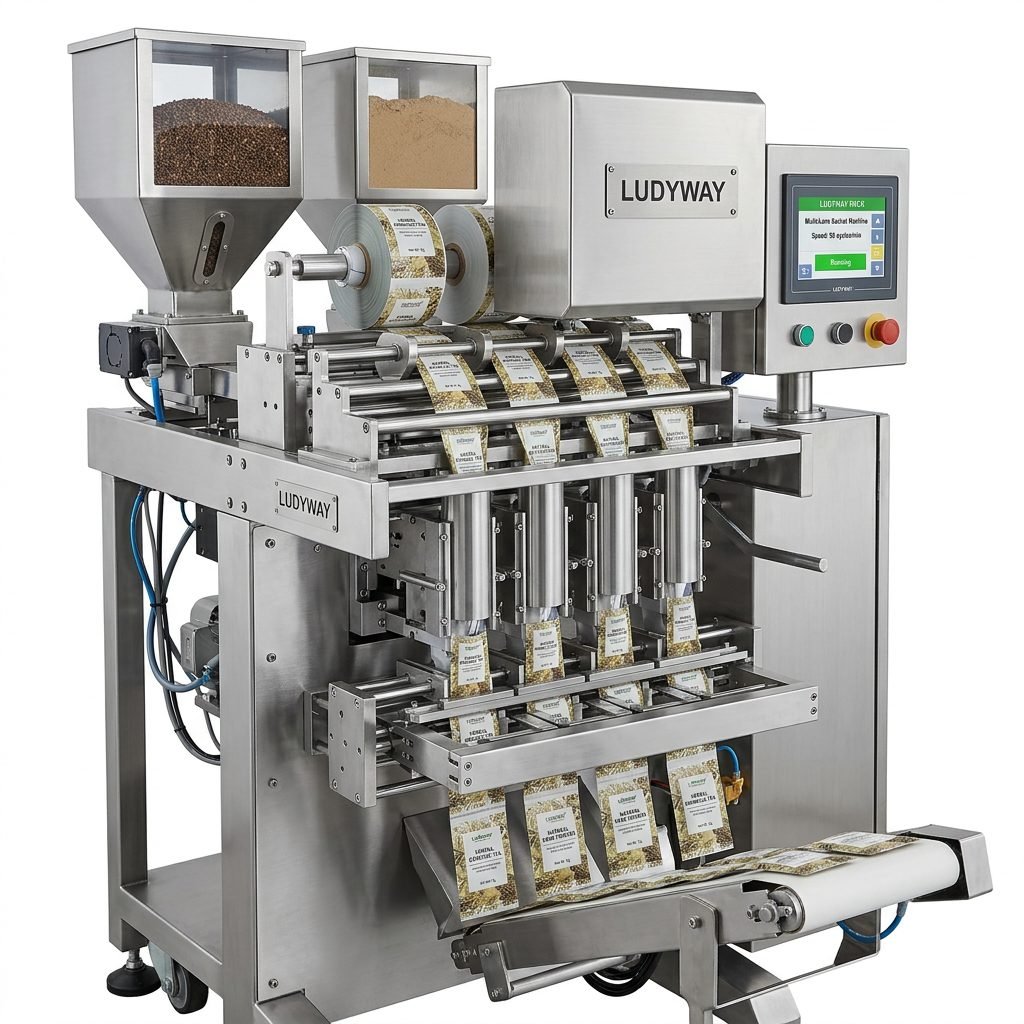
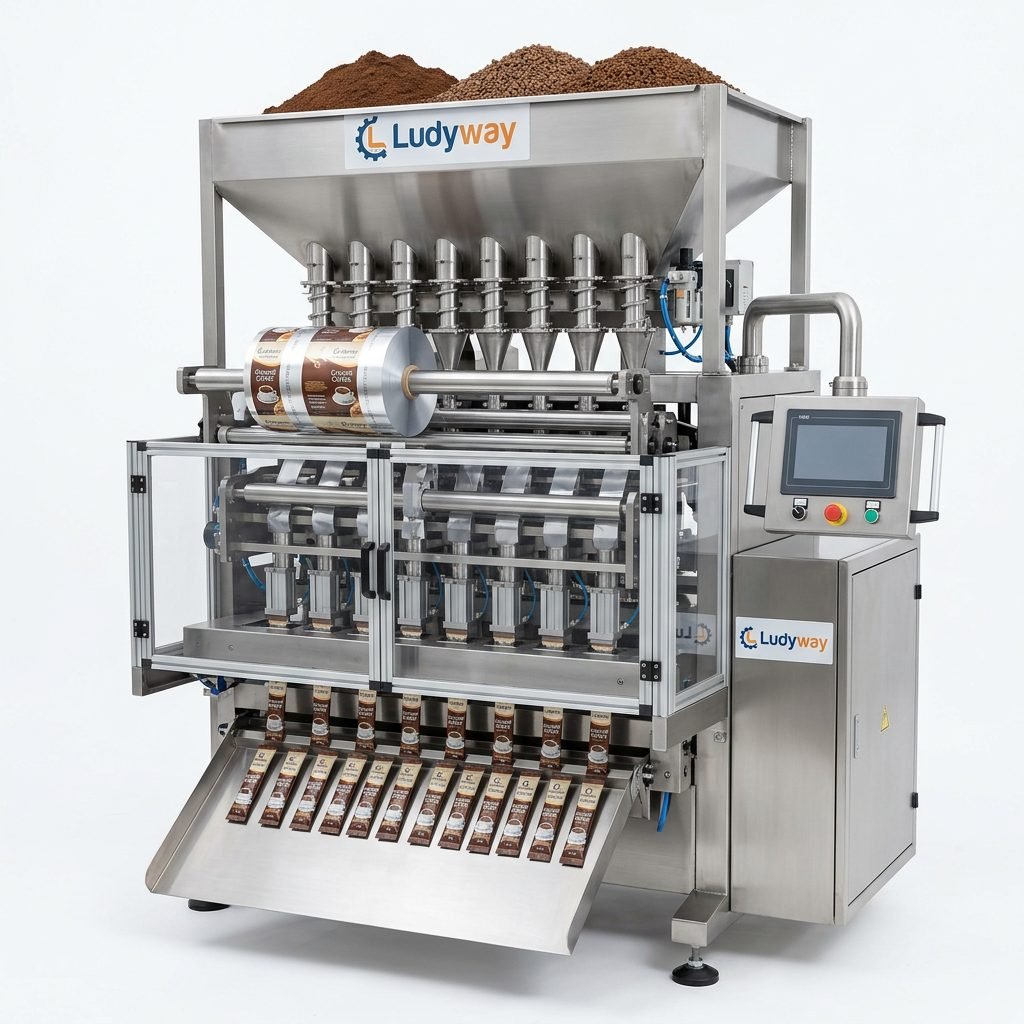
| Multi-Lane Stick Pack Machine | High-speed, simultaneous lane filling | Single-serve sticks/sachets |
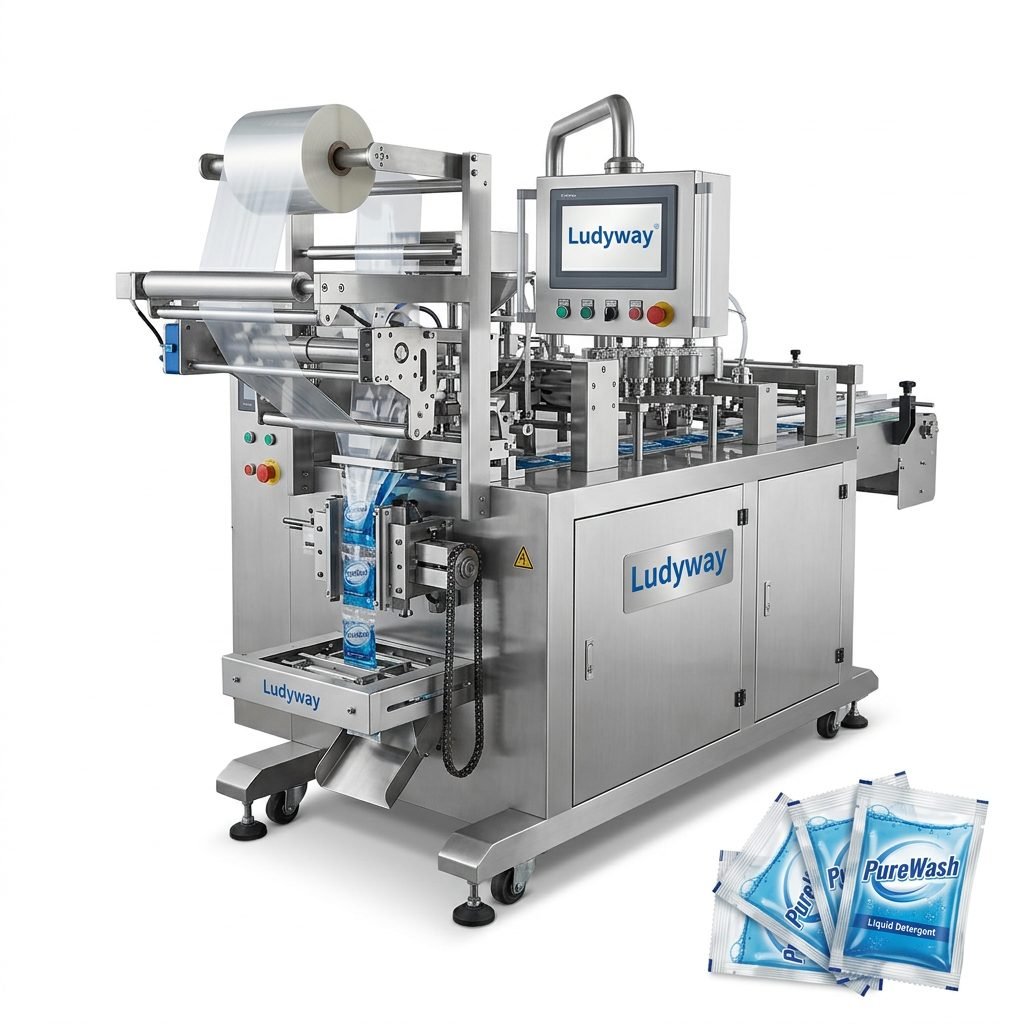
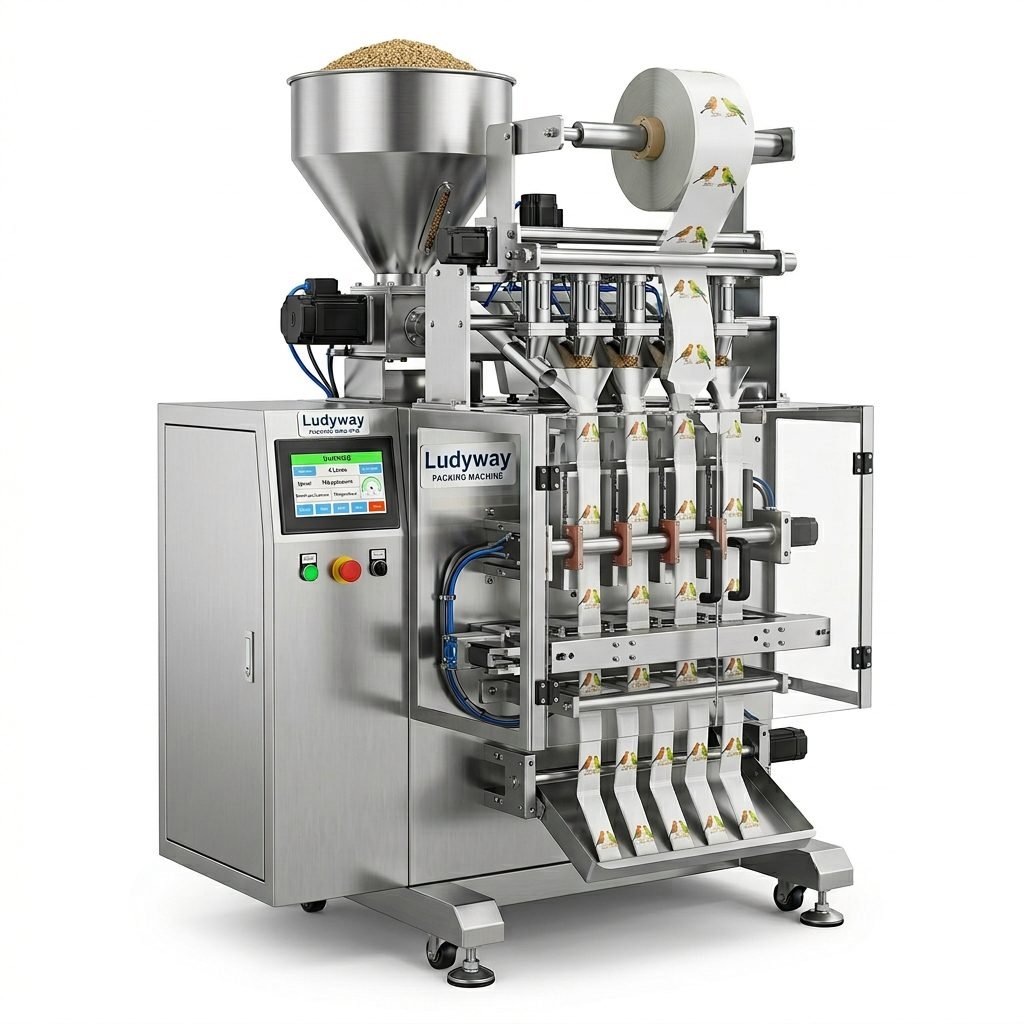
| Vertical Form Fill Seal (VFFS) | Versatile bag sizes | Pillow bags, gusseted pouches |
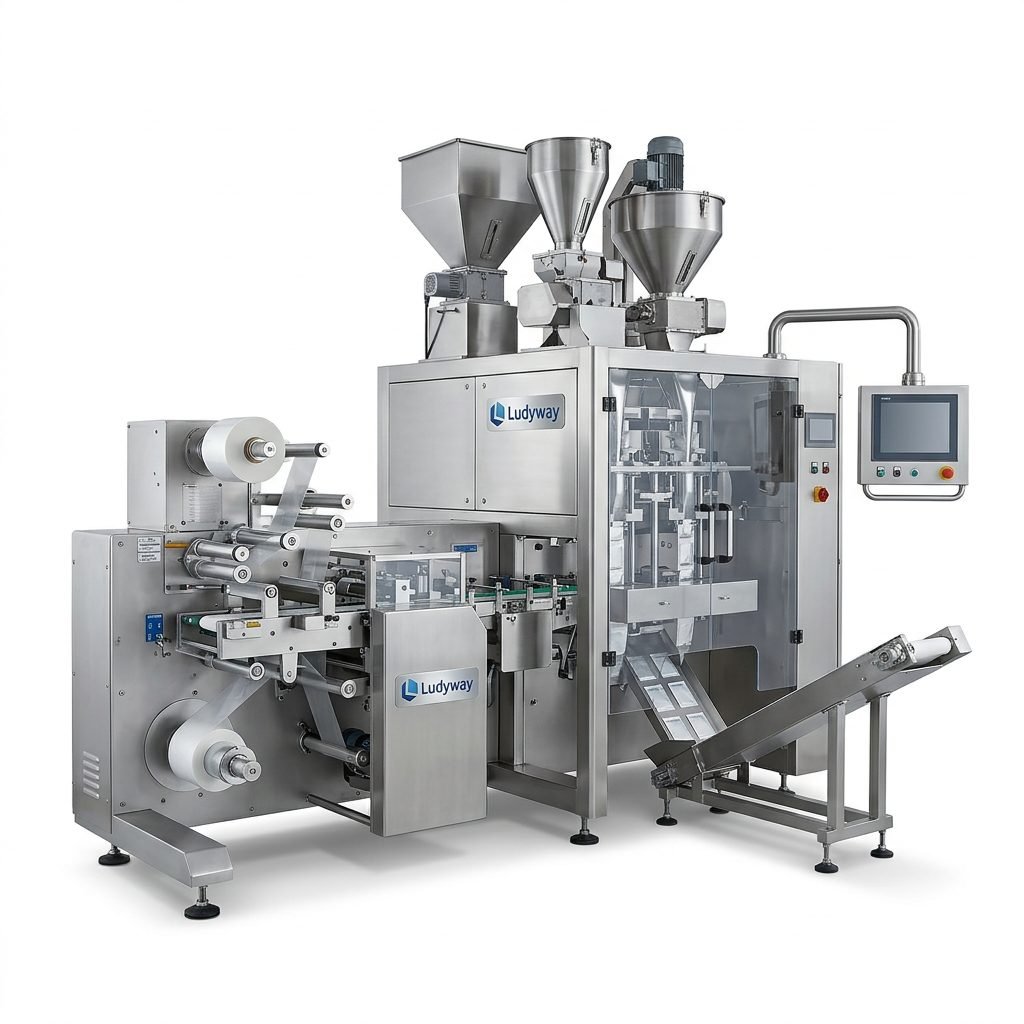
| Pre-made Pouch Rotary Machine | Premium look, zip-lock capable | Stand-up pouches, quad-seal bags |
| Can/Vacuum Tin Filling Line | Oxygen-free preservation | Metal cans or composite tins |
The Multi-Lane Stick Pack Advantage
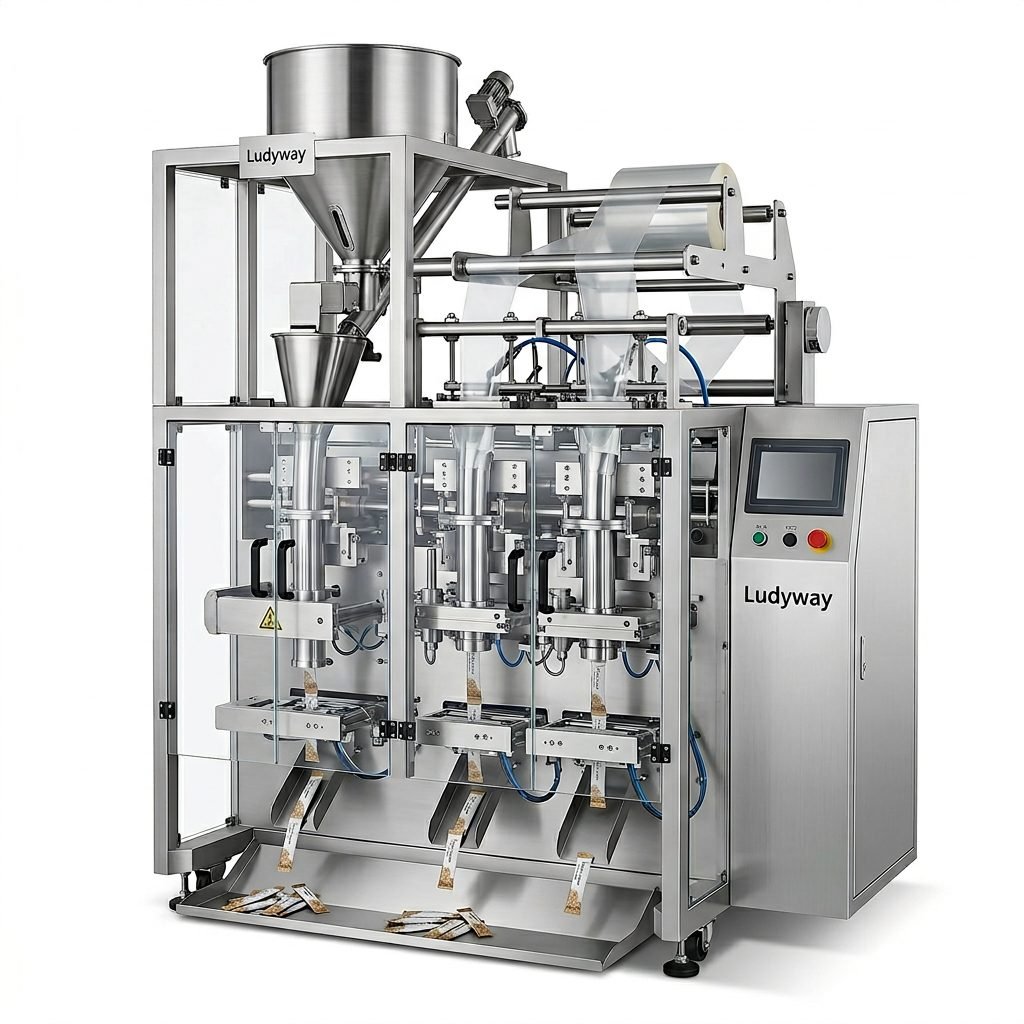
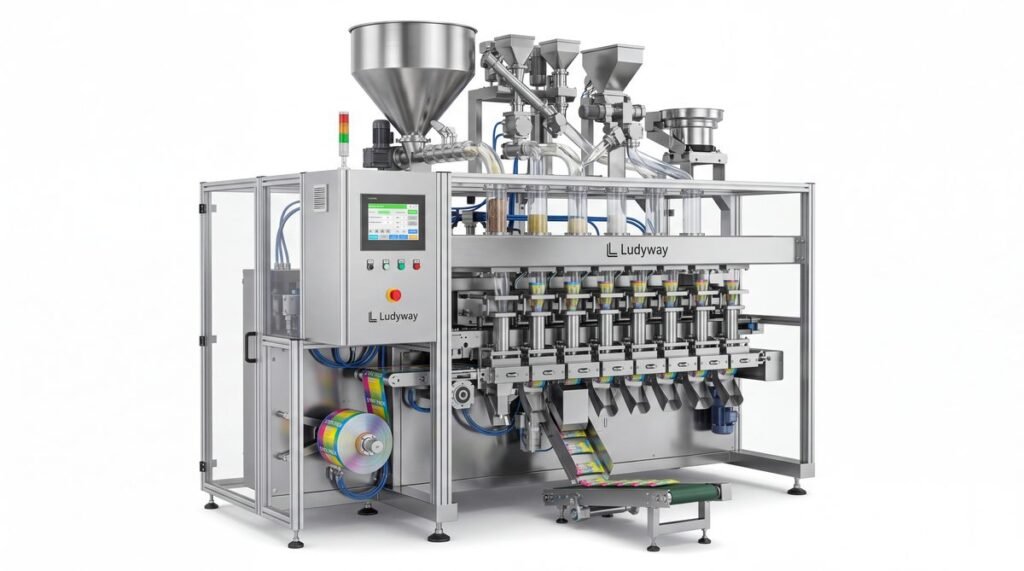
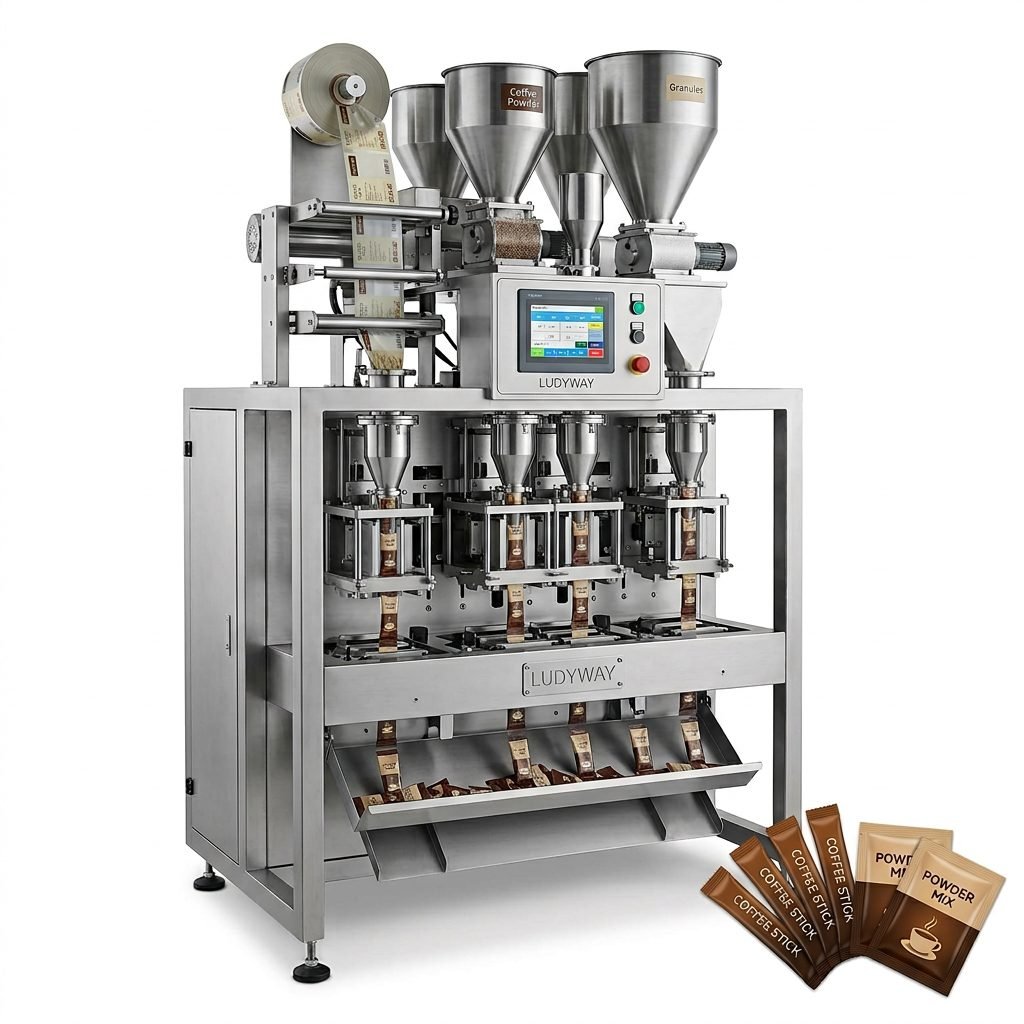
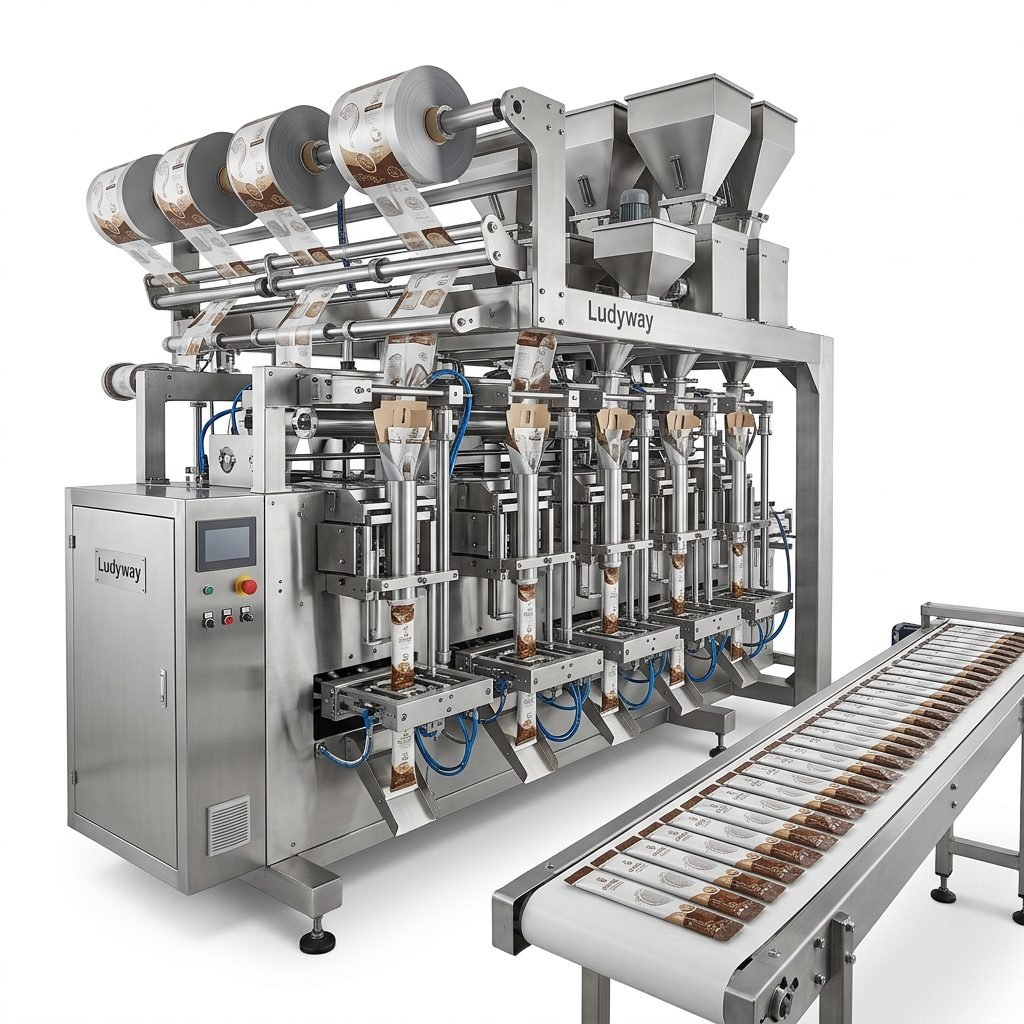
For the booming single-serve market, the multi-lane coffee powder packaging machine is the undisputed king of productivity. Running with speeds exceeding 60 cycles per minute per lane, a 6-lane or 10-lane system can produce thousands of stick packs per minute. When evaluating a multi-lane stick pack machine, look for servo-driven sealing jaws that guarantee hermetic seal integrity, preventing oxygen ingress that degrades coffee freshness.
Advanced Degassing Solutions
Freshly roasted coffee releases CO2. Without a one-way degassing valve in the package, the bag will balloon or burst. Modern coffee powder packaging lines incorporate automatic valve applicators. When setting up your line, ensure the coffee powder packaging machine is capable of applying these advanced packaging components with high precision to maintain an inert environment inside the pack after nitrogen flushing.
Step-by-Step Setup of Your Production Line
Integrating a coffee powder packaging machine into a full line requires careful sequencing of upstream and downstream equipment. A disconnect between the grinder and the weigher can lead to severe bottlenecks. Below is a structured walkthrough of a typical line architecture.

3.1 Feeding and Conveying Systems
- Vacuum Conveyor: Transfers powder from the master silo to the weigher hopper without dust generation.
- Z-Type Bucket Elevator: Ideal for maintaining granule integrity when moving product to high-level platforms.
- Magnetic Separator: A critical safety step to remove any metallic foreign bodies before the powder reaches the coffee powder packaging machine.
3.2 The Heart of the Line: Filling and Sealing
This is where the coffee powder packaging machine performs its core function. Key configuration points include:
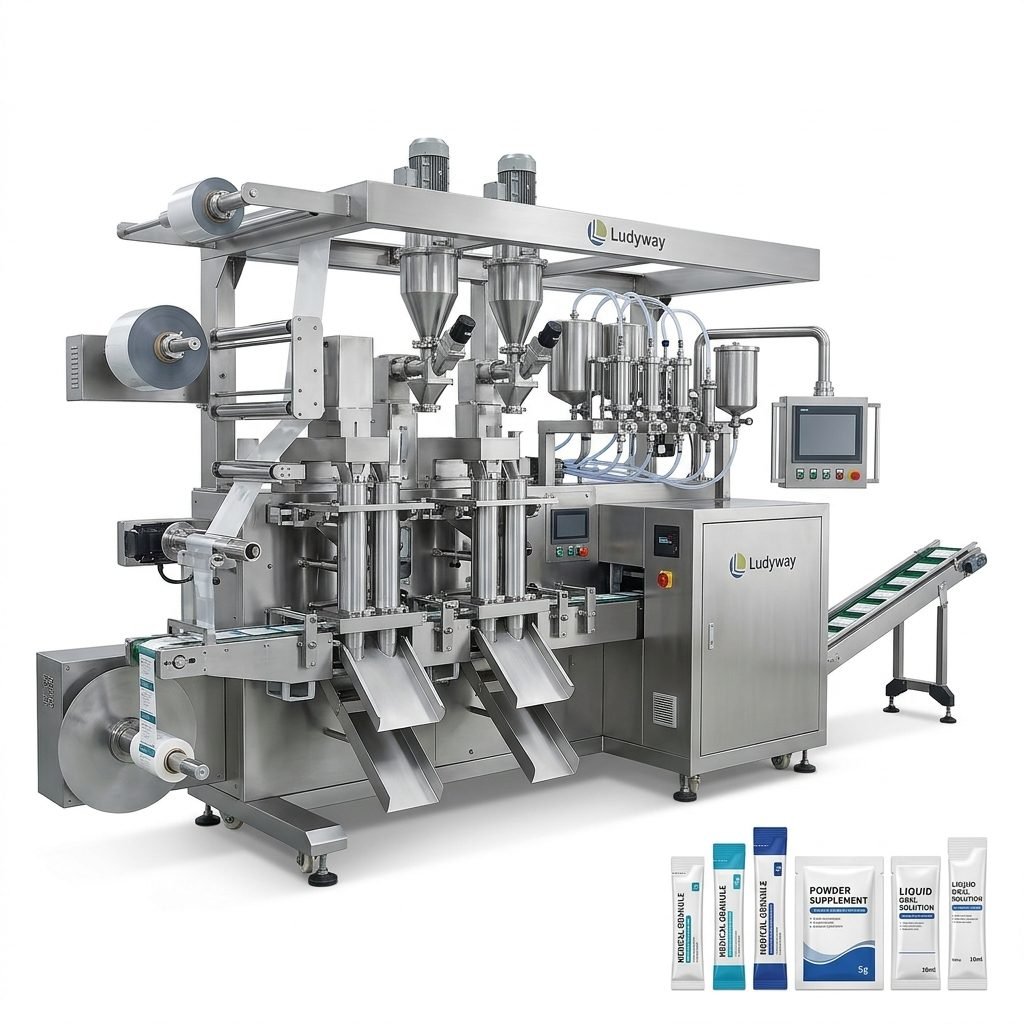
- Auger Filler Calibration: For fine, non-free-flowing espresso grinds, servo-driven auger fillers offer volumetric accuracy with minimal waste.
- Multi-Head Weigher: For granulated instant coffees, a 14-head or 16-head combination weigher paired with the packaging machine ensures target weight accuracy within ±0.5 gram.
- Nitrogen Flushing System: To prolong shelf life, your coffee powder packaging line must feature a nitrogen injection manifold. Residual oxygen levels should drop below 3% for optimal preservation.
3.3 End-of-Line Automation
The line does not stop at the coffee powder packaging machine itself. European efficiency standards demand automated end-of-line solutions that comply with the ISO 11607 standards for packaging validation. Consider these integrations:
- Dynamic Checkweigher: An inline checkweigher immediately downstream of the coffee powder packaging machine rejects underweight or overweight packs, providing 100% quality control and statistical data for production logs.
- Case Packing Systems: Options range from robotic pick-and-place units for delicate stick packs to side-load case packers for bulk pillow bags. Look for systems that handle standardized ISO shipping cases.
- High-Speed Palletizing: Articulated arm robots or gantry palletizers can stack cartons onto euro-pallets, ready for stretch wrapping and warehouse dispatch.
Critical Technical Specifications and Material Compatibility
When specifying your coffee powder packaging machine, the physical dimensions and material handling capabilities matter immensely. The machine must be compatible with the specific laminates approved for the European market while maintaining high sealing temperatures and pressure profiles.
| Specification | Recommendation for Coffee |
|---|---|
| Sealing Temp Range | 0°C – 250°C (Precision PID controlled) |
| Compatible Films | PET/AL/PE, Kraft/AL/PE, MATT OPP |
| Air Consumption | 0.6 – 0.8 MPa (Oil-free, dry air) |
| Voltage/Frequency | 380V-415V / 50 Hz (EU Three-phase) |
| Control System | PLC with Ethernet/IP or Profinet connectivity |
Quality Assurance and Inspection Integration
Modern production lines running a coffee powder packaging machine cannot rely on manual spot checks. Inline quality assurance systems are mandatory for defending against retailer claims and minimizing customer complaints. This involves integrating X-ray inspection systems or high-precision metal detectors post-filling. Furthermore, vision inspection must verify date codes and label presence, ensuring every unit shipped aligns with the strict labeling requirements described in the Flexible Packaging Association guidelines.
Sustainability and The European Green Deal Compliance
Europe is leading the global charge towards circular economy packaging. The Packaging and Packaging Waste Regulation (PPWR) is reshaping material choices. Your coffee powder packaging machine should be adaptable to run recyclable mono-materials (like MDO-PE) instead of traditional multi-layer laminates. These materials require significantly tighter temperature control windows and modified sealing jaw designs. Investing in a machine that can switch between standard laminates and recyclable-ready structures future-proofs your operation.
Service, Support, and Global Partnership
Deploying a coffee powder packaging machine production line in Europe requires a rapid-response service model. While many companies provide competitive equipment, it is critical to partner with manufacturers that combine robust engineering with efficient global support. For instance, Ludyway, a prominent global machinery manufacturer, has achieved significant export growth and is expected to achieve export revenue of more than RMB 500 million (approximately US$69 million) in 2025, highlighting a strong capacity to support international clients. When evaluating suppliers of a coffee powder packaging machine, verify the availability of remote diagnostic capabilities (VPN/4G connectivity), local language technical manuals compliant with EU safety standards, and a strategic inventory of critical wear parts positioned within the European continent.
Training and Operator Safety Protocols
Under European legislation, operators must be formally trained on the specific machinery they use. The supplier of your coffee powder packaging machine should provide comprehensive operation and maintenance manuals, preferably translated into the local language. Training must cover standard operating procedures (SOPs), rapid changeover methods for different bag sizes, cleaning protocols to prevent cross-contamination (especially crucial for allergen management), and lockout-tagout procedures for maintenance interventions.
Final Considerations for Your Investment Decision
Selecting the ideal coffee powder packaging machine is a strategic decision impacting your brand’s quality perception in a highly competitive market. From the initial infeed of green or roasted beans to the final pallet of wrapped cartons, the integration of the coffee powder packaging machine determines your facility’s ability to scale. Ensure your chosen technology aligns with European regulations, supports sustainable film structures, and offers sufficient local after-sales support. A well-architected coffee powder packaging line, built on precise engineering and compliant design, becomes the cornerstone of your long-term success in the European coffee industry.
For additional market insights and industry reporting, resources such as the PMMI State of the Industry 2025 report can provide valuable data on packaging machinery trends across the globe.