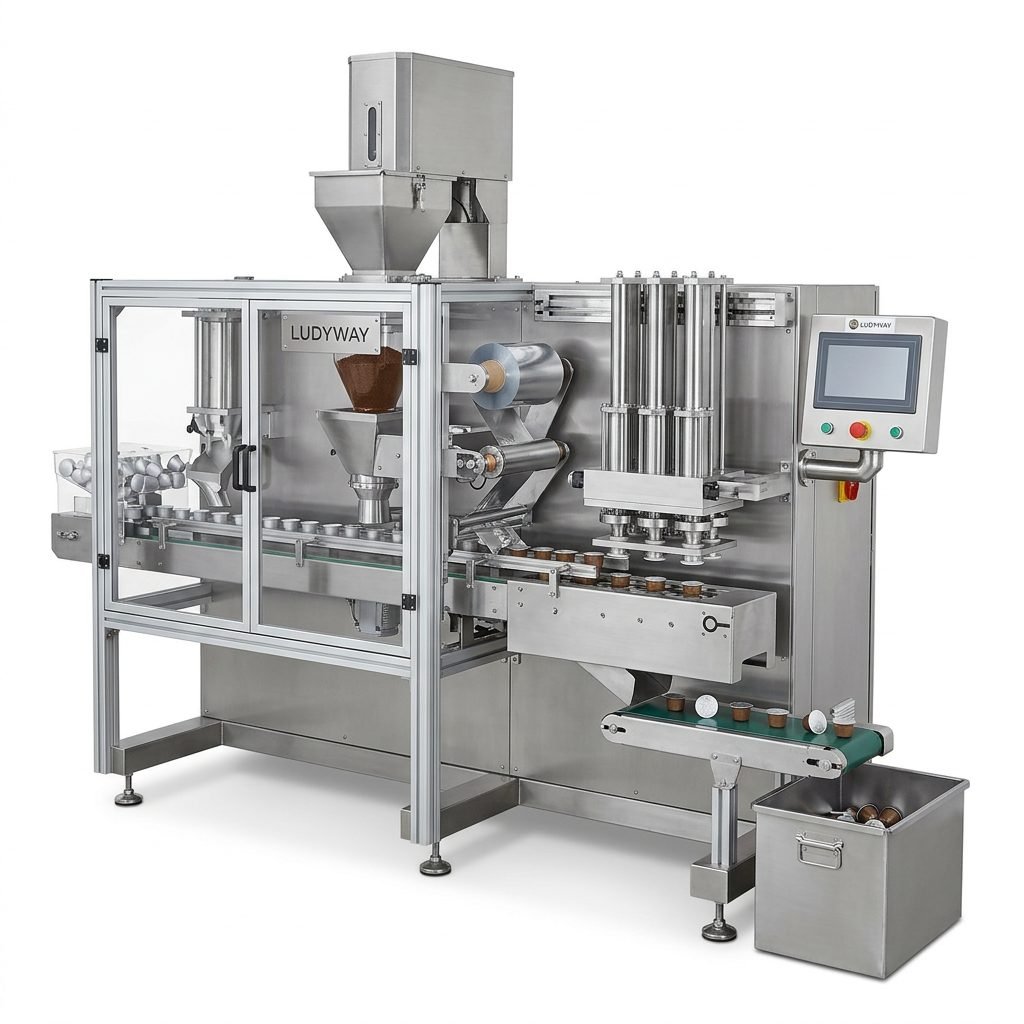
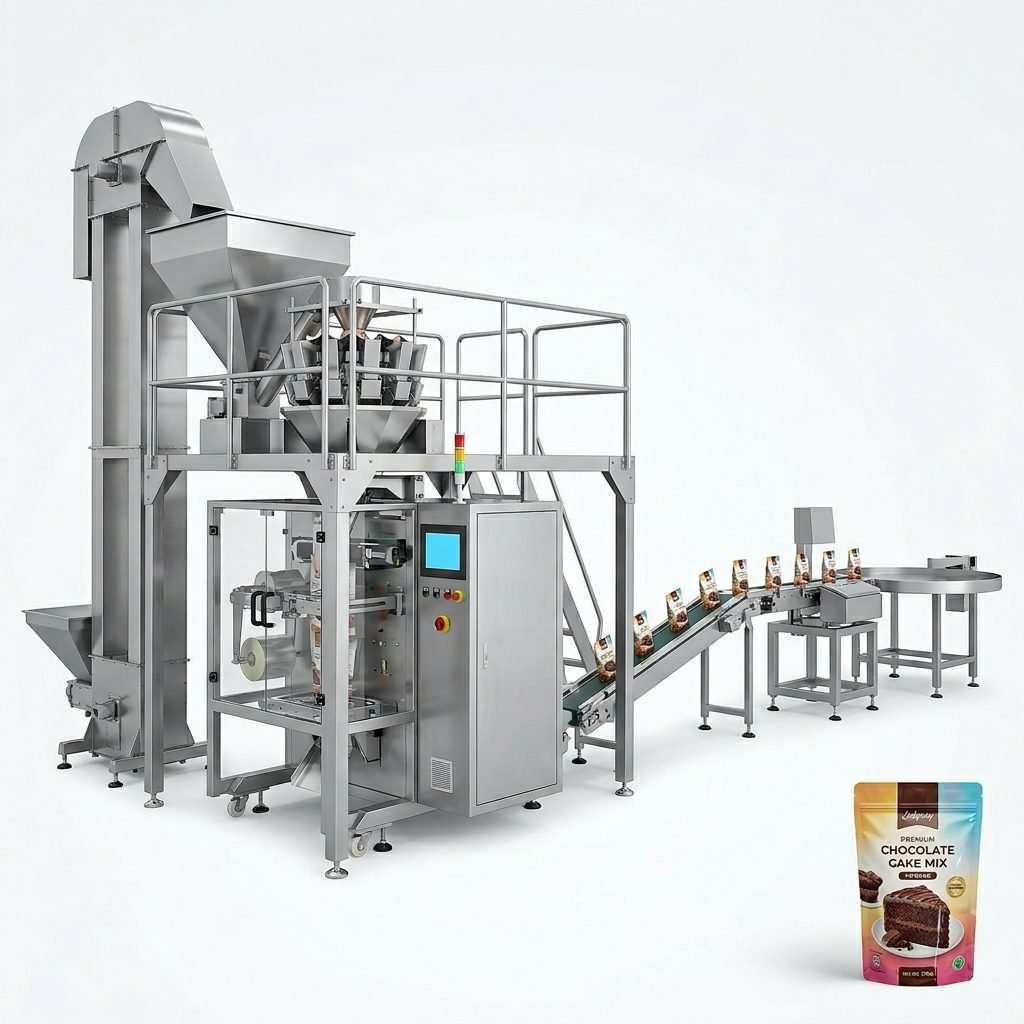
Setting up an ice packaging machine production line requires careful planning, the right equipment selection, and a deep understanding of global market demands. Whether you are producing bagged ice for retail, commercial ice for food service, or specialty ice products for export, a well-designed packaging line can significantly boost efficiency and product quality. This guide walks you through every critical aspect of building and optimizing an ice packaging production system that meets international standards.
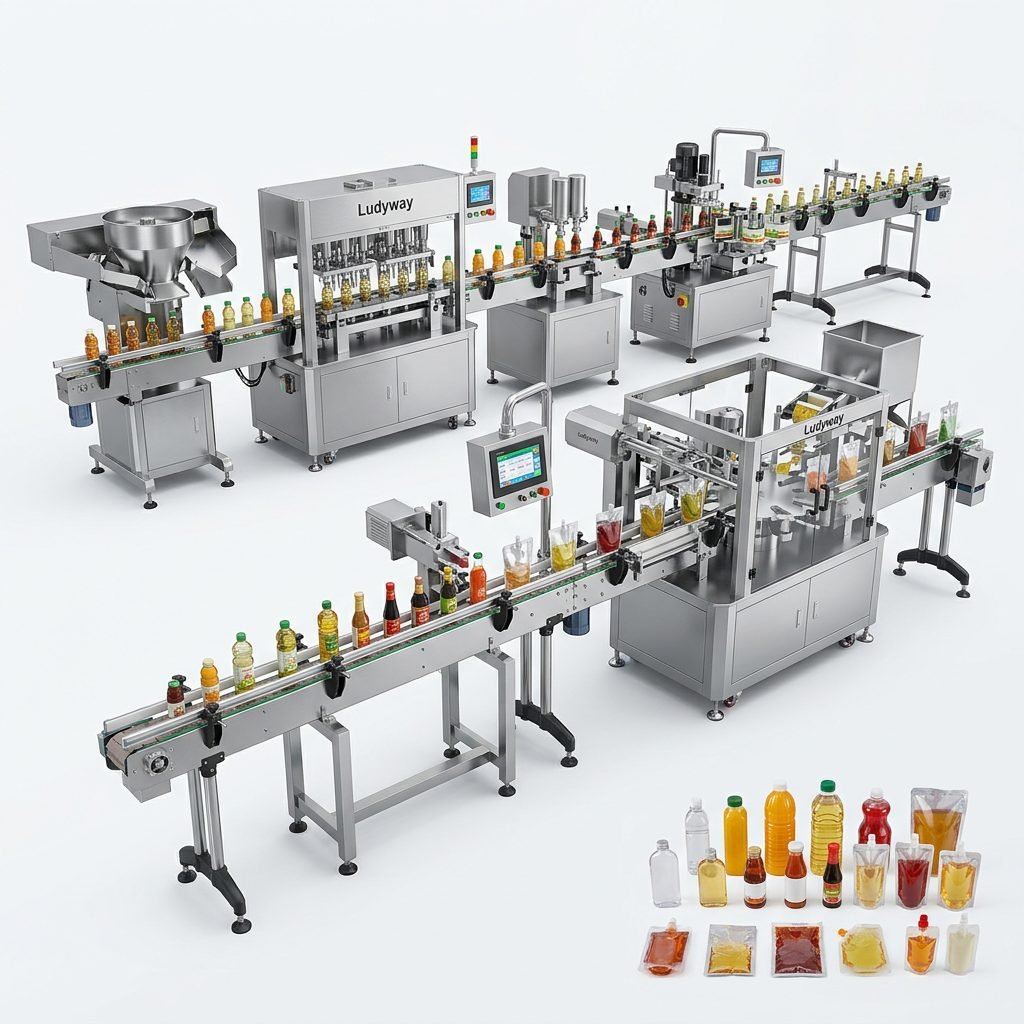
Understanding the Ice Packaging Market Landscape
The global packaged ice market continues to expand, driven by increasing demand in the food and beverage sector, healthcare applications, and emerging markets across Southeast Asia, the Middle East, and Africa. Ice packaging operations must now comply with stringent hygiene regulations while maintaining high throughput. According to PMMI packaging industry resources, automated packaging solutions are becoming essential for manufacturers aiming to scale their operations efficiently.
Types of Ice Packaging Machines
Different ice products require different packaging approaches. Understanding the available machine types is the first step in designing your production line:
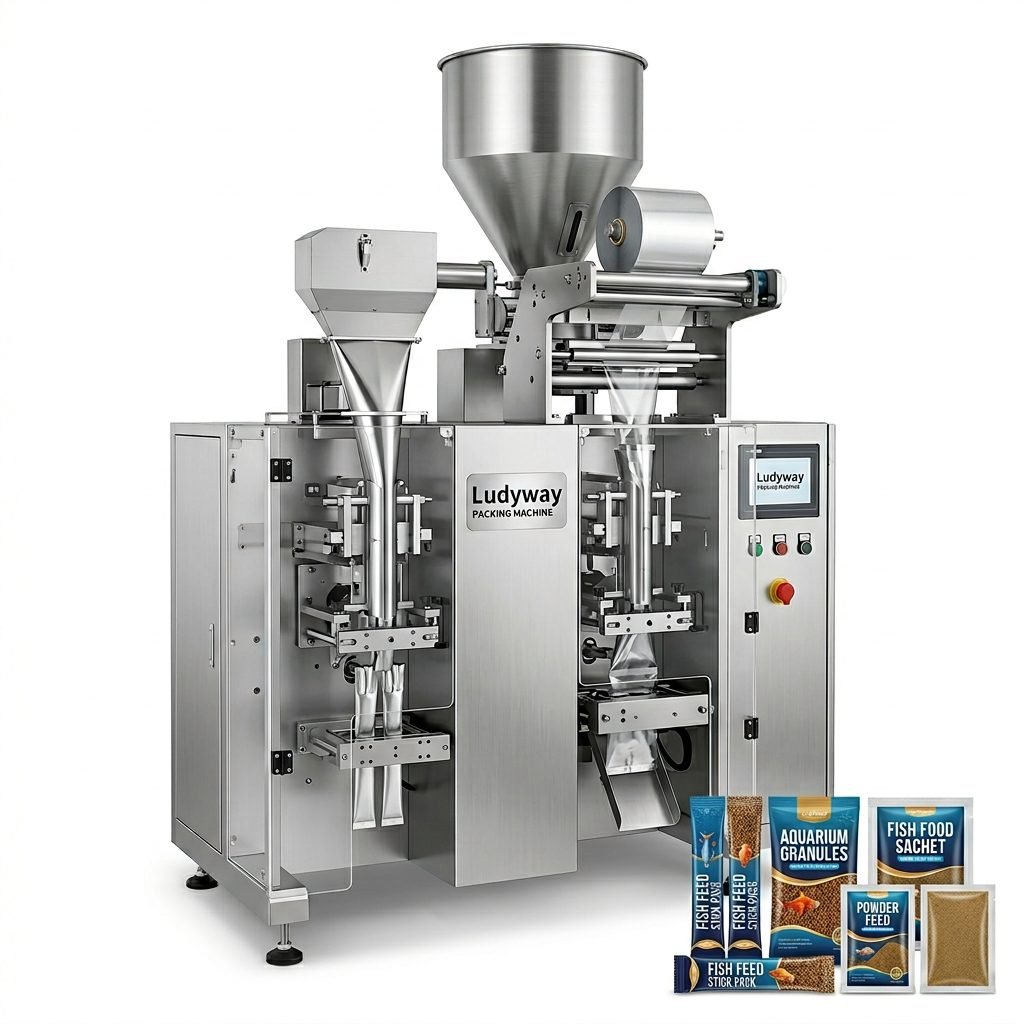
- Bagged Ice Packaging Machines – Designed for high-volume production of retail-ready ice bags, typically ranging from 2 lb to 20 lb packages.
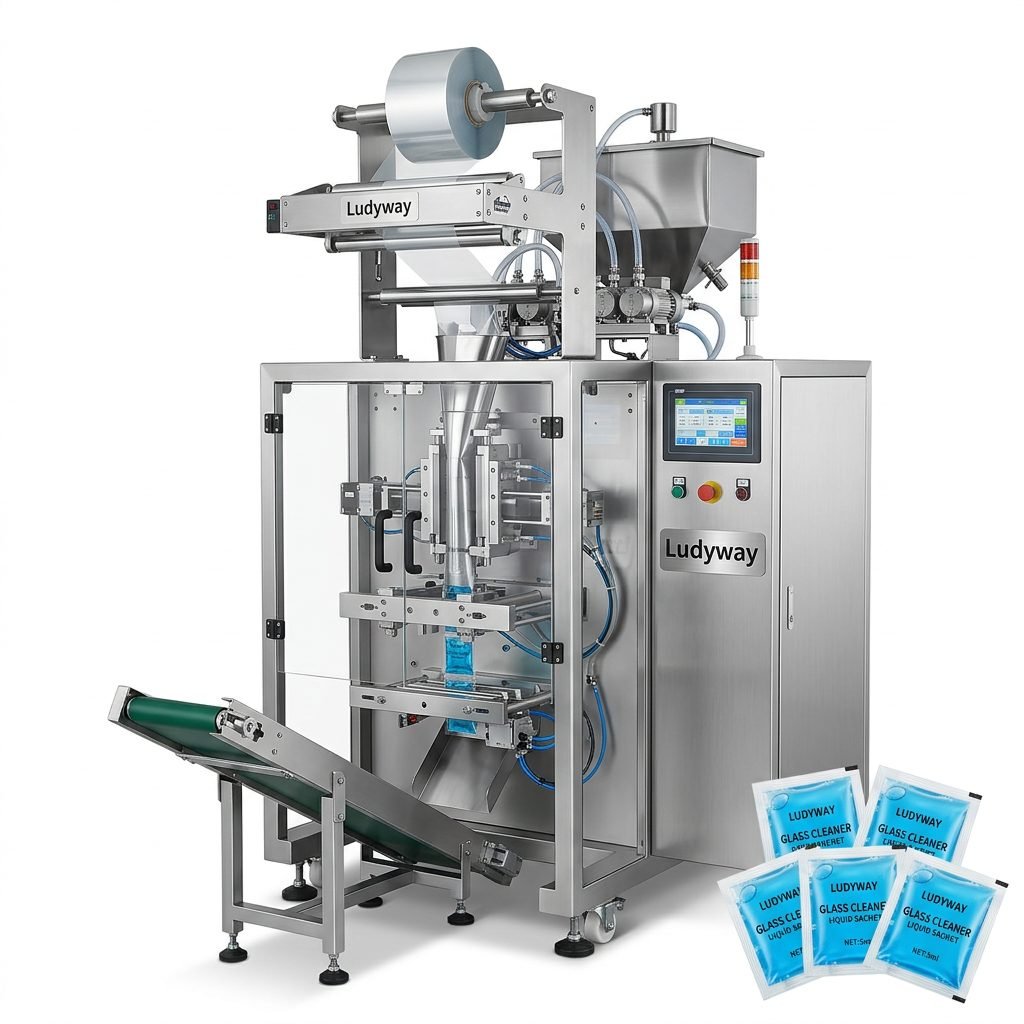
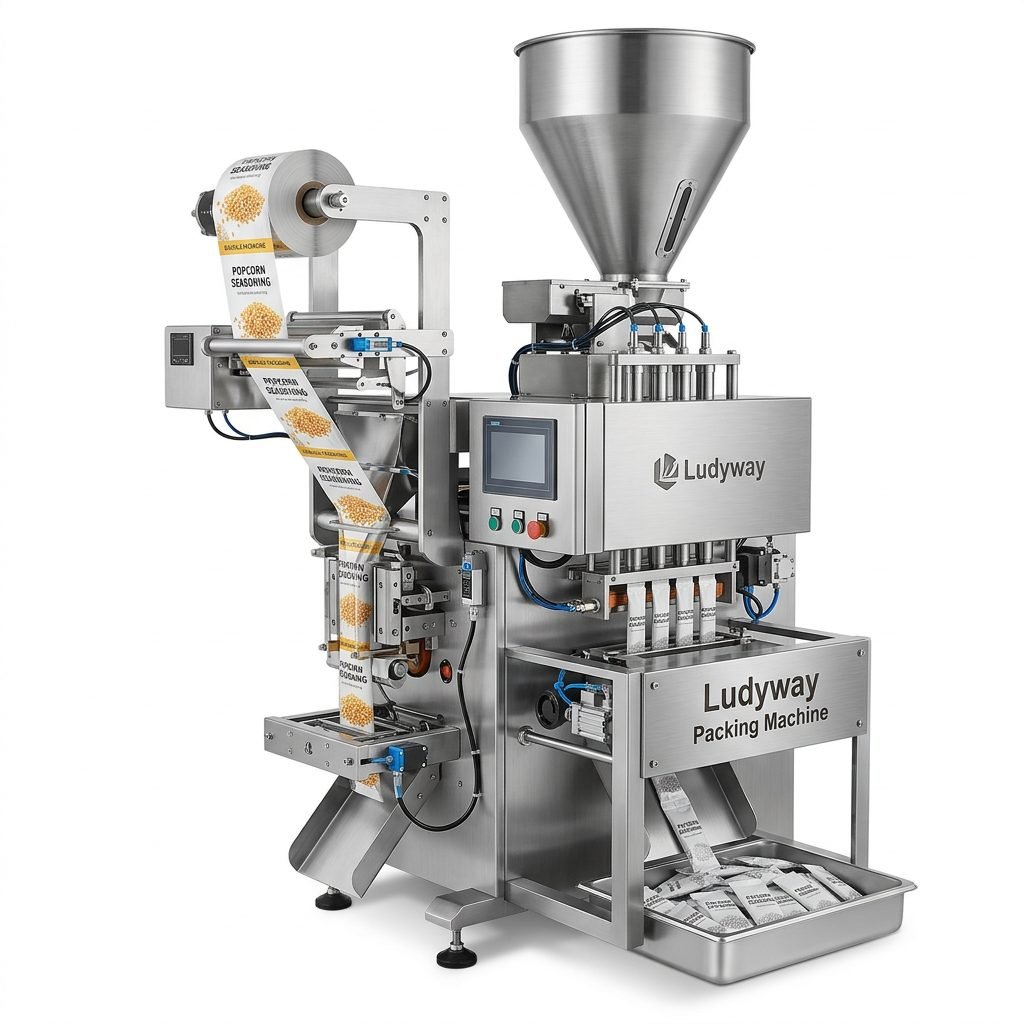
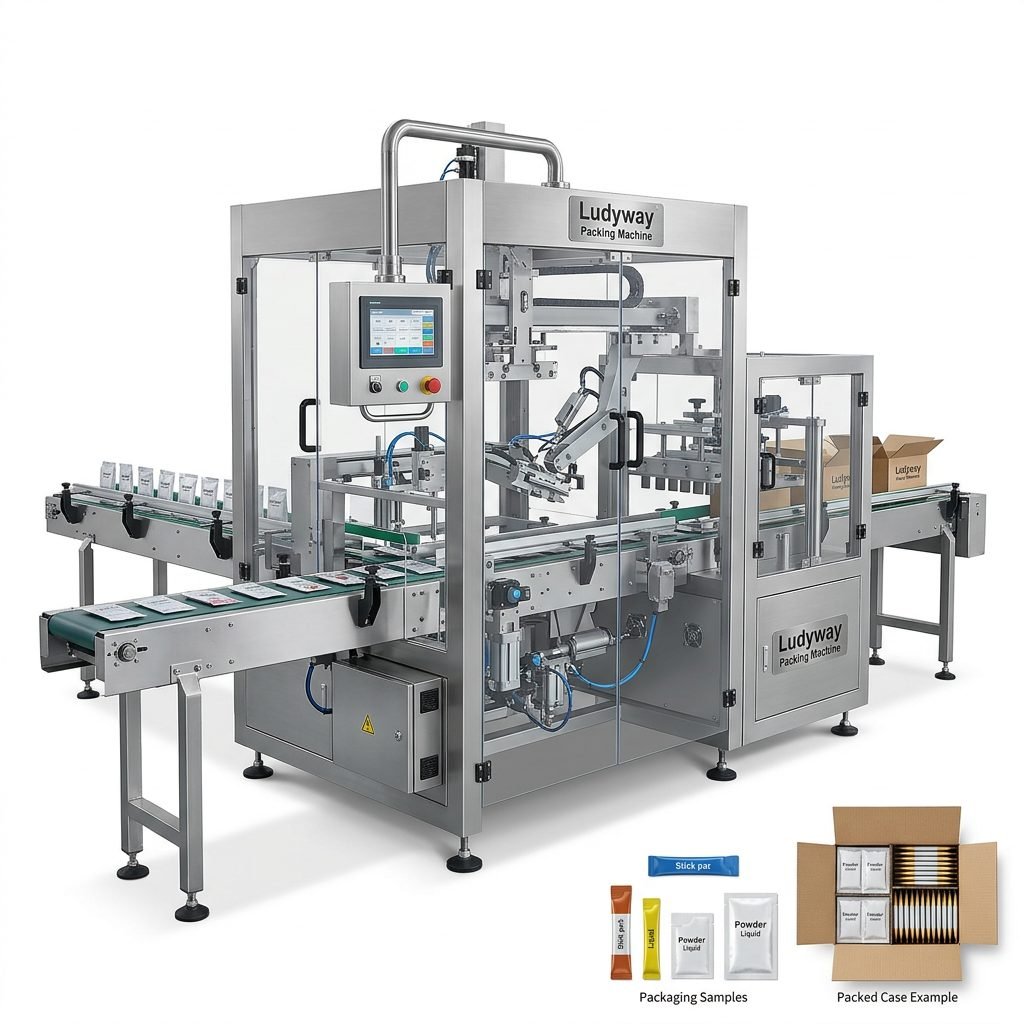
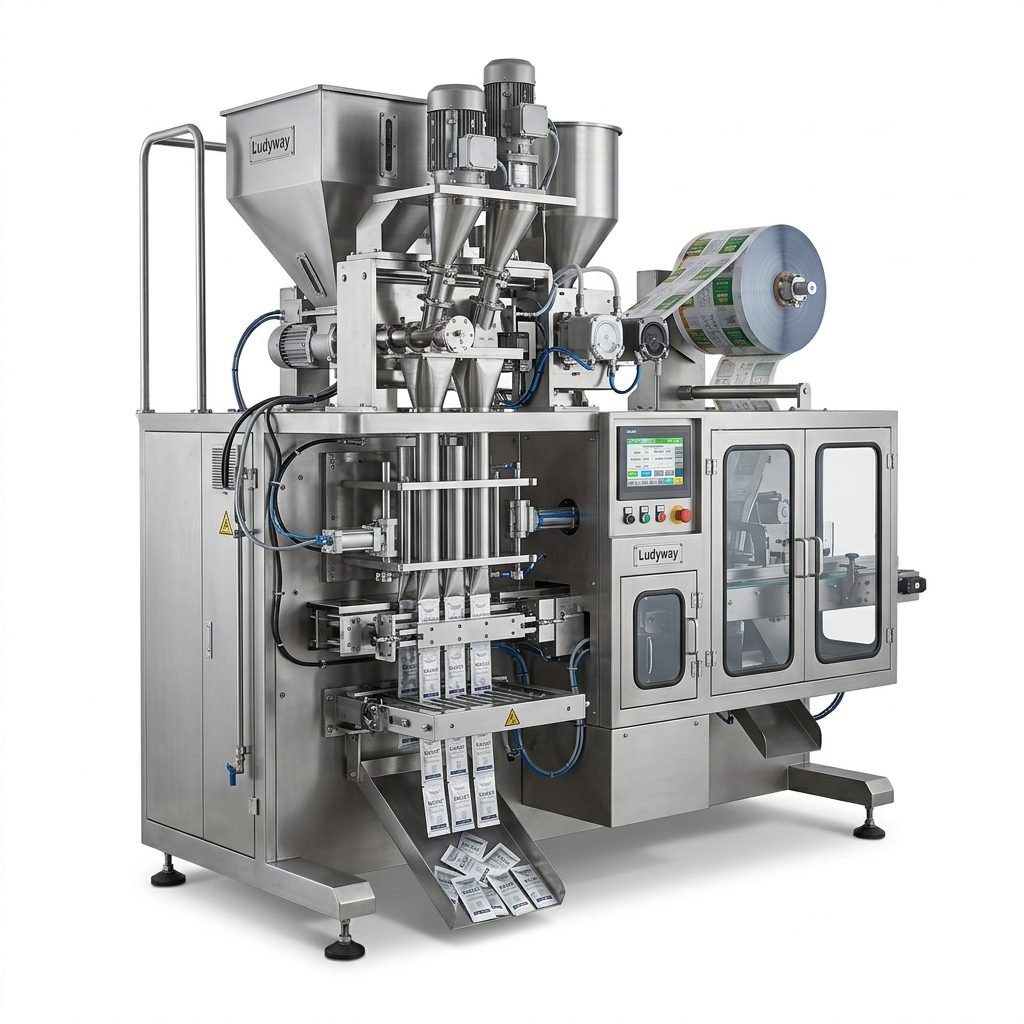
- Sachet and Stick Pack Machines – Ideal for single-use or small-portion ice products, especially in food service and healthcare settings.
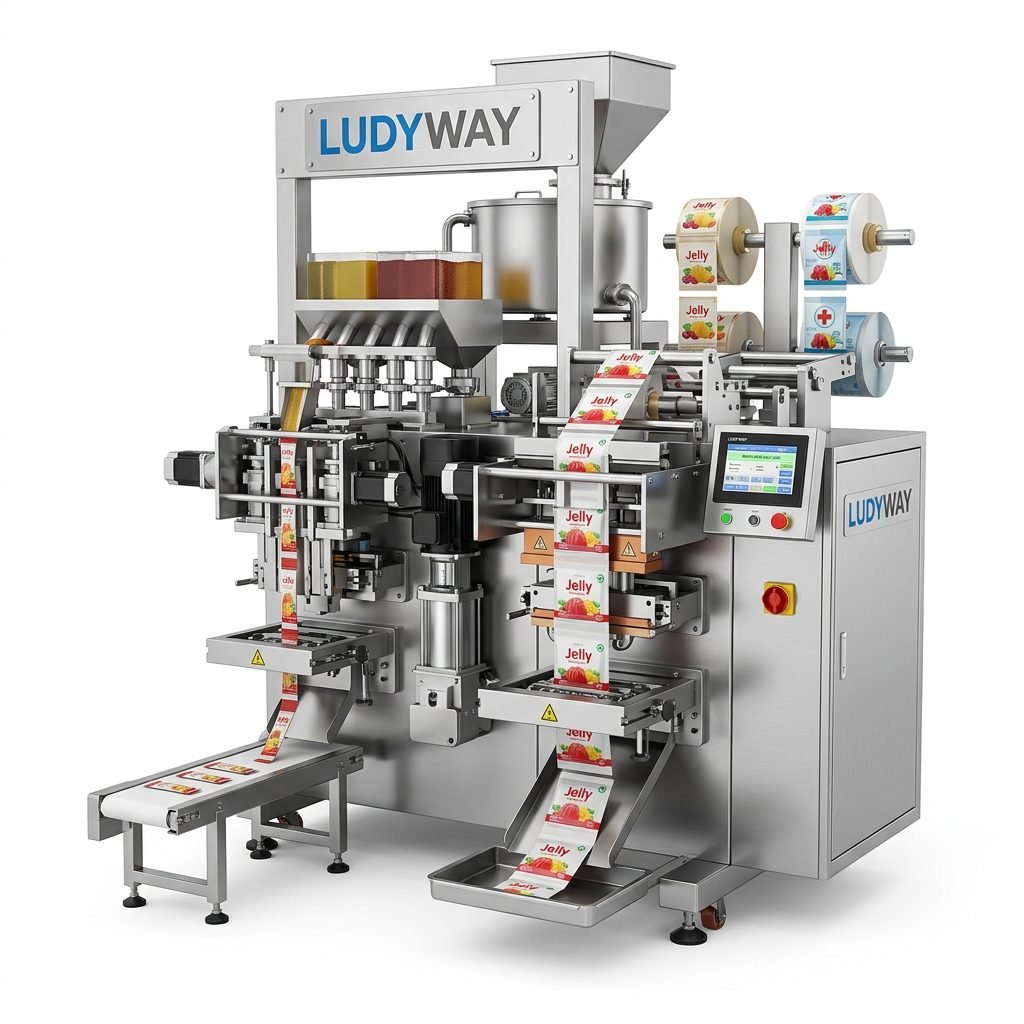
- Pouch Packaging Systems – Suitable for premium ice products that require enhanced barrier protection and attractive branding.
- Bulk Bagging Equipment – For large-scale commercial and industrial ice distribution, often handling 25 kg to 50 kg bags.
Core Components of an Ice Packaging Production Line
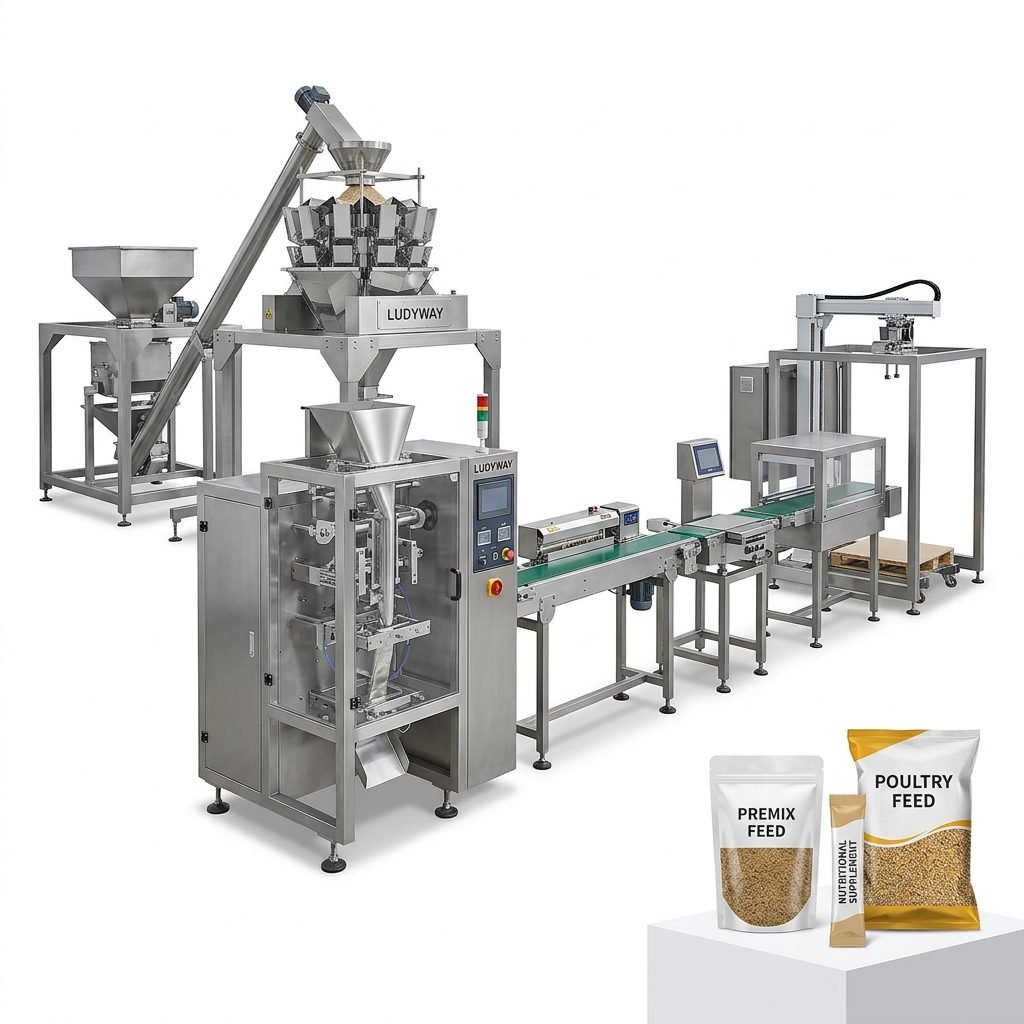
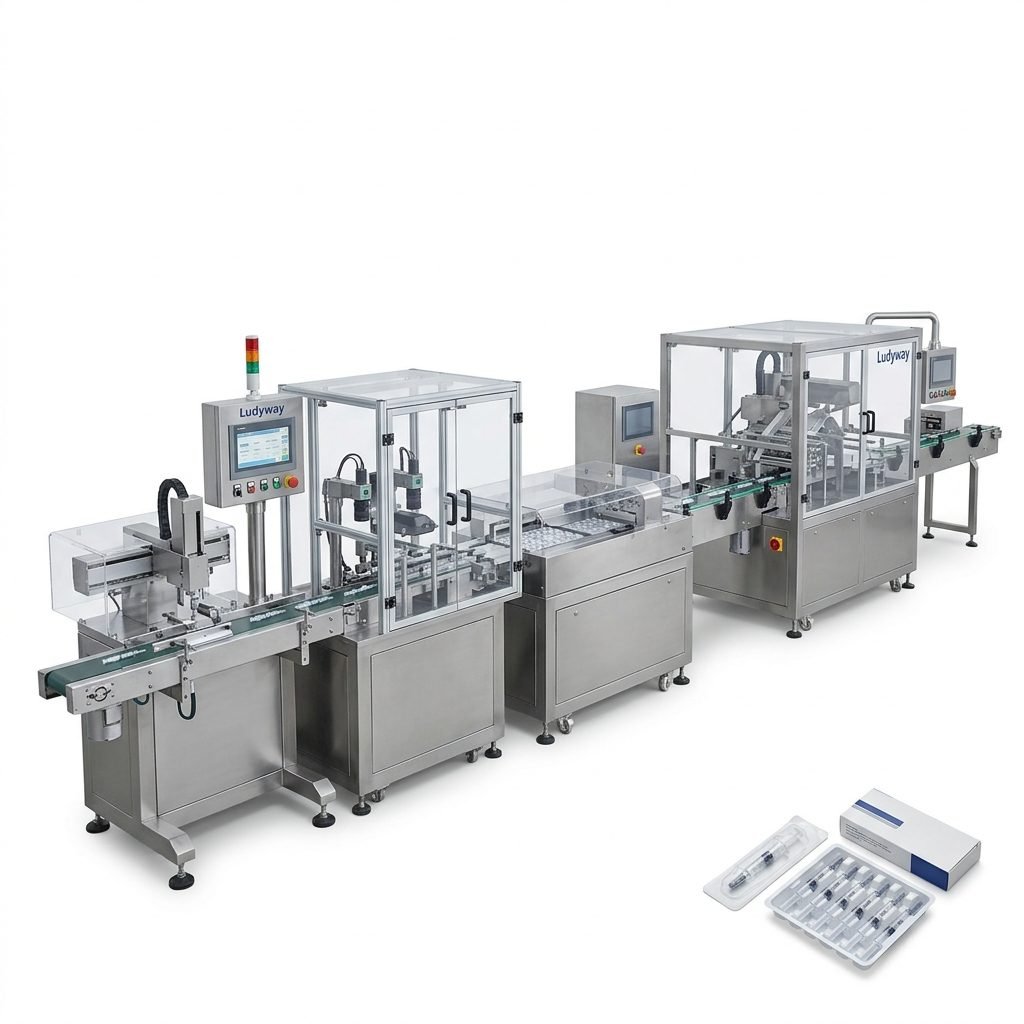
A complete ice packaging production line consists of several integrated systems working together. Each component must be carefully selected to match your production goals and facility layout.
1. Ice Making and Storage System
The foundation of any packaging line is the ice production unit itself. Whether using flake ice, cube ice, or tube ice machines, the storage silo must maintain proper temperature and prevent clumping before the product enters the packaging phase. Consistent ice quality directly impacts packaging speed and final product appearance.
2. Conveying and Elevating Equipment
Reliable conveying systems transport ice from storage to the packaging station. Inclined conveyors and bucket elevators are commonly used, and they must be constructed from food-grade stainless steel to meet FDA food packaging regulations. Proper conveyor design minimizes product breakage and ensures consistent flow rates.
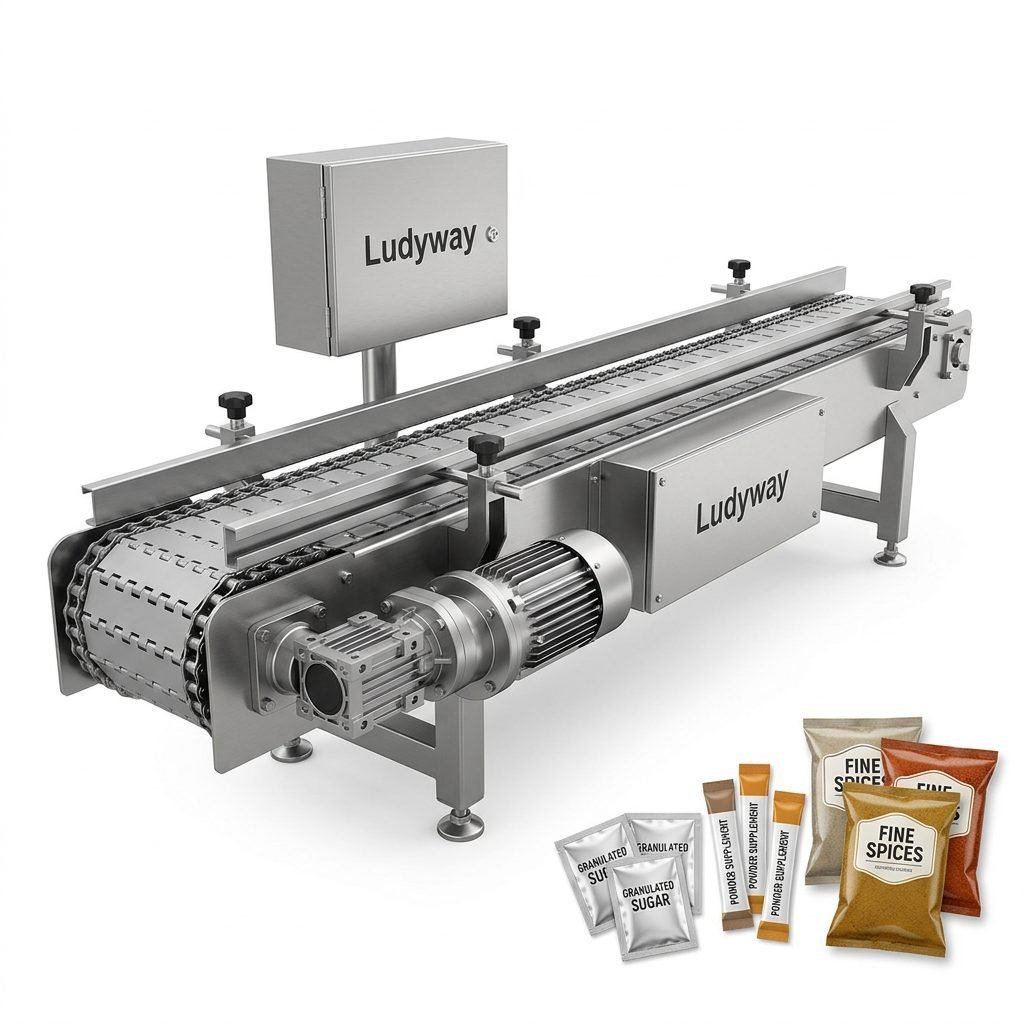
3. Weighing and Filling Station
Accurate weighing is critical for both regulatory compliance and cost control. Modern multi-head weighers and linear weighers deliver high-speed, precision filling for ice products. The filling station must also account for product temperature and potential moisture that can affect weighing accuracy.
4. Bagging and Sealing Unit
The bagging machine forms, fills, and seals packaging materials around the ice product. Vertical form fill seal (VFFS) machines are the most common choice for bagged ice, offering speeds of up to 60 bags per minute depending on bag size. Proper sealing temperature and pressure ensure leak-proof packages that maintain product integrity during transport.
5. Coding, Labeling, and Inspection
Every package must carry batch codes, production dates, and traceability information. Inkjet printers and thermal transfer coders apply this data at line speed. Additionally, checkweighers and metal detectors provide quality assurance by rejecting underweight packages or contaminated products before they reach the market.
6. Palletizing and End-of-Line Automation
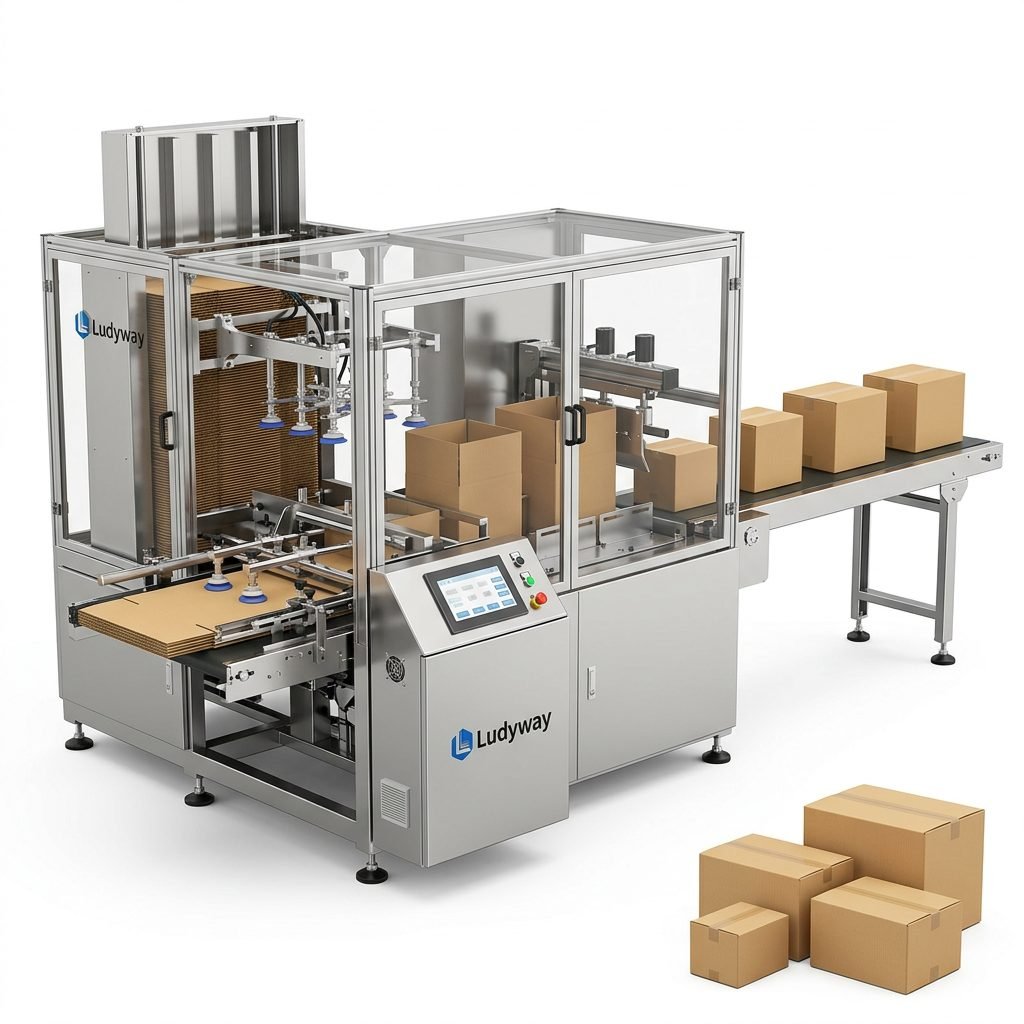
For large-scale operations, automated palletizers stack finished bags onto pallets, while stretch wrapping machines secure the load for shipment. These systems reduce manual labor costs and improve warehouse efficiency.
Step-by-Step Setup Process for Your Ice Packaging Line
Following a structured approach to installation ensures your production line becomes operational quickly and efficiently. Below is a proven implementation roadmap:
- Conduct a facility assessment – Evaluate available floor space, ceiling height, power supply, and drainage requirements.
- Define production targets – Determine desired output rates (bags per minute), packaging formats, and bag sizes.
- Select compatible equipment – Choose machines that integrate seamlessly and match your ice type and packaging material.
- Plan the layout – Design an efficient material flow from ice storage to the loading dock, minimizing bottlenecks.
- Install and commission – Work with equipment suppliers to install machinery, calibrate systems, and train operators.
- Run validation trials – Test the complete line under production conditions, adjusting settings for optimal performance.
- Implement quality control protocols – Establish standard operating procedures and inspection checkpoints.
Technical Specifications Comparison
The following table outlines key specifications to consider when evaluating ice packaging equipment for different production scales:
| Parameter | Small-Scale Line | Medium-Scale Line | High-Capacity Line |
|---|---|---|---|
| Output Rate | 10 – 25 bags/min | 30 – 50 bags/min | 55 – 80+ bags/min |
| Bag Size Range | 1 – 15 lb | 2 – 25 lb | 2 – 50 lb |
| Weighing Accuracy | ± 2 – 5 g | ± 1 – 3 g | ± 0.5 – 2 g |
| Automation Level | Semi-automatic | Fully automatic | Fully automatic with robotics |
| Floor Space Required | 500 – 1,000 sq ft | 1,200 – 2,500 sq ft | 3,000 – 6,000+ sq ft |
| Typical Investment | $50K – $150K | $180K – $500K | $550K – $1.5M+ |

Global Market Compliance and Standards
Exporting packaged ice products requires adherence to various international regulations. Ensuring compliance from the outset avoids costly retrofits and market access delays.
Food Safety Certifications
Your packaging line should be designed to meet HACCP principles and, where applicable, ISO 22000 food safety management standards. Equipment constructed from 304 or 316 stainless steel is preferred for direct food contact surfaces. Refer to ISO packaging standards for detailed guidance on materials and design requirements.
Regional Labeling Requirements
Different markets impose unique labeling rules. The FDA in the United States, EFSA in Europe, and CFIA in Canada each have specific requirements for net weight declarations, nutritional information, and country-of-origin marking. Packaging machinery must be flexible enough to accommodate varying label formats.
Environmental and Sustainability Standards
With growing emphasis on sustainable packaging, many markets now require compliance with the European packaging and packaging waste regulations or similar frameworks. Selecting equipment compatible with recyclable and biodegradable packaging materials positions your operation for long-term market access.
Optimizing Production Line Efficiency
Once your ice packaging line is operational, continuous improvement efforts can yield significant productivity gains. Consider these strategies:
- Implement predictive maintenance – Use sensor data and regular inspections to prevent unplanned downtime.
- Optimize packaging material usage – Fine-tune film tension and sealing parameters to reduce waste without compromising package integrity.
- Train operators thoroughly – Well-trained staff can identify issues early and maintain consistent output quality.
- Monitor OEE metrics – Track Overall Equipment Effectiveness to identify bottlenecks and improvement opportunities.
- Upgrade to smart packaging technologies – IoT-enabled machines provide real-time data for better decision-making and remote troubleshooting.
Choosing the Right Equipment Partner
Selecting a reliable equipment manufacturer is one of the most critical decisions in setting up an ice packaging production line. Look for suppliers with proven experience, comprehensive after-sales support, and the ability to provide turnkey solutions that include installation, training, and ongoing technical assistance. The Flexible Packaging Association offers additional resources for evaluating packaging equipment and material suppliers.
For manufacturers seeking fully integrated ice packaging solutions, Ludyway provides advanced packaging machinery and complete production line engineering services, backed by over 30 years of industry experience and a global customer base spanning more than 100 countries.
Key Takeaways for Global Ice Packaging Success
Building a successful ice packaging operation requires a holistic approach that balances production capacity, regulatory compliance, and operational efficiency. Key success factors include:
- Selecting equipment that matches your specific ice type and target output
- Ensuring compliance with food safety standards from design through operation
- Investing in automation to reduce labor dependency and improve consistency
- Partnering with experienced equipment suppliers who understand international market requirements
- Planning for scalability to accommodate future growth and new market opportunities
By following the guidelines outlined in this comprehensive resource, you can design, install, and optimize an ice packaging machine production line that meets the demands of today’s competitive global marketplace while positioning your business for sustainable long-term growth.