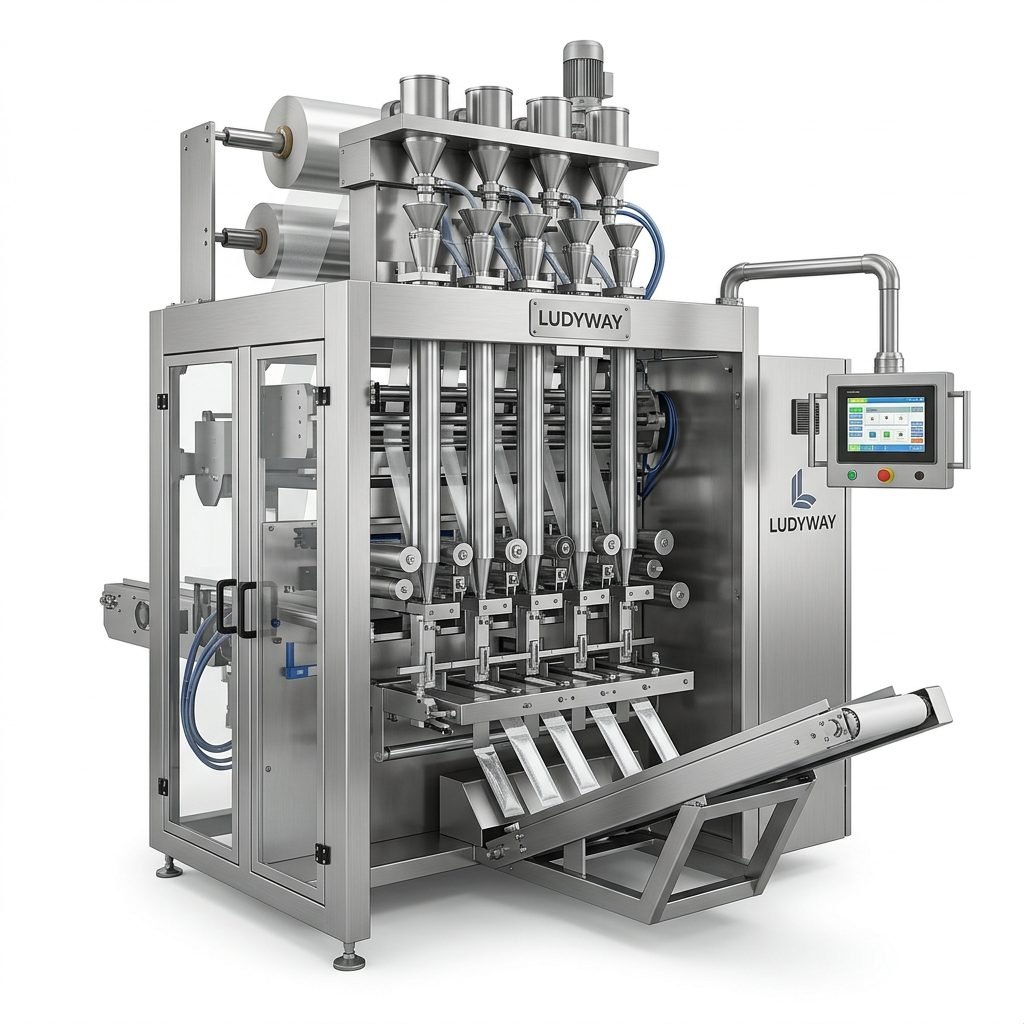
Establishing an animal feed packaging machine production line in Asia requires careful planning, from understanding regional feed regulations to selecting equipment that can handle diverse formulations. Whether you are packaging poultry feed pellets, aquatic feed granules, or livestock premix powders, the right setup directly impacts productivity, product shelf life, and compliance with local standards. This guide walks you through the essential steps, equipment considerations, and best practices for building a successful feed packaging line in Asian markets.
Understanding the Asian Animal Feed Market
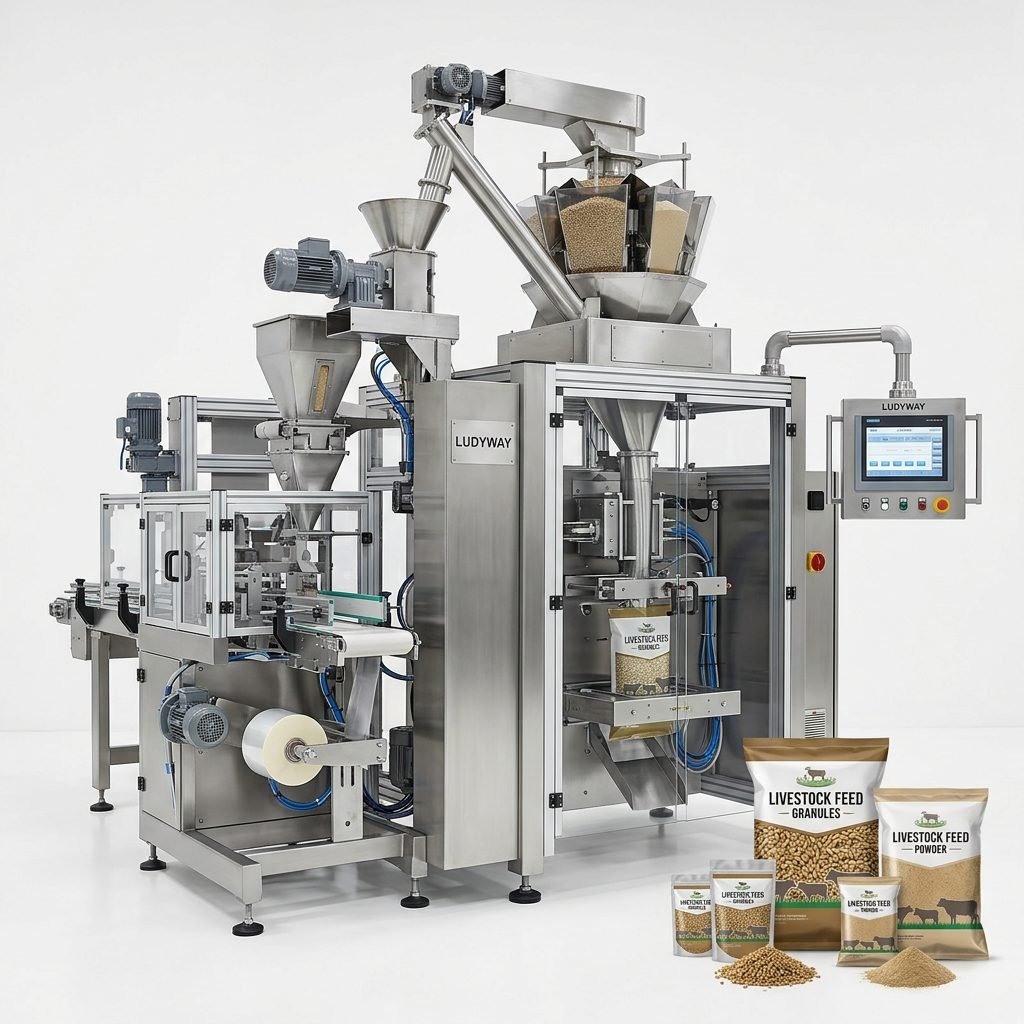
Asia represents one of the fastest-growing animal feed markets globally, driven by rising meat consumption, expanding aquaculture, and increasing pet ownership. Countries like China, India, Vietnam, Indonesia, and Thailand have large-scale feed milling industries that demand efficient packaging solutions. When setting up a production line, you must consider the dominant feed types in your target region—whether it’s pelletized feed for poultry and swine, extruded floating feed for fish and shrimp, or powdered milk replacers for calves. Each format requires specific filling, sealing, and bagging technologies.
Additionally, regulatory frameworks vary. For example, many Southeast Asian nations align with FDA food packaging guidelines or Codex Alimentarius standards, while others have local certification requirements. Understanding these rules early helps you select machinery that meets hygiene and labeling mandates.
Key Components of an Animal Feed Packaging Production Line
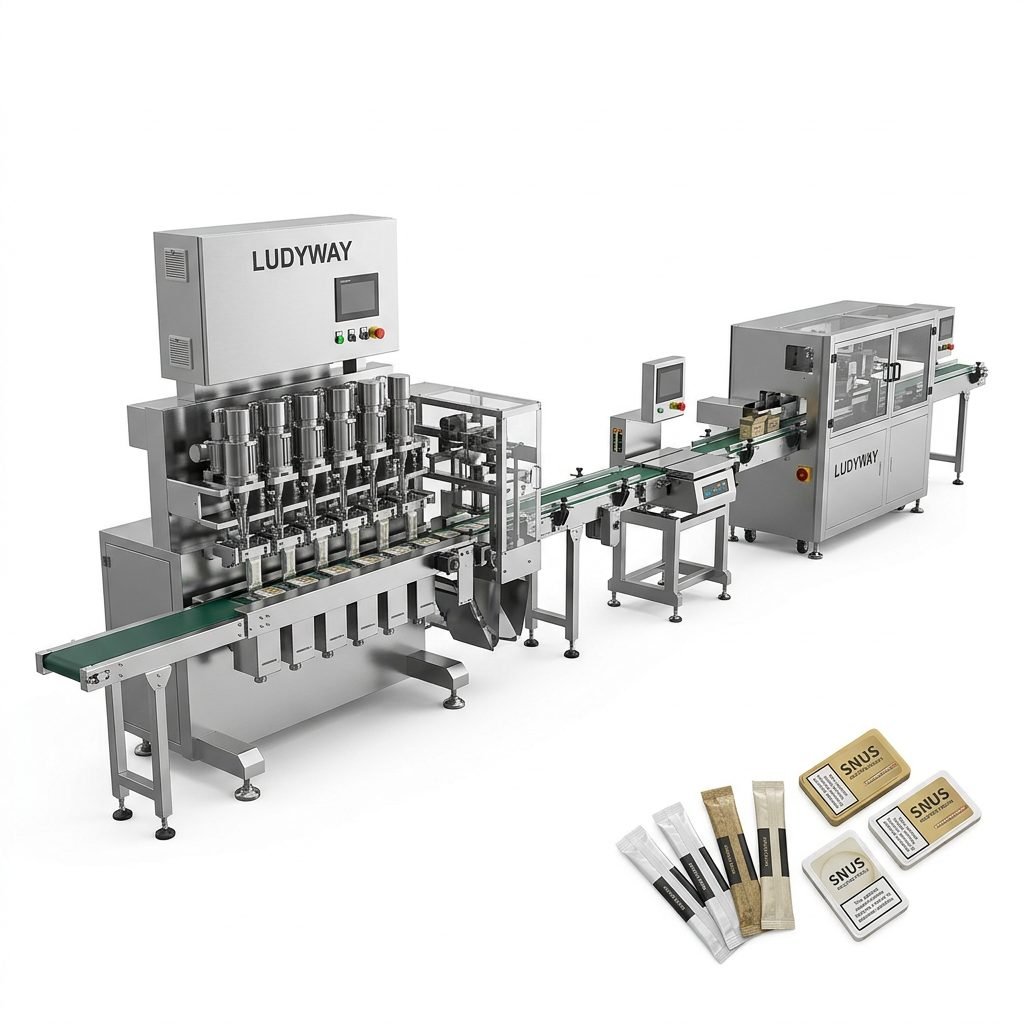
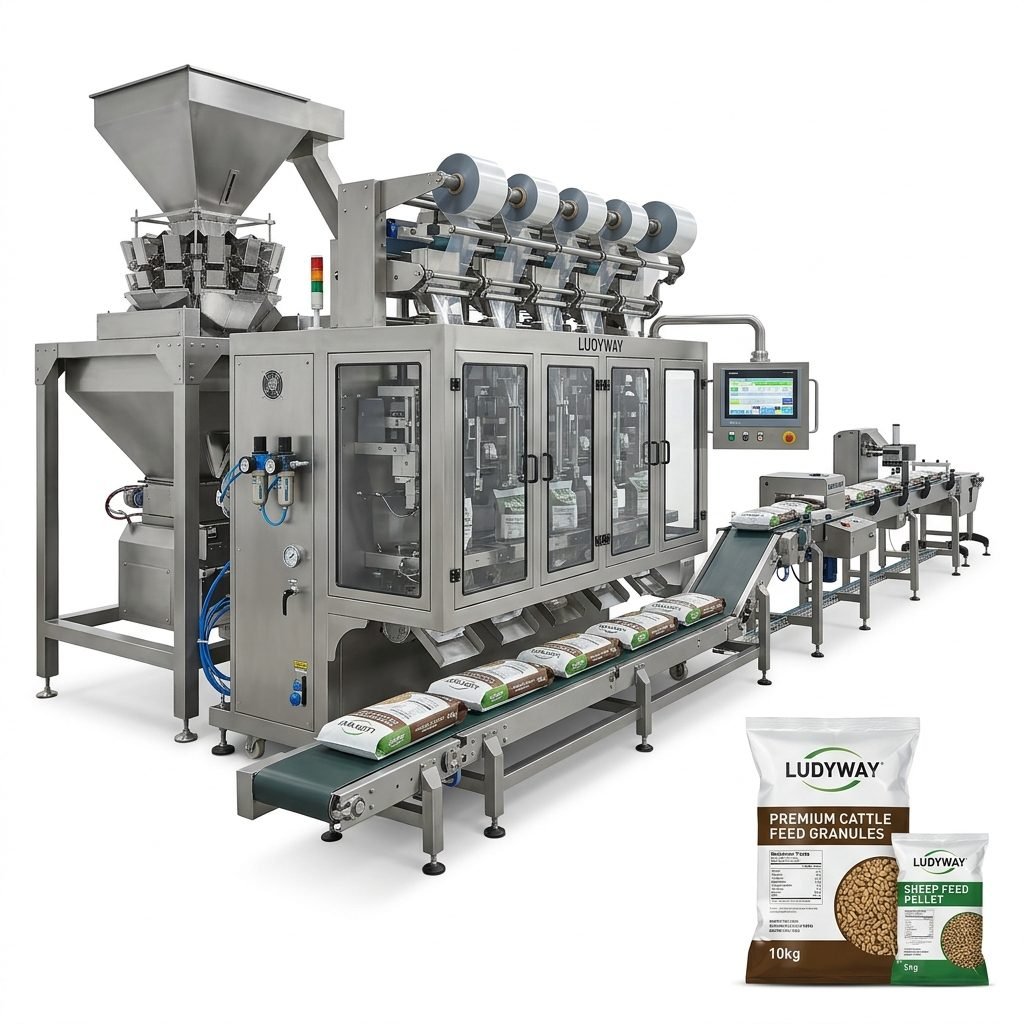
A complete feed packaging line integrates several machines that work in sequence. Choosing each component based on your production volume, bag type, and feed characteristics is critical for smooth operation.
1. Weighing and Dosing Systems
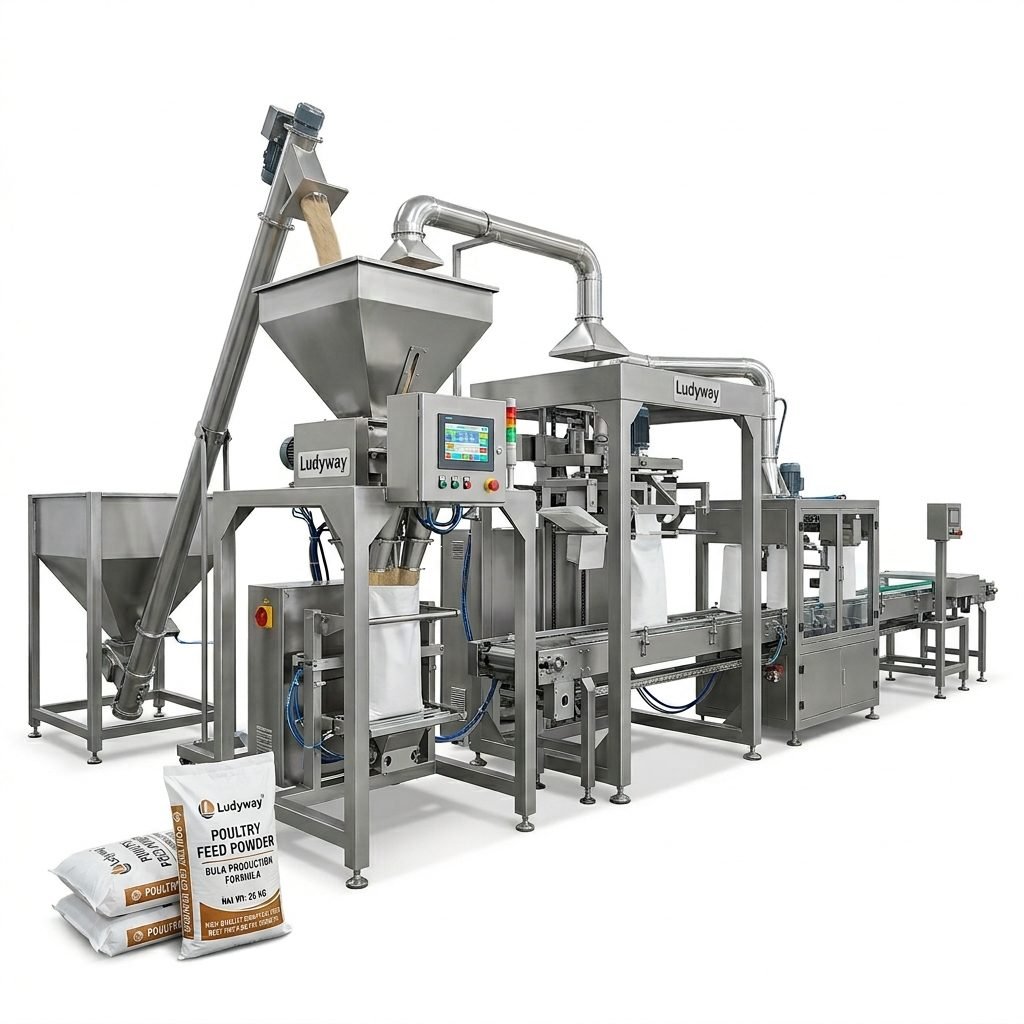
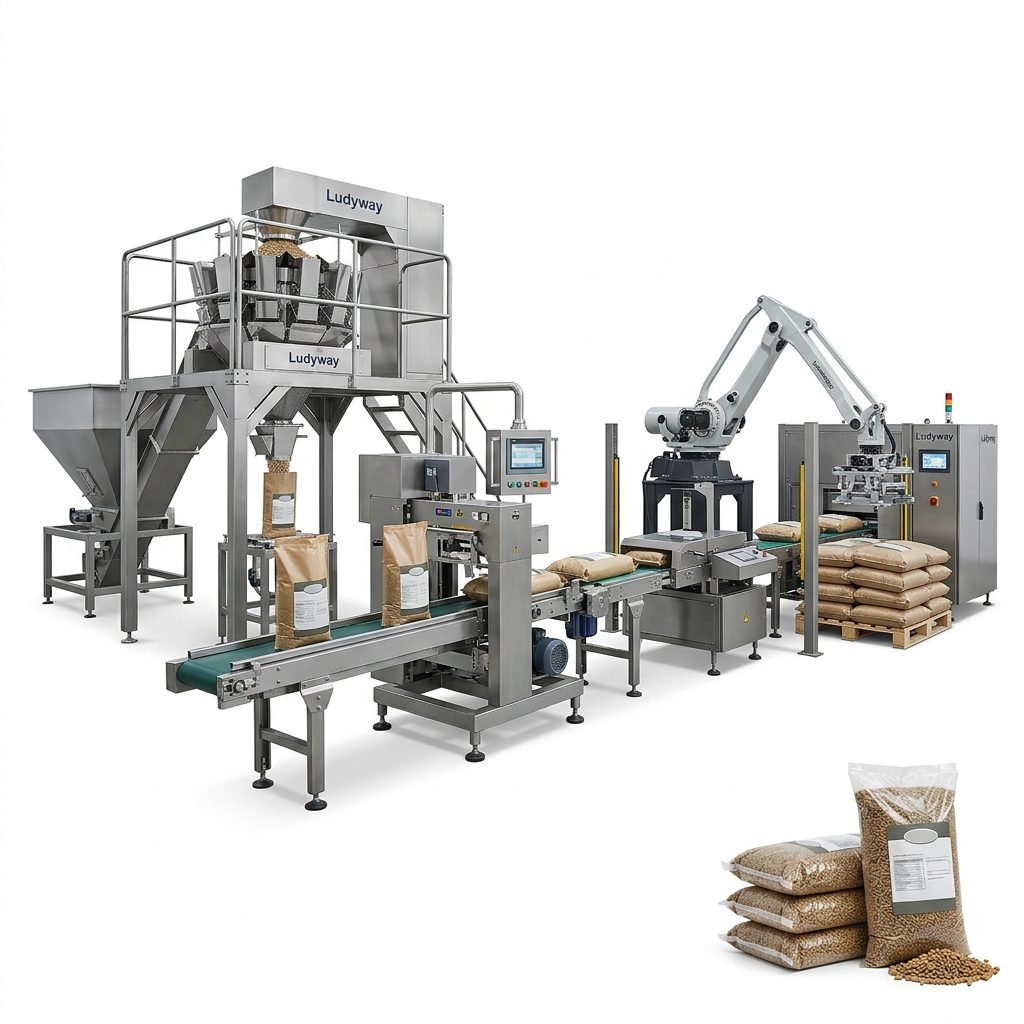
Accurate weighing ensures product consistency and regulatory compliance. Multi-head weighers are ideal for free-flowing pellets and granules, while auger fillers handle sticky or dusty powders such as vitamin premixes and mineral supplements. For bulk bags (25kg–50kg), net weigh bagging scales with high-speed filling capabilities reduce labor and improve throughput. The weighing precision should typically stay within ±0.2% to ±1% depending on the product value and package size.
2. Bagging and Filling Machines
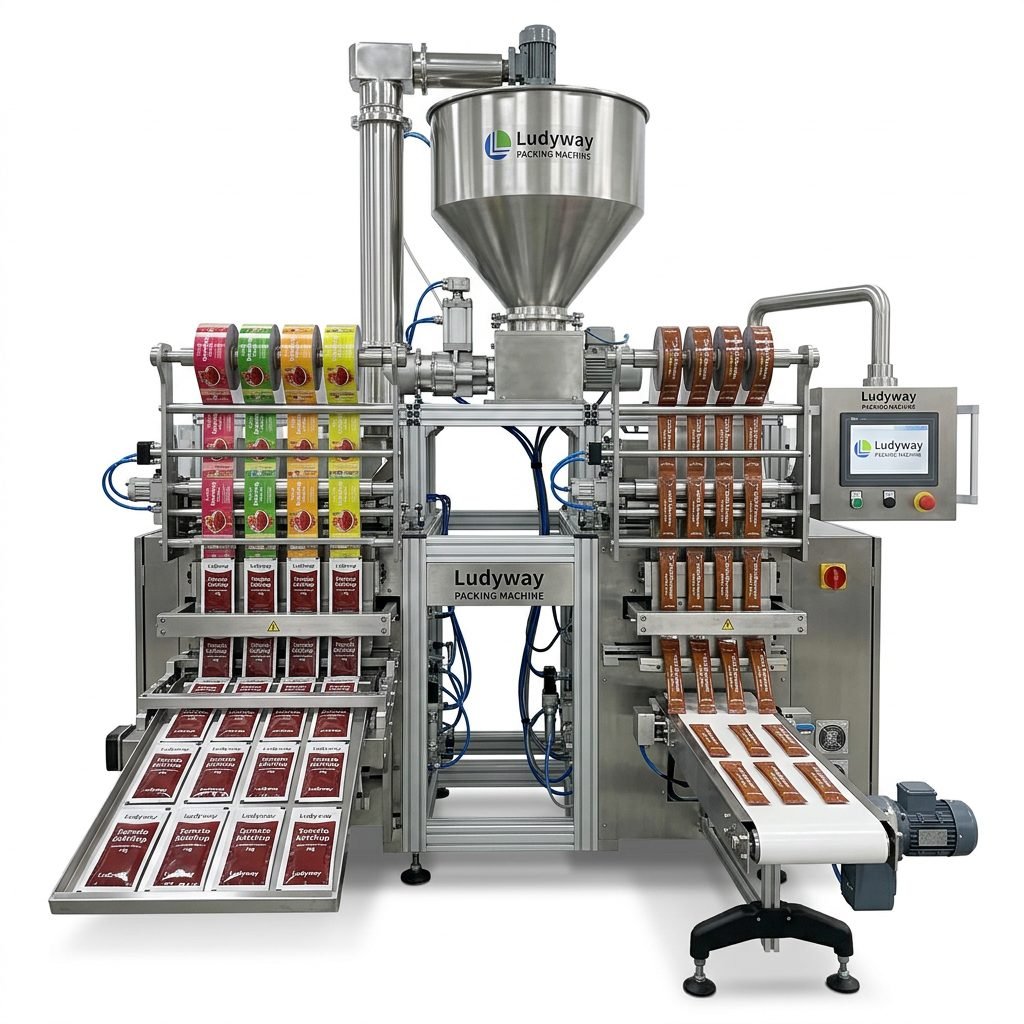
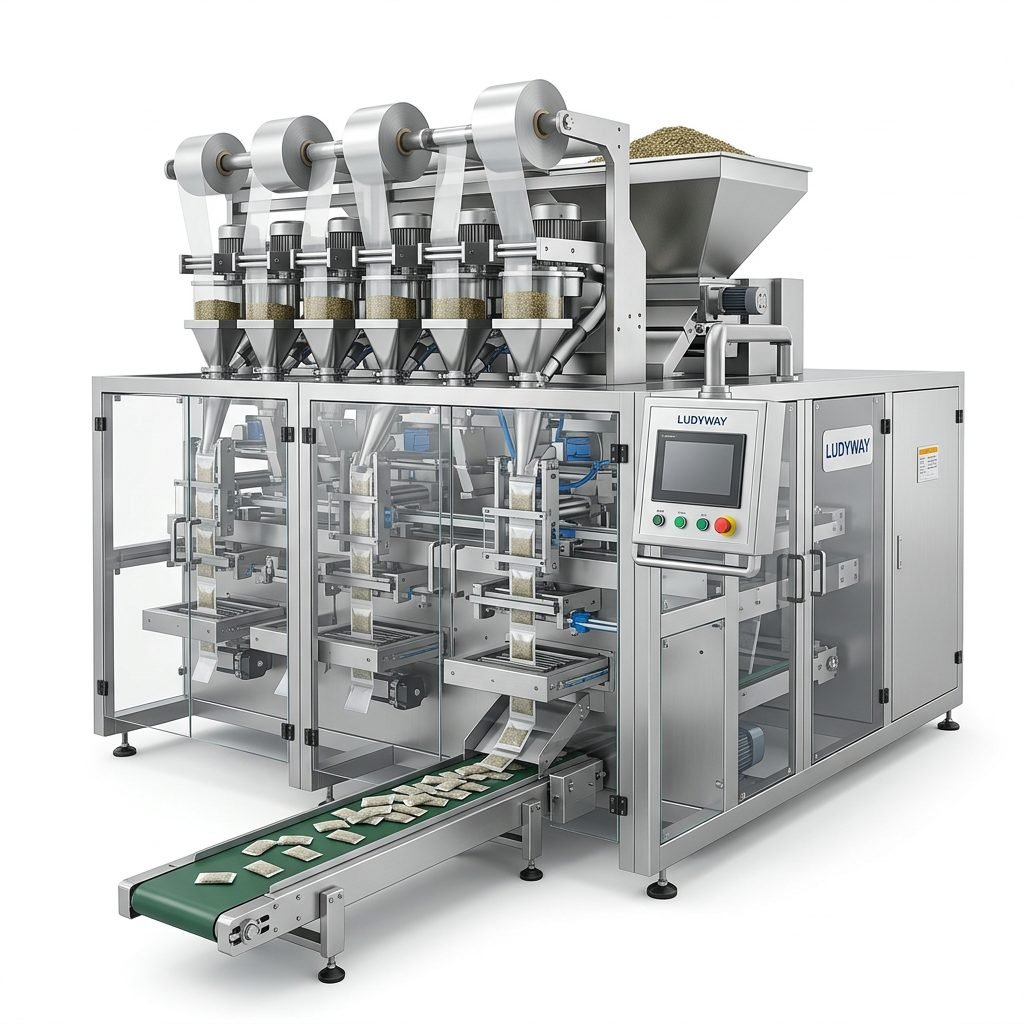
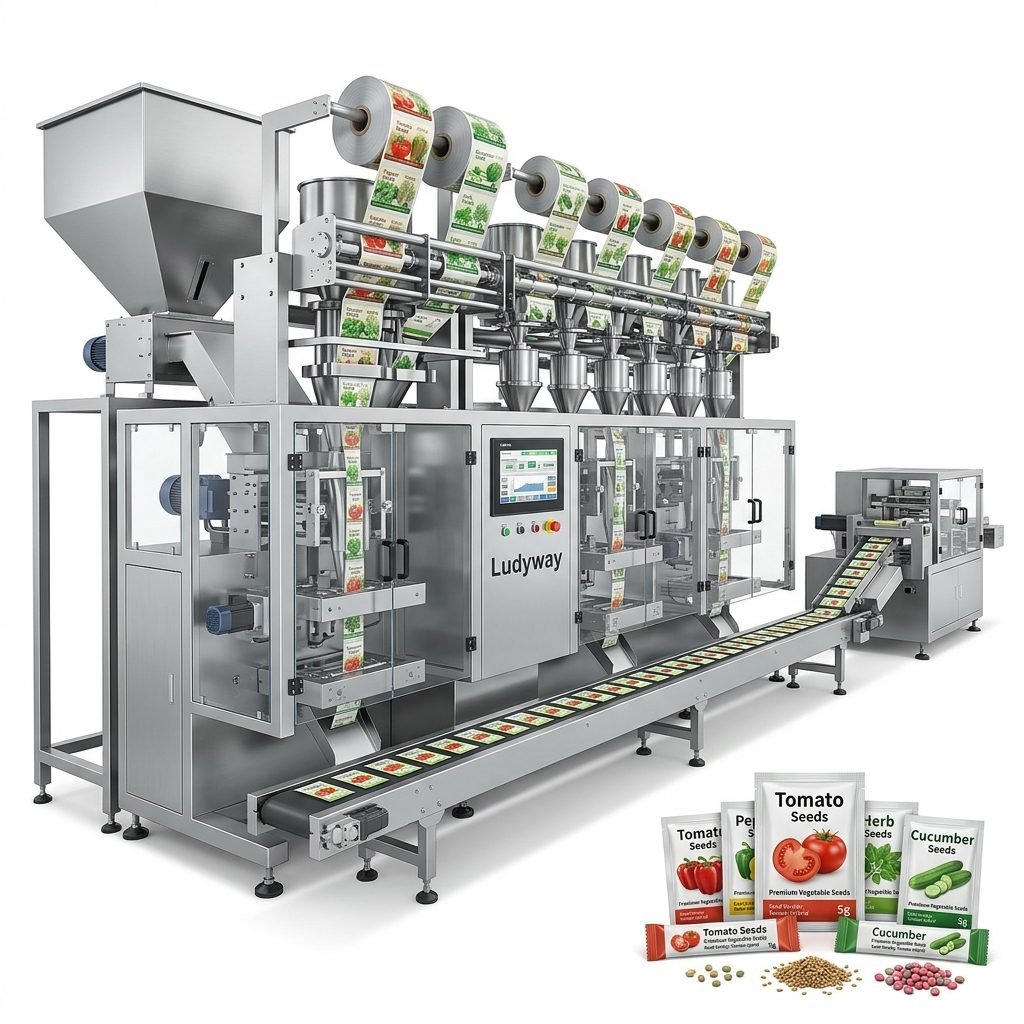
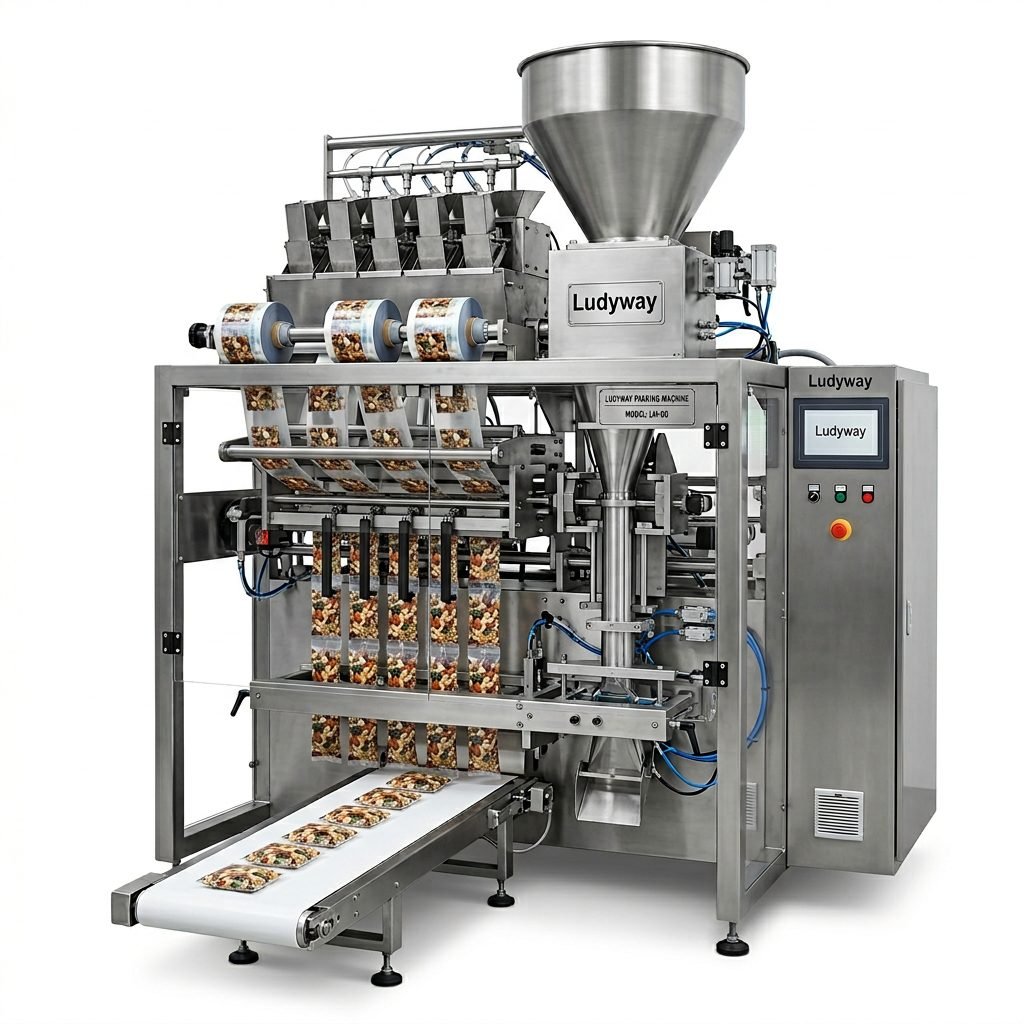
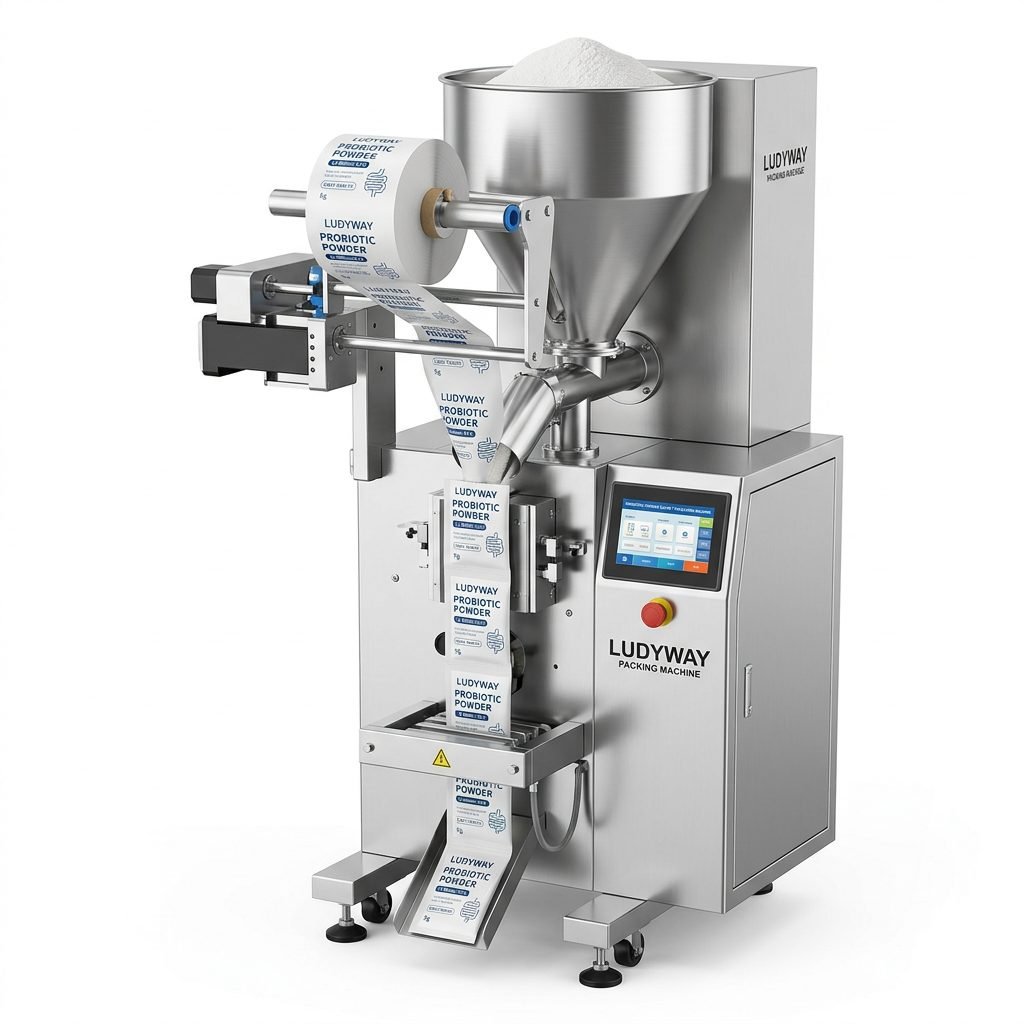
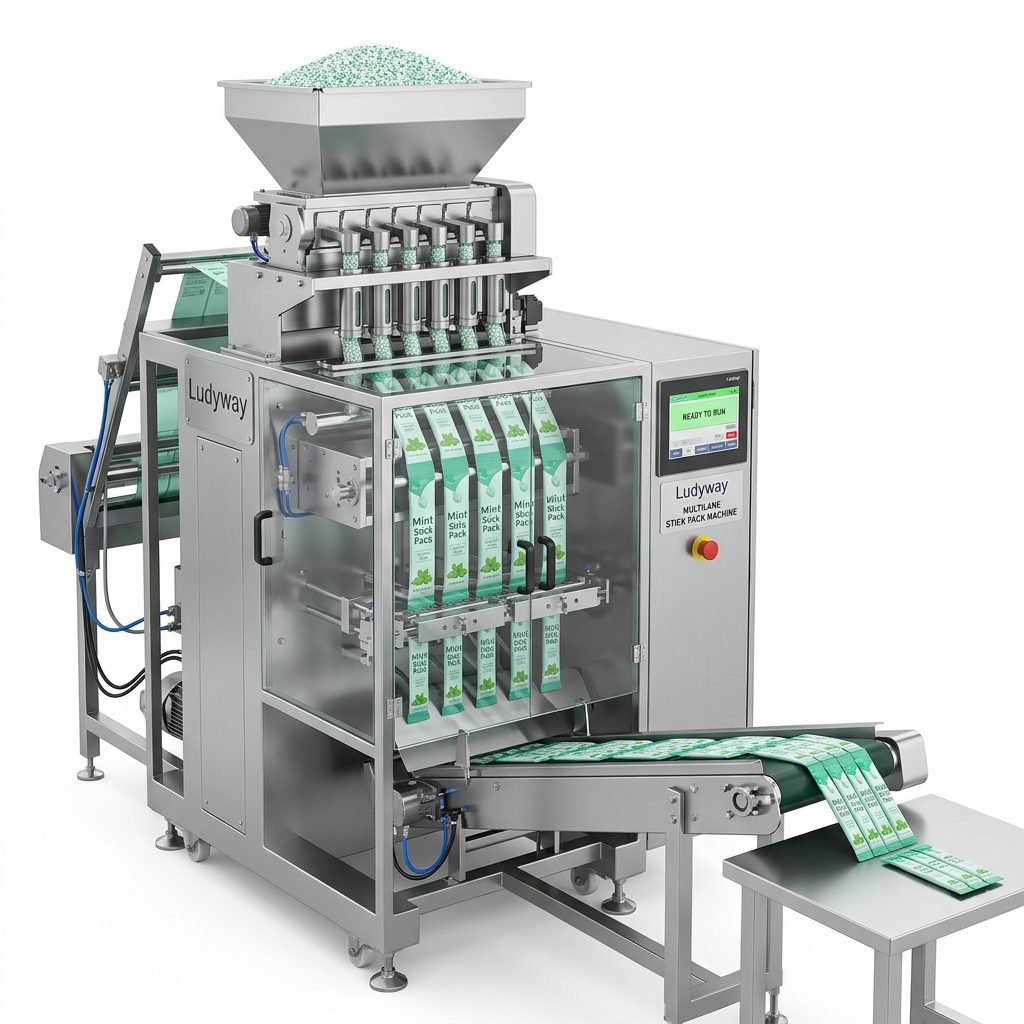
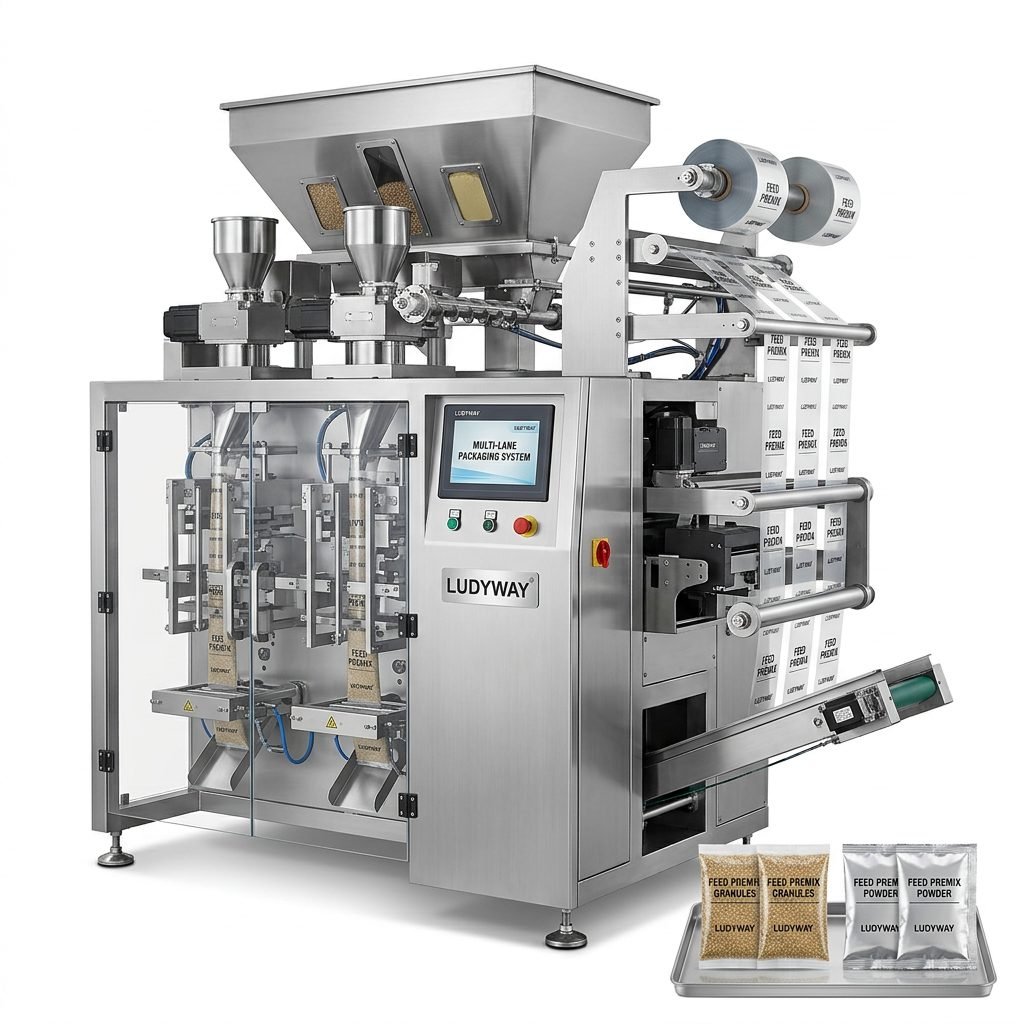
Common bag types in the Asian feed industry include woven polypropylene bags, multi-wall paper sacks, and premade plastic pouches. Your filling machine must accommodate the bag material, size range, and closure method. Open-mouth bagging machines suit granular and pelleted feeds, while form-fill-seal (FFS) machines create bags from roll stock, offering higher automation for small to medium packs (1kg–10kg). For aquaculture and pet feed segments, multi-lane stick pack and sachet machines are increasingly popular for single-serve portions.
3. Sealing and Closing Equipment
Proper sealing prevents moisture ingress, infestation, and nutrient degradation. Options include heat sealing for laminated pouches, sewing systems for woven sacks, and ultrasonic sealing for specialty materials. Many lines incorporate nitrogen flushing or vacuum sealing to extend shelf life for high-fat or vitamin-enriched feeds. Automatic bag top folding and gluing stations further improve presentation and stacking stability.
4. Conveying and Material Handling
Efficient conveying connects each station smoothly. Common solutions include bucket elevators for vertical transport of granules and powders, inclined belt conveyors for gentle product transfer, and screw conveyors for dusty or cohesive materials. For multi-level layouts common in Asian feed mills, a combination of vertical and horizontal conveyors with integrated dust collection systems maintains a clean working environment.
5. Inspection and Quality Control Systems
Modern lines include checkweighers to verify fill weights, metal detectors to catch ferrous and non-ferrous contaminants, and X-ray inspection systems for comprehensive foreign body detection. Vision systems can verify label placement, date codes, and seal integrity. These quality gates ensure compliance with both domestic and export market requirements for feed safety.
Step-by-Step Guide to Setting Up Your Production Line
Step 1: Define Your Product Range and Output Goals
Start by listing all feed products you intend to package. Note their physical characteristics: particle size distribution, bulk density, flowability, moisture content, and fat percentage. These parameters determine the appropriate dosing method, hopper design, and bagging speed. Define your target output in bags per hour (BPH) or pouches per minute (PPM) for each SKU. This becomes the foundation for equipment sizing and line balancing.
Step 2: Select a Suitable Facility Layout
In Asian manufacturing environments, space optimization is crucial. Plan a logical flow: raw material receiving → storage → dosing → mixing (if applicable) → packaging → warehousing. Allocate adequate clearance for equipment maintenance and forklift access. Ensure the electrical supply matches machine requirements (common voltage standards in Asia include 380V/50Hz three-phase and 220V/60Hz single-phase). Factor in compressed air, dust extraction, and climate control needs, especially in tropical regions with high humidity.
Step 3: Choose and Integrate Packaging Equipment
Procure equipment from established suppliers who provide turnkey packaging line integration services. Confirm that machines comply with ISO packaging standards and relevant safety certifications. During integration, synchronize the speeds of each module to avoid bottlenecks. A common pitfall is mismatching a high-speed weigher with a slower bagging machine, creating accumulation issues. Test the complete line with your actual products before full production.
Step 4: Train Operators and Establish SOPs
Comprehensive operator training reduces downtime and extends machine life. Develop standard operating procedures (SOPs) for startup, changeover, cleaning, and emergency stops. Train staff on basic troubleshooting, such as clearing jams, recalibrating weighers, and adjusting sealing temperatures for different film types. Document all settings per product SKU for quick recall during batch changes.
Step 5: Implement Maintenance and Spare Parts Planning
Preventive maintenance schedules keep your line running reliably. Stock critical spare parts locally, including heating elements, sealing belts, sensors, and pneumatic components. Establish a relationship with your equipment supplier for remote diagnostics and annual servicing. In the Asian context, plan for seasonal demand spikes—for example, poultry feed demand often rises before major festivals.
Common Challenges and How to Address Them
| Challenge | Impact | Solution |
|---|---|---|
| High humidity causing powder clumping | Inconsistent filling weights, frequent machine jams | Install dehumidifiers, use hopper agitators, select moisture-resistant packaging films |
| Pellet breakage during conveying | Reduced product quality, customer complaints, excessive dust | Use gentler conveying methods (bucket elevators, belt conveyors), minimize drop heights, avoid sharp bends |
| Cross-contamination between batches | Medicated feed residues in non-medicated products, regulatory violations | Implement thorough cleaning protocols between batches, use dedicated lines for medicated feeds, validate cleaning effectiveness |
| Supply chain delays for spare parts | Extended downtime during peak production periods | Maintain local inventory of critical spares, work with suppliers who offer regional service centers in Asia |
| Varying film quality from local suppliers | Inconsistent seal strength, higher rejection rates | Qualify multiple film suppliers, test seal parameters for each batch, maintain a film specification database |
Packaging Formats for Different Feed Types
The feed type heavily influences the optimal packaging format. Below is a summary of common configurations in Asian feed production facilities:
- Poultry and Swine Feed (Pellet/Crumble): Typically packaged in 25kg–50kg woven PP bags with inner liners. High-speed net weigh baggers with automatic bag placers achieve 600–1,200 BPH.
- Aquatic Feed (Floating/Sinking Pellets): Requires moisture-resistant packaging. Small retail packs (500g–5kg) use laminated pouches on vertical form-fill-seal machines. Bulk packs use multi-wall paper sacks with poly liners.
- Pet Food (Dry Kibble/Treats): Premium presentation demands stand-up pouches with resealable zippers, flat-bottom bags, or multi-lane stick packs for single-serve portions. Often includes nitrogen flushing for freshness.
- Premixes and Additives (Powder): Precision dosing is paramount. Auger fillers or micro-dosing systems fill small sachets (100g–1kg) or bulk bags. Dust-tight connections and containment systems protect operators and the environment.
- Milk Replacers and Calf Feed (Powder): Products are hygroscopic, requiring high-barrier films and hermetic sealing. Multi-lane sachet machines produce convenience packs with excellent seal integrity.
Automation Levels: From Semi-Automatic to Fully Turnkey
Your choice of automation level depends on labor costs, production volume, and desired consistency. In many parts of Asia, labor availability and cost vary significantly by country, influencing ROI calculations for automation.
Semi-Automatic Lines
Operators manually place bags on the filling spout, activate the fill cycle, and transfer filled bags to a separate sewing or sealing station. This setup suits small to medium feed mills producing 100–300 BPH. Initial investment is lower, and the line offers flexibility for frequent product changes. However, fill accuracy depends heavily on operator skill, and labor costs accumulate over time.
Fully Automatic Lines
Automatic bag placers, robotic palletizers, and integrated checkweighers minimize human intervention. These lines achieve 600–1,800 BPH with consistent fill weights and seal quality. They are ideal for large commercial feed mills and contract manufacturers serving export markets where packaging machinery market standards demand high documentation and traceability. The higher capital cost is offset by lower per-unit packaging costs and reduced product giveaway.
Choosing the Right Equipment Supplier
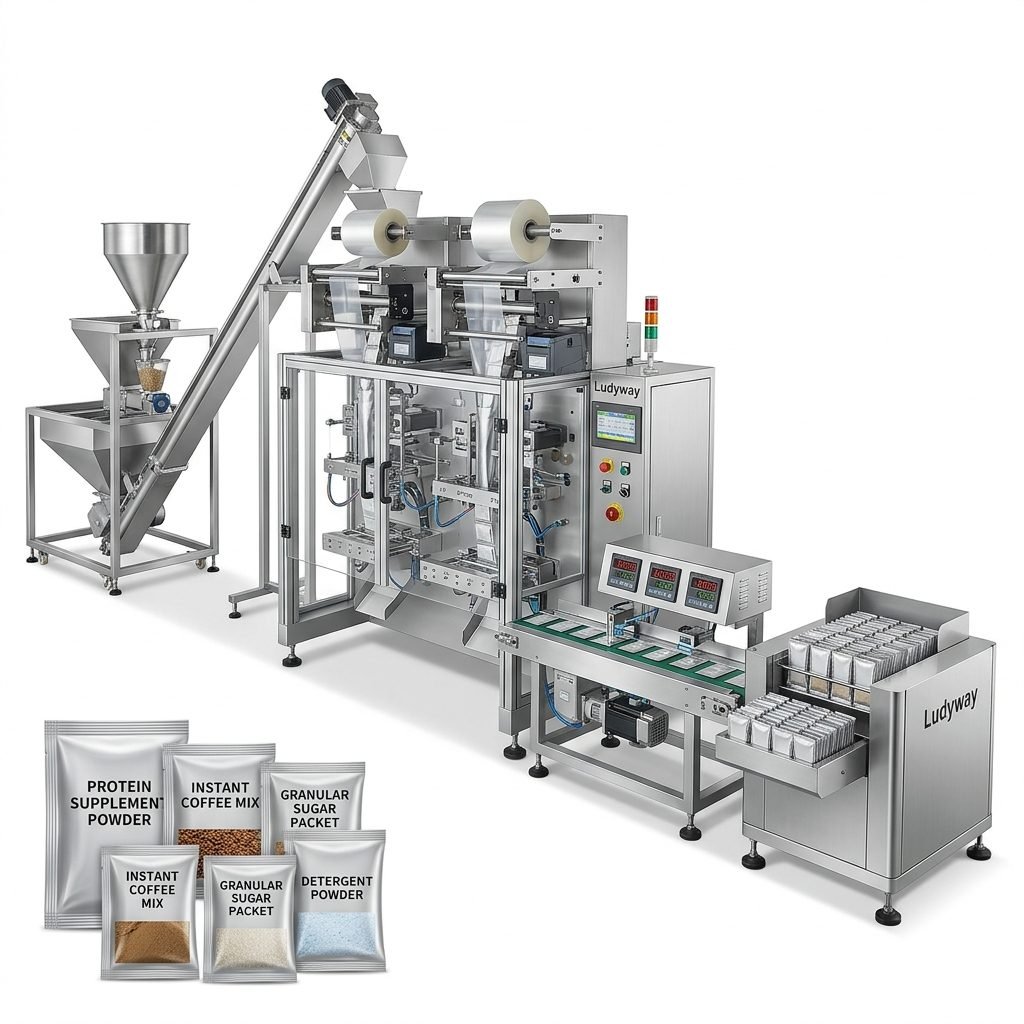
When selecting machinery for an Asian production line, evaluate suppliers on their experience with feed applications, local support infrastructure, and understanding of regional regulatory requirements. Look for manufacturers who offer complete turnkey solutions—from initial layout design to installation, training, and after-sales service. This integrated approach reduces project risk and accelerates time-to-market. A supplier with a broad portfolio, such as Ludyway, can provide coherent equipment combinations including multi-lane sachet machines, vertical form-fill-seal baggers, cartoning systems, and end-of-line palletizing, all designed to work together efficiently. Checking references from existing customers in the Asian feed industry helps validate equipment performance and service responsiveness.
Regulatory Compliance and Documentation
Feed packaging lines operating in Asia must comply with both local and international standards. Key considerations include:
- Good Manufacturing Practices (GMP): Many Asian countries mandate GMP-compliant facilities for animal feed production, especially for medicated feeds.
- HACCP Implementation: Hazard analysis and critical control points apply to feed safety, with packaging being a designated control point for physical hazards.
- Labeling Regulations: Different countries require specific information on feed labels, including ingredient lists, guaranteed analysis, net weight, and manufacturer details in local languages.
- Export Certifications: If exporting from or within Asia, you may need certifications aligned with flexible packaging industry resources and destination country requirements.
Maintenance Tips for Long-Term Reliability
To keep your feed packaging line operating at peak efficiency in Asia’s often challenging environmental conditions, follow these practices:
- Daily: Clean product contact surfaces, inspect sealing jaws for wear, check air filters and lubricator levels.
- Weekly: Verify weigher calibration with test weights, inspect belts for tension and alignment, clean dust from electrical panels and sensors.
- Monthly: Lubricate all bearings and chains per manufacturer specifications, test metal detector and checkweigher rejection mechanisms, review error logs for patterns.
- Quarterly: Replace worn consumables (sealing bands, Teflon tapes, cutting blades), conduct comprehensive safety checks, review and update SOPs based on operational experience.
- Annually: Schedule a full preventive maintenance inspection by a qualified technician, replace major wear components, evaluate opportunities for upgrades or efficiency improvements.
Setting up an animal feed packaging machine production line in Asia is a multi-faceted project that rewards thorough preparation. By understanding your product requirements, selecting appropriate equipment configurations, planning an efficient layout, and implementing robust quality and maintenance systems, you can build a line that delivers consistent performance, meets regulatory standards, and supports your business growth across the region.