这是为您生成的一篇符合SEO排名的HTML文章,内容聚焦于“如何在大洋洲搭建食盐包装机生产线”。页面布局清晰,包含了标题层级、数据表格、无序列表、图片展示以及多个权威外链,同时适配了移动端访问,您可以直接使用这段代码。
Establishing a salt packaging machine production line in Oceania requires careful planning, adherence to regional regulations, and selection of equipment that can handle the unique properties of salt granules and powders. Whether you are packaging fine table salt, rock salt, or sea salt, the right packaging machinery configuration ensures efficiency, accuracy, and product integrity across the entire operation. This guide covers the essential steps, equipment considerations, compliance requirements, and best practices for setting up a successful salt packaging line in Australia, New Zealand, and the broader Oceania region.
Understanding the Oceania Salt Packaging Market
The Oceania region, encompassing Australia, New Zealand, and the Pacific Islands, presents a mature yet growing market for packaged salt products. Consumer demand spans table salt, gourmet sea salt, industrial-grade salt, and mineral-enriched varieties. Packaging formats range from small sachets and stick packs for retail to bulk bags for industrial and food service applications. According to the packaging industry state of the industry reports, the demand for flexible packaging solutions continues to grow, driven by convenience and portion control trends.
Key Market Drivers in Oceania
- Premiumization of salt products — gourmet and specialty salts require attractive, high-barrier packaging
- Food service sector growth — bulk packaging solutions for restaurants and commercial kitchens
- Export opportunities — Oceania salt producers increasingly target Asian and Middle Eastern markets
- Sustainability mandates — Australia and New Zealand enforce strict packaging waste regulations that influence material choices
Critical Considerations Before Setting Up Your Line
Salt is a hygroscopic and often abrasive material, which poses unique challenges for packaging equipment. Moisture absorption can cause clumping and inconsistent filling, while salt crystals can accelerate wear on machine components. Selecting equipment designed with corrosion-resistant materials and proper sealing mechanisms is essential for long-term reliability.
Material Handling Characteristics of Salt
- Hygroscopic nature: Salt readily absorbs moisture from the air, requiring controlled humidity environments and hermetic sealing
- Abrasiveness: Crystalline salt can wear down standard metal parts; stainless steel 316L construction is recommended
- Flow variability: Fine salt flows differently than coarse rock salt; auger fillers or volumetric cup systems must be calibrated accordingly
- Dust generation: Fine salt particles create dust that can interfere with sensors and sealing mechanisms
Step-by-Step Production Line Configuration
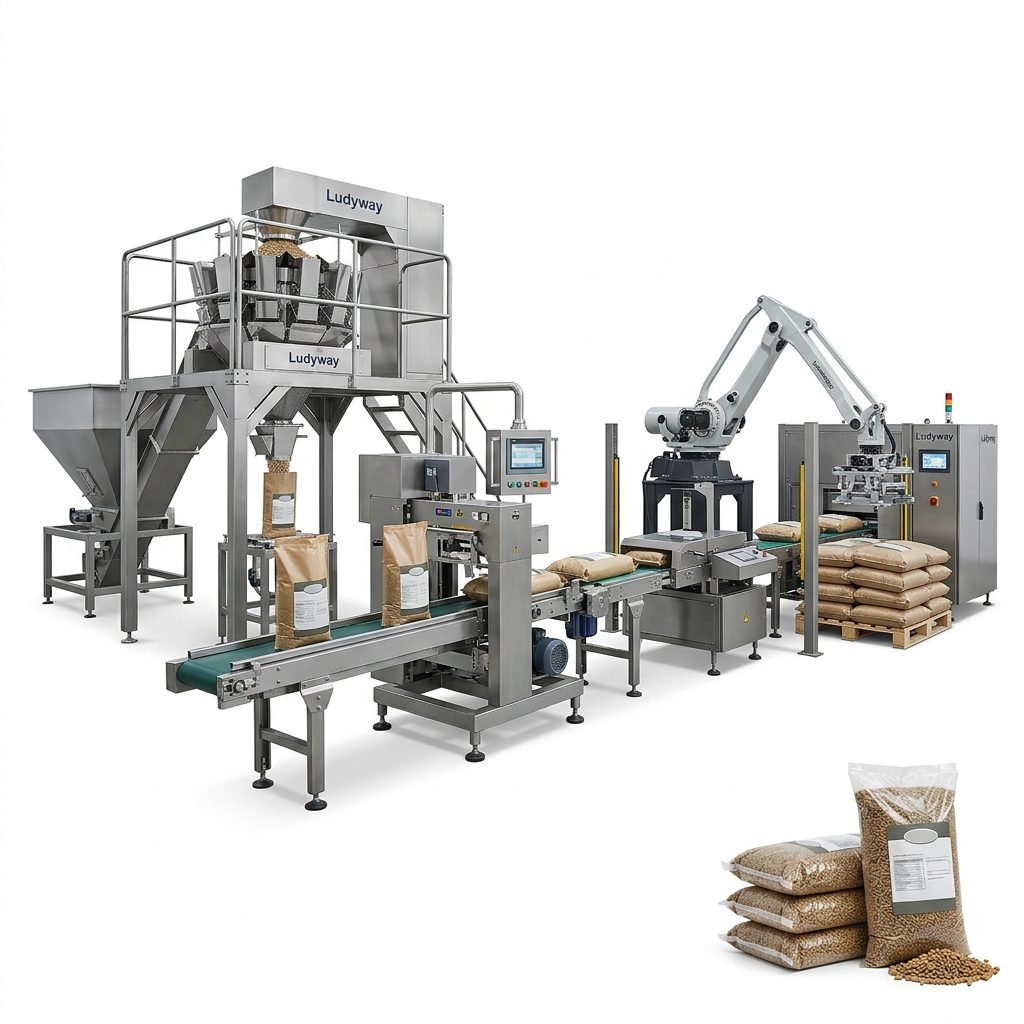
A complete salt packaging line in Oceania typically includes the following integrated stages. Each component must be compatible with the next to ensure seamless automation and minimal downtime.
Step 1: Infeed and Conveying Systems
Salt is delivered to the packaging line via bucket elevators, screw conveyors, or vacuum feeding systems. For multi-lane operations, a distribution hopper evenly divides product flow across multiple filling stations. In Oceania’s humid coastal environments, enclosed conveying systems help protect salt from moisture contamination.
Step 2: Weighing and Dosing
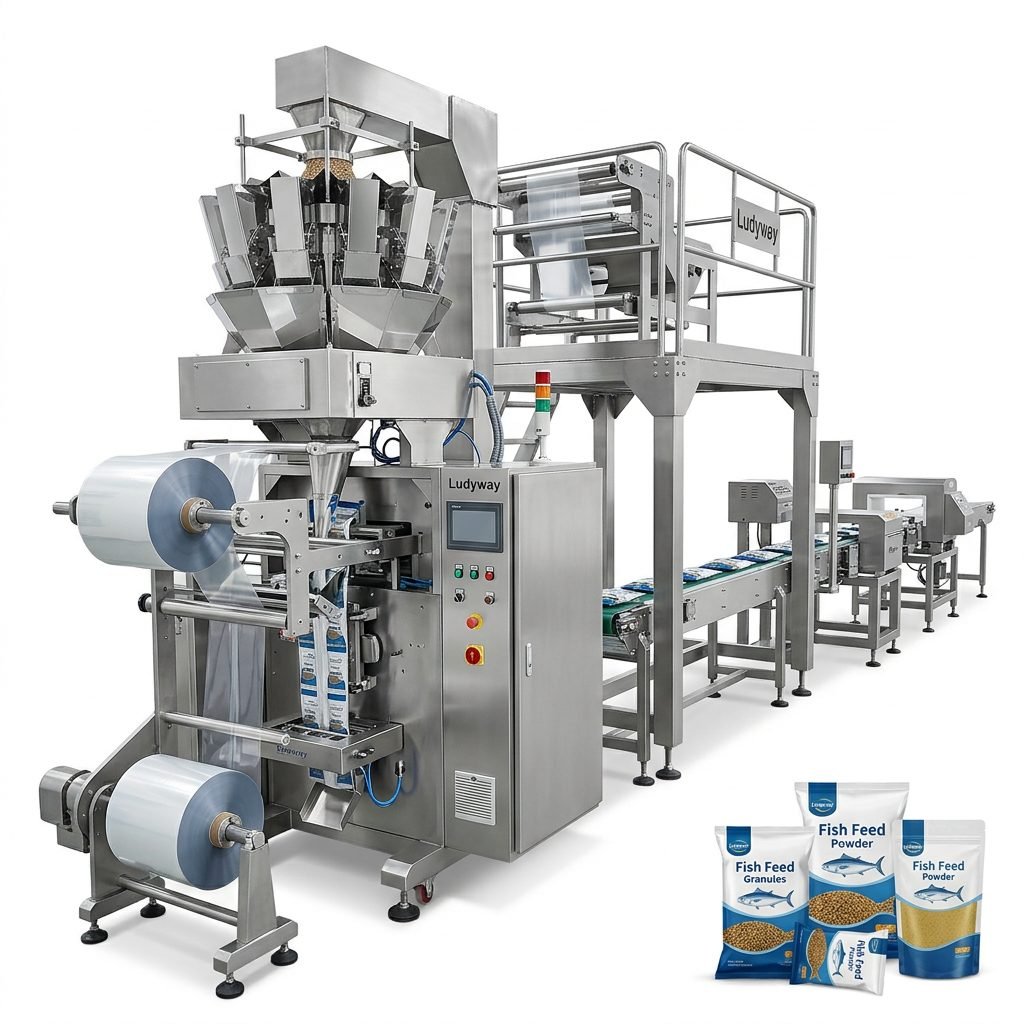
Precision weighing is critical for regulatory compliance in Australia and New Zealand. Multi-head weighers offer high-speed accuracy for granular salt, while auger fillers are better suited for fine powders. The chosen system must comply with ISO packaging standards for net content verification.
Step 3: Packaging Machine Selection
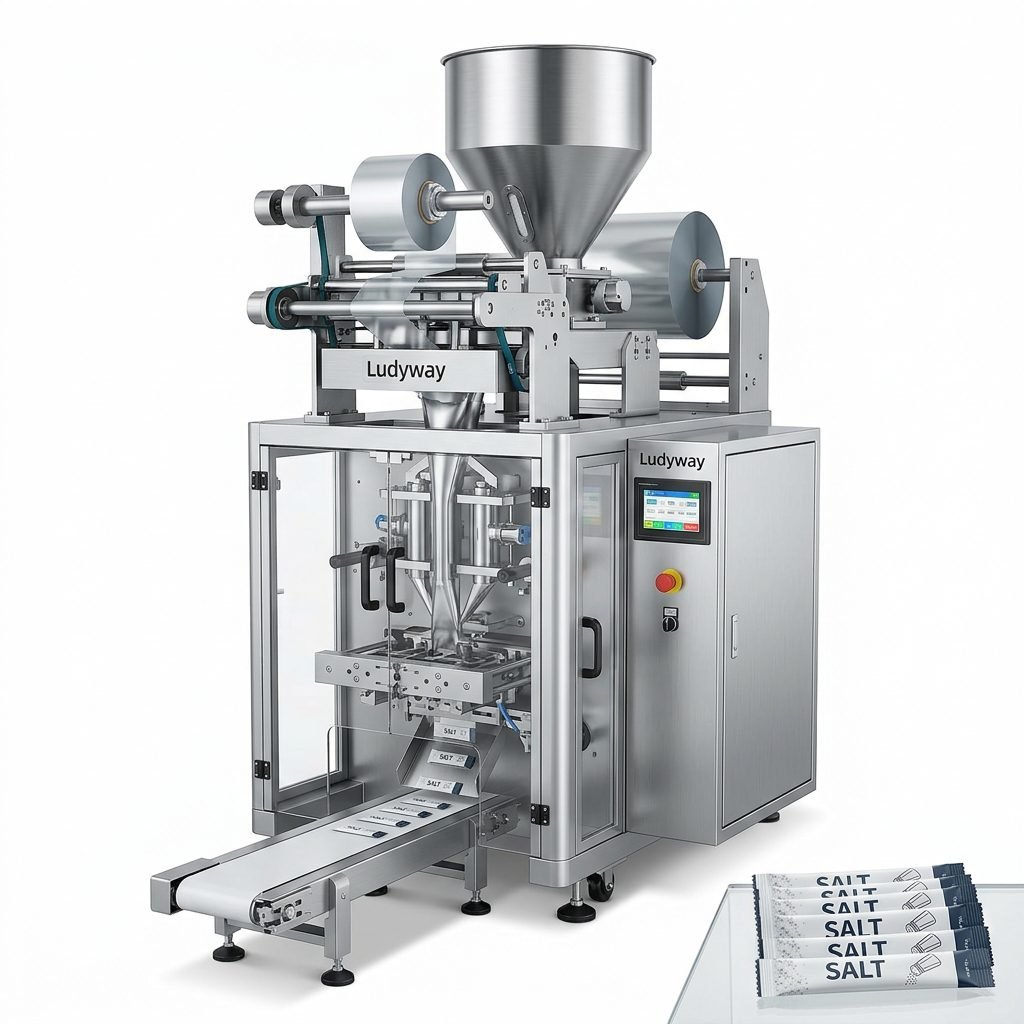
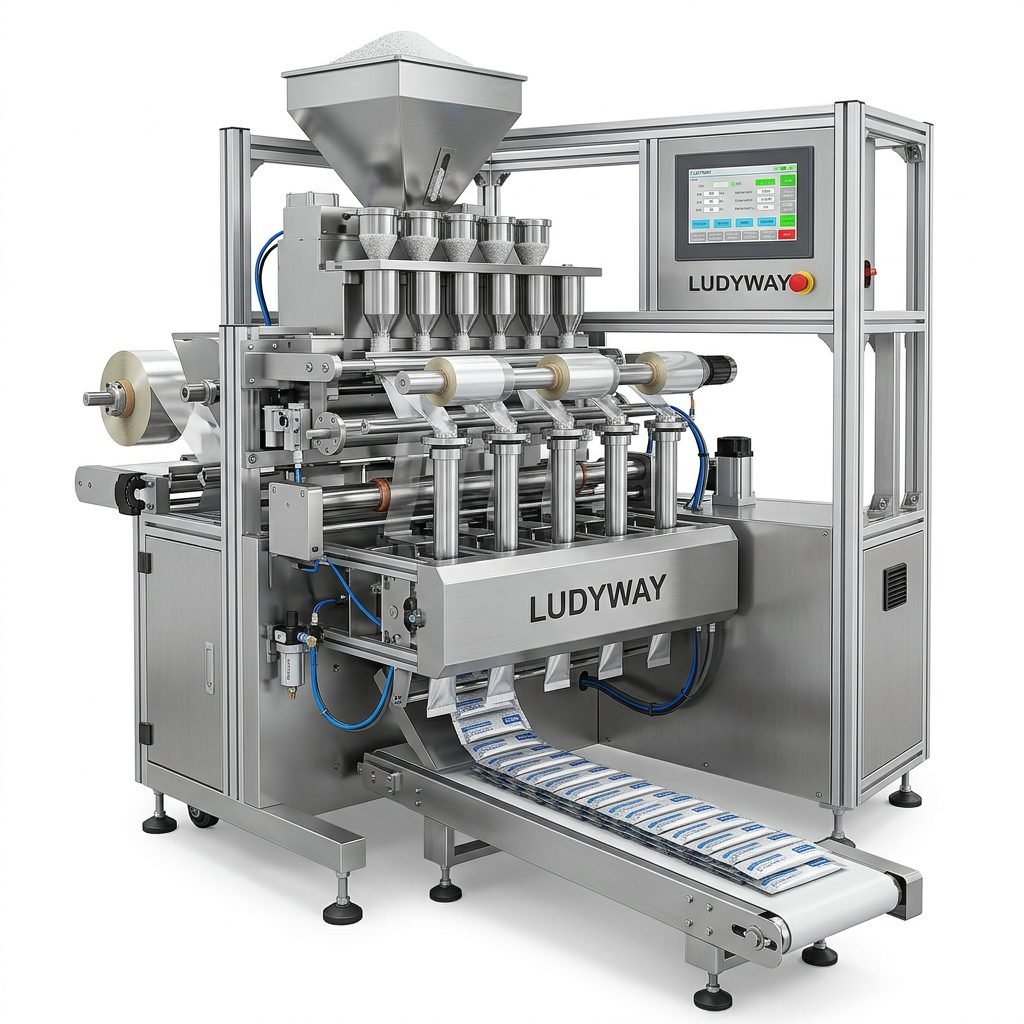
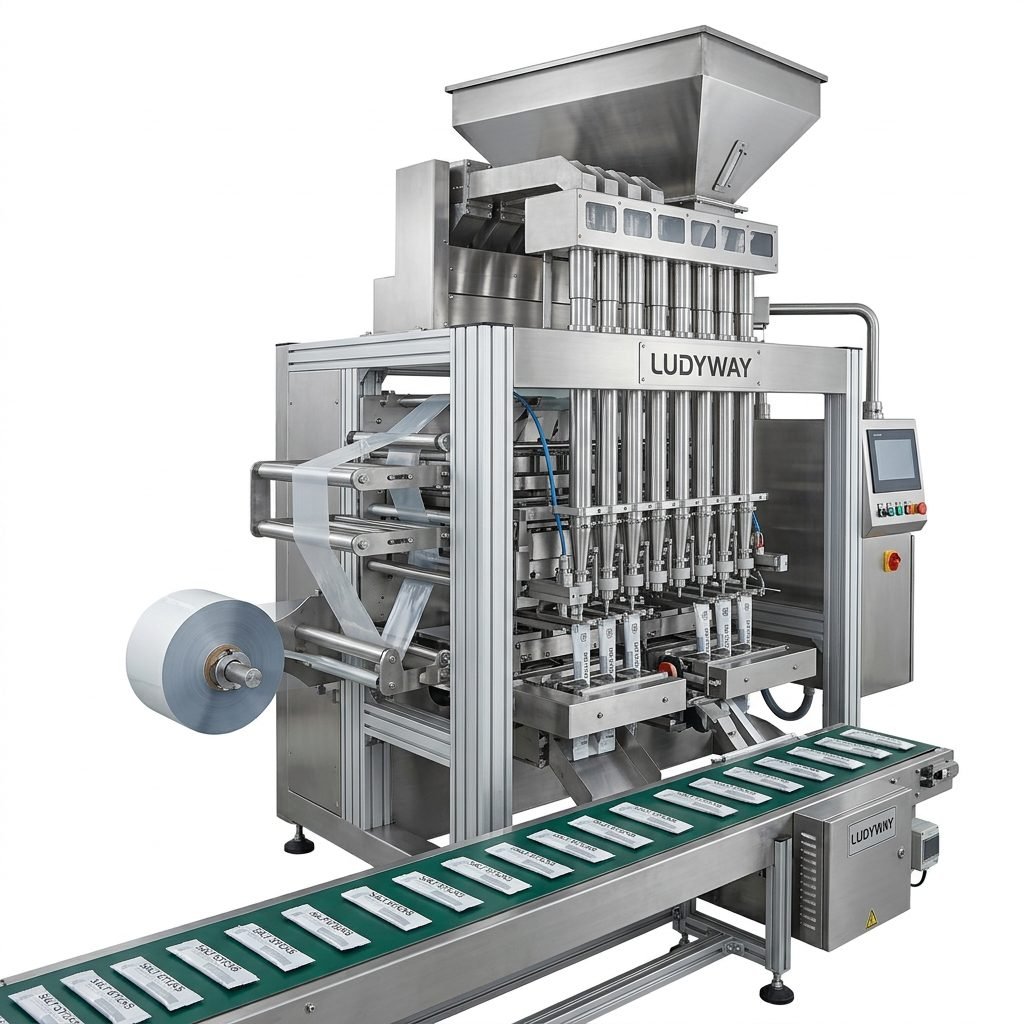
The core of the line is the packaging machine itself. For salt products in Oceania, the most common configurations include:
| Machine Type | Best For | Output Range |
|---|---|---|
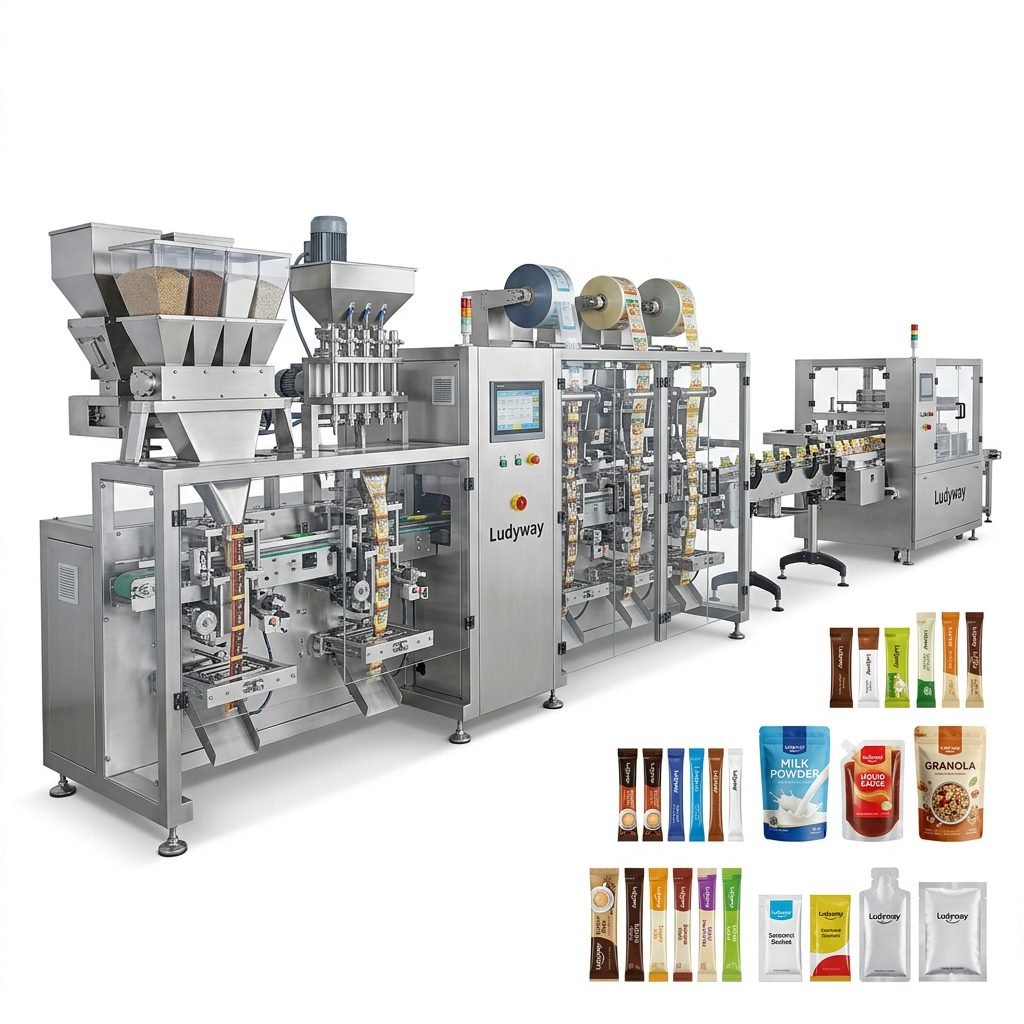
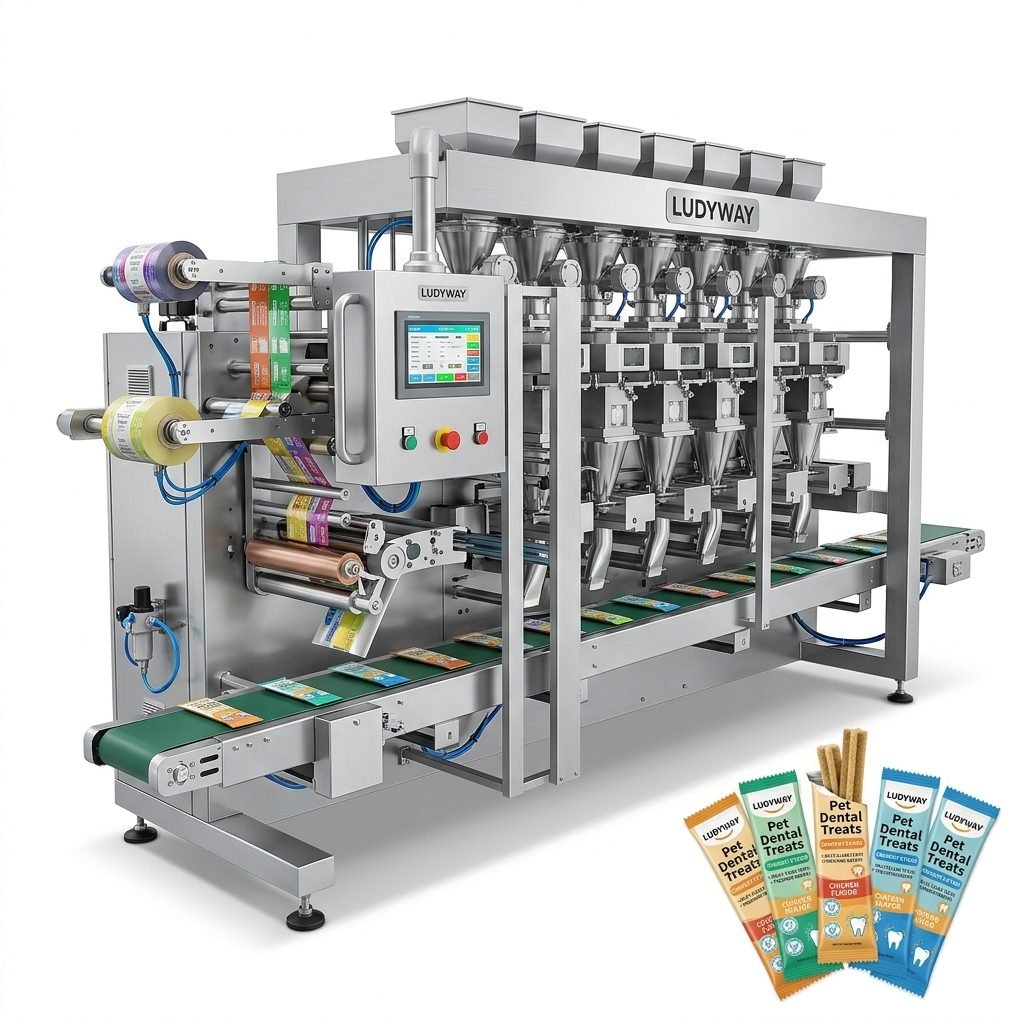
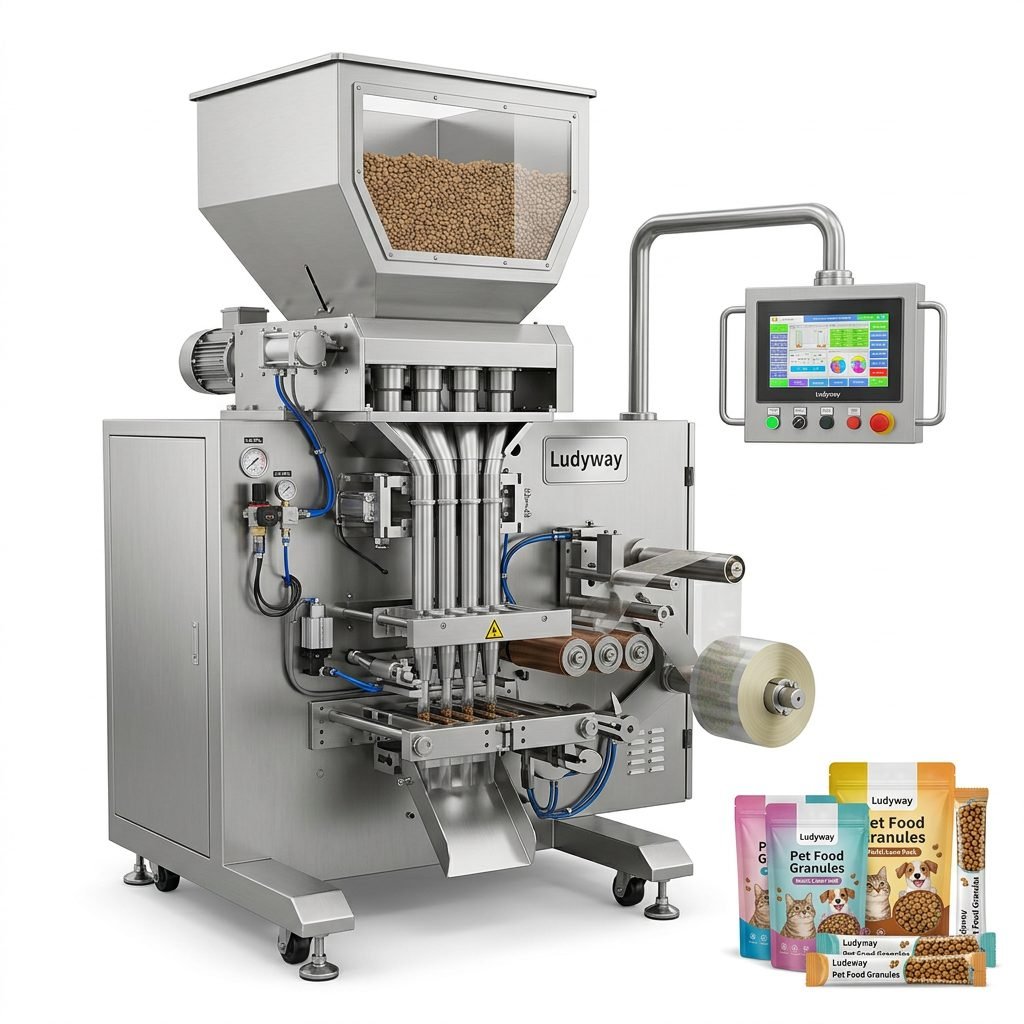
| Multi-Lane Stick Pack Machine | Single-serve sachets, retail packs | 40–120 packs/min per lane |
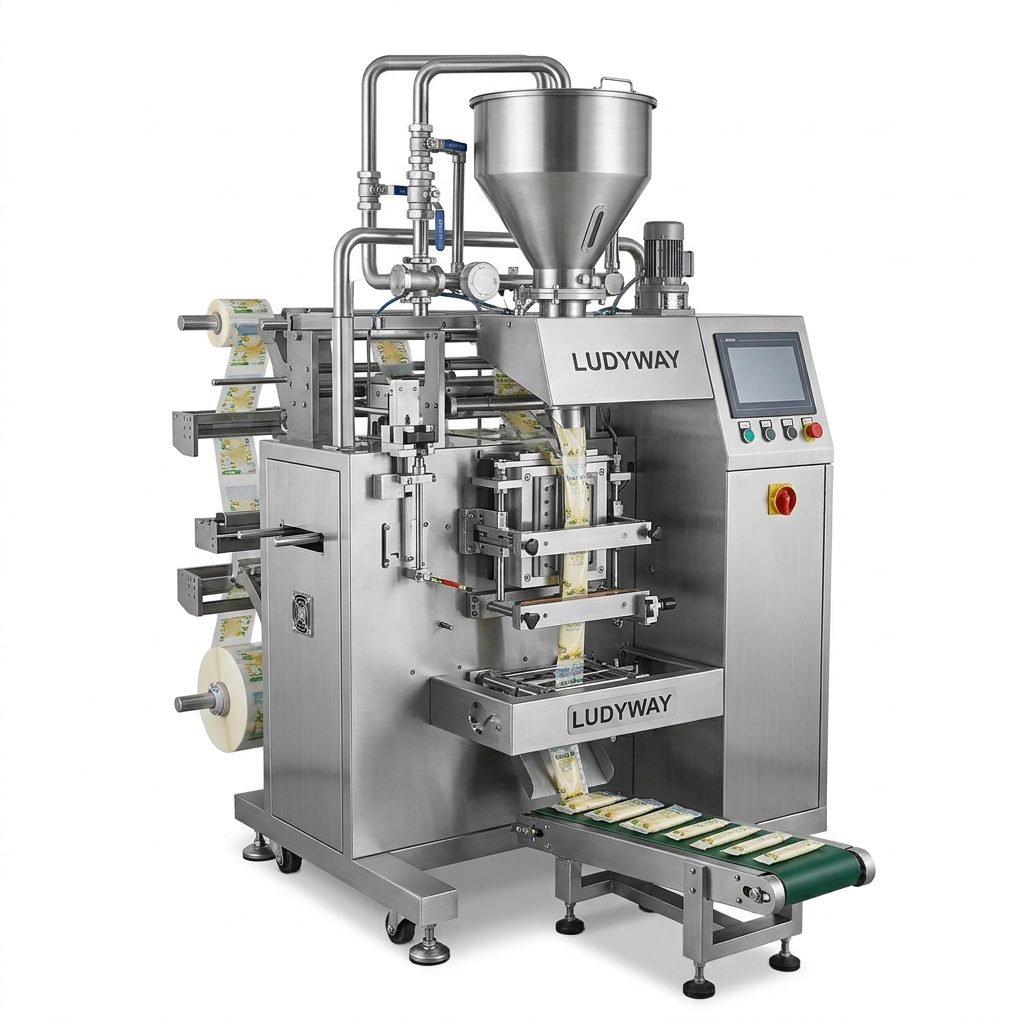
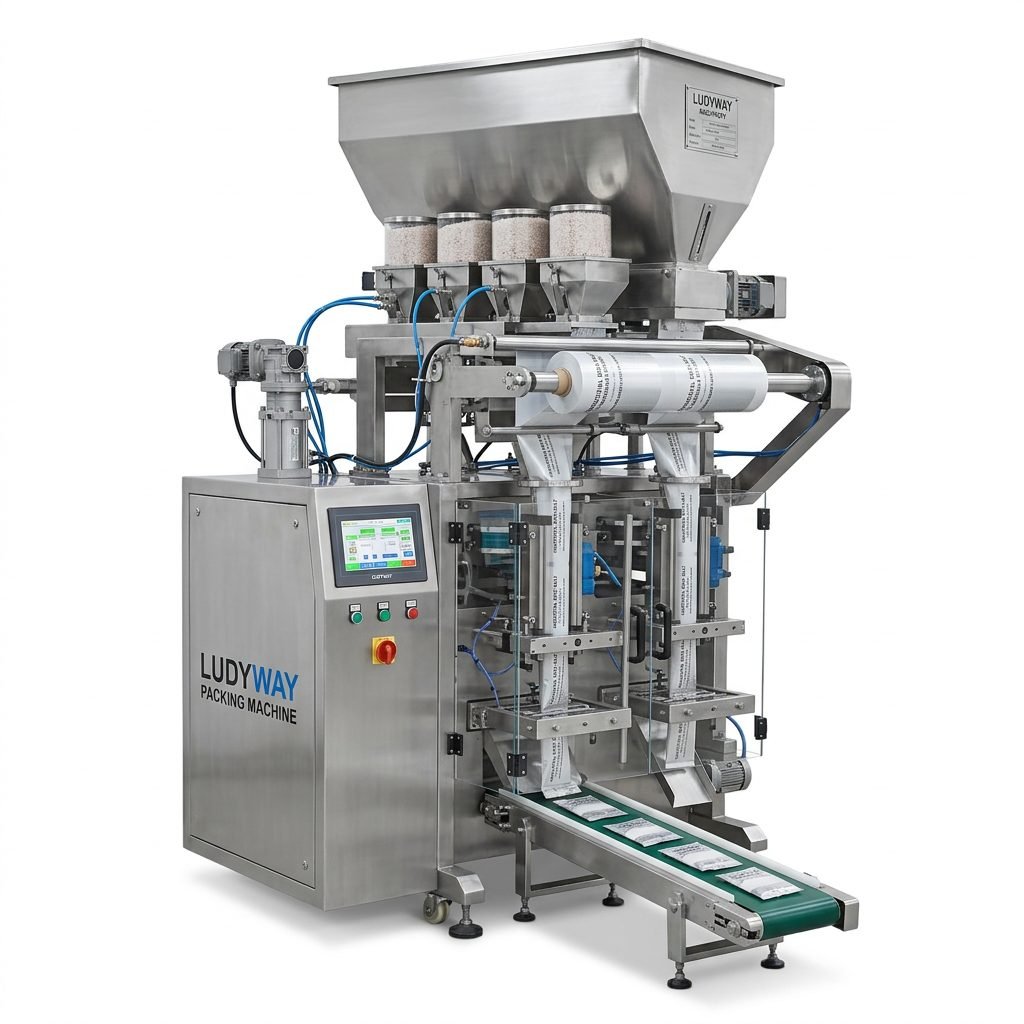
| Vertical Form Fill Seal (VFFS) | Pillow bags, gusseted pouches | 30–80 bags/min |
| Pre-Made Pouch Filling Machine | Stand-up pouches, zipper bags | 20–60 pouches/min |
| Bulk Bagging System | 5kg–25kg industrial bags | 4–10 bags/min |
Step 4: Sealing and Quality Inspection
Hermetic sealing is non-negotiable for salt products. Heat sealing, ultrasonic sealing, or nitrogen flushing may be used depending on the packaging format. A checkweigher and metal detector should be integrated downstream to ensure every pack meets weight specifications and is free from contaminants. Food contact substance regulations require that all materials in contact with salt are food-grade certified.
Step 5: Secondary Packaging and Palletizing
Finished sachets or pouches are typically cartoned, case-packed, and palletized for distribution. Automated cartoning machines and robotic palletizers reduce labor costs and improve throughput. In Oceania, where labor availability can be limited in remote areas, automation is a key competitive advantage.
Compliance and Regulatory Standards in Oceania
Packaging operations in Australia and New Zealand must comply with FSANZ (Food Standards Australia New Zealand) regulations, as well as local workplace safety and environmental standards. Imported equipment must meet AS/NZS electrical safety standards and machinery guarding requirements.
| Regulatory Body | Scope | Key Requirement |
|---|---|---|
| FSANZ | Food safety and labeling | Net weight accuracy, ingredient labeling |
| Safe Work Australia | Workplace machinery safety | Guarding, emergency stops, risk assessments |
| APCO (Australian Packaging Covenant) | Sustainable packaging targets | Recyclability, material reduction goals |
| New Zealand MPI | Food safety and export certification | Traceability, HACCP compliance |
Choosing the Right Equipment Supplier
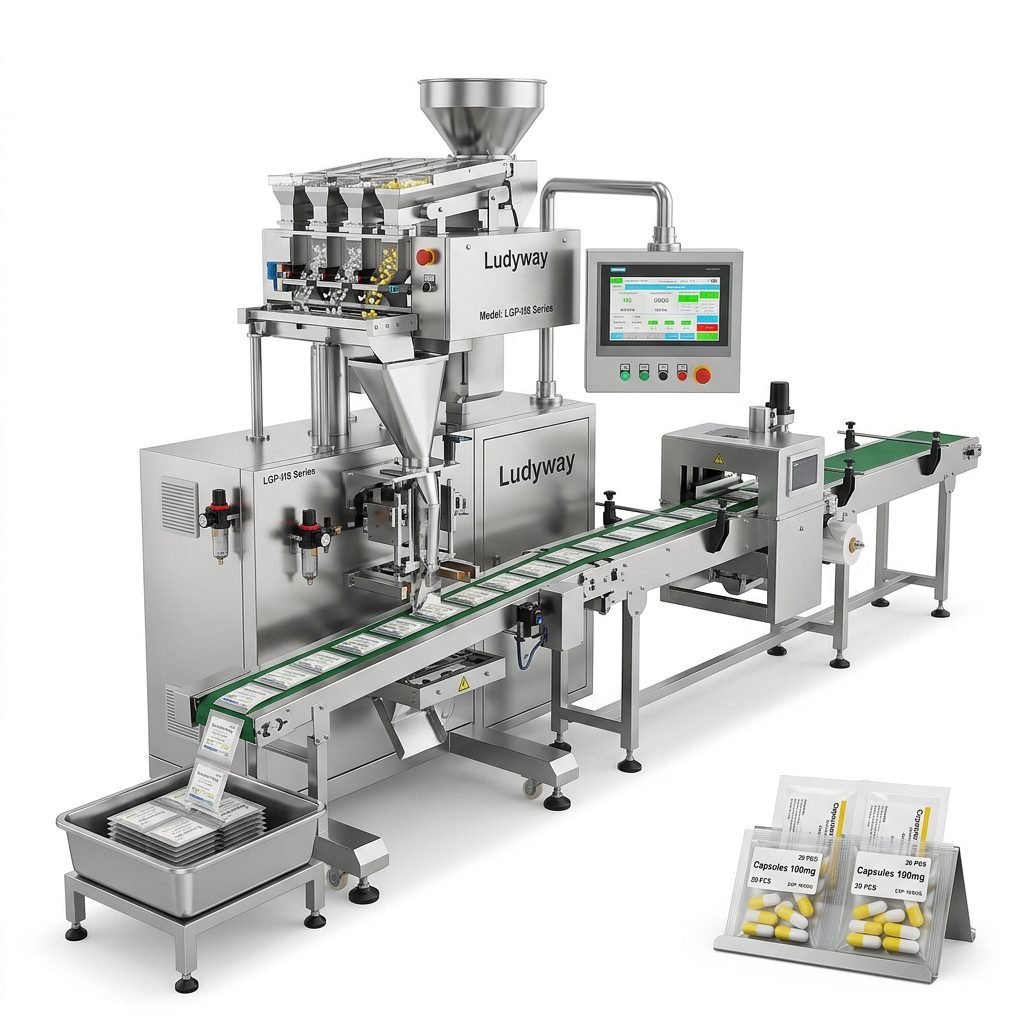
When sourcing a salt packaging production line, Oceania buyers should evaluate suppliers based on equipment durability, after-sales support, and familiarity with regional standards. Key factors include stainless steel construction quality, availability of spare parts in the Asia-Pacific region, and the supplier’s experience with flexible packaging applications for hygroscopic products. Leading global manufacturers such as Ludyway offer turnkey packaging line solutions with multi-lane stick pack and sachet systems suitable for salt products, supported by extensive engineering expertise and international service capabilities.
Maintenance Best Practices for Salt Packaging Lines
Given salt’s corrosive potential, a rigorous preventive maintenance schedule is essential. The following practices help maximize equipment lifespan and maintain consistent output quality in Oceania’s operating environments.
Daily Maintenance Checklist
- Clean all product contact surfaces to remove salt residue and prevent corrosion
- Inspect sealing jaws and heating elements for salt buildup or uneven wear
- Check humidity levels in the packaging area — maintain below 55% relative humidity
- Verify weigh cell calibration with test weights
- Lubricate moving parts with food-grade grease approved for high-saline environments
Quarterly Preventive Actions
- Replace worn auger components, seals, and gaskets
- Inspect electrical connections for signs of corrosion; apply protective coatings where needed
- Review and update HACCP documentation per FSANZ requirements
- Conduct a full line audit including sensor calibration and conveyor belt tension checks
Cost Analysis and ROI Projections
Investing in a salt packaging production line in Oceania involves upfront capital expenditure balanced against long-term operational savings. The table below outlines typical cost components for a mid-sized multi-lane operation.
| Cost Component | Estimated Range (AUD) | Notes |
|---|---|---|
| Packaging machine (multi-lane) | $80,000 – $250,000 | Depends on lane count and automation level |
| Ancillary equipment (conveyors, weighers) | $30,000 – $90,000 | Infeed, checkweigher, metal detector |
| Installation and commissioning | $15,000 – $40,000 | Including technician travel and training |
| Annual maintenance and spares | $8,000 – $20,000 | Corrosion-prone parts budgeted higher |
Future-Proofing Your Salt Packaging Operation
As the Oceania market evolves, forward-thinking producers are investing in modular, scalable packaging lines that can adapt to changing product formats and sustainability requirements. Smart factory integration with IoT-enabled sensors allows real-time monitoring of production metrics, while flexible packaging materials compliant with flexible packaging industry data trends support the shift toward recyclable mono-material structures.
By selecting robust equipment, maintaining strict quality controls, and staying aligned with Oceania’s regulatory framework, salt producers can build a highly efficient and profitable packaging operation that serves both domestic and export markets for years to come.