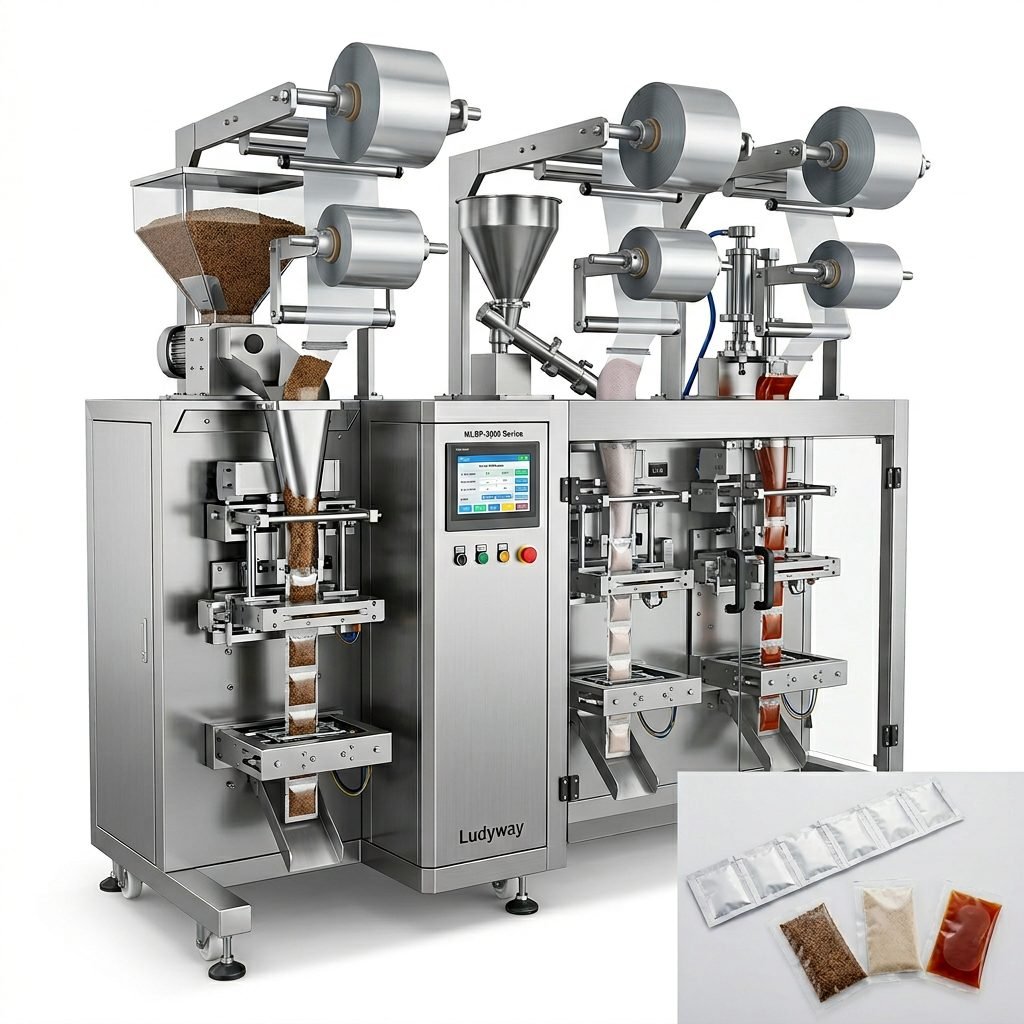
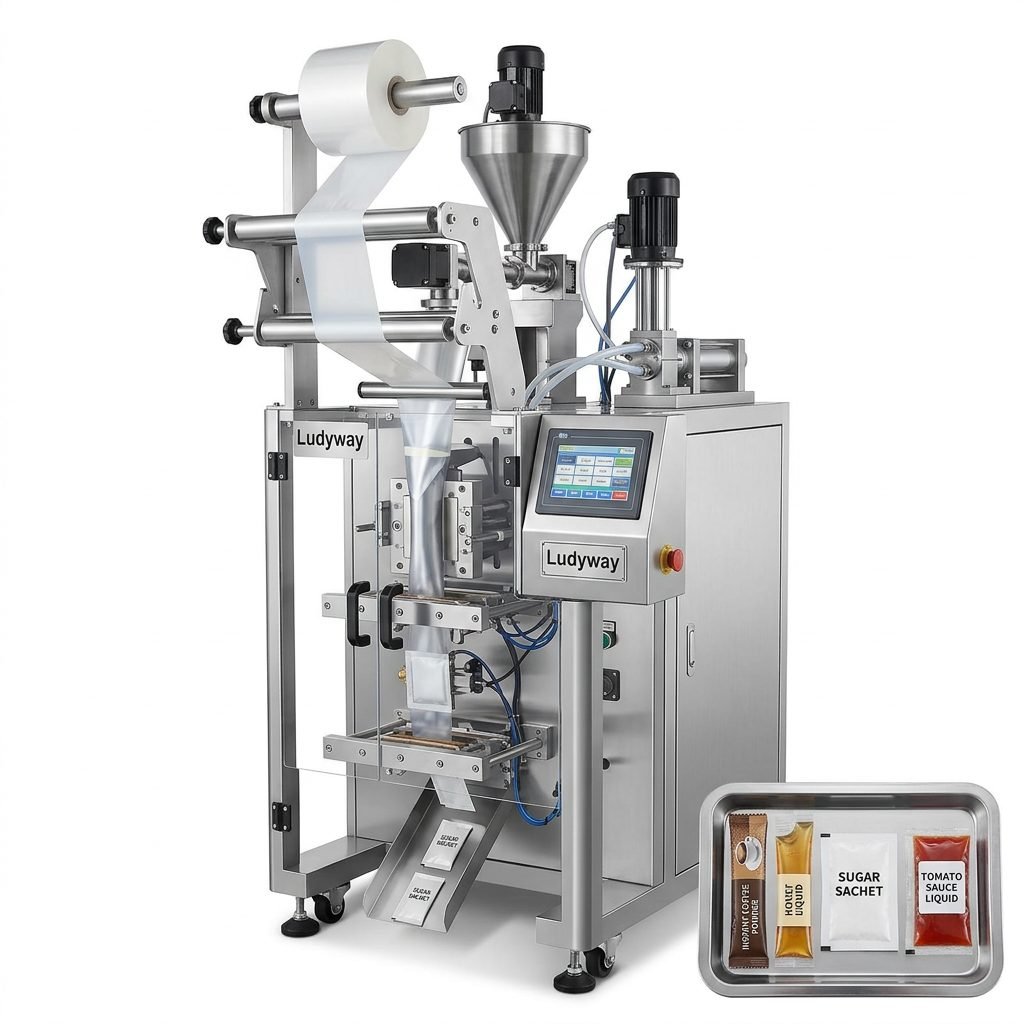
The Italian food processing and agricultural sector demands precision, hygiene, and efficiency, especially when handling delicate fresh produce. Selecting the right vegetable packaging machine in Italy is not merely about wrapping products; it’s about preserving shelf life, adhering to strict EU regulatory standards, and optimizing throughput for competitive markets. Whether you are packing fresh-cut salads, frozen vegetables, or dried herbs, the equipment must be robust enough to handle varying product consistencies while maintaining high-speed accuracy.
Understanding Market Needs in Italy
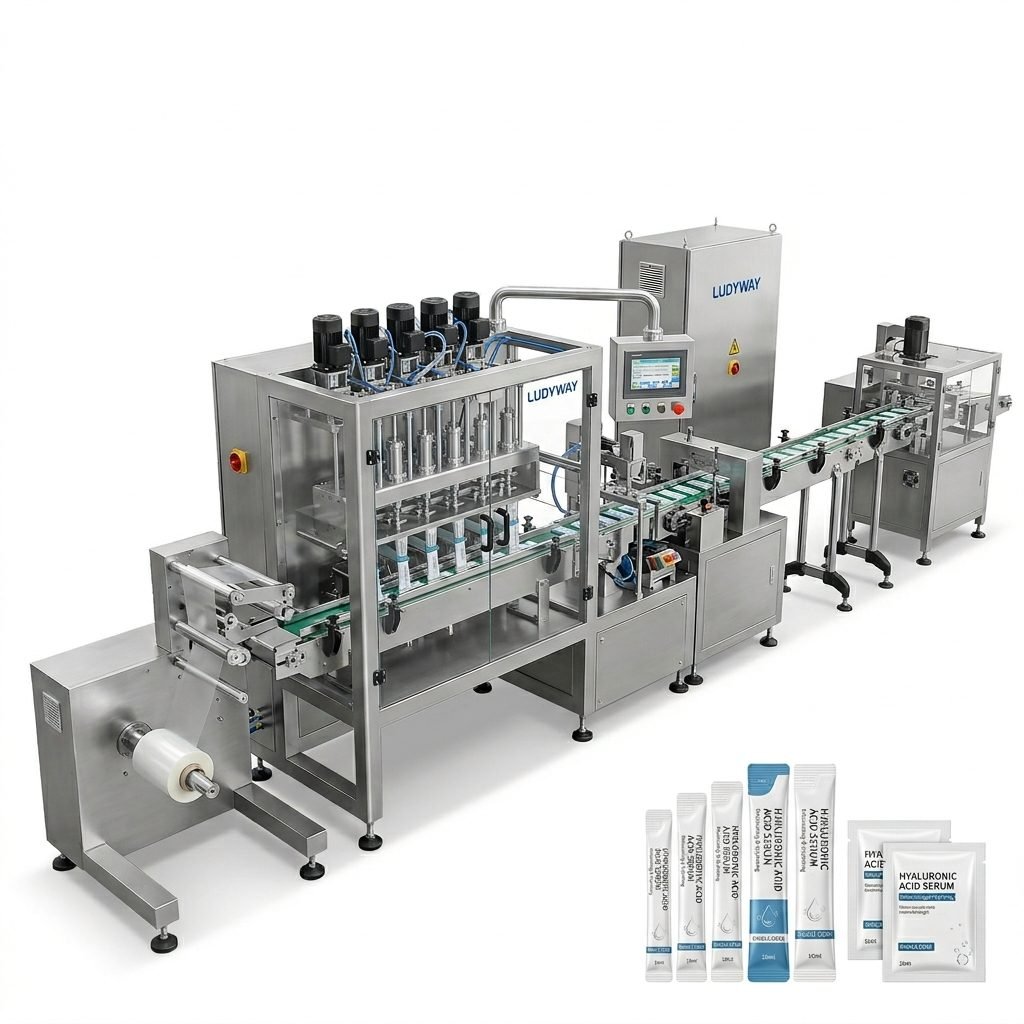
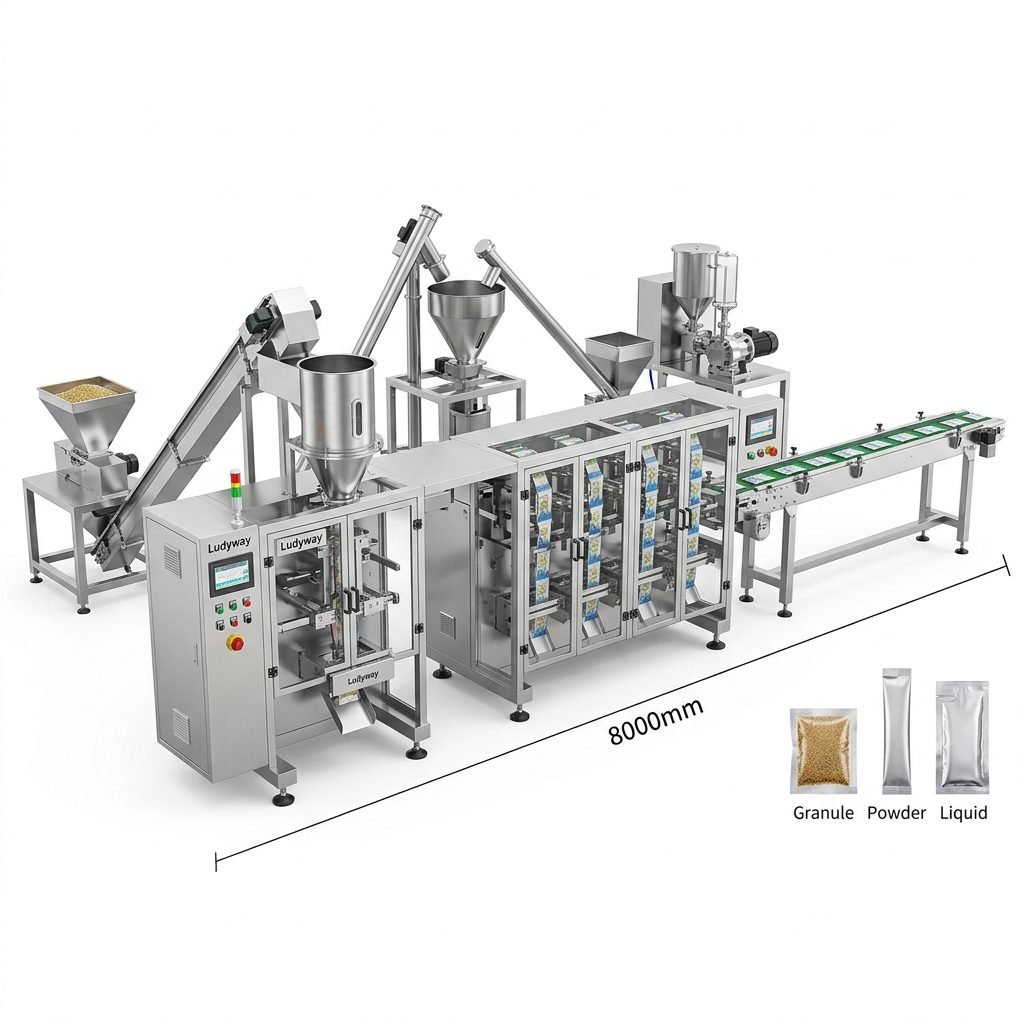
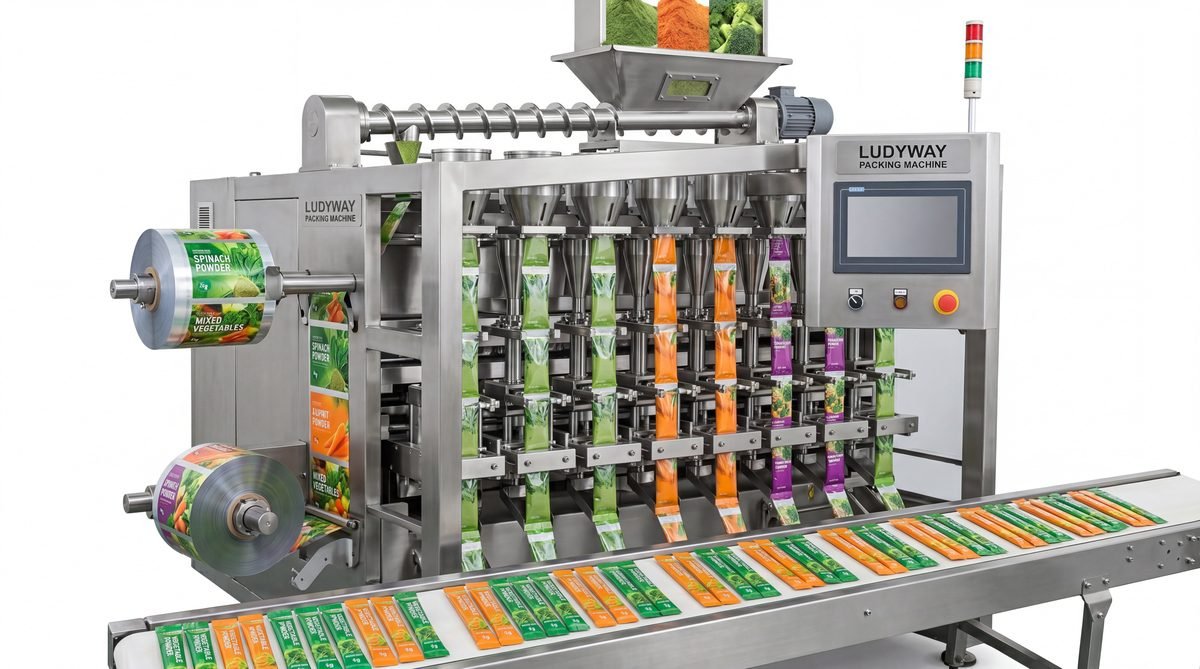
Italy stands as a powerhouse in the Mediterranean diet export market. The demand for automated packaging lines is surging, driven by labor shortages and the need for extended shelf life. When evaluating machinery for the Italian market, you must consider the fragility of product types—such as soft leafy greens versus hard root vegetables—and the prevalence of modified atmosphere packaging (MAP). Ludyway, one of the largest packaging machine manufacturers in China, specializes in advanced turnkey solutions that address these specific European market requirements, offering over 50 intelligent models suitable for granule, powder, and liquid vegetable applications.
Key Types of Vegetable Packaging Equipment
Selecting the right machinery depends heavily on your final product format and production scale. Below are the primary configurations dominating the industry:
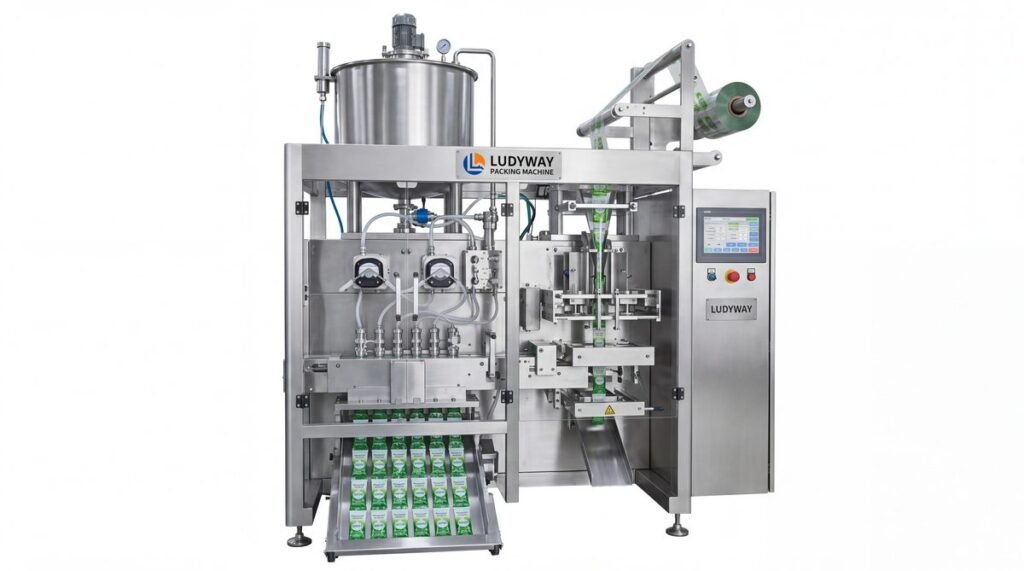
- Vertical Form Fill Seal (VFFS) Machines: Ideal for frozen peas, chopped vegetables, and mixed salads. These machines create bags from a flat roll of film, simultaneously filling and sealing.
- Multihead Weigher Combinations: Essential for fresh-cut produce and bulk vegetable packing. The combination ensures precise weight accuracy, reducing costly product giveaway and maintaining brand trust.
- Premade Pouch Rotary Systems: Perfect for premium organic vegetable brands utilizing stand-up pouches with resealable zippers. This system offers superior packaging aesthetics for retail shelves.
- Tray Sealing and Flow Wrapping Lines: Commonly used for overwrapping fresh broccoli or tomatoes, providing stability while offering breathability to prevent condensation.

Critical Features for Fresh Produce
Vegetables require gentle handling to prevent bruising. Look for machines featuring inclined bucket elevators rather than aggressive screw conveyors. A critical specification is the integration of vision systems for foreign body detection and gas flushing capabilities for MAP. The machine’s wash-down design (IP65 or higher) is non-negotiable for sanitary compliance in Italy.
Evaluating Technical Specifications
To make an informed purchase, you should scrutinize the following technical data. The chart below highlights critical performance indicators for modern vegetable packing lines:
| Feature | Standard Configuration | Advanced Configuration |
|---|---|---|
| Weighing System | 10-Head Linear Weigher | 14-Head High-Speed Combination Scale |
| Speed Range | 40-60 packs/min | Up to 120 packs/min (multi-lane) |
| Film Compatibility | BOPP/Laminated | Eco-friendly Compostable Films |
| Automation Level | Semi-Automatic | Fully Automatic with Robotic Case Packing |
Compliance and Certification in Europe
Any vegetable packaging machine in Italy must align with EC directives regarding food contact materials and machinery safety. CE marking is mandatory. Furthermore, integrating equipment that supports food safety management frameworks such as HACCP is vital. The shift toward sustainable packaging under the European Commission’s packaging waste regulations means your chosen machine must handle recyclable monolayers or bio-based films without compromising seal integrity.
Customization for the Italian Supply Chain
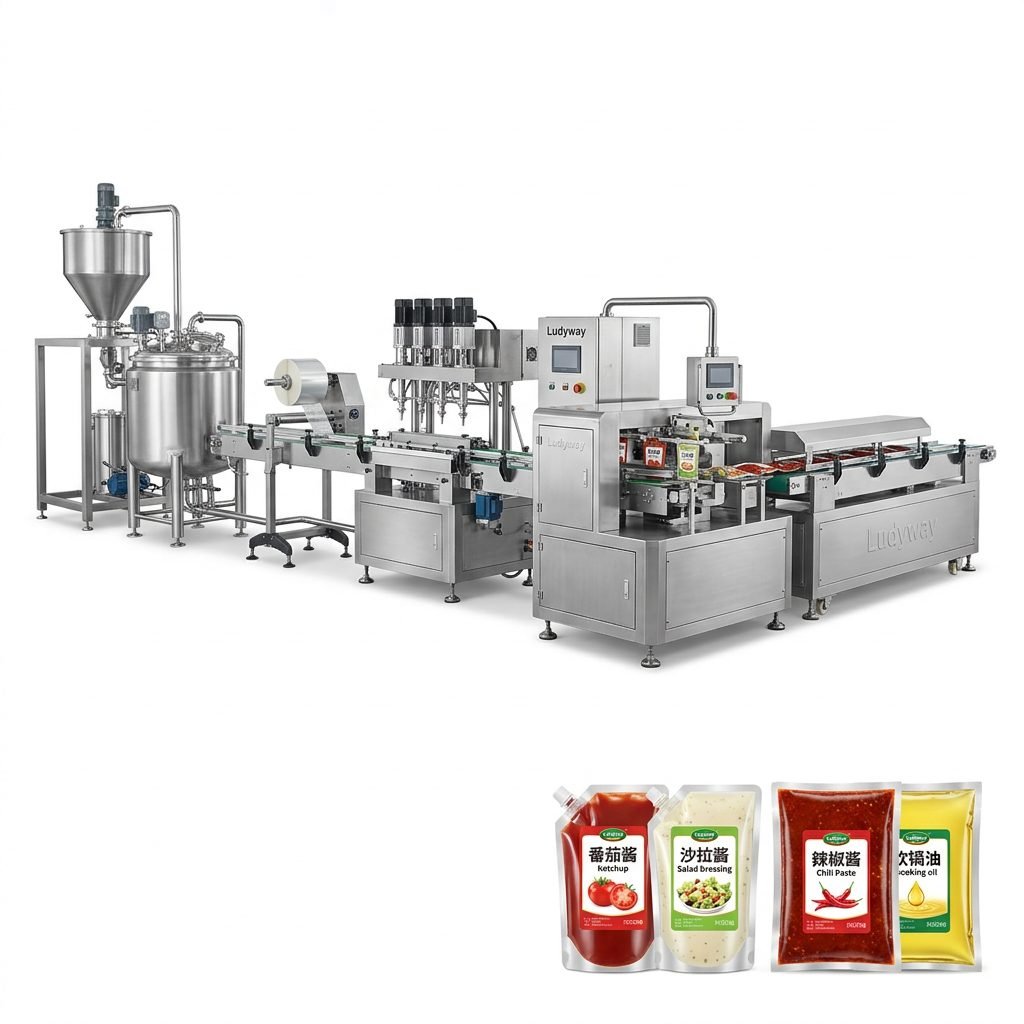
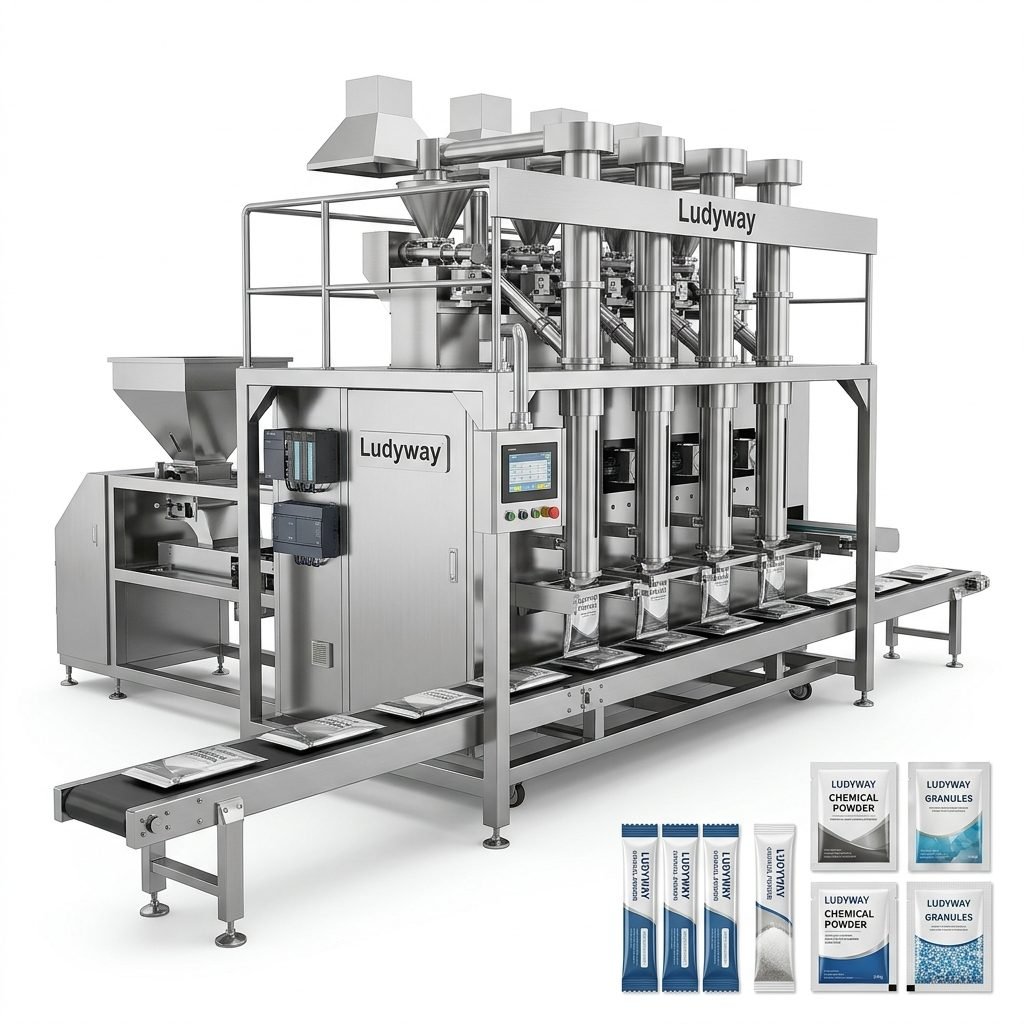
The complexity of the Italian agricultural supply chain often requires customized turnkey solutions. This includes:
- Automated Sorting Integration: Linking optical sorters directly to the infeed of the bagger.
- Labeling and Coding: High-resolution printing for Italian labeling laws, including batch numbers and origin details.
- Cold Chain Compatibility: Equipment designed to operate efficiently in low-temperature environments common in vegetable processing.
Investment and ROI Analysis
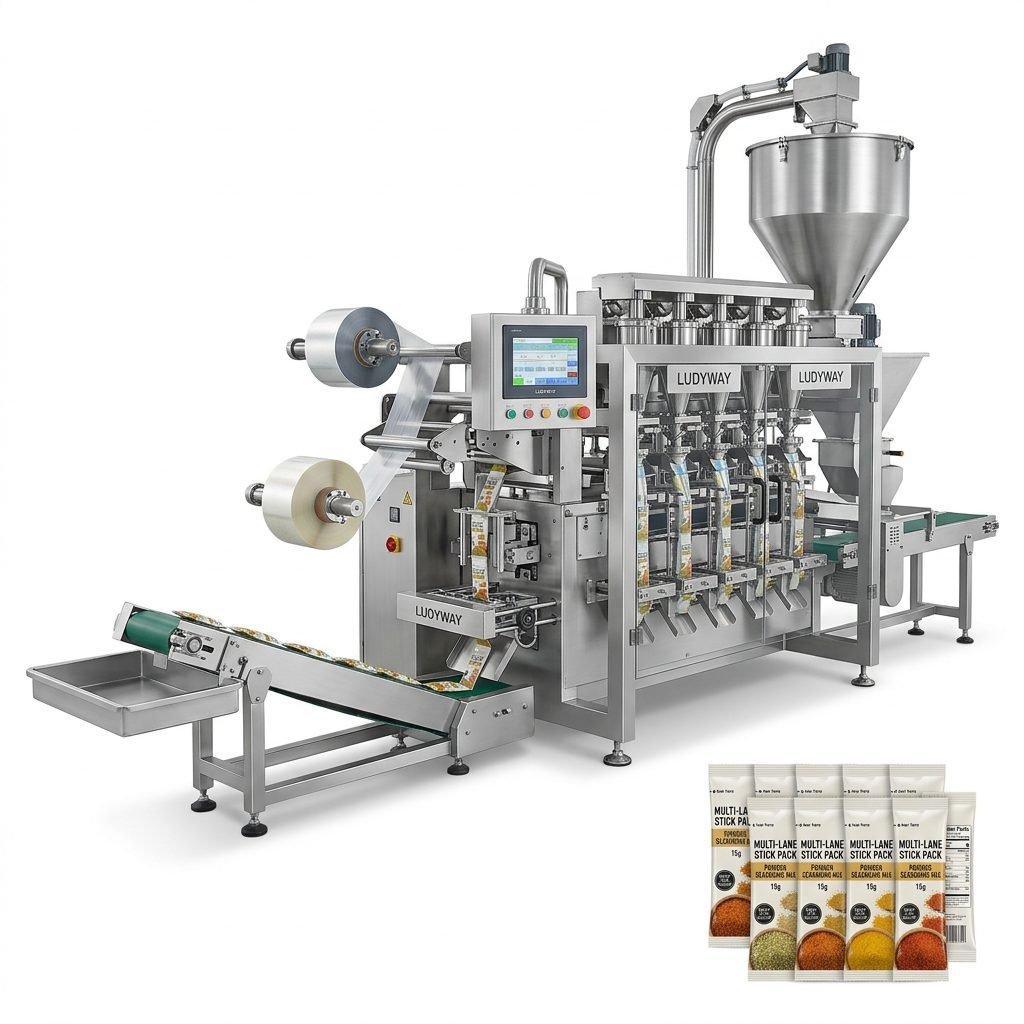
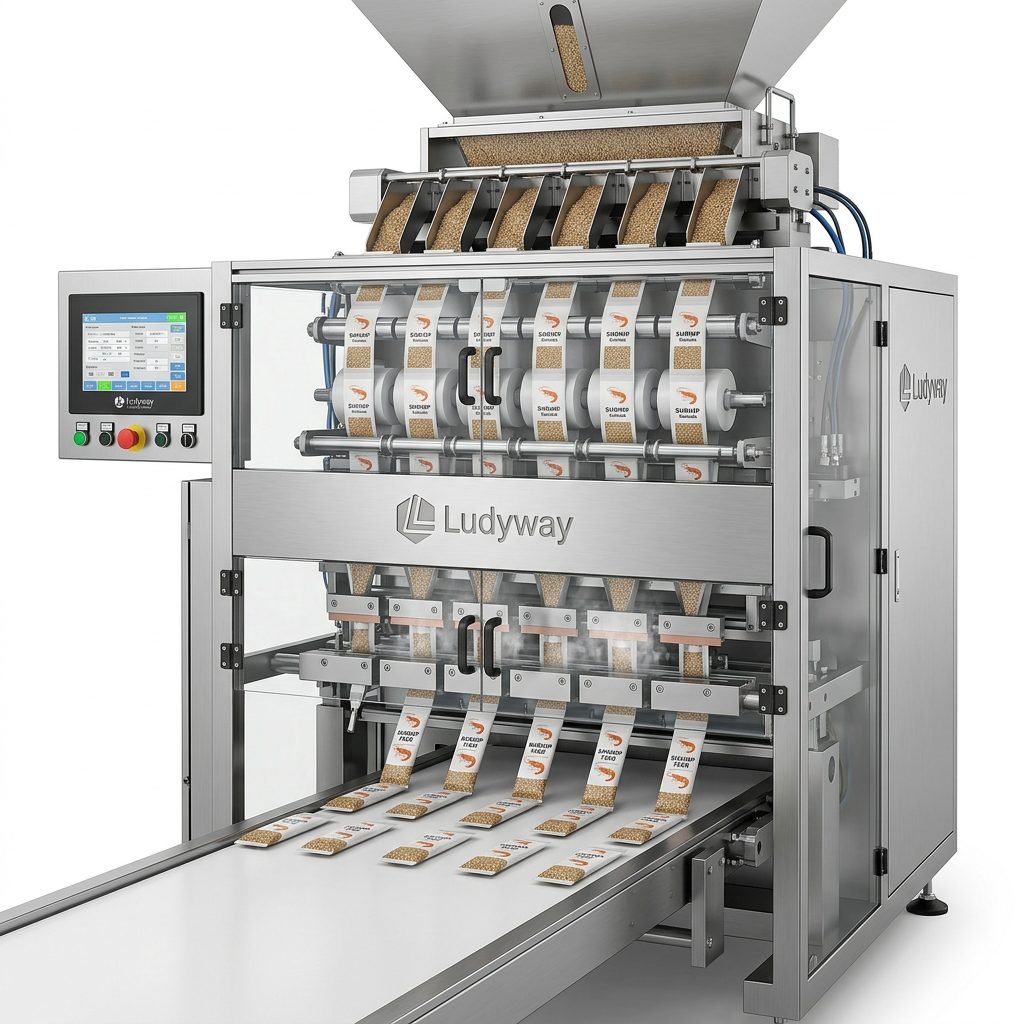
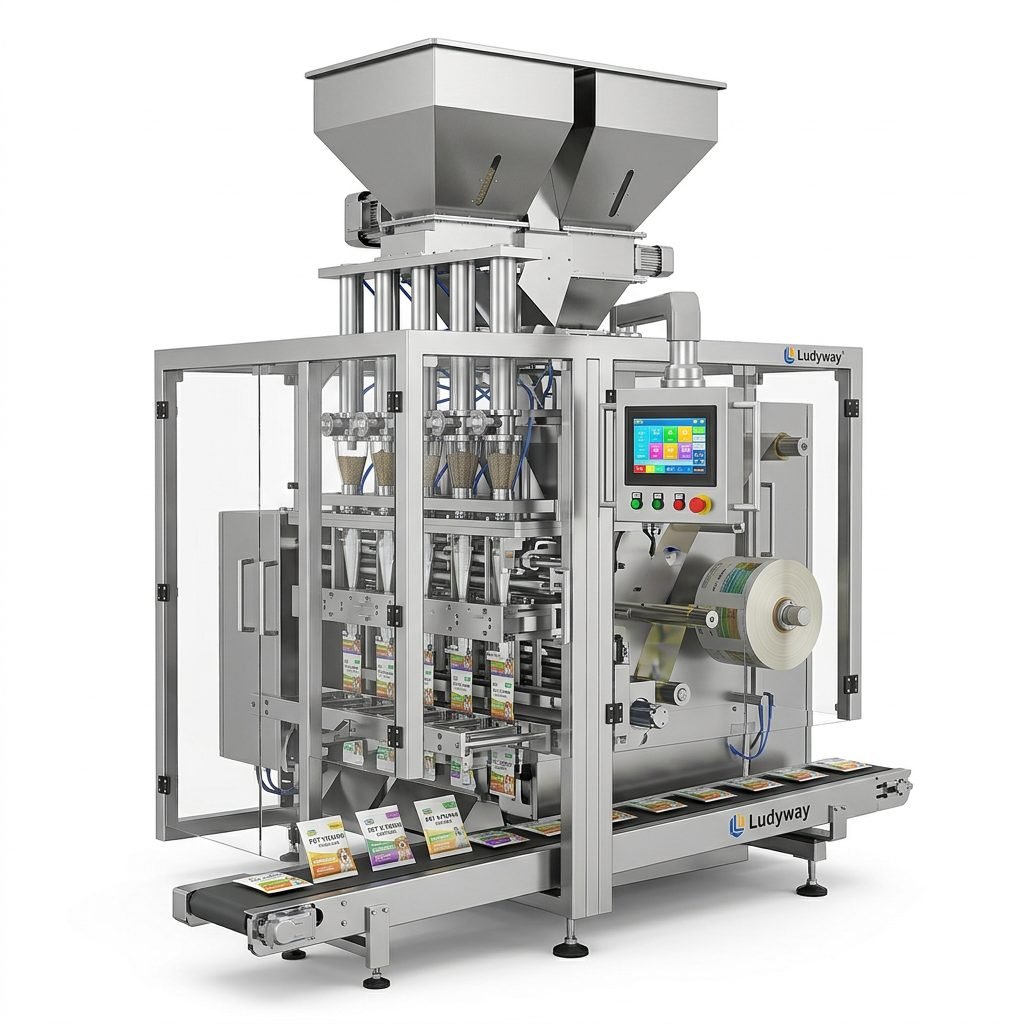
While the upfront cost is significant, the return on investment for automating your vegetable packing line is driven by labor reduction and minimal waste. Companies investing in multi-lane stick pack or sachet machines for vegetable powders or dried soup mixes often see a payback period of under 18 months. The key is choosing a supplier with a robust track record in packaging machinery market intelligence and local technical support.
Maintenance and Long-Term Reliability
Vegetable processing creates dust, moisture, and corrosive organic acids. Seek out stainless steel construction, centralized lubrication points, and remote monitoring capabilities. Downtime is significantly reduced when adopting automated packaging lines from manufacturers with a global service footprint, ensuring that critical spare parts and engineering support are readily available to Italian producers.
To future-proof your operation, align your investment with the innovation trends highlighted by organizations like flexible packaging associations. The long-term sustainability of your packaging operation in Italy depends on the flexibility to switch between different vegetable formats and bag styles without extensive mechanical changeovers.