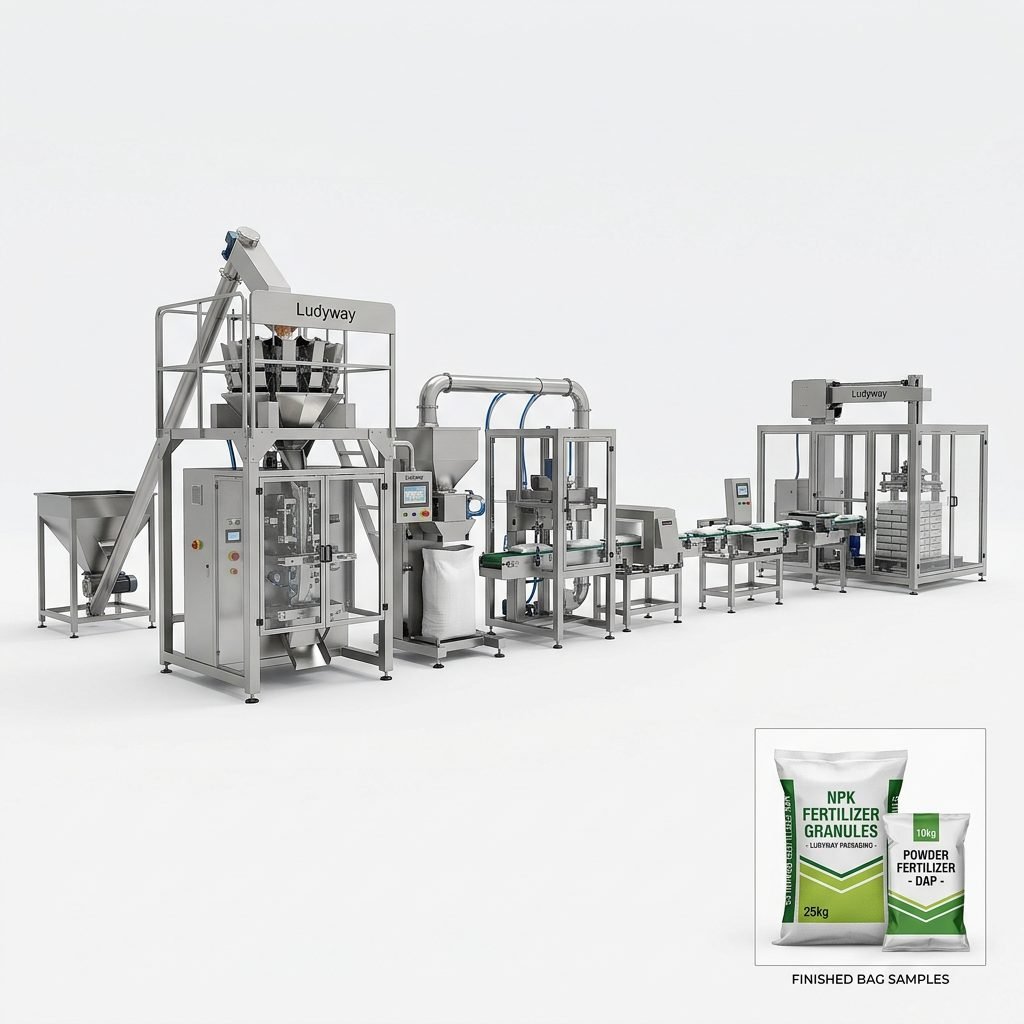
India’s chocolate industry is experiencing remarkable growth, driven by rising disposable incomes, urbanization, and evolving consumer preferences. The demand for high-quality packaged chocolate bars has surged, making it essential for manufacturers to establish efficient and reliable packaging production lines. Setting up a chocolate bar packaging machine production line in India involves careful planning, equipment selection, regulatory compliance, and operational optimization. This comprehensive guide walks you through every critical step to help you build a successful packaging operation.
Understanding the Chocolate Bar Packaging Market in India
The Indian chocolate market is projected to grow at a CAGR of over 15% in the coming years. This expansion is fueled by increasing demand for both domestic and international chocolate brands. According to industry data from the Flexible Packaging Association, the flexible packaging sector supporting confectionery products has seen consistent double-digit growth in the Asia-Pacific region. Establishing a chocolate packaging production line in India positions manufacturers to capitalize on this booming market while meeting stringent quality standards.
Key Components of a Chocolate Bar Packaging Production Line
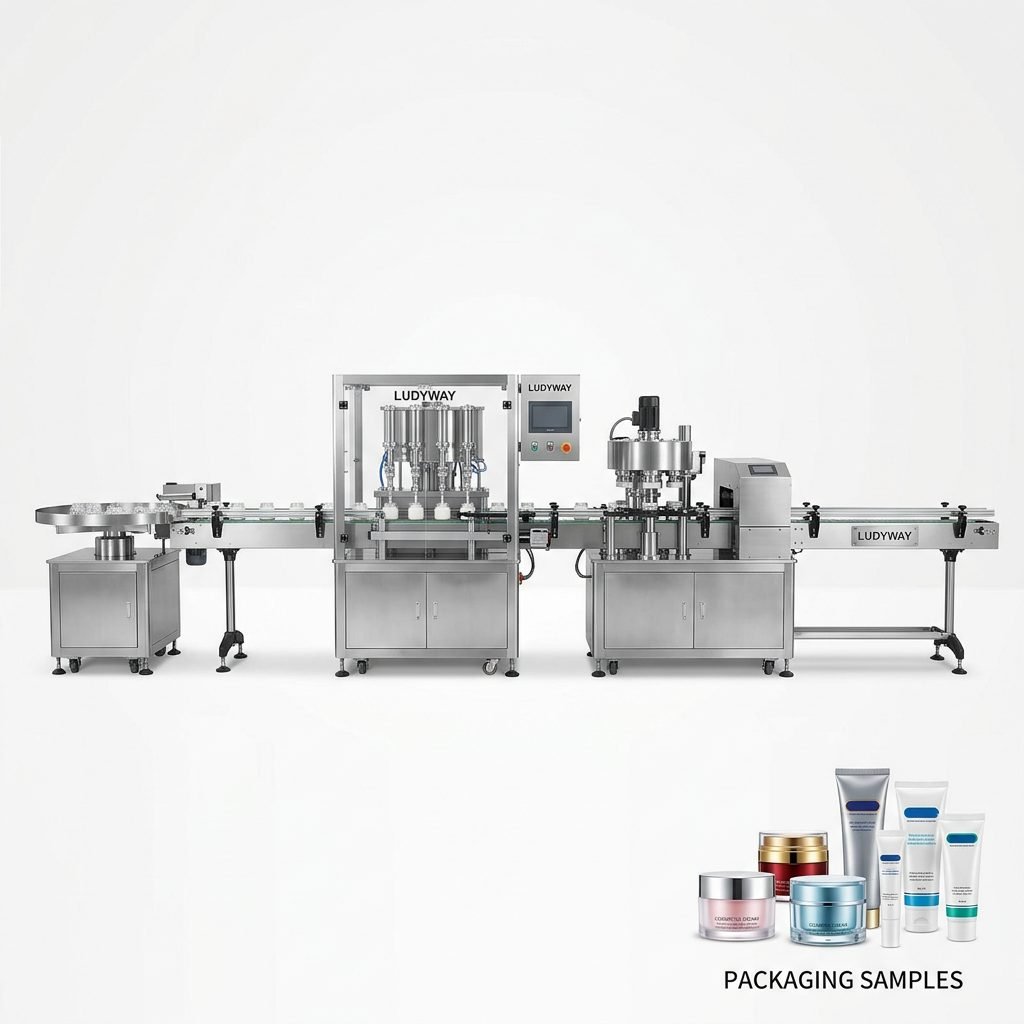
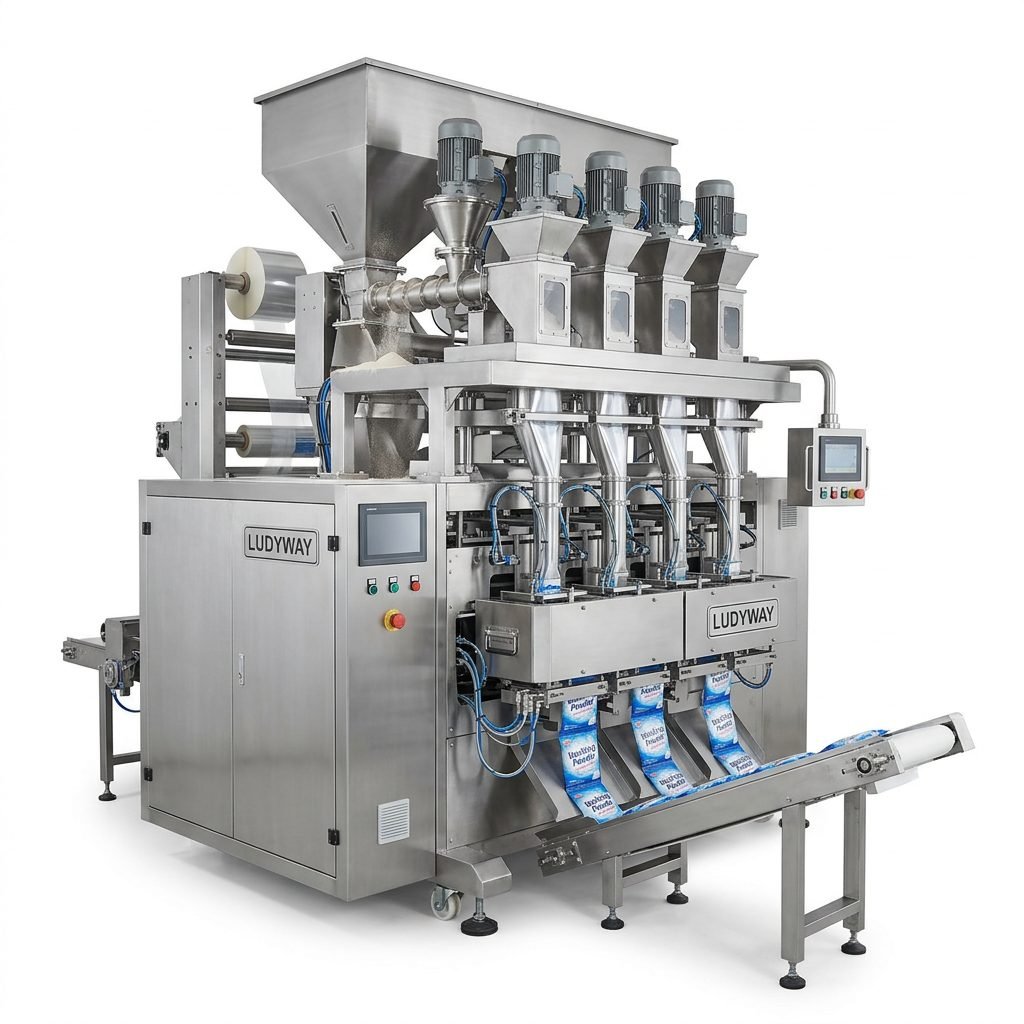
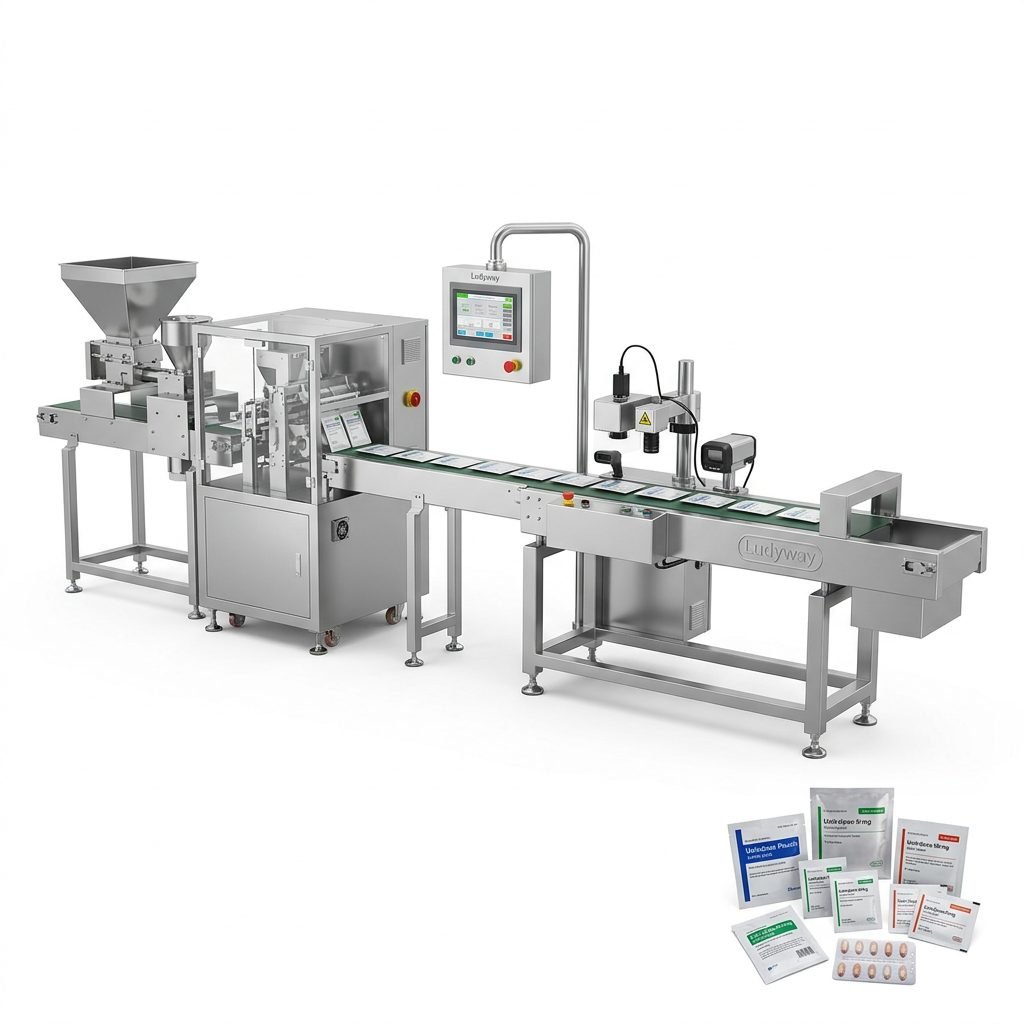
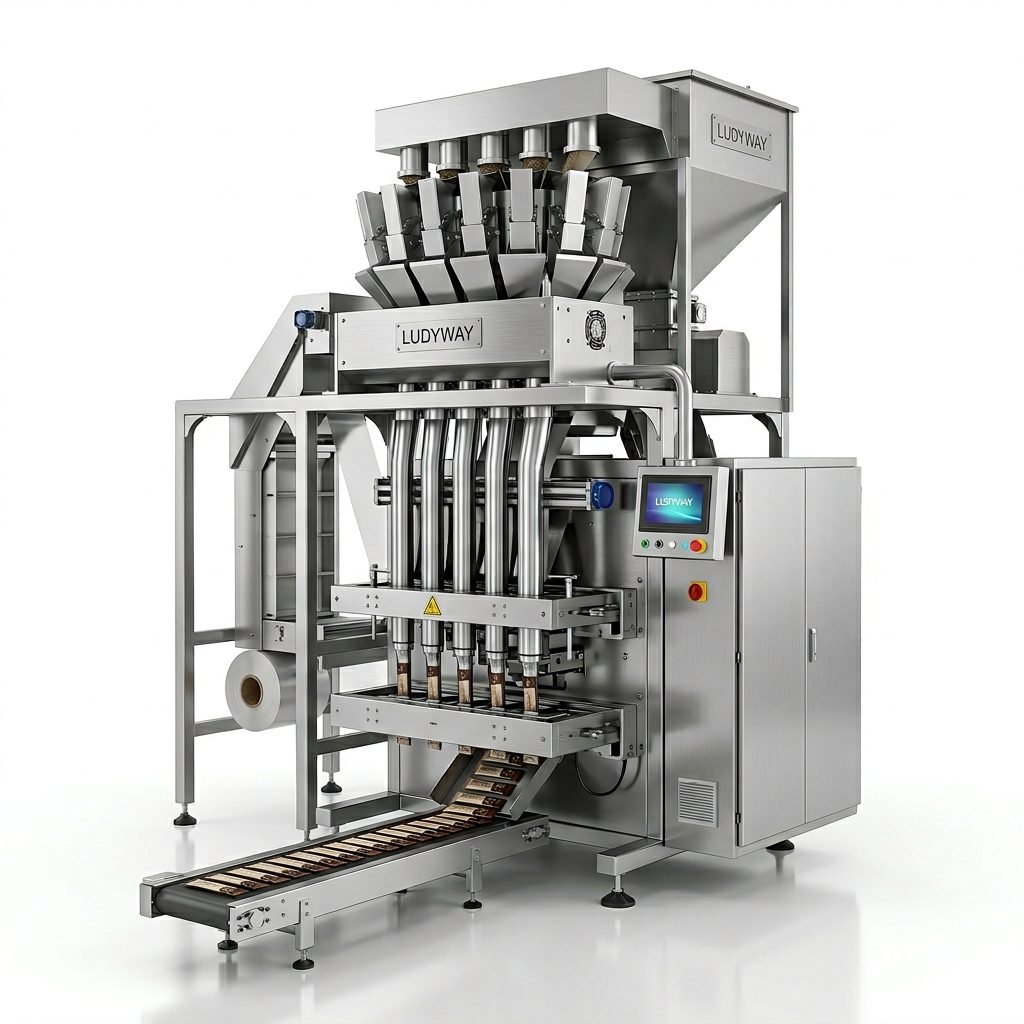
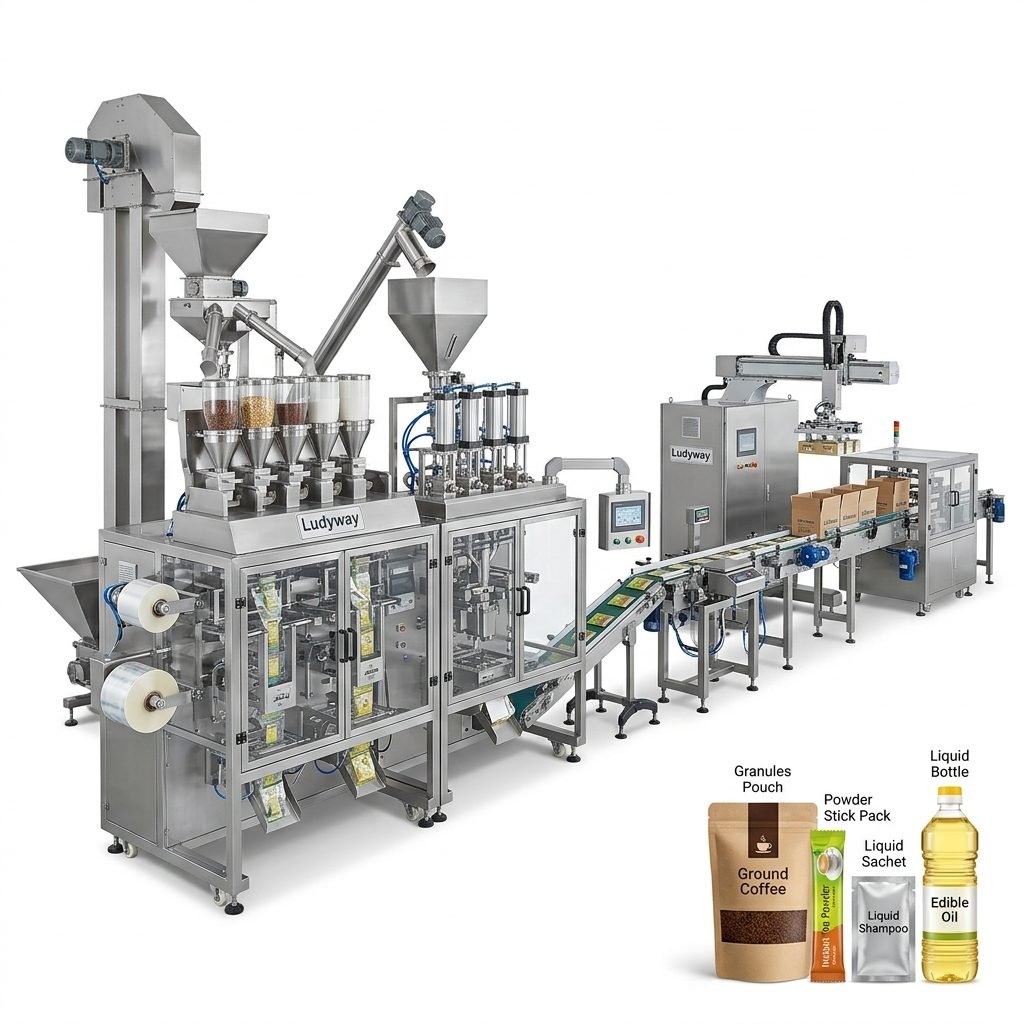
A complete chocolate bar packaging machine production line consists of several integrated systems working in harmony. Understanding each component is crucial for making informed procurement decisions.
1. Feeding and Aligning System
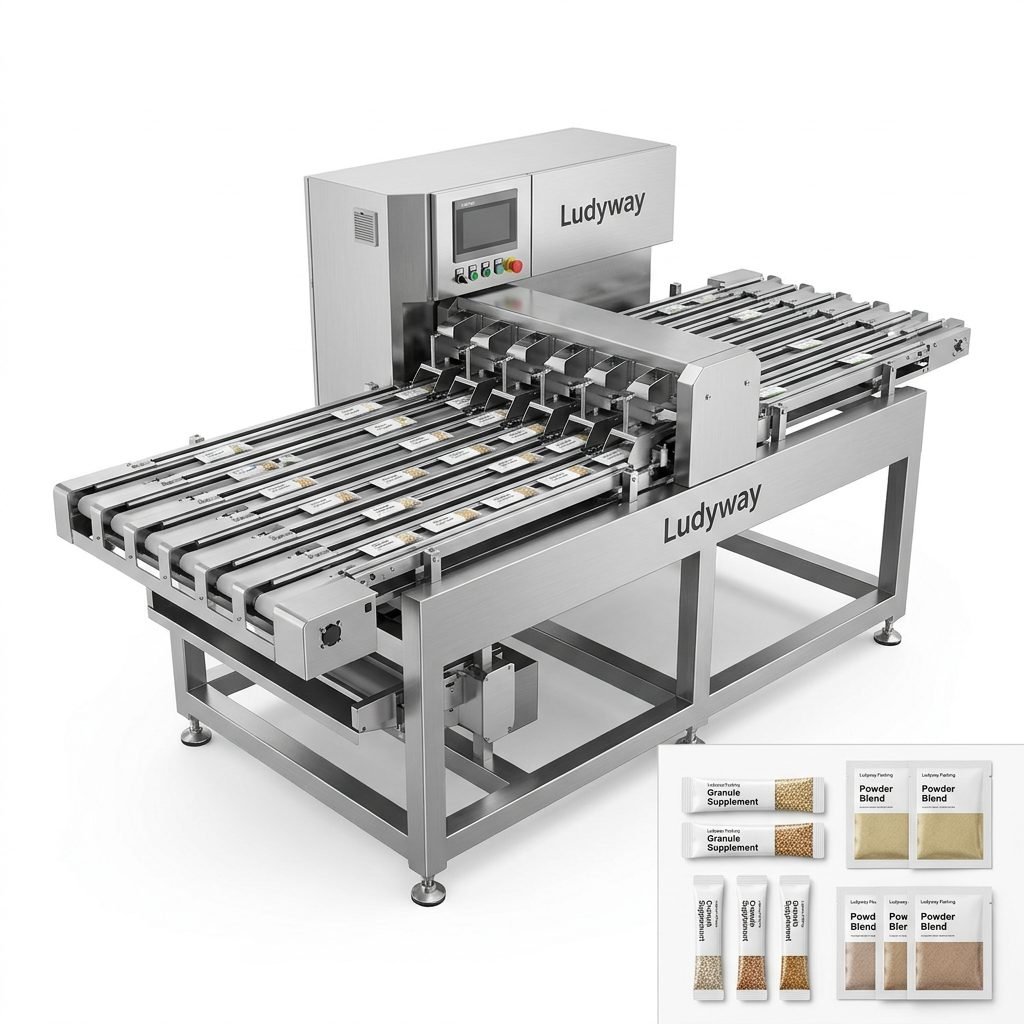
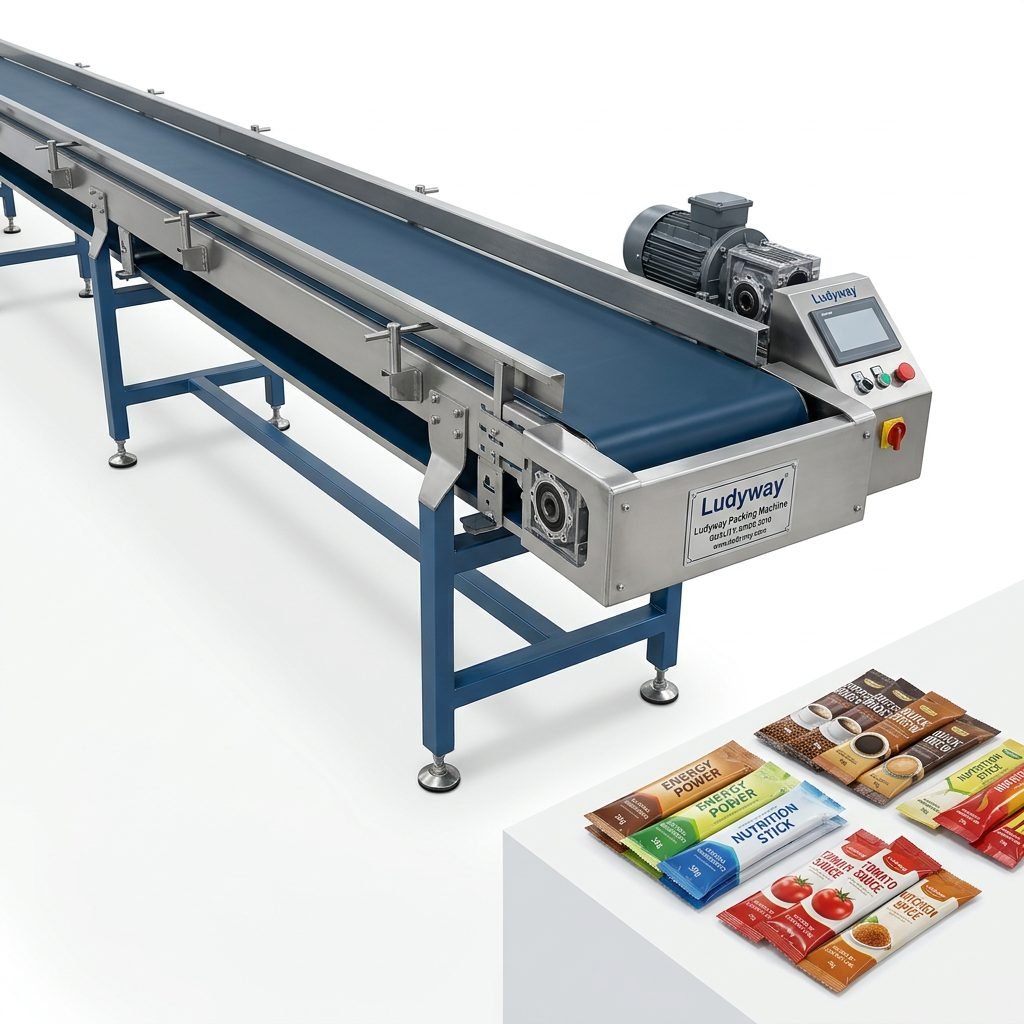
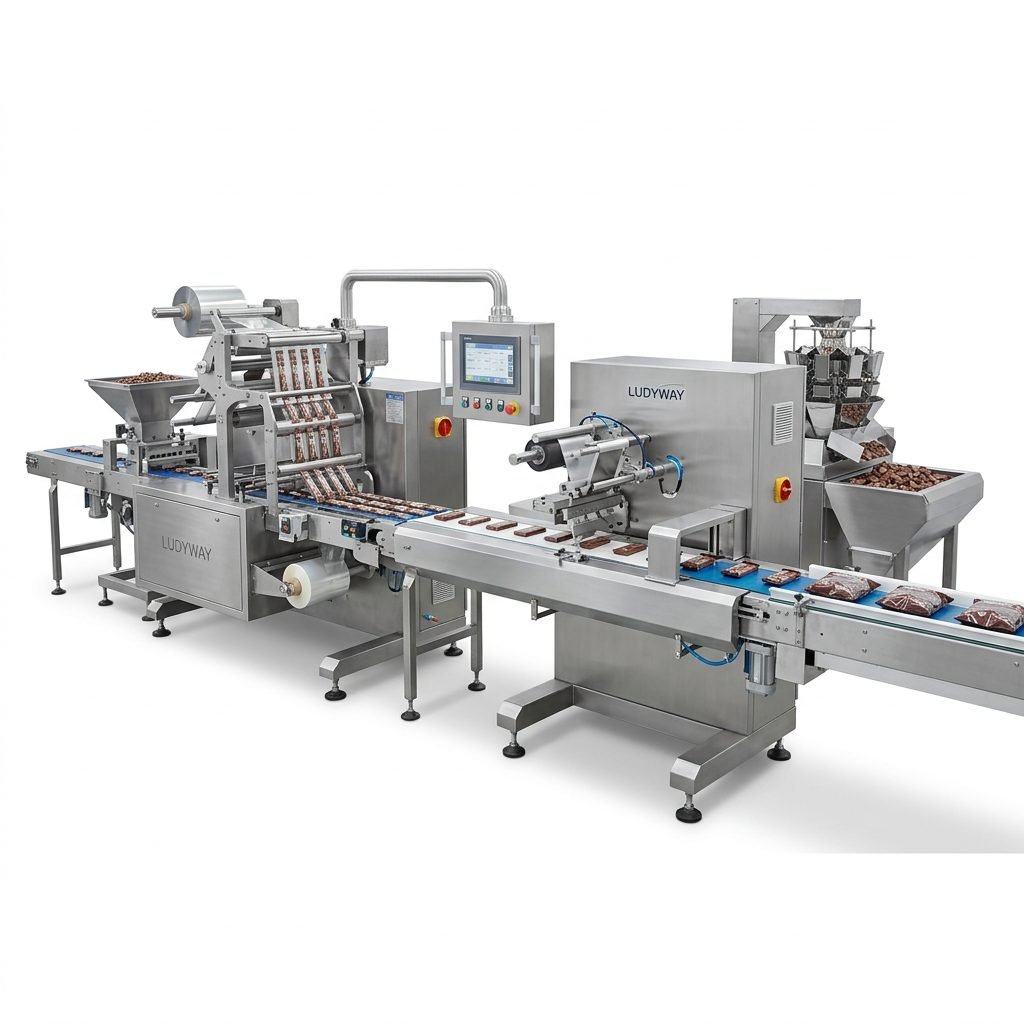
The feeding system automatically arranges and aligns chocolate bars before they enter the packaging stage. Servo-driven belt conveyors with adjustable guides ensure smooth product flow and precise positioning. For Indian manufacturers handling various bar sizes, a flexible feeding system with quick-change capabilities is essential for minimizing downtime during product changeovers.
2. Flow Wrapping Machine
The flow wrapper is the heart of any chocolate bar packaging line. It wraps individual bars in protective film, creating a sealed package that preserves freshness and extends shelf life. Key specifications to evaluate include packaging speed (typically 100-800 packs per minute), film compatibility, and sealing temperature control. Modern flow wrappers feature PLC-controlled systems with touchscreen interfaces for precise parameter adjustment.
3. Cartoning System
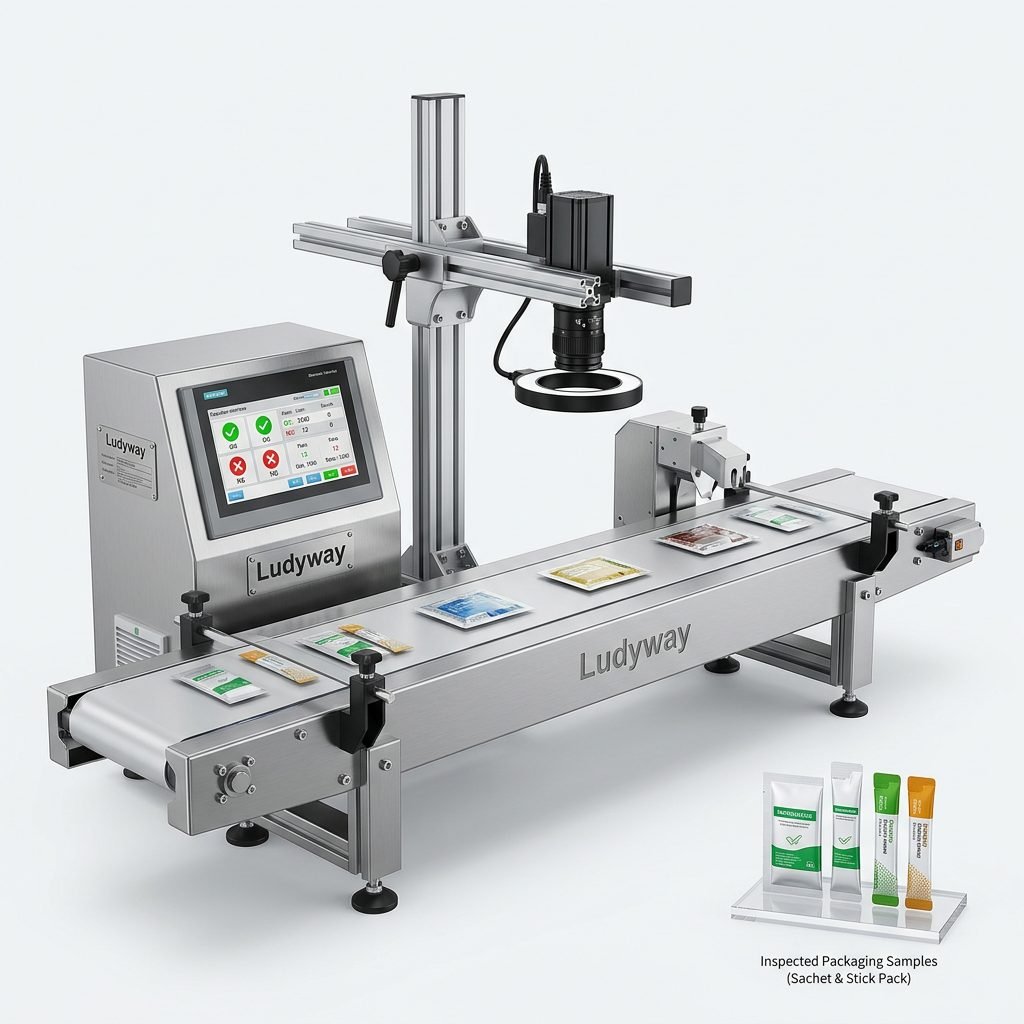
After primary wrapping, chocolate bars are grouped and placed into cartons. Automatic cartoning machines handle carton erection, product loading, and closure. Depending on your production volume, you may choose between horizontal cartoners for higher speeds or vertical cartoners for compact footprints. Cartoning systems with vision inspection ensure proper product orientation and carton integrity.
4. Case Packing and Palletizing
The final stages involve packing cartons into shipping cases and stacking them onto pallets. Robotic case packers and palletizers offer flexibility and reduce manual labor. For the Indian market, semi-automatic solutions may be appropriate for smaller operations, while fully automated systems suit high-volume manufacturing facilities.
Step-by-Step Guide to Setting Up Your Production Line
Step 1: Assess Your Production Requirements
Begin by defining your production capacity goals, bar dimensions, packaging materials, and budget constraints. Consider factors such as:
- Target output per shift (bars per minute)
- Chocolate bar sizes and shapes (molded, enrobed, filled)
- Primary packaging material (BOPP, metallized film, cold seal)
- Secondary packaging requirements (cartons, display boxes)
- Available factory floor space and utility infrastructure
Step 2: Select the Right Equipment Supplier
Choosing a reliable equipment supplier is one of the most critical decisions. Evaluate manufacturers based on their experience with food packaging machinery, after-sales support availability in India, and compliance with international standards. For manufacturers seeking packaging machinery market insights and equipment specifications, industry associations like PMMI provide valuable resources. Consider suppliers who offer turnkey solutions that integrate primary and secondary packaging seamlessly. One notable global manufacturer, Ludyway, provides advanced packaging equipment and turnkey production solutions backed by over 30 years of industry expertise, serving customers in more than 100 countries.
Step 3: Factory Layout and Infrastructure Planning
Design your factory layout to optimize material flow and minimize contamination risks. Key considerations include cleanroom classification for packaging areas, temperature and humidity control for chocolate handling, and dedicated zones for raw material storage and finished goods. Ensure adequate electrical supply, compressed air, and ventilation systems are in place before equipment installation begins.
Step 4: Installation and Commissioning
Professional installation by certified technicians ensures proper equipment setup and calibration. During commissioning, conduct extensive testing with actual product to validate packaging quality, speed, and consistency. Pay special attention to seal integrity testing, which is critical for maintaining chocolate freshness and preventing contamination.
Step 5: Staff Training and SOP Development
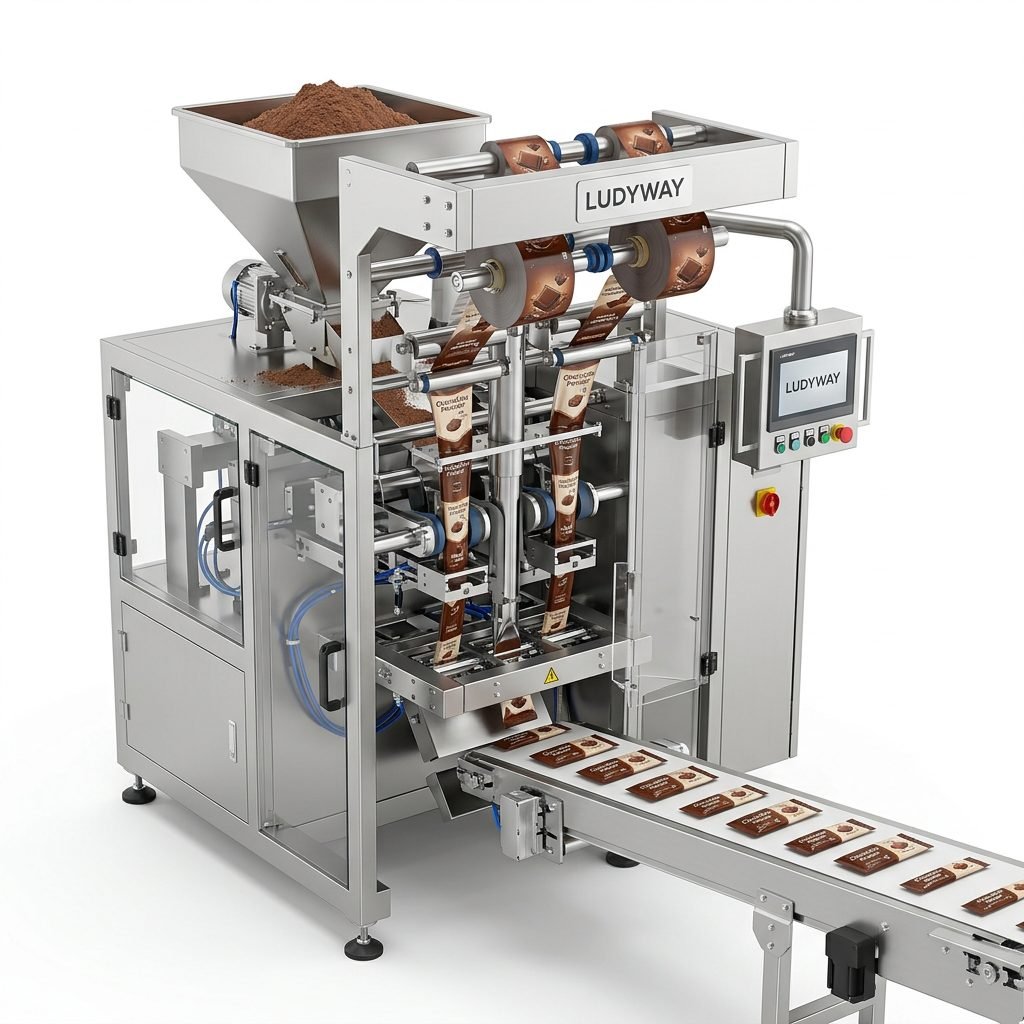
Invest in comprehensive operator training covering machine operation, troubleshooting, and maintenance procedures. Develop Standard Operating Procedures (SOPs) for all packaging line activities, including startup protocols, quality checks, cleaning schedules, and emergency shutdown procedures. Well-trained staff significantly reduce downtime and improve overall equipment effectiveness.
Regulatory Compliance and Food Safety Standards in India
Chocolate packaging operations must comply with FSSAI regulations governing food contact materials and packaging processes. Refer to FDA food packaging guidelines for international best practices that align with global standards. Key compliance areas include:
- Food-grade packaging materials certification
- Traceability systems for lot and batch tracking
- Metal detection and contaminant inspection systems
- Allergen management protocols
- GMP (Good Manufacturing Practices) implementation
Cost Considerations and ROI Analysis
Setting up a chocolate bar packaging line in India involves several cost components. Understanding the investment breakdown helps in budget planning and ROI projection.
| Cost Component | Estimated Range (INR) | Key Factors |
|---|---|---|
| Flow Wrapping Machine | ₹15,00,000 – ₹80,00,000 | Speed, automation level, brand |
| Cartoning System | ₹10,00,000 – ₹50,00,000 | Horizontal vs. vertical, capacity |
| Case Packing & Palletizing | ₹20,00,000 – ₹1,00,00,000 | Robotic vs. conventional, throughput |
| Conveying & Integration | ₹5,00,000 – ₹25,00,000 | Line length, complexity |
| Installation & Commissioning | ₹3,00,000 – ₹15,00,000 | Supplier location, line complexity |
The typical payback period for a well-planned chocolate packaging line in India ranges from 18 to 36 months, depending on production volume and product margins. Automation significantly reduces labor costs and improves packaging consistency, contributing to faster ROI.
Maintenance and Optimization Tips
Implementing a proactive maintenance program is essential for maximizing production line uptime. Establish preventive maintenance schedules for all equipment, including regular inspection of sealing jaws, belts, bearings, and sensors. Utilize packaging machinery resources for maintenance best practices and technical guidelines. Key optimization strategies include:
- Monitor OEE (Overall Equipment Effectiveness) metrics daily
- Implement quick-changeover tooling for product variety
- Use real-time production monitoring software
- Conduct regular seal integrity and package quality testing
- Maintain an inventory of critical spare parts locally in India
Selecting Packaging Materials for Indian Climate Conditions
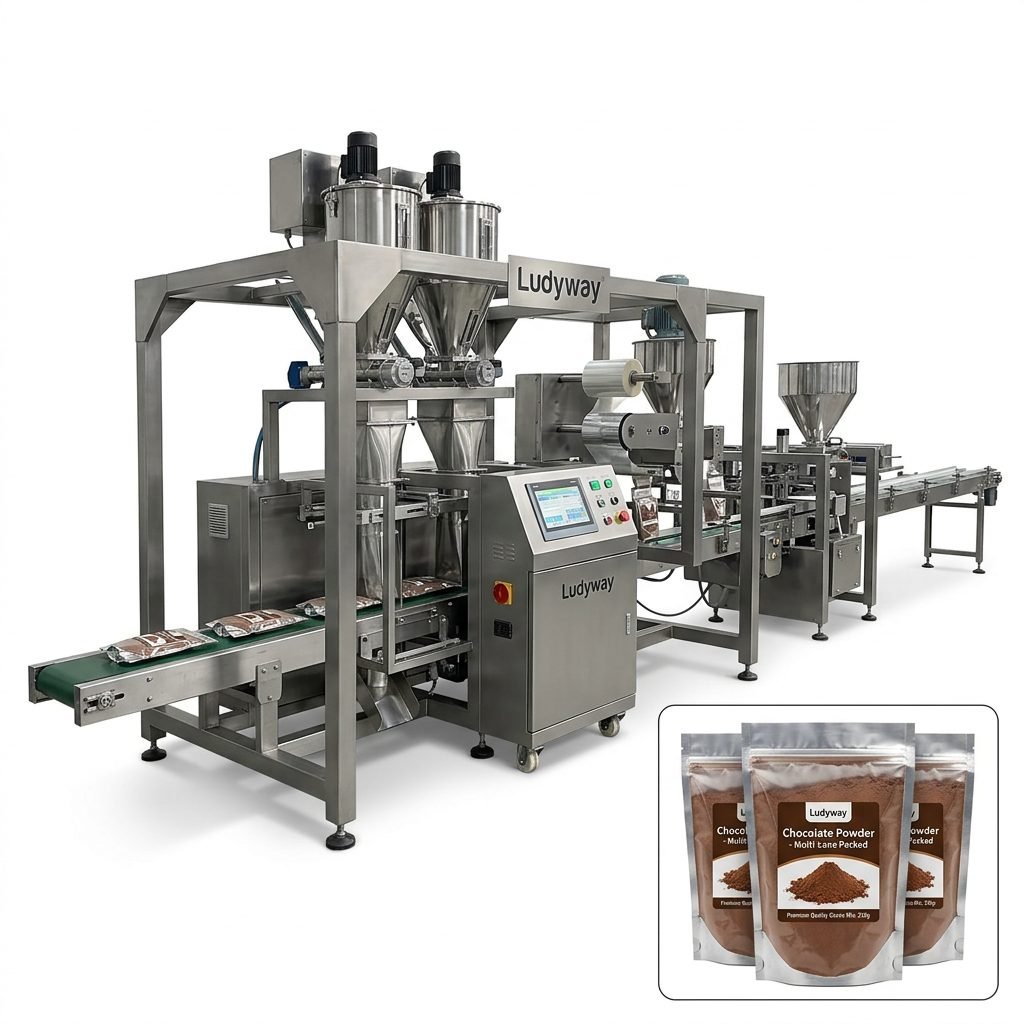
India’s diverse climate, with high temperatures and humidity in many regions, demands careful packaging material selection. Chocolate bars require barrier films that protect against moisture, oxygen, and light. Cold seal packaging films are widely preferred for heat-sensitive chocolate products as they eliminate the need for heat sealing. For detailed regulatory information on food contact materials, refer to the FDA packaging and food contact substances guidelines, which provide comprehensive standards applicable to international manufacturers.
Automation Trends in Chocolate Packaging
The future of chocolate packaging in India is increasingly automated. Industry 4.0 technologies such as IoT-enabled machines, predictive maintenance systems, and digital twin simulations are transforming production efficiency. PACK EXPO International showcases the latest innovations in packaging automation that Indian manufacturers can leverage. Integrating smart sensors and data analytics enables real-time quality monitoring and process optimization, reducing waste and improving consistency across the packaging line.
Conclusion
Setting up a chocolate bar packaging machine production line in India is a strategic investment that requires thorough planning, the right equipment partners, and a commitment to quality and compliance. By following the steps outlined in this guide, Indian manufacturers can establish efficient, scalable packaging operations that meet growing market demand while adhering to international quality standards. The combination of India’s expanding chocolate market and advanced packaging technology creates significant opportunities for forward-thinking manufacturers ready to invest in world-class production capabilities.