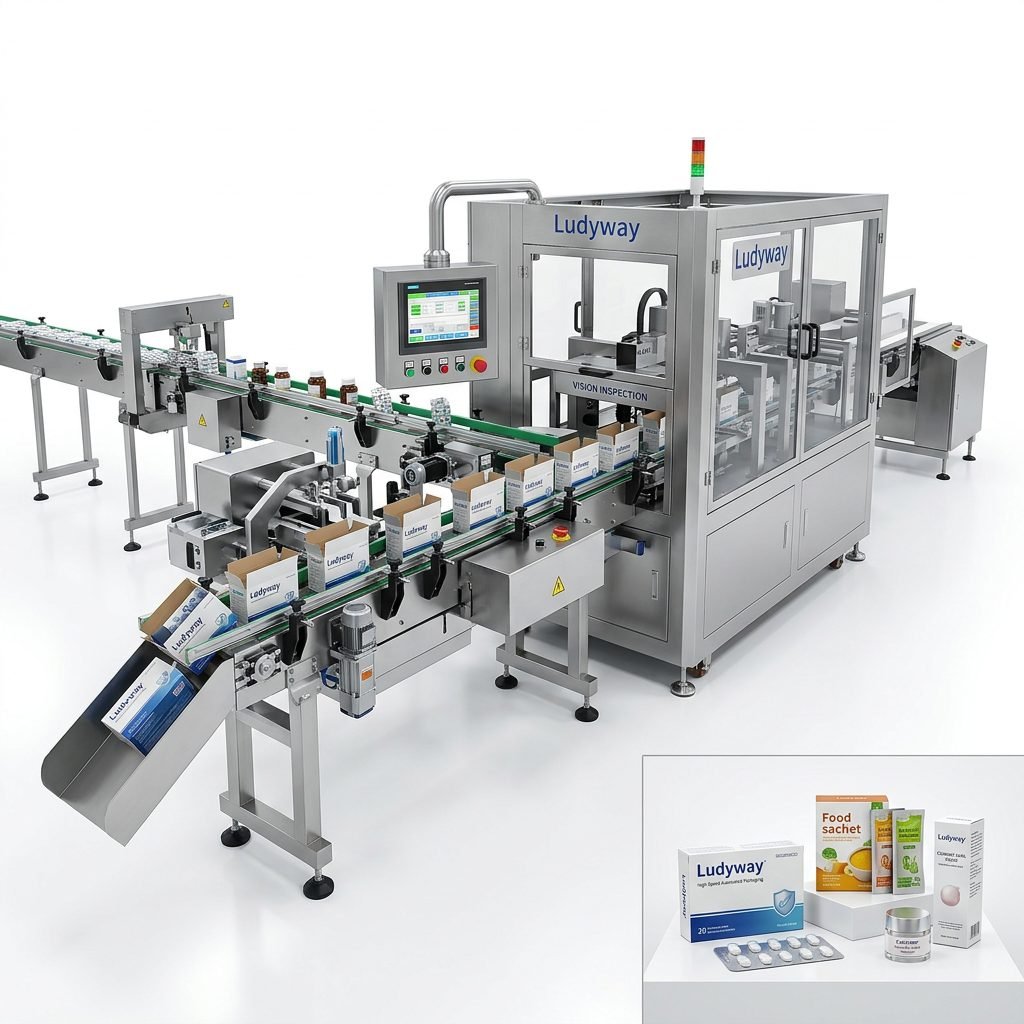
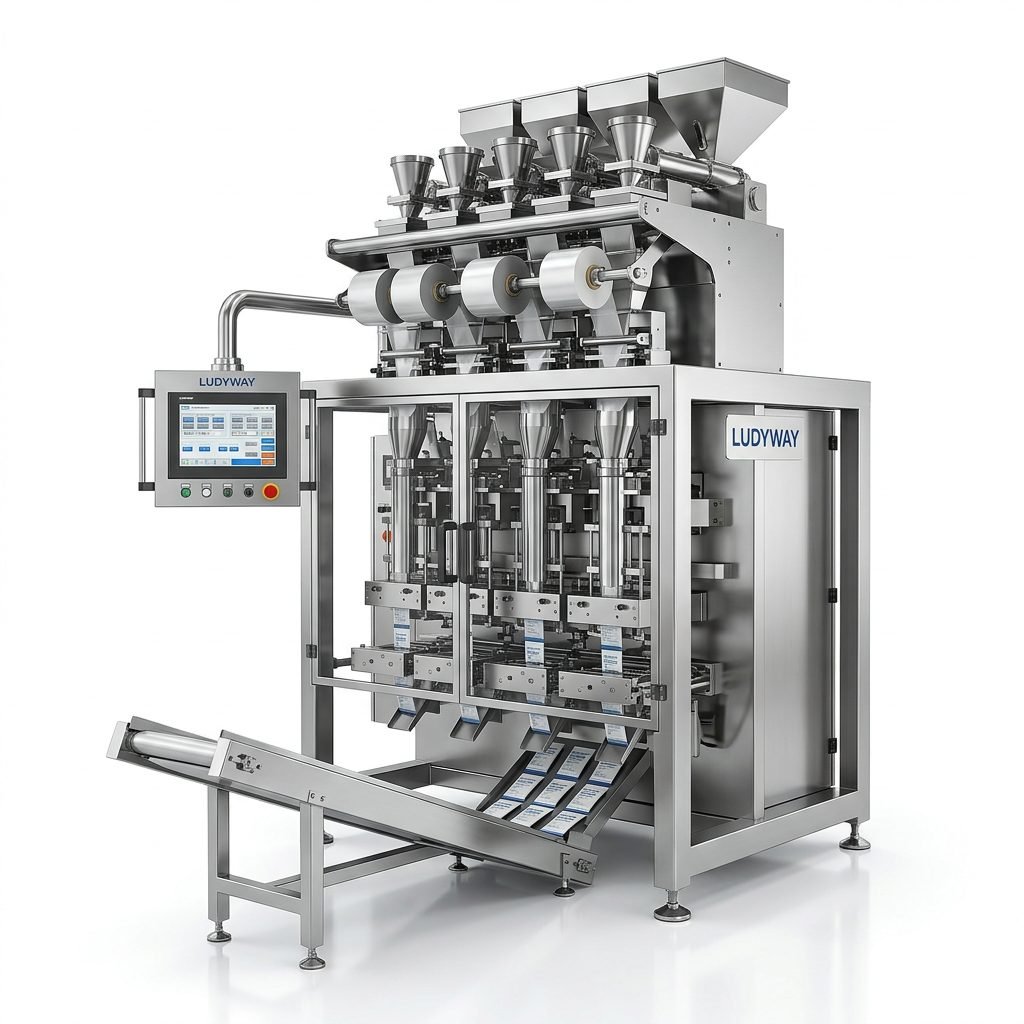
Why Source Tea Packaging Machines from Asia?
Asia has firmly established itself as the global manufacturing hub for tea packaging machinery. Countries like China, India, Japan, and South Korea offer competitive pricing, advanced engineering, and extensive customization options. The rising demand for convenient single-serve tea formats — including stick packs, sachets, and pyramid tea bags — has driven rapid innovation across the region’s packaging equipment sector. For businesses looking to scale production or enter new markets, understanding the Asian supply chain is essential to securing reliable, high-speed solutions at favorable cost-performance ratios.
Types of Tea Packaging Machines Available
Tea comes in many forms, and each requires a specific packaging approach. The Asian market supplies a wide spectrum of equipment designed to handle everything from delicate loose-leaf blends to fine instant powders.
| Machine Type | Best For | Packaging Format |
|---|---|---|
| Pyramid Tea Bag Machine | Whole leaf, herbal blends | Nylon/PLA pyramid bags |
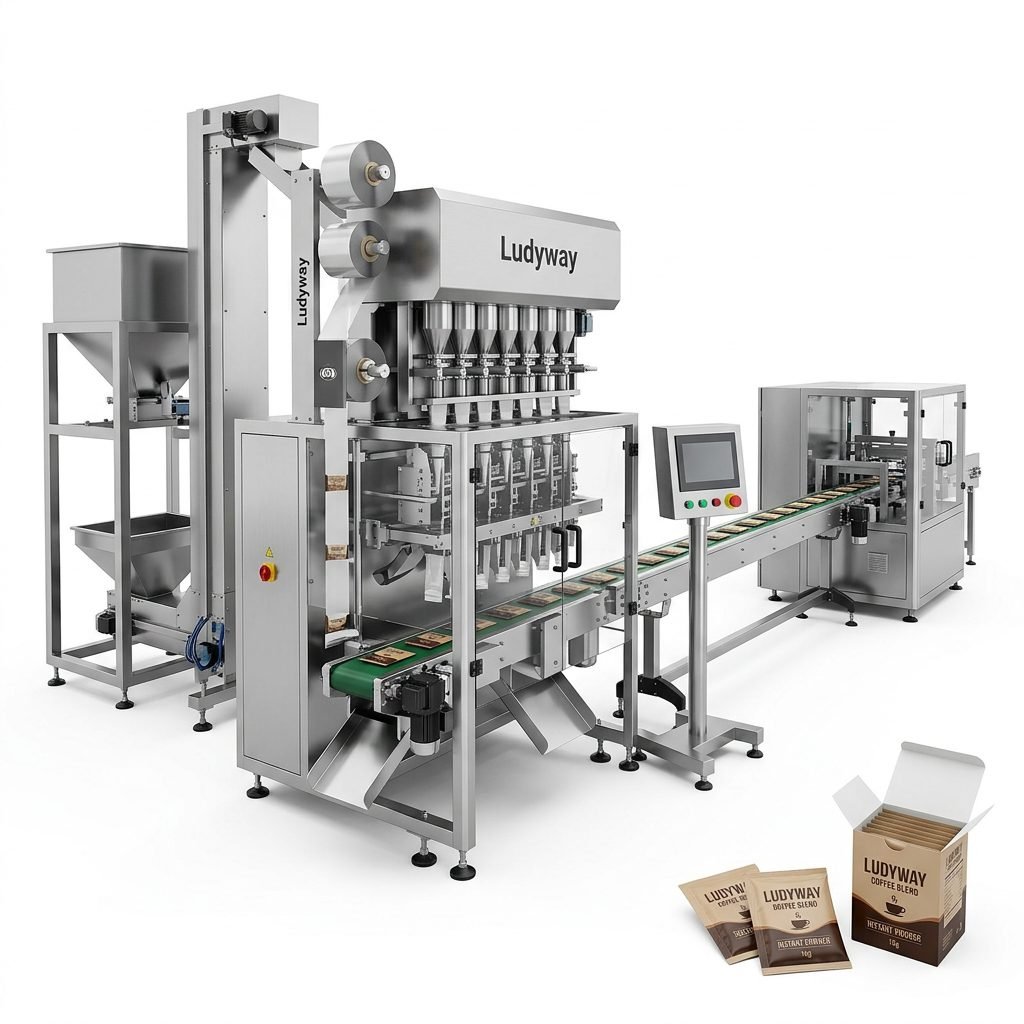
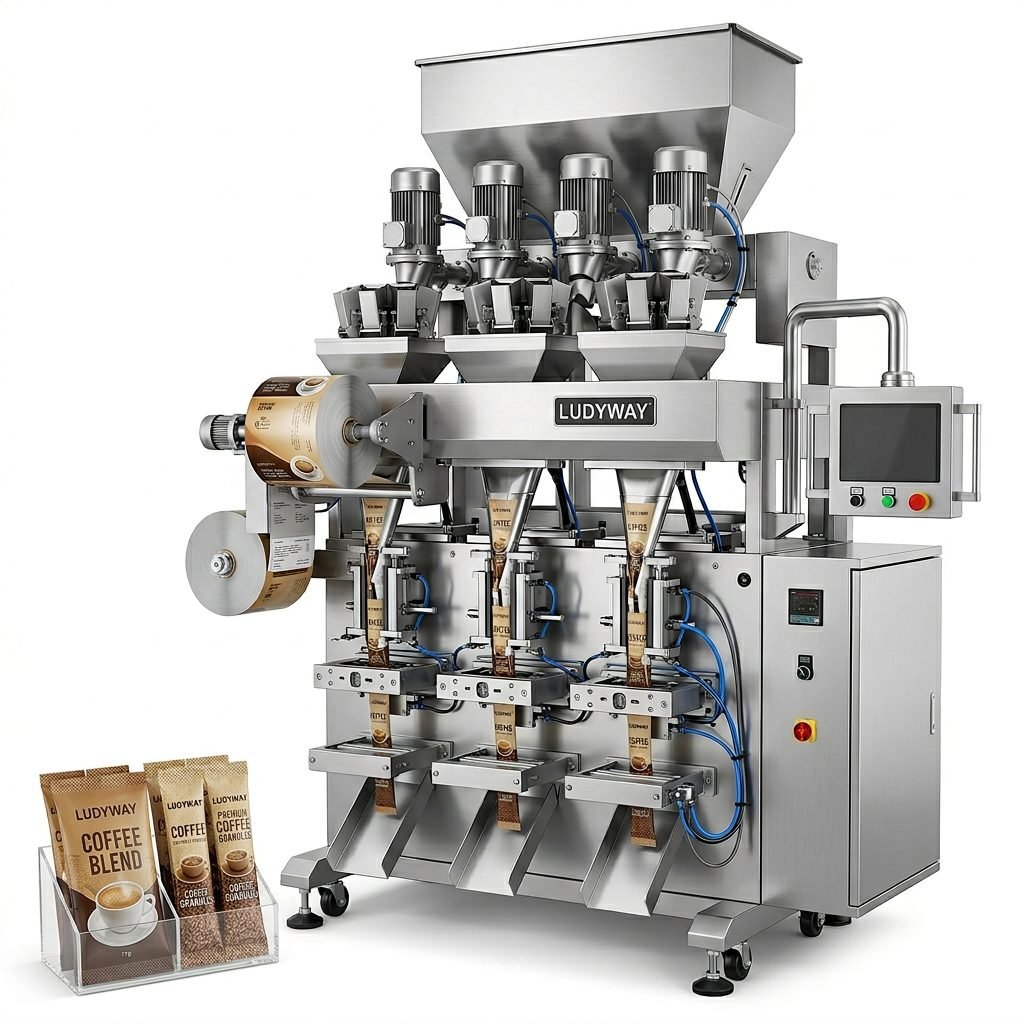
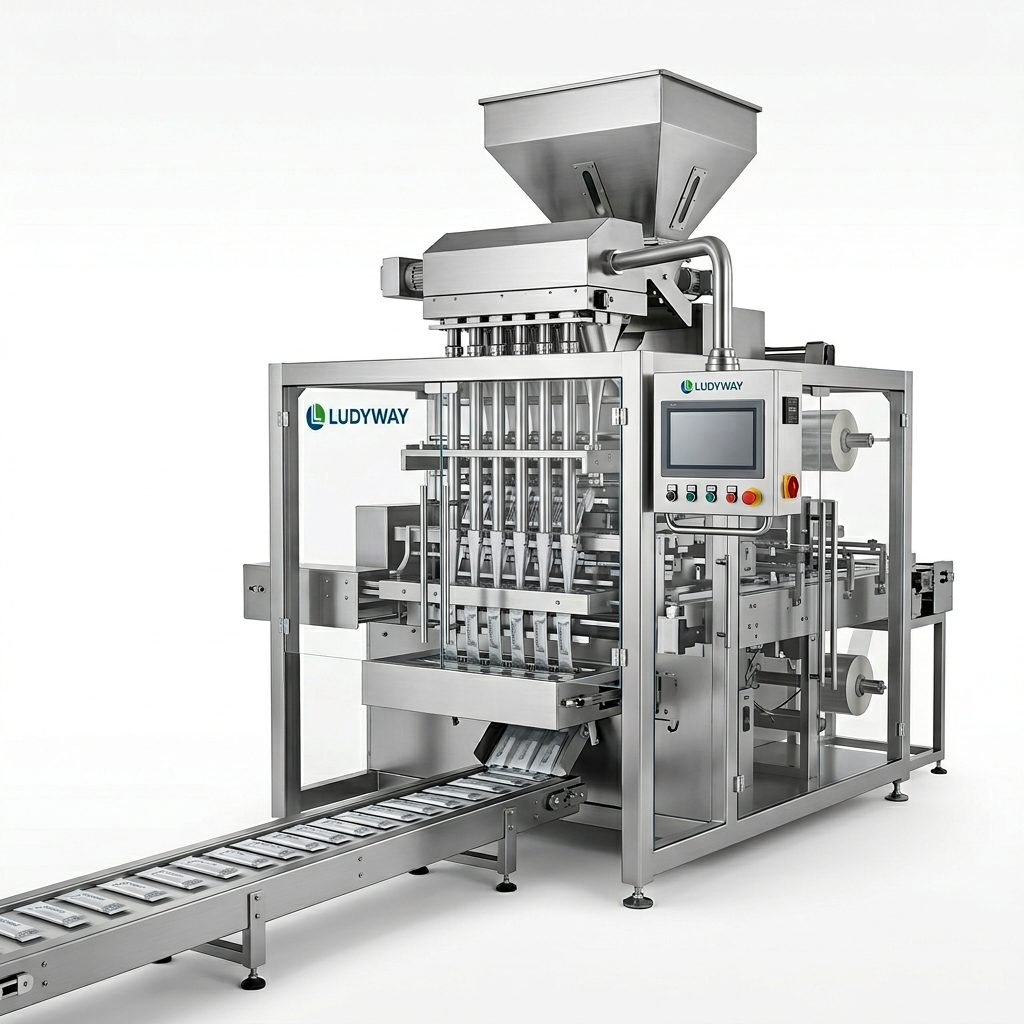
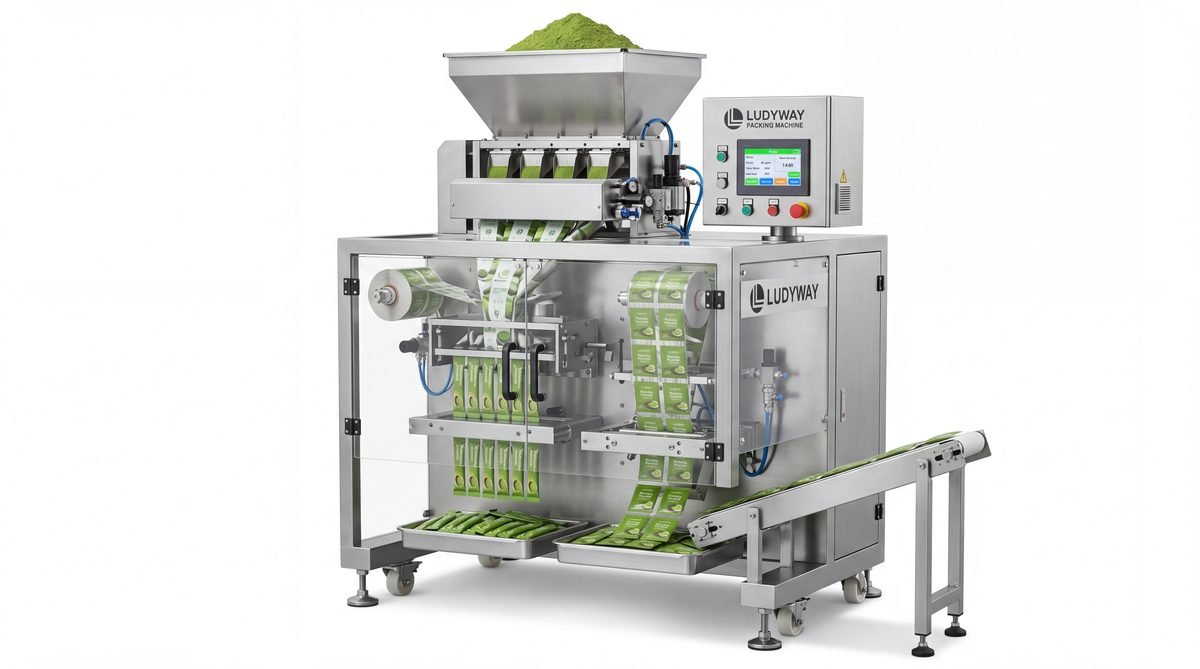
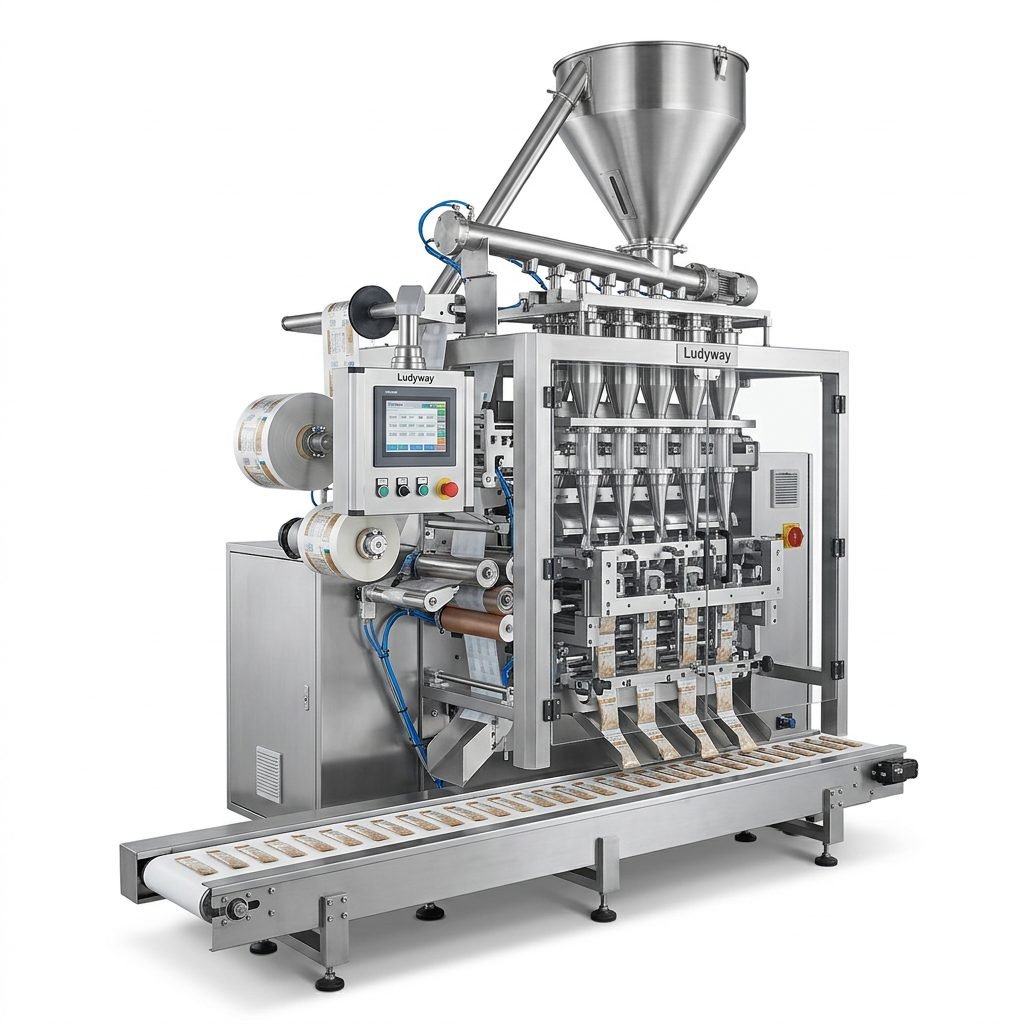
| Multi-Lane Stick Pack Machine | Instant tea powder, matcha | 3-side/4-side seal stick packs |
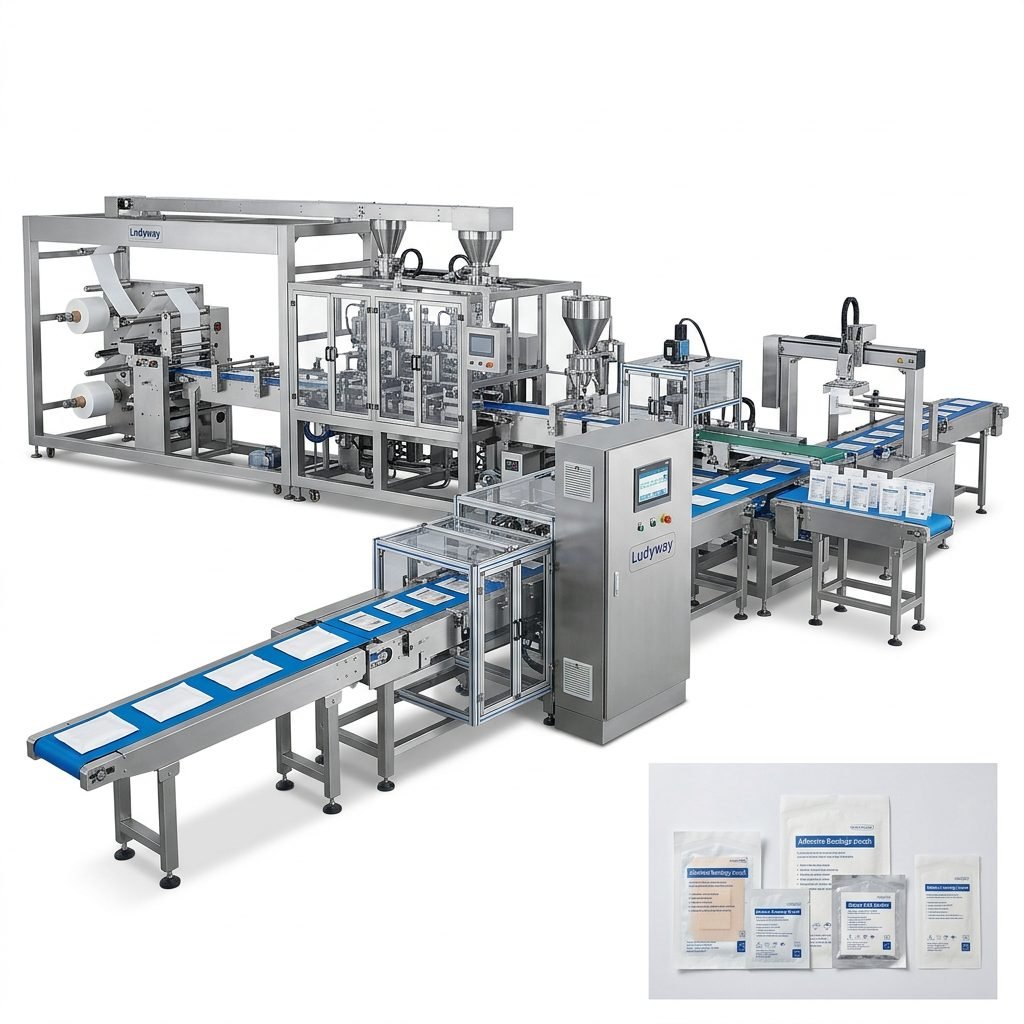
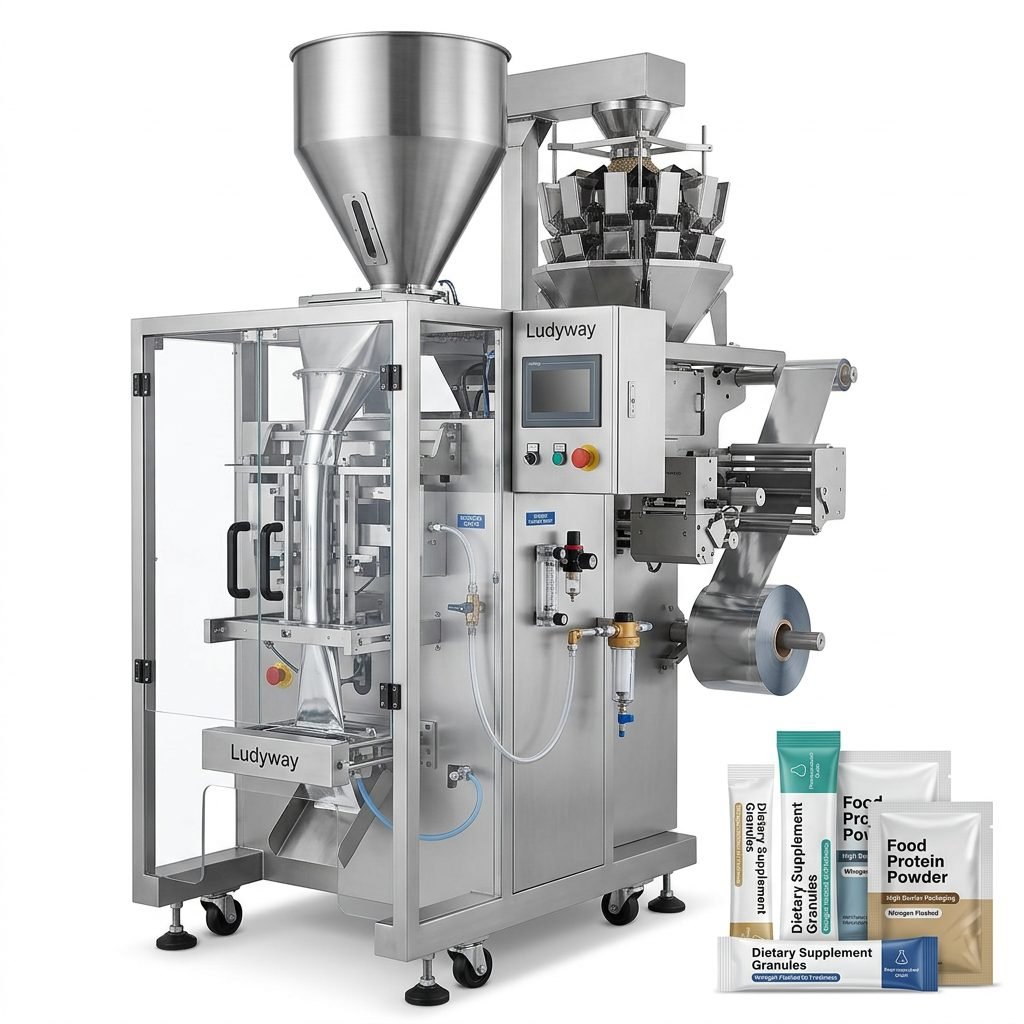
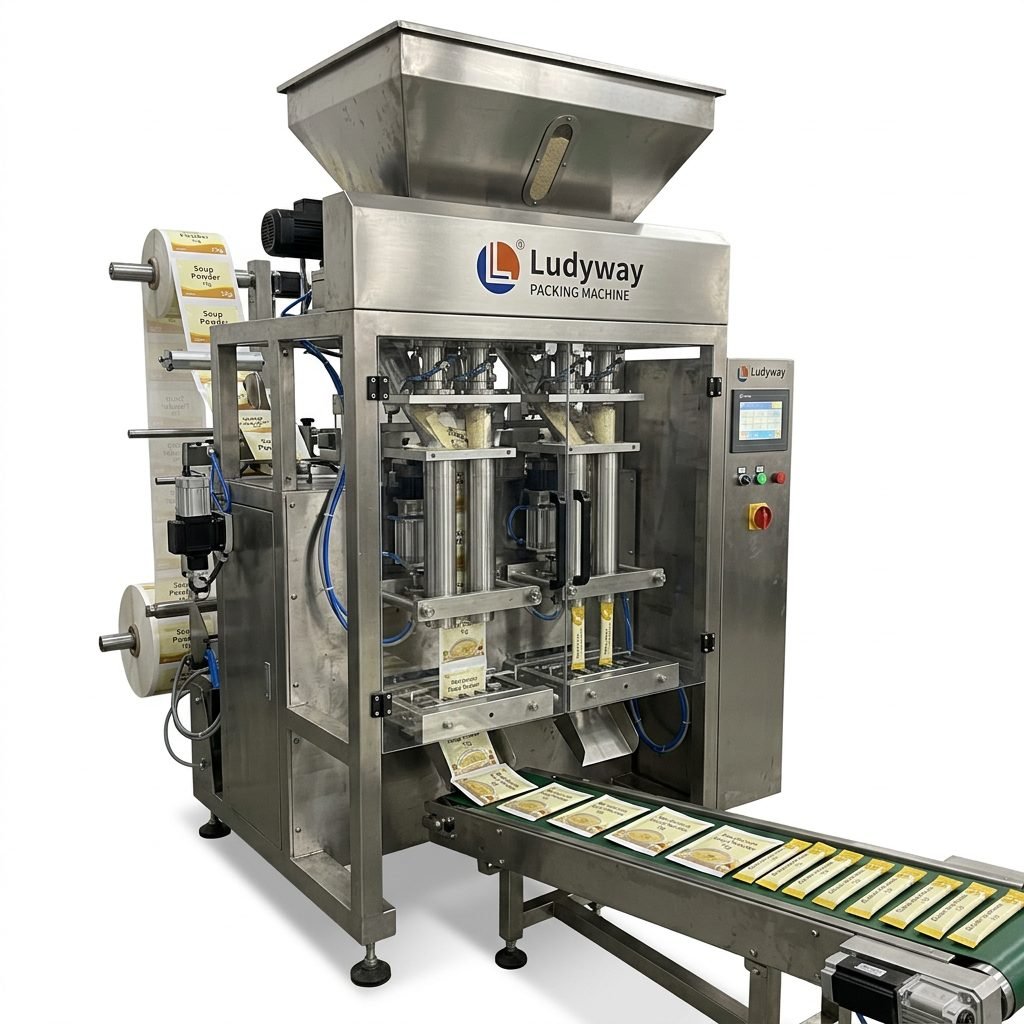
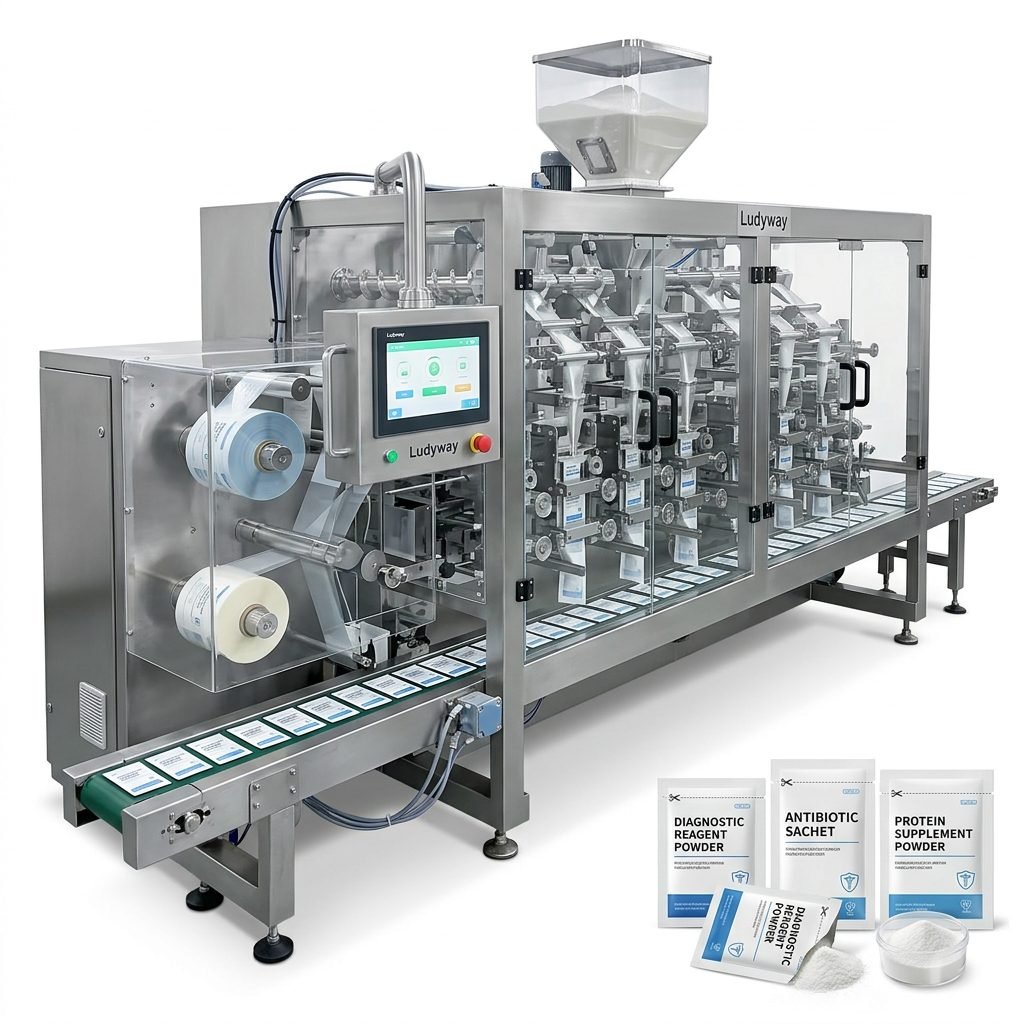
| Sachet Packaging Machine | Single-serve powder, granules | Flat sachets, pillow pouches |
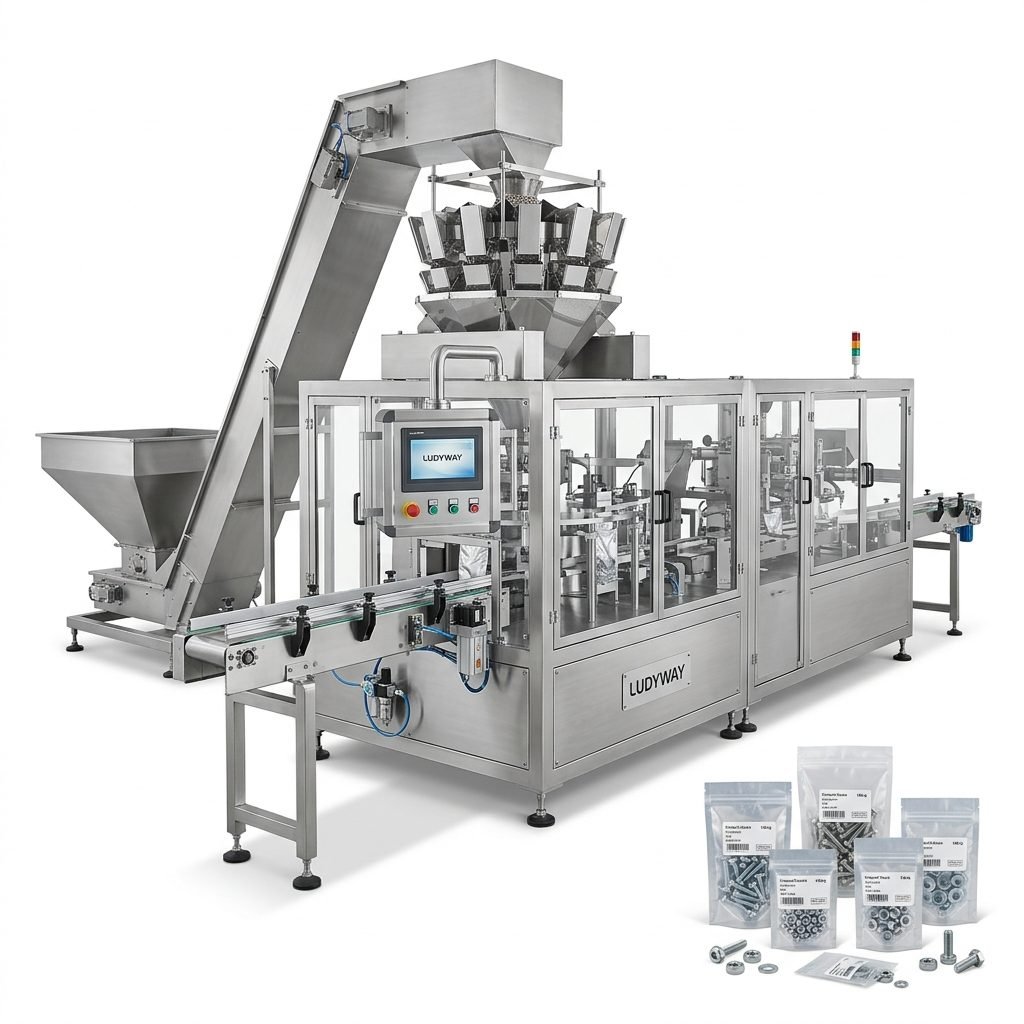
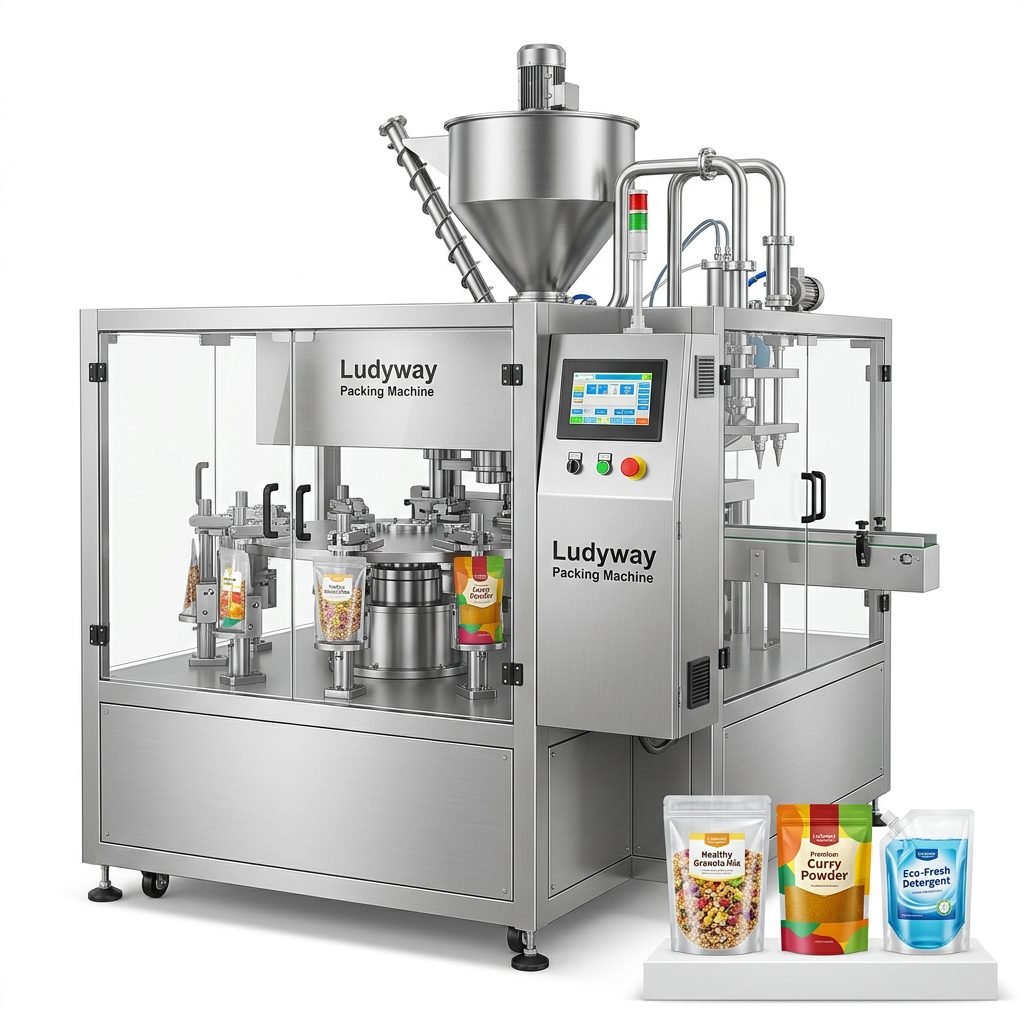
| Premade Pouch Filling Machine | Premium loose tea blends | Stand-up pouches, zipper bags |
Top Manufacturing Hubs for Tea Packaging Equipment
Several key regions dominate the production of tea packaging machines in Asia. Each offers distinct advantages depending on your technical requirements and budget.
- China (Guangdong, Zhejiang, Shanghai) – The largest concentration of manufacturers offering cost-effective multi-lane and sachet systems. Rapid delivery times and extensive customization.
- India (Gujarat, Maharashtra) – Growing hub for pouch packing and automatic tea bag machines, particularly suited to the domestic CTC tea market.
- Japan – High-precision engineering for delicate tea bag packaging and nitrogen-flushing applications, ideal for high-end green tea and matcha.
- South Korea – Advanced automation and smart packaging lines with integrated quality inspection systems.
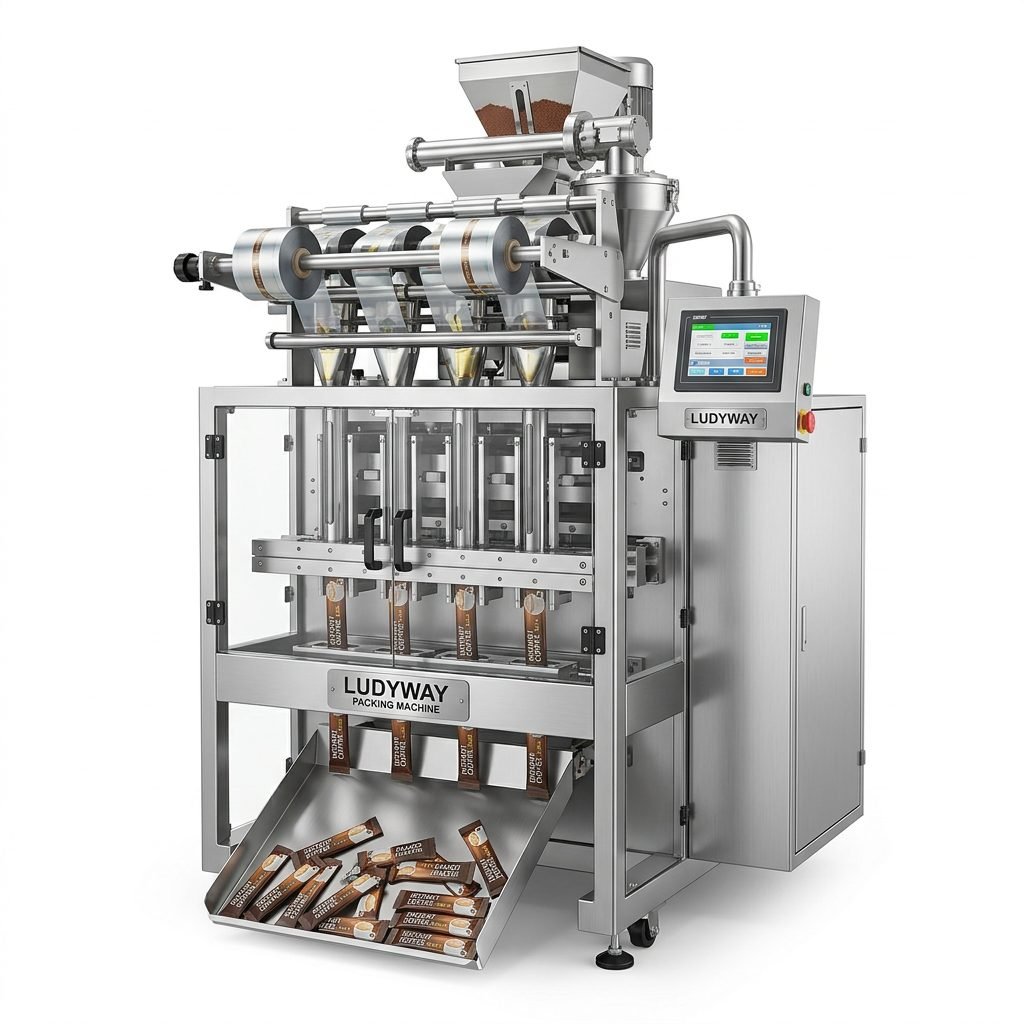
Key Factors to Evaluate Before Purchasing
Investing in a tea packaging line requires careful assessment of both your current production needs and future growth plans. Focus on these critical criteria to make a confident buying decision.
Production Speed and Output Capacity
Determine your required packs per minute (PPM) across different formats. A multi-lane stick pack machine can output between 200 and 600 packs per minute depending on lane count, while pyramid bag machines typically operate in the range of 50 to 120 bags per minute.
Material Compatibility
Ensure the machine can handle your preferred film structures — whether it’s standard paper, nylon mesh, PLA biodegradable materials, or aluminum-laminated films. The sealing temperature, pressure, and dwell time must be adjustable for different substrates.
Changeover Flexibility
If your product line includes multiple tea varieties, granulations, or pack sizes, a machine with tool-less changeover and recipe-based settings will dramatically reduce downtime between runs.
After-Sales Support and Spare Parts
Verify that the manufacturer maintains local or regional service centers, offers remote diagnostics, and keeps critical spare parts in stock. Downtime in a food packaging operation directly impacts revenue.
Certifications and Quality Standards to Look For
Reputable Asian manufacturers align their equipment with international benchmarks. Before finalizing any purchase, confirm that the machine and its components meet the following standards:
- CE Marking – Required for machines sold into the European Economic Area, indicating conformity with health, safety, and environmental requirements.
- ISO 9001:2015 – Quality management system certification ensuring consistent manufacturing processes.
- FDA Compliance – For machines destined for the U.S. market, especially those contacting food-grade materials, compliance with FDA packaging and food contact substances regulations is mandatory.
- GAMP/GMP Ready – Essential for pharmaceutical-grade tea extracts or functional tea powders requiring validated cleaning and documentation protocols.
| Certification | Region | Significance |
|---|---|---|
| CE | Europe | Safety and environmental compliance |
| ISO 9001 | Global | Consistent quality management |
| FDA 21 CFR | United States | Food-contact material safety |
| ISO 11607 | Global | Sterile barrier packaging validation |
Evaluating Manufacturers and Building Trust
Due diligence is essential when dealing with overseas suppliers. A structured evaluation process helps mitigate risk and ensures you partner with a manufacturer capable of delivering consistent quality over the long term.
- Factory Audits – Request a live video tour or arrange a third-party inspection of the production facility. Check for organized assembly lines, testing areas, and component traceability.
- Reference Checks – Speak directly with current customers in your industry segment. Ask about machine reliability, spare parts availability, and the manufacturer’s responsiveness to issues.
- Trial Runs – Send your actual tea product and packaging film for a factory acceptance test (FAT). Observe machine performance, seal integrity, and weight accuracy under realistic conditions.
- Exhibition Presence – Participation in major events like PACK EXPO International or regional packaging shows signals financial stability and industry commitment.
Cost Structure and ROI Analysis
Understanding the total cost of ownership helps avoid budget surprises and accurately project return on investment. The initial machine price is only one part of the equation.
- Base Machine Cost – Varies significantly by configuration: a single-lane sachet machine may start around $15,000–$30,000, while a 10-lane stick pack line with automatic feeding and coding can range from $80,000 to $250,000.
- Tooling and Change Parts – Additional forming sets, dosing units, and sealing jaws for different pack sizes should be factored into the original order to secure better pricing.
- Shipping, Duties, and Installation – International freight, import tariffs, and on-site commissioning can add 15–25% to the total landed cost.
- Training and Maintenance – Budget for operator training, preventive maintenance schedules, and an initial spare parts inventory.
Industry Trends Shaping Tea Packaging in Asia
The tea packaging landscape is rapidly evolving. Staying informed on market trends ensures your equipment investment remains competitive for years to come. According to the Flexible Packaging Association, sustainable packaging and smart automation are two dominant forces reshaping the sector.
- Sustainable Films – Demand for biodegradable, compostable, and recyclable tea packaging is accelerating. Machines capable of sealing PLA and plant-based films without compromising speed are becoming a priority.
- Smart Weighing and Dosing – Multi-head weighers with automatic feedback loops reduce product giveaway and ensure gram-level accuracy for premium tea powders.
- Nitrogen Flushing and Vacuum Sealing – For whole-leaf tea and freeze-dried tea products, oxygen removal extends shelf life and preserves aroma, driving adoption of gas-flush equipped sealers.
- IoT and Remote Monitoring – Real-time production data, predictive maintenance alerts, and cloud-based OEE tracking are increasingly offered by advanced Asian manufacturers.
Partnering with a Trusted Manufacturer
Selecting the right equipment supplier can define your production efficiency and market responsiveness. Ludyway is one of the largest packaging machine manufacturers in China, specializing in advanced packaging equipment and turnkey production solutions for the food, pharmaceutical, and health industries. With over 30 years of industry expertise and more than 50 intelligent packaging machine models — including multi-lane stick pack, sachet, and fully automated packaging systems — the company serves customers in over 100 countries and regions. Their 20,000㎡ modern manufacturing facility and highly experienced engineering team ensure reliable, efficient solutions tailored to specific tea packaging requirements.
Resources and Further Reading
For comprehensive market data, regulatory guidance, and industry standards, consult the following authoritative resources:
- PMMI – Business Intelligence Library
- PMMI – 2025 State of the Industry Report
- Flexible Packaging Association – Official Website
- ISO – Packaging Standards
- European Commission – Packaging and Packaging Waste Regulation
- U.S. EPA – Sustainable Materials Management
Final Consideration: Purchasing a tea packaging machine from Asia is a strategic decision that rewards thorough research, direct supplier engagement, and a clear understanding of your production goals. By evaluating machine types, certifications, supplier credibility, and total cost of ownership, businesses can secure high-performance equipment that supports sustainable growth in the competitive global tea market.