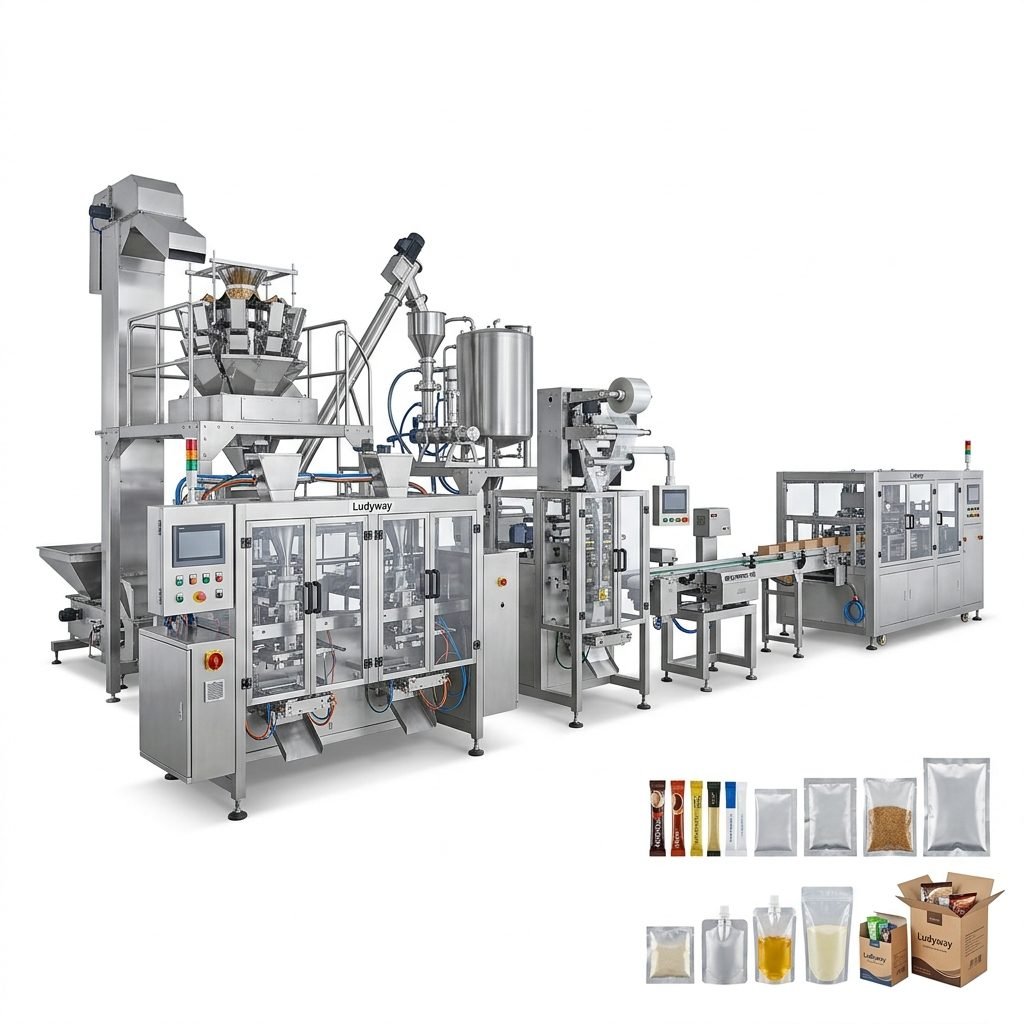
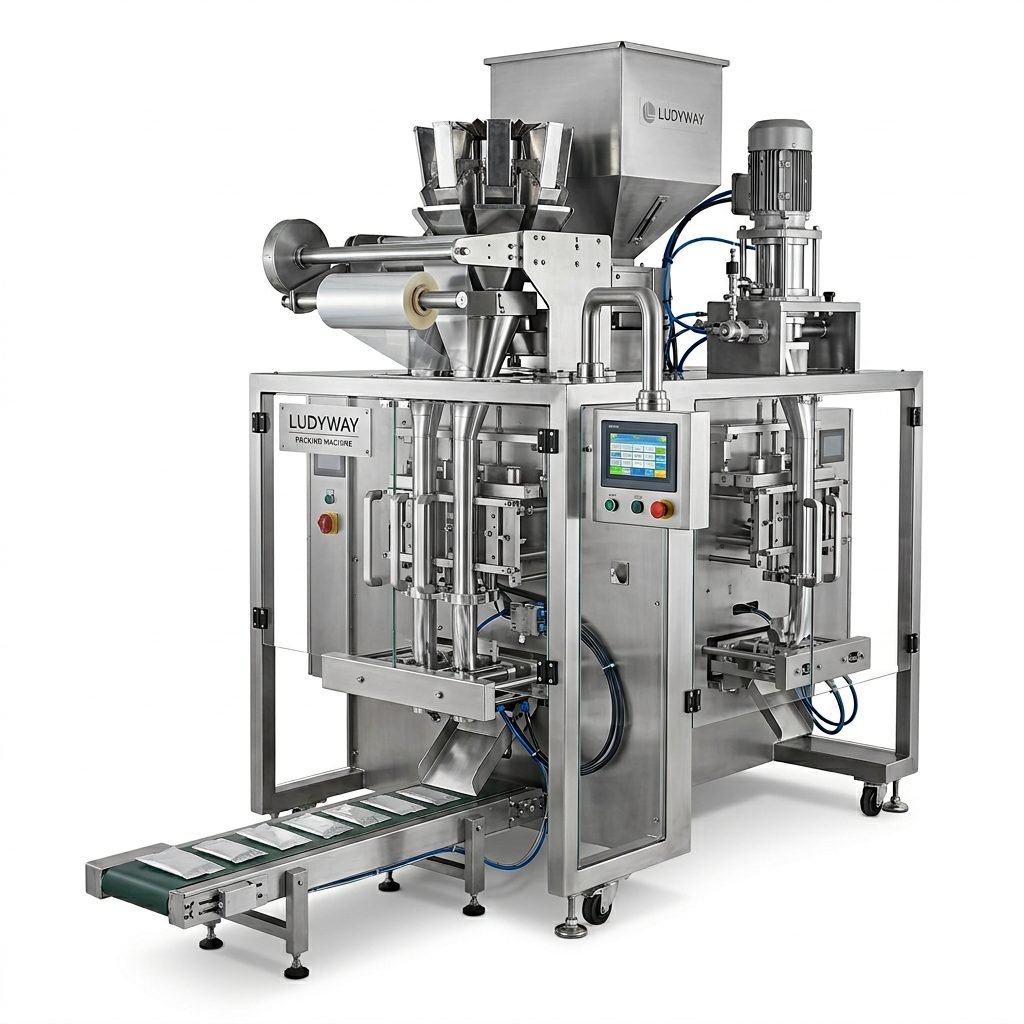
Setting up an oil packaging machine production line in China is a strategic move for businesses looking to scale edible oil operations efficiently and cost-effectively. China has become a global hub for advanced packaging machinery manufacturing, offering turnkey solutions that cover everything from filling and capping to labeling and cartoning. Whether you are producing vegetable oil, olive oil, coconut oil, or specialty cooking oils, understanding the complete setup process is essential for maximizing productivity and ensuring long-term operational success.
With the right planning, equipment selection, and compliance measures, you can build a production line that meets both domestic and international standards such as ISO packaging standards and FDA food packaging regulations. This guide walks you through every critical step of establishing your oil packaging line in China.
Understanding the Core Components of an Oil Packaging Production Line
Before diving into procurement and installation, you must understand the key modules that make up a complete oil packaging system. Each component plays a vital role in ensuring consistent output quality and operational efficiency.
- Bottle Unscrambler – Automatically orients and positions empty bottles for filling, reducing manual labor and increasing line speed.
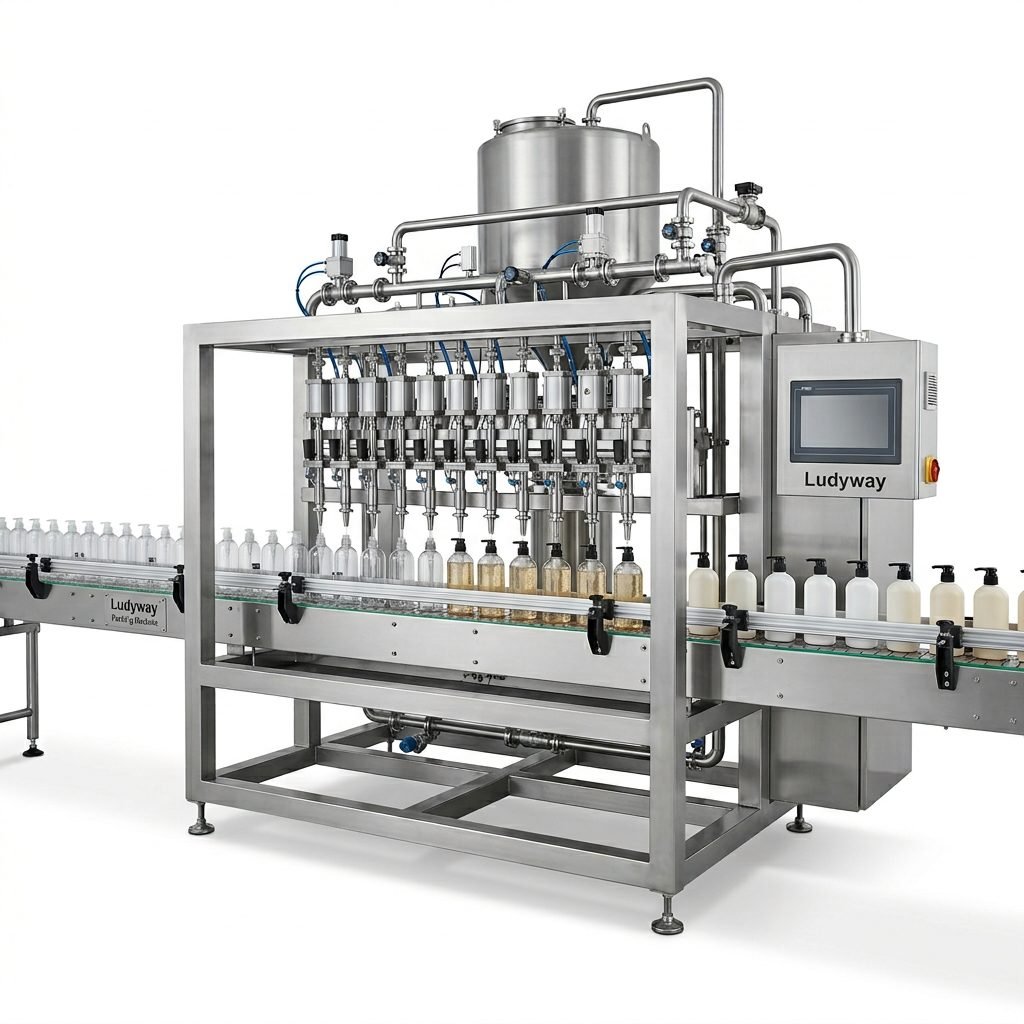
- Liquid Filling Machine – Precision volumetric or weight-based fillers designed for various oil viscosities, from thin sunflower oil to thicker olive oil.
- Capping Machine – Applies screw caps, press-on lids, or tamper-evident seals with consistent torque control.
- Labeling Machine – High-speed front-and-back or wrap-around labeling systems that ensure brand compliance and traceability.
- Cartoning and Case Packing – End-of-line equipment that groups bottles into cartons or cases for distribution.
- Coding and Marking Systems – Inkjet or laser coders that print batch numbers, expiration dates, and barcodes.
- Conveyor and Integration Systems – The backbone that links all modules together for seamless material flow.
Understanding these components helps you communicate effectively with packaging machinery suppliers and ensures you invest in the right configuration for your specific oil product type and target output capacity.
Step-by-Step Guide to Setting Up Your Oil Packaging Line in China
Step 1: Define Your Production Requirements
Start by clearly defining your production goals. Consider factors such as the type of oil you are packaging (cooking oil, essential oil, lubricant oil), the bottle size range (from small sample sachets to large 5L jugs), your target output speed in bottles per hour, and the required level of automation. This information directly influences equipment selection and line layout design. According to the PMMI Business Intelligence resources, detailed production planning is the foundation of any successful packaging operation.
Step 2: Select the Appropriate Packaging Machinery
Choosing the right equipment is the most critical decision in the entire setup process. The table below compares common oil packaging machine configurations based on production scale:
| Production Scale | Recommended Configuration | Typical Output (BPH) | Ideal Application |
|---|---|---|---|
| Small / Startup | Semi-automatic filler + manual capping | 500 – 2,000 | Artisanal oils, local brands |
| Medium | Automatic monoblock filling-capping | 2,000 – 6,000 | Regional distribution, private label |
| Large / Industrial | Fully automated turnkey line | 6,000 – 20,000+ | National brands, export markets |
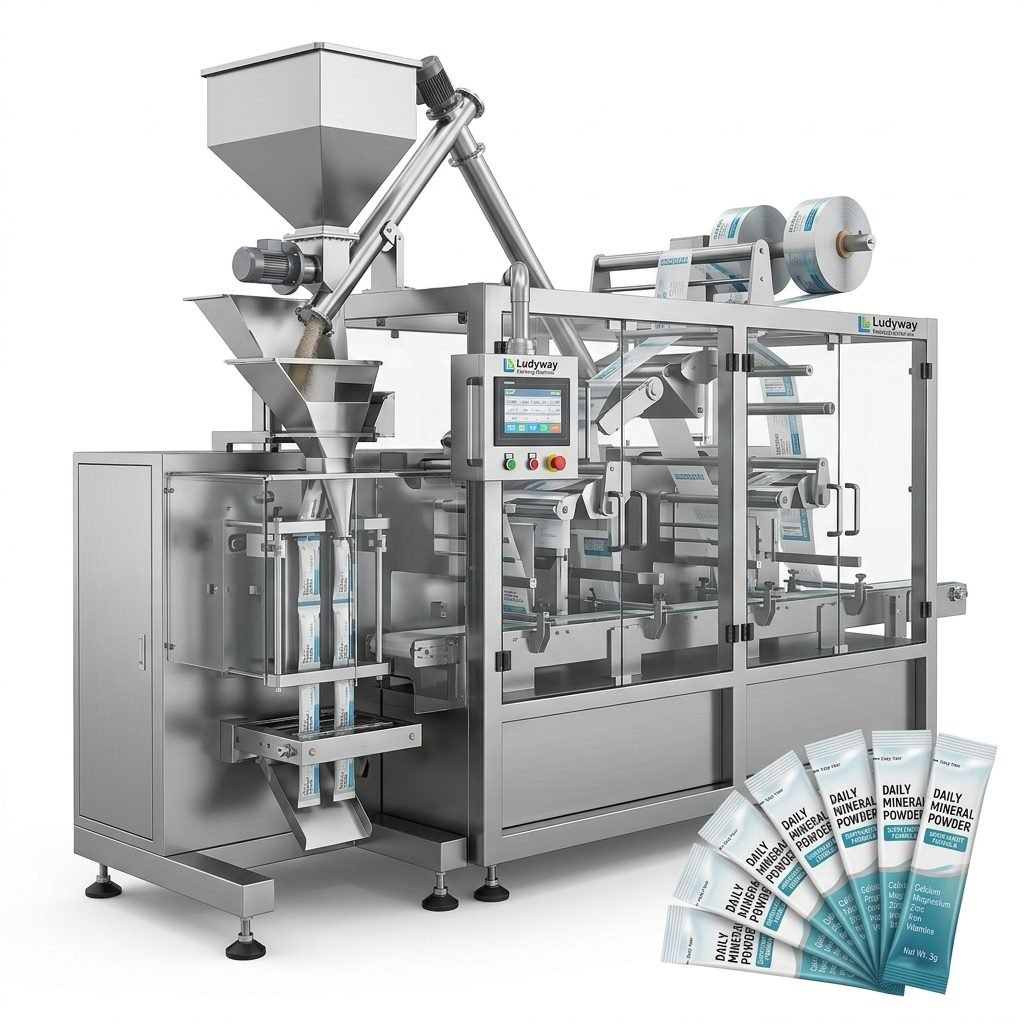
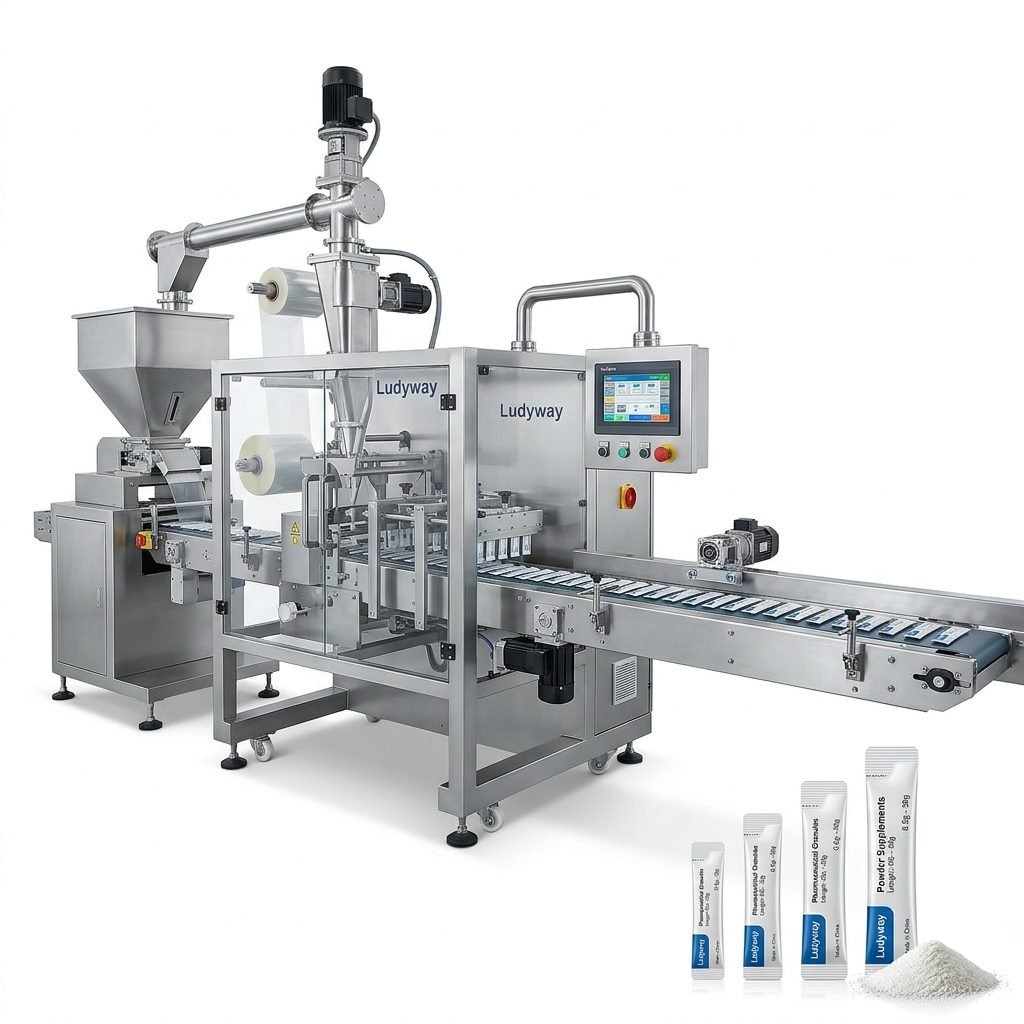
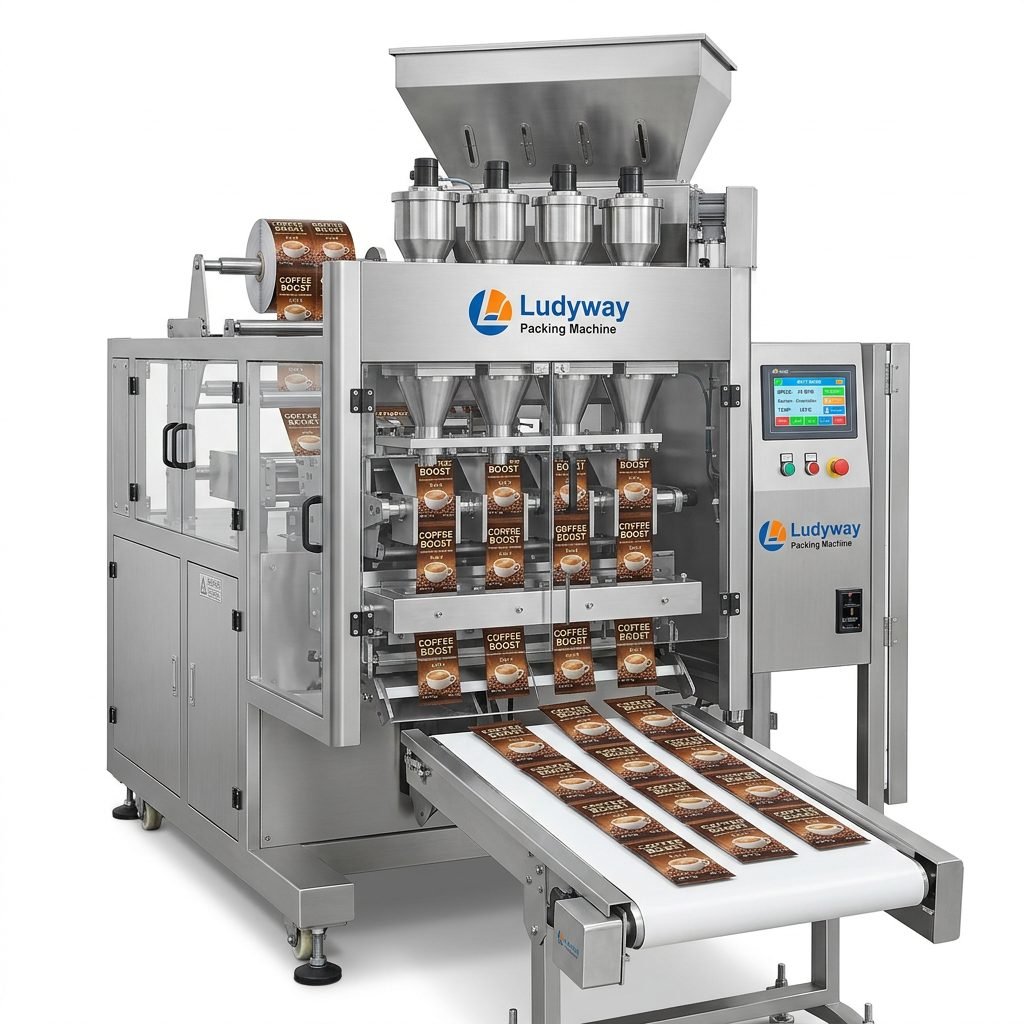
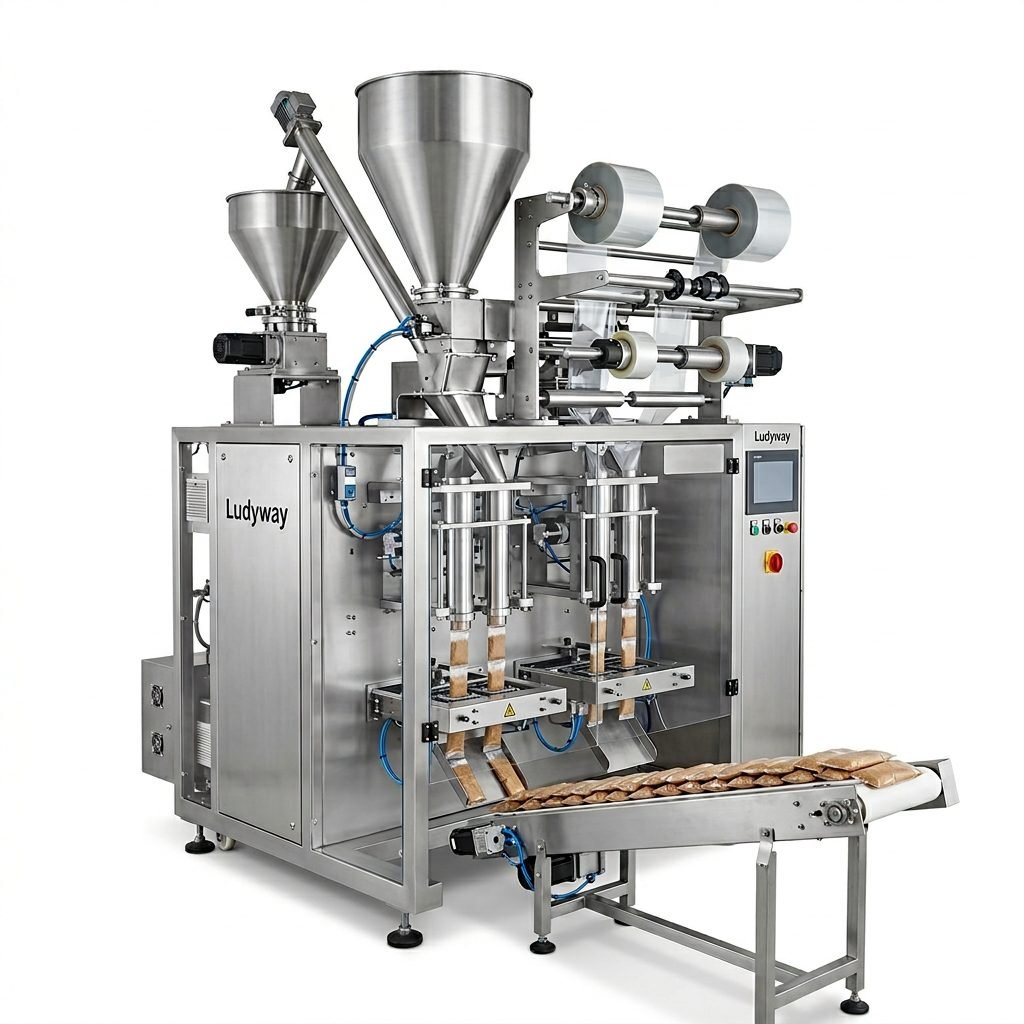
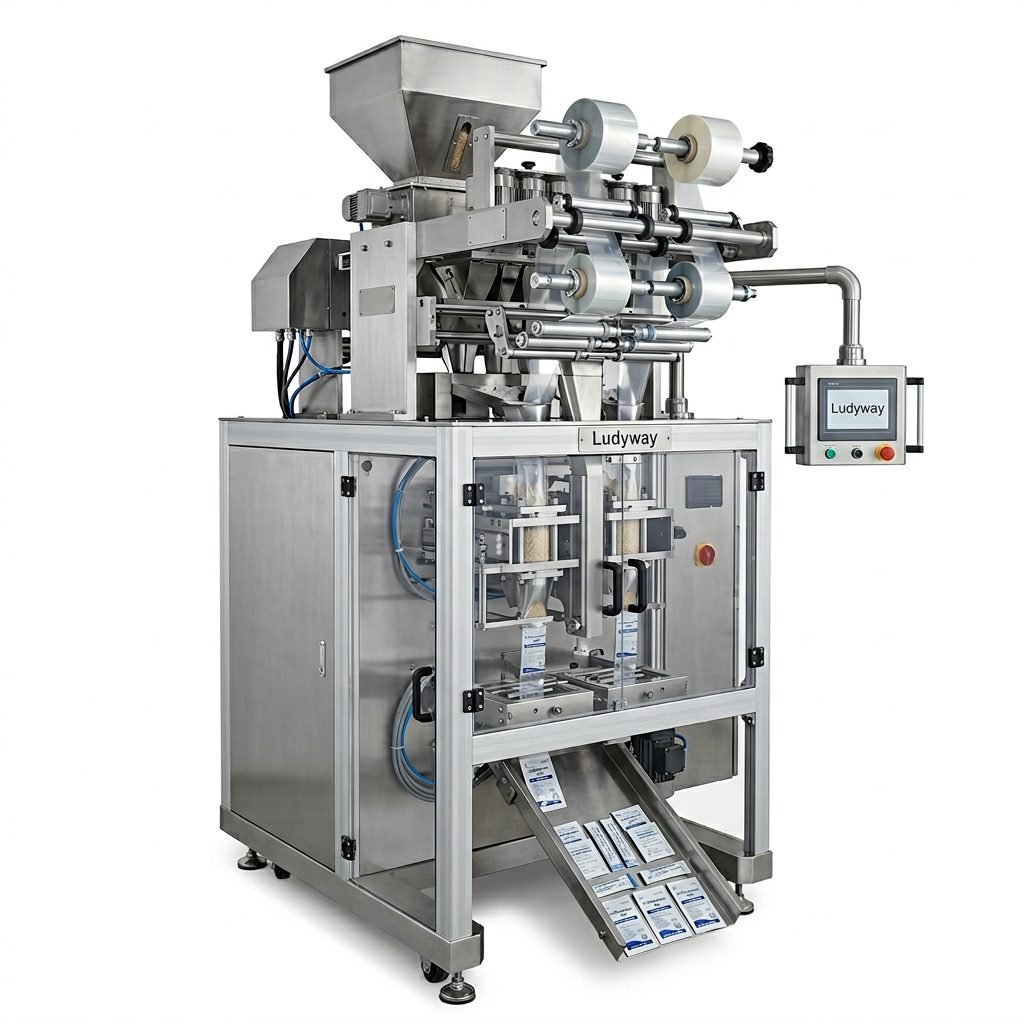
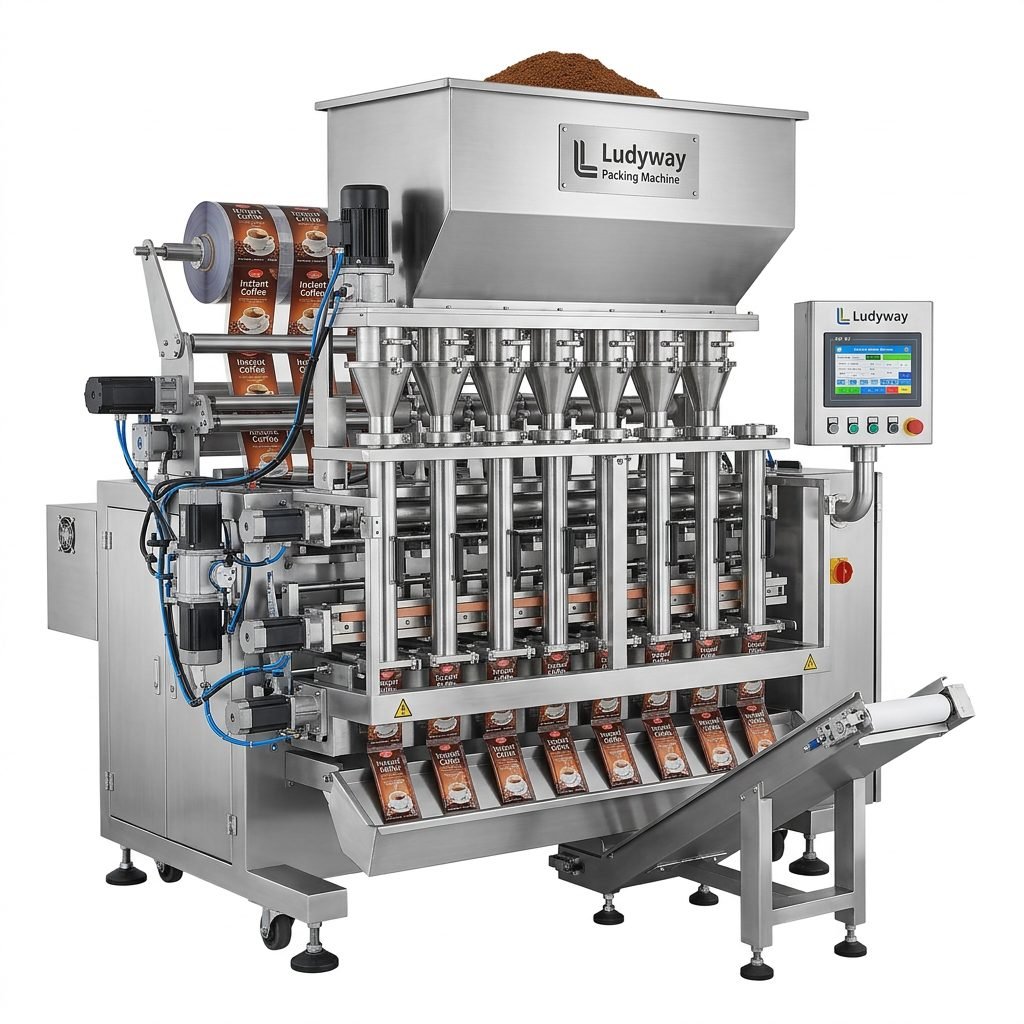
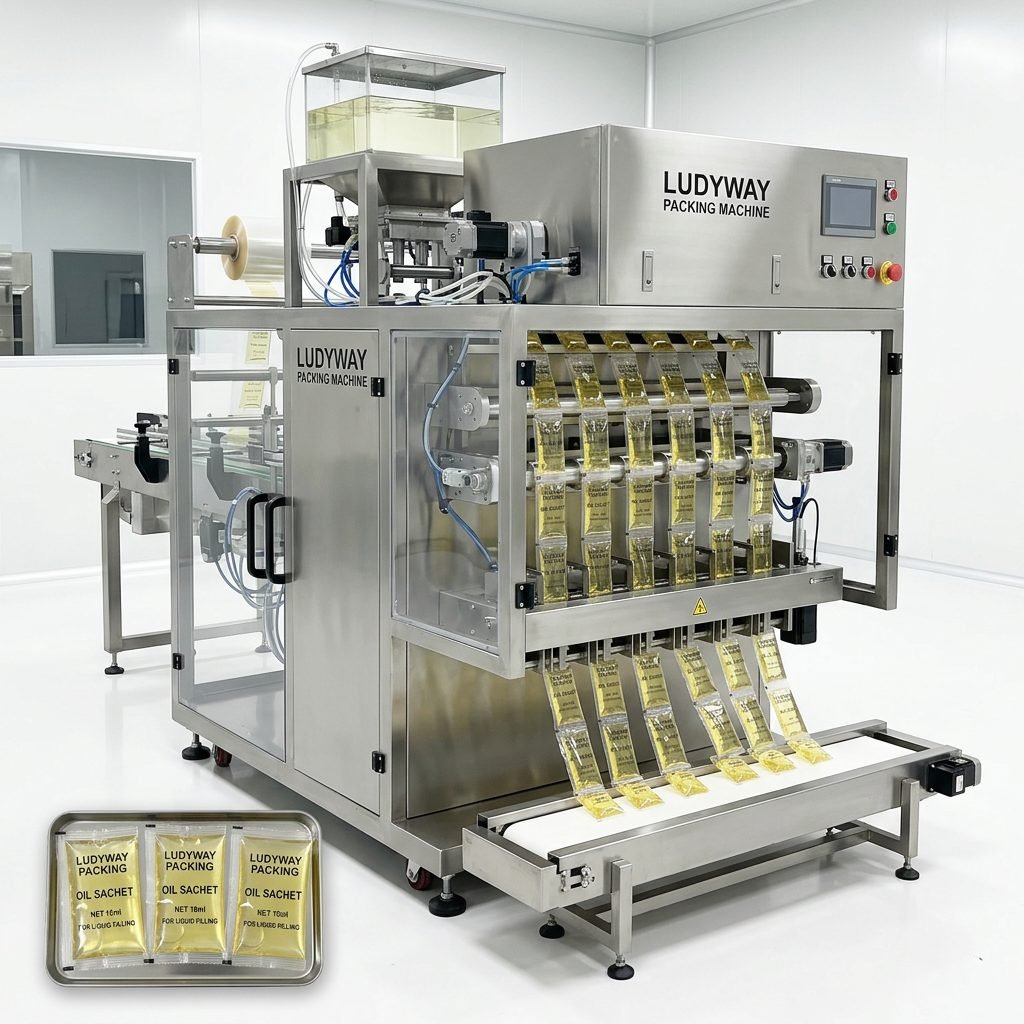
| High-Speed Sachet | Multi-lane stick pack / sachet system | Up to 400 packs/min/lane | Single-serve oil sachets, samples |
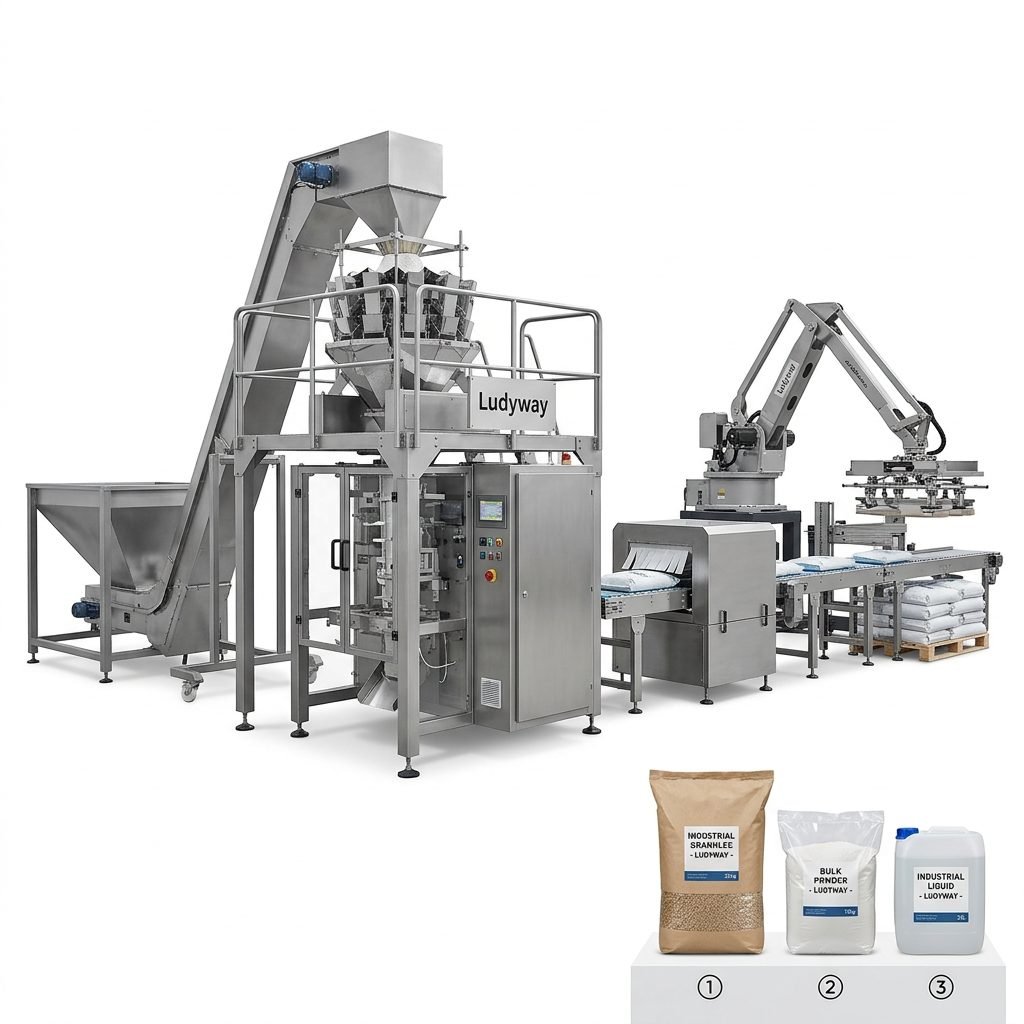
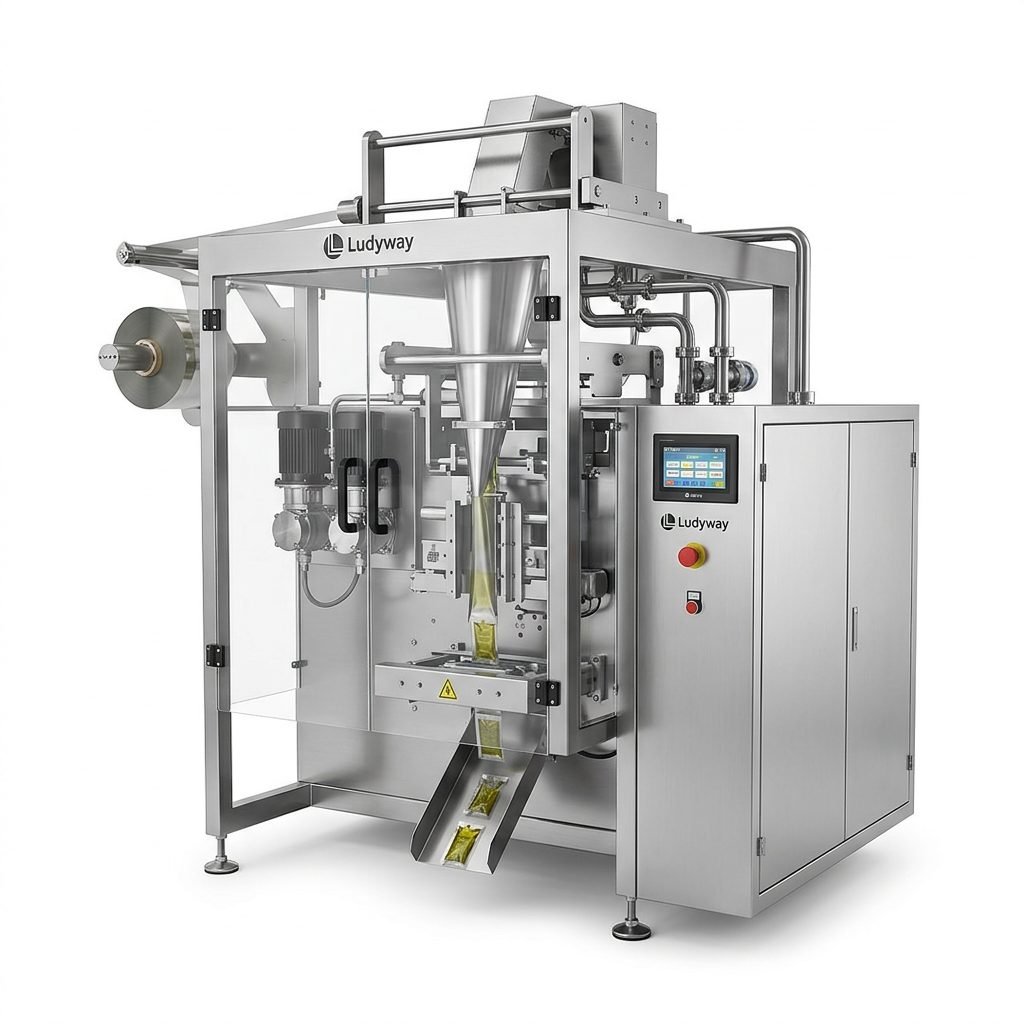
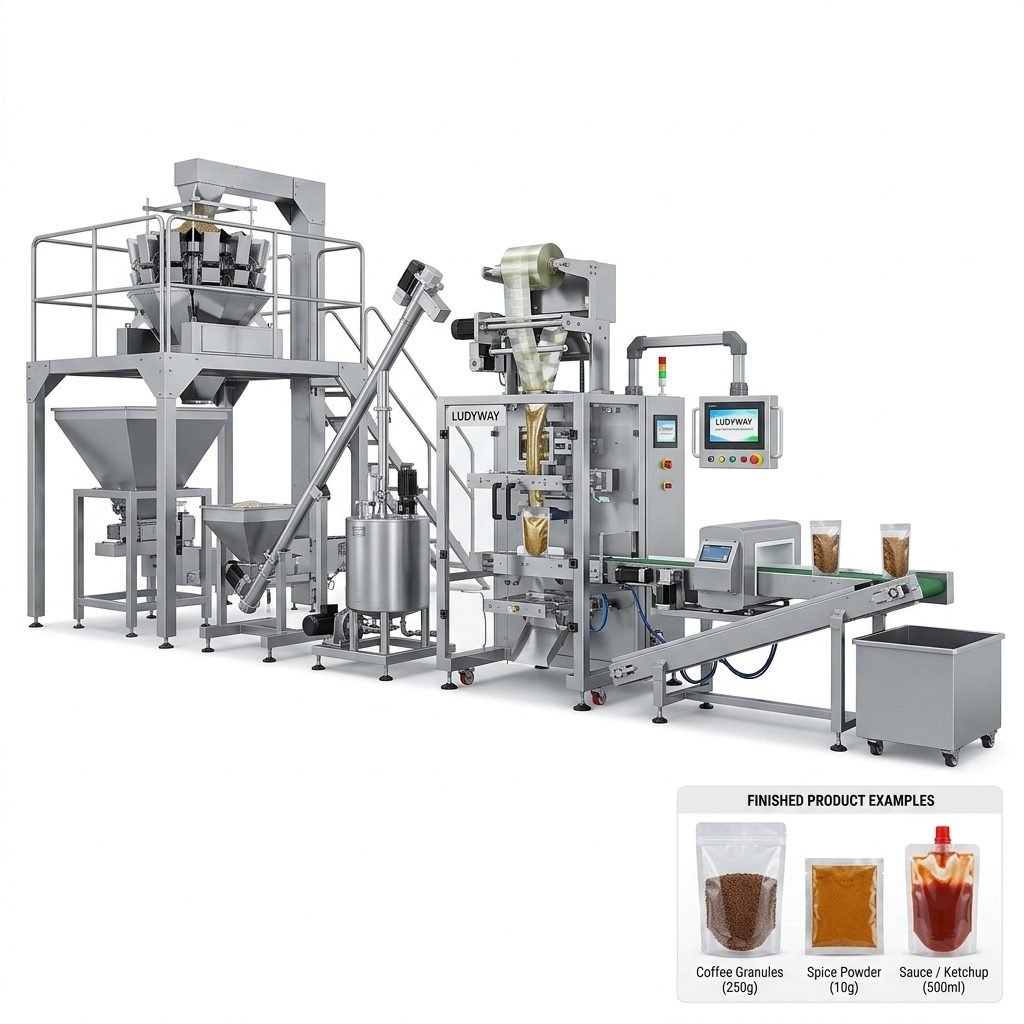
For businesses targeting high-volume edible oil production, fully automated turnkey lines are highly recommended. These integrated systems handle filling, capping, labeling, and cartoning with minimal human intervention, significantly reducing labor costs and contamination risks.
Step 3: Evaluate Factory Layout and Utilities
Your packaging line requires proper floor space allocation, utility connections, and workflow design. Important considerations include electrical supply specifications (typically 220V/380V in China), compressed air requirements for pneumatic components, cleanroom conditions if you are packaging food-grade oils, and adequate drainage and ventilation systems. A well-planned layout prevents bottlenecks and ensures smooth material flow from raw product intake to finished goods warehousing.
Step 4: Ensure Regulatory Compliance
Oil packaging operations must comply with both Chinese national standards and international regulations if you plan to export. Key regulatory frameworks include FDA Food Contact Substances regulations for U.S. markets, European Commission packaging and packaging waste directives for EU markets, and China’s GB standards for food packaging materials and labeling. Working with an experienced equipment supplier who understands these requirements helps streamline the certification process.
Step 5: Installation, Commissioning, and Training
Once equipment arrives at your facility, professional installation and commissioning are essential. This phase includes mechanical assembly and alignment, electrical integration and PLC programming, dry-run testing followed by product trials, and operator and maintenance staff training. Reputable Chinese packaging machine manufacturers typically provide on-site support from experienced engineers who oversee the entire commissioning process and ensure the line meets agreed-upon performance metrics.
Key Factors to Consider When Choosing an Oil Packaging Machine Supplier in China
Selecting the right packaging equipment manufacturer is just as important as choosing the equipment itself. Below are critical factors to evaluate:
- Industry Experience – Look for manufacturers with a proven track record in liquid and oil packaging specifically. Companies with decades of experience bring invaluable engineering insights that reduce project risk.
- Manufacturing Capability – A modern production facility with advanced machining equipment ensures consistent build quality. Verify the factory size, equipment roster, and production capacity.
- Technical Support – Strong after-sales service, including remote diagnostics, spare parts availability, and on-site technical assistance, is crucial for minimizing downtime.
- Customization Flexibility – Every oil product has unique characteristics. Your supplier should offer customization options for filling nozzles, capping heads, and labeling configurations.
- International Certifications – CE, ISO, and other certifications indicate adherence to global quality standards.
- References and Case Studies – Request client references and review case studies from similar oil packaging projects.
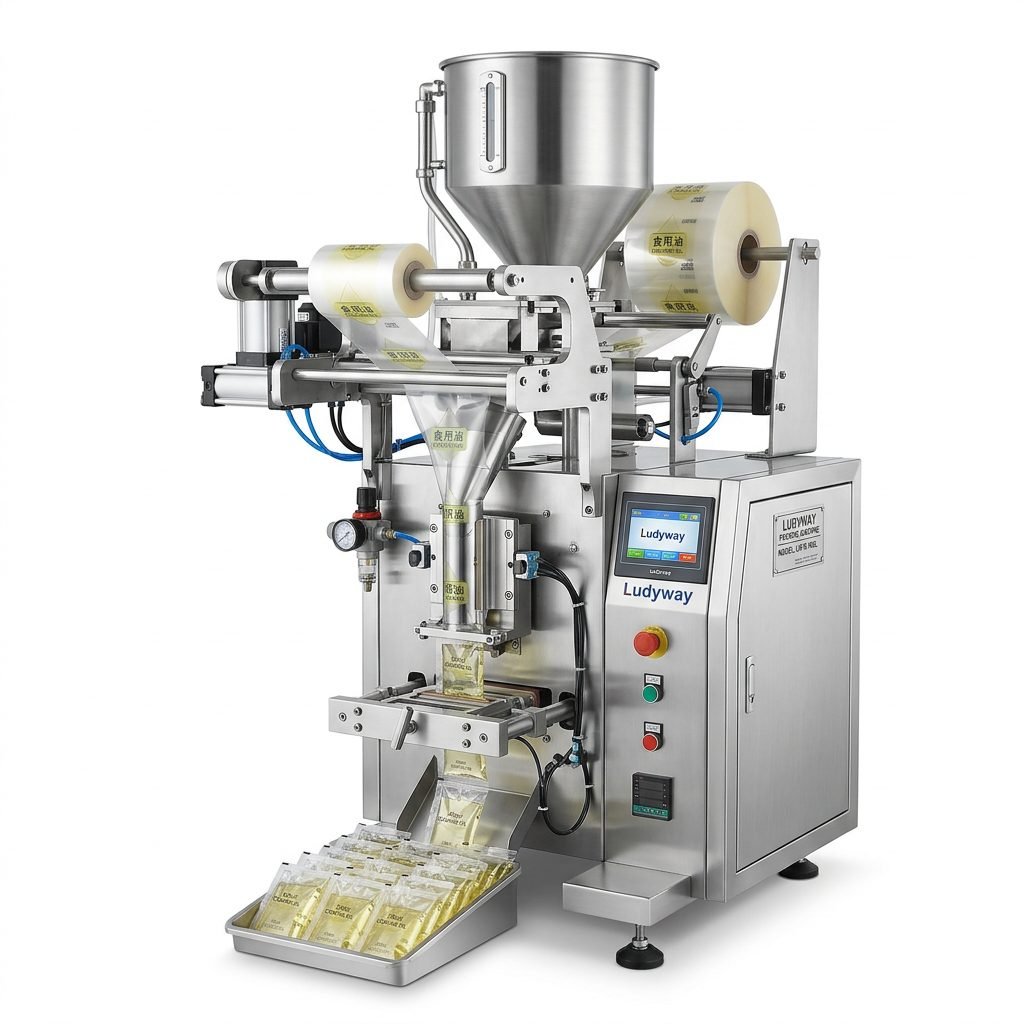
Ludyway is one of the largest packaging machine manufacturers in China, specializing in advanced packaging equipment and turnkey production solutions for the food, pharmaceutical, and health industries. With over 30 years of industry expertise and a modern 20,000㎡ manufacturing facility, the company provides reliable and efficient packaging solutions for granule, powder, liquid, and pouch packaging applications, serving customers in over 100 countries and regions.
Cost Estimation and ROI Analysis
Budgeting for an oil packaging production line involves multiple cost categories. Understanding these upfront helps you plan financing and calculate return on investment accurately.
| Cost Category | Estimated Range (USD) | Notes |
|---|---|---|
| Core packaging equipment | $50,000 – $500,000+ | Depends on automation level and speed |
| Installation and commissioning | $5,000 – $30,000 | Includes engineer travel and on-site work |
| Factory preparation and utilities | $10,000 – $50,000 | Electrical, air, plumbing modifications |
| Training and documentation | $2,000 – $8,000 | Operator manuals, SOPs, training sessions |
| Initial spare parts inventory | $3,000 – $15,000 | Wear parts, seals, sensors for first year |
A well-implemented oil packaging line typically achieves ROI within 12 to 24 months, depending on production volume, labor savings, and reduced product giveaway from precision filling. Automated lines also significantly reduce contamination risk and rework costs compared to manual or semi-automatic operations.
Common Pitfalls to Avoid When Setting Up Your Production Line
- Underestimating future capacity needs – Invest in scalable equipment that can accommodate growth without requiring a complete line replacement.
- Overlooking material compatibility – Ensure all product-contact surfaces are compatible with your specific oil type to prevent corrosion or contamination.
- Neglecting operator training – Even the most advanced equipment underperforms without properly trained operators.
- Skipping factory acceptance testing – Always conduct thorough testing at the manufacturer’s facility before shipment to identify issues early.
- Ignoring local after-sales support – Choose a supplier with established service networks or the capability to provide remote diagnostic support.
Why China Is the Preferred Destination for Oil Packaging Equipment
China has emerged as a global leader in packaging machinery manufacturing due to several competitive advantages. The country’s robust industrial supply chain enables cost-effective sourcing of high-quality components. According to PMMI’s State of the Industry reports, the Asia-Pacific region continues to lead global packaging equipment growth, with Chinese manufacturers playing an increasingly prominent role. Additionally, many Chinese equipment manufacturers now offer technology that rivals European counterparts at significantly more competitive price points, making China an attractive option for businesses worldwide.
Maintenance and Long-Term Operational Excellence
A proactive maintenance program is essential for sustaining high productivity over the life of your oil packaging line. Implement a structured preventive maintenance schedule that includes daily cleaning and inspection of filling nozzles and seals, weekly checks on conveyor belt tension and alignment, monthly calibration of filling volumes and capping torque, quarterly inspection of electrical connections and PLC backup, and annual comprehensive overhaul of all mechanical components. Partnering with a supplier that offers comprehensive after-sales support and maintains an extensive spare parts inventory ensures minimal disruption to your operations.
Final Thoughts on Building Your Oil Packaging Production Line
Setting up an oil packaging machine production line in China is a complex but highly rewarding endeavor. By carefully defining your production requirements, selecting the right equipment configuration, ensuring regulatory compliance, and partnering with a reputable manufacturer, you can build a packaging operation that delivers consistent quality, high throughput, and strong returns on investment. The key to success lies in thorough planning, attention to detail during installation and commissioning, and a long-term commitment to maintenance and continuous improvement. With China’s advanced manufacturing ecosystem and the expertise of established packaging machinery providers, your oil packaging line can become a powerful driver of business growth in both domestic and international markets.
Frequently Asked Questions
What is the minimum investment for a small oil packaging line?
For a basic semi-automatic setup suitable for small-scale production, you can expect to invest approximately $30,000 to $80,000 USD. This typically includes a manual filling station, a semi-automatic capper, and basic labeling equipment. However, output capacity will be limited to a few hundred bottles per day.
How long does it take to set up and commission a complete oil packaging line?
From order confirmation to full production, a typical timeline ranges from 8 to 16 weeks. This includes equipment manufacturing (4-8 weeks), shipping and customs clearance (2-4 weeks), and on-site installation with commissioning (1-3 weeks). Customized or highly complex lines may require additional lead time.
Can the same line handle multiple oil types?
Yes, most modern liquid filling machines can be configured to handle different oil viscosities with quick changeover procedures. However, thorough cleaning and flushing protocols must be followed when switching between product types to prevent cross-contamination and maintain product integrity.