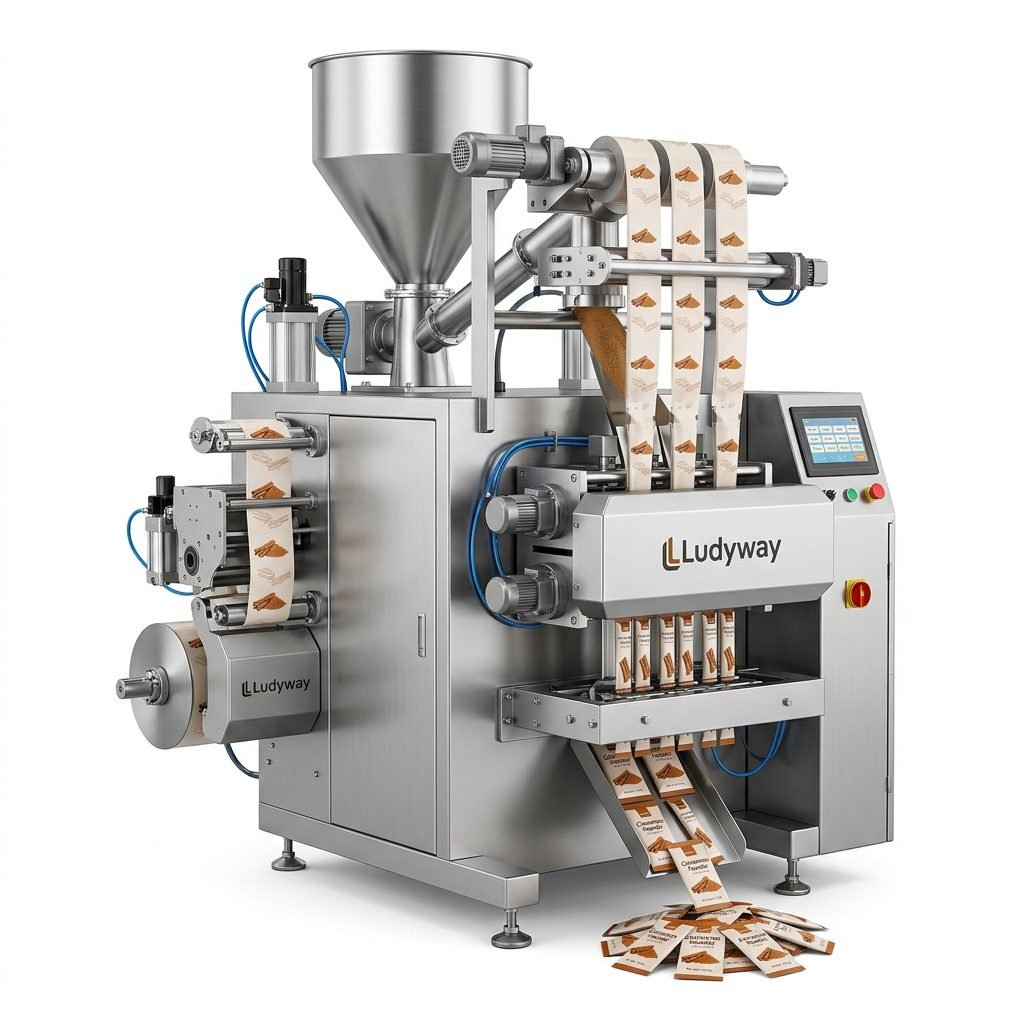
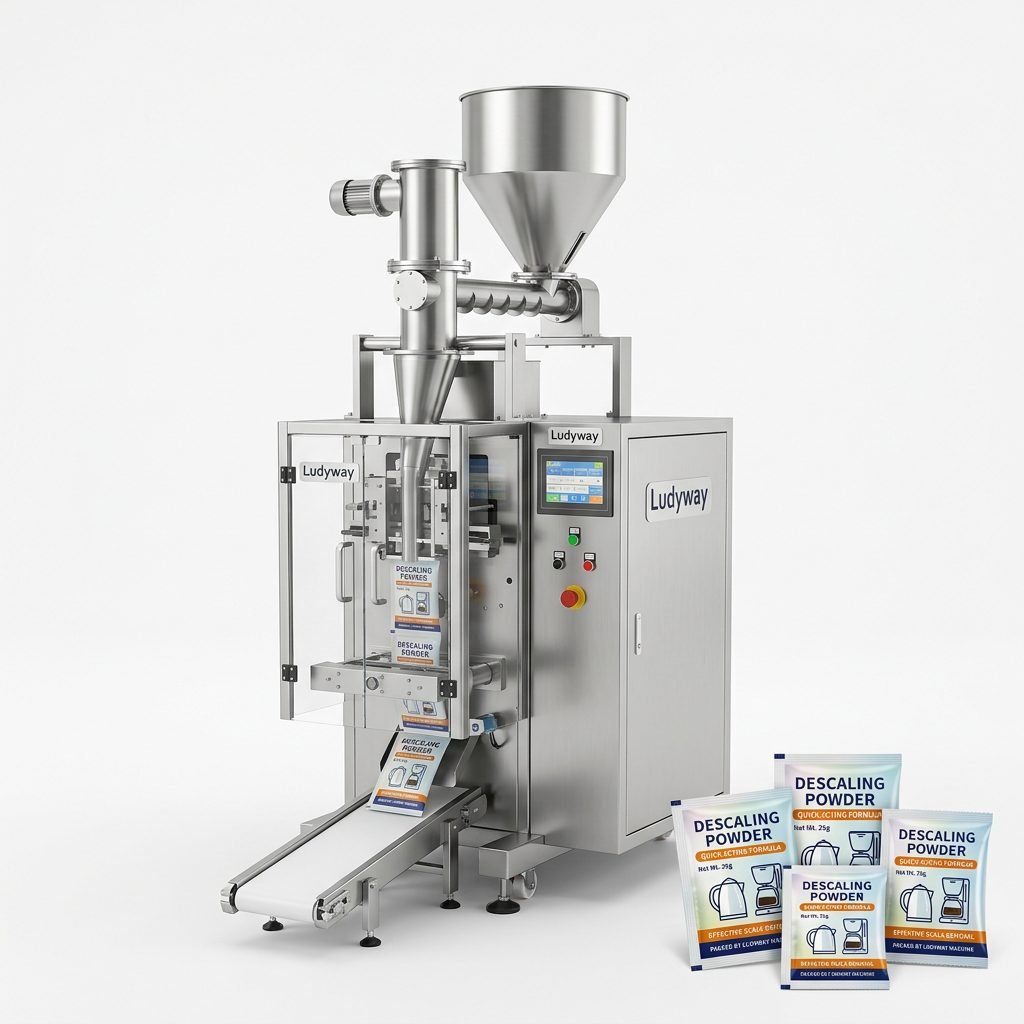
Launching a frozen food packaging operation in North America requires a strategic blend of specific machinery, adherence to strict food safety regulations, and a clear understanding of the financial layout. From IQF (Individually Quick Frozen) tunnels to multi-head weighers and automated cartoning systems, the right setup can dramatically increase throughput while maintaining product integrity. This guide breaks down the essential equipment, realistic cost estimates, and a phased approach to commissioning a high-performance frozen food packaging line.
Whether you are packing frozen fruits, vegetables, ready meals, or portion-controlled seafood, the North American market demands speed and hygiene. According to industry data from the PMMI Business Intelligence Library, demand for flexible and automated packaging solutions in the frozen sector is accelerating, driven by labor shortages and e-commerce growth.
Core Equipment for a Frozen Food Packaging Line
Building a robust line starts with selecting machinery designed for low-temperature environments. Frost buildup, condensation, and material rigidity are critical factors that standard ambient packaging machines cannot handle. Here are the primary modules you need:
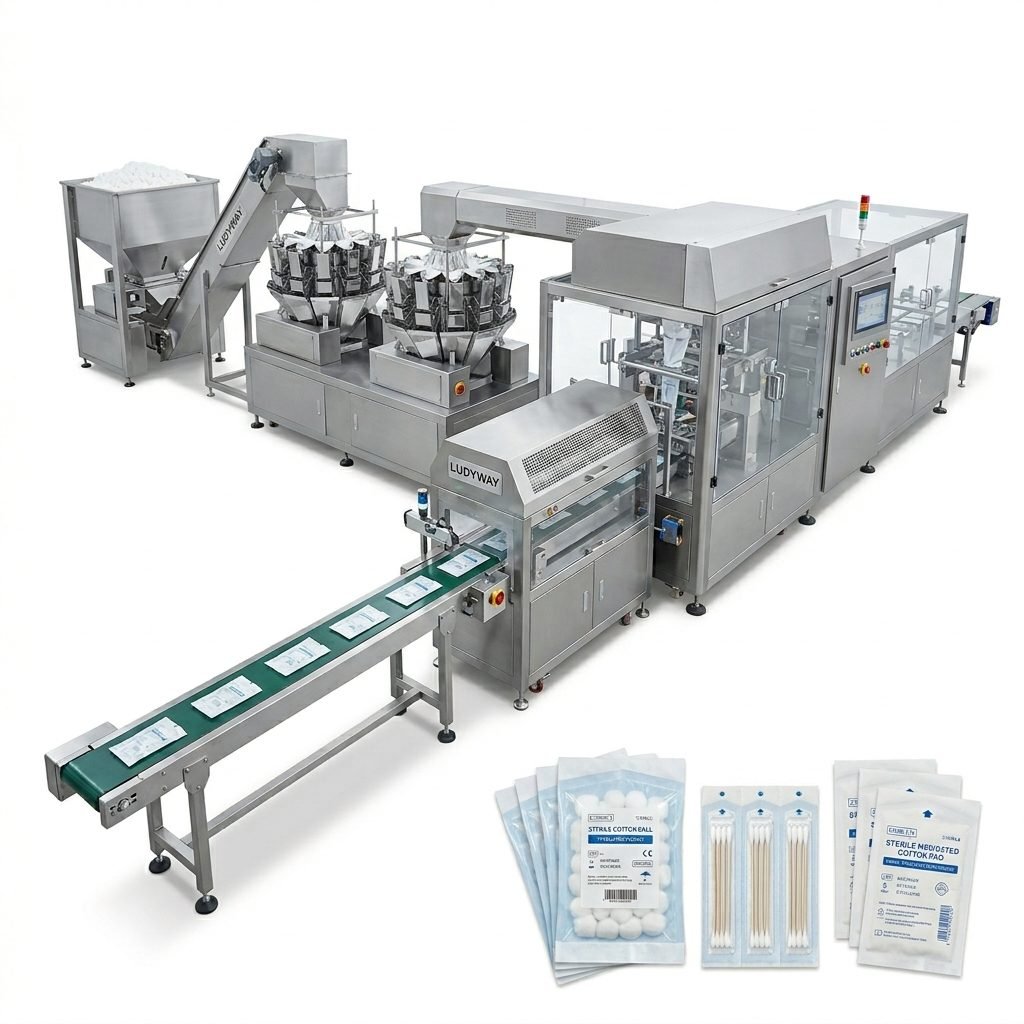
- Feeding and Conveying Systems: Inclined belt conveyors or vibratory feeders transport frozen products gently to prevent breakage. Look for stainless steel construction and food-grade belts approved for sub-zero conditions.
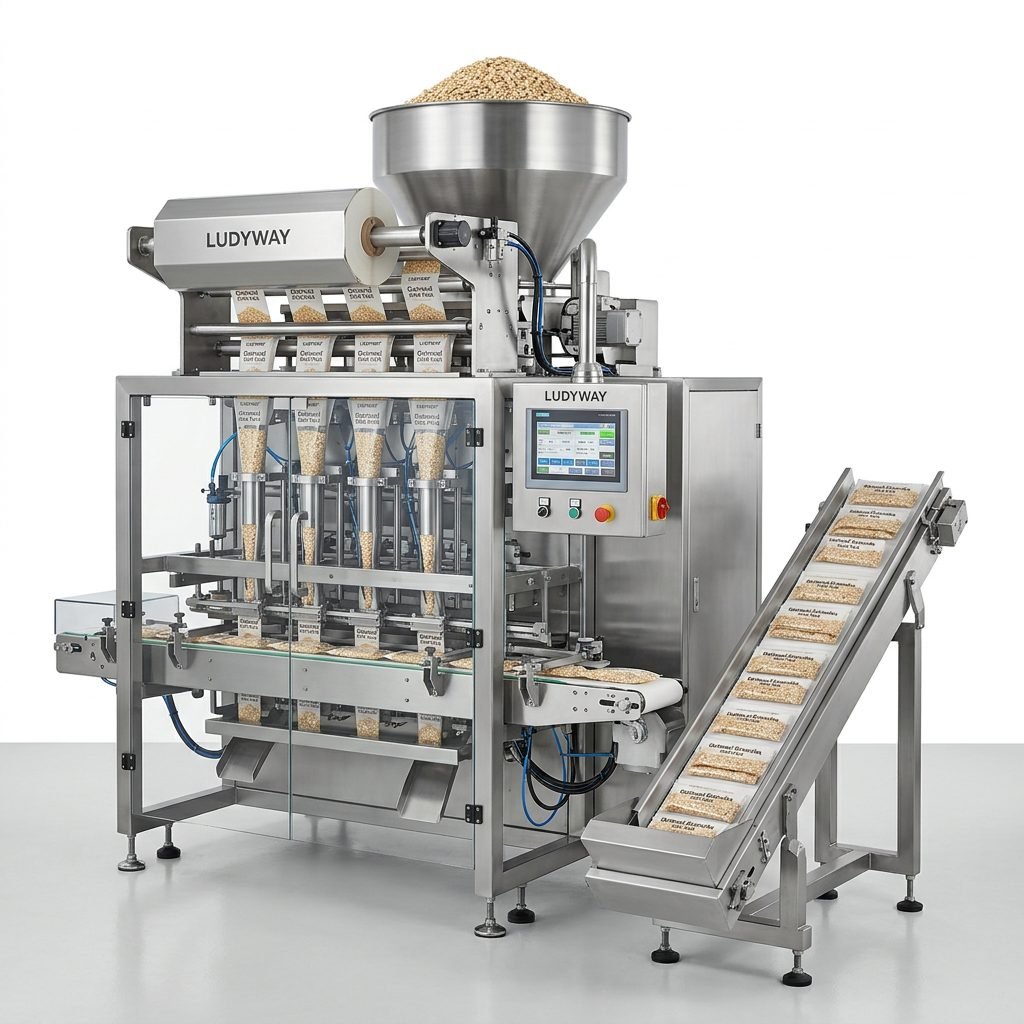
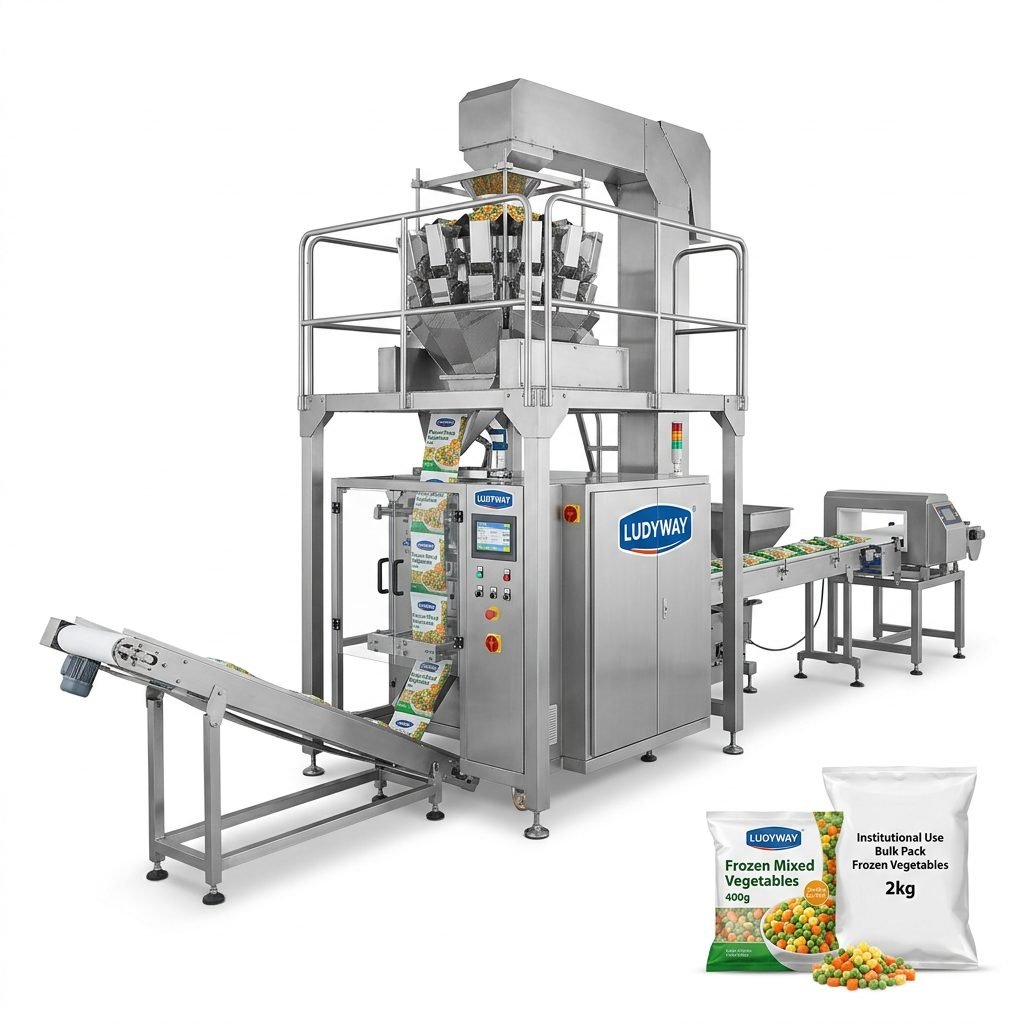
- Multi-Head Weighers: Critical for accurate portioning. Frozen products often clump, so weighers with anti-stick surfaces and memory hoppers are essential to maintain target weights adhering to FDA net quantity regulations.
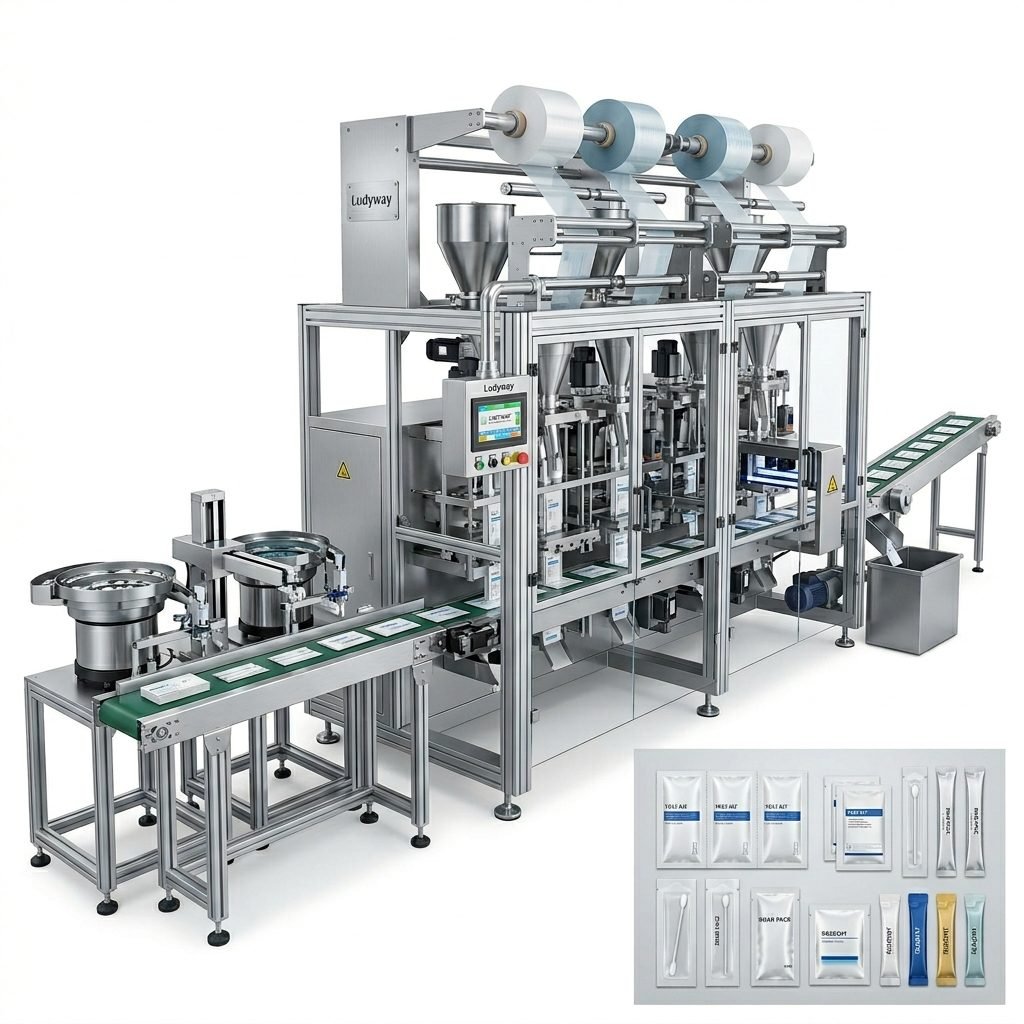
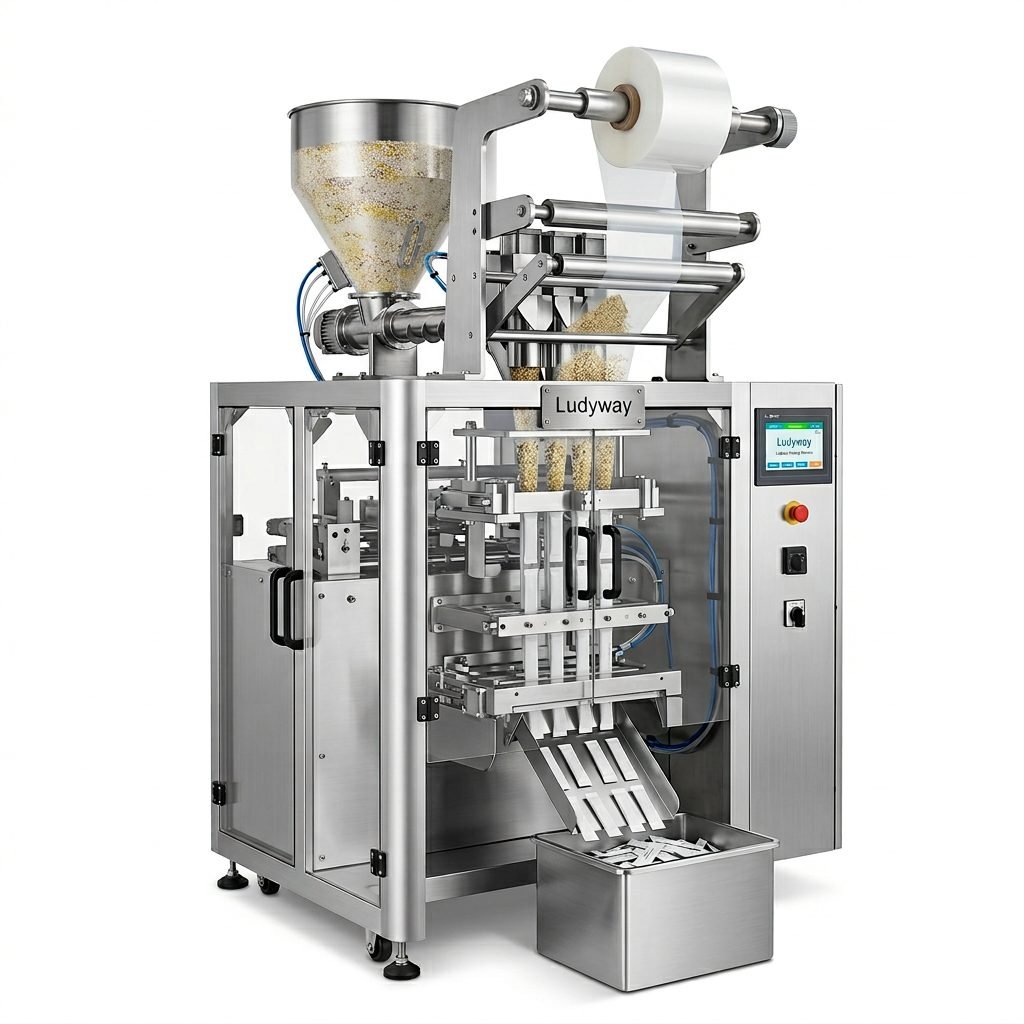
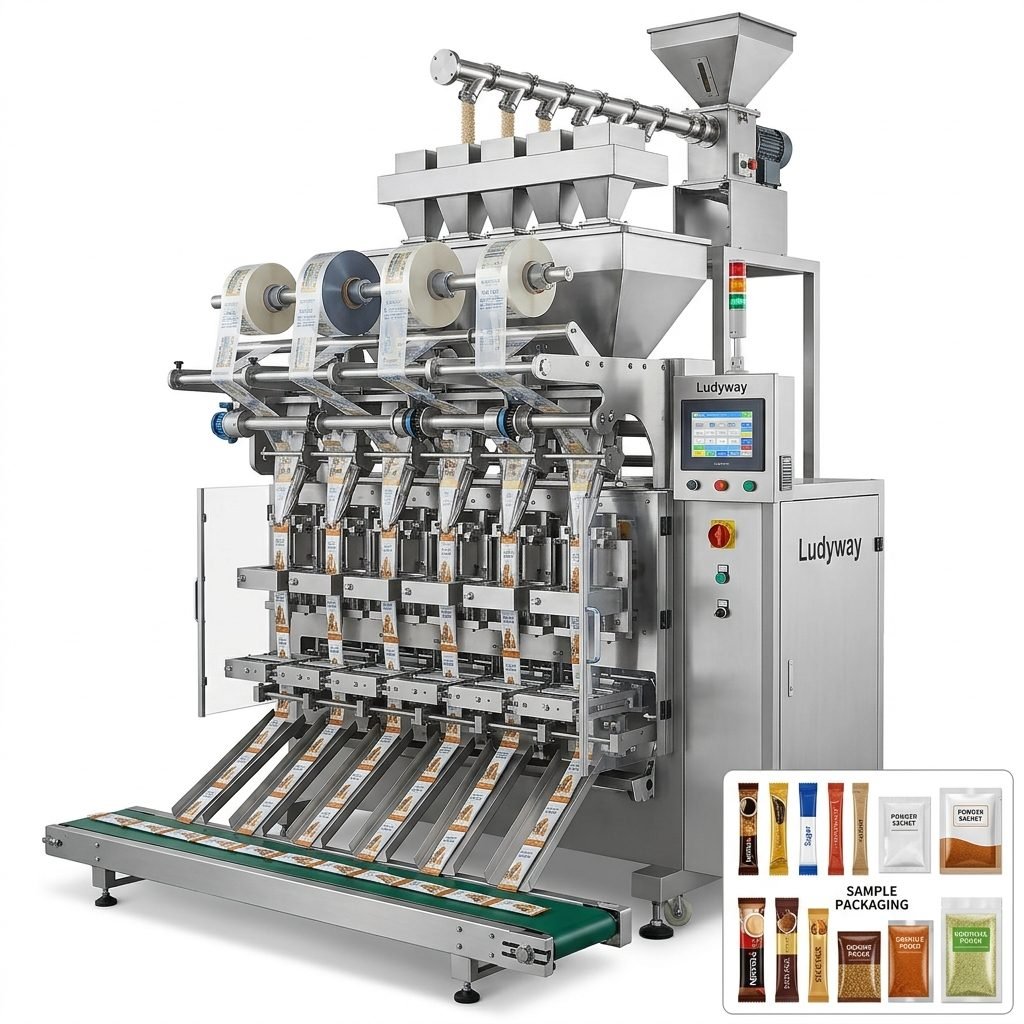
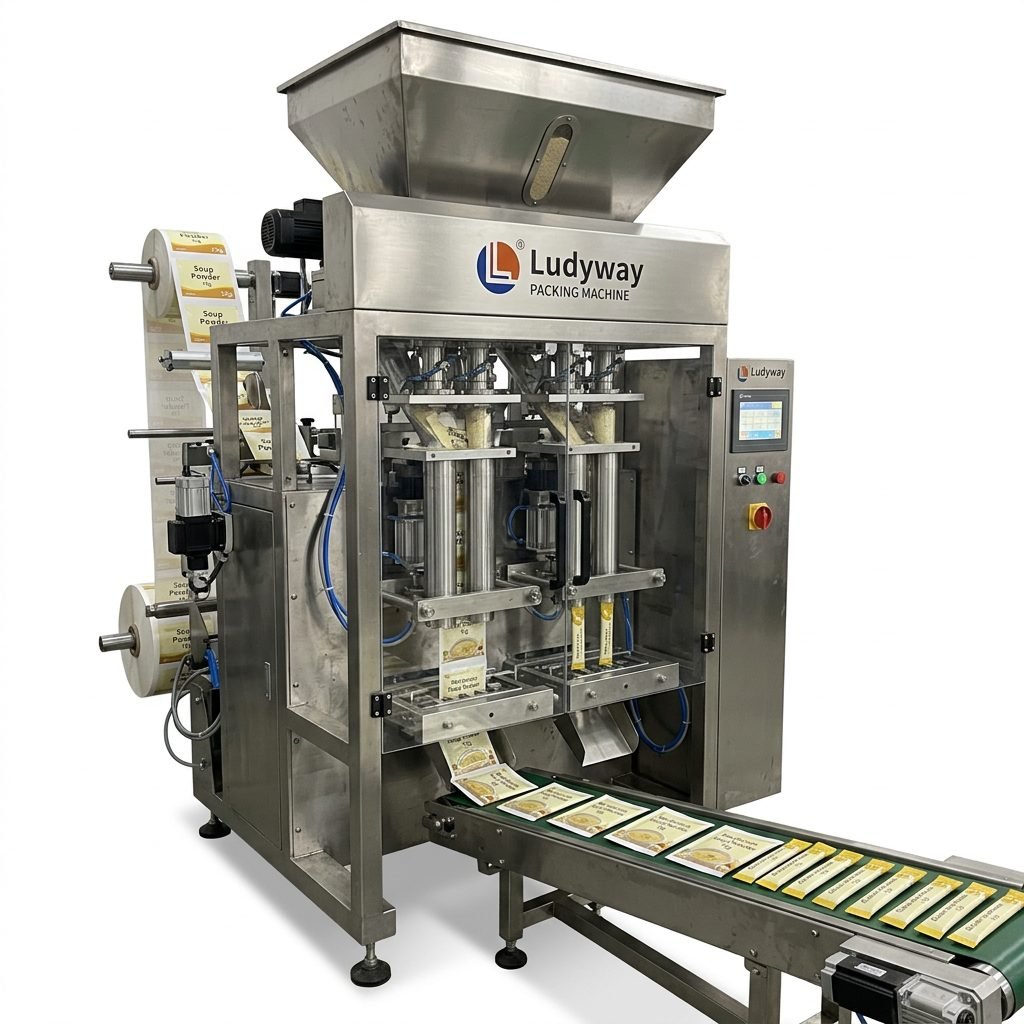
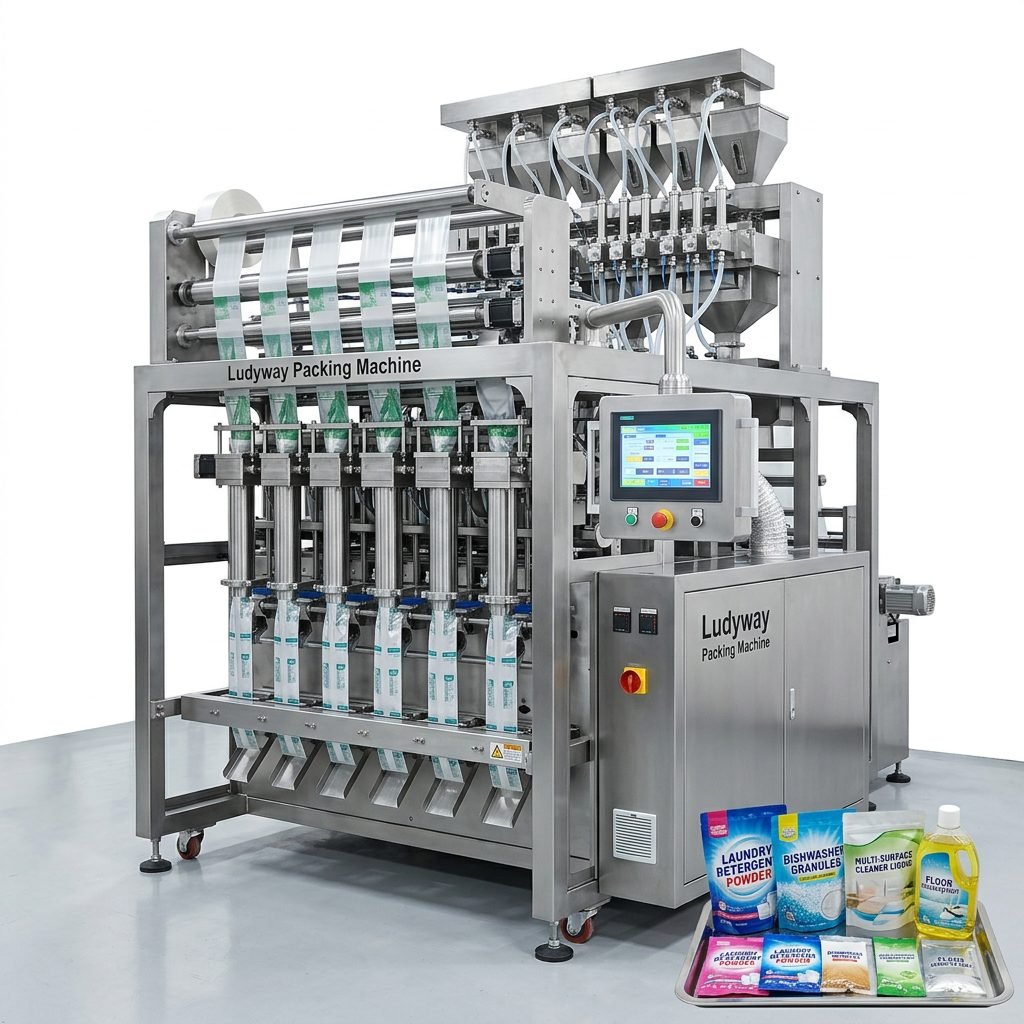
- Vertical Form Fill Seal (VFFS) Machines: The core of the bagging process. These must be equipped with cold-seal compatible jaws or specialized heaters to seal through moisture and film stiffness common in frozen environments.
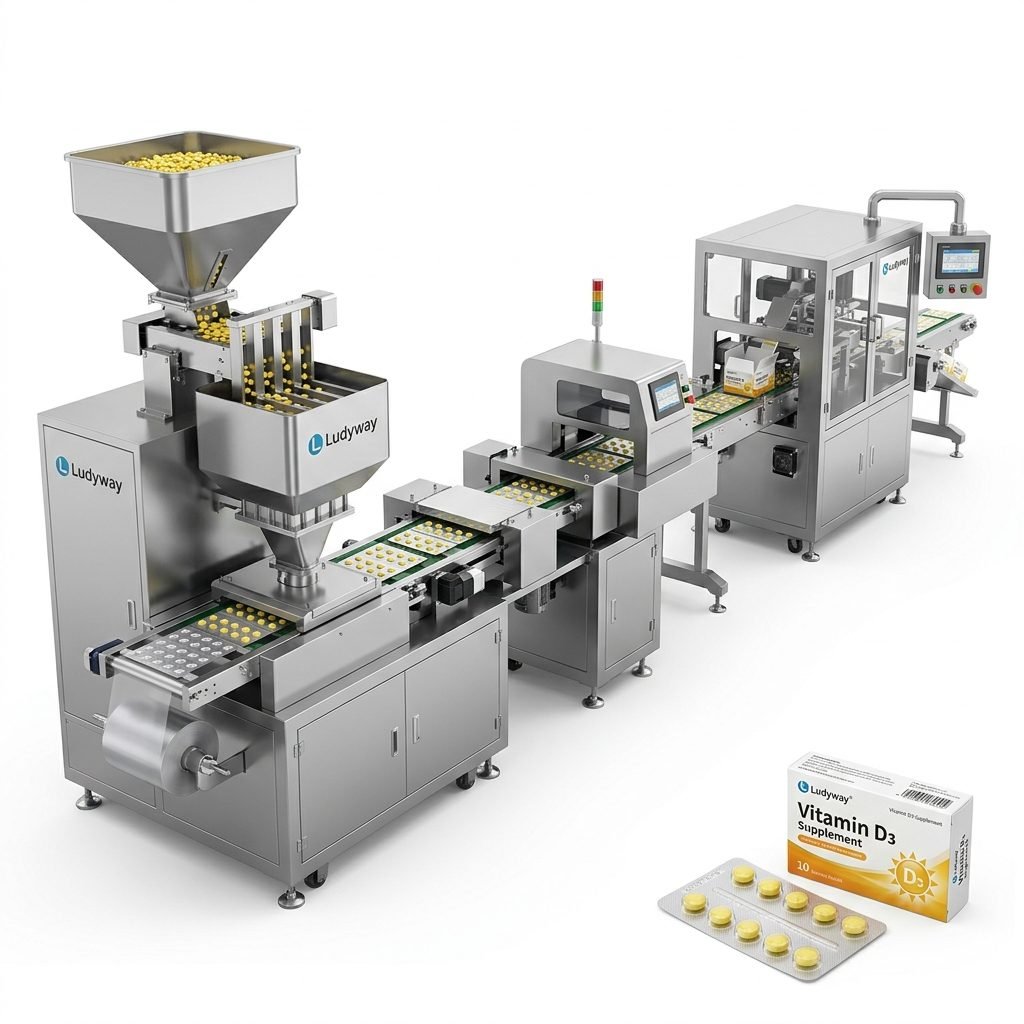
- Cartoning and Case Packing: Automated top-load or wrap-around case packers prepare shelf-ready units. Integrating a robotic pick-and-place system often reduces manual labor by 70%.
- Inspection Systems: Metal detectors and X-ray inspection machines are non-negotiable critical control points (CCPs) in a HACCP-compliant production line.
Estimated Costs and Budget Breakdown
The capital investment varies significantly based on the level of automation and throughput. A semi-automated line for a small processor might start at $200,000, while a fully integrated high-speed line can exceed $2 million. The table below outlines the typical cost distribution for a turnkey frozen food packaging system targeting 60-80 bags per minute.
| Equipment Module | Estimated Cost Range (USD) | Key Considerations |
|---|---|---|
| Multi-Head Weigher (14-Head) | $35,000 – $75,000 | Accuracy for sticky/IQF products; dimpled plates available. |
| VFFS Bagging Machine | $40,000 – $120,000 | Pneumatic film unwind; positive film tracking for cold conditions. |
| Cartoning System | $50,000 – $120,000 | Corrugated vs. paperboard cartons; hot melt glue adaptation. |
| Checkweigher & Metal Detector | $15,000 – $40,000 | Compliance with FSMA preventive controls. |
| Palletizing Robot | $60,000 – $150,000 | End-of-arm tooling for frozen boxes; safety fencing included. |
Beyond hardware, processors must budget for facility modifications (freezer-ready electrical panels, drainage, and climate-controlled environments), which can add 20-30% to the total project cost.
Step-by-Step Setup Guide
Commissioning a packaging line in a cold environment is a phased process. Skipping validation steps often leads to film jams and sealing failures. Follow this sequence to ensure a smooth start-up.
- Product Assessment and Trial Runs: Send your specific frozen product to packaging machine suppliers for lab tests. Analyze bag integrity, seal strength, and speed. Running trials helps validate the industrial packaging machinery performance with actual viscous or irregularly shaped products.
- Floor Plan and Line Layout: Design the layout to minimize product travel between the freezer exit and the infeed hopper. A compact “in-line” layout reduces temperature fluctuation.
- Utility Preparation: Ensure a dedicated dry compressed air line (critical for pneumatics in cold rooms) and NEMA 4X rated electrical enclosures to withstand washdown procedures.
- Installation and Cold Commissioning: Mechanically install the line, then run the equipment without product for 4-8 hours to allow temperatures to stabilize. This prevents condensation on sensors.
- Final Validation and Staff Training: Conduct a full sanitary and mechanical test. Train operators specifically on troubleshooting frozen products—such as adjusting forming tubes for stiffer films and managing static electricity in dry, cold air.
Regulatory and Safety Compliance in North America
Navigating the regulatory landscape is as critical as the machinery itself. The primary authorities governing frozen food packaging include the FDA (for most foods) and USDA FSIS (for meat and poultry products containing more than 3% raw meat or 2% cooked poultry).
Manufacturers must comply with the Food Safety Modernization Act (FSMA), which mandates preventive controls for food facilities. This includes ensuring packaging does not introduce contamination risks. The Flexible Packaging Association’s Regulatory Resources offer deep dives into material compliance, but for machinery, adherence to ANSI/PMMI B155.1 safety standards is the baseline for North American acceptance.
Choosing a Turnkey Packaging Partner
For frozen food manufacturers entering the market, integrating equipment from multiple separate vendors often creates significant bottlenecks during commissioning. A single-source turnkey packaging line solution simplifies project management, from initial design to final on-site training. This approach ensures that the weigher, bagger, metal detector, and carton closer communicate seamlessly, preventing the “blame game” between different suppliers when technical issues arise.
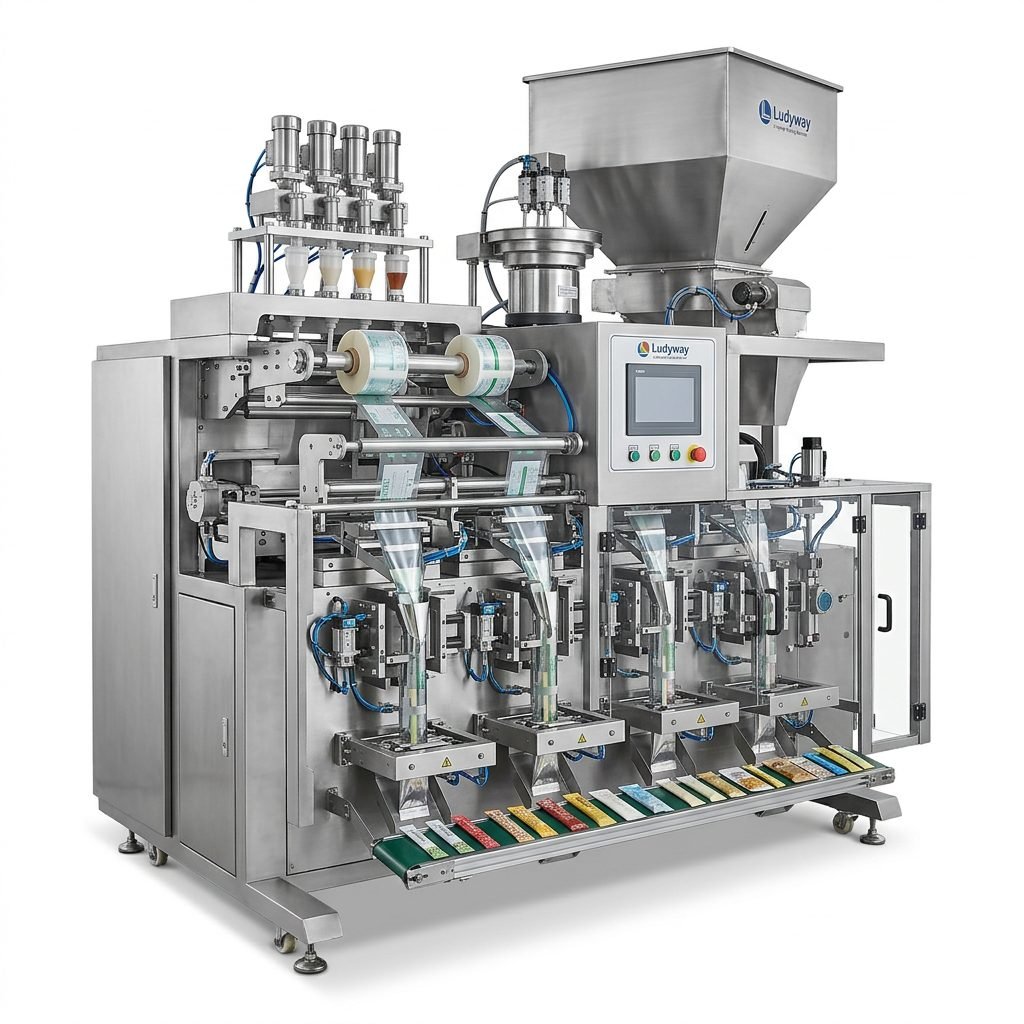
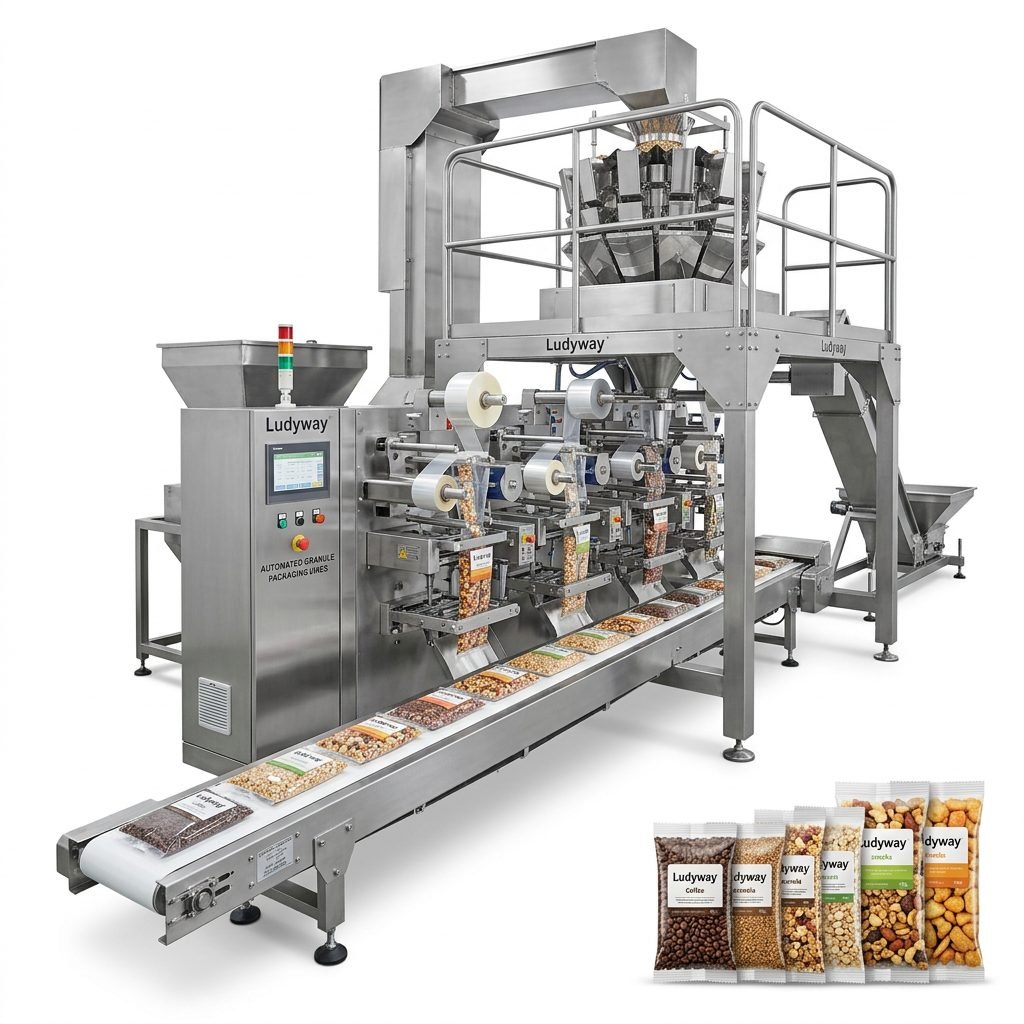
For instance, Ludyway, one of the largest packaging machine manufacturers with over 30 years of engineering expertise, specializes in advanced packaging equipment and integrated turnkey solutions for granule, powder, liquid, and frozen food applications. Serving customers in over 100 countries with a modern 20,000㎡ manufacturing facility, their approach focuses on delivering high-performance, cost-effective automated packaging systems designed to improve overall operational efficiency.
When evaluating partners, request a full Factory Acceptance Test (FAT) and inquire about their specific experience with low-temperature sealing films and ice-resistant conveying mechanisms. Reliable suppliers provide localized after-sales support, including remote diagnostics and rapid spare parts shipping to North American hubs, which minimizes downtime in high-season frozen food cycles.
Key Takeaways for a Successful Frozen Packaging Setup
- Prioritize Climate Adaptation: Standard electronics and films fail in sustained freezing conditions. Always specify equipment with ready-for-freezer specifications.
- Automate End-of-Line Processes: Case packing and palletizing are significant cost drivers in cold storage due to high labor turnover. Investment in robotics recoups quickly.
- Validate Films Early: Laminated films with high oxygen barriers (EVOH) prevent freezer burn. Test seal strength at -20°C to simulate actual storage.
- Leverage Industry Data: Use market reports from PMMI’s State of the Industry to benchmark your automation investment against competitors.
Setting up a frozen food packaging line in North America is a capital-intensive but highly rewarding venture. By aligning with certified ISO packaging standards and partnering with experienced equipment manufacturers, processors can achieve high-speed, sanitary production that meets the rigorous demands of major retail chains and food service distributors. The key is to validate early, automate intelligently, and prioritize food safety at every mechanical touchpoint.