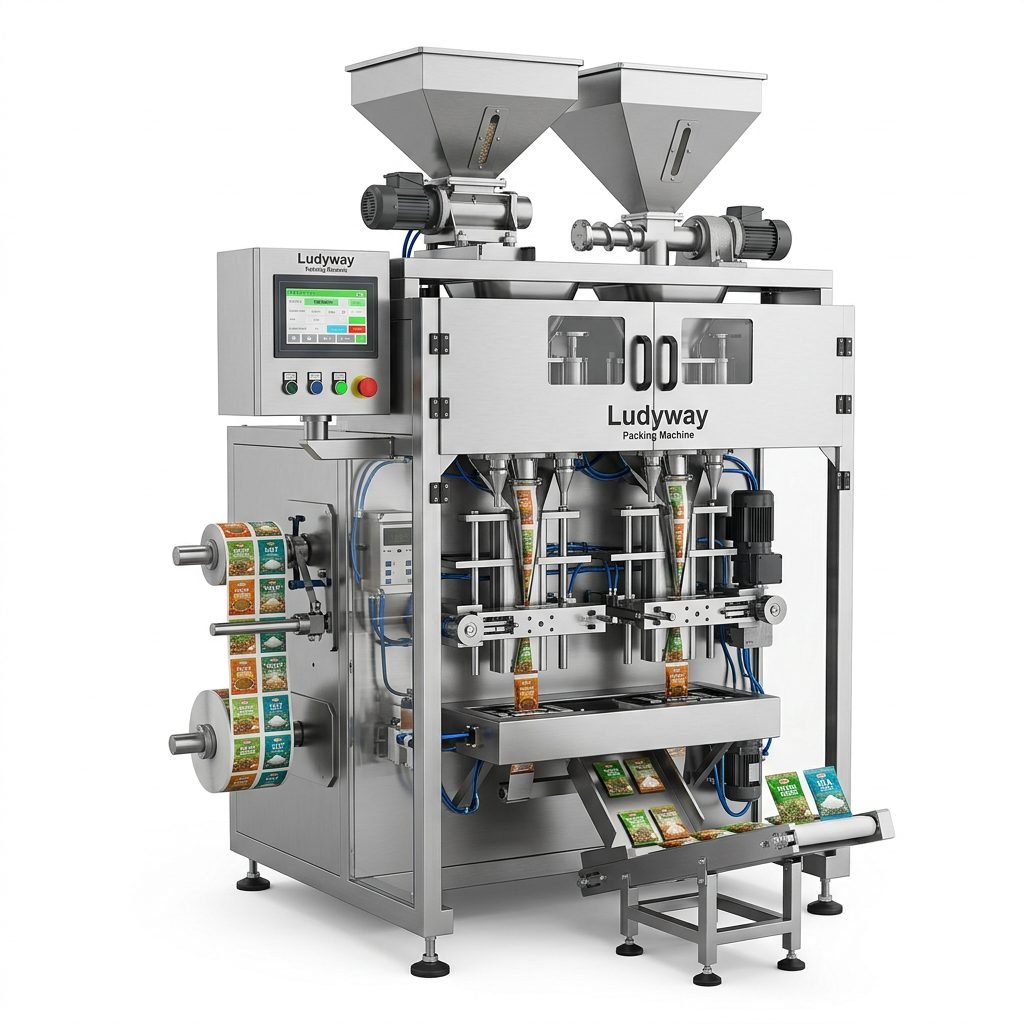
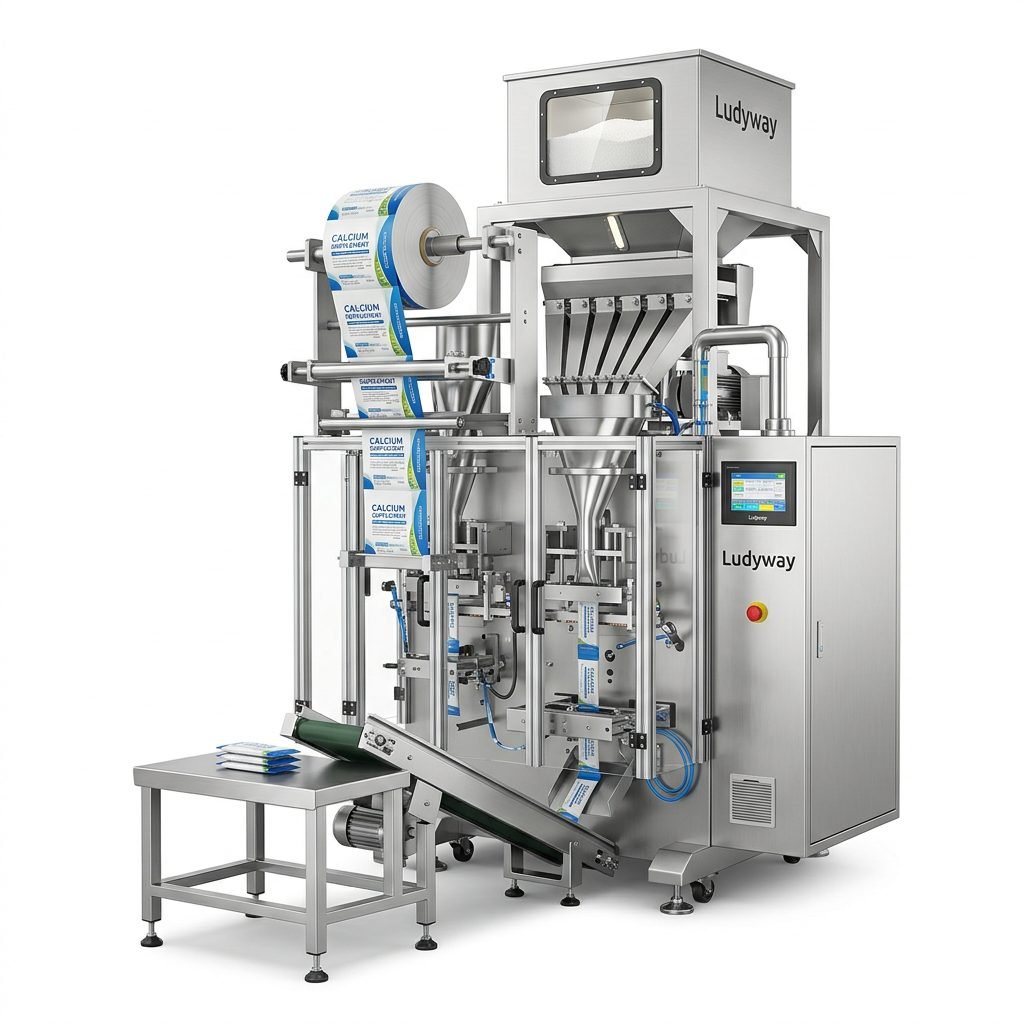
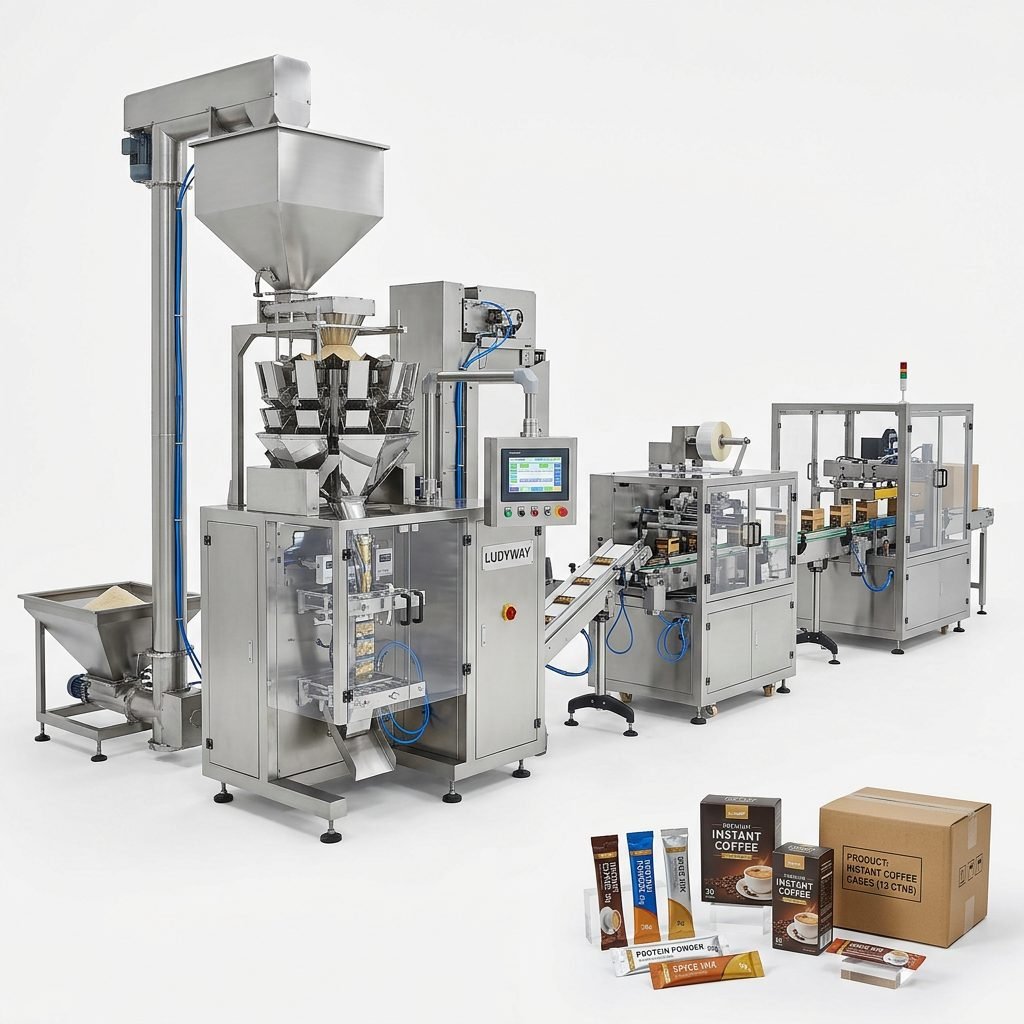
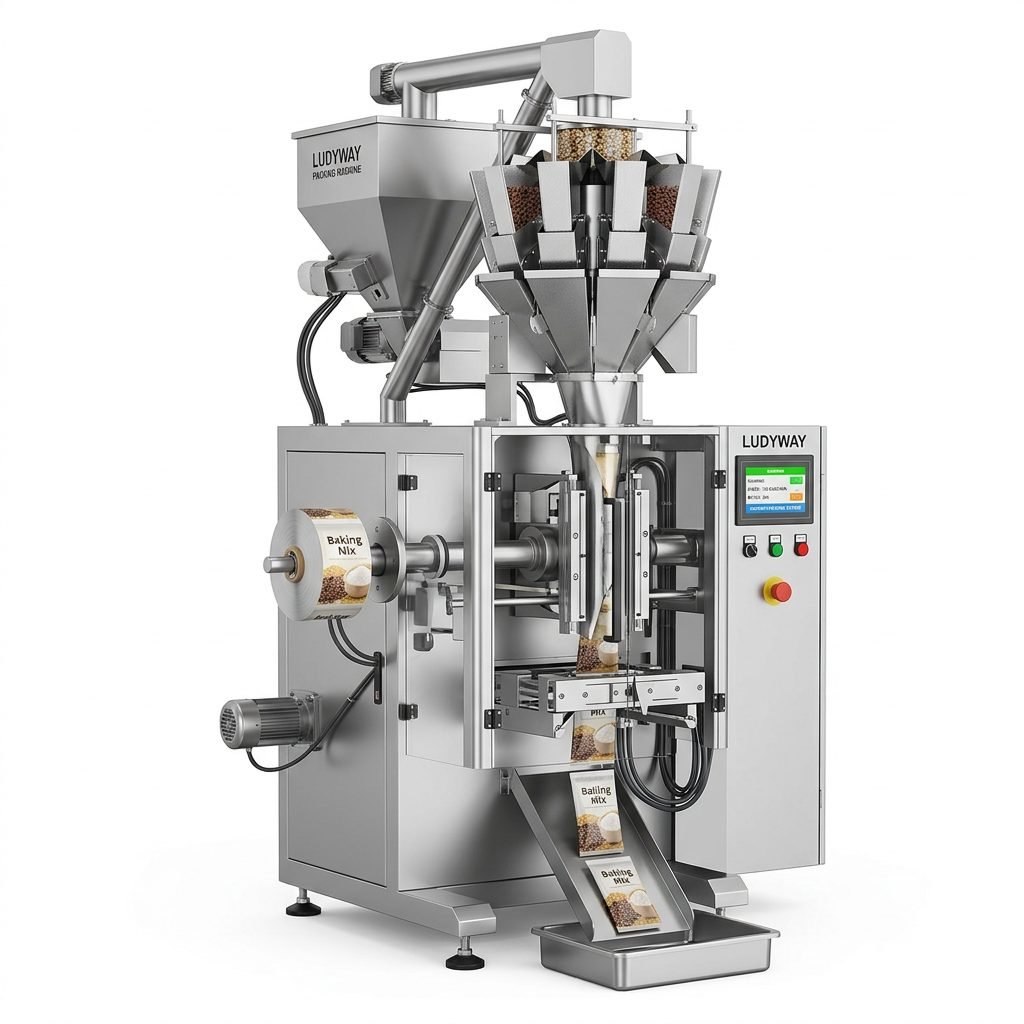
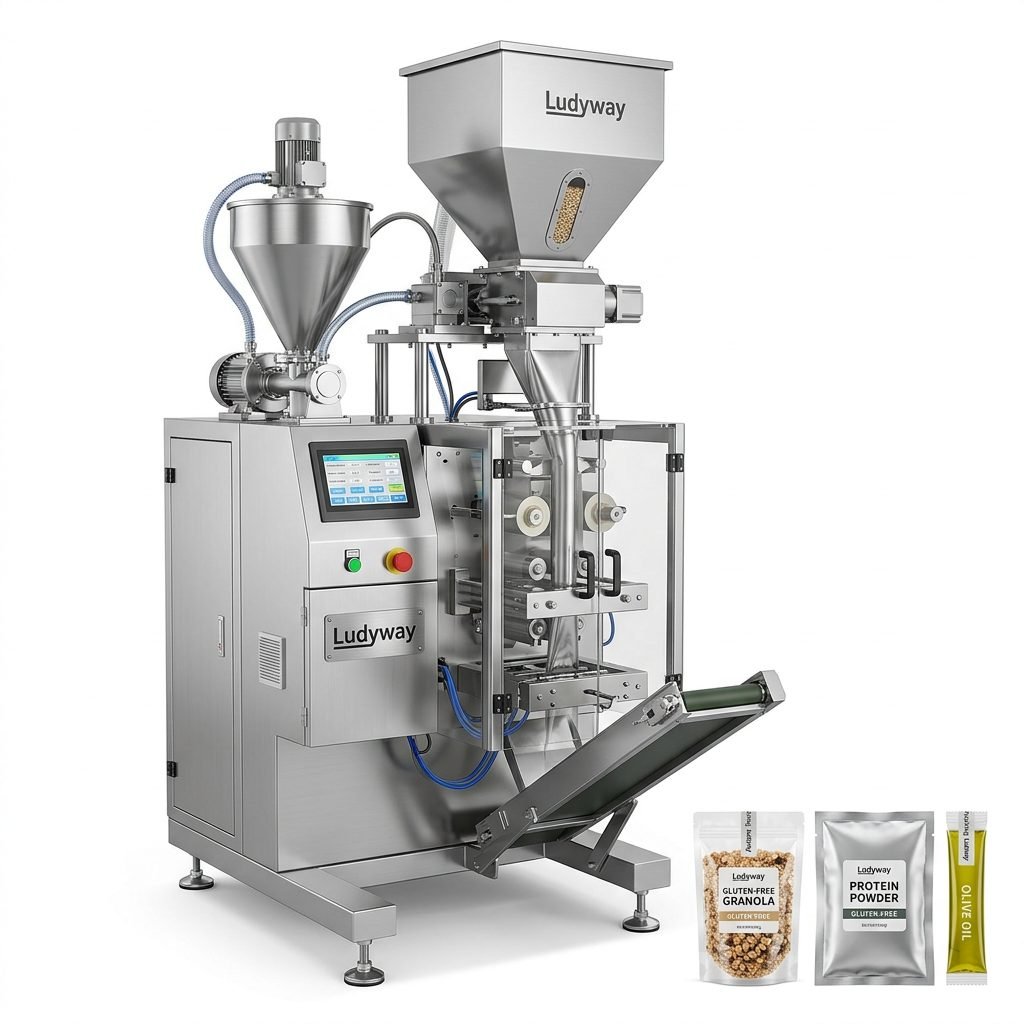
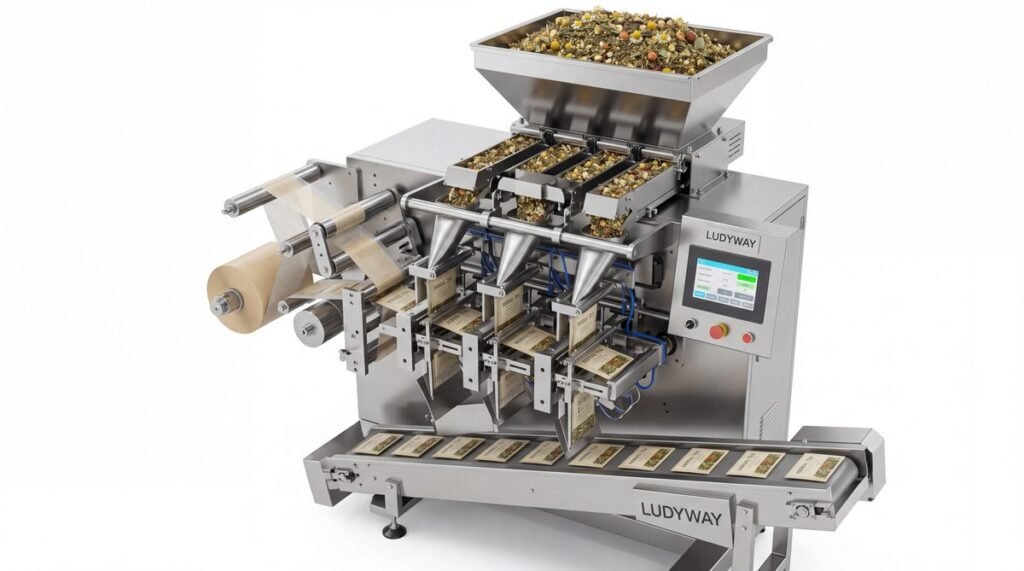
The Southeast Asian packaging market is undergoing a rapid transformation. Driven by booming food processing, pharmaceutical expansion, and rising consumer expectations for product freshness, manufacturers across the region are seeking advanced technologies to stay competitive. Among these innovations, vacuum skin packaging (VSP) machines have emerged as a game-changer, and Ludyway vacuum packaging solutions are leading this shift.

Understanding the Demand for Vacuum Skin Packaging in Southeast Asia
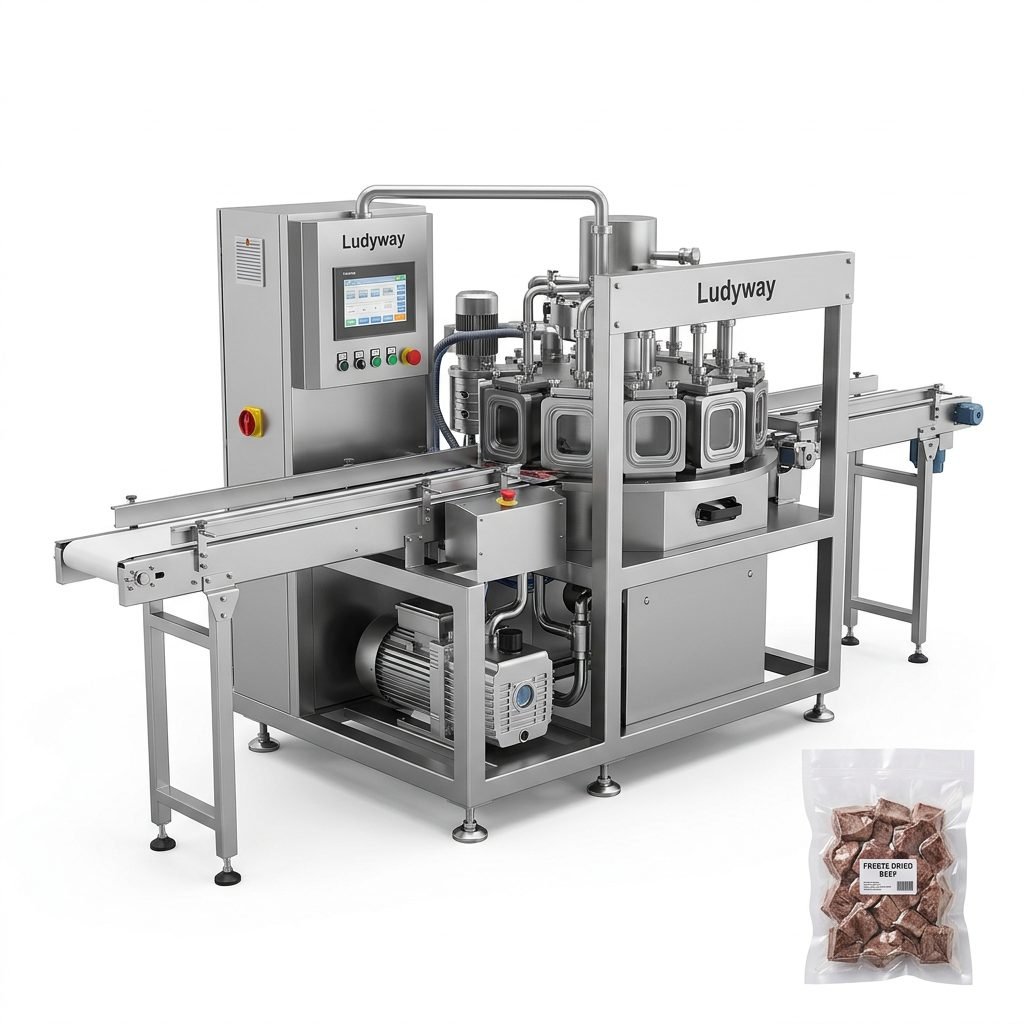
Food waste remains a critical challenge in Southeast Asia’s tropical climate. High humidity and temperatures accelerate spoilage, making extended shelf life a non-negotiable requirement for food manufacturers. Vacuum skin packaging technology creates a tight, protective seal around the product, removing oxygen and significantly slowing degradation. This is particularly valuable for fresh meat, seafood, ready-to-eat meals, and processed foods — all high-growth segments in ASEAN markets.
Beyond preservation, consumer behavior in countries like Thailand, Vietnam, Indonesia, and the Philippines increasingly favors transparent, visually appealing packaging that showcases product quality. VSP achieves exactly this, wrapping products in a clear, second-skin film that enhances retail display while maintaining product integrity.
Key Advantages of Ludyway VSP Machines for ASEAN Manufacturers
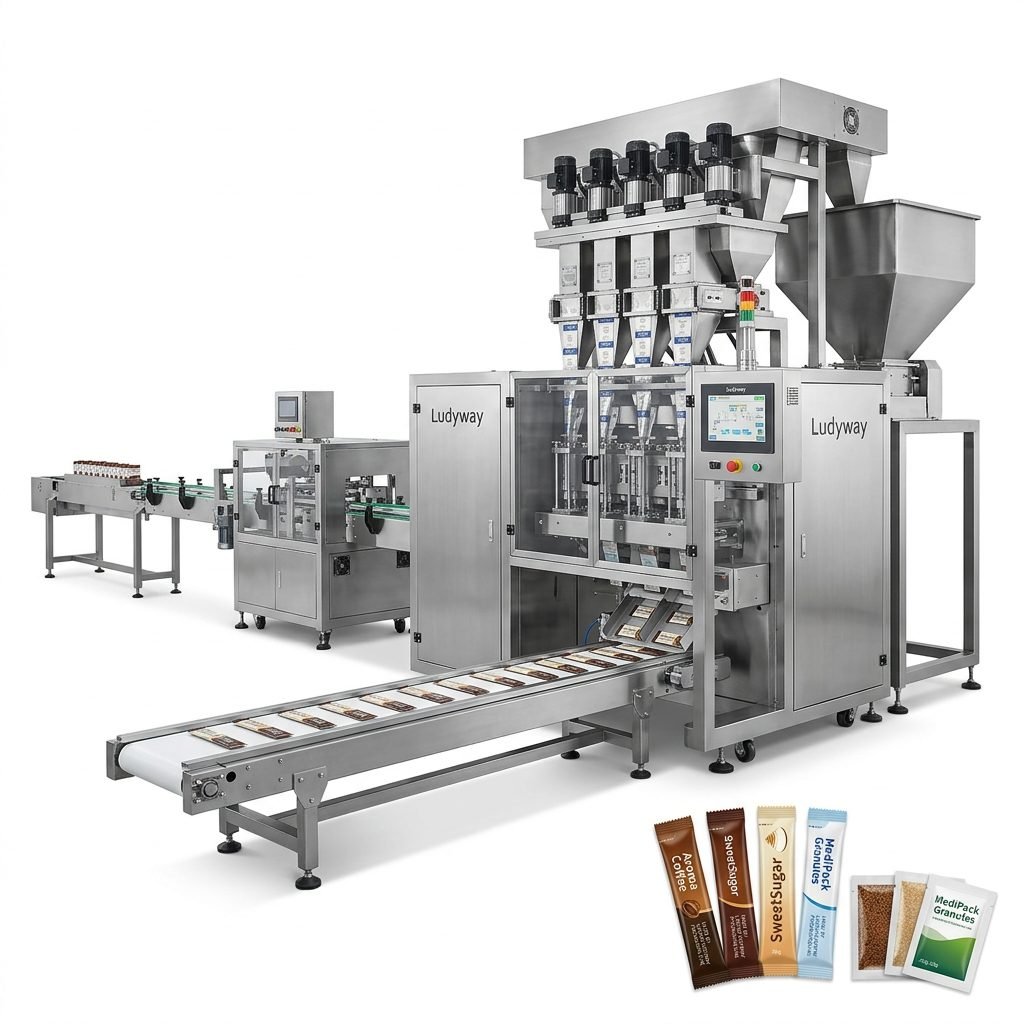
When evaluating packaging equipment for Southeast Asian production lines, several factors set Ludyway apart from competitors. These machines are engineered with the specific challenges of tropical manufacturing environments in mind.
Unmatched Durability in Humid Conditions
Standard packaging machinery often struggles with Southeast Asia’s humidity. Ludyway builds their vacuum skin packaging systems with corrosion-resistant stainless steel components and sealed electrical systems that perform reliably even in high-moisture factory environments. This design philosophy directly translates to reduced downtime and maintenance costs.
Energy Efficiency for Cost-Sensitive Markets
Energy costs in many Southeast Asian countries can fluctuate significantly. Ludyway VSP machines incorporate intelligent power management systems that optimize vacuum pump operation and heating elements, reducing overall energy consumption by up to 25% compared to previous-generation equipment. For manufacturers running multiple shifts, these savings accumulate rapidly.
Technical Specifications That Matter
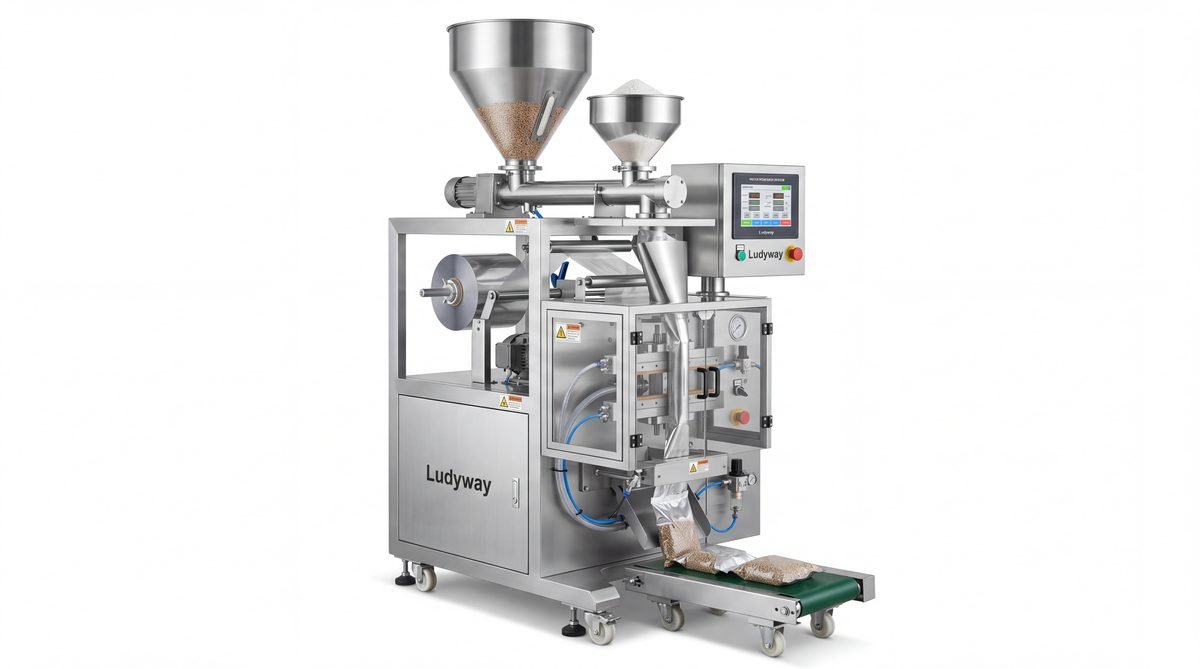
Understanding the technical capabilities of Ludyway vacuum skin packaging machines helps procurement managers make informed decisions. Here is a comparative overview of key performance indicators:
| Specification | Ludyway VSP Series | Industry Average |
|---|---|---|
| Maximum Film Width | 620 mm | 420-500 mm |
| Vacuum Level | ≤ 2 mbar | 5-10 mbar |
| Cycle Speed | 4-8 cycles/min | 2-5 cycles/min |
| Sealing Temperature Control | ±1°C precision | ±3-5°C |
| Material Compatibility | PE, PP, EVOH, Multi-layer | Limited options |
Applications Across Key Southeast Asian Industries
The versatility of Ludyway VSP machines makes them ideal for diverse manufacturing sectors throughout the region. Specific applications driving demand include:
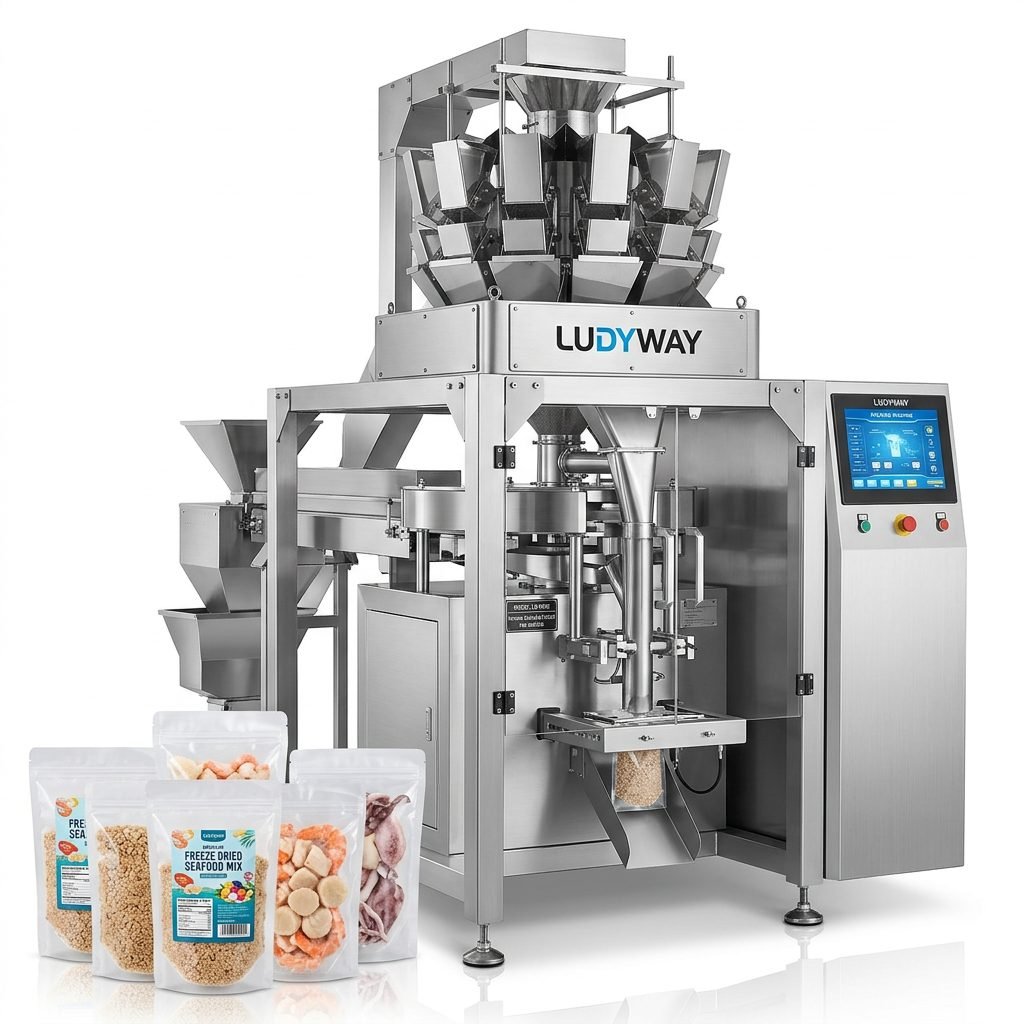
- Seafood Processing: Vacuum skin packaging preserves shrimp, fish fillets, and squid, preventing freezer burn and maintaining texture during cold chain distribution across Southeast Asian archipelagos.
- Meat and Poultry: Extended shelf life for fresh cuts, marinated meats, and processed sausages destined for modern retail chains and export markets.
- Ready-to-Eat Meals: The booming convenience food sector in urban centers like Bangkok, Jakarta, and Manila relies on VSP for attractive, leak-proof meal trays.
- Pharmaceutical Products: Moisture-sensitive drugs and medical devices benefit from the hermetic seal that vacuum skin packaging provides.
- Halal-Certified Products: The strict contamination prevention requirements of halal production align perfectly with VSP’s clean, separated packaging process.
Southeast Asian Market Compliance
Packaging equipment sold into ASEAN markets must meet various regulatory standards. Ludyway machines are designed to comply with GMP, HACCP, and ISO 22000 requirements commonly referenced by Southeast Asian food safety authorities. Additionally, all food-contact surfaces utilize FDA-approved materials, facilitating smoother export of packaged goods to international markets.
After-Sales Support Infrastructure in the Region
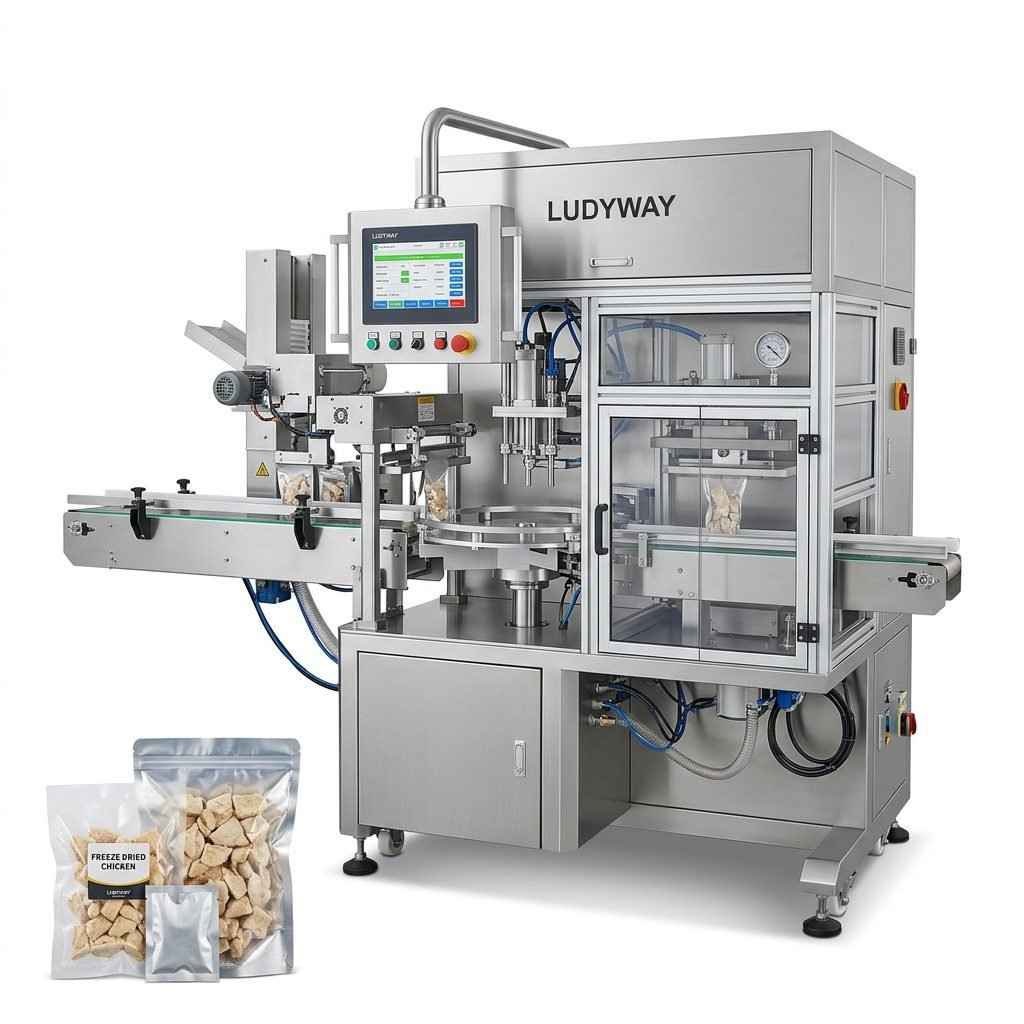
One of the most critical considerations for Southeast Asian manufacturers is local technical support. Ludyway has invested significantly in building a service network across the region, with trained technicians available in key markets. This includes:
- Remote diagnostic capabilities for rapid troubleshooting
- Stocked spare parts depots in strategic ASEAN locations
- Multilingual training programs for machine operators
- Preventive maintenance contracts tailored to production schedules
- 24/7 emergency support hotline with local language options
Comparing VSP with Alternative Packaging Technologies
To understand why vacuum skin packaging represents the optimal choice for many Southeast Asian applications, consider how it compares to alternatives:
| Feature | Vacuum Skin Packaging | Modified Atmosphere Packaging | Standard Vacuum Bags |
|---|---|---|---|
| Product Visibility | Excellent, 3D display | Good | Limited |
| Shelf Life Extension | 3-5x | 2-4x | 2-3x |
| Drip Loss Prevention | Superior | Moderate | Poor |
| Retail Presentation | High-impact | Moderate | Low |
Return on Investment for Southeast Asian Manufacturers
Adopting Ludyway vacuum skin packaging technology delivers measurable financial benefits. Based on data from existing customers in the region, typical ROI improvements include:
- Reduced Product Waste: Up to 30% reduction in spoilage-related losses during distribution
- Extended Distribution Reach: Longer shelf life enables entry into distant markets previously inaccessible
- Premium Pricing: Products in VSP format command 15-25% higher retail prices in modern trade channels
- Operational Efficiency: Automated lines reduce labor requirements while increasing throughput
- Brand Differentiation: Distinctive packaging appearance builds consumer recognition and loyalty
Sustainability Considerations
Southeast Asian governments are increasingly implementing environmental regulations around packaging waste. Ludyway VSP systems support mono-material film structures that are more readily recyclable than traditional multi-layer laminates. Additionally, the precise portion control enabled by vacuum skin packaging reduces food waste — a significant contributor to greenhouse gas emissions across the supply chain.
Integration with Existing Production Lines
A common concern among manufacturers is whether new equipment will integrate smoothly with their current setup. Ludyway vacuum skin packaging machines are designed with modular architecture, allowing seamless connection to:
- Upstream filling and portioning equipment
- Automated weighing and labeling systems
- Conveyor networks and product handling systems
- Cold chain and freezer tunnel configurations
- Centralized production monitoring and Industry 4.0 platforms
This plug-and-play compatibility minimizes installation time and production disruption during the transition period.
Why ASEAN Manufacturers Are Choosing Ludyway
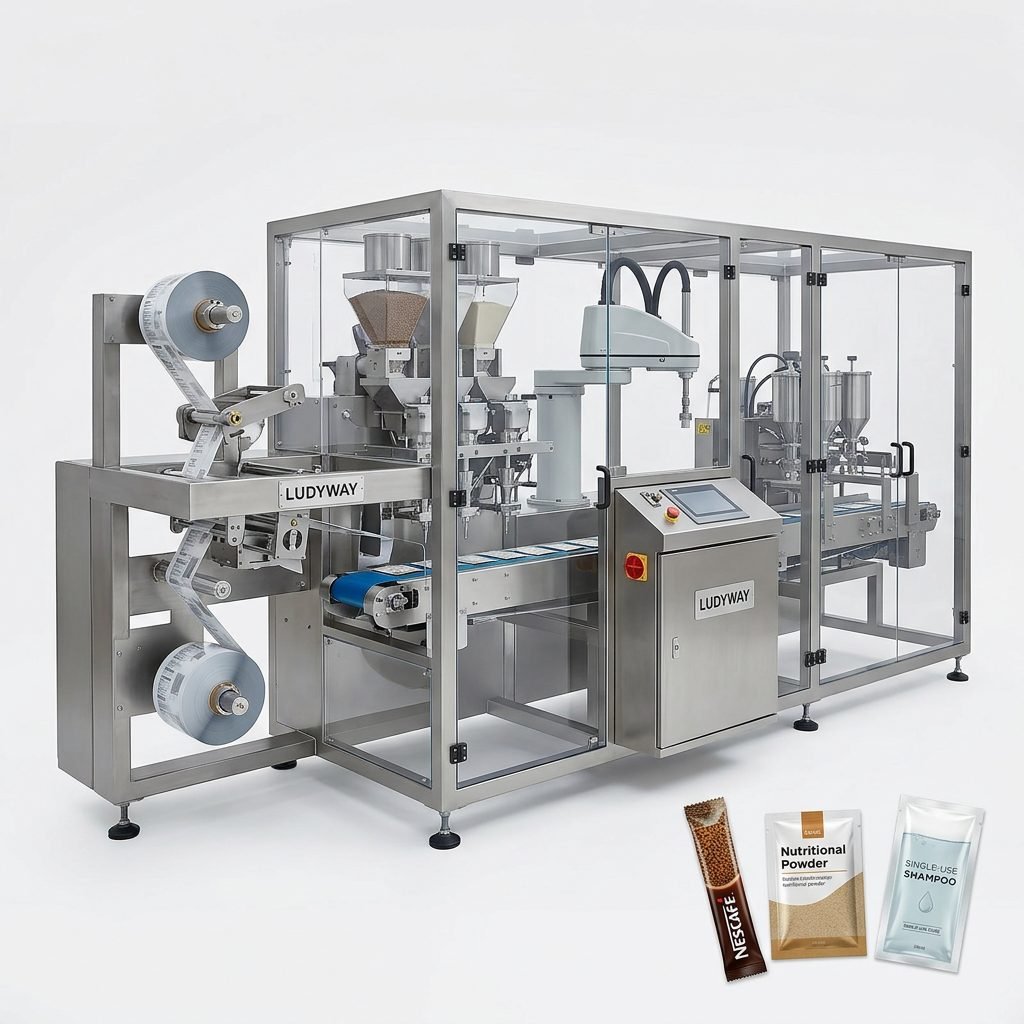
The combination of robust engineering, energy efficiency, local support infrastructure, and competitive pricing makes Ludyway the preferred partner for Southeast Asian packaging operations. As one of the largest packaging machine manufacturers in China with over 30 years of industry experience and a 20,000㎡ modern production facility, the company has the scale and expertise to deliver turnkey solutions that match the specific requirements of ASEAN markets.
Companies interested in exploring how vacuum skin packaging machines can transform their production operations are encouraged to evaluate their current packaging lines and consider the long-term competitive advantages that VSP technology provides. With packaging industry data consistently showing growth in vacuum packaging adoption across Southeast Asia, the time to invest in advanced solutions is now.
For specific technical consultation, product demonstrations, or to discuss customized packaging line configurations suitable for your facility, reaching out to discuss your production requirements is the recommended next step toward achieving packaging excellence.