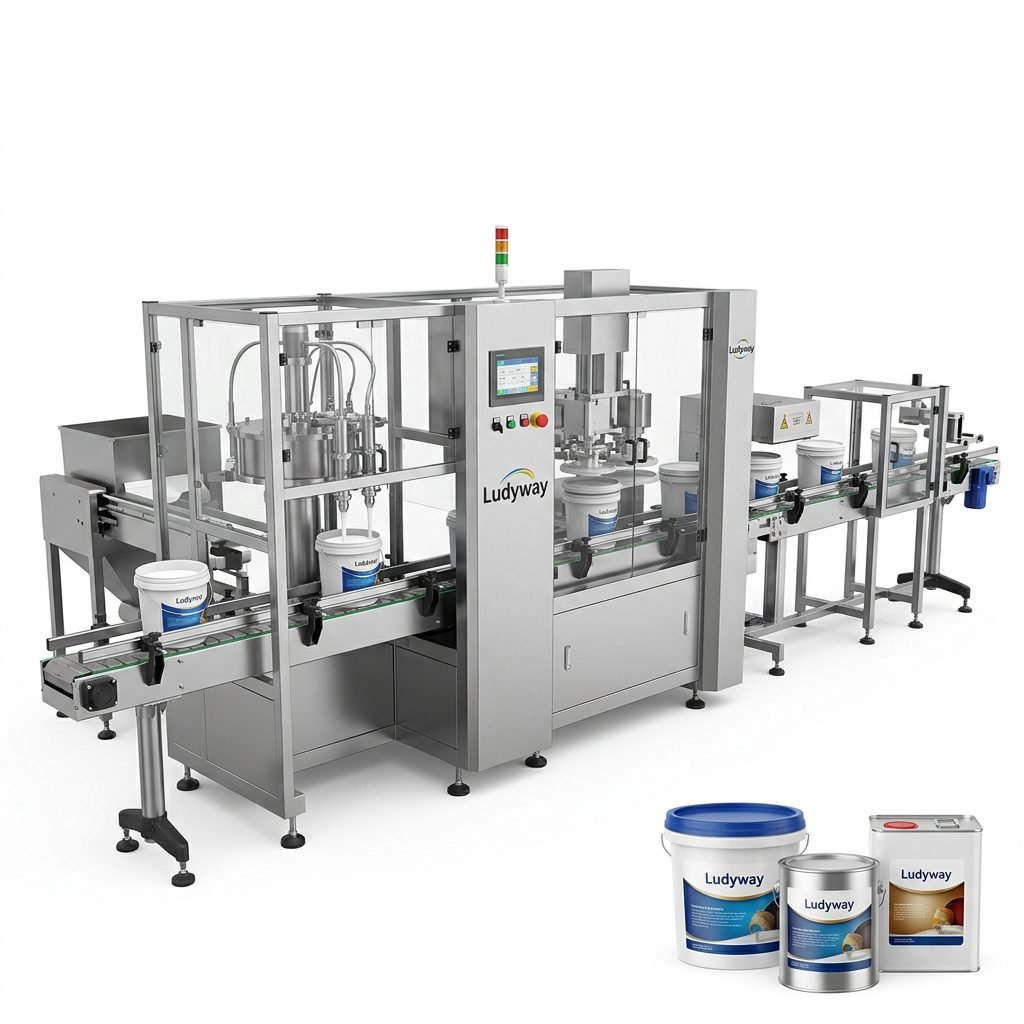
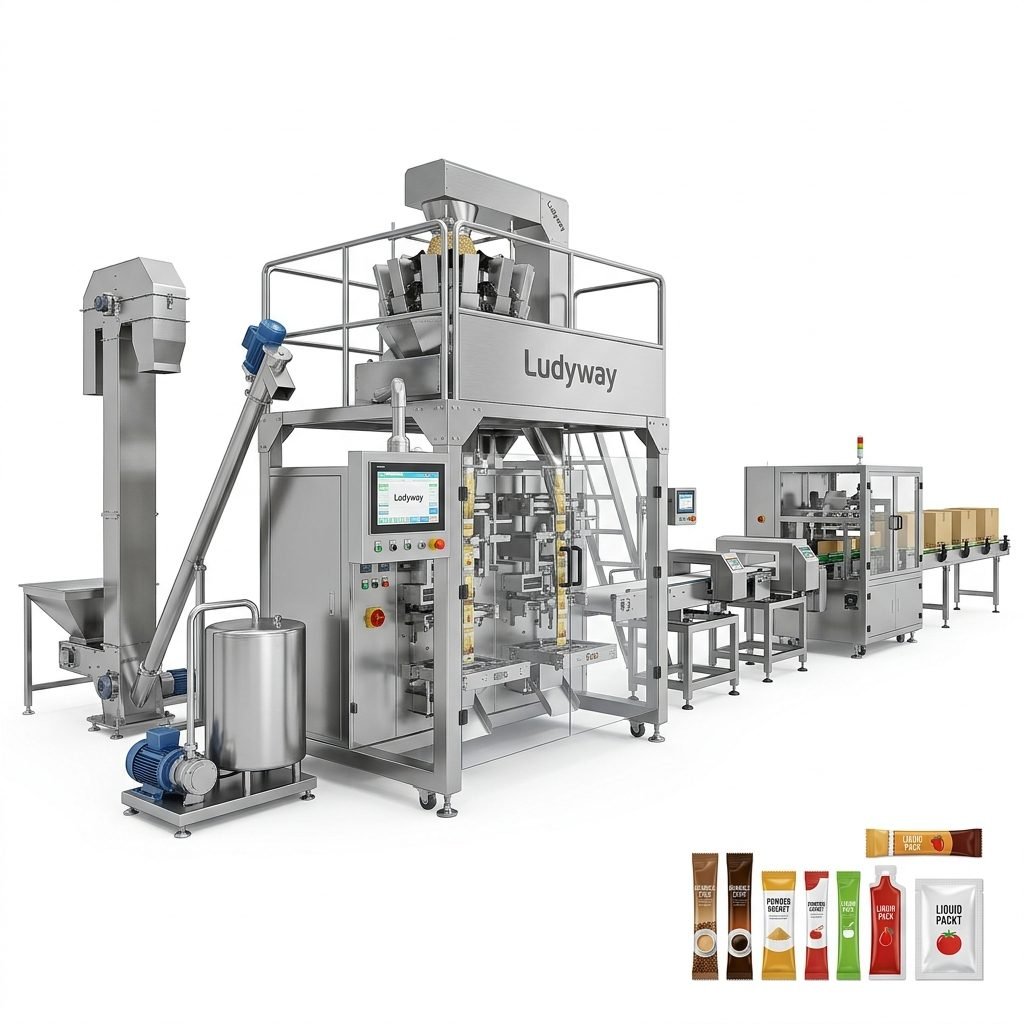
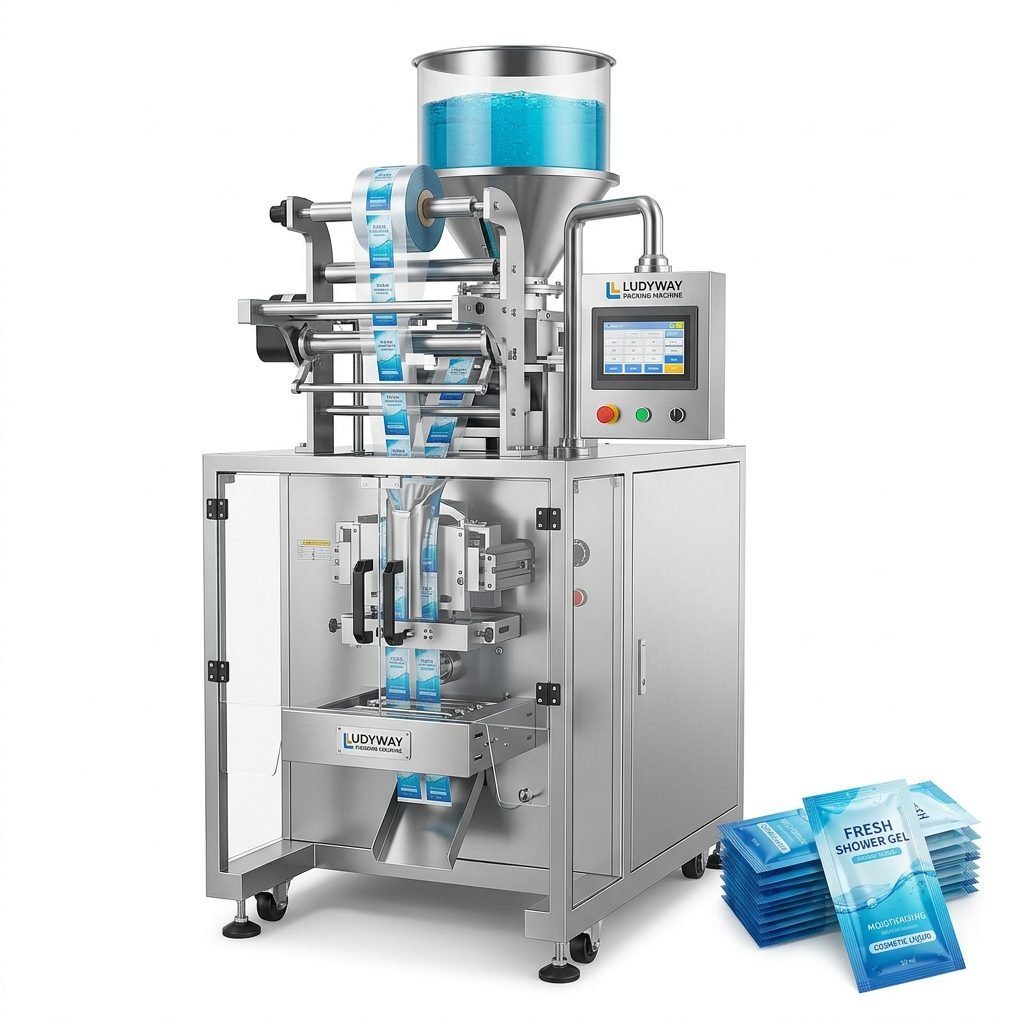
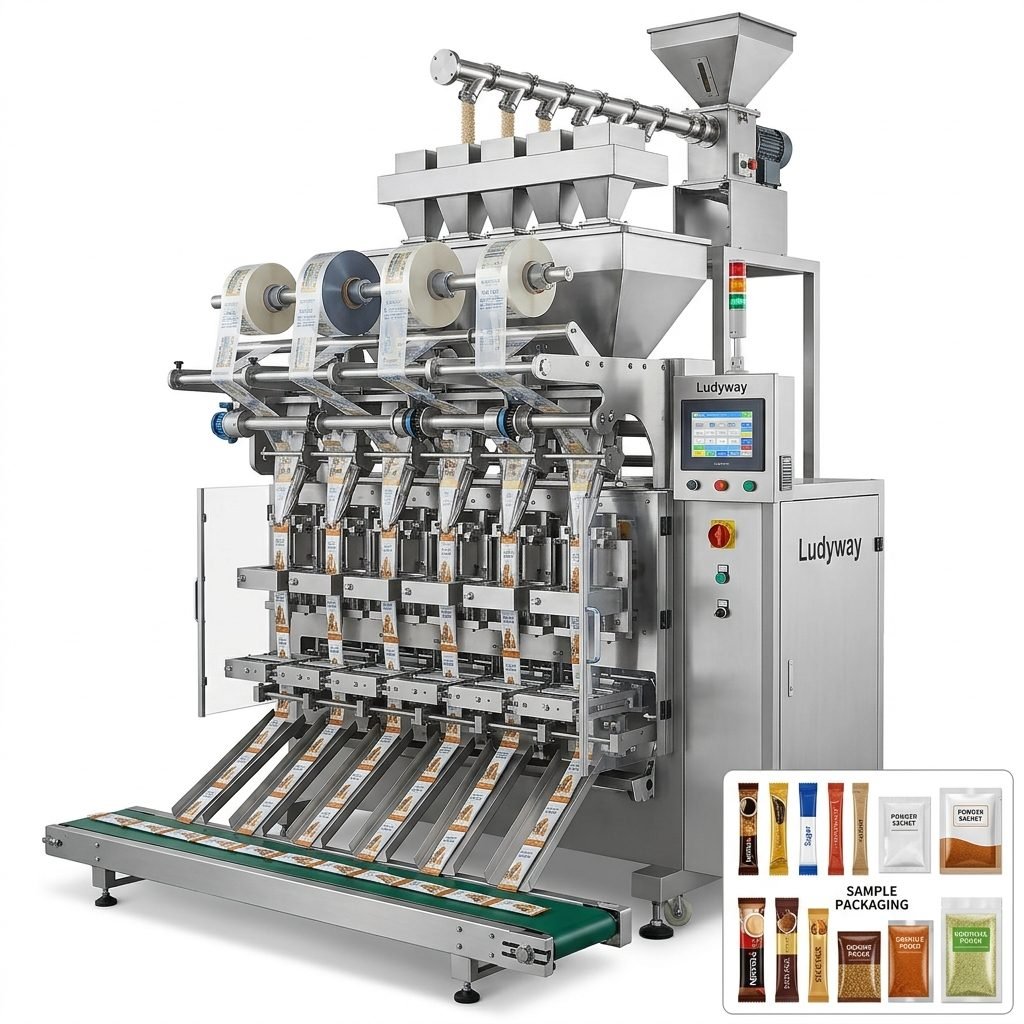
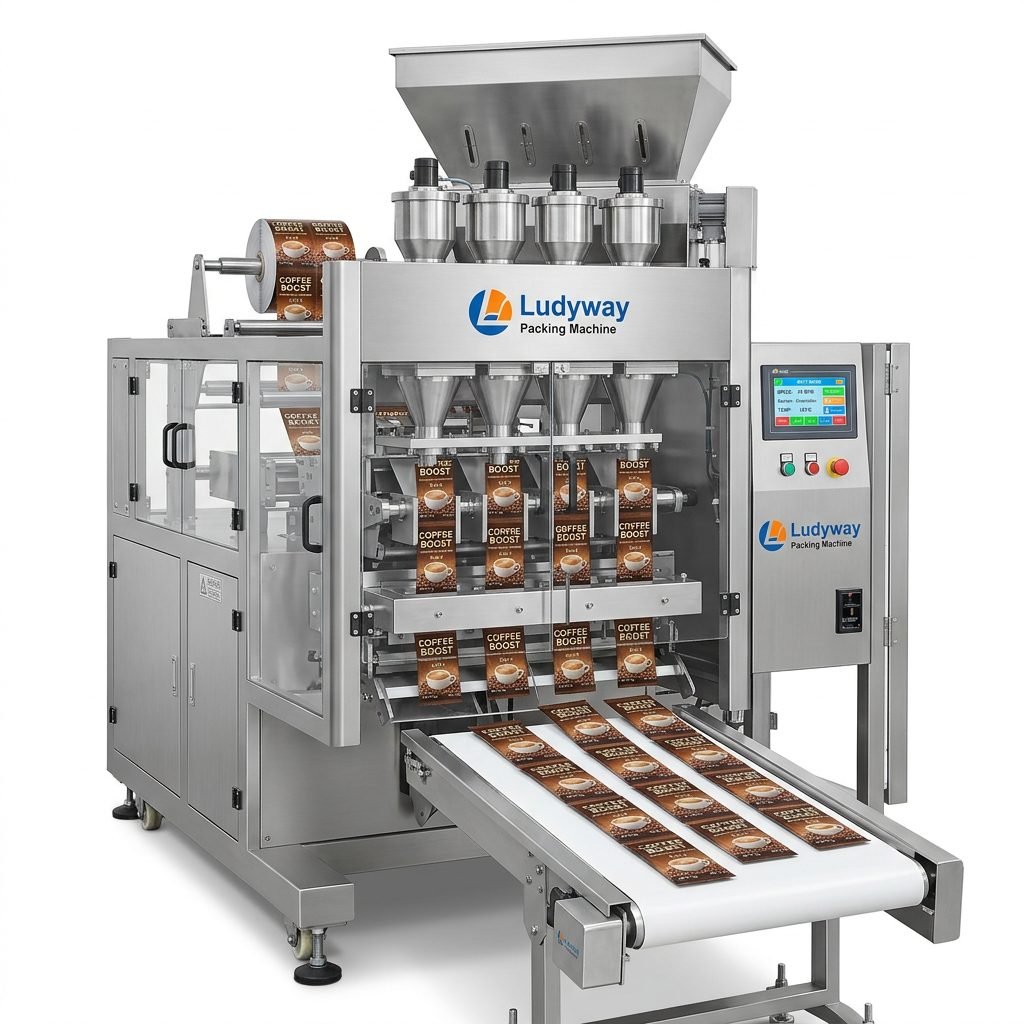
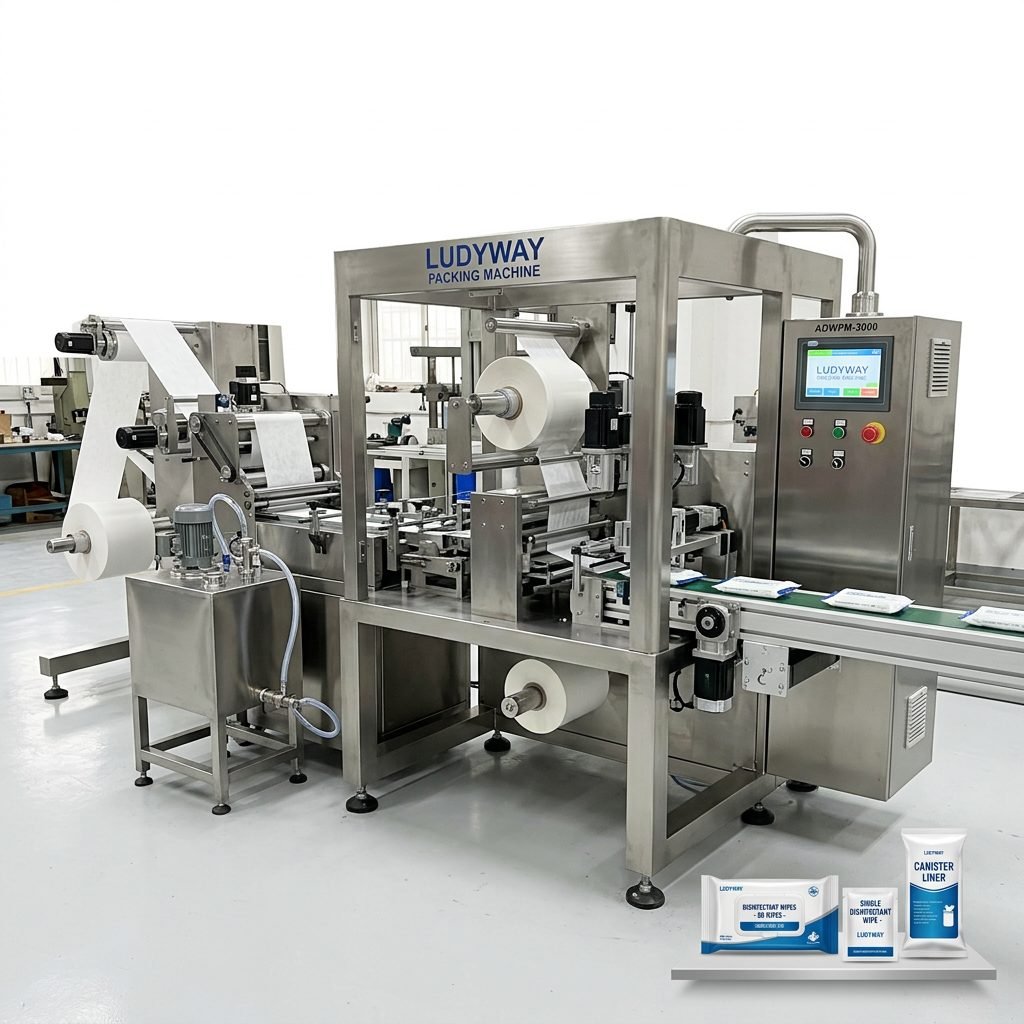
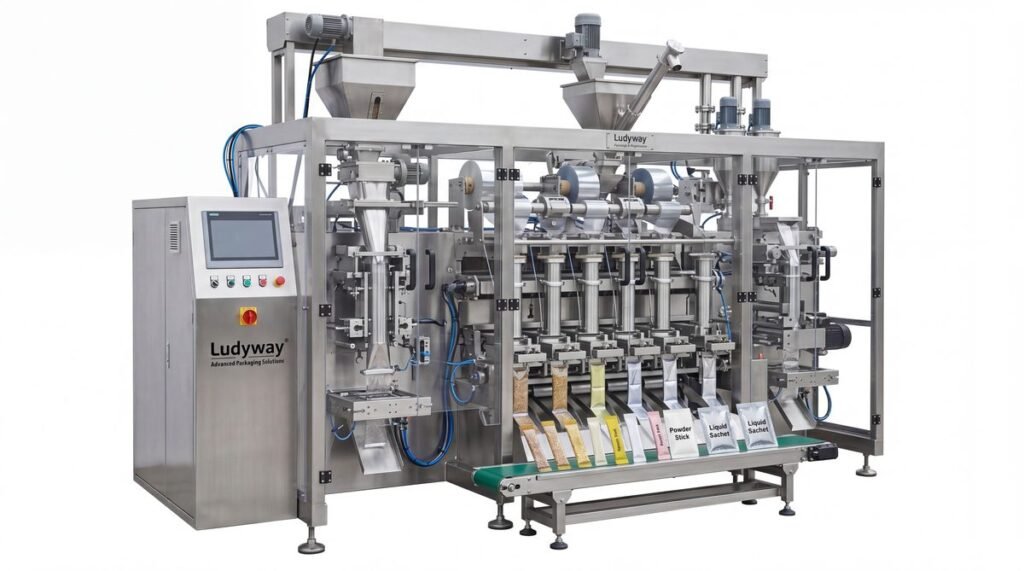
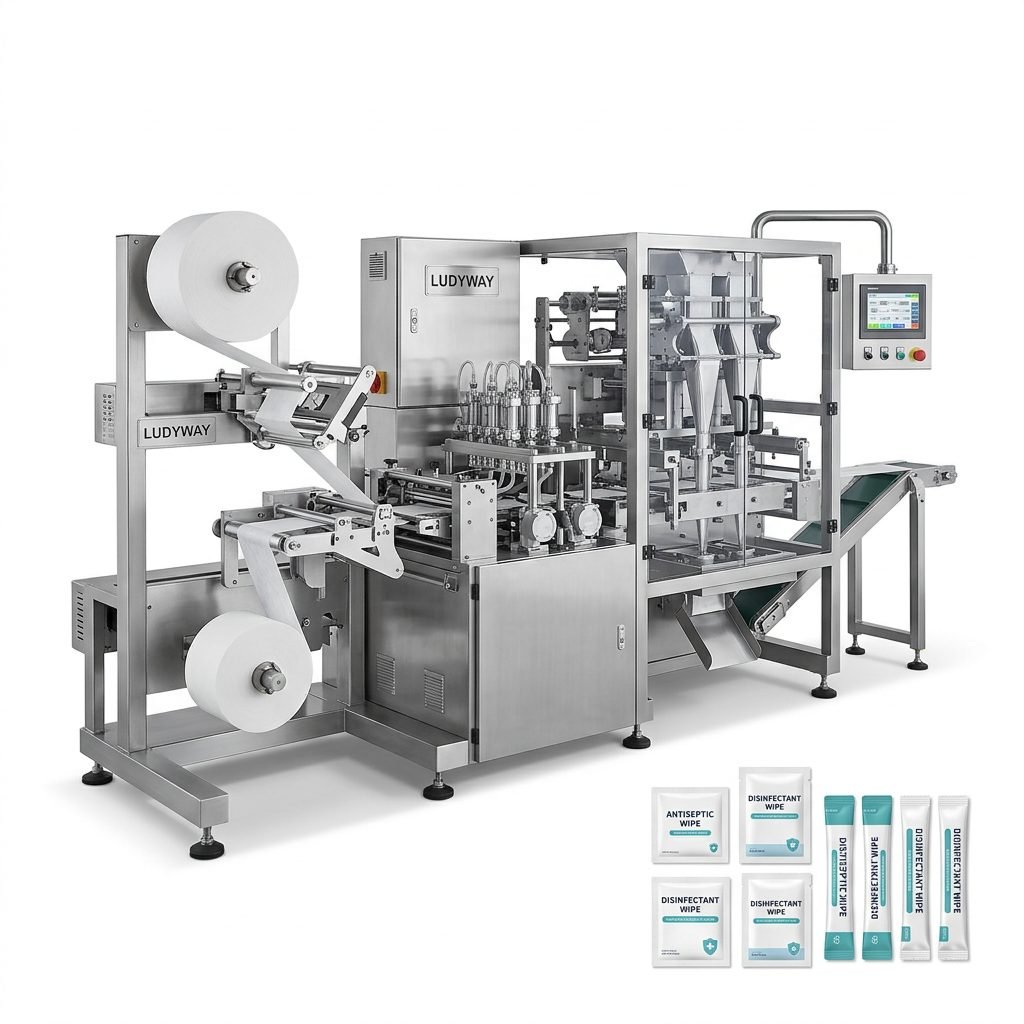
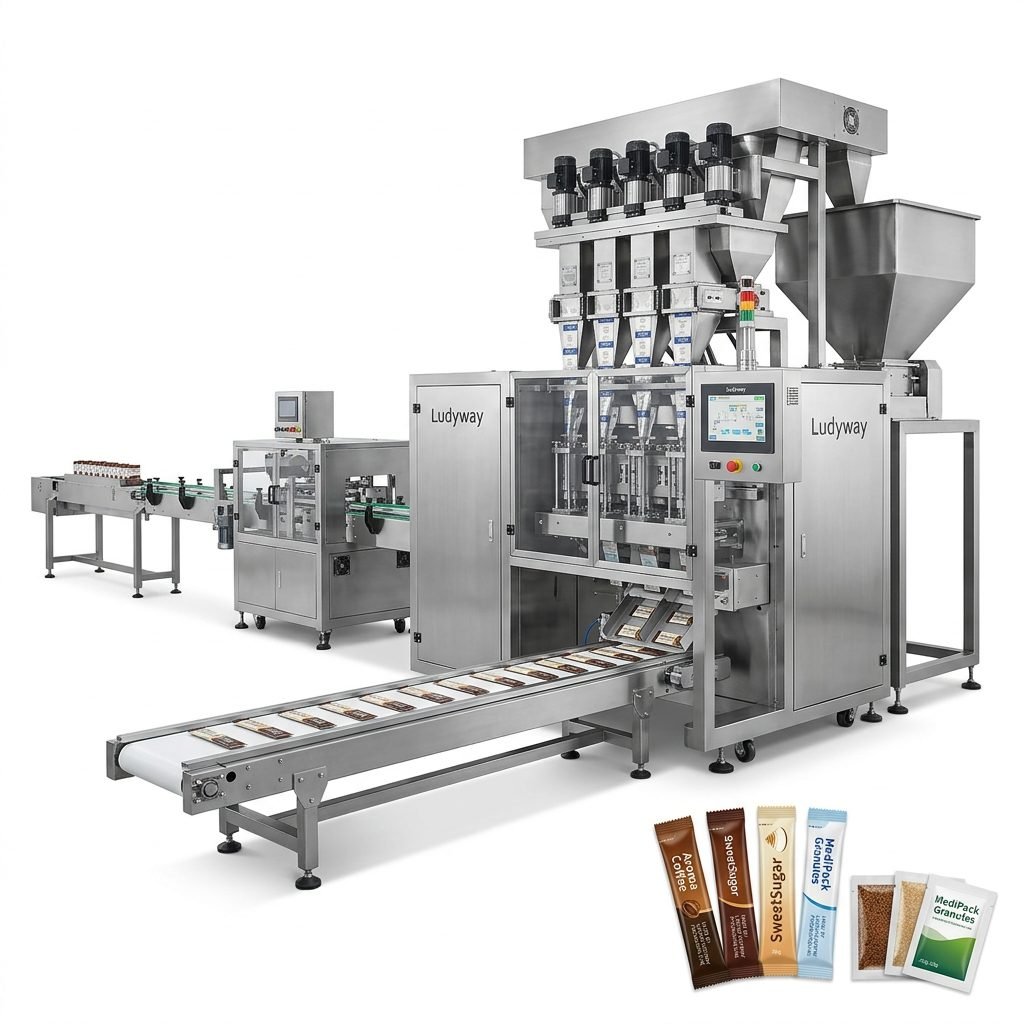
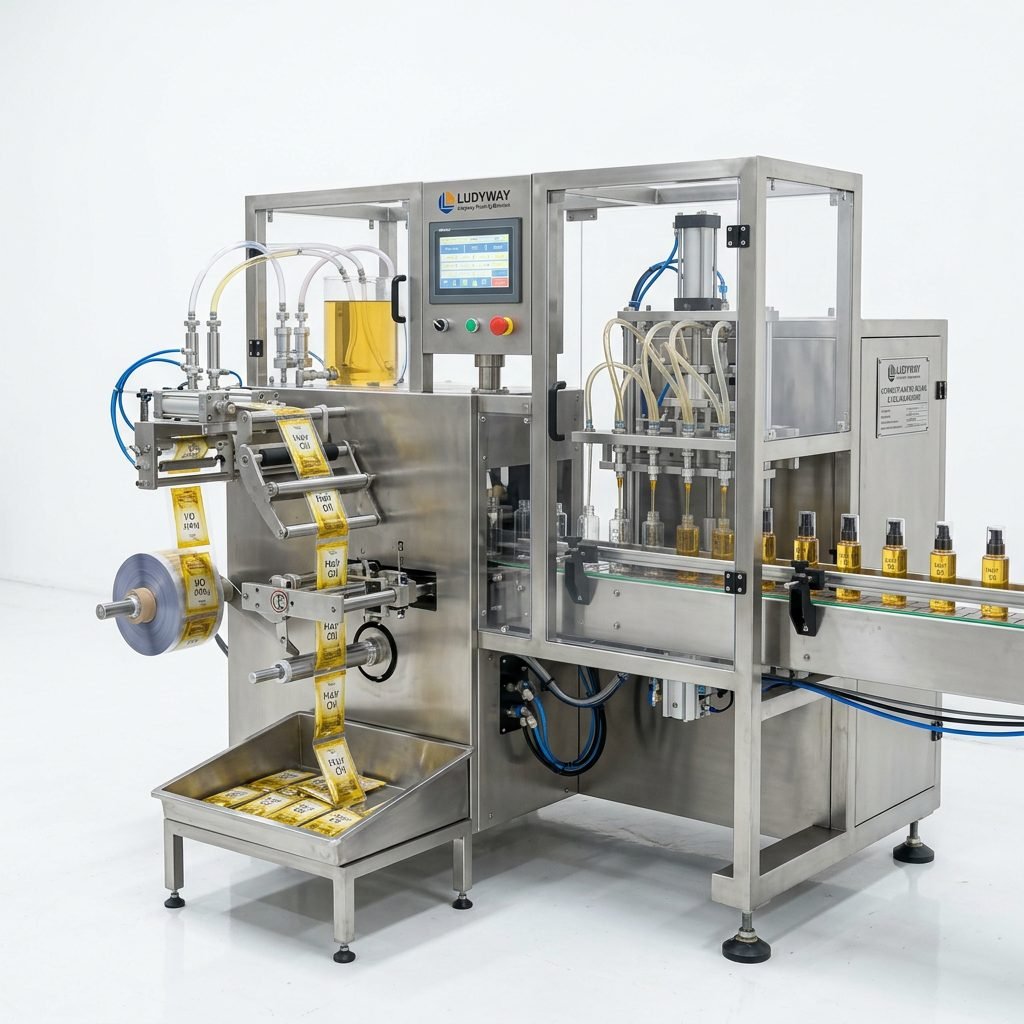
The global demand for skin vacuum packaging machines has surged as food processing, pharmaceutical, and industrial sectors increasingly adopt advanced preservation technologies. China has emerged as the world’s leading manufacturing hub for these sophisticated packaging systems, offering a compelling combination of engineering expertise, cost efficiency, and rapid scalability. Setting up a complete vacuum packaging production line in China requires careful planning, supplier evaluation, and technical specifications alignment. This comprehensive guide walks you through every essential step of the process.

Understanding Skin Vacuum Packaging Technology
Skin vacuum packaging represents a specialized segment within the broader vacuum packaging equipment category. Unlike traditional vacuum sealing, skin packaging uses a special film that conforms tightly to the product’s contours, creating a “second skin” effect. This technology delivers superior product protection, extended shelf life, and enhanced visual presentation. The process involves placing the product on a rigid tray or board, applying a heated top film that softens and drapes over the product, and then using vacuum pressure to seal the film tightly against the substrate.
Key applications span across multiple industries including fresh meat and seafood packaging, cheese and dairy products, ready-to-eat meals, medical devices, and electronic components. The technology is particularly valued for its ability to preserve product freshness while maintaining visibility and aesthetic appeal.
Why Source Vacuum Packaging Machines from China
China’s packaging machinery industry has undergone remarkable transformation over the past two decades. Today, the country hosts thousands of specialized manufacturers producing equipment that meets international quality standards. Several factors make China an attractive sourcing destination for vacuum packaging production lines:
- Cost Advantage: Chinese manufacturers typically offer 30-50% price savings compared to European or American equivalents, without significant quality compromise at mid-to-high tiers.
- Manufacturing Scale: Large production facilities with modern CNC machining centers, laser cutting equipment, and automated assembly lines ensure consistent output quality.
- Customization Flexibility: Chinese suppliers are generally more willing to adapt designs to specific customer requirements, including custom dimensions, automation levels, and integration with existing systems.
- Supply Chain Integration: Proximity to component suppliers, stainless steel fabricators, and electronic control system manufacturers reduces lead times and costs.
- Technical Expertise: Many Chinese packaging machine engineers have extensive experience designing solutions for international markets, with deep understanding of CE, FDA, and ISO compliance requirements.
Key Manufacturing Regions in China
The packaging machinery industry clusters primarily in several regions, each with distinct specializations. Guangdong Province, particularly the Pearl River Delta area including Zhongshan, Foshan, and Dongguan, hosts many leading manufacturers. Zhejiang Province around Wenzhou and Ruian is another major hub for packaging equipment. Shanghai and surrounding Jiangsu Province concentrate on high-end automated systems with advanced servo-driven technology.

Types of Vacuum Packaging Machines Available
Understanding the different machine types is essential before making procurement decisions. Chinese manufacturers produce a comprehensive range of vacuum packaging equipment suited to various production scales and product requirements.
| Machine Type | Best Suited For | Typical Capacity | Key Consideration |
|---|---|---|---|
| Single Chamber Vacuum Sealers | Small-scale operations, testing | 30-60 packs/hour | Limited throughput, manual loading |
| Double Chamber Vacuum Machines | Medium production facilities | 120-300 packs/hour | Alternating chamber operation |
| Automatic Belt Vacuum Machines | Continuous high-volume production | 500-2000 packs/hour | Conveyor belt integration |
| Thermoforming Vacuum Packaging Lines | Form-fill-seal operations | Up to 15 cycles/minute | Film forming + vacuum + sealing |
| Skin Vacuum Packaging Machines | Premium food products, retail display | 6-12 cycles/minute | Tray + top film combination |
Step-by-Step Guide to Setting Up Your Production Line
Step 1: Define Production Requirements
Begin with a thorough analysis of your production needs. Calculate your target daily or hourly output, identify the product dimensions and weights, determine packaging material specifications, and assess any special requirements such as modified atmosphere packaging (MAP) capability, gas flushing, or soft-air functions. This foundational step ensures you select equipment with adequate capacity and appropriate technical specifications.
Step 2: Research and Shortlist Manufacturers
Conduct systematic research to identify potential suppliers. Utilize B2B platforms such as Made-in-China and Alibaba for initial screening, but also attend industry exhibitions like PACK EXPO and ProPak China to see equipment in operation. Review company profiles, check export experience, read customer testimonials, and verify certifications. Focus on manufacturers with proven track records in your specific industry segment.
Step 3: Evaluate Technical Capabilities
Request detailed equipment specifications, including chamber dimensions, vacuum pump specifications, sealing bar length and configuration, control system type, power consumption, and material compatibility. Evaluate whether the machinery uses recognized brand components such as Busch or Becker vacuum pumps, Siemens or Mitsubishi PLC controllers, and Schneider or Omron electrical components. The quality of these core components significantly impacts long-term reliability and performance.
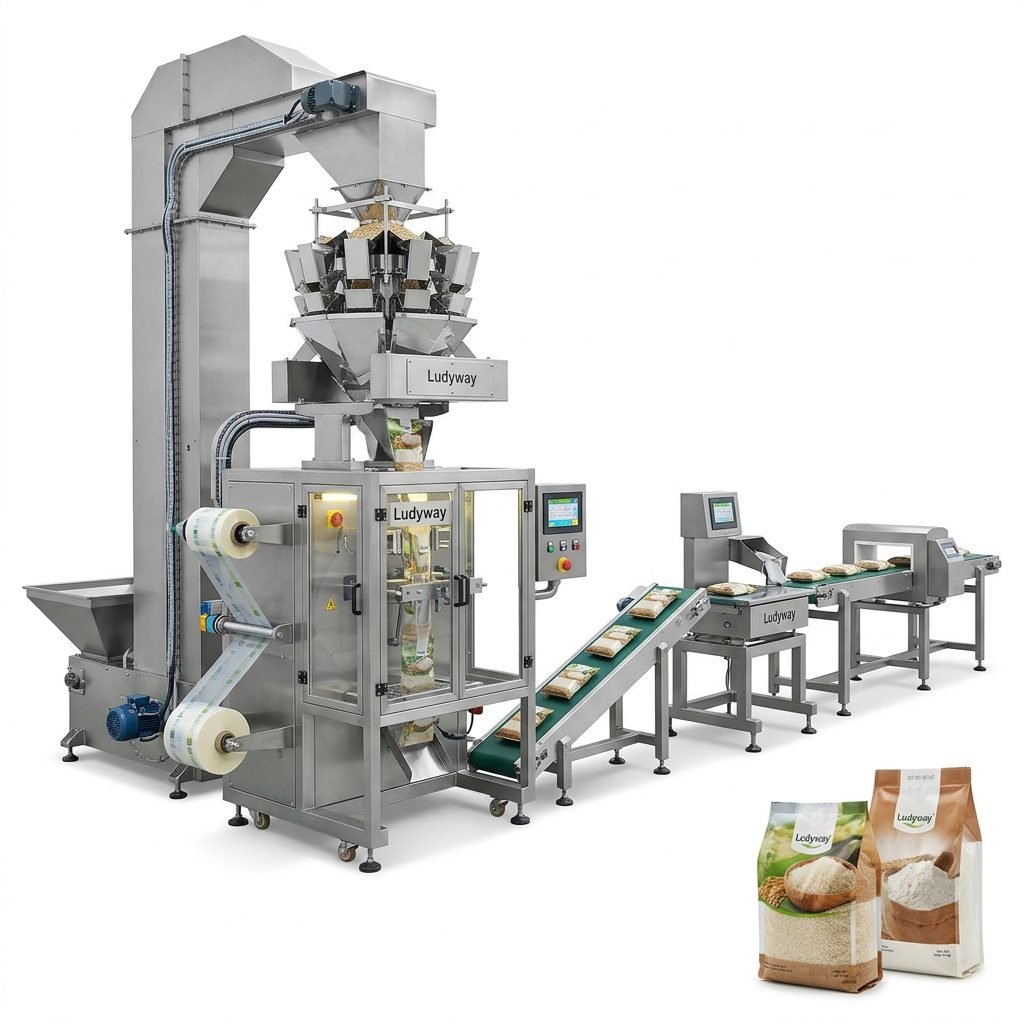
Step 4: Conduct Factory Audits
Whenever possible, arrange factory visits to assess manufacturing capabilities firsthand. Evaluate the production workshop organization, quality control procedures, testing facilities, and the technical expertise of engineering teams. If travel is impractical, request video factory tours and detailed photographic documentation of the production environment. Look for organized workflows, proper material handling, and systematic quality inspection processes.
Step 5: Request Customization and Integration Planning
Your vacuum packaging line may need to integrate with upstream and downstream equipment such as weighing and filling systems, labeling machines, metal detectors, checkweighers, and cartoning machines. Discuss integration requirements early with potential suppliers to ensure seamless automation. Chinese manufacturers offering complete turnkey packaging line solutions can simplify project management significantly.
Step 6: Negotiate Terms and Finalize Contracts
Negotiate comprehensive terms covering equipment specifications, pricing, payment schedule, delivery timeline, installation and commissioning support, training provisions, warranty coverage, and after-sales service arrangements. Ensure all technical requirements are clearly documented in the contract as annexes. Standard payment terms in China typically involve a 30% deposit with the balance paid before shipment or upon installation.
Quality Control and Compliance Standards
When importing vacuum packaging machinery from China, ensure compliance with relevant international standards. Key certifications and requirements include:
- CE Marking: Required for equipment entering the European Economic Area, indicating conformity with health, safety, and environmental protection standards.
- ISO 9001:2015: Quality management system certification demonstrating consistent manufacturing processes and quality control.
- FDA Compliance: For food-contact surfaces, materials must meet FDA regulations for indirect food additives.
- ISO 11607: Relevant for packaging used with terminally sterilized medical devices.
For food industry applications, stainless steel construction with 304 or 316L grade materials is standard, along with hygienic design principles that facilitate cleaning and prevent contamination. Verify that the manufacturer follows GMP (Good Manufacturing Practice) guidelines in their production processes.
Installation, Commissioning, and Training
Professional installation is critical for optimal performance. Many established Chinese manufacturers, including Ludyway, offer overseas installation and commissioning services with experienced engineers traveling to customer sites. The typical commissioning process includes mechanical assembly verification, electrical system checks, vacuum system calibration, trial runs with actual products, and operator training sessions. Budget approximately 5-10 days for complete setup and training depending on line complexity.
Training Components
Comprehensive operator training should cover machine operation procedures, daily maintenance routines, troubleshooting common issues, safety protocols, and changeover procedures for different product formats. Request detailed operation manuals in your preferred language, along with video training materials when available.
Maintenance and Spare Parts Strategy
Establish a proactive maintenance schedule to maximize equipment lifespan and minimize downtime. Stock critical spare parts including sealing bars, heating elements, vacuum pump oil and filters, silicone gaskets, and sensor components. Chinese manufacturers typically provide recommended spare parts lists with pricing, and many ship replacement parts via international courier services within 3-7 business days.
| Maintenance Activity | Frequency | Responsibility |
|---|---|---|
| Clean vacuum chamber and sealing bars | Daily | Operator |
| Check vacuum pump oil level and quality | Weekly | Maintenance technician |
| Inspect silicone gaskets and replace if worn | Monthly | Maintenance technician |
| Replace vacuum pump oil and filters | Every 500-1000 operating hours | Maintenance technician |
| Full system inspection and calibration | Annually | Manufacturer service engineer |
Cost Analysis and ROI Considerations
The investment in a vacuum packaging production line from China varies widely based on automation level, capacity, and configuration. Entry-level single chamber machines start around $2,000-$5,000, while fully automated thermoforming lines with MAP capability can range from $50,000 to $300,000 or more. Factor in additional costs for shipping, import duties, installation, training, and initial spare parts inventory. Most operations achieve return on investment within 12-24 months through reduced product waste, extended shelf life, and improved production efficiency.
Common Pitfalls to Avoid
Several common mistakes can derail a packaging line project. Avoid selecting equipment based solely on price without evaluating build quality and component specifications. Do not underestimate the importance of after-sales technical support and spare parts availability. Ensure that packaging materials are tested on the specific machine model before finalizing the purchase, as film characteristics significantly affect sealing quality. Additionally, verify that your facility has adequate electrical supply, compressed air capacity, and floor space to accommodate the new equipment.
Future Trends in Vacuum Packaging Technology
The vacuum packaging industry continues to evolve with several emerging trends. Smart packaging systems with integrated IoT sensors now enable real-time monitoring of vacuum levels, seal integrity, and machine performance. Sustainable packaging initiatives are driving development of recyclable and biodegradable films compatible with vacuum applications. Automation and robotics integration is accelerating, with automated loading and unloading systems reducing labor requirements. Multi-functional equipment combining vacuum sealing with MAP, skin packaging, and labeling in single integrated lines represents the direction of future development.

Industry Resources and References
For additional technical guidance and industry standards, consult the following authoritative resources:
- PMMI – The Association for Packaging and Processing Technologies – Industry standards, market research, and educational resources.
- Flexible Packaging Association – Resources on flexible packaging materials and technologies.
- ISO Packaging Standards – International standards for packaging machinery and materials.
- FDA Food Packaging and Food Contact Substances – Regulatory requirements for food packaging in the U.S. market.
Setting up a skin vacuum packaging machine production line in China is a strategic decision that can deliver substantial operational and financial benefits. By following a systematic approach to supplier evaluation, technical specification, quality assurance, and after-sales planning, businesses can successfully deploy advanced packaging automation that enhances product quality, extends shelf life, and improves overall competitiveness in the global marketplace.