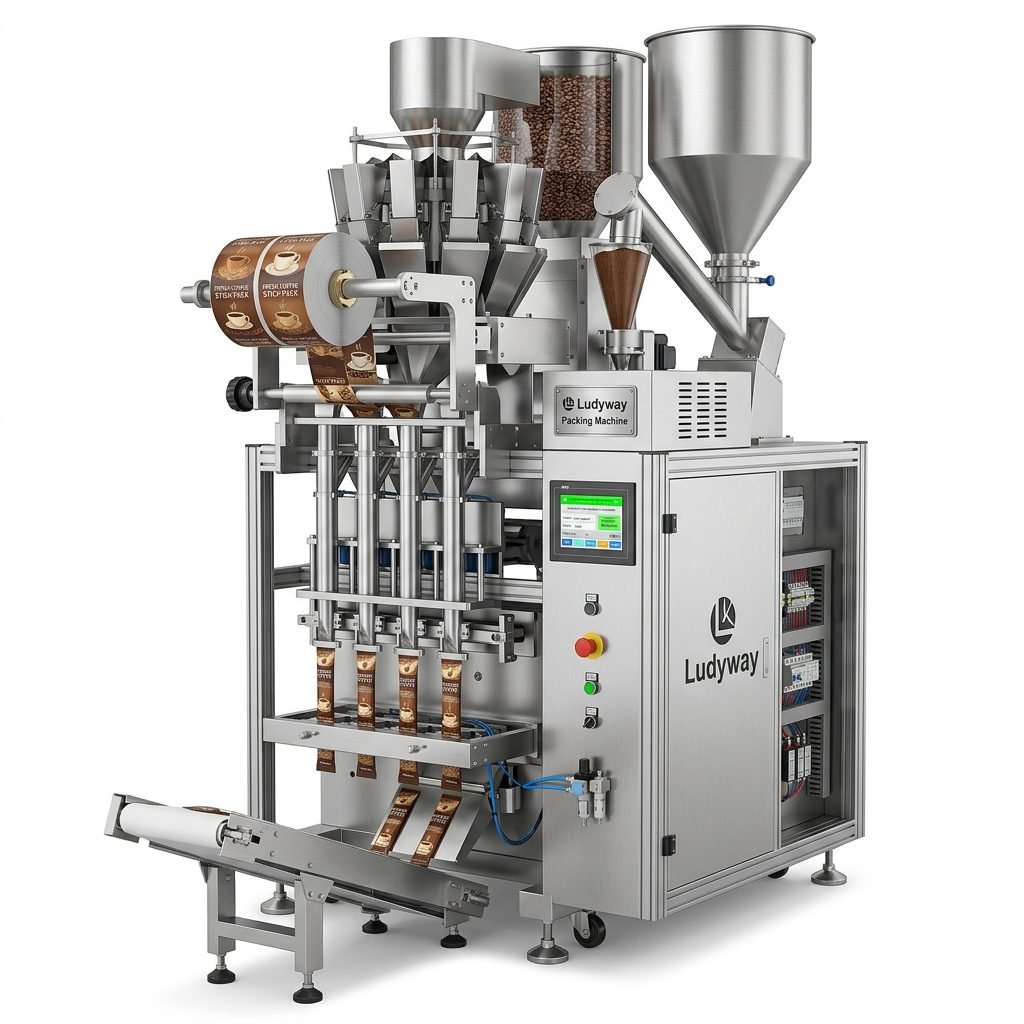
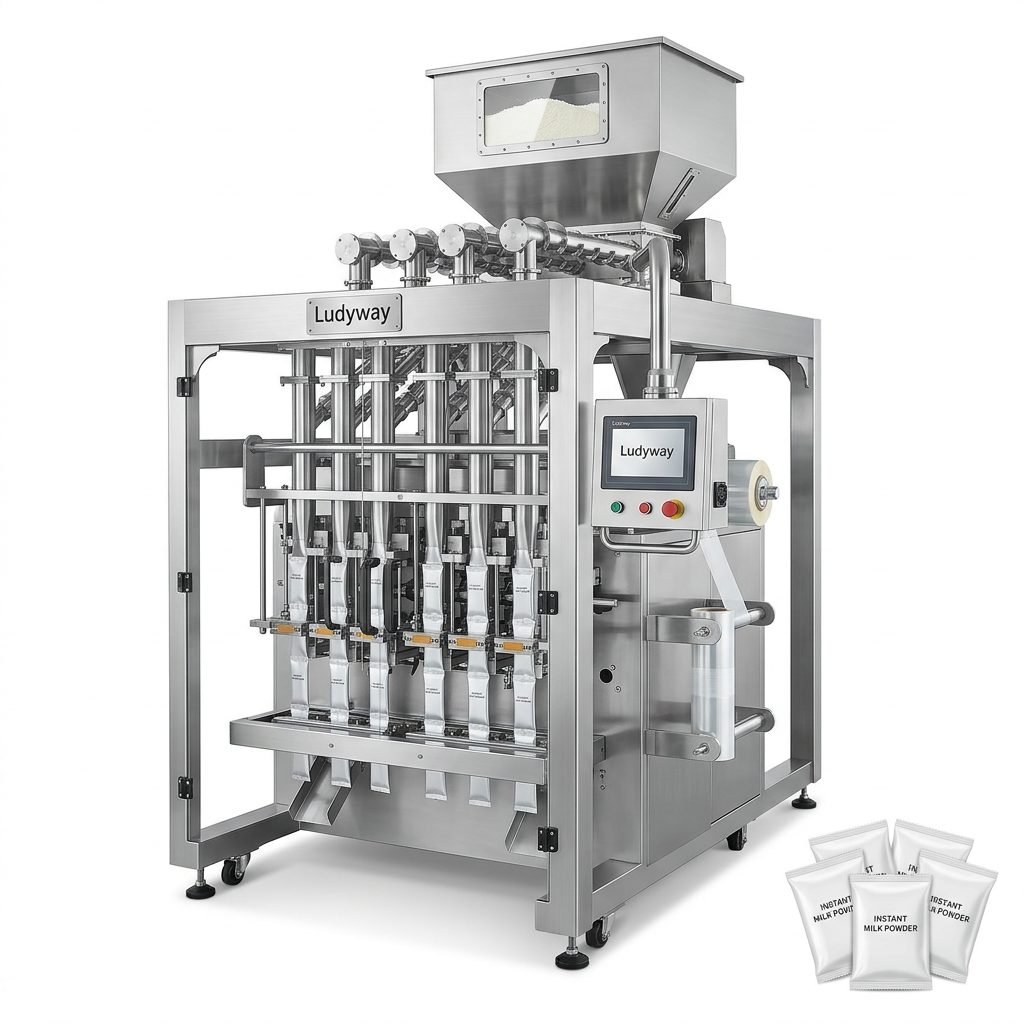
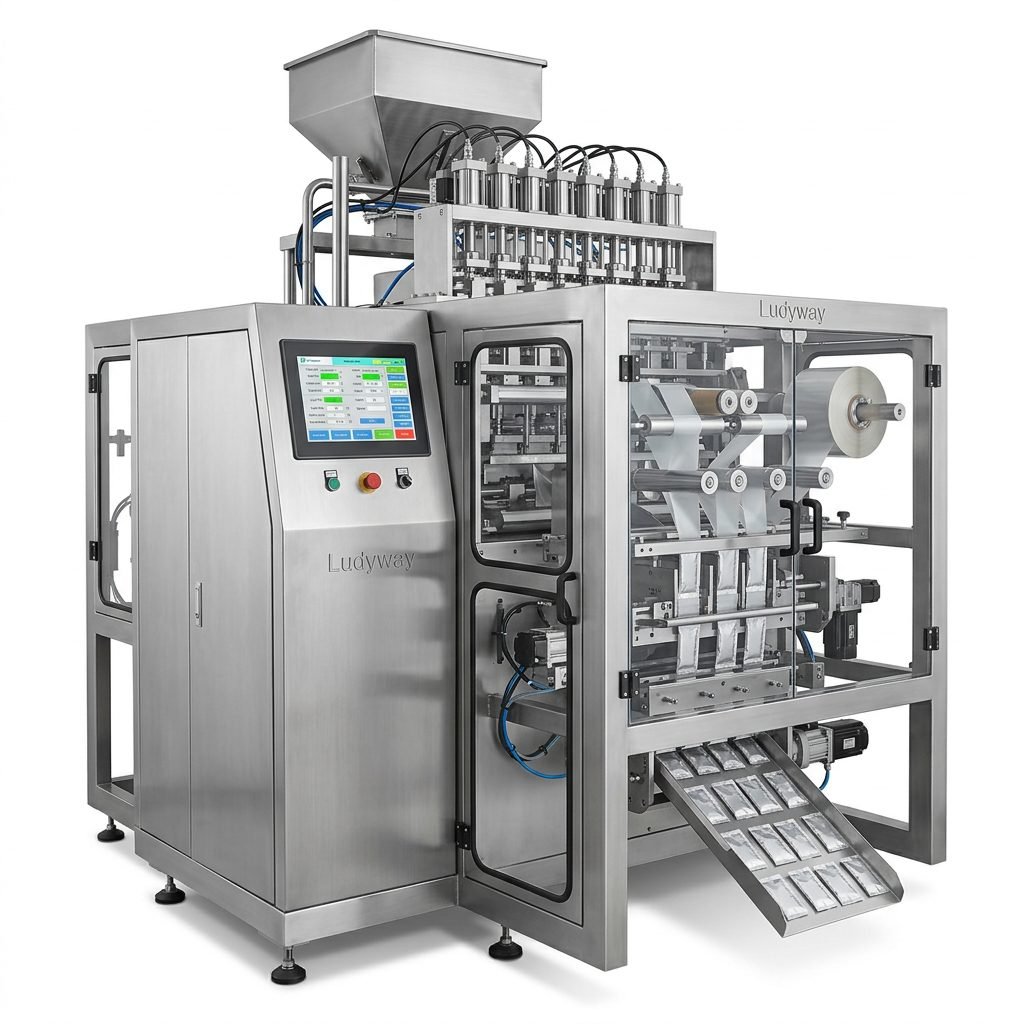
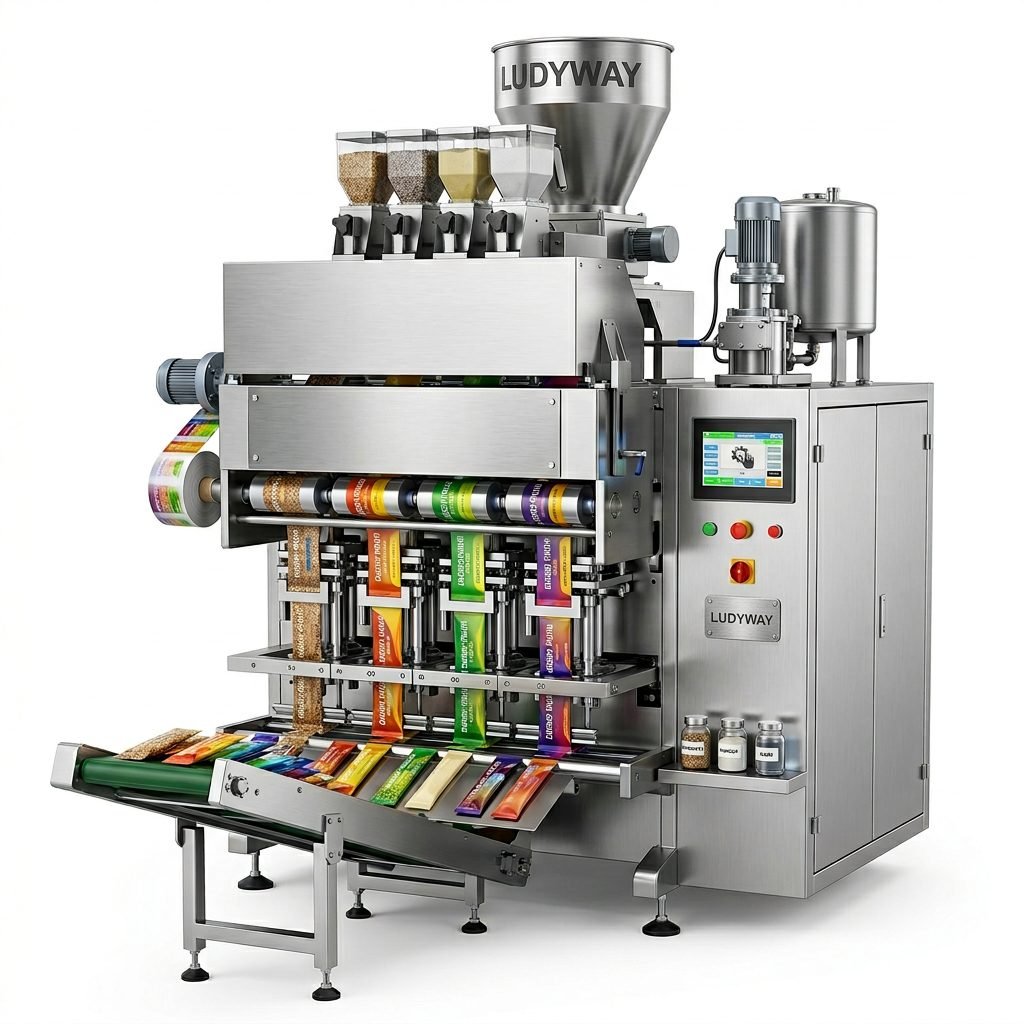
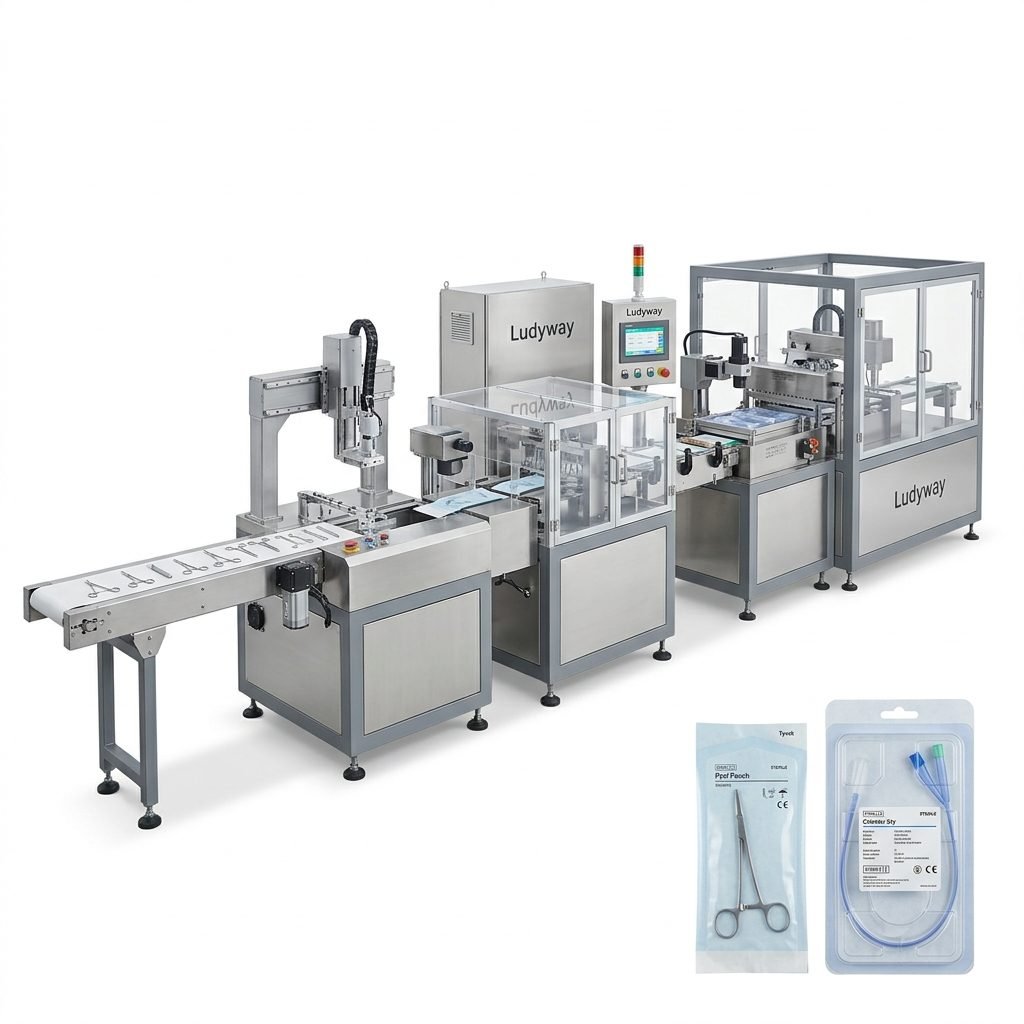
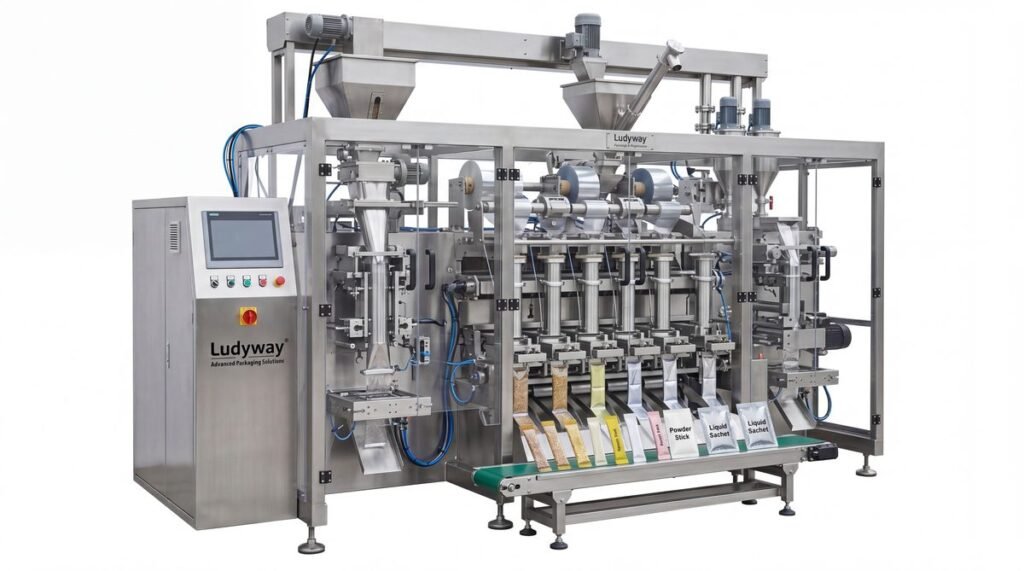
Setting up a bean packaging machine production line in the Middle East requires strategic planning that aligns with regional market demands, regulatory requirements, and operational conditions. The Middle East’s food processing sector has experienced significant growth in recent years, particularly in the pulses, legumes, and dry food segments. This growth creates substantial opportunities for manufacturers seeking to establish or upgrade bean packaging machine lines that deliver efficiency, accuracy, and compliance with international standards.
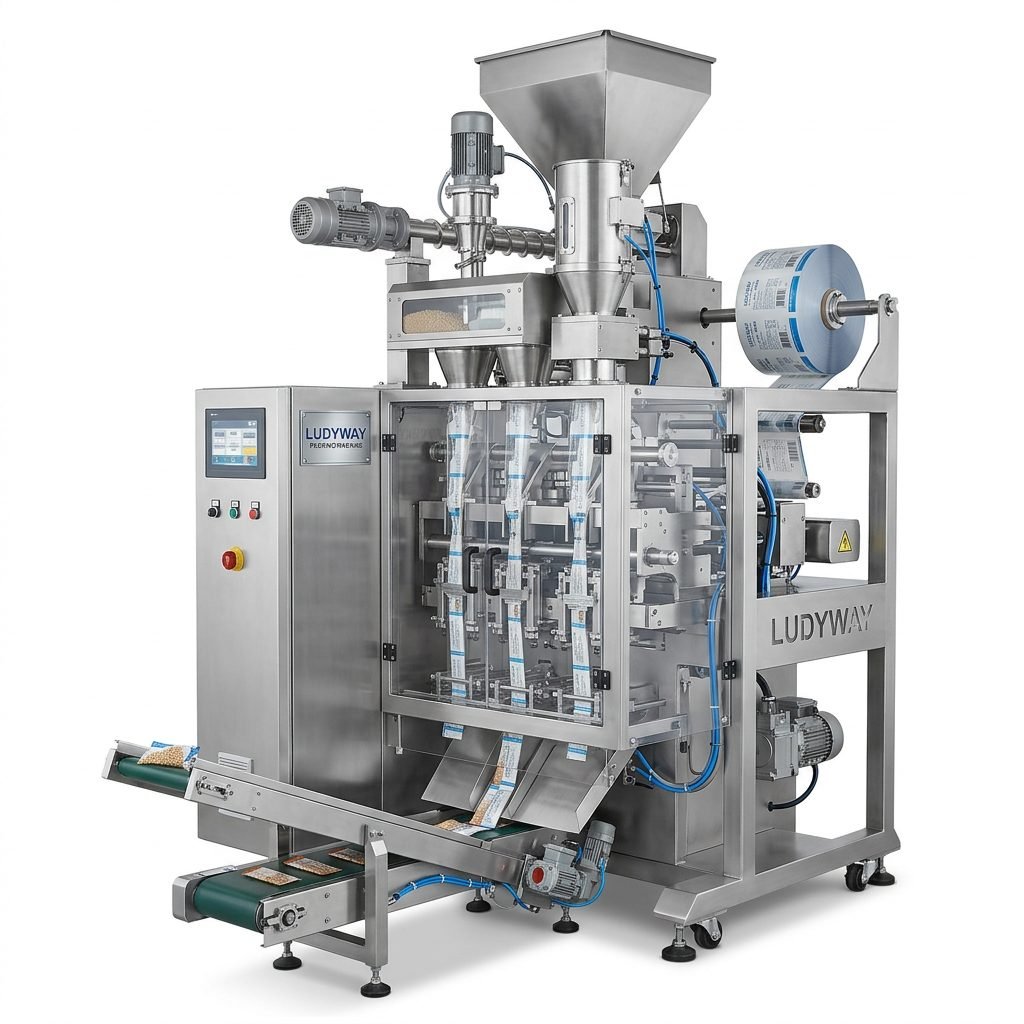
Understanding the Middle East Packaging Market Landscape
The Middle East packaging machinery market is projected to grow at a CAGR of over 6.5% through 2028, driven by rising demand for processed and packaged foods. Countries such as Saudi Arabia, the United Arab Emirates, Kuwait, and Qatar are leading importers of packaging equipment, with beans and pulses representing a core product category. Key market drivers include:
- Increasing consumer preference for conveniently packaged dry foods
- Rapid expansion of retail and supermarket chains across the Gulf region
- Government initiatives supporting food security and local manufacturing
- Growing foodservice and hospitality sectors demanding bulk and portion-packed beans
- Rising exports of packaged pulses to neighboring African and Asian markets
Key Considerations Before Installing a Bean Packaging Line
Before investing in a bean packaging machine production line, several critical factors must be evaluated to ensure optimal performance and return on investment in the Middle Eastern context.
Product Characteristics and Packaging Formats
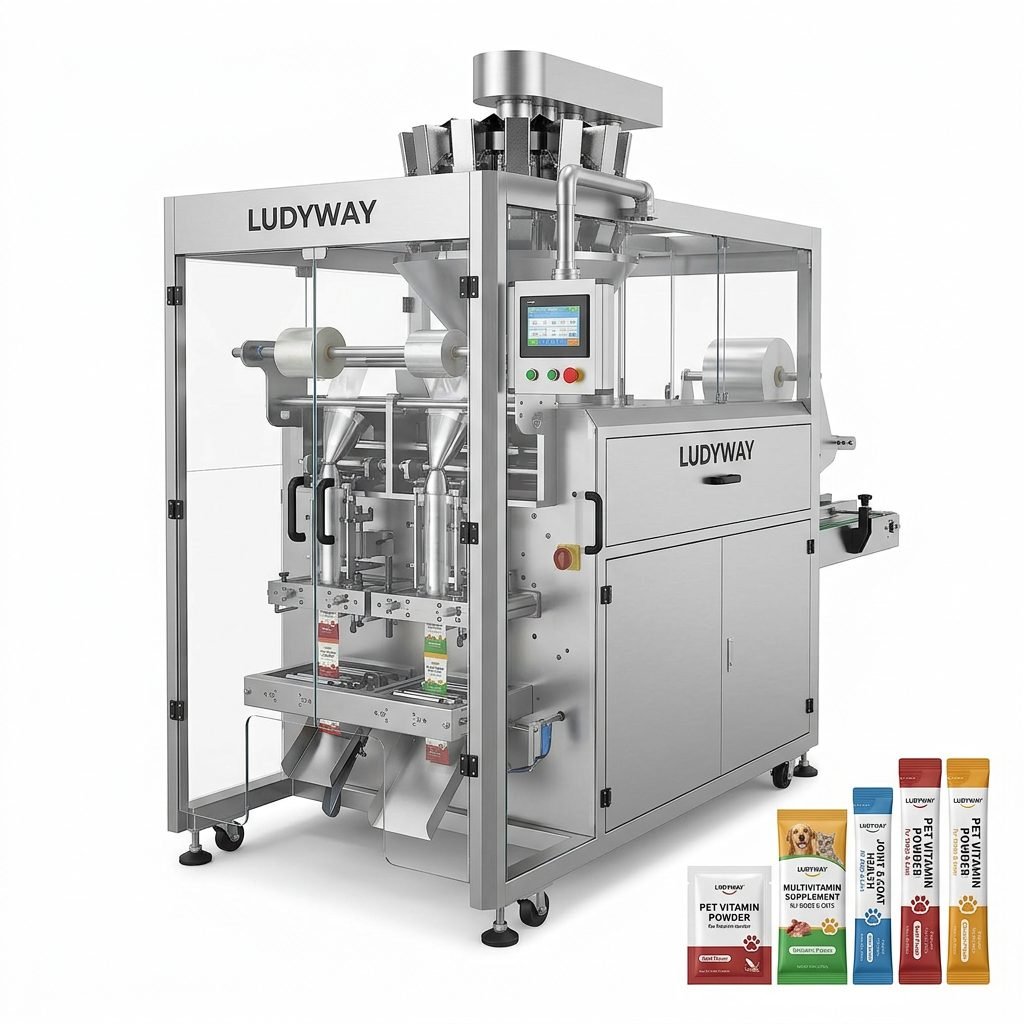
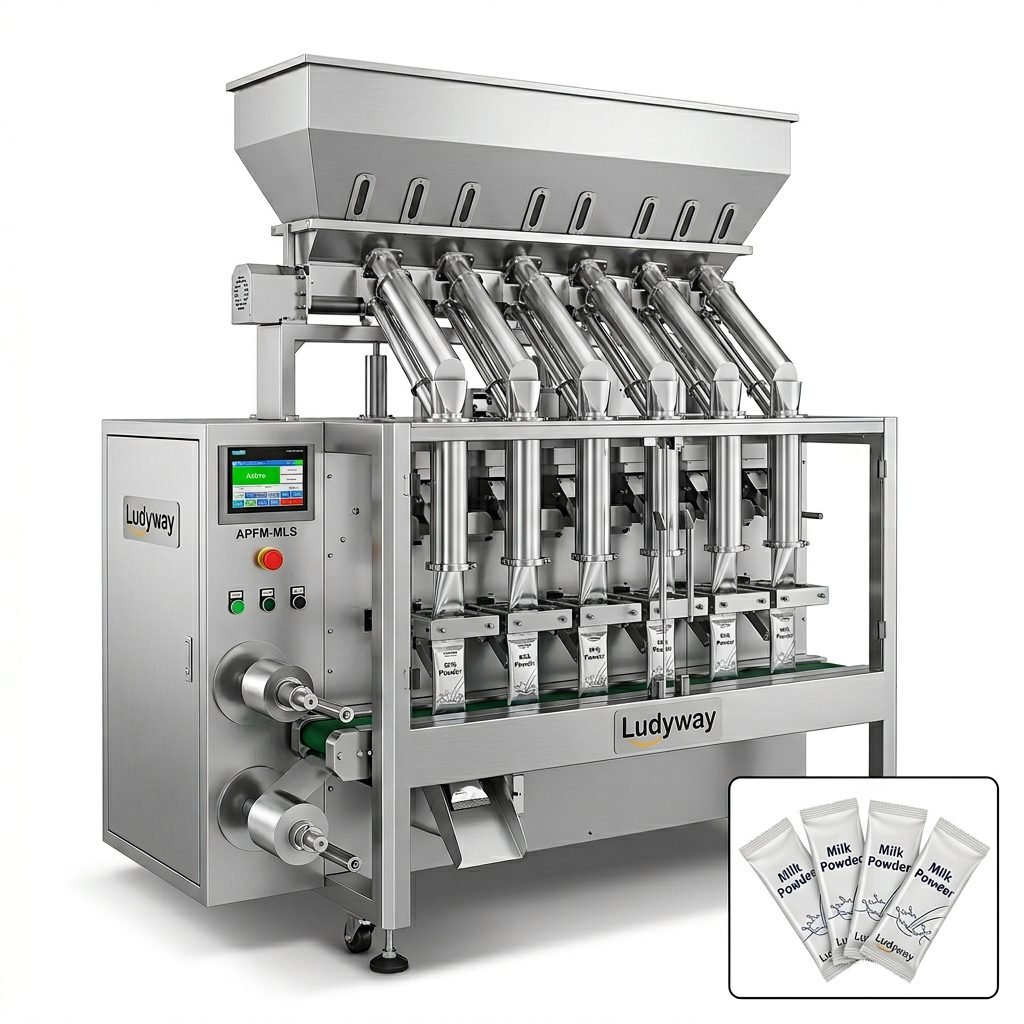
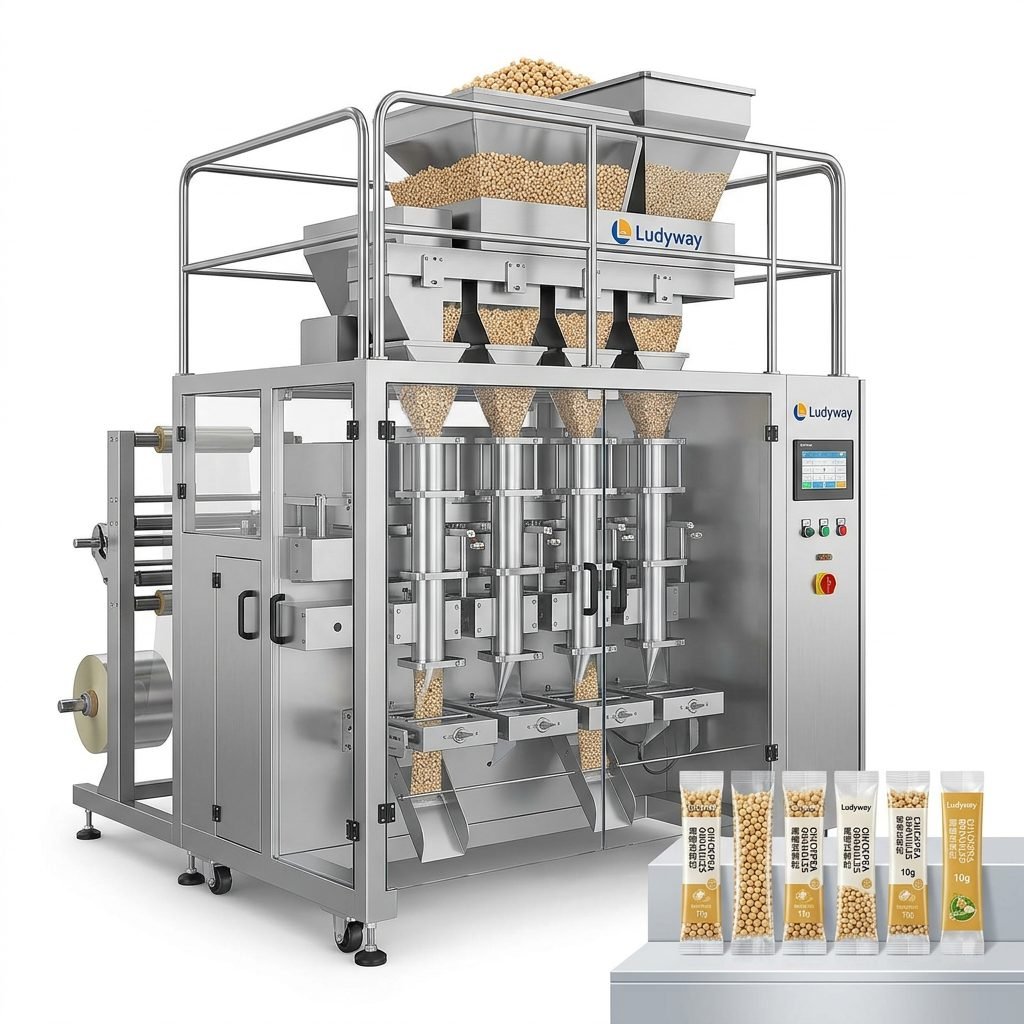
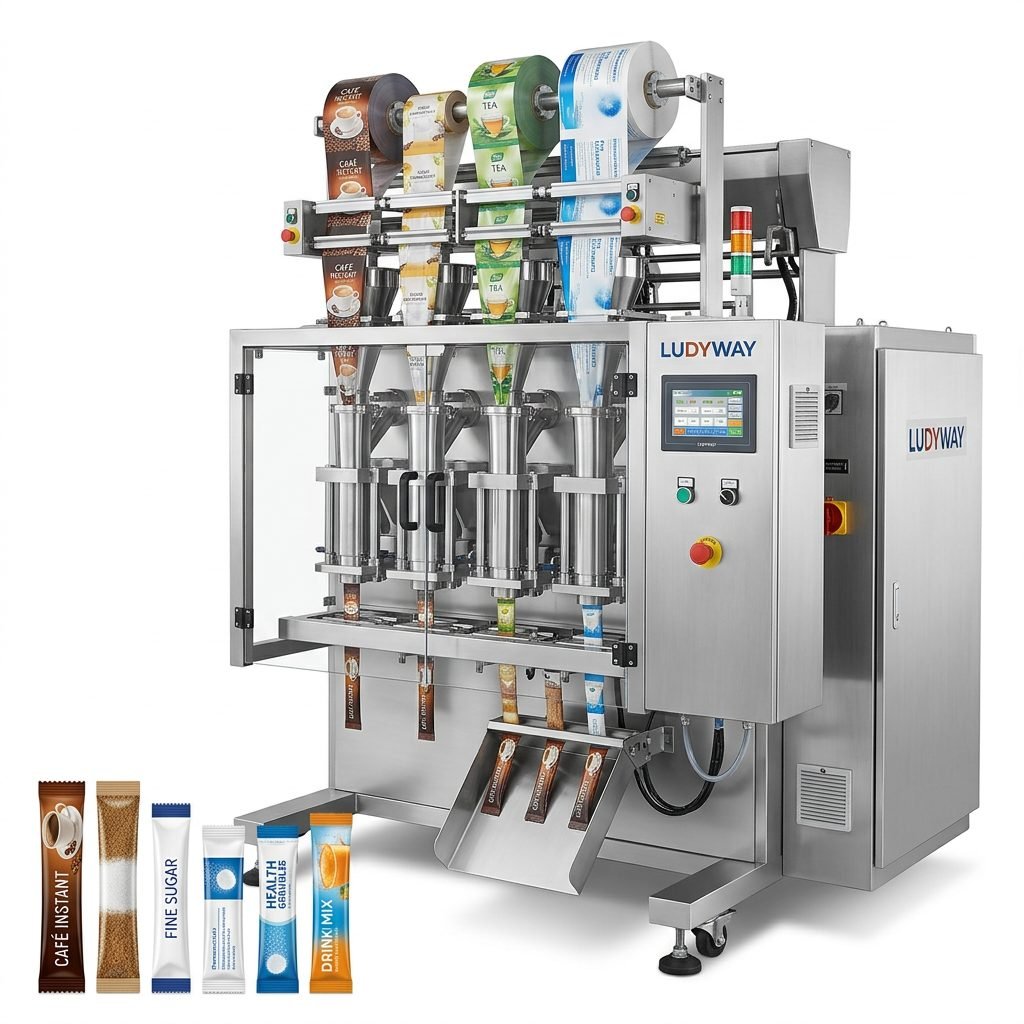
Beans vary widely in size, shape, and density — from small lentils and chickpeas to large kidney beans and fava beans. The stick pack packaging machine and multi-lane sachet systems must accommodate these variations without damaging the product. Common packaging formats in the region include:
- Pillow pouches (250g to 1kg for retail)
- Stick packs (single-serve 20g to 50g)
- Sachets (small portions for foodservice)
- Bulk bags (5kg to 25kg for wholesale)
- Vacuum-sealed pouches (for extended shelf life)
Climatic and Environmental Factors
Middle Eastern climates present unique challenges, including high ambient temperatures, dust exposure, and humidity fluctuations near coastal facilities. Packaging equipment must feature:
- Stainless steel construction (preferably SUS304 or SUS316) for corrosion resistance
- Enclosed electrical cabinets with IP65 or higher protection ratings
- Efficient cooling systems for electronic components
- Dust-proof sealing mechanisms to prevent contamination
Step-by-Step Guide to Setting Up Your Production Line
Step 1: Define Production Capacity Requirements
Determine your target output based on market demand analysis. A typical bean packaging production line in the Middle East can range from 30 to 120 packs per minute per lane, depending on the packaging format and product type. Multi-lane configurations can multiply the total output significantly.
| Production Scale | Recommended Machine Type | Typical Output Range | Target Market |
|---|---|---|---|
| Small Scale | Single-lane stick pack or sachet machine | 30-60 packs/min | Local retail, specialty stores |
| Medium Scale | 4-6 lane multi-lane packaging system | 120-240 packs/min | Regional supermarkets, foodservice |
| Large Scale | 8-12 lane fully automated packaging line | 400-800 packs/min | Export markets, national distribution |
Step 2: Select the Right Bean Packaging Machine Configuration
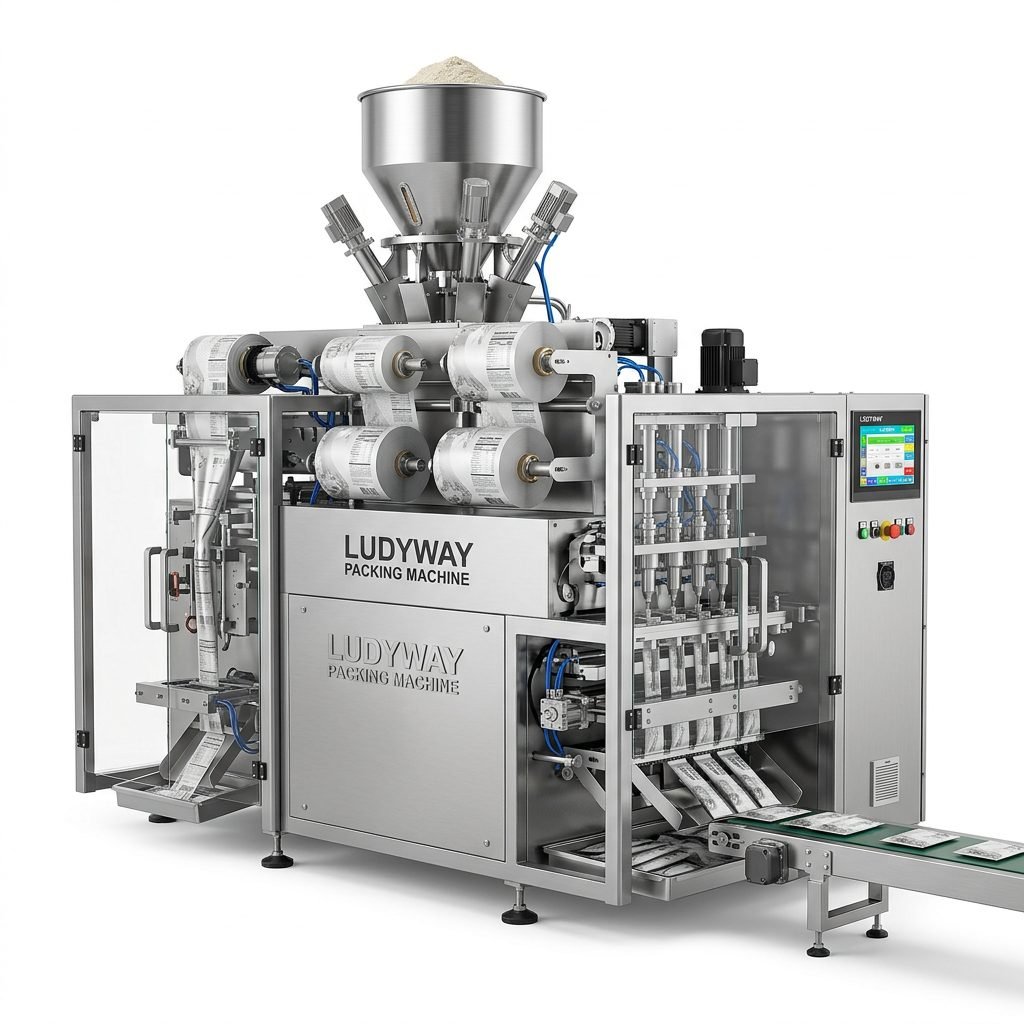
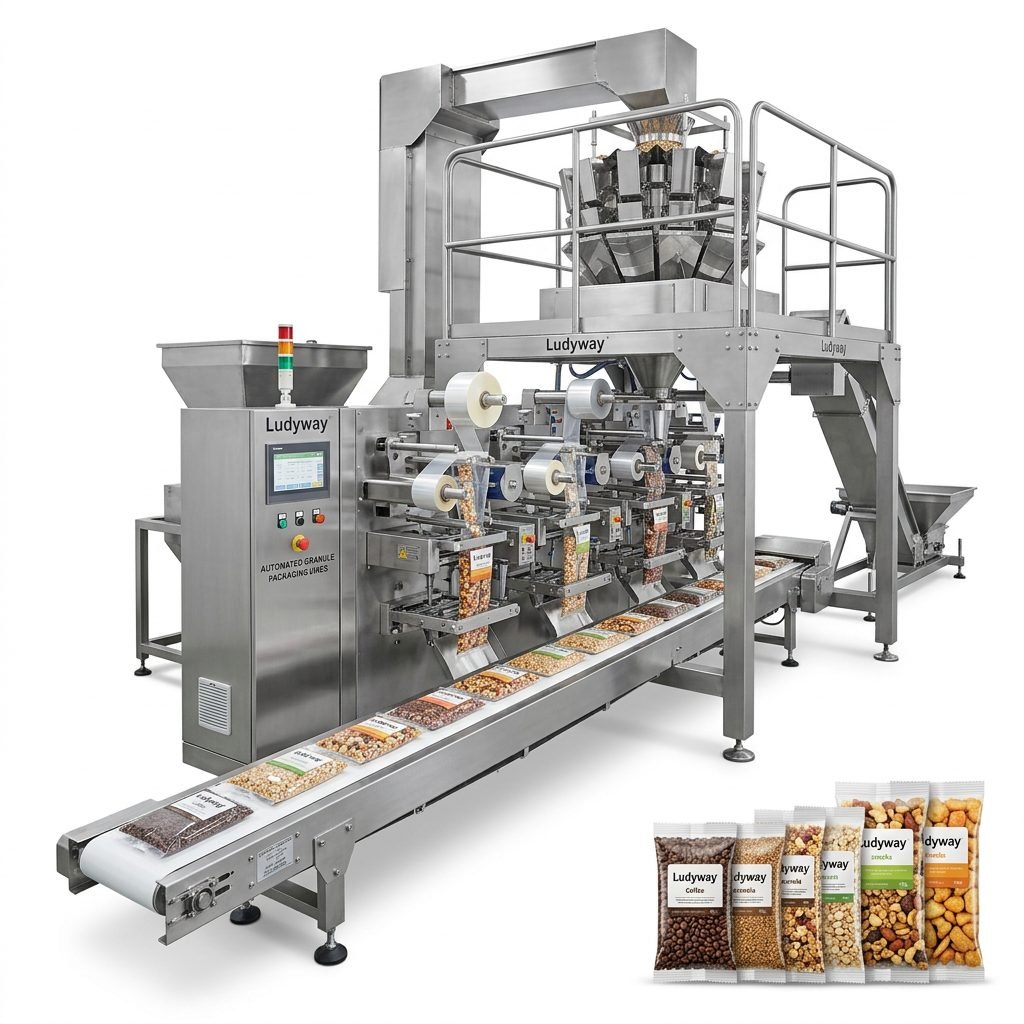
Choosing the correct bean packaging machine configuration is essential. The most effective systems for bean packaging in the Middle East incorporate the following modules:
- Multi-head weigher — ensures precise weight accuracy (±0.5-1g for small packs)
- Vertical form-fill-seal (VFFS) unit — forms pouches from roll film
- Multi-lane filling system — increases throughput with parallel lanes
- Checkweigher and metal detector — ensures quality compliance
- Automatic cartoning machine — packs finished sachets into boxes
- Palletizing system — automates end-of-line handling
Step 3: Ensure Compliance with Regional Regulations
Food packaging in the Middle East must comply with GSO (Gulf Standards Organization) regulations, Halal certification requirements, and specific country-level standards. Key compliance areas include:
- Food contact materials must be certified safe and non-toxic
- Packaging must include Arabic labeling where required
- Batch coding and traceability systems are mandatory
- Halal certification extends to packaging materials and manufacturing processes
Refer to authoritative resources such as the PMMI packaging industry association and FDA food packaging standards for comprehensive compliance guidance.
Step 4: Plan Your Facility Layout and Utility Requirements
A properly designed bean packaging production line requires adequate floor space, utilities, and workflow optimization. Consider the following layout principles:
| Zone | Equipment | Space Requirement | Key Utility |
|---|---|---|---|
| Raw Material Intake | Bucket elevator, conveyor | 30-50㎡ | 3-phase power, dust extraction |
| Weighing and Filling | Multi-head weigher, VFFS machine | 40-60㎡ | Compressed air, electricity |
| Quality Control | Checkweigher, metal detector, X-ray | 15-25㎡ | Electricity, data network |
| Secondary Packaging | Cartoner, case packer, palletizer | 50-80㎡ | Compressed air, electricity |
Technology Features That Enhance Middle East Operations
Modern bean packaging machines incorporate advanced technologies that directly benefit Middle Eastern production environments:
Intelligent Weighing and Filling Accuracy
Advanced multi-head combination weighers with memory hopper technology achieve exceptional accuracy even with irregularly shaped beans. This minimizes product giveaway — a critical cost factor when packaging premium beans such as specialty coffee beans, chickpeas, and organic lentils sold at higher price points across Gulf markets.
Nitrogen Flushing for Extended Shelf Life
Given the Middle East’s high ambient temperatures, nitrogen gas flushing systems are highly recommended. This technology displaces oxygen inside the package, significantly extending product shelf life and preserving freshness — essential for products distributed across the region’s vast geographical distances.
Automated Cleaning and Maintenance Systems
CIP (Clean-in-Place) and easy-access design features reduce downtime during product changeovers. This is particularly valuable for facilities packaging multiple bean varieties on the same packaging production line, allowing rapid changeover between lentils, chickpeas, kidney beans, and other pulses.
Cost Analysis and ROI Considerations
Investing in a bean packaging machine production line in the Middle East involves several cost components that affect the overall return on investment:
| Cost Category | Estimated Range (USD) | Key Variables |
|---|---|---|
| Equipment Purchase | $50,000 – $350,000 | Number of lanes, automation level, brand |
| Shipping and Logistics | $5,000 – $25,000 | Distance from manufacturer, port fees, insurance |
| Installation and Commissioning | $8,000 – $30,000 | Complexity, on-site duration, local labor rates |
| Training and Documentation | $2,000 – $8,000 | Operator training sessions, manuals in Arabic/English |
| Annual Maintenance | $3,000 – $15,000 | Spare parts, service contracts, local technician availability |
Most medium to large-scale operations achieve full ROI within 18 to 30 months, driven by labor savings, reduced product waste, and increased throughput. For accurate industry benchmarks, resources like the PMMI business intelligence library and Flexible Packaging Association reports provide valuable data.
Partnering with a Reliable Equipment Manufacturer
Selecting the right equipment partner is critical for success in the Middle East market. Look for manufacturers with proven international experience, strong after-sales support, and the capability to deliver turnkey packaging line solutions customized to your specific bean products. A comprehensive partner should offer pre-sales consultation, customized machine configuration, on-site installation, operator training, and ongoing technical support.
Ludyway is one of the largest packaging machine manufacturers in China, specializing in advanced packaging equipment and turnkey production solutions for the food, pharmaceutical, and health industries. With over 30 years of industry expertise, the company provides reliable and efficient packaging solutions for granule, powder, liquid, and pouch packaging applications, supported by a modern 20,000㎡ manufacturing facility and a highly experienced engineering team.
Common Mistakes to Avoid
- Underestimating power requirements — multi-lane systems often need stable 3-phase 380V/50Hz supply; verify local grid stability
- Ignoring film compatibility — ensure packaging film is suitable for Middle East climate (heat resistance, moisture barrier properties)
- Skipping operator training — invest in comprehensive training programs to maximize machine efficiency
- Neglecting spare parts inventory — maintain critical spare parts locally to minimize downtime
- Overlooking local certification — verify that equipment meets Gulf-specific certification requirements before shipment

Future-Proofing Your Bean Packaging Line
To ensure long-term competitiveness in the Middle East market, consider building flexibility into your bean packaging machine production line from the start. Modular machine designs allow future expansion from 4 lanes to 8 or 12 lanes as demand grows. Additionally, investing in Industry 4.0-compatible equipment with remote monitoring, data analytics, and predictive maintenance capabilities will position your operation at the forefront of the regional food packaging industry.
For further reading on packaging machinery standards and regulations, explore the ISO packaging standards, the Flexible Packaging Association, and the European Commission packaging regulations, which provide insights applicable to international packaging operations.