The European packaging machinery market is projected to reach USD 18.2 billion by 2028, driven by automation, stringent food safety standards, and demand for extended shelf life. Setting up a skin vacuum packaging production line in Europe requires careful navigation of CE directives, EHEDG hygiene guidelines, and country-specific regulations. This guide provides a structured roadmap from concept to commissioning.
Understanding the European Vacuum Packaging Landscape
Skin packaging, also known as VSP (Vacuum Skin Packaging), is widely adopted across Europe for fresh meat, seafood, cheese, and ready-meal products. The technology uses a special top film that conforms tightly to the product shape, providing excellent product presentation while significantly extending shelf life by up to 21 days for fresh proteins. Key markets include Germany, France, Italy, Spain, and the Netherlands.
Key European Regulatory Requirements
- CE Marking compliance under Machinery Directive 2006/42/EC
- EN 415 series standards for packaging machine safety
- EU Regulation (EC) No 1935/2004 on food contact materials
- EHEDG hygienic design certification for food processing equipment
- Country-specific electrical standards (e.g., VDE in Germany, NFC in France)
Essential Components of a Skin Vacuum Packaging Line
A complete skin vacuum packaging production line integrates multiple subsystems that must work in seamless coordination. Below is a breakdown of the core modules required for a fully operational line designed for European food processing standards.
| Line Component | Primary Function | Critical Specifications |
|---|---|---|
| Product Infeed & Loading | Automated tray/product placement | Servo-driven, IP65 rated, compatible with multiple tray formats |
| Vacuum Chamber System | Creates vacuum and seals top film | 99.8% vacuum level, Siemens PLC control, residual oxygen below 0.5% |
| Top Film Unwinding | Feeds skin film over product | Motorized unwinding, tension control, film width up to 620mm |
| Heating & Forming Station | Preheats film for conformity | Temperature accuracy ±1°C, multiple zone control |
| Cutting & Discharge | Separates packages and outputs | Cross and longitudinal cutting, quick-change tooling |
| Checkweighing & Inspection | Quality control and compliance | X-ray or metal detection, dynamic weighing, ISO 22000 compliant |
Step-by-Step Setup Process
1. Site Assessment and Infrastructure Preparation
European food production facilities must meet strict hygienic design standards. Before installing any equipment, ensure your facility provides adequate floor space with proper drainage, compressed air supply at 6-8 bar, three-phase electrical power (400V/50Hz typical for Europe), and climate-controlled environment (ideally 10-15°C for fresh product handling). Floor loading capacity must accommodate equipment weight, and ceiling height should allow for film roll changes and maintenance access.
2. Equipment Procurement and CE Compliance
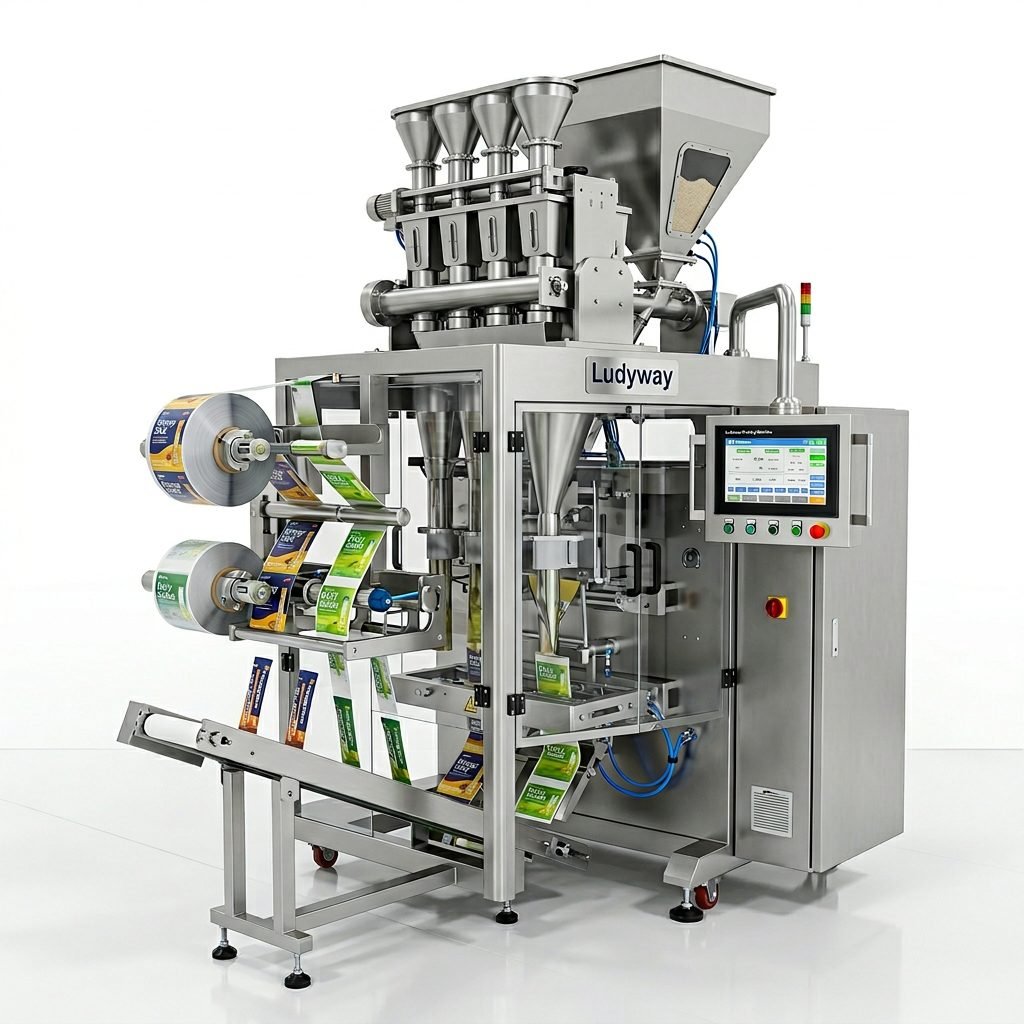
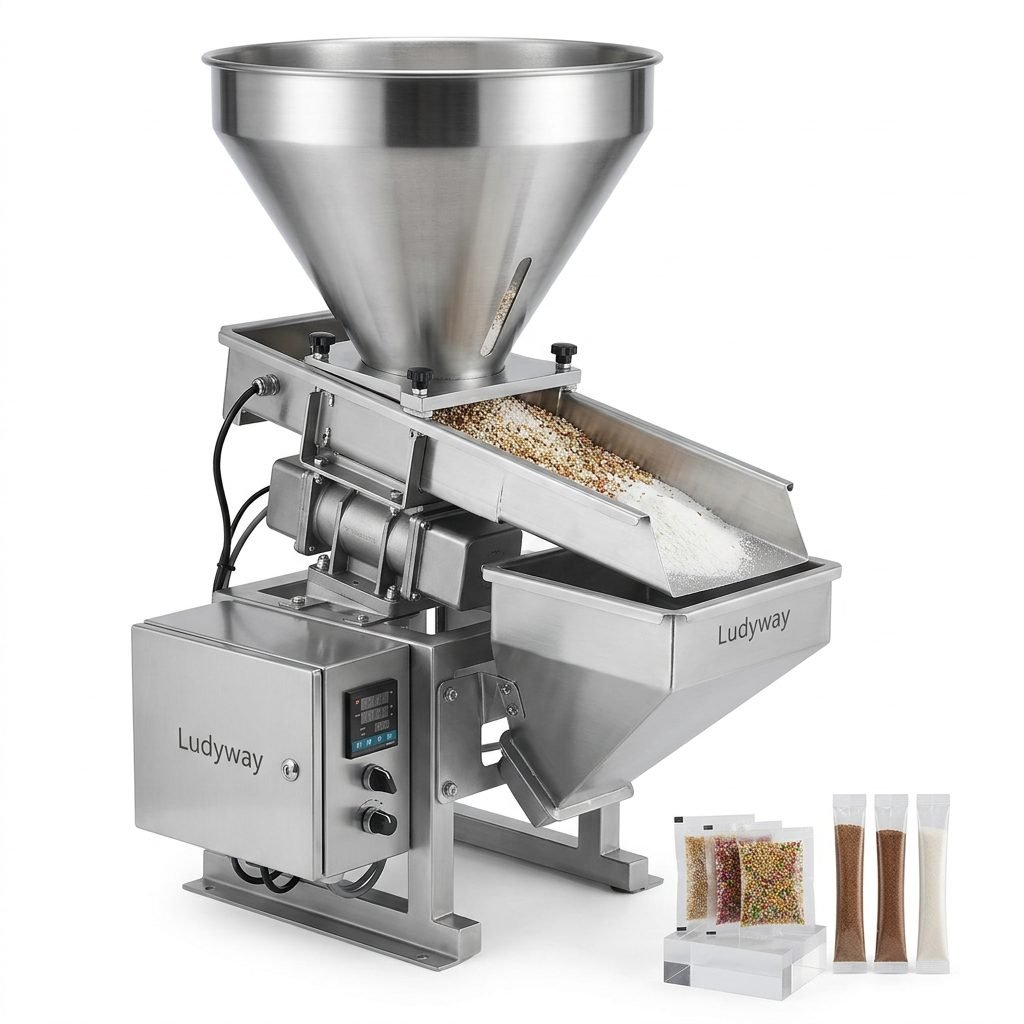
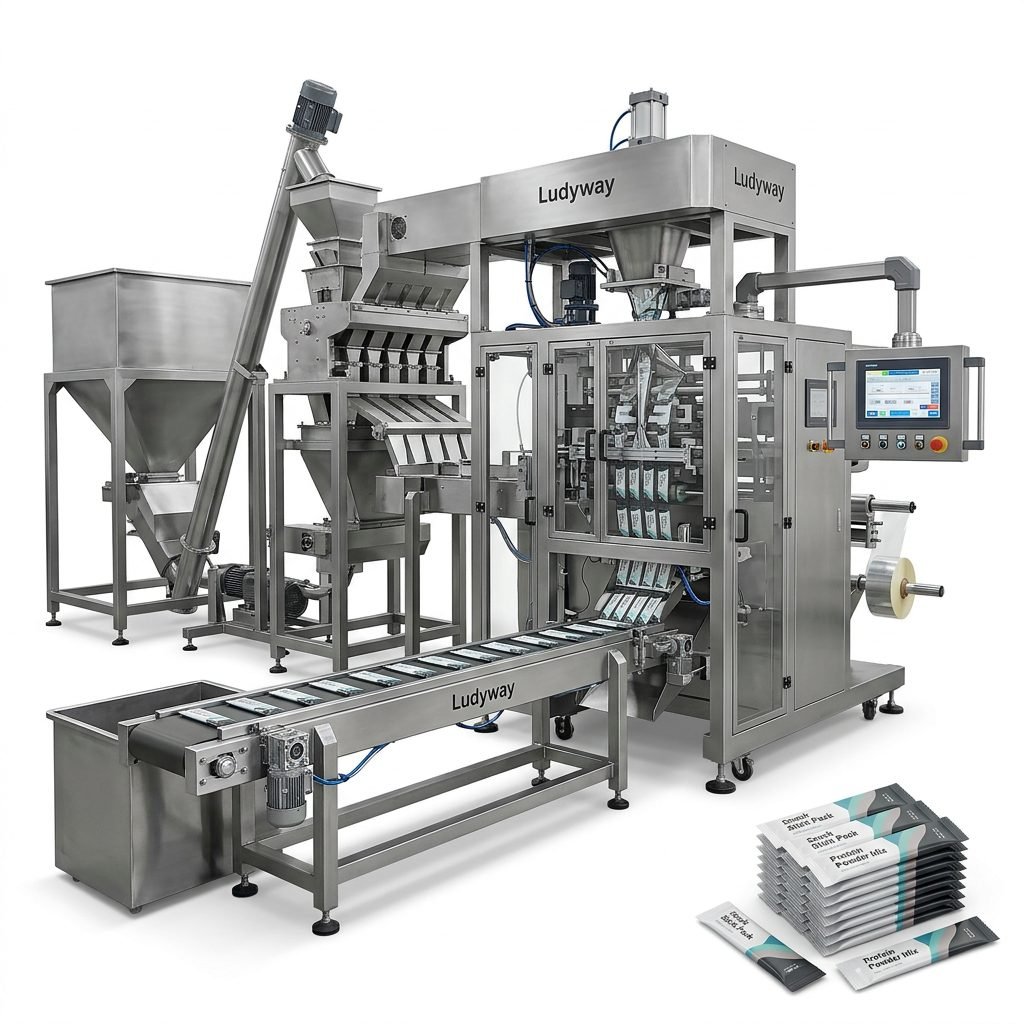
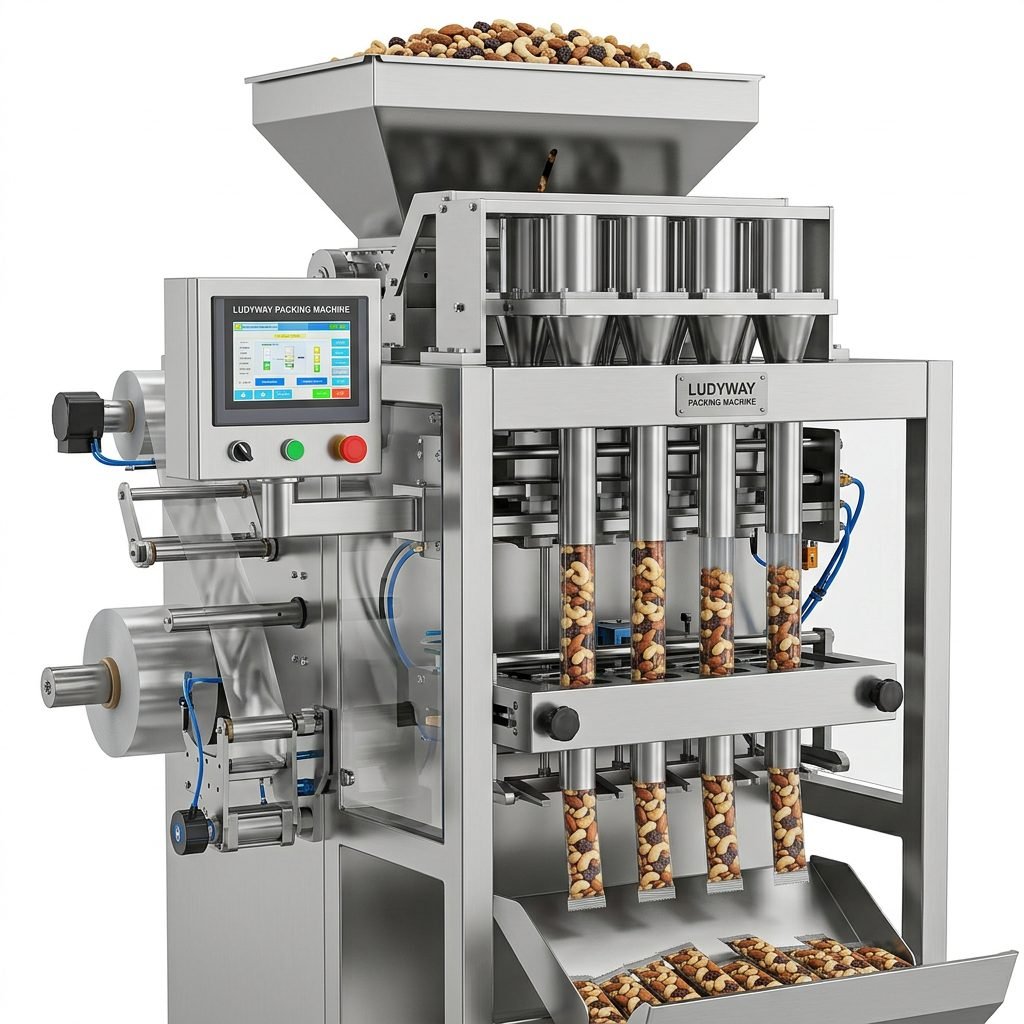
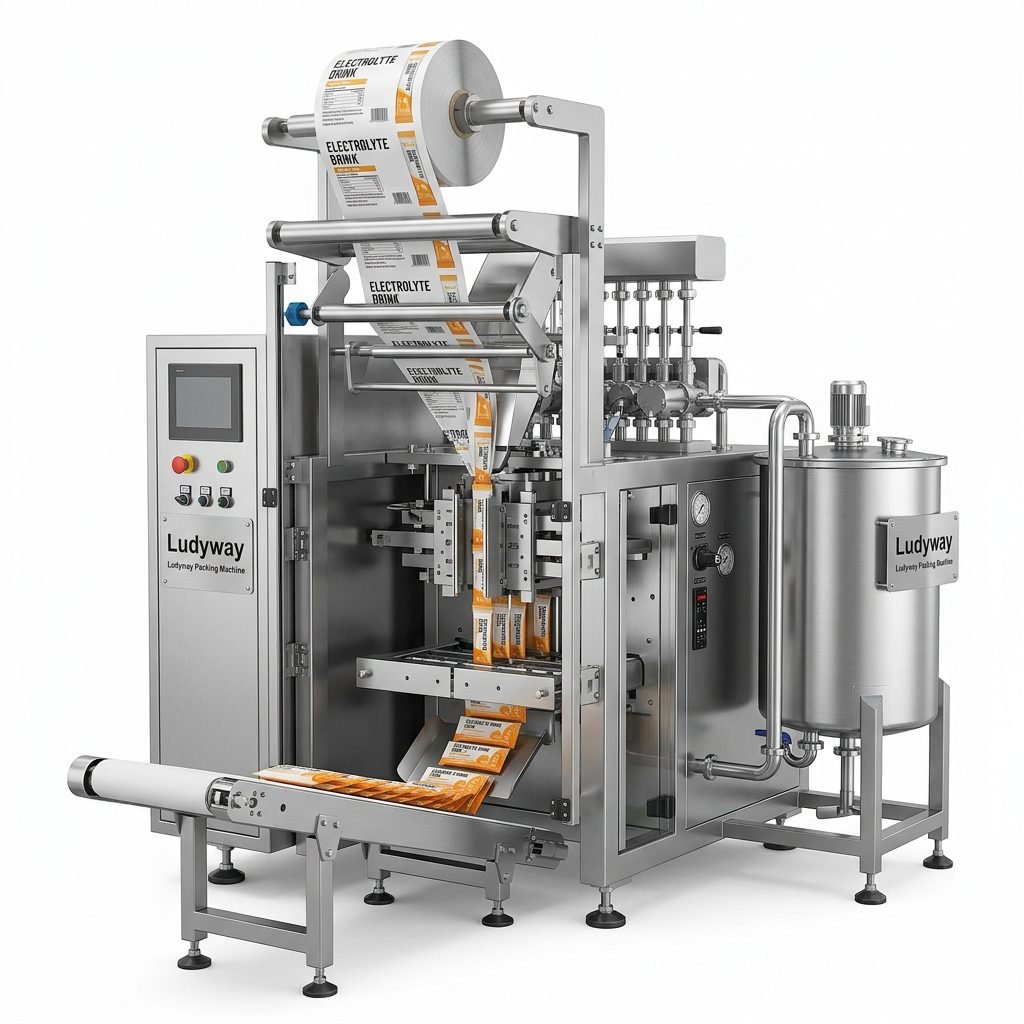
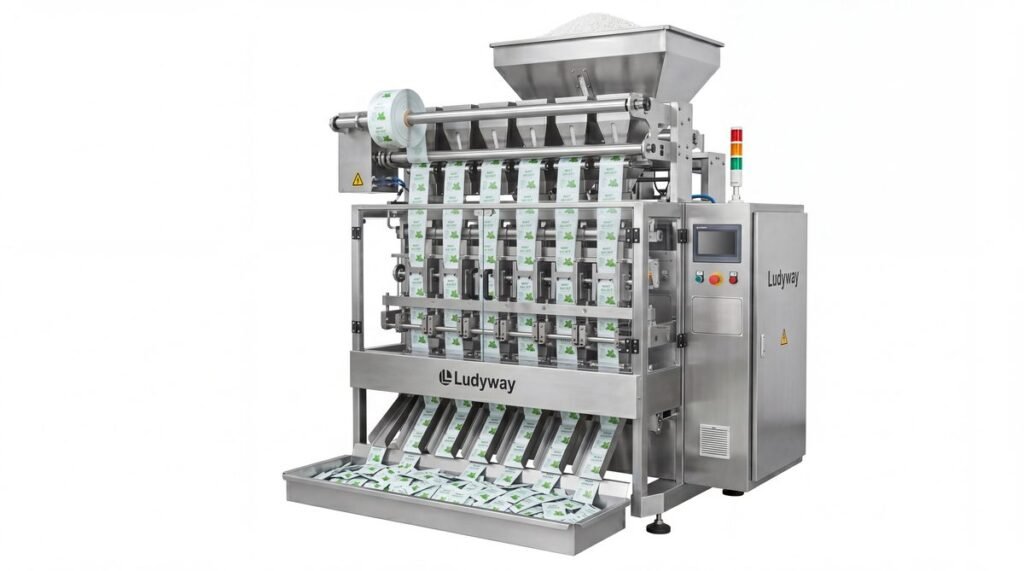
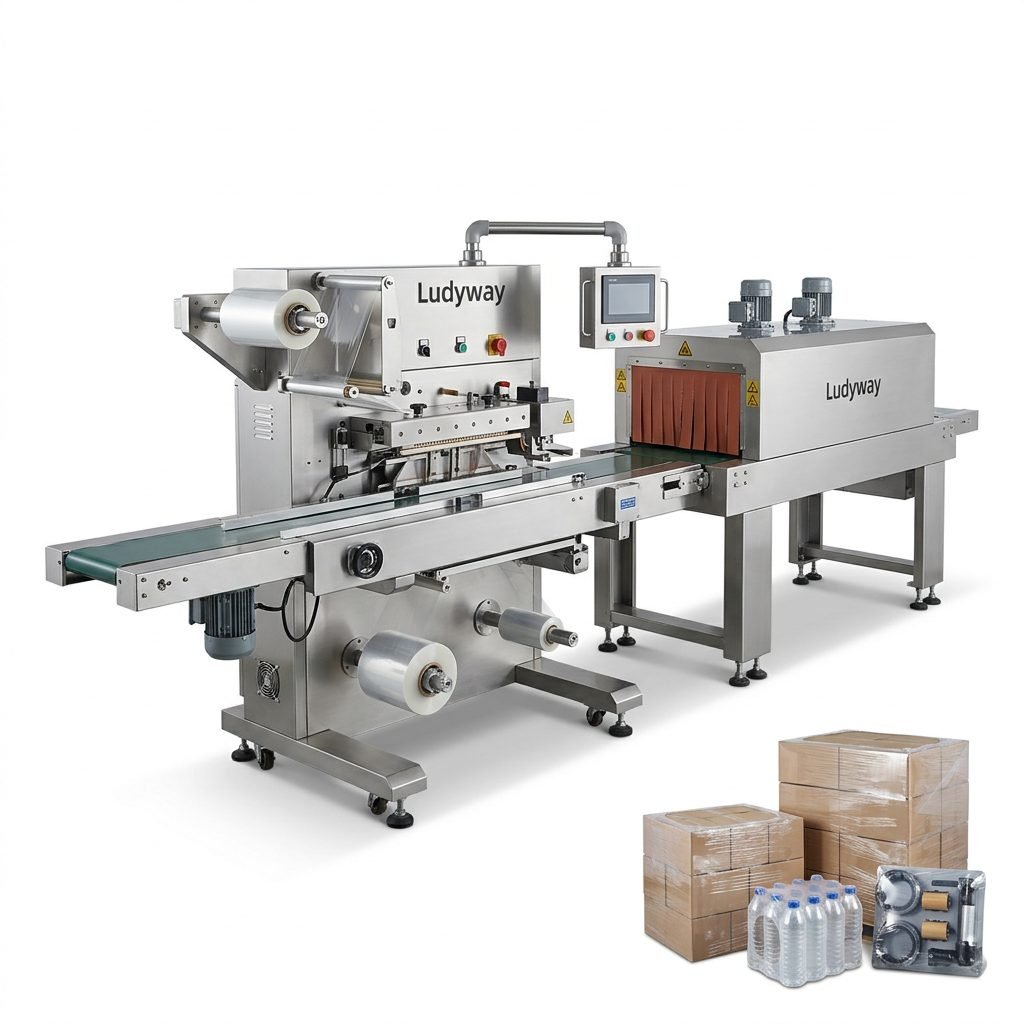
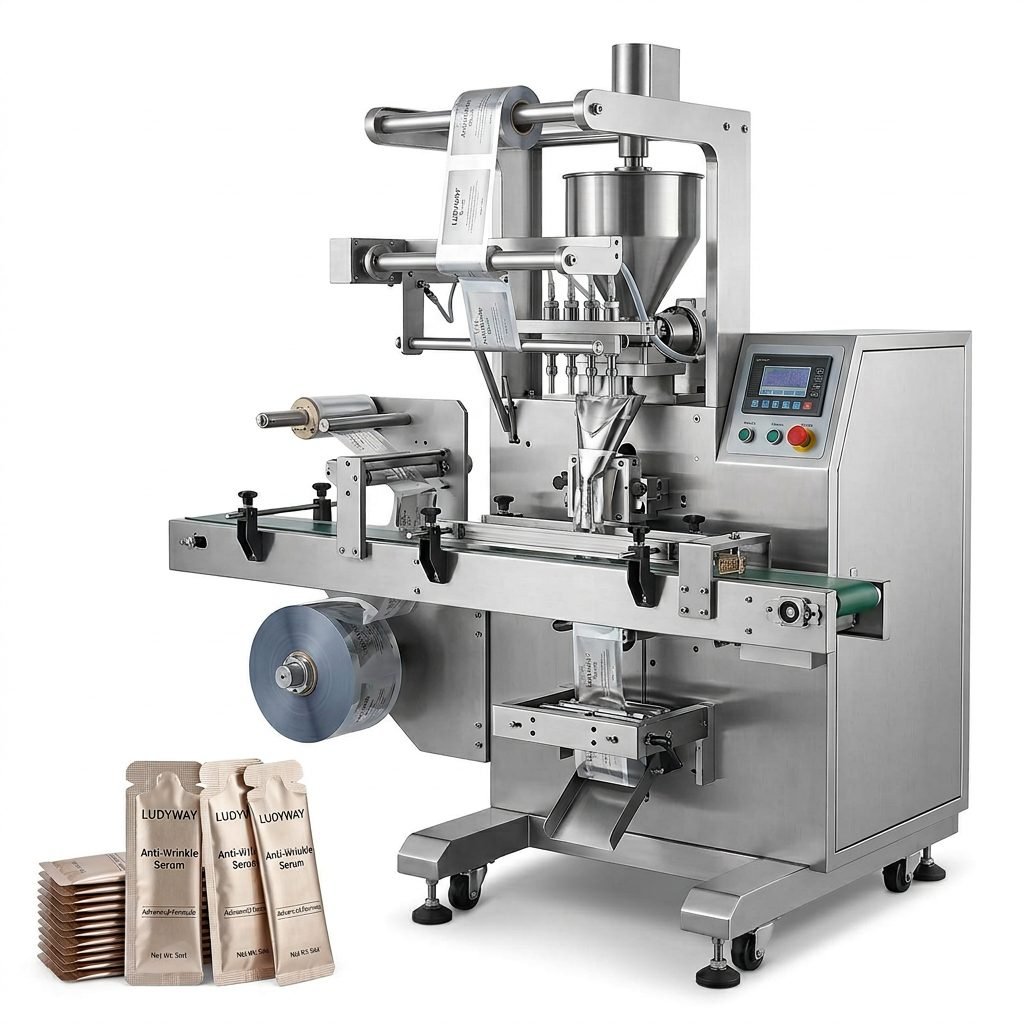
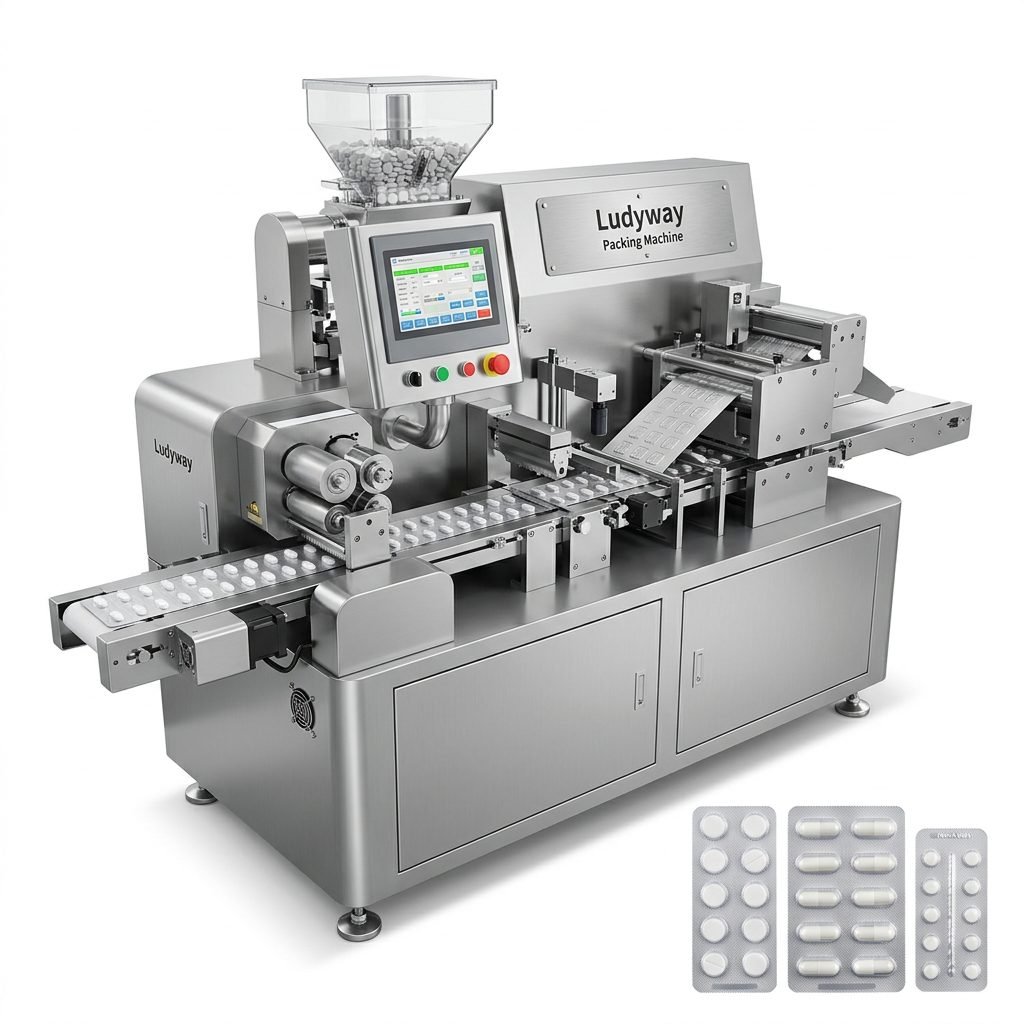
When sourcing machinery, verify that manufacturers provide full CE documentation packages including the Declaration of Conformity, technical file, risk assessment per EN ISO 12100, and user manuals in the operator’s language. European buyers increasingly look for suppliers with established global service networks and local technical support capabilities. For instance, Ludyway provides CE-certified packaging systems with comprehensive documentation, supporting European clients through installation and ongoing technical service.
3. Installation and Line Integration
Line integration is where many projects encounter delays. The key is ensuring seamless communication between the vacuum skin packer and upstream/downstream equipment — tray denesters, filling stations, checkweighers, and case packing systems. Industrial Ethernet protocols (Profinet, Ethernet/IP) should be standardized across components. Commissioning typically requires 2-4 weeks including dry runs, product testing, and operator training.
4. Validation and Performance Qualification
European retailers often mandate formal IQ/OQ/PQ (Installation, Operational, Performance Qualification) protocols. This involves verifying vacuum levels, seal integrity through burst testing, residual oxygen measurement, and sustained production runs at contract speeds. Documentation must align with flexible packaging industry standards and retailer codes of practice.
5. Operator Training and Standard Operating Procedures
Invest in comprehensive training covering film changeover procedures, CIP (Clean-in-Place) protocols, fault diagnosis, and safety lockout/tagout procedures. Well-trained operators reduce downtime by up to 40% compared to facilities with minimal training investment. SOPs should be available in local languages and updated regularly.
Key Technical Specifications to Prioritize
| Parameter | Recommended Range | Impact on Operation |
|---|---|---|
| Cycle Speed | 6-12 cycles/min (dependent on format) | Determines overall line throughput |
| Vacuum Level | ≤ 2 mbar residual pressure | Critical for shelf life extension |
| Film Width Capacity | 420-620 mm | Accommodates various tray sizes |
| Seal Temperature Control | ±1°C precision | Ensures consistent seal integrity |
| Power Consumption | 15-25 kW (typical line) | Directly affects operational costs |
Common Challenges and Solutions for European Operations
Sustainability and Packaging Waste Regulations
The European Packaging and Packaging Waste Directive (PPWD) and the new EU Packaging and Packaging Waste Regulation mandate recyclability by 2030. Operators should consider skin packaging films with mono-material structures (e.g., PE-based) that are fully recyclable within existing waste streams. Additionally, lightweighting initiatives can reduce film consumption by 15-20% without compromising package integrity.
Labor Availability and Automation Integration
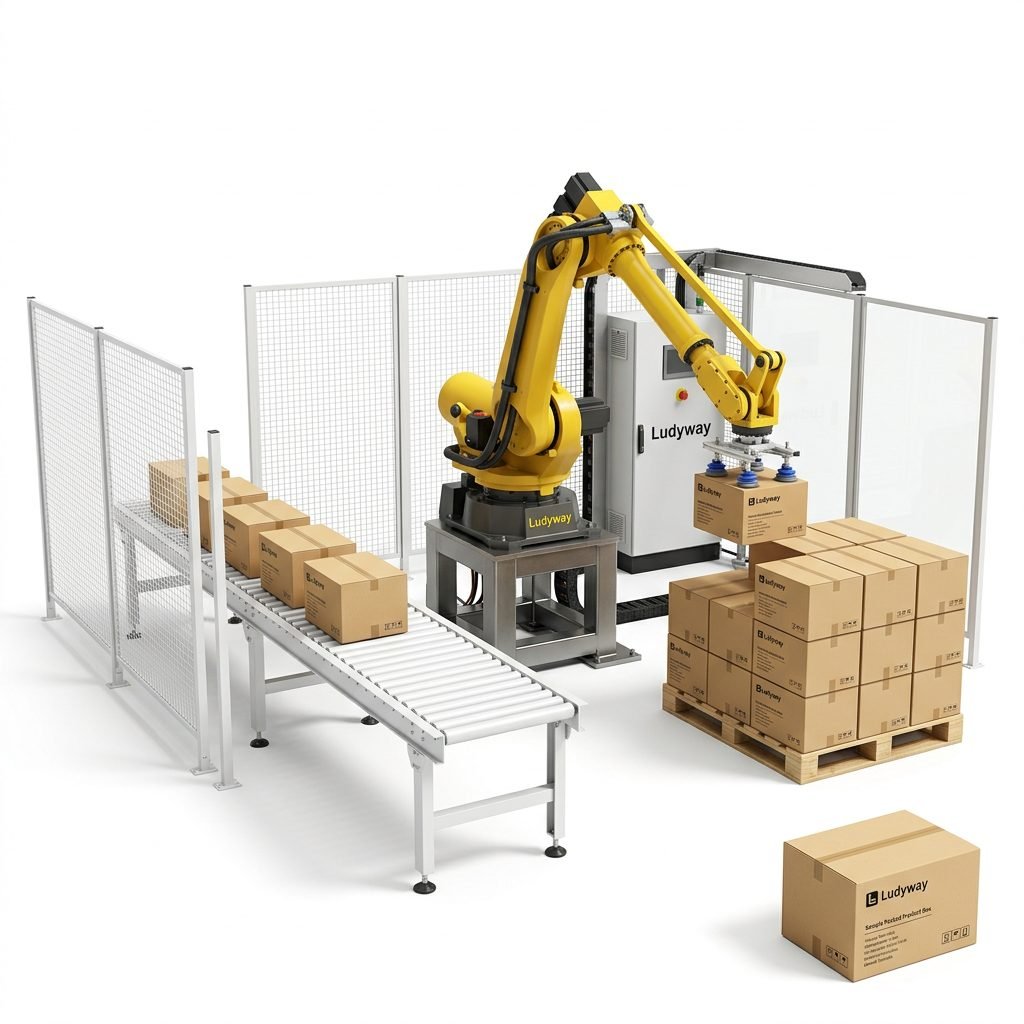
Labor shortages continue to challenge European food processors. Integrating robotic loading/unloading systems and automated tray handling reduces manual intervention, improves consistency, and enables lights-out production capability. Many processors are also adopting supervisory control systems for centralized line monitoring.
Multiple SKU Management
European retailers demand frequent product format changes. Modern skin packaging lines should include recipe-driven changeover systems with servo adjustments rather than manual mechanical changes. Quick-change tooling systems can reduce changeover time to under 10 minutes, essential for JIT production environments.
Maintenance and Lifecycle Management
Implement a structured preventive maintenance program aligned with manufacturer recommendations. Key maintenance intervals include daily cleaning of seal bars and vacuum chambers, weekly inspection of vacuum pump oil levels and filters, monthly calibration of temperature controllers and sensors, and annual replacement of wear components such as seals, gaskets, and cutting blades. Maintain a critical spare parts inventory locally to minimize downtime.
Future-Proofing Your Investment
Select equipment platforms that support Industry 4.0 capabilities including OPC-UA communication, remote diagnostics via VPN, and data analytics for OEE tracking. As European regulations evolve, particularly around digital product passports and carbon footprint reporting, packaging lines must be adaptable. Modular system designs allow incremental upgrades without full line replacement, protecting your capital investment over a 15-20 year operational lifespan.
For further guidance on packaging machinery market trends or flexible packaging sustainability resources, explore the linked industry resources. Successful line implementation ultimately depends on thorough planning, regulatory diligence, and partnership with experienced equipment suppliers who understand European production environments.