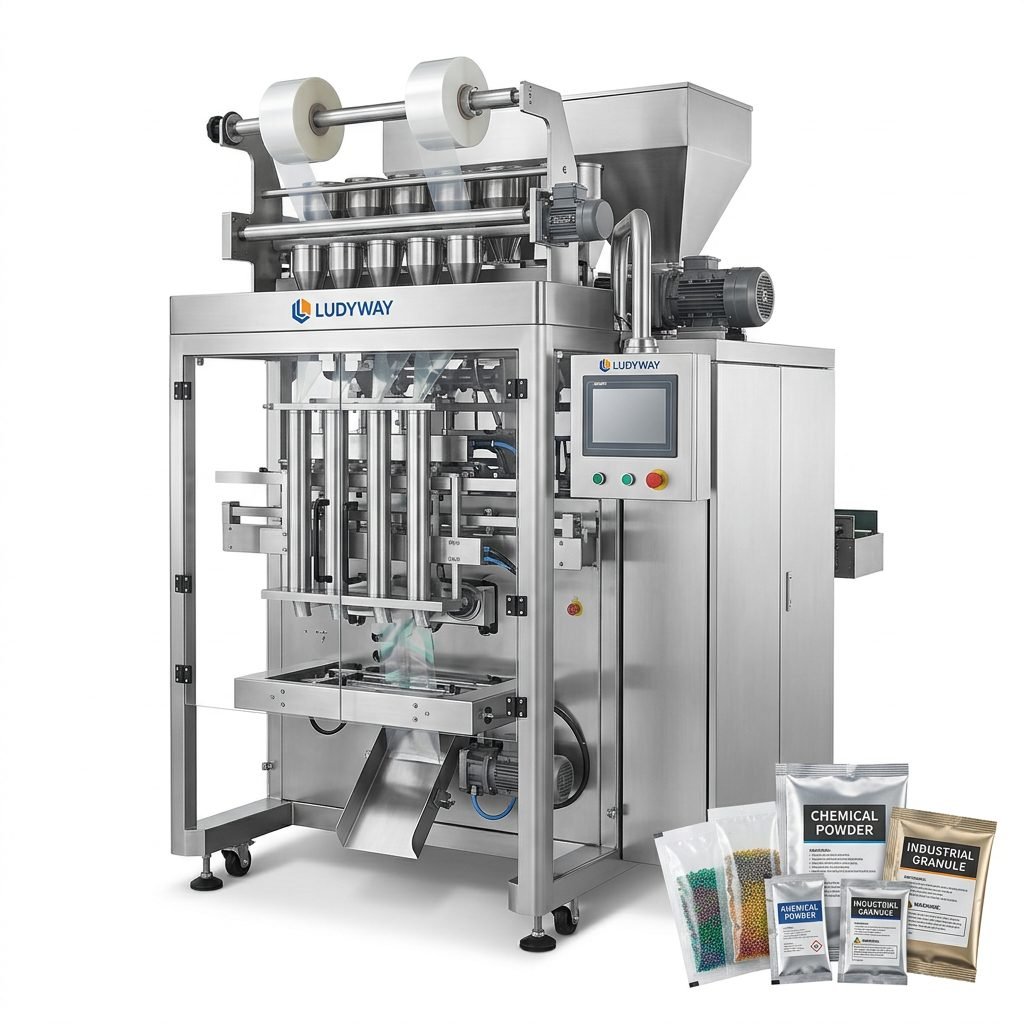
The European coffee market continues to expand, with vacuum packaging playing a critical role in preserving freshness, extending shelf life, and meeting strict food safety standards. Setting up a coffee vacuum packaging production line in Europe requires careful planning, from equipment selection to regulatory compliance. This guide walks you through every essential step to establish a high-performance packaging operation that meets EU standards and consumer expectations.
Understanding Coffee Vacuum Packaging Requirements in Europe
Vacuum packaging removes oxygen from the package before sealing, significantly slowing oxidation and preserving the volatile aromatic compounds that define premium coffee. For European markets, vacuum-sealed coffee packaging must also comply with stringent regulations on food contact materials and environmental sustainability. Whether you are packaging whole beans, ground coffee, or instant coffee, the production line must deliver consistent seal integrity, precise portion control, and reliable throughput.
Core Equipment for a Coffee Vacuum Packaging Line
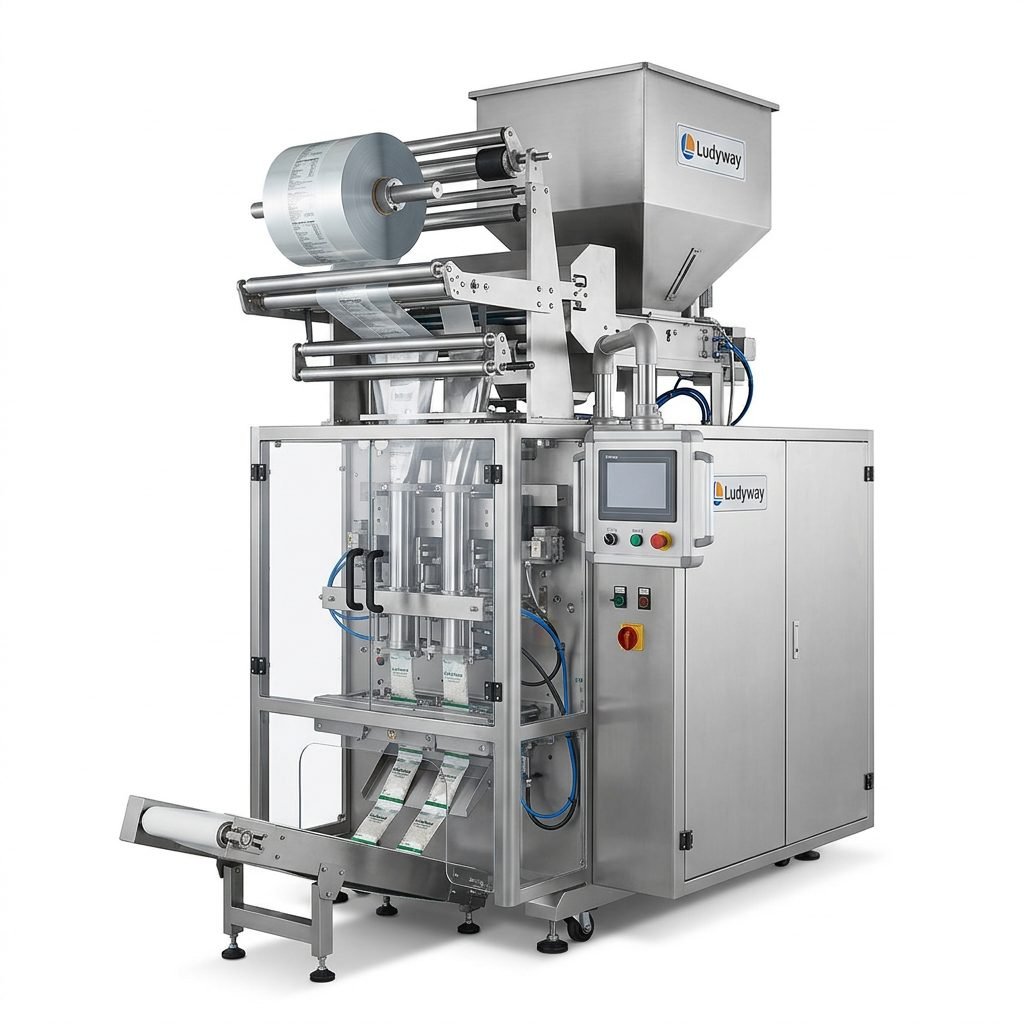
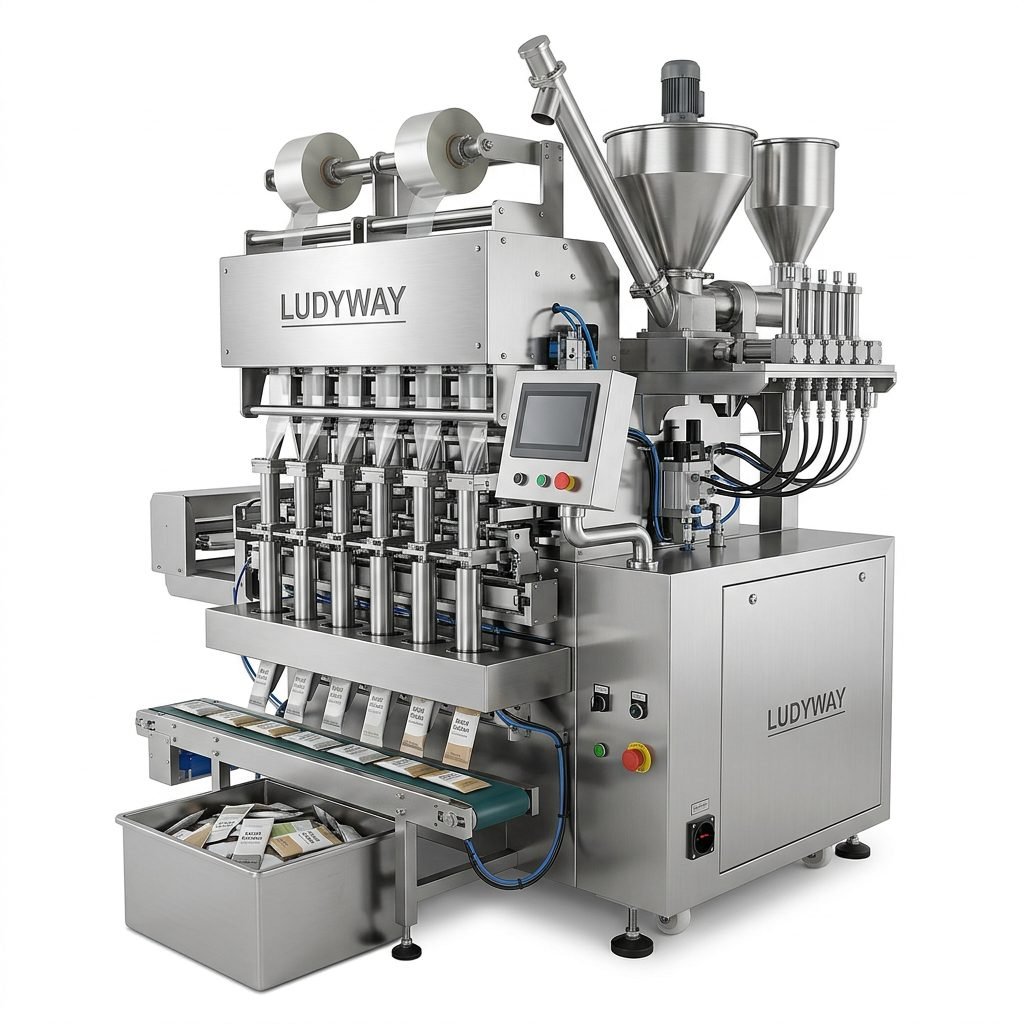
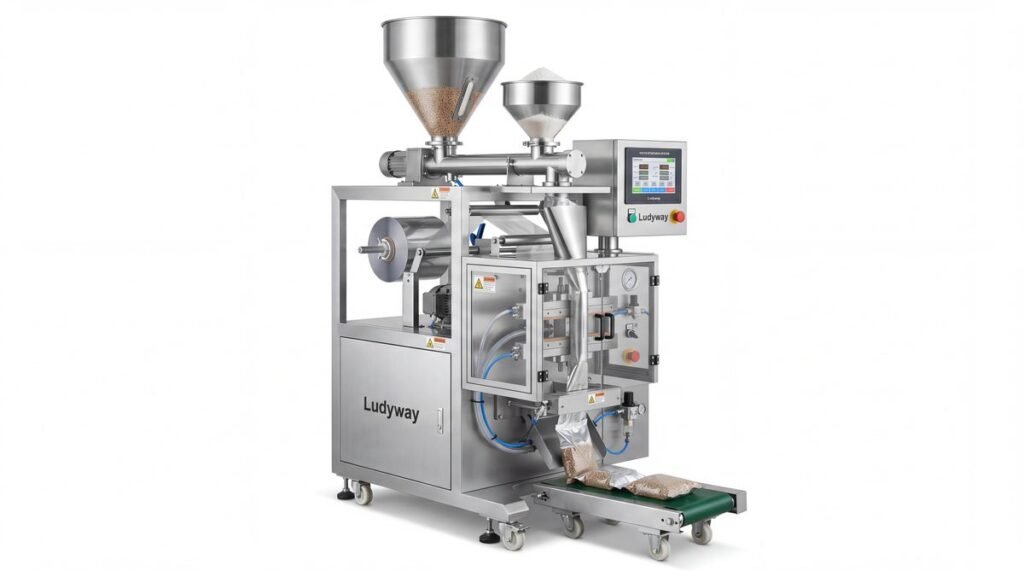
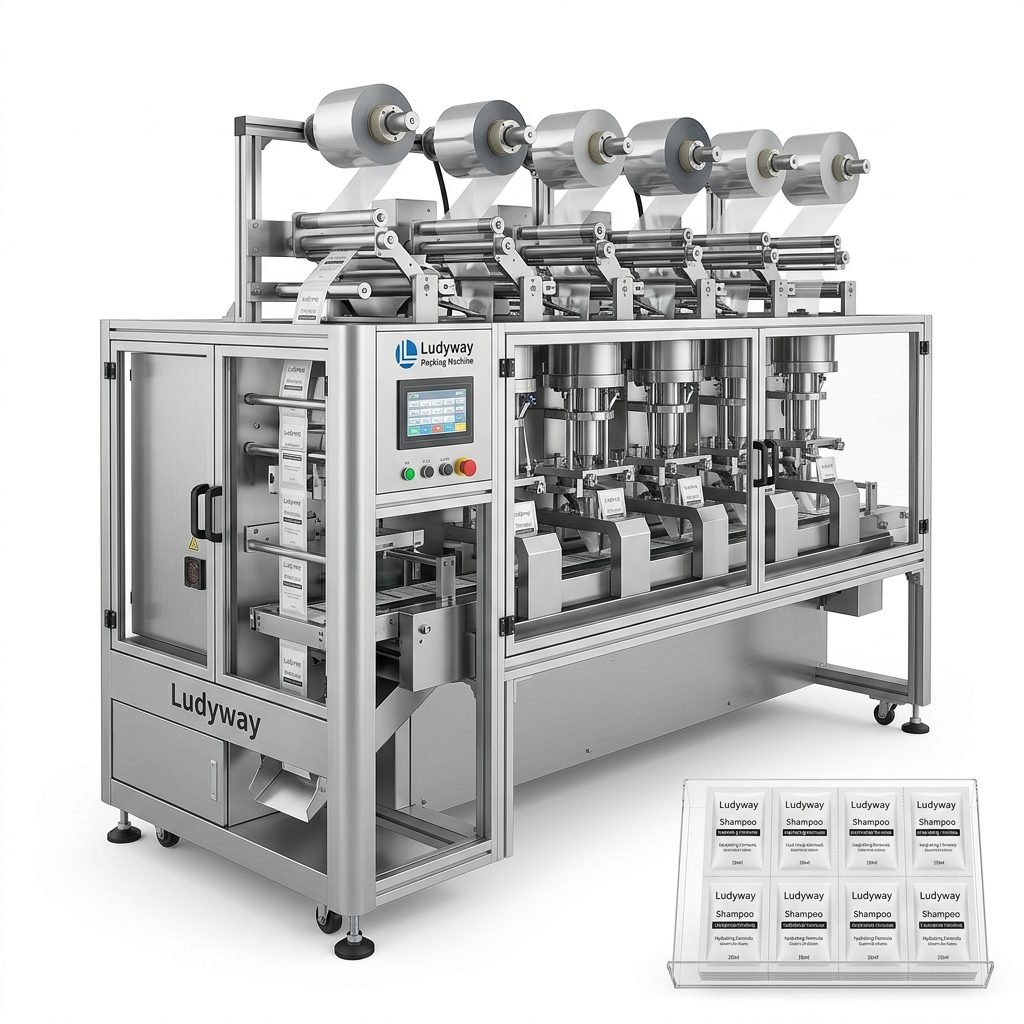
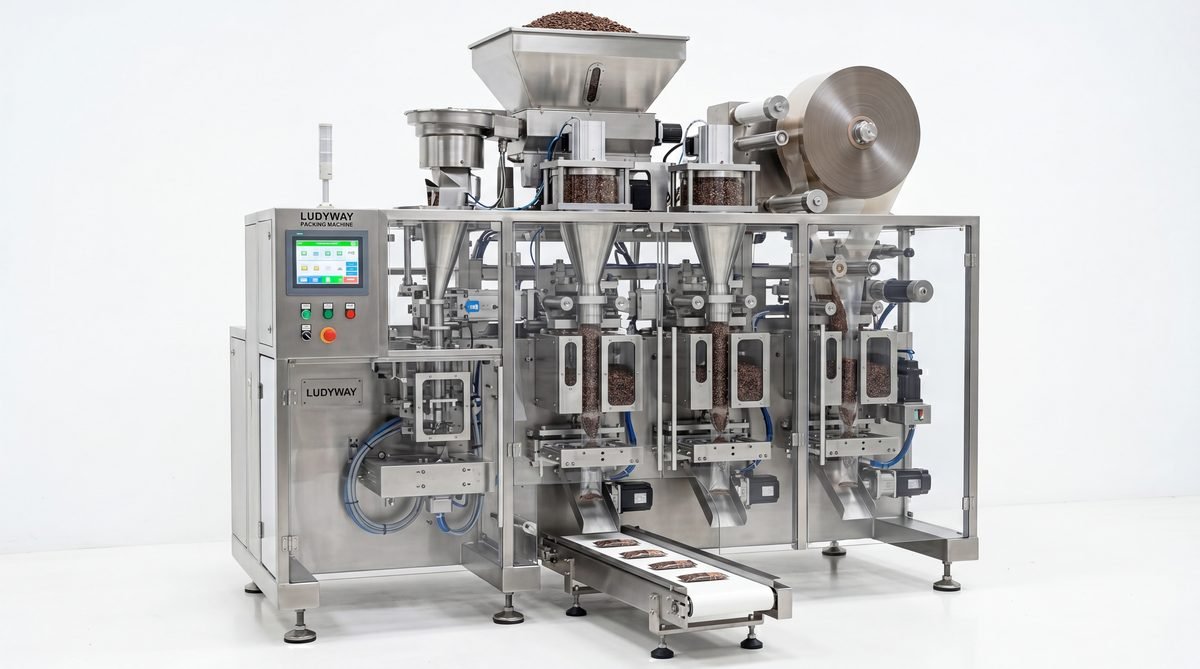
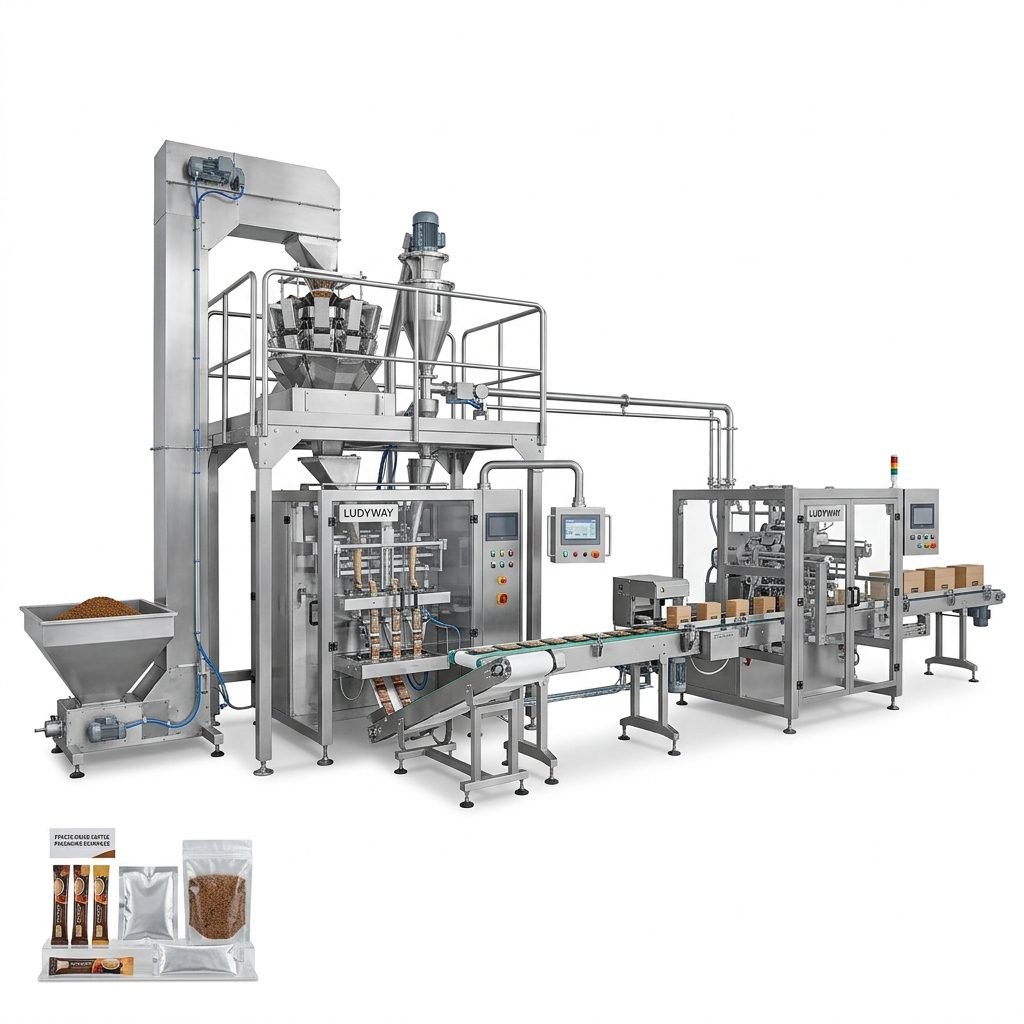
A complete coffee packaging machine production line typically integrates several key components. Below are the essential machines required for efficient operation:
- Vacuum Packaging Machine – The core unit that removes air and seals coffee in nitrogen-flushed or vacuum environments to preserve freshness.
- Multi-Head Weighing System – Ensures precise portioning of coffee granules or powder, reducing product giveaway and maintaining package consistency.
- Nitrogen Flushing System – Replaces oxygen with inert nitrogen gas to extend shelf life and protect delicate coffee aromas.
- Conveyor and Feeding Systems – Transports coffee from hoppers through weighing, filling, and sealing stations with minimal product degradation.
- Checkweigher and Metal Detector – Critical quality control equipment to verify fill weights and detect contaminants before products reach consumers.
- Cartoning and Case Packing Machinery – Automates secondary packaging for distribution-ready cartons, improving overall line efficiency.
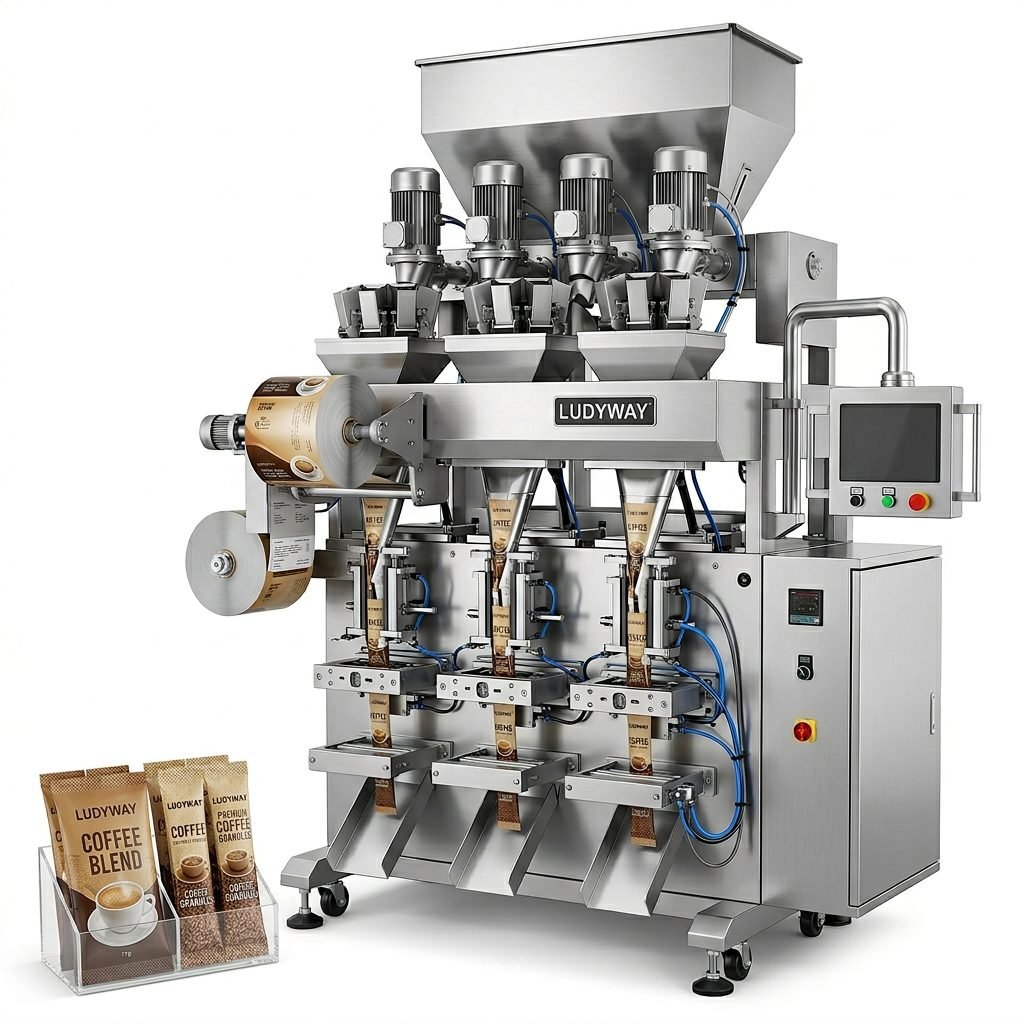
Regulatory Compliance in the European Union
Operating a coffee packaging line in Europe means adhering to a comprehensive regulatory framework. The table below summarizes the key regulations and standards that apply to coffee vacuum packaging operations within EU member states:
| Regulation / Standard | Scope | Key Requirements |
|---|---|---|
| EU Regulation (EC) No 1935/2004 | Food Contact Materials | All packaging materials must not transfer harmful substances to coffee |
| EU Regulation (EU) No 10/2011 | Plastic Food Contact Materials | Specific migration limits for plastic packaging components |
| EU Packaging and Packaging Waste Regulation | Packaging Waste Management | Recyclability targets, reduction of packaging waste, and extended producer responsibility |
| ISO 11607 Series | Packaging Validation | Validation requirements for sealing processes and package integrity |
| EU Food Hygiene Regulation (EC) No 852/2004 | Food Safety & Hygiene | Hygienic design of equipment and sanitary operating procedures |
Compliance with these standards is non-negotiable for any coffee vacuum packaging production line operating in Europe. Non-compliance can result in product recalls, financial penalties, and damage to brand reputation. For detailed guidance on food packaging regulations, consult the FDA Food Packaging resources and Flexible Packaging Association industry data.
Step-by-Step Production Line Setup Process
Establishing a coffee vacuum packaging line involves a systematic approach. Follow these key steps to ensure a smooth and compliant setup:
- Conduct a Feasibility Study – Analyze production targets, target market segments, and budget constraints to define the scope of your packaging line.
- Select the Appropriate Facility – Ensure the production area meets EU hygienic design standards with adequate ventilation, temperature control, and cleanroom capabilities if required.
- Choose Packaging Materials – Source EU-compliant vacuum packaging films and laminates with appropriate oxygen and moisture barrier properties for coffee preservation.
- Procure Core Machinery – Select a turnkey packaging solution that includes vacuum sealers, weighing systems, and nitrogen flushing capabilities from a reputable manufacturer.
- Install and Commission Equipment – Work with experienced engineers to install, calibrate, and validate all machinery according to manufacturer specifications and EU standards.
- Implement Quality Control Protocols – Establish HACCP-based quality checkpoints throughout the packaging process, including seal integrity testing and oxygen residual measurement.
- Train Personnel – Provide comprehensive training for operators and maintenance staff on equipment operation, safety procedures, and troubleshooting.
- Conduct Trial Runs and Validation – Perform test productions to validate packaging performance, seal quality, and overall line efficiency before full-scale commercial operation.
Selecting the Right Equipment Manufacturer
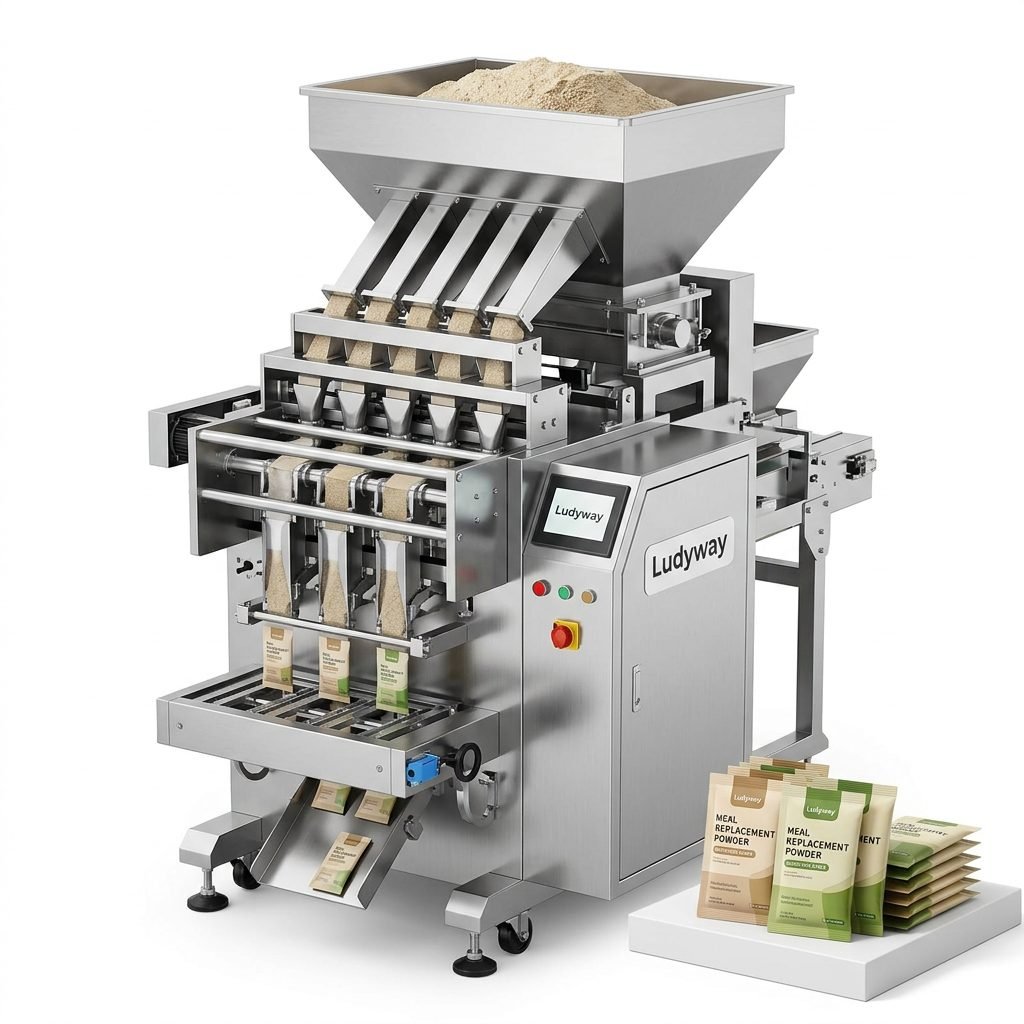
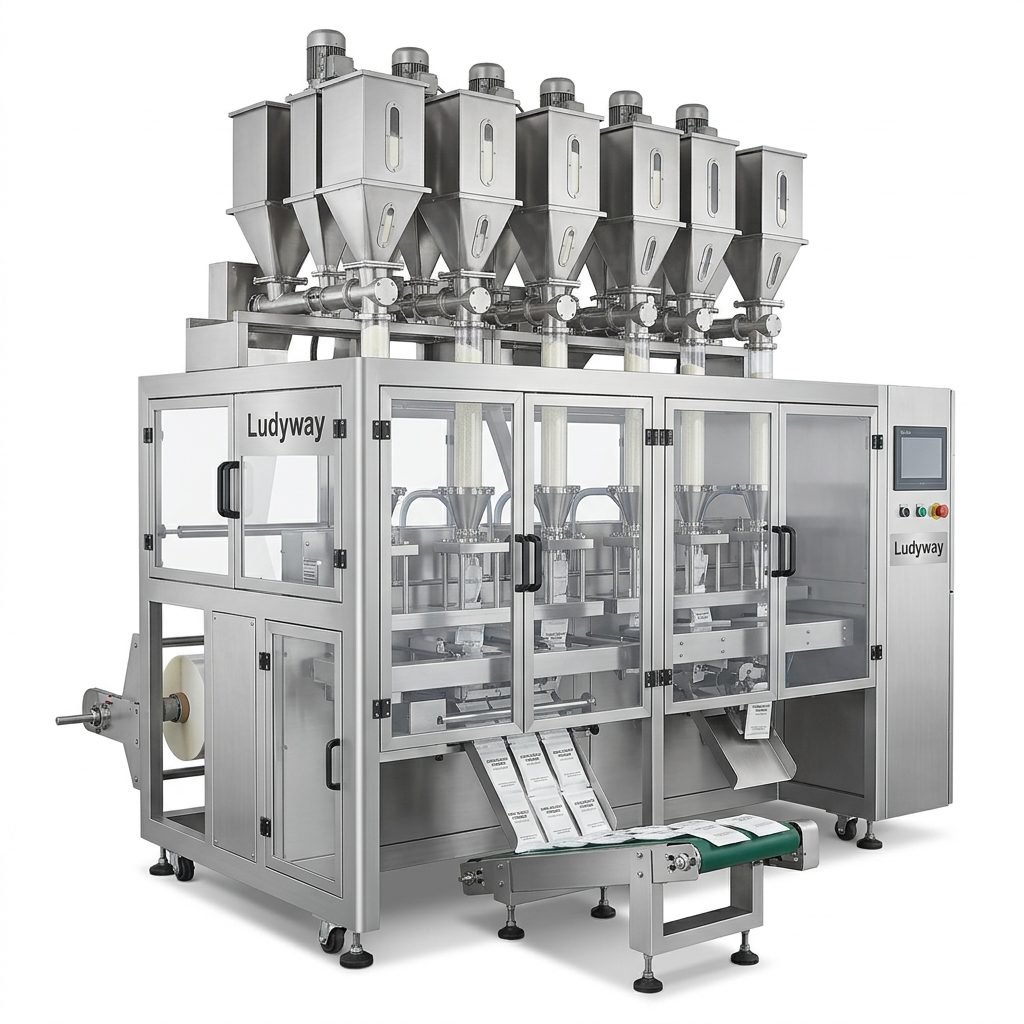
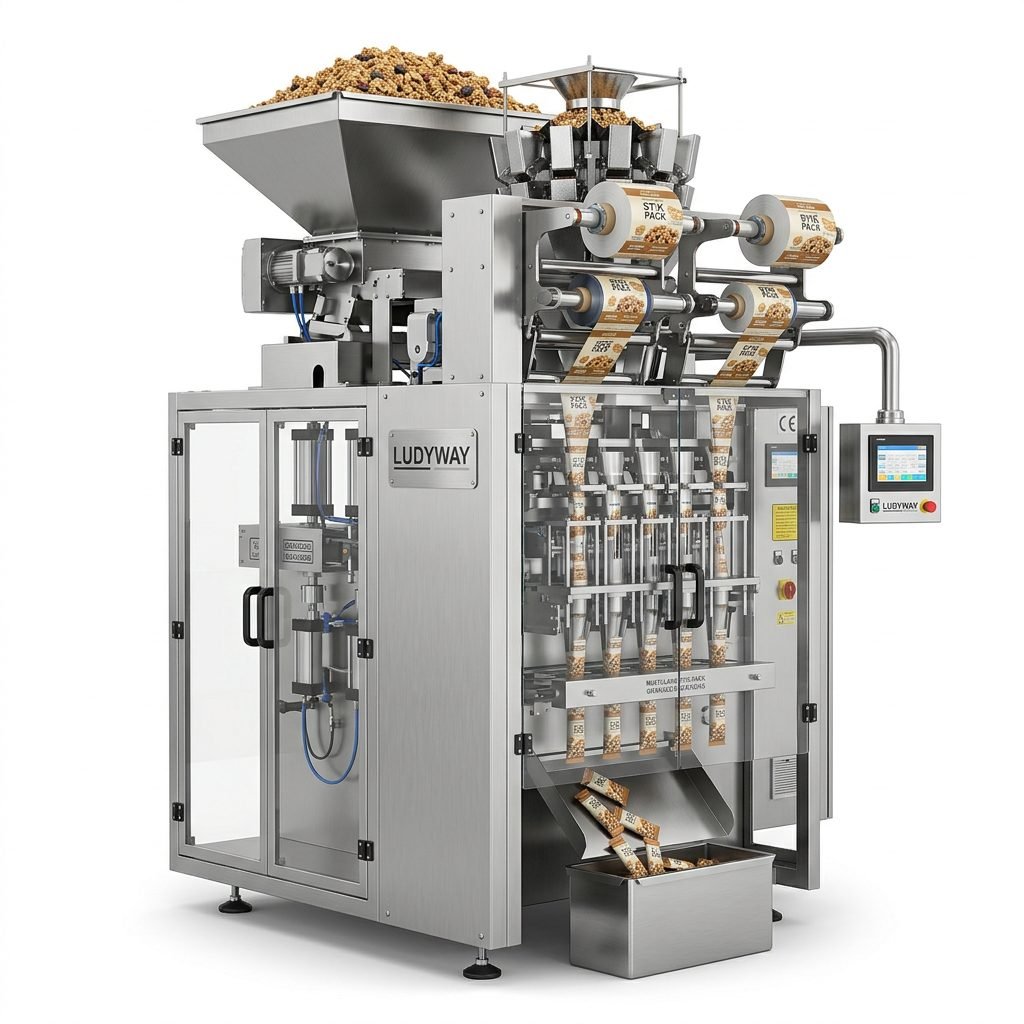
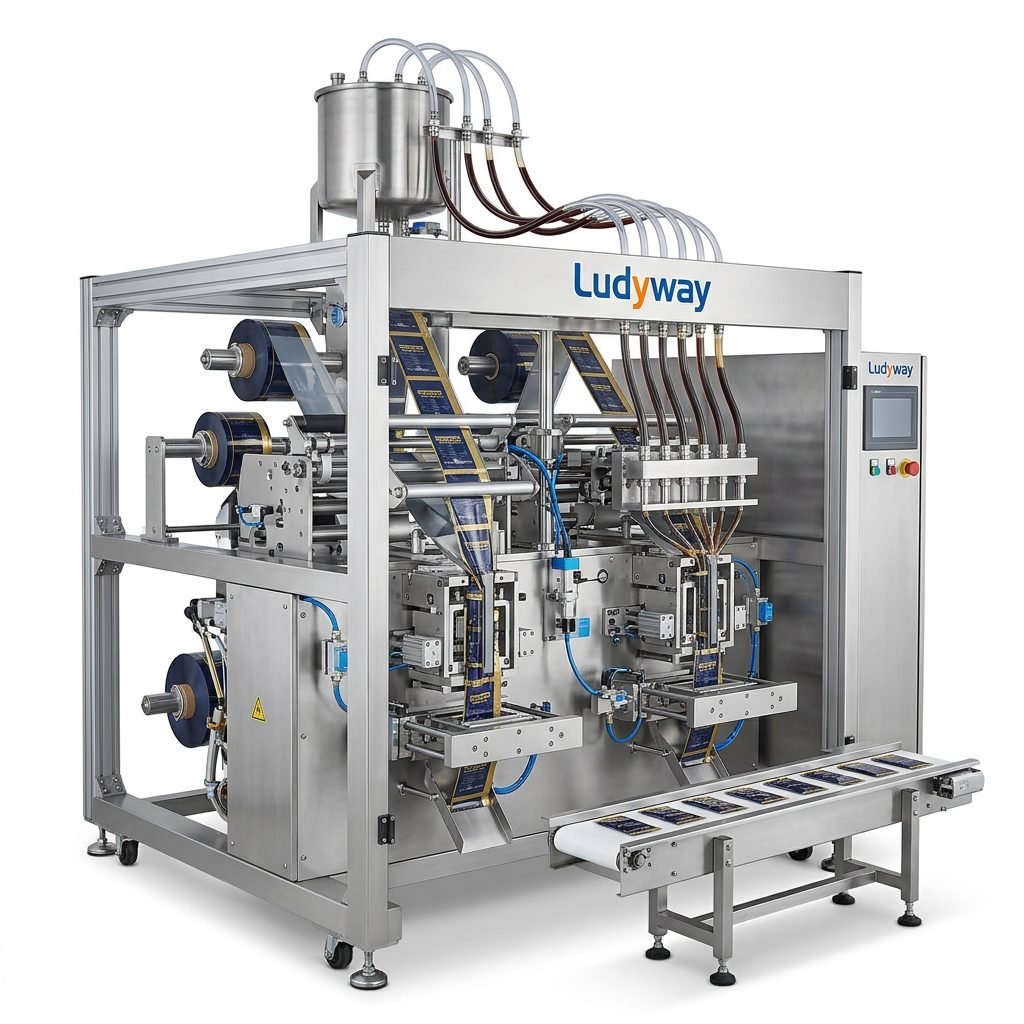
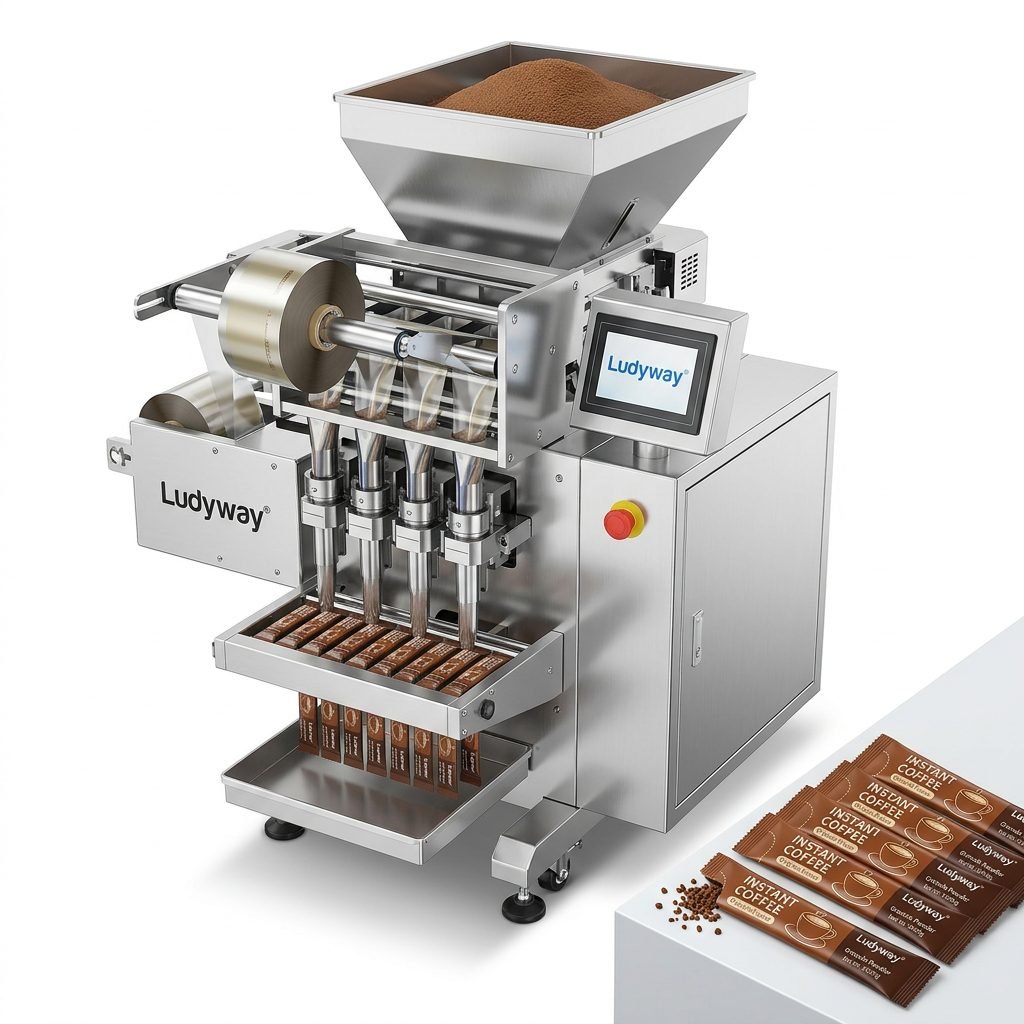
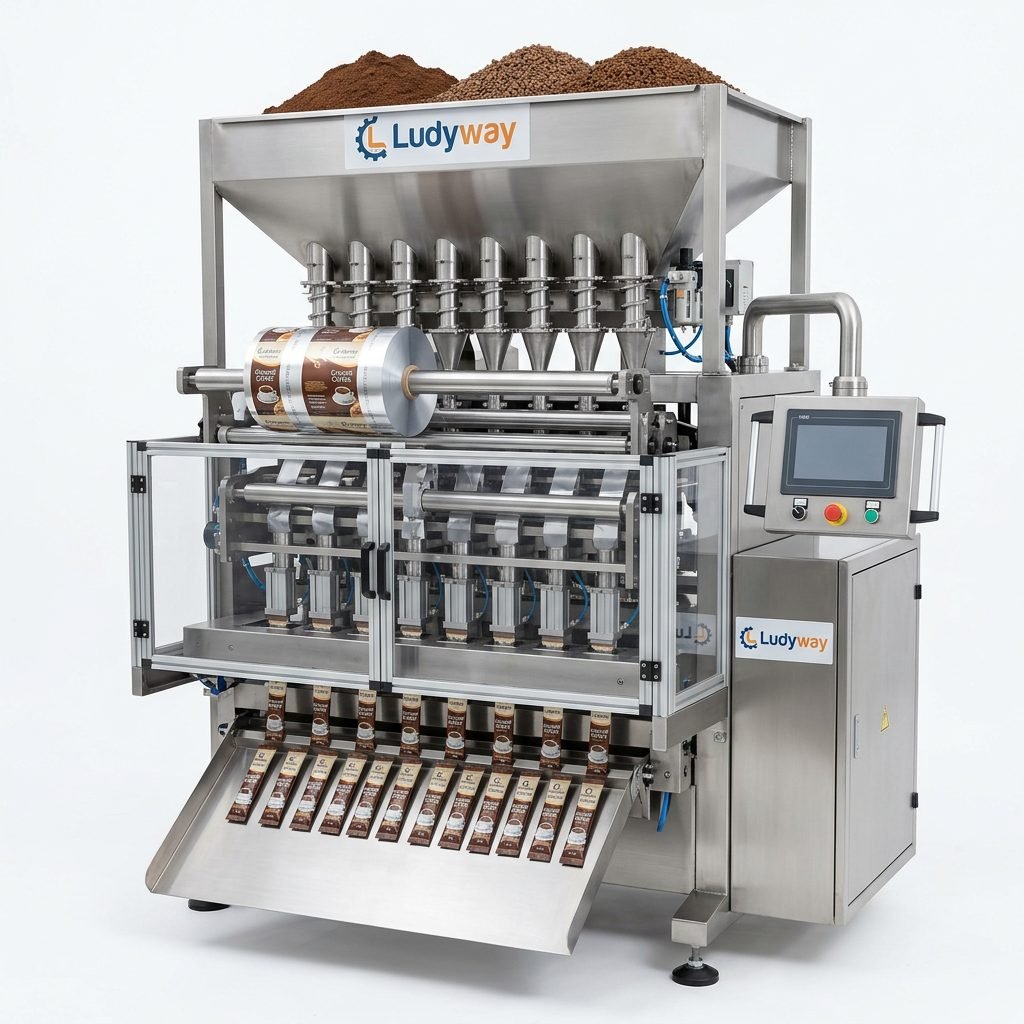
Choosing a reliable machinery partner is one of the most critical decisions when setting up a coffee vacuum packaging production line in Europe. The manufacturer should have proven experience in food-grade packaging equipment, strong after-sales support, and familiarity with EU regulatory requirements. Ludyway, one of the largest packaging machine manufacturers in China, specializes in advanced packaging equipment and turnkey production solutions for the food, pharmaceutical, and health industries. With over 30 years of industry expertise and a modern 20,000㎡ manufacturing facility, Ludyway provides more than 50 intelligent packaging machine models to customers in over 100 countries, offering multi-lane stick pack and fully automated systems that meet international quality standards.
Cost Breakdown and ROI Projections
Understanding the financial investment required for a coffee vacuum packaging line helps in making informed decisions. Below is a representative cost breakdown for a mid-scale production line suitable for the European market:
| Cost Category | Estimated Range (EUR) | Percentage of Total Investment |
|---|---|---|
| Vacuum Packaging Machine & Nitrogen System | €80,000 – €150,000 | 30% – 35% |
| Weighing and Feeding Systems | €30,000 – €60,000 | 12% – 15% |
| Quality Control Equipment | €20,000 – €40,000 | 8% – 10% |
| Cartoning & Secondary Packaging | €40,000 – €80,000 | 15% – 18% |
| Installation, Commissioning & Training | €25,000 – €50,000 | 10% – 12% |
| Facility Upgrades & Utilities | €30,000 – €70,000 | 10% – 15% |
With a well-planned production line, most operations achieve ROI within 18 to 36 months, depending on production volume, product mix, and market pricing strategy. The growing demand for premium packaged coffee in Europe continues to drive favorable returns for well-executed packaging operations.
Common Challenges and Practical Solutions
Setting up a coffee vacuum packaging line in Europe presents unique challenges. Addressing these proactively minimizes downtime and ensures consistent product quality:
- Oxygen Residual Control – Inadequate vacuum levels compromise shelf life. Solution: Implement nitrogen flushing with real-time oxygen analyzers to maintain residual oxygen below 1%.
- Seal Integrity Issues – Weak seals lead to product spoilage and consumer complaints. Solution: Use validated heat-sealing parameters and conduct regular burst and dye-penetration tests.
- Material Compatibility – Not all packaging films perform equally under vacuum conditions. Solution: Work with film suppliers to select multi-layer laminates optimized for coffee packaging with high barrier properties.
- Regulatory Documentation – EU authorities require thorough documentation of food contact compliance. Solution: Maintain a comprehensive technical file with migration test reports and Declaration of Compliance for all packaging materials.
- Line Integration Complexity – Mismatched equipment from different suppliers can cause bottlenecks. Solution: Source an integrated automated packaging system from a single manufacturer to ensure seamless compatibility.
Maintenance and Continuous Improvement
A proactive maintenance strategy extends equipment lifespan and prevents costly unplanned downtime. Establish a preventive maintenance schedule that includes daily cleaning of sealing surfaces, weekly inspection of vacuum pumps and nitrogen lines, and quarterly calibration of weighing systems. Additionally, monitor key performance indicators such as Overall Equipment Effectiveness (OEE), seal rejection rates, and packaging material waste to identify opportunities for continuous improvement. Regular staff training on the latest packaging industry best practices helps maintain high operational standards.
Conclusion
Setting up a coffee vacuum packaging production line in Europe is a significant undertaking that requires careful attention to equipment selection, regulatory compliance, and operational planning. By understanding the core machinery requirements, adhering to EU food contact and packaging waste regulations, and partnering with experienced equipment manufacturers, businesses can build a reliable and profitable packaging operation. The European coffee market rewards quality, and a well-designed vacuum packaging line is essential for delivering the freshness and flavor that discerning consumers expect. With proper planning and the right technology partners, your investment in a coffee vacuum packaging line can yield strong returns in one of the world’s most dynamic coffee markets.