Southeast Asia’s seafood processing industry is experiencing rapid growth, driven by increasing domestic consumption and expanding export markets. Setting up an efficient fish packaging machine production line in this region requires careful planning, understanding of local regulations, and the right equipment selection. This guide will walk you through everything you need to know to establish a successful operation.
Understanding the Southeast Asian Fish Packaging Market
The seafood packaging sector in Southeast Asia is projected to grow at a CAGR of over 6% through 2030. Countries like Thailand, Vietnam, Indonesia, and the Philippines are among the world’s largest seafood exporters. Modern packaging machinery plays a critical role in maintaining product freshness, extending shelf life, and meeting international food safety standards.
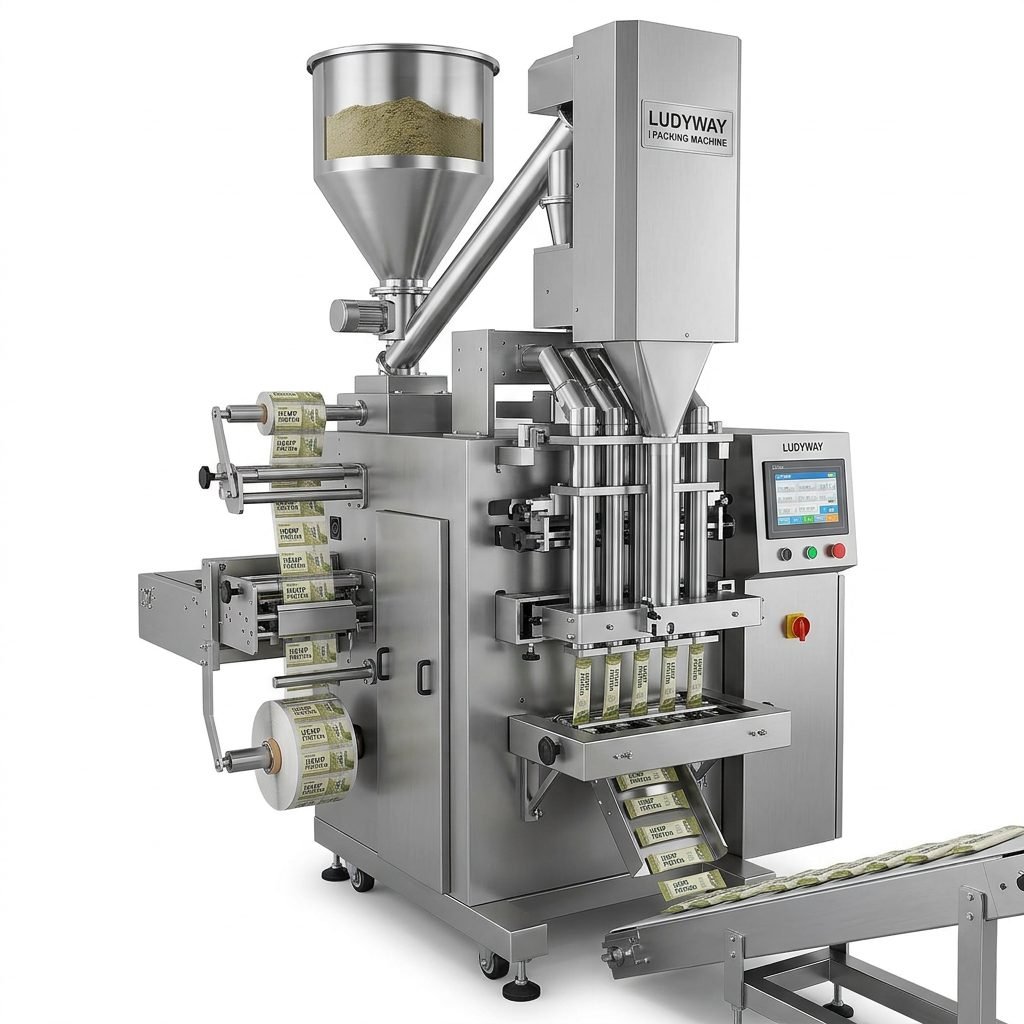
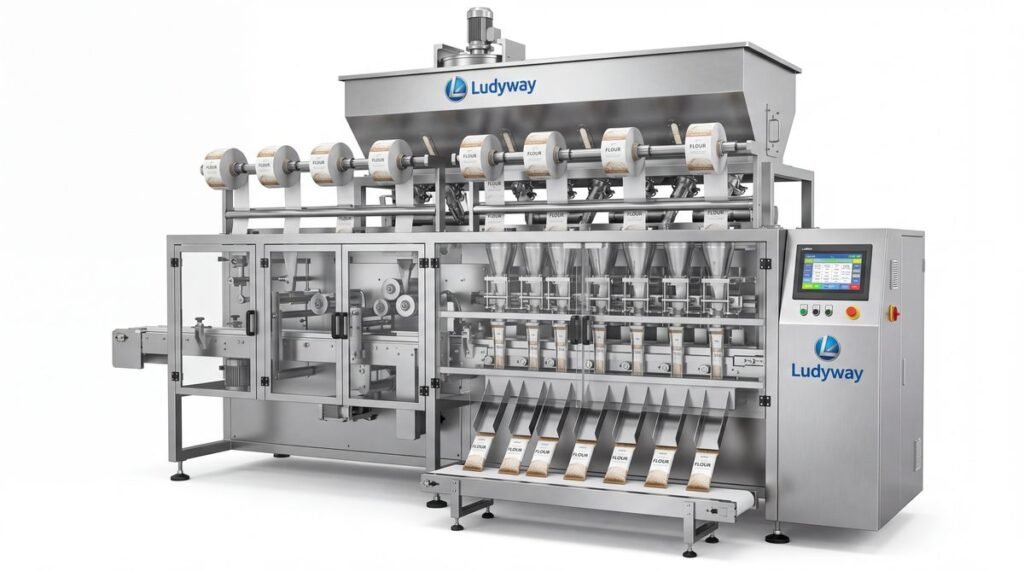
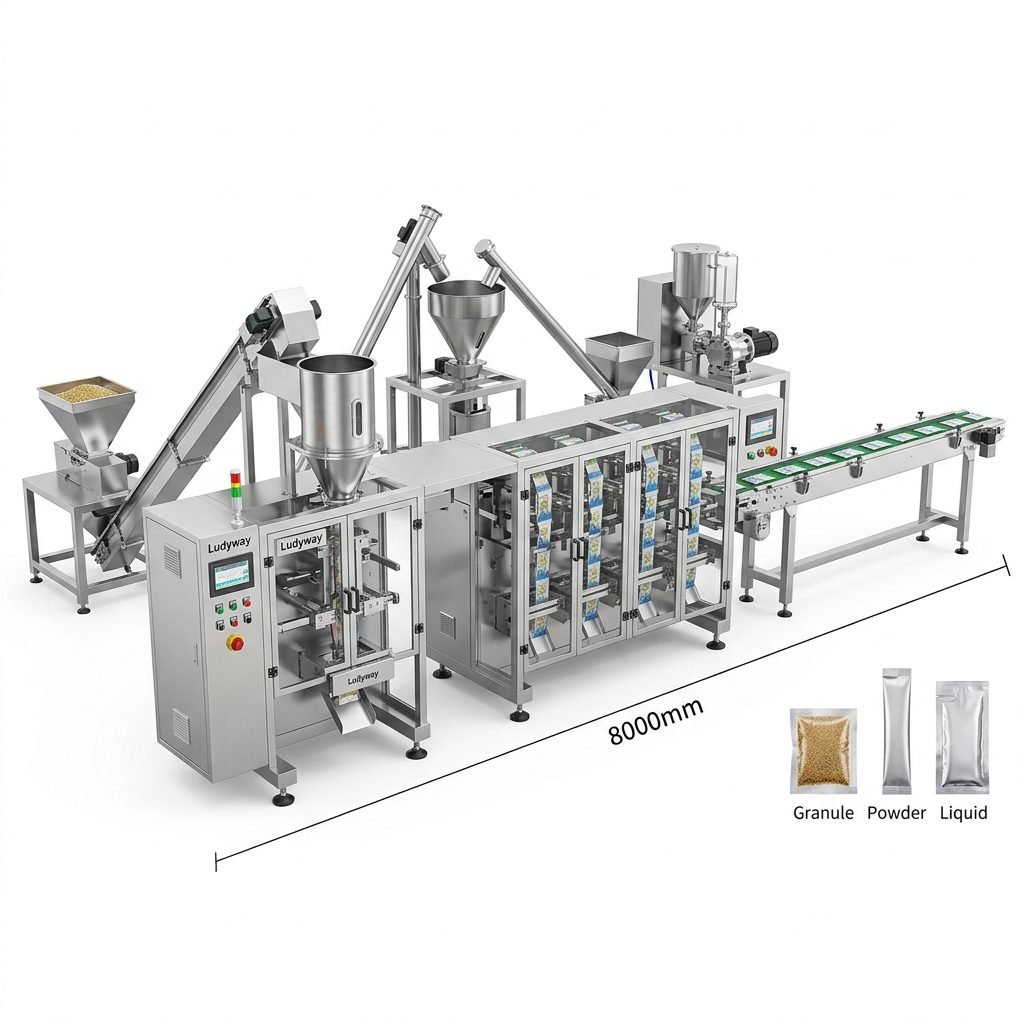
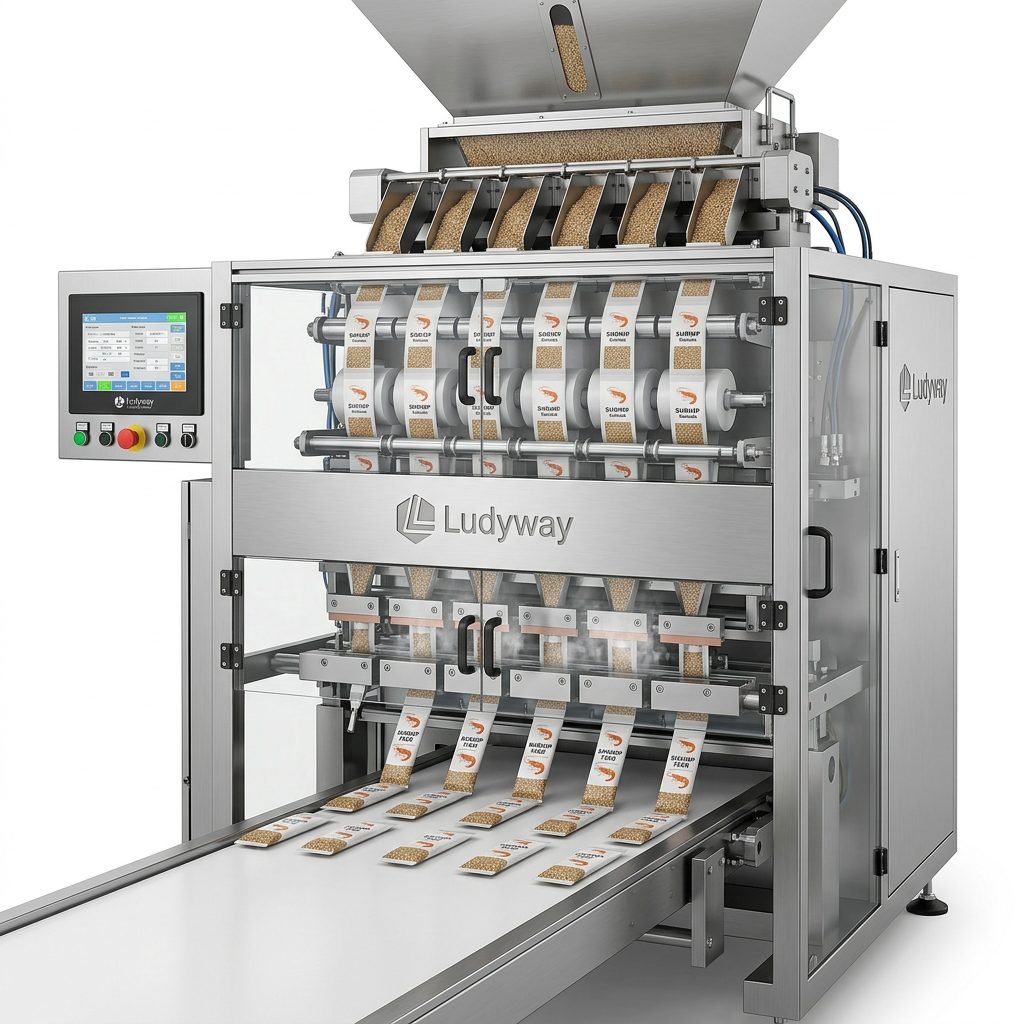
Whether you are packaging fresh fish fillets, frozen seafood, dried fish products, or fish-based snacks, selecting the appropriate automated system can significantly improve operational efficiency and reduce labor costs. The demand for multi-lane stick pack and sachet packaging formats is particularly strong in this region due to their convenience and portion-control benefits.
Key Considerations Before Setting Up Your Production Line
Before investing in equipment, evaluate these critical factors to ensure your production line meets both local and international requirements:
- Product Characteristics: Understand whether you are handling fresh, frozen, dried, or powdered fish products. Each type requires different handling and packaging technologies.
- Production Capacity: Determine your target output volume per day or per shift to select machines with appropriate speed and lane configurations.
- Packaging Format: Decide between sachet packs, stick packs, pouches, vacuum-sealed bags, or bulk packaging based on your target market.
- Regulatory Compliance: Ensure your line meets FDA, EU, and ISO packaging standards as well as local food safety regulations in Southeast Asian countries.
- Facility Layout: Plan your factory floor space, including zones for raw material intake, processing, packaging, and finished goods storage.
Essential Equipment for a Fish Packaging Production Line
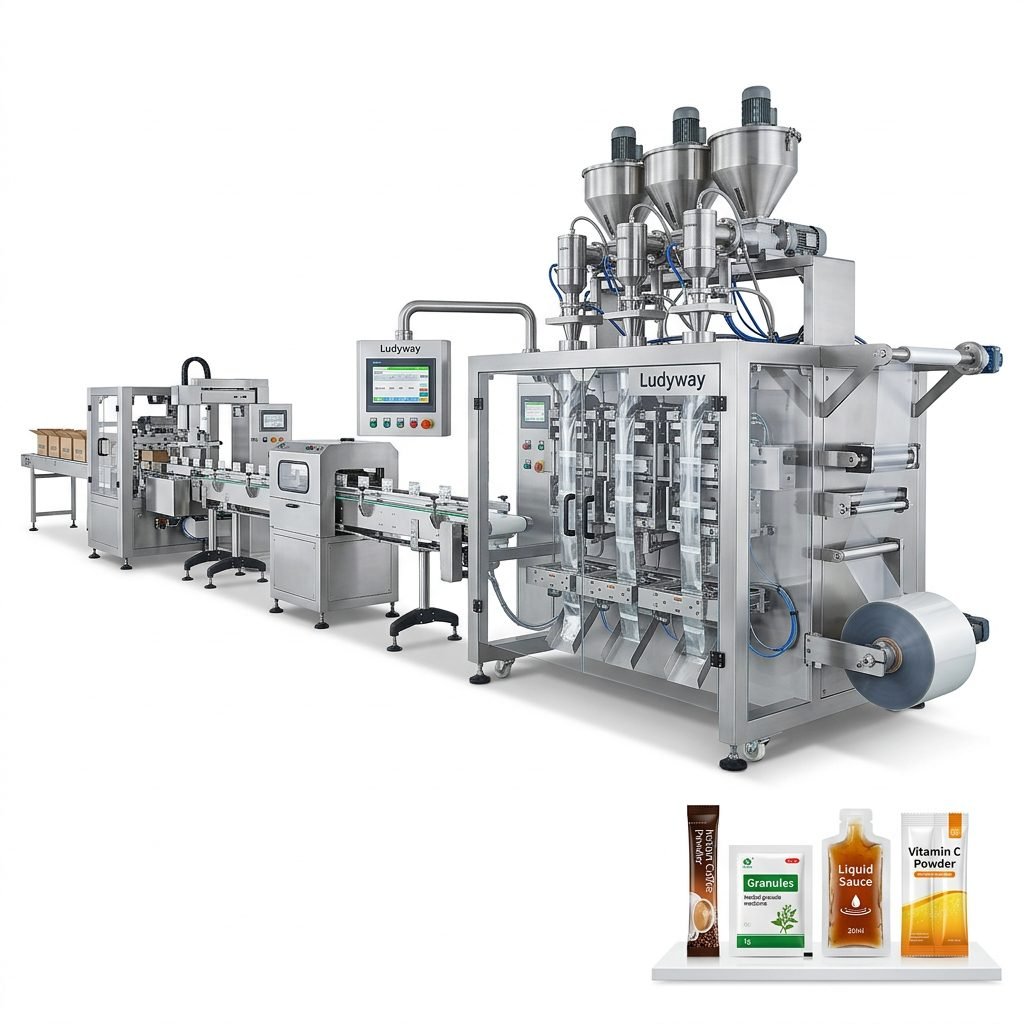
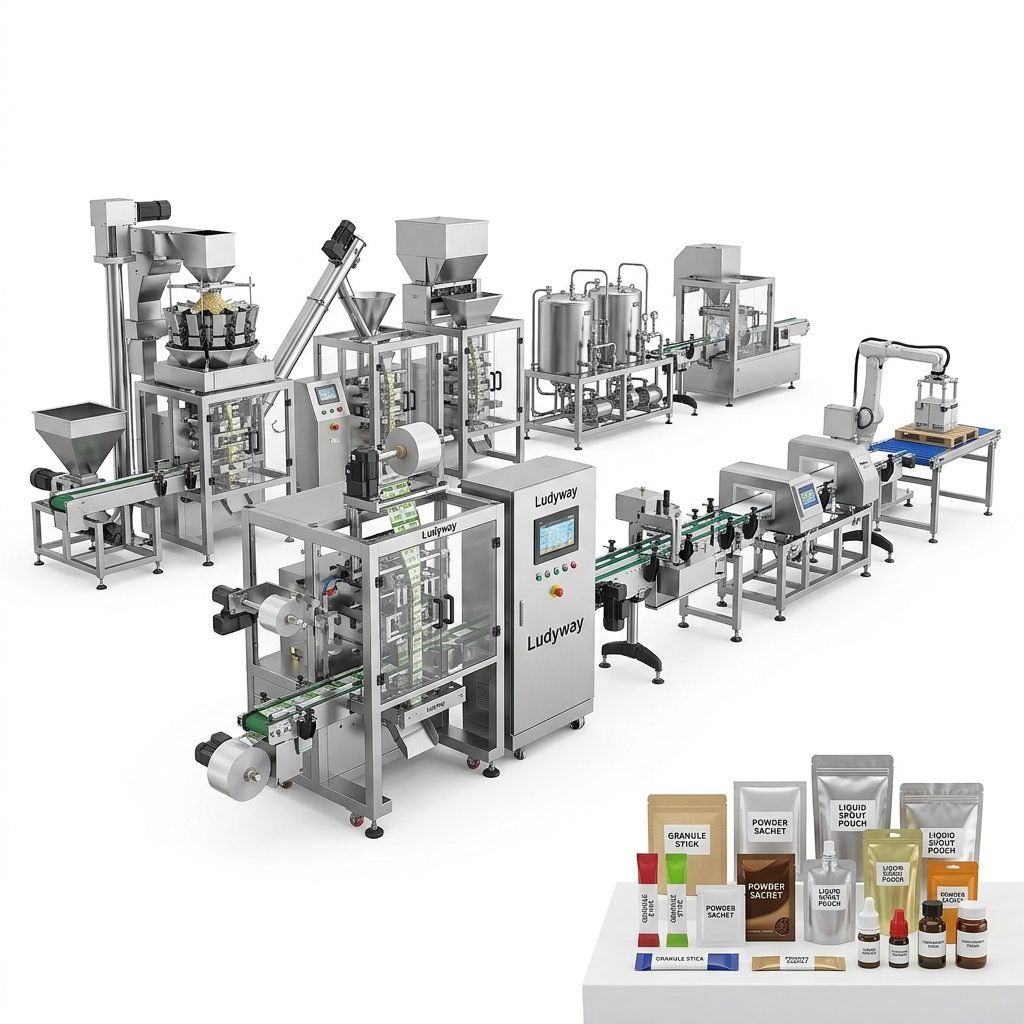
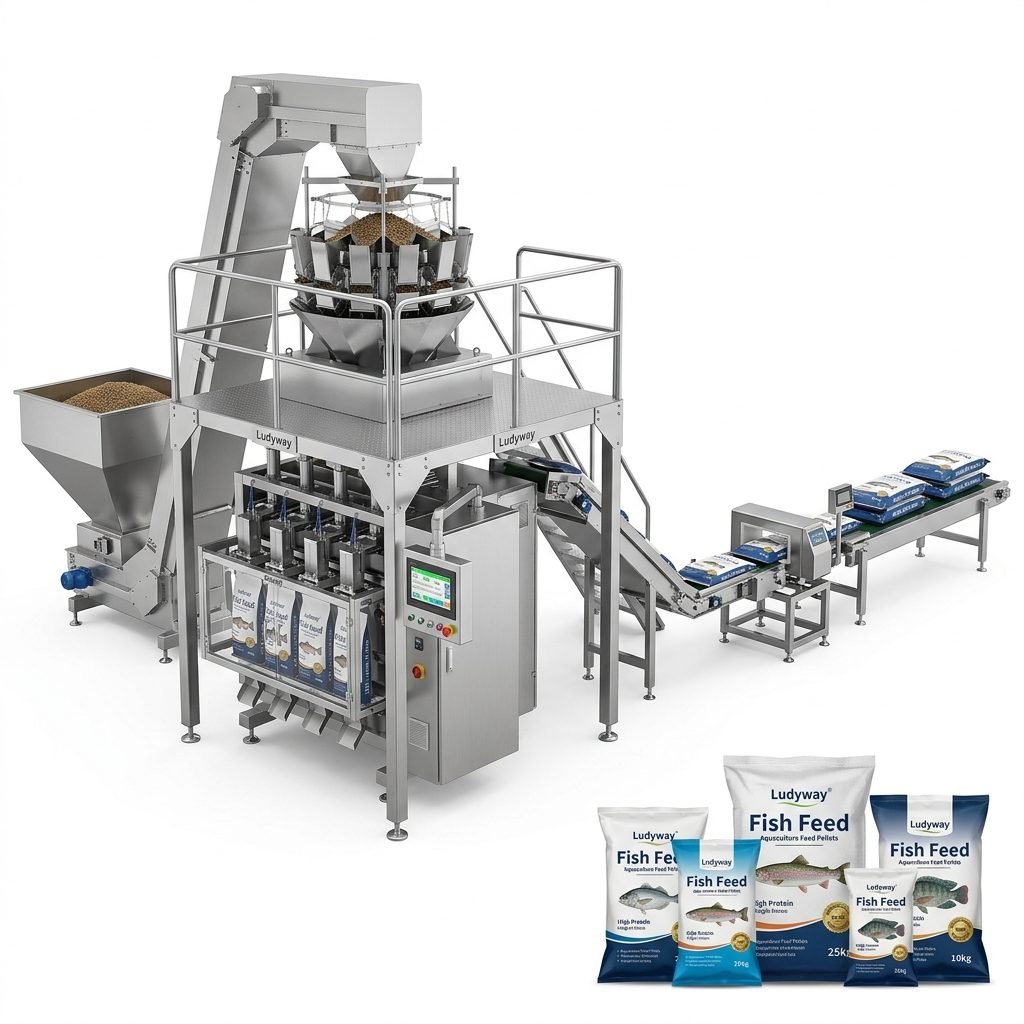
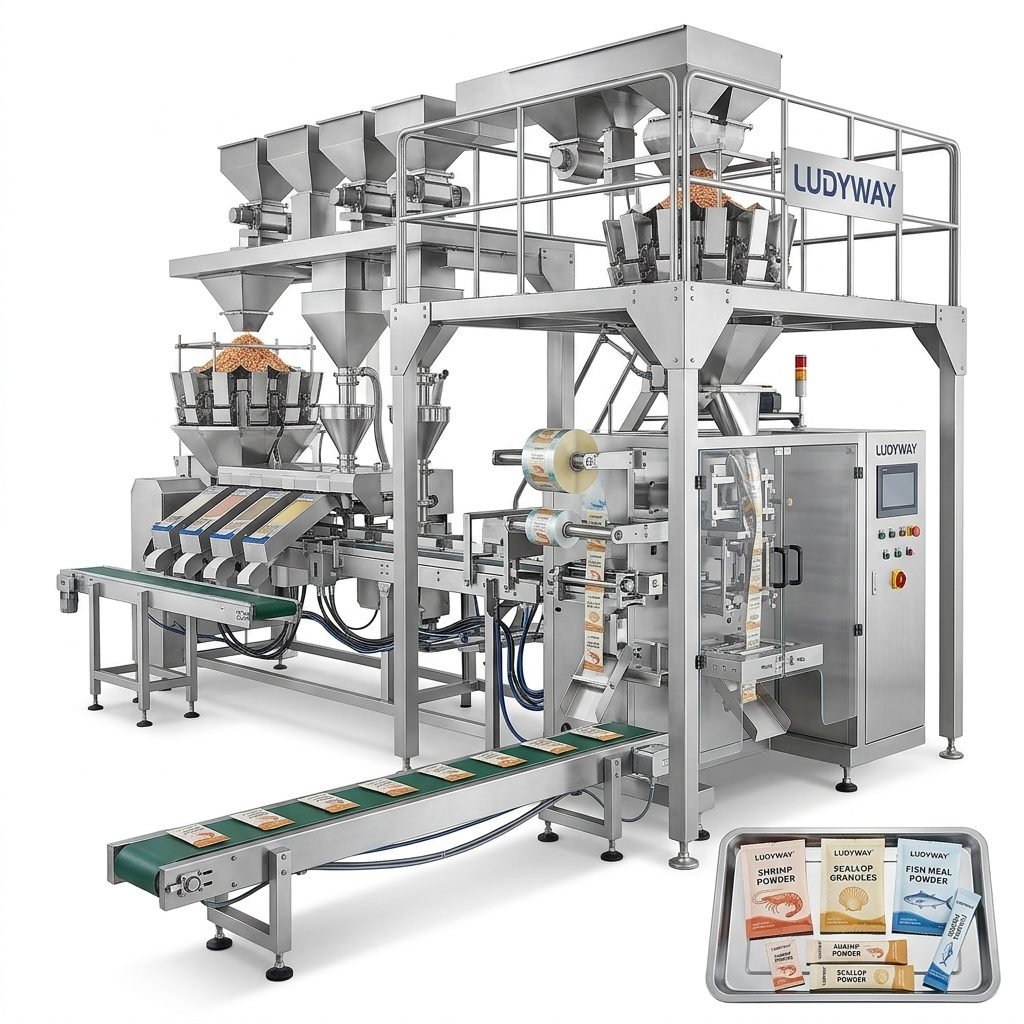
A complete fish packaging production line typically consists of several integrated machines working in sequence. Below is an overview of the core equipment categories you will need to consider:
Primary Packaging Machinery
| Equipment Type | Best For | Key Advantages |
|---|---|---|
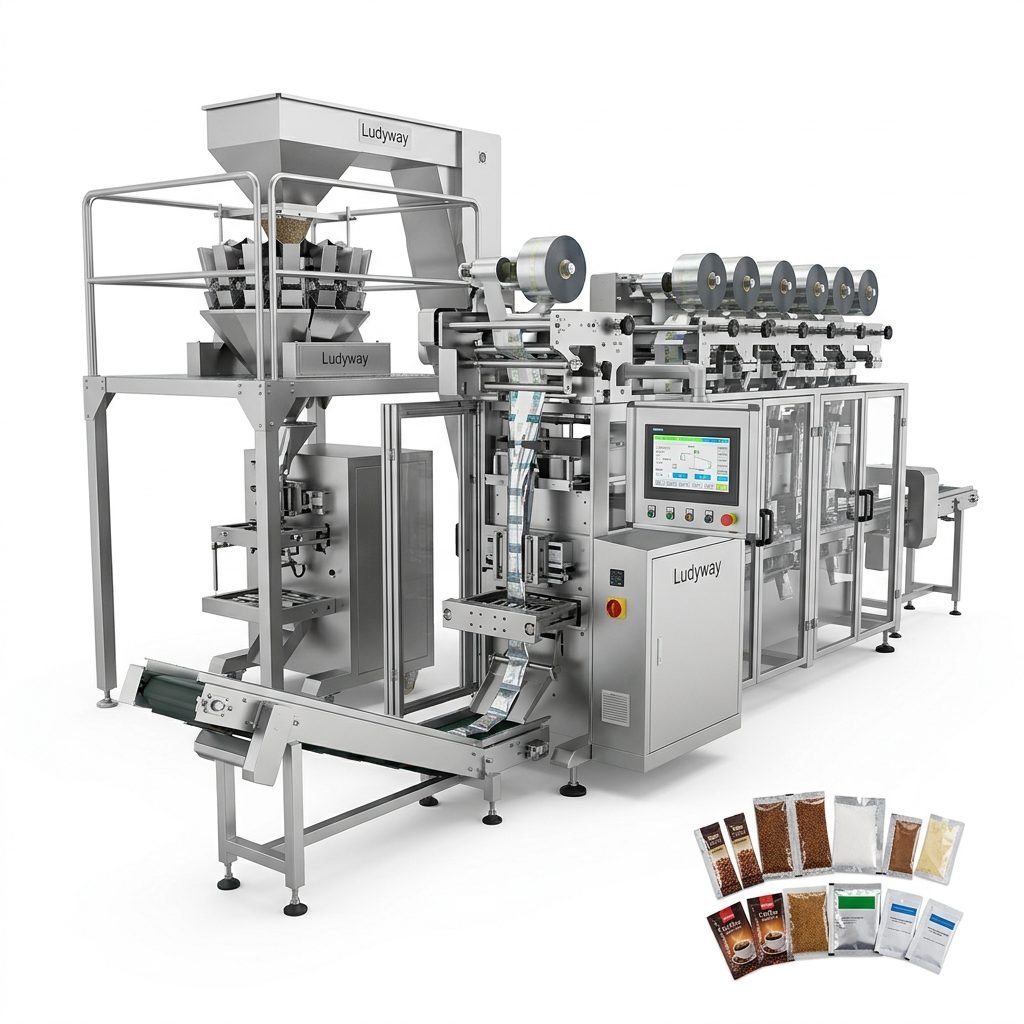
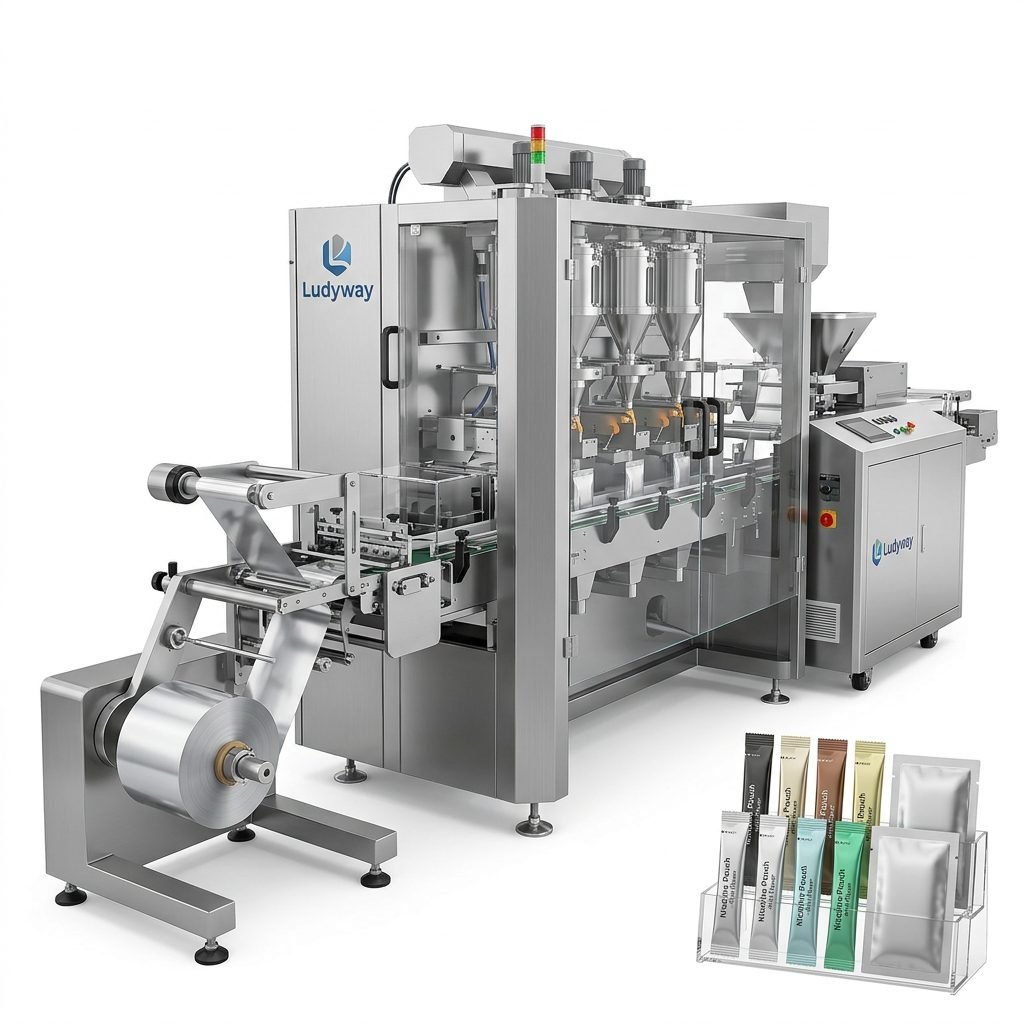
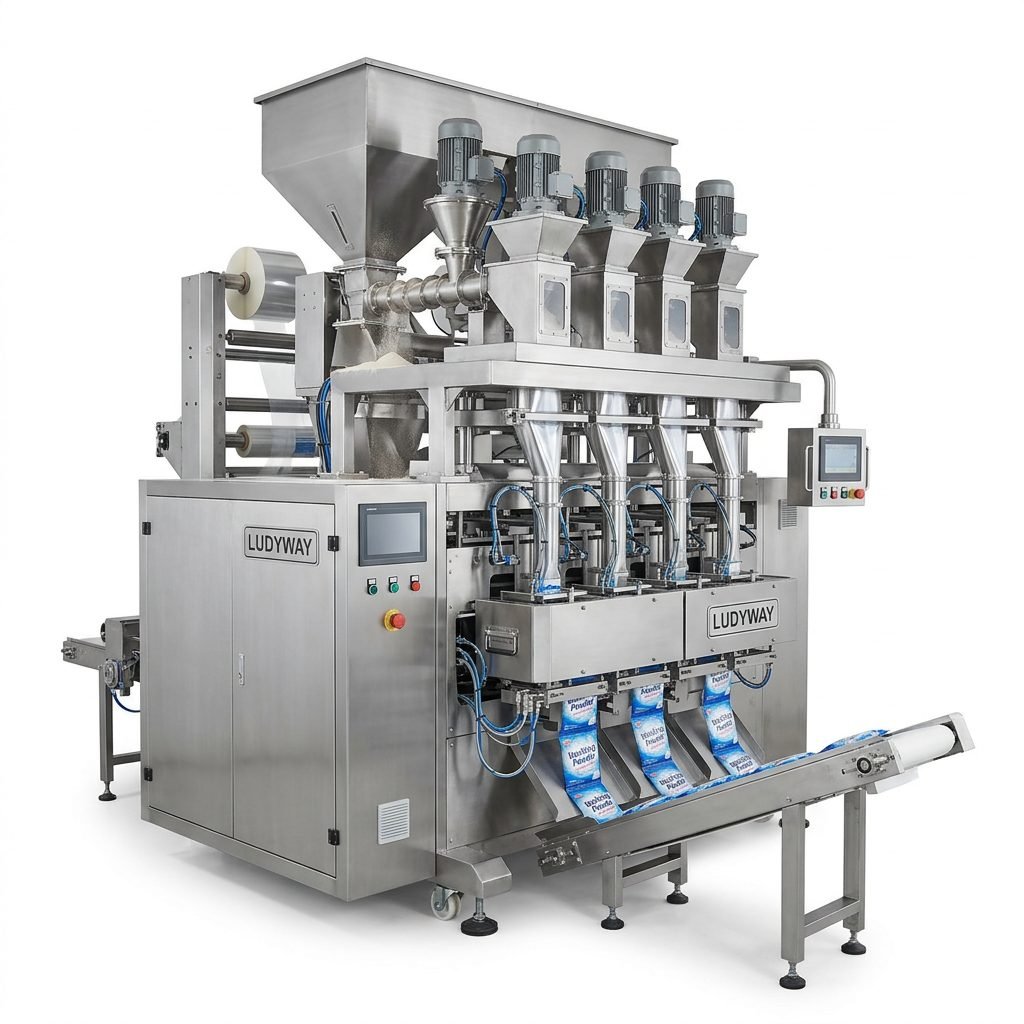
| Multi-Lane Stick Pack Machine | Powdered fish seasonings, protein powders, fish-based supplements | High-speed output, precise dosing, portion control |
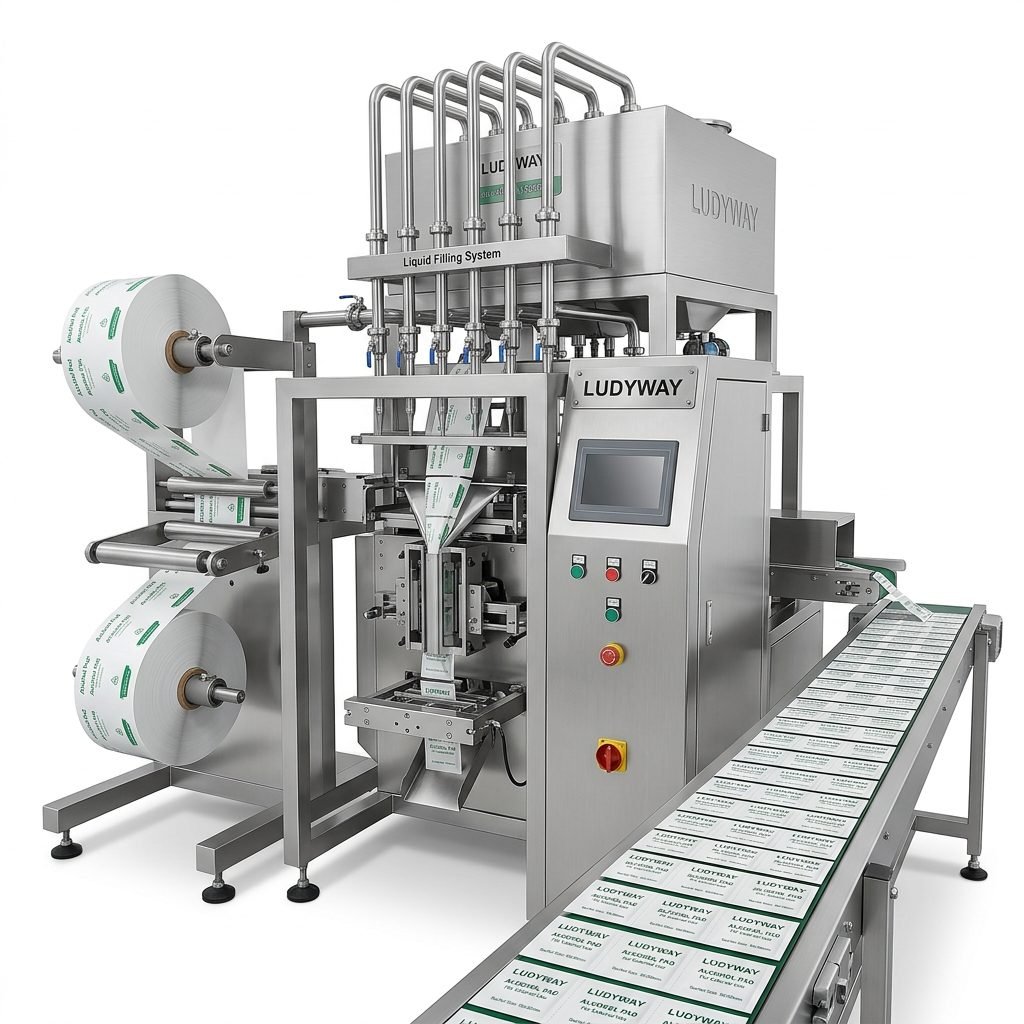
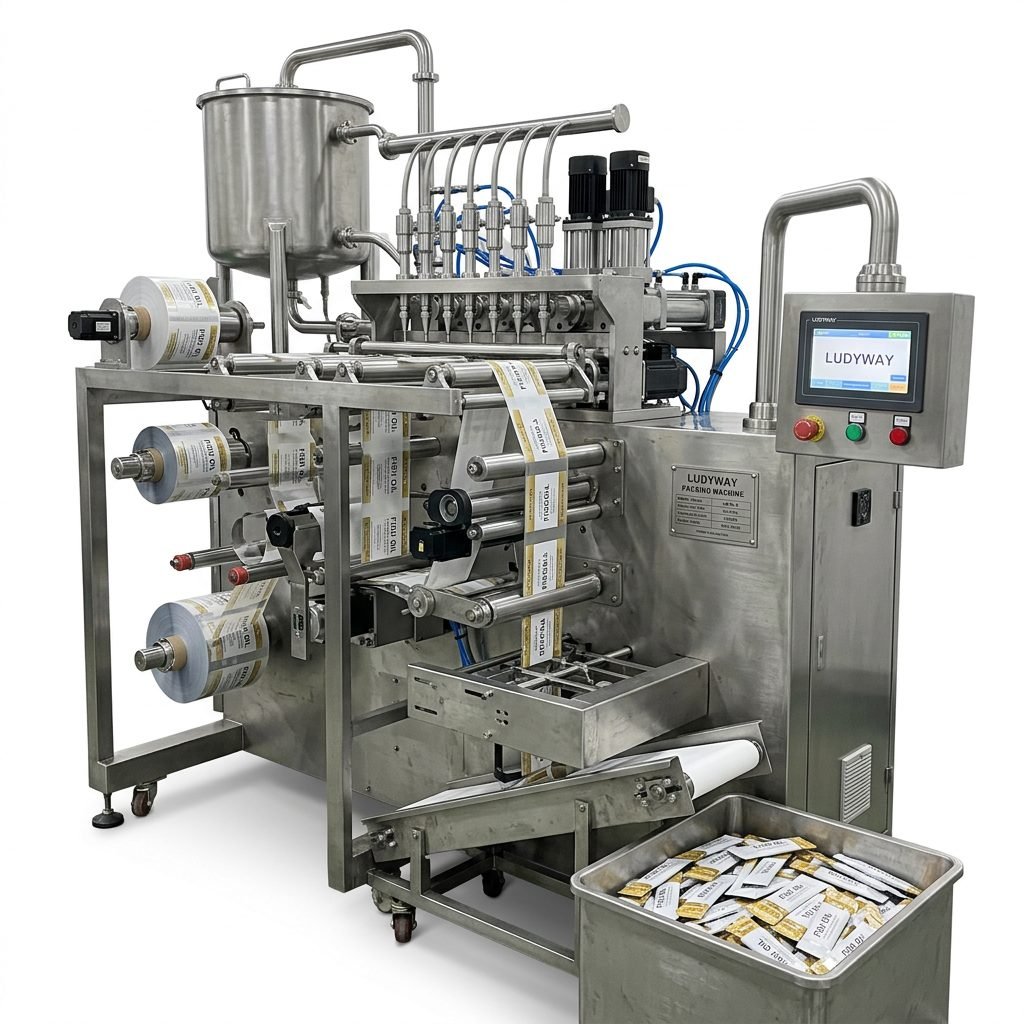
| Sachet Packaging Machine | Liquid fish sauces, oils, pastes, single-serve portions | Versatile for liquids and powders, compact packaging |
| Vacuum Packaging System | Fresh and frozen fish fillets, whole fish | Extended shelf life, tamper-proof sealing |
| Pouch Filling and Sealing Machine | Dried seafood snacks, premade pouch formats | Flexible packaging sizes, attractive shelf presentation |
Supporting Equipment and Ancillary Systems
Beyond the primary packaging machinery, a fully optimized production line includes several supporting components that enhance efficiency and product quality:
- Weighing and Dosing Systems: Multi-head weighers and auger fillers ensure accurate portion control for granules, powders, and liquids.
- Conveyor Systems: Belt conveyors, bucket elevators, and screw conveyors transport materials between processing stages seamlessly.
- Inspection Equipment: Metal detectors, X-ray inspection machines, and checkweighers help maintain quality assurance standards.
- Coding and Labeling Machines: Inkjet coders and automatic labeling systems ensure traceability and regulatory compliance.
- Secondary Packaging: Case packers, carton sealers, and palletizing systems prepare finished products for distribution.
Step-by-Step Production Line Setup Guide
Follow this structured approach to setting up your fish packaging machine production line in Southeast Asia:
Step 1: Site Assessment and Layout Planning
Begin with a thorough evaluation of your facility. Consider factors such as floor space, ceiling height, power supply (commonly 220V/380V in Southeast Asia), water access, and drainage. Design an efficient workflow that minimizes cross-contamination risks between raw and processed product zones.
Step 2: Equipment Selection and Procurement
Choose machinery that matches your product specifications and production targets. Look for equipment suppliers with experience in the Southeast Asian market who can provide turnkey solutions, including installation support, operator training, and after-sales service.
Step 3: Installation and Commissioning
Professional installation ensures all machines are properly aligned, calibrated, and integrated. Commissioning typically involves test runs with actual products to fine-tune settings such as filling weights, sealing temperatures, and packaging speeds.
Step 4: Staff Training and SOP Development
Invest in comprehensive training for your operators and maintenance staff. Develop standard operating procedures covering machine operation, cleaning protocols, troubleshooting, and safety guidelines specific to fish processing environments.
Step 5: Quality Assurance Implementation
Establish critical control points throughout your production line. Implement regular testing for seal integrity, fill weight accuracy, and contamination detection. Document all quality metrics to demonstrate compliance with regulatory requirements.
Quality Control and Regulatory Compliance
Operating in Southeast Asia means navigating a complex landscape of local and international regulations. Key standards to be aware of include:
- HACCP Certification: Essential for seafood processing facilities exporting to markets like the U.S., EU, and Japan.
- GMP Compliance: Good Manufacturing Practices ensure consistent product quality and safety.
- Halal Certification: Particularly important in Malaysia and Indonesia, where a significant portion of the consumer base requires halal-certified products.
- Country-Specific Regulations: Each Southeast Asian nation has unique requirements for food packaging materials, labeling, and import/export documentation.
Partnering with the Right Equipment Supplier
Selecting a reliable equipment partner is one of the most important decisions you will make. Look for manufacturers with a proven track record in the food packaging machinery industry, comprehensive warranty coverage, and responsive technical support available in your time zone. Ludyway is one of the largest packaging machine manufacturers in China, specializing in advanced packaging equipment and turnkey production solutions for the food, pharmaceutical, and health industries, with over 30 years of industry expertise and serving customers in over 100 countries and regions.
Common Challenges and Solutions in Southeast Asia
| Challenge | Solution |
|---|---|
| High humidity affecting packaging materials | Use moisture-resistant films and climate-controlled storage areas for packaging materials |
| Inconsistent power supply | Install voltage stabilizers and backup generators for critical equipment |
| Skilled labor shortages | Choose automated machinery with user-friendly interfaces and invest in ongoing training programs |
| Regulatory complexity across borders | Work with local consultants familiar with ASEAN harmonized regulations |
Future Trends in Fish Packaging Automation
The future of fish packaging in Southeast Asia is being shaped by several emerging trends. Smart packaging with IoT sensors enables real-time monitoring of temperature and freshness throughout the supply chain. Sustainable packaging materials, including biodegradable films and recyclable pouches, are gaining traction as environmental awareness grows. Additionally, advanced multi-lane systems with higher automation levels continue to reduce labor dependency while increasing throughput.
Frequently Asked Questions
What is the typical cost range for setting up a fish packaging line?
The investment varies significantly based on automation level, production capacity, and equipment configuration. A basic semi-automatic line may start around $50,000, while a fully automated multi-lane packaging system with ancillary equipment can range from $150,000 to over $500,000.
How long does it take to install and commission a complete line?
Depending on the complexity and scale, a typical installation and commissioning process takes between 4 to 12 weeks. This includes equipment delivery, mechanical installation, electrical setup, software configuration, and production trial runs.
Can a single production line handle multiple product types?
Yes, modern flexible packaging equipment can be configured to handle various fish products—from fresh cuts and frozen portions to dried snacks and liquid sauces—with quick changeover features that minimize downtime between production runs.
Related Resources and Industry Links
- PMMI – State of the Industry Packaging Reports
- Flexible Packaging Association – Industry Data and Resources
- FDA – Packaging and Food Contact Substances Guidelines
- European Commission – Packaging and Packaging Waste Regulation
- ISO – International Packaging Standards Overview
By following the guidance outlined in this article, you can establish a reliable and efficient fish packaging machine production line tailored to the unique demands of the Southeast Asian market. With careful planning, the right equipment partner, and a commitment to quality, your operation can thrive in this dynamic and growing industry.