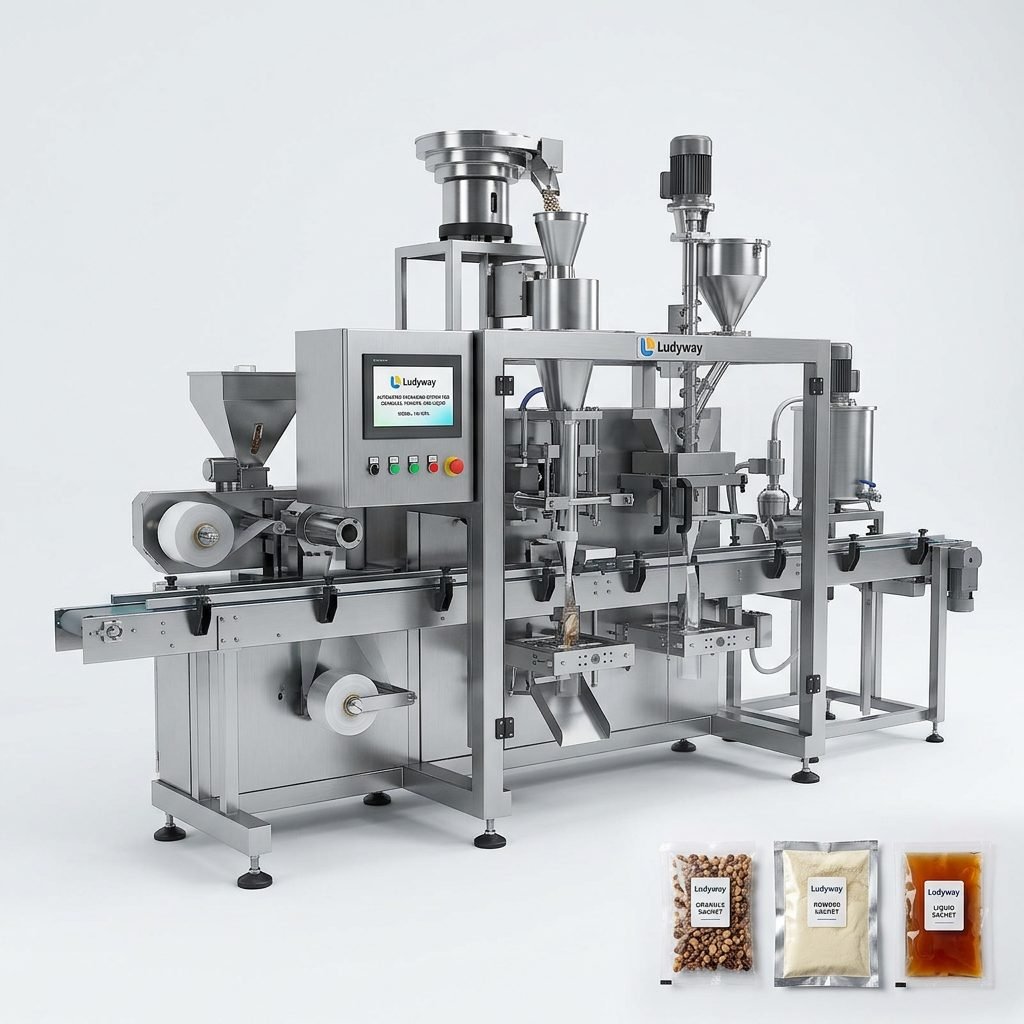
Establishing a sauce pouch packaging line in Oceania requires careful planning, an understanding of local regulatory frameworks, and the selection of high-performance equipment. Whether you are producing ketchup sachets, soy sauce stick packs, or mayonnaise portion packs, the growing demand for convenient, single-serve packaging in Australia, New Zealand, and the Pacific Islands makes this a compelling market. This guide walks you through the core machinery, cost considerations, and the step‑by‑step process to build an efficient and compliant production line.
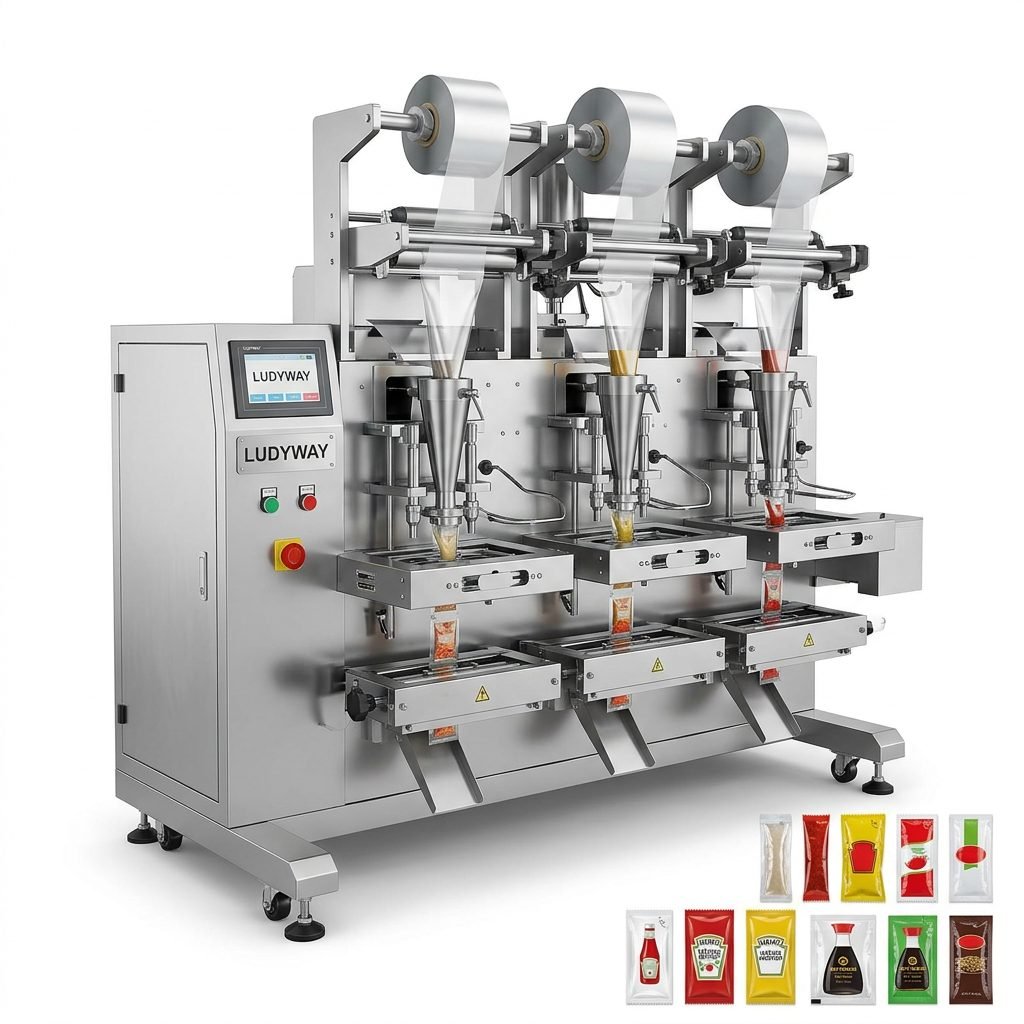
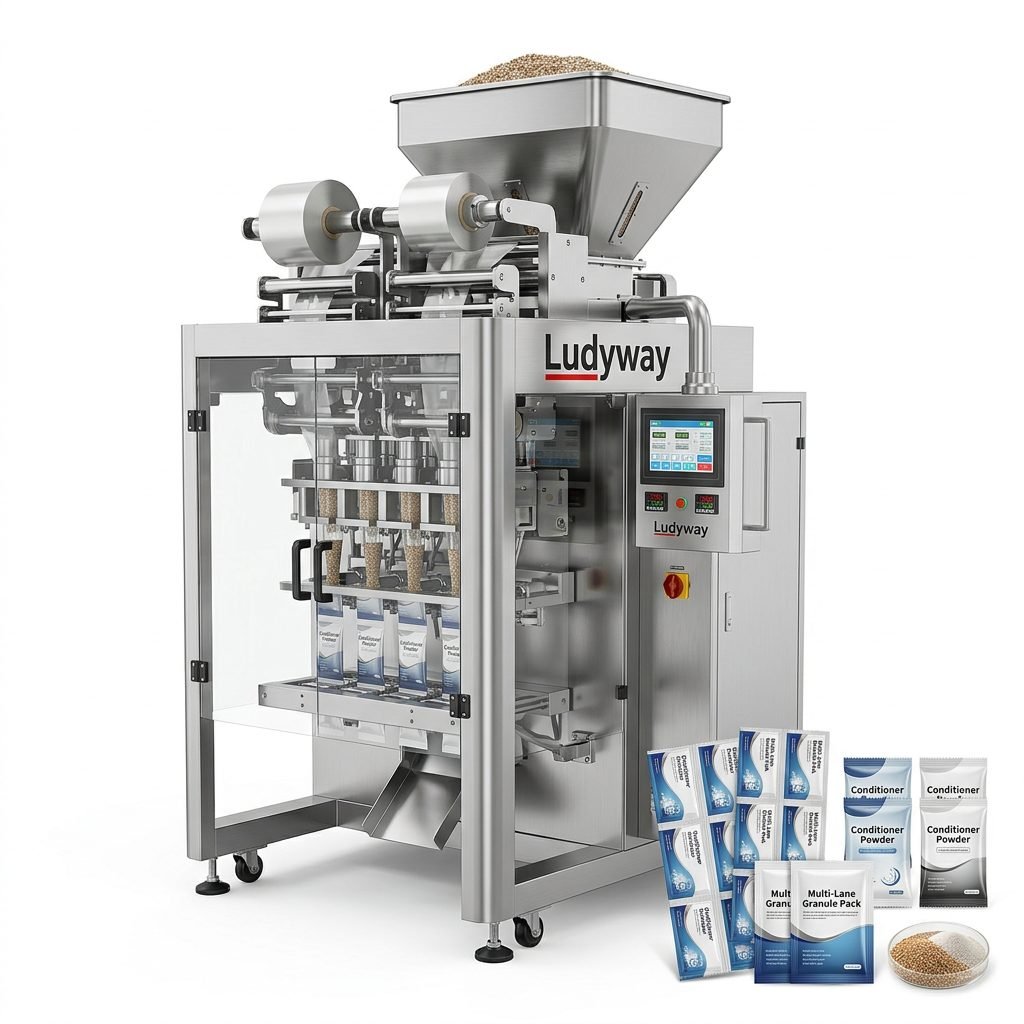
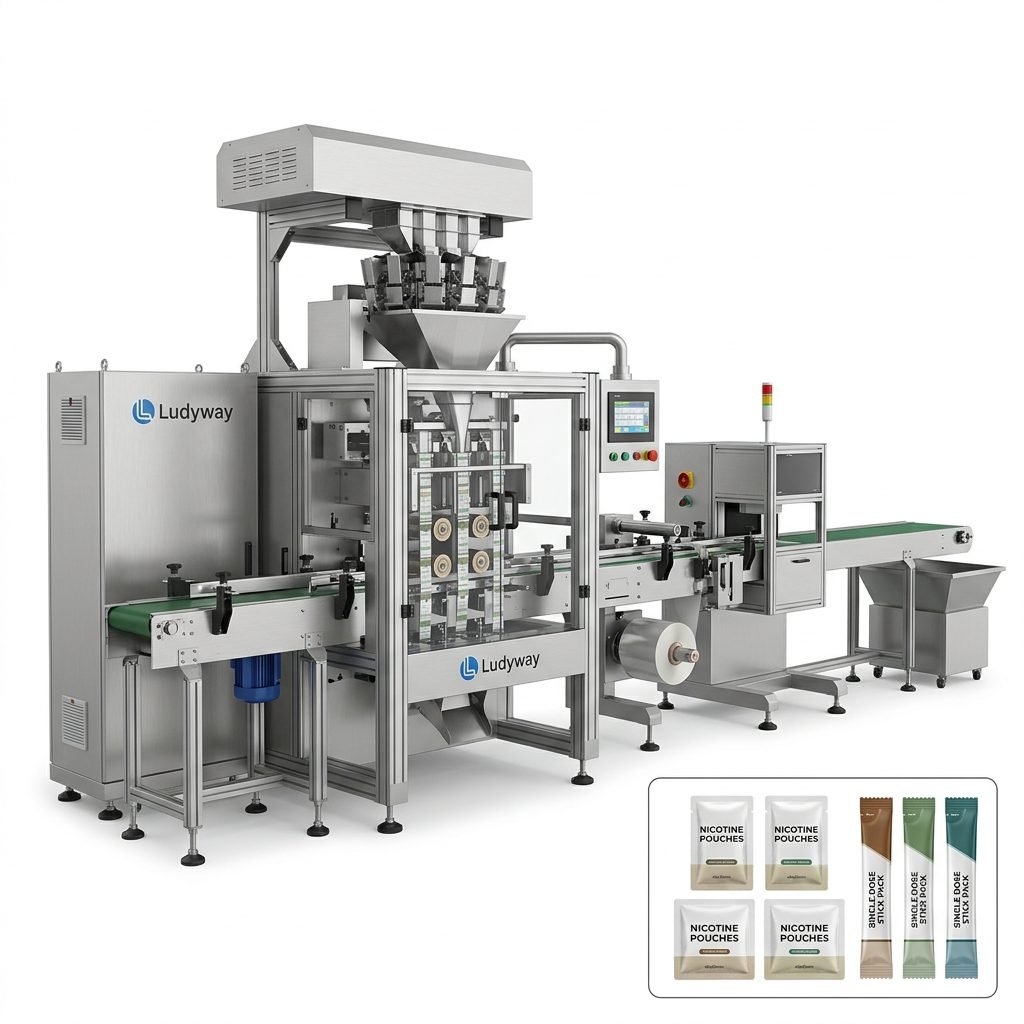
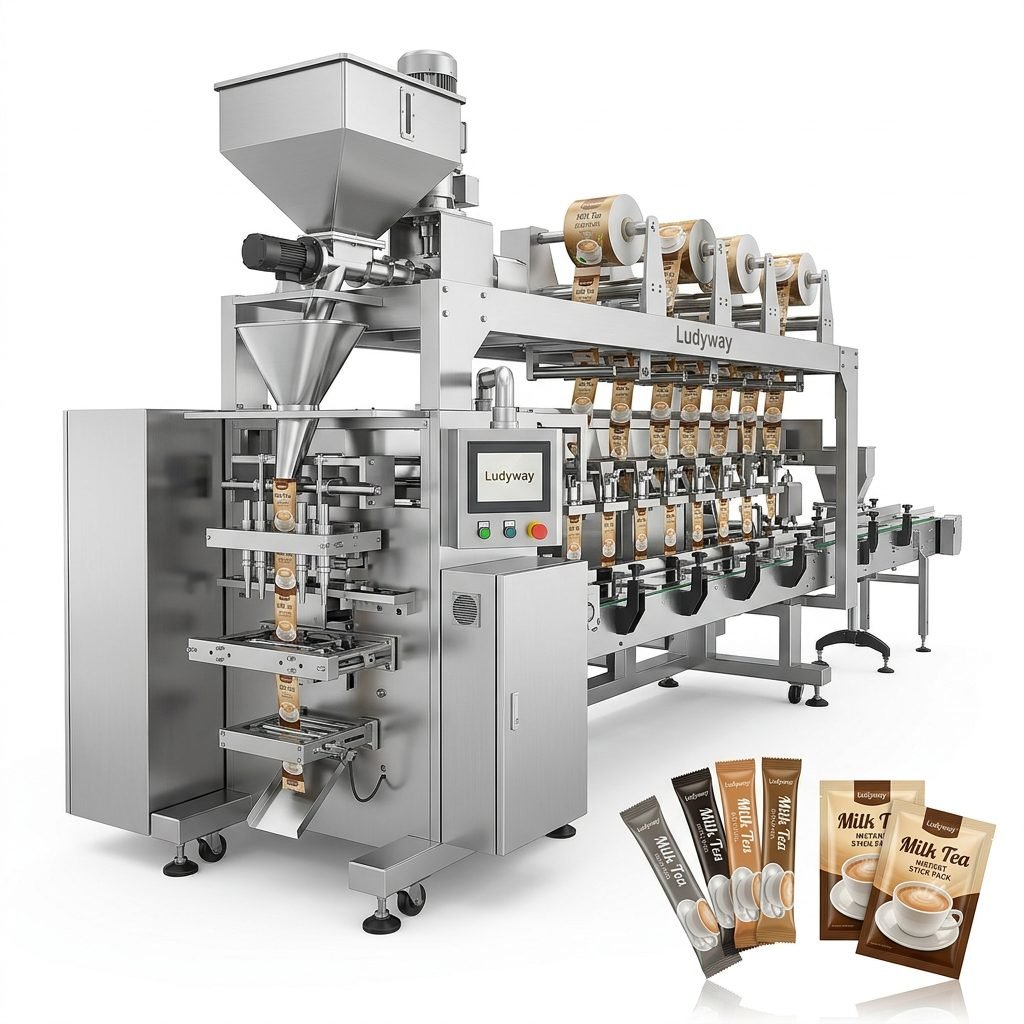
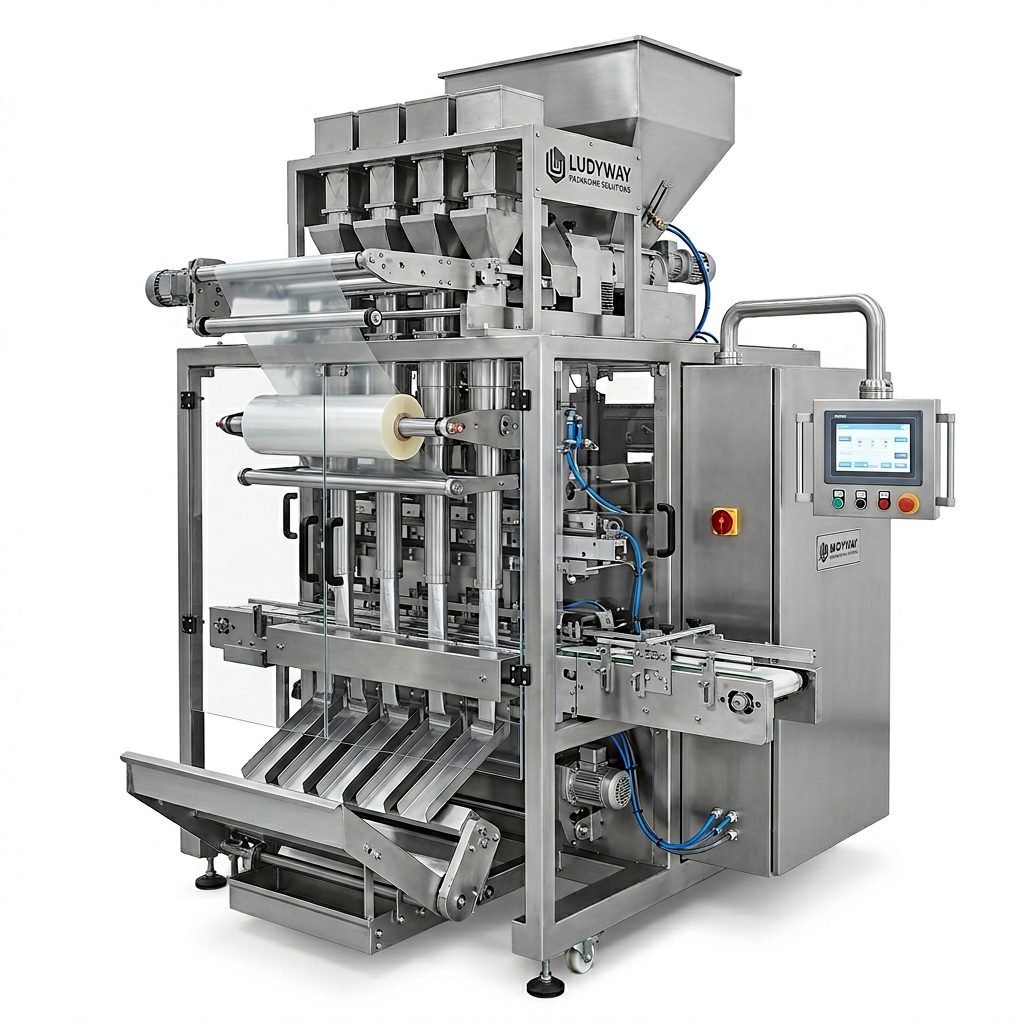
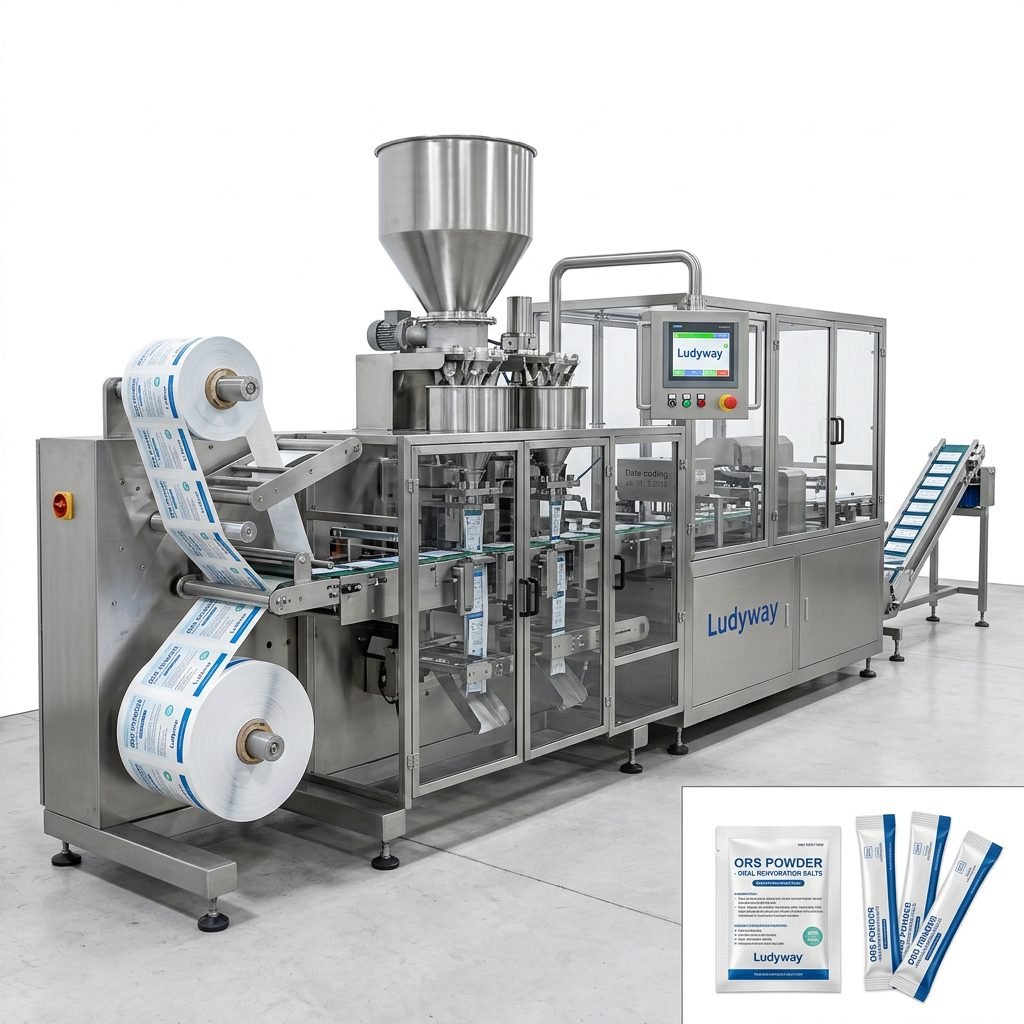
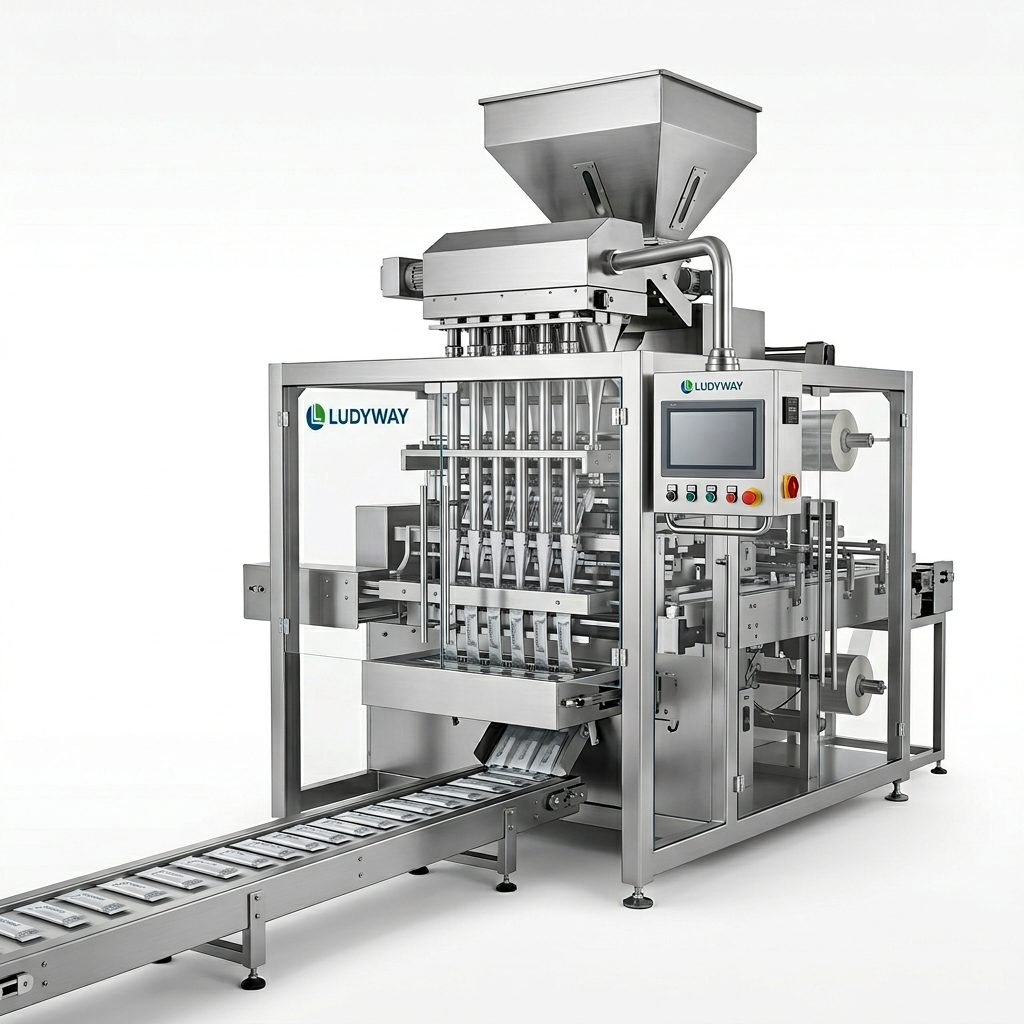
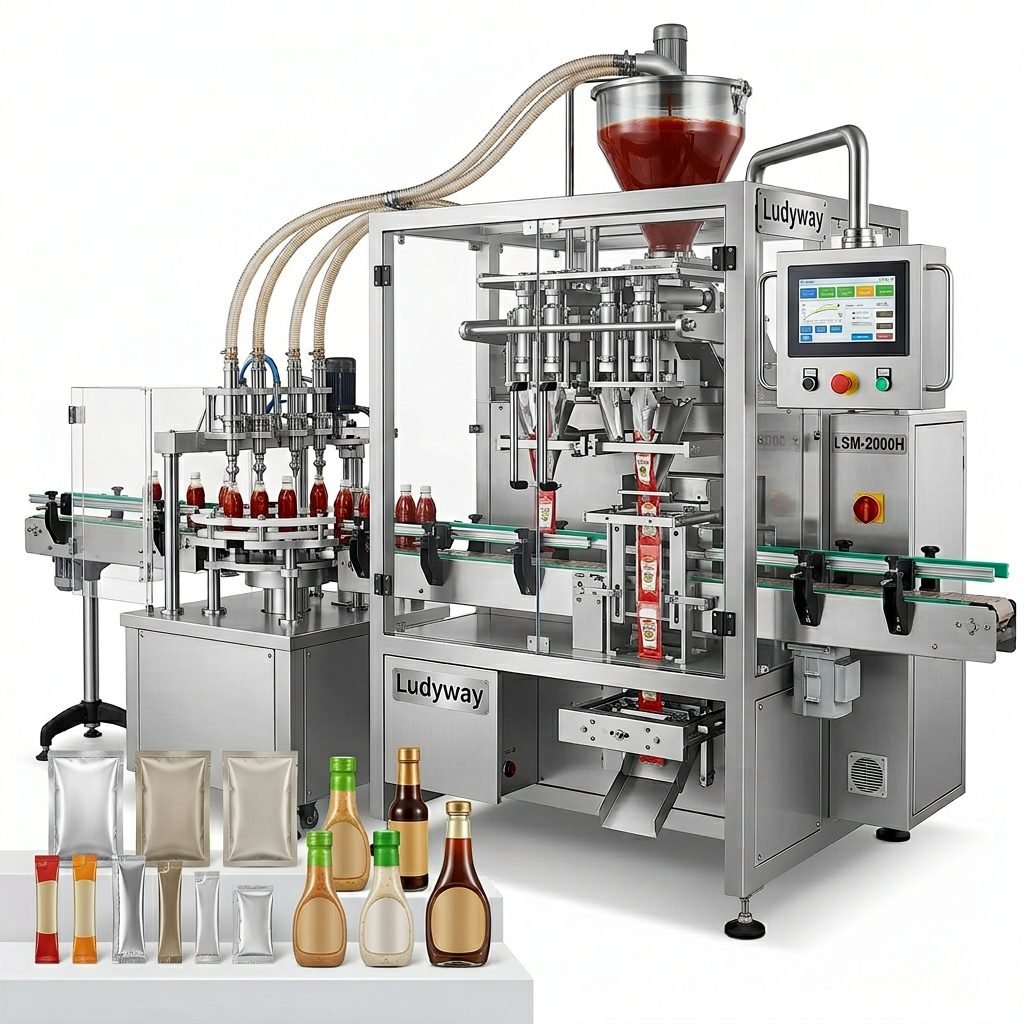
Typical high‑speed multi‑lane sauce sachet packaging machine suitable for Oceania’s food sector.
Understanding the Oceania Market for Sauce Pouches
The Oceania region exhibits strong demand for flexible packaging, driven by quick‑service restaurants, airline catering, and retail ready‑to‑use sauces. According to data from the Flexible Packaging Association, the shift toward lightweight, portion‑controlled formats continues to accelerate. Food safety standards enforced by authorities such as the FDA and FSANZ mean that your packaging line must deliver hygienic, precision filling and robust seal integrity.
Core Equipment for a Sauce Pouch Production Line
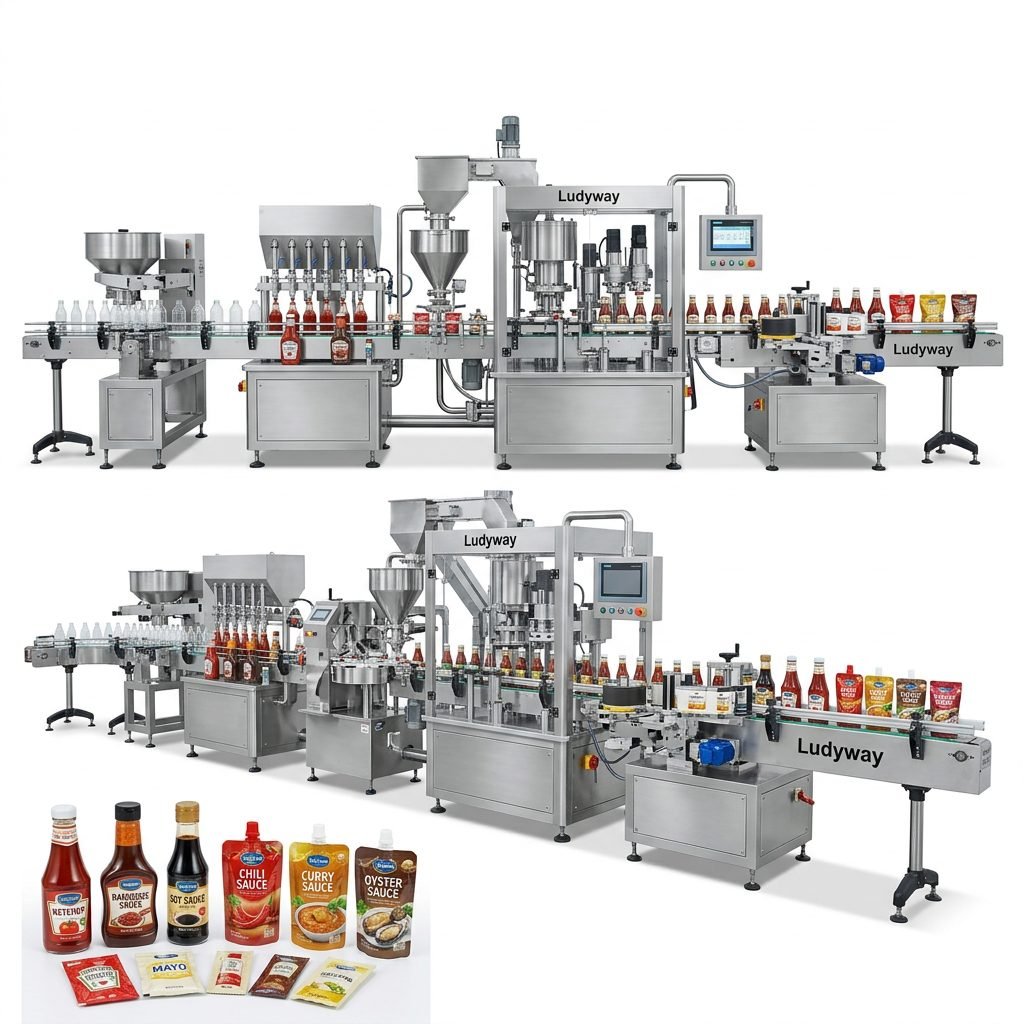
A complete line typically integrates several key machines. Selecting the right configuration determines both throughput and final pack quality.
1. Multi‑Lane Sachet & Stick Pack Machines
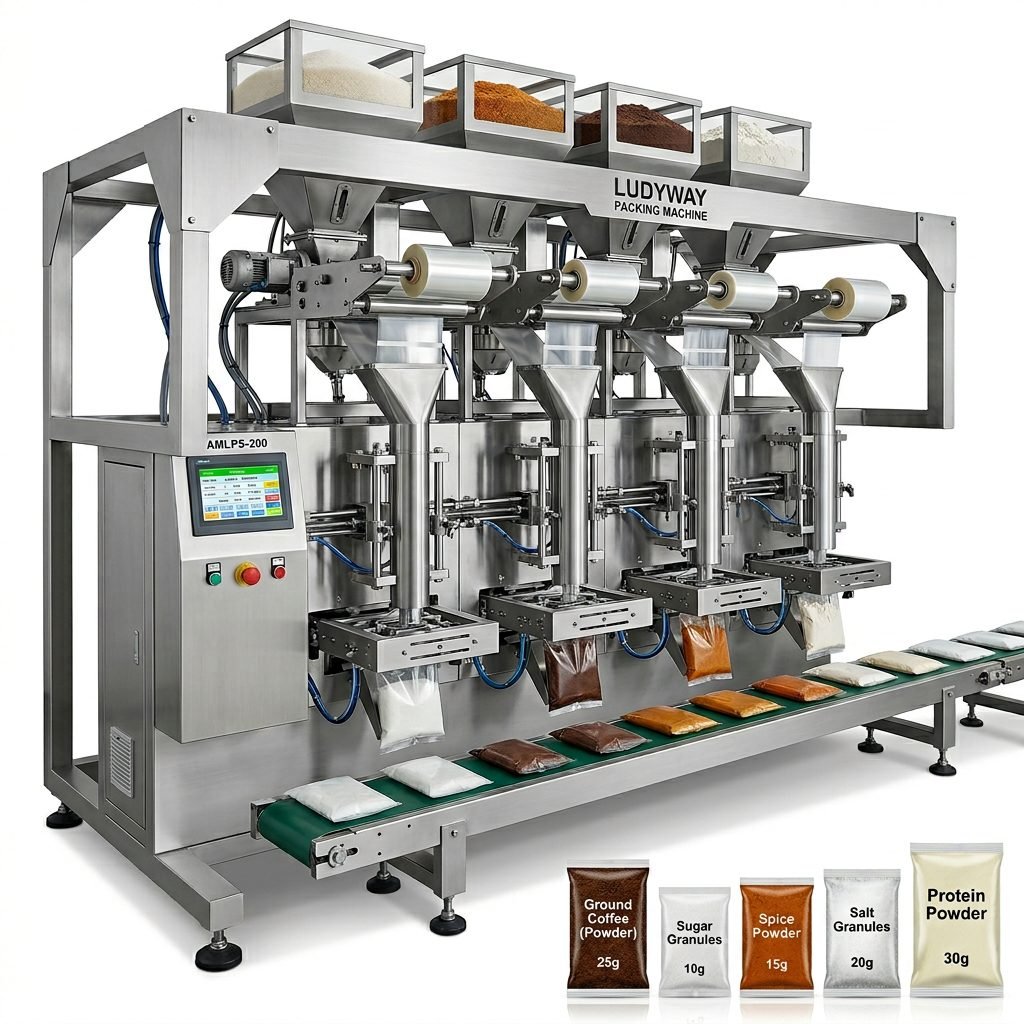
The heart of the operation is a multi‑lane form‑fill‑seal (FFS) unit. For liquid sauces, a machine capable of handling low‑ to high‑viscosity products with precision piston or servo‑driven pumps is essential. Look for models offering 4‑lane, 6‑lane, or up to 12‑lane configurations to match your volume targets.
2. Liquid Filling & Dosing Systems
Accurate dosing prevents product giveaway and ensures consistent portion sizes. Servo‑controlled filling stations with anti‑drip nozzles are recommended for sauces, as they maintain clean seal areas and reduce film waste.
3. Secondary Packaging & End‑of‑Line Automation
Beyond primary pouch forming, automated cartoning, case packing, and palletizing systems streamline the downstream process. Integrating a checkweigher and a metal detector is critical for quality assurance.
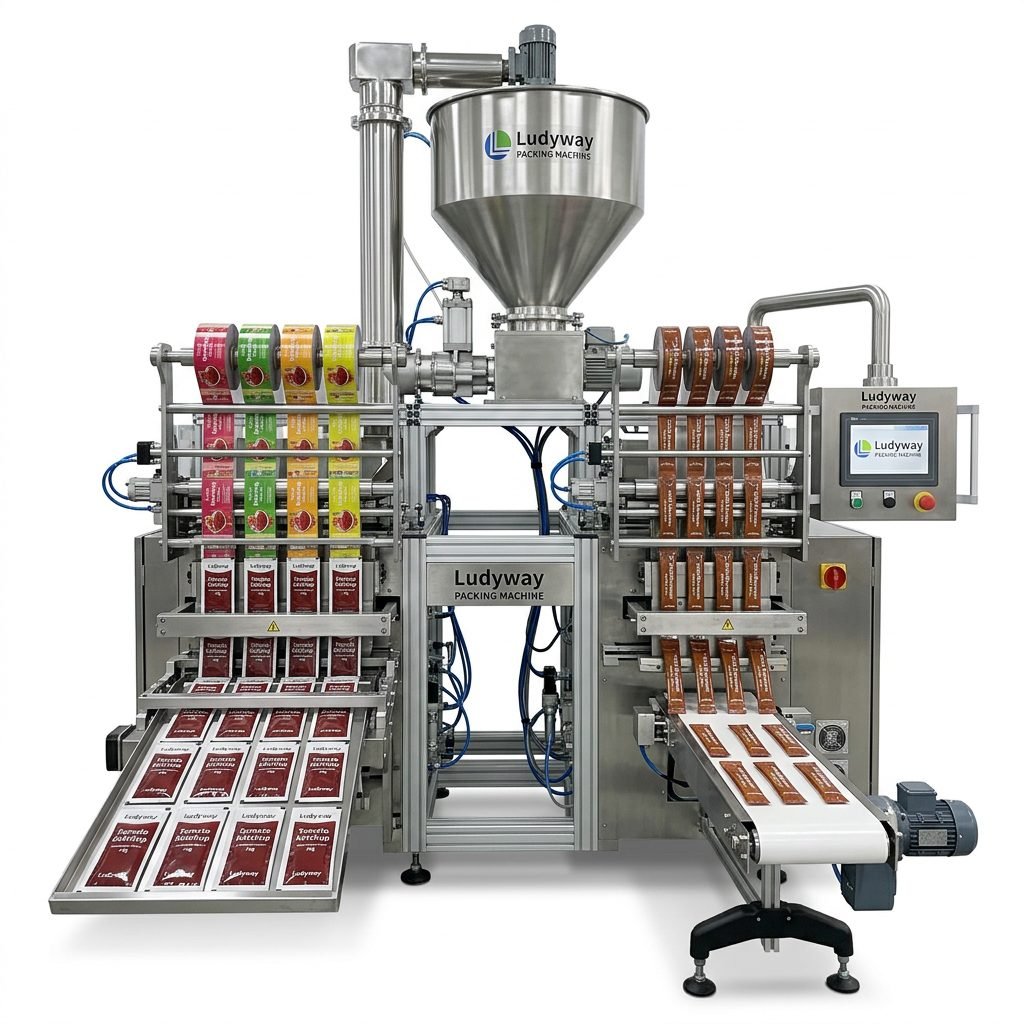
Key Component Checklist
- Multi‑lane vertical form‑fill‑seal machine
- Servo‑piston or magnetic flow meter filling unit
- Nitrogen flushing system (for extended shelf life)
- In‑line date coder / thermal transfer printer
- Checkweigher & metal detector
- Automatic cartoning & case packing modules
Estimated Costs for Setting Up in Oceania
Budgets vary widely based on automation level and production capacity. The table below provides a general cost structure for a medium‑scale factory, inclusive of import duties, local electrical compliance upgrades, and freight to Oceania ports.
| Cost Category | Approximate Range (USD) |
|---|---|
| Primary packaging machine (multi‑lane) | $65,000 – $180,000 |
| Liquid filling unit & conveyors | $28,000 – $75,000 |
| Cartoning & case packing system | $40,000 – $110,000 |
| Inspection & marking equipment | $15,000 – $35,000 |
| Installation, training & compliance | $18,000 – $45,000 |
| Total Estimated Investment | $166,000 – $445,000 |
Figures are indicative for the Oceania region as of 2025. Actual costs depend on customized specifications.
7 Key Steps to Build Your Sauce Packaging Line
Following a structured approach reduces commissioning time and helps meet both FSANZ and international ISO packaging standards.
- Product & Film Specification: Define sauce viscosity, particulate size, and required barrier properties for your laminate film.
- Facility Preparation: Ensure a cleanroom‑level environment with controlled temperature, humidity, and suitable power supply (Oceania typically 415V three‑phase).
- Machine Selection: Choose a multi‑lane platform that can run 4 to 12 lanes, configured for your target output of 30‑60 cycles per minute per lane.
- Filling Technology Validation: Test piston, peristaltic, or magnetic flow meter systems to find the most accurate dosing method for your sauce type.
- Integration & Automation: Link the primary filler with a centralized control system for synchronized start/stop and data logging.
- Quality Control Setup: Install checkweighers, vision inspection, and metal detectors at critical control points.
- Training & Ramp‑Up: Conduct operator training and run a structured qualification batch before moving to full‑scale production.
Compliance and Regulatory Considerations
Oceania enforces strict food contact material regulations. Your packaging film must comply with FSANZ Standard 1.4.3 and relevant EU‑derived guidelines. Additionally, referencing PMMI packaging industry resources helps align your line with global best practices. Equipment should be CE marked or comply with local electrical safety standards such as AS/NZS 3000.
Why Partner with an Experienced Packaging Equipment Manufacturer?
Working with a manufacturer that understands turnkey liquid packaging lines reduces the risk of mismatched components and costly delays. Ludyway, one of the largest packaging machine manufacturers in China, has successfully deployed high‑speed multi‑lane sauce sachet systems across more than 100 countries, including projects tailored to Oceania’s food industry requirements. A single, integrated source for primary packaging, cartoning, and end‑of‑line equipment ensures seamless communication and after‑sales support.
Selecting the Right Pouch Format
Whether you choose three‑side‑seal sachets, stick packs, or flat pouches, the format impacts shelf presence and manufacturing efficiency. Stick packs are rapidly gaining popularity in Australia and New Zealand due to their sleek profile and reduced material usage. Discuss format flexibility with your equipment supplier early in the planning stage.
Maintenance and Spare Parts Strategy in Oceania
A robust local inventory of critical spare parts—including sealing jaws, piston seals, and heating elements—minimizes downtime. Given Oceania’s geographical spread, establish a service agreement that covers remote diagnostics and rapid on‑site support.
Further Resources
- Flexible Packaging Association – Industry Insights
- PMMI State of the Packaging Industry Reports
- ISO 11607 – Packaging for Terminally Sterilized Medical Devices
- EU Packaging and Packaging Waste Regulation
With the right technical planning, equipment selection, and a clear understanding of local market requirements, your sauce pouch packaging operation in Oceania can achieve rapid, profitable scale‑up. Invest in reliable machinery, prioritize food safety, and leverage expert partners to build a future‑proof production line.