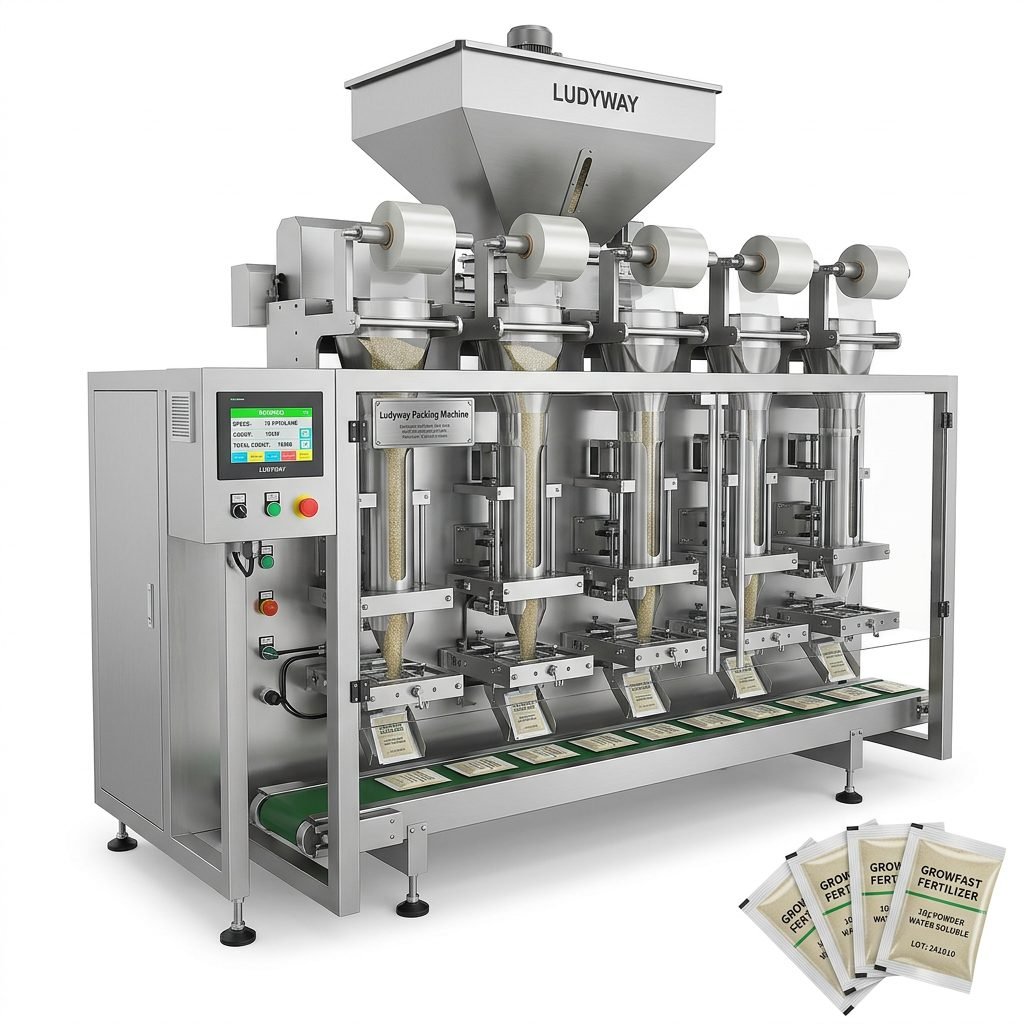
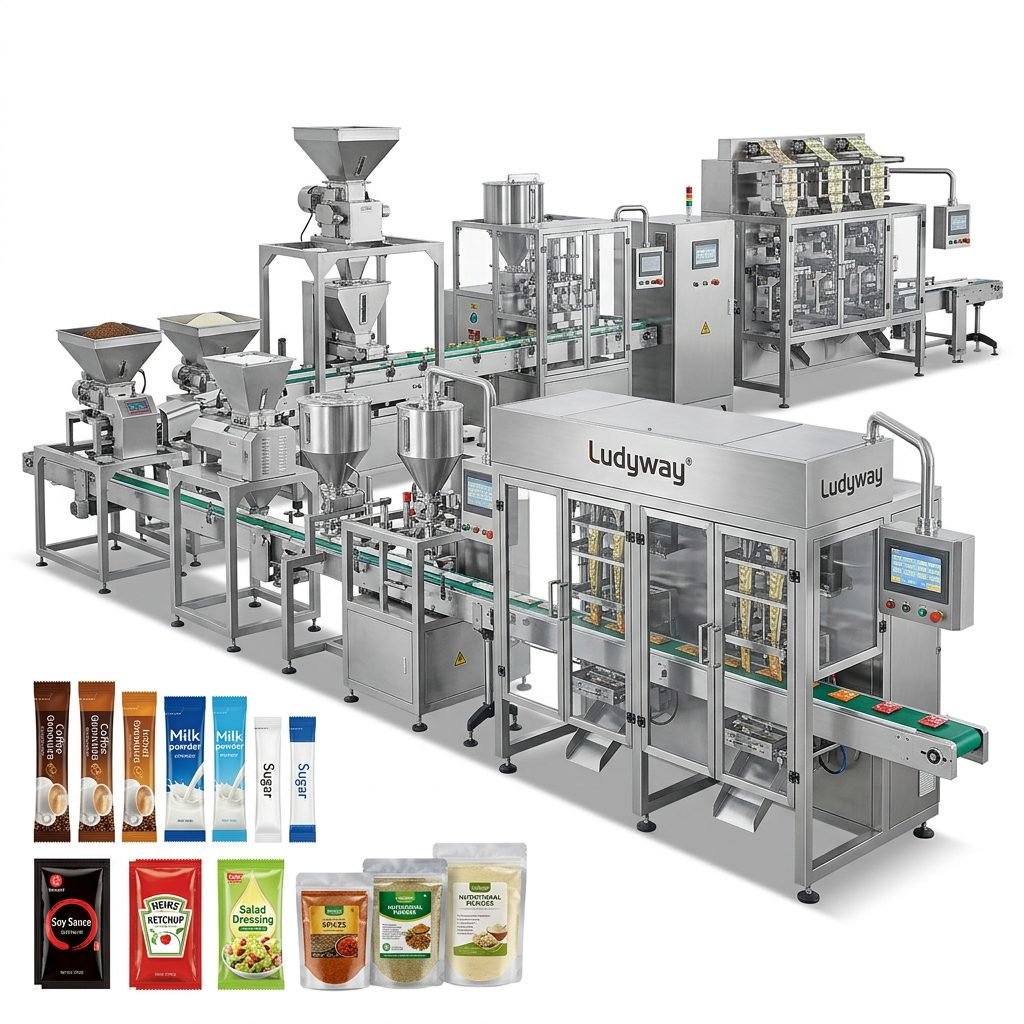
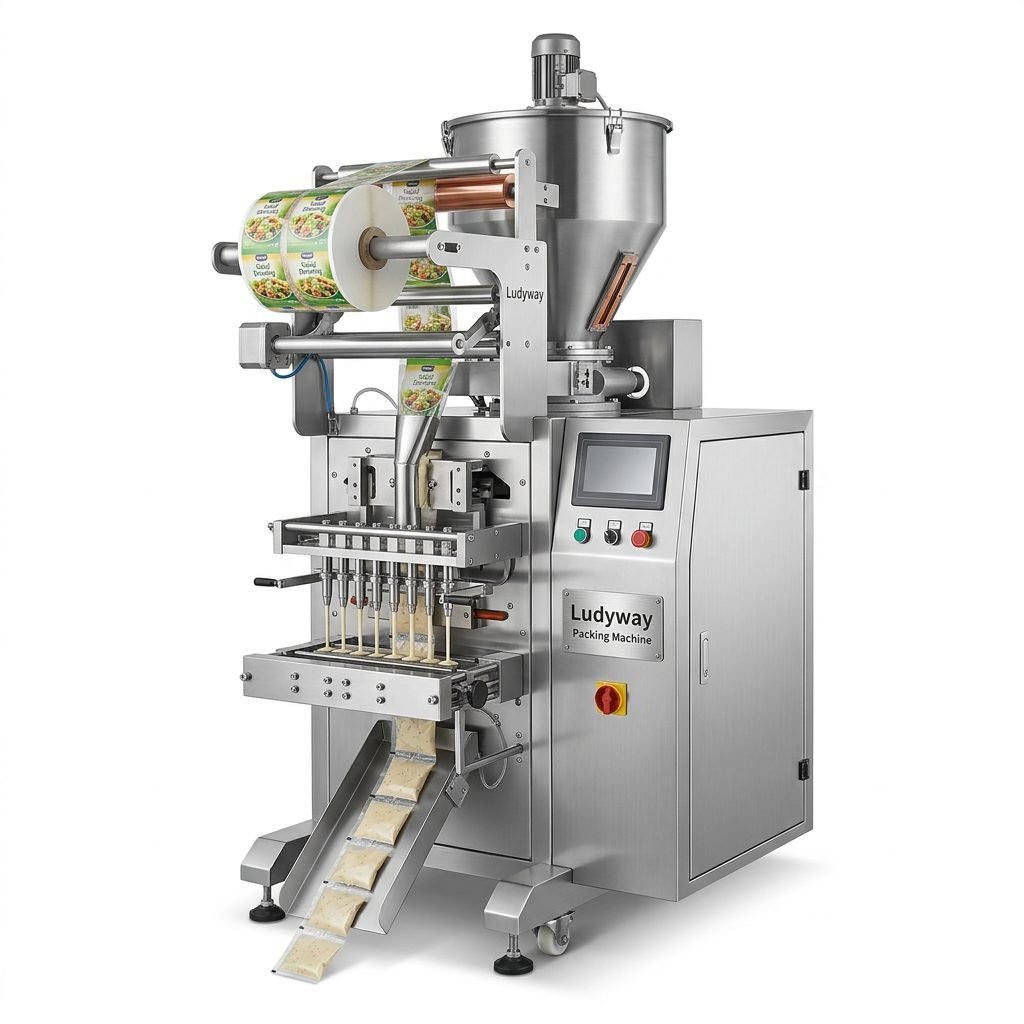
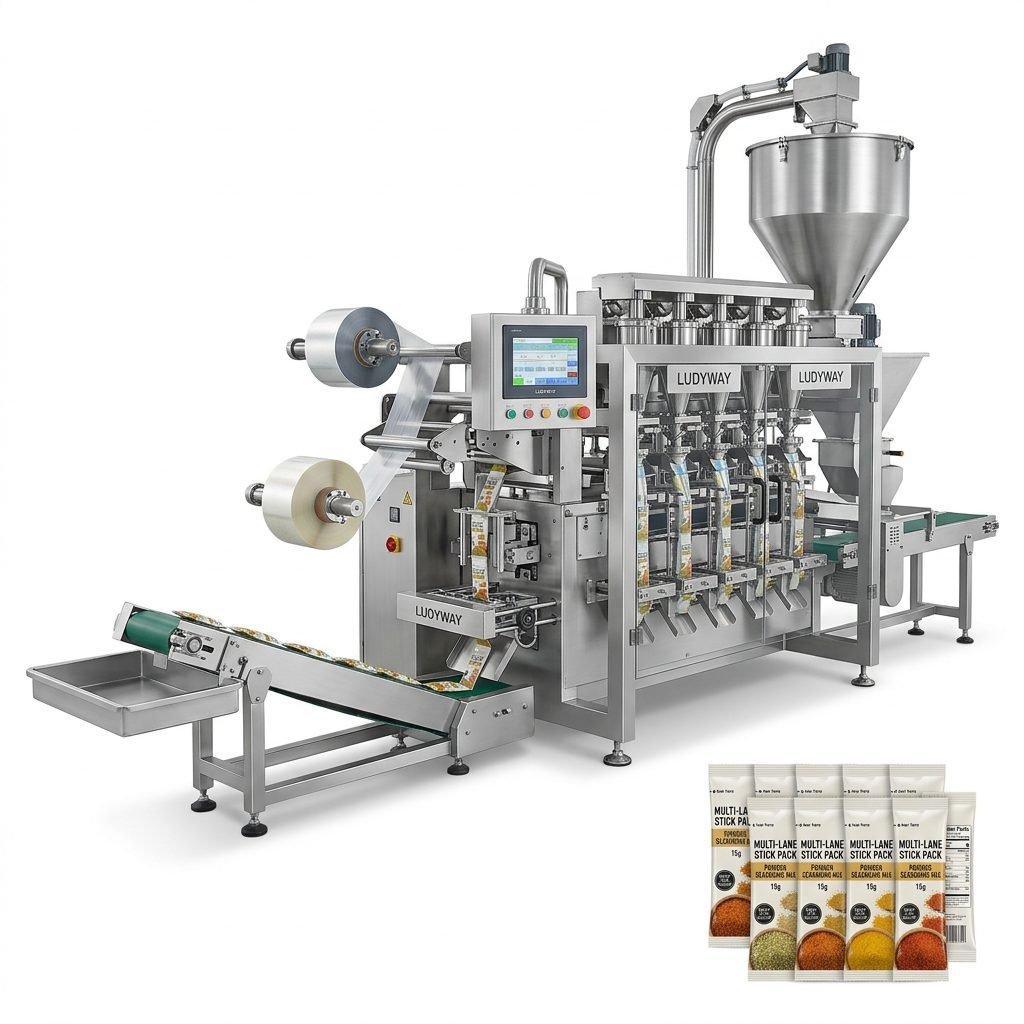
Setting up a cooking oil packaging machine production line is a strategic investment that requires careful planning, the right equipment selection, and precise execution. Whether you are launching a new facility or upgrading an existing one, understanding the complete workflow—from oil filling and capping to labeling and palletizing—is essential for achieving high throughput, consistent product quality, and long-term operational efficiency. This guide walks you through every critical step of the process.
Understanding Cooking Oil Packaging Production Lines
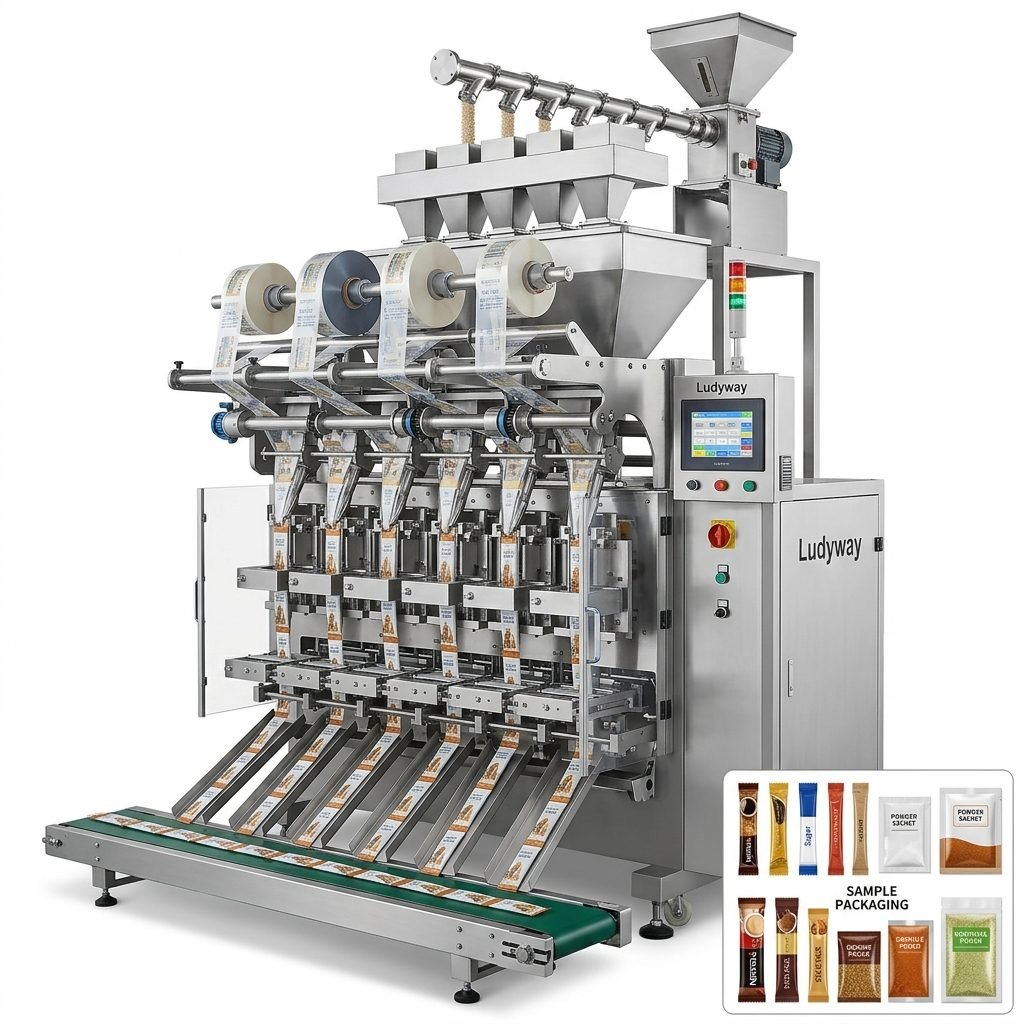
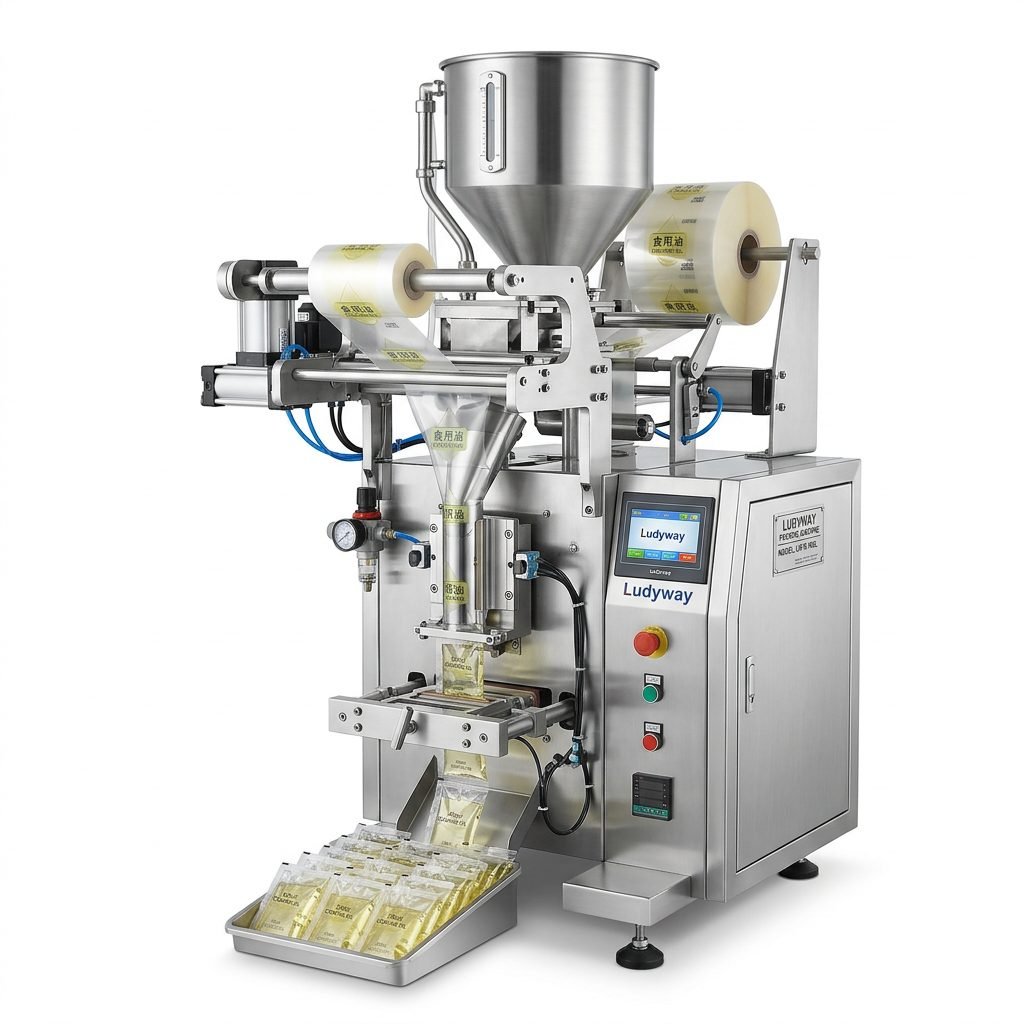
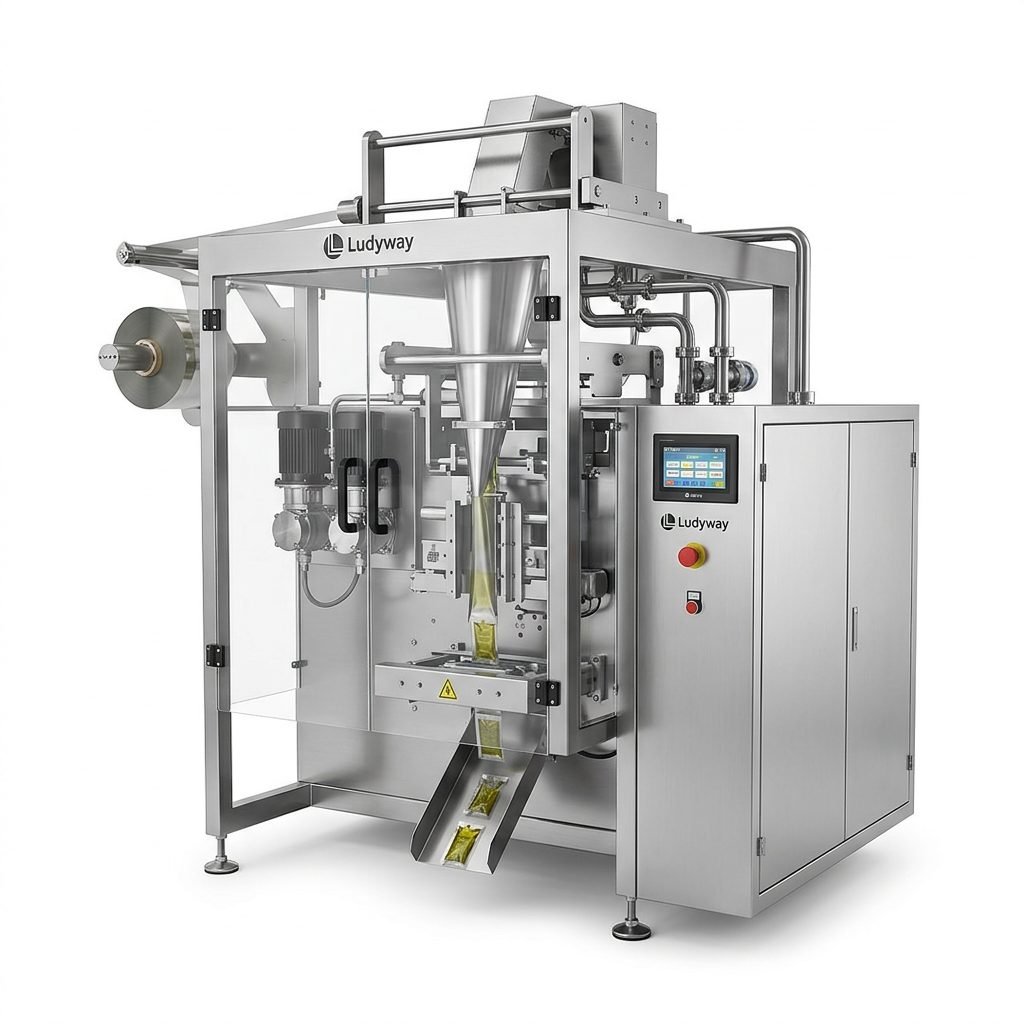
A cooking oil packaging line is an integrated system designed to fill, seal, label, and pack edible oils into various container formats—including sachets, pouches, bottles, and jerry cans. Modern packaging machinery can handle a wide range of oil viscosities, from light sunflower oil to dense palm oil, with filling accuracies reaching ±0.5% or better. The right production line can significantly reduce labor costs, minimize product waste, and ensure compliance with food safety regulations such as FDA food packaging standards.
Key Components of a Cooking Oil Packaging Line
Every efficient cooking oil packaging system consists of several interconnected modules. Understanding each component helps you make informed procurement decisions and avoid costly bottlenecks.
Filling Machine
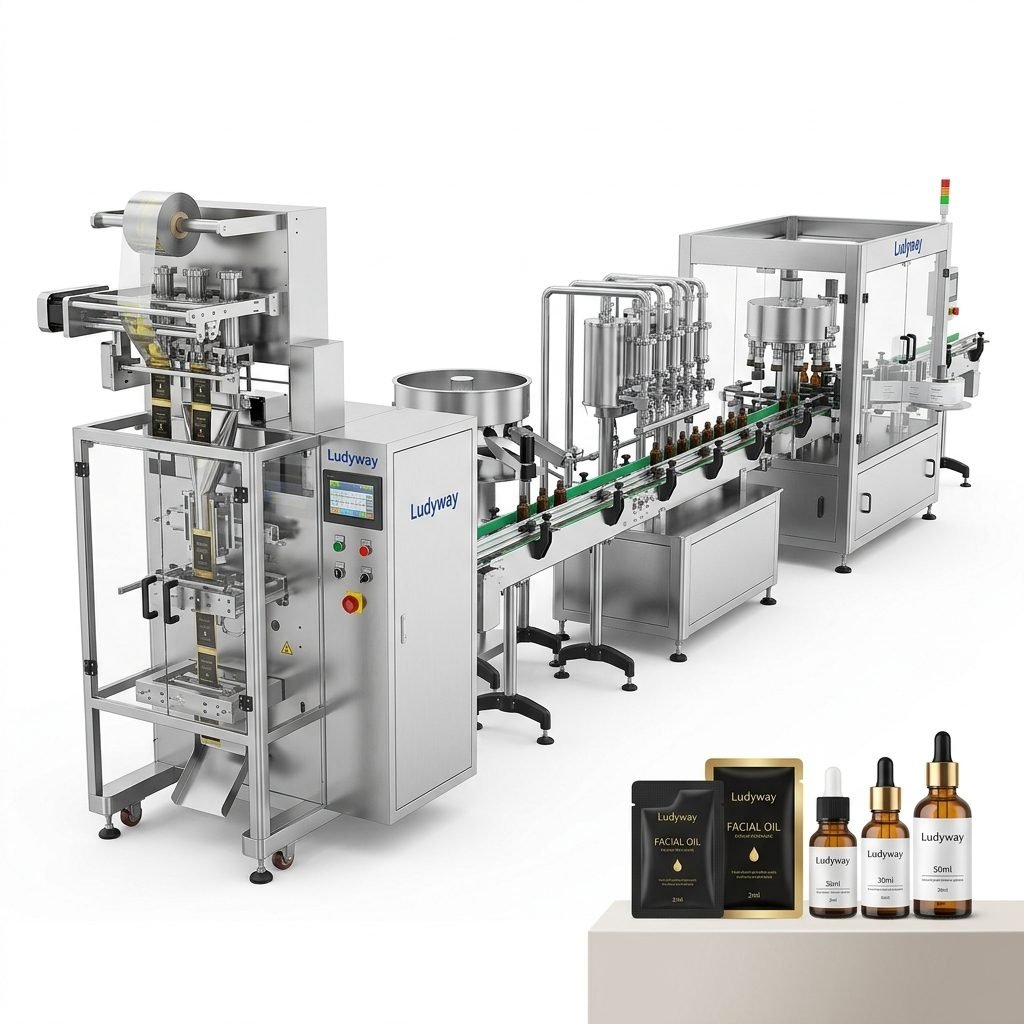
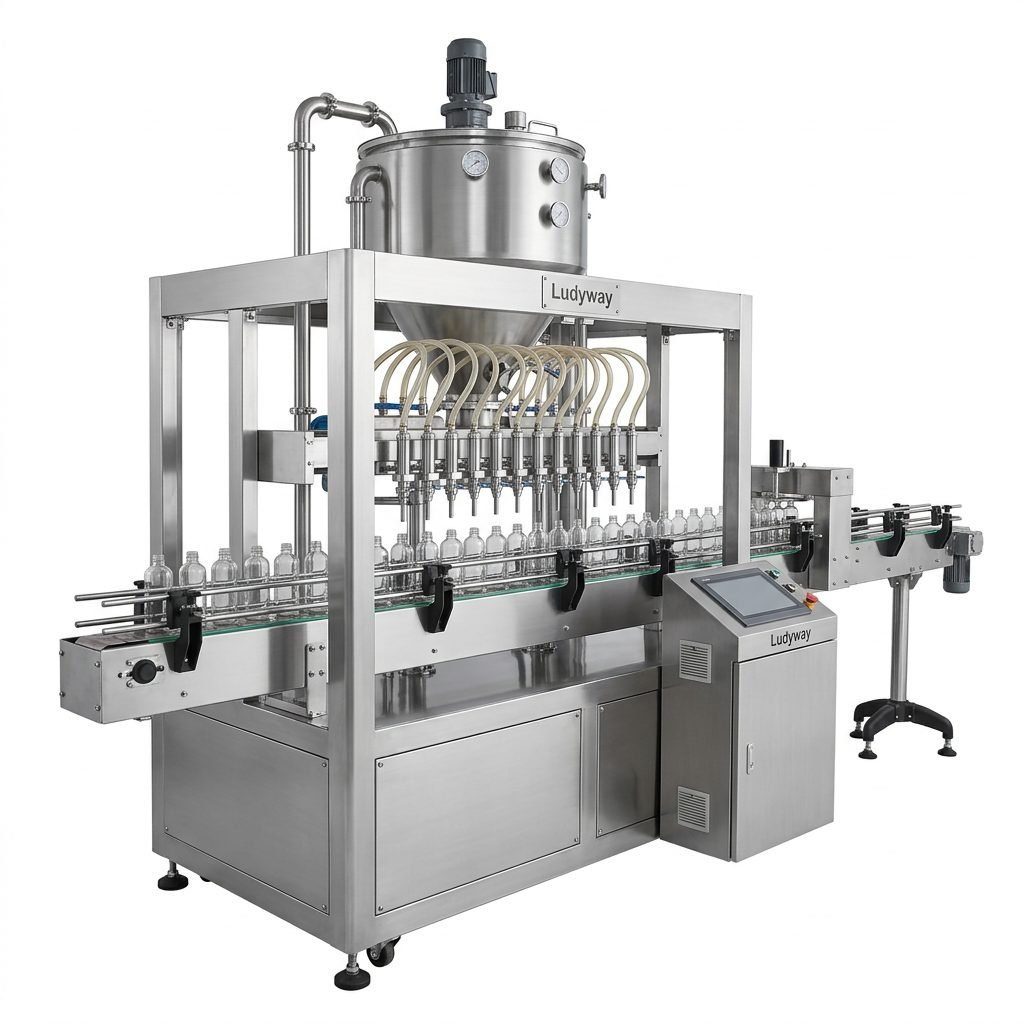
The filling machine is the heart of the production line. For cooking oil, volumetric piston fillers, flow meter fillers, and weigh fillers are commonly used. Multi-nozzle filling systems can achieve speeds of up to 60-120 bottles per minute depending on container size and oil viscosity. Key considerations include anti-drip nozzles, foam control mechanisms, and compatibility with food-grade materials like 316L stainless steel.
Capping and Sealing System
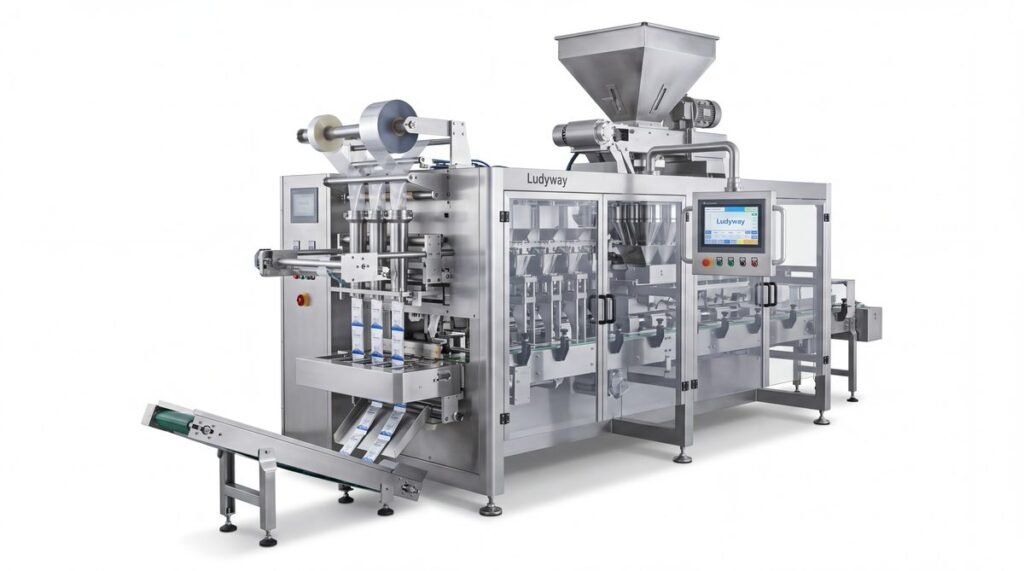
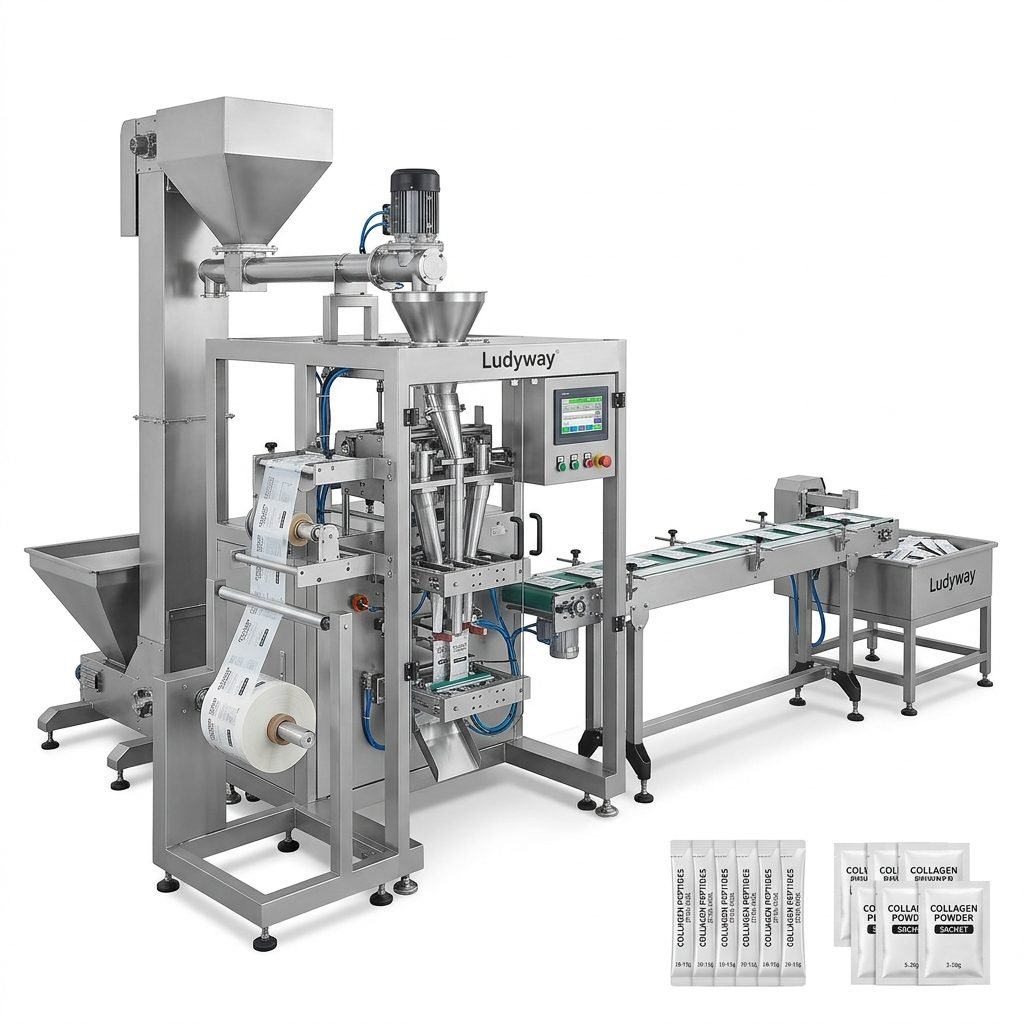
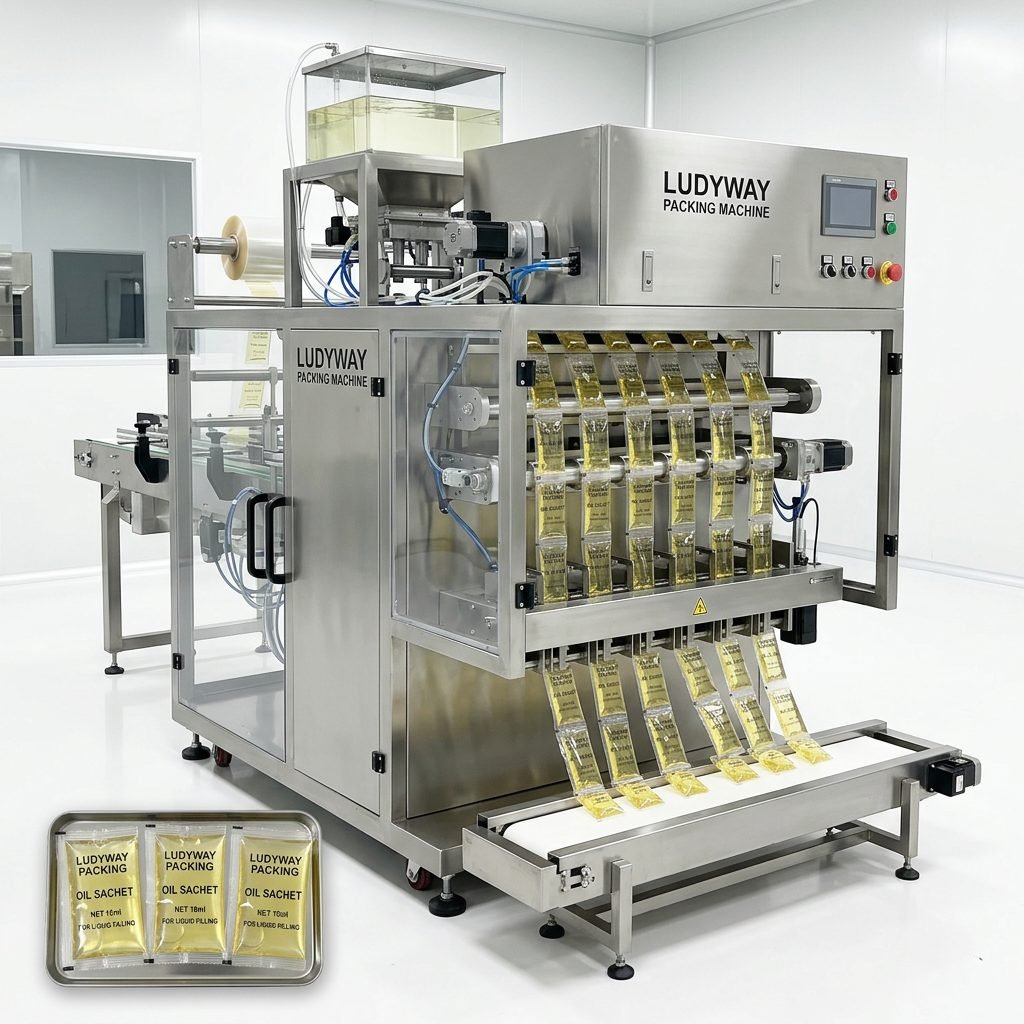
After filling, containers must be securely sealed to prevent leakage and contamination. Automatic capping machines handle screw caps, press-on lids, and induction seals. For sachet and pouch formats, heat sealing systems provide hermetic closures that extend shelf life. The sealing temperature and pressure must be calibrated precisely for different film materials, especially for multi-layer packaging films used in edible oil sachets.
Labeling Machine
Accurate labeling ensures regulatory compliance and brand visibility. Modern wrap-around and front-back labeling systems can apply self-adhesive labels at high speeds with positioning accuracy within ±1mm. Integration with ISO packaging standards ensures that date coding, batch numbers, and barcode information meet international requirements.
Cartoning and Palletizing
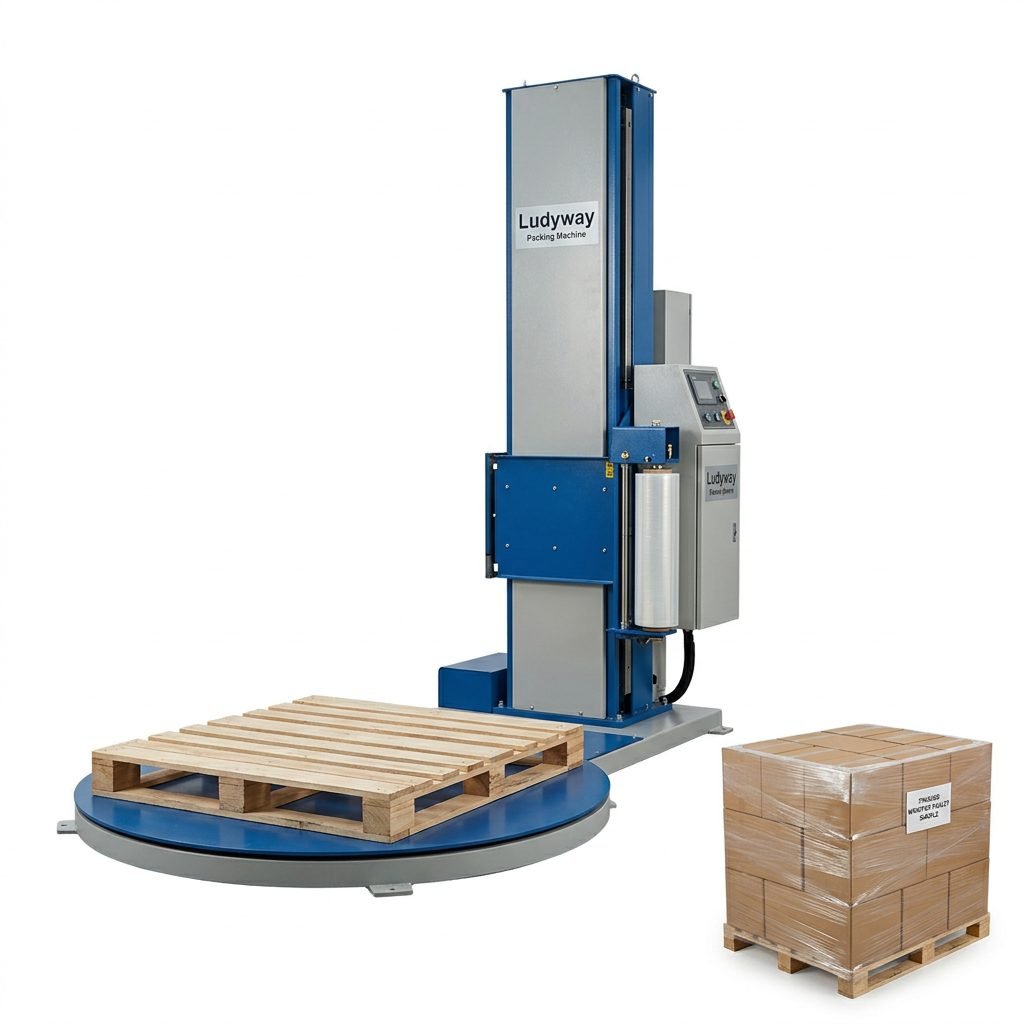
The final stages of the line involve grouping, cartoning, and palletizing packaged products. Automated case packers and robotic palletizers reduce manual handling, improve warehouse efficiency, and protect finished goods during transit. End-of-line automation is particularly valuable for high-volume operations producing thousands of units per hour.
Step-by-Step Setup Process
Implementing a cooking oil packaging line follows a structured approach. Rushing any phase can lead to operational delays, safety issues, or suboptimal performance. Below is a proven sequence:
1. Site Preparation and Layout Planning
Begin with a detailed floor plan that accounts for material flow, operator access, and utility connections. The layout should follow a logical progression from raw material receiving to finished goods storage. Ensure adequate space for maintenance access around each machine. Proper ventilation is also important given the nature of edible oil processing.
2. Equipment Installation
Install equipment in the correct sequence—typically starting with conveyors, then filling stations, cappers, labelers, and end-of-line systems. Professional installation teams should handle alignment, leveling, and initial mechanical checks. All food-contact surfaces must be inspected for cleanliness and compliance before operation begins.
3. Utility Connections
Connect electrical power, compressed air, and any necessary water or steam lines. Voltage stability and air pressure consistency are critical for reliable machine performance. Install appropriate filtration systems if the facility’s utility quality does not meet equipment specifications.
4. Calibration and Testing
Run the line with water or a test medium before introducing actual cooking oil. Verify fill volumes, seal integrity, label placement, and conveyor synchronization. Conduct production trials at varying speeds to identify the optimal balance between throughput and quality. Document all calibration settings for future reference.
Quality Control Considerations
Consistent quality is non-negotiable in food packaging. Implement the following quality control measures:
- Inline checkweighers to verify net content compliance with packaging industry regulations
- Vision inspection systems for label verification, cap presence detection, and seal integrity checks
- Metal detectors at the end of the line to ensure product safety
- Regular microbial swab testing on food-contact surfaces
- Automated reject systems to remove non-conforming units without stopping production
Maintenance and Operational Efficiency
A well-maintained packaging line operates with fewer unplanned stoppages and higher overall equipment effectiveness (OEE). Establish a preventive maintenance schedule that includes:
- Daily cleaning of filling nozzles and conveyor belts
- Weekly inspection of seals, gaskets, and pneumatic components
- Monthly lubrication of moving parts per manufacturer guidelines
- Quarterly calibration of sensors, load cells, and temperature controllers
- Annual comprehensive overhaul of major mechanical assemblies
Train operators thoroughly on troubleshooting common issues such as foaming during filling, cap misalignment, and label wrinkling. Well-trained staff can resolve minor problems quickly, keeping production on schedule.
Cost Analysis for Cooking Oil Packaging Lines
Investment in a cooking oil packaging line varies based on capacity, automation level, and container formats. The table below outlines typical cost ranges for different scales of operation:
| Line Scale | Capacity (Units/Hour) | Estimated Investment (USD) | Ideal For |
|---|---|---|---|
| Small / Entry-Level | 500 – 1,500 | $25,000 – $80,000 | Startups, local brands, niche markets |
| Medium-Scale | 1,500 – 5,000 | $80,000 – $250,000 | Regional distributors, growing brands |
| Large / Fully Automated | 5,000 – 15,000+ | $250,000 – $1,000,000+ | Large manufacturers, export-oriented plants |
Additional cost factors include facility modifications, utility upgrades, training, and ongoing maintenance contracts. It is advisable to budget an extra 15-20% above equipment costs for installation, commissioning, and initial spare parts inventory.
Choosing the Right Equipment Supplier
Selecting a reliable supplier is as important as choosing the right machine specifications. Evaluate potential partners based on:
- Industry experience and track record in edible oil packaging specifically
- Availability of turnkey solutions that cover design, manufacturing, installation, and after-sales support
- Compliance with international food safety and machinery standards
- Responsiveness of technical support and spare parts availability
- Willingness to provide factory acceptance testing (FAT) and on-site commissioning
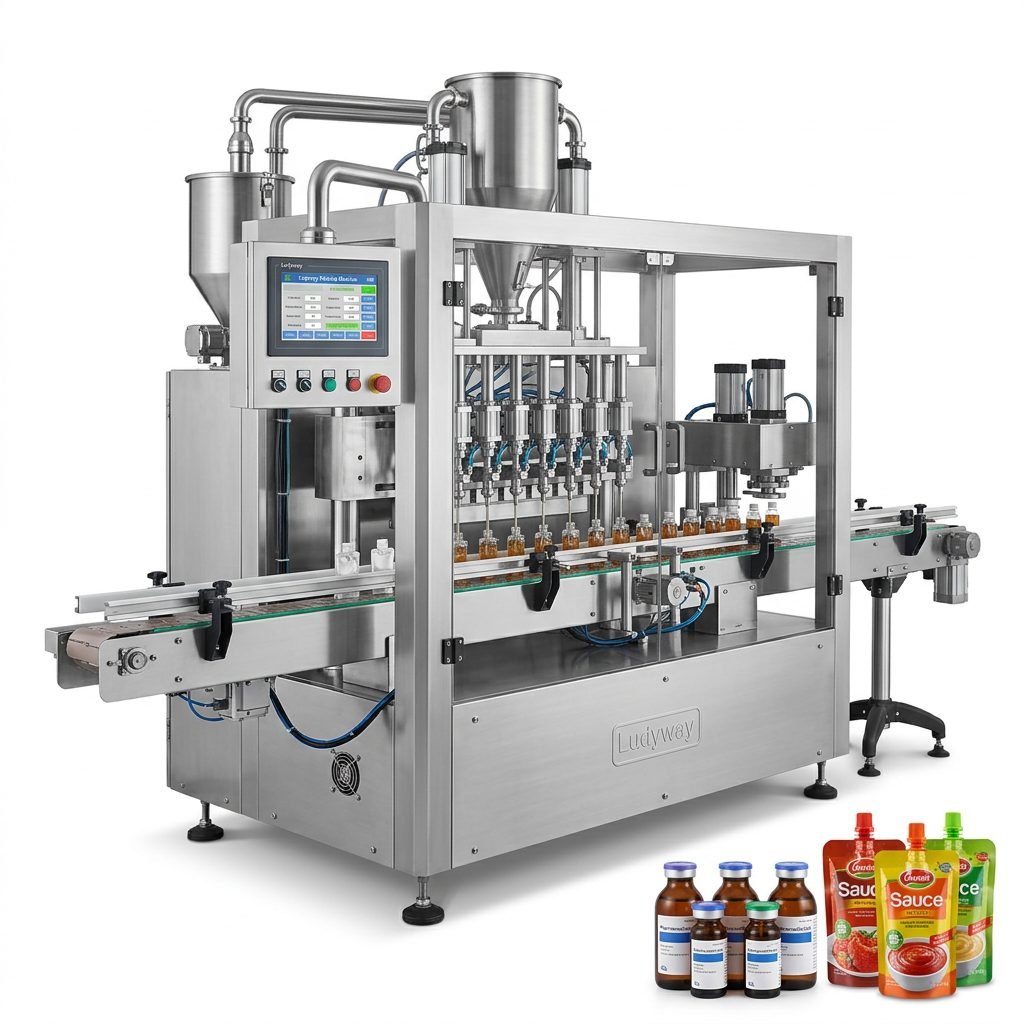
One manufacturer that has built a strong reputation in this space is Ludyway, a China-based packaging machine manufacturer with over 30 years of industry experience and a modern 20,000㎡ production facility. The company specializes in advanced packaging equipment and turnkey solutions for food, pharmaceutical, and health industries, serving customers in more than 100 countries. When evaluating suppliers, visiting their manufacturing facility and reviewing past project references can provide valuable insights into their capabilities.
Regulatory Compliance and Food Safety
Edible oil packaging lines must adhere to strict hygiene and safety regulations. Key standards to consider include FDA food contact substance regulations, European Commission packaging directives, and relevant ISO standards for packaging machinery. Ensure that all food-contact components are made from approved materials and that the line design facilitates easy cleaning and sanitation. HACCP principles should be integrated into the line layout to prevent cross-contamination risks.
Future-Proofing Your Production Line
As your business grows, your packaging line should be able to scale accordingly. Consider the following strategies to future-proof your investment:
- Choose modular equipment that allows for easy expansion with additional filling heads or lanes
- Invest in IoT-enabled machines that provide real-time production data for performance optimization
- Select machines compatible with multiple container sizes and formats to accommodate product line diversification
- Plan the facility layout with space预留 for future equipment additions
- Build relationships with suppliers who offer ongoing upgrade and retrofit services
According to PMMI’s State of the Industry reports, the global packaging machinery market continues to grow steadily, driven by increasing demand for packaged foods and automation adoption across developing economies. Investing in a well-designed cooking oil packaging line today positions your business for long-term competitiveness in this expanding market.
A successful cooking oil packaging line setup requires attention to detail at every stage—from initial planning and equipment selection to installation, calibration, and ongoing maintenance. By following the guidelines outlined in this article and partnering with experienced equipment suppliers, you can build a production line that delivers consistent quality, high efficiency, and reliable performance for years to come. Take the time to research your options thoroughly, visit supplier facilities when possible, and invest in training your team to maximize the return on your packaging line investment.