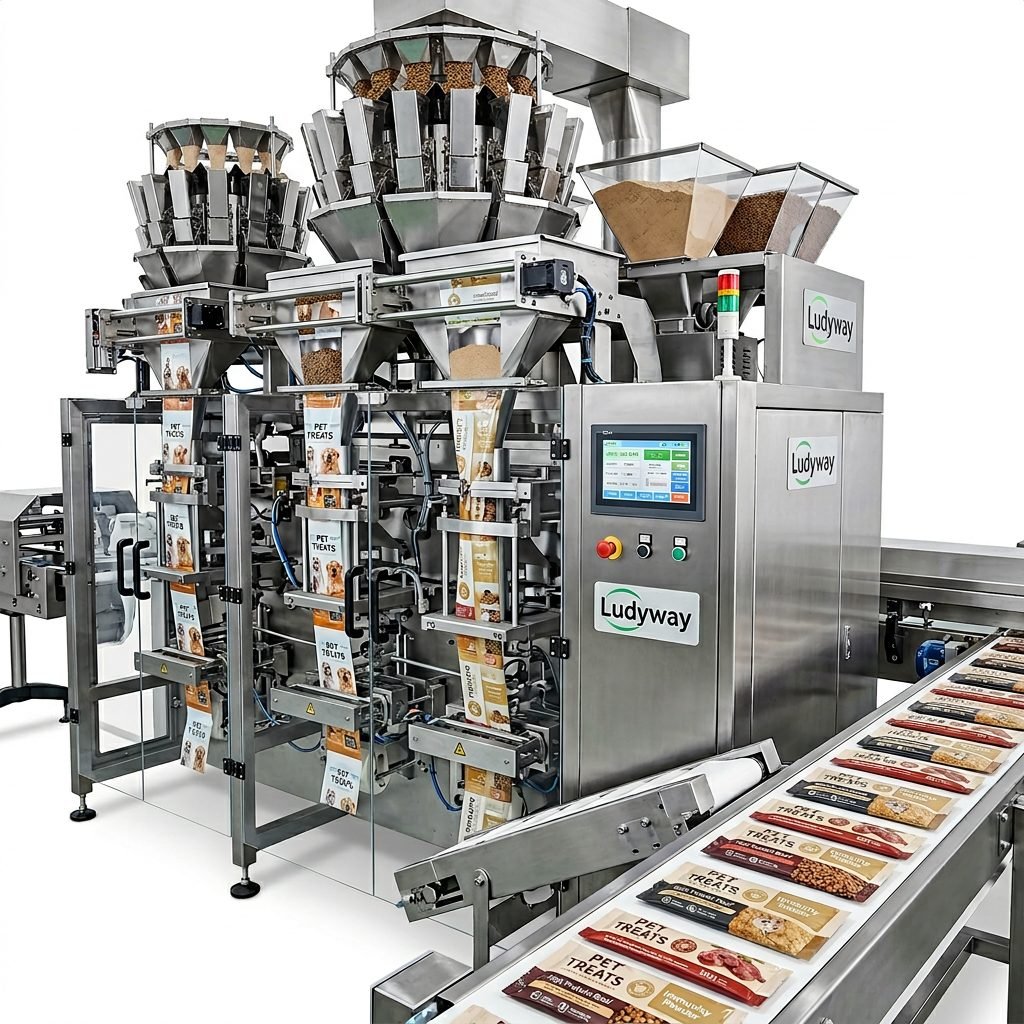
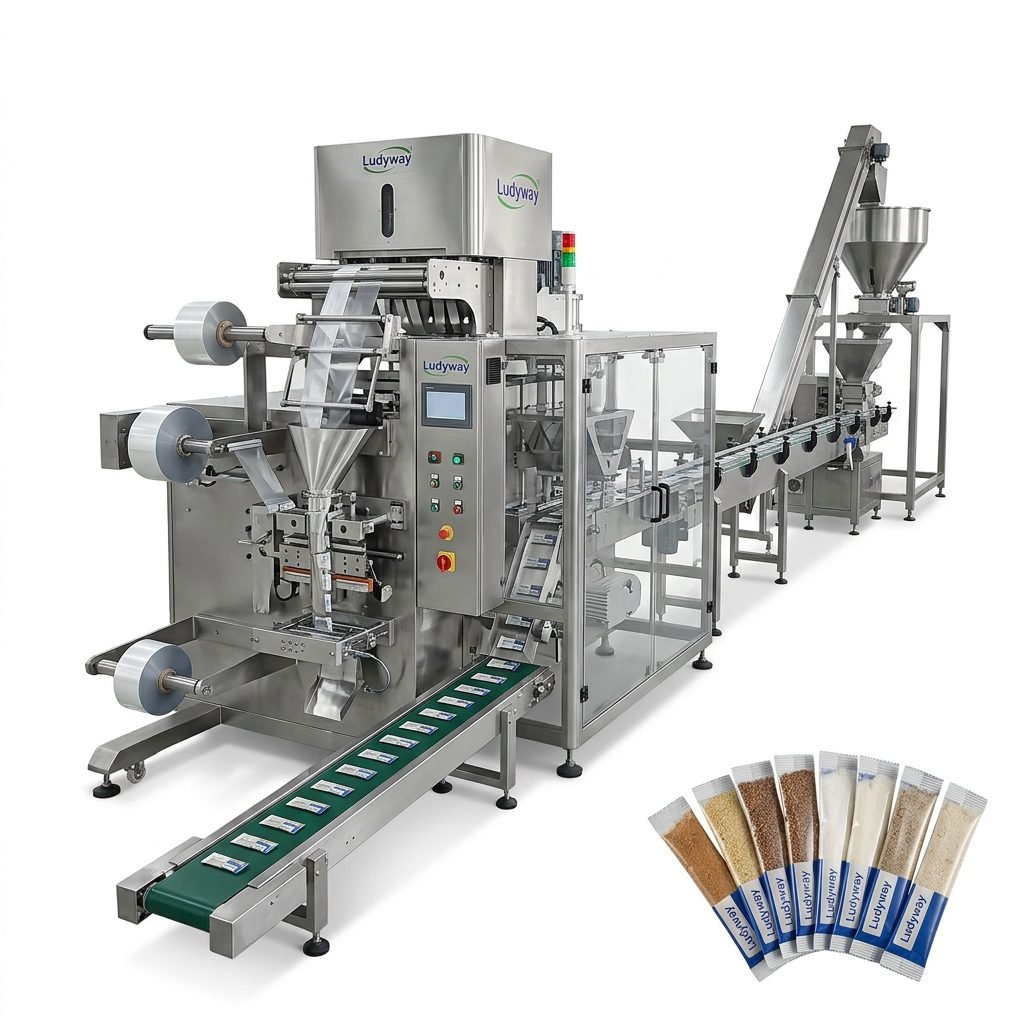
Investing in a vacuum skin packaging machine is a strategic move for food processors, meat exporters, and seafood companies across Africa. As demand for extended shelf life and premium product presentation grows, understanding the key selection criteria is essential. This guide breaks down everything you need to know before purchasing a vacuum skin packaging machine for your African operation.

What Is a Vacuum Skin Packaging Machine?
A vacuum skin packaging (VSP) machine uses a specialized film that conforms tightly around the product, creating a “second skin” effect. Unlike traditional vacuum packaging, VSP technology removes air from the package while simultaneously sealing the product onto a rigid or flexible backing board. This process delivers superior product visibility, extended shelf life, and enhanced protection against freezer burn and oxidation. According to the Flexible Packaging Association, skin packaging is one of the fastest-growing segments in the flexible packaging industry.
Why the African Market Needs Vacuum Skin Packaging
Africa’s food processing sector is experiencing unprecedented growth. From Nigerian seafood exporters to South African meat processors and Kenyan horticultural producers, the demand for high-quality packaging equipment is surging. Key drivers include:
- Export Compliance: Meeting international ISO packaging standards for food safety
- Cold Chain Gaps: Compensating for inconsistent refrigeration infrastructure
- Retail Modernization: Rising supermarket chains demanding premium presentation
- Food Waste Reduction: Extending product shelf life in challenging climates

Key Factors to Consider Before Buying
Selecting the right vacuum skin packaging machine requires careful evaluation of several critical factors. The table below summarizes the most important considerations for African buyers:
| Selection Factor | What to Look For | Why It Matters in Africa |
|---|---|---|
| Machine Capacity | Throughput rate (packs per minute) | Match production volume to avoid bottlenecks |
| Film Compatibility | Multi-material film handling | Flexibility with locally available packaging films |
| Power Requirements | Voltage range and stability tolerance | Critical for regions with unstable electricity supply |
| Temperature Control | Precise sealing temperature adjustment | Essential for tropical climate operations |
| Maintenance Access | Available spare parts and technical support | Minimize downtime in remote locations |
| Certification | CE, ISO, and FDA food contact compliance | Required for export to EU and US markets |
Understanding Film and Material Compatibility
The choice of packaging film directly impacts your operational costs and product quality. Most VSP machines work with multi-layer barrier films that provide oxygen and moisture protection. When operating in Africa, consider sourcing films that are readily available from local or regional suppliers to avoid supply chain disruptions. The PMMI packaging industry resources provide excellent guidance on film specifications and material selection.
Power Supply and Environmental Considerations
Many African countries face inconsistent power supply and voltage fluctuations. Look for machines equipped with built-in voltage stabilizers or ensure you invest in external power conditioning equipment. Additionally, high ambient temperatures in tropical regions can affect sealing performance, making precise temperature control systems a non-negotiable feature.
Types of Vacuum Skin Packaging Machines Available
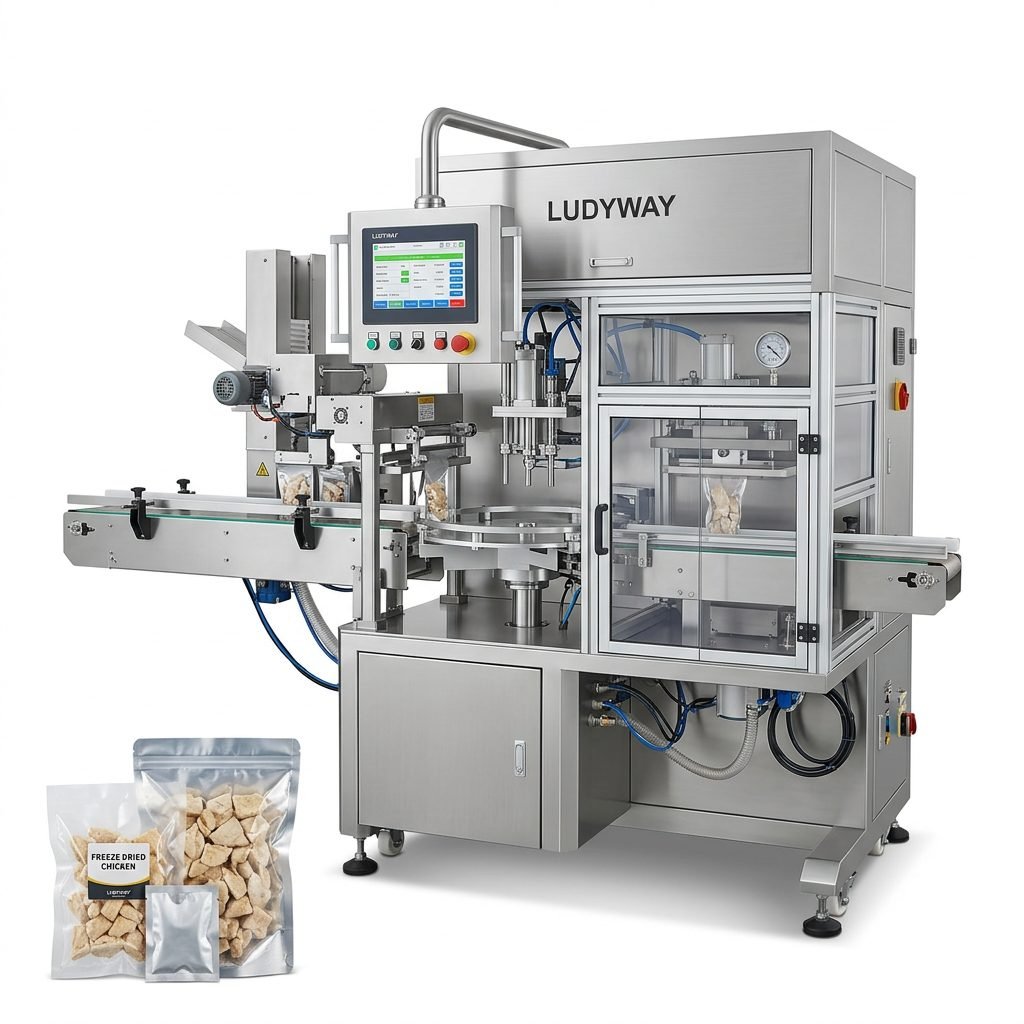
Understanding the different machine configurations helps you make an informed purchasing decision. Here are the main types suitable for African food processors:
- Manual Tray Sealers: Entry-level option for small-scale producers and startups
- Semi-Automatic Systems: Balanced solution for medium-volume operations with growing demand
- Fully Automatic Inline Machines: High-output systems for large meat processing and export facilities
- Multi-Lane VSP Lines: Advanced configurations for maximum throughput in industrial settings
- Modified Atmosphere Compatible Units: Combined MAP and VSP capabilities for premium products
Cost Considerations for African Buyers
Budget planning goes beyond the initial machine purchase price. Consider these total cost of ownership factors:
- Freight and Import Duties: Shipping costs to African ports and applicable customs tariffs
- Installation and Commissioning: On-site setup by qualified technicians
- Operator Training: Comprehensive training programs for local staff
- Consumable Costs: Ongoing expenditure on films and packaging materials
- Spare Parts Inventory: Maintaining critical components to prevent extended downtime
Selecting a Reliable Supplier
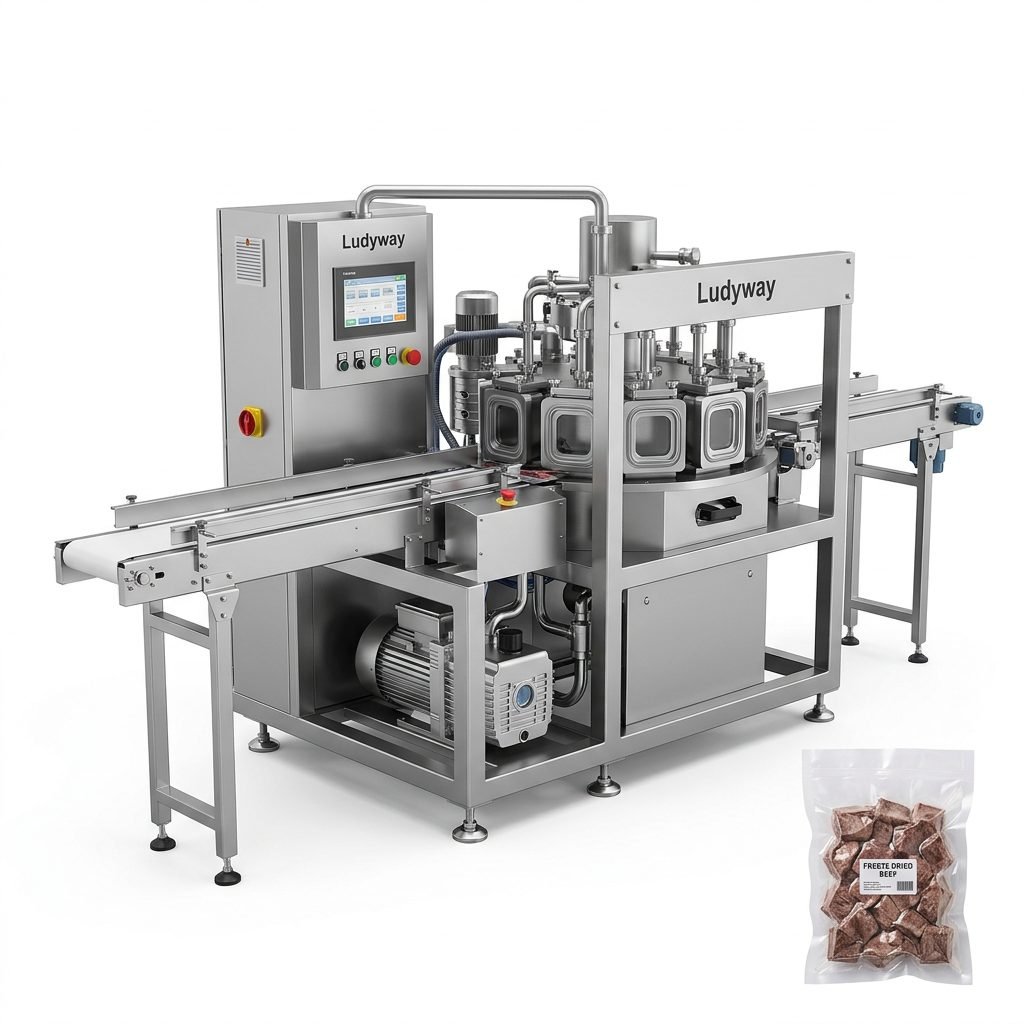
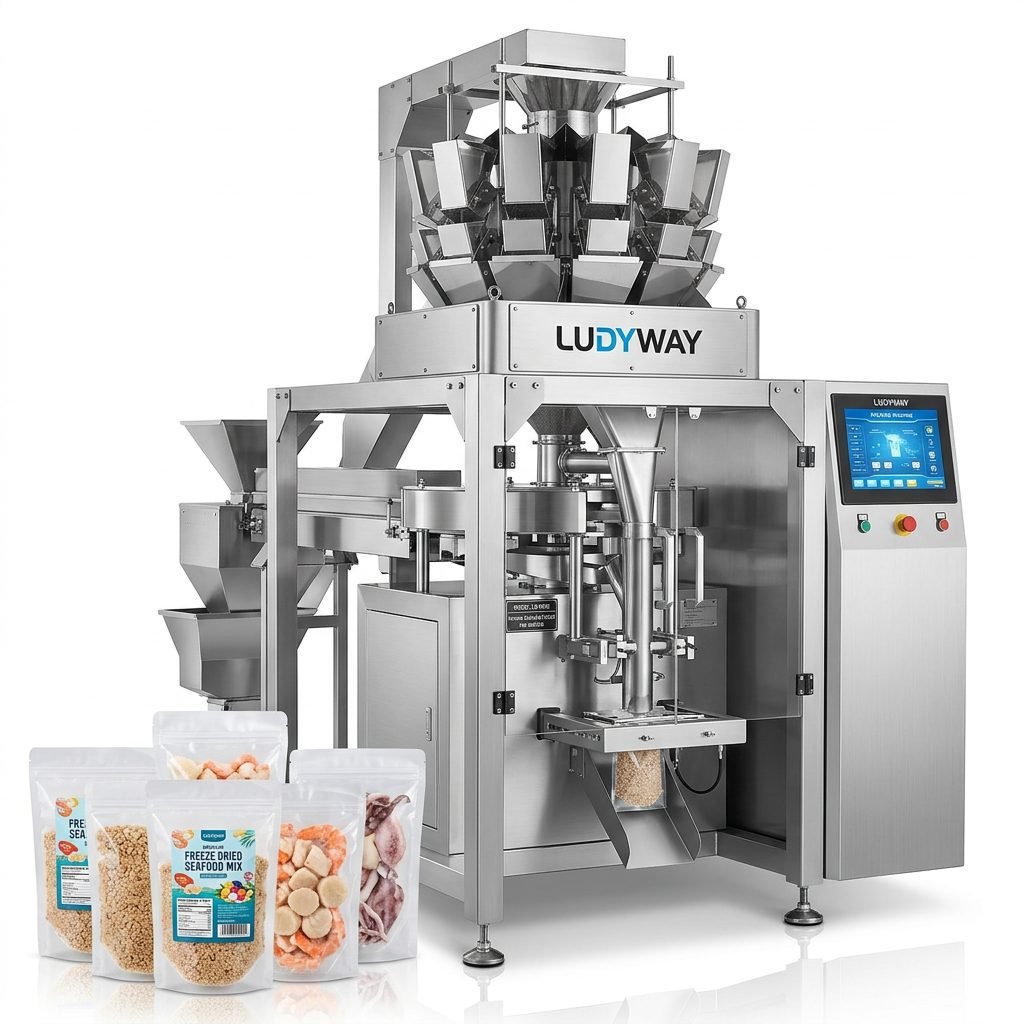
Choosing the right packaging machine manufacturer is as important as selecting the machine itself. Evaluate potential suppliers based on their experience in African markets, availability of local technical support, and track record with similar businesses. Leading manufacturers such as Ludyway, one of the largest packaging machine manufacturers in China with over 30 years of industry expertise, offer comprehensive support including installation, training, and ongoing service to customers across more than 100 countries and regions.
Key criteria for supplier evaluation include:
- African Market Experience: References from existing customers in your region
- Technical Documentation: Complete manuals in English or French
- Warranty Terms: Clear coverage for parts and labor
- Remote Support Capability: Video diagnostics and troubleshooting assistance
- After-Sales Service: Responsive support team familiar with African time zones
Installation, Training, and Maintenance Best Practices
Proper installation and ongoing maintenance are critical for maximizing your vacuum skin packaging investment. Follow these best practices to ensure consistent performance:
Pre-Installation Preparation
Before the machine arrives, prepare your facility with adequate floor space, proper electrical connections, and compressed air supply if required. Create a clean, climate-controlled environment to protect the machine’s sensitive electronic components from dust and humidity—common challenges in many African production environments.
Operator Training Programs
Invest in comprehensive training for your packaging team. Well-trained operators can significantly reduce film waste, prevent machine damage, and maintain consistent packaging quality. Request that your supplier provide both initial training and refresher courses as part of the purchase agreement.
Preventive Maintenance Schedule
Develop a strict preventive maintenance routine that includes daily cleaning of sealing surfaces, weekly inspection of vacuum pumps, and monthly calibration of temperature controls. Keep a logbook to track maintenance activities and identify recurring issues before they cause significant downtime.
Industry Standards and Regulatory Compliance
Understanding applicable regulations is essential for African exporters. Refer to the ISO 11607 standard for packaging of terminally sterilized medical devices, and ensure your packaging meets FDA requirements for food contact substances. The PMMI business intelligence library also offers valuable insights into global packaging trends and regulatory updates.
Common Mistakes to Avoid
- Focusing Only on Price: The cheapest option often results in higher long-term costs through downtime and film waste
- Ignoring Film Compatibility Testing: Always test your specific products with the machine before purchase
- Underestimating Power Requirements: Verify that your facility can support the machine’s electrical load
- Neglecting Operator Training: Skilled operators are essential for achieving consistent packaging quality
- Skipping Technical Support Evaluation: Ensure reliable after-sales service is available in your region
Future Trends in Vacuum Skin Packaging
The vacuum packaging industry continues to evolve with technological advancements that benefit African food processors. Emerging trends include smart sensors for real-time quality monitoring, energy-efficient vacuum pumps that reduce operational costs, and recyclable skin packaging films that address growing sustainability concerns. Staying informed through resources like the PACK EXPO International events and Flexible Packaging Association industry data helps you remain competitive in the global market.
Making Your Final Decision
Purchasing a vacuum skin packaging machine for your African operation is a significant investment that requires thorough research and careful planning. Prioritize suppliers with proven experience in your target markets, comprehensive technical support capabilities, and a genuine commitment to your long-term success. Request product demonstrations, speak with existing customers, and conduct on-site testing with your actual products before finalizing your purchase. With the right machine and supplier partnership, vacuum skin packaging technology can transform your product presentation, extend shelf life, and open new export opportunities for your business.