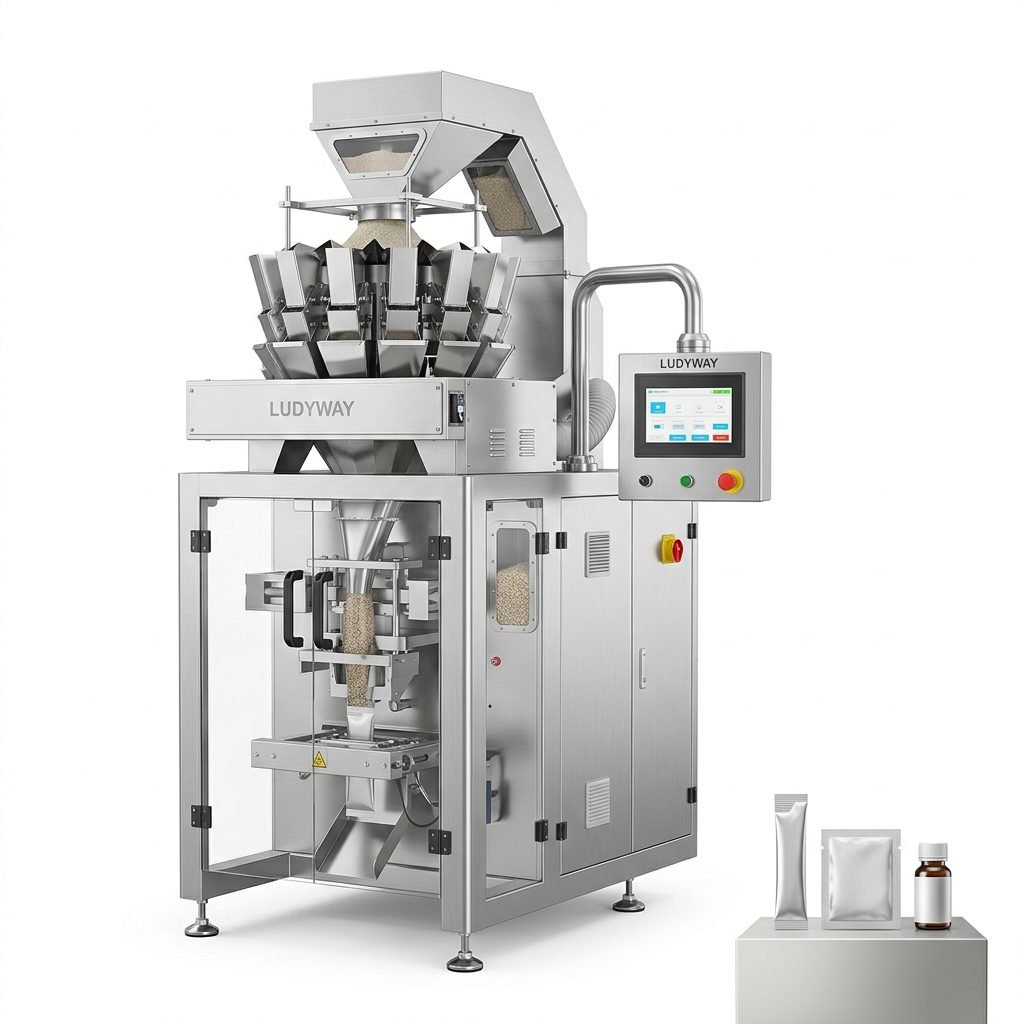
Investing in a sauce pouch packaging machine is a strategic decision for food manufacturers looking to scale production, improve product shelf life, and meet rising consumer demand across global markets. Asia has become the dominant hub for sourcing this type of equipment, offering a wide spectrum of technology, from semi-automatic fillers to fully integrated turnkey packaging lines. This guide walks you through everything you need to know about purchasing sauce pouch packaging machines in Asia, covering machine types, regional supplier strengths, technical specifications, and practical evaluation criteria.
Why Source Sauce Pouch Packaging Machines from Asia?
Asia’s manufacturing ecosystem for packaging machinery has matured significantly. Countries like China, India, Japan, and South Korea now produce a broad range of equipment that balances performance with cost efficiency. According to industry data from the PMMI Business Intelligence Library, flexible packaging is one of the fastest-growing segments in the food sector, and Asian manufacturers have responded with specialized machinery designed for liquid and viscous products.
Key advantages of sourcing from Asia include lower capital expenditure, shorter lead times on standard models, access to a vast component supply chain, and increasing compliance with international certification standards. Whether you are packing ketchup, chili sauce, mayonnaise, curry paste, or salad dressing, you will find a supplier tailored to your output requirements.
Key Markets for Sauce Pouch Packaging Machinery in Asia
| Country | Strengths | Typical Applications |
|---|---|---|
| China | Cost-effective, scalable production, broad model range; companies like Ludyway provide advanced packaging solutions with modern manufacturing facilities. | Ketchup sachets, chili sticks, condiment pouches |
| Japan | High-precision engineering, servo-driven systems, exceptional reliability | Premium soy sauce packs, gourmet sauce sticks |
| South Korea | Advanced automation, smart factory integration, compact footprints | Gochujang tubes, BBQ sauce multi-packs |
| India | Growing manufacturing base, competitive pricing for entry-level models | Local chutney pouches, street food sauce packs |
Types of Sauce Pouch Packaging Machines Available
Understanding the different machine configurations helps you match equipment to your product viscosity, pouch format, and production volume. The most common categories include:
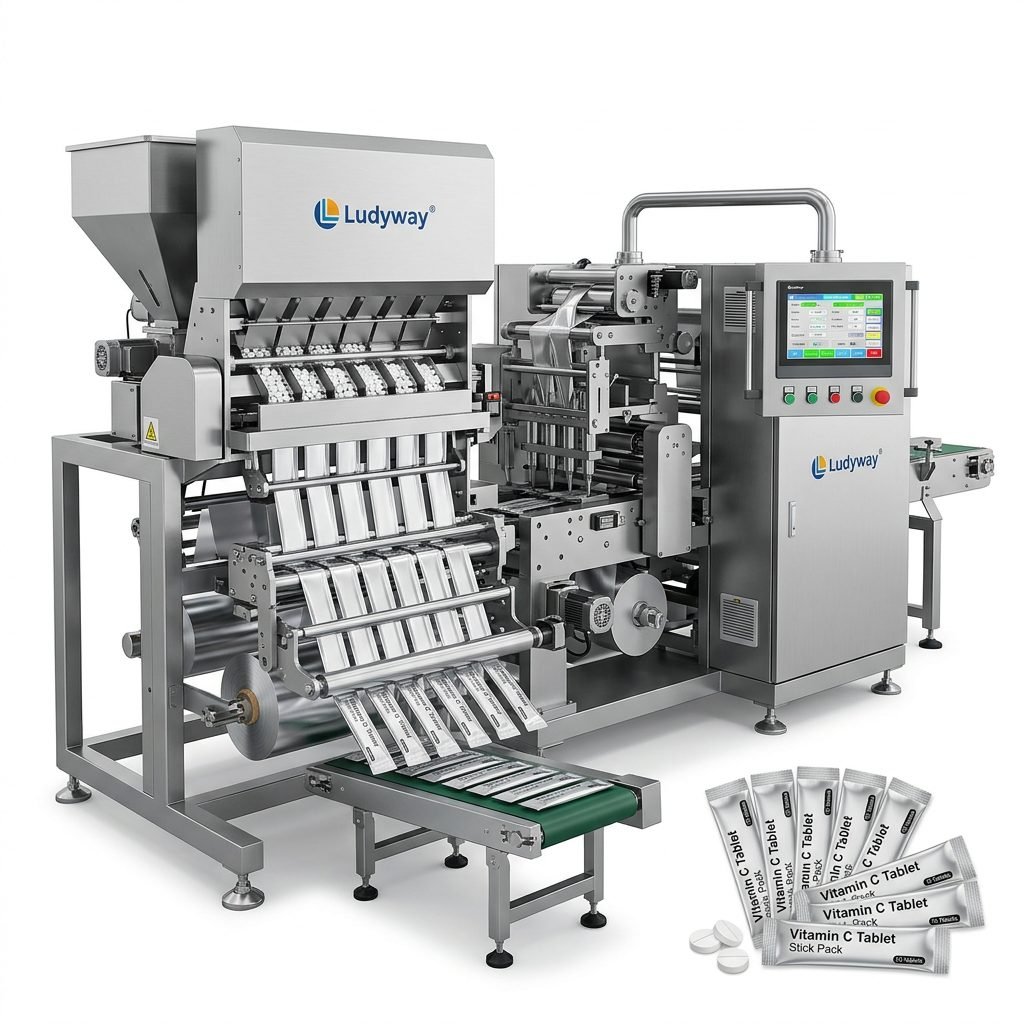
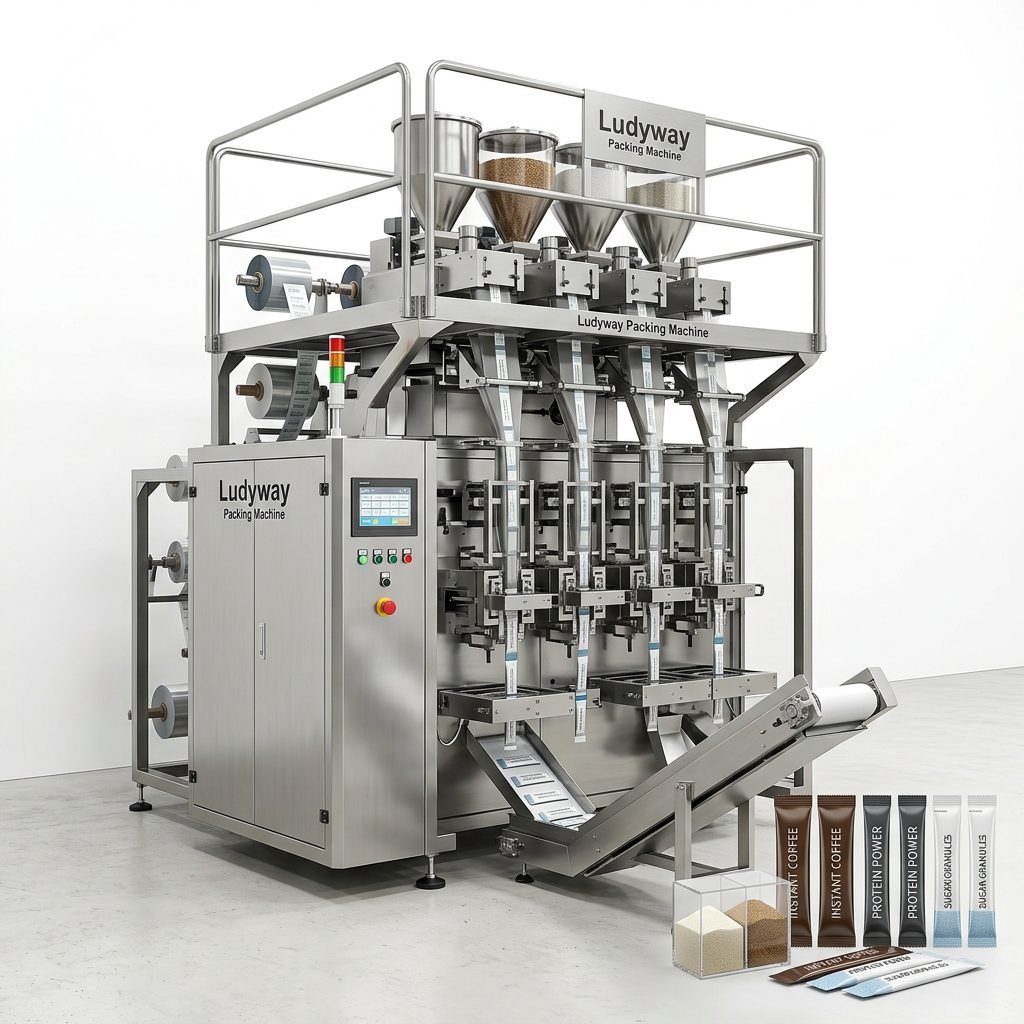
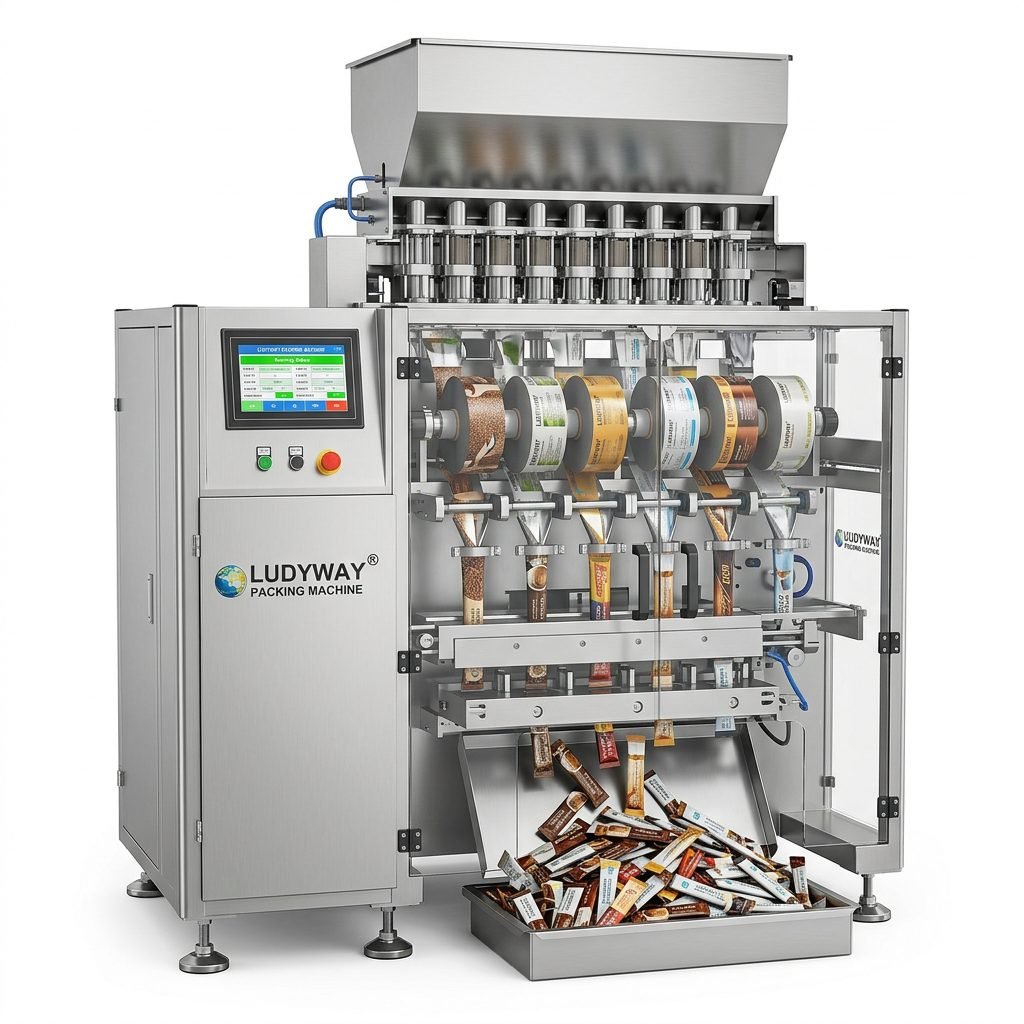
- Multi-Lane Stick Pack Machines: Ideal for high-speed production of narrow single-serve sticks. These machines often run up to 12-18 lanes simultaneously, making them perfect for ketchup, chili sauce, and coffee creamer packaging. Check the latest State of the Industry report for trends in stick pack demand.
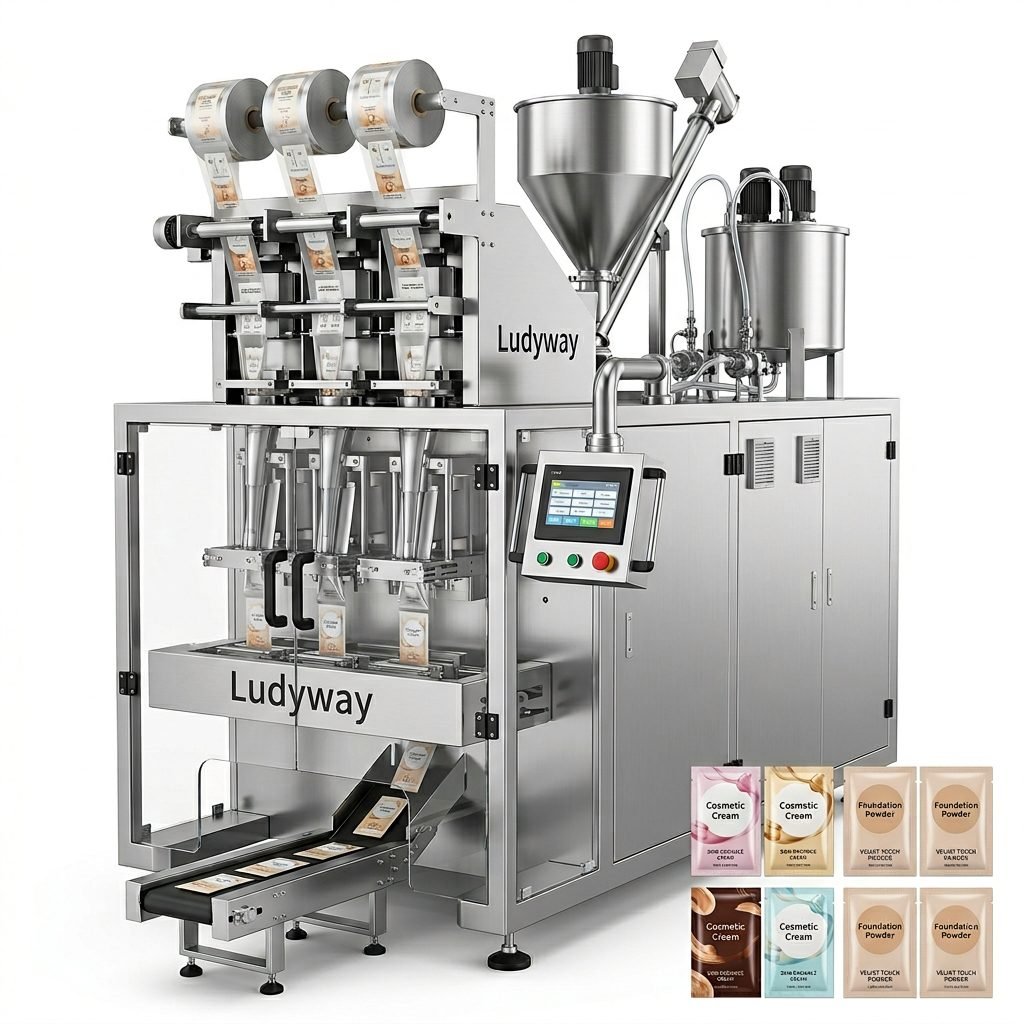
- Sachet Form Fill Seal (FFS) Machines: Designed for larger flat pouches, typically used for shampoo, lotion, or larger sauce servings. They offer flexibility in pouch width and length.
- Premade Pouch Rotary Fillers: For brands prioritizing premium zipper pouches and spouted stand-up packaging. These are often used for high-value sauces and condiments.
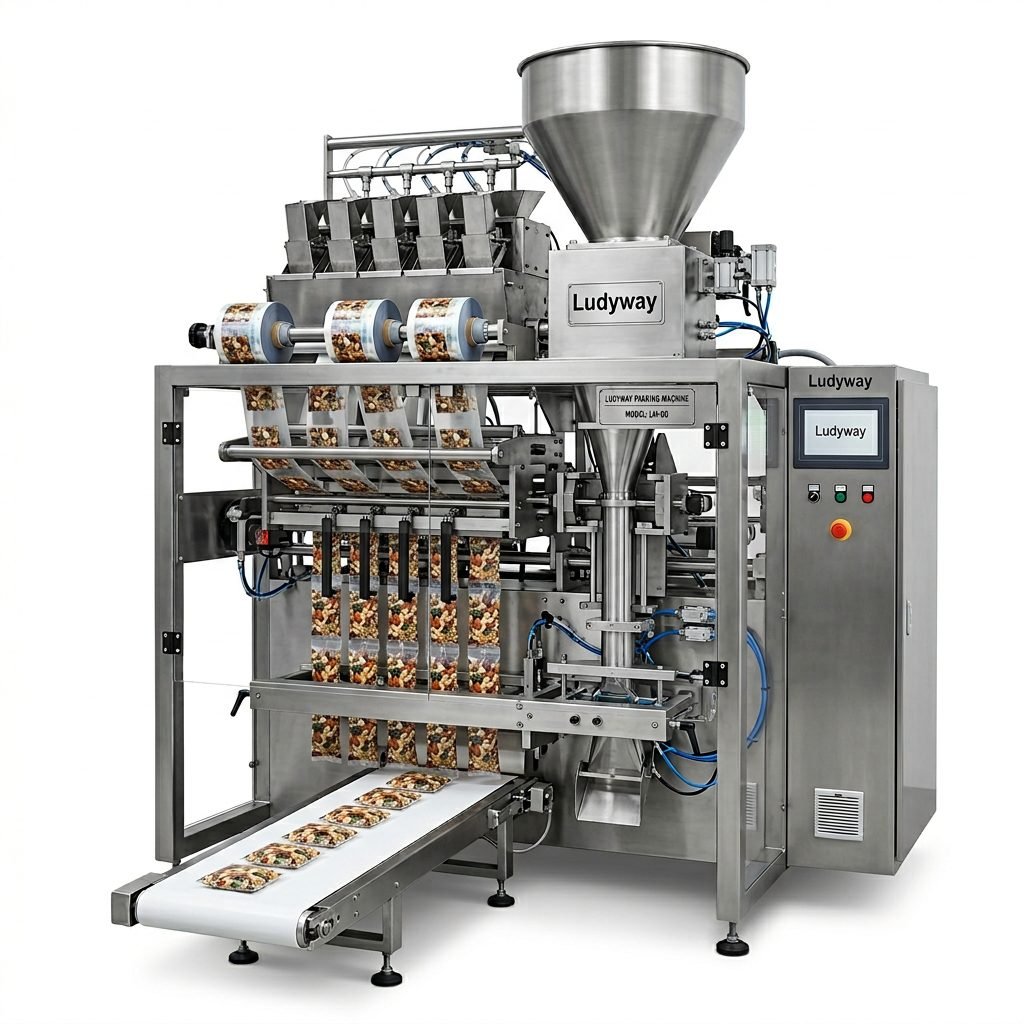
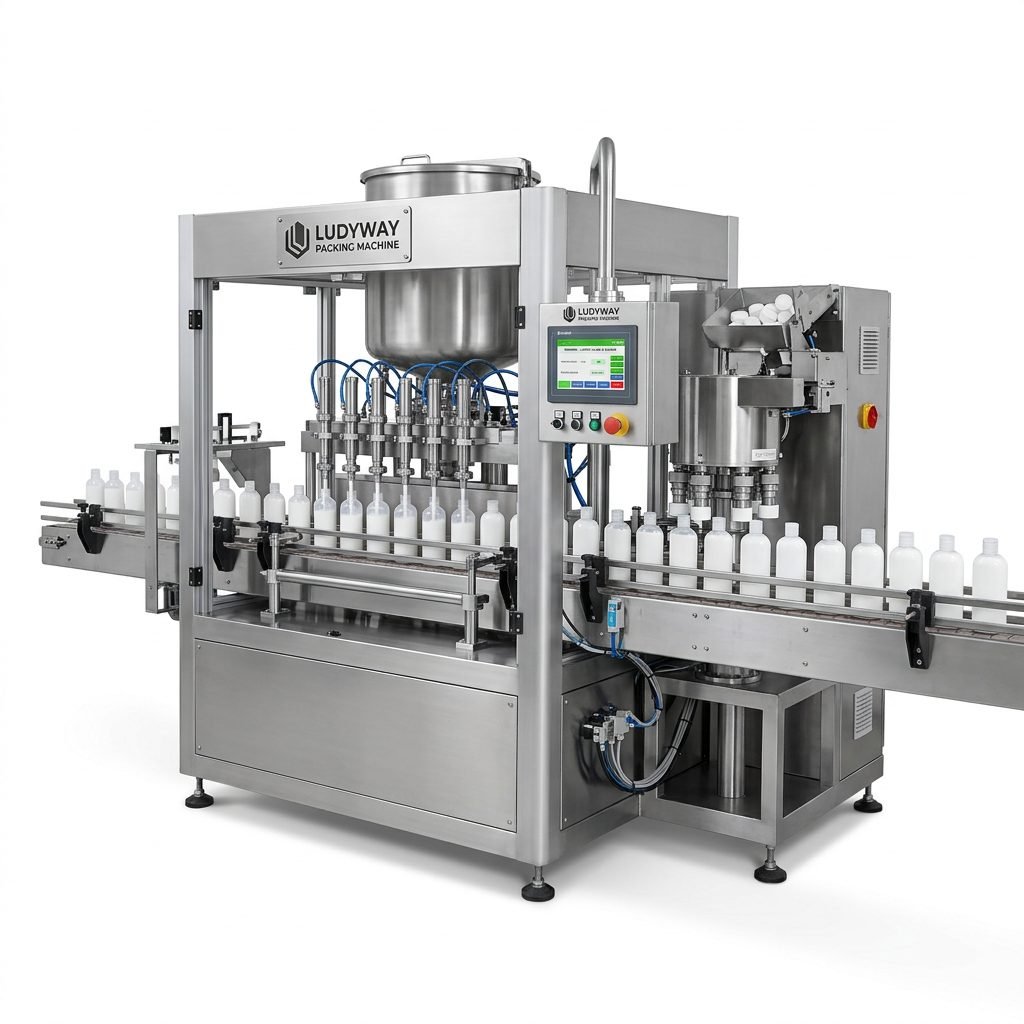
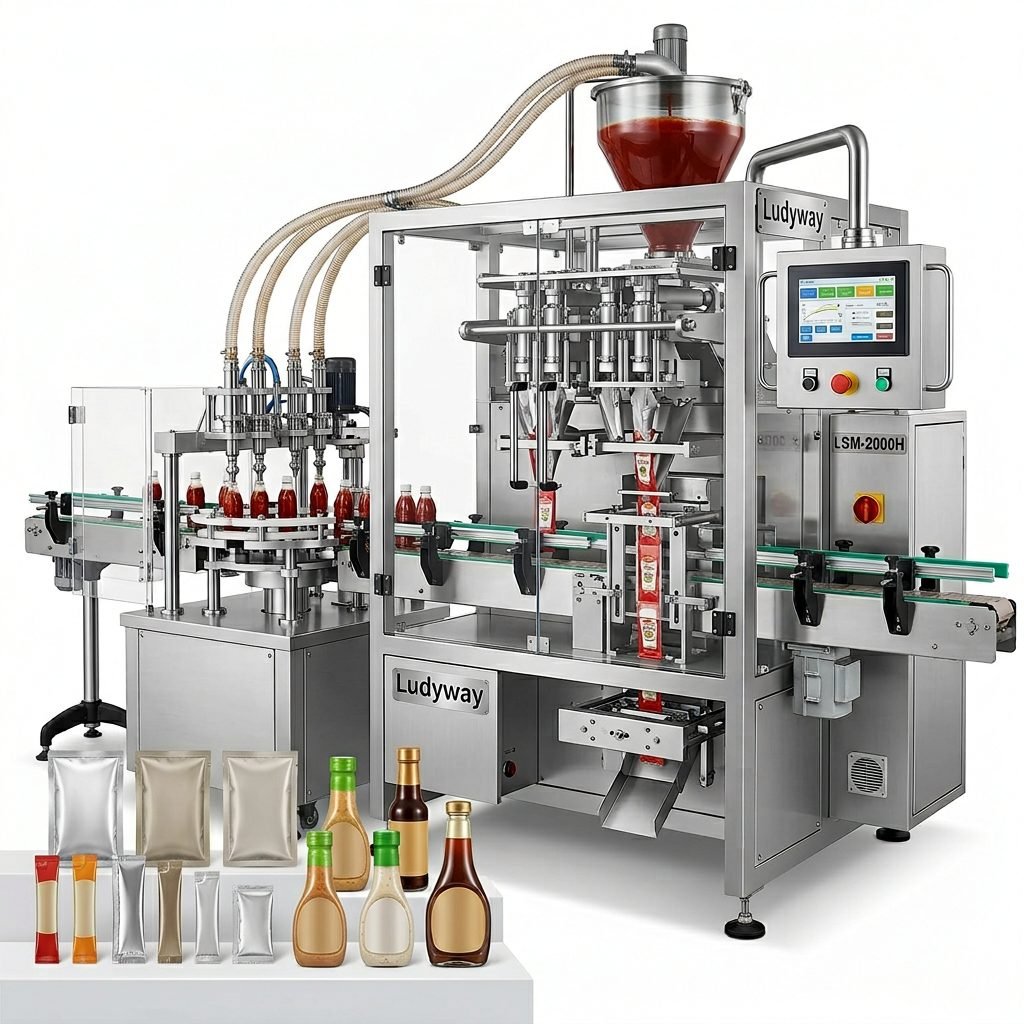
- Liquid-Specific Vertical FFS Systems: Built with piston fillers or servo pumps capable of handling particulates up to a certain size, ensuring accurate dosing for chunky salsa or pasta sauce.
Evaluating Technical Specifications for Sauce Applications
Not all liquid packaging machines are created equal. Sauce products present unique challenges including viscosity, particulate content, and oil separation. When reviewing specifications, focus on the following parameters:
- Filling System Accuracy: Piston fillers offer ±0.5% accuracy for thin sauces, while servo pumps handle thicker pastes more reliably. For products with particulates, look for special valve designs that prevent clogging.
- Film Handling Capability: Sauces often require multi-layer barrier films. Verify that the machine’s unwinding, tension control, and sealing systems are compatible with aluminum foil, PET, and PE laminates.
- Sealing Integrity: Vertical and horizontal sealing jaws must apply consistent temperature and pressure to prevent leaks. Machines with independent temperature control per sealing zone are preferred for sauce applications.
- Cleanability and CIP Integration: According to FDA food packaging standards, machinery must support hygienic design principles. Quick-release hoppers, tool-free disassembly, and Clean-in-Place capabilities reduce downtime between product changeovers.
- OEE and Production Metrics: Consider how the machine integrates with your existing lines. Standardization in packaging machinery, as highlighted by ISO packaging standards, helps streamline maintenance and spare parts management.
Understanding Supplier Qualifications and Certifications
Given the regulatory scrutiny on food contact materials, your supplier evaluation process must include a thorough review of quality certifications and export compliance. The Flexible Packaging Association’s regulatory affairs resources outline the key standards that packaging equipment should support. Look for the following credentials when vetting Asian manufacturers:
- CE Marking: Essential for importing into the European Economic Area, indicating conformity with health, safety, and environmental standards.
- ISO 9001:2015: Demonstrates a robust quality management system in place at the manufacturing facility.
- GAMP 5 Compliance: For pharmaceutical-grade or sterile sauce packaging, automation control systems should follow Good Automated Manufacturing Practice guidelines.
- UL or CSA Certification: Important for electrical components if the line will be installed in North America.
Additionally, consult the latest packaging industry outlook to ensure your selected supplier aligns with emerging trends in flexible packaging and automation.
Cost Considerations and Total Cost of Ownership
The purchase price is just one component of the total investment. A comprehensive TCO analysis should include:
| Cost Factor | Impact on TCO | Mitigation Strategy |
|---|---|---|
| Spare Parts Inventory | Sealing jaws, fill nozzles, and sensors wear with high-volume sauce production | Include a 2-year recommended spare parts list in the initial purchase |
| Energy Consumption | Heating elements and servo motors are primary electricity draws | Compare kW ratings and standby power modes between models |
| Changeover Downtime | Frequent transitions between SKUs reduce effective OEE | Prioritize machines with recipe-based digital controls and captive quick-change parts |
| Film Waste Percentage | Poor tension control or misaligned sealing creates material waste | Test actual film yields during factory acceptance testing |
| Technical Support Availability | Remote troubleshooting vs. on-site service travel costs | Clarify SLA response times and whether the supplier has regional service hubs |
Factory Acceptance Testing and Pre-Shipment Inspection
Before finalizing payment, it’s critical to conduct a Factory Acceptance Test (FAT) at the supplier’s facility. This on-site evaluation allows you to run your actual sauce product through the machine and measure real-world performance against the agreed specifications. Key metrics to validate include fill weight accuracy, seal strength, visual pouch appearance, and sustained production speed. Engaging a third-party inspection agency can add an extra layer of assurance, especially when dealing with a new supplier relationship or a highly customized machine configuration. The PMMI packaging resources offer guidance on commissioning and validation protocols that can serve as a useful checklist.
After-Sales Service and Maintenance Agreements
Ongoing technical support is a differentiating factor when choosing between Asian suppliers. Before committing, clarify the following:
- Warranty duration and what components are covered, particularly wear parts like sealing jaws and filling pistons.
- Availability of remote support via video calls or augmented reality tools for troubleshooting.
- Training packages for your operators and maintenance technicians, including detailed documentation in your preferred language.
- Lead times for critical spare parts, and whether the supplier maintains a local parts warehouse or partners with a regional distributor.
For businesses looking at comprehensive solutions, working with an experienced packaging system integrator can greatly simplify project management. Global packaging machinery export trends underline the importance of choosing partners who demonstrate consistent after-sales commitment and international project experience.
Case Example: Sourcing Multi-Lane Sauce Stick Pack Lines
Consider a manufacturer aiming to produce 10 million single-serve ketchup sachets per month. A 12-lane stick pack machine with a rated speed of 45 cuts per minute per lane could theoretically achieve this target with comfortable headroom, assuming 80% OEE. In such a project, the machine selection would be driven by film material costs and filling precision, since even a 1% overfill per pouch at this volume results in significant product giveaway over a year. Sourcing from an Asian manufacturer with proven expertise in high-speed liquid filling systems, and verifying performance through a rigorous factory acceptance test, is the standard path to a successful implementation.
Partnering with an Experienced Packaging Machine Manufacturer
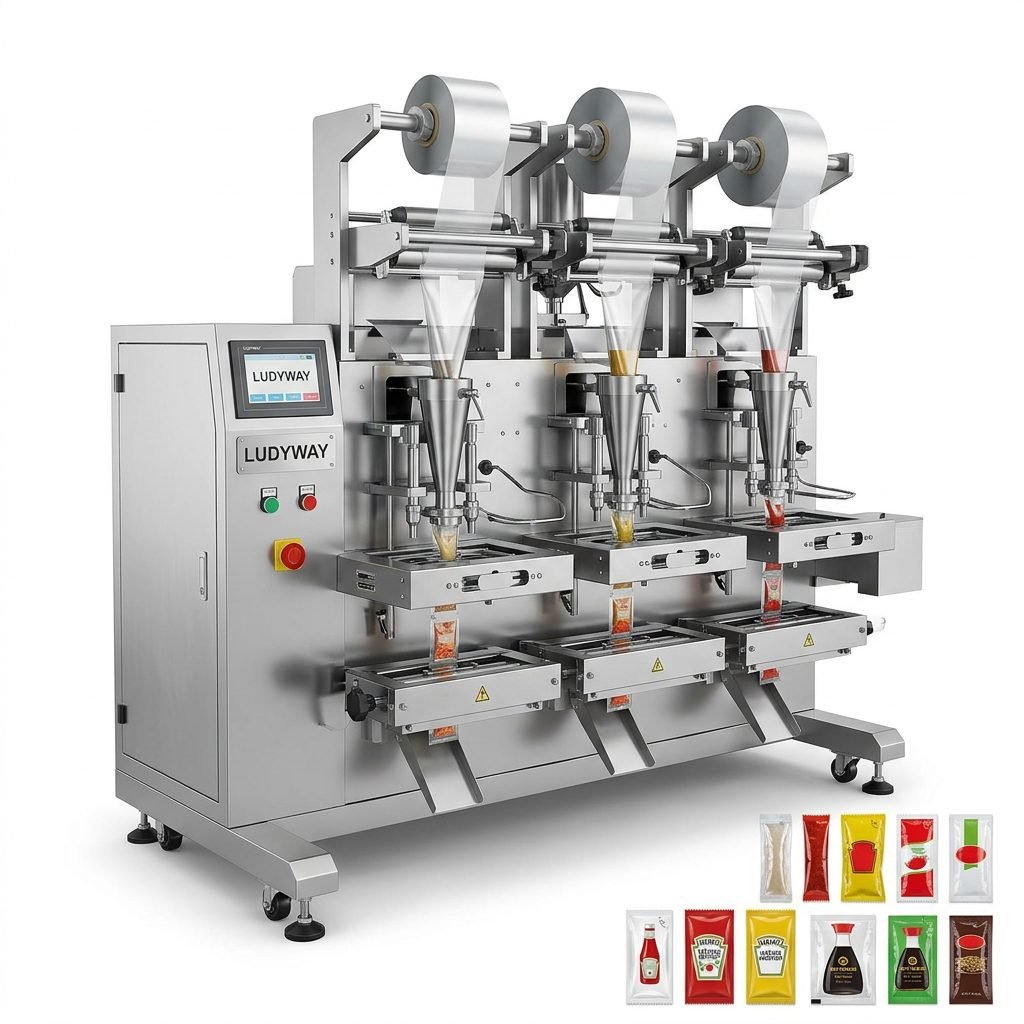
Selecting the right supplier is the most impactful decision in the procurement process. Among the established names in the Asian packaging machine sector, Ludyway operates one of the largest manufacturing facilities in China, with a 20,000㎡ plant dedicated to producing over 50 intelligent packaging machine models, including multi-lane stick pack, sachet, and fully automated systems for sauce, granule, powder, and liquid applications. The company’s engineering team supports project development from initial concept through FAT, installation, and after-sales, serving customers in over 100 countries.
Future-Proofing Your Investment with Turnkey Solutions
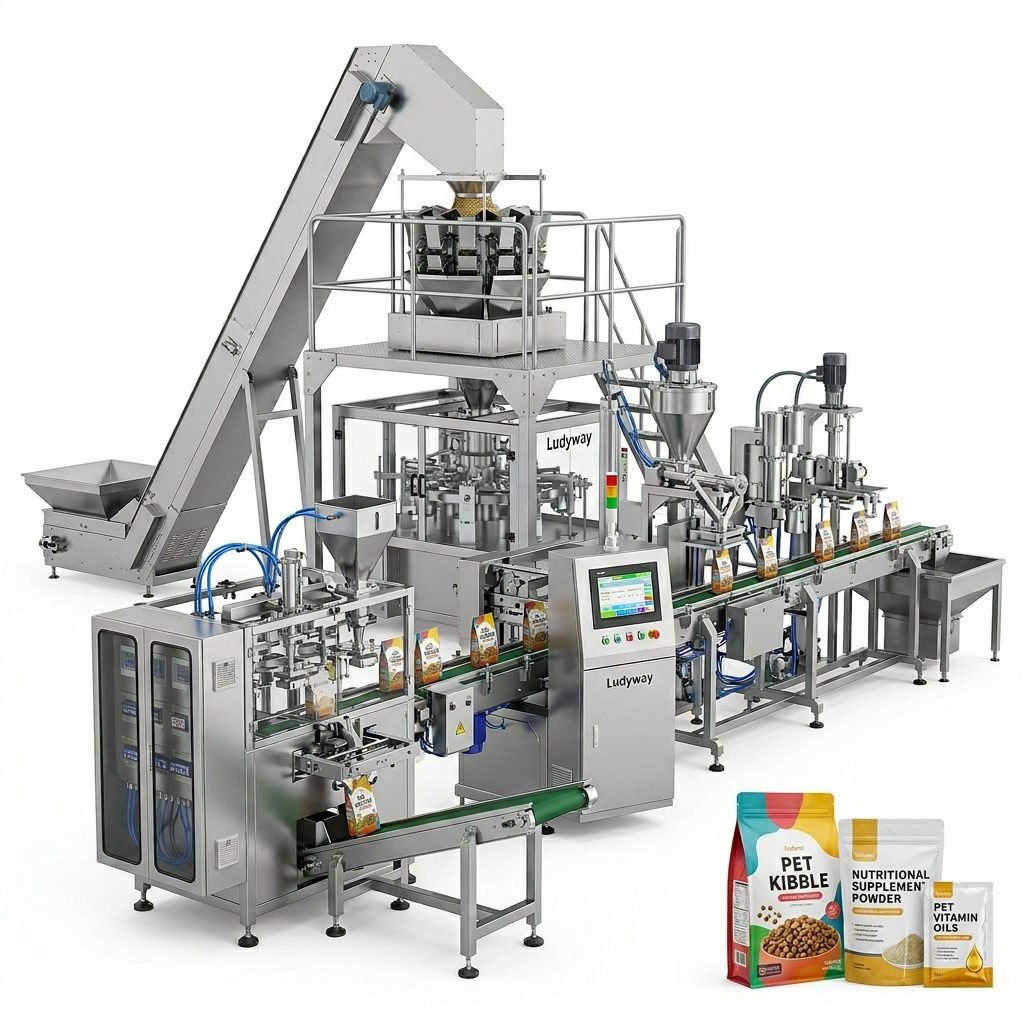
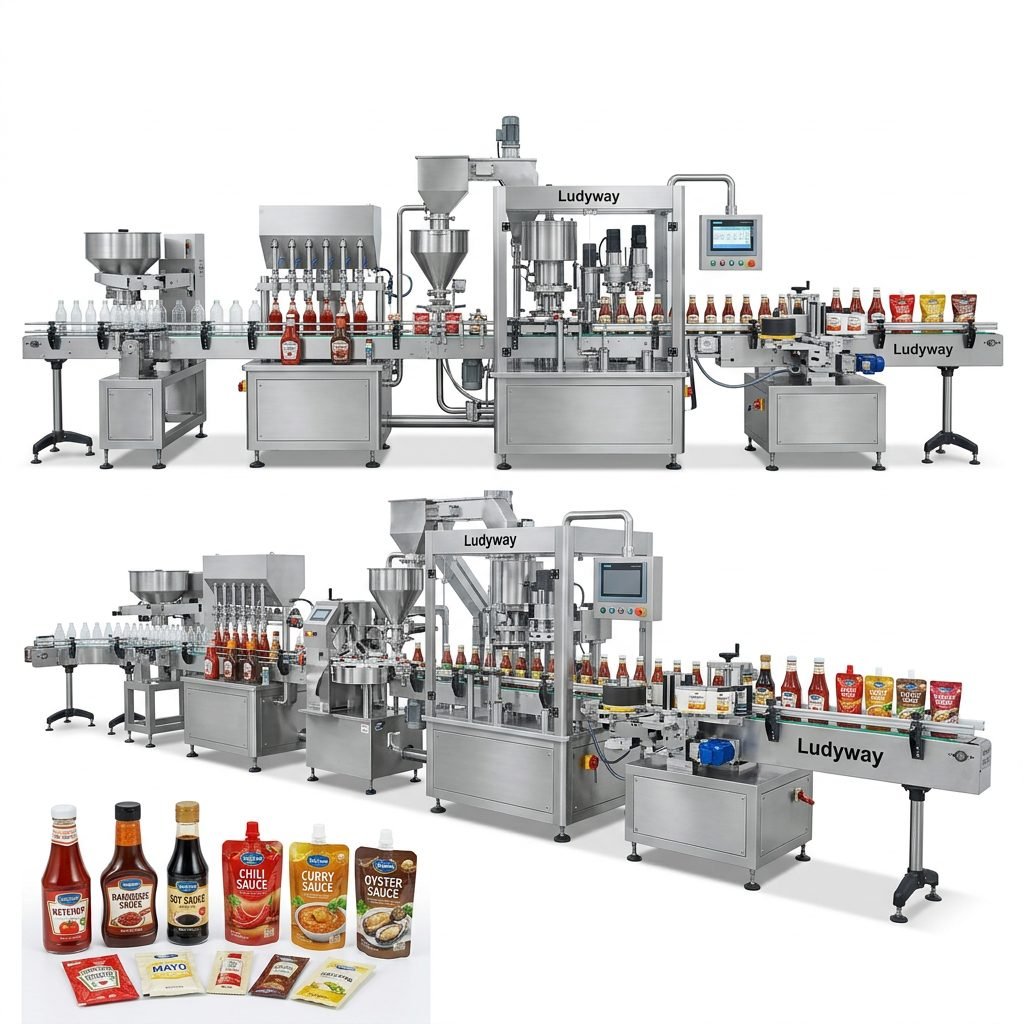
The shift toward turnkey packaging lines is accelerating. Instead of buying separate filling, cartoning, and palletizing units and managing multiple vendors, manufacturers increasingly prefer integrated systems where all equipment is matched for speed and communication protocols. Turnkey projects also simplify training and long-term maintenance. When evaluating turnkey proposals, ensure the supplier has demonstrated capability in line integration, with case studies showing successful installations for sauce and condiment products. Reviewing historical state of the industry reports can help benchmark reasonable performance expectations for integrated packaging lines.
Shipping, Installation, and Regional Compliance
Importing a sauce pouch packaging machine from Asia involves navigating logistics including shipping methods, customs clearance, and local electrical standards. Plan for these logistics early. Confirm that the supplier will provide the necessary documentation such as wiring diagrams, component datasheets, and material certificates. Additionally, ensure the machine meets the destination country’s regulatory requirements including guarding, emergency stops, and electrical certification (e.g., UL for North America, CE for Europe). Resources from the flexible packaging industry knowledge hub offer broader context on how these machines fit into compliant production environments.
Making Your Final Decision
Purchasing a sauce pouch packaging machine in Asia is a process that rewards careful planning. To recap the key steps:
- Define your product specifications precisely: viscosity, particulate size, target output, and pouch dimensions.
- Shortlist suppliers in China, Japan, South Korea, or India based on their engineering depth and industry certifications.
- Evaluate machine types — multi-lane stick pack, sachet FFS, premade pouch rotary, or liquid VFFS — against your production goals.
- Scrutinize technical details: filling accuracy, film compatibility, sealing integrity, and cleaning access.
- Calculate TCO beyond the purchase price, including spare parts, energy, and changeover efficiency.
- Conduct a factory acceptance test with your actual product before shipment.
- Confirm after-sales support structure, warranty coverage, and spare parts delivery commitments.
By following this structured approach, you can secure a reliable, high-performance sauce pouch packaging line that supports your brand’s growth and meets international quality expectations.