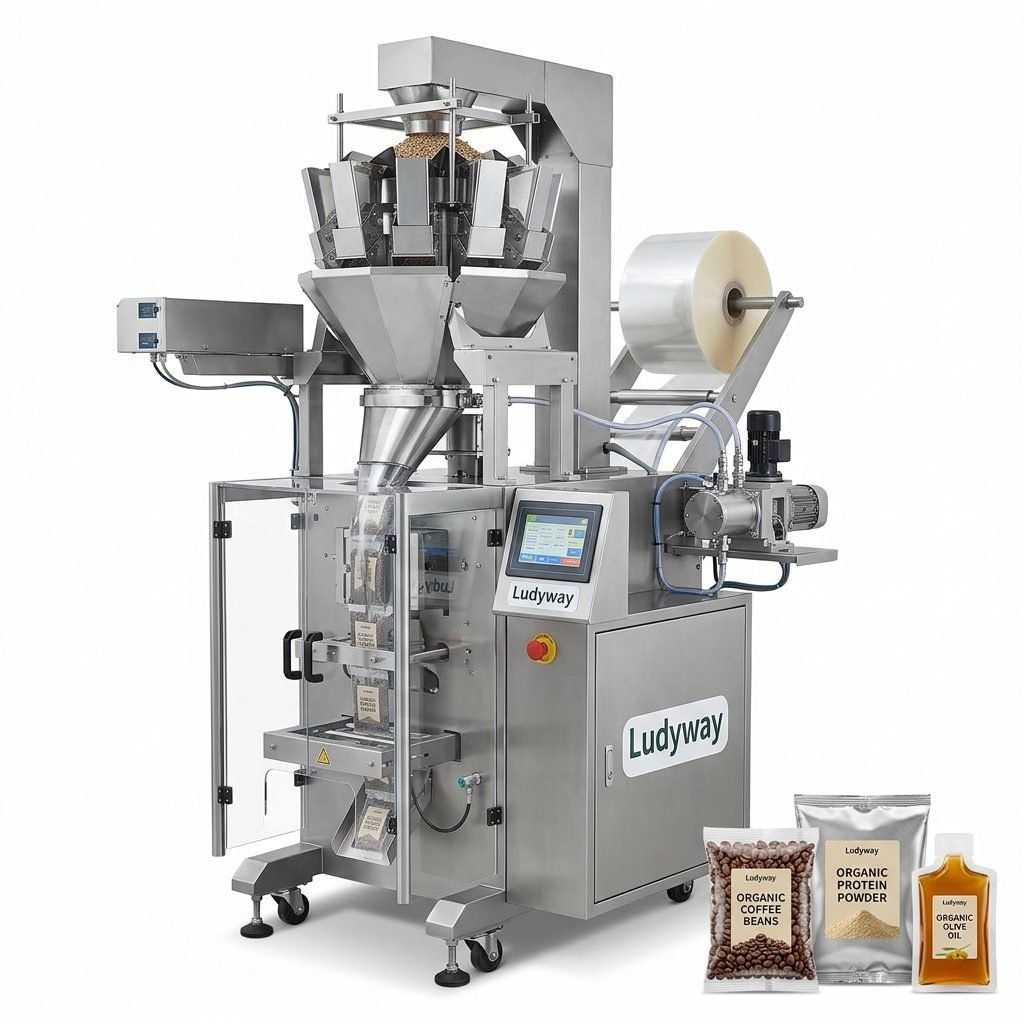
Germany is Europe’s largest bread market, with over 3,200 different types of bread officially recognized by the German Bread Institute. For bakeries and industrial bread producers, selecting the right bread packaging machine is a critical investment that directly impacts product freshness, shelf life, and operational efficiency. Whether you operate a traditional German bakery producing artisan loaves or a large-scale industrial facility manufacturing pre-sliced packaged bread, understanding the packaging machinery landscape in Germany is essential for making an informed purchasing decision.
The German packaging machinery sector is renowned for its precision engineering and adherence to strict European quality standards. When sourcing packaging equipment, buyers must navigate a complex ecosystem of local German manufacturers, international suppliers, regulatory requirements, and technological innovations. This guide provides a comprehensive overview of everything you need to know before investing in packaging machinery for bread products in the German market.

Understanding the German Bread Packaging Market
Germany’s bread industry generates annual revenues exceeding €14 billion, with packaged bread accounting for a growing share of consumer purchases. The demand for extended shelf life, convenience, and product freshness has driven significant innovation in bread packaging technologies. Key market segments include:
- Pre-sliced packaged bread – Modified atmosphere packaging (MAP) is widely used to extend freshness
- Artisan bakery bread – Paper-based and eco-friendly packaging solutions are increasingly preferred
- Bread rolls and small baked goods – Flow wrapping and horizontal form-fill-seal systems dominate this segment
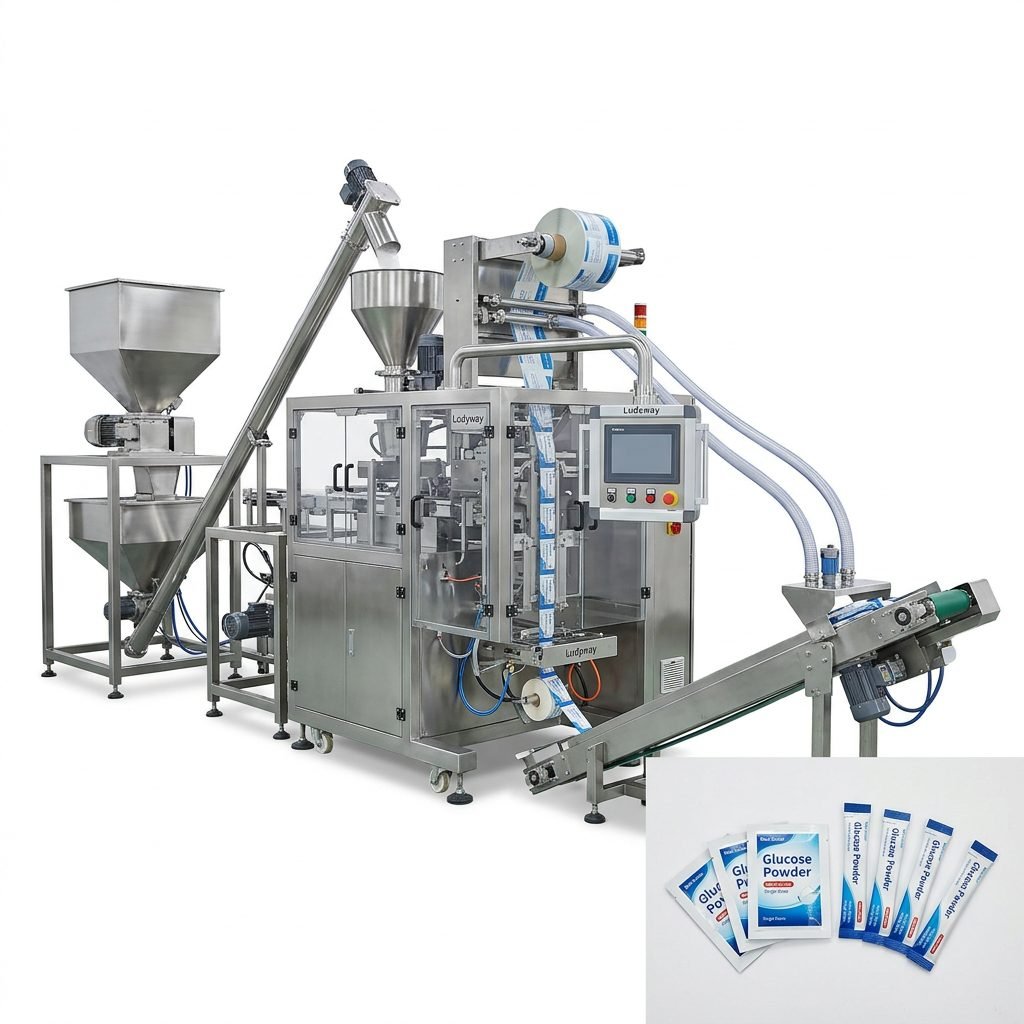
- Bread mixes and baking ingredients – Sachet and stick pack formats for consumer convenience
- Frozen bread products – Specialized cold-chain compatible packaging machinery required
According to industry data from the flexible packaging association, the trend toward sustainable and recyclable packaging materials is reshaping equipment requirements across Germany’s food sector.
Types of Bread Packaging Machines Available in Germany
Selecting the appropriate packaging machine depends on your production volume, bread type, and desired packaging format. The German market offers a wide range of equipment categories designed for different applications. Understanding these options is the first step toward making a sound investment decision.
| Machine Type | Best For | Packaging Format | Typical Output |
|---|---|---|---|
| Horizontal Flow Wrapper | Sliced bread, baguettes, rolls | Pillow packs, fin-seal bags | 60-200 packs/min |
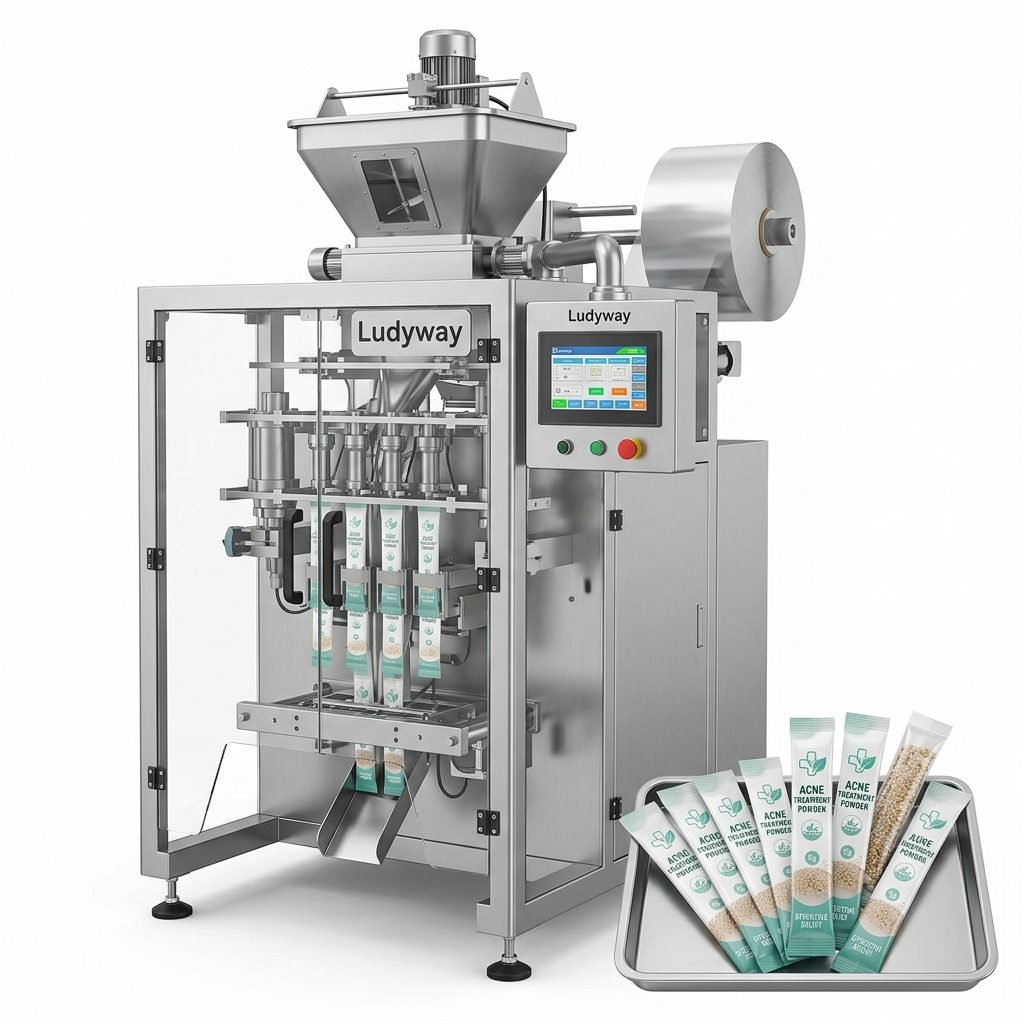
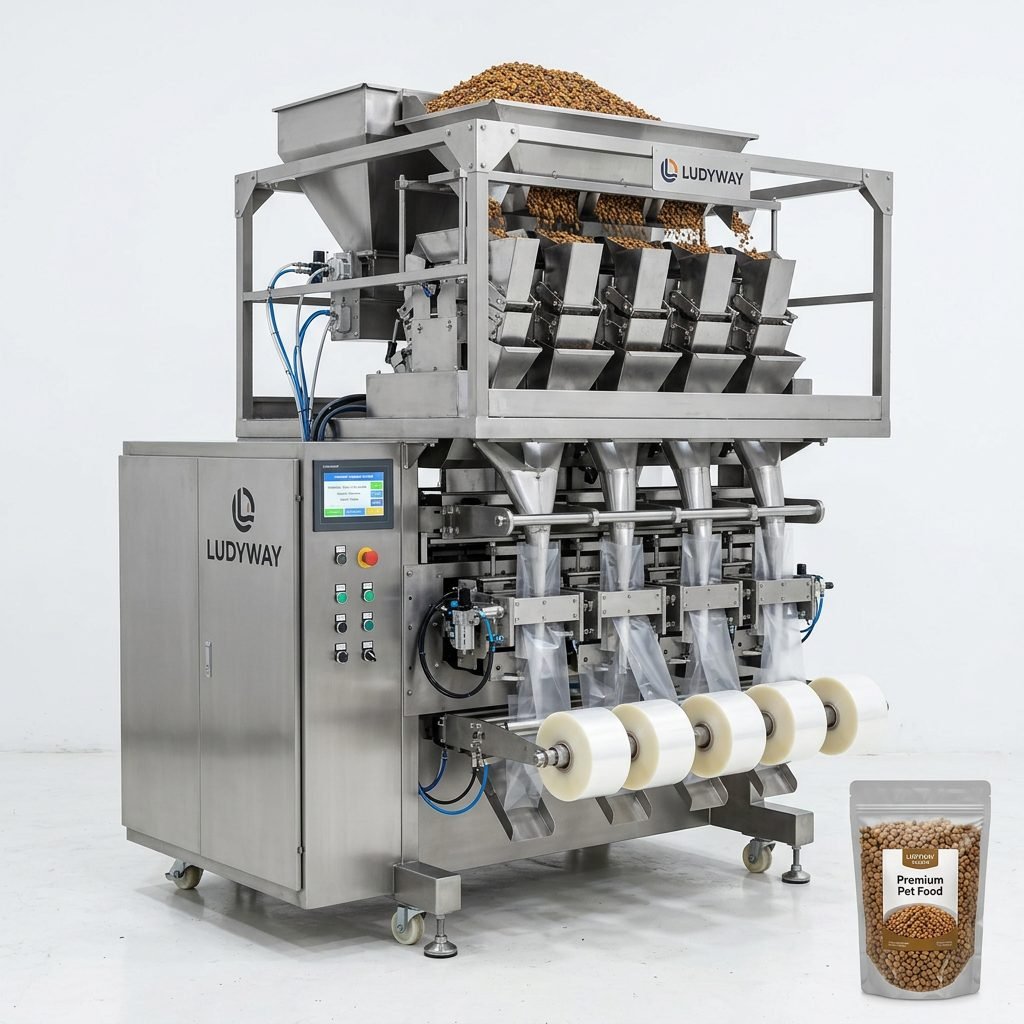
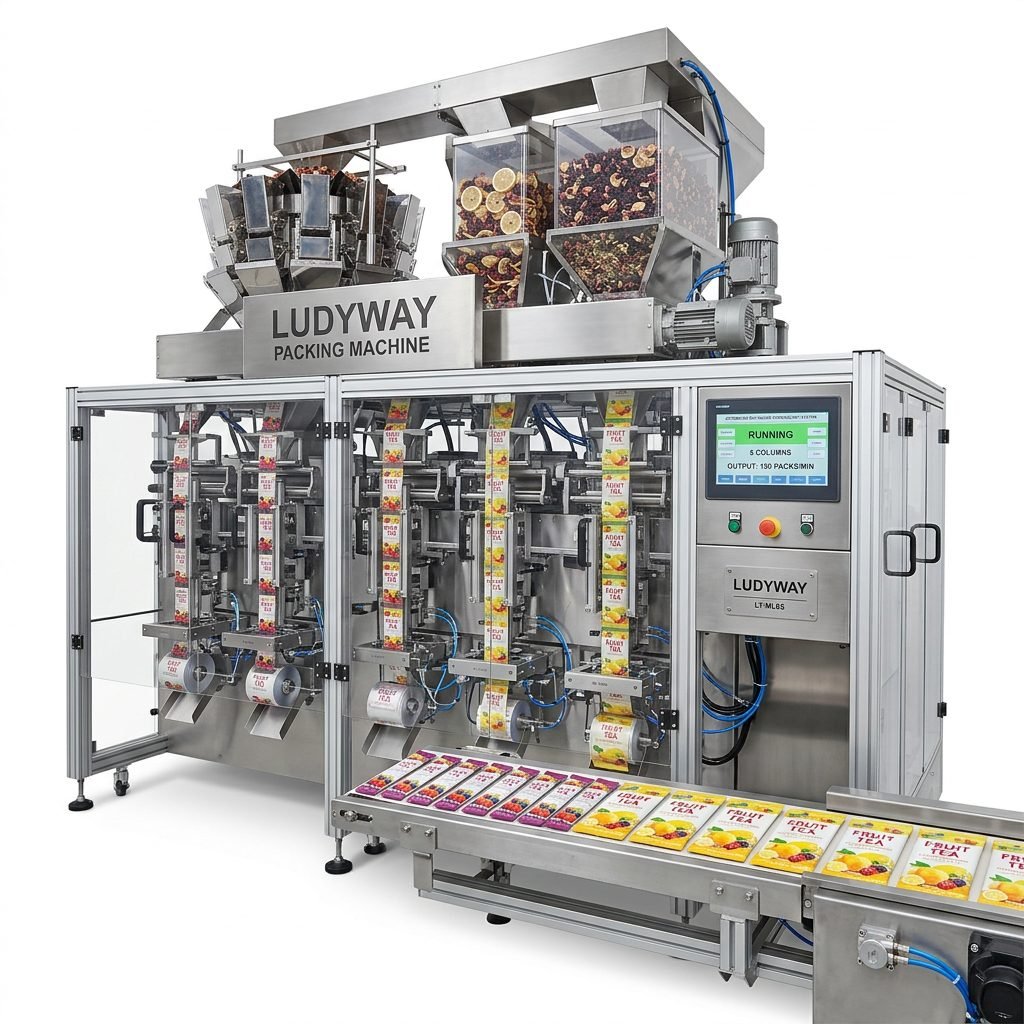
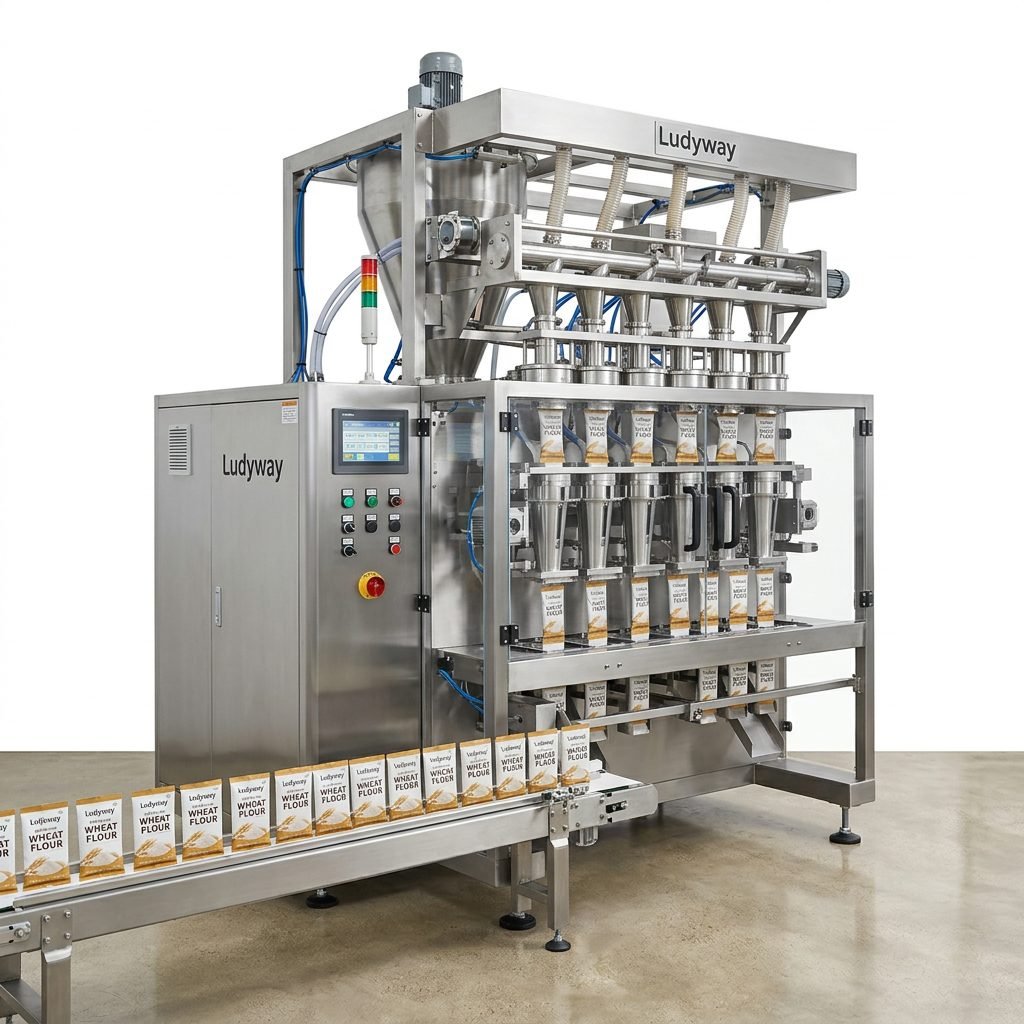
| Vertical Form-Fill-Seal (VFFS) | Bread crumbs, baking mixes, flour | Pillow bags, gusseted bags | 40-120 bags/min |
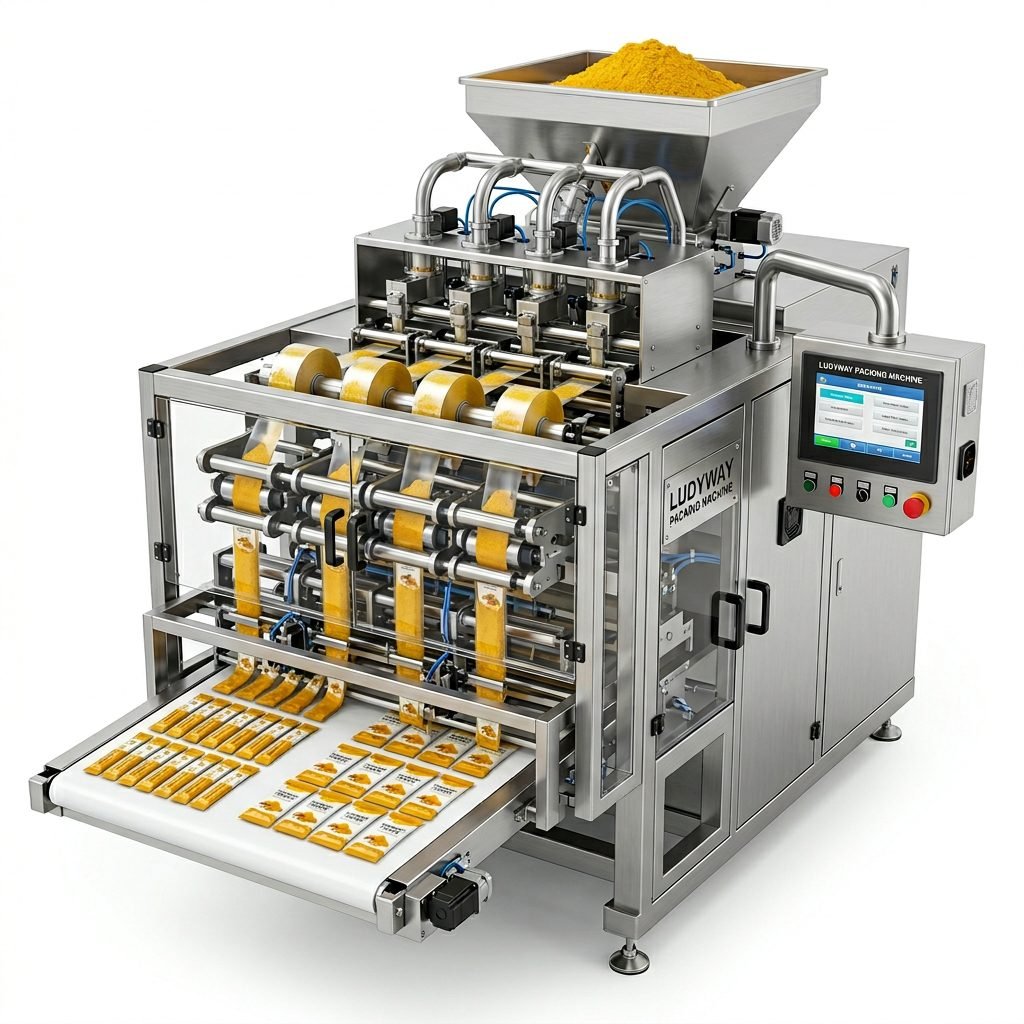
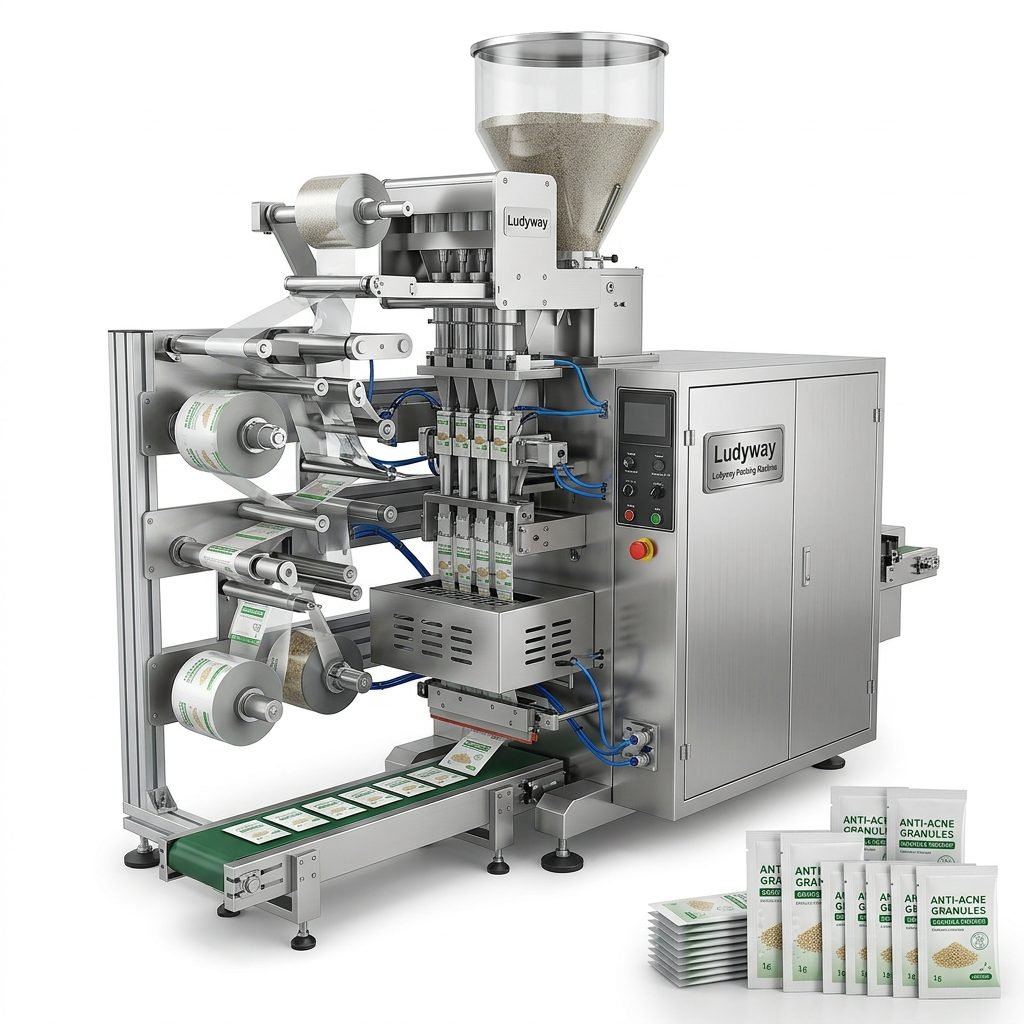
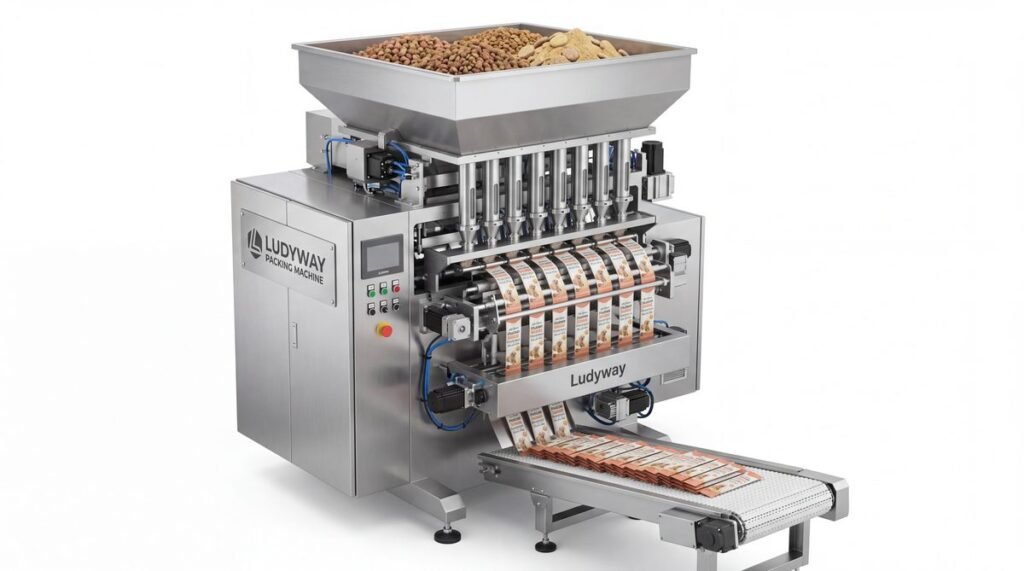
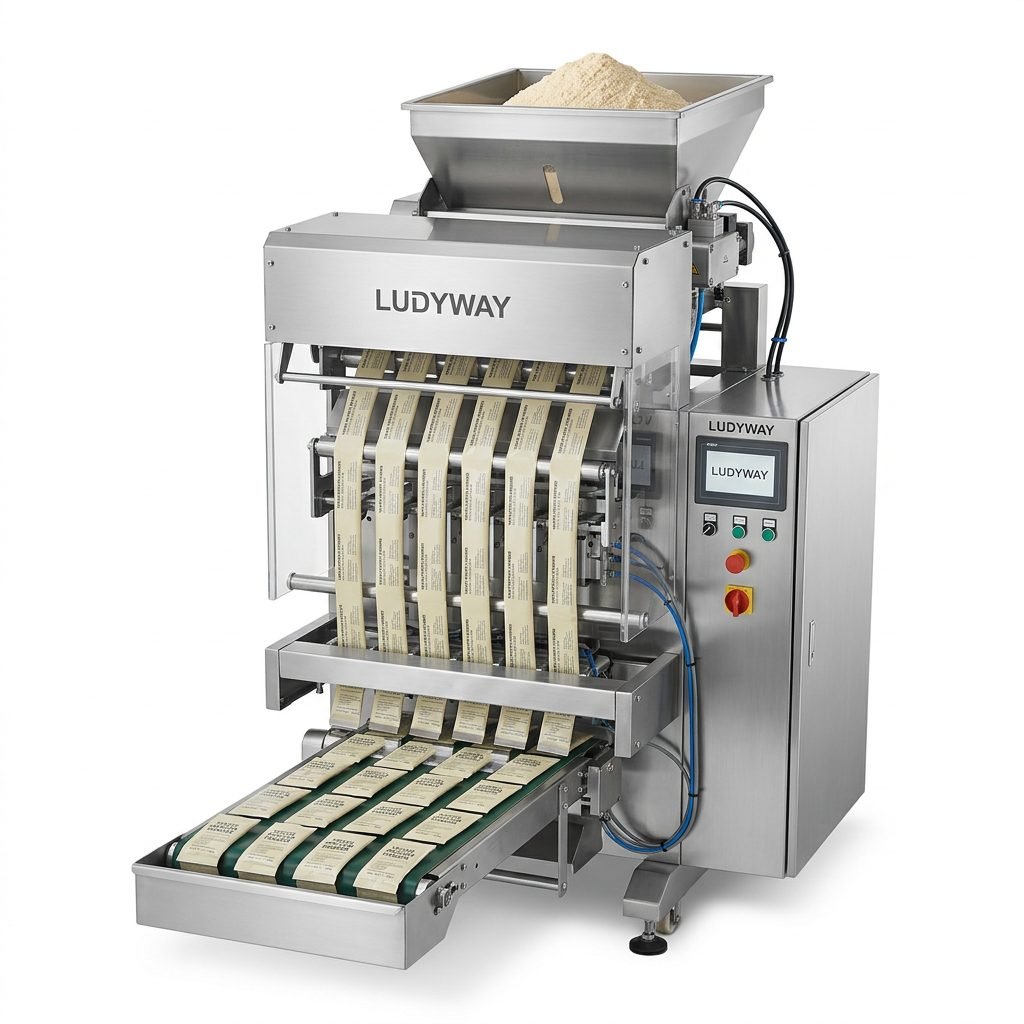
| Multi-Lane Sachet Machine | Bread seasoning, yeast, baking powder | Stick packs, sachets | 200-600 sachets/min |
| Modified Atmosphere Packaging (MAP) | Pre-sliced bread, extended shelf life | Gas-flushed bags, trays | 30-100 packs/min |
| Bagging Machine | Artisan loaves, bulk bread | Pre-made bags with closure | 20-60 bags/min |
| Sleeve Wrapper | Bread trays, multi-packs | Shrink film sleeves | 15-40 packs/min |
Key Factors When Selecting a Bread Packaging Machine
Investing in bread packaging equipment requires careful evaluation of multiple operational and technical factors. German buyers are known for their thorough approach to equipment selection, and for good reason — the right machine can deliver decades of reliable service when properly matched to production requirements.
Production Capacity and Speed Requirements
Calculate your current and projected daily output before evaluating any machine. Industrial bakeries producing thousands of loaves per day require high-speed automated systems, while small artisan bakeries may find semi-automatic solutions more cost-effective. Consider peak production periods and allow for at least 20% capacity headroom to accommodate business growth.
Packaging Material Compatibility
Modern bread packaging machines must handle diverse materials including polypropylene (PP), polyethylene (PE), paper-based laminates, and bio-degradable films. Verify that any machine you consider is compatible with the packaging materials you plan to use, especially as German consumers increasingly demand sustainable packaging options. Equipment should be tested with your actual packaging film before purchase.
Automation and Integration Capabilities
Advanced packaging lines now feature Industry 4.0 connectivity, allowing integration with upstream production equipment and downstream logistics systems. Features to evaluate include:
- Automatic product feeding and alignment systems
- Integrated weighing and portioning for baking mixes
- Date coding and traceability printing
- Metal detection and quality inspection modules
- Remote monitoring and predictive maintenance alerts
- Compatibility with enterprise resource planning (ERP) software
German Packaging Regulations and Standards
Germany enforces some of the world’s most stringent food packaging regulations. Bread packaging machinery must comply with EU regulations including EC 1935/2004 on materials intended for food contact, as well as German-specific standards under the Lebensmittel- und Futtermittelgesetzbuch (LFGB). Key compliance areas include:
- Food contact material compliance – All machine parts contacting bread must use approved materials
- Hygiene design requirements – Equipment must facilitate easy cleaning and prevent contamination
- CE marking – Mandatory for all machinery sold within the European Economic Area
- Energy efficiency standards – Increasingly important under German environmental regulations
- Worker safety compliance – Must meet ISO packaging standards and German DGUV regulations
Cost Considerations for Bread Packaging Equipment in Germany
The investment in a bread packaging machine extends well beyond the initial purchase price. German buyers should budget for the total cost of ownership (TCO), which includes installation, training, maintenance, spare parts, and energy consumption over the equipment’s lifespan. A well-maintained packaging machine can operate efficiently for 15 to 25 years in a typical German bakery environment.
Price Ranges by Machine Category
| Machine Category | Estimated Price Range (EUR) | Installation Cost | Annual Maintenance |
|---|---|---|---|
| Semi-Automatic Bagging | €15,000 – €45,000 | €2,000 – €5,000 | €1,500 – €3,500 |
| Horizontal Flow Wrapper | €50,000 – €180,000 | €5,000 – €15,000 | €3,000 – €8,000 |
| Vertical FFS System | €40,000 – €150,000 | €4,000 – €12,000 | €2,500 – €7,000 |
| Multi-Lane Sachet Line | €80,000 – €350,000 | €8,000 – €25,000 | €5,000 – €15,000 |
| Fully Automated MAP Line | €150,000 – €500,000+ | €15,000 – €40,000 | €8,000 – €25,000 |
Beyond equipment costs, German buyers should factor in operator training programs, which are often mandatory under workplace safety regulations. Additionally, energy efficiency ratings can significantly impact long-term operational costs, with high-efficiency machines potentially saving thousands of euros annually in electricity consumption.
Finding Reliable Bread Packaging Machine Suppliers in Germany
Germany hosts numerous packaging machinery manufacturers and distributors, ranging from established German engineering firms to international suppliers with local service centers. The supplier selection process should prioritize after-sales support, technical expertise, and spare parts availability within the German market.
Key Supplier Evaluation Criteria
- Local service presence – Technicians should be available within 24-48 hours for emergency repairs
- German language support – Documentation, training materials, and technical support in German
- Spare parts inventory – Critical components stocked within Germany or the EU for fast delivery
- Reference installations – Verifiable experience with German bakeries similar to your operation
- Warranty terms – Minimum 12-month warranty with extended coverage options
- Training programs – Comprehensive operator and maintenance training at your facility
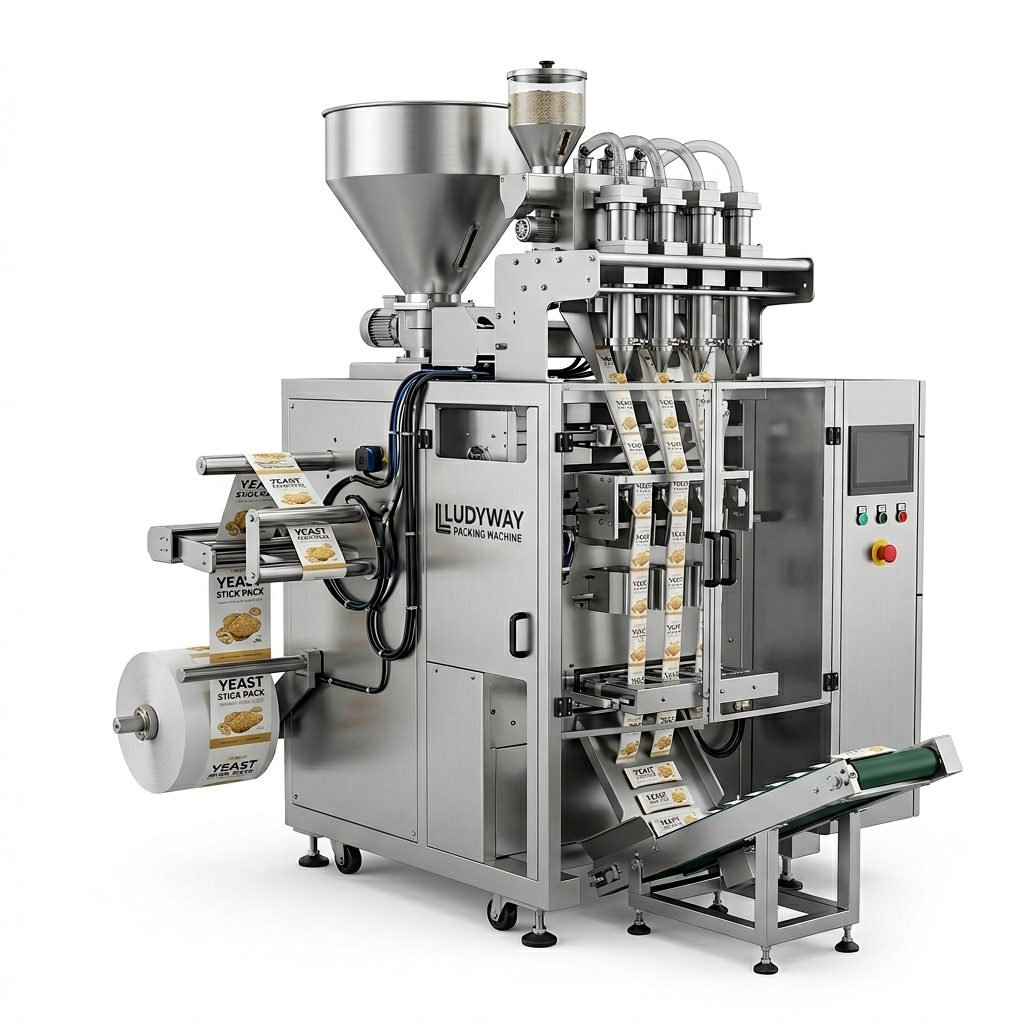
One notable international supplier serving the German market is Ludyway, a packaging machine manufacturer with over 30 years of industry experience and a portfolio of more than 50 intelligent packaging machine models suitable for granule, powder, and liquid applications — including baking mixes, flour, and yeast packaging commonly required in bread production. When evaluating suppliers, request detailed product demonstrations and, where possible, visit reference installations to verify equipment performance under real-world conditions.
Trade Shows and Industry Events
Germany hosts several major packaging trade fairs where buyers can evaluate machinery firsthand. FachPack in Nuremberg, interpack in Düsseldorf (the world’s largest packaging trade fair), and IBA in Munich (focused on baking industry) are essential events for comparing equipment, meeting suppliers, and staying current with the latest packaging technologies. Attending these events allows you to see machines in operation and discuss your specific requirements directly with technical experts.
Installation, Training, and Ongoing Support
Successful implementation of a bread packaging machine goes far beyond the purchase transaction. Proper installation and commissioning by qualified technicians ensures the equipment operates at peak efficiency from day one. German workplace regulations require thorough operator training, which most reputable suppliers include as part of their installation package. Establish a preventive maintenance schedule immediately upon commissioning to maximize equipment lifespan and minimize production disruptions.
Post-Installation Checklist
- Complete operational qualification (OQ) and performance qualification (PQ) documentation
- Establish spare parts inventory for critical wear components
- Schedule periodic maintenance visits at recommended intervals
- Train backup operators to ensure continuous production capability
- Document all maintenance activities and equipment adjustments
- Review packaging material specifications for optimal machine performance
Detailed records of machine performance, maintenance history, and any modifications are not only good practice but may also be required for compliance with food packaging regulations and quality management systems such as IFS or BRC, which are widely adopted across the German food industry.
Investing in a bread packaging machine is a strategic decision that can transform your bakery’s productivity, product quality, and market competitiveness. By carefully evaluating machine types, suppliers, regulatory requirements, and total ownership costs, German buyers can make informed choices that deliver value for decades. The packaging industry continues to evolve with automation, sustainability, and digital connectivity driving the next generation of bread packaging solutions, making now an excellent time to invest in modern, efficient equipment.