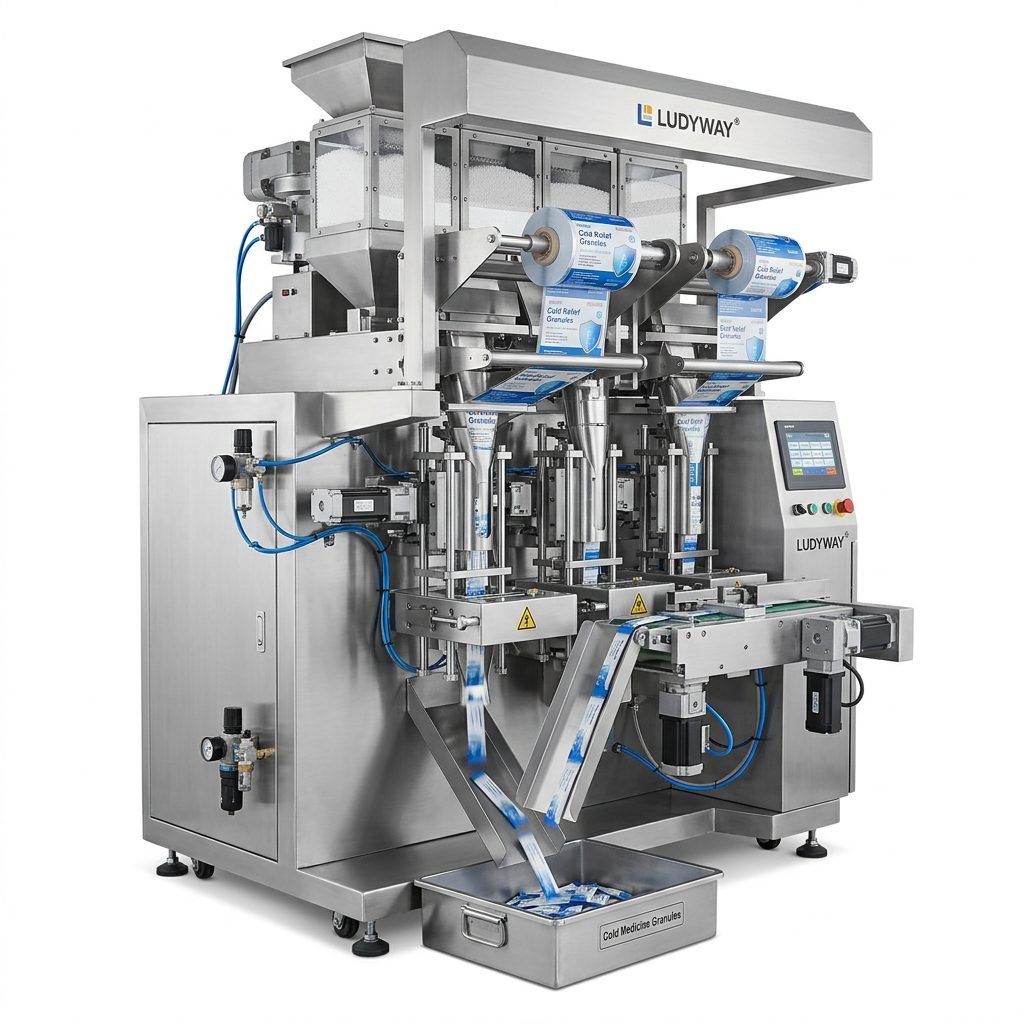
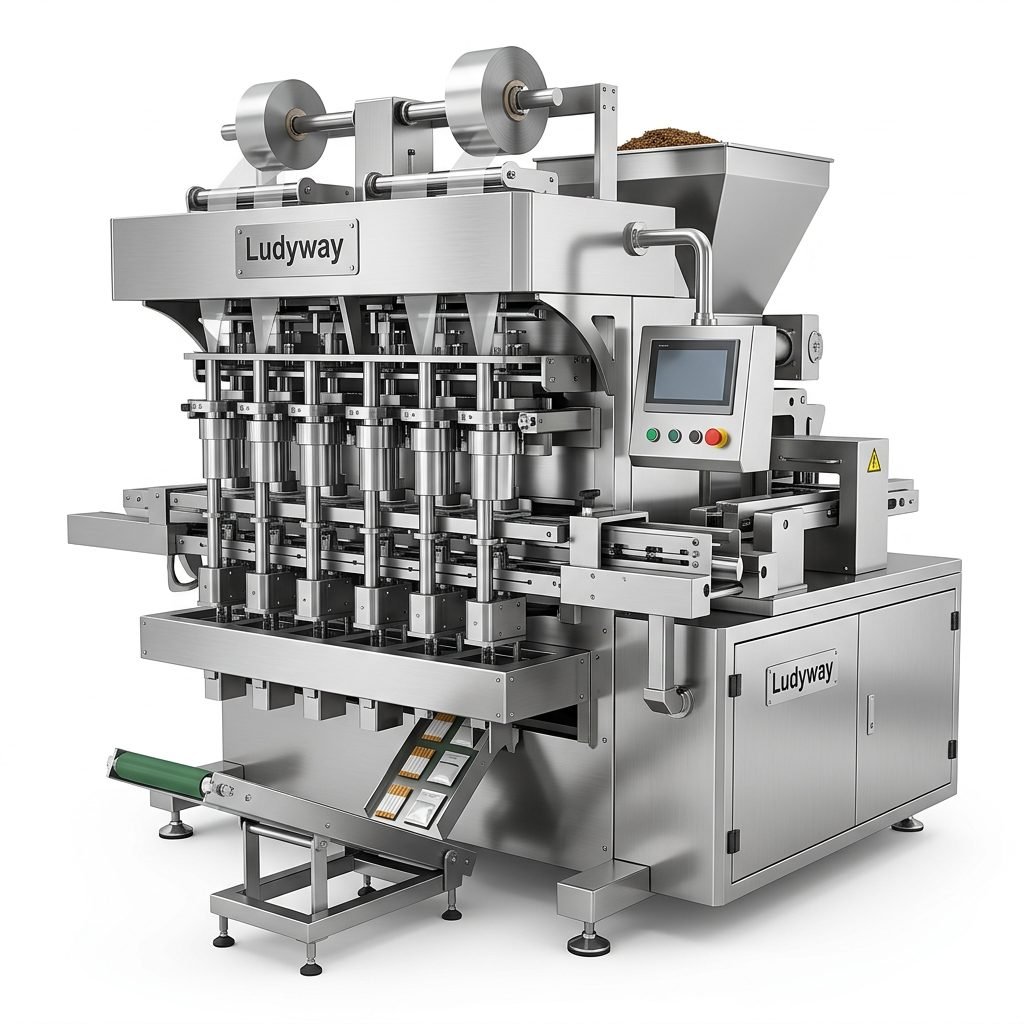
Italy represents one of the most dynamic and regulation-intensive markets for dry food packaging in Europe. Setting up a dry food packaging machine production line in this country demands careful attention to EU directives, local building codes, supplier selection, and workflow optimization. This guide walks you through each phase—from initial planning and factory layout to commissioning and staff training—so you can launch a compliant, high-efficiency operation.

Understanding the Italian Dry Food Packaging Market
Before investing in machinery, manufacturers must analyze the sector in depth. Italy’s food industry is dominated by pasta, baked goods, coffee, and specialty dried products. In 2024, the Italian packaging machinery industry generated revenue exceeding €9 billion, with a significant share driven by dry food applications. This robust market demands machinery that balances speed, precision, and flexibility.
Regulatory Landscape and CE Certification
Machinery installed in Italy must comply with the Machinery Directive 2006/42/EC and carry valid CE marking. Additionally, equipment that comes into contact with food must meet EU Regulation 1935/2004 on materials intended for food contact. Non-compliance can lead to severe penalties and production shutdowns. Before ordering any equipment, request full technical files and declarations of conformity from your packaging machine manufacturer.
Step 1: Production Planning and Capacity Calculation
Defining realistic throughput targets is the foundation of a successful line. Consider the following factors:
- Target output: Number of pouches, sachets, or stick packs per minute/hour.
- Pack formats: Single-serve stick packs, multi-lane sachets, pre-made pouch filling.
- Product characteristics: Granule size, powder density, moisture sensitivity, flowability.
- Shift structure: Single, double, or continuous 24/7 production.
| Production Scale | Recommended Speed (Packs/Min) | Typical Lane Configuration |
|---|---|---|
| Small artisan producer | 40 – 80 | 4 – 6 lanes |
| Medium co-packer | 150 – 300 | 8 – 12 lanes |
| Large industrial operation | 400 – 800+ | 14 – 20+ lanes |
Step 2: Selecting the Core Packaging Machine
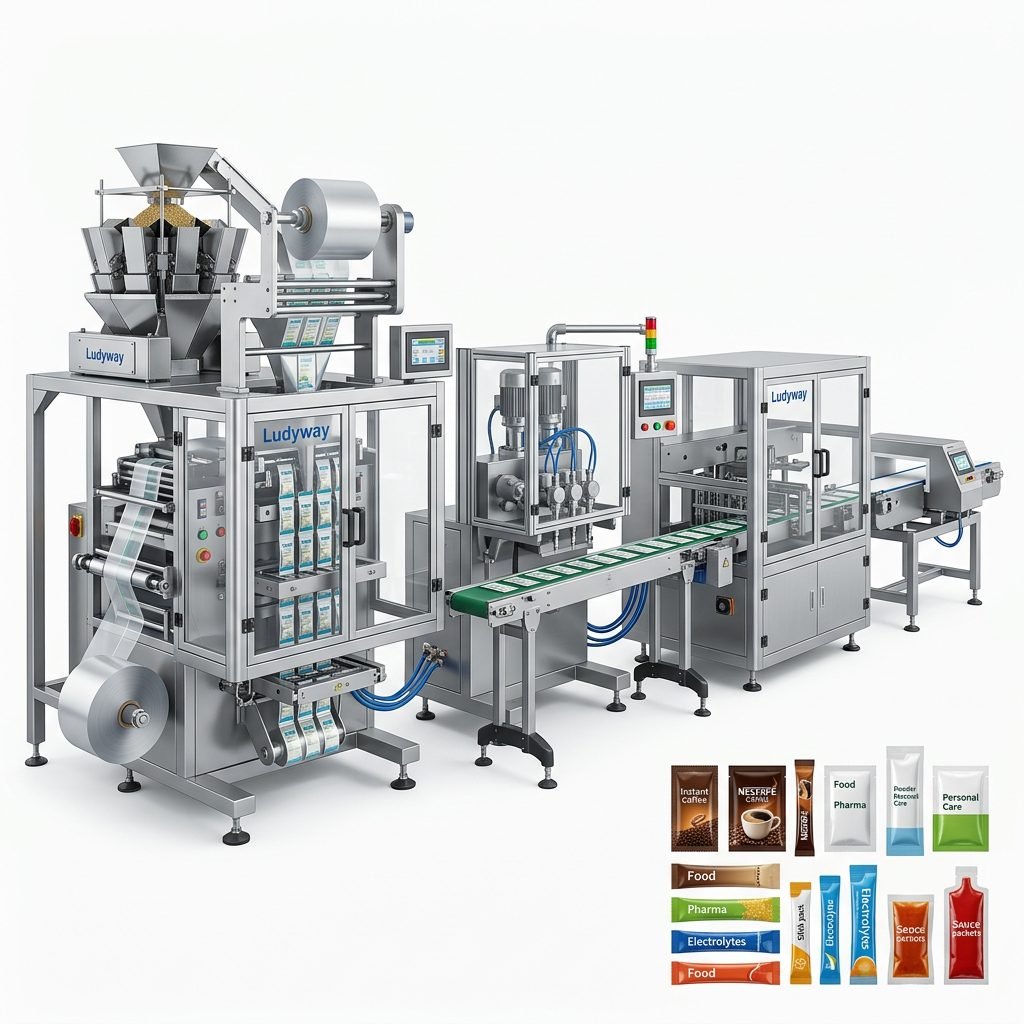
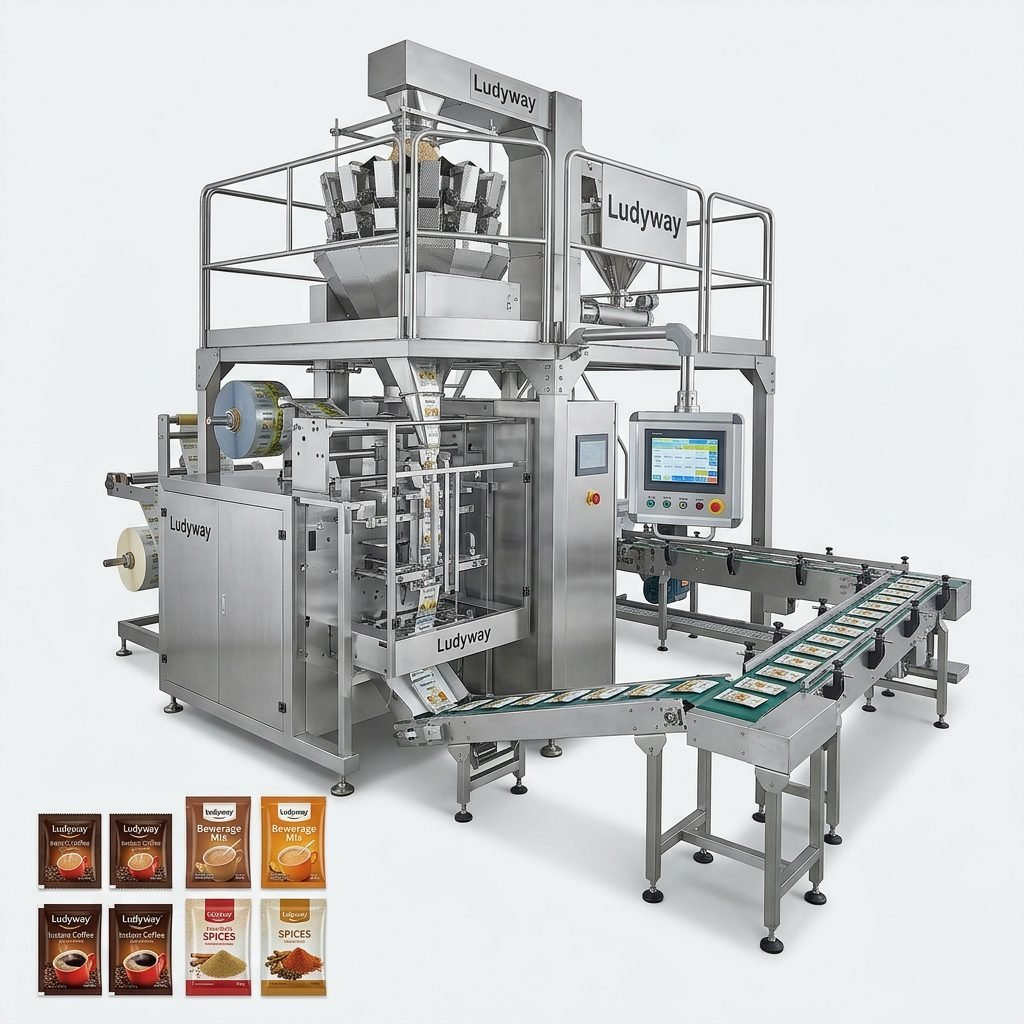
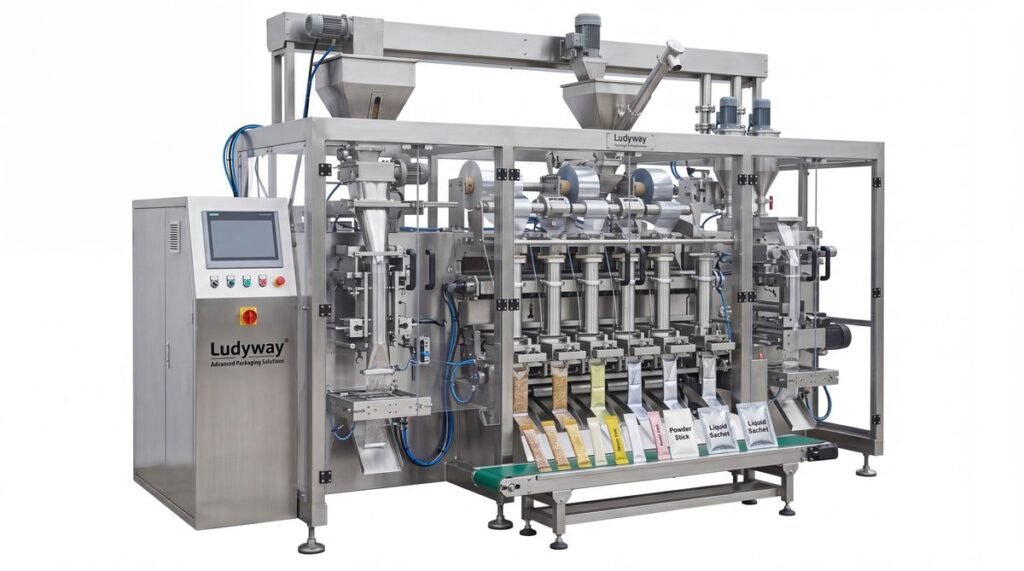
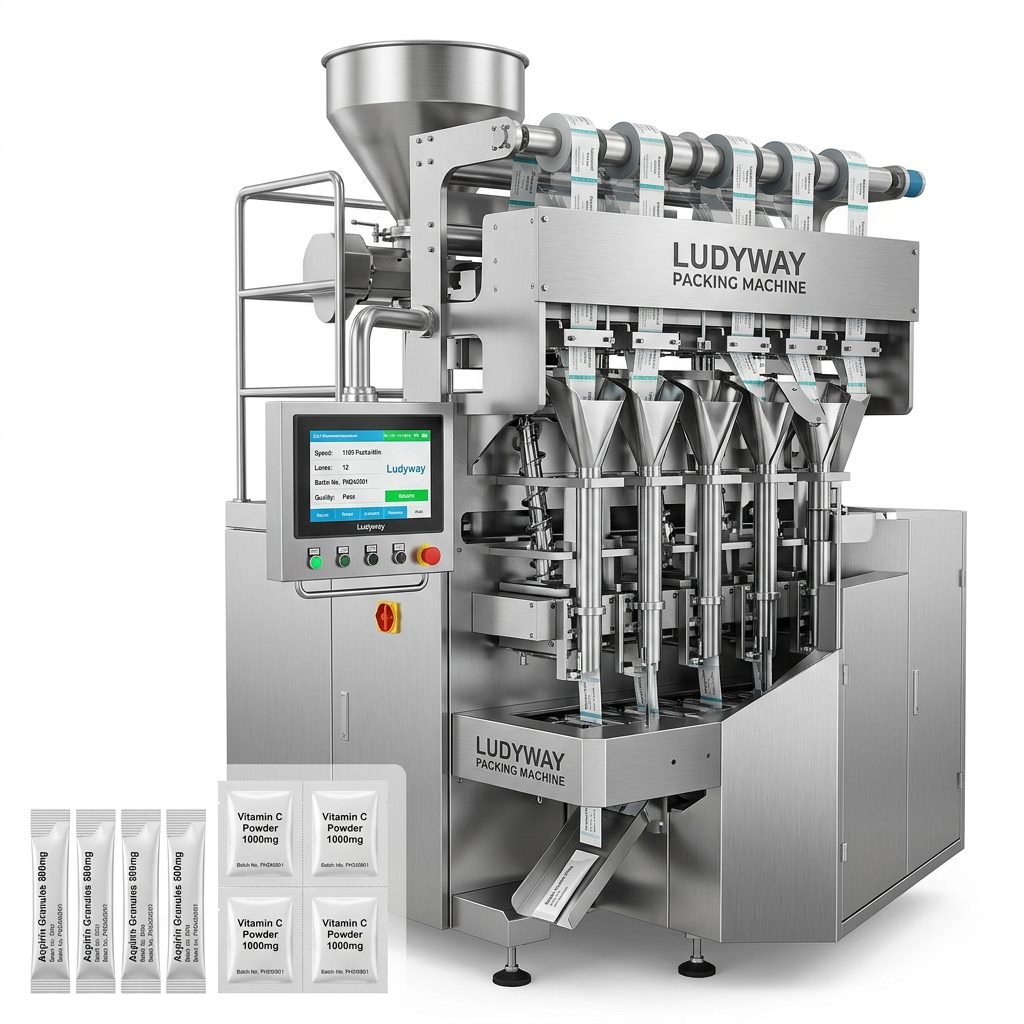
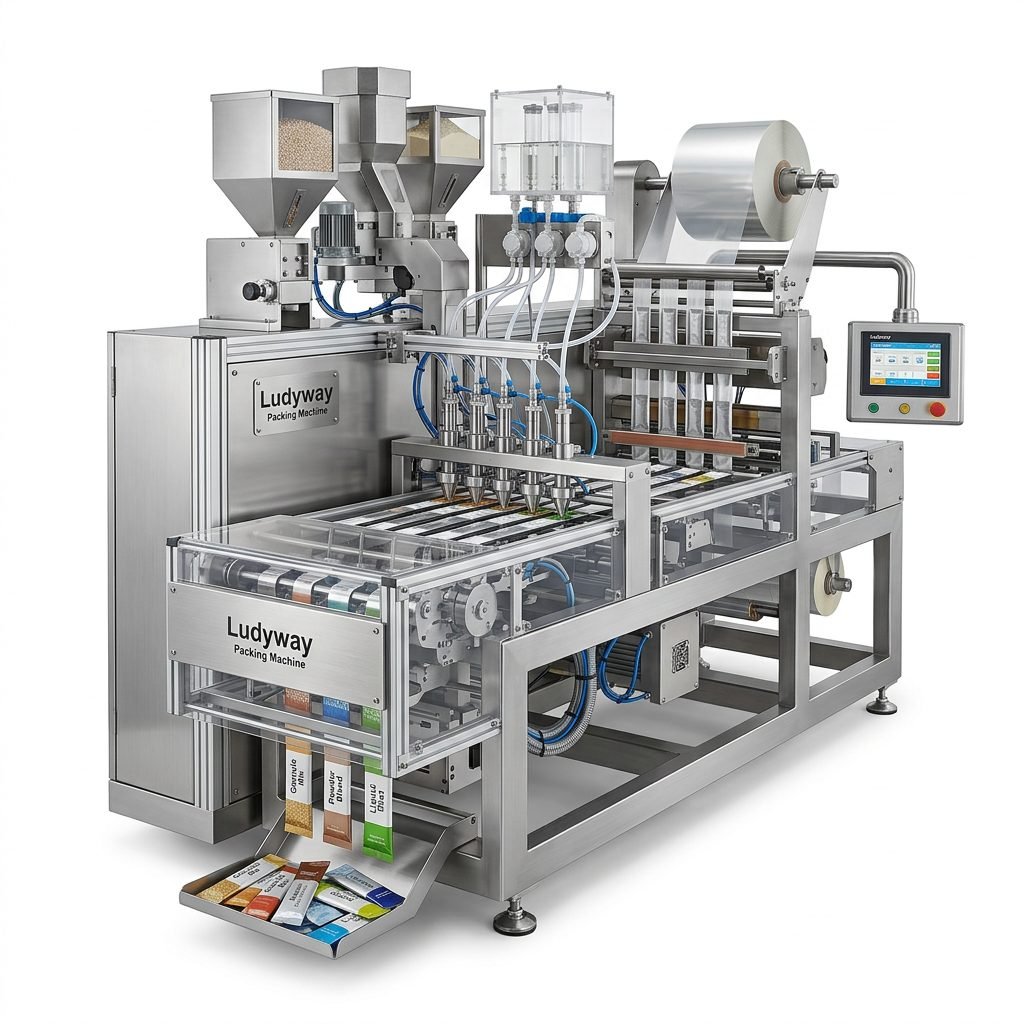
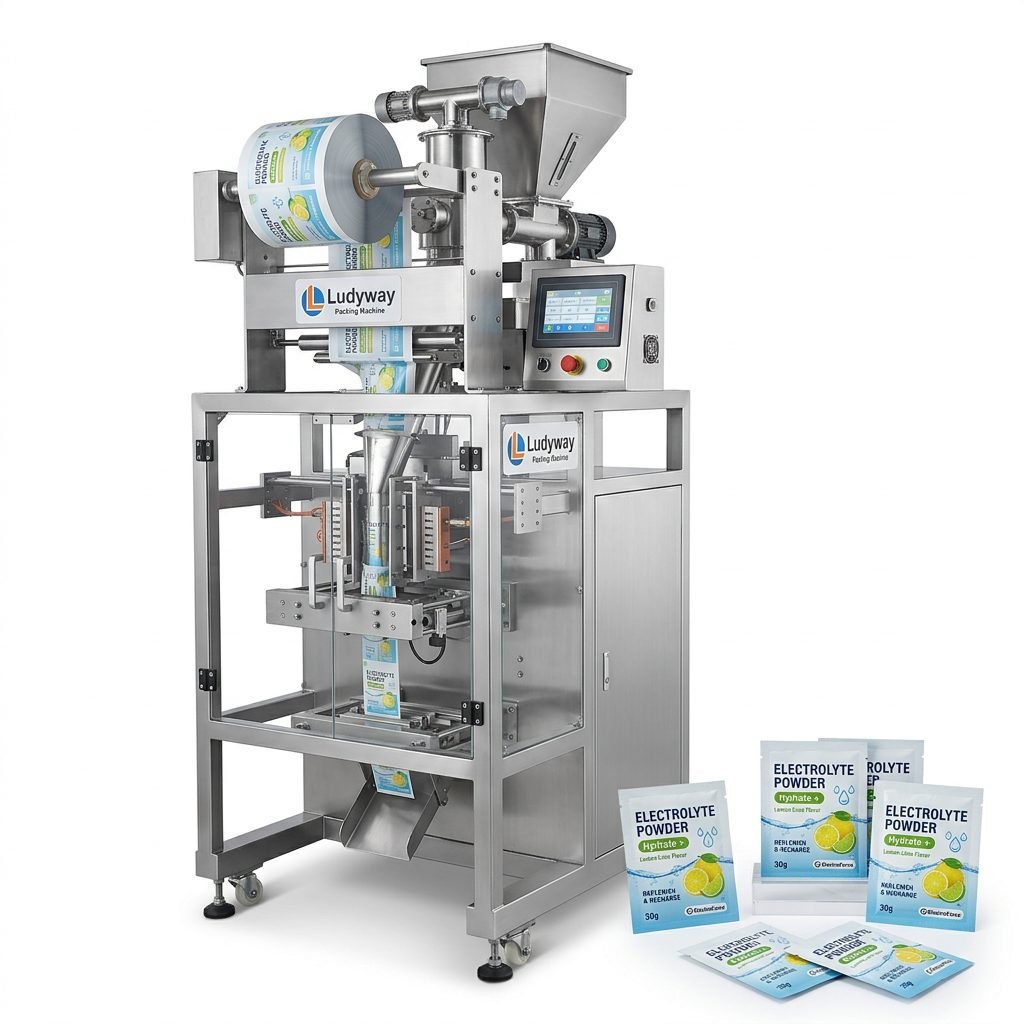
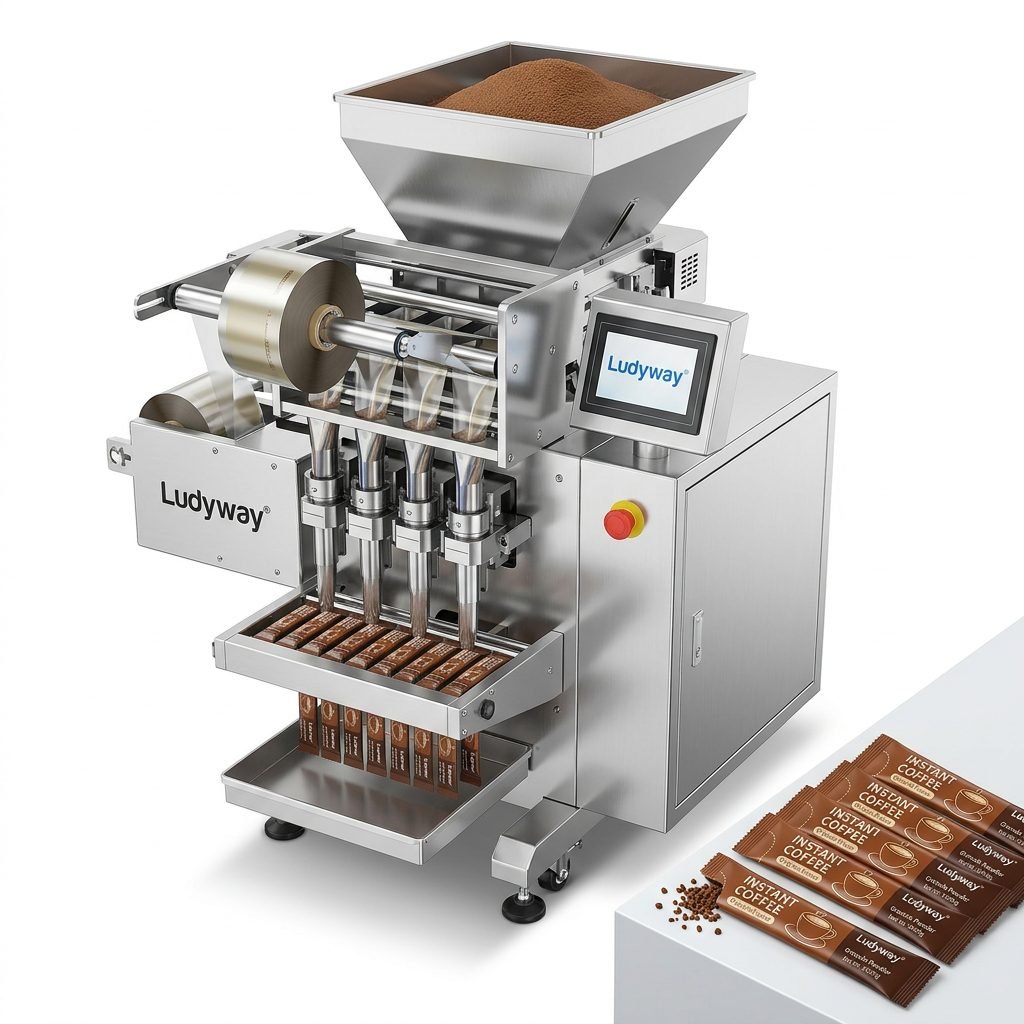
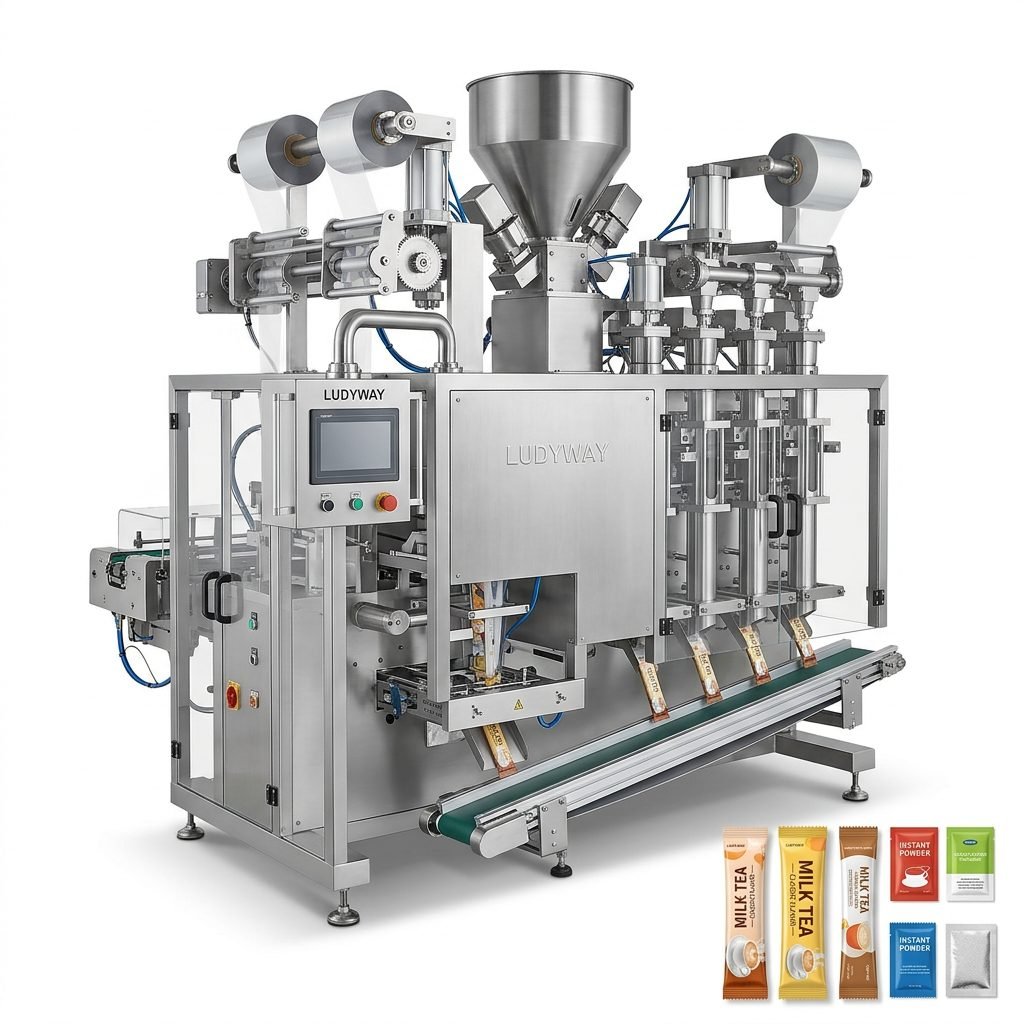
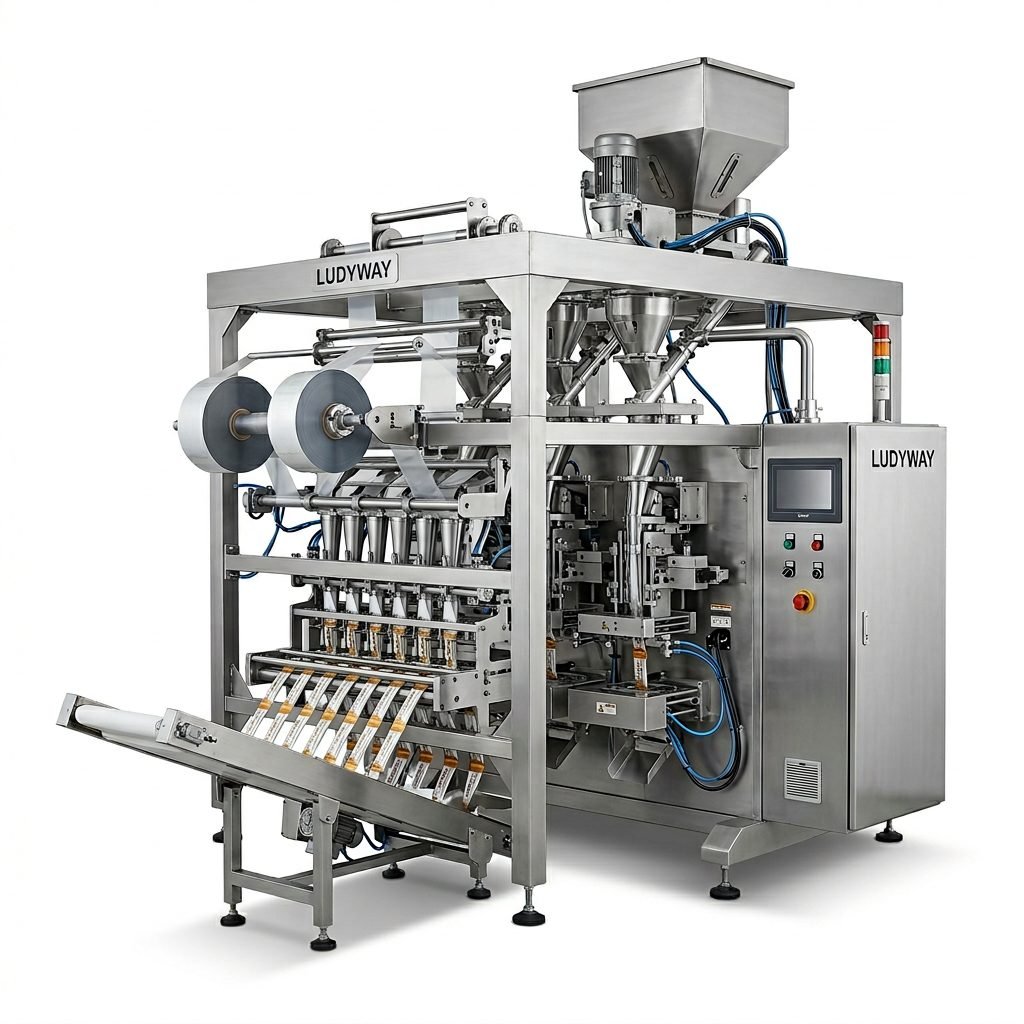
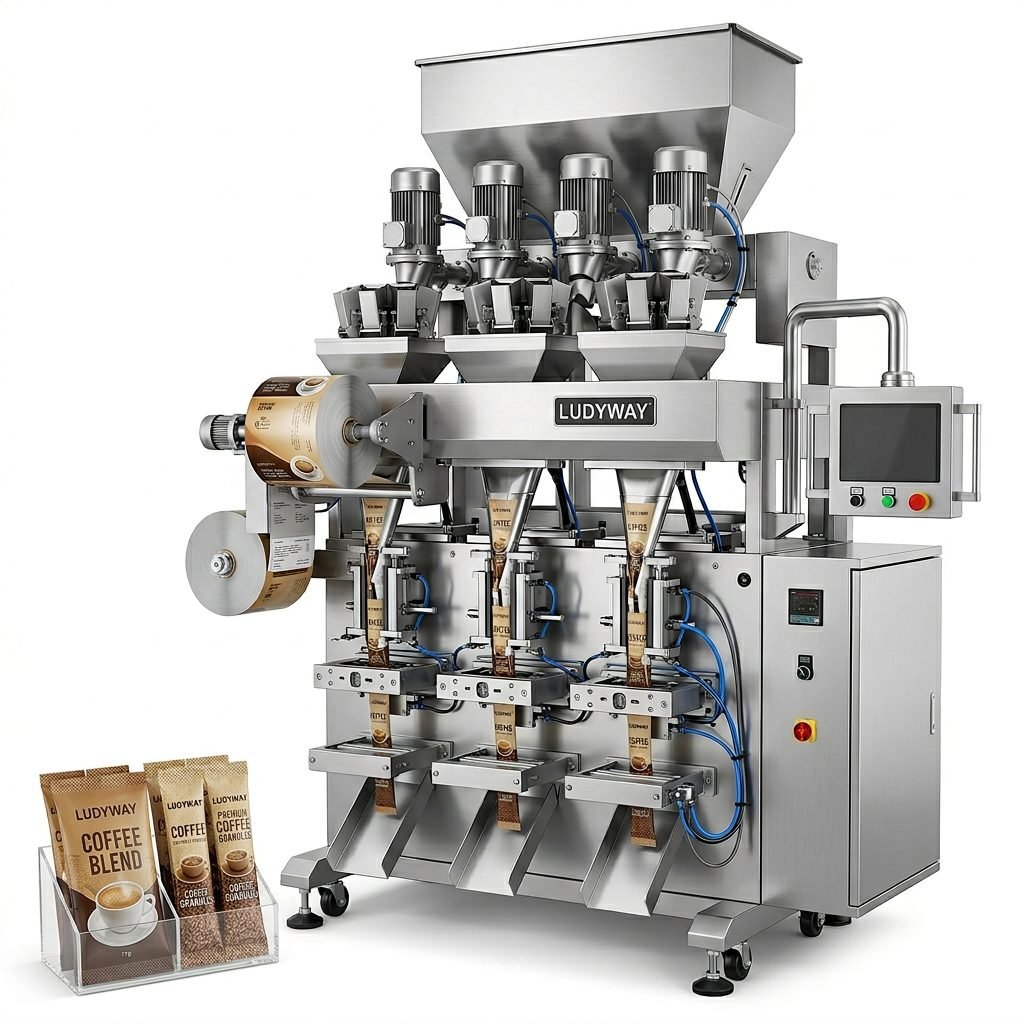
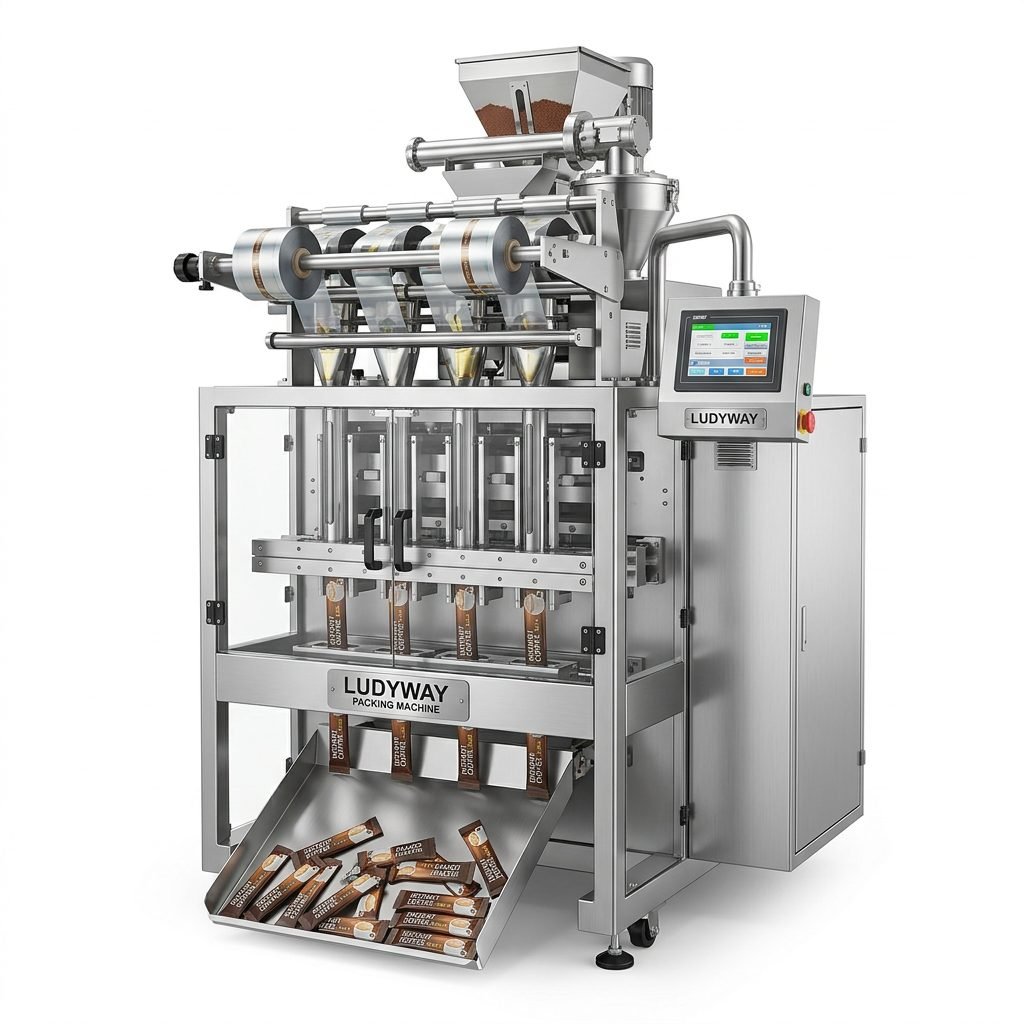
The heart of any dry food line is the vertical form fill seal (VFFS) machine or multi-lane stick pack machine. For Italian operations, multi-lane systems are preferred due to their space efficiency and high output. Key considerations include:
- Film compatibility: The machine must handle laminates like PET/AL/PE, which are standard for dry food in Italy.
- Dosing technology: Auger fillers for powders, volumetric cup fillers for free-flowing granules, multi-head weighers for high precision.
- Gas flushing: Modified atmosphere packaging (MAP) capability for extending shelf life.
- Changeover speed: Quick-release parts and recipe-driven settings reduce downtime between product runs.
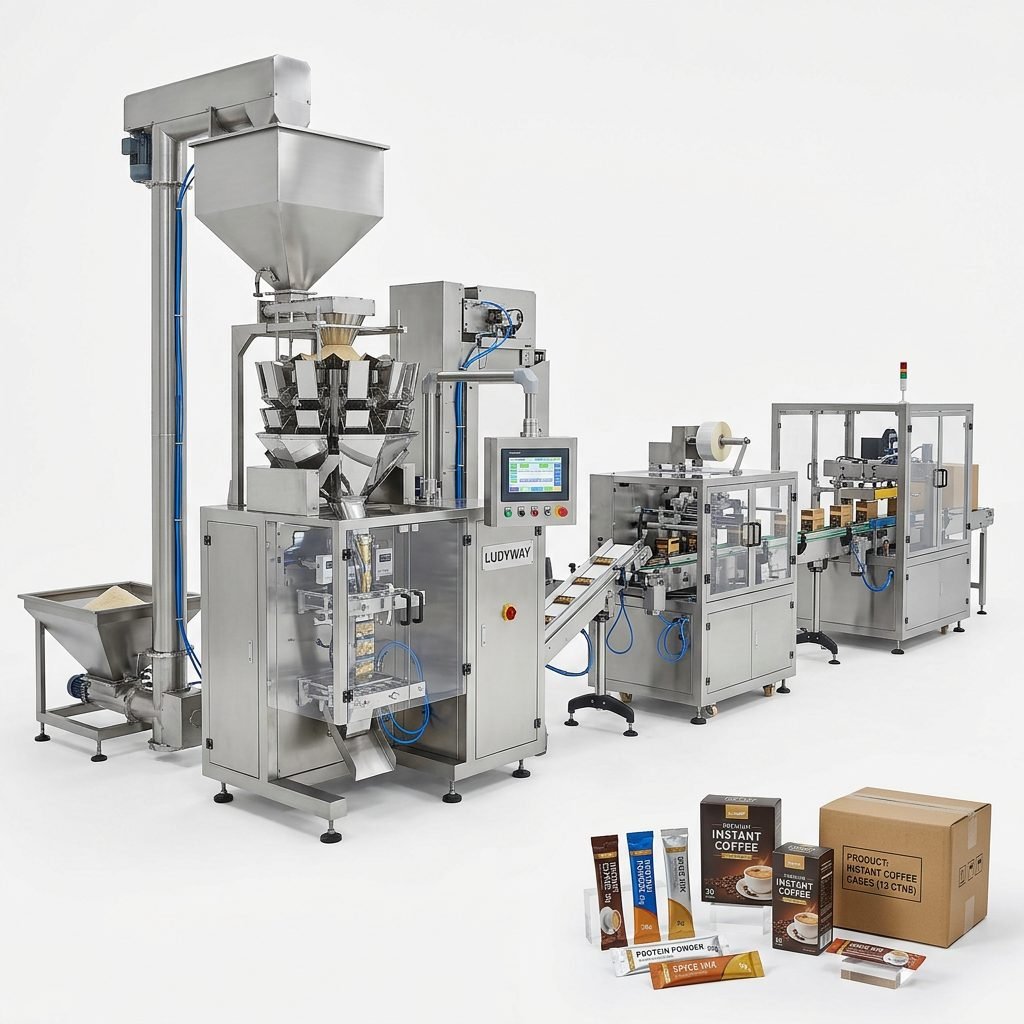
Integrating Upstream and Downstream Equipment
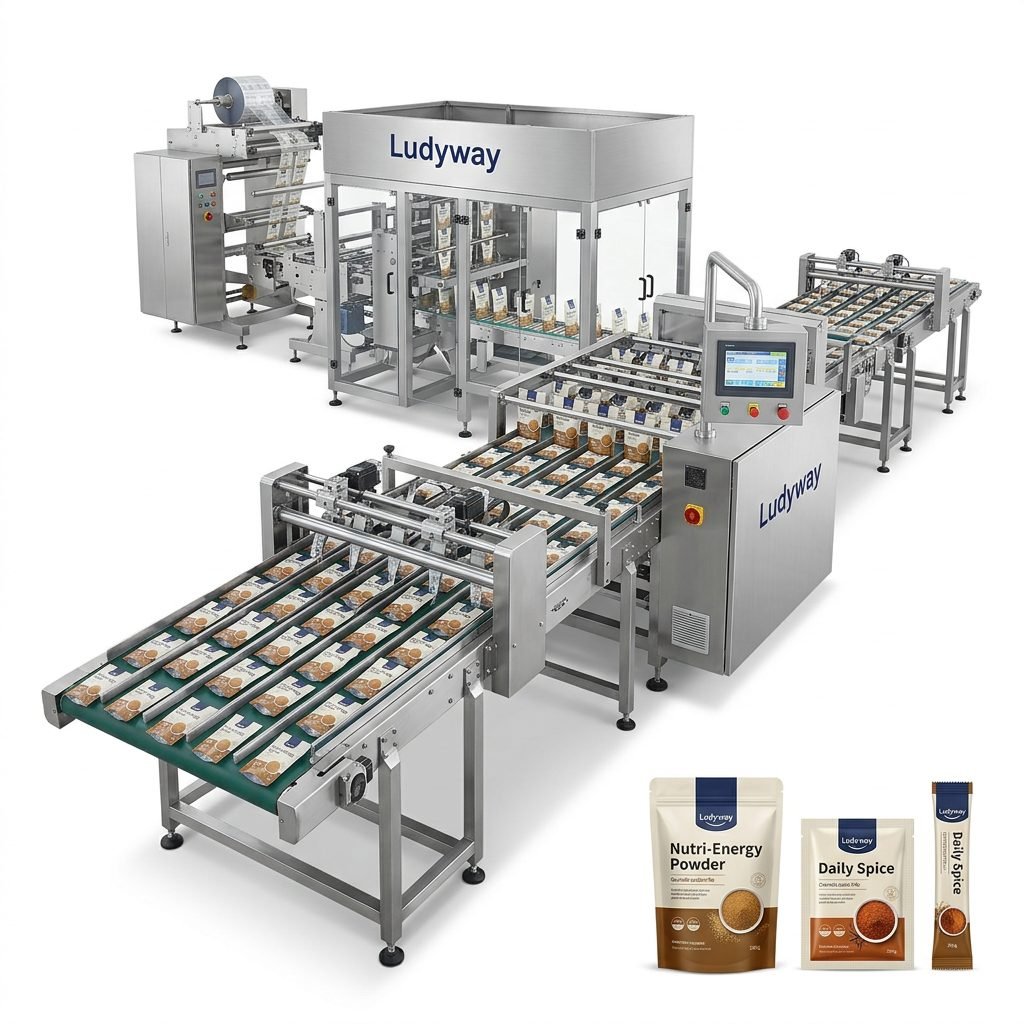
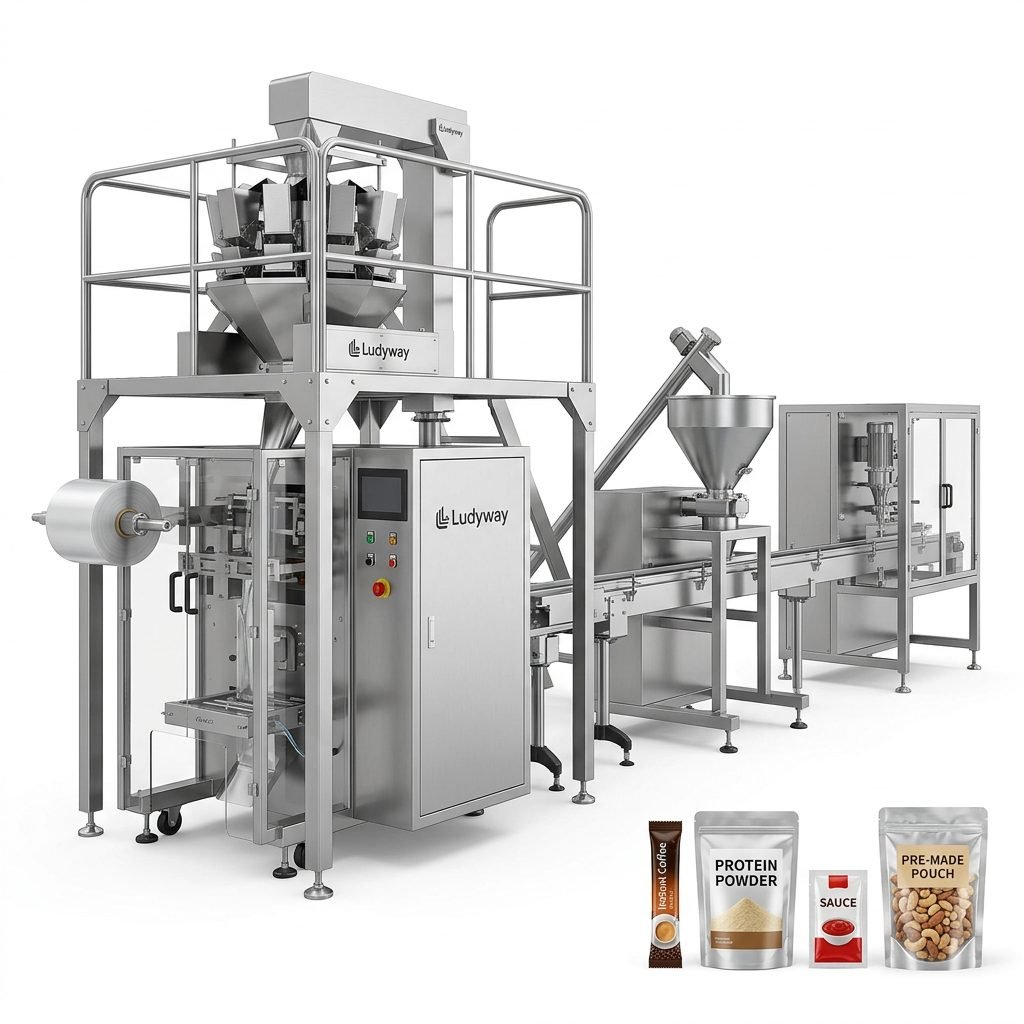
A complete line is more than a filling machine. Proper integration of auxiliary equipment ensures smooth material flow and minimal manual handling. The upstream segment includes Z-type bucket elevators, vacuum feeders, and industrial sieves, while downstream equipment involves checkweighers, metal detectors, and cartoning machines.
| Equipment Type | Function | Critical Feature for Italy |
|---|---|---|
| Multi-head weigher | High-accuracy weighing | IP65-rated for washdown |
| Checkweigher | In-line weight verification | MID-compliant if used for trade |
| Metal detector | Contaminant rejection | HACCP certified, ferrous/stainless detection |
| Carton erector and sealer | Secondary packaging | Compatible with FEFCO 0201 standard boxes |
Step 3: Factory Layout and Infrastructure Requirements
Italian facilities must adhere to HACCP principles and local building regulations. Designing a proper layout minimizes cross-contamination risks and improves material logistics. A typical dry food packaging hall should be divided into distinct zones: raw material intake, processing and filling area, secondary packaging zone, and finished goods warehouse. Ensure adequate clearance for forklifts and maintenance access around each machine.
Utilities and Environmental Controls
- Compressed air: Oil-free, dried, and filtered air with minimum 6 bar consistent pressure.
- Electrical supply: 400V/50Hz three-phase power, with dedicated breakers and voltage stabilization.
- Climate control: Temperature maintained at 18–25°C, relative humidity below 55% to prevent powder clumping.
- Ventilation: Adequate dust extraction systems, especially when handling fine powders.
Step 4: Installation, Commissioning, and Validation
Once machinery arrives at the Italian site, a structured commissioning plan is essential. The process includes mechanical installation, electrical hook-up, dry and wet testing, and performance qualification. Under ISO 9001 and GMP guidelines, your validation documentation must prove consistent output quality. Factory acceptance testing typically happens at the supplier’s facility before shipment, while site acceptance testing confirms performance in your actual production environment.
Training and SOP Development
Operators and maintenance technicians must receive comprehensive training on the new line. Training programs should cover machine operation, cleaning procedures, changeover protocols, and basic troubleshooting. Well-written standard operating procedures in Italian language ensure consistent performance and facilitate audits by local health authorities.
Step 5: Ongoing Maintenance and Spare Parts Strategy
A proactive maintenance program prevents unplanned stoppages that can cost thousands of euros per hour. Critical spare parts—such as sealing jaws, heating elements, belts, and sensors—should be stocked locally. It’s advisable to establish a service level agreement with the equipment supplier for remote diagnostics, annual inspections, and emergency on-site support. Many Italian food companies now require Industry 4.0-compatible machines that can communicate with plant-wide ERP systems to enable predictive maintenance.
Cost Considerations and ROI Calculation
Investing in a complete dry food packaging line in Italy involves significant capital outlay. A typical multi-lane stick pack line with integrated weighers, conveyors, and cartoning can range from €150,000 to over €600,000, depending on speed and customization. Return on investment calculations should factor in labor reduction, material waste savings, increased throughput, and reduced product giveaway from precise dosing.
| Cost Component | Estimated Range (EUR) | Notes |
|---|---|---|
| Multi-lane packaging machine | 80,000 – 250,000 | Varies by lane count and dosing type |
| Auxiliary equipment | 30,000 – 100,000 | Elevators, checkweighers, detectors |
| Installation and training | 10,000 – 25,000 | Includes FAT and SAT |
| First-year spares kit | 5,000 – 15,000 | Sealing parts, filters, sensors |
Choosing the Right Packaging Machine Partner
Selecting an experienced machinery supplier is arguably the most critical decision. Look for a company with proven installations in Europe, responsive after-sales support, and local representation if possible. Ludyway, a leading packaging machine manufacturer in China with over 30 years of industry experience, delivers advanced packaging equipment and turnkey production solutions tailored for the food, pharmaceutical, and health industries, serving customers in more than 100 countries and regions with reliable, high-performance systems.
Common Pitfalls to Avoid
- Skipping a detailed factory acceptance test before shipment.
- Underestimating the importance of consistent film quality and its impact on sealing integrity.
- Ignoring Italian noise regulations—machinery must not exceed 80 dB(A) in the operator area.
- Failing to contract a local professional engineer for electrical hook-up and compliance verification.
- Neglecting to register the packaging line with local health authorities where required.
Looking Ahead: Automation and Smart Manufacturing
The future of dry food packaging in Italy points toward lights-out manufacturing, robotic palletizing, and integrated track-and-trace systems. Serialization requirements under EU Falsified Medicines Directive have already influenced food traceability expectations. Packaging lines with OPC-UA communication protocols and IoT connectivity enable real-time OEE monitoring, remote troubleshooting, and seamless integration with MES platforms, keeping Italian manufacturers competitive in a demanding global market.
For further reading on packaging industry best practices and market intelligence, explore resources available from the PMMI Association for Packaging and Processing Technologies and the Flexible Packaging Association. Understanding current regulations for food contact substances is also critical—refer to FDA Food Packaging Guidelines and ISO Packaging Standards for comprehensive technical references.