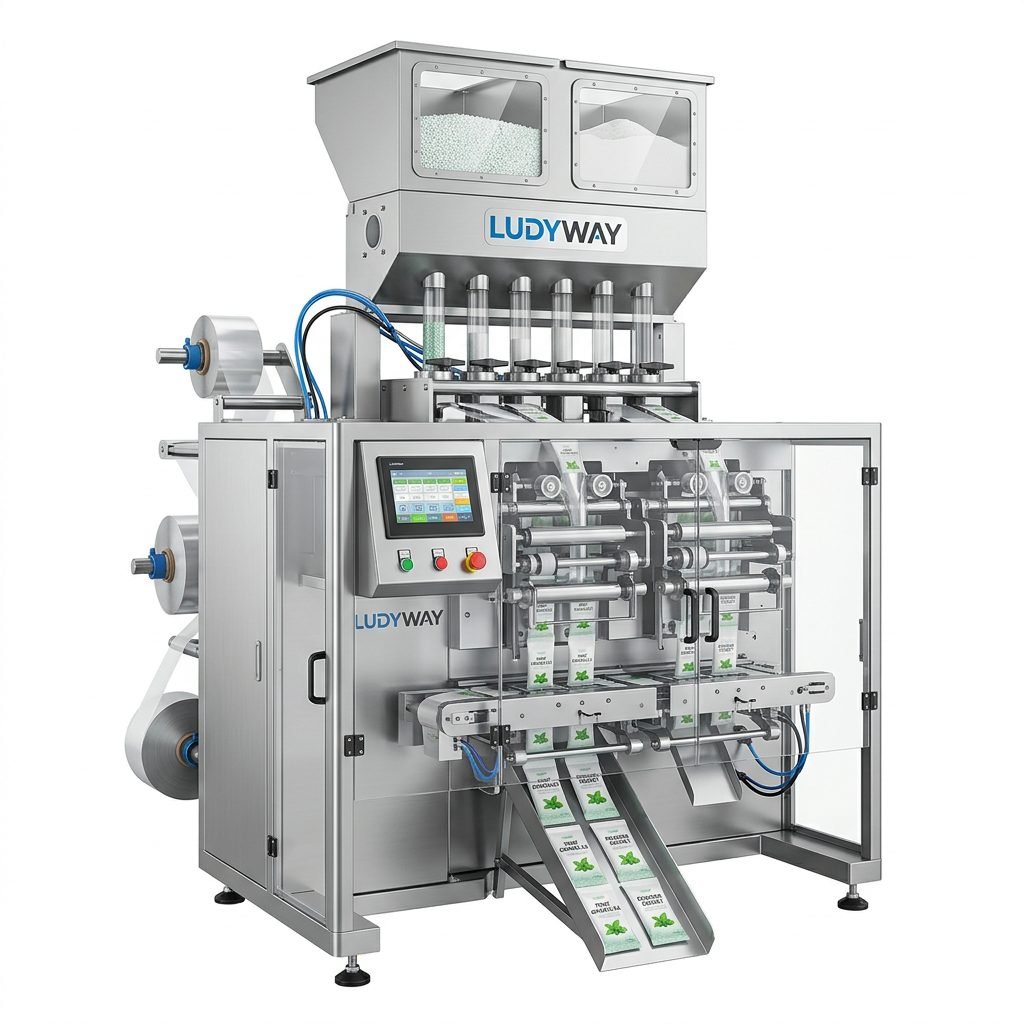
Establishing an airtight food packaging machine production line in China requires meticulous planning, from equipment selection and facility preparation to regulatory compliance and workforce training. A well-designed airtight packaging system preserves product freshness, extends shelf life, and protects against moisture, oxygen, and contaminants. This comprehensive guide walks you through every critical phase of setting up a high-performance packaging line that meets international standards.
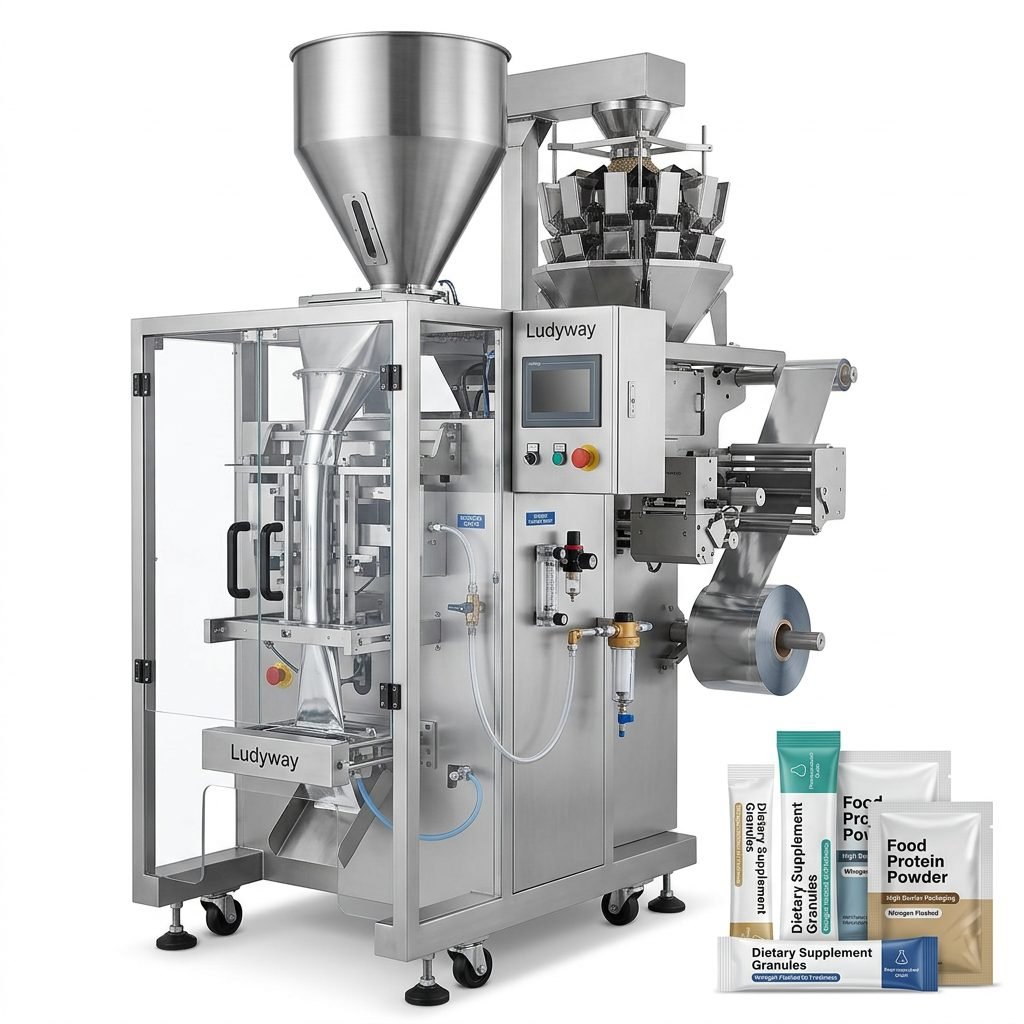
Understanding Airtight Food Packaging Requirements
Before investing in machinery, you must define your product-specific packaging needs. Airtight packaging is essential for oxygen-sensitive foods such as dried powders, granules, coffee, nutritional supplements, and snack items. The primary goal is to create a hermetic seal that prevents gas exchange between the product and the external environment.
Key factors to evaluate include:
- Product characteristics — Is your product a granule, powder, liquid, or solid? Each form factor demands different filling and sealing technologies.
- Target shelf life — Longer shelf life requires advanced barrier films and modified atmosphere packaging (MAP) or nitrogen flushing capabilities.
- Production volume — Daily output targets will determine whether you need single-lane or multi-lane high-speed systems.
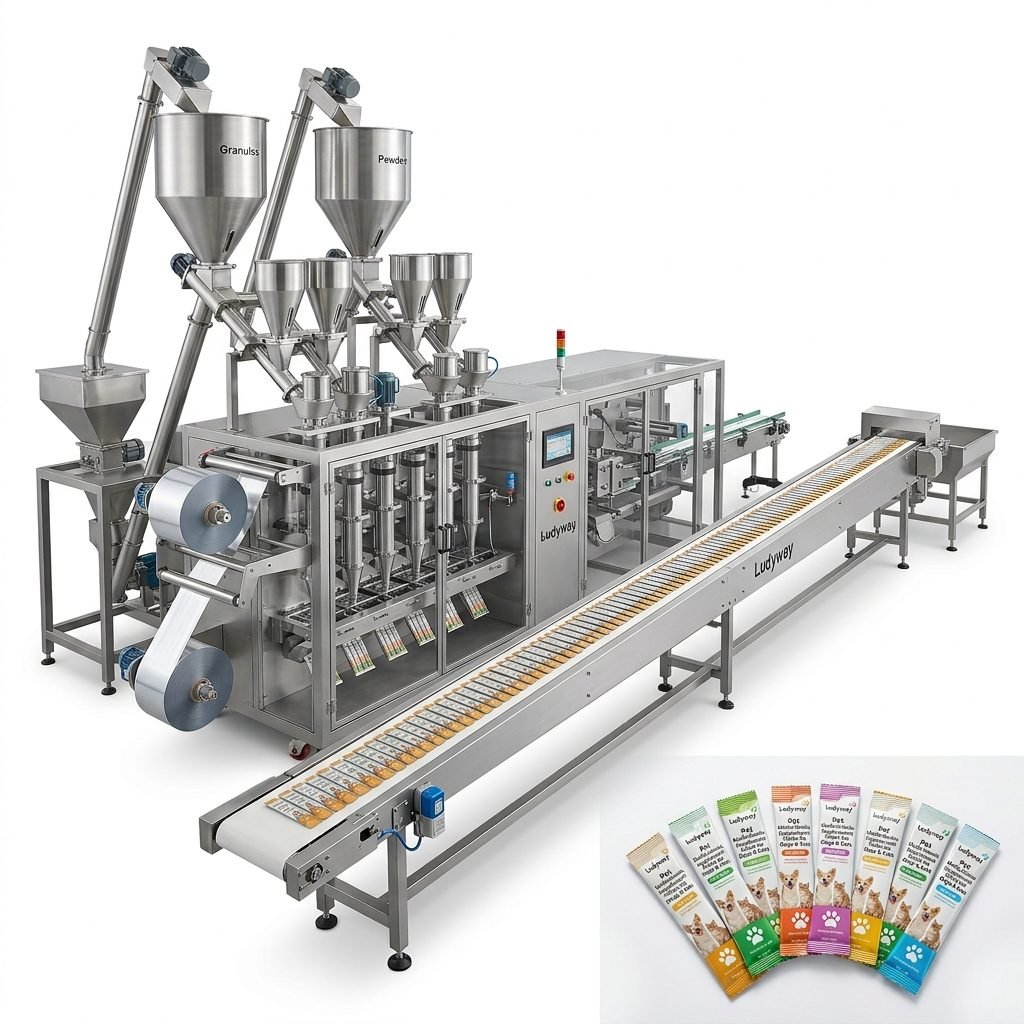
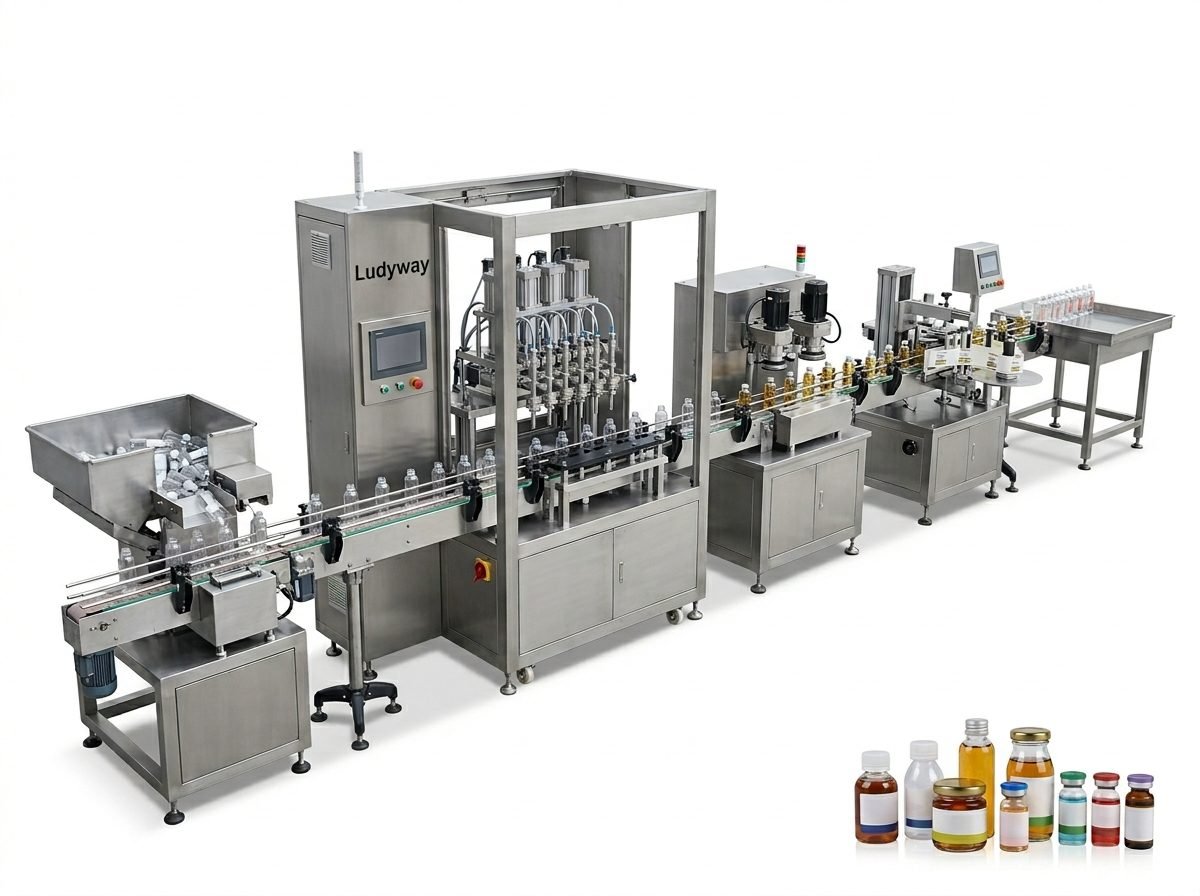
- Packaging format — Stick packs, sachets, pouches, or bottles each require specialized equipment configurations.
- Barrier properties — Multi-layer films with aluminum foil or metallized layers provide the best oxygen and moisture barriers.
Core Equipment for an Airtight Packaging Production Line
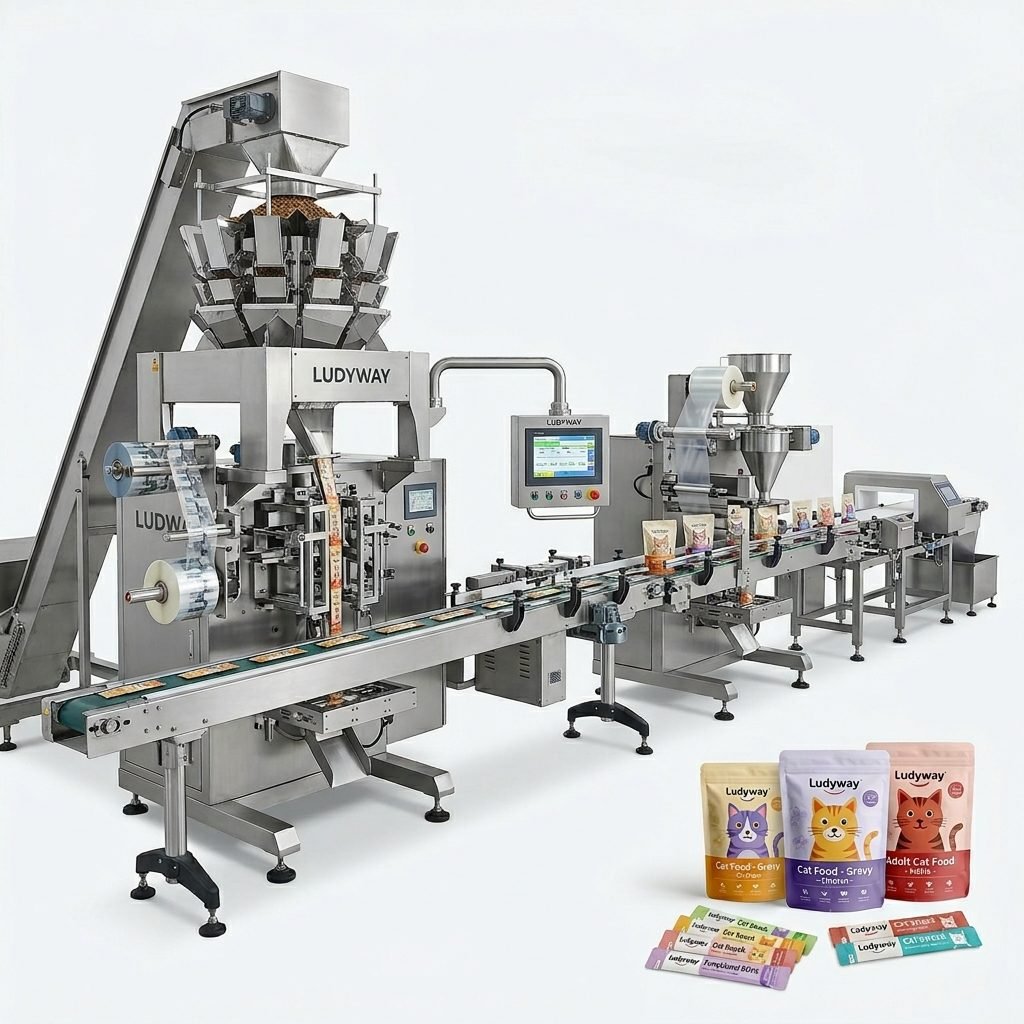
A complete airtight food packaging line typically integrates several key machines. Selecting compatible equipment from the outset ensures smooth operation and minimizes downtime. Below are the essential components:
1. Feeding and Conveying Systems
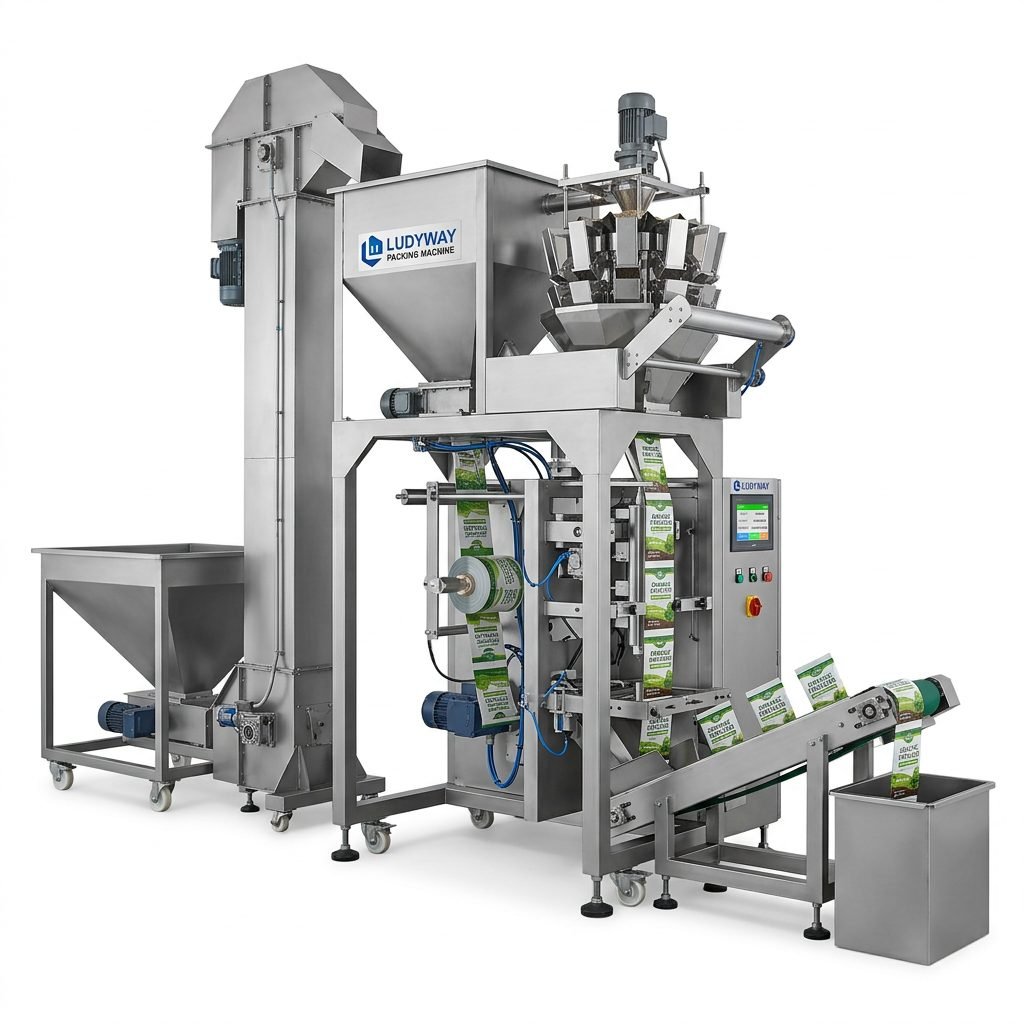
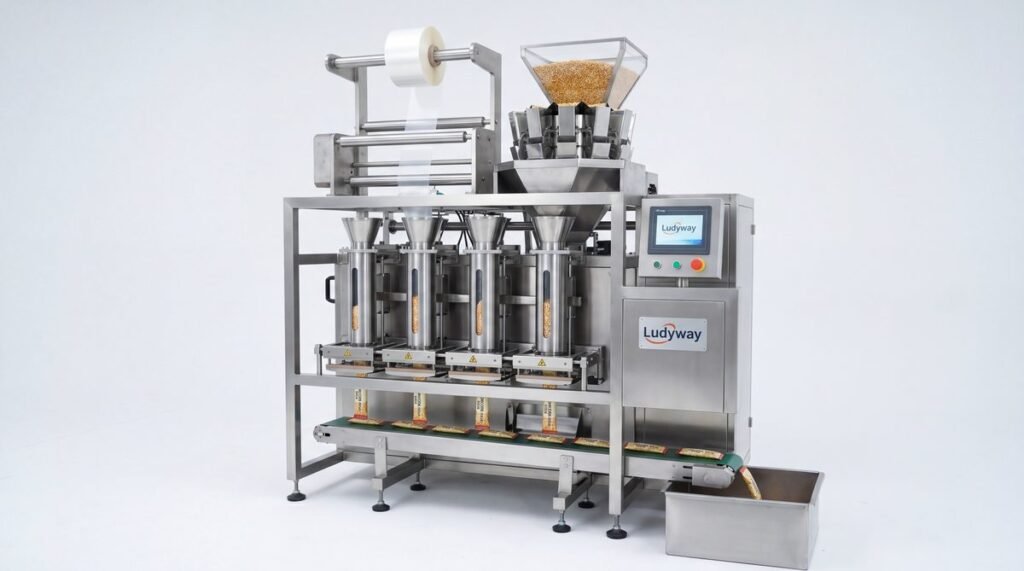
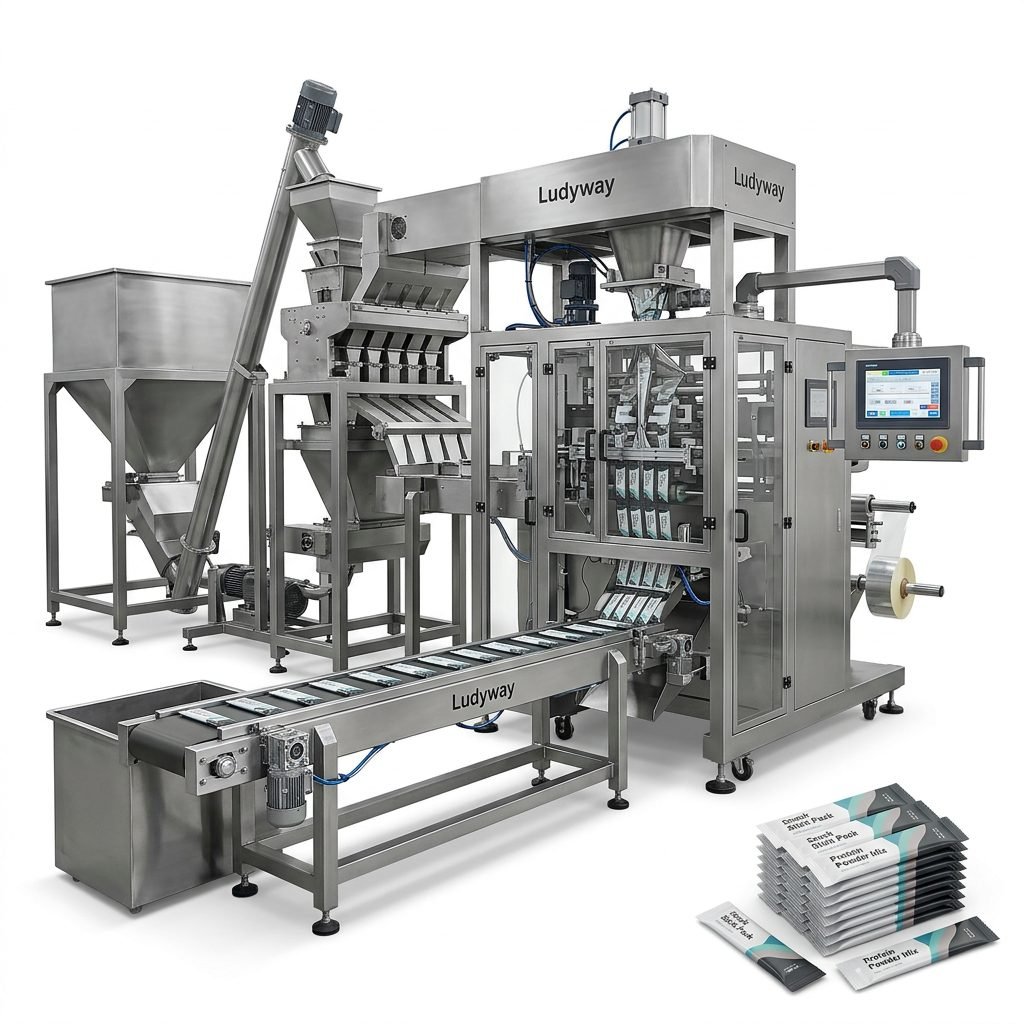
Automated feeding systems — including vibratory feeders, screw conveyors, and bucket elevators — transport raw products to the packaging machine. For airtight applications, enclosed conveying systems help maintain product integrity and prevent contamination during transfer.
2. Multi-Head Weighing and Dosing Units
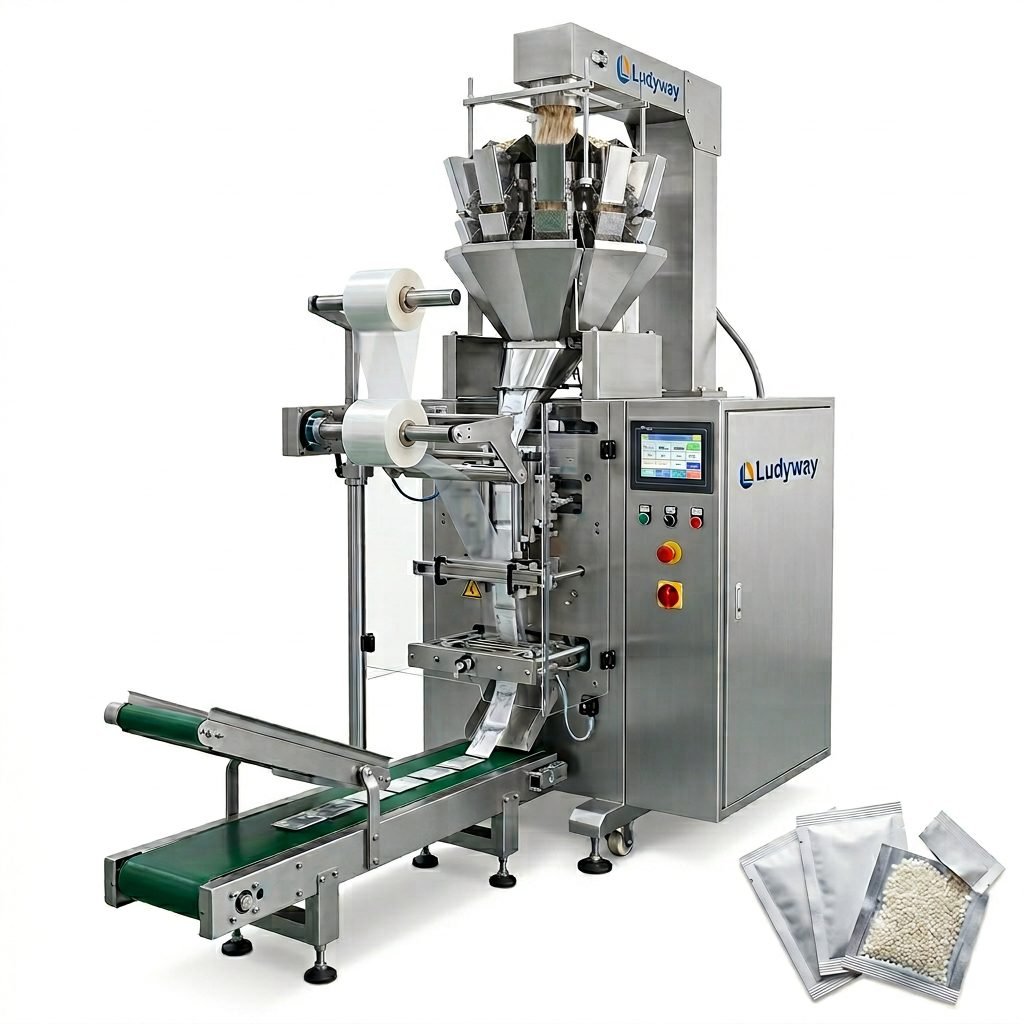
Precision weighing is critical for consistent pack weights. Multi-head weighers offer high accuracy and speed, especially for granular and powder products. These systems integrate directly with vertical form-fill-seal (VFFS) or multi-lane packaging machines.
3. Primary Packaging Machine
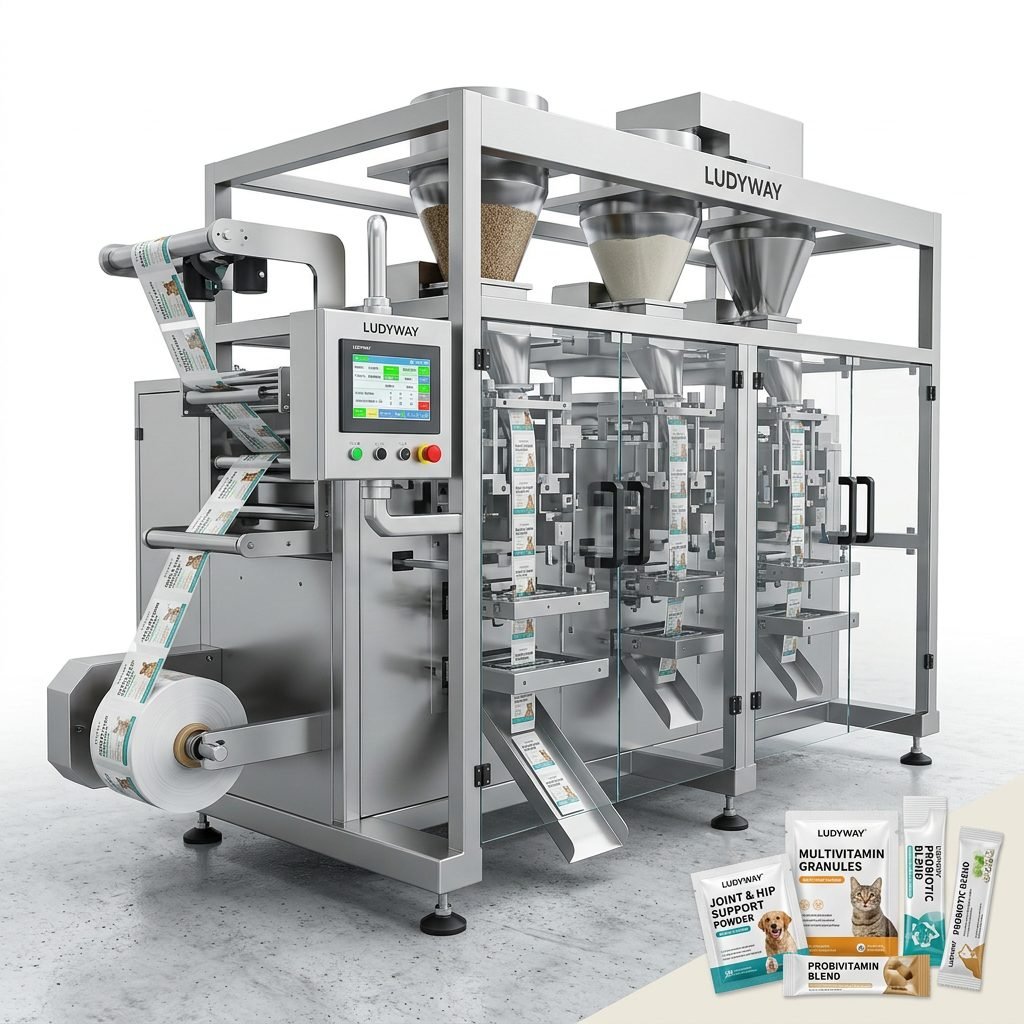
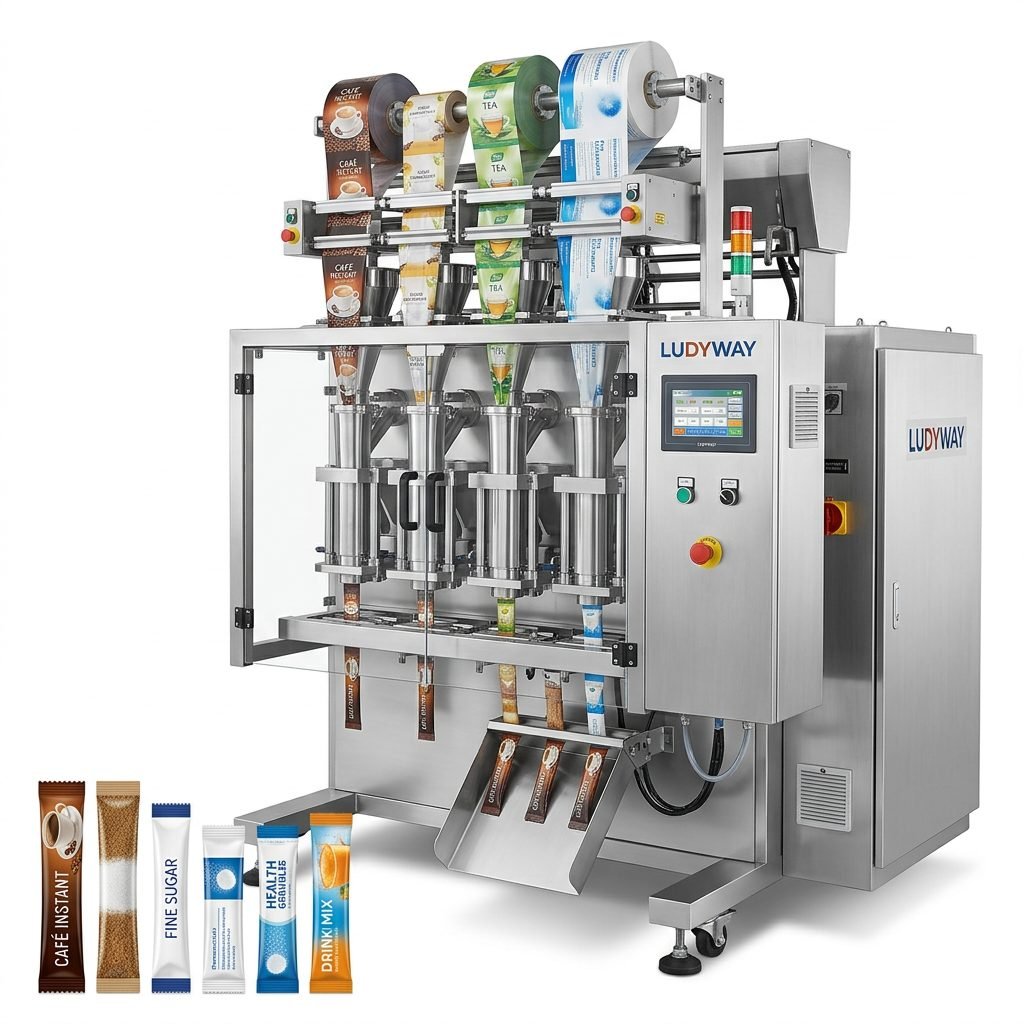
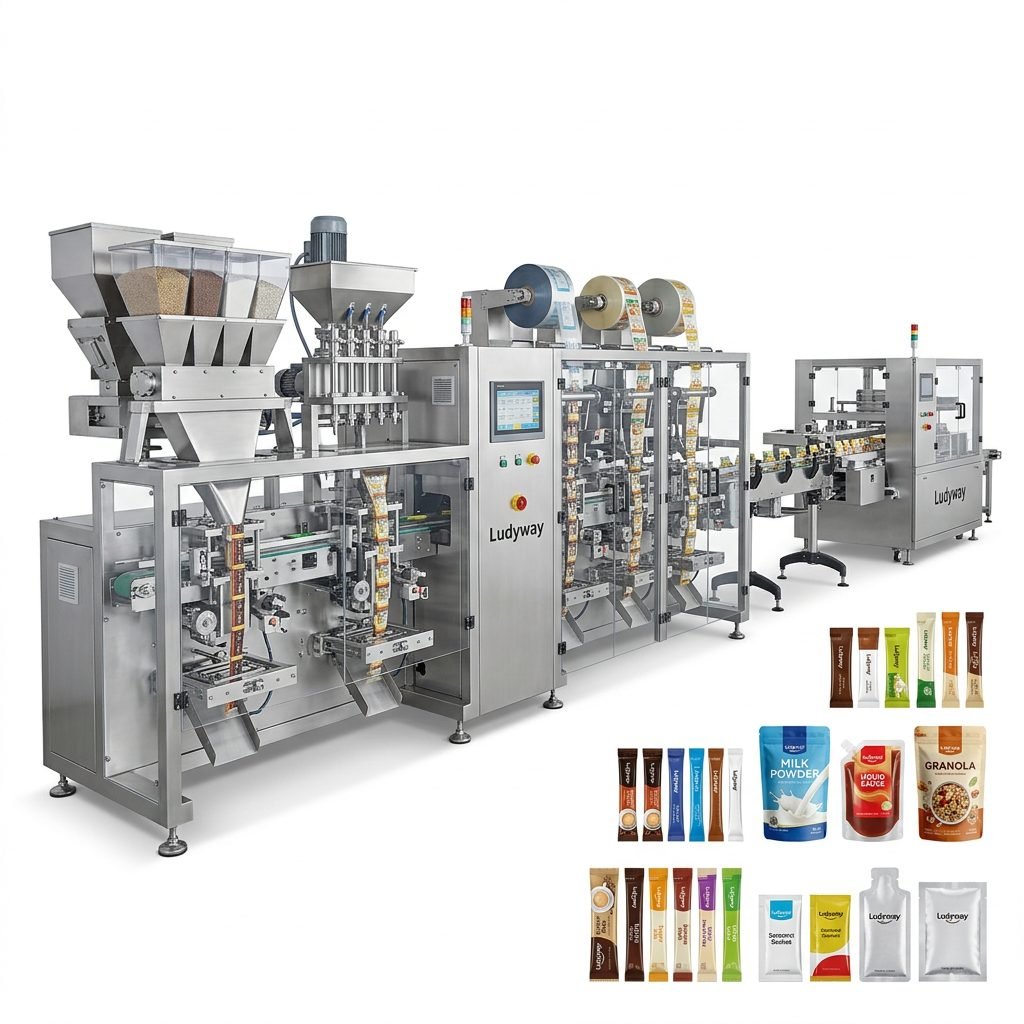
The core of your line will be a form-fill-seal (FFS) machine — either vertical or horizontal configuration. For high-output airtight packaging, multi-lane stick pack and sachet machines are the preferred choice, capable of producing hundreds of sealed pouches per minute with integrated nitrogen flushing or vacuum sealing capabilities.
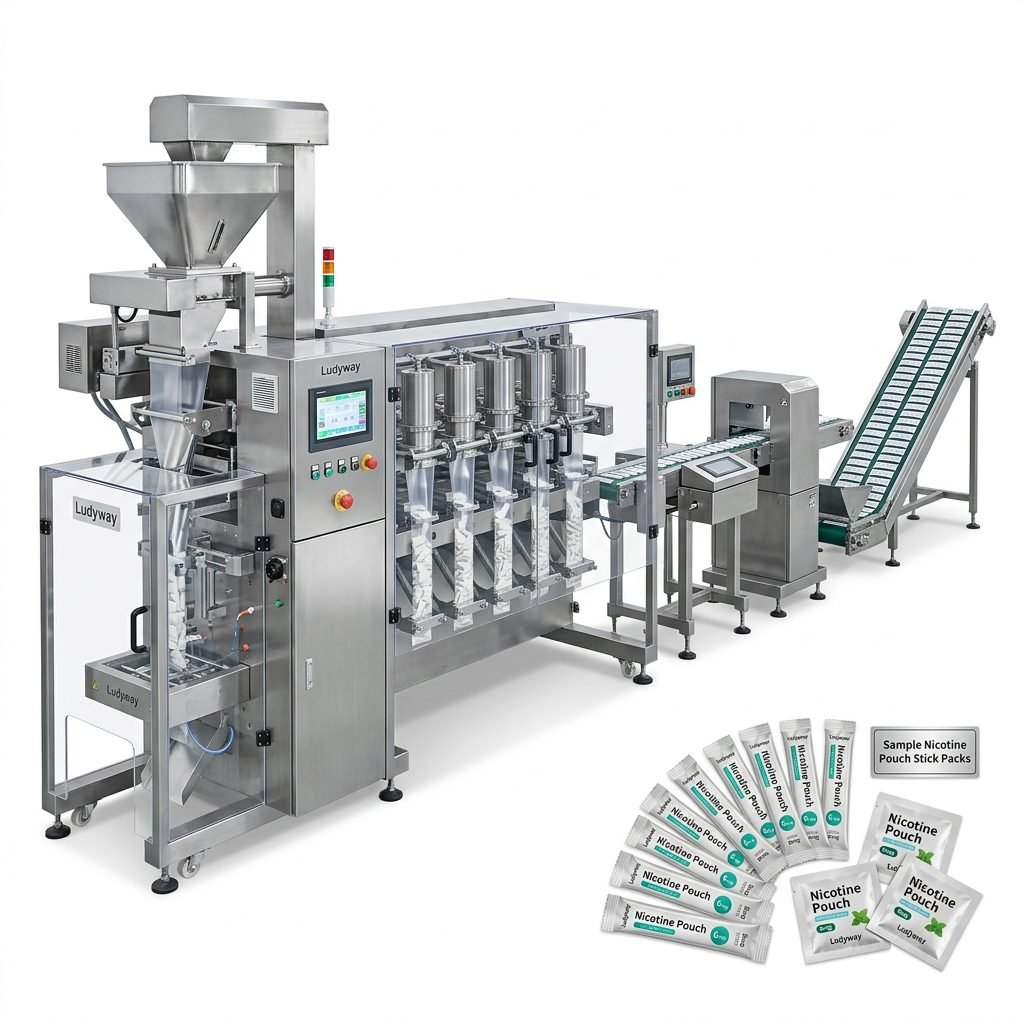
4. Nitrogen Flushing and Modified Atmosphere Packaging (MAP) Systems
For true airtight performance, nitrogen flushing or MAP technology is essential. Nitrogen displaces oxygen inside the package before sealing, creating an inert atmosphere that dramatically extends product shelf life. This is particularly important for products like milk powder, coffee, protein supplements, and pharmaceutical granules. Industry data from the PMMI Business Intelligence Library indicates that MAP-enabled packaging can extend shelf life by 50% to 200% depending on the product category.
5. Inspection and Quality Control Equipment
Inline checkweighers, metal detectors, and vision inspection systems ensure every package meets weight specifications and is free from contaminants. Seal integrity testing is particularly critical for airtight packaging — even microscopic leaks can compromise product quality and lead to costly recalls.
6. Secondary Packaging and End-of-Line Systems
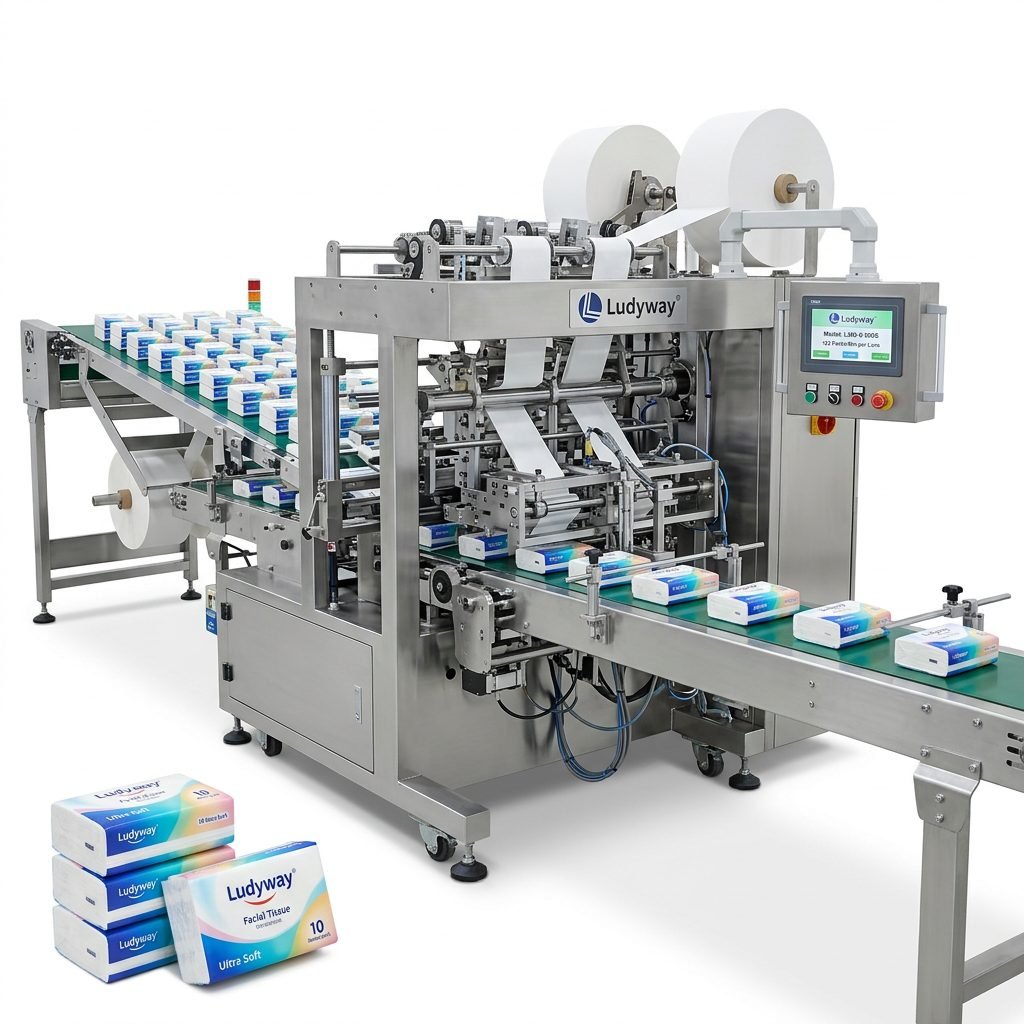
After primary packaging, products move to cartoning machines, case packers, and palletizing systems. Automated end-of-line equipment reduces labor costs and ensures consistent throughput. Shrink wrapping and stretch wrapping systems provide additional protection during storage and shipping.
Facility Planning and Environmental Controls
An airtight packaging production line demands a controlled manufacturing environment. Temperature, humidity, and airborne particle levels directly affect seal quality and product safety. When planning your facility in China, consider the following critical factors:
Clean Room Classifications
Food packaging facilities typically require ISO Class 7 or Class 8 clean room environments, depending on the product type. Pharmaceutical-grade packaging may require ISO Class 5 or higher. The ISO packaging standards provide detailed guidelines for clean room requirements and environmental monitoring. Key parameters include:
- Air filtration — HEPA filters rated at 99.97% efficiency for particles ≥0.3 microns
- Positive air pressure — Prevents external contaminants from entering the production area
- Temperature control — Maintain 20-25°C (68-77°F) for consistent film sealing performance
- Humidity regulation — Keep relative humidity below 55% to prevent powder clumping and maintain seal integrity
Facility Layout Optimization
Design your production floor to facilitate a linear workflow: raw material intake → processing → packaging → quality control → warehousing. Separate areas should be designated for raw materials, finished products, and waste handling to prevent cross-contamination. Adequate space around each machine allows for maintenance access and operator safety.
Regulatory Standards and Quality Compliance
When setting up a packaging line in China for export markets, you must comply with multiple regulatory frameworks. The FDA food packaging regulations govern products destined for the United States, while European Commission packaging standards apply to EU-bound goods. Understanding these requirements early in the planning process prevents costly retrofits later.
Key compliance areas include:
- Food contact materials — All packaging films and components must meet FDA 21 CFR or EU Regulation (EC) No 1935/2004 requirements
- GMP compliance — Good Manufacturing Practices for food and dietary supplement production
- HACCP implementation — Hazard Analysis and Critical Control Points for identifying and managing food safety risks
- ISO 22000 — Food safety management systems certification
- Traceability systems — Batch coding and serialization for product tracking throughout the supply chain
Cost Analysis and Investment Planning
A comprehensive understanding of costs helps you budget effectively and calculate return on investment. The table below outlines typical cost categories for establishing an airtight food packaging line in China:
| Cost Category | Estimated Range (USD) | Percentage of Total Investment | Notes |
|---|---|---|---|
| Primary Packaging Machine | $80,000 – $350,000 | 25% – 35% | Multi-lane systems cost more; capacity-dependent |
| Feeding & Weighing Systems | $25,000 – $120,000 | 10% – 15% | Includes multi-head weighers and conveyors |
| Nitrogen Flushing / MAP System | $15,000 – $60,000 | 5% – 8% | Nitrogen generator plus gas mixing panels |
| Inspection Equipment | $20,000 – $80,000 | 5% – 10% | Checkweighers, metal detectors, vision systems |
| End-of-Line Automation | $40,000 – $180,000 | 10% – 18% | Cartoning, case packing, palletizing |
| Facility Modifications | $50,000 – $250,000 | 10% – 20% | Clean room construction, HVAC, utilities |
| Installation & Commissioning | $15,000 – $60,000 | 3% – 6% | Includes technician travel and setup |
| Training & Documentation | $5,000 – $20,000 | 1% – 3% | Operator training and SOP development |
| Total Estimated Investment | $250,000 – $1,120,000 | 100% | Varies based on capacity and automation level |
Choosing a Reliable Packaging Machine Manufacturer in China
China is home to hundreds of packaging equipment manufacturers, but quality and reliability vary significantly. Selecting the right partner is one of the most consequential decisions you will make during this process. Evaluate potential suppliers based on these criteria:
- Industry experience — Look for manufacturers with 15+ years of expertise in food packaging specifically, not just general machinery
- Manufacturing facility scale — Visit the factory to assess production capabilities, quality control processes, and workforce expertise
- International certifications — CE, ISO 9001, and other relevant certifications indicate commitment to quality standards
- After-sales support — Confirm the availability of spare parts, remote troubleshooting, and on-site technical assistance
- References and case studies — Request testimonials from clients in your specific product category and target markets
- Customization capabilities — Airtight packaging often requires tailored solutions; ensure the manufacturer can modify equipment to your needs
For instance, Ludyway operates from a modern 20,000㎡ manufacturing facility with over 30 years of industry experience, offering more than 50 intelligent packaging machine models including multi-lane stick pack, sachet, and fully automated packaging systems. When evaluating any supplier, always request a detailed technical proposal and, if possible, conduct a factory acceptance test (FAT) before shipment.
Installation, Commissioning, and Workforce Training
Proper installation and commissioning are essential to achieving the desired airtight seal performance. This phase typically spans 2 to 6 weeks, depending on line complexity. Key steps include:
Pre-Installation Preparation
- Verify that all utilities — electricity, compressed air, nitrogen supply, and water — meet the equipment specifications
- Prepare the foundation and mounting points according to the manufacturer’s layout drawings
- Ensure all required tools, spare parts, and consumables are on-site before the installation team arrives
Commissioning and Validation
- Run the equipment through IQ/OQ/PQ protocols (Installation Qualification, Operational Qualification, Performance Qualification)
- Conduct seal integrity tests using dye penetration, burst testing, or vacuum decay methods to verify airtight performance
- Validate nitrogen flush effectiveness by measuring residual oxygen levels inside sealed packages (target: <2% O₂)
- Calibrate all weighing, temperature, and pressure sensors to ensure accuracy
Operator and Maintenance Training
Comprehensive training reduces downtime and extends equipment lifespan. Training should cover:
- Machine start-up, operation, and shutdown procedures
- Film threading, splicing, and tension adjustment techniques
- Common troubleshooting scenarios and corrective actions
- Preventive maintenance schedules and lubrication requirements
- Safety protocols and emergency stop procedures
Ongoing Maintenance and Performance Optimization
Sustaining airtight packaging performance requires a proactive maintenance program. Even minor wear on sealing jaws or temperature controller drift can compromise seal integrity. Implement these best practices:
Daily Maintenance Tasks
- Clean sealing surfaces and remove any product residue or film debris
- Inspect sealing jaws for wear, alignment, and temperature uniformity
- Check nitrogen flow rates and gas purity levels
- Monitor production rejects and investigate any upward trends in seal failures
Periodic Maintenance and Spare Parts
- Replace sealing elements and Teflon tapes on a scheduled basis, not just when failures occur
- Keep an inventory of critical spare parts — heating elements, thermocouples, sealing jaws, belts, sensors, and pneumatic components
- Calibrate temperature controllers, pressure regulators, and weighing systems quarterly
- Schedule annual comprehensive inspections by qualified service technicians
Key Takeaways for a Successful Airtight Packaging Line Setup
Setting up an airtight food packaging machine production line in China is a significant undertaking that requires careful coordination across multiple disciplines. The most successful implementations share several common characteristics:
- Thorough upfront planning — Define product requirements, production targets, and regulatory obligations before purchasing equipment
- Investment in quality equipment — Choose machines designed specifically for airtight applications with proven sealing technologies
- Controlled production environment — Maintain appropriate clean room standards and environmental conditions
- Rigorous validation — Conduct comprehensive seal integrity testing during commissioning and throughout production
- Skilled workforce — Invest in operator training and develop detailed standard operating procedures
- Continuous improvement — Monitor key performance indicators and optimize processes over time
By following the guidelines outlined in this article and partnering with experienced equipment manufacturers, you can establish a production line that delivers consistent, high-quality airtight packaging — protecting your products, extending shelf life, and building consumer trust in your brand. For further reading on packaging industry trends and standards, the PMMI State of the Industry report and the Flexible Packaging Association resources provide valuable market intelligence and technical guidance.