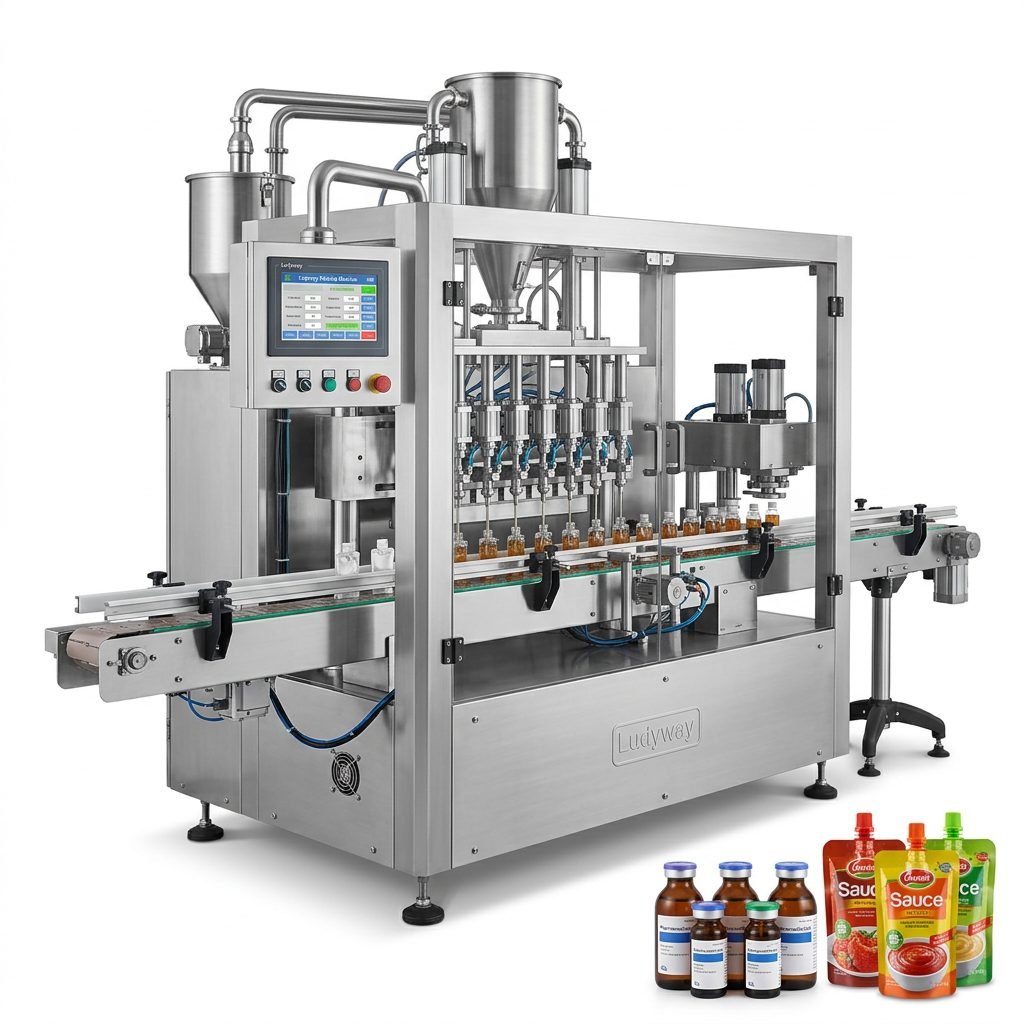
Investing in a cheese packaging machine in Germany requires careful planning, as the country is known for its stringent quality standards, advanced automation demands, and highly competitive dairy industry. Whether you are a small artisanal producer or a large-scale dairy operation, selecting the right equipment can significantly impact product shelf life, operational efficiency, and overall profitability. This guide walks you through everything you need to know before making a purchase decision.
Understanding the German Cheese Packaging Market
Germany is one of the largest cheese producers and consumers in Europe, with a market that values precision engineering, hygiene compliance, and sustainability. The demand for packaged cheese spans across retail, food service, and export channels. According to industry data from the PMMI Business Intelligence Library, packaging machinery in Europe is increasingly driven by automation and flexible packaging formats. German buyers typically prioritize machines that comply with ISO packaging standards and EU regulations, including those related to food contact materials monitored by the FDA and European Commission guidelines on packaging and packaging waste.
Key Types of Cheese Packaging Machines
Different cheese varieties require different packaging approaches. Below are the most common machine types you will encounter when searching for a cheese packaging machine in the German market:
Vacuum Packaging Machines
Vacuum packaging is the preferred method for hard and semi-hard cheeses like Gouda, Emmental, and Cheddar. These machines remove oxygen to extend shelf life and prevent mold growth. Look for models with high-quality sealing bars and durable vacuum pumps designed for continuous operation.
Modified Atmosphere Packaging (MAP) Systems
MAP technology is essential for sliced, grated, and soft cheeses. By replacing ambient air with a controlled gas mixture, MAP systems preserve freshness, texture, and flavor. German retailers increasingly demand MAP-packaged cheese for extended shelf presence. Leading manufacturers offer integrated solutions that combine filling, gas flushing, and sealing in one automated line.
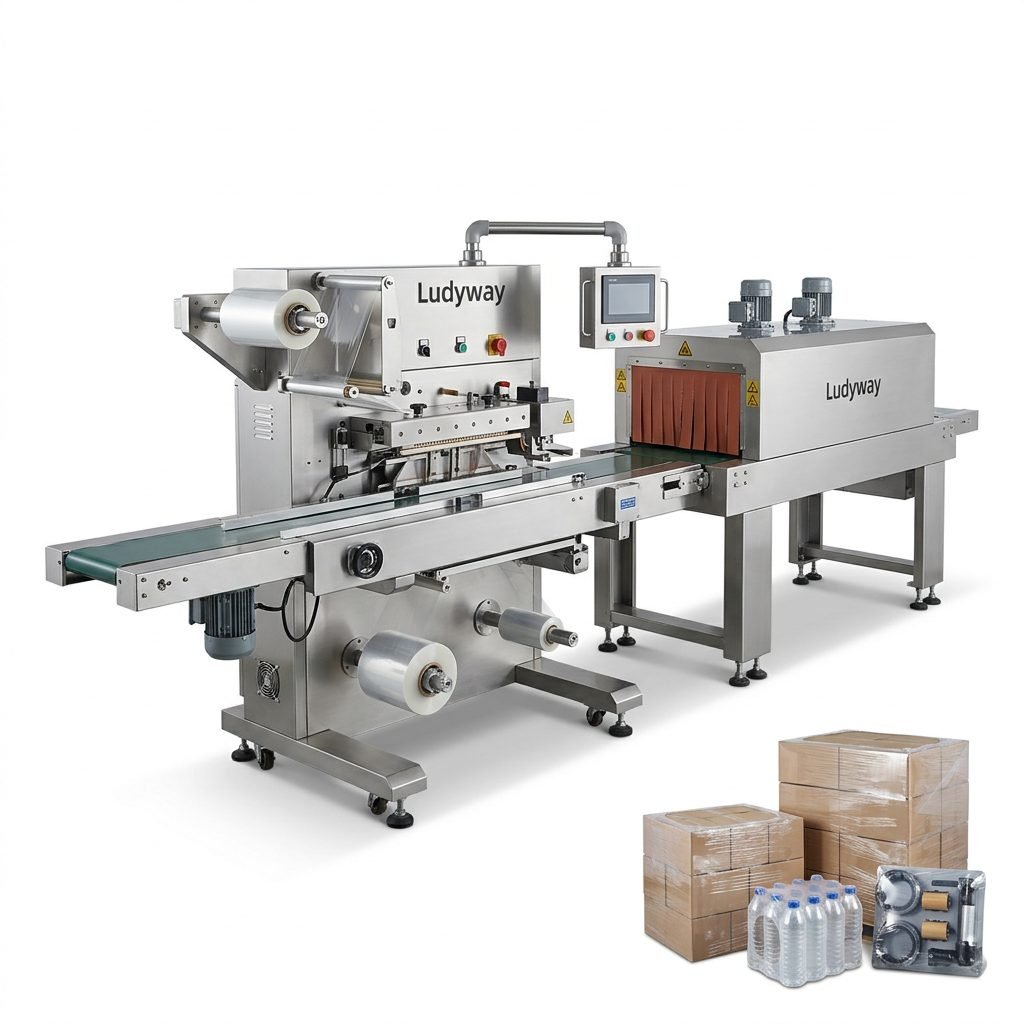
Flow Wrapping Machines
Flow wrapping is widely used for portioned cheese blocks and slices. These horizontal machines wrap products in flexible film at high speeds, making them ideal for high-volume production environments common in German dairy facilities.
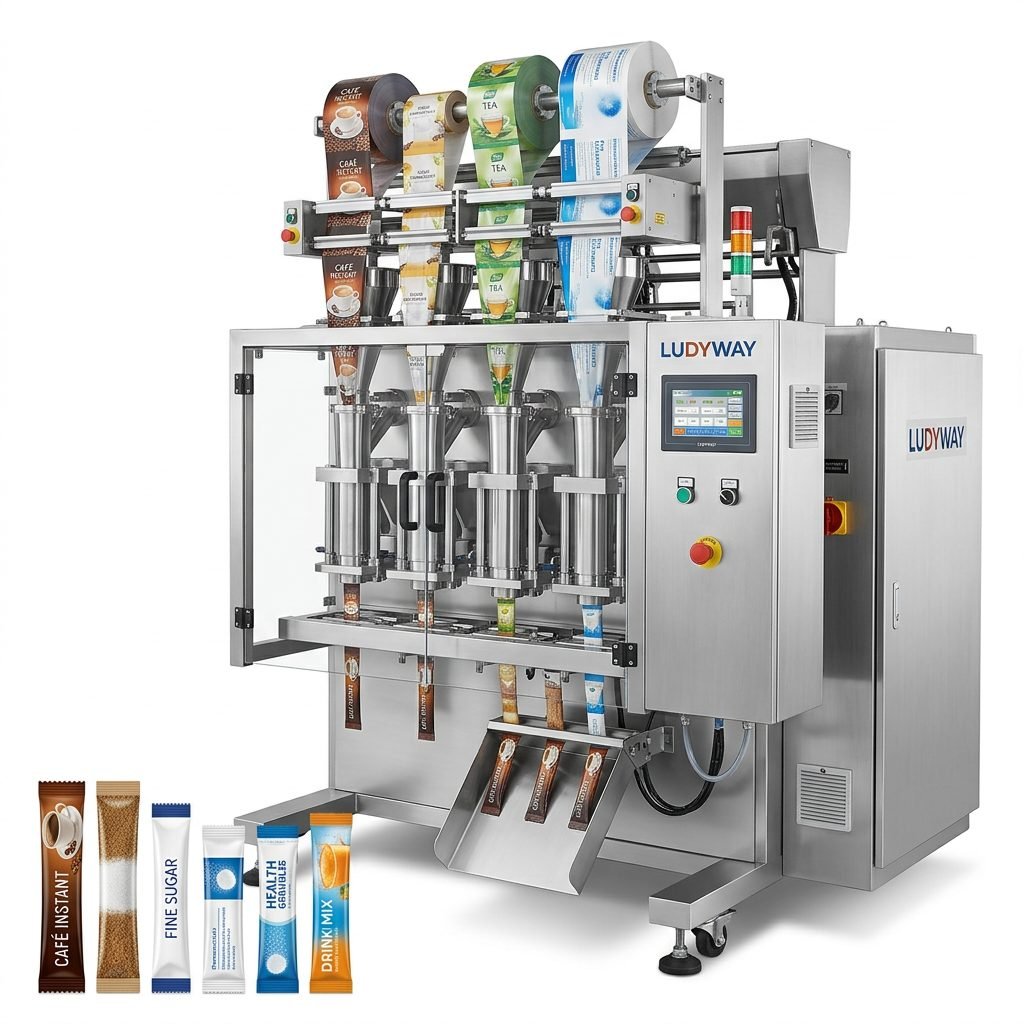
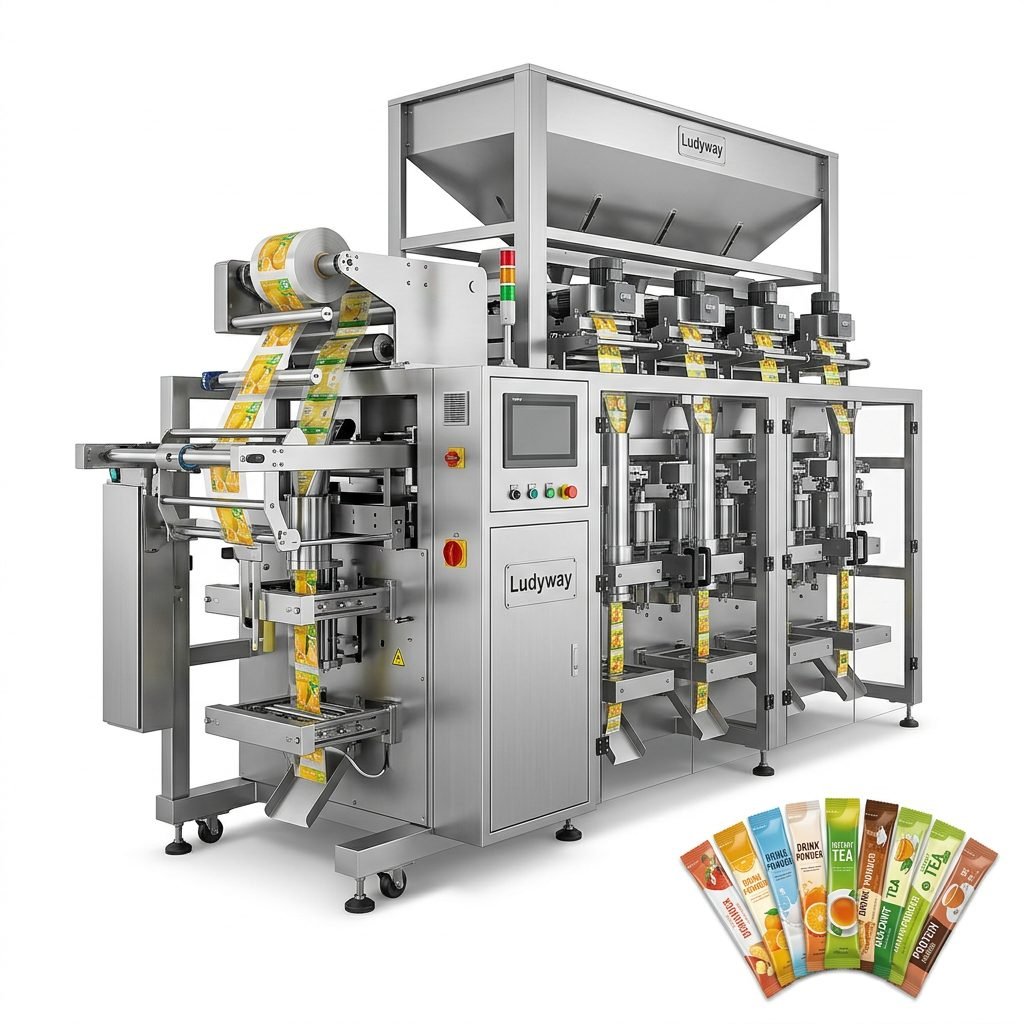
Pouch and Sachet Packaging Machines
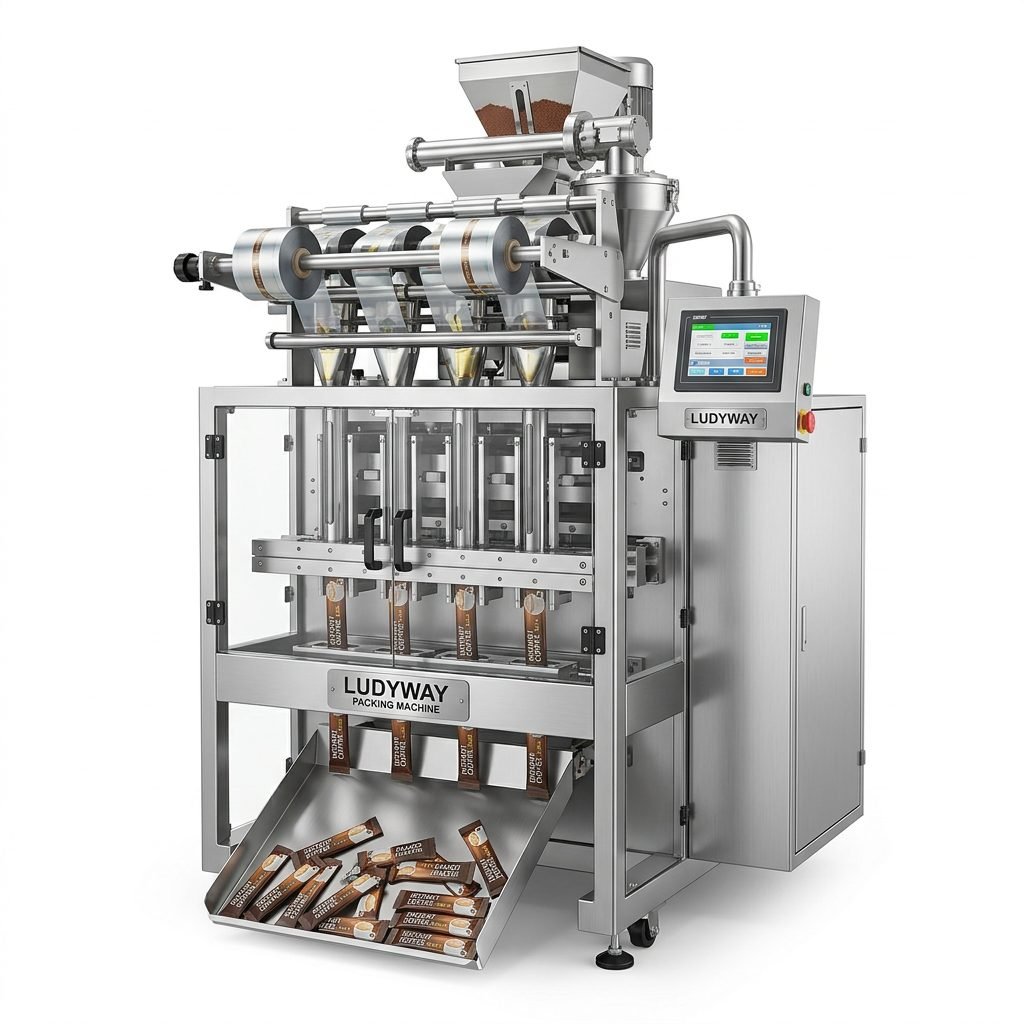
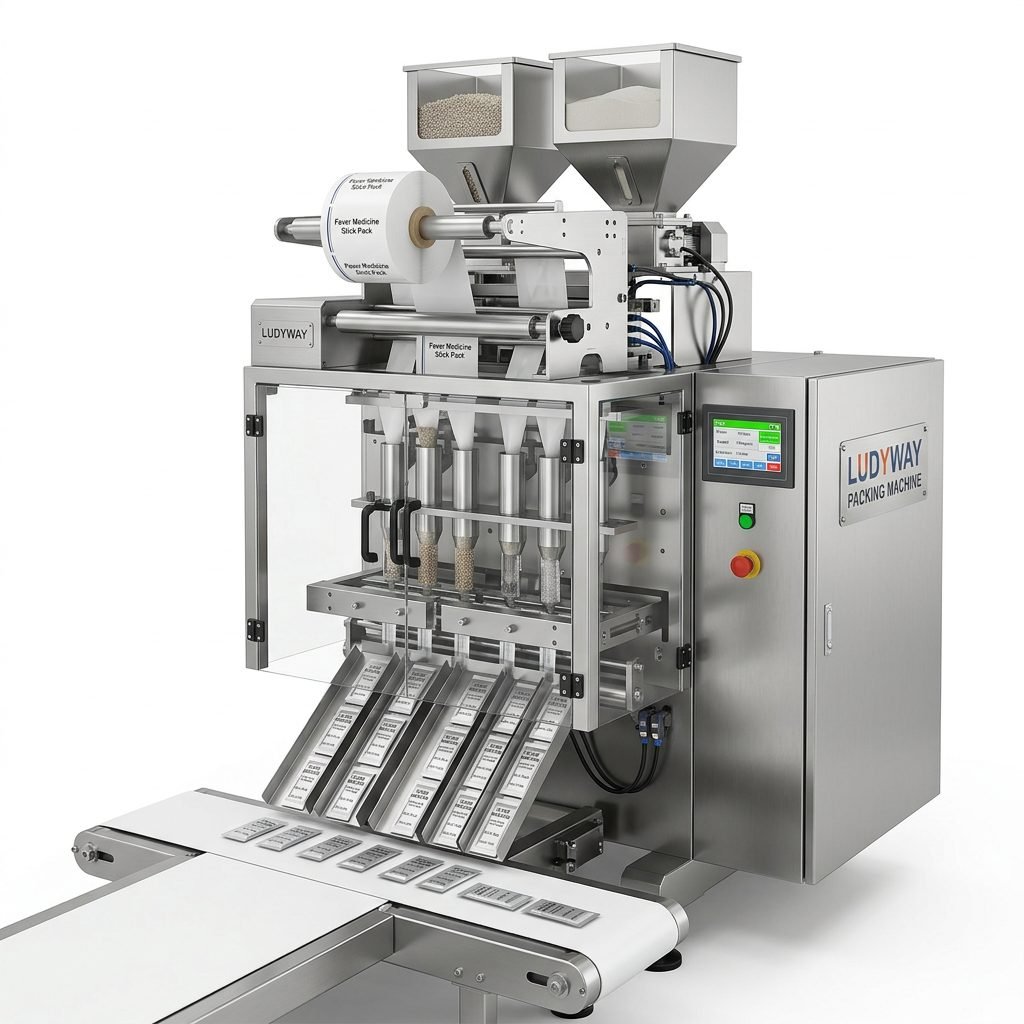
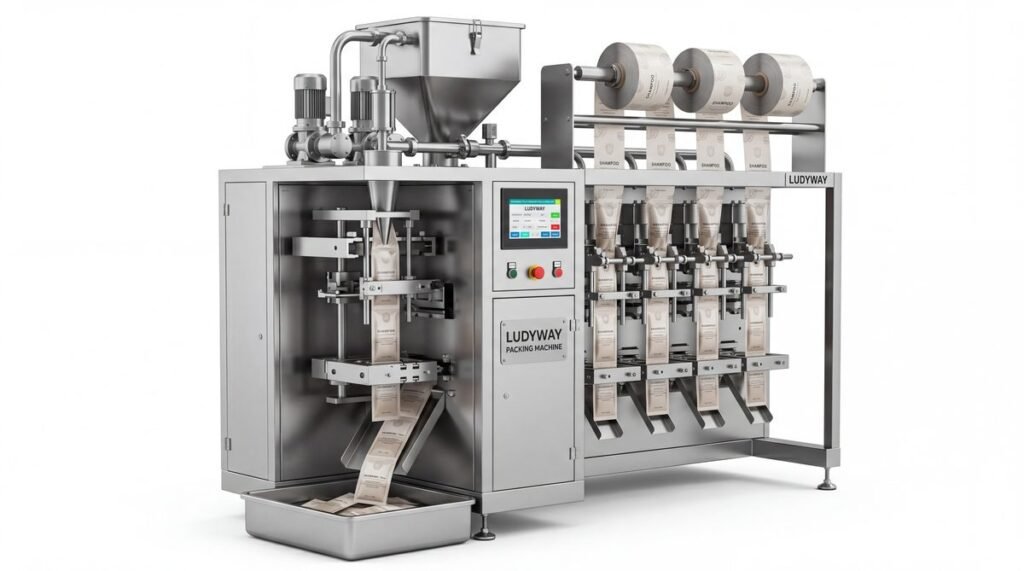
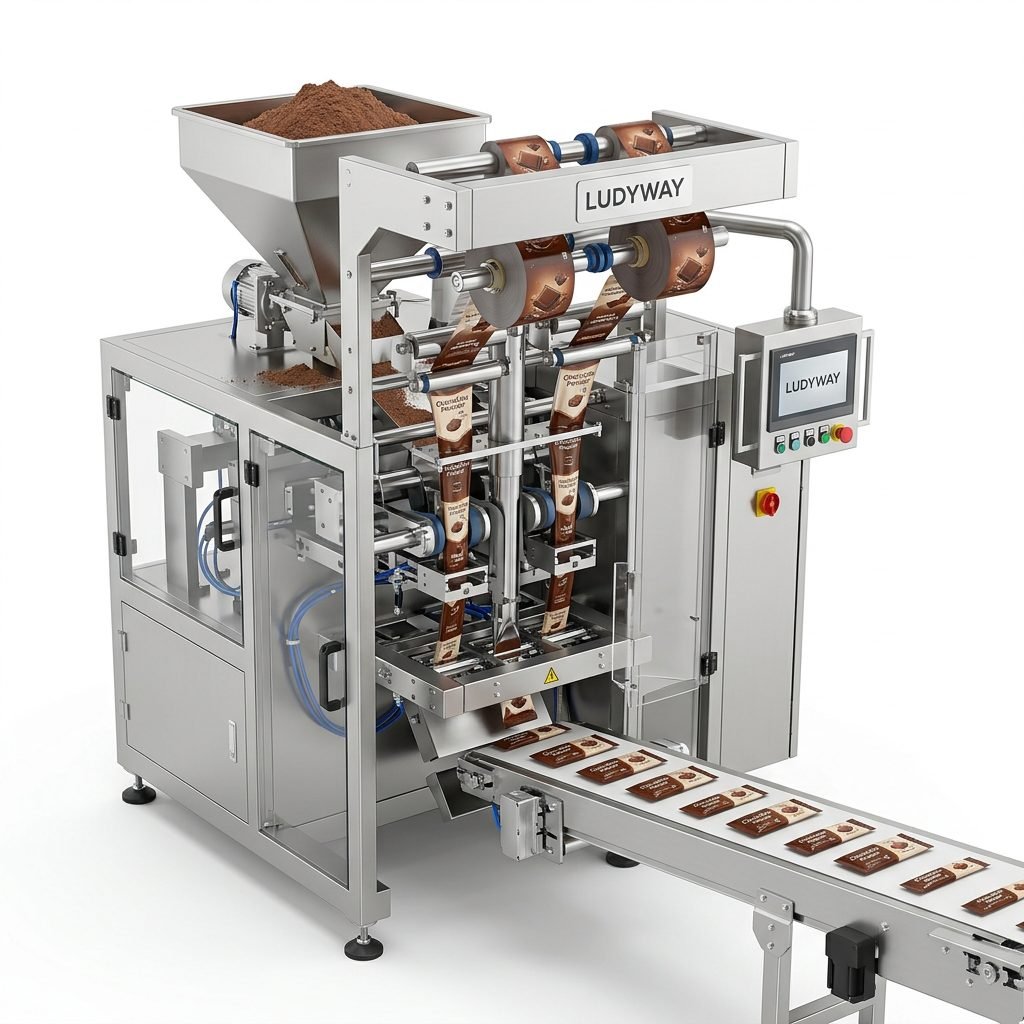
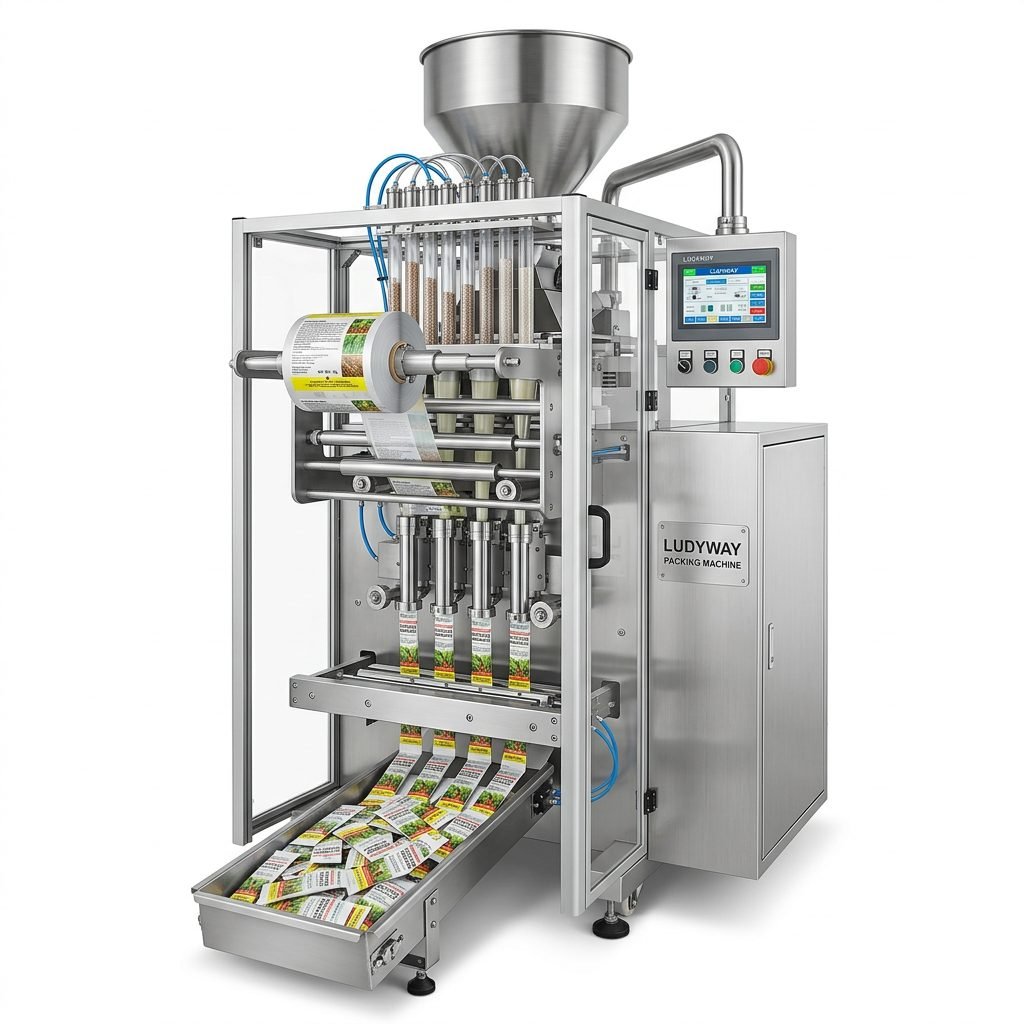
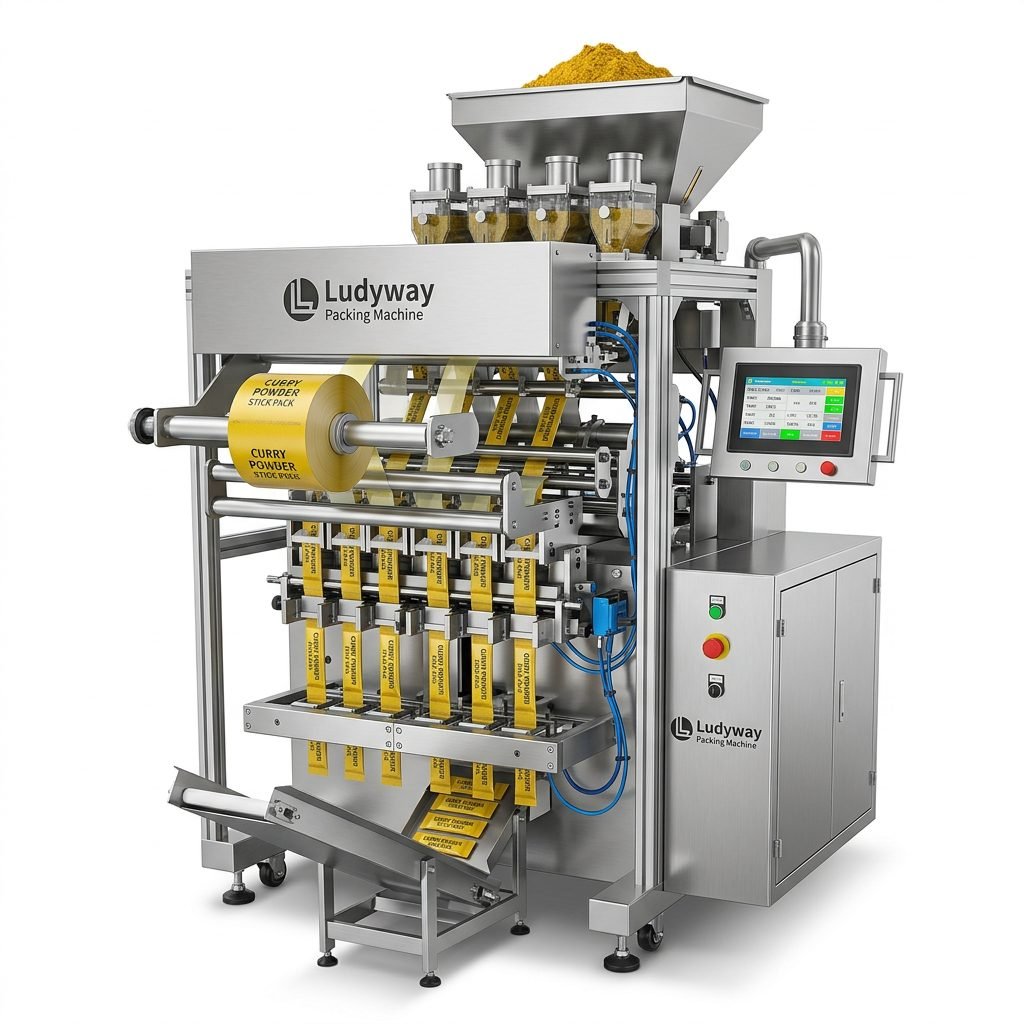
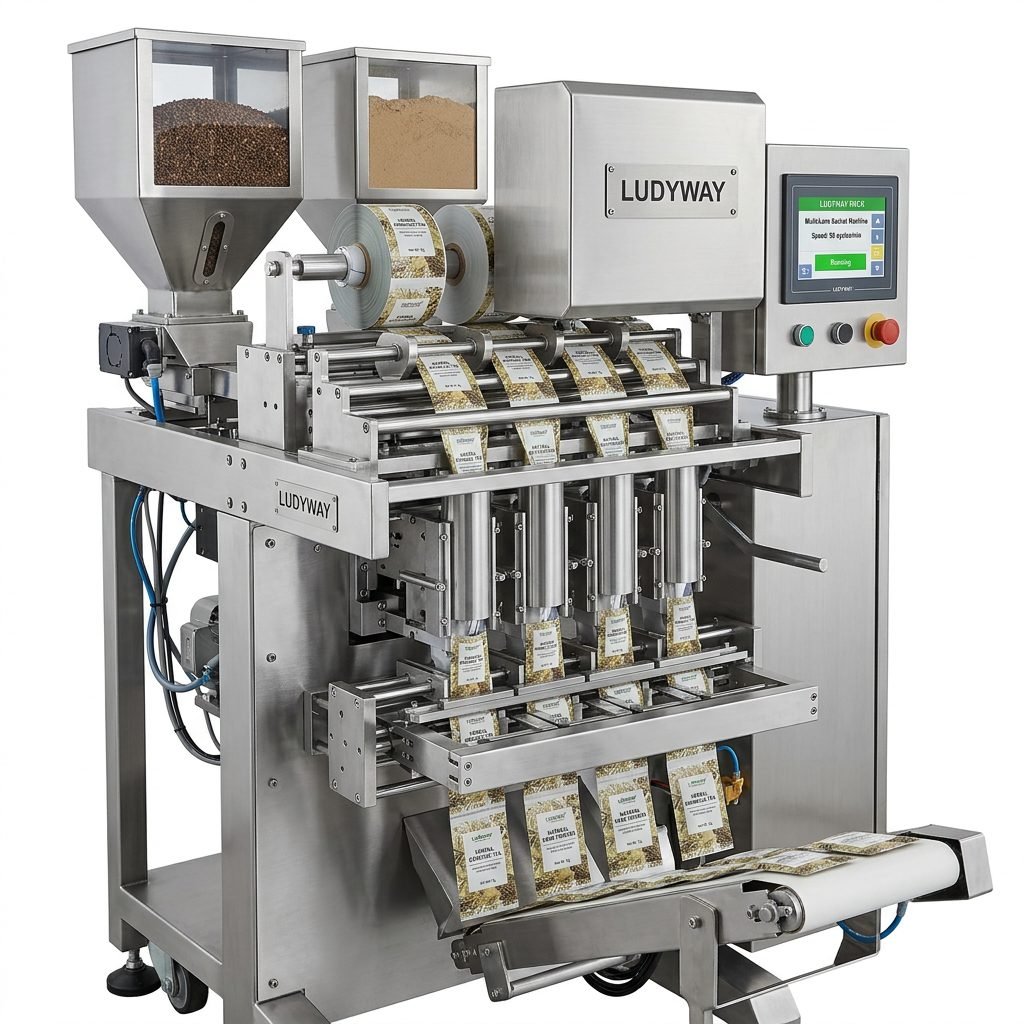
For grated cheese, cheese powder, and single-serve portions, multi-lane stick pack and sachet machines offer unmatched efficiency. These systems can handle granule and powder formats with precision filling, making them versatile for various cheese product formats. The Flexible Packaging Association provides valuable resources on flexible packaging trends relevant to dairy applications.
German Regulatory Standards and Compliance
Any cheese packaging machine purchased for use in Germany must comply with EU machinery directives, food safety regulations, and German-specific standards. Key requirements include:
- CE Marking – Mandatory for all machinery sold within the European Economic Area
- EHEDG Guidelines – Hygienic design standards for food processing equipment
- IFS and BRC Compliance – Required by most German retailers and distributors
- Materials Traceability – All food contact parts must be certified under ISO 11607 and related standards
- Energy Efficiency – German regulations increasingly favor machines with lower energy consumption ratings
Critical Factors to Evaluate Before Purchase
When comparing different models and suppliers, use the following evaluation framework to guide your decision:
| Evaluation Criteria | Why It Matters | What to Look For |
|---|---|---|
| Production Speed | Directly affects output and profitability | Packs per minute aligned with your daily volume needs |
| Hygienic Design | Prevents contamination and ensures food safety | Stainless steel construction, easy-clean surfaces, CIP compatibility |
| Flexibility | Adapts to different cheese types and formats | Quick changeover, multi-format capability |
| Automation Level | Labor costs in Germany are high | Fully or semi-automatic with PLC control and HMI interface |
| After-Sales Support | Minimizes downtime and maintenance costs | Local service technicians, spare parts availability, remote diagnostics |
| Energy Efficiency | Long-term operational cost reduction | Low power consumption, optimized pneumatic systems |
Cost Considerations and ROI Analysis
The price of a cheese packaging machine varies significantly based on type, capacity, and automation level. Entry-level semi-automatic vacuum sealers may start around €8,000–€15,000, while fully automated MAP lines with multi-lane configuration can range from €80,000 to over €300,000. When calculating ROI, factor in the following:
- Labor savings from reduced manual handling
- Extended shelf life leading to less product waste
- Higher throughput enabling increased sales volume
- Energy consumption over the machine’s expected lifespan
- Maintenance contracts and spare parts inventory
Supplier Evaluation and Due Diligence
Choosing the right supplier is as important as choosing the right machine. German buyers should consider both domestic manufacturers and international suppliers with proven export experience. Evaluate potential partners based on:
- Industry Experience – Years in business and specialization in dairy packaging
- Client References – Case studies and testimonials from food industry clients
- Certifications – ISO 9001, CE marking, and food safety certifications
- Local Representation – Presence of distributors or service centers in Germany or nearby EU countries
- Customization Capability – Ability to tailor machines to your specific cheese product requirements
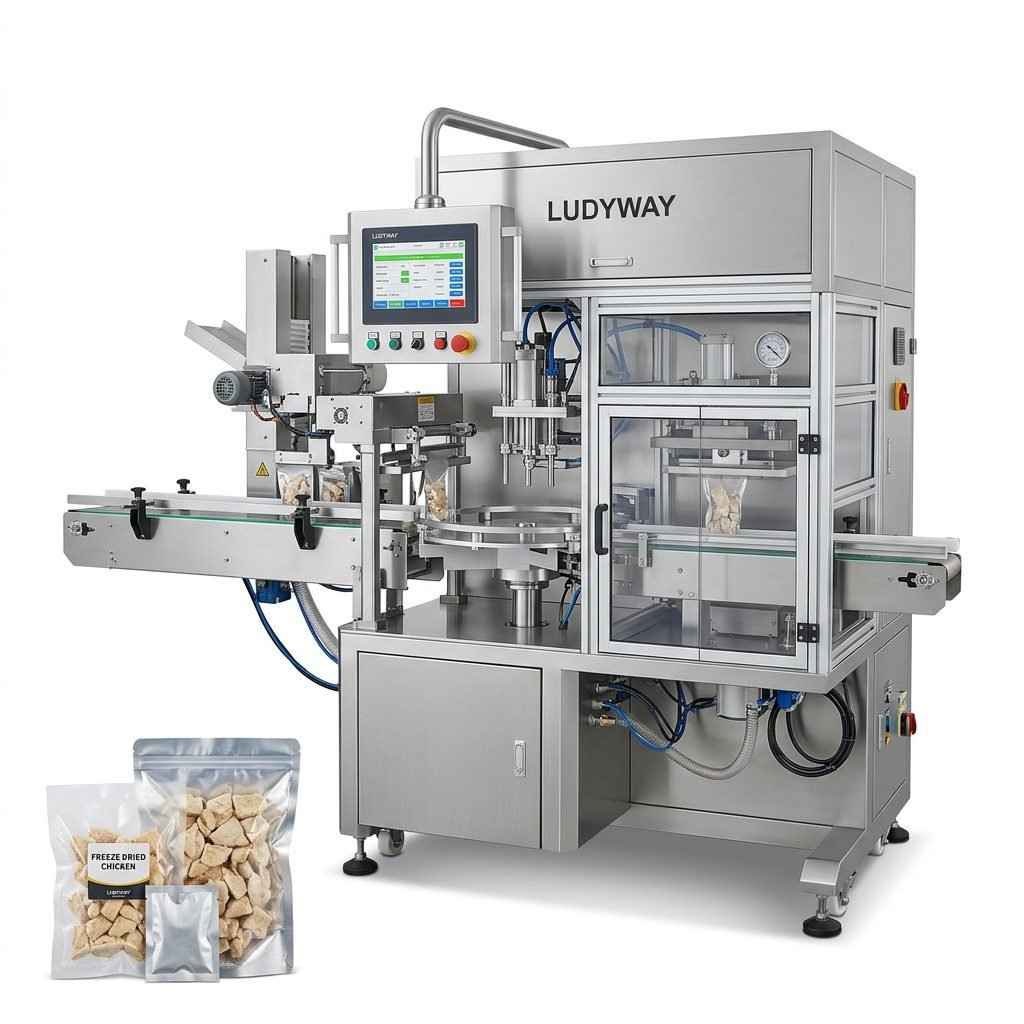
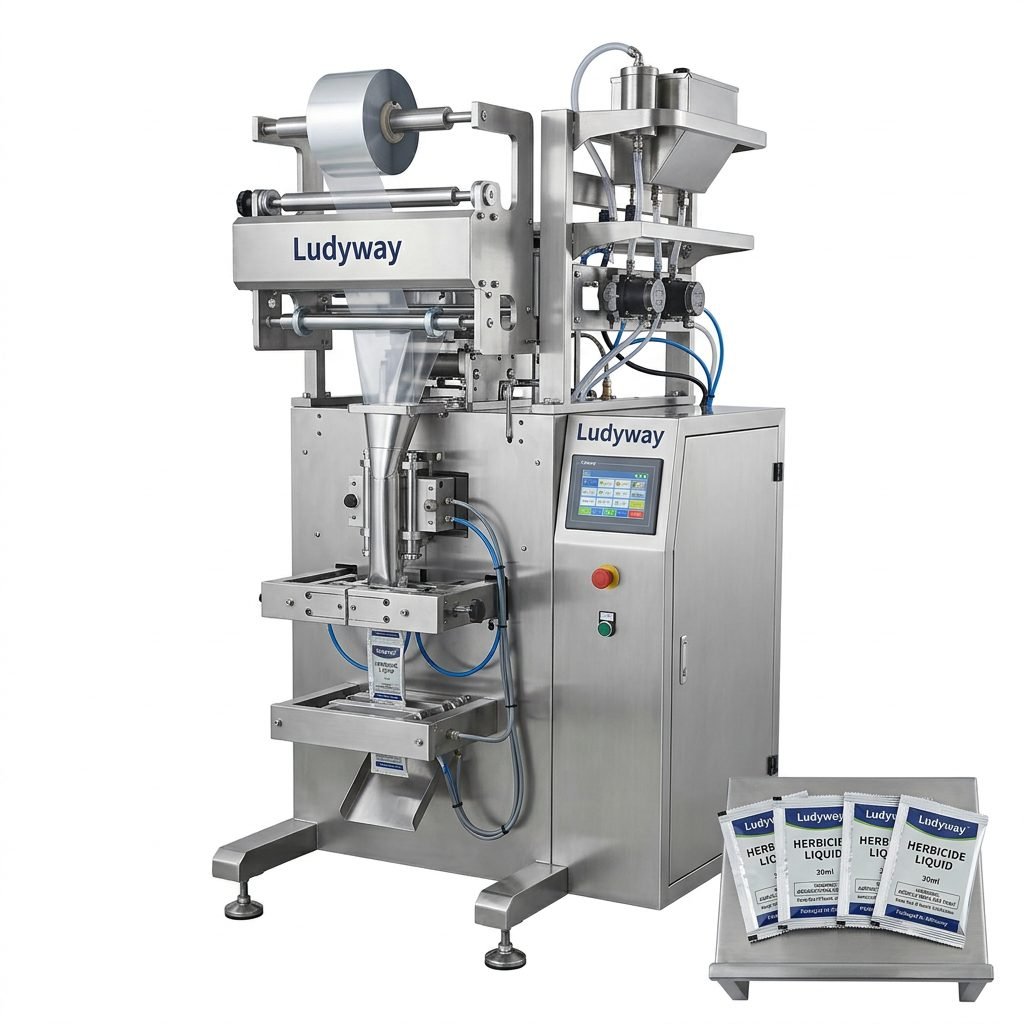
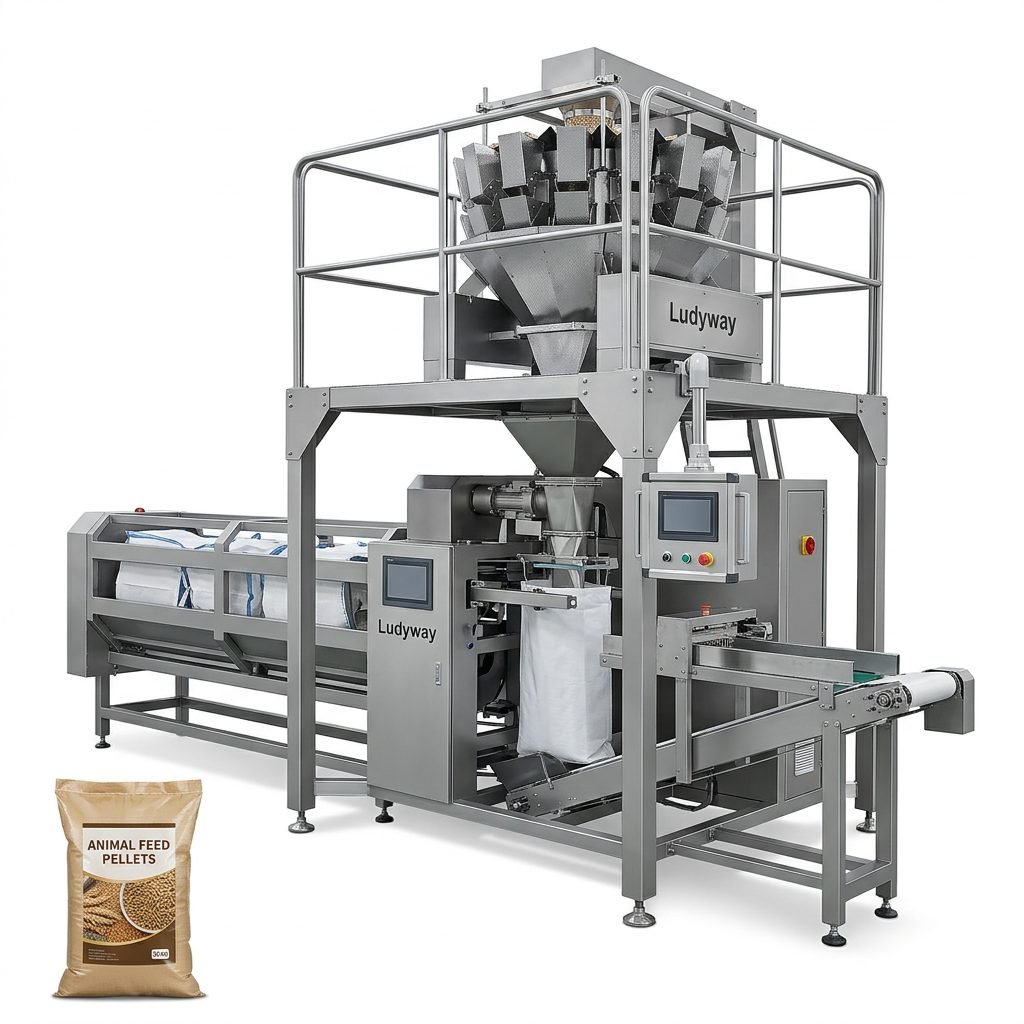
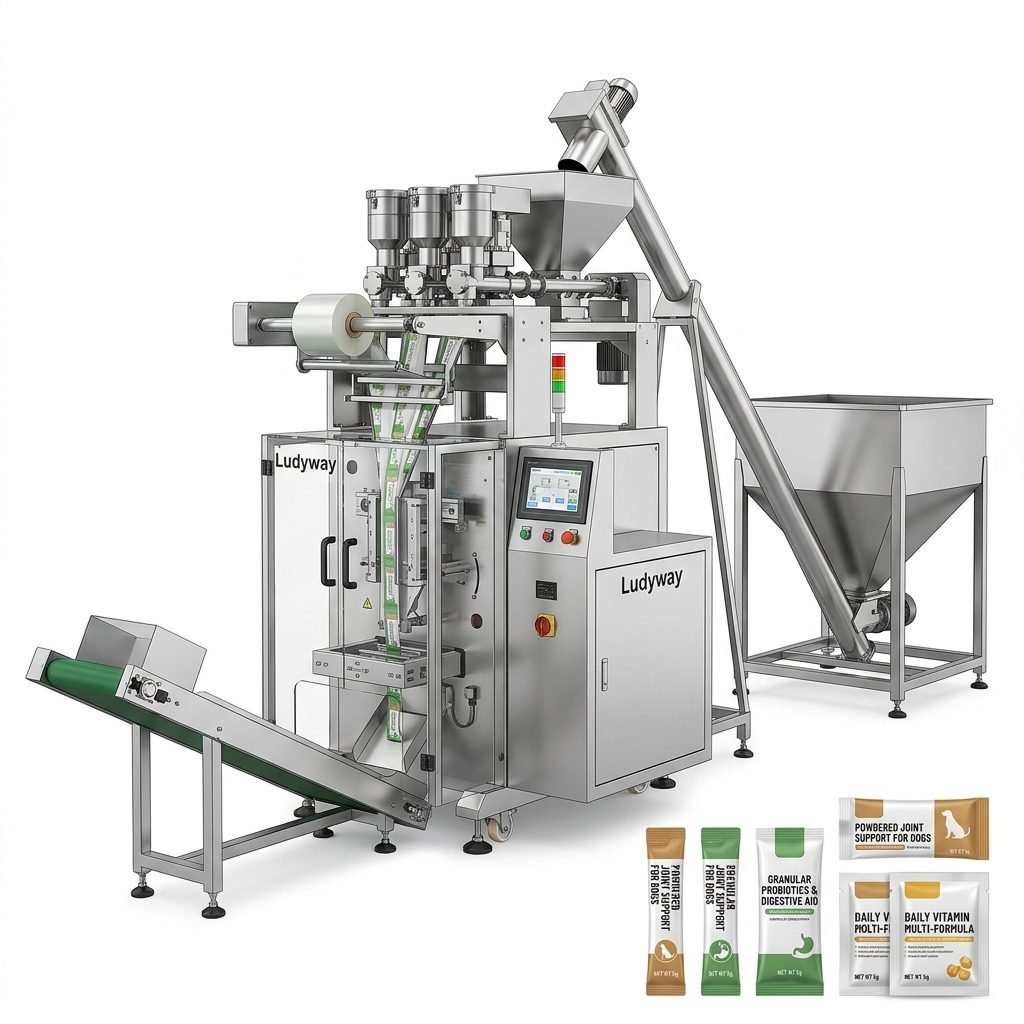
Internationally, manufacturers like Ludyway — one of the largest packaging machine manufacturers in China with over 30 years of industry expertise and a modern 20,000㎡ production facility — offer advanced multi-lane packaging systems suitable for cheese products including grated cheese, cheese powder, and portion packs, serving customers in over 100 countries with turnkey solutions that meet international quality standards. You can also explore resources from the PACK EXPO International to discover suppliers and innovations in packaging technology.
Installation, Training, and Ongoing Support
A frequently overlooked aspect of purchasing a cheese packaging machine is the installation and training phase. Ensure your supplier offers comprehensive on-site installation, operator training, and documentation in German or English. Key support elements to confirm before signing a contract include:
- Installation timeline and commissioning procedures
- Operator and maintenance training programs
- Warranty terms covering parts and labor
- Remote diagnostic capabilities for faster troubleshooting
- Spare parts availability within the EU for reduced shipping times
Future-Proofing Your Investment
The German packaging industry is rapidly evolving with trends toward sustainable materials, smart factory integration, and digital traceability. When selecting your machine, consider its compatibility with Industry 4.0 standards, ability to handle recyclable and biodegradable films, and readiness for integration with enterprise resource planning systems. The PMMI State of the Industry Report highlights key trends that can help you make a forward-looking investment decision. Additionally, the Flexible Packaging Association offers insights into sustainable flexible packaging developments that are increasingly relevant to the cheese sector.
Final Recommendations
Purchasing a cheese packaging machine in Germany is a strategic decision that requires balancing technical specifications, regulatory compliance, supplier reliability, and total cost of ownership. Start by clearly defining your production requirements, then systematically evaluate machines and suppliers against the criteria outlined in this guide. Request on-site demonstrations or video walkthroughs whenever possible, and do not hesitate to contact multiple suppliers for comparative quotes. A well-chosen packaging machine will serve as a cornerstone of your cheese production line for years to come, delivering consistent quality, efficiency, and compliance with Germany’s exacting standards.
Additional Resources
| Resource | Description |
|---|---|
| PMMI – Packaging Association | Industry standards, market research, and packaging trends |
| Flexible Packaging Association | Resources on flexible packaging materials and sustainability |
| ISO Packaging Standards | International standards for packaging machinery and materials |
| EU Packaging Waste Regulations | European Commission guidelines on packaging compliance |
| PACK EXPO International | Global packaging trade show for discovering new equipment |